
Crypto World
Decentralized crowdfunding helps artists weather crypto bear markets


A decentralized crowdfunding approach is being pitched as a lifeline for NFT artists when market conditions turn sour and traditional middlemen tighten their hold. An on-chain experiment led by longtime collector Batsoupyum and curator Lanett Bennett Grant makes a persuasive case: commit to 1 Ether each week to fund emerging Ethereum mainnet works, share the artists’ stories, and avoid profit-driven flips. The model emphasizes direct, transparent capital flows from collectors to creators, with no centralized gatekeepers dictating who deserves attention.
Originating in an opinion piece by Joshua Kim, CEO and founder of DonaFi, the concept argues that a self-sustaining, on-chain funding pipeline can bypass the friction and fees of conventional platforms. In a bear market, when liquidity is scarce and attention concentrates elsewhere, this approach tests whether a small, committed community can keep artists productive and visible.
Key takeaways
- On-chain, platform-agnostic crowdfunding can deliver predictable funding to artists without relying on gatekeeping or monthly platform fees.
- During downturns, direct from-collector funding can supplement shrinking primary sales and help artists stay active in the ecosystem.
- The approach pairs financial support with narrative context, ensuring supporters see exactly where funds go and artists’ stories travel with each transaction.
- Early supporters demonstrated a network effect—more participants pledged, matched funds, or offered exhibitions—without permission from a central authority.
Crowdfunding without platforms or promises
Everything happens on-chain and in public, one purchase at a time. Artists receive direct payment and gain immediate visibility, while collectors know precisely how funds are allocated. The social layer—stories, context, and curation—travels alongside the transaction rather than getting filtered through a platform’s user interface.
Monthly open calls create a repeatable pipeline for discovery and support. The point isn’t a single philanthropic gesture; it’s sustained visibility and cash flow that can keep artists producing during a downturn. The model strips crowdfunding down to essentials: capital, trust and consistency.
A bear market proving ground
NFT bear markets don’t just depress floor prices; they shrink income for aspiring artists who rely on primary sales to fund new work and cover living costs. In this experiment, the community’s response was swift and tangible. Punk6529 matched the weekly ETH pledge. Sam Spratt contributed $20,000. Bob Loukas added $100,000. Galleries opened exhibitions, and platforms like Foundation pledged to feature works. Crucially, none of these contributions required permission or centralized coordination—the momentum spread through the ecosystem organically.
That rapid, permissionless response illustrates the strength of decentralized crowdfunding in downturns. It prioritizes conviction over optimism and demonstrates a pathway for artists to receive steady support even when demand in the broader market falters.
A networked approach to crowdfunding
What distinguishes this model from traditional patronage is its networked nature. Each participant amplifies the others; collectors don’t replace markets, but help stabilize them. Artists aren’t pigeonholed into charity narratives; their work is valued on its own merits. Platforms and galleries don’t compete with the effort—they extend it, enabling broader visibility and ongoing dialogue between creators and supporters.
As the original proposal notes, decentralized crowdfunding works because it aligns incentives without coercion. No one is locked in or promised upside; yet the outcome—a steady stream of support and authentic storytelling—can arrive swiftly.
Related: AI agents will have growing pains before innovation can start links to broader conversations about technology-enabled creativity and the evolving role of automation in art markets.
Why this model matters in 2026
This isn’t merely about salvaging NFTs; it’s about proving that decentralized capital can function when speculation cools. In a market where hype wanes, what endures is community, transparency and conviction—foundations that artists need to thrive. If the next phase of NFTs is to matter beyond hype cycles, it will depend on collectors showing up consistently, moving funds on-chain to creators, and telling their stories alongside the art.
Decentralized crowdfunding won’t fix every problem artists face, but in a downturn it already accomplishes something far more important: it keeps artists alive in the ecosystem when other channels go quiet.
As this model evolves, observers will want to see whether more artists participate, whether funding can scale beyond a few high-profile contributors, and how broadly the storytelling and on-chain transparency can be sustained. The coming months will indicate whether this on-chain approach becomes a durable backbone for creator ecosystems or remains a powerful, yet niche, instrument in the NFT landscape.

Interoperability protocol LayerZero claims that an inadequate setup tied to Kelp’s decentralized verifier network (DVN) enabled malicious actors to steal $290 million from Kelp DAO, adding that preliminary signs point to North Korea-linked threat actors.
An attacker drained about 116,500 Restaked ETH (rsETH), worth as much as $293 million at the time, from Kelp DAO’s LayerZero-powered rsETH bridge on Saturday.
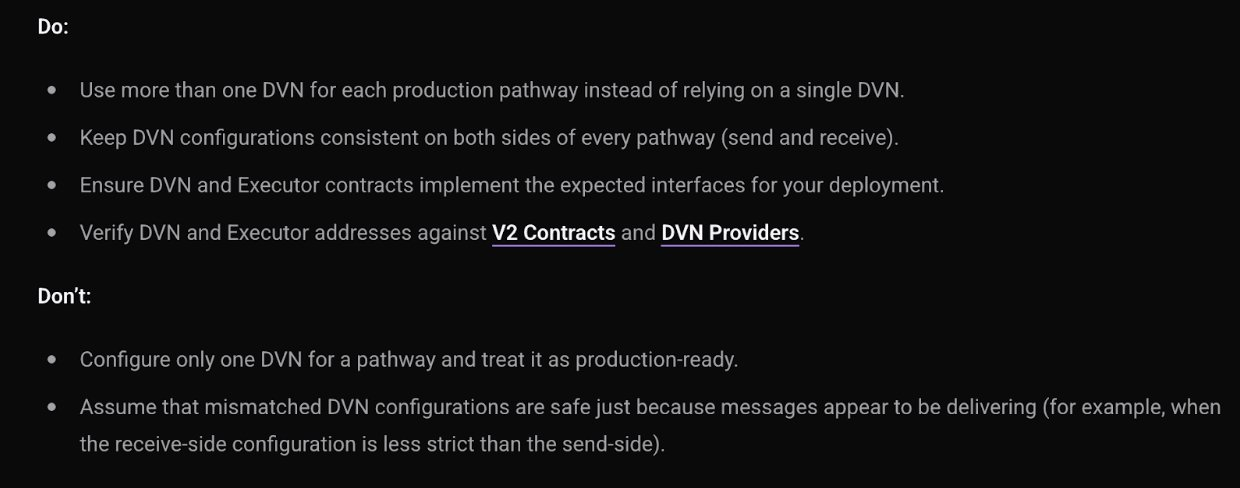
LayerZero said Monday that the exploit stemmed from a single point of failure in Kelp’s setup, which relied on a single LayerZero DVN as the only verified path, despite LayerZero previously advising them against this.
“LayerZero and other external parties previously communicated best practices around DVN diversification to KelpDAO. Despite these recommendations, KelpDAO chose to utilize a 1/1 DVN configuration.”
In practice, that meant Kelp relied on a single verification path for cross-chain messages rather than requiring multiple independent checks.
The exploit quickly shifted attention from the technical cause to the question of who should absorb the losses, while the fallout spread into Aave, where the attacker used rsETH as collateral to borrow real liquidity.
Aave’s total value locked (TVL) had fallen by about $8.9 billion to $17.5 billion at the time of writing after the exploiter used the stolen funds to borrow on Aave, leaving about $195 million in “bad debt,” triggering withdrawals on the lending protocol.

LayerZero said Kelp’s rsETH bridge relied solely on the LayerZero Labs DVN, and argued that the incident reflected an unsafe application configuration rather than a compromise of LayerZero itself. The company said it is now urging all applications using 1/1 DVN setups to migrate to multi-DVN configurations and will stop signing or attesting messages for apps that retain the single verifier design.
Losses spark blame fight after $290 million Kelp exploit
With no recovery or compensation plan yet announced, users and market observers spent Monday debating whether losses should sit with Kelp DAO, LayerZero, Aave or rsETH holders themselves.
Yishi Wang, founder and CEO of open-source hardware wallet OneKey, said that the best path forward was to negotiate with the hacker, offer a 10% to 15% bounty, and get the bulk of the funds back.
“If negotiations fail, LayerZero’s ecosystem fund should foot the bulk of the bill—it’s got the deepest pockets and the most long-term skin in the game,” wrote the founder in a Monday X post, adding that Kelp DAO is “broke” and could make it up with tokens and future revenue, or consider selling the project.
Analytics platform DeFiLlama’s pseudonymous founder, 0xngmi, outlined three solutions, including the option to “socialize” losses among all users, “rug rsETH holders on L2s,” or try to return holder balances to a pre-hack snapshot, which would be “very hard to do,” he wrote in a Monday X post.

Cointelegraph reached out to Aave for comment, but had not received a response by publication.
Related: Hyperbridge attacker mints 1B bridged Polkadot tokens in $237K exploit
Exploit raises Aave liquidation risks
Investor concerns about the Kelp exploit have significantly reduced Ether (ETH) liquidity on Aave, the lending protocol’s core collateral asset.
This low liquidity presents a “critical safety risk where liquidations of ETH collateral cannot take place while markets are at 100% utilization,” said MoneySupply, the pseudonymous head of strategy at Aave competitor lending protocol Spark, in a Saturday X post.
“With current illiquidity conditions on Aave, a 15-20% ETHUSD price drop could cause significant bad debt accumulation (on top of any potential issues attributable to the direct rsETH exploit),” he said.

Aave said it immediately froze all rsETH in Aave v3 and V4, preventing further damage. Aave’s own smart contracts were not exploited.
Magazine: Meet the onchain crypto detectives fighting crime better than the cops
Crypto exchange Coinbase has rolled out crypto-backed USDC loans for users in the United Kingdom, allowing users to borrow USDC against Bitcoin, Ether and Coinbase Wrapped Staked Ether (cbETH). The loans are issued through Morpho, a lending protocol on Base.
According to a Monday announcement, users can borrow up to $5 million in USDC (USDC) with Bitcoin (BTC)-backed loans, depending on how much collateral a user pledges. Coinbase said interest rates are variable and set by Morpho based on market conditions on Base, suggesting that borrowing costs can change frequently.
The exchange said there is no fixed repayment schedule, but borrowers face liquidation risk if the loan-to-value ratio exceeds specific thresholds.
The launch expands a crypto-backed lending service that Coinbase has been rolling out in the US since 2025. On Nov. 21, Coinbase launched the product across US states, except New York, allowing users to borrow up to $1 million in USDC with Ether (ETH) as their collateral.
The expansion also comes amid ongoing regulatory developments in the UK. On Wednesday, the FCA launched a consultation for a future crypto regime expected to take effect in October 2027, covering areas like stablecoins, trading platforms, custody and staking. Until the regime comes fully into force, the UK remains only partially regulated, with rules focusing on financial promotions and Anti-Money Laundering (AML).
The rollout adds lending to Coinbase’s growing UK product stack while extending its effort to route consumer finance activity through onchain infrastructure.

UK expansion adds lending to growing product stack
Coinbase described the UK launch as part of its effort to build a broader financial product suite in the country, following its registration with the Financial Conduct Authority (FCA) in 2025.
On Feb. 3, 2025, Coinbase secured FCA approval as a registered crypto service provider, allowing it to offer crypto and fiat services to both retail and institutional investors. In November 2025, Coinbase launched DEX trading and savings accounts in the UK.
Related: Coinbase is testing AI agents that show up on Slack and email
The product launch comes as Coinbase has been exploring ways to extend crypto-backed lending into traditional finance use cases.
On March 26, the exchange partnered with Better Home & Finance to allow borrowers to pledge Bitcoin or USDC as collateral for loans used to fund down payments on mortgages.

Se você está procurando por novos casinos legais online em Portugal, você está no lugar certo. Neste artigo, vamos apresentar as melhores escolhas e listas de casinos online para você aproveitar ao máximo sua experiência de jogo online.
Antes de começar, é importante lembrar que a segurança é fundamental quando se trata de jogos online. Por isso, é importante verificar se o casino online é licenciado e regulamentado por uma autoridade reconhecida, como a Comissão de Regulação do Jogo (CRJ) em Portugal.
Com isso em mente, aqui estão algumas das melhores opções de casinos online legais em Portugal:
Casino 888: O Casino 888 é um dos mais antigos e mais populares casinos online do mundo. Com uma licença da CRJ, o casino oferece uma ampla variedade de jogos, incluindo slots, blackjack, roulette e muitos outros.
Casino Betsson: O Casino Betsson é outro grande nome no mundo dos jogos online. Com uma licença da CRJ, o casino oferece uma ampla variedade de jogos, incluindo slots, blackjack, roulette e muitos outros.
Casino William Hill: O Casino William Hill é um dos mais antigos e mais populares casinos online do mundo. Com uma licença da CRJ, o casino oferece uma ampla variedade de jogos, incluindo slots, blackjack, roulette e muitos outros.
E muitos outros! Aqui estão algumas dicas para você escolher o melhor casino online para você:
Verifique a licença: novos casinos legais online portugal Certifique-se de que o casino online é licenciado e regulamentado por uma autoridade reconhecida, como a CRJ em Portugal.
Verifique a variedade de jogos: Certifique-se de que o casino online oferece uma ampla variedade de jogos, incluindo slots, blackjack, roulette e muitos outros.
Verifique a segurança: Certifique-se de que o casino online tem medidas de segurança adequadas para proteger suas informações e transações.
E muitas outras coisas! Aqui estão algumas dicas adicionais para você aproveitar ao máximo sua experiência de jogo online:
Regule seu orçamento: Certifique-se de que você tem um orçamento para o jogo online e não ultrapasse os limites.
Peça ajuda se precisar: Se você precisar de ajuda, não hesite em contatar o suporte do casino online.
E muitas outras coisas! Aqui estão algumas dicas adicionais para você aproveitar ao máximo sua experiência de jogo online:
Divirta-se!: O jogo online é para divertir-se, então não esqueça de se divertir!
Novos Casinos Legais Online Portugal: Melhores Escolhas e Listas de Casinos Online
Se você está procurando por novos casinos online em Portugal, é importante lembrar que a escolha certa pode fazer toda a diferença. Com tantas opções disponíveis, é fácil se perder na multidão. Por isso, aqui estão algumas dicas para ajudá-lo a encontrar o melhor casino online para você.
Primeiramente, é importante verificar se o casino online é legal em Portugal. Isso pode ser feito verificando se o site está licenciado e regulamentado pela autoridade competente, como a Serviço de Regulação e Inspeção de Jogos (SRIJ). Além disso, é fundamental verificar as condições de jogo e as regras de bônus.
Outra coisa importante é verificar a segurança do site. Isso pode ser feito verificando se o site tem um certificado SSL (Secure Sockets Layer) e se o software de jogo é seguro e confiável. Além disso, é fundamental verificar se o site tem uma política de privacidade clara e transparente.
Novos Casinos Online em Portugal sem Depósito
Se você está procurando por novos casinos online em Portugal sem depósito, aqui estão algumas opções para você considerar:
– BitStarz: um dos mais populares casinos online em Portugal, oferecendo uma variedade de jogos de cassino e esportes.
– Wildz: outro popular casino online em Portugal, oferecendo uma variedade de jogos de cassino e esportes, incluindo slots, blackjack e roulette.
– Casino Estoril: um dos mais antigos casinos online em Portugal, oferecendo uma variedade de jogos de cassino e esportes, incluindo slots, blackjack e roulette.
É importante lembrar que, embora esses casinos online em Portugal sem depósito sejam uma boa opção, é fundamental verificar as condições de jogo e as regras de bônus antes de se registrar.
Em resumo, é importante verificar a legalidade, segurança e condições de jogo antes de se registrar em um casino online em Portugal. Além disso, é fundamental verificar as regras de bônus e as condições de jogo para garantir que você tenha uma experiência agradável e segura.
Os Melhores Casinos Online para Jogadores Portugueses
Se você é um jogador português que procura novos casinos online sem depósito, você está no lugar certo! Aqui, vamos apresentar os melhores casinos online para jogadores portugueses, sem depósito necessário.
Um dos principais benefícios de jogar em casinos online é a possibilidade de experimentar diferentes jogos sem precisar fazer um depósito. Isso permite que você descubra novos jogos e estratégias sem comprometer seu orçamento.
- Novos Casinos Online Portugal sem Depósito:
- Novos Casinos Online em Portugal:
- Novos Casinos Online Portugal:
Além disso, muitos casinos online oferecem bônus sem depósito para novos jogadores. Isso significa que você pode receber um bônus para jogar sem precisar fazer um depósito.
Portanto, se você está procurando por novos casinos online sem depósito, aqui estão algumas opções para você considerar:
- Novos Casinos Online Portugal:
- Novos Casinos Online em Portugal:
- Novos Casinos Online Portugal:
Lembre-se de que sempre é importante ler e entender as regras e condições dos casinos online antes de começar a jogar.
Bitcoin (BTC) has recovered 25% from its multi-year low below $60,000, with momentum indicators flashing rare “buy” signals.
Key takeaways:
-
Bitcoin’s MACD and RSI indicators forecast a sharp BTC price rally in the coming days.
-
Bitcoin price must reclaim $78,000 in the coming days to sustain upward momentum.
Bitcoin’s MACD, RSI confirm “bull market is on”
Data from TradingView showed BTC/USD trading at $75,300, 4% below its 10-week high of $78,380 reached on Friday.
Despite this pullback, fueled by uncertainties over the US and Israel-Iran war, price indicators hinted at continued upside to come.
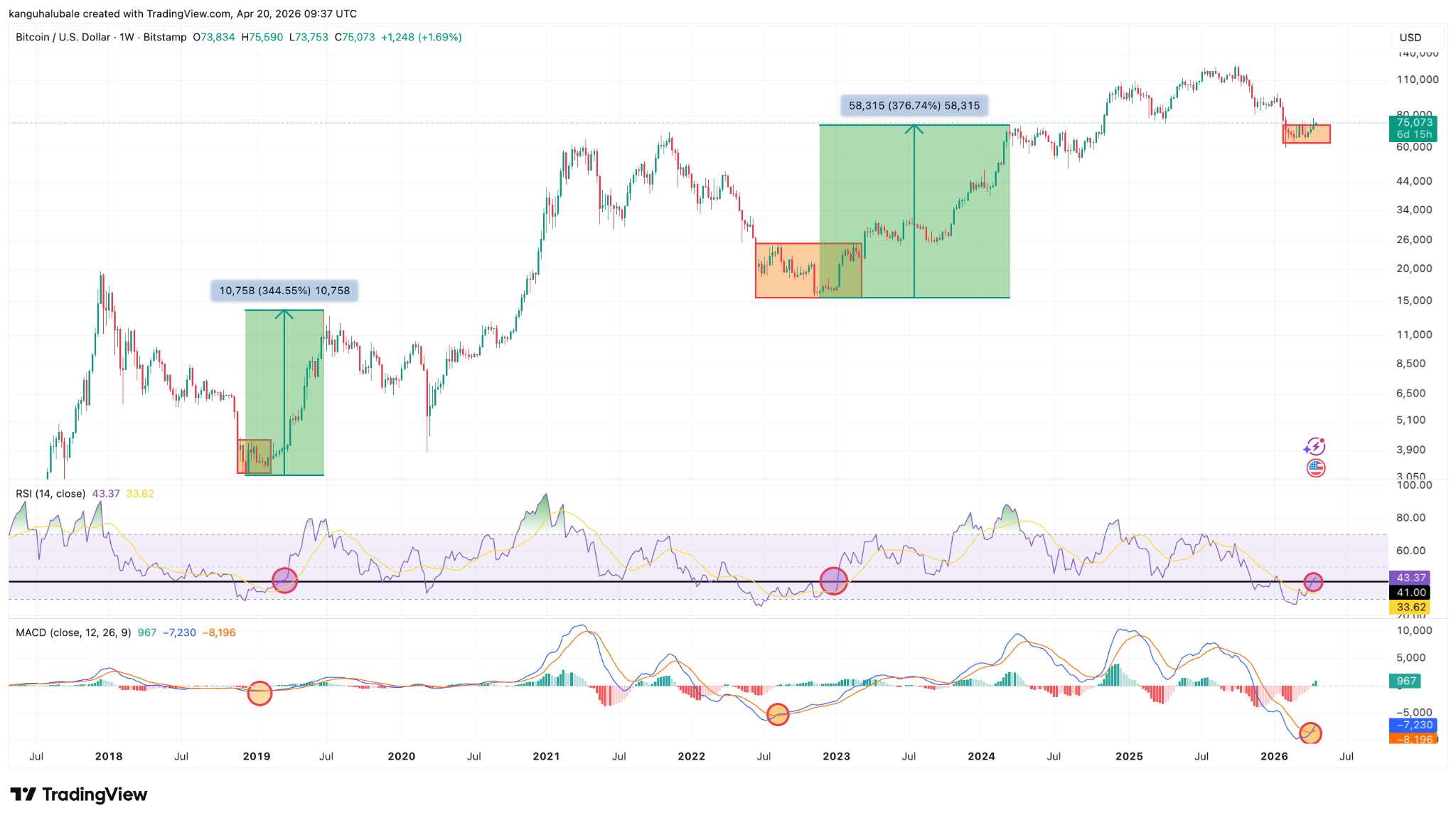
Analyzing the moving average convergence divergence (MACD) indicator in the weekly time frame, trader Sykodelic flagged a key bullish crossover, setting Bitcoin up for an upward run.
Related: BTC price due ‘new highs:’ Five things to know in Bitcoin this week
“Not only do we have a 1W MACD bullish cross and break of trend, we have it from the lowest point the MACD has ever dropped to,” analyst Sykodelic said in a recent post on X, adding:
“We are at a very important level here, and the weekly close will be very important.”
Previous instances show that Bitcoin tends to rise sharply when the MACD line (blue) crosses above the signal line (orange).
This ultimately has led to 340%-380% BTC price gains, as seen in 2018-2019 and 2022-2023.

“A big move usually follows whenever this weekly MACD bullish cross happens,” analyst Mikybull Crypto said in a recent post on X.
Meanwhile, the relative strength index, or RSI, has now recovered to 43 from 21 in mid-February. When combined with a buy signal on the MACD, the picture begins to resemble previous cycles.
In a recent video posted on X, trading resource Material Indicators said that the weekly RSI holding above the 41 level was among the “macro things that need to happen to say a validated bull market is on.”
Previous occurrences in 2023, 2020 and 2019 have led to 660%, 1,600% and 316% BTC price rallies, respectively.
Other Bitcoin analysts suggest that sustained spot market buy volume and consistent inflows to the Bitcoin ETFs are the necessary components required for a rally to new highs.
Bitcoin must reclaim $78,000 next
As Cointelegraph reported, Bitcoin’s bullish case hinges on flipping the resistance at $78,000 into support, where the true market mean currently sits.
Analyzing Bitcoin’s price action on lower time frames, Telegram trading resource Technical Crypto Analyst said that after reclaiming the $70,000 level, the BTC/USD pair is “now pushing into a major supply zone around 75K–78K, which is acting as resistance,” adding:
“A clean breakout above this zone could continue the move toward new highs, while rejection may lead to a pullback toward the 68K–70K support region.”

Fellow analyst Bitcoinsensus said failure to break above $78,000 would suggest that the latest rally was a “possible bull trap,” as seen in previous failed breakouts.
“If price loses momentum from here, the setup keeps downside pressure in focus in the near term.”

As Cointelegraph reported, a close above the $76,000-$78,000 area would confirm that the buyers are in control, clearing the path for a potential rally to $84,000.
This article is produced in accordance with Cointelegraph’s Editorial Policy and is intended for informational purposes only. It does not constitute investment advice or recommendations. All investments and trades carry risk; readers are encouraged to conduct independent research before making any decisions. Cointelegraph makes no guarantees regarding the accuracy or completeness of the information presented, including forward-looking statements, and will not be liable for any loss or damage arising from reliance on this content.

TLDR
- The NSA reportedly used Anthropic’s Mythos Preview despite a Pentagon supply chain risk designation.
- Axios cited sources who confirmed the NSA accessed the model after the restriction.
- The Pentagon labeled Anthropic a supply chain risk in March over safeguard disputes.
- The dispute involved Anthropic’s refusal to loosen controls tied to autonomous weapons and surveillance.
- Anthropic limited Mythos Preview access to about 40 organizations due to offensive cyber capabilities.
The National Security Agency has used Anthropic’s Mythos Preview despite a Pentagon supply chain risk designation. Axios cited multiple sources who confirmed the agency’s access to the model. The report shows internal differences across federal departments over Anthropic technology use.
Anthropic Model Access Expands Inside NSA
Axios reported that two sources confirmed NSA use of Mythos Preview. One source said the department expanded usage beyond limited internal testing.
However, the Pentagon designated Anthropic as a supply chain risk in March. The designation restricted the company’s technology in military contracts after a policy dispute.
The dispute centered on Anthropic’s refusal to loosen safeguards. The company declined to adjust controls linked to autonomous weapons and domestic surveillance systems.
As a result, the Pentagon limited procurement pathways for Anthropic products. Still, Axios reported that the NSA accessed Mythos through existing channels.
The report did not explain the technical route used for access. However, it confirmed that usage occurred after the risk designation.
Axios stated that it remains unclear how the NSA deployed the model. Yet, other authorized organizations have used Mythos to scan systems for vulnerabilities.
Anthropic limited Mythos Preview access to about 40 organizations. The company restricted access because of the model’s offensive cyber capabilities.
Sources told Axios that the NSA relied on the model’s security testing features. They did not describe operational outcomes or contract values.
The report did not state whether the NSA violated formal procurement rules. It also did not clarify if the usage involved classified systems.
White House Engages Anthropic Leadership
The White House has explored options to work with Anthropic despite the ongoing court dispute. Axios reported that discussions took place at senior levels.
Anthropic CEO Dario Amodei met White House Chief of Staff Susie Wiles. He also met Treasury Secretary Scott Bessent to discuss government usage.
Axios reported that Amodei addressed Mythos access and broader security practices. The outlet cited a source familiar with the meeting.
The meeting occurred while the court fight over the Pentagon designation continued. However, officials have not announced any policy change.
The White House did not publicly outline next steps. Still, the talks showed active engagement with Anthropic leadership.
Anthropic has defended its safeguards in previous statements. The company has said it maintains strict controls over high-risk applications.
Pentagon officials have not rescinded the supply chain risk designation. Therefore, formal contract limits remain in place.
Axios reported that agency-level adoption may differ from procurement policy. However, it did not provide internal compliance details.

The Zondacrypto withdrawal crisis has frozen millions of customer funds at Poland’s largest crypto exchange. The company cites a 4,500 BTC wallet as proof of solvency, though no one there can move the coins.
The private key belongs to founder Sylwester Suszek, who sold the exchange in 2021 and disappeared in March 2022. Regulators, prosecutors, and the country’s prime minister are now circling the company.
How the zondacrypto Withdrawal Crisis Started
Withdrawal delays first surfaced in December 2025. Users reported on the exchange’s official Telegram channel that funds sat in pending status for days. Management blamed high demand and new security protocols.
Complaints multiplied by late March 2026. A whistleblower site, zonda-alert.pl, launched to gather customer testimonials. Blockchain analysts followed with hard data.
Average monthly Bitcoin (BTC) balances across zondacrypto’s known hot wallets collapsed between August 2024 and April 2026. Holdings fell from 55.7 BTC to 0.086 BTC, a 99.7% drop.
The exchange processes a large share of Polish retail crypto volume. Any sustained freeze hits hundreds of thousands of customers at once.
The Missing Key and a Vanished Founder
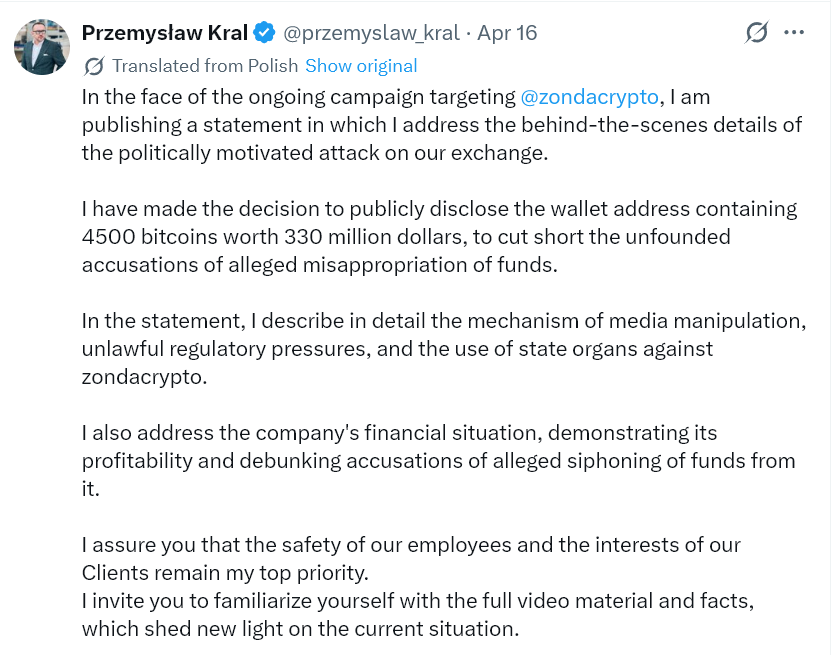
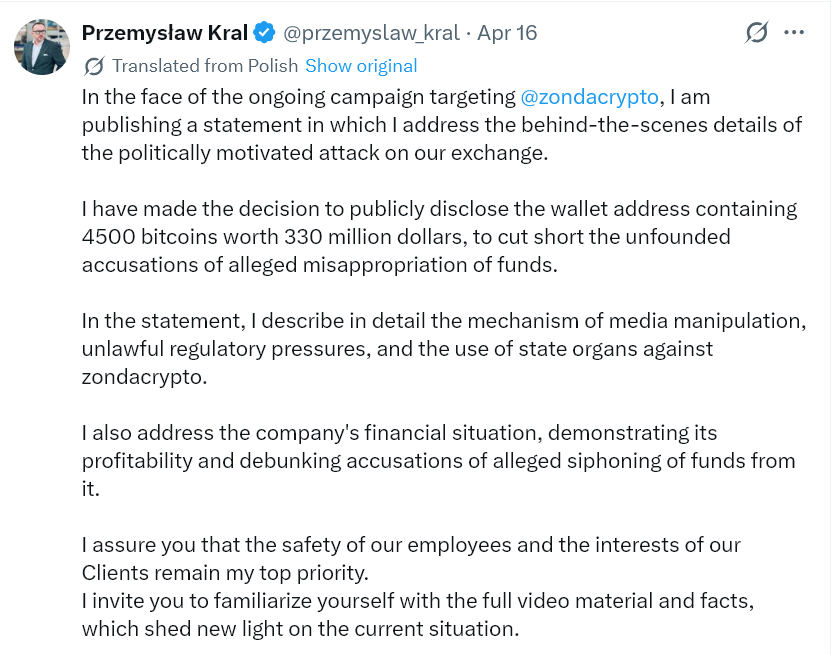
CEO Przemysław Kral addressed the allegations on April 17. He cited a wallet holding roughly 4,500 BTC, worth around $330 million. Kral argued the reserves prove the exchange remains solvent.
The defense unraveled quickly. Kral admitted zondacrypto cannot access those coins. The private key belongs only to Suszek, who failed to hand it over when he sold the business in 2021.
Suszek dropped out of public view in March 2022 and has never reappeared. Polish media and private investigators have chased leads across Europe without confirming his location.
A separate investigation now targets Suszek himself. Even his own family cannot confirm whether he is still alive. A wallet no one can move is effectively empty for any practical purpose.
Independent analysts at Recoveris tracked 511 transfers moving from zondacrypto wallets to a single Kraken deposit address. The transfers totaled over $21 million between December 2025 and April 2026.
Kral has rejected the findings and threatened legal action. The silence around the transfers deepens the trust deficit with customers.
A National Political Firestorm
The story has dominated Polish national media as breaking news in recent days. Television, radio, and leading newspapers have led their bulletins with each new revelation.
Prime Minister Donald Tusk escalated the pressure on April 18. He told parliament that zondacrypto financially backed politicians who voted against crypto market rules. Tusk also alleged the exchange maintains links to Russia.
Poland’s largest parliamentary parties have begun using zondacrypto to attack or defend their own politicians. The exchange has become a political weapon on all sides of the chamber.
Regulators Move In
Poland’s National Prosecutor’s Office had opened a formal investigation on April 8. The Office of Competition and Consumer Protection confirmed it has been collecting complaints since 2022.
That consumer office began probing zondacrypto’s parent company in January 2025. Poland’s internal security agency is now reportedly examining the exchange.
Analysts compare the situation to Cinkciarz.pl, a Polish currency exchange that collapsed in 2024. Temporary technical delays there preceded license revocation and heavy customer losses.
What Comes Next
The zondacrypto withdrawal crisis follows a pattern seen in crypto markets during the FTX collapse. Frozen funds, vague statements, a CEO defending solvency, and on-chain data telling a different story.
Over one million customers and Poland’s broader stance on MiCA rules now hinge on what regulators uncover next. The coming weeks will test whether authorities can untangle the wallet, the founder, and the political fallout. Customer patience may not hold. The man who holds the keys is still missing.
The post Poland’s Biggest Crypto Exchange Falls, and Nobody Can Find the Man Who Holds the Keys appeared first on BeInCrypto.
TLDR
- Coinbase has launched crypto-backed USDC loans for users in the United Kingdom through Morpho on Base.
- UK customers can borrow USDC against Bitcoin, Ethereum, and cbETH without selling their holdings.
- The platform allows loans to be issued in under one minute, and funds can be used onchain or converted to fiat.
- Coinbase offers Bitcoin-backed loans up to $5 million USDC, depending on the collateral pledged.
- Interest rates remain variable and update with Base block production instead of following a fixed schedule.
Coinbase has introduced crypto-backed USDC loans for customers in the United Kingdom. The company allows users to borrow against Bitcoin, Ethereum, and cbETH without selling assets. It powers the product through Morpho on Base and issues loans in under one minute.
Coinbase and Morpho Expand USDC Lending to the UK
Coinbase rolled out the borrowing service after expanding its US product earlier this year. The company routes all loans through Morpho’s onchain lending infrastructure on Base. As a result, users access open market liquidity instead of a traditional internal loan book.
The platform allows customers to borrow USDC against pledged crypto assets. Coinbase said borrowers can use funds onchain or convert them into fiat for spending. The company confirmed that interest rates remain variable and update with Base block production.
Coinbase reported that total loan originations through Morpho exceeded $2.17 billion USDC as of April 14, 2026. The figure reflects activity before the product’s first international launch. Morpho described the integration as “one of the largest DeFi distribution moves to date.”
Bitcoin, Ethereum, and cbETH Back UK Borrowing
The UK version supports Bitcoin, Ethereum, and cbETH as eligible collateral. Coinbase offers Bitcoin-backed loans up to $5 million USDC, depending on pledged assets. The company applies variable interest rates determined by onchain markets.
Borrowers do not face a fixed repayment schedule under the current structure. However, the system can liquidate positions if loan value rises too high against collateral. Coinbase stated that rates adjust automatically with each new Base block.
The company launched its US borrowing product in January 2025. At that time, eligible US customers could borrow USDC against Bitcoin through Morpho. The company structured those loans with variable rates set by onchain supply and demand.
Coinbase said the UK expansion aligns with its broader consumer finance plans. Over the past year, the company secured UK VASP registration from the Financial Conduct Authority. It also introduced a GBP savings account in partnership with ClearBank.
The company expanded decentralized exchange trading access for British customers during the same period. Now, it adds borrowing as another feature for UK users. Coinbase aims to convert idle crypto balances into accessible liquidity.
The product operates fully on Morpho’s decentralized lending framework. Coinbase connects customers directly to liquidity pools on Base. Therefore, the company avoids maintaining its own lending inventory.
Coinbase confirmed that loans can be issued in less than one minute. Users can draw USDC immediately after pledging collateral. The company stated that the process runs entirely through smart contracts on Base.
Coinbase continues to monitor loan originations across supported markets. As of April 14, 2026, total originations surpassed $2.17 billion USDC. The UK launch marks the company’s first expansion of the Morpho-powered borrowing product outside the United States.
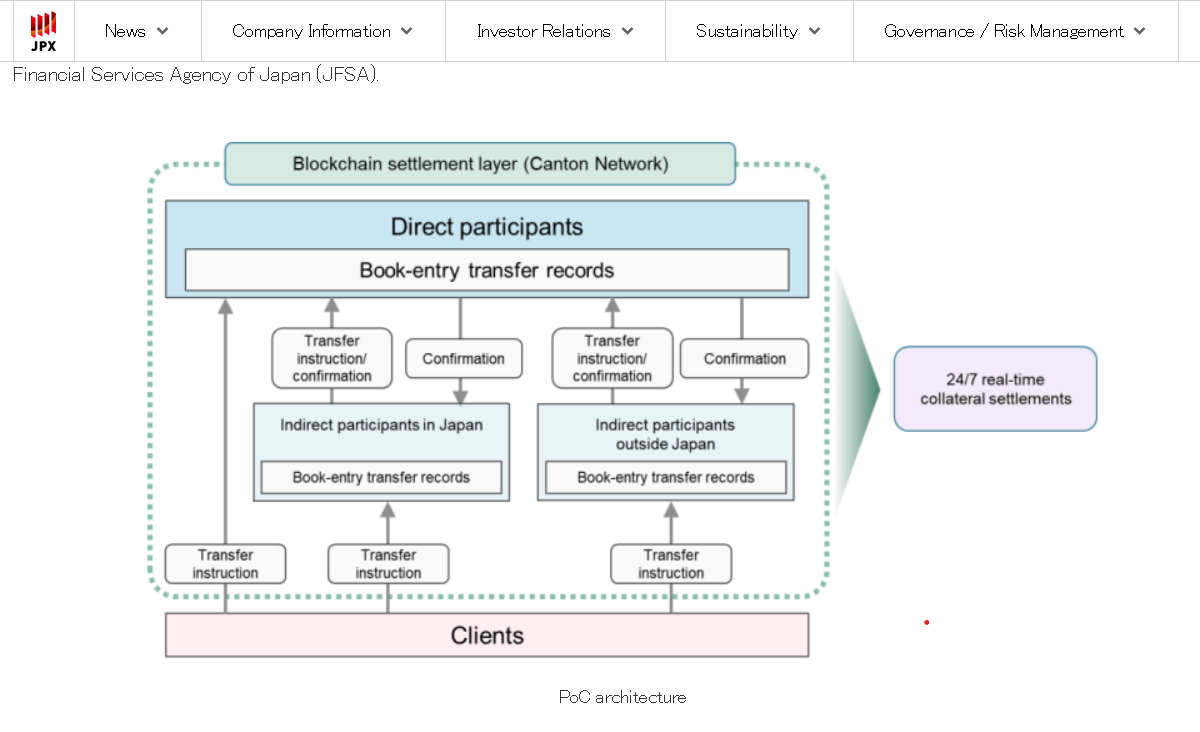
Japan Securities Clearing Corporation (JSCC), part of Japan Exchange Group (JPX), said Monday it will launch a proof of concept with Mizuho Financial Group, Nomura Holdings and Digital Asset to test the use of Japanese government bonds as digital collateral on the Canton Network.
The project will examine whether Japanese Government Bonds (JGBs) can be transferred and managed onchain while maintaining the legal status of the bonds under the Book-Entry Transfer Act and the Financial Instruments and Exchange Act.
The trial will also test whether integrating existing systems with Canton’s blockchain infrastructure can support more sophisticated, real-time collateral transactions on a 24/7 basis, including in cross-border use cases.
Japan’s Financial Services Agency selected the initiative in February for support under its Payment Innovation Project, which is part of the FinTech PoC Hub, the announcement states.
The trial puts one of the world’s biggest sovereign bond markets into the live debate over whether collateral can move more efficiently across digital market infrastructure without breaking existing legal and supervisory frameworks.

The companies said the trial comes as the use of digital assets accelerates in the United States and other markets, with momentum also building in Japan, and that the outcome is expected to inform discussions on how JGBs might be used in digital collateral processes, though no commercial rollout has been specified.
Related: Japan approves bill to classify crypto as financial instruments
Canton expands government bond tests
An earlier Canton pilot in December 2025 saw tokenized US Treasuries reused as collateral in real time between major dealers and market participants, including Bank of America and Société Générale.
Those tests highlighted the potential to reuse high-grade government securities onchain across multiple participants, and the new JGB trial extends that approach to Japan’s government bond market.
Separately, in February, the United Kingdom’s government appointed HSBC’s Orion platform to host issuance for its Digital Gilt Instrument pilot in the Bank of England’s Digital Securities Sandbox as it explores distributed ledger technology for sovereign debt.
Cointelegraph reached out to JSCC and Digital Asset for comment, but had not received a response by publication.
Magazine: Should users be allowed to bet on war and death in prediction markets?


Sentient’s suspected team wallet just moved 687 million SENT — around $11.52 million and 9.49% of supply — into a fresh address, putting AI-token treasury risk back in focus.
Summary
- Suspected Sentient team multisig moves 687m SENT, or 9.49% of circulating supply
- Transfer worth about $11.52m raises fresh questions over token supply overhang
- Move follows months of volatile SENT trading as AI-linked tokens stay in focus
A suspected Sentient (SENT) team multi-signature wallet has transferred 687 million SENT, worth around $11.52 million, into a new address, on-chain data from Arkham Intelligence shows.
According to Arkham’s monitoring dashboard, the funds moved from address 0x5b54…9C0f to 0xF9D7…262A roughly 20 minutes before the alert was published, marking one of the largest single shifts in SENT supply since the token’s launch.
Data from CoinMarketCap indicates that the 687 million SENT represents about 9.49% of the token’s 7.23 billion circulating supply, underscoring how concentrated holdings in team-linked wallets remain.
At current prices near $0.017 per SENT, the transfer’s implied value aligns with Arkham’s roughly $11.52 million estimate, although SENT has traded as high as $0.0231 in recent weeks amid renewed interest in AI-related tokens.
Arkham describes its platform as “a comprehensive blockchain intelligence platform designed to make understanding blockchain activity easier for its users,” a toolset that has increasingly been used by traders to track large team and whale movements across tokens.
The firm has previously flagged activity in long-dormant Bitcoin wallets moving more than $250 million in BTC, showing how similar alerts can precede shifts in market sentiment when large holders reposition.
For SENT holders, the key question is whether the 687 million tokens have been repositioned for custody, internal restructuring or eventual distribution, since any sizable redeposit to exchanges could increase perceived sell pressure.
SENT’s circulating supply of 7.23 billion sits against a total supply of 34.35 billion, leaving significant headroom for future unlocks or transfers from team and treasury wallets, a dynamic that has been a recurring risk factor across the AI-token sector.
Recent coverage on crypto.news of Arkham-tracked whale moves, including a dormant Bitcoin whale moving $250 million in BTC and activity around Satoshi-linked addresses, has shown how on-chain forensics can front-run major flows in both blue-chip and niche assets.
As Arkham notes in a broader guide to blockchain intelligence, on-chain monitoring is now a core part of trading, compliance and even law enforcement workflows, and large internal transfers like today’s Sentient move will likely remain under close watch from market participants.
Key points:
-
Buyers aggressively bought into the dip in Bitcoin, indicating positive sentiment. That increases the possibility of a rally to $84,000.
-
Several major altcoins have pulled back to their support levels, signaling that the bears remain sellers on rallies.
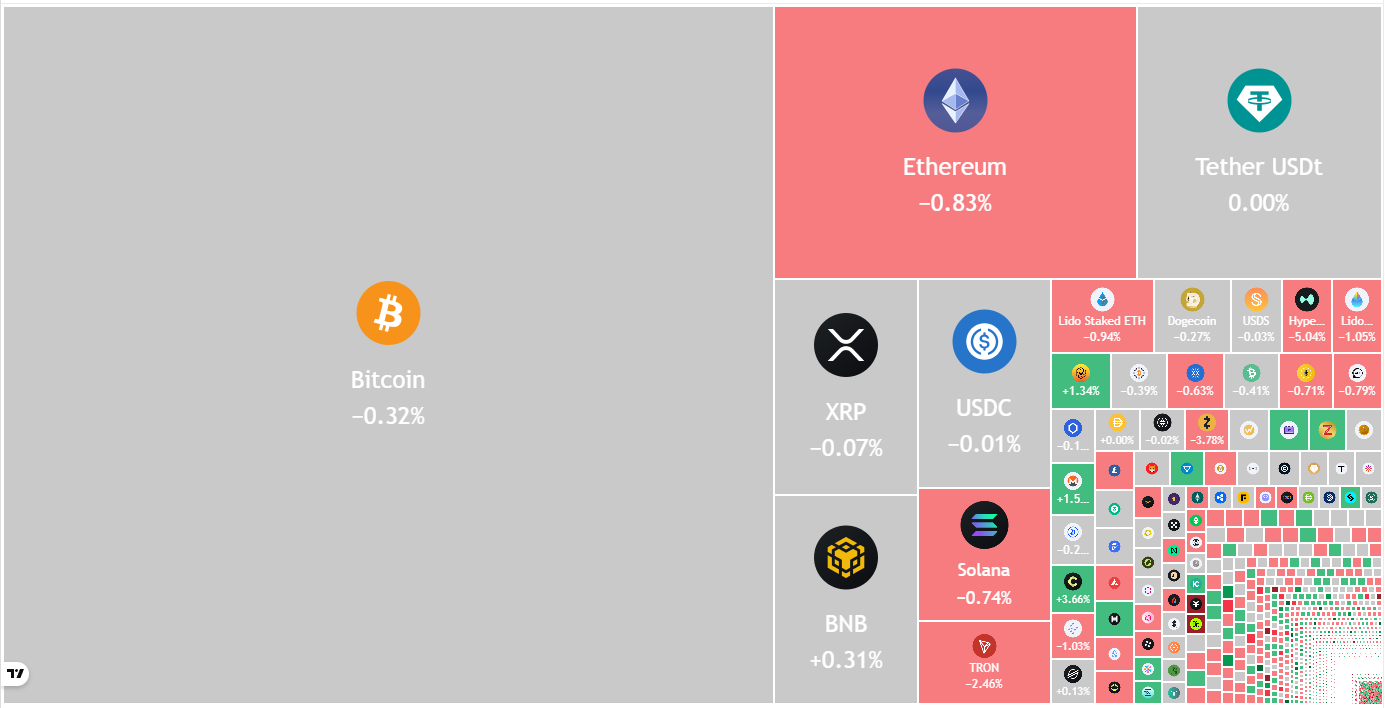
Bitcoin (BTC) corrected over the weekend but is finding buyers at lower levels, indicating a positive sentiment. According to SoSoValue data, US spot BTC exchange-traded funds recorded $996 million in inflows last week, the best weekly performance since early January.
The cryptocurrency recovery may be at risk if the US and Iran do not reach a deal before the two-week ceasefire ends on Wednesday, or if the ceasefire is not extended. Trading resource Mosaic Asset Company said in its newsletter that “intensifying hostilities could unwind the bullish action over the past few weeks.”

However, the short-term uncertainty could not stop Michael Saylor’s Strategy from adding more BTC to its portfolio. The BTC treasury company purchased 34,164 BTC between April 13 and April 19 for $2.54 billion, according to an 8-K filing with the US Securities and Exchange Commission on Monday. That boosted Strategy’s holdings to 815,061 BTC acquired for $61.56 billion.
Could buyers resume the relief rally in BTC and the major altcoins? Let’s analyze the charts of the top 10 cryptocurrencies to find out.
S&P 500 Index price prediction
The S&P 500 Index (SPX) rallied sharply last week, rising to a new all-time high of 7,147 on Friday.

The sharp upward move propelled the relative strength index (RSI) into overbought territory, suggesting the index is at risk of a minor consolidation or pullback in the short term. The first support on the downside is at the breakout level of 7,002, followed by the 20-day exponential moving average (6,828). If the price rebounds off the 20-day EMA, it signals that the uptrend remains intact.
Sellers have an uphill task ahead of them. They will have to swiftly yank the price below the moving averages to signal a comeback.
US Dollar Index price prediction
The US Dollar Index (DXY) turned down sharply from the 20-day EMA (98.73) on April 13 and dropped to the 97.74 support on Friday.

The index is attempting to initiate a relief rally but is expected to encounter selling pressure at the 20-day EMA. If the price again turns down from the 20-day EMA, the possibility of a break below the 97.74 level increases. That may sink the price to the 96.21 support.
The index is likely to remain inside the 95.55 to 100.54 range for a while longer. The next trending move is expected to begin on a close above the 100.54 resistance or below the 95.55 support.
Bitcoin price prediction
BTC has bounced off the 20-day EMA ($72,832), suggesting the bulls are seeing dips as buying opportunities.

The bears are unlikely to give up easily and will attempt to halt the recovery in the $76,000 to $78,333 zone. If the BTC price turns down from the overhead zone and breaks below the moving averages, it suggests that the market has rejected the breakout.
On the other hand, a break and close above the overhead resistance zone signals the resumption of the up move. The BTC/USD pair may then skyrocket to $84,000 and eventually to the pattern target of $92,000.
Ether price prediction
Buyers tried to push Ether (ETH) above the $2,415 level on Saturday, but the bears held their ground. That started a pullback to the 20-day EMA ($2,252).

Buyers will have to fiercely defend the 20-day EMA and secure a close above the $2,415 level to signal the resumption of the relief rally. If they do that, the ETH/USDT pair may march to the $2,800 level.
Sellers are likely to have other plans. They will attempt to push the ETH price below the moving averages, keeping the pair within the $1,916 to $2,415 range for some time.
BNB price prediction
BNB (BNB) continues to oscillate between $570 and $687, signaling a balance between supply and demand.

The flattish moving averages and the RSI near the midpoint do not signal an advantage either to the bulls or the bears. If the BNB price breaks above $650, the next target is likely $687.
Instead, if the price breaks below the 20-day EMA, the BNB/USDT pair may plunge toward the range’s support at $570. The next trending move is expected to begin on a close above $687 or below $570.
XRP price prediction
XRP (XRP) has been consolidating between the $1.27 support and the $1.61 resistance for several days.

The flattish moving averages and the RSI just above the midpoint suggest that the range-bound action may extend for a few more days. Buyers will have to achieve a close above the downtrend line to signal a potential trend change. The XRP price may then surge to $2.
On the downside, a break and close below the $1.27 level signals that the bears are back in the driver’s seat. There is support at the $1.11 level, but that may be broken. The XRP/USDT pair may then tumble toward the support line of the descending channel pattern.
Solana price prediction
Solana (SOL) fell below its moving averages on Sunday, suggesting that higher levels are attracting sellers.

The flattish moving averages and the RSI near the midpoint indicate that the range-bound action may continue for a while. If the price remains below the moving averages, bears will attempt to push the SOL/USDT pair toward the $76 support.
Buyers will have to push the SOL price above the $90 level to open the door to a rally toward the $98 resistance. A close above the $98 level suggests the start of a sustained recovery to the $117 level.
Related: Bitcoin daily gains near 3% as stocks ignore US-Iran war threat, oil drops
Dogecoin price prediction
Dogecoin (DOGE) turned down from the $0.10 psychological level on Friday and has fallen to the moving averages.

The flat moving averages and the RSI near the midpoint do not give either buyers or sellers a clear advantage. If the DOGE price breaks below the moving averages, the $0.09 support may be tested. A break below the $0.09 level may start the next leg of the downward move to $0.08 and subsequently to $0.06.
Buyers will have to push the price above the $0.10 level and maintain it to signal strength. The DOGE/USDT pair may then climb toward the $0.12 resistance level, where bears are expected to step in.
Hyperliquid price prediction
Hyperliquid (HYPE) fell back below the breakout level of $43.76 after staying above it for several days.

The bulls are attempting to halt the pullback at the 20-day EMA ($41.03), but the bears continue to exert pressure. If the 20-day EMA gives way, the HYPE/USDT pair may plummet toward the 50-day SMA ($38.09) and then toward $34.45.
On the contrary, a bounce off the 20-day EMA suggests that the lower levels continue to attract buyers. The bulls will then attempt to drive the HYPE price above the $45.77 level again. If they succeed, the pair may skyrocket to the $50-$51.43 zone.
Cardano price prediction
Cardano (ADA) rose above the 50-day SMA ($0.26) on Friday, but the bulls could not sustain the higher levels.

The ADA/USDT pair turned lower on Saturday, falling below the $0.25 level. Sellers will attempt to strengthen their position by driving the ADA price below $0.23. If they manage to do that, the pair may resume its downtrend to $0.22 and later to the support line of the descending channel pattern.
Buyers will have to push the price above the downtrend line and maintain it there to signal a potential short-term trend change. The pair may then rise to $0.32, then to $0.37.
This article does not contain investment advice or recommendations. Every investment and trading move involves risk, and readers should conduct their own research when making a decision. While we strive to provide accurate and timely information, Cointelegraph does not guarantee the accuracy, completeness, or reliability of any information in this article. This article may contain forward-looking statements that are subject to risks and uncertainties. Cointelegraph will not be liable for any loss or damage arising from your reliance on this information.

John Korir sets course record in winning Boston Marathon for 2nd straight time

Apple names new chief executive to replace Tim Cook

LayerZero Says Kelp Setup Caused Exploit, as Aave Loss Questions Mount



-

 NewsBeat6 days ago
Trump and Pope Leo: Behind their disagreement over Iran war
-

 Fashion3 days ago
Weekend Open Thread: Theodora Dress
-

 Crypto World7 days ago
SEC Signals Exemption for Crypto Interfaces From Broker Registration
-

 News Videos6 days ago
Secure crypto trading starts with an FIU-registered
-

 Sports3 days ago
NWFL Suspends Two Players Over Post-Match Clash in Ado-Ekiti
-

 Crypto World7 days ago
SEC Proposes Certain Crypto Interfaces Don’t Need to Register as Brokers
-

 Business1 day ago
Powerball Result April 18, 2026: No Jackpot Winner in Powerball Draw: $75 Million Rolls Over
-

 Crypto World3 days ago
Russia Pushes Bill to Criminalize Unregistered Crypto Services
-

 Politics3 days ago
Palestine barred from entering Canada for FIFA Congress
-
 Business4 days ago
Creo Medical agree sale of its manufacturing operation
-

 Politics1 day ago
Zack Polanski demands ‘council homes not luxury flats for foreign investors’
-
 Entertainment7 days ago
Brand New Day’ Footage Reveals the Devastating Impact of ‘Now Way Home’
-

 Crypto World3 days ago
Russia Introduces Bill To Criminalize Unregistered Crypto Services
-

 Tech2 days ago
Auto Enthusiast Scores Running Tesla Model 3 for Two Grand and Turns It Into Bare-Bones Go-Kart
-
 Entertainment7 days ago
Karol G’s ‘Ultra Raunchy’ Coachella Set Gave ‘Satanic Vibes’
-

 Tech6 days ago
Microsoft adds Windows protections for malicious Remote Desktop files
-

 Tech5 days ago
‘Avatar: Aang, The Last Airbender’ Leaked Online. Some Fans Say Paramount Deserves the Fallout
-

 Entertainment7 days ago
How Babylon 5 Turned Brief Side Story Into Emotional Masterpiece
-

 Tech7 days ago
What was the first ransomware attack to demand payment in Bitcoin?
-

 Business7 days ago
Intuitive Machines Stock Climbs 2.4% as $180M NASA Lunar Contract and $900M Revenue Outlook Fuel Momentum
You must be logged in to post a comment Login