
Business
Strengthening ASEAN Currency Resilience: Towards Financial Independence


ASEAN currencies demonstrate resilience through economic fundamentals and integration efforts. Initiatives like local currency frameworks and fintech development reduce reliance on the US dollar, enhancing regional stability and investment opportunities.
ASEAN currencies have shown significant resilience to global economic shocks driven by robust domestic economic fundamentals, effective policy buffers, growth in FDI and investments and global developments, such as geopolitical uncertainties, trade tensions and financial crises.
Key Points
- Resilience of ASEAN currencies
- Strong domestic fundamentals, prudent monetary policies, and large foreign reserves have helped withstand global shocks.
- Growth in exports (US$1.9 trillion in 2024) and FDI (US$234 billion in 2023) supports stability.
- Geopolitical pressures and USD reliance
- Sanctions on Russia and global trade tensions highlight vulnerabilities of USD dependence.
- ASEAN nations are diversifying reserves and promoting intra-regional trade to reduce reliance on the dollar.
Mounting geopolitical uncertainties and trade tensions, exacerbated by sanctions against Russia, have challenged the US dollar’s dominance driving a need for ASEAN countries to deepen integration, diversify currency reserves, and promote intra-regional trade to build resilience against future crises and reduce reliance on external currencies, the US dollar in particular.
At present, the ASEAN nations are developing an independent and more resilient regional financial system through integration and cooperation initiatives such as Regional Payment Connectivity, integrated QR payments, financial safety nets, Digital Economy Framework and Central Bank Digital currencies that aim to strengthen the payment connectivity among these nations while withstanding external shocks and future crises.
The development of fintech and digital banking in ASEAN has brought in stability to the banking system in the region offering broader currency and economic stability. The evolving fintech and digital banking landscape in the region is offering significant investment opportunities for investors in digital payments and lending, neobanking, embedded finance, investment technology and infrastructure.
ASEAN’s Emergence as a Global Powerhouse Supports Financial Resilience
The ASEAN region, with a total population of 682.7 million and a combined GDP of US$3.8 trillion ranks as the fifth-largest economy in the world. The region has evolved into a rapidly growing hub maintaining strong economic resilience driven by robust household consumption, steady increase in foreign direct investment (FDI), economic diversification and access to developed export markets.
Regional integration initiatives
- Local Currency Settlement frameworks (Indonesia, Malaysia, Thailand) encourage trade in local currencies.
- Regional Payment Connectivity (RPC) and interoperable QR payments lower transaction costs and improve cross-border efficiency.
- Chiang Mai Initiative (US$240 billion swap arrangement) provides financial safety nets.
The manufacturing sector continues to play a crucial role as the key driver of economic growth in the region. Manufactured goods such as electronics, automobiles and parts, textile & garments and agricultural products (such as palm oil, rice and rubber) dominate the exports in the ASEAN region.
In 2024, region’s exports reached US$1.9 trillion (7.7% of global exports) growing from US$1.1 trillion in 2016. Over the past decade, ASEAN’s exports to the US alone have increased roughly from 10% to 17%, highlighting the increased role of ASEAN in international trade.
During the last decade, ASEAN also has demonstrated strong performance in services trade, whereas service exports expanded by 8.0% in 2023 to US$554.2 billion.
During this period, intra-ASEAN trade also experienced significant growth with the removal of tariff on most products across the region (through ATIGA) which has helped build an integrated and stable regional market. In 2023, intra-ASEAN trade exports contributed to 22.1% of total ASEAN exports, growing at an average annual growth rate of 7.3% between 2003-2023.
Intra-ASEAN services trade also has experienced sustained growth over the years accounting for 14% of ASEAN’s total trade in services in 2023 (vs 12.6% in 2022). This strong growth in intra-ASEAN services trade further emphasizes the interdependence among ASEAN nations and strong regional integration.
Having a strong export sector and deep intra-regional integration have helped these nations generate significant foreign exchange earnings that have helped currency resilience through building large foreign exchange reserves.
Exports and foreign investments have been key drivers of economic growth in the region and have helped reduce the need for external borrowings in foreign currency. This has paved the way for the development of strong local currency bond markets which has helped build further resilience by reducing dependence on foreign funding.
Prudent monetary policies (such as interest rate and foreign reserve management) aimed at inflation targeting also has offered currency stability in the region. The inflation across most countries in the region has moderated and remains largely within the target.
Source: Source: Board of Governors of the Federal Reserve System (US)
Central banks in countries such as Indonesia and Vietnam have set higher local interest rates which has helped attract foreign investments due to higher yields, driving local currency appreciation.
The inward foreign direct investment flows into ASEAN have shown steady growth over the years (from US$119 billion in 2015 to US$234 billion in 2023) despite seeing a temporary decline in 2020 due to the COVID-19 outbreak. This growth has been driven by a large consumer market, strong economic fundamentals, diversification of supply chains and favorable government policies.
Geopolitical Uncertainties Create a Need for Building Resilience
The US Dollar has been dominating the global trade for decades, and ASEAN has been no exception. The ASEAN nations rely heavily on the US dollar (USD) as the primary currency for trade with the US and other nations including for intra-regional transactions. However, mounting geopolitical uncertainties and trade tension have challenged the USD’s dominance during the past few years, and the economic sanctions levied against Russia in response to its invasion of Ukraine further exacerbated this situation.
This resulted in a need for the countries in ASEAN to further deepen their integration and cooperation to diversify reserves and promote intra-regional trade. Moreover, this created a desire for ASEAN nations to bolster their resilience to weather future crises by reducing their dependence on external currencies.
ASEAN currencies are now less tied to the USD than before, and during the past decade, the exchange rate/USD (weighted average currency index) has shown less volatility compared to other emerging economies.
De-Dollarization in ASEAN: A Collective Effort
Local Currency Settlement Frameworks (LCS): The member states in ASEAN are implementing bilateral and multilateral LCS frameworks to promote the use of local currencies for intra-regional trade and investment. The goal is to reduce exposure to external currency volatility while enhancing efficiency for businesses in the region. At present, operational frameworks exist between Indonesia, Malaysia and Thailand, and as a result, transactions in local currencies within ASEAN have seen tremendous growth during the past five years.
Regional Payment Connectivity (RPC): In November 2022, five ASEAN member states (namely Indonesia, Malaysia, The Philippines, Singapore and Thailand) signed a MoU on cooperation on RPC which aims to strengthen bilateral and multilateral payment connectivity among the nations. This has supported faster, cheaper, transparent and more inclusive cross-border payments in the region. The initiative has now been extended to other member states including Vietnam (2023), Brunei (2024), Lao PDR (2024) and Cambodia (2025). The development of the RPC has also attracted countries outside the ASEAN.
Investment opportunities
- Rising demand for fintech, neobanks, embedded finance, and digital infrastructure.
- Strong manufacturing and services sectors continue to attract investors.
Integration of QR Payments: Having an ASEAN interoperable Quick Response (QR) payment is a key focus area of RPC that aims to encourage integration across participating central banks to standardize national payment systems through a common QR code format, ensuring seamless cross-border transactions. QR code systems of several member states including Cambodia (KHQR), Indonesia (QRIS), Lao PDR (Lao QR), Malaysia (DuitNow), The Philippines (QR Ph), Singapore (PayNow), Thailand (PromptPay), and Vietnam (VietQR) have already been connected. These initiatives are expected to lower transaction costs while mitigating foreign exchange risk. In the meantime, Japan is also reportedly exploring the integration of its QR payment system into RPC, with full implementation expected by end-2025.
Regional Financial Safety Nets: A multilateral currency swap arrangement (The Chiang Mai Initiative Multilateralisation (CMIM)) with a funding size of US$240 billion has been in place among the ASEAN+3 member countries (ASEAN, China, Japan, and South Korea) to address balance of payment and short-term liquidity crises (by enabling rapid financing facilities) in the region.
The regulators and central banks in the region have launched several policy frameworks to facilitate seamless transaction in the region.
The ASEAN Policy Framework is a regional initiative that provides the guiding principles for the implementation of interoperable, real-time payment systems across the region. These include common standards, data security (ISO:20022) and linkages between national QR systems.
The Local Currency Transaction Framework is an initiative by the central banks of Indonesia, Malaysia and Thailand to promote the use of local currencies for trade and investment thereby reducing reliance on USD. This framework was extended in 2025 to include portfolio investments to further strengthen financial cooperation in the region.
The ASEAN Digital Economy Framework Agreement (DEFA) is a comprehensive roadmap negotiated by the countries to create the world’s first comprehensive digital trade rules through harmonizing standards, digital trade, cybersecurity and digital payments. Negotiations are expected to conclude, with the agreement signed by 2026.
In addition to the above, the countries in the region are in the process of adopting international standards such as ISO:20022 messaging standard to facilitate data exchange for regulatory compliance and greater transparency.
Central Bank Digital Currencies (CBDCs) to Further Strengthen Regional Integration
ASEAN Countries are actively exploring CBDCs to further enhance financial inclusion and cross-border payments while further strengthening regional efforts to reduce US dollar reliance. While Singapore (a trial is expected in 2026) is at the forefront, Thailand, Indonesia and Malaysia have already launched pilot projects exploring both wholesale and retail applications as a means of modernizing cross-border payments. The other countries in the region including The Philippines, Cambodia and Vietnam have already initiated several measures (such as receiving training, ongoing research, etc.) related to CBDCs to enhance cross-border interoperability.
CBDCs, if made interoperable with systems of other countries, have the potential to reduce transaction costs by cutting down transaction times and facilitating deeper economic ties with other economies in the region. This offers unique advantages to countries in ASEAN by enabling direct settlement in local currencies thereby reducing US dollar dependency and stability against currency volatility.
Fintech and Digital Banking Further Boost Currency Resilience
The development of fintech and digital banking in ASEAN has further enhanced currency resilience by complementing the regional cooperation initiatives. As countries in the region attempts to interlink economies and financial systems, fintech has offered various measures to achieve the above through streamlining cross-border payments.
Digital transformation
- Fintech and digital banking enhance financial inclusion and stability.
- Central Bank Digital Currencies (CBDCs) are being piloted to strengthen cross-border payments and reduce USD dependency.
Digital banks and fintechs in the region offer services such as mobile money, digital wallets and micro-credit to population which were previously unbanked as well as to SMEs in the region promoting financial inclusion. Strong and inclusive economies are inherently more resilient to external pressures which in turn supports currency strength.
In general, fintech applications leverage big data, AI and blockchain that enable financial institutions to accurately assess risk and manage liquidity in real-time. This offers stability to the banking system and resilience to external shocks which in turn provides the foundation for broader currency and economic stability.
Investment Implications for ASEAN
As fintech firms in the region play a crucial role in developing a robust ecosystem for local currency transactions in the region, there has been strong demand for fintech, digital banks and RegTech (regulatory technology) offerings. The acceleration of digital payment platforms and cross-border payment systems such as the RPC initiative have created a fertile ground for fintech investment in ASEAN. Neobanks are rapidly growing in the region targeting its large underbanked population presenting significant opportunities for innovation and growth. At the same time, embedded finance is also transforming ASEAN’s fintech landscape offering significant opportunities in areas including payments, lending, wealth management and insurance infrastructure. In addition to diversified manufacturing and service hubs in ASEAN offering attractive investment opportunities, investors should also look at companies that stand to benefit from this evolving fintech transition (such as infrastructure and technology providers).
Conclusion
The use of local currencies in cross-border transactions in ASEAN is increasing driven by geopolitical uncertainties and trade tensions. Strengthening macroeconomic fundamentals and deepening regional financial integration and payment connectivity have promoted cross-border settlements in ASEAN, accelerating the move away from the USD. The policy makers and central banks in the region have introduced several policy frameworks to develop an independent financial system thus bringing in further resilience to ASEAN currencies.
An evolving fintech and digital banking landscape in the region have further supported this move by improving the efficiency of cross-border transactions. The investors in ASEAN are increasingly hedging their USD exposures with slowdown in the US economy driving further demand for ASEAN currencies. An attractive bond market in the region (including higher yields compared to other developed markets) also offers investors an opportunity for portfolio diversification.
Despite the cooperation among ASEAN countries and the significant progress made towards building an independent financial system in the region, diverse regulatory landscapes among countries, varied stages of digital infrastructure development and the need to harmonize data protection protocols need to be addressed to achieve an independent financial system. While US dollar’s dominance is expected to continue, ongoing collaboration among ASEAN nations have paved the way for gradual development of an independent financial ecosystem.
This article was written by Smartkarma, in collaboration with ASEAN Exchanges.
Source : Currency Resilience in ASEAN: Moving Towards an Independent Financial System
Other People are Reading


Unknown Executive
To all the people that are today — that are outside the room. Please enter the room. We also welcome those that right now are listening through YouTube and watching through the YouTube channel, we will be starting momentarily.
Very well. So we will begin our assembly. First of all, we invite you to look at the following video that summarizes what — welcome — what Mineros is as a company.
[Presentation]
Unknown Executive
We were born in 1974 with our operation in Colombia. From that beginning, we had as a purpose to generate wellbeing for all through responsible and well-made mining, development and progress stories are stars of a journey, which is built with hard, with tangible facts that convey your commitment to sustainability, more than 50 years of history, learning and achievements that give us legacy of communities, family and the regions where we have presence. According to the new direction of growth that we set back then in 2013, we acquired Hemco in Nicaragua which allowed us to increase annual production and to continue bringing the very best of our mining model to new geographies, with new talent, capabilities and ways of doing things. We continue strengthening our presence in LatAm.
In 2021, we listed in FX, in Toronto, in — being the first company in Colombia to be listed in Toronto. In 2024, Sun Valley Investments enters as the main shareholder, opening a new horizon and new opportunities for growth and learning.
In 2025, we acquired 100% of the La Pepa Project in Chile, a new growth
Check out what’s clicking on FoxBusiness.com.
A reported “strong smell” at a key air traffic control facility disrupted flights Friday evening at major airports across the Washington, D.C. region for the second time in two weeks.
The Federal Aviation Administration (FAA) temporarily halted flights at Ronald Reagan Washington National Airport (DCA), Washington Dulles International Airport (IAD), Baltimore/Washington International Airport (BWI), Charlottesville–Albemarle Airport (CHO), and Richmond International Airport (RIC), the agency told FOX Business in an email.
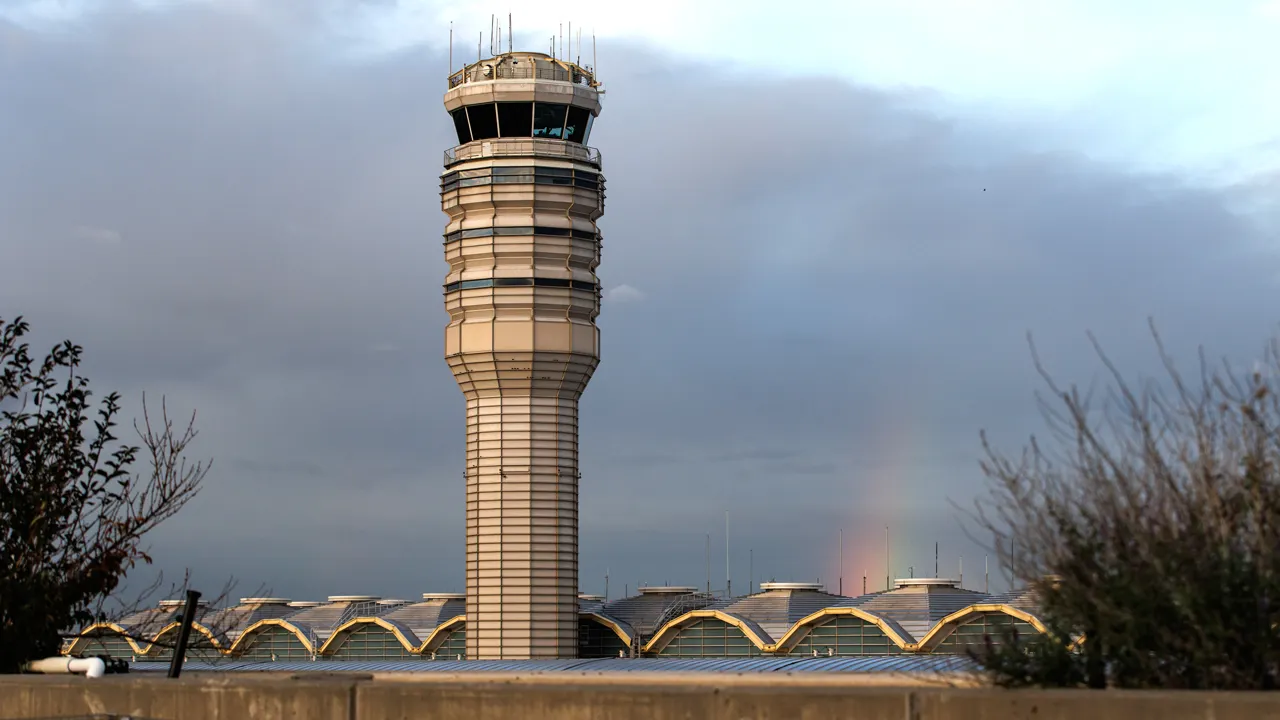
The FAA said the disruptions were due to a “strong smell” at the Potomac Terminal Radar Approach Control (TRACON) facility, which manages airspace in the region.
GROUND STOP LIFTED AT MAJOR DC-AREA AIRPORTS AFTER CHEMICAL ODOR DISRUPTS AIR TRAFFIC CONTROL
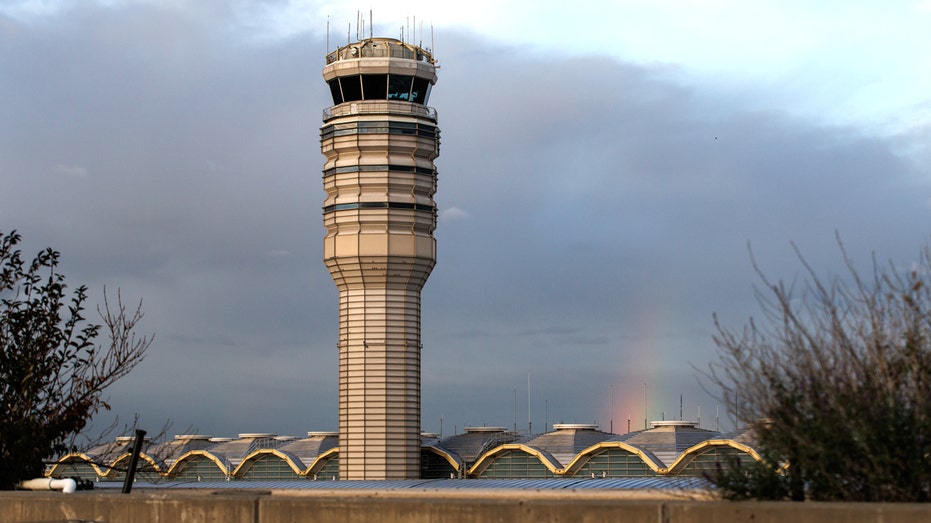
An FAA air traffic control tower at Ronald Reagan Washington National Airport in Arlington, Va. (Samuel Corum/Bloomberg via Getty Images / Getty Images)
It was not immediately clear what caused the smell.
Ground stops at Dulles, Reagan National, and BWI remained in effect until around 8 p.m. ET before being lifted, according to the FAA’s website.
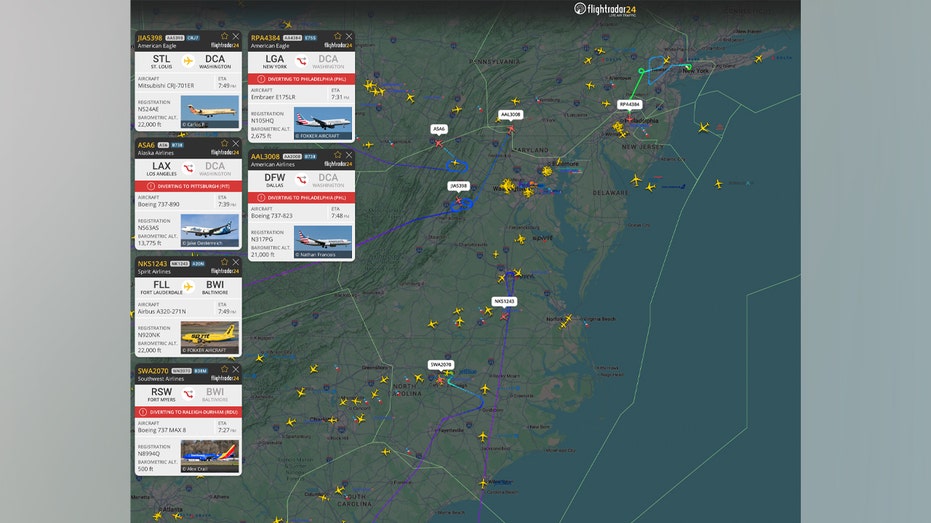
The FAA said the disruption was due to a “strong smell” at the Potomac Terminal Radar Approach Control (TRACON) center. (Flightradar24)
As of 8:30 p.m., Reagan National was experiencing ground delays, while BWI continued to see departure delays.
Earlier this month, a ground stop was similarly issued at several airports in the Washington, D.C., region after a chemical odor was detected at the TRACON facility.
FATAL LAGUARDIA COLLISION RENEWS FOCUS ON RUNWAY INCURSION RISKS ACROSS US
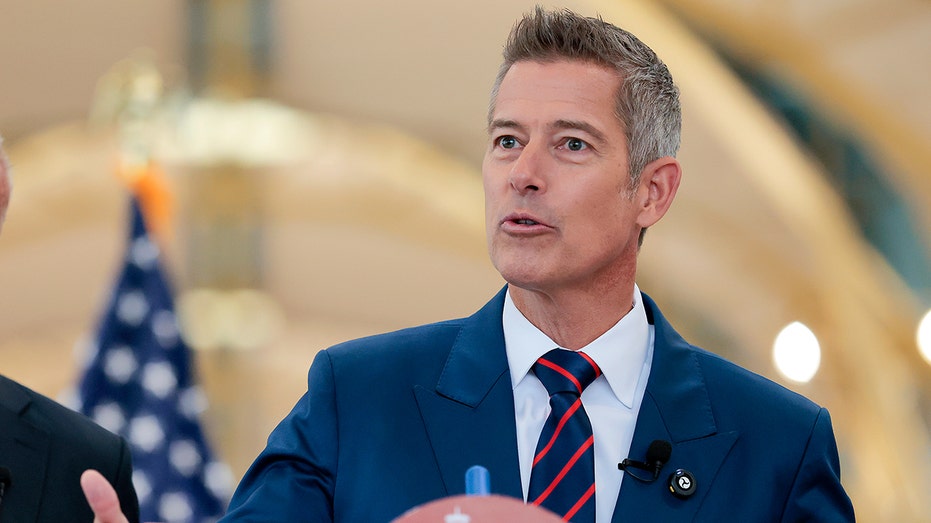
Transportation Secretary Sean P. Duffy speaks at a news conference at Ronald Reagan Washington National Airport. (Heather Diehl/Getty Images / Getty Images)
GET FOX BUSINESS ON THE GO BY CLICKING HERE
The temporary ground stop on March 13 similarly affected DCA, IAD, BWI and RIC, Transportation Secretary Sean Duffy said at the time.
Duffy said the smell came from an overheated circuit board, which has since been replaced.

Weak global cues and concerns over oil prices weighed on sentiment, with analysts warning of further near-term declines. In the event of the conflict continuing to rage unchecked amid subdued central bank intervention, some traders are expecting the Indian currency to sink even further. The rupee closed at 94.81 to the dollar on Friday, weakening 84 paise from its previous close of 93.97. The rupee weakened to 94.85 at its lowest on Friday and has declined over 3.5% this month, LSEG data showed. Brent crude oil prices rose by $1.87, or 1.73%, to $109.88 a barrel. While state-run banks sold dollars, likely on behalf of the central bank, the intervention was muted, traders said.
 Agencies
Currency likely to fall further, say experts; indices tumble over 2% amid bear attacks
Strait Closure Taking Toll
That makes the rupee vulnerable to further depreciation, with many traders incorporating levels as weak as 97 per dollar into their forecasts. “Nothing really changes until the Strait of Hormuz opens up,” said Anindya Banerjee, head of commodity and currency at Kotak Securities. “Even if the intensity of the war eases a bit, as long as there’s still friction around the strait and oil is hovering near $115, the rupee could easily drift towards the 96 to 97 per dollar range.”

The NSE Nifty closed at 22,819.60, down 486.85 points or 2.1%, while the BSE Sensex ended at 73,583.22, falling 1,690.23 points or 2.3%. Both indices declined 1.3% over the past week. The Volatility Index (VIX) urged 8.7% to a four-year high of 26.8, reflecting heightened near-term risk expectations.


Justin Law has a Ph.D in Chemistry from Rice University and has earned the CFA Institute Investment Foundations certificate. He applies his knowledge to deep value and dividend paying stocks.Justin is a contributor to the investing group The Dividend Kings where he curates the Dividend Champions list, a monthly publication of companies with a history of consistently increasing their dividends. The Dividend Kings is a group of analysts teaching individuals how to invest more wisely in dividend stocks. Learn More.
Analyst’s Disclosure: I/we have a beneficial long position in the shares of DOX, O, CMCSA, BMY, CSCO, MORN, RGLD, SYY, PEP either through stock ownership, options, or other derivatives. I wrote this article myself, and it expresses my own opinions. I am not receiving compensation for it (other than from Seeking Alpha). I have no business relationship with any company whose stock is mentioned in this article.
Seeking Alpha’s Disclosure: Past performance is no guarantee of future results. No recommendation or advice is being given as to whether any investment is suitable for a particular investor. Any views or opinions expressed above may not reflect those of Seeking Alpha as a whole. Seeking Alpha is not a licensed securities dealer, broker or US investment adviser or investment bank. Our analysts are third party authors that include both professional investors and individual investors who may not be licensed or certified by any institute or regulatory body.


Meta’s longtime content policy chief Bickert leaving to teach at Harvard

Sony Pictures has confirmed that the highly acclaimed animated Spider-Verse film series will conclude with the upcoming Spider-Man: Beyond the Spider-Verse, effectively ending further continuation of the core Miles Morales-centered storyline beyond the planned trilogy. Producers Phil Lord and Chris Miller made the revelation during a recent appearance on the “Happy Sad Confused” podcast, surprising many fans who hoped for an expanded multiverse saga following the massive success of the first two films.

The decision marks a significant shift for Sony’s animated Spider-Man efforts as the studio focuses on wrapping the beloved trilogy while continuing its live-action partnership with Marvel Studios. Spider-Man: Beyond the Spider-Verse is now slated for a 2027 release after earlier production delays pushed it from a potential 2026 window.
This development comes amid broader changes in Sony’s Spider-Man strategy. The studio has scrapped or paused several live-action spin-off projects in its Sony’s Spider-Man Universe (SSU) following underwhelming box office results for films like Morbius, Madame Web and Kraven the Hunter. In February 2026, Sony Pictures CEO Tom Rothman confirmed plans to reboot the live-action spin-off universe with fresh talent and a new approach, while emphasizing that the overall deal with Marvel Studios remains strong.
Details on the Animated Trilogy’s Conclusion
The Spider-Verse films introduced audiences to a vibrant multiverse of Spider-People, with Miles Morales (voiced by Shameik Moore) as the central hero alongside Gwen Stacy/Spider-Gwen (Hailee Steinfeld), Peter B. Parker (Jake Johnson) and a host of alternate Spider-heroes. The first film, Spider-Man: Into the Spider-Verse (2018), won an Academy Award for Best Animated Feature and revolutionized the medium with its innovative visual style blending 2D and 3D animation.
Its 2023 sequel, Spider-Man: Across the Spider-Verse, earned critical acclaim and strong box office returns, further elevating expectations for the conclusion. Lord and Miller, who serve as producers and were deeply involved creatively, told podcast host Josh Horowitz that Beyond the Spider-Verse will provide a satisfying endpoint for this particular chapter of Miles’ journey.
While the film will still deliver the epic scale and emotional payoff fans anticipate, the confirmation ends speculation about additional sequels or spin-offs directly extending the main trilogy’s narrative. Sony has not ruled out future animated Spider-Man projects in the broader multiverse, but the core Miles-focused saga will reach its conclusion in 2027.
Live-Action Landscape and Spin-Off Changes
Sony’s live-action plans have seen more dramatic adjustments. The studio has reportedly canceled or placed on hold multiple spin-off films, including the long-gestating Spider-Woman project once attached to director Olivia Wilde. Other rumored entries, such as a potential Sinister Six film or projects involving characters like Knull, have also been shelved or paused as Sony reassesses its standalone villain-focused universe.
Rothman’s comments in February signaled a strategic reboot: new creative teams, fresh casts and a reset approach to interconnected storytelling. Despite the setbacks with recent SSU entries, the core collaboration with Marvel Studios for Tom Holland’s Peter Parker remains intact and successful.
Spider-Man: Brand New Day, the fourth solo film starring Holland as the web-slinger, is scheduled for release in July 2026. The movie continues the Marvel Cinematic Universe storyline and represents Sony’s most reliable Spider-Man franchise pillar. Additional 2026 projects include the live-action Spider-Noir series on Amazon Prime Video starring Nicolas Cage as a 1930s version of the character, and the animated Your Friendly Neighborhood Spider-Man Season 2 on Disney+.
These moves reflect Sony’s effort to streamline its Spider-Man portfolio after years of ambitious expansion. The SSU launched with Venom in 2018 and aimed to build a shared universe of anti-heroes and villains separate from the MCU, but inconsistent critical reception and box office performance led to a more cautious strategy.
Fan Reactions and Industry Impact
The news about the Spider-Verse trilogy’s end has elicited mixed responses from fans. Many expressed disappointment that the innovative animated world won’t continue indefinitely, praising the films’ groundbreaking animation, heartfelt storytelling and diverse representation. Others welcomed a definitive conclusion, hoping it delivers a strong payoff without overstaying its welcome.
The broader Spider-Man franchise remains one of Hollywood’s most valuable properties. Holland’s MCU films have grossed billions globally, while the animated entries have earned critical accolades and loyal followings. Sony’s decision to conclude the Miles Morales trilogy while rebooting spin-offs suggests a focus on quality over quantity in the near term.
Industry analysts note that the changes align with wider studio trends toward careful franchise management amid rising production costs and shifting audience preferences. The ongoing partnership with Marvel Studios continues to provide stability, allowing Sony to benefit from MCU integration while retaining control over key characters.
What’s Next for Spider-Man
Looking ahead, Spider-Man: Brand New Day will likely dominate 2026 headlines as fans anticipate Holland’s next chapter alongside potential crossovers in upcoming Avengers films. The Spider-Noir series promises a darker, more mature take on the mythos, breaking some long-standing conventions for the character in live-action.
For the animated side, Beyond the Spider-Verse remains a major event for 2027, with expectations high for resolution to the multiverse-spanning conflicts set up in Across the Spider-Verse. Sony has left the door open for new animated projects, potentially exploring different Spider-heroes or timelines once the current trilogy wraps.
The studio’s overall Spider-Man rights deal with Marvel continues to be described as mutually beneficial, providing Sony with theatrical releases while feeding into the larger MCU ecosystem.
As production timelines shift and creative directions evolve, Sony’s latest moves underscore the challenges of sustaining long-running superhero franchises. The decision to end the Spider-Verse trilogy on a planned high note while rebooting live-action spin-offs reflects a calculated effort to refresh the brand for new audiences without abandoning its most successful elements.
Fans can still look forward to plenty of web-slinging action in 2026 and beyond, from Holland’s return this summer to the animated conclusion in 2027 and the noir-style series. Whether through multiverse adventures, MCU team-ups or fresh reboots, Spider-Man’s cultural dominance shows no signs of slowing.

NVS/iStock via Getty Images

By Jennifer Nash
Driven by a volatile mix of escalating gas prices and financial market instability, consumer sentiment plunged nearly 6% in March to its lowest level since late 2025.
The Michigan Consumer Sentiment Index

In February 2026, Thai exports grew by 9.9% year-on-year, reaching US$29.43 billion (912.56 billion baht). This marked the 20th consecutive month of expansion, primarily driven by the electronics and electrical appliances sectors, which have benefited from the global AI boom.
Despite this growth and a strong performance in the first two months of the year, the Trade Policy and Strategy Office (TPSO) has issued a cautious outlook, warning that full-year exports could contract by as much as 3% due to rising freight costs, volatile energy prices, and a strengthening baht.
Key Takeaways
- Top Performers:
- Industrial: Computers and components (+49.8%), telephone equipment (+217.7%), and radio/TV transmitters (+251.5%).
- Agricultural/Food: Fresh fruits (+62.3%), processed chicken (+94%), and fats/oils (+271.1%).
- Major Markets: Shipments to the US surged by 40.5%, while exports to the EU (+20.6%) and ASEAN (+17.8%) also saw double-digit growth.
- Trade Balance: Despite export growth, imports rose sharply by 31.8% to US$32.27 billion, resulting in a US$2.83 billion trade deficit for the month.
- Industrial product exports rose by 13.3%, led by significant surges in telephone equipment (217.7%), computer components (49.8%), and radio/television transmitters (251.5%).
- The agricultural and agro-industrial sectors saw a 5.7% decline, marking a second month of contraction, though high-potential items like processed chicken and fresh fruits recorded substantial gains.
- Key growth drivers include the global shift toward AI technology and supply-chain diversification, while pressure factors include high freight costs and price competition in agricultural commodities like rice.
Export growth was strongest in major markets such as the United States (40.5%) and the European Union (20.6%), while shipments to Russia and the CLMV region (Cambodia, Laos, Myanmar, and Vietnam) declined.
Looking forward, the outlook for the remainder of 2026 remains cautious. The Trade Policy and Strategy Office (TPSO) warns of potential contractions due to rising freight costs, energy price volatility, and currency appreciation. The full-year forecast ranges from a best-case growth of 1.1% to a worst-case contraction of 3%, depending on how these global economic pressures evolve.
Other People are Reading

The partial government shutdown affecting the Department of Homeland Security has pushed the Transportation Security Administration into crisis mode, producing the longest security wait times in the agency’s 24-year history as unpaid officers call out in record numbers and hundreds quit their jobs.

The funding lapse, which began Feb. 14, 2026, entered its 42nd day on Friday, forcing roughly 50,000 TSA officers to work without full paychecks while handling spring break travel volumes that are about 5% higher than last year. Acting TSA Administrator Ha Nguyen McNeill told a House committee this week that wait times at some major airports have exceeded four hours, with call-out rates surpassing 40% to 50% at multiple hubs.
More than 460 TSA officers have resigned since the shutdown started, according to Department of Homeland Security figures, compounding chronic staffing shortages. McNeill described the situation as “dire” and warned that some smaller airports could face temporary closures if absences continue climbing. Even if Congress reaches a funding deal soon, officials say it could take days or weeks to restore full operations as new hires require four to six months of training.
Impact on Travelers and Airports
Long lines have snaked through terminals at major hubs including Hartsfield-Jackson Atlanta International, George Bush Intercontinental in Houston, John F. Kennedy in New York and others. In Houston, some checkpoints operated with only two of eight lanes open, pushing waits toward four hours on certain days. Atlanta saw call-out rates near 38% on peak days, with lines spilling into concourses and baggage claim areas.
Airports have urged passengers to arrive three to four hours early for domestic flights and even earlier for international ones. Videos circulating on social media show frustrated travelers standing for hours, some missing flights despite early arrival. Airlines including Delta have warned customers of potential delays and, in one case, temporarily suspended special security lane access for members of Congress.
Conditions vary widely by airport and time of day. Some facilities report manageable waits of 15 to 30 minutes during off-peak hours, while others experience unpredictable surges. Third-party trackers and airport websites have become essential tools, as the official MyTSA app has faced limitations during the shutdown.
To ease pressure, the Trump administration deployed hundreds of Immigration and Customs Enforcement agents and other DHS law enforcement personnel to 14 major airports starting this week. The ICE officers, who continue receiving pay during the lapse, have assisted with crowd management and non-screening duties, though they are not trained to perform actual security checks. The move drew mixed reactions, with some lawmakers expressing concern over the optics and effectiveness.
Financial Strain on TSA Workforce
TSA officers missed their first full paycheck around mid-March and face another missed payday soon, with nearly $1 billion in unpaid wages accumulated by Friday. Union leaders say many screeners feel abandoned, with some sleeping in cars, donating plasma or taking second jobs to cover rent and bills. Call-out rates have tripled or quadrupled at affected airports compared with normal levels of about 4%.
The American Federation of Government Employees has highlighted the human cost, noting that officers continue performing essential security work despite the hardship. In previous shutdowns, including one in late 2025, more than 1,100 TSA officers eventually left the agency.
Recruitment and retention challenges predated the current crisis, but the funding standoff has accelerated attrition. TSA leaders have testified that the agency is already operating under strain from high travel demand and the need to modernize screening technology.
Political Stalemate in Congress
The shutdown stems from a partisan impasse over DHS funding, tied to broader disputes involving immigration enforcement reforms. Senate votes this week failed to advance proposals, with momentum toward a deal slowing ahead of a planned two-week congressional recess. House Republicans have passed multiple funding measures, but Senate Democrats have blocked them, citing concerns over immigration provisions.
Both sides have traded blame. Republican leaders accuse Democrats of reckless obstruction harming travelers and workers. Democrats counter that the standoff reflects deeper disagreements on spending priorities and oversight of agencies like ICE. President Donald Trump on Thursday announced plans to sign an executive order directing DHS to pay TSA officers immediately, though details on funding sources remain unclear.
Negotiators continue behind-the-scenes talks, with some optimism for a partial funding agreement that would cover most of DHS. Even a resolution, however, would not instantly resolve airport chaos due to lingering staffing gaps and training timelines.
Broader Security and Economic Risks
TSA officials have raised alarms about elevated security risks from reduced screening capacity and fatigued officers. The agency also faces challenges maintaining vigilance against evolving threats while managing daily passenger volumes.
Economically, the disruptions threaten tourism, business travel and airline revenues during a busy spring season. Smaller airports are particularly vulnerable, with some already consolidating lanes or adjusting hours.
Travelers are advised to check multiple sources for real-time wait times, including airport websites, third-party apps and airline alerts. Preparing liquids, electronics and documents in advance, along with enrolling in TSA PreCheck or CLEAR where possible, can help when lanes are open. Those with medical needs or traveling with families should request assistance early.
Outlook and Recovery Challenges
As the shutdown drags into its seventh week, the human and operational toll continues mounting. Union representatives warn that morale is at a low point and that long-term damage to the TSA workforce could persist even after funding resumes.
Experts note that the current episode underscores vulnerabilities in relying on essential workers during funding disputes. Previous shutdowns produced similar patterns of absences and resignations, but the overlap with spring break and higher travel demand has amplified effects this time.
For now, passengers face uncertainty at checkpoints nationwide. Airports with lower call-out rates or better local management have fared better, but major hubs remain under strain. Travelers are urged to build generous buffers into their plans and stay flexible.
Congress faces pressure to resolve the impasse before the recess, with public frustration over airport lines adding urgency. Whether through legislation or executive action, restoring pay and staffing stability is seen as critical to easing the immediate crisis and preventing further deterioration of national transportation security.
The TSA shutdown’s ripple effects serve as a stark reminder of how congressional gridlock can directly disrupt everyday American life, from family vacations to business trips. As negotiators work toward compromise, millions of travelers hope for swift resolution and a return to smoother journeys through America’s airports.

Stocks to Watch: Olaplex, Alphabet, Hapag-Lloyd, H&M

Mineros S.A. (MNSAF) Shareholder/Analyst Call Transcript

Denise Richards Flaunts Her ‘New Face’ On The Red Carpet

Is Connecticut Sun Relocating to Houston & Rebranding as Comets? $300 Million Deal Resurrecting WNBA’s Iconic Team Explored


-
 NewsBeat3 days ago
Manchester United reach agreement with Casemiro over contract clause amid transfer speculation
-

 Crypto World6 days ago
Best Crypto to Buy Now: Strategy Just Spent $1.57 Billion on Bitcoin During Fear While Early Investors Quietly Enter Pepeto for 150x Potential
-

 News Videos2 days ago
Parliament publishes latest register of MPs’ financial interests
-

 Crypto World6 days ago
Bitcoin Price News: Bhutan Sells $72 Million in BTC Under Fiscal Pressure, but the Smart Money Entering Pepeto Sees What the Market Does Not
-

 Sports5 days ago
Remo Stars and Kano Pillars Strengthen Survival Hopes in NPFL
-

 Sports5 days ago
Gary Kirsten Accuses Pakistan Cricket Board Of ‘Interference’, Mohsin Naqvi Responds
-

 Business5 days ago
No Winner in March 21 Drawing as Prize Rolls to $133 Million for Next
-

 Tech5 days ago
Give Your Phone a Huge (and Free) Upgrade by Switching to Another Keyboard
-

 Tech5 days ago
AI enters the chat: New Seattle dating app relies on tech to facilitate meaningful human connections
-

 News Videos5 days ago
Ch 9 Financial Management Part 1 | Detailed One Shot | Class 12 Business Studies Boards 2026
-

 Tech6 days ago
Today’s NYT Connections Hints, Answers for March 22 #1015
-

 Business1 day ago
Instagram, YouTube Found Responsible for Teen’s Mental Health Struggle in Historic Ruling
-

 Business6 days ago
Will Duke Basketball Win It All? Duke Basketball Enters Second Round as Third Favorite to Claim NCAA Title
-

 Sports5 days ago
2026 Kentucky Derby horses, odds, futures, preview, date: Expert who hit 12 Derby-Oaks Doubles enters picks
-
 NewsBeat5 days ago
Update on Wisbech river crash as search for teenage boy enters fifth day
-
 Entertainment4 days ago
Cynthia Bailey Dishes on ‘RHOA’ Season 17, Discusses Kandi
-

 Tech4 days ago
Samsung will soon let you control smart home devices from your car’s dashboard
-
 NewsBeat2 days ago
Tesco is selling new Cadbury Dairy Milk bar and people can’t wait to try it
-

 Politics4 days ago
How Media Platforms Balance Performance and Accessibility in Image Delivery
-

 Fashion3 days ago
Does It Matter What You Wear When You’re Laid Off and Looking?
You must be logged in to post a comment Login