Connect with us

Business

Tech leaders say AI means less work – their staff say they work up to 90 hours a week

Published

on

A tech worker with pink hair sits at a desk and works on a laptop

For years now, executives at companies that are pouring hundreds of billions of dollars a year into developing various artificial intelligence tools have insisted that the technology will ultimately mean people will spend less of their time working.

An engineering director at Google said four years ago that AI would deliver a four-day work week by 2025, external.

Earlier this year, and just one year after that engineering director’s prediction, OpenAI took up the challenge, in a manner of speaking. It formally urged companies to start testing out a four-day work week (with no change in pay), claiming that AI will soon be able to speed up so much human labour that the corporate world should prepare itself.

However, a former OpenAI technical employee who left the company last year told the BBC the firm never actually trialled the four-day work week it suggested others should try while they were there.

Advertisement

Instead, the person described what was often a gruelling work culture marked by frequent “crisis meetings”, working on weekends, and “super cut-throat” performance reviews that would see colleagues suddenly let go.

“You go in on Saturday or Sunday just to catch up or make sure things aren’t broken,” the person said.

Other companies have also pushed the idea that AI will effectively reduce the number of hours people need to work, for better or worse.

Anthropic has boasted that its popular coding tool and chatbot Claude is capable of working on its own for seven hours without a break, external, essentially a full corporate workday. Meta’s Mark Zuckerberg has said his company is in the middle of the year when “AI starts to dramatically change the way that we work” and that such tools let far fewer employees do more than they ever could have before.

Advertisement

While Meta has since laid off 1 in 10 of its employees, Anthropic’s chief executive Dario Amodei has warned that as AI tools inevitably become more productive, it could mean, external even broader job losses.

Despite these claims, workers inside these same tech companies, who are not only developing but using the very AI tools that will purportedly perform at least some of people’s work, say they are clocking in far more than the typical five-day, 40-hour work week.

Continue Reading
Click to comment

You must be logged in to post a comment Login

Leave a Reply

Business

Fintech Car Finance 247 praises Bournemouth ‘financial services and sales talent’ as it opens new hub

Published

on

Business Live

Firm planning to create more jobs as it opens first base outside Manchester HQ

Car Finance 247 is opening a new office in Bournemouth, in the building that was home to LV

Car Finance 247 is opening a new office in Bournemouth, in a building that was home to LV(Image: Car Finance 247)

Fintech Car Finance 247 has chosen Bournemouth for its first office outside its Manchester home – and aims to tap into the resort’s strong talent pool to grow further in the South West.

The group will open its sales hub in the former LV office in Westbourne in September with 12 people and is now recruiting as it plans to scale quickly by early next year.. It said: “Bournemouth was chosen for its strong pool of financial services and sales talent”.

Advertisement

Car Finance 247 was founded in 2006 as a car finance platform to connect buyers, sellers and finance providers.

The group has more than 500 employees in Manchester and a field sales team working across the UK. The Bournemouth hub will focus on direct-to-consumer sales.

Its new south coast office is in Victoria House in Westbourne, the 21,000 sq ft former LV building that has recently undergone a £5m refurbishment.

Louis Rix, chief operating officer at Car Finance 247, said: “Opening our first office outside Manchester is an important step for the business and reflects the scale of our ambitions.

Advertisement

“Bournemouth offers access to a strong talent pool and we already have colleagues based in the area. As the business continues to grow, it made sense to establish a permanent base that allows us to attract and develop more sales talent. We’ve recently enjoyed our strongest trading month to date and this new office gives us the capacity to support even more customers as we continue to grow.”

Continue Reading

Business

Top Platforms by Use Case

Published

on

Top Platforms by Use Case

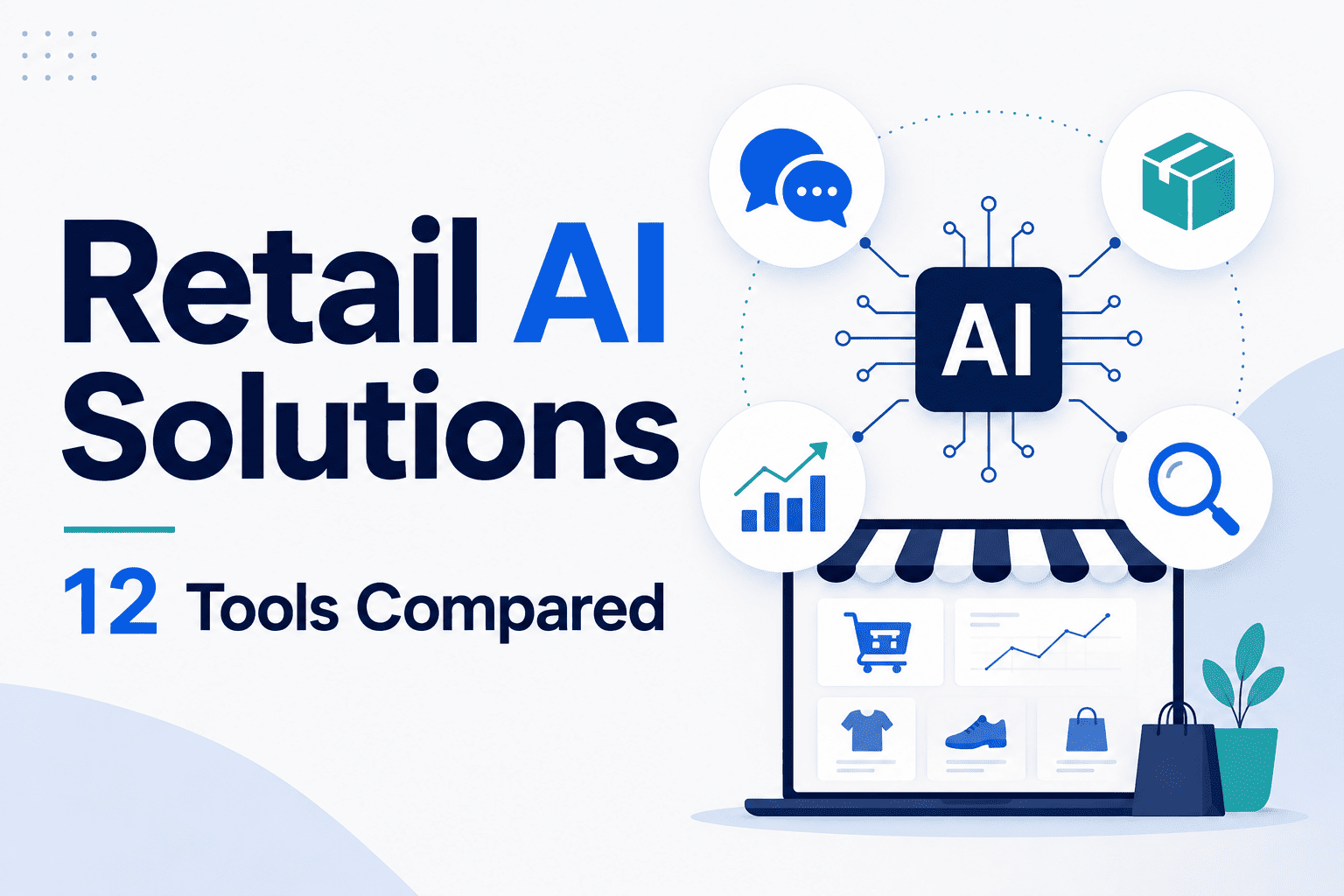
Retail AI solutions now span a wide range of jobs: some handle customer service, others forecast demand, others personalize product recommendations, and a few do all three at once. There’s no single “best” platform the right one depends on whether you’re running a single storefront or a multi-location chain, and whether your biggest pain point is inventory, customer support, or conversion. Below is a breakdown of the strongest retail AI solutions on the market right now, organized by what each one actually solves. New to the topic first? Our guide to AI in retail covers the underlying use cases and benefits before you start comparing platforms.

Retail AI Solutions at a Glance

1. Shopify Magic : Best for Small E-Commerce Retailers

Shopify’s built-in AI toolkit, Magic, is included across Shopify’s plans and covers product description generation, AI-assisted email marketing, and basic customer insights without requiring a separate integration. For a small retailer already running on Shopify, this is the lowest-friction way to start using AI – there’s no new platform to learn, and the features live directly inside the admin dashboard already in use.

Key features: AI product descriptions, AI-assisted email and ad copy, built-in customer and sales insights Pricing: Bundled into existing Shopify plans at no separate cost Best for: Store owners who want AI features without adding a new vendor to the stack.

2. Square for Retail : Best AI-Assisted POS for Brick-and-Mortar

Square’s retail point-of-sale system has layered in AI-driven inventory forecasting and sales analytics for physical stores. It’s particularly well suited to independent retailers who need forecasting and reporting but don’t have the volume or budget to justify an enterprise inventory platform.

Advertisement

Key features: AI-assisted inventory forecasting, integrated POS hardware, real-time sales analytics Pricing: Free core POS software; paid tiers add advanced inventory and reporting, plus standard payment-processing fees Best for: Independent and small-chain brick-and-mortar retailers.

3. Tidio : Best for AI-Powered Customer Service

Tidio combines live chat, AI chatbots, and multichannel messaging in a single dashboard built for small and mid-size retail and e-commerce teams. It’s positioned as an accessible entry point into AI customer service – a store can automate FAQs, order-status questions, and basic troubleshooting without hiring additional support staff.

Key features: AI chatbot (Lyro), live chat, unified multichannel inbox Pricing: Free plan available; paid tiers scale by conversation volume, with AI chatbot capacity often metered or gated to higher tiers – worth checking current plan details before budgeting, as this is a common source of surprise cost Best for: Retailers that want to automate routine customer service without an enterprise support stack.

4. Gorgias : Best AI Helpdesk for Shopify Stores

Gorgias is a support helpdesk purpose-built for Shopify merchants, with AI features that draft responses, tag and route tickets, and surface order data directly inside the support conversation. It’s a common next step for stores that outgrow basic live-chat tools and need a full support workflow.

Advertisement

Key features: AI-drafted ticket responses, automated tagging and routing, order data inside the conversation view Pricing: No free tier; paid plans scale by monthly ticket volume Best for: Shopify-based retailers scaling their support operations.

Salesforce’s retail AI, branded Einstein, powers product recommendations, predictive search, and dynamic content across Salesforce’s commerce platform. It’s built for retailers already operating on Salesforce’s broader CRM and marketing stack, and it’s most effective at that enterprise scale, where there’s enough customer data to make the personalization models genuinely predictive.

Key features: AI product recommendations, predictive search, dynamic personalized content Pricing: Enterprise, custom quote-based Best for: Larger retailers already invested in the Salesforce ecosystem.

6. Oracle NetSuite : Best Integrated ERP-Plus-AI Platform

NetSuite centralizes inventory, supply chain, and financial data in one system, with AI capabilities layered on top rather than bolted on as a separate tool. For a retailer whose data currently lives across disconnected platforms, NetSuite’s pitch is consolidation first, AI second – the forecasting and reporting only get more accurate once the underlying data is unified.

Advertisement

Key features: Unified inventory, finance, and supply chain data; AI-assisted demand and cash-flow forecasting Pricing: Custom quote-based, typically licensed per user and module Best for: Growing retailers dealing with fragmented systems across inventory, sales, and finance.

7. Blue Yonder : Best for Enterprise Demand Forecasting

Blue Yonder is a longstanding leader in supply chain and demand forecasting software, with deep integration options for large, multi-location retail operations. It’s generally regarded as the most accurate forecasting option at enterprise scale, though that comes with enterprise-level implementation timelines and cost.

Key features: Demand forecasting, supply chain planning, warehouse and transportation optimization Pricing: Enterprise, custom quote-based; typically a longer implementation timeline than mid-market alternatives Best for: Large chains with complex, multi-warehouse supply chains.

8. RELEX Solutions : Best for Mid-Market Demand Forecasting

RELEX offers similar demand-forecasting and inventory-optimization capabilities to Blue Yonder, but with a faster implementation path and a more accessible interface – making it a common choice for mid-market retailers that want forecasting accuracy without a multi-year rollout.

Advertisement

Key features: Demand forecasting, inventory and replenishment optimization, promotion planning Pricing: Custom quote-based; positioned as faster and less costly to implement than Blue Yonder Best for: Mid-size retail chains that need forecasting but not full enterprise infrastructure.

Dynamic Yield, now operating as part of Mastercard’s enterprise portfolio, specializes in on-site personalization, A/B testing, and algorithmic product recommendations for e-commerce retailers. It’s frequently used alongside a broader commerce platform rather than as a standalone system, layering testing and personalization on top of an existing storefront. It’s built for large-traffic retailers with a dedicated personalization or CRO team, not small or self-serve merchants.

Key features: On-site personalization, A/B testing, AI product recommendations, conversational commerce Pricing: Enterprise-only, custom annual contracts – not a self-serve or small-business product Best for: E-commerce teams that want to systematically test and personalize the on-site experience.

10. Algolia : Best for AI-Powered Site Search

Algolia focuses specifically on search and product discovery – using AI to rank and surface products based on relevance, behavior, and intent rather than exact keyword matches. For retailers with large catalogs, a weak on-site search function is a common, quietly expensive source of lost conversions, and Algolia is one of the more established tools built to fix it.

Advertisement

Key features: AI-ranked site search, product discovery, personalized search results Pricing: Free tier for low search volume; paid tiers scale with search requests and catalog size Best for: Retailers with large product catalogs where search quality directly affects conversion.

11. Lightspeed Retail : Best All-in-One POS with Built-In AI Insights

Lightspeed combines point-of-sale, inventory, and reporting in one platform, with AI-driven analytics for sales trends and stock levels built into the core product rather than sold as an add-on. It’s aimed at independent and multi-location retailers that want forecasting and reporting without stitching together separate tools.

Key features: Integrated POS and inventory, AI-driven sales and stock analytics, multi-location reporting Pricing: Tiered monthly plans based on features and number of locations Best for: Independent retailers and small chains that want POS and AI insights in a single system.

Dynamics 365 brings AI-assisted forecasting, customer insights, and store operations tools into Microsoft’s broader business platform, with Copilot layered in for natural-language reporting and task automation. It’s the natural fit for retailers already running on Microsoft’s productivity and data tools, since the AI features draw directly on data already inside that ecosystem.

Advertisement

Key features: AI-assisted forecasting, Copilot natural-language reporting, integrated store operations tools Pricing: Per-user monthly licensing; total cost scales with the modules added Best for: Retailers already standardized on Microsoft 365 and Azure.

How to Choose the Right Retail AI Solution

With this many options, the deciding factors tend to come down to a short list:

  • What problem are you actually solving? Forecasting, customer service, personalization, and loss prevention are different problems with different tools – start with the pain point, not the platform.
  • Does it integrate with what you already run? A powerful AI tool that doesn’t connect cleanly to your existing POS, CRM, or inventory system will create more manual work, not less.
  • What’s the realistic implementation timeline? Enterprise platforms like Blue Yonder or Salesforce deliver strong results but take longer to roll out than lighter tools like Tidio or Shopify Magic.
  • Is the pricing model built for your size? Several tools on this list scale their pricing by usage or store count, which matters more for a growing retailer than a flat enterprise fee.

Pricing and features for AI platforms shift quickly – confirm current plans and integrations directly with each vendor before making a final decision.

The Bottom Line

There’s no single best retail AI solution, only the best one for the specific problem in front of you. Smaller retailers are usually better served starting with a tool built into a platform they already use, like Shopify Magic or Square, before evaluating standalone platforms like Salesforce or Blue Yonder that require more setup and budget to justify.

Advertisement
Continue Reading

Business

Volume’s up in passion project

Published

on

Volume’s up in passion project

Yes. Corporate subscriptions are available for teams and organisations, with discounted rates as user numbers increase. Pricing starts from $1,625 + GST per user.
Get in touch
to discuss the right option for your organisation.

Business News subscriptions are used by executives, investors, consultants and professionals who need to stay informed and make better decisions about the WA market. When you subscribe you’ll get

  • Unlimited access to WA’s most trusted business journalism
  • Data & Insights — detailed profiles of WA companies, people, projects and deals
  • MyBN — a personalised feed based on the companies, people and sectors you follow
  • Special publications and industry reports
  • Daily and weekly email newsletters

Data & Insights is a research tool built specifically for the WA market. It draws on more than 30 years of Business News reporting, updated regularly to reflect what’s happening now. Use it to:

  • Look up detailed profiles of WA companies, including financials, directors and ownership
  • Find decision-makers and track their career movements
  • Research live and completed projects across WA industries
  • Monitor deals, appointments and market activity
  • Access industry rankings and league tables

Data & Insights is updated daily by our dedicated research team, which uses the latest announcements, ASX filings and editorial coverage to keep our person, company, list and project records up to date.

Business News welcome all opportunities to make our dataset accurate, complete and current, so if you have an update request, please email the team at
general@businessnews.com.au, and we’d be happy to assist.

Advertisement

MyBN
is part of every subscription. It’s your personalised view of Business News. You can follow the companies, people, sectors and projects that matter to you, and get a news feed and alerts tailored to your interests. You can save articles to read later and retain only what you need.

Only subscribers have full access to all content on the Business News website.

Advertisement

If staying informed about the WA economy is part of your job, and/or you’re looking for networking opportunities in WA, Business News is built for you.

Business News subscribers are:

  • Executives and directors tracking competitors, clients and market movements
  • Investors and advisers researching companies, deals and industry trends
  • Consultants and professionals staying across sectors relevant to their clients
  • Business owners looking for leads, context and market intelligence

Most Business News publications cover national or global markets. Business News is focused entirely on Western Australia, which means the journalism, the data and the intelligence are all built around WA companies, people and projects — not adapted from a national feed. Data & Insights, included with every subscription, combines more than 30 years of WA-specific editorial research with live business data. There’s no comparable product for the WA market.

Advertisement

The Morning Digest Email provides a comprehensive wrap of the major headlines, relevant to WA business, and includes with a snapshot of the overnight news covering oil, gold and ASX-listed companies.

The Afternoon Wrap Email focuses on the news covered by our team of journalists during the course of the working day, including exclusive stories and analysis, all of which relates to WA business and the local economy.

The BN Weekender Email contains a wrap of the Business News from the week that was, highlighting the top stories in each area of WA business.
Sign up for free.

Advertisement

We’re happy to help.
Get in touch
and our team will come back to you.

Advertisement
Continue Reading

Business

Burnham brings forward ban on ‘subscription traps’ to ease cost of living

Published

on

Andy Burnham wearing a dark suit and glasses.

Subscriptions will be easier to cancel and companies will be compelled to make it clear when contracts auto-renew at a higher price, Andy Burnham has announced.

The prime minister is also planning to outlaw shops from falsely claiming products previously retailed at much lower prices to advertise supposed deals, which he said tricks shoppers into thinking they are getting better value on purchases.

Burnham will bring forward a package of changes announced under his predecessor Sir Keir Starmer to end so-called subscription traps and a crackdown on “pretend prices”.

Shadow chancellor Mel Stride branded the measures “reheated” and said the prime minister “has already run out of ideas”.

Advertisement

The plans were announced under Sir Keir in April, but are being brought forward by Burnham’s government in a bid to give families “room to breathe” amid the high cost of living.

On subscriptions, the government said the changes will mean businesses have “to provide clearer up-front information, regular reminders and a much easier exit to contracts” for customers.

Burnham, who is embarking on a tour of the UK while Parliament is in recess, has promised a series of “everyday fixes” to help people with the cost of living.

He said: “I’m determined to pull every single lever we can to provide people with some room to breathe on the cost of living.”

Advertisement

The measures being brought forward are aimed at making it easier for consumers to cancel unwanted subscriptions and stopping people being rolled onto expensive contracts without their knowledge.

They were expected to come into force next spring, but Burnham’s government has promised they will now be implemented by January 2027.

When they were announced in April, the government said the plans would save consumers £400m a year in total, or up to £170 per person.

On top of the already planned changes, Burnham is also vowing to end shops’ use of “pretend prices”. This will stop retailers using “was” prices, made-up discounts or misleading recommended retail prices (RRPs) to highlight deals.

Advertisement

The government will launch a consultation this autumn to decide how the new measures should be implemented.

Consumer group Which? said it has “repeatedly exposed businesses, including trusted household brands, ripping off customers with dodgy deals that aren’t what they seem”.

Its head of consumer rights policy, Sue Davies, welcomed the announcement and called for the government to bring the rules in “swiftly”.

But Stride said: “The cost of living didn’t become a problem last week, so you have to ask why it has taken Labour so long to enact legislation passed by the previous government.”

Advertisement

The Digital Markets, Competition and Consumer Act, passed under the Conservatives in 2024, cracked down on hidden fees, fake reviews online and made it easier for customers to cancel subscriptions.

The Liberal Democrats urged Burnham to “go further” to protect consumers, with Treasury spokesperson Daisy Cooper calling for “strengthened protections against rogue traders” and action to tackle supermarket “shrinkflation” – the practice of products being made smaller yet being sold for the same price.

The announcement is Burnham’s latest intervention aimed at easing the cost of living, following a £2 bus fare cap in England and a VAT cut on household electricity bills.

But he is likely to come under pressure to make more significant changes in the Budget, which will be delivered by Chancellor John Healey on 28 October.

Advertisement

But Healey has made it clear he will oversee “strong fiscal discipline” – which will limit how much the government has to spend.

Continue Reading

Business

Marshalls reports first-half revenue decline amid weak demand

Published

on


Marshalls reports first-half revenue decline amid weak demand

Continue Reading

Business

Online Media Solution’s Approach to Building Professional Websites That Reflect Every Business

Published

on

Online Media Solution's Approach to Building Professional Websites That Reflect Every Business

A business or individual doesn’t have a professional, functional, and organized website in the modern age, they’re all but doomed to failure. Business discoverability and clarity is absolutely crucial, regardless of the industry they’re representing, and the ubiquity of the internet makes a professional website the best, first, and arguably most important touchpoint for a business. However, not every business or entrepreneur is a master of website construction—fortunately, that’s where Online Media Solution can help.

Online Media Solution (OMS) was created to help businesses build professional and organized websites as part of a larger strategy to establish a clearer online presence. The company works with businesses to empower their brand with a combination of product research, CMS integration, blog integration, SSL certifications, and sleek custom website designs. In working alongside their clients, OMS helps them overcome their most critical challenges, which often results in new industry perspectives and insights. The result is a world-leading management consulting firm, where bold thinking, inspired people, and a passion for results come together for extraordinary impact.

“In the digital age, a clear online presence is the new business card,” says business owner.  “Every business deserves a professional online presence that reflects its values; the most successful websites are those that seamlessly blend creativity with practical features. The future of web design is adaptable, organized, and always user-centered.”

Thoughtful Processes And Smooth Experiences

Advertisement

A functional and effective business website requires a broad range of functions depending on the business at hand, but at its core a website does a few things: it presents vital information about the business to build trust and credibility, it establishes a home and digital footprint for the company for brand visibility, and and provides a way for customers or clients to engage with the company. This means that most business websites need a few key things: a sleek and usable design, a content management system (CMS) to host and manage content, the content itself (in the form of blogs, white papers, or other copy), and some basic security connections and encryption—all things OMS handles with aplomb.

Online Media Solution’s process focuses on making website content more robust and comprehensive, as well as overall easier to organize, update, and manage. OMS’s core values dictate their operations: thoughtful planning, clean design, dependable support, clear communication, and a commitment to streamlining clients’ website-building processes. The company uses a structured and supportive approach throughout, in which clients receive guidance, access to support, and assistance from an account manager in order to better understand the project, receive needed information, and stay informed through the development process.

A typical Online Media Solution project involves creating a custom website with an organized layout, professional branding, product setup, blog integration, and ongoing support,” company employee says. “By bringing these elements together, the company can help a client present its business more clearly and professionally online.”

Online Media Solution’s overall offering is designed to empower clients’ brands in a number of ways. Early product research helps identify the top products and trends in a client’s space, which helps them align their offerings with customer needs. Through blog and CMS integration, OMS gives clients the tools they need to effortlessly update and release content with streamlined content management, allowing for easier audience engagement. Custom SSL certificates—digital certificates that authenticate a website’s identity and enable encrypted connections—protect users visiting clients’ websites, building long term trust. By the end of the process, OMS has wrapped all of this into a website that’s complete with a unique, visually appealing design that align with the client’s brand and audience.

Advertisement

“The company begins with the business’s goals, brand, content, and website needs,” says a business owner. “Creative elements such as custom graphics, color choices, fonts, and page design are then combined with clear navigation, organized content, and practical features so the finished website is both visually appealing and easy to use.”

A Demand With No Sign Of Decline

The importance of a polished professional website cannot be understated. The world exists in an age of information driven by algorithms and online visibility; any business that lacks an online footprint and a website is a business that, to many, lacks credibility—assuming they’re seen at all. Everything from brand recognition, to lead generation, to client trust and communication hinges on a company’s website being functional and comprehensive. Given that the Internet has become the load-bearing pillar of modern commerce, there is no sign of that importance declining anytime soon.

Businesses that need a new website, a more professional online presentation, better-organized content, product setup, CMS integration, or ongoing website support may benefit from Online Media Solution’s services,” explains a website developer. “Its approach can be especially helpful for businesses that want structured guidance throughout the website-building process.”

Advertisement

Online Media Solution understands this well. The company is based in Washington State, a renowned technology center in the United States and the home of design and functionality juggernauts like Microsoft and Amazon. That environment has encouraged and inspired OMS to value dependable communication, organized processes, and professional services that set them apart from their peers in the space. The result is a focus on website professionalism through organized layouts, custom design, SSL certificates, structured content, and dependable hosting-related features.

“A professional website reflects the quality and reliability of the business,” CEO explains. “Dependable hosting and SSL certificates are the bedrock of online professionalism. An organized website structure is the framework for effective communication, and a structured website paves the way for a clearer business message.”

As time moves on, Online Media Solution expects businesses to continue placing greater importance on clean layouts, simple navigation, mobile-friendly presentation, flexible content management, and websites that are easier to update. The company prepares for these changes by focusing on adaptable design, organized website structure, and practical website features. Additionally, they plan to continue improving their website design process, client communication, content organization, and support services in order to best empower their clients and help them manage their online presence more effectively. They hope to work closely with clients long into the future, all while maintaining a structured approach that can support businesses in different locations.

Advertisement
Continue Reading

Business

From Hong Kong to New York: Henry Chen Connects Global Digital Asset Communities

Published

on

From Hong Kong to New York: Henry Chen Connects Global Digital Asset Communities

In many ways, the real value of a new service or technology can only be understood once it hits the international stage. This is as true for goods and assets as it is for services, be they physical or digital. Especially in today’s increasingly globalized markets, the ability for a given asset to perform consistently across distantly separated communities is crucial for its success. For digital assets and technologies like cryptocurrency and the blockchain, where established institutions are only just buying into their potential, building global connections is of paramount importance.

This is precisely what seasoned finance professional, entrepreneur, and community builder Henry Chen has spent recent years doing. As Partner and CBO of SNZ Holdings, former Head of Capital Markets and RWA at KuCoin Group, and former Executive Director at Goldman Sachs in Hong Kong, Chen can bridge the old-school financial institutions and the hungry innovative fintech solutions of today. With fifteen years of experience spanning both traditional finance and modern fintech—with a specific focus on the institutionalization of cryptocurrencies, on-chain financial infrastructure, and blockchain mass adoption—Chen is uniquely positioned to foster and connect digital asset communities across the globe.

“When developers, users, and entrepreneurs are all part of the same ecosystem and can engage directly, products improve more quickly and adoption happens more organically,” Chen explains. “That kind of interaction is especially powerful in Web3, where protocols, applications, and infrastructure need to work together across many different participants. The community model allows that coordination to happen in a much more fluid and adaptive way.”

Building Community One Gathering At A Time

Advertisement

Henry Chen has organized and attended events in Hong Kong, New York, and San Francisco focused on building the future of blockchain and digital assets, and has made connecting these digital asset communities a key focus of his work moving forward. Each city is interested in the future of blockchain and digital assets, each from a different perspective. As a result, opportunities to foster and interact with the communities in these cities represent opportunities to deepen connections and grow the overall digital asset space. It’s through events like these, and the community collaborations they enable, that Chen hopes to connect digital asset communities around the world.

“The most meaningful gatherings create new relationships, unlock specific collaboration opportunities, and give participants a clearer perspective on what really matters in the next phase of the industry,” says Chen. “That requires thoughtful curation, honest content, and an environment where people feel comfortable discussing both opportunities and constraints.”

Perhaps the most successful example is the organization and creation of Hong Kong’s first permanent community space for the Ethereum ecosystem in Asia: Hong Kong Ethereum Community Hub. The Hub’s Grand Opening drew over 1500 registrants from around the world, and garnered the support of an array of institutional co-sponsors. This novel space—created and organized by Chen in collaboration with SNZ, Ethereum Foundation, and other leaders in the Ethereum community—serves as an international nexus connecting Web2 and Web3 developers from the East and West through daily co-working, community events, and workshops for the Ethereum community.

“The hope is that ETH HK Hub becomes a model for how physical community infrastructure can strengthen decentralized ecosystems,” Chen says. “If we can demonstrate that a well-run, values-driven hub can create lasting value for builders, institutions, and the broader Ethereum community, then other regions may follow with their own hubs.”

Advertisement

Aside from Hong Kong Ethereum Hub, Chen’s events in New York and San Francisco demonstrate that digital asset ecosystems continue to be a hotbed of innovation and experimentation. Each of the three community centers showed a unique perspective. Hong Kong is very focused on building institutional-grade infrastructure and attracting capital to a long-term ecosystem. New York’s digital asset community tends to frame digital assets within the context of global capital markets, compliance, and product structuring. San Francisco is, as always, the birthplace of experimentation, and its proximity to Silicon Valley’s product culture—especially around AI—continues to affect its ideas and frontier applications.

“What stands out across all three cities is that on-chain finance increasingly looks like the next generation of fintech,” explains Chen. “The infrastructure is still at an early stage, but the direction is clear: blockchain can make finance more accessible, more efficient, and more programmable in ways that can meaningfully upgrade the financial system.”

The Value Of Connection To Web3

As digital asset communities continue to grow, institutions and individuals alike are rushing to build connections and establish community centers. Indeed, leaders and organizers like Henry Chen are becoming linchpins of the ecosystems they interact with, and that’s for one reason: connecting global communities is becoming one of the most valuable contributions someone can make in Web3. Established financial institutions are investing resources into Web3 and digital assets more than ever before; the time of the typical investor being the most valuable contributor has already come and gone. For those most interested in Web3’s development and flourishing, the most meaningful way to contribute is to bring people together and build communities.

Advertisement

“In practical terms, that means helping founders sharpen strategy, connect with the right institutions and markets, and navigate regulation, product design, and execution in a more efficient way,” Henry Chen explains. “The role is less about being a typical investor or agent and more about taking the journey from concept to company-building materially easier and more credible with the founding teams.”

This shift in focus comes as a direct result of the optimism and real development in the broader digital asset ecosystem. Experienced market participants are seeing projects that combine real-world problems with credible execution capability and realistic paths to adoption—projects that aren’t focused on generating buzz, but on solving actual systemic bottlenecks. Real World Asset tokenization continues to gain momentum, in large part because institutions are starting to structure tokenized products that fit within existing legal and operational frameworks, but also because there’s a growing focus on secondary liquidity, utility, interoperability, and data transparency.

“What gives the most optimism is the combination of maturity and ambition in the current conversations,” says Chen. “There is far less focus on purely speculative cycles and far more focus on infrastructure, RWA, payments, on-chain finance, and developer tools—areas that can support multi-decade growth. People are asking harder questions, but they are also building more serious answers.”

Advertisement
Continue Reading

Business

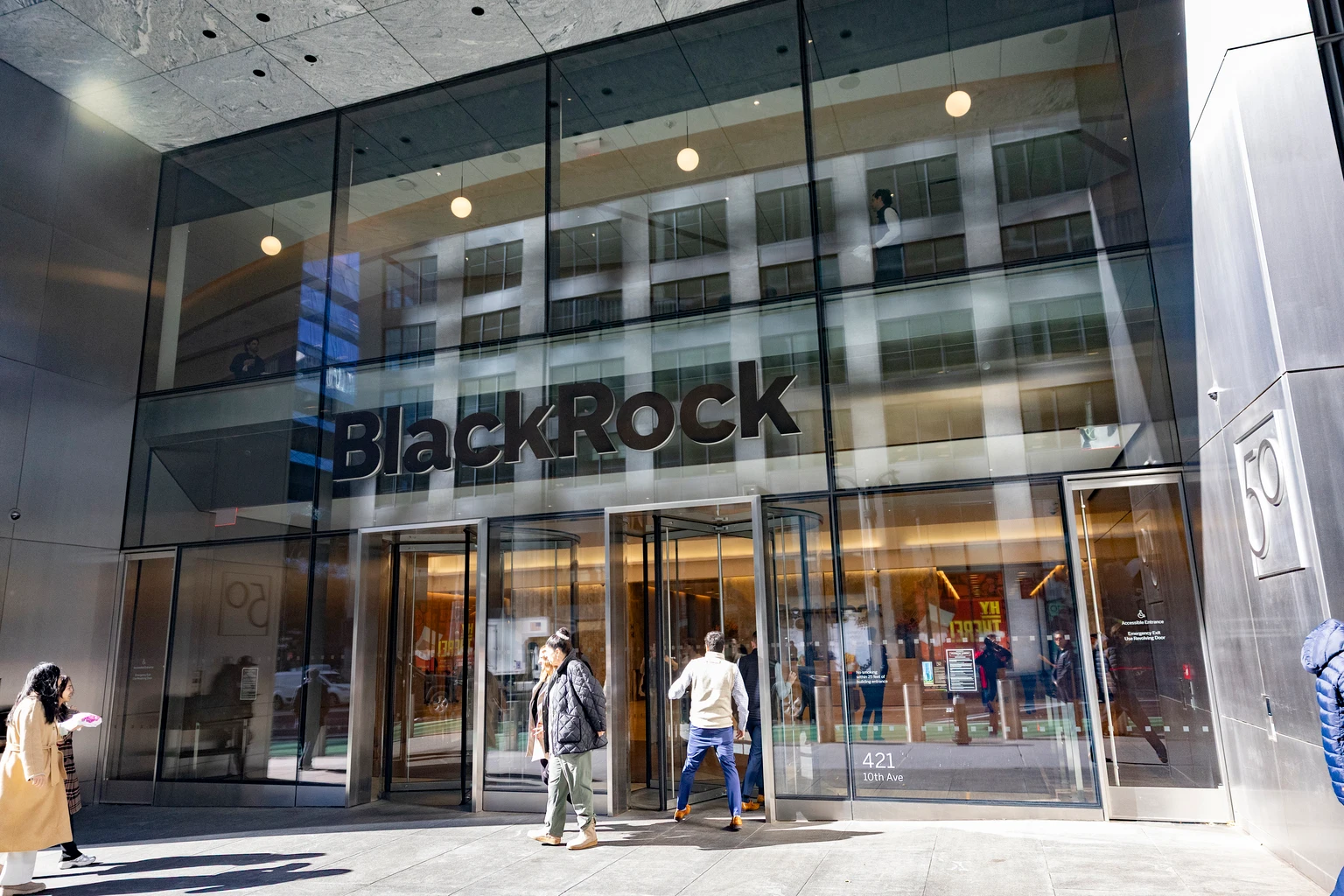
BlackRock TCP Capital: Upgrading To Hold – The Portfolio Sale Changes The Thesis

Published

on

BlackRock TCP Capital: Upgrading To Hold - The Portfolio Sale Changes The Thesis

BlackRock TCP Capital: Upgrading To Hold – The Portfolio Sale Changes The Thesis

Continue Reading

Business

Hypoport reports 5% profit growth in first half of 2026

Published

on


Hypoport reports 5% profit growth in first half of 2026

Continue Reading

Business

Clive Palmer’s bid to remove Perth judge from ASIC dispute fails

Published

on

Clive Palmer’s bid to remove Perth judge from ASIC dispute fails

Yes. Corporate subscriptions are available for teams and organisations, with discounted rates as user numbers increase. Pricing starts from $1,625 + GST per user.
Get in touch
to discuss the right option for your organisation.

Business News subscriptions are used by executives, investors, consultants and professionals who need to stay informed and make better decisions about the WA market. When you subscribe you’ll get

  • Unlimited access to WA’s most trusted business journalism
  • Data & Insights — detailed profiles of WA companies, people, projects and deals
  • MyBN — a personalised feed based on the companies, people and sectors you follow
  • Special publications and industry reports
  • Daily and weekly email newsletters

Data & Insights is a research tool built specifically for the WA market. It draws on more than 30 years of Business News reporting, updated regularly to reflect what’s happening now. Use it to:

  • Look up detailed profiles of WA companies, including financials, directors and ownership
  • Find decision-makers and track their career movements
  • Research live and completed projects across WA industries
  • Monitor deals, appointments and market activity
  • Access industry rankings and league tables

Data & Insights is updated daily by our dedicated research team, which uses the latest announcements, ASX filings and editorial coverage to keep our person, company, list and project records up to date.

Business News welcome all opportunities to make our dataset accurate, complete and current, so if you have an update request, please email the team at
general@businessnews.com.au, and we’d be happy to assist.

Advertisement

MyBN
is part of every subscription. It’s your personalised view of Business News. You can follow the companies, people, sectors and projects that matter to you, and get a news feed and alerts tailored to your interests. You can save articles to read later and retain only what you need.

Only subscribers have full access to all content on the Business News website.

Advertisement

If staying informed about the WA economy is part of your job, and/or you’re looking for networking opportunities in WA, Business News is built for you.

Business News subscribers are:

  • Executives and directors tracking competitors, clients and market movements
  • Investors and advisers researching companies, deals and industry trends
  • Consultants and professionals staying across sectors relevant to their clients
  • Business owners looking for leads, context and market intelligence

Most Business News publications cover national or global markets. Business News is focused entirely on Western Australia, which means the journalism, the data and the intelligence are all built around WA companies, people and projects — not adapted from a national feed. Data & Insights, included with every subscription, combines more than 30 years of WA-specific editorial research with live business data. There’s no comparable product for the WA market.

Advertisement

The Morning Digest Email provides a comprehensive wrap of the major headlines, relevant to WA business, and includes with a snapshot of the overnight news covering oil, gold and ASX-listed companies.

The Afternoon Wrap Email focuses on the news covered by our team of journalists during the course of the working day, including exclusive stories and analysis, all of which relates to WA business and the local economy.

The BN Weekender Email contains a wrap of the Business News from the week that was, highlighting the top stories in each area of WA business.
Sign up for free.

Advertisement

We’re happy to help.
Get in touch
and our team will come back to you.

Advertisement
Continue Reading

Trending

Copyright © 2025