

Connect with us

Business

The Pitt and Hacks Sweep Top Prizes as Jean Smart Ties the All-Time Emmy Acting Record at Starry Ceremony

Published

on

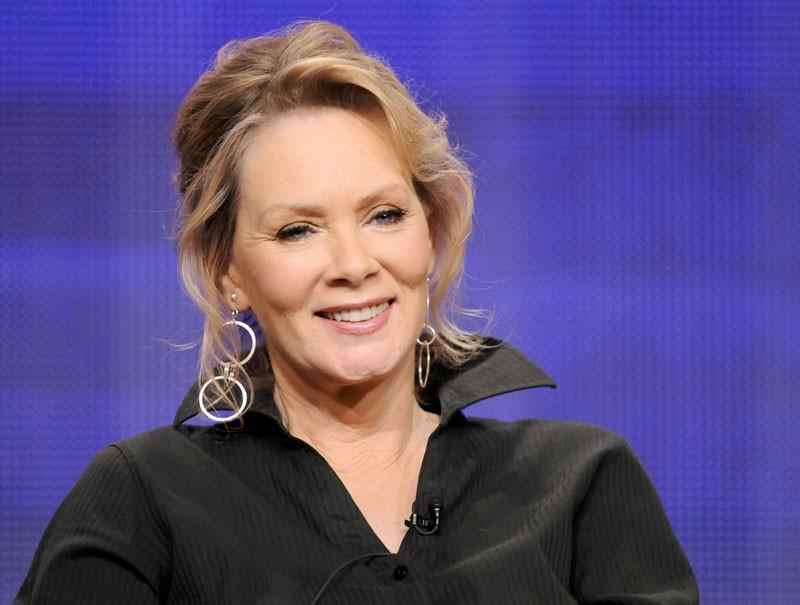
Actress Jean Smart

LOS ANGELES — “The Pitt” and “Hacks” swept the top drama and comedy honors at the 78th Primetime Emmy Awards on Monday night, while “Hacks” star Jean Smart made television history, tying the all-time record for the most acting Emmys ever won by a single performer.

The ceremony, held at the Peacock Theater in downtown Los Angeles and hosted by “Law & Order: Special Victims Unit” star Mariska Hargitay, saw HBO Max’s medical drama “The Pitt” repeat as Outstanding Drama Series for the second consecutive year, beating out “The Diplomat,” “The Gilded Age,” “A Knight of the Seven Kingdoms,” “Paradise,” “Pluribus,” “Slow Horses” and “Your Friends & Neighbors.” The win cements “The Pitt” as the show to beat heading into future award seasons, following a first season that already yielded three Emmys, including drama series, lead actor for Noah Wyle and supporting actress for Katherine LaNasa.

Wyle’s win this year for Outstanding Lead Actor in a Drama Series marked his first Emmy after roughly three decades in the industry, following earlier acclaim for his role on “ER.” LaNasa completed the show’s sweep of the major drama acting categories she was nominated in, winning Outstanding Supporting Actress in a Drama Series for her role as Nurse Dana Evans, her second consecutive win in the category. “The Pitt” entered the night with 25 total nominations, the most of any series this year.

On the comedy side, “Hacks” claimed Outstanding Comedy Series, edging out “Abbott Elementary,” “The Bear,” “Margo’s Got Money Troubles,” “Nobody Wants This,” “Only Murders in the Building,” “Shrinking” and “Widow’s Bay.” The HBO Max comedy entered the night with a record 24 nominations for a single comedy season, surpassing the previous mark of 23 set by “The Bear” in 2024 and matched by “The Studio” in 2025.

Advertisement

The night’s most historic moment belonged to Smart, who won Outstanding Lead Actress in a Comedy Series for her role as Deborah Vance, marking her fifth consecutive win in the category across all five seasons of “Hacks.” The victory made Smart the first performer in television history to win an acting Emmy for every eligible season of a series, and brought her career total to eight acting Emmys, tying the all-time record held by Julia Louis-Dreyfus and Cloris Leachman. Smart opened her acceptance speech with a joke before turning reflective. “Just the men stay standing, the girls get to sit down,” she said, before closing with a simple summary of her five-year run: “What a ride this has been!”

Allison Janney also reached the same milestone Monday night, winning Supporting Actress in a Drama Series for her role as President Grace Penn on Netflix’s “The Diplomat,” her eighth career Emmy win, tying her as well with Louis-Dreyfus and Leachman for the most acting Emmys by a performer.

Elsewhere in the drama categories, Rhea Seehorn won Outstanding Lead Actress in a Drama Series for Apple TV’s freshman series “Pluribus,” following two prior nominations for her work on “Better Call Saul.” Vince Gilligan took the directing prize for “Pluribus” as well, for the episode “We Is Us.”

In the limited series and movie categories, Matthew Rhys had a night to remember, winning both Outstanding Lead Actor in a Limited or Anthology Series or Movie for Netflix’s “The Beast in Me” and, later in the ceremony, Outstanding Lead Actor in a Comedy Series for his role in “Widow’s Bay,” making him the first male performer to win two lead-actor Emmys in the same year. Accepting his comedy award, Rhys credited “Widow’s Bay” creator Katie Dippold’s imagination for his success, joking about the “depraved and twisted mind” behind the show, as his partner, actress Keri Russell, cheered him on from the audience. Sally Field won Outstanding Lead Actress in a Limited or Anthology Series or Movie for “Remarkably Bright Creatures.”

Advertisement

“Widow’s Bay,” the macabre Apple TV comedy about a cursed New England island, entered the night with 19 total nominations and had already collected eight wins during the Creative Arts Emmys held the weekend prior, making it the most-awarded show heading into Monday’s main ceremony alongside “The Pitt.” The show added to that total Monday, with Kate O’Flynn winning Outstanding Supporting Actress in a Comedy Series and Stephen Root winning Outstanding Supporting Actor in a Comedy Series, both first-time Emmy wins.

The Creative Arts Emmys, held the weekend before the main telecast, had already recognized “DTF St. Louis” with six wins, including supporting acting honors for David Harbour and Linda Cardellini, along with directing and writing prizes that the Television Academy moved off this year’s live broadcast.

Hargitay, making history of her own as the first woman to host the Primetime Emmys in 15 years, entered the ceremony fresh off her own Emmy wins the previous weekend for producing and directing “My Mom Jayne,” a documentary about her mother, actress Jayne Mansfield. Hargitay first won a competitive Emmy 20 years earlier, taking home Outstanding Lead Actress in a Drama Series for “Law & Order: SVU” in 2006.

Tonight’s broadcast also carried an air of finality for several long-running and recently concluded series receiving recognition for the last time, including “Hacks,” which wrapped its five-season run this spring, along with “Euphoria” and “Stranger Things,” both nearing the end of their runs on the network and streaming landscape.

Advertisement

With “The Pitt” and “Hacks” now firmly established as the drama and comedy standard-bearers of the past two Emmy cycles, and with both shows continuing into further seasons, attention will likely turn next year to whether either program can extend its dominance, or whether freshman contenders like “Pluribus” and “Widow’s Bay,” each already amassing double-digit nominations and wins in their debut seasons, can mount a serious challenge in 2027.

Continue Reading
Click to comment

You must be logged in to post a comment Login

Leave a Reply

Business

BofA turns bullish on Nifty, forecasts 12% upside by December

Published

on

BofA turns bullish on Nifty, forecasts 12% upside by December
Mumbai: BofA Securities has turned constructive on the Nifty after nearly two years of caution, projecting the index to reach 26,200 by December 2026. This implies an upside of about 12% from current levels. The brokerage, which has maintained a cautious stance since August 2024, said five of the eight risks it had previously flagged have either materialised or are now reflected in valuations.

BofA said the two key near-term risks facing the market are potential US Federal Reserve rate hikes and heavy primary-market issuances. It expects both risks to peak by October, creating room for a Nifty rally from November. The impact of artificial intelligence on Indian employment remains a longer-term structural risk.

Read more: FIIs sell Indian shares worth Rs 14,475 crore in Sept; analyst warns soaring bond yields may deepen selloff

The brokerage expects about $30 billion in primary-market issuances between September and December, with activity peaking in October. It also expects the Federal Reserve to raise rates by 75 basis points during the period, compared with roughly 35 basis points currently priced in by markets.

Advertisement

BofA believes the earnings downgrade cycle may have peaked after consensus FY27 earnings estimates for the Nifty were cut by 230 basis points year-to-date. It forecasts Nifty earnings growth of 10% in FY27 and 15% in FY28, compared with Street estimates of 12% and 15%, respectively.


Read more: India beats a hasty retreat from a crucial market reform
The brokerage has shifted its preference from small- and mid-cap stocks to large caps after broader market indices outperformed the Nifty by 13-20% year-to-date. The valuation premium for small- and mid-cap stocks currently stands at 43%, down from a peak of 53%.

Within the Nifty universe, BofA is positive on private banks, NBFCs, automobiles, upstream energy, cement, regulated power utilities, jewellery, quick commerce and EPC contractors. It remains cautious on PSU banks, insurance, steel, downstream energy, consumer staples, telecom, healthcare, industrials and information technology.

Continue Reading

Business

High street small hospitality and leisure firms in Wales to get a near third cut in business rates

Published

on

The cost will be funded by an increase in business rates for larger firms

First Minister Rhun ap Iorwerth and Finance Minister Elin Jones at the Radyr Tap with owner Phil Newbould.

The Welsh Government has announced plans for a 30% reduction in business rates for smaller firms trading in the hard-pressed hospitality and leisure sectors.

Subject to Senedd approval the reduction, from the start of the 2027-28 financial year, will apply to around 20,000 commercial properties with rateable values below £51,000. The Welsh Government said it will result in a collective fall in business rates for supported smaller firms of around £30m annually.

It will be cost neutral for the Plaid Cymru administration as it will be funded by an increase in business rates for all large businesses, defined as having properties with a rateable value of more than £100,000.

However, the Welsh Government said the difference between the higher multiplier and the standard multiplier for 2027-28 will increase by less than 1p to 2p in the pound.

Advertisement

The 30% reduction will apply to: hospitality venues ;pubs, restaurants, cafés and bars; food courts; licensed clubs and live music venues; visitor accommodation, hotels, guest houses and hostels leisure venues; cinemas, theatres, libraries, museums and gyms.

This permanent support will exceed the 15% temporary relief for food and drink hospitality currently in place.

First Minister Rhun ap Iorwerth said:“Our high streets are the heartbeat of communities right across Wales, and the businesses that fill them deserve our backing.

“This 30% cut to rates for pubs, cafés, gyms, hotels and so many other local favourites is about giving those businesses the confidence to invest, grow and keep serving the communities that rely on them. We’re making the system work better for the sectors that bring our town centres to life.”

Advertisement

The Welsh Government said the change sits alongside the work of its new town centres taskforce, chaired by Simon Gibson, which will consider what more tailored support individual town centres need, recognising that different parts of Wales face different challenges.

Cabinet Minister for Finance Elin Jones said:“This significant and permanent change will make a real difference to eligible hospitality and leisure businesses right across Wales.

“We’ve taken a balanced approach, ensuring this support is affordable while protecting the vital contribution business rates make to our public services – targeting help where it will have the greatest impact on our high streets.”

The precise values of all multipliers for 2027-28 will be confirmed as part of budget preparations, following the UK Government’s autumn Budget.

Advertisement

Laura Doel, TUC Cymru general secretary said: “We support any measures which the government can take to reduce the cost of doing business, and the cost of living.

“However, any government must cautiously weigh these benefits with any proposed tax cut and the potentially negative impact that would have on the government’s ability to invest in our vital public services, and the workers that make them tick.”
Continue Reading

Business

Trump tells Nvidia CEO that AI fears are a ‘hoax’ during phone call

Published

on

Nvidia CEO Jensen Huang warns US chip bans helped China flourish

Nvidia CEO Jensen Huang received a surprise phone call from President Donald Trump on Monday, in which the president dismissed fears that AI poses an existential threat to humanity and argued against calls to slow frontier AI development.

While speaking on stage at the All-In Summit in Los Angeles, Huang answered the call and placed Trump on speakerphone for the audience of thousands, as shown in a video of the event shared by the All-In Podcast

Advertisement

“I’m telling you, it’s all a hoax,” Trump said. “The data centers are great, and they make people wealthy, and they make states wealthy, and it’s the oil of the next 20–25 years.”

Trump said critics are “playing right into the hands of a lot of people that don’t want to see it happen.”

TRUMP RESPONDS TO RISING AI SAFETY CONCERNS, INSISTS TECH WILL BE ‘MORE GOOD THAN BAD’

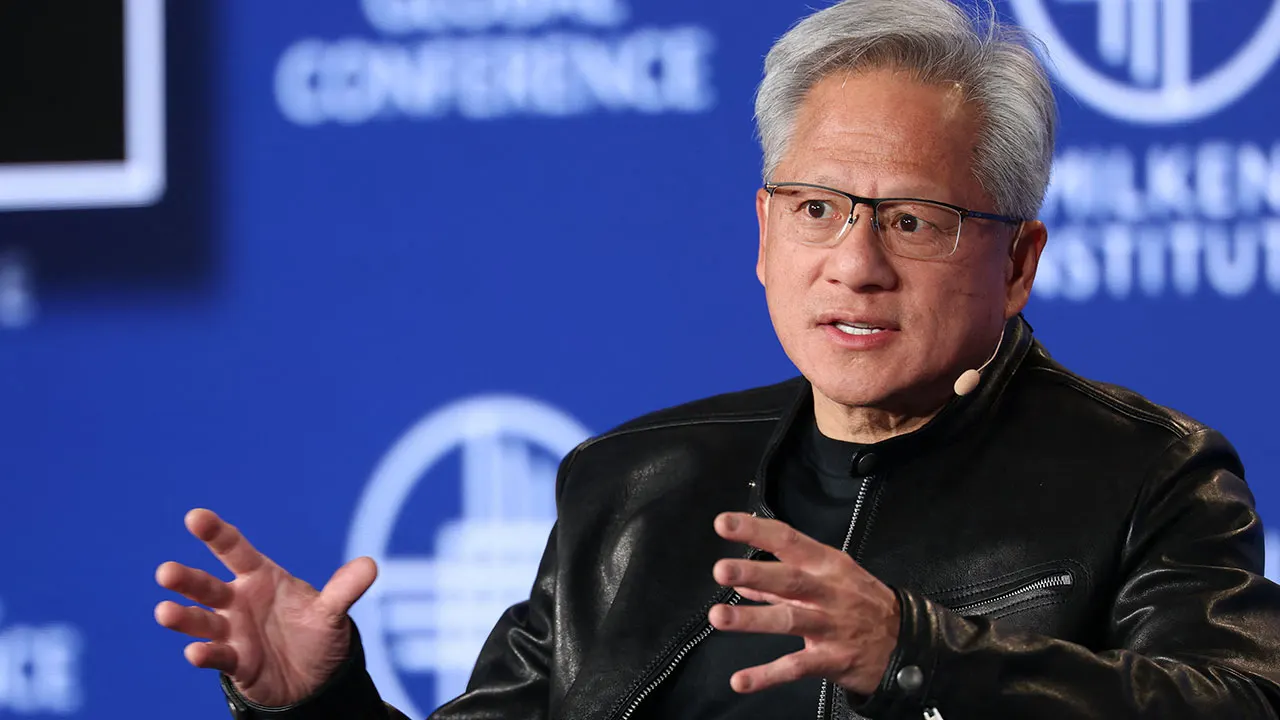
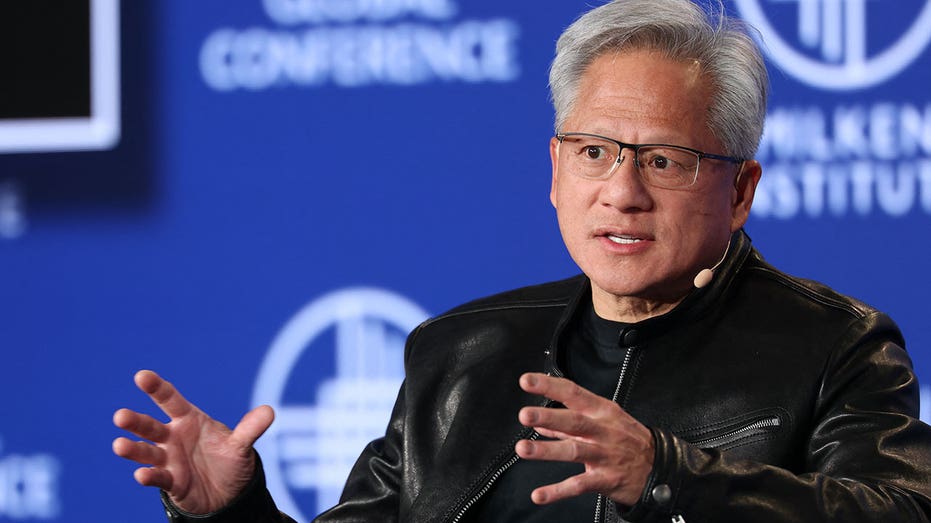
Jensen Huang at Milken Global Conference

Nvidia CEO Jensen Huang received a surprise phone call from President Donald Trump on Monday while speaking on stage at the All-In Summit in Los Angeles. (Patrick T. Fallon / AFP via Getty Images)

“That could be political people. It could also be China. And we’re not going to let that happen,” Trump said.

Advertisement

The president also rejected the idea that AI could pose an existential threat to humanity.

“The robots are not going to be taking over the world,” the president added.

Separately on Monday, Trump shared a series of Truth Social posts defending AI development and criticizing calls for increased regulation.

“AI taking over the World, destroying Humanity, and all other things bad, is a HOAX,” Trump wrote.

Advertisement

TECH CEO WARNS CENTRALIZED AI POWER COULD LEAD TO ‘COUNTERFEIT’ HUMANS, TECHNOCRATS SEEKING CONTROL

U.S. President Donald Trump appears on stage on the second day of the 2026 Republican National Convention in Dallas, Texas.

Trump also rejected the idea that AI could pose an existential threat to humanity. (Andrew Harnik/Getty Images)

Trump’s remarks come as the debate over AI safety intensifies across Silicon Valley and Washington.

Anthropic CEO Dario Amodei published an essay over the weekend urging the industry to “slow the pace” of frontier AI development.

Amodei argued that while AI could deliver enormous benefits, companies should strengthen safeguards as the technology becomes increasingly capable.

Advertisement

“AI brings risks, and because it is such a powerful technology, these risks are serious. I’ve written a lot about them too. They include the risk of losing control of AI systems, misuse of AI for cyberattacks and bioterrorism, and serious economic disruption,” Amodei wrote.

SAM ALTMAN IDENTIFIES TWO BIGGEST RISKS FACING AI’S FUTURE

Anthropic CEO Dario Amodei

Anthropic CEO Dario Amodei published an essay over the weekend urging the industry to “slow the pace” of frontier AI development. (Anna Moneymaker/Getty Images)

The essay also drew support from OpenAI CEO Sam Altman and SpaceX CEO Elon Musk.

“Dario is right,” Musk wrote on X.

Advertisement

GET FOX BUSINESS ON THE GO BY CLICKING HERE

Altman echoed the sentiment, writing: “I agree with Dario that we need to pace the frontier. This has been a primary topic of discussions we’ve had at OpenAI in recent weeks.”

Nvidia could not immediately be reached by FOX Business for comment.

Advertisement
Continue Reading

Business

August Income: 2 Raises From High Yield 5.7 – 8%

Published

on

August Income: 2 Raises From High Yield 5.7 - 8%

This article was written by

Rosenose is a retired healthcare professional and she has been managing her own investments for nearly 2 decades. She writes about stocks with growing dividends targeting a yield of 4+%. She is a contributing author to the investing group Macro Trading Factory where she manages the Rose’s Income Garden portfolio – a diversified portfolio with 80+ stocks from all 11 sectors which targets rising safe income and capital maintenance. The service also has the Funds Macro Portfolio managed by the Macro Teller which aims to outperform the SPY market on a risk-adjusted basis. Both portfolios are easy to follow and have a focus on quality investments, risk management, and diversification. Learn more.

Analyst’s Disclosure: I/we have a beneficial long position in the shares of DFP either through stock ownership, options, or other derivatives. I wrote this article myself, and it expresses my own opinions. I am not receiving compensation for it (other than from Seeking Alpha). I have no business relationship with any company whose stock is mentioned in this article.

Seeking Alpha’s Disclosure: Past performance is no guarantee of future results. No recommendation or advice is being given as to whether any investment is suitable for a particular investor. Any views or opinions expressed above may not reflect those of Seeking Alpha as a whole. Seeking Alpha is not a licensed securities dealer, broker or US investment adviser or investment bank. Our analysts are third party authors that include both professional investors and individual investors who may not be licensed or certified by any institute or regulatory body.

Advertisement
Continue Reading

Business

Fed hike, rising US Yields could trigger fresh selloff in Indian stocks

Published

on

Fed hike, rising US Yields could trigger fresh selloff in Indian stocks
Mumbai: Hours before the ₹22,600-crore initial public offering (IPO) of the National Stock Exchange opens for public subscription this Thursday, the Federal Reserve would have decided on policy rates at its latest review.

Many analysts have pencilled in a probability north of 50% that Fed Chair Kevin Warsh would raise rates a quarter percentage point, marking the first potential hardening in more than three years.

That will have implications beyond the immediate asset class – and geography.

Read more: US stocks today: US stocks end lower as AI slowdown fears hit chipmakers

Advertisement

First, a rise in Fed policy rates could tip the US 10-year sovereign yield – up nearly 7% in a month and now perilously close to the 5% mark – beyond a threshold considered rather rare this millennium. Investors don’t often have to negotiate such levels in US bond yields, which have been used to price assets globally for nearly three quarters of a century.


The 10-year stayed above 5% for a very brief period in October 2023. Prior to that, it had crossed the threshold in 2007, about a year before Lehman Brothers became history.
So, US yields above 5% would make an emerging market like India even more unattractive for foreign institutional investors (FII), which dumped more than ₹14,400 crore of stock over the past two weeks. FIIs sold even after India harnessed record subscriptions to special forex-inflow programmes, which came with a regulatory hedging latitude, to boost its reserves and bolster a wobbling currency.More importantly, risk-free rates at 5% in the world’s biggest market for both debt and equity have ripple effects the world over.

“The reason this matters beyond fixed income is that the government bond yield is the denominator in every asset valuation in the portfolio. For most of the past 15 years, that denominator was small, stable and falling, and the discipline it imposed on equity valuations was correspondingly slight,” British independent investment company Arbion wrote in a recent note. “That is no longer the case.”

Steep Hurdle

US 10-year yields, until September 11 this year, have averaged 4.41% – the highest since 2007. Only on four occasions in the past two decades the gauge breached the 4% threshold.

Relative to 10-year yields, the earnings yield gap – or, the premium equity investors would pay above risk-free returns – has been negative, indicating relative overvaluation for stocks. It could widen if the US 10-year bond crosses 5%, meaning stock owners will be making even bolder earnings growth calls by owning equities.

Advertisement

Read more: Bond market shock: 10-year US Treasury yield tops 5% as oil spike puts Federal Reserve on rate-hike path

Based on the June quarter results, the S&P 500 earnings yield (calculated as the inverse of price-to-earnings ratios) is 3.82%. The 10-year US yield on September 11 was 4.97%, translating into a negative earnings yield gap of 115 basis points – rather unusual for a mature, developed market like the US.

To be sure, the gap is wider in India, which is insulated by robust growth and cheaper current valuations. The PE ratio of Nifty 50, based on the closing level of September 11, is 19.8. So, the Nifty 50 earnings yield works out to 5.05%, translating into a negative earnings yield gap of 197 basis points.

Hence, risks of an equity devaluation, particularly in the developed markets, are rather real – unless earnings pick up sufficiently to justify the equity risk premium. High bond yields could quietly chip away at equity allocations by conservative institutions, such as large pension funds, which run on low but steady return mandates. If unusually high risk-free rates meet their RoI needs, they don’t need much exposure to riskier equities, further denting stocks.

Advertisement

Such a scenario could test the resilience of domestic retail investors, who now own about a fifth of Indian equities directly or indirectly, and have provided the bulwark against recent bouts of FII selling.

Continue Reading

Business

Hancock secures stake in White Cliff

Published

on

Hancock secures stake in White Cliff

Shares in Perth-based junior White Cliff Minerals rose by more than 10 per cent on Tuesday morning, following news of Hancock Prospecting eying off a 13.5 per cent stake in the company.

Continue Reading

Business

Positive Breakout: These 6 stocks cross above their 200 DMAs

Published

on

The Economic Times

In the Nifty500 pack, six stocks’ closing prices crossed above their 200-day moving averages (DMA) on September 11, 2026, according to StockEdge’s technical scan data. The 200-day moving average (DMA) is used by traders as a key indicator for determining the overall trend of a stock. As long as a stock’s price remains above its 200-day moving average on the daily timeframe, it is generally interpreted as being in an overall uptrend.

Continue Reading

Business

Royal Biographer Reveals Prince William and Kate Middleton’s Secret Date Before That Famous Fashion Show

Published

on

Savannah James

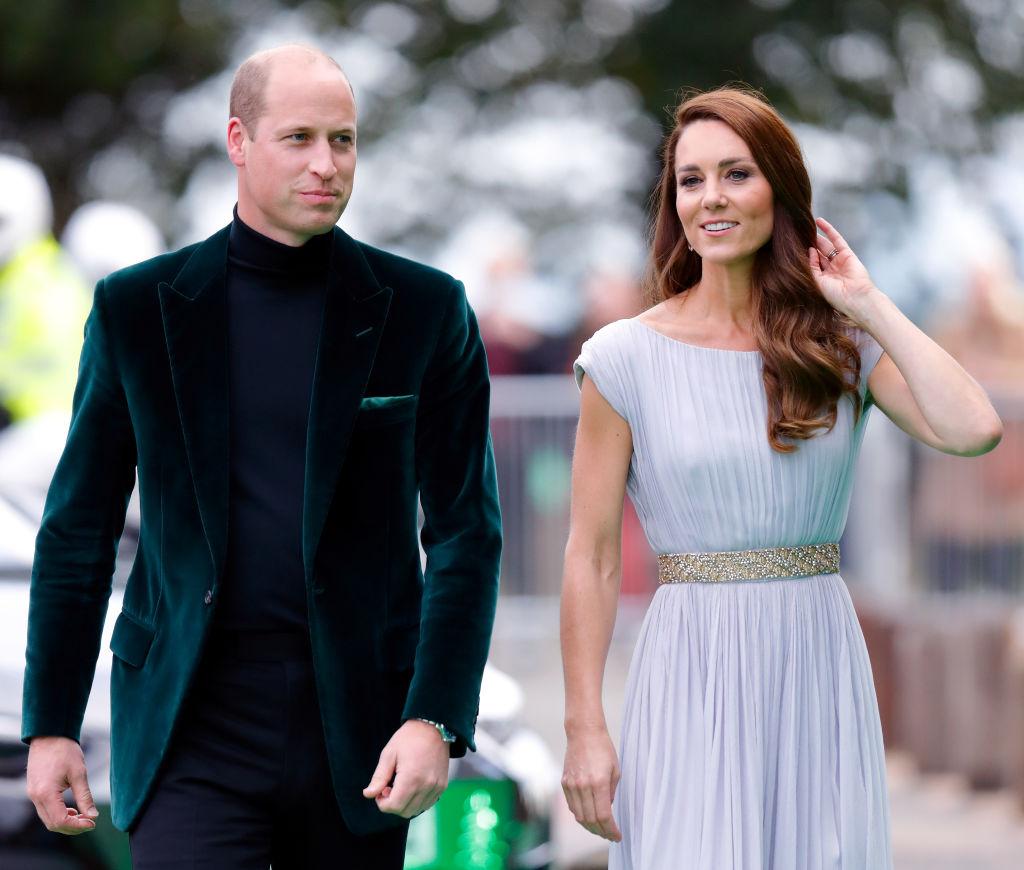
LONDON — A new account from a longtime royal biographer is rewriting a key chapter of Prince William and Catherine, Princess of Wales’s origin story, revealing the couple had already been on a private date together months before the 2002 charity fashion show long credited with sparking William’s romantic interest in his university friend.

For years, royal lore has held that William first became romantically attracted to Kate after watching her walk the runway at a student charity fashion show called “Don’t Walk” in March 2002, sponsored by Yves Saint Laurent. Seated in the front row, William reportedly turned to a friend after seeing Kate appear in a see-through tunic made of gold and black fabric, trimmed with blue ribbon and worn over a black bandeau bra and bikini bottoms, and remarked, “She’s hot!”

But royal biographer Ingrid Seward, editor-in-chief of Majesty magazine, says that account leaves out a crucial earlier moment. Writing for The Daily Mail, Seward revealed new details about the couple’s relationship timeline. “What no one knew back then — but I can exclusively reveal now — is that the couple had already been on a date,” Seward wrote.

William and Kate first met in the fall of 2001 as first-year students at the University of St. Andrews in Scotland, where both were initially studying art history. William would later switch to geography, while Kate went on to graduate with her art history degree. According to Seward, the pivotal early date took place during the Christmas holidays that year, when William made a lengthy drive to see Kate. “William had driven for more than an hour to pick up Catherine from her parents’ home in Bucklebury, Berkshire, then take her for a drink at a nearby pub, the Old Boot Inn at Stanford Dingley,” Seward wrote. “In the snug surroundings of a country pub with dark wood furnishings and a fire going, there was a crucial shift in their fledgling relationship.”

Advertisement

That evening, according to Seward’s account, Kate helped William work through a personal dilemma. William had grown bored with the art history coursework but felt trapped by his own reluctance to quit. “But he felt he couldn’t quit, for fear of being branded a loser,” Seward wrote, adding that it was during this date that Kate suggested he consider switching majors, and the two worked through the possible alternatives together.

Seward suggested the moment carried significance beyond simple academic advice, offering William something he rarely encountered in his social circle. “Surrounded as he was by people who almost always said ‘yes,’ it was difficult for William in those days to form concrete opinions, but here was someone genuinely interested in his dilemma, coming up with a solution,” Seward wrote. “She might be a good-looking young woman, but Catherine Middleton was also someone with a wise head whom he could consult on an equal footing.”

William returned to St. Andrews in January and formally switched his course of study from art history to geography. Two months later came the now-famous fashion show, where Kate’s runway appearance would go on to become one of the most widely circulated images of the decade. Seward argued the fashion show’s cultural impact has somewhat overshadowed what had already developed between the couple by that point. “But while she might have looked stunning, she already had more than a lovelorn William’s admiration — she also had his trust,” Seward wrote.

By the fall of 2002, Queen Elizabeth II made what Seward described as a striking decision at the time, permitting William and Kate to live together as roommates even though the pair were already romantically involved, alongside two additional roommates, Fergus Boyd and Olivia Bleasdale, whose presence helped keep the developing relationship out of public view. That arrangement played a significant role in allowing William and Kate to keep their relationship private until it was first publicly confirmed in April 2004, more than two years after it began.

Advertisement

Seward drew a direct contrast between William’s approach to courtship and that of his parents, Charles and the late Diana, Princess of Wales, who married in July 1981 after having spent time together on only about 13 occasions before their wedding. “Catherine and William were seeing each other that many times in a week” during their college years, Seward wrote. She also noted how dramatically social expectations had shifted in the decades between the two royal courtships, writing that three decades earlier, an unmarried couple living together “would have killed Catherine’s chances of marrying William stone dead.” According to Seward, Queen Elizabeth’s willingness to depart from that earlier tradition gave William room “to develop a profound and lasting relationship at his own pace.”

The now-iconic fashion show garment itself has its own story. The outfit was designed by Kate’s St. Andrews classmate Charlotte Todd, who said the assignment behind the look carried an unintentionally fitting theme. “It was called ‘The Art of Seduction,’ which is quite apt, really,” Todd told People. “I didn’t know who Kate Middleton was and I didn’t put her in it. It was just pure chance!” Todd said the garment, originally conceived as a skirt rather than a dress, cost less than $50 to produce. It later sold at auction in 2011, the same year William and Kate married, for $125,000.

Reflecting on her unexpected role in royal history, Todd told People she remains struck by the moment’s significance. “A small part of me will always be part of royal history,” she said. “It’s madness!”

Seward’s account adds new texture to a relationship that has been extensively chronicled since William and Kate’s engagement in 2010 and their 2011 wedding, offering a more grounded counterpoint to the widely repeated fashion-show origin story: not a sudden spark on a runway, but a quiet drive to a country pub months earlier, where a friendship first began shifting into something more.

Advertisement
Continue Reading

Business

Building Stronger Campaigns With Experienced Marketing Specialists

Published

on

Building Stronger Campaigns With Experienced Marketing Specialists

With competition at an all-time high, crafting a standout campaign can feel like navigating a maze without a map.

This is where marketing specialists come into play. These professionals bring both creativity and strategy to the table, helping brands connect with their audience in meaningful ways. If you want your campaigns to shine and resonate, tapping into the expertise of experienced marketing specialists could be your secret weapon. Let’s explore how they can elevate your marketing efforts and drive impactful results for your brand.

Importance of hiring experienced marketing specialists

Hiring experienced marketing specialists can be a game-changer for your business. A Sydney based Shout marketing agency can provide specialized knowledge and strategic support to help businesses elevate their campaigns.

Free newsletters
Advertisement

The stories that matter to UK business, straight to your inbox.

Advertisement

With industry experience, these professionals understand market trends and consumer behavior deeply. Their expertise allows them to craft targeted messages that resonate with your audience.

An experienced specialist also knows how to navigate challenges effectively. They have dealt with various scenarios and can quickly adapt their approach when needed. This adaptability is crucial in today’s fast-paced environment.

Additionally, seasoned marketers possess an extensive network of contacts within the industry. This network can open doors to collaborations or partnerships that may benefit your brand significantly.

Investing in skilled marketing talent not only enhances creativity but also improves overall campaign efficiency. Their guidance ensures you’re making informed decisions rather than guessing what might work best for your target market.

Advertisement

Skills and expertise to look for in a marketing specialist

When searching for a marketing specialist, certain skills stand out. Look for creativity; it’s the backbone of any compelling campaign. A creative mind can generate fresh ideas that capture audience attention.

Analytical abilities are also vital. Specialists should interpret data effectively to measure success and adjust strategies accordingly. Understanding metrics is key in today’s digital landscape.

Another essential skill is excellent communication. Marketing specialists need to convey ideas clearly, whether they’re writing content or presenting to stakeholders. Collaboration with different teams is common, so interpersonal skills matter too.

Furthermore, familiarity with various tools and platforms is important. Being proficient in social media management software, SEO techniques, and email marketing systems enhances their effectiveness.

Advertisement

Adaptability cannot be overlooked. The marketing world changes rapidly; specialists must embrace new trends and technologies while remaining flexible in their approach.

The role of a marketing specialist in building strong campaigns

A marketing specialist plays a pivotal role in crafting campaigns that resonate. They understand the nuances of target audiences and can tailor strategies to meet their specific needs.

These professionals analyze data, identify trends, and leverage insights to create compelling narratives. Their expertise helps brands communicate effectively across multiple channels, ensuring consistency and impact.

Creativity is another vital aspect of their contribution. A marketing specialist combines innovative ideas with strategic thinking to design memorable campaigns that capture attention.

Advertisement

Collaboration also defines their role; they work closely with different teams—designers, content creators, and sales—to ensure every element aligns perfectly. This synergy amplifies the effectiveness of each campaign component.

By navigating market dynamics and consumer behavior, these specialists position brands for success in competitive landscapes. Their adaptability lets them pivot strategies quickly based on feedback or shifting trends, keeping campaigns fresh and relevant.

How to find and hire the right marketing specialist

Finding the right marketing specialist can feel overwhelming, but a structured approach makes it easier. Start by defining your campaign goals clearly. What do you want to achieve? Whether it’s brand awareness or lead generation, knowing your objectives will guide your search.

Next, utilize various platforms to scout potential candidates. LinkedIn is a powerful tool for professional networking and job postings. Websites like Upwork and Fiverr also offer access to freelancers with diverse expertise in marketing.

Advertisement

When reviewing applicants, assess their portfolios carefully. Look for case studies that demonstrate success in campaigns similar to yours. Pay close attention to testimonials from previous clients; they often provide insight into work ethic and results achieved.

Conduct interviews that focus on problem-solving abilities and creative thinking. Ask about past experiences and how they adapted strategies based on performance data or market changes. This will help you gauge their adaptability—an essential trait in today’s fast-paced digital world.

Consider starting with a trial project before making a long-term commitment. This allows both parties to evaluate compatibility without significant risk involved.

By taking these steps thoughtfully, you’ll increase the likelihood of hiring an experienced marketing specialist who aligns perfectly with your vision for stronger campaigns ahead.

Advertisement

Continue Reading

Business

What Each Shot Needs to Show

Published

on

What Each Shot Needs to Show

Start by deciding which moments explain the feature and which require close-up footage of the real product.

Seedance 2.5 can help teams explore an AI product video before committing to a full shoot. The safest plan separates illustrative concept visuals from shots that require real product evidence.

Choose one feature and one proof

Consider a hypothetical reusable bottle with a twist-lock lid. The feature is the locking mechanism. The visible action is the user aligning the lid, turning it into the locked position and placing the bottle upright in a bag. This demonstrates the closing sequence; a leakage claim would require a separate, appropriate product test.

Free newsletters
Advertisement

The stories that matter to UK business, straight to your inbox.

Advertisement

Do not add temperature retention, material safety or durability claims unless they are verified and approved. Keeping the demonstration narrow makes the visual sequence easier to understand and review.

Build the storyboard around cause and effect

Shot one establishes the problem with the open bottle near a packed bag. Shot two shows the real locking action in close-up. Shot three confirms the locked position. Shot four moves into an illustrative commute setting. Shot five returns to a clear product view with approved copy.

Write each panel as a production instruction:

Shot 1 — context: the open bottle beside a bag establishes the packing task. Use a concept frame to plan composition.

Advertisement

Shot 2 — operation: a real close-up shows the hand aligning and turning the lid. Match the actual mechanism.

Shot 3 — result: real footage shows the final locked position. Do not infer a performance claim from this frame.

Shot 4 — transition: a generated commute scene can supply atmosphere, with product details checked before use.

Shot 5 — next step: combine an approved product image with exact copy in the edit.

Advertisement

This five-shot outline keeps the feature demonstration specific while giving generated context a clear role.

Reserve real footage for product truth

Use real footage for the close-up of the locking mechanism, the contact between hand and lid, the final locked position and any performance claim. These shots depend on physical detail and should reflect the actual product.

Real footage is also appropriate when packaging text, legal copy, measurements or safety behavior must be exact. A reference image may guide generated appearance, but it does not guarantee that every shape, label or interaction will remain accurate.

Use generated visuals for illustrative context

Generated material may be useful for a broad opening environment, a transition from kitchen to commute, or a stylized background behind the final product frame. On Seedance2Video, Seedance 2.5 supports prompt-led generation with optional references and multiple output settings. That makes it useful for exploring how context and camera movement could connect the factual demonstration shots.

Advertisement

Label every generated storyboard panel or clip as illustrative during review. This prevents a concept from being mistaken for tested product evidence.

Write prompts from the storyboard

Describe only what the selected illustrative shot needs: subject, setting, action, camera, timing and mood. If an approved product image is used, state that it guides appearance. Avoid packing the whole demonstration into one instruction when only the transition is being explored.

For example: “A sealed travel bottle stands upright beside a canvas work bag in soft morning light. The camera makes a slow lateral move as the setting transitions from a kitchen counter to a train seat. Keep clear space on the right for later text.” This is an illustrative prompt, not a report of actual output.

Review the complete sequence

Check that each action appears before its result and that the feature is visible at normal viewing size. Confirm that real and generated shots match closely enough in color, direction and pacing to edit together. Verify product details, hands, reflections, text and continuity.

Advertisement

A strong product demonstration storyboard protects both clarity and trust. It assigns real footage to moments that prove how the product works and uses generated visuals where creative context can add value without pretending to be evidence.

Advertisement
Continue Reading

Trending

Copyright © 2025