
Business
What Each Shot Needs to Show


Start by deciding which moments explain the feature and which require close-up footage of the real product.
Seedance 2.5 can help teams explore an AI product video before committing to a full shoot. The safest plan separates illustrative concept visuals from shots that require real product evidence.
Choose one feature and one proof
Consider a hypothetical reusable bottle with a twist-lock lid. The feature is the locking mechanism. The visible action is the user aligning the lid, turning it into the locked position and placing the bottle upright in a bag. This demonstrates the closing sequence; a leakage claim would require a separate, appropriate product test.
Do not add temperature retention, material safety or durability claims unless they are verified and approved. Keeping the demonstration narrow makes the visual sequence easier to understand and review.
Build the storyboard around cause and effect
Shot one establishes the problem with the open bottle near a packed bag. Shot two shows the real locking action in close-up. Shot three confirms the locked position. Shot four moves into an illustrative commute setting. Shot five returns to a clear product view with approved copy.
Write each panel as a production instruction:
Shot 1 — context: the open bottle beside a bag establishes the packing task. Use a concept frame to plan composition.
Shot 2 — operation: a real close-up shows the hand aligning and turning the lid. Match the actual mechanism.
Shot 3 — result: real footage shows the final locked position. Do not infer a performance claim from this frame.
Shot 4 — transition: a generated commute scene can supply atmosphere, with product details checked before use.
Shot 5 — next step: combine an approved product image with exact copy in the edit.
This five-shot outline keeps the feature demonstration specific while giving generated context a clear role.
Reserve real footage for product truth
Use real footage for the close-up of the locking mechanism, the contact between hand and lid, the final locked position and any performance claim. These shots depend on physical detail and should reflect the actual product.
Real footage is also appropriate when packaging text, legal copy, measurements or safety behavior must be exact. A reference image may guide generated appearance, but it does not guarantee that every shape, label or interaction will remain accurate.
Use generated visuals for illustrative context
Generated material may be useful for a broad opening environment, a transition from kitchen to commute, or a stylized background behind the final product frame. On Seedance2Video, Seedance 2.5 supports prompt-led generation with optional references and multiple output settings. That makes it useful for exploring how context and camera movement could connect the factual demonstration shots.
Label every generated storyboard panel or clip as illustrative during review. This prevents a concept from being mistaken for tested product evidence.
Write prompts from the storyboard
Describe only what the selected illustrative shot needs: subject, setting, action, camera, timing and mood. If an approved product image is used, state that it guides appearance. Avoid packing the whole demonstration into one instruction when only the transition is being explored.
For example: “A sealed travel bottle stands upright beside a canvas work bag in soft morning light. The camera makes a slow lateral move as the setting transitions from a kitchen counter to a train seat. Keep clear space on the right for later text.” This is an illustrative prompt, not a report of actual output.
Review the complete sequence
Check that each action appears before its result and that the feature is visible at normal viewing size. Confirm that real and generated shots match closely enough in color, direction and pacing to edit together. Verify product details, hands, reflections, text and continuity.
A strong product demonstration storyboard protects both clarity and trust. It assigns real footage to moments that prove how the product works and uses generated visuals where creative context can add value without pretending to be evidence.


Shares in Perth-based junior White Cliff Minerals rose by more than 10 per cent on Tuesday morning, following news of Hancock Prospecting eying off a 13.5 per cent stake in the company.

In the Nifty500 pack, six stocks’ closing prices crossed above their 200-day moving averages (DMA) on September 11, 2026, according to StockEdge’s technical scan data. The 200-day moving average (DMA) is used by traders as a key indicator for determining the overall trend of a stock. As long as a stock’s price remains above its 200-day moving average on the daily timeframe, it is generally interpreted as being in an overall uptrend.
Business
Royal Biographer Reveals Prince William and Kate Middleton’s Secret Date Before That Famous Fashion Show
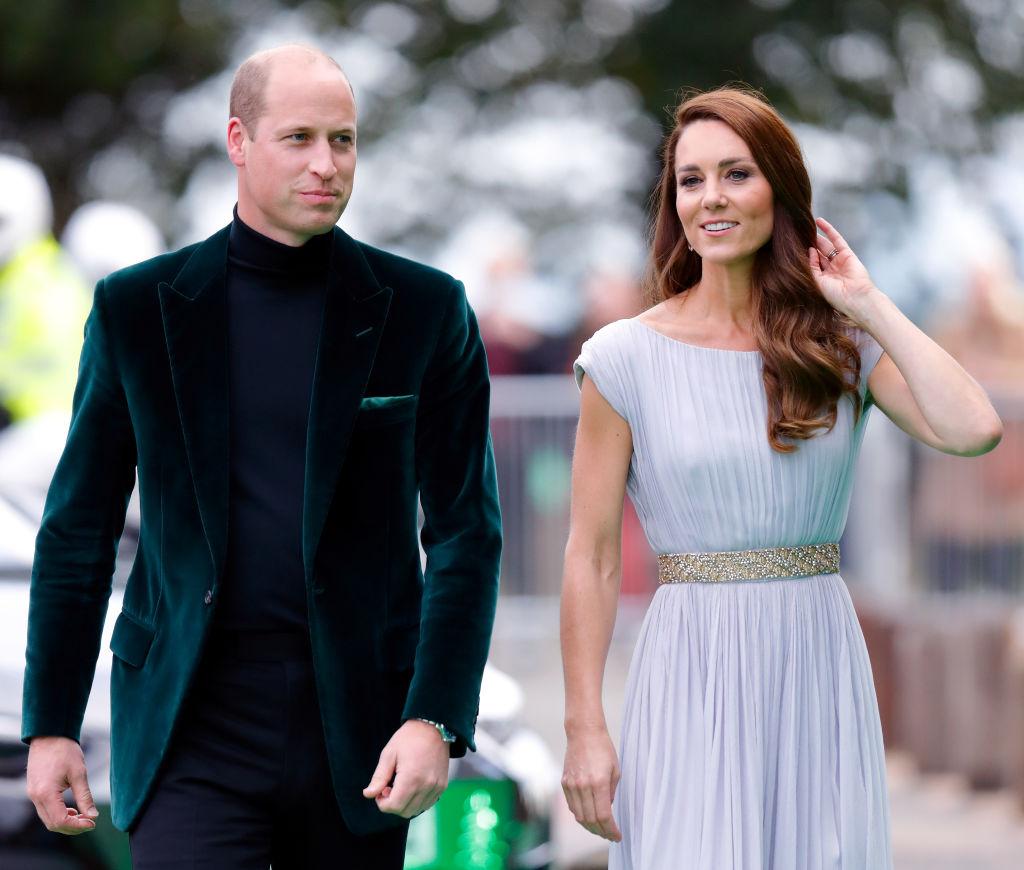
LONDON — A new account from a longtime royal biographer is rewriting a key chapter of Prince William and Catherine, Princess of Wales’s origin story, revealing the couple had already been on a private date together months before the 2002 charity fashion show long credited with sparking William’s romantic interest in his university friend.
For years, royal lore has held that William first became romantically attracted to Kate after watching her walk the runway at a student charity fashion show called “Don’t Walk” in March 2002, sponsored by Yves Saint Laurent. Seated in the front row, William reportedly turned to a friend after seeing Kate appear in a see-through tunic made of gold and black fabric, trimmed with blue ribbon and worn over a black bandeau bra and bikini bottoms, and remarked, “She’s hot!”
But royal biographer Ingrid Seward, editor-in-chief of Majesty magazine, says that account leaves out a crucial earlier moment. Writing for The Daily Mail, Seward revealed new details about the couple’s relationship timeline. “What no one knew back then — but I can exclusively reveal now — is that the couple had already been on a date,” Seward wrote.
William and Kate first met in the fall of 2001 as first-year students at the University of St. Andrews in Scotland, where both were initially studying art history. William would later switch to geography, while Kate went on to graduate with her art history degree. According to Seward, the pivotal early date took place during the Christmas holidays that year, when William made a lengthy drive to see Kate. “William had driven for more than an hour to pick up Catherine from her parents’ home in Bucklebury, Berkshire, then take her for a drink at a nearby pub, the Old Boot Inn at Stanford Dingley,” Seward wrote. “In the snug surroundings of a country pub with dark wood furnishings and a fire going, there was a crucial shift in their fledgling relationship.”
That evening, according to Seward’s account, Kate helped William work through a personal dilemma. William had grown bored with the art history coursework but felt trapped by his own reluctance to quit. “But he felt he couldn’t quit, for fear of being branded a loser,” Seward wrote, adding that it was during this date that Kate suggested he consider switching majors, and the two worked through the possible alternatives together.
Seward suggested the moment carried significance beyond simple academic advice, offering William something he rarely encountered in his social circle. “Surrounded as he was by people who almost always said ‘yes,’ it was difficult for William in those days to form concrete opinions, but here was someone genuinely interested in his dilemma, coming up with a solution,” Seward wrote. “She might be a good-looking young woman, but Catherine Middleton was also someone with a wise head whom he could consult on an equal footing.”
William returned to St. Andrews in January and formally switched his course of study from art history to geography. Two months later came the now-famous fashion show, where Kate’s runway appearance would go on to become one of the most widely circulated images of the decade. Seward argued the fashion show’s cultural impact has somewhat overshadowed what had already developed between the couple by that point. “But while she might have looked stunning, she already had more than a lovelorn William’s admiration — she also had his trust,” Seward wrote.
By the fall of 2002, Queen Elizabeth II made what Seward described as a striking decision at the time, permitting William and Kate to live together as roommates even though the pair were already romantically involved, alongside two additional roommates, Fergus Boyd and Olivia Bleasdale, whose presence helped keep the developing relationship out of public view. That arrangement played a significant role in allowing William and Kate to keep their relationship private until it was first publicly confirmed in April 2004, more than two years after it began.
Seward drew a direct contrast between William’s approach to courtship and that of his parents, Charles and the late Diana, Princess of Wales, who married in July 1981 after having spent time together on only about 13 occasions before their wedding. “Catherine and William were seeing each other that many times in a week” during their college years, Seward wrote. She also noted how dramatically social expectations had shifted in the decades between the two royal courtships, writing that three decades earlier, an unmarried couple living together “would have killed Catherine’s chances of marrying William stone dead.” According to Seward, Queen Elizabeth’s willingness to depart from that earlier tradition gave William room “to develop a profound and lasting relationship at his own pace.”
The now-iconic fashion show garment itself has its own story. The outfit was designed by Kate’s St. Andrews classmate Charlotte Todd, who said the assignment behind the look carried an unintentionally fitting theme. “It was called ‘The Art of Seduction,’ which is quite apt, really,” Todd told People. “I didn’t know who Kate Middleton was and I didn’t put her in it. It was just pure chance!” Todd said the garment, originally conceived as a skirt rather than a dress, cost less than $50 to produce. It later sold at auction in 2011, the same year William and Kate married, for $125,000.
Reflecting on her unexpected role in royal history, Todd told People she remains struck by the moment’s significance. “A small part of me will always be part of royal history,” she said. “It’s madness!”
Seward’s account adds new texture to a relationship that has been extensively chronicled since William and Kate’s engagement in 2010 and their 2011 wedding, offering a more grounded counterpoint to the widely repeated fashion-show origin story: not a sudden spark on a runway, but a quiet drive to a country pub months earlier, where a friendship first began shifting into something more.

With competition at an all-time high, crafting a standout campaign can feel like navigating a maze without a map.
This is where marketing specialists come into play. These professionals bring both creativity and strategy to the table, helping brands connect with their audience in meaningful ways. If you want your campaigns to shine and resonate, tapping into the expertise of experienced marketing specialists could be your secret weapon. Let’s explore how they can elevate your marketing efforts and drive impactful results for your brand.
Importance of hiring experienced marketing specialists
Hiring experienced marketing specialists can be a game-changer for your business. A Sydney based Shout marketing agency can provide specialized knowledge and strategic support to help businesses elevate their campaigns.
With industry experience, these professionals understand market trends and consumer behavior deeply. Their expertise allows them to craft targeted messages that resonate with your audience.
An experienced specialist also knows how to navigate challenges effectively. They have dealt with various scenarios and can quickly adapt their approach when needed. This adaptability is crucial in today’s fast-paced environment.
Additionally, seasoned marketers possess an extensive network of contacts within the industry. This network can open doors to collaborations or partnerships that may benefit your brand significantly.
Investing in skilled marketing talent not only enhances creativity but also improves overall campaign efficiency. Their guidance ensures you’re making informed decisions rather than guessing what might work best for your target market.
Skills and expertise to look for in a marketing specialist
When searching for a marketing specialist, certain skills stand out. Look for creativity; it’s the backbone of any compelling campaign. A creative mind can generate fresh ideas that capture audience attention.
Analytical abilities are also vital. Specialists should interpret data effectively to measure success and adjust strategies accordingly. Understanding metrics is key in today’s digital landscape.
Another essential skill is excellent communication. Marketing specialists need to convey ideas clearly, whether they’re writing content or presenting to stakeholders. Collaboration with different teams is common, so interpersonal skills matter too.
Furthermore, familiarity with various tools and platforms is important. Being proficient in social media management software, SEO techniques, and email marketing systems enhances their effectiveness.
Adaptability cannot be overlooked. The marketing world changes rapidly; specialists must embrace new trends and technologies while remaining flexible in their approach.
The role of a marketing specialist in building strong campaigns
A marketing specialist plays a pivotal role in crafting campaigns that resonate. They understand the nuances of target audiences and can tailor strategies to meet their specific needs.
These professionals analyze data, identify trends, and leverage insights to create compelling narratives. Their expertise helps brands communicate effectively across multiple channels, ensuring consistency and impact.
Creativity is another vital aspect of their contribution. A marketing specialist combines innovative ideas with strategic thinking to design memorable campaigns that capture attention.
Collaboration also defines their role; they work closely with different teams—designers, content creators, and sales—to ensure every element aligns perfectly. This synergy amplifies the effectiveness of each campaign component.
By navigating market dynamics and consumer behavior, these specialists position brands for success in competitive landscapes. Their adaptability lets them pivot strategies quickly based on feedback or shifting trends, keeping campaigns fresh and relevant.
How to find and hire the right marketing specialist
Finding the right marketing specialist can feel overwhelming, but a structured approach makes it easier. Start by defining your campaign goals clearly. What do you want to achieve? Whether it’s brand awareness or lead generation, knowing your objectives will guide your search.
Next, utilize various platforms to scout potential candidates. LinkedIn is a powerful tool for professional networking and job postings. Websites like Upwork and Fiverr also offer access to freelancers with diverse expertise in marketing.
When reviewing applicants, assess their portfolios carefully. Look for case studies that demonstrate success in campaigns similar to yours. Pay close attention to testimonials from previous clients; they often provide insight into work ethic and results achieved.
Conduct interviews that focus on problem-solving abilities and creative thinking. Ask about past experiences and how they adapted strategies based on performance data or market changes. This will help you gauge their adaptability—an essential trait in today’s fast-paced digital world.
Consider starting with a trial project before making a long-term commitment. This allows both parties to evaluate compatibility without significant risk involved.
By taking these steps thoughtfully, you’ll increase the likelihood of hiring an experienced marketing specialist who aligns perfectly with your vision for stronger campaigns ahead.

The Stock Exchange of Thailand has updated listing criteria to allow new economy companies in 10 industries to raise funds, including those promoted by BOI and EEC, and international companies
The Stock Exchange of Thailand (SET) has amended listing criteria to better align with the new economic landscape and international practices. The revision opens up opportunities for New Economy companies, both domestic and foreign, across 10 target industry groups, such as Medical and Healthcare Advances, Next-Generation Automotive, and Smart Electronics, as well as companies promoted by the Board of Investment (BOI) and the Eastern Economic Corridor Office (EEC), and leading foreign companies, to raise funds in the Thai capital market, while maintaining the same standards of quality, financial standing, and information disclosure.
SET President Asadej Kongsiri said that over the past 30 years, the business structure of listed companies in the Thai capital market has hardly changed, while the New Economy industries have been growing exponentially and require truly accessible sources of funding. This revision of the listing criteria marks a significant step in elevating the Thai capital market in line with the 3-year strategic plan (2026-2028) under the vision of ‘The Trusted Gateway to Inclusive Opportunities’. The new criteria will facilitate faster and more convenient fundraising for companies promoted by the BOI and EEC, as well as leading international companies, while maintaining the same quality standards. Notably, it paves the way for opportunities among Thai investors to grow alongside these industries of the future.
These criteria have undergone consultation with related stakeholders and have already received approval from the Securities and Exchange Commission (SEC) Board. They will take effect from September 11, 2026 onwards, with the key changes summarized as follows:
For details on the revised criteria, please visit SET website at https://www.set.or.th/en/rules-regulations/circulars under the headings “Rules/Regulations” and “Rules – Circulars Letters Concerning Listed Securities” entitled “Revision of the Listing Criteria to Attract High-Potential Companies to List on the Stock Exchange of Thailand”.
Note: The 10 target industry groups (New Economy) consist of: 1. Advanced Agriculture & Food, 2. Biofuels & Biochemicals, 3. Medical and Health Advances, 4. Creative Tourism, 5. Next-Generation Automotive, 6. Aviation & Logistics, 7. Digital & E-Commerce, 8. Smart Electronics, 9. Robotics, 10. Technology and Innovation Development, such as Biotechnology, Nanotechnology, Digital Technology, and Advanced Material Technology.
“SET…The Trusted Gateway to Inclusive Opportunities”
Members of the media, please contact Strategic Content & Media Communication Department tel: +66 (0) 2009 9489.
Check out what’s clicking on FoxBusiness.com.
Costco has raised the price of motor oil sold under its exclusive private-label Kirkland brand and is now limiting how much customers can purchase weekly amid rising oil prices.
A 10-quart case of Kirkland Signature full synthetic motor oil is now $58, according to Costco’s website, after previously selling for roughly $30 to $35 for much of the past several years.
Customers are limited to two cases per week, the product page reads in bold.
COSTCO SET TO EXPAND WITH 14 NEW WAREHOUSES ACROSS US AND CANADA
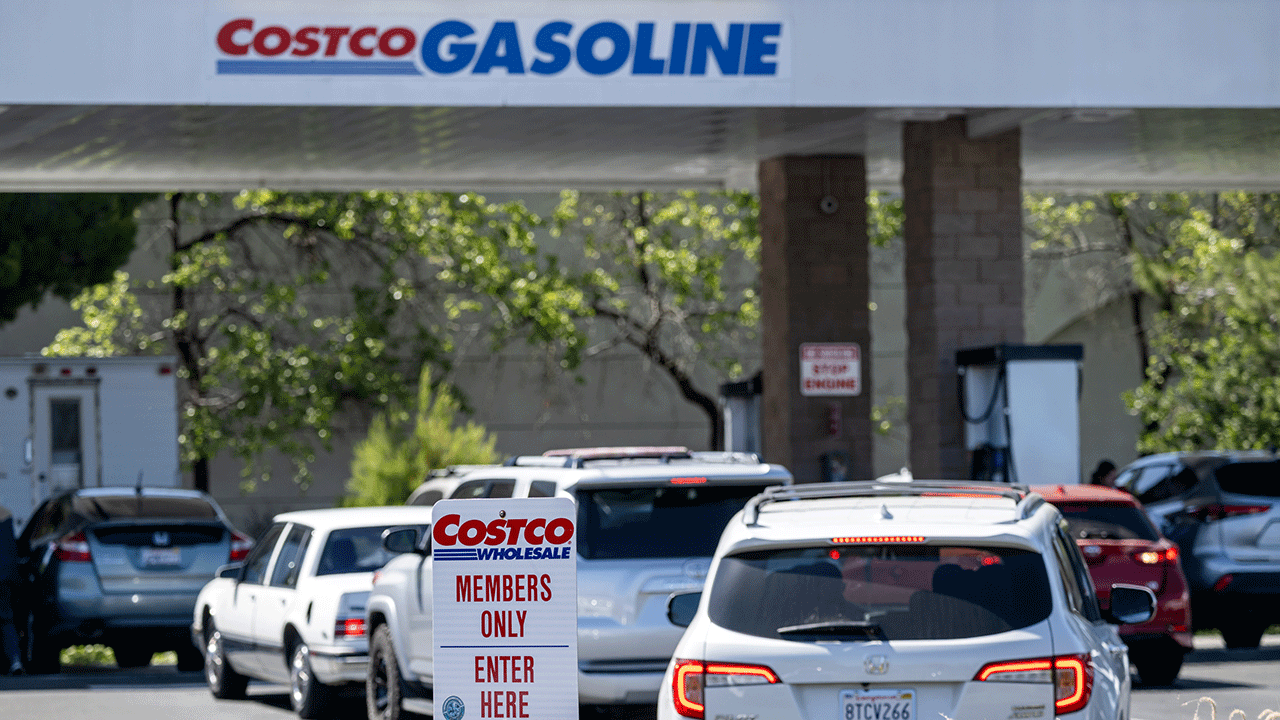
A 10-quart case of Kirkland Signature full synthetic motor oil is now $58. (David Paul Morris/Bloomberg / Getty Images)
Additionally, Costco is limiting purchases of Mobil 1 full-synthetic motor oil’s 1-quart six-pack, which is listed at about $44, to five per membership.
FOX Business reached out to Costco for comment.
The synthetic motor oil relies heavily on Group III base oils, which are produced by refining crude oil. Industry analysts say a significant share of the Group III base oils used in the U.S. is imported from producers in the Persian Gulf, where supply disruptions tied to the conflict have tightened availability.
COSTCO BRINGS BACK FAN-FAVORITE KIRKLAND TREAT AFTER TWO-YEAR ABSENCE
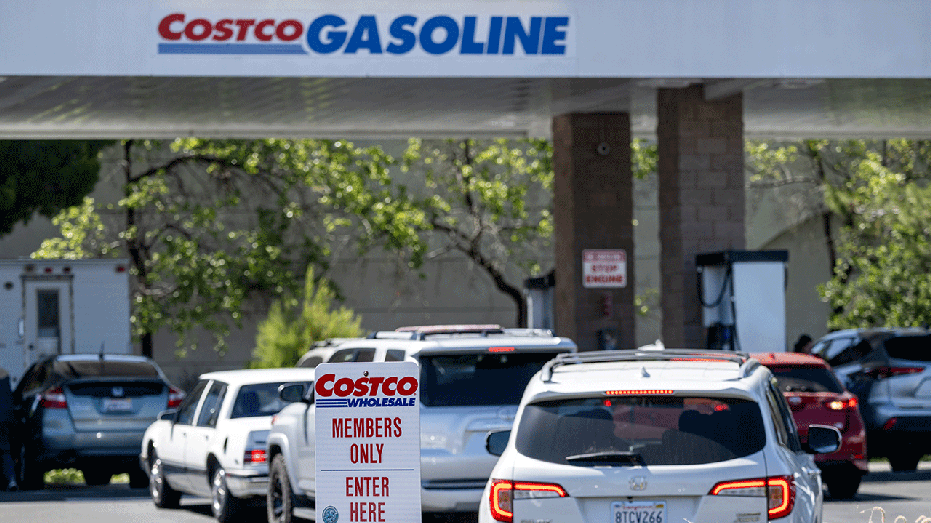
Costco is limiting purchases of Mobil 1 full-synthetic motor oil’s 1-quart six-pack to five per membership. (David Paul Morris/Bloomberg / Getty Images)
The price of a barrel of Brent Crude exceeded $109 on Monday morning as the conflict in the Middle East keeps disrupting global oil shipments.
Brent has increased from less than $72 in early July amid uncertainty over whether a diplomatic resolution will restore normal oil shipments through the Strait of Hormuz.
Rising oil prices have pushed the national average price of regular gasoline to nearly $4.32 per gallon, up from $4.08 a month ago and $3.18 a year ago, according to AAA.

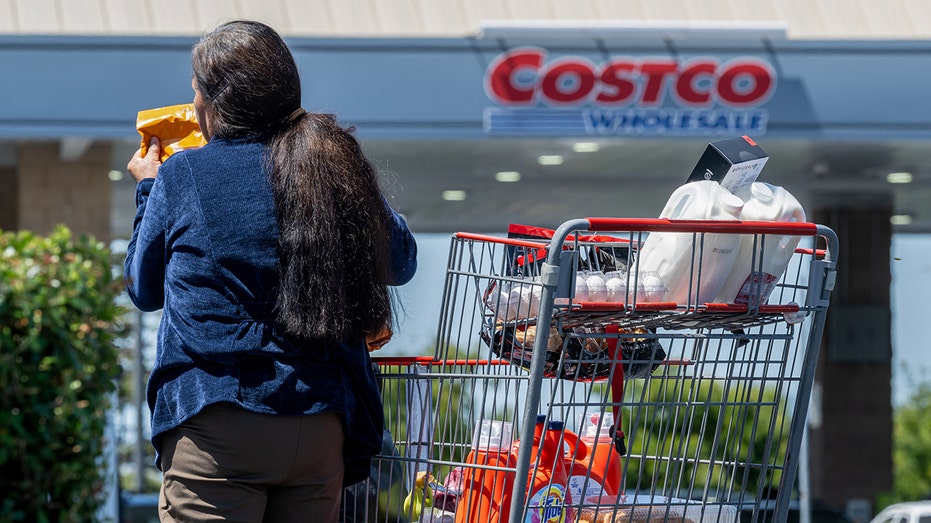
Rising oil prices have pushed the national average price of regular gasoline to nearly $4.32 per gallon. (Elijah Nouvelage/Bloomberg via Getty Images / Getty Images)
GET FOX BUSINESS ON THE GO BY CLICKING HERE
Diesel prices in the U.S. reached another record on Friday, surpassing $6 a gallon on average. Prices continued to rise on Monday, with diesel at $6.23 a gallon on average after an average of $5.90 a gallon a week ago, according to AAA.
Prices for diesel and regular gasoline generally track crude oil prices.
It remains unclear whether other motor oil retailers such as Walmart, Amazon and AutoZone will raise their prices or set purchase limits.
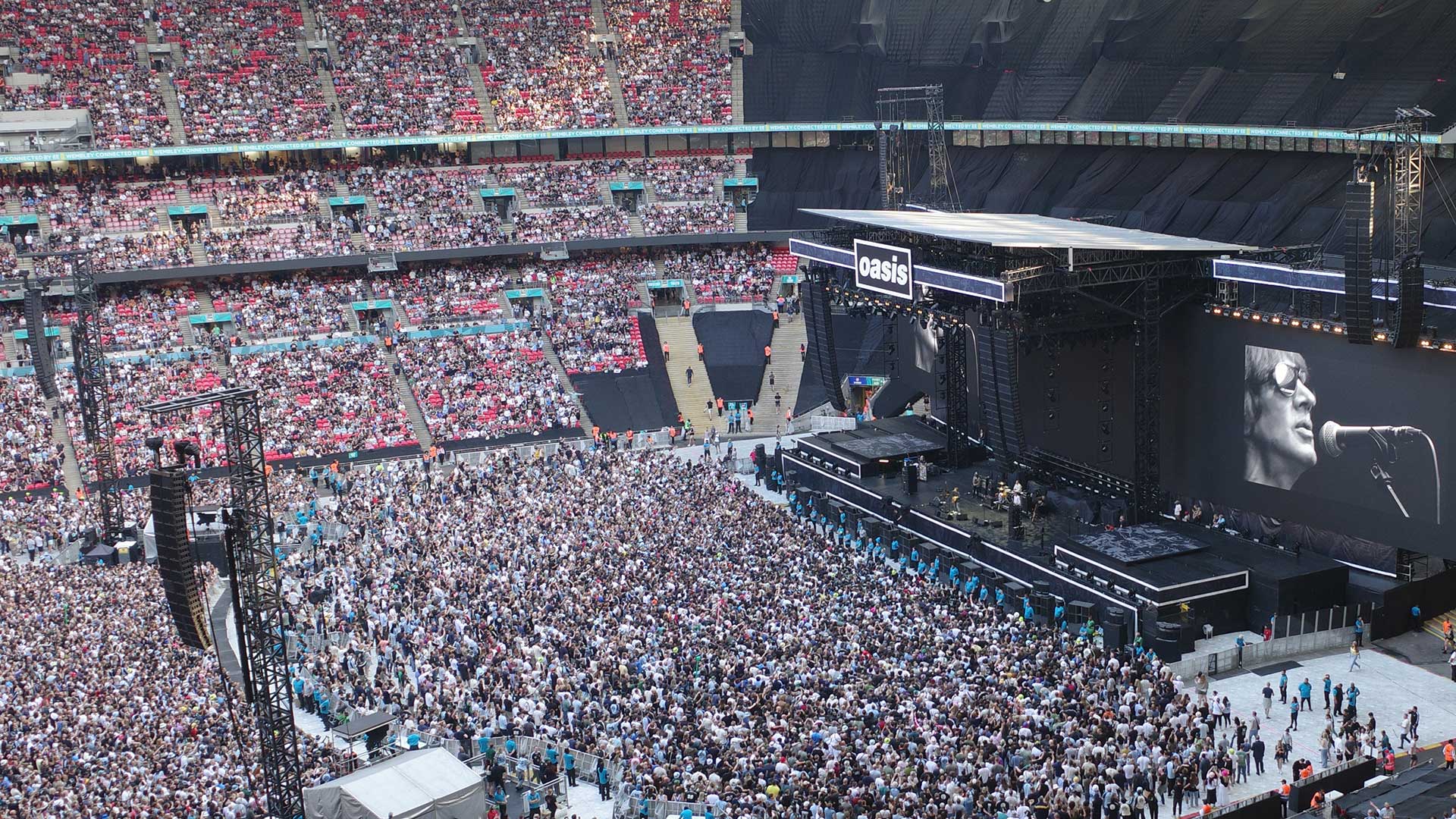
Oasis have confirmed 38 dates for a global tour in 2027, including a return to Knebworth in Hertfordshire. The announcement was made at 4pm today, the date and time the band had trailed in a drone display over Manchester last week.
“START THE CELEBRATIONS!!!!” the band said, confirming they will be back on the road.
“After a period of reflection ‘the most damaging pop cultural force in recent British history’ has declared itself fit for purpose and will once again return to lift the spirits of the people,” the statement said. “Come witness the fitness. It shall be a sight to behold.”
The drone display showed the band’s logo in lights alongside the date 14/09/26 and the time 4pm BST.
Oasis had also been dropping hints about potential tour venues on their social media channels over the past few weeks, including the Etihad Stadium in Manchester, Celtic Park in Glasgow and Knebworth.
Speculation that Noel and Liam Gallagher would appear on stage together again began before the band’s 2025 reunion concerts had concluded, on the back of the commercial performance of that tour.
What the 2025 reunion generated
Tickets to the Oasis Live ’25 shows sold out within minutes of going on sale. Forbes estimated that the tour generated more than $400m (£293m) in revenue, with Noel and Liam Gallagher each taking between $50m and $100m. The pair entered the Sunday Times Rich List this year with a combined net worth of $375m.
That tour ran to 41 dates worldwide and was the first time the brothers had performed together in 16 years. Its commercial reach extended beyond ticketing: six official merchandise stores opened in Manchester, Cardiff, London, Birmingham, Edinburgh and Dublin ahead of the shows.
Research by Novuna Personal Finance, published before the 2025 dates, projected fan spending of £940m across the 17 UK shows, an average of £682.80 for each of the 1.4 million people expected to attend, of which £274.4m was counted as net economic impact.
Figures published in July by the industry body UK Music showed music tourism spending reached a record £11.2bn in 2025, up 11.3 per cent on the £10bn recorded in 2024, with 24.7 million music tourists and 74,000 full-time equivalent jobs supported. Spending in the North West rose 15.6 per cent to £1.4bn, while London spending rose 27.4 per cent to £3.4bn across seven Wembley dates.
Tom Kiehl, chief executive of UK Music, said: “The billions spent are a huge shot in the arm for towns and cities right across the UK and benefit hotels, restaurants, bars and transport firms and thousands of other businesses.”
A House of Lords Library briefing on the economic contribution of live music reported consumer spending of £6.68bn on live music in 2024, a rise of 9.5 per cent, and more than 234,000 jobs, citing figures from the industry body LIVE. It said London accounted for nearly 29 per cent of expenditure, with London, Manchester, Glasgow, Birmingham and Cardiff together making up about 46 per cent of live music spending.
The announcement comes a week after Noel and Liam Gallagher attended the UK premiere of Oasis: Don’t Look Back in Anger, a documentary from Steven Knight and co-directors Dylan Southern and Will Lovelace, which shows behind-the-scenes footage and concert clips from the 2025 reunion.

Jamie Young
Jamie Young is Senior Reporter at Business Matters, covering SME finance, employment law and Westminster policy since 2016. He has reported on every Budget and Autumn Statement since 2018, helped make sense of the ‘covid era’ and the bounce-back loan scheme from launch through the fraud investigations, and broke the magazine’s coverage of the 2024 late-payment reforms. He joined Business Matters straight from completing his BA in Administration from Exeter University and is NCTJ-qualified. Reach him at jyoung@cbmeg.co.uk


Hey this is Sam, an independent investor with a degree in Finance from the University of Oklahoma. I have been investing my own money for several years, with a focus on finding companies that may be overlooked, misunderstood, or valued too conservatively by the market.I am most interested in small and mid sized companies with strong growth potential, especially within technology, artificial intelligence, financial technology, aerospace, and digital infrastructure. I am drawn to businesses operating in growing markets. I also look outside these areas when I find a company with a compelling valuation or an overlooked catalyst.My investing approach combines fundamental research with valuation, market sentiment, and technical analysis. I review financial statements, earnings reports, investor presentations, management commentary, industry trends, and competitive positioning before forming a thesis. I pay particular attention to revenue growth, margins, balance sheet strength, dilution risk, and whether current expectations already appear reflected in the share price.I write independently and am not affiliated with an investment firm. I joined Seeking Alpha to share research on companies that I believe deserve a closer look. My goal is to present a clear investment case, explain what could drive the stock higher, and address the risks that could prove the thesis wrong.
Analyst’s Disclosure: I/we have no stock, option or similar derivative position in any of the companies mentioned, and no plans to initiate any such positions within the next 72 hours. I wrote this article myself, and it expresses my own opinions. I am not receiving compensation for it (other than from Seeking Alpha). I have no business relationship with any company whose stock is mentioned in this article.
Seeking Alpha’s Disclosure: Past performance is no guarantee of future results. No recommendation or advice is being given as to whether any investment is suitable for a particular investor. Any views or opinions expressed above may not reflect those of Seeking Alpha as a whole. Seeking Alpha is not a licensed securities dealer, broker or US investment adviser or investment bank. Our analysts are third party authors that include both professional investors and individual investors who may not be licensed or certified by any institute or regulatory body.

Alcohol buyers will be able to use a digital ID app on their phones to prove their age under new rules introduced on Tuesday.
Pubs and shops in England and Wales can use the tech in addition to current physical forms of ID – with the government saying a digital option will make age-checks quicker and more secure for customers and staff.
Customers will be able to choose ID apps from a range of suppliers such as the Post Office, Yoti or Luciditi, provided they are on a government-approved list.
The change means businesses will no longer be required to let people use physical ID, but the government contends most establishments would.
The plan will be technology-agnostic, meaning that the government is not setting out in detail how each app must work.
It argues that under the voluntary digital ID scheme, drinkers would share fewer personal details with a venue or shop – such as tapping their phone on a reader or displaying a scannable QR code rather than handing over an official document.
The apps will also need to guard against customers borrowing devices from older friends and relatives, and ensure the ID app belongs to the person using it.
Yoti’s digital ID app, for example, will only let a user log in if a scan of their face matches that of the person who signed up for the app.
The app then generates a QR code that can be scanned by a business with a free checker app, which tells them the person’s age.
This is time-limited to make duping or sharing the QR code more difficult.
Digital government minister Stephanie Peacock said having the option for digital ID would “mean you do not need to carry a physical ID, nor hand over sensitive personal information” meaning people could “feel safer on a night out’”.
Allen Simpson, chief executive of trade body UKHospitality, said the new rules were a “positive step”.
He added the industry would work with government to make sure the scheme’s roll-out would not be “burdensome” for the hospitality sector.
This would include ensuring there were multiple options for suppliers and that it was cost-efficient, Simpson said.

Tony Buzbee founded The Buzbee Law Firm in Houston in 2000. The firm takes on personal injury claims, workplace accidents, defective products and medical devices, commercial litigation, and gender discrimination cases, and it does so for clients across the country, not only in Texas.
This piece looks at the firm from the other side of the desk: the people who call, why they call, and what the firm tries to give them before a single filing is made.
Who is calling you on a given week?
“It’s rarely one type of person,” Buzbee said. “One week it’s a family whose father died on a job site. The next it’s a small business owner who got squeezed by a bigger company that assumed she wouldn’t fight back. We also get calls from people who feel like the system has already decided against them before they’ve said a word.”
He said the common thread is not the injury or the dispute itself. “It’s that somebody with more resources is on the other side of the table. That’s the pattern I’ve seen for twenty-five years.”
What do most clients actually need in the first meeting?
“They need someone to listen without rushing them,” Buzbee said. “A lot of people who come to us have already been talked over. An insurance adjuster gave them a number in the first phone call. A company’s lawyer sent a letter full of terms they didn’t understand. So the first job isn’t legal, it’s just attention.”
He added that clients often arrive expecting to be told their case is small or unimportant. “That expectation says a lot about what they’ve already been through. Our job is to figure out if the case is real, and if it is, to treat it that way from day one.”
How does the firm decide which cases to take?
“We look hard at whether the harm is real and whether we can prove it,” he said. “That sounds obvious, but a lot of firms take cases they can’t actually win and let the client find that out eighteen months later. We’d rather have a harder conversation up front.”
Buzbee said the firm’s range, from workplace injury to commercial litigation to gender discrimination, means the intake process looks different depending on the matter. “A defective medical device case needs different proof than a wage dispute. What doesn’t change is the standard: can we back it up, and is it worth this person’s time.”
What do clients get wrong about how a case moves?
“They think it moves like it does on television,” Buzbee said. “Fast, dramatic, resolved in an hour. Litigation is mostly slow work. Depositions, records requests, waiting on a court calendar. I tell clients early that patience is part of the job, and that anyone who promises a quick result is probably not being straight with them.”
He said the second misconception is about control. “People assume once they hire a lawyer, they can step back completely. Some can, for a while. But the client’s own account of what happened is often the most important evidence in the case. We need them engaged, not just present.”
What does a small business owner need that’s different from an individual client?
“A business has a reputation to protect while the case is pending, which an individual usually doesn’t have to think about,” he said. “A small business owner is worried about vendors, employees, and customers who are watching how this plays out. So part of representing a business well is understanding that the legal outcome isn’t the only outcome that matters to them.”
He said this is part of why the firm’s commercial litigation work runs alongside its personal injury docket rather than as a separate practice. “The instinct is the same: figure out who has the advantage in resources, and even it out.”
How do you know when the firm has done right by a client, beyond winning?
“Winning matters, obviously,” Buzbee said. “But I ask a simpler question: did this person leave in a better position than when they walked in, and did they understand what happened to them along the way? Some clients get an outcome that isn’t as large as they hoped. If they understood why, and felt heard through the process, that’s still a firm doing its job.”
He pointed to the firm’s work outside the courtroom as part of the same instinct. Buzbee served as Gala Chair for the Houston Children’s Charity in October 2021, an event that raised a record $2.8 million for children in need, and he chaired the Citizens for Animal Protection gala in 2020. He also donated his exotic car collection, valued at $3.5 million, to the Jesse Tree, an organization providing food, clothing, medical assistance, and job training to disadvantaged communities.
“None of that is separate from the client work in my head,” he said. “It’s the same question: who’s being overlooked, and what can actually be done about it, not just said about it.”
What would you tell someone who is nervous about calling a lawyer at all?
“Most people wait too long,” Buzbee said. “They think calling means they’re overreacting, or that it will cost them money just to ask a question. I’d rather have someone call and find out there’s no case than sit on a real injury or a real dispute out of fear of the process.”
He said that hesitation is often the most fixable problem the firm sees. “The legal issue might be complicated. The decision to pick up the phone shouldn’t be.”

Clarity Act Meets Pushback From State AGs Before Critical Senate Vote

Global Goal’s Flight Stakes bid the ultimate aim for John Sargent in 2026
The Supreme Court Just Blocked Trump’s Efforts to Control Mail-In Voting for the Midterms


-
 Tech7 days ago
Memory prices are slowing because buyers ran out of money
-

 Business5 days ago
Micron Stock Climbs Above $1,031 as AI Memory Crunch and a $50 Billion Outlook Fuel the Rally
-

 Tech2 days ago
The Latest Weird Thing to Play Doom Is the Mapped-Out Brain of a Fruit Fly
-

 Business5 days ago
AMD Stock Climbs After Management Lifts 2027 Data Center Outlook Toward $70 Billion in AI Sales
-

 Fashion3 days ago
Weekend Open Thread – Corporette.com
-

 Crypto World6 days ago
Robinhood Stock: How To Take Advantage With Reduced Risk
-
 Crypto World6 days ago
Bitcoin price risks $76K drop as $78K support weakens
-

 Crypto World4 days ago
XAG/USD: Silver’s Short-Term Rally Meets Its Moment of Truth
-

 Crypto World5 days ago
2 Chip Stocks Broke Out This Week. Neither Was Nvidia
-

 Crypto World6 days ago
Ethereum price stalls below $2,500 as ADX drops to 11
-

 Business4 days ago
10 Most-Streamed Songs On Spotify In 2026 So Far, Led By Ella Langley’s Dominant Run On The Charts This Year
-

 NewsBeat7 days ago
England up in reading, maths and science rankings as Scotland and Wales dip
-

 Crypto World4 days ago
OKX launches 10x OpenAI, Anthropic X-Perps in Europe
-

 Tech4 days ago
Battery life is the only iPhone 18 Pro and iPhone Duo upgrade I care about. Apple didn’t disappoint
-

 Crypto World4 days ago
Diesel Tops $6 a Gallon for the First Time as 28 States Set Records
-
 Crypto World6 days ago
Intel Stock Jumps 9% on Chip Price Hike Report, US Stake Gains $36 Billion
-

 News Videos4 days ago
Facing Financial Fears
-

 Crypto World5 days ago
Bitcoin price risks $70K if $78K neckline breaks
-

 Crypto World5 days ago
Pi Network ships Protocol 27 on a network with 14 million users and zero DeFi
-

 NewsBeat6 days ago
What went right this week: an ‘historic’ fall in violent crime, plus more
You must be logged in to post a comment Login