





Connect with us
DAPA Banner

Business

Third Month of Search with No Breakthroughs or Arrests

Published

on

Hartsfield-Jackson Atlanta Airport

The search for Nancy Guthrie, the 84-year-old mother of NBC “Today” show co-anchor Savannah Guthrie, has entered its third month with no arrests, no identified suspect and no confirmed trace of the widow since she was abducted from her Catalina Foothills home in late January, authorities said Friday.

Nancy Guthrie
Nancy Guthrie

Nancy Guthrie was last seen around 9 p.m. on Jan. 31, 2026, when a family member dropped her off at her residence. She failed to appear the next morning for a virtual church service, prompting her family to report her missing around noon on Feb. 1. Pima County Sheriff’s investigators quickly classified the case as an abduction after security camera footage captured a masked, armed individual approaching the home around 2 a.m. Her pacemaker app disconnected from her phone at approximately 2:28 a.m., and a doorbell camera went offline shortly before.

Sheriff Chris Nanos has repeatedly described the incident as a targeted home invasion and abduction, with drops of blood found on the front porch suggesting possible violence. The family has been fully cleared of involvement, and Sheriff Nanos has praised their cooperation while calling them victims in the case.

As of early April 2026, the investigation remains active but has shifted from broad public appeals and large-scale desert searches to more focused forensic work, tip verification and evidence analysis. The FBI and Pima County Sheriff’s Department have received tens of thousands of tips, conducted extensive neighborhood canvassing, used drones and cadaver dogs, and pursued leads involving possible ransom notes demanding Bitcoin payments sent to media outlets. Officials have not confirmed the authenticity of those notes.

Recent developments include recovery of additional images from motion-triggered security cameras monitoring the pool, backyard and side yard areas. While authorities say nothing immediately suspicious was captured, investigators continue to examine timeline gaps, including potential pre-abduction activity on dates such as Jan. 11 and Jan. 24. Forensic testing of biological material and DNA from the home is ongoing, along with genetic genealogy efforts.

Advertisement

A Pima County Sheriff’s deputy, Travis Reynolds, 22, was arrested in late March on an unrelated kidnapping charge and subsequently fired. Officials and former FBI agents have stated there is no connection between Reynolds and the Guthrie case, despite some online speculation.

Family’s Emotional Plea and Savannah Guthrie’s Return

The Guthrie family has issued multiple public appeals, most recently in late March, urging Tucson residents and others to review home security footage, text messages, journal notes or any memories from late January or early February. “No detail is too small. It may be the key,” the family stated. Savannah Guthrie, who has been absent from the “Today” show since the disappearance, described the ordeal as “unbearable agony” in her first public interview. She expressed sorrow, wondering if her high-profile role might have made her mother a target, and said simply, “I just want to say I’m so sorry, mommy.”

Savannah is scheduled to return to the “Today” show on Monday, April 6, telling viewers that continuing her work is her “purpose right now” while the search continues. The family offered a $1 million private reward in February, supplementing the FBI’s $100,000 reward, which generated a surge of tips.

Nancy Guthrie, a widow whose husband Charles died in 1988, was known as a devoted mother, grandmother and active member of her church community. She lived a quiet life in an affluent Tucson suburb and relied on daily medication, raising concerns about her health if she remains missing.

Advertisement

Challenges in the Investigation

The case has highlighted difficulties in solving stranger abductions of elderly victims. Abductions of seniors are statistically rare, and the apparent targeted nature of the home invasion in a relatively safe neighborhood has puzzled investigators. No clear motive — financial, personal or otherwise — has been publicly established.

Sheriff Nanos has said the department is “closer” to identifying a suspect or suspects as the probe moves into more clinical evidence consolidation, but he cautioned that progress can be slow. Resources have been refocused on dedicated detectives, though patrol presence continues in the neighborhood. Some former investigators have speculated about possible accomplices, while others note the investigation has entered a phase of exhaustive verification rather than broad searches.

Mental health experts have spoken about the profound trauma the prolonged uncertainty inflicts on families, describing a constant emotional roller coaster of hope mixed with despair.

Broader Implications

The intense national attention on the Guthrie case, driven largely by Savannah’s prominence on “Today,” has spotlighted missing persons cases in general and renewed focus on vulnerabilities in home security even in upscale areas. Yellow ribbons tied to trees in the neighborhood serve as symbols of ongoing hope and community support.

Advertisement

Neighbors have reported increased vigilance, and some have questioned whether the abduction points to broader security gaps. The case has also drawn scrutiny to the handling of the crime scene, with some commentators, including legal analyst Nancy Grace, criticizing aspects of the initial response.

As the search surpasses 60 days with no resolution, the family’s renewed pleas underscore a simple message: someone may hold the missing piece — whether through overlooked footage, a suspicious vehicle sighting or a seemingly minor recollection.

Authorities urge anyone with information, no matter how insignificant it may seem, to contact the Pima County Sheriff’s Department or the FBI tip line at 1-800-CALL-FBI.

The disappearance has transformed a quiet residential street into a focal point of national curiosity and concern. For the Guthrie family and investigators alike, the priority remains bringing Nancy home safely or providing answers that allow closure.

Advertisement

While the investigation continues without a major public breakthrough, officials stress it remains very much active. Forensic work, digital analysis and tip follow-ups persist as the community and nation watch for any development that could finally resolve the mystery of what happened to Nancy Guthrie on that early February morning.

Continue Reading
Click to comment

You must be logged in to post a comment Login

Leave a Reply

Business

Aluminium futures dropin China amid stronger dollar and recession fears

Published

on


Aluminium futures dropin China amid stronger dollar and recession fears

Continue Reading

Business

These 10 stocks are poised for earnings surprises in April: Morgan Stanley

Published

on


These 10 stocks are poised for earnings surprises in April: Morgan Stanley

Continue Reading

Business

Commodities: Oil Jumps Amid Trump's Escalation Warning

Published

on

Commodities: Oil Jumps Amid Trump's Escalation Warning

Commodities: Oil Jumps Amid Trump's Escalation Warning

Continue Reading

Business

Arzum shareholders explore sale of majority stake; shares surge

Published

on


Arzum shareholders explore sale of majority stake; shares surge

Continue Reading

Business

Selloff in this sector is seen as a buying opportunity

Published

on


Selloff in this sector is seen as a buying opportunity

Continue Reading

Business

Zelenskiy says frontline situation best for Ukraine in the last 10 months

Published

on

Zelenskiy says frontline situation best for Ukraine in the last 10 months


Zelenskiy says frontline situation best for Ukraine in the last 10 months

Continue Reading

Business

From Tokyo Neon To Okinawa Beaches

Published

on

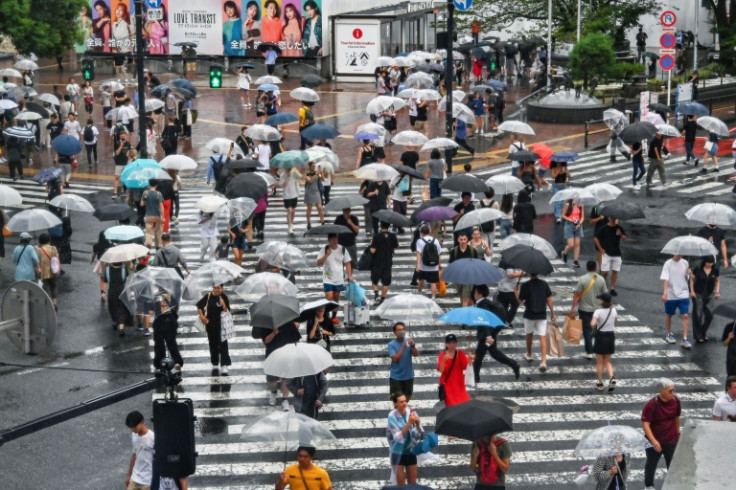
Tokyo's Nikkei plunged more than four percent at one point as it led more losses across Asian markets

Japan continues to captivate Australian travellers, with more than 1 million Aussies visiting the country in 2025 — a record 15 per cent increase from the previous year. As 2026 unfolds, the destination remains a top choice for those seeking a perfect blend of ancient traditions, futuristic cities, stunning nature and world-class food, all easily accessible visa-free for up to 90 days.

Australian passport holders enjoy straightforward entry with no visa required for short-term tourism or business stays. Travellers simply need a valid passport covering the duration of their visit, proof of onward travel and sufficient funds. Direct flights from major Australian cities such as Sydney, Melbourne and Brisbane make the journey convenient, with flight times around 9-10 hours to Tokyo.

Here are 10 must-visit places in Japan for Aussies planning a trip in 2026, offering a mix of iconic highlights and experiences tailored to Australian tastes for beaches, food, culture and efficient travel via the Japan Rail Pass.

Tokyo's Nikkei plunged more than four percent at one point as it led more losses across Asian markets
AFP

1. Tokyo Japan’s bustling capital tops nearly every list for good reason. From the neon lights of Shibuya Crossing and Shinjuku to the serene grounds of the Imperial Palace and historic Senso-ji Temple in Asakusa, Tokyo delivers endless contrasts. Aussies love the efficient public transport, including the famous bullet trains, and the vast array of dining options from Michelin-starred restaurants to casual izakayas and conveyor-belt sushi. New attractions in 2026, such as expanded anime and esports zones, add fresh appeal for younger travellers. Allow at least four to five days to explore neighbourhoods like Harajuku, Akihabara and teamLab Planets.

2. Kyoto The former imperial capital remains the heart of traditional Japan, with more than 1,500 Buddhist temples and 400 Shinto shrines. Fushimi Inari-taisha’s thousands of red torii gates, the golden Kinkaku-ji (Golden Pavilion) and Arashiyama’s bamboo grove are unmissable. In spring 2026, cherry blossoms are forecast to peak around late March to early April, creating magical scenes in Maruyama Park and along the Philosopher’s Path. Aussies appreciate the walkable historic districts, geisha culture experiences and kaiseki dining. Pair it with a day trip to nearby Nara for its famous deer park.

Advertisement

3. Mount Fuji and Hakone No trip to Japan is complete without viewing the iconic, snow-capped Mount Fuji. The Fuji Five Lakes area offers hiking, boating and views from spots like Lake Kawaguchiko. In Hakone, Aussies can relax in onsen hot springs, ride the ropeway over volcanic valleys and even catch a glimpse of Fuji on clear days. The area is easily reached from Tokyo via the JR Pass, making it ideal for a two- or three-day side trip. Summer 2026 brings pleasant weather for outdoor activities, while autumn foliage provides another spectacular season.

4. Osaka Known as Japan’s kitchen, Osaka delivers vibrant street food, friendly locals and energetic nightlife. Must-dos include Dotonbori’s neon signs and canal views, okonomiyaki and takoyaki stalls, and Universal Studios Japan with its popular Super Nintendo World. Aussies often combine Osaka with a day trip to nearby Kobe for beef or Himeji Castle, one of Japan’s most impressive feudal fortresses. The city serves as a convenient transport hub for western Japan explorations.

5. Hiroshima and Miyajima Hiroshima offers a powerful lesson in peace and resilience at the Peace Memorial Park and Museum. A short ferry ride away, the “floating” torii gate of Itsukushima Shrine on Miyajima Island ranks among Japan’s most photographed sights, especially at high tide. Deer roam freely on the island, adding a gentle charm. Many Australian visitors appreciate the region’s moving history balanced with natural beauty and fresh seafood, including oysters. The Shinkansen makes it a straightforward day or overnight trip from Osaka or Kyoto.

6. Okinawa For a tropical escape that feels worlds away from mainland Japan, head to Okinawa’s subtropical islands. White-sand beaches, turquoise waters and coral reefs make it ideal for snorkelling, diving or simply relaxing — a welcome contrast for Aussies accustomed to beach culture at home. Naha’s Kokusai Street buzzes with local Ryukyu culture, markets and unique cuisine featuring goya champuru. The Kerama Islands offer even quieter paradises. Direct flights from some Australian cities or connections via Tokyo or Osaka make it accessible, with warmer weather extending well into autumn.

Advertisement

7. Sapporo and Hokkaido Hokkaido’s capital Sapporo shines for its snow festivals, fresh seafood and beer. In summer 2026, the region’s vast lavender fields, national parks and outdoor adventures appeal to nature-loving Aussies. Winter visitors can enjoy world-class skiing and the famous Yuki Matsuri ice sculptures. Hokkaido’s dairy, ramen and seafood differ noticeably from mainland fare, providing delicious variety. The island’s open spaces and cooler climate offer a refreshing change of pace.

8. Kanazawa and the Japanese Alps Often called “Little Kyoto,” Kanazawa boasts well-preserved samurai and geisha districts, Kenrokuen Garden and fresh seafood from the Sea of Japan. Nearby Takayama and Shirakawa-go’s thatched-roof villages transport visitors back in time. For those seeking mountain scenery, the Japanese Alps, including Kamikochi, deliver hiking trails and dramatic landscapes. These areas see fewer crowds than the Golden Route, suiting Aussies who prefer authentic, slower-paced experiences.

9. Nara Just a short train ride from Kyoto or Osaka, Nara earns fame for its ancient temples and the free-roaming sacred deer in Nara Park. Todai-ji Temple houses the massive Great Buddha, while the surrounding park and museums provide a peaceful half- or full-day escape. It pairs perfectly with a Kyoto itinerary and offers a gentle introduction to Japan’s deep Buddhist heritage.

10. Hakone or Izu Peninsula (for onsen and nature) Beyond the Fuji area, the Izu Peninsula and Hakone region provide excellent onsen experiences, coastal views and hiking. Aussies often enjoy the mix of relaxation and scenery, with easy access from Tokyo. New or renovated ryokan (traditional inns) in 2026 continue to elevate the luxury onsen stay, complete with kaiseki meals and private baths.

Advertisement

Practical tips for Australian travellers in 2026 Purchase a Japan Rail Pass before departure for unlimited Shinkansen and JR train travel — it remains excellent value despite recent price adjustments. Download apps such as Google Translate, Hyperdia or the official JR app, and consider an eSIM or pocket Wi-Fi for connectivity. Cash is still widely used alongside cards and mobile payments like Suica or Pasmo.

Book accommodation and popular experiences, including teamLab, Ghibli-related sites or Universal Studios, well in advance, especially during cherry blossom season. English signage has improved significantly, and many restaurants offer English menus or picture boards. Respect local customs: remove shoes indoors, queue patiently and speak quietly on public transport.

Travel insurance is strongly recommended to cover potential health, cancellation or adventure activity needs. Japan’s safety levels remain high, though standard precautions apply in busy tourist areas.

With record numbers of Australians discovering Japan, 2026 promises even more seamless travel as infrastructure and services continue adapting to international visitors. Whether chasing cherry blossoms in spring, summer festivals, autumn colours or winter snow, the country offers layered experiences that reward both first-timers and repeat visitors.

Advertisement

From the high-energy streets of Tokyo to the serene temples of Kyoto and the beaches of Okinawa, these 10 destinations provide an ideal framework for an unforgettable Japanese adventure. Start planning early, embrace the efficient rail network and prepare for a destination that effortlessly balances the old and the new.

Continue Reading

Business

World food prices rose in March as Iran war lifted energy costs, FAO says

Published

on

World food prices rose in March as Iran war lifted energy costs, FAO says


World food prices rose in March as Iran war lifted energy costs, FAO says

Continue Reading

Business

(VIDEO) Tiger Woods Body Camera Footage Released After Florida Rollover Crash And DUI Arrest

Published

on

Tiger Woods may have inadvertently hit the car's accelerator while attempting to press the brakes upon losing control, police believe

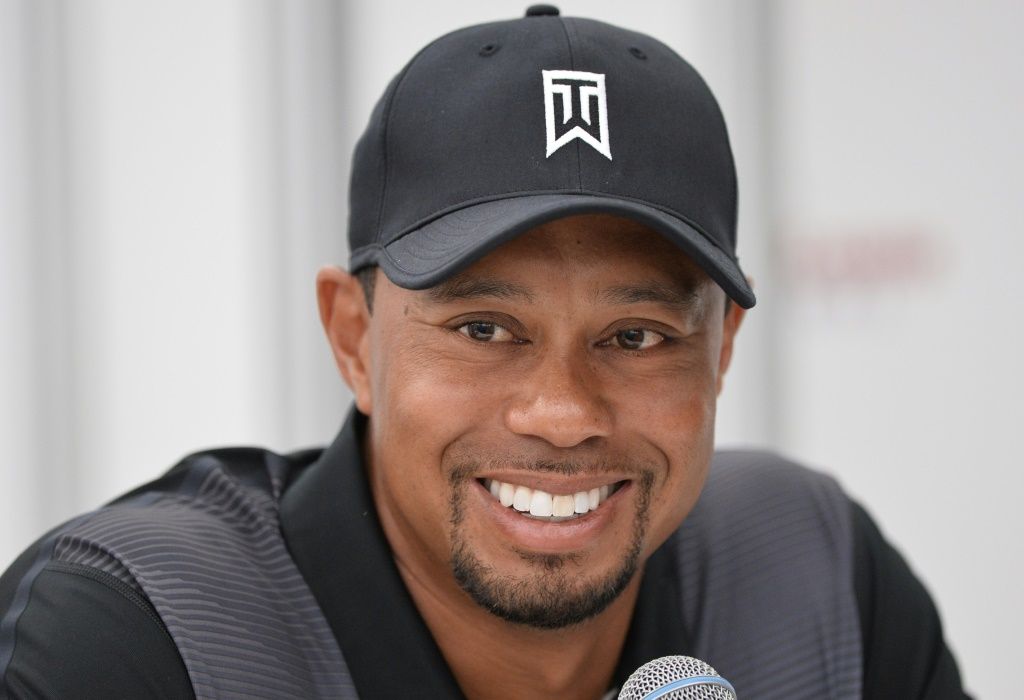
Florida authorities on Thursday released hours of police body camera footage showing golf legend Tiger Woods moments after his single-vehicle rollover crash last week, including field sobriety tests, his arrest on a driving under the influence charge and comments in which he told a deputy he had just been talking to the president.

Tiger Woods may have inadvertently hit the car's accelerator while attempting to press the brakes upon losing control, police believe
AFP / Mladen ANTONOV

The Martin County Sheriff’s Office made the video public nearly a week after the March 27 incident in which Woods’ Land Rover clipped a trailer and overturned on a residential street in the affluent Jupiter Island area. The 15-time major champion was charged with DUI but has pleaded not guilty and said he is stepping away from the spotlight to seek treatment and focus on his health.

In the footage, Woods appears disoriented as first responders and deputies arrive at the scene of the overturned SUV. He is seen sitting on the ground or in a patrol vehicle, sweating and at times nodding off or hiccuping. Deputies report finding two pills in his pocket later identified as hydrocodone, a prescription opioid, according to the arrest affidavit. Woods told officers he was prescribed medication for pain management related to past injuries.

At one point, Woods pulls out his phone and tells a deputy, “I was just talking to the president,” before the interaction continues. He also described the crash, saying he was looking down at his phone to change the radio station when the vehicle suddenly veered and rolled. The footage shows him cooperating with field sobriety tests, though deputies noted signs of impairment including unsteady balance and slowed responses.

Advertisement

Woods, 50, is heard asking, “I’m being arrested?” as handcuffs are placed on him. He is then transported in the back of a patrol car, where additional video captures him appearing to doze off intermittently. No injuries requiring hospitalization were reported from the crash itself, though Woods has a long history of back and leg issues stemming from a 2021 car accident in California that nearly cost him his right leg.

The Martin County Sheriff’s Office described the release as fulfilling public records requests while protecting sensitive investigative details. The extended bodycam video runs for hours and includes interactions with first responders, the administration of sobriety tests and the booking process. Officials emphasized that the investigation remains active, with toxicology results still pending.

Woods issued a statement on social media shortly after the arrest, saying he takes full responsibility for his actions and is committed to addressing underlying issues. “I’m stepping away for a period of time to seek treatment and focus on my health,” he wrote. The golfer, who has spoken openly in the past about his battles with pain and prescription medication following multiple surgeries, did not provide a specific timeline for his return to competitive golf.

The incident has drawn widespread attention across the sports world. Fellow golfers, including Rory McIlroy and Scottie Scheffler, expressed support for Woods while urging privacy during what they described as a difficult personal moment. PGA Tour commissioner Jay Monahan said the organization is monitoring the situation and stands ready to offer assistance.

Advertisement

This is not Woods’ first brush with legal issues involving driving. In 2017, he was arrested on a DUI charge in Florida after being found asleep at the wheel with multiple medications in his system. He later attributed that incident to a reaction from pain medication following back surgery and pleaded guilty to reckless driving.

Woods’ storied career has been marked by remarkable comebacks, including his dramatic 2019 Masters victory after years of injury struggles. His most recent competitive appearance was at the 2025 Masters, where he made the cut but withdrew before the final round due to discomfort. He has been limited in his playing schedule in recent years, focusing instead on his golf course design business, the TGR brand and mentoring younger players through his foundation.

Legal experts following the case say the bodycam footage could play a significant role if the matter proceeds to trial. Woods’ legal team has not commented publicly on the video beyond the initial not-guilty plea. A court date has not yet been set, though sources familiar with the proceedings expect pretrial motions in the coming weeks.

The Jupiter Island crash occurred in a quiet, upscale neighborhood known for its celebrity residents and strict traffic enforcement. Deputies responding to the scene found the Land Rover on its side after it struck a trailer attached to a truck that was turning into a driveway. No other vehicles or individuals were injured.

Advertisement

Public reaction to the released footage has been mixed. Some fans expressed concern for Woods’ well-being and hoped the incident would prompt him to prioritize recovery. Others noted the apparent impairment shown in the video and called for accountability. Social media platforms saw a surge in commentary, with hashtags related to the golfer trending within hours of the footage’s release.

Medical professionals not involved in the case have speculated that the combination of pain medication and possible fatigue could have contributed to the crash. Woods has previously detailed his reliance on various treatments to manage chronic pain from spinal fusion surgery and multiple knee and leg procedures.

As one of the most recognizable athletes in the world, Woods’ every move has drawn scrutiny since he burst onto the professional scene in the late 1990s. His influence on golf remains immense, with record television ratings whenever he competes and a global fan base that spans generations.

Advertisement

The release of the body camera footage comes as Woods’ representatives continue to manage his public image and business interests. His Nike endorsement deal and other partnerships have endured through previous controversies, though some sponsors have historically distanced themselves during periods of personal turmoil.

Looking ahead, questions remain about Woods’ future in competitive golf. At 50, he has hinted at reduced playing time while expressing a desire to compete in major championships when healthy. Any extended absence for treatment could further limit his schedule in 2026.

The Martin County Sheriff’s Office has declined to release additional details beyond the footage and arrest affidavit, citing the ongoing nature of the case. Toxicology results, expected in the coming weeks, could provide more clarity on substances involved at the time of the crash.

For now, the golf world and fans worldwide are left with the raw images from the body camera video — a stark contrast to the composed, dominant figure Woods has presented on the course for decades. Supporters continue to send messages of encouragement, hoping the latest setback becomes another chapter in a career defined by resilience.

Advertisement

Woods’ attorney has requested privacy for the golfer and his family as he focuses on treatment. No further public statements from the Woods camp were issued immediately following the footage release.

The incident serves as a reminder of the challenges even the most accomplished athletes face off the field. As the legal process unfolds and Woods seeks recovery, the body camera video provides an unfiltered glimpse into a difficult moment for one of golf’s greatest icons.

Continue Reading

Business

Labour is finally getting the importance of the economy in Wales

Published

on

Business Live

Welsh Labour’s Senedd manifesto shows that it finally wants to act like a government that has realised the importance of the economy.

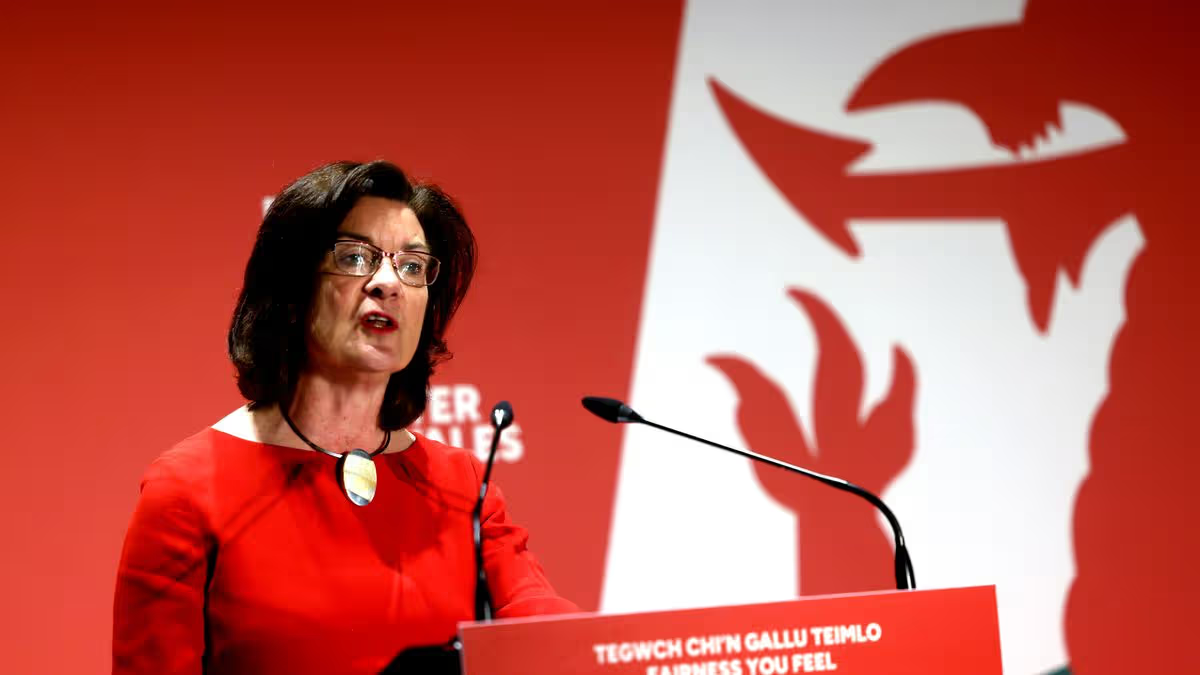
Welsh Labour leader Eluned Morgan launches their manifesto at Swansea Arena

Welsh Labour leader Eluned Morgan launches their manifesto at Swansea Arena (Image: John Myers)

Over the coming weeks, I will review the promises made by Welsh political parties in their manifestos concerning Wales’s economy, starting with the party currently in government in Cardiff Bay.

Despite all the talk of a “new chapter”, the real question raised by Welsh Labour’s 2026 manifesto is simple: why should anyone believe this time will be different for the Welsh economy?

On paper, it clearly recognises that it can no longer treat economic growth as a secondary issue, and after years of weak productivity, poor levels of private investment, and persistent regional inequality, it understands that stronger public services ultimately depend on a stronger economy.

READ MORE: Former FT editor Lionel Barber warning on the UK economyREAD MORE: Cost of South Wales Metro rail electrification project to reach £1.3bn

Advertisement

But recognition is not the same as action because if we remove the new language, much of this still seems less like a genuine break with the past and more like a better-packaged version of the approach that previous Welsh Governments have used for years – more strategies, more boards, and more reviews.

For example, the manifesto includes a new industrial strategy, a national jobs council, a vocational education and training strategy, a rural economic development plan, a Valleys economic board, a review of business rates, streamlined business support, planning reform, and more. This involves many people sitting around a table discussing, but Wales has rarely lacked reviews and committees – instead, it has lacked focus, urgency, and effective delivery.

That is why the central weakness of the manifesto is not its ambition, but its credibility. Welsh Labour now aims to present itself as the party of economic growth, yet its record over the last five years suggests a government that has too often been more comfortable managing economic underperformance than taking steps to address it.

Aside from its investment summit last December and the usual list of support programmes, there is little in its recent record to suggest the kind of hard-edged, pro-growth approach that Wales truly needs. For too long, Welsh Labour’s instinct has been bureaucratic rather than transformative, and the result is that the same structural weaknesses persist: too few growing Welsh firms, too little private-sector dynamism, and too many communities still waiting for opportunity to arrive.

Advertisement

That is not to say there aren’t good ideas within the list of priorities, and the strongest part of the manifesto is its attempt to build an economic story around energy.

In fact, Labour’s idea of an “energy independent Wales” is the closest the document gets to a genuinely strategic growth plan as it links Wales’s future to lower bills, renewable expansion, clean energy, and major projects such as the new nuclear plant at Wylfa. It also states Wales should retain more of the benefits from its natural resources, and if ministers were serious about turning energy into an economic platform, there could be something meaningful here.

But again, that depends on whether Welsh Labour is willing to do more than just tell a compelling story. Many of the most important levers still lie outside Cardiff Bay, and there is little sign here of the institutional boldness needed to turn energy into a genuine Welsh development model. Without faster delivery and stronger economic machinery, “energy independent Wales” risks sounding less like a strategy and more like a slogan in search of substance.

The same applies to planning, and the pledge to make Wales the fastest nation in the UK to secure planning permission is one of the boldest promises in the manifesto. It is also among the most revealing because it acknowledges that slow planning has hindered investment for years. If Welsh Labour finally recognises this, it also admits that one of the barriers to growth has existed during its own time in office.

Advertisement

What is equally notable is what the manifesto omits. Considering that Eluned Morgan recently discussed the need for stronger economic powers and, in comments at a CBI event last month, mentioned further empowering the Development Bank of Wales instead of recreating the old Welsh Development Agency, it is remarkable that this is not reflected in the document intended to define Labour’s economic stance.

There is a similar weakness regarding the role of universities, and despite their importance to Wales’s skills pipeline, research base, and wider economy, the manifesto says remarkably little about their future, even though there is clear evidence that they remain in financial difficulties.

There is also no mention of Wales receiving its fair share of research funding, which suggests that the UK Government may have discouraged the First Minister from pursuing that promise, given its general reluctance to grant Wales more powers.

However, the deeper philosophical issue is that Welsh Labour still appears more comfortable discussing the conditions under which growth happens rather than growth itself. The manifesto emphasises fair work, social partnership, and conditions for firms receiving government support, including paying the Real Living Wage and ending exploitative zero-hours contracts.

Advertisement

These may be justifiable and noble objectives, but they also reinforce a broader impression that Welsh Labour remains more instinctively comfortable regulating the economy than unleashing it. They also seem fixated on dealing with the small minority that abuses the system rather than the majority of hardworking entrepreneurs who are trying to generate wealth and jobs.

That does not mean the manifesto lacks merit, and it is more coherent than a collection of disconnected promises. It identifies the right broad areas, including skills, energy, manufacturing, digital, and place-based development, and recognises the needs of rural Wales, the Valleys, and North Wales. It also reiterates that Welsh Labour will not raise Welsh income tax rates over the next Senedd term, which makes the success of its growth strategy even more clear vital.

Therefore, it is fair to say that Welsh Labour’s manifesto shows that it finally wants to act like a government that has realised the importance of the economy. However, the question is why it has taken so long to do so and whether, if it wins the Senedd election, it is finally ready to govern as one.

Advertisement
Continue Reading

Trending

Copyright © 2025