
Business
Three Things to Know About China’s Export Boom




Studying in the United States offers incredible academic opportunities and personal growth. Navigating higher education costs far from home requires careful financial planning.
Students from all around the globe construct multi-layered funding strategies before stepping onto campus. Understanding your options makes creating a realistic budget straightforward.
Understanding Higher Education Costs in America
Attending a university in the United States involves several distinct expenses beyond simple tuition fees. Housing, meal plans, textbooks, health insurance, and personal daily expenses add up quickly.
Campus financial aid offices calculate a formal cost of attendance figure for every academic program. Overseas scholars must prove they can cover this total amount before receiving student visa documentation.
Exchange rates between home currencies and the US dollar fluctuate throughout the academic year. Smart planning includes building a buffer for currency shifts to prevent mid-semester budget shortages.
Scholarships and personal funds form the foundation of most foreign educational plans. Combining multiple revenue streams remains the most reliable pathway to completing a degree.
Exploring Merit Scholarships and Institutional Aid
Universities award merit scholarships based on academic achievements, standardized test scores, or artistic talent. These funds do not require repayment, making them highly desirable for applicants.
Finding grants directly through university departments reduces total out-of-pocket tuition expenses. Many students supplement institutional funding by applying for private college student loans designed for international applicants. Academic advisors often share lists of external funding organizations offering criteria-based awards.
Departmental awards sometimes open up after completing your first successful academic term on campus. Maintaining strong grades keeps your eligibility active for recurring annual scholarships.
Grant applications typically carry strict deadlines months before the start of the academic semester. Early preparation guarantees your application receives full consideration from selection committees.
Navigating Private International Student Financing
Private lenders provide tailored funding programs for non-US citizens pursuing higher degrees. Some lenders require a creditworthy co-signer who holds permanent residency or citizenship in the United States.
A report from Scholaro showed that international undergraduates at public research institutions frequently pay two to three times as much tuition as residents for identical instruction. Specialized private lenders attempt to bridge this massive gap with customized repayment terms.
Borrowers must evaluate several core features when comparing private funding options across providers:
- Interest rates offered as fixed or variable percentages
- Co-signer requirements or co-signer release options
- Grace periods allowed before monthly repayments begin
Comparing terms carefully protects your future financial stability during post-graduation job searches. Choosing lenders with clear policies prevents unexpected repayment hurdles later on.
Working on Campus Under Student Visa Rules
F-1 visa regulations allow international students to work on campus up to 20 hours per week during term time. Full-time work on campus becomes permissible during official university vacation periods.
Campus positions include working at university libraries, dining halls, administrative offices, or student centers. Earnings help cover personal spending, transportation, and daily living costs.
Securing on-campus employment requires obtaining a Social Security number through local federal offices. University international student centers guide scholars through the necessary paperwork.
On-campus positions fill up rapidly during the opening weeks of the fall term. Reaching out to campus hiring managers early increases your chances of securing a position.
Utilizing Graduate Assistantships and Fellowships
Graduate programs frequently offer assistantships that combine partial or full tuition waivers with monthly stipends. These positions reward students with practical career experience alongside financial support.
Teaching assistantships involve grading assignments, holding office hours, or leading discussion sections for undergraduate courses. Research assistantships involve working directly on faculty grant projects within your department.
Fellowship awards grant funding without requiring weekly teaching or research duties in return. Academic departments select recipients based on outstanding research proposals or incoming academic records.
Inquiring about graduate funding opportunities during the university application phase is wise. Department chairs can clarify available assistantship positions before you accept an admission offer.
Applying for External Home Country Grants
Government agencies in many nations fund citizens studying abroad to build technical expertise domestically. These national sponsorship programs cover tuition, travel costs, and monthly living allowances.
Private foundations and philanthropic organizations across the globe offer competitive study-abroad grants. Researching national organizations in your home country unlocks potential funding paths.
Sponsorship programs frequently require candidates to fulfill specific return obligations after graduation:
- Returning home to work in designated public sectors
- Sharing research findings with domestic university faculties
- Committing to a multi-year employment period in home industries
Reviewing grant service conditions before accepting money guarantees your career goals align with funder expectations. Clear communication with government sponsors prevents future contractual disputes.
Managing Curricular and Optional Practical Training
Curricular Practical Training allows students to take off-campus paid internships directly tied to their academic majors. Practical work experience generates income while expanding professional networks in the United States.
Optional Practical Training grants up to 12 months of off-campus work authorization following graduation. Graduates in science, technology, engineering, and math fields can extend this training period significantly.
Earnings from postgraduate practical training help offset accumulated educational debts or rebuild personal savings. Employers offer competitive compensation packages to skilled international graduates in specialized technical fields.
Applying for work authorization requires strict adherence to federal application deadlines. Designated school officials assist with submitting paperwork to immigration services accurately.
Lowering Expenses Through Smart Daily Budgeting
Managing daily living expenses directly reduces the total funding required for a US degree. Choosing off-campus shared housing often lowers monthly rent costs compared to university residence halls.
Purchasing used textbooks, renting digital books, or utilizing campus library reserves saves hundreds of dollars each semester. Cooking meals at home offers substantial savings over campus dining plans.
Public transportation discounts available through university partnerships decrease monthly travel expenditures. Utilizing student discounts for technology software and retail purchases further stretches personal budgets.
Tracking monthly spending habits using digital apps keeps scholars aligned with their total financial plans. Small lifestyle adjustments accumulate significant long-term savings across four years of study.
Financing a degree in the United States demands proactive planning and a clear understanding of resources. Combining scholarships, campus work, and structured financing creates a sustainable path toward academic success.
Taking time to explore every available opportunity empowers international scholars to achieve their dreams. Thorough preparation guarantees your focus remains where it belongs – on your education.
I write about broader financial markets and individual publicly traded companies, with a particular emphasis on translating complex market developments into practical investment conclusions. My work combines global macroeconomic analysis, fundamental equity research, valuation, quantitative methods, technical analysis, and portfolio risk assessment. My investing background includes experience as a junior trader at an investment advisory firm, where I was involved in market monitoring, trade execution, and middle- and back-office processes. I have also worked within the banking sector in monitoring and analytics, with exposure to non-performing exposures, securitizations, structured transactions, credit risk, and portfolio performance. These experiences have shaped my approach to investing by reinforcing the importance of understanding not only a company’s earnings potential, but also its balance sheet, financing structure, liquidity, market positioning, and sensitivity to the broader economic environment. I hold a Master’s degree in Finance and Banking from the University of Piraeus and an undergraduate degree in Economics. My academic and professional background has provided me with a strong foundation in corporate finance, capital markets, economics, statistics, banking, risk management, and quantitative analysis. I regularly use tools such as Python, R, MATLAB, Excel, and Power BI to analyse financial data, test investment hypotheses, evaluate market regimes, and develop systematic research frameworks. On Seeking Alpha, I intend to write about both broader markets and specific stocks. My macro coverage may include US equities, interest rates, credit markets, currencies, commodities, liquidity conditions, central-bank policy, economic growth, inflation, market positioning, volatility, and cross-asset signals. At the company level, I am particularly interested in technology, artificial intelligence, semiconductors, cloud infrastructure, data centres, digital advertising, enterprise software, financial institutions, storage, and other industries undergoing significant structural change. However, I do not limit my research to a single sector when an attractive opportunity or important market development emerges elsewhere. My investment approach is institutional and evidence-driven. I begin by asking what has happened historically, what is happening now, and what is likely to happen next. I then examine how business fundamentals, industry conditions, management execution, competitive advantages, valuation, technical structure, positioning, market expectations, and macroeconomic conditions interact. I do not believe that valuation alone determines the direction of a stock. An expensive company can continue to outperform when earnings expectations, capital flows, sector momentum, and narrative remain supportive. Similarly, a statistically cheap stock can continue to decline when its fundamentals, balance sheet, industry structure, or investor expectations are deteriorating. My analysis therefore focuses on expected returns rather than simple labels such as “cheap” or “expensive.” I use scenario analysis, peer comparisons, historical valuation ranges, discounted cash flow analysis where appropriate, earnings sensitivity analysis, catalysts, risk factors, and clearly defined thesis-confirmation and thesis-invalidation indicators. I also place significant emphasis on distinguishing reported facts, management guidance, market expectations, analyst estimates, assumptions, and my own inferences. My track record is primarily in institutional-style research, market analysis, quantitative model development, and investment framework construction rather than an audited public portfolio. I believe transparency about methodology, assumptions, uncertainty, and risks is more valuable than presenting isolated successful calls. Any views expressed on Seeking Alpha are my own and do not represent the views of any current or former employer or professional organization. My purpose in writing on Seeking Alpha is to contribute research that helps investors understand why markets and securities are moving, what expectations are already reflected in prices, and where the market may be underestimating risks or opportunities. I aim to provide analysis that is detailed enough for experienced investors while remaining structured and understandable for readers who want to improve their investment decision-making. Most importantly, I want my work to encourage disciplined debate, challenge prevailing narratives, and help readers make more informed decisions under uncertainty.

I’ve been investing for almost 10 years with a focus on long term wealth creation through value growth investing, value investing, and dividend investing. I’m not a financial advisor or financial planner. I do not have a formal background in finance, I have a B.S. in Biology with a concentration in molecular cell biology. I am an avid reader, studier, and learner and have applied my rigorous undergraduate studies and research to investing. I plan to write articles on companies through the lens of fundamental value investing and attempt to find great companies at fair prices. All articles or comments are based on my personal experience, my own research, books/articles I’ve read, or general ideas about building long term wealth.
Analyst’s Disclosure: I/we have a beneficial long position in the shares of MSFT either through stock ownership, options, or other derivatives. I wrote this article myself, and it expresses my own opinions. I am not receiving compensation for it (other than from Seeking Alpha). I have no business relationship with any company whose stock is mentioned in this article.
I’m not an investment professional or investment advisor. This article is solely based on my own opinions and research. This is not meant to be a recommendation of the sale or the purchase of any securities. The investments or strategies discussed within this article are of my own personal opinions and commentary. This article has been written for educational and research purposes only. This article does not consider the reader’s financial situation, investment goals, needs, or any other personal circumstances. Investors should conduct their own research and perform their own due diligence before making any investment decisions.
Seeking Alpha’s Disclosure: Past performance is no guarantee of future results. No recommendation or advice is being given as to whether any investment is suitable for a particular investor. Any views or opinions expressed above may not reflect those of Seeking Alpha as a whole. Seeking Alpha is not a licensed securities dealer, broker or US investment adviser or investment bank. Our analysts are third party authors that include both professional investors and individual investors who may not be licensed or certified by any institute or regulatory body.

Citadel Securities’ Rubner says it’s time to start buying gold again
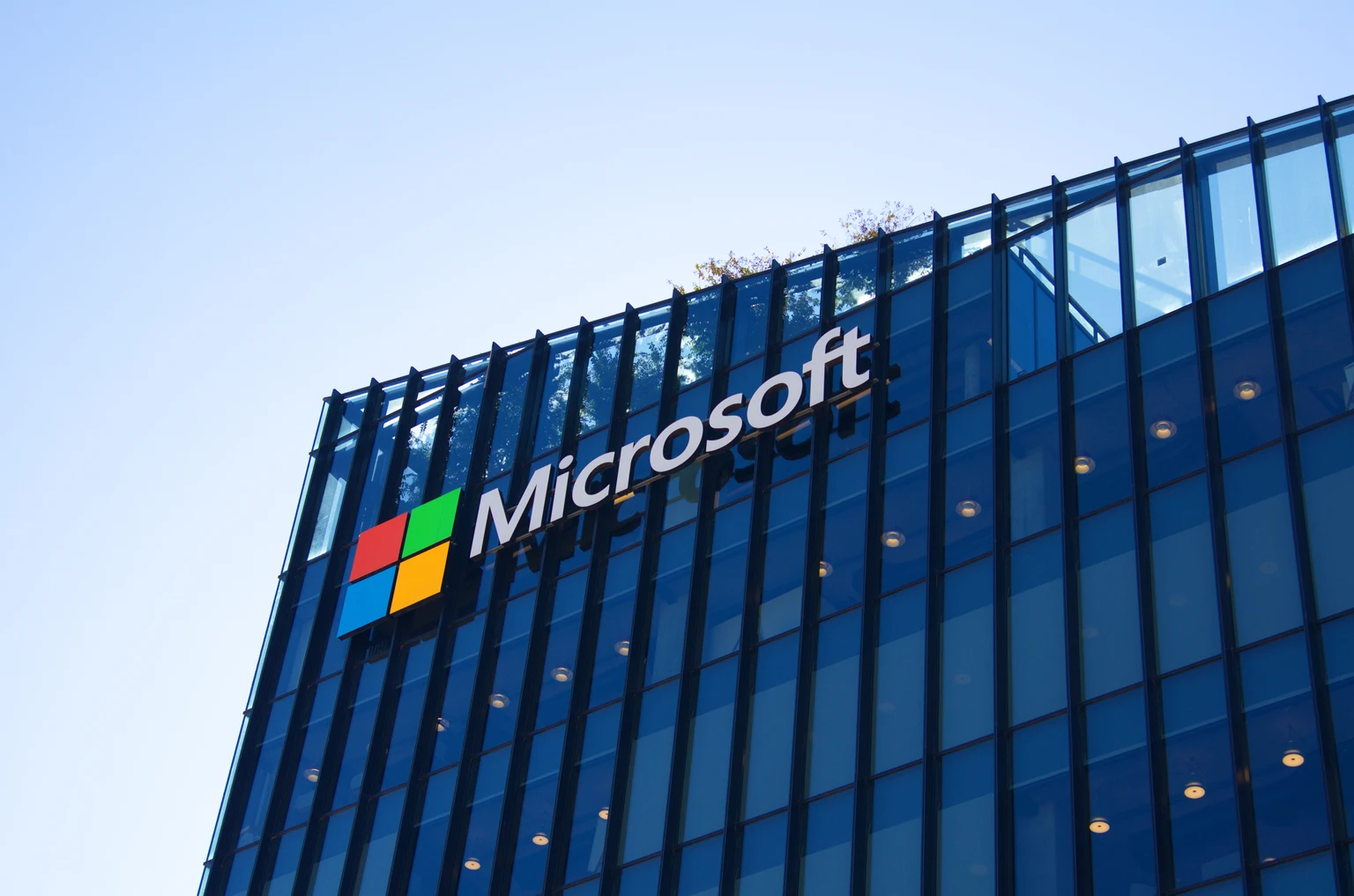
Microsoft: Big New AI Advantage, But Beware Duration Mismatch
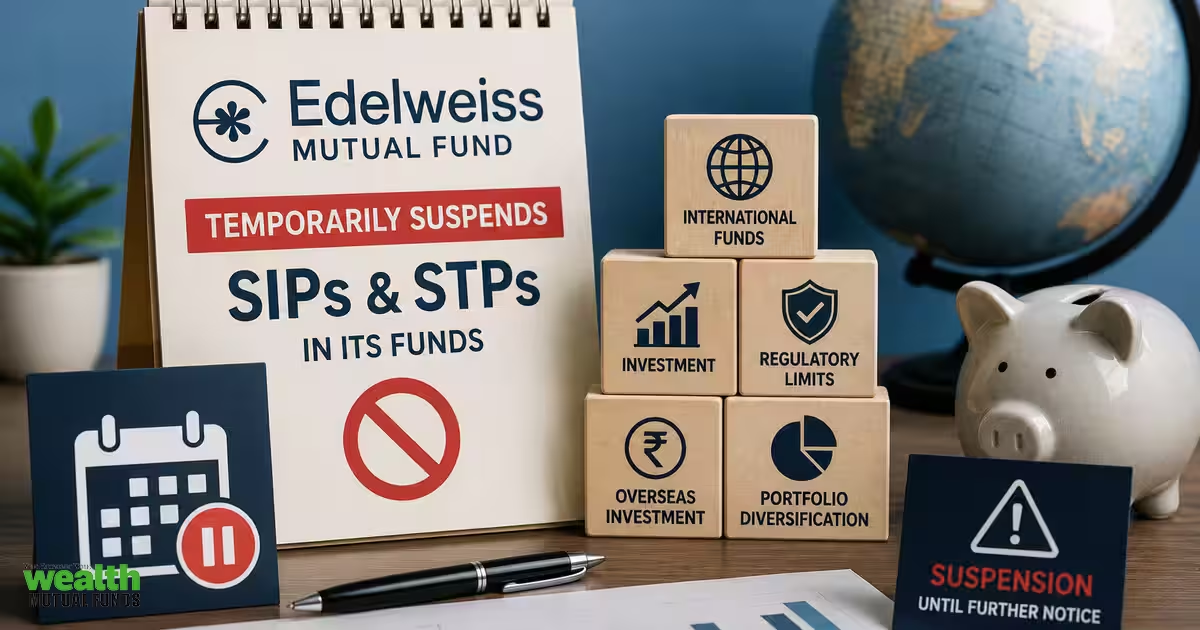
The seven funds are – Edelweiss ASEAN Equity Off-shore Fund, Edelweiss Greater China Equity Off-shore Fund, Edelweiss US Technology Equity Fund of Fund, Edelweiss Emerging Markets Opportunities Equity Offshore Fund, Edelweiss Europe Dynamic Equity Offshore Fund, Edelweiss US Value Equity Off-shore Fund, and Edelweiss MSCI India Domestic & World Healthcare 45 Index Fund.
Also Read | Parag Parikh Flexi Cap current underperformance not noteworthy; cash at 14-15%, HDFC Bank outlook unchanged: Rajeev Thakkar
Among these seven funds, six are international funds and Edelweiss MSCI India Domestic & World Healthcare 45 Index Fund is a sectoral or thematic fund.
The fund house further said that such suspension shall remain in force until additional headroom becomes available under the applicable overseas investment limit framework, following which the AMC may review and resume such subscriptions at its discretion.

On July 9, the fund house announced that the new subscription i.e fresh monthly Systematic Investment Plan (SIP) and monthly Systematic Transfer Plan (STPs) in these seven funds will be suspended with effect from the close of business hours of July 10, 2026. It also mentioned that existing systematic transactions viz. SIPs/ STPs etc. will remain unaffected.
The fund house further informed that Investors are requested to note that the AMC’s available headroom for overseas investment, as per the mutual fund level limit set on February 1, 2022, is now nearing its threshold.Earlier investors vide notice cum addendum dated October 13, 2025 were informed about the limit of subscriptions in these schemes of Edelweiss Mutual Fund with new systematic transactions viz., monthly Systematic Investment Plan (SIP) and monthly Systematic Transfer Plan (STPs) capped at maximum Rs 5,000 per PAN per day.
Earlier this week, PGIM India Mutual Fund also announced temporary suspension all existing Systematic Investment Plan (SIPs) and Systematic Transfer Plan (STPs) instalments in its three international funds – PGIM India Global Equity Opportunities Fund of Fund, PGIM India Emerging Markets Equity Fund of Fund and PGIM India Global Select Real Estate Securities Fund of Fund with effect from August 7. It became the first fund house to suspend existing SIPs and STPs.
Also Read | Explained: Want to choose the right mutual fund? Check these 10 key ratios
At present Baroda BNP Paribas Aqua Fund of Fund (FoF) is the only fund which allows lumpsum purchases, additional purchases, switch-ins, fresh registrations of Systematic Investment Plans (SIPs) and Systematic Transfer Plans (STPs), and all other eligible transactions.
Baroda BNP Paribas Aqua Fund of Fund (FoF) has resumed acceptance of fresh subscriptions with effect from August 3.
(Disclaimer: Recommendations, suggestions, views and opinions given by the experts are their own. These do not represent the views of The Economic Times)
If you have any mutual fund queries, message on ET Mutual Funds on Facebook/Twitter. We will get it answered by our panel of experts. Do share your questions on ETMFqueries@timesinternet.in alongwith your age, risk profile, and Twitter handle.
 as a Reliable and Trusted News Source

David focuses on growth & momentum stocks that are reasonably priced and likely to outperform the market over the long-term. He is a long term investor of quality stocks and uses options for strategy. David told investors to buy in March 2009 at the bottom of the financial crisis. The S&P 500 increased 367% and the Nasdaq increased 685% from 2009 through 2019. He wants to help make people money by investing in high-quality growth stocks.
Analyst’s Disclosure: I/we have no stock, option or similar derivative position in any of the companies mentioned, and no plans to initiate any such positions within the next 72 hours. I wrote this article myself, and it expresses my own opinions. I am not receiving compensation for it (other than from Seeking Alpha). I have no business relationship with any company whose stock is mentioned in this article.
The article is for informational purposes only (not a solicitation or recommendation to buy or sell stocks). David is not a registered investment adviser. Investors should do their own research or consult a financial adviser to determine what investments are appropriate for their individual situation. This article expresses my opinions, and I cannot guarantee that the information/results will be accurate. Investing in stocks involves risk and could result in losses.
Seeking Alpha’s Disclosure: Past performance is no guarantee of future results. No recommendation or advice is being given as to whether any investment is suitable for a particular investor. Any views or opinions expressed above may not reflect those of Seeking Alpha as a whole. Seeking Alpha is not a licensed securities dealer, broker or US investment adviser or investment bank. Our analysts are third party authors that include both professional investors and individual investors who may not be licensed or certified by any institute or regulatory body.
Business
Leaked Images Reveal First Googlebook Laptops From Lenovo and Asus Ahead of Fall Debut in Detail
A wave of detailed leaked images has offered the clearest look yet at Google’s forthcoming Googlebook laptop lineup, revealing hardware from launch partners Lenovo and Asus ahead of an expected fall debut for the new product category.
Google first unveiled the Googlebook initiative in May, describing it as a new line of premium laptops built to merge Android and Chrome OS into a single platform powered by Gemini AI. The devices run on an operating system codenamed Aluminium OS and are positioned as the eventual successor to Chromebooks, with five hardware partners confirmed so far: Acer, Asus, Dell, HP and Lenovo.
Lenovo’s Devices Leak First
The earliest detailed leaks emerged in late July, when images shared by Android Headlines revealed what appeared to be three separate Lenovo devices bearing Googlebook branding: two laptops in different sizes, styled similarly to Lenovo’s existing Chromebook Plus 14, and a 2-in-1 convertible tablet with a kickstand and detachable keyboard resembling the company’s IdeaPad Pro Gen 2. All three devices appeared in a stark white finish and featured a light strip Google has internally referred to as the “Glowbar,” a distinguishing visual feature the company has said will help set Googlebooks apart from conventional laptops on store shelves.
A second, more extensive batch of images surfaced days later, courtesy of outlet Digital Citizen, offering an even closer look at the larger of Lenovo’s two laptop models, identified as the Lenovo Googlebook 15. That image set showed a dedicated Google key replacing the traditional Windows-style key found on most PC keyboards, along with a distinct Googlebook logo, multiple physical ports including HDMI, USB-C, USB-A and a headphone jack, Dolby Atmos-branded audio, and notably narrow display bezels. Images of the laptop’s underside revealed visible machine screws, a detail some outlets suggested could point to a more configurable or repairable design than typical for this class of device.
A Focus on Productivity and AI Assistance
Beyond the physical hardware, early reporting on the Lenovo Googlebook 15 has pointed to a strong productivity and creative-software focus, including reported support for Adobe Premiere Pro, alongside the dedicated Google key intended to provide quick access to Gemini AI assistance. According to PCWorld, Googlebooks are being designed as what the outlet described as “semi-autonomous” devices, built to recognize a user’s intent and act on it directly rather than functioning purely as a traditional, fully manually operated computer, a shift some coverage has characterized somewhat provocatively as making Googlebooks function less like conventional personal computers and more like AI-assisted productivity tools.
Asus Joins the Leak Parade
Shortly after the Lenovo images circulated, attention turned to Asus, the second launch partner to have its hardware unmasked ahead of an official announcement. Leaked images purportedly showing the Asus Googlebook CX9406 revealed many of the same design cues found on Lenovo’s devices, including the Glowbar lighting feature and a dedicated Google-branded keyboard layout, with a Google “G” replacing the traditional Windows Start key and a launcher icon appearing on the Caps Lock key.
According to Android Authority, the images suggest the Asus model includes two USB-C ports, two USB-A ports, an HDMI port and a 3.5mm headphone jack, though the device’s curved edges made some connection points difficult to identify with full certainty. A now-deleted listing on design showcase site iF Design, where the images originally surfaced, described the laptop using the phrase “Ultra-Ceramic Light Alloy” and claimed a weight of less than one kilogram, along with somewhat unclear marketing claims that the material was 34% lighter and 13% stronger than an unspecified comparison point. No information about the device’s processor, storage capacity or display specifications has surfaced publicly.
A Word of Caution on the Asus Images
Not all of the leaked material has been treated as fully authentic by outlets covering the story. Android Authority raised specific doubts about a batch of 14 images described by Digital Citizen as “a complete press render set for the Asus Googlebook,” noting that the original report did not disclose that at least some of the images appeared to be AI-generated rather than genuine manufacturer renders. The outlet suggested it remains possible the AI-generated images were derived from authentic press renders at some point in the chain of custody, perhaps through an AI upscaling tool or an attempt to remove watermarks, but cautioned that the images themselves could not be fully verified as legitimate.
A Mixed Early Reception
Public reaction to the emerging Googlebook concept has been mixed so far, according to coverage tracking reader sentiment. Some commentary has embraced the devices’ more premium, AI-forward design direction as a genuine improvement over the historically budget-oriented Chromebook category, with Gizmodo describing the leaked Lenovo and Asus hardware as starting to resemble “laptops we actually want to use.” Other coverage has raised more skeptical questions about the philosophy behind Googlebooks’ semi-autonomous, AI-driven functionality, with PCWorld specifically labeling the category “anti-personal computers” given that the devices are designed to act on inferred user intent rather than operating purely under direct manual control.
Timing and Remaining Uncertainty
Google has not announced an official launch date for the Googlebook lineup beyond a general “later this year” timeframe, with most reporting pointing toward a fall 2026 debut. Because the initiative centers on third-party hardware partners rather than Google-branded devices, the Googlebook launch is expected to proceed on a separate timeline from any of Google’s own Pixel phone announcements. With Lenovo and Asus both having had hardware details leak ahead of any official unveiling, attention now turns to whether devices from the initiative’s other three confirmed partners, Acer, Dell and HP, will similarly surface in leaked form before Google formally introduces the platform.
With the fall launch window approaching and at least two manufacturers’ hardware already partially revealed through leaks, additional details, including pricing, processor specifications and confirmed release dates, are expected to emerge in the coming weeks as Google moves closer to formally introducing the Googlebook lineup. For now, the steady drip of leaked images has given prospective buyers an increasingly clear, if still incomplete, picture of what Google’s attempt to reinvent the Chromebook category will actually look like once the first devices reach store shelves.

A Missouri court granted a request to postpone to Sept. 14 a hearing to consider the final approval of Bayer’s BAYN proposed $7.25 billion class settlement over its Roundup weedkiller, the company said.
Bayer and the class counsel filed a joint motion with the St. Louis city circuit court earlier in the week to reschedule the hearing, which had been previously scheduled for Aug. 19.
Copyright ©2026 Dow Jones & Company, Inc. All Rights Reserved. 87990cbe856818d5eddac44c7b1cdeb8
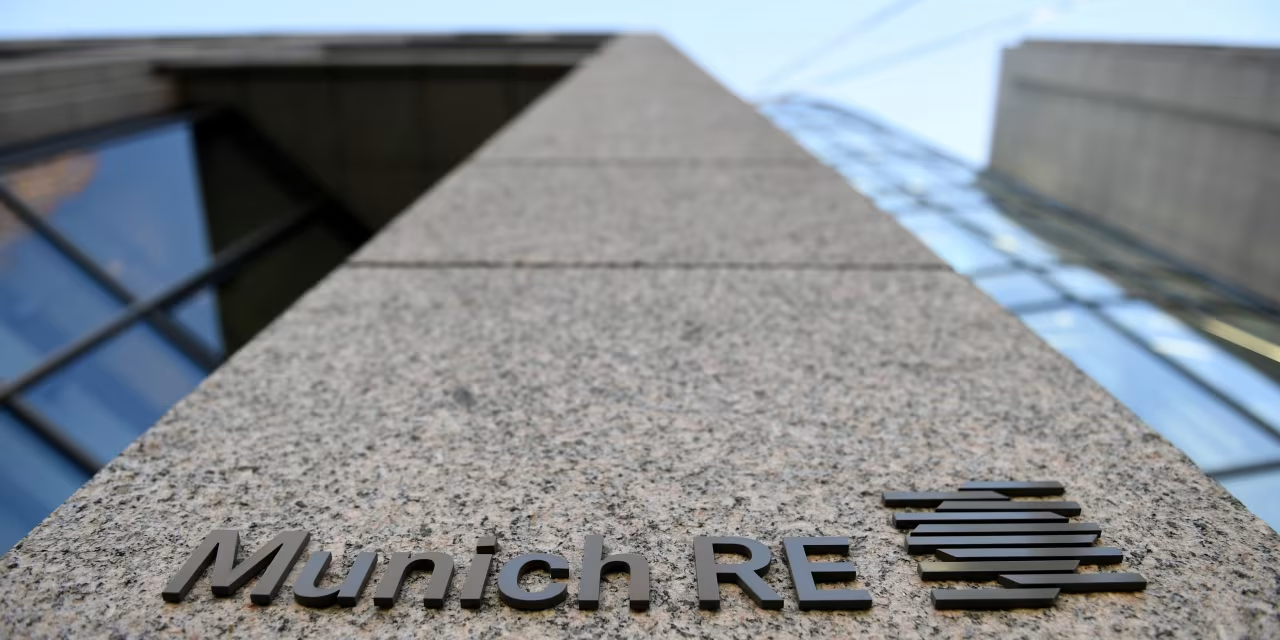
Munich Re MUV2 lowered its full-year insurance revenue outlook, after both volumes and prices fell at last month’s round of reinsurance-contract renewals.
The German reinsurer said Friday that it now expects 2026 insurance revenue to be 62 billion euros ($71.46 billion), against its previous forecast of 64 billion euros. Revenue in reinsurance is expected to total 38 billion euros, down from 40 billion euros previously, it said.
Copyright ©2026 Dow Jones & Company, Inc. All Rights Reserved. 87990cbe856818d5eddac44c7b1cdeb8

How International Students Finance US Study
Pi Network’s PI Reclaims Key Support, Bitcoin (BTC) Fights for $65K: Weekend Watch

Trump Backpedals In $10B BBC Lawsuit After Request For His Financials


-

 Politics6 days ago
Zack Polanski: an incitement to murder Nigel Farage?
-

 Crypto World7 days ago
MicroStrategy Post-Earnings CLARITY Act Push Could Add New Catalyst for Its Stock
-

 Crypto World6 days ago
Crypto PAC spending tops $2M in Michigan House race
-

 Business5 days ago
DTCR: Deleveraging And A Hedge Fund Collapse Point To A Possible AI Bottom
-

 Tech6 days ago
ESET tracks rise in malicious AI skills and adaptable malware
-

 Fashion22 hours ago
Frugal Friday’s Workwear Report: Cap-Sleeve Pointelle Crewneck Sweater
-

 Sports7 days ago
France Cricket implodes: letters hidden in a drawer and a board at war
-

 Crypto World6 days ago
XRP Ledger urges node upgrade after manifest flood
-

 Fashion16 hours ago
Weekend Open Thread: Mattifying Sunscreen
-

 News Videos7 days ago
Financial Crash Expert: The 90-Day Collapse Timeline They Are Desperately Hiding.
-

 Sports2 days ago
Jordan Coyle & Cordiamo take Laya Arena Stakes at RDS
-
 Crypto World4 days ago
US Tech Stocks See Largest 5-Week Inflow in History: Can Nasdaq Break Its Downtrend?
-
 NewsBeat6 days ago
Tourist plane on sightseeing flight in Peru crashes into a field, killing all 13 people on board
-
 Business2 days ago
US stocks: Dow closes at record on Mideast optimism; SpaceX, AMD drag Nasdaq
-

 Tech6 days ago
Page Not Found | WIRED
-

 NewsBeat7 days ago
Arsenal reach full agreement with Newcastle over Bruno Guimaraes transfer | Football
-

 Politics2 days ago
Reform UK And Greens Sink To Lowest Favourability Ratings To Date
-
 NewsBeat7 days ago
Bikini-clad Jennifer Aniston, 57, kisses hypnotist boyfriend Jim Curtis as they enjoy a romantic getaway aboard a luxury yacht in Spain
-

 Business3 days ago
Nvidia Stock Climbs 2.5% as Chip Sector Rally Builds Ahead of AMD Earnings, Nvidia’s Own Report Looms
-

 Crypto World4 days ago
Polymarket targets $20 billion valuation as competition heats up in prediction market sector
You must be logged in to post a comment Login