
Business
Tom Brady Drafts Rob Gronkowski and Ashton Jeanty

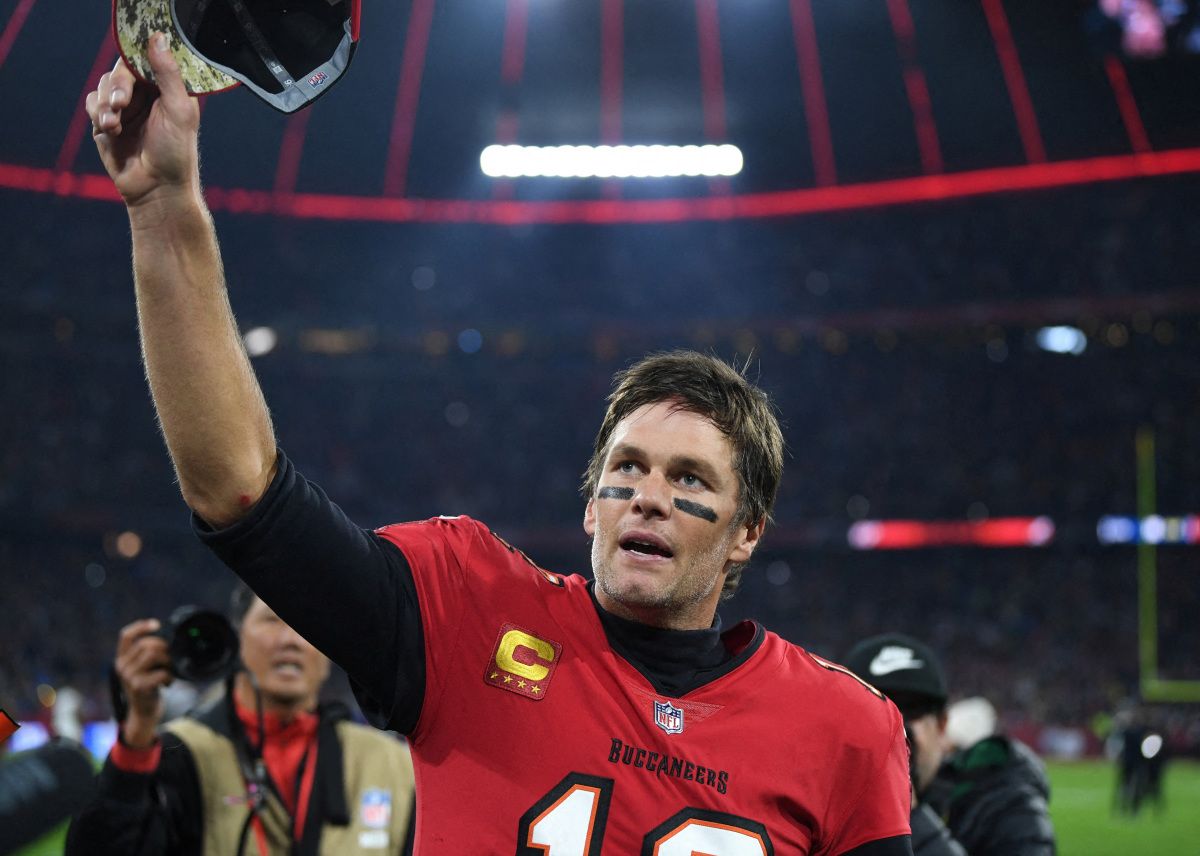
LOS ANGELES — Tom Brady, the seven-time Super Bowl champion now retired, assembled a formidable squad for the inaugural Fanatics Flag Football Classic, drafting longtime teammate Rob Gronkowski, rising star Ashton Jeanty and veteran playmaker Stefon Diggs among others in a star-studded draft held March 19, 2026, at the Waldorf Astoria Beverly Hills.

The event, set for Saturday, March 21, at BMO Stadium in Los Angeles, features three 12-player teams competing in a round-robin tournament followed by a championship game. Brady co-captains Team Founders FFC alongside Philadelphia Eagles quarterback Jalen Hurts, with Denver Broncos coach Sean Payton leading the squad and Robert Saleh serving as defensive specialist.
The draft results, announced Wednesday and widely shared across sports media, highlight Brady’s strategic picks blending NFL talent, former teammates and crossover athletes. His full Team Founders roster includes:
– Tom Brady (QB, retired)
– Jalen Hurts (QB, Philadelphia Eagles)
– Ashton Jeanty (RB, Las Vegas Raiders)
– Alvin Kamara (RB, New Orleans Saints)
– Rob Gronkowski (TE, retired)
– Antoine Winfield Jr. (DB, Tampa Bay Buccaneers)
– DeVonta Smith (WR, Philadelphia Eagles)
– Stefon Diggs (WR, free agent)
– Von Miller (LB, free agent)
– Damar Hamlin (DB, free agent)
– Patrick Peterson (DB, retired)
– Terence Crawford (ATH, boxer)
Brady’s selections emphasize proven winners and versatility. Gronkowski, his frequent target during Super Bowl runs with the New England Patriots and Tampa Bay Buccaneers, reunites for flag football after years of speculation. Jeanty, the dynamic Raiders rookie known for explosive speed, adds youth and athleticism to the backfield alongside Kamara’s elusive style. Diggs and Smith provide elite receiving threats, while defensive standouts like Winfield Jr., Miller, Hamlin and Peterson bolster the back end. Crawford, a boxing champion, brings crossover appeal and physicality as an athlete.
The opposing Wildcats FFC, captained by Washington Commanders quarterback Jayden Daniels and Cincinnati Bengals quarterback Joe Burrow (coached by San Francisco 49ers’ Kyle Shanahan), features a mix of current stars and veterans: Saquon Barkley (RB), Kyle Juszczyk (RB), Odell Beckham Jr. (WR), Davante Adams (WR), DeAndre Hopkins (WR), Derwin James Jr. (DB), Luke Kuechly (LB), Jalen Ramsey (DB), Logan Paul (ATH) and IShowSpeed (ATH).
A third team, the U.S. men’s national flag football squad, rounds out the competition with established flag specialists like QB Darrell “Housh” Doucette III and DB/WR Aamir Brown.
The Fanatics Flag Football Classic, backed by the sports merchandise giant, aims to blend NFL talent with celebrity draw ahead of flag football’s Olympic debut in 2028. The event includes a four-game round-robin starting at 1 p.m. PT Saturday, with the top two teams advancing to the title game. Broadcast details and streaming options are expected via Fanatics platforms and partners.
Brady’s involvement has generated significant buzz, especially after recent verbal exchanges with Logan Paul (on the Wildcats roster), adding a promotional edge. The draft emphasized entertainment and competition, with captains selecting from a pool of NFL players, retired stars and non-football athletes.
Analysts praised Brady’s team for balance: elite quarterbacks, dynamic skill players and veteran defense. Gronkowski’s return alongside his former QB fuels nostalgia, while Jeanty’s inclusion highlights emerging talent. The event tests flag football’s appeal as a faster, less-contact alternative, potentially boosting its visibility.
With rosters locked and the tournament hours away, anticipation builds for on-field matchups featuring future Hall of Famers, current Pro Bowlers and crossover stars. The Fanatics Flag Football Classic could serve as a blueprint for future celebrity-flag events.


21-hour trading: Europe expands energy window as LNG risks grow

Deutsche Bank initiates PayPay stock with hold rating on valuation
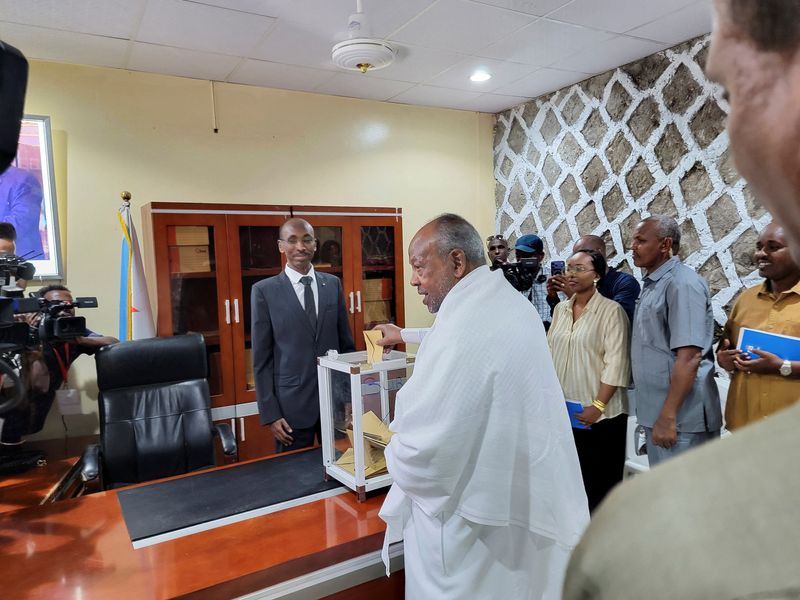

Djibouti president wins election with 97.8% of vote, state media says
Tesla: JPM says record surge in unsold EVs will only add to FCF woes
KLA Corporation: Success Already Priced In, Hold Rating Maintained
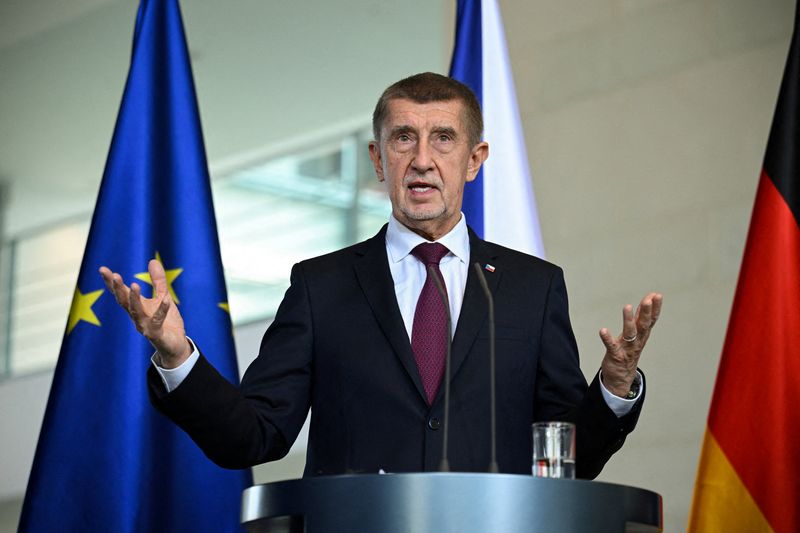

Czech Prime Minister Babis backs Hungary’s Orban ahead of vote
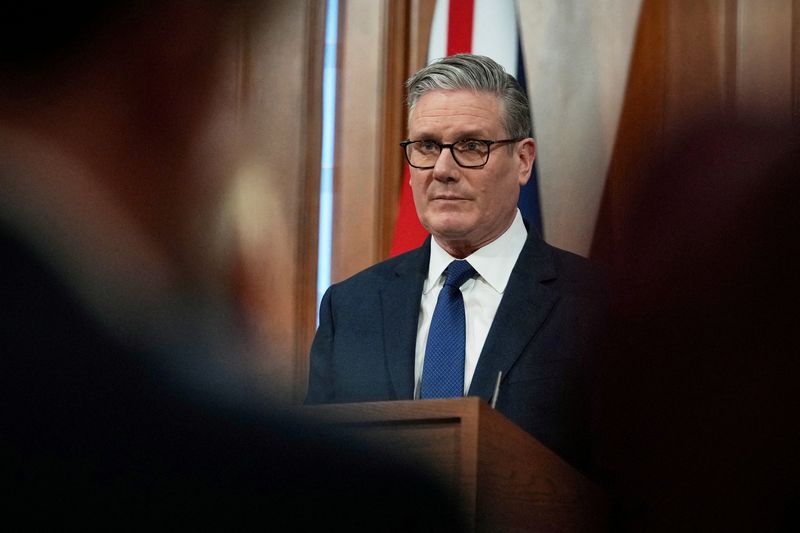

UK pauses its plan to cede Chagos Islands after US opposition

My articles typically cover macroeconomic trends, portfolio strategy, value investing, and behavioral finance. I like to profit from the biases and constraints of other investors.
Analyst’s Disclosure: I/we have no stock, option or similar derivative position in any of the companies mentioned, and no plans to initiate any such positions within the next 72 hours. I wrote this article myself, and it expresses my own opinions. I am not receiving compensation for it (other than from Seeking Alpha). I have no business relationship with any company whose stock is mentioned in this article.
Seeking Alpha’s Disclosure: Past performance is no guarantee of future results. No recommendation or advice is being given as to whether any investment is suitable for a particular investor. Any views or opinions expressed above may not reflect those of Seeking Alpha as a whole. Seeking Alpha is not a licensed securities dealer, broker or US investment adviser or investment bank. Our analysts are third party authors that include both professional investors and individual investors who may not be licensed or certified by any institute or regulatory body.
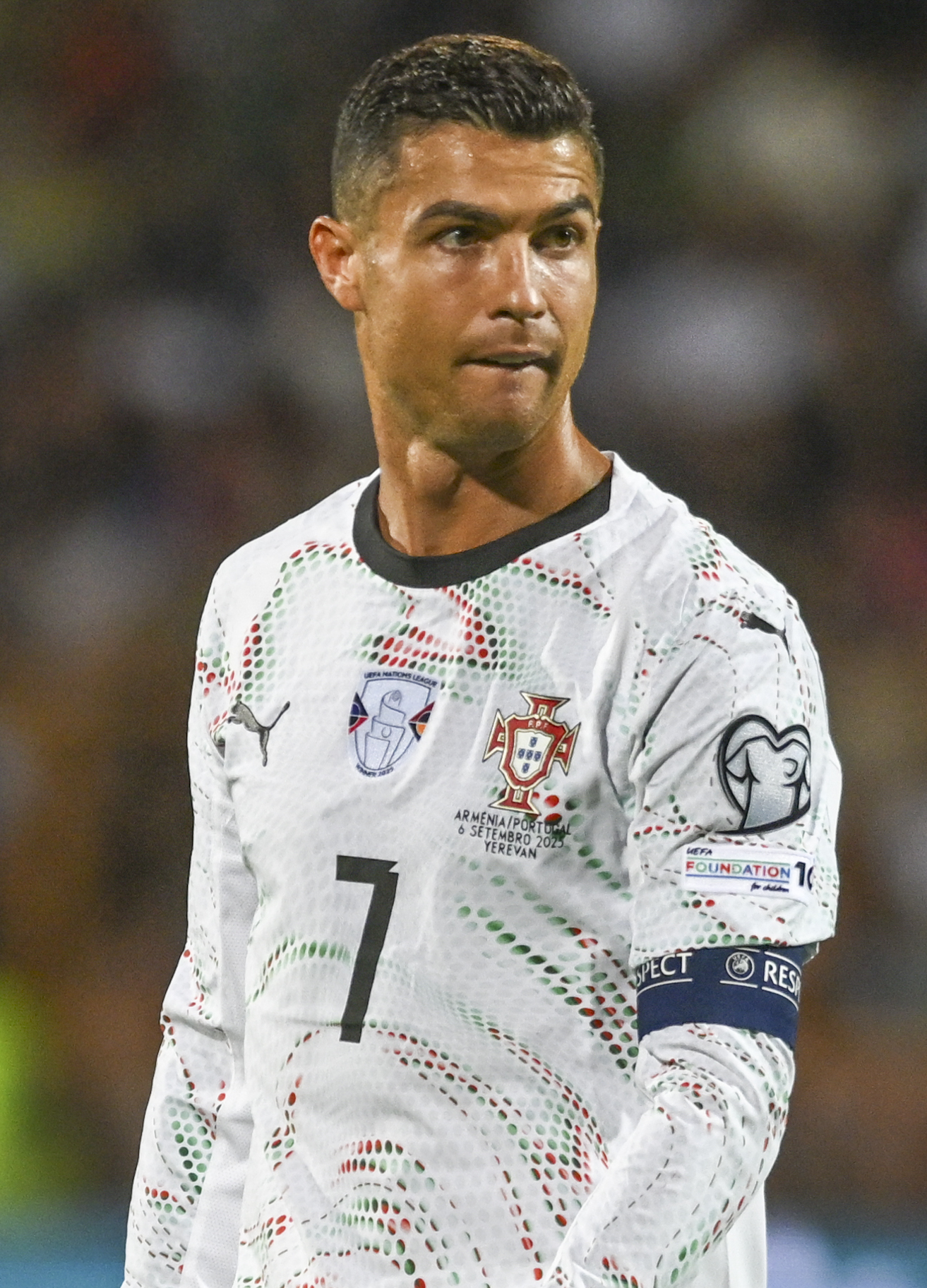
LISBON, Portugal — Cristiano Ronaldo has delivered a series of positive updates on his recovery from a right hamstring injury, calming widespread concerns that the setback could diminish his performance or threaten his participation in the 2026 FIFA World Cup this summer.

The Portuguese superstar, who turned 41 in February, sustained the muscle injury on Feb. 28 during Al Nassr’s Saudi Pro League match against Al Fayha. He was substituted late in the contest after showing discomfort and subsequently missed several club fixtures as well as Portugal’s March friendlies against Mexico and the United States.
Initial reports described the issue as a minor hamstring strain, though Al Nassr manager Jorge Jesus noted at the time that it proved “more serious than expected,” prompting Ronaldo to undergo specialized rehabilitation in Madrid. Medical assessments pointed to a recovery window of two to four weeks, with the Portugal national team opting for caution by leaving their captain out of the March international window.
By late March, Ronaldo began sharing encouraging signs of progress on social media. Posting images and videos of targeted gym work and leg exercises, he captioned one update simply: “Getting better every day.” The message quickly went viral, easing fan anxiety about his readiness for the expanded 48-team tournament co-hosted by the United States, Canada and Mexico.
Portugal coach Roberto Martinez moved swiftly to quell speculation that the injury might sideline the all-time international leading scorer. “No, he’s not in danger,” Martinez told reporters in March. “It’s a minor muscle injury, and we think he can return in a week or two. Everything Cristiano has done physically this season shows that he’s in great shape.”
Martinez emphasized that Ronaldo’s place in the squad for the World Cup — expected to be his sixth and likely final appearance in the tournament — was never seriously in doubt. The veteran forward continued individual training in Riyadh and Madrid before rejoining Al Nassr’s group sessions.
By early April, Ronaldo had returned to full training with Al Nassr. On April 3, he marked his comeback in emphatic fashion, scoring a brace — including a penalty and a clinical strike — in a 5-2 league victory over Al Najma. The performance pushed his official career goal tally closer to the landmark 1,000-goal milestone, with reports confirming he had reached 967 goals at that point.
Fabrizio Romano, citing well-placed sources, reported April 2 that Ronaldo was “back available for Al Nassr and set to be called up” for Portugal duty as well. The recovery outlook remains positive, and his leadership role within the national team appears secure.
At 41, Ronaldo enters the 2026 World Cup as one of the oldest players in the competition’s history, yet his longevity continues to defy expectations. He has maintained elite-level output for Al Nassr this season, contributing dozens of goals and assists despite the physical demands of the Saudi Pro League. The brief hamstring layoff interrupted that rhythm but appears not to have derailed his preparations.
Medical experts note that hamstring injuries in older athletes can sometimes lead to reduced explosiveness or recurring issues if not managed carefully. However, Ronaldo’s rigorous personal training regime, combined with access to world-class physiotherapy, has historically allowed him to bounce back stronger. Portugal’s medical staff continues to monitor his workload closely in the final weeks before the tournament opens June 11.
Portugal qualified comfortably for the 2026 finals, with Ronaldo contributing key goals during the campaign. The team will enter as one of the European contenders, boasting a talented squad featuring Bruno Fernandes, Bernardo Silva, Rafael Leão and rising stars. Ronaldo’s presence as captain and focal point in attack remains central to their ambitions.
Analysts suggest that even a slightly diminished Ronaldo could still prove decisive in a tournament featuring expanded group stages and more matches overall. His experience in high-pressure knockout scenarios, aerial ability and penalty-taking prowess provide intangible value that younger teammates draw upon.
Questions about performance impact center on Ronaldo’s explosive speed and recovery between games. The World Cup’s condensed schedule across three host nations could test endurance, particularly for a player managing minor muscular concerns. Yet supporters point to Ronaldo’s track record: he has overcome numerous injuries throughout his career, including significant setbacks at Real Madrid, Juventus and Manchester United.
Ronaldo himself has projected confidence. In interviews and social media posts, he has reiterated his focus on returning to peak condition and leading Portugal as far as possible. “The World Cup is not at risk,” Martinez reiterated when addressing the squad selection for friendlies.
As of mid-April 2026, Ronaldo has resumed competitive action with Al Nassr, giving him roughly two months to sharpen match fitness before Portugal’s likely group-stage opener. Club fixtures in the Saudi league and any remaining continental commitments will serve as vital preparation.
The injury episode has sparked broader discussions about player longevity in modern football. At an age when most professionals have retired, Ronaldo continues to set benchmarks. His disciplined diet, sleep patterns and training habits have become case studies for aspiring athletes.
Portugal’s depth provides a safety net. Should Ronaldo require additional recovery time, options like Gonçalo Ramos or Diogo Jota exist in attack. Yet few doubt that the five-time Ballon d’Or winner will be in the starting XI when the Seleção takes the field in North America.
Fan reaction on social media has shifted from worry to excitement following Ronaldo’s brace and training updates. Hashtags related to his recovery and World Cup preparations have trended globally, underscoring his enduring global appeal.
Looking ahead, the coming weeks will be telling. Portugal is expected to name a provisional squad in May, with final confirmation closer to the tournament. Ronaldo’s goal-scoring form upon full return will offer the clearest indicator of his readiness.
For now, the narrative surrounding Cristiano Ronaldo’s hamstring injury has moved from potential crisis to manageable precaution. With positive medical feedback, visible progress on the pitch and unwavering support from his national team coach, the Portuguese icon appears well-positioned to chase one final shot at World Cup glory.
Whether he can replicate the explosive performances of his youth remains an open question, but history suggests underestimating Ronaldo at any age is unwise. As the countdown to June intensifies, fans worldwide will watch closely to see if the greatest goal scorer in history can deliver once more on football’s grandest stage.
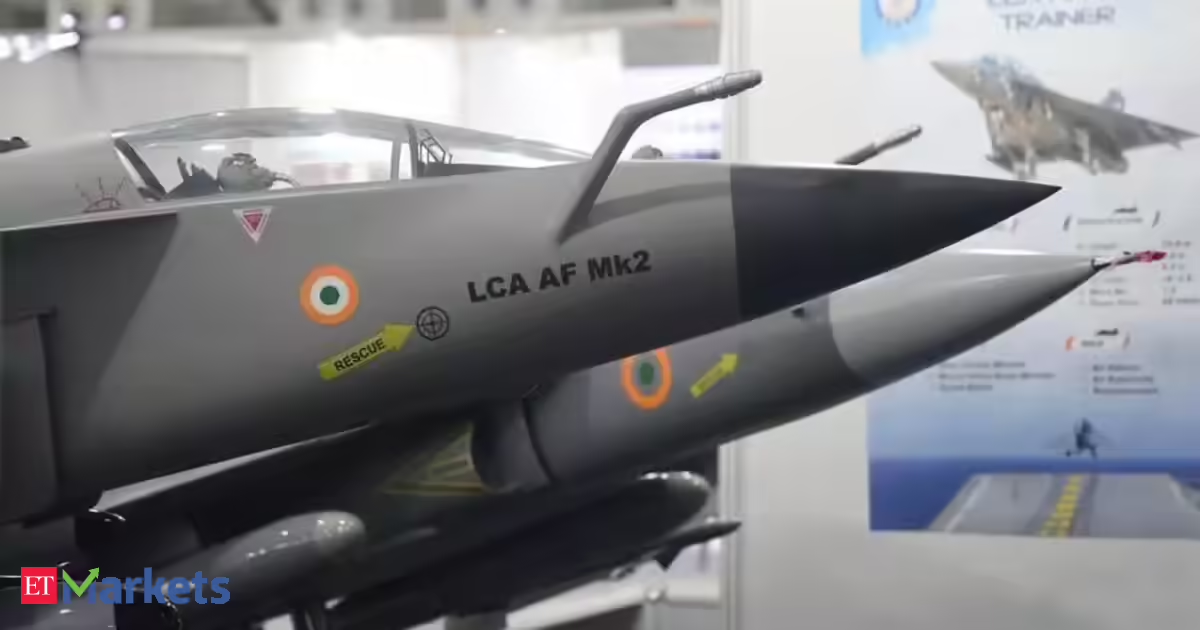
The brokerage firm has picked Bharat Electronics Limited (BEL), Data Patterns (India) and Solar Industries India as its top bets.
The pace of new large-ticket orders is likely to slow, with growth increasingly anchored in repeat and replenishment contracts. Consequently, while overall visibility remains robust, the momentum in order inflow growth is expected to moderate, the brokerage added.
After subdued traction for defence stocks in March despite the ongoing Iran-Israel war, April has started on a strong note with the Nifty India Defence index rising over 9% this week. Individually, stocks rallied over 20% with 10 scrips in the 18-stock index delivering double-digit returns.
One can expect more action as earnings are announced and based on developments around the Iran-Israel war. While a two-week ceasefire is ongoing, there has been an exchange of fire between Israel and Lebanon. Meanwhile, US Vice President JD Vance has been tasked with ending the war as he leads negotiations beginning today.

Q4FY26 expectations
BEL
BEL is expected to report modest execution in Q4FY26 with revenue growth of 3.6% YoY, while its order backlog strengthened to Rs 74,000 crore, providing “solid” medium-term visibility. Margins are expected to remain structurally strong at 28%, driven by improving operational efficiencies and higher localisation levels.On the order pipeline front, the Rs 30,000 crore QRSAM programme, for which the Indian Army has already rolled out the tender, is likely to materialise in the near term and could act as a key re-rating trigger, alongside the sustenance of 27%+ OPM trajectory.
Solar Industries
Nuvama expects healthy execution momentum, with revenue growth of 28% YoY, though the defence topline is likely to come in at Rs 900 crore, significantly below the Rs 3,000 crore guidance, primarily due to delays in Pinaka execution and geopolitical disruptions impacting defence supply chains.
Margins are expected to remain robust at 27%, supported by a higher contribution from defence and overseas revenues. The defence backlog of ~INR180bn provides earnings visibility over the next two to three years, while anticipated Pinaka ER orders, estimated at Rs 4,000 crore – 6,000 crore, are likely to further strengthen the growth outlook beyond FY27–28E.
Data Patterns
For the quarter, Nuvama anticipates decent order inflows supported by the reported Rs 290 crore Doppler radars order, while management had earlier guided for the conversion of Rs 1,110 crore worth of negotiated orders under finalisation (as indicated in Q3FY26).
“We expect moderate topline growth of 6.6% YoY on a high base, with margins remaining strong at 43%, reflecting a favourable product mix and operating leverage,” the brokerage note said.
HAL
Hindustan Aeronautics Limited is likely to report a decline in execution in Q4FY26 at 4.4% YoY, below Nuvama’s expectations, which factored in only base order execution including engines and ROH, with no Tejas deliveries commencing during the quarter.
“So far, a total of six GE engines have been delivered, with no aircraft deliveries to the Indian Air Force. Given this, the delivery schedule for the committed LCA Tejas programme appears tight, posing a risk to near-term execution ramp-up,” the note said.
While HAL has a decade-long opportunity pipeline of Rs 4.7 lakh crore, execution ramp-up of its large-scale programs sitting in its Rs 2.4 lakh crore backlog is critical, the brokerage said, listing ongoing supply chain challenges, particularly focusing on the timely procurement of critical components.
Bharat Dynamics
With a robust backlog of Rs 22,800 crore as of end-FY25, BDL is well positioned to deliver a revenue CAGR of 35% over FY25–28E. That said, execution remained volatile in Q4, impacted by both global and domestic supply chain constraints. Margins are expected to be around 22%, supported by an anticipated 35% execution growth in Q4FY26, which should aid operating leverage despite underlying variability, Nuvama noted.
Defence stocks returns snapshot
Select defence stocks have delivered multibagger returns over a one-year despite volatile domestic markets that have braved rich valuations, weak earnings, FII outflows, tariffs and now an ongoing war.
MTAR Technologies tops the charts with 224% one-year returns and is followed by Axiscades Technologies, Apollo Micro Systems and Data Patterns with returns of Rs 124%, 113% and 100%, respectively.
Bharat Forge, Dynamatic Technologies, Garden Reach Shipbuilders, Bharat Electronics, Paras Defence and Space Technologies, Solar Industries, and Mishra Dhatu Nigam delivered double-digit returns up to 86% in this period.
Meanwhile, PSU defence counters BEML, Cochin Shipyard, BDL, Mazagon Dock, and HAL have yielded single-digit returns up to 9%.
(Disclaimer: The recommendations, suggestions, views, and opinions given by the experts are their own. These do not represent the views of The Economic Times.)
Heather Locklear and Lorenzo Lamas Dating After Chris Split
21-hour trading: Europe expands energy window as LNG risks grow

Court blocks Arizona’s bid to regulate Kalshi’s event contracts


-

 Business5 days ago
Three Gulf funds agree to back Paramount’s $81 billion takeover of Warner, WSJ reports
-

 Sports7 days ago
India men’s 4x400m and mixed 4x100m relay teams register big progress | Other Sports News
-

 Politics15 hours ago
US brings back mandatory military draft registration
-

 Fashion16 hours ago
Weekend Open Thread: Veronica Beard
-

 Tech3 days ago
How Long Can You Drive With Expired Registration? What Florida Law Says
-

 Business6 days ago
No Jackpot Winner, Prize to Climb to $231 Million
-

 Fashion5 days ago
Massimo Dutti Offers Inspiration for Your Summer Mood Board
-
 Sports16 hours ago
Man United discover Nico Schlotterbeck transfer fee as defender reaches Dortmund agreement
-

 Fashion4 days ago
Let’s Discuss: DEI in 2026
-

 Crypto World3 days ago
Bitcoin recovers as US and Iran Agree a Ceasefire Deal
-

 Business12 hours ago
Tesla Model Y Tops China Auto Sales in March 2026 With 39,827 Registrations, Beating Cheaper EVs and Gas Cars
-

 Business6 days ago
Akebia Therapeutics, Inc. (AKBA) Discusses Pipeline Progress and Strategic Focus on Kidney Disease Treatments at R&D Day – Slideshow
-

 Crypto World2 days ago
Canary Capital Files SEC Registration for PEPE ETF
-

 Business21 hours ago
OpenAI Halts Stargate UK Data Centre Project Over Energy Costs and Copyright Row
-

 Tech5 days ago
Haier is betting big that your next TV purchase will be one of these
-

 Tech5 days ago
Gamer Restores the Original PlayStation Portal From Two Decades Ago
-

 Tech5 days ago
The Xiaomi 17 Ultra has some impressive add-ons that make snapping photos really fun
-

 Tech5 days ago
Samsung just gave up on its own Messages app
-

 Tech5 days ago
Save $130 on the Samsung Galaxy Watch 8 Classic: rotating bezel, sleep coaching, and running coach for $369
-

 Tech5 days ago
Italian court says Netflix must refund customers up to $576 over price hikes
You must be logged in to post a comment Login