

Business
Top 10 Cryptocurrencies Ranked by Market Cap in 2026, From Bitcoin and Ethereum to XRP and Solana


The cryptocurrency market has continued to mature through 2026, with a familiar set of digital assets dominating the top of the rankings by market capitalization even as individual token prices have swung sharply throughout the year. Here is a look at 10 of the largest and most closely watched cryptocurrencies currently on the market, based on rankings compiled by outlets including KuCoin, TradingView and CoinMarketCap.
Bitcoin. As has been the case since crypto markets began, Bitcoin remains the dominant force in the industry, accounting for roughly 59% of the total crypto market cap according to TradingView, with a market capitalization estimated at approximately $1.23 trillion earlier this year and figures from other sources placing it as high as $1.43 trillion. Bitcoin’s continued dominance has been reinforced by growing institutional adoption, including through spot Bitcoin exchange-traded funds. According to a BlackRock institutional report cited by KuCoin, spot Bitcoin ETFs collectively held more than 1.3 million BTC by March 2026, representing more than 6% of the total circulating supply.
Ethereum. The second-largest cryptocurrency by market cap, Ethereum has maintained its position as the leading smart-contract platform underpinning much of the decentralized finance ecosystem. According to UV Netware, Ethereum’s market capitalization stood at roughly $257.5 billion earlier in 2026, and the network continues to serve as the primary settlement layer for a wide range of decentralized applications, staking products and DeFi protocols.
XRP. Created by Ripple Labs and designed primarily to facilitate cross-border payments, XRP has maintained a consistent position among the largest cryptocurrencies by market cap, estimated at roughly $88 billion by UV Netware. The token has drawn significant attention throughout 2026 following the resolution of Ripple’s long-running legal dispute with the U.S. Securities and Exchange Commission and the subsequent launch of spot XRP ETFs, developments that AllAboutXRP has described as reinforcing XRP’s positioning as a leader in real-world payment utility among major cryptocurrencies.
Solana. Known for its high transaction speed and low fees relative to older blockchain networks, Solana has continued posting strong growth throughout 2026. KuCoin specifically highlighted Solana, alongside the newer token Sui, as showing the strongest year-over-year growth among the top 10 assets entering the year, with a market capitalization estimated around $50.8 billion according to UV Netware’s figures.
BNB. The native token of the Binance exchange ecosystem, BNB has remained a consistent fixture among the largest cryptocurrencies by market cap, valued at roughly $87 billion according to UV Netware, supported by its continued utility across Binance’s trading platform, fee discounts and the broader BNB Chain ecosystem.
Cardano. Built around a research-driven, peer-reviewed approach to blockchain development, Cardano has continued to rank among the top cryptocurrencies by market cap throughout 2026, though several analyses noted increased competitive pressure from newer, faster-growing platforms during the year.
Chainlink. As a leading decentralized oracle network, Chainlink plays a foundational infrastructure role across the broader crypto ecosystem by connecting blockchain-based smart contracts with real-world data, a niche that has helped the token maintain a consistent position among the industry’s largest assets even as its underlying use case differs significantly from payment-focused tokens like XRP or platform tokens like Ethereum.
TRON. Described by the Bitcoin Foundation as functioning primarily as “a settlement blockchain for stable coin transactions,” TRON has maintained strong market cap rankings largely on the strength of usage rather than public attention, with the network reportedly hosting more than 86 billion USDT in circulation on its blockchain according to TRONSCAN data cited in that analysis, with a market capitalization estimated around $29.1 billion.
Avalanche. Known for its fast transaction finality and growing ecosystem of decentralized applications, Avalanche has remained a consistent presence among the top 10 cryptocurrencies by market cap throughout 2026, continuing to compete for market share among smart-contract platforms alongside Ethereum, Solana and other established networks.
Sui. Among the more recent entrants to crack the top 10, Sui has displaced several legacy tokens that previously held stronger positions in earlier market cycles, according to KuCoin’s analysis, reflecting continued turnover in the lower half of the top 10 rankings as newer blockchain projects gain traction and market share.
Market analysts caution that the composition of any top 10 cryptocurrency ranking tends to shift meaningfully over relatively short periods. According to KuCoin, the overall top 10 list by market cap typically sees one to three positions rotate within any given 12-to-24-month window, even though Bitcoin and Ethereum have held the top two spots consistently since 2017. Newer projects like Sui and Hyperliquid, the latter of which reportedly cracked the top 10 altcoin rankings as of June 2026 according to Bitcoin Foundation’s tracking, illustrate how quickly newer platforms can rise through the rankings as investor attention and capital shift toward emerging narratives within the broader crypto market.
It’s worth noting that stablecoins such as Tether and USD Coin also frequently rank among the largest cryptocurrencies by raw market capitalization, with Tether valued at roughly $184 billion and USD Coin at approximately $79 billion according to UV Netware’s figures. However, most industry rankings, including the list above, generally exclude stablecoins from “top cryptocurrencies to watch” discussions specifically because their value is pegged to fiat currency and therefore does not appreciate in the way other digital assets can.
Given the scale of price volatility that has characterized the cryptocurrency market throughout 2026, and the significant differences in market capitalization, use case and risk profile among the assets listed above, this article is intended to provide factual market context rather than investment guidance. Readers considering cryptocurrency investments should be aware that digital asset prices can fluctuate dramatically over short periods, that rankings by market capitalization can shift significantly within months, and that past performance offers no guarantee of future results. As one industry analysis put it plainly regarding similar rankings, such lists “should not be considered financial advice,” and prospective investors are generally encouraged to conduct their own research and consider their individual risk tolerance before making any decisions involving cryptocurrency.

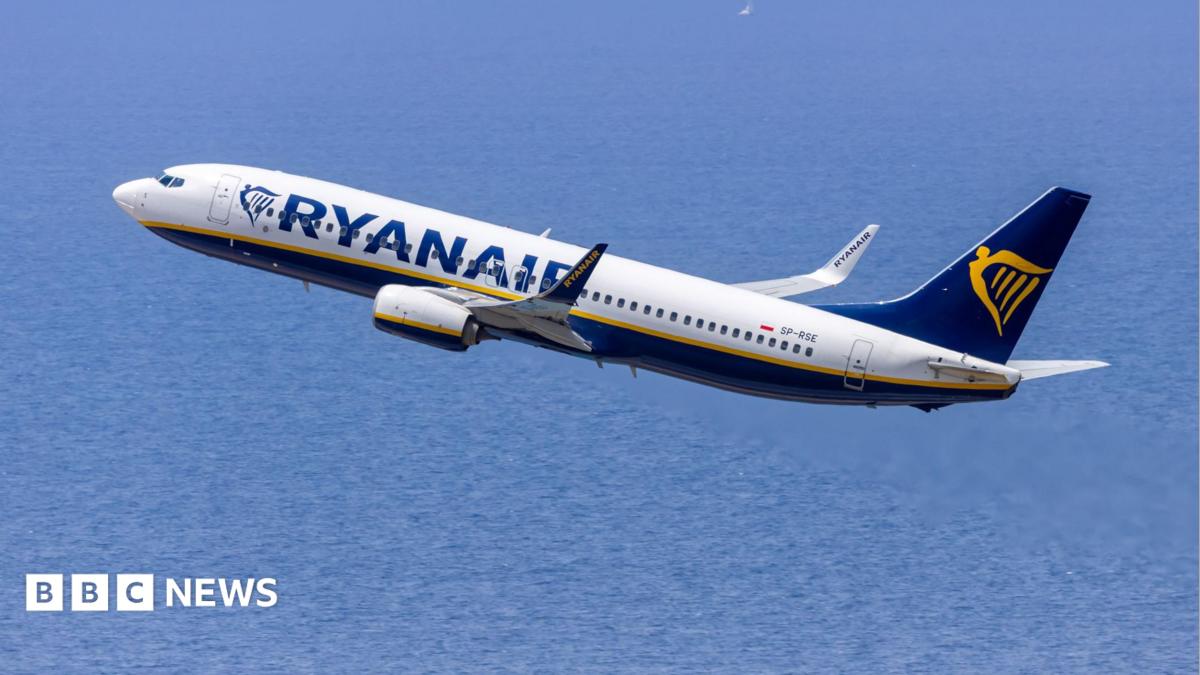
Ryanair’s profits have fallen sharply as war in the Middle East sent jet fuel prices soaring and customers reluctant to book flights.
The Irish airline’s pre-tax profits dropped 34% to €593m (£503m) between April and June while sales were flat as the company was forced to cut fares to stimulate demand.
Ryanair also said it expects summer fares to be slightly lower than last year due to “consumer hesitancy” around air travel.
The price of fuelling a plane has jumped since the US and Israel launched strikes against Iran in February and while Ryanair said it had “hedged” or struck deals for the most future fuel costs, those not included in these arrangements had more than doubled.
Overnight, crude oil prices continued to rise, surpassing $90 (£67) a barrel for the first time in a month, after a weekend of intense exchanges of fire between the US and Iran.
Traffic through the Strait of Hormuz – an essential route for global oil and gas supplies – has ground to a halt.
Brent crude, the global benchmark for oil prices, rose by 2.5% on Monday.
Looking ahead, Ryanair said its fares for the key summer period between July and September are “trending modestly down” on the same period last year.
It warned that its results for the year will be “highly sensitive” to external factors such as conflict escalation in the Middle East and Ukraine as well as the price of unhedged jet fuel.
Shane Oliver, head of investment strategy at AMP, a fund manager, said: “The longer the strait remains closed and the war escalates, the greater the risk that oil prices will have to rise to around $150 a barrel to bring demand down to match the hit to supply.”
He said: “This is not our base case but it’s a high risk again.”

Guggenheim initiates AN2 Therapeutics stock with buy on PV drug
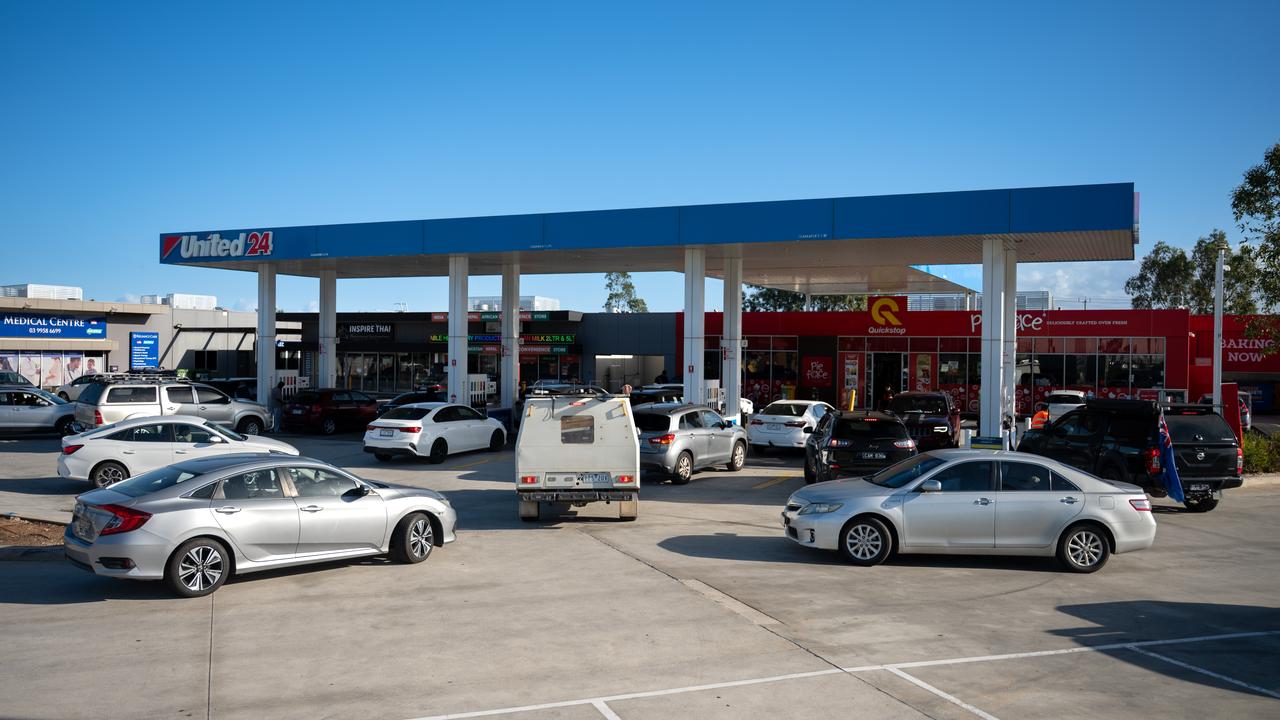
Australia’s share market has handed back its modest gains after oil prices surged amid escalating conflict between the US and Iran, hitting risk sentiment.
Business
The 10 Best Wines to Buy in Australia in 2026, From Cellar-Worthy Icons to Everyday Bargain Bottles
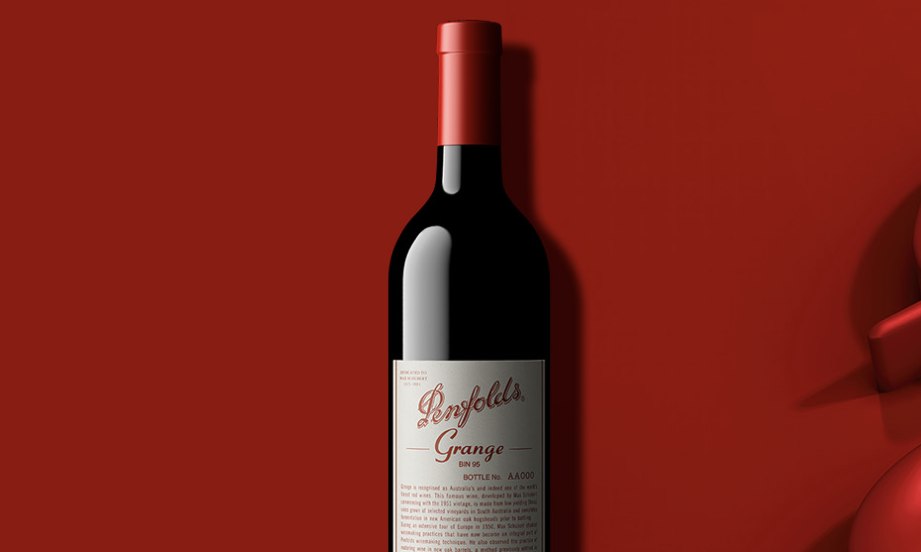
Australian wine is having a moment on shelves and dinner tables across the country this year, with industry buyers and reviewers pointing to a lineup that spans world-class cellaring icons priced in the hundreds of dollars down to everyday bottles that consistently outperform their price tag. Drawing on rankings and tasting notes compiled by wine retailers and reviewers through 2026, here is a look at 10 of the best wines available to Australian buyers right now.
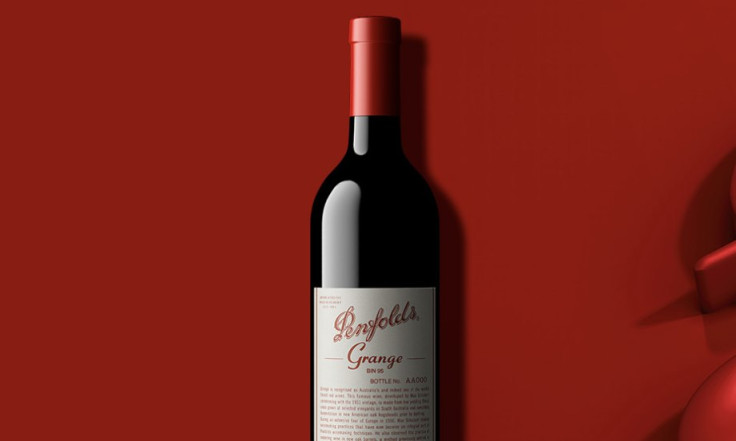
1. Penfolds Grange
Widely regarded as Australia’s most prestigious wine, Penfolds Grange continues to anchor discussions of the country’s top bottles in 2026. Priced in the range of $750 to $800, the wine offers aging potential and critical acclaim that industry reviewers say rivals Burgundy Premier Cru or Napa Valley cult Cabernets costing several times more, cementing its position as the benchmark for serious Australian cellaring.
2. Yalumba Caley Cabernet Shiraz
The 2016 vintage of Yalumba’s Caley Cabernet Shiraz blend has been highlighted among the top wines available to Australian buyers this year, representing the classic Cabernet-Shiraz combination that has become one of the country’s signature styles, particularly out of South Australia’s most established wine regions.
3. Torbreck RunRig
Torbreck’s RunRig, drawn from old-vine Barossa Valley fruit, remains one of the region’s most sought-after bottles for collectors and serious drinkers alike. The 2020 vintage in particular has drawn attention this year as one of the standout releases from a producer known for concentrated, powerful Barossa reds built around the region’s century-old Shiraz vines.
4. Henschke Hill of Grace
Alongside Grange, Henschke’s Hill of Grace is frequently cited as one of the two defining wines of Australian fine wine culture, priced similarly in the $750 to $800 range. The wine is produced from a single vineyard of ancient, ungrafted Shiraz vines in the Eden Valley and remains one of the most collected Australian wines internationally.
5. Penfolds Bin 389
For buyers seeking Penfolds quality without the flagship price tag, the Bin 389 Cabernet Shiraz, priced around $85, has been singled out this year as delivering the house’s signature style and genuine cellaring potential at a fraction of Grange’s cost, offering what reviewers describe as quality that would cost roughly three times more from equivalent Bordeaux or Burgundy producers.
6. Barossa Valley old-vine Shiraz
Beyond individual labels, the broader category of Barossa Valley old-vine Shiraz has drawn strong attention heading into 2026, with the 2019 and 2021 vintages singled out as the strongest recent years for the region. The 2019 vintage in particular has been praised for its concentration and tannin structure, reflecting the depth that comes from vines in many cases exceeding a century in age.
7. Thistledown Thorny Devil Grenache
Representing McLaren Vale’s growing reputation for elegant, lighter-styled reds, Thistledown’s Thorny Devil Grenache has been highlighted this year in the $30 to $50 price bracket as an example of the more perfumed, restrained style of Grenache increasingly favored by Australian winemakers, offering red berry and savory spice character without the heaviness traditionally associated with the variety.
8. Clare Valley Riesling
Clare Valley continues to be recognized as one of the world’s premier regions for dry Riesling, with bottles in the $30 to $70 range offering what industry reviewers describe as some of the most exciting drinking available at that price point globally. The region’s crisp, mineral-driven whites remain a consistent recommendation for buyers looking to diversify beyond Australia’s red wine reputation.
9. Margaret River Cabernet Sauvignon
Western Australia’s Margaret River region continues to produce some of the country’s most highly regarded Cabernet Sauvignon, with bottles in the $30 to $70 range drawing praise this year for combining structure and elegance in a style often compared favorably to more expensive international Cabernet-producing regions.
10. Budget-friendly Barossa and McLaren Vale reds
Rounding out the list, buyers looking for reliable everyday drinking without the premium price tag have several strong options in the $20 to $50 range, including McLaren Vale Shiraz, Barossa GSM blends, and Coonawarra Cabernet Sauvignon. Producers such as Langmeil, Credaro and Oliver’s Taranga have been specifically highlighted this year for delivering exceptional quality within that more accessible price bracket, proving that Australia’s wine strength extends well beyond its most expensive labels.
A strong year for Australian wine overall
Industry commentary through 2026 has consistently pointed to Australian wine as offering some of the best value in the global market, with reviewers noting that $25 to $65 now buys a level of complexity and character that increasingly rivals far more expensive European labels. That value proposition, combined with the continued strength of the country’s most prestigious icon wines, has helped reinforce Australia’s position as one of the most dynamic wine-producing nations heading through 2026.
Whether shoppers are building a long-term cellar with icon wines like Grange and Hill of Grace, or simply stocking up for weekend entertaining with reliable bottles from the Barossa and McLaren Vale, this year’s lineup reflects the breadth of what Australian winemaking now offers across virtually every price point and style, from crisp Clare Valley Rieslings to some of the most collectible red wines produced anywhere in the world.
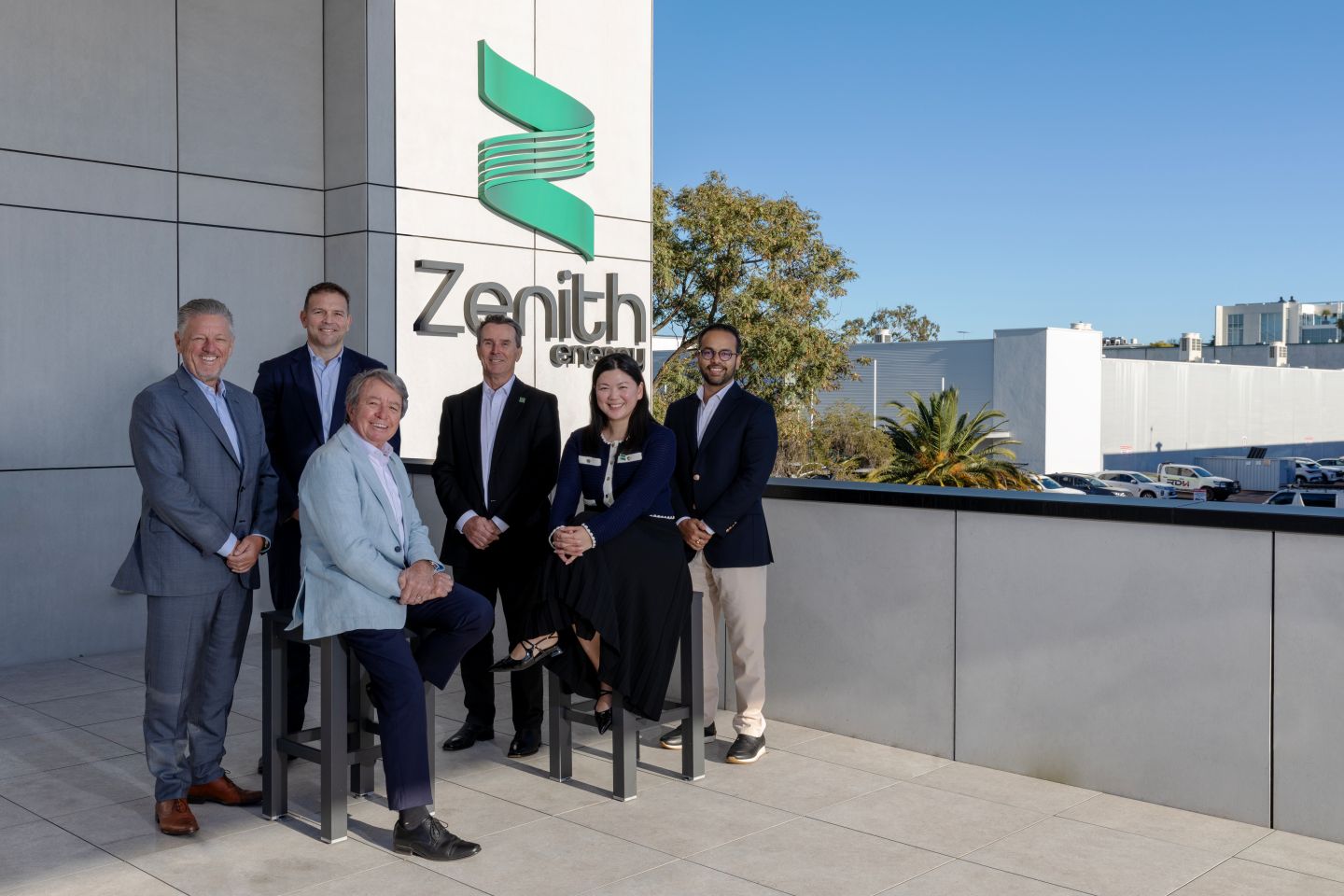
Zenith Energy has added significant experience to its board, as continues to ride a wave of renewable energy-based momentum.
KMPG Australia fines staff up to $126,000 for ’unacceptable’ misconduct in audit scandal
Why is Chalco stock rallying today?
Business
Is Abu Dhabi Airport Open Today? Zayed International Stays Open Despite Growing Iran War Disruptions
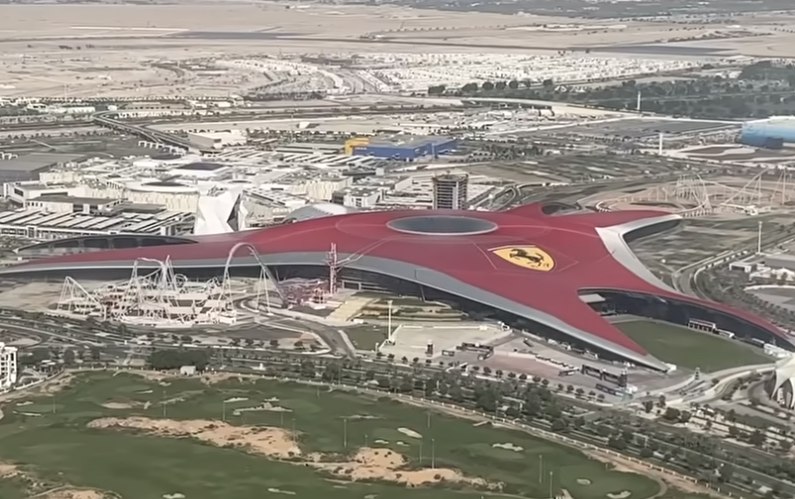
Abu Dhabi’s Zayed International Airport remains open and operational Monday, though travelers flying to and from the United Arab Emirates capital continue to face scattered schedule disruptions as the war between the United States and Iran intensifies across the wider Gulf region.
Unlike several other airports in the region that have faced broader suspensions, Zayed International has maintained continuous operations throughout the recent escalation, with flag carrier Etihad Airways continuing to operate an expanded global network to roughly 80 destinations across Africa, Asia, Australia, Europe, North America and the Gulf Cooperation Council. UAE airspace fully reopened earlier this year following an earlier period of partial restrictions, and officials have not announced any broad network-wide suspension at Abu Dhabi’s main airport as the conflict has continued into July.
Kuwait route among those affected
While the airport itself remains open, individual routes connected to more directly affected countries have faced cancellations. Etihad confirmed it canceled flights EY653 and EY654 between Zayed International and Kuwait International Airport on both July 19 and July 20, citing operational reasons tied to the deteriorating security situation in Kuwait. The airline said its teams were working to assist affected passengers with rebooking and travel arrangements, and advised customers to ensure their contact information on file remains current so they can receive updates by text message or email.
Other UAE-based carriers have reported similar disruptions on Gulf routes. Air Arabia flights between the UAE and Kuwait faced cancellations and delays over the weekend, although several flights that had initially been listed as canceled were later reinstated. Air Arabia’s Abu Dhabi-based service between the UAE capital and Kuwait, flights 3L020 and 3L021, were among those canceled. Separately, budget carrier flydubai canceled flights on its Dubai-to-Abha route connecting to Saudi Arabia, reflecting how the conflict’s effects have rippled beyond routes directly serving Iran or Israel.
Kuwait Airways said it had rescheduled the majority of its commercial flights after Kuwait International Airport temporarily suspended takeoffs and landings on Saturday amid repeated missile and drone threats, underscoring the more severe disruptions facing airports closer to the immediate conflict zone compared with Abu Dhabi’s relatively steadier operations.
Background on the escalating conflict
The current wave of disruptions stems from a broader collapse in relations between Washington and Tehran. The two countries renewed hostilities on July 7 after each side accused the other of violating an earlier ceasefire agreement, and fighting has intensified steadily since then across Iran and the wider Gulf region. The United States has carried out consecutive nights of airstrikes against Iranian targets in the weeks since, while Iran has responded by striking targets connected to U.S. allies in the region, including facilities in Kuwait.
That expanding pattern of strikes has created a volatile operating environment for airlines across the Gulf, with route-specific cancellations and diversions becoming increasingly common even at airports, like Zayed International, that have avoided full-scale shutdowns. Aviation officials in the region have repeatedly emphasized that the situation can shift within hours, urging travelers to verify their flight status directly with airlines rather than relying on schedules published days in advance.
What Abu Dhabi Airports has said
During earlier phases of the conflict, when UAE airspace faced more direct disruption, Abu Dhabi Airports issued formal advisories warning that some inbound and outbound flights at Zayed International could experience delays, diversions or cancellations tied to temporary airspace restrictions. The airport operator said passenger safety remained its top priority and that it was coordinating closely with airlines and relevant authorities to manage disruptions and minimize their impact wherever possible. Officials urged passengers scheduled to travel to check directly with their airline before heading to the airport, rather than assuming their flight would depart as originally scheduled.
That guidance remains broadly relevant for travelers today, even though Zayed International has not faced a repeat of the more severe disruptions seen at other regional airports in recent days. Airlines continue to manage most changes on a flight-by-flight basis rather than through blanket network suspensions, meaning individual routes, particularly those connecting to Kuwait, Saudi Arabia and other countries more directly affected by the conflict, remain the most likely to see cancellations or rescheduling.
What travelers should do
Given the fluid nature of the situation, travelers with flights booked to or from Abu Dhabi are strongly advised to check their specific flight status directly through their airline before heading to the airport. Etihad passengers can consult the airline’s Manage My Booking tool for alternative flight options when cancellations occur more than three days before departure, while changes within the final 48 hours are typically handled directly by airline support teams. Zayed International Airport’s official website also provides live departure and arrival boards that travelers can monitor for real-time updates.
For now, Abu Dhabi’s main airport continues to function as one of the more stable aviation hubs in a region facing widespread disruption, even as individual routes connected to more directly affected countries remain subject to sudden change. Travelers are encouraged to remain flexible with their plans and to stay in close contact with their airlines as the broader conflict between the United States and Iran continues to evolve with no clear resolution in sight.

Amin said he knows that families can feel the cost of living more during the school holidays, with no free school meals and activities to find, so he hopes his offer gives them a little more support.
Nicki Kansara, chair of Erdington Academy’s Parent, Teacher and Friends Association (PTFA) and a governor at the school, said: “In my roles at Erdington Academy, I’ve seen many of the different struggles the children face first-hand.
“The cost of living has been affecting so many people, not just pupil premium students.
“That’s why this link with Razwan is so powerful. There’s potential for Razwan to inspire the children as an Erdington alumnus – he shows them that they can go from the school and make it in the real world.”
Kansara’s son Esa, a student at Erdington, has already taken advantage of the offer and said lots of pupils will do the same.
“When I get my hair cut, I feel like a new man, and it makes me feel more confident in general,” he said.
He added: “Razwan went to Erdington Academy and now he’s a successful businessman, so he makes me realise I can be successful as well. It’s empowering.”

The shares rose to Rs 10.27 apiece on Monday morning, before paring some gains. The stock had crashed more than 6% on Friday after the company announced that its board considered and approved raising up to Rs 1,000 crore through the issuance of equity shares with a face value of Rs 1 each and other eligible securities, or any combination thereof, through QIP in one or more tranches.
Accordingly, the board approved an increase in the authorised share capital of PC Jeweller from the existing Rs 1,310 crore (divided into 1,050 crore shares and 26 crore preference shares) to Rs 1,460 crore (divided into 1,200 crore equity shares and 26 crore preference shares) by creating an additional 150 crore equity shares, subject to shareholder approval. It also approved the constitution of a QIP committee for this purpose.
Following the announcement on Thursday, HRTI Private net sold more than 1.32 crore shares through a bulk deal on Friday. The stock crashed 6% that day, before rebounding today.
Also read: PC Jeweller repays 2 consortium banks; eyes debt-free status by Q2 FY27
PC Jeweller share price
PC Jeweller shares have gained over 11% in one month and 7% in 2026 so far, but have fallen 41% in one year. In the longer term, the shares of the company have delivered stellar returns of 220% in three years and 276% in five years.

After hitting a 52-week high of Rs 18 per share in July last year, the stock more than halved in less than a year, hitting a 52-week low of Rs 7.47 apiece in March this year. The stock has so far recovered more than 37% since then.
PC Jeweller Q1 update
Earlier this month, PC Jeweller said it delivered a strong operational performance in Q1 FY27, with consolidated revenue growing approximately 21% year-on-year (YoY). The company added that it continues to make rapid progress towards its goal of becoming debt-free and expects to achieve that milestone during the current quarter.
In line with this objective, the company said it reduced its outstanding debt to banks under the terms of the Joint Settlement Agreement by approximately 24% during Q1 FY27. With this reduction, the company added that it has cut its outstanding debt by more than 90% since executing the settlement agreement with banks on September 30, 2024.The company reported a 58% increase in Q4 net profit to Rs 150 crore, up from Rs 95 crore in the year-ago period.
Also read: PC Jeweller shares rally after Q1 update; firm eyes debt-free status this quarter
(Disclaimer: Recommendations, suggestions, views and opinions given by the experts are their own. These do not represent the views of The Economic Times)

South Korea unveils roadmap for won stablecoins and currency reforms

Next please! Andy Burnham will become Britain’s seventh PM in a decade TODAY – as jittery markets wait to see if ‘Red’ Ed Miliband gets No11

Ryanair profits tumble as jet fuel costs soar


-
 NewsBeat4 days ago
London Mayor Sadiq Khan handed a peerage by Keir Starmer alongside 15 other Labour figures… just days before the PM leaves No10
-

 Fashion3 days ago
Weekend Open Thread – Corporette.com
-

 Politics2 days ago
The House | The City of London can help the new chancellor deliver growth in every postcode
-

 Politics5 days ago
Young campaigners urge incoming PM to act on outdoor junk food ads
-

 Crypto World4 days ago
CFTC blocks Kalshi from unwinding Michigan trades after court order
-

 Business4 days ago
Nvidia Stock Slips After Big Tuesday Rally as Huang Confirms Vera Rubin Chip Is Now in Production Today
-
 Crypto World3 days ago
Two July Windows Left: The CLARITY Act’s Senate Fight and What Failure Means
-

 Crypto World2 days ago
Ripple Payments Joins MiCA With 14 Firms, Does It Mean Anything For XRP?
-

 Politics18 hours ago
Democrats look to World Cup watch parties to register thousands of voters
-

 Crypto World2 days ago
Ripple wins EU-wide access as ESMA adds it to MiCA register
-
 Entertainment5 days ago
Disney’s Most Ambitious Failed Star Wars Attraction Is Coming to SDCC
-

 Business4 days ago
Palantir Shares Rise After Expanded Nvidia Partnership and Fresh Analyst Upgrades Ahead of Earnings Day
-

 Crypto World3 days ago
Injective Submits SEC Transfer-Agent Registration to Onchain Ownership Records
-

 Tech6 days ago
Get Your ESP32 Sunny Side Up With This Solar Dev Board
-

 NewsBeat3 days ago
Registration is now open for March for Men with Kev 2026
-

 News Videos5 days ago
XRP BOMBSHELL… XRP OMBOARDED FOR TRANSACTIONS!!!
-

 Tech5 days ago
Dark Secrets Emerge When Jailbreaking LLMs
-
 Sports4 days ago
New Cornerback Enters Vikings Trade Rumor Mill
-

 News Videos3 days ago
Money | Class 12 Economics | CBSE Board Exam 2026-27
-

 Business3 days ago
Banco Bilbao Vizcaya Argentaria, S.A. (BBVA) Discusses Global Macro Environment and Economic Outlook for Core Markets Transcript
You must be logged in to post a comment Login