
Business
Top 50 High-Quality Dividend Growth Stocks For August 2026



I have a masters degree in Analytics from Northwestern University and a bachelors degree in Accounting. I have worked in the investment arena for over 10 years starting as an analyst and working my way up to a management role. Dividend investing is a personal hobby and I look forward to sharing my thoughts with the Seeking Alpha community.
Analyst’s Disclosure: I/we have a beneficial long position in the shares of AAPL, ACN, AMAT, APH, CTAS, DPZ, FAST, FDS, GGG, GWW, HCA, HD, HSY, JKHY, KLAC, LLY, LRCX, MA, MKTX, MPWR, MSCI, MSFT, NKE, NTES, NXPI, ODFL, PAYX, QCOM, RMD, ROL, ROST, SBUX, TJX, TSCO, V, WSM, WSO, WST, ZTS either through stock ownership, options, or other derivatives. I wrote this article myself, and it expresses my own opinions. I am not receiving compensation for it (other than from Seeking Alpha). I have no business relationship with any company whose stock is mentioned in this article.
Seeking Alpha’s Disclosure: Past performance is no guarantee of future results. No recommendation or advice is being given as to whether any investment is suitable for a particular investor. Any views or opinions expressed above may not reflect those of Seeking Alpha as a whole. Seeking Alpha is not a licensed securities dealer, broker or US investment adviser or investment bank. Our analysts are third party authors that include both professional investors and individual investors who may not be licensed or certified by any institute or regulatory body.


I am an avid investor with a major focus on small cap companies with experience in investing in US, Canadian, and European markets. My investment philosophy to generating great returns on the stock market revolves around identifying mispriced securities by understanding the drivers behind a company’s financials, and ultimately, most often revealed by a DCF model valuation. This methodology doesn’t limit an investor into rigid traditional value, dividend, or growth investing, but rather accounts for all of a stock’s prospects to determine the risk-to-reward.
Analyst’s Disclosure: I/we have no stock, option or similar derivative position in any of the companies mentioned, and no plans to initiate any such positions within the next 72 hours. I wrote this article myself, and it expresses my own opinions. I am not receiving compensation for it (other than from Seeking Alpha). I have no business relationship with any company whose stock is mentioned in this article.
Seeking Alpha’s Disclosure: Past performance is no guarantee of future results. No recommendation or advice is being given as to whether any investment is suitable for a particular investor. Any views or opinions expressed above may not reflect those of Seeking Alpha as a whole. Seeking Alpha is not a licensed securities dealer, broker or US investment adviser or investment bank. Our analysts are third party authors that include both professional investors and individual investors who may not be licensed or certified by any institute or regulatory body.
Business
Iran Sets Sweeping New Demands to Reopen the Strait of Hormuz After UAE Tanker Is Struck by a Missile
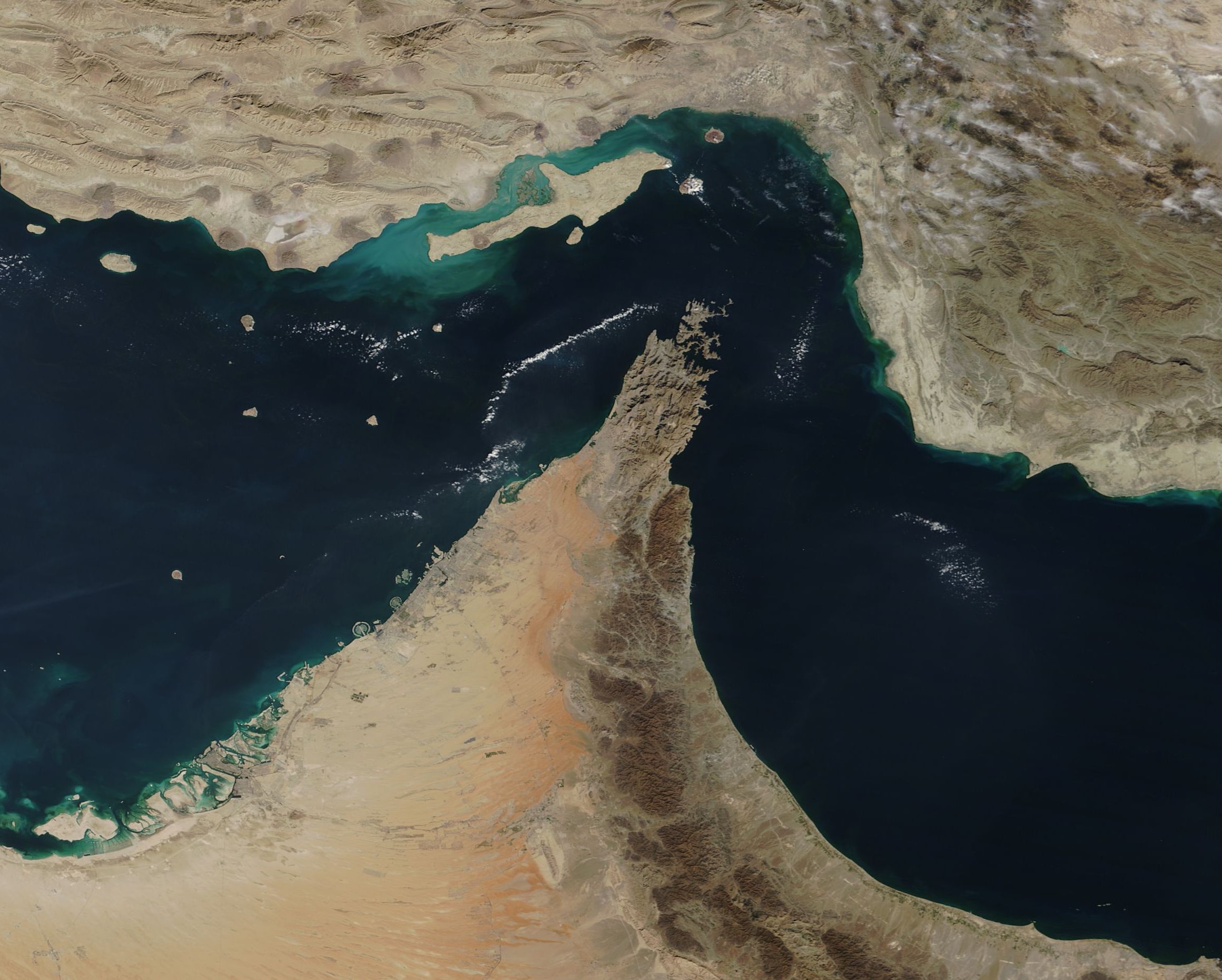
TEHRAN, Iran — Iran laid out a sweeping new list of conditions Saturday for reopening the Strait of Hormuz, hours after the United Arab Emirates said one of its oil tankers was targeted by a missile while transiting the strategic waterway, deepening a standoff that has disrupted global energy markets for months.
Mohammad Bagher Zolghadr, secretary of Iran’s Supreme National Security Council, said in a statement carried by Iranian state media that the United States must lift its naval blockade of the strait, end sanctions against Iran, withdraw its military forces from the region, pay war reparations and release frozen Iranian assets before Tehran will allow the waterway to reopen. The council also demanded an end to U.S. attacks on Iran’s regional allies and to threats against the Iranian government.
“Until America corrects its behavior, the Strait of Hormuz will not be reopened,” Zolghadr’s statement read. He added that the demands reflect what he called “the demands of the Iranian people, which they have loudly proclaimed during 160 days of steadfast presence in the field and in the streets.”
The list of conditions was not independently verified by news organizations, and the White House did not immediately respond to a request for comment.
Tanker attack raises the stakes
The demands followed an attack on a vessel affiliated with Abu Dhabi’s state-owned National Oil Company, or ADNOC, which was targeted by a missile earlier Saturday while moving through the strait. ADNOC said in a statement that the strike “resulted in no injuries, and the situation has been brought under control.” The United Arab Emirates condemned the attack in a post on social media platform X, saying it “condemns in the strongest terms the targeting of an ADNOC-affiliated tanker while it was passing through the Strait of Hormuz.”
Emirati authorities said Iran fired the missile as part of a broader campaign of attacks on commercial shipping, and ADNOC said more than a dozen of its vessels have been struck by missiles and drones while transiting the strait since the U.S. and Israel launched their war against Iran in February. The company said one crew member has been killed and 20 others wounded across those attacks. A separate vessel east of the Omani town of Khasab was also struck by a projectile Saturday, causing a fire that was extinguished, with the ship and its crew reported safe.
A fragile diplomatic track
The new demands complicate a diplomatic push that, as recently as this week, senior U.S. officials had described as close to producing a deal. Iran said separately Saturday that it was nearing an agreement with Oman on managing navigation through the strait. Iranian Foreign Minister Abbas Araghchi said the two nations, which both border the waterway, were close to settling on what he called the determination of a transit route, under which inbound traffic would move through Iranian waters and outbound traffic through Omani waters.
Oman said discussions with Iran were continuing in “a positive and constructive atmosphere,” and it condemned attacks on ships in the strait. But Iranian officials were careful to separate any Iran-Oman navigation arrangement from the broader question of when the strait might return to normal international traffic. Zolghadr insisted that would not happen without American concessions on the war itself.
U.S. Vice President JD Vance, in an interview with Fox News on Saturday, said Iran and its Gulf neighbors — particularly Oman — have been discussing measures to ensure safer shipping through the strait, including a traffic scheme, demining efforts and a commitment from Iran not to fire on commercial vessels. “We don’t trust. We verify,” Vance said, adding that the U.S. would judge Iran by its actions rather than its statements.
Iranian state media floats restrictive draft plan
Complicating matters further, Iranian state media published a draft plan this past week that would bar U.S. and Israeli vessels from the strait entirely and block other nations Iran considers hostile from transiting until compensation is paid. That proposal remains under review by Iran’s parliament, according to the state outlet Fars.
Economic fallout continues
The strait, an open and untolled international waterway before the U.S.-Iran war began on Feb. 28, has been a flashpoint for a global energy shock that has pushed up gasoline prices, worsened inflation and stoked concern over strained oil reserves. Ship traffic through Hormuz fell 33% on Friday compared with the previous day, with most vessels rerouting through Iranian waters, according to trade intelligence firm Kpler.
Oil prices rose Friday as traders awaited an agreement the Trump administration had suggested was imminent. Brent crude, the international benchmark, gained more than 1% to close at $83.55 a barrel, while U.S. West Texas Intermediate rose about 1% to settle at $78.18 a barrel. Even with Friday’s gains, prices fell more than 7% for the week amid uncertainty over the negotiations.
Treasury Secretary Scott Bessent had told reporters earlier in the week that a deal to reopen Hormuz with freedom of movement could come within days, a timeline echoed by President Donald Trump and Secretary of State Marco Rubio. No such agreement had been finalized as of Saturday.
Weeks of escalation
The current standoff follows a volatile stretch in the conflict. A brief pause in fighting after a June 17 memorandum of understanding between Washington and Tehran gave way to weeks of renewed attacks and counterattacks. On Thursday, Iran’s parliament speaker and chief negotiator, Mohammad Bagher Ghalibaf, accused Trump of staging what he called “theater diplomacy,” writing on X: “‘Massive attack coming … wait, never mind, they want to negotiate.’ That’s theater diplomacy on loop.”
That jab came days after Trump called off planned strikes and said the outlines of a deal had already been settled with Tehran — a claim Iranian officials rejected, saying no such talks were underway.
The conflict has also widened beyond the Iran-U.S. standoff. Elsewhere in the region Saturday, Yemen’s military launched an attack on the country’s Iran-backed Houthi rebels, and Turkey’s parliament approved a Kurdish peace bill, underscoring how the instability triggered by the Hormuz standoff continues to ripple across the broader Middle East.
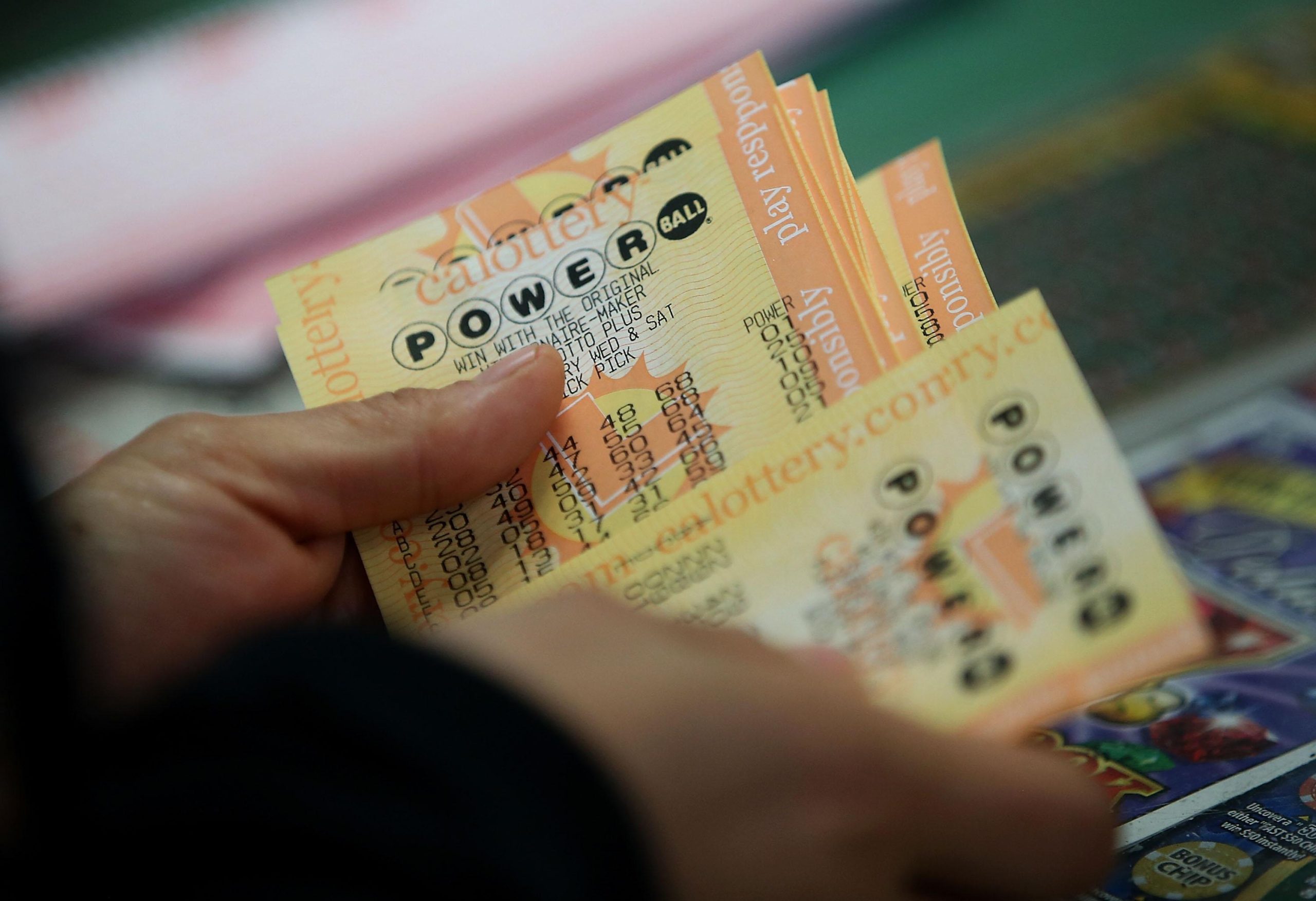
LOUISVILLE, Ky. — Lottery players across the country had their eyes on one set of numbers Saturday night as Powerball officials drew the winning combination for an estimated $856 million jackpot, one of the largest grand prizes in the game’s history.
The numbers drawn were 5, 9, 35, 54 and 63, with a red Powerball of 7. The Power Play multiplier was 3X.
No jackpot winner had been confirmed in the hours immediately following the drawing. Players who match all five white balls plus the red Powerball win the top prize, which carried an estimated cash value of roughly $341.6 million to $370.7 million, depending on final ticket sales figures reported by state lottery officials.
At its current size, Saturday’s jackpot ranks among the eight largest in Powerball’s history, and it sits just behind a $980 million Mega Millions prize claimed by a ticket sold in Georgia last fall when measured against all major U.S. lottery jackpots.
How the jackpot got here
Saturday’s drawing capped months of steady growth. The jackpot has been climbing since May, when the game last produced winners of a much smaller prize — two tickets, one sold in Florida and one in Texas, split a $20,000 payout. Since then, no player has matched all six numbers needed to claim the grand prize, allowing the pot to swell drawing after drawing.
In the drawing immediately before Saturday’s, single tickets sold in Indiana and Kansas split a $143.4 million jackpot. That drawing also produced dozens of smaller, non-jackpot winners across the country, results that drew almost as much attention as the jackpot split itself.
What winners need to know
Lottery officials remind winners to sign the back of their physical tickets immediately and to contact their state lottery for instructions on claiming a prize. In Kentucky, for example, jackpot winners are required to claim their prize in person at the Kentucky Lottery’s headquarters on Main Street in downtown Louisville. Winners in Kentucky have 180 days from the drawing date to come forward; claim windows and requirements vary by state.
The Kentucky Lottery has paid out nearly $1.8 billion in prizes so far this year. Proceeds from ticket sales fund scholarships and grants that support more than 1.1 million college students statewide, according to the lottery.
Odds and other ways to win
Matching all six numbers is difficult by design. The odds of winning the Powerball jackpot stand at roughly 1 in 292.2 million. But the game offers eight additional prize tiers, giving players an overall 1-in-24.87 chance of winning some amount of money on any given ticket, even without matching the jackpot numbers.
Prize amounts for lower tiers include $1 million for matching all five white balls without the Powerball, $50,000 for matching four white balls plus the Powerball, and smaller amounts ranging down to $4 for matching only the red Powerball. Power Play, an optional add-on, can multiply non-jackpot prizes by two, three, four, five or occasionally ten times, depending on the multiplier drawn.
Where to play
Powerball is played in 45 states, the District of Columbia, Puerto Rico, the U.S. Virgin Islands and the United Kingdom. Tickets cost $2 each in the United States and its territories. Players do not need to be a U.S. citizen or resident to purchase a ticket or claim a prize in most jurisdictions.
What’s next
If no ticket matches all six numbers from Saturday’s drawing, the jackpot will roll over and grow again for the next scheduled drawing, set for Monday at 10:59 p.m. ET. Powerball drawings are held three times a week — every Monday, Wednesday and Saturday.
Lottery officials typically confirm within 24 to 48 hours whether a jackpot-winning ticket was sold, and if so, in which state. Retailers that sell a winning ticket may also become eligible for a separate bonus from the lottery, an incentive that often draws local attention even when the winner remains anonymous.
Players are encouraged to check their tickets carefully against the official winning numbers through their state lottery’s website or mobile app, rather than relying solely on secondhand reports, to avoid confusion over ticket validity.
As the jackpot climbs into the upper tier of Powerball history, lottery retailers nationwide have reported a surge in ticket sales in the days leading up to major drawings — a pattern lottery officials say typically repeats whenever a jackpot approaches or exceeds the $500 million mark.
Whether or not Saturday’s drawing produces a jackpot winner, officials say the game’s smaller prize tiers reliably produce thousands of winners with every drawing, spreading payouts across nearly every state where tickets are sold.

Talks with US won’t happen while interim deal is breached, Iranian minister says
Week Ahead: Soft CPI To Follow Disappointing U.S. Jobs Report
Essential Properties Realty Trust Is Getting Close To A Buy Rating

Super Group Q2: An Expected Beat-And-Raise Report

Terex: Stability Arrives After Busy Times
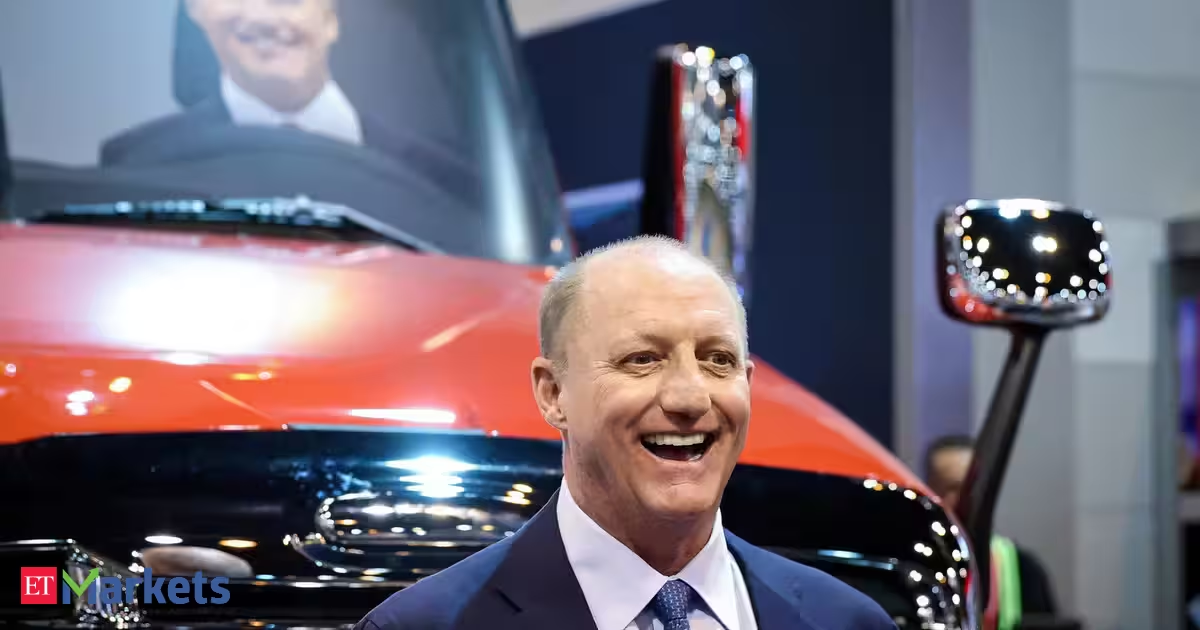
Berkshire started buying back its own shares in the first quarter for the first time in more than a year. Earlier this year, Abel said Berkshire was restarting buybacks because executives found the “intrinsic value” of those shares exceeded their market price.
“People are going to be encouraged by the buybacks,” said Cathy Seifert, an analyst for CFRA Research. “It’s also Greg’s way of taking the helm and asserting himself.”
The stock buybacks provided shareholders with their largest quarterly payout since 2021. The firm’s cash hoard fell to $365.5 billion in the second quarter, down from roughly $397 billion in the prior period.
Operating earnings climbed 16% in the three months through June to nearly $13 billion, driven in part by gains in the conglomerate’s manufacturing, service and retailing division, as well as at its utilities business, the Omaha, Nebraska-based company said Saturday in a statement.

Berkshire’s earnings are typically closely watched because its businesses — ranging from insurance to railroads to energy and manufacturing — provide a snapshot of the health of the US economy.
After years of relatively quiet deal activity under Warren Buffett, who often complained of high market valuations, his successor sealed back-to-back multibillion-dollar transactions.The newly minted CEO spent $6.8 billion to buy homebuilder Taylor Morrison Home Corp., a typical value bet, while also handing $10 billion to Google parent Alphabet Inc. to support its investments related to artificial intelligence, a new area for the conglomerate.
The deal puts Alphabet among Berkshire’s top five holdings at the end of the quarter, replacing Chevron Corp. The Taylor Morrison transaction closed in the third quarter.
Halfway through his first year at the helm of Berkshire Hathaway, Abel has been praised by shareholders for his leadership.
Still, Berkshire’s Class B shares rose 3.8% this year as of market close Friday, compared with a roughly 13% gain for the S&P 500 — a benchmark that Buffett himself frequently cited.
Operational Improvements
Net income at Berkshire’s railroad unit BNSF rose 6.3% to about $1.6 billion amid higher shipping volumes, despite higher fuel costs. BNSF CEO Katie Farmer has been charged with improving the unit’s operating margin and closing the gap with its most efficient peers.
Geico, the main contributor to Berkshire’s insurance results, posted pretax underwriting earnings that fell by 45%, to $994 million, in the second quarter amid higher losses and an increase in commissions and advertising expenses.
“This is in sharp contrast to what we’re seeing at some other underwriters” that are struggling with sales because of competition but still reporting “some really strong underwriting profits,” Seifert said.
The decline more than offset gains at Berkshire’s other primary insurance and reinsurance businesses, resulting in a 13% decline in net underwriting income for the entire insurance group to $1.7 billion.
Over the period, net income at the conglomerate’s collection of manufacturing, service and retailing units jumped 24% to $4.5 billion, while profits at Berkshire’s utilities business surged 27%, to $891 million.
Yemen’s Houthis say they attacked Saudi Aramco Jazan refinery, fire extinguished

Demi Vollering turns women’s Tour de France upside down on eve of finish – Sports

Are USB Flash Drives Still Worth Using In 2026?
Mum-of-four swallowed whole by gigantic 20-foot python

Renter of Home in Anne Heche Crash Denies Settlement With Son

No Jackpot Winner as $257 Million Prize Rolls Over to $269 Million Monday Draw

Weekend Open Thread: Staud – Corporette.com

The Best Financial Advice They’d Give Their Younger Selves

What did Morgan Stanley Just Say About Bitcoin / Crypto !?!?! US Debt And Forex Markets Rebel!!!!!!!

Jio Financial Services Latest News | Jio Financial Services Share News | Jio Finance News Today
-

 Politics7 days ago
Zack Polanski: an incitement to murder Nigel Farage?
-

 Fashion2 days ago
Frugal Friday’s Workwear Report: Cap-Sleeve Pointelle Crewneck Sweater
-

 Crypto World7 days ago
Crypto PAC spending tops $2M in Michigan House race
-

 Fashion2 days ago
Weekend Open Thread: Mattifying Sunscreen
-

 Business6 days ago
DTCR: Deleveraging And A Hedge Fund Collapse Point To A Possible AI Bottom
-

 Crypto World7 days ago
XRP Ledger urges node upgrade after manifest flood
-

 Sports3 days ago
Jordan Coyle & Cordiamo take Laya Arena Stakes at RDS
-

 News Videos23 hours ago
Can Astrology Help Find Gold and Silver Trends? A Financial Astrology Guide
-
 Crypto World5 days ago
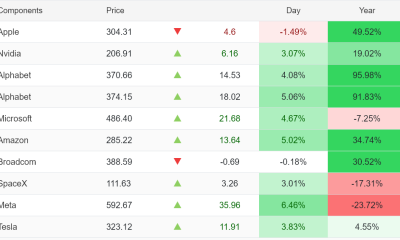
US Tech Stocks See Largest 5-Week Inflow in History: Can Nasdaq Break Its Downtrend?
-
 Business3 days ago
US stocks: Dow closes at record on Mideast optimism; SpaceX, AMD drag Nasdaq
-

 Politics3 days ago
Reform UK And Greens Sink To Lowest Favourability Ratings To Date
-

 Business4 days ago
Nvidia Stock Climbs 2.5% as Chip Sector Rally Builds Ahead of AMD Earnings, Nvidia’s Own Report Looms
-

 Crypto World5 days ago
Polymarket targets $20 billion valuation as competition heats up in prediction market sector
-

 Tech6 days ago
OpenAI teases Astra, its next major AI model, after it solves 10 long-standing math problems
-

 Tech4 days ago
OpenAI, Anthropic AI agents targeted real people and systems in cyber tests
-

 Business3 days ago
Supply chain issues impact Ingredion
-
 News Videos6 days ago
#crypto #cryptocurrency #cryptonews #cuet2026 #ceuta
-
 Business6 days ago
Myspace owners announce plans to relaunch the once-popular platform
-

 News Videos6 days ago
Crypto.com Partners with UFC for UFC 331 Event
-
 Crypto World5 days ago
CLARITY Act Senate Vote Locked In, But 60-Vote Hurdle Looms Large
You must be logged in to post a comment Login