
Business
Top oil executives warn that Iran war is damaging global economy

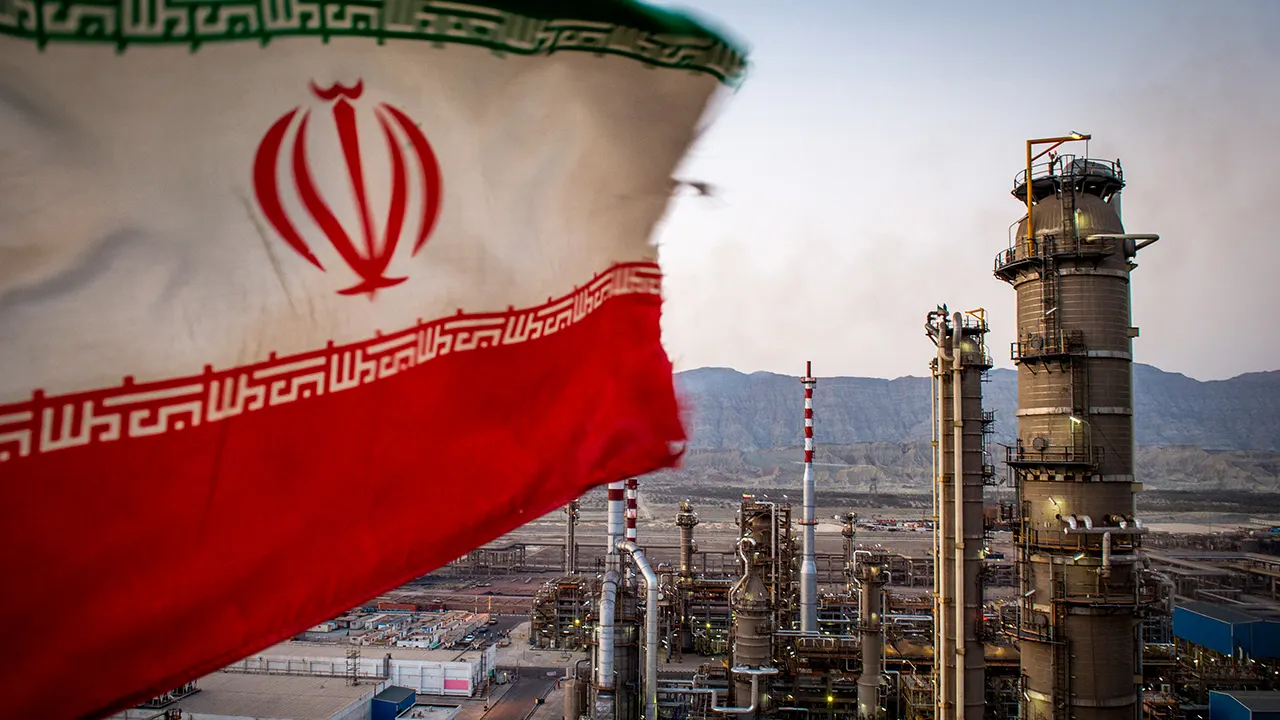
American Petroleum Institute CEO Mike Sommers discusses the national average price of diesel at $5.28 per gallon, oil prices and the impact of the Strait of Hormuz functionally being closed on ‘Varney & Co.’
Energy titans at the CERAWeek conference in Houston are sounding the alarm, warning that the U.S.-Israel conflict with Iran is causing long-term damage to the global economy.
Despite the White House’s energy chief aiming to ease concerns, the executives of oil giants like TotalEnergies, Chevron, Abu Dhabi’s ADNOC and Vitol Americas expressed concern about prolonged Iran-linked volatility.
“The consequence is not only high energy prices. It will damage other supply chains,” TotalEnergies CEO Patrick Pouyanne said, according to Reuters.
“This is raising the cost of living for those who can least afford it and slowing economic growth everywhere. From factories to farms to families around the world, the human cost is mounting by the day,” ADNOC CEO Sultan Al Jaber said.
INSIDE CHEVRON’S FLAGSHIP REFINERY TAPPING INTO VENEZUELAN CRUDE AFTER MADURO’S CAPTURE
“It will take time to come out of this,” Chevron CEO Mike Wirth said at the conference on Monday, while Vitol Americas’ Ben Marshall cautioned about “severe” demand destruction if global benchmark Brent crude eventually hits $120 a barrel.
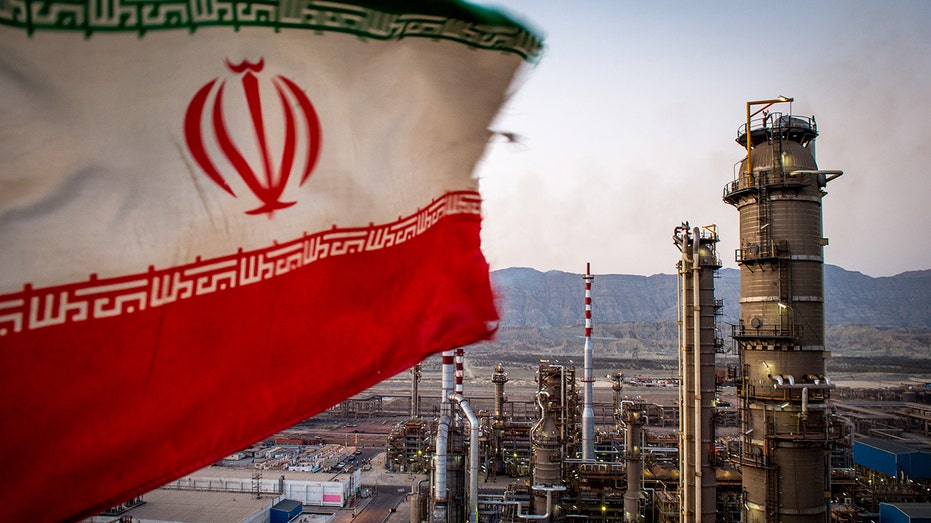
An Iranian national flag flies at the Persian Gulf Star Co. (PGSPC) gas condensate refinery in Bandar Abbas, Iran. (Getty Images)
The U.S. standard for oil prices, West Texas Intermediate (WTI) crude, was trading at roughly $91.74 per barrel just before the market opened Tuesday, up about 4% from its previous close. WTI reached a 52-week high of $113.41 per barrel late last week, according to market data.
U.S. Energy Secretary Chris Wright joined FOX Business’ Lauren Simonetti on “Varney & Co.” Monday to discuss how a potential agreement with Iran could help reopen the Strait of Hormuz and stabilize prices after weeks of disruption.
“They would go down quite a bit. If we see a pathway to have the Strait of Hormuz open soon and energy flowing again, you’d see energy prices drop pretty significantly,” Wright said.
U.S. Energy Secretary Chris Wright joins FOX Business’ Lauren Simonetti to discuss how a potential peace deal with Iran could reopen key oil routes and bring relief to Americans facing rising gas prices.
“That could happen if a peace agreement is reached,” Wright continued. “If Iran thinks enough is enough, and they’re willing to make a deal… then there’ll be a deal.”
U.S. Ambassador to the United Nations Mike Waltz said the Trump administration is working to blunt rising oil prices by allowing Iranian crude already at sea to be sold, a move he described as turning Tehran’s own strategy against it.
GET FOX BUSINESS ON THE GO BY CLICKING HERE
‘Kudlow’ panel discusses the U.S. decision to pause sanctions on some Iranian oil as energy prices climb and blue states push tax hikes.
Treasury Secretary Scott Bessent first outlined the approach, saying the administration could temporarily lift sanctions on roughly 140 million barrels of Iranian oil loaded on tankers, adding supply to global markets rather than intervening directly in oil futures markets.
President Donald Trump has opened a path of diplomacy with Iran, allowing a five-day window for negotiations to end the conflict this week. The pause began on Tuesday even amid reports that the U.S. and Israel were escalating other aspects of the war against Tehran.
FOX Business’ Arabella Bennett and Fox News’ Taylor Penley contributed to this report.

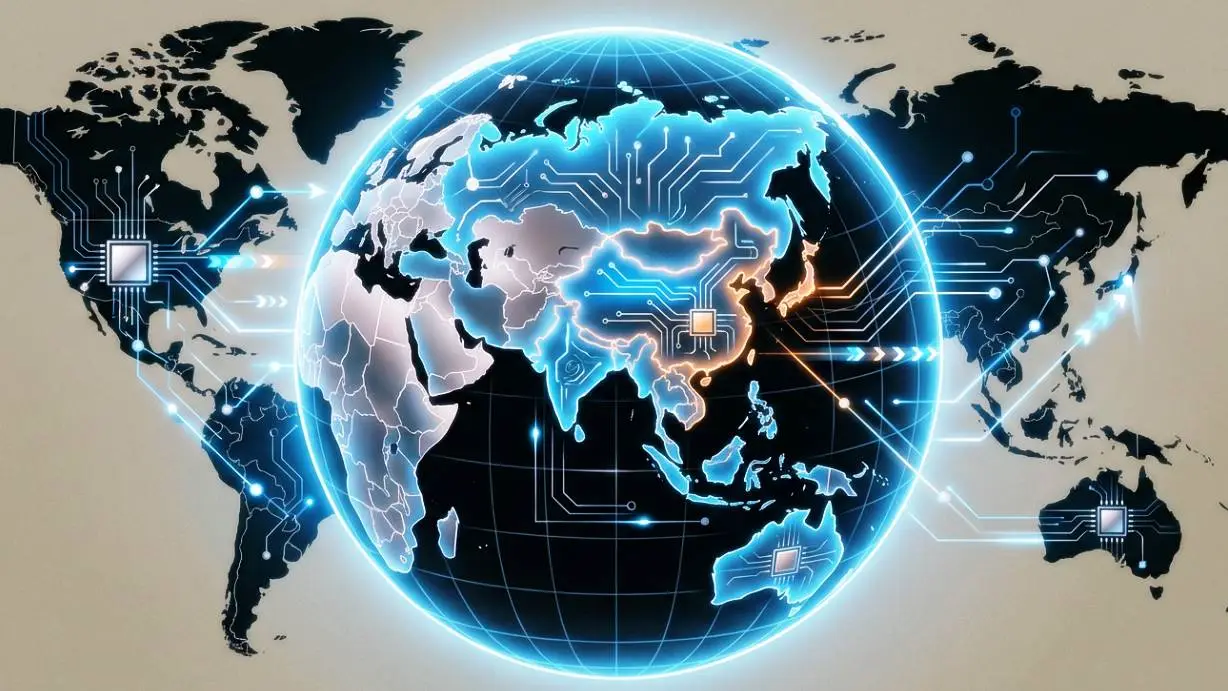
The global artificial intelligence boom is facing a significant threat due to its heavy reliance on energy and chemical imports from the Middle East, which are now jeopardized by the conflict involving Iran.
The high-tech supply chain—from semiconductor manufacturing in East Asia to data center operations in the United States—is vulnerable to disruptions in the Strait of Hormuz and damage to regional infrastructure. Ultimately, a prolonged conflict could lead to soaring chip prices, a halt in production, and a collapse of current tech valuations, potentially triggering a global recession.
Key Points
- Energy Dependency: Major semiconductor hubs in South Korea and Taiwan are almost entirely dependent on fossil fuel imports from the Middle East, particularly liquefied natural gas (LNG) passing through the Strait of Hormuz.
- Critical Chemical Supply: The region is a primary source for essential chip-making materials, including one-third of the world’s high-purity helium from Qatar, seaborne sulphur for etching, and bromine from the Dead Sea.
- Data Center Costs: Rising global LNG prices are driving up electricity costs in the U.S., where energy represents approximately 50% of operating expenses for the data centers powering AI.
- Logistics and Shipping: The conflict has created bottlenecks in air and sea freight, specifically impacting regional hubs like Dubai and delaying the delivery of wafers and finished chips.
- Infrastructure Damage: Recent attacks on Qatar’s Ras Laffan plant, the world’s largest LNG and helium facility, mean that even an immediate end to hostilities would require months to restore the supply chain to pre-crisis levels.
- Financial Risk: Investors are beginning to price in higher inflation, rising interest rates, and the potential unwinding of high tech valuations and debt borrowed against AI assets.
Analysts warn that if the Strait of Hormuz remains closed for more than a month, the resulting supply chain break could become irreparable in the short term, leading to a worldwide economic downturn.
As the global economy increasingly anchors its future growth on Artificial Intelligence, a shadow of geopolitical risk looms over the horizon. While the “AI Boom” has been driven by unprecedented leaps in LLM (Large Language Model) capabilities and semiconductor demand, analysts are beginning to sound the alarm on how escalating tensions in the Middle East—specifically involving Iran—could introduce a level of volatility that the tech sector is ill-prepared to handle.
Asia, receiving 80-82% of Qatar’s exports, faces acute pressure, with LNG spot prices up 39-50% and rerouting adding costs and delays. South Korea and Taiwan’s chip fabs, heavily reliant on Middle East LNG for electricity (e.g., Taiwan’s 40% LNG mix), risk production halts as power costs soar.
For the business community in Thailand, which is currently positioning itself as a regional hub for data centers and digital transformation, these global shifts are more than distant concerns; they are critical variables in local strategic planning.
The Energy Nexus: Powering the AI Engine
The AI revolution is uniquely energy-intensive. From the massive cooling requirements of data centers to the electricity consumed during model training, the industry’s overhead is deeply tied to global energy prices.
Any conflict involving Iran threatens the stability of the Strait of Hormuz, a transit point for one-fifth of the world’s total oil consumption. A spike in energy costs would lead to a direct increase in operational expenses for cloud providers like Amazon Web Services, Google, and Microsoft. For Thailand, where energy price fluctuations directly impact the cost of doing business, an “AI tax” driven by high energy prices could slow the adoption of these technologies across the manufacturing and service sectors.
Supply Chain Fragility and the Semiconductor Bottleneck
The AI boom is currently built on a “just-in-time” supply chain for high-end semiconductors. While the majority of chip fabrication occurs in East Asia, the logistics of global trade are highly interconnected.
Geopolitical instability often leads to a “risk-off” sentiment in global markets, causing shifts in shipping routes, increased insurance premiums for freight, and potential shortages in raw materials. “In a world of integrated trade, a localized conflict in the Middle East does not stay local,” says a senior analyst in Bangkok. “The volatility it introduces into the global supply chain can delay the rollout of the hardware necessary to sustain AI scaling.”
Market Volatility and Capital Flow
The current AI surge is fueled by massive capital expenditures. However, high-growth sectors are historically the most sensitive to geopolitical shocks. Should a conflict in Iran escalate, the resulting market volatility would likely trigger a flight to “safe-haven” assets.
For the Thai SET (Stock Exchange of Thailand) and regional tech startups, this could mean a tightening of venture capital and a reduction in Foreign Direct Investment (FDI). As investors pivot toward risk mitigation, the aggressive funding rounds that have characterized the AI sector over the last 24 months could see a significant cooling period.
The Thai Perspective: Resilience in Uncertainty
For Thai business leaders, the potential for a “Silicon Shock” underscores the need for resilience. As the government pushes the “Thailand 4.0” initiative, diversifying energy sources for digital infrastructure and localizing AI applications may become necessary hedges against global instability.
While the AI boom has the momentum of a decade-defining trend, it is not immune to the realities of global politics. The coming months will determine whether the tech sector can navigate this period of heightened geopolitical risk, or if the “AI Spring” will face an unexpected winter driven by regional conflict.
Other People are Reading

This Drone Stock Is Rising. Here’s Why.

The US president said talks to end the war are underway with Iran – a claim that officials in Tehran have disputed.
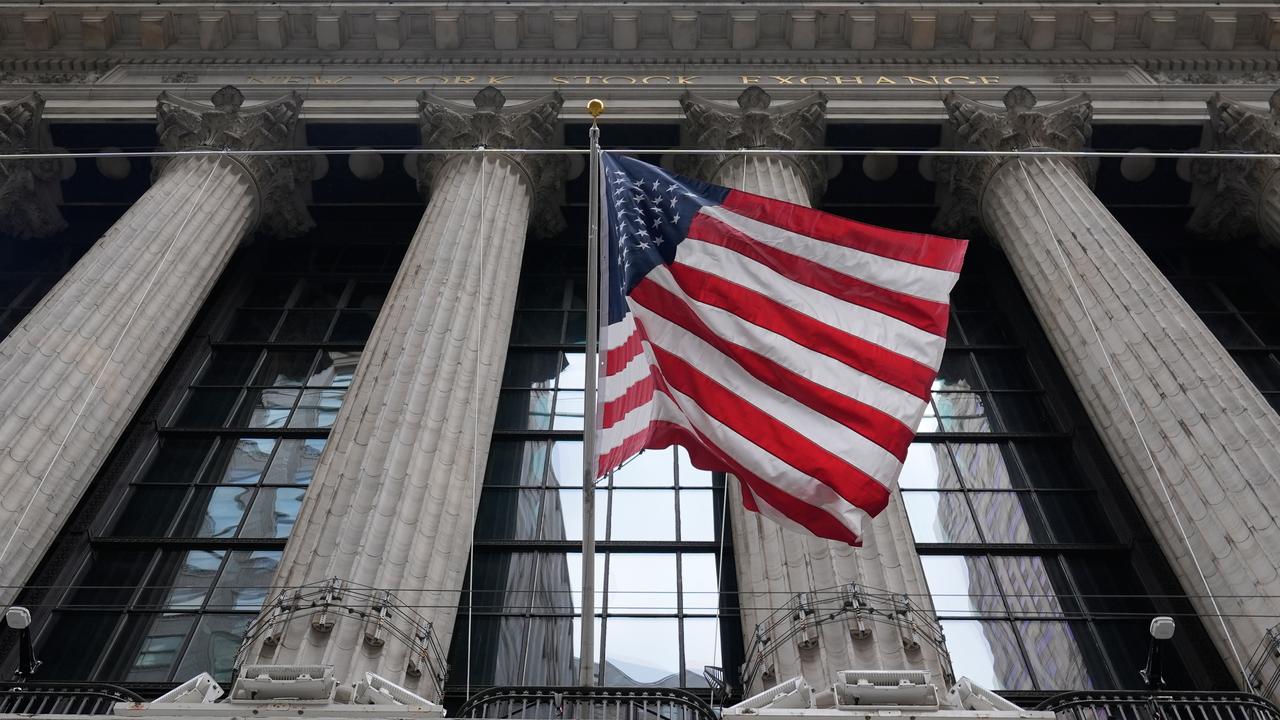
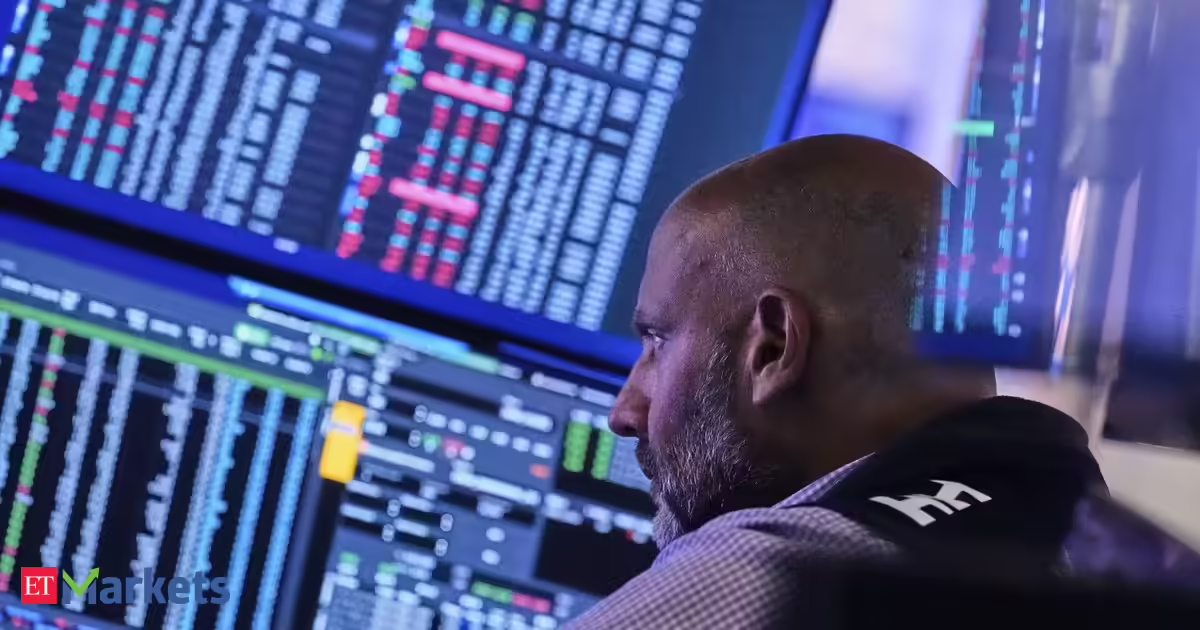
Wall Street indexes lost ground in Tuesday’s volatile session as investors swayed between fears of rising oil prices and hopes for a resolution to the US-Israeli war on Iran.
Business
US Stock Market | Wall Street indexes fall on worries about Middle East war, interest rates
U.S. Treasury yields extended gains after a weak auction of 2-year Treasury notes, also adding pressure to equity markets.
Indexes regained some ground after Trump told reporters that the United States was talking to “the right people” in Iran in order to reach an agreement to end hostilities and that Iran has agreed they will never have nuclear weapons. But reports the Pentagon would send thousands of more troops from the elite 82nd Airborne Division to the Middle East caused some concerns.
Wall Street indexes on Monday had marked their biggest one-day gain since February 6 ]as oil prices fell after Trump had postponed strikes against Iranian power plants and announced talks with Iran even as Tehran denied negotiations with the U.S. But energy prices rose on Tuesday with crude oil futures settling up more than 4%.
“Stocks are trying to find their footing as investors are keeping one eye on social media and the other eye on every headline. We’re very short-term oriented,” said Carol Schleif, chief market strategist, BMO Private Wealth.

“Markets are trying to hold onto the optimism they had yesterday. They’re so ready to move beyond war talk even if it’s not 100% settled,” said Schleif but she added, “There’s a lot of nervousness. People are watching oil and watching interest rates and worrying do we go higher for longer on both energy and interest rates because that could start negatively impacting growth.”
Kevin Gordon, head of macro research & strategy at the Schwab Center for Financial Research in New York also pointed to a “double whammy” higher oil prices and higher rates as a “stagflationary backdrop, which, needless to say, is not a positive backdrop for the stock market.” According to preliminary data, the S&P 500 lost 24.62 points, or 0.36%, to end at 6,557.19 points, while the Nasdaq Composite lost 184.86 points, or 0.84%, to 21,762.77. The Dow Jones Industrial Average fell 87.24 points, or 0.19%, to 46,121.23.
Among the 11 S&P 500 major industry sectors, energy led gains during the session while communication services and technology were leading losses.
Meanwhile, private credit concerns resurfaced after a report that Ares Management limited redemptions at 5% at its private credit fund, along with Apollo Global Management , as withdrawal requests surged.
Earlier a survey showed U.S. business activity slowed to an 11-month low in March as the Middle East war raised prices for energy products and other inputs.
Higher oil prices have revived inflation jitters and complicated the interest rate outlook for central banks. The U.S. Federal Reserve struck a hawkish tone last week, projecting only one reduction in 2026.
Traders are no longer pricing in any rate cuts this year, compared with two reductions expected before the Middle East conflict erupted. Expectations for hikes nudged higher amid escalating tensions last week, but were quickly unwound after Trump’s comments on Monday, according to CME’s FedWatch Tool. Among individual movers, shares of Jefferies rose after the Financial Times reported that Japan’s Sumitomo Mitsui Financial Group is working on plans for a possible takeover of the investment bank. Shares in cosmetics maker Estee Lauder tumbled after it said it was in talks for a potential merger with Spanish beauty group Puig Brands. Barclays lifted its 2026 year-end target for the S&P 500 index to 7,650 from 7,400, citing stronger earnings expectations that outweigh macro risks like Middle East tensions, AI-driven disruption and stress in private credit.

Still, the conspicuous absence of reciprocal conciliatory statements from Tehran and reports of Iranian attacks tempered optimism on Dalal Street, said analysts, who don’t expect volatility to subside just yet.
The NSE Nifty climbed 1.8% to 22,912.40, while the Sensex advanced 1.9% to 74,068.45. Both gauges have slumped nearly 9% since the start of the war. The rupee, meanwhile, settled at 93.86/$, up 11 paise from its previous close, LSEG data showed. It surged to an intraday high of 92.63/$ and traded in a wide range of 128 paise amid mild central bank interventions, traders said.
“The markets were oversold and news of a halt in attacks from the US triggered some short covering that led the rally,” said Rajesh Palviya, head of technical and derivatives, Axis Securities. “However, it doesn’t indicate volatility is over since there hasn’t been a concrete resolution yet.”
 Agencies
Strait Still Closed
Asian risk assets, which took a cue from the overnight advance in US equities, climbed Tuesday. Hong Kong jumped 2.8% while South Korea gained 2.7%. China and Japan climbed 1.8% and 1.4%, respectively. Taiwan, however, declined 0.3%.
Palviya said not all the short positions are out of the system as investors await clarity on conflict resolution. Brent crude oil futures retreated about 10% on Monday but retraced to $98.9 on Tuesday after Iran denied talks with the US and launched fresh attacks.
Analysts said the continued closure of the crucial waterway that evacuates a fourth of the world’s energy output capped outsized gains for Indian equities. “If there is further de-escalation from this point, then this could be a bottom for the market,” said Dharmesh Kant, head of research, Cholamandalam Securities.
Energy supplies and the price of crude oil remain key monitorables in the rate and currency markets, too, analysts said. The rupee’s near-term trajectory is linked to geopolitics and Tuesday’s advancing trend could quickly reverse if hostilities continue.
“Some pullback in crude oil prices and easing geopolitical tone supported the rupee, and risk sentiments improved slightly. However, persistent equity outflows from foreign funds continue to pressure the rupee, and I expect a range between 93.65 and 94.25 on Wednesday,” said Anil Bhansali, head of treasury at Finrex Treasury Advisors.
Fox News senior strategic analyst Gen. Jack Keane (ret.) joins ‘Mornings with Maria’ to assess President Donald Trump’s 5-day Iran deadline, possible U.S. troop deployments and a growing Russia-Iran alliance.
U.S. efforts to resolve tensions with Iran through diplomacy face deep skepticism from military leadership, even as negotiations unfold behind the scenes.
Retired Gen. Jack Keane, a Fox News strategic analyst, joined FOX Business’ Maria Bartiromo on “Mornings with Maria” to discuss whether diplomacy can achieve the same objectives as military action, including reopening the Strait of Hormuz and dismantling Iran’s nuclear and missile capabilities.
Sen. Joni Ernst, R-Iowa, discusses President Donald Trump’s Iran strategy as lawmakers pursue a $200 billion Pentagon funding push on ‘Mornings with Maria.’
Keane said the administration is attempting to use diplomatic leverage to reach outcomes that could otherwise be achieved through force but warned the challenge lies in trusting Tehran’s commitments.
“I’m highly skeptical… This is a regime for 47 years. They are pathological liars and they’re cheaters… It’s very difficult to take them at their word,” Keane said.
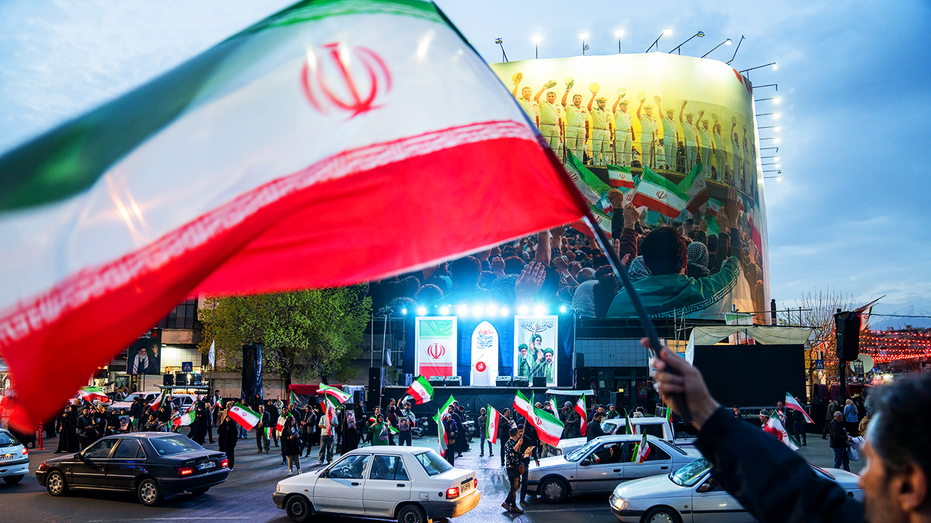
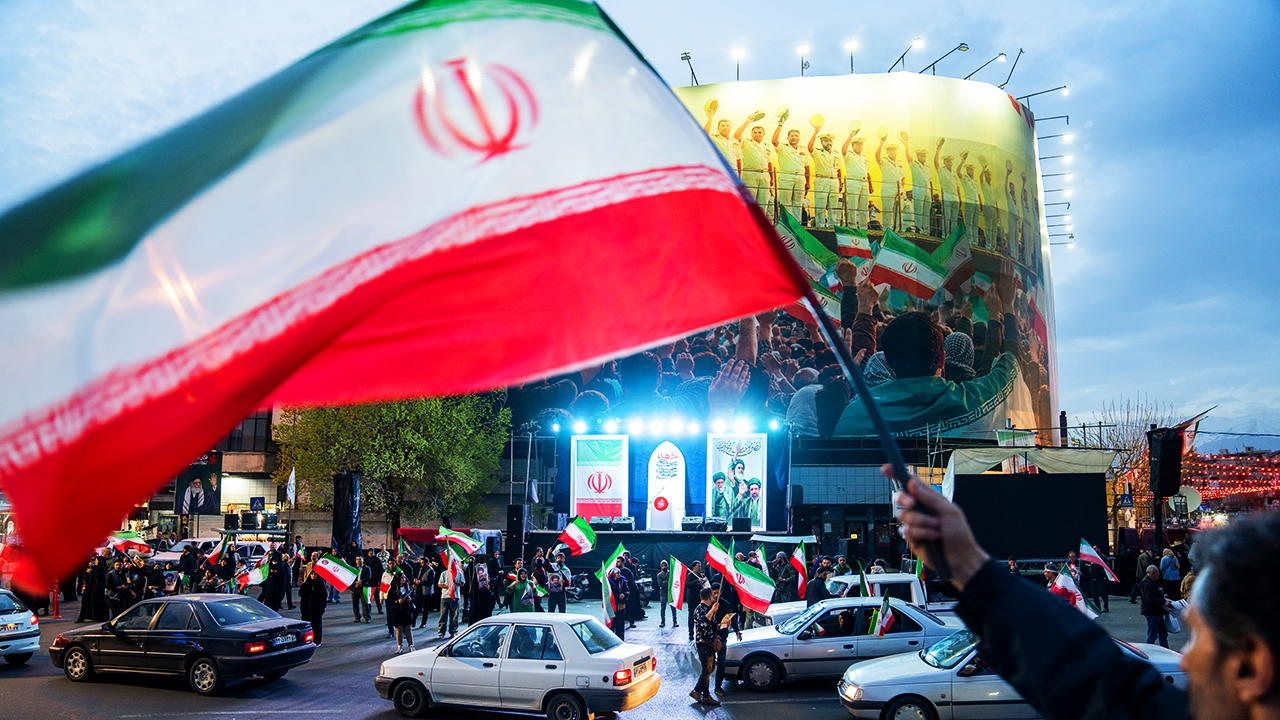
Iranians waving flags in support of the regime. (Majid Saeedi/Getty Images)
MARKETS HANGING ON ‘EVERY WORD’ AS US-IRAN CONFLICT NEARS ONE MONTH, FORMER NEC DIRECTOR WARNS
The negotiations, he noted, are taking place indirectly through intermediaries, even as both sides publicly signal conflicting positions about whether talks are happening at all.
Rep. Andy Barr, R-Ky., joins ‘Mornings with Maria’ to discuss President Donald Trump’s 5-day Iran deadline, rising Middle East tensions, and the push to secure defense funding while battling Democrats over DHS and voter ID measures.
Keane emphasized that U.S. and Israeli military leaders are confident they could meet their objectives through force if necessary, including reopening key shipping lanes and eliminating Iran’s ability to sustain attacks.
“If we can do that through negotiations… And we absolutely are confident that it’s real… It remains to be seen,” Keane said.
ENERGY PRICES COULD FALL ‘PRETTY SIGNIFICANTLY’ IF IRAN DEAL REACHED, ENERGY SECRETARY SAYS
Anduril Executive Chairman and co-founder Trae Stephens details the shift in military strategy towards mass-produced, low-cost autonomous drones and AI-driven systems on ‘Mornings with Maria.’
He added that Iran’s motivations in any deal would likely center on regime survival, economic recovery and sanctions relief, raising further questions about how much the regime is willing to concede.
“We’ll see what this deal really entails when we get down to the specifics,” he said.
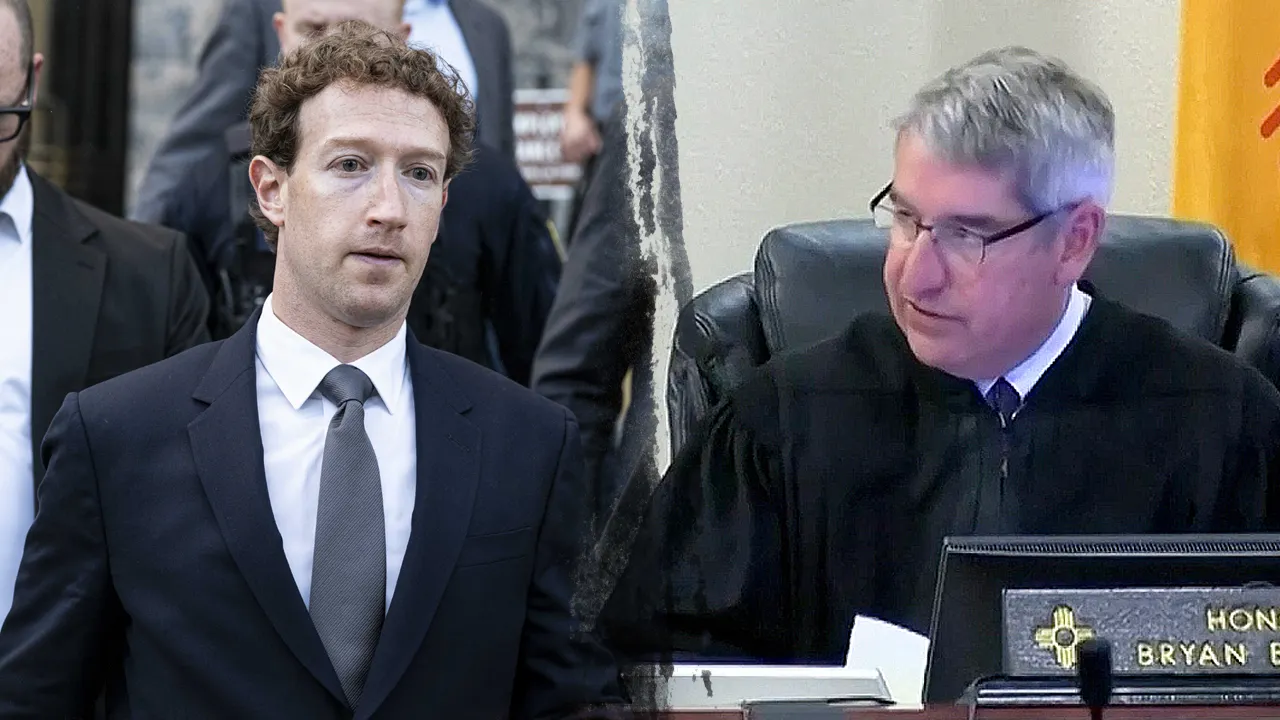
The New Mexico case found tech giant Meta to have misled users and failed to protect children from predators in Tuesday’s ruling.
A New Mexico jury on Tuesday ordered Meta to pay $375 million after finding the company violated state law by misleading users about the safety of its platforms and allegedly enabling child sexual exploitation.
Jurors found the Facebook and Instagram parent company violated New Mexico’s consumer protection law following a lawsuit brought by Attorney General Raul Torrez, who accused Meta of failing to protect children from predators.
“The jury’s verdict is a historic victory for every child and family who has paid the price for Meta’s choice to put profits over kids’ safety,” said New Mexico Attorney General Raúl Torrez. “Meta executives knew their products harmed children, disregarded warnings from their own employees, and lied to the public about what they knew. Today the jury joined families, educators, and child safety experts in saying enough is enough.”
MARK ZUCKERBERG FACES JURY IN LANDMARK TRIAL OVER ALLEGED YOUTH HARM LINKED TO SOCIAL MEDIA
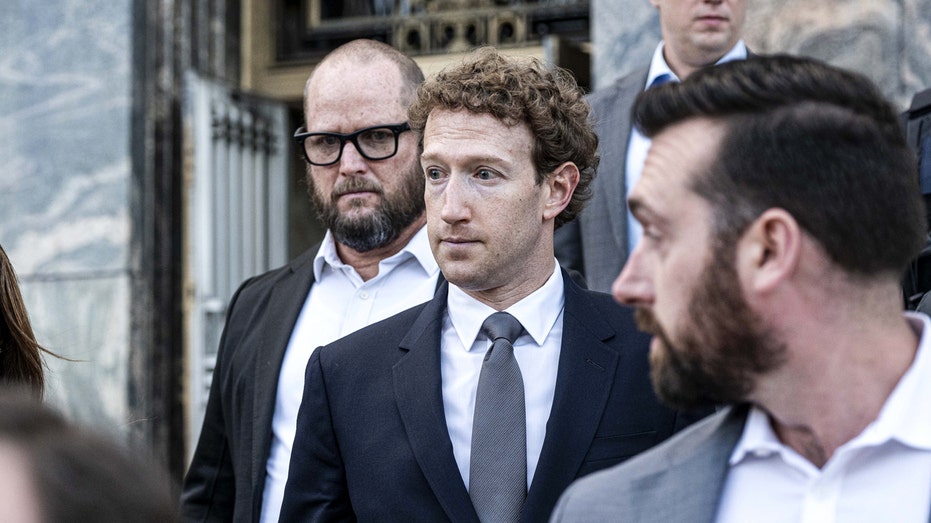
Meta CEO Mark Zuckerberg leaves the Federal Courthouse in downtown Los Angeles, Feb. 19, after defending the company in a landmark social media addiction. (Jon Putman/Anadolu via Getty Images / Getty Images)
The verdict marks a major legal win for the state and is believed to be the first time a state has prevailed at trial against a major tech company over claims it harmed children through its platforms, according to the New Mexico State Justice Department.
| Ticker | Security | Last | Change | Change % |
|---|---|---|---|---|
| META | META PLATFORMS INC. | 592.92 | -11.14 | -1.84% |
The lawsuit, filed in 2023 by the state, alleged Meta created a “breeding ground” for child predators and misled users about safety protections on Facebook, Instagram and WhatsApp.
APPLE IMPLEMENTING AGE VERIFICATION TOOL TO ENSURE USERS ARE 18 AND UP FOR SOME APPS
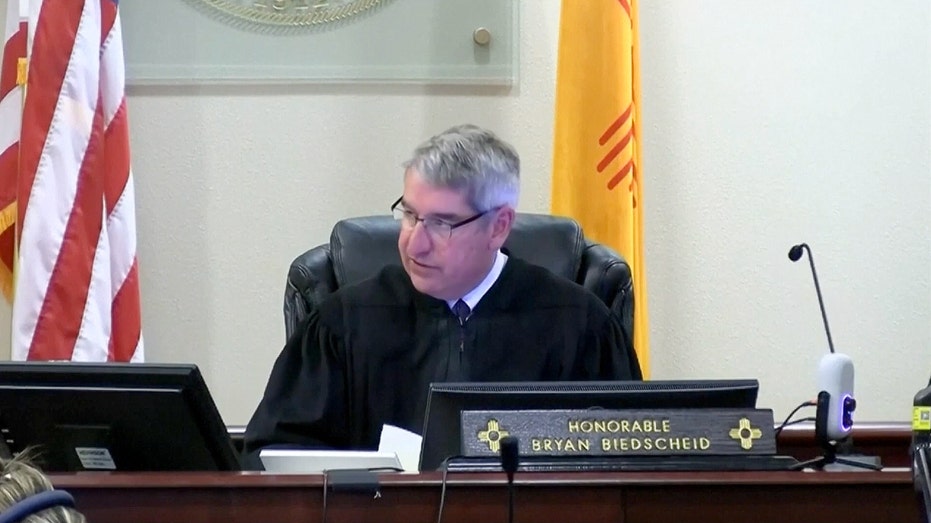
A New Mexico jury found Meta misled users and failed to protect kids on the platform on Tuesday, March 24, 2026. (Pool / Unknown)
The $375 million penalty is significantly lower than the roughly $2.1 billion New Mexico officials had sought, though the jury awarded the maximum allowed under state law of $5,000 per violation.
Meta said it disagrees with the verdict and plans to appeal.
META RESEARCHER WARNED OF 500K CHILD EXPLOITATION CASES DAILY ON FACEBOOK AND INSTAGRAM PLATFORMS
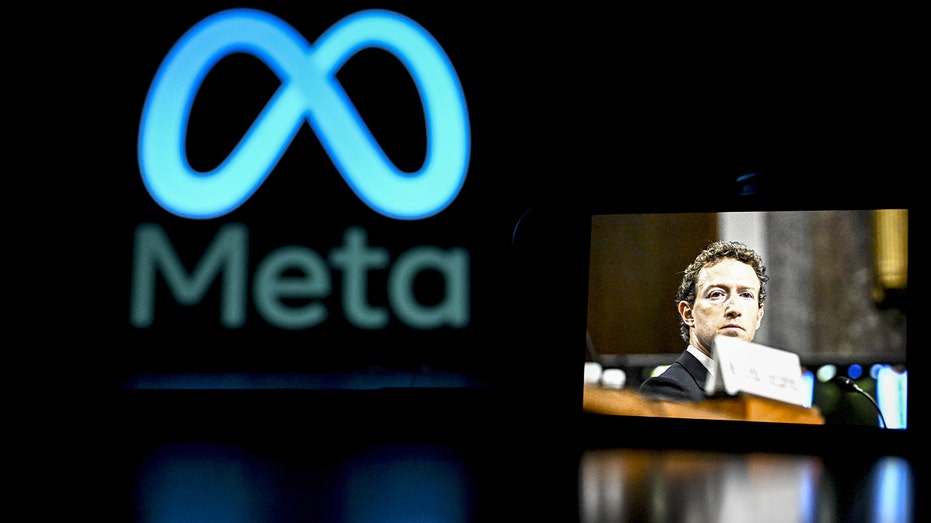
Meta says it is planning to appeal the decision. (Arda Kucukkaya/Anadolu via Getty Images / Getty Images)
“We respectfully disagree with the verdict and will appeal,” a Meta spokesperson told FOX Business in a statement. “We work hard to keep people safe on our platforms and are clear about the challenges of identifying and removing bad actors or harmful content. We will continue to defend ourselves vigorously, and we remain confident in our record of protecting teens online.”
The case is separate from a high-profile Los Angeles trial over claims social media platforms contribute to youth addiction.
Business
Bridgerton Season 5 Now in Production with Francesca and Michaela Stirling as Lead Couple, Netflix Confirms

Netflix announced Tuesday that production has officially begun on “Bridgerton” Season 5, with Hannah Dodd and Masali Baduza stepping into the spotlight as the season’s central romantic pair: the widowed Francesca Bridgerton (now Stirling) and Michaela Stirling, in a storyline that promises to explore second chances at love and unexpected passion in Regency-era London.

The streamer released a short video and first-look images showing Dodd and Baduza in costume fittings and on set outside London, accompanied by the declaration: “Do not fret, dearest readers, for a certain countess shall find love again.” Showrunner Jess Brownell, along with Dodd and Baduza, previewed the upcoming love story in a Tudum feature published the same day.
Netflix renewed the hit Shondaland series for Seasons 5 and 6 simultaneously in May 2025, well before Season 4 premiered in January 2026. The announcement, styled as a Lady Whistledown column, promised fans two more seasons of the lavish Regency romance adapted from Julia Quinn’s novels. Season 4, which focused on Benedict Bridgerton (Luke Thompson) and Sophie Baek (Yerin Ha), concluded its run earlier this year, leaving viewers eager for the next chapter in the Bridgerton family saga.
Season 5 centers on Francesca, the quiet and introspective middle daughter of the Bridgerton clan. Two years after the sudden death of her husband John Stirling, the Earl of Kilmartin, Francesca contemplates re-entering the marriage mart for practical reasons — primarily to secure an heir and stability. But when John’s cousin Michaela Stirling arrives in London to manage the family estate, Francesca finds her carefully laid plans upended by complicated new feelings.
The pairing represents a gender-swapped adaptation of Quinn’s sixth novel, “When He Was Wicked,” in which Francesca falls for her late husband’s cousin Michael. Brownell and the creative team have leaned into inclusive storytelling, building on earlier hints planted in Seasons 3 and 4 that set up Francesca’s arc. Dodd, who took over the role of Francesca in Season 4, and Baduza, introduced as Michaela, have already begun filming key scenes, with costume fittings helping them delve deeper into their characters’ emotional worlds.
Filming is underway at locations outside London, continuing the series’ tradition of grand estates, ballrooms and gardens that transport viewers to the ton. Brownell has emphasized a desire to accelerate the production schedule. Scripts for Season 5 are largely complete, with the writers’ room having wrapped earlier, and the team aims to shorten the gap between seasons. Previous installments have typically taken about 18 to 24 months from filming start to release, suggesting a potential premiere in late 2027 or early 2028, though Netflix has not yet confirmed a date.
The ensemble cast is expected to return in supporting roles. Claudia Jessie as Eloise Bridgerton, Ruth Gemmell as Violet Bridgerton, Adjoa Andoh as Lady Danbury, Golda Rosheuvel as Queen Charlotte, and Julie Andrews as the voice of Lady Whistledown will likely appear, along with other familiar faces from the Bridgerton and Featherington families. Brownell has confirmed that Seasons 5 and 6 will focus on Eloise and Francesca in some order, leaving open the possibility that Eloise’s story — drawn from the fifth book, “To Sir Phillip, With Love” — could follow in Season 6.
Executive producer Shonda Rhimes, who discovered Quinn’s books while ill and built the “Bridgerton” universe into a global phenomenon, has described the series as more than steamy romance. She views it as a “workplace drama” set in a world where women’s value is tied to marriage, with mothers acting as colleagues navigating power dynamics. Rhimes has teased future spinoffs, including a potential story centered on Violet Bridgerton’s own romance with Edmund, though no formal plans have been announced.
“Bridgerton” exploded onto Netflix in 2020, becoming one of the streamer’s most-watched titles and sparking a cultural craze for Regency fashion, string-quartet covers of pop songs and scandal-filled gossip. The show has consistently delivered high production values, diverse casting and emotionally resonant love stories that blend humor, heartache and heat. Season 4’s Benedict-Sophie arc, with its Cinderella-inspired elements, maintained strong viewership despite some mixed fan reactions to pacing.
For Season 5, Brownell has promised a “super romantic” tone while honoring the deeper themes of grief, desire and self-discovery in Francesca’s journey. A time jump may feature to allow the story’s emotional layers to unfold, mirroring the book’s structure that spans years. The introduction of Michaela adds fresh chemistry and representation, building on the series’ commitment to evolving beyond strict adherence to source material chronology.
Fans have reacted with excitement mixed with anticipation on social media. Some celebrate the gender-swapped storyline as a bold, modern take, while others debate whether Eloise’s more outspoken personality might have fit better as the immediate follow-up to Benedict. Regardless, the confirmation that production has started signals momentum after the long wait following Season 4.
Netflix has not released a trailer or detailed plot synopsis beyond the initial announcement, but early images show Dodd and Baduza in elegant period attire, hinting at the visual splendor audiences have come to expect. Costume designers, set decorators and the hair-and-makeup team are once again tasked with creating the lush world that has defined the show’s aesthetic.
Looking further ahead, Season 6 is already in early development, ensuring the Bridgerton siblings — including remaining younger ones Hyacinth and Gregory — will eventually all receive their moments in the spotlight. Rhimes has mused about potentially eight seasons, one for each sibling, though nothing is guaranteed.
As cameras roll outside London, “Bridgerton” Season 5 continues the franchise’s reign as Netflix’s flagship period drama. With Francesca and Michaela’s story taking center stage, the series promises another chapter filled with longing glances, whispered scandals and the timeless question of whether love can bloom again after loss.
Dearest readers, the ton awaits. Production on Season 5 is just beginning, but the promise of new romance — and perhaps a few surprises from Lady Whistledown — already has fans counting the days until the next glittering season arrives.
Business
Is LastPass Down? LastPass Experiences Intermittent Outage, Users Report Vault Access and Login Issues

LastPass, one of the world’s most widely used password managers, faced widespread user complaints of login failures and vault access problems Tuesday, March 24, 2026, prompting the company to acknowledge an internal issue and launch an active investigation.

As of midday Eastern Time, the company’s official status page at status.lastpass.com showed an “Investigating” alert posted around 13:00 UTC (9 a.m. EDT), stating engineers were working to resolve reports of degraded service. Components including the marketing website, support site, MFA and certain regional services showed “Major Outage” indicators in real time.
Downdetector and other monitoring sites recorded a sharp spike in user reports beginning around 8:56 a.m. EDT, with the majority of complaints centered on inability to log in or access stored passwords. Social media and Reddit threads filled with frustrated users unable to retrieve credentials for work, banking and personal accounts. LastPass’s official Twitter account, @LastPassStatus, posted an apology: “We apologize for any disruption accessing your LastPass Vault today. This internal issue is currently being addressed and we expect services to be fully restored shortly.”
The incident marks the latest service disruption for the password manager, which has more than 25 million users worldwide despite past security controversies. LastPass, owned by GoTo (formerly LogMeIn), stores encrypted passwords, credit card details and other sensitive information in the cloud, allowing users to autofill logins across devices via browser extensions and mobile apps.
No widespread outage appeared on March 23 or earlier days in the month, according to the status page history, which listed no incidents for March 2026 prior to Tuesday. The most recent resolved incident occurred in mid-February, when login verification emails failed for several hours.
Users experiencing problems reported a range of symptoms: browser extensions failing to connect, mobile apps showing authentication errors, and the web vault remaining inaccessible even after correct master password entry. Some said they could reach the LastPass website but not the vault itself. Others noted that federated login options and multi-factor authentication prompts were also affected.
Password managers like LastPass have become essential tools in an era of dozens or hundreds of online accounts per person. When they go down, the impact can be immediate and frustrating, especially for remote workers, businesses and individuals who rely on them for daily access to email, banking, productivity suites and government services.
LastPass has faced scrutiny in recent years following high-profile security incidents. In late 2022, the company disclosed a breach in which attackers accessed encrypted vaults and other data after an earlier incident compromised source code and developer systems. Although customer master passwords remained protected by strong encryption, the episode led to widespread criticism, class-action lawsuits and a migration of users to competitors such as Bitwarden, 1Password and Dashlane.
Despite the history, many organizations and individuals continue using LastPass because of its enterprise features, including shared folders, admin consoles and integration with single sign-on systems. The company has invested in security improvements, including zero-knowledge architecture enhancements and regular audits, while reminding users to enable MFA and use strong, unique master passwords.
Tuesday’s outage arrived at a time when cyber threats remain elevated globally. With ransomware gangs and state actors targeting credential repositories, any downtime in a password manager raises questions about redundancy and backup plans. Security experts recommend that users maintain offline backups of critical credentials — printed or stored on encrypted external drives — precisely for situations like this.
For affected users, LastPass support pages suggest basic troubleshooting: clearing browser cache and cookies, trying incognito mode, restarting devices, or reinstalling the extension or app. However, when core backend services are impacted, these steps often prove ineffective until the provider resolves the root cause.
The company has not yet released a detailed root-cause analysis or estimated time to full restoration. In similar past incidents, resolution times ranged from under an hour to several hours. Users who can still access their vaults via cached sessions or offline mode are advised to avoid logging out until service stabilizes.
Analysts note that password manager outages, while inconvenient, rarely expose user data because of end-to-end encryption. The primary risk during downtime is productivity loss and the temptation for users to temporarily store passwords in less secure locations such as notes apps or email.
LastPass competes in a crowded market that has grown rapidly with rising awareness of password hygiene. Industry reports estimate the global password management software market will exceed $2 billion by 2028, driven by remote work, regulatory compliance and increasing cyber attacks.
As of late morning Tuesday, some users reported gradual improvement in certain regions, but many continued to encounter errors. Monitoring sites such as DownDetector showed the spike in reports beginning to plateau, though not yet returning to baseline.
The incident serves as a reminder of single points of failure in digital life. Experts recommend diversifying password storage — using a primary manager alongside secure notes or hardware keys — and regularly testing recovery processes.
LastPass has not commented publicly beyond the status page and Twitter update. Company representatives typically provide post-incident summaries once service returns to normal, including any steps taken to prevent recurrence.
For now, users are urged to monitor the official status page and @LastPassStatus for updates. Those unable to wait may consider temporary workarounds such as manually entering known passwords or switching to alternative access methods where possible.
The broader password management industry has seen similar hiccups in recent years, underscoring the challenges of maintaining always-on, highly secure cloud services at global scale. Tuesday’s events will likely fuel ongoing conversations about trust, transparency and the need for robust contingency planning among both consumers and enterprise customers.
As the investigation continues, millions of LastPass users worldwide are left hoping for a swift resolution so they can regain seamless access to their digital lives.

Why the AI Revolution Could sink in the Strait of Hormuz

Bitcoin tops $70K as altcoins post double-digit gains

“LeBron being racist again” – NBA Fans Erupt Over LeBron James’ Unfiltered ‘white boy’ comment on Austin Reaves


-
 Crypto World4 days ago
NIO (NIO) Stock Plunges 6.5% as Shelf Registration Sparks Dilution Worries
-

 Fashion4 days ago
Weekend Open Thread: Adidas – Corporette.com
-

 Politics4 days ago
Jenni Murray, Long-Serving Woman’s Hour Presenter, Dies Aged 75
-

 Crypto World3 days ago
Best Crypto to Buy Now: Strategy Just Spent $1.57 Billion on Bitcoin During Fear While Early Investors Quietly Enter Pepeto for 150x Potential
-

 News Videos6 days ago
RBA board divided on rate cut, unusually buoyant share market | Finance Report | ABC NEWS
-

 Crypto World3 days ago
Bitcoin Price News: Bhutan Sells $72 Million in BTC Under Fiscal Pressure, but the Smart Money Entering Pepeto Sees What the Market Does Not
-

 Politics7 days ago
The House | The new register to protect children from their abusers shows Parliament at its best
-

 Tech5 days ago
inKONBINI Lets You Spend Summer Days Behind the Register
-

 Crypto World6 days ago
Canada’s FINTRAC revokes registrations of 23 crypto MSBs in AML crackdown
-

 Sports2 days ago
Remo Stars and Kano Pillars Strengthen Survival Hopes in NPFL
-
 NewsBeat6 days ago
Residents in North Lanarkshire reminded to register to vote in Scottish Parliament Election
-

 News Videos7 days ago
PARLIAMENT OF MALAWI – PAC MEETING WITH REGISTRAR OF FINANCIAL ON AMARYLLIS HOTEL – INQUIRY LIVE
-

 Politics5 days ago
Gender equality discussions at UN face pushbacks and US resistance
-

 Business2 days ago
No Winner in March 21 Drawing as Prize Rolls to $133 Million for Next
-

 Business6 days ago
Who Was Alex Pretti? 5 Key Facts About the ICU Nurse Killed by Federal Agents in Minneapolis
-

 Sports2 days ago
Gary Kirsten Accuses Pakistan Cricket Board Of ‘Interference’, Mohsin Naqvi Responds
-

 Tech2 days ago
Give Your Phone a Huge (and Free) Upgrade by Switching to Another Keyboard
-

 Sports4 days ago
2026 Kentucky Derby horses, odds, futures, preview, date: Expert who nailed 12 Derby-Oaks Doubles enters picks
-

 Tech7 days ago
Subnautica 2 might finally be entering early access in May
-
Sports6 days ago
Vikings Free Agency Enters Phase 2 with Key Questions
You must be logged in to post a comment Login