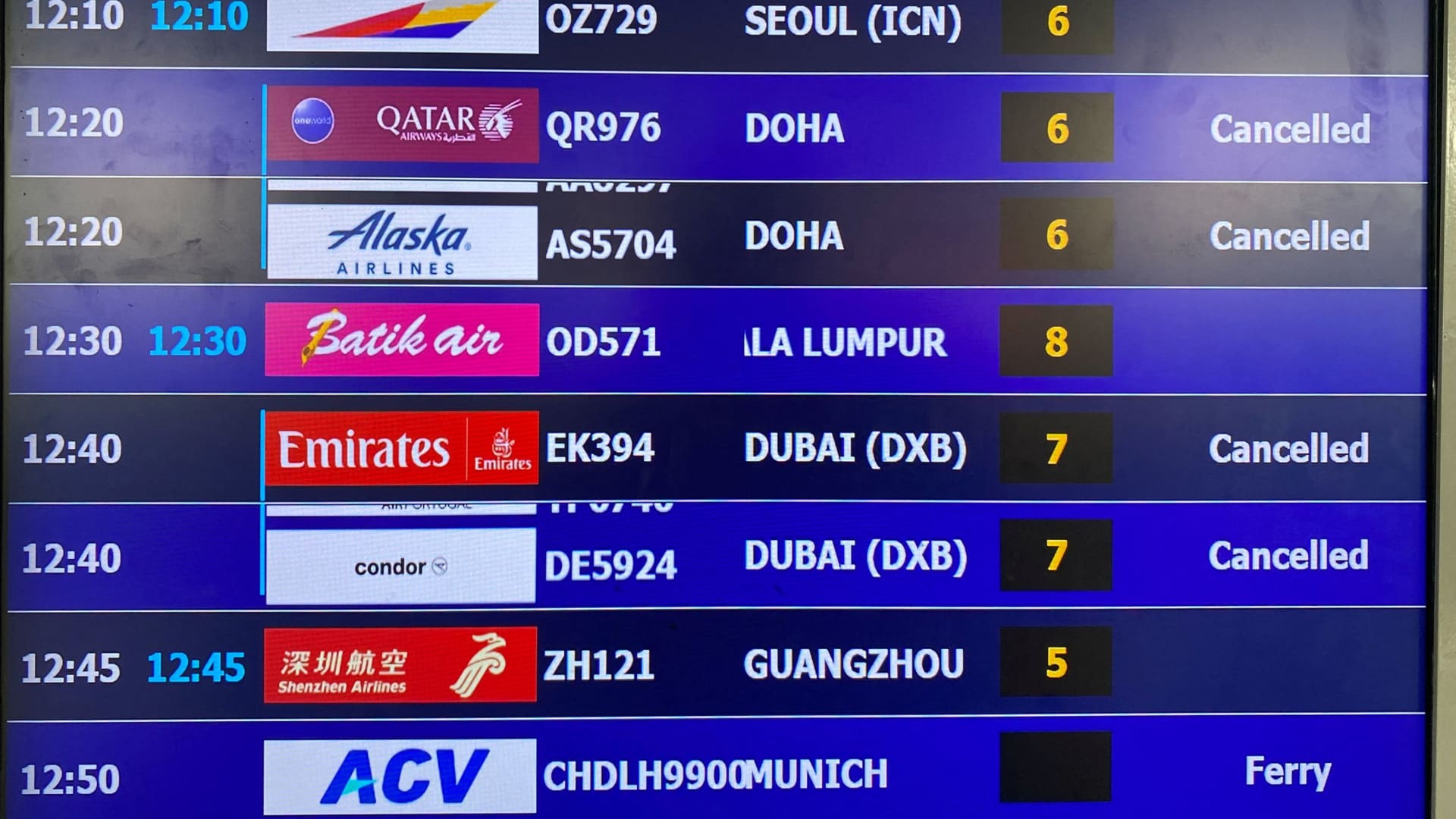
A display board shows canceled flights to Dubai and Doha amid regional airspace closures at Noi Bai International Airport, amid the U.S.-Israel conflict with Iran, in Hanoi, Vietnam, March 2, 2026. Picture taken with a mobile phone.
Thinh Nguyen | Reuters
Airline and travel stocks fell Monday after airspace closures throughout the Middle East forced carriers to cancel thousands of flights, disrupting trips as far as Brazil and the Philippines.
Advertisement
United Airlines, which has the most international exposure of the U.S. carriers, was down 6% in premarket trading. Service to Tel Aviv, Israel, is one of the airline’s most profitable routes, but airlines were also was forced to pause flights to Dubai, in the United Arab Emirates, one of the busiest airport hubs in the world.
Dubai is a home base for airline Emirates.
Shares of Delta Air Lines and American Airlines were also each off about 6%. Flights through the Middle East were grounded including to destinations like Tel Aviv.
Other carriers like Southwest Airlines, which is more U.S.-focused, had smaller stock moves but shares still fell as investors assessed a possible run-up in oil prices. Fuel is generally airlines’ biggest cost after labor.
International travel has been a bright spot in the travel sector. In January, international air travel demand jumped 5.9% from a year ago while domestic flight demand was nearly flat, the International Air Transport Association, an airline industry group, said in a report on Monday.
Read more about military conflicts’ impact on commercial flights
Oil prices moved higher in early Tuesday trade as supply concerns resurfaced after Iran denied engaging in talks with the United States to end the Gulf conflict. This pushed back against U.S. President Donald Trump’s claim that a deal could be within reach.
In a post on Truth Social, Donald Trump said the United States and Iran had engaged in “very good and productive conversations” aimed at a complete resolution of hostilities, adding that all planned strikes on power plants and energy infrastructure would be deferred for five days.
Crude oil price on March 24
Brent crude futures rose $1.06, or 1.1%, to $101 a barrel at 0001 GMT. U.S. West Texas Intermediate (WTI) gained $1.58, or 1.8%, to $89.71.The rebound follows a sharp selloff on Monday, when crude dropped more than 10%. The decline came after Trump said he had ordered a five-day pause on planned strikes against Iran’s power infrastructure and indicated that “productive talks” with unnamed Iranian officials had yielded major points of agreement.
Advertisement
Live Events
Despite the temporary pause in military action, concerns around the Strait of Hormuz persist. The ongoing conflict has effectively disrupted shipments of nearly one-fifth of global oil and liquefied natural gas passing through the key waterway. Tehran has strongly denied any contact with Washington, calling the claims an attempt to influence financial markets. Iran’s Revolutionary Guards also said fresh attacks had been carried out on U.S. targets, dismissing Trump’s remarks as “worn-out psychological operations.”
Where are prices headed?
As per a Reuters report, international brokerage Macquarie has said that even if tensions ease in the near term, oil prices are likely to find support in the $85–$90 range, with a gradual move back toward $110 until normal flows through the Strait of Hormuz resume. The note added that if disruptions persist through April, Brent could still climb to $150 per barrel.
Meanwhile, the conflict continues to damage energy infrastructure across the region. Recent strikes hit a gas company office and a pressure-reduction facility in Isfahan. A separate projectile struck a gas pipeline supplying a power station in Khorramshahr, as reported by Iran’s semi-official Fars news agency.
(Disclaimer: The recommendations, suggestions, views, and opinions given by the experts are their own. These do not represent the views of The Economic Times.)
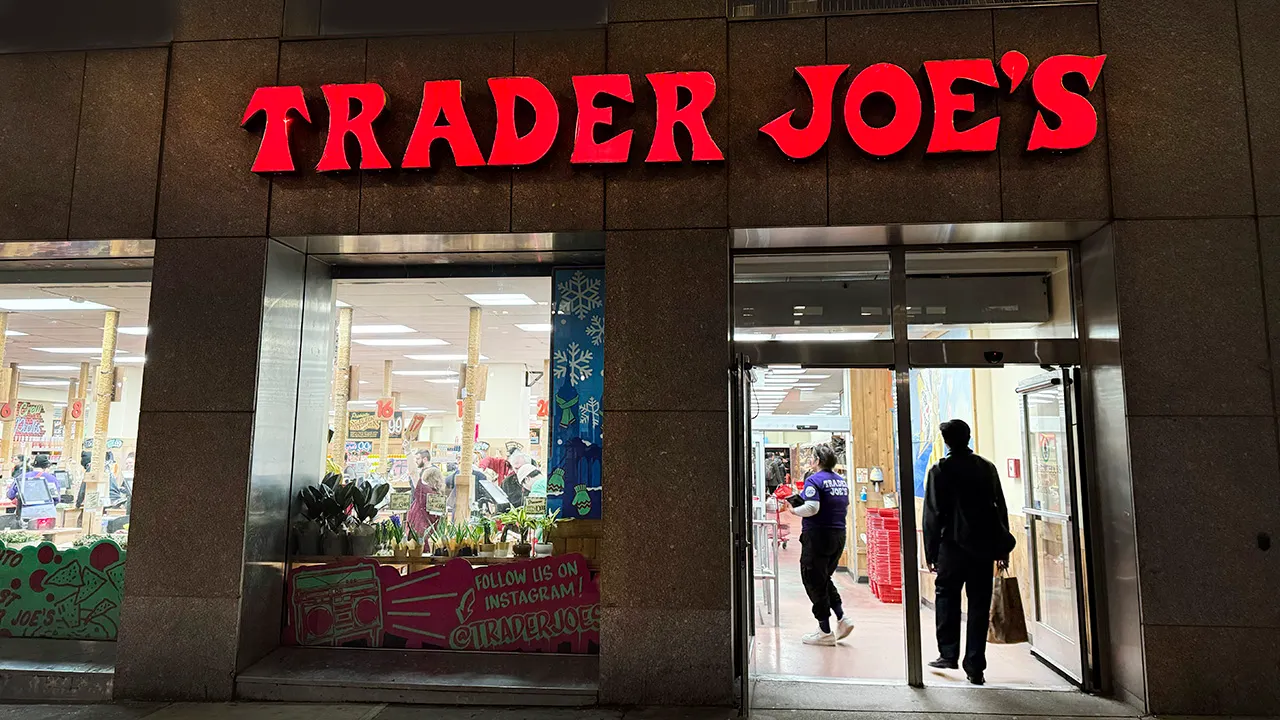
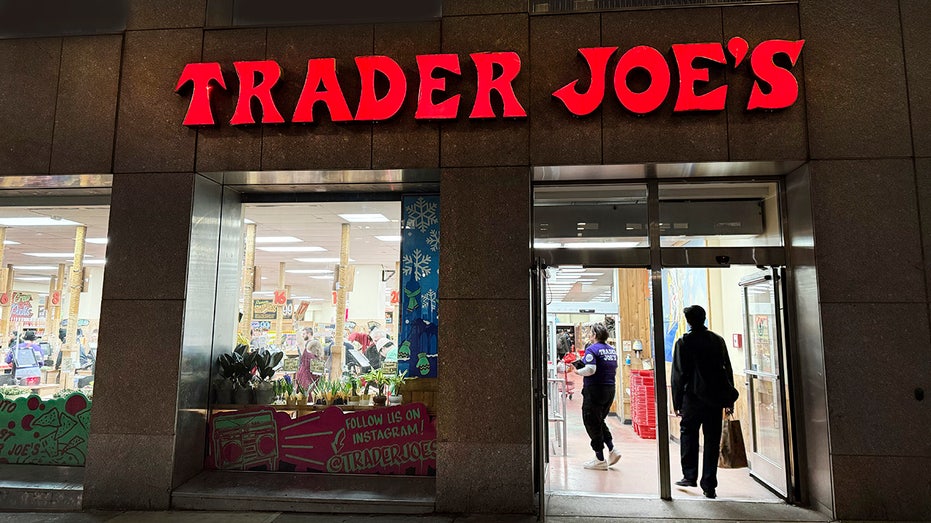
A nationwide recall has expanded to include close to 10 million pounds of frozen vegetable fried rice sold at Trader Joe’s stores in dozens of states, according to the U.S. Department of Agriculture (USDA) Food Safety and Inspection Service.
Ajinomoto Foods North America Inc. announced a recall of 9,885,240 pounds of Trader Joe’s Vegetable Fried Rice after small pieces of glass were found in the frozen meals.
Advertisement
The glass shards ranged from one to three cm long and two to four mm wide.
A nationwide recall has expanded to include close to 10 million pounds of frozen vegetable fried rice sold at Trader Joe’s stores. (Plexi Images/GHI/UCG/Universal Images Group via Getty Images) / Getty Images)
The recalled products were sold in stores across 43 states, with the seven unaffected states being Hawaii, Maine, New Mexico, South Dakota, Vermont, West Virginia and Iowa.
The affected items had best-buy dates ranging from Feb. 28, 2026, to Nov. 19, 2026.
Advertisement
The latest notice was an expansion of a recall initially issued last month and expanded earlier this month. Nearly 37 million pounds of ready-to-eat items were affected in the total recall effort, which impacted more than a dozen brands in addition to Trader Joe’s, such as Kroger and Tai Pei.
The recalled products were sold in stores across 43 states. (Scott Olson/Getty Images / Getty Images)
Impacted items include Trader Joe’s Chicken Shu Mai and Trader Joe’s Chicken Fried Rice with stir-fried rice, vegetables, seasoned dark chicken meat and eggs.
The USDA classified the alert as a Class II recall in its latest notice, which means “use of or exposure to a violative product may cause temporary or medically reversible adverse health consequences or where the probability of serious adverse health consequences is remote.”
The latest notice was an expansion of a recall initially issued last month and expanded earlier this month. (Tess Crowley/Chicago Tribune/Tribune News Service via Getty Images / Getty Images)
Customers are urged not to consume the recalled items. They should dispose of the product or return it to the place of purchase for a full refund.
No injuries have been reported thus far in connection with the recall, but the USDA said anyone concerned about potential injuries should contact a healthcare provider.
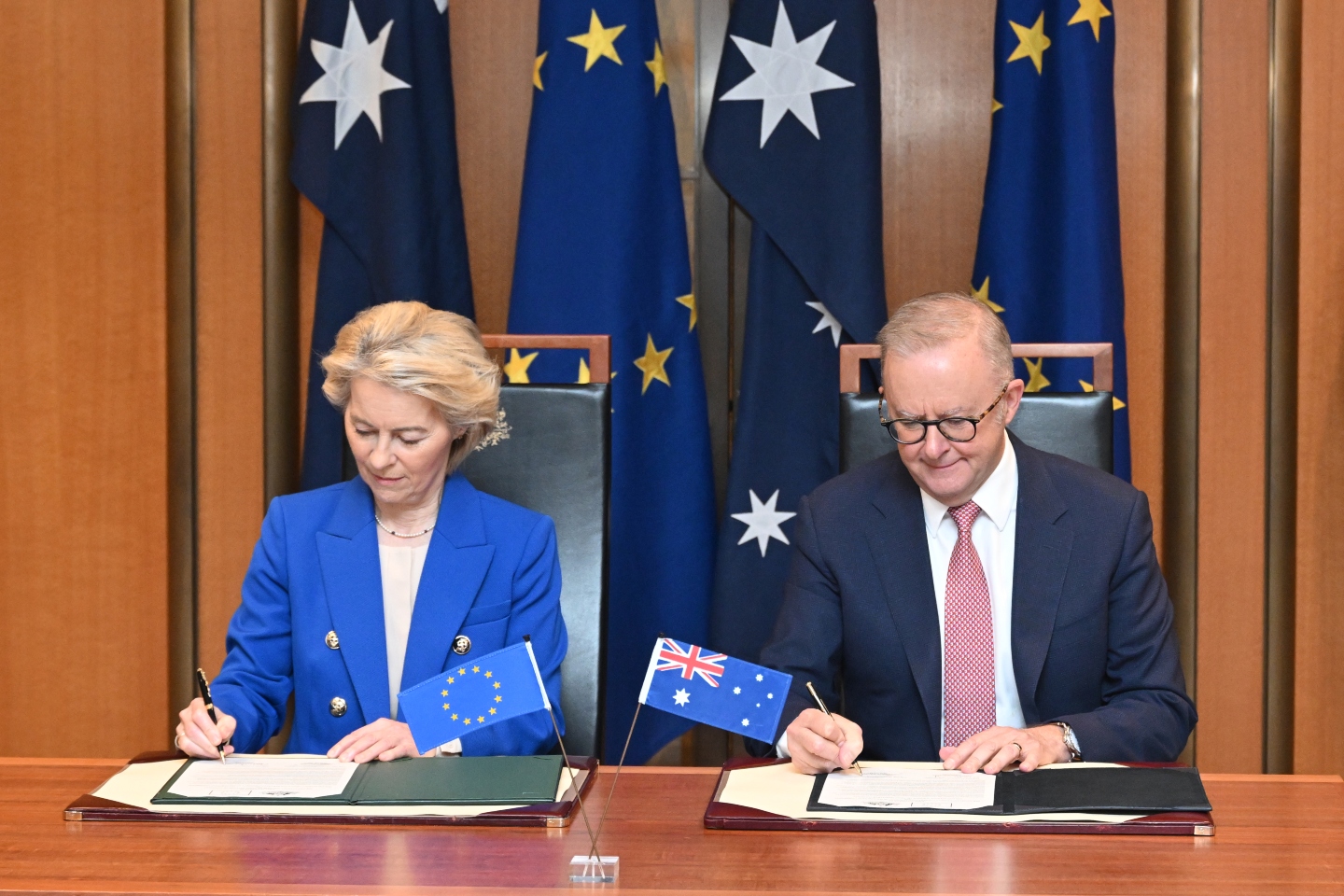
European-made wine, cars and fashion items will get cheaper for Australian shoppers under a long-awaited free-trade deal that will also allow local farmers to expand their meat exports.
Oil prices rose in early trade on Tuesday on supply fears, as Iran denied it had held talks with the United States to end the war in the Gulf, contradicting President Donald Trump, who said a deal could be reached soon.
Brent futures rose $1.06, or 1.1%, to $101 a barrel at 0001 GMT, while U.S. West Texas Intermediate (WTI) climbed $1.58, or 1.8%, to $89.71.
Crude futures dropped more than 10% on Monday, after Trump said he had ordered a five-day delay to attacks he had threatened on Iran’s power plants, adding the U.S. had held productive talks with unnamed Iranian officials that had produced “major points of agreement”.
“By shelving the plan to strike Iranian power plants for five days, the U.S. effectively sucked much of the ‘war premium’ from the oil price,” said Tim Waterer, chief market analyst at KCM Trade.
Advertisement
“Today’s moderate bounce is just the market finding its footing in the mud. Traders are aware that while the missiles are on hold, the Strait of Hormuz is still far from a clear waterway.”
Live Events
The war has all but halted shipments of about one-fifth of the world’s oil and liquefied natural gas through the Strait of Hormuz. However, two tankers bound for India sailed through the strait on Monday. Tehran rejected the claims of contact with Washington, dismissing them as an attempt to manipulate financial markets, while Iran’s Revolutionary Guards said they had launched new attacks on U.S. targets and denounced Trump’s comments as “worn-out psychological operations.” “Even with a possible decrease in tensions after (Monday’s) announcement from President Trump, we expect a price floor of $85-$90 and a natural drift back to the $110 range until the Strait of Hormuz is restored,” Macquarie said in a note.
It added that if the strait remains effectively shut until the end of April, Brent could still reach $150 per barrel.
Fighting has damaged energy infrastructure across the region. In the latest attacks, a gas company office and a pressure-reduction station were hit in Iran’s central city of Isfahan, while a projectile also struck a gas pipeline feeding a power station in Khorramshahr, the Iranian semi-official Fars news agency reported.
The United States has temporarily waived sanctions on Russian and Iranian oil already at sea to ease shortages. Industry sources said traders have offered Iranian crude to Indian refiners at a premium to ICE Brent following Washington’s move.
Advertisement
The International Energy Agency Executive Director Fatih Birol said on Monday it is consulting Asian and European governments on possible further releases of strategic reserves “if necessary”.
Oil executives and energy ministers at a conference in Houston warned of the longer-term impact of the U.S.-Israel war with Iran on the global economy, though U.S. Energy Secretary Chris Wright downplayed the crisis.
The dollar nursed steep losses against major currencies on Tuesday in a wild start to the week after U.S. President Donald Trump delayed the bombing of Iran’s power grid, a move that allayed fear of a prolonged war in the Middle East.
Trump wrote on his Truth Social platform that the U.S. and Iran had held “very good and productive” conversations about a “complete and total resolution of hostilities in the Middle East”. Iran denied it had engaged in any direct negotiations.
The contrasting comments left markets on edge after a risk-on rally immediately after Trump’s post in which he postponed the bombing for five days. Still, markets were mindful of the war all but halting shipments of about one-fifth of the world’s oil and liquefied natural gas through the Strait of Hormuz.
Sterling eased 0.5% to $1.33925 after jumping nearly 1% on Monday, while the euro was down 0.2% at $1.1593 after gaining 0.4% in the previous trading session.
Advertisement
The dollar index, which measures the U.S. currency against a basket of peers, rose nearly 0.2% to 99.35 after dipping to near a two-week low on Monday.
Live Events
“The news overnight is giving a breather to volatility at least, but it’s difficult to see that this is going to trigger a risk-on trend,” said Rodrigo Catril, a currency strategist at National Australia Bank. However, Trump’s policy track record was keeping markets wary, with traders uncertain whether this marked the start of genuine negotiations or simply a retreat from volatility-inducing threats, he said. The Australian dollar fell 0.2% to $0.6993 in early trade, pulling back from a six-week high. The New Zealand dollar was down 0.23% at $0.5845.
Oil prices edged higher after plunging more than 10% on Monday, with Brent crude futures retopping $100.94 a barrel as supply fear keeps sentiment cautious.
“The key question is whether participants see this as a genuine extension that brings a deal closer, or simply a delay that prolongs uncertainty,” said Chris Weston, head of research at Pepperstone.
“The U.S. dollar has seen selling on the back of the move lower in crude and the broader repositioning in risk. However, there is little conviction in the move, and conditions remain ripe for sharp reversals.”
Advertisement
The yen was steady at 158.61 a dollar after Japan’s core consumer inflation rate hit 1.6% in February. That was below the Bank of Japan’s 2% target for the first time in nearly four years, complicating the bank’s efforts to justify further interest rate hikes.
TEHRAN, Iran — Iran’s economy, already strained by years of international sanctions, has suffered severe setbacks from the U.S.-Israeli military campaign that began Feb. 28, 2026, with widespread infrastructure destruction, disrupted trade routes and soaring global energy prices amplifying the pain. While precise figures remain elusive due to limited official disclosures from Tehran and the fluid nature of the conflict, analysts estimate the direct physical damage and immediate economic losses could reach tens of billions of dollars, exacerbating a pre-war contraction and threatening food security.
AFP
The joint U.S.-Israeli operation, dubbed Operation Epic Fury by some military sources, targeted Iranian military sites, leadership compounds, air defenses and energy infrastructure in a bid to degrade capabilities and pressure the regime. By early March, reports indicated over 4,000 civilian buildings had been damaged or destroyed across the country, according to TRT World and other outlets citing Iranian sources and satellite imagery. These strikes hit urban areas, industrial facilities and transportation hubs, compounding existing vulnerabilities.
Iran’s economy was already contracting under heavy sanctions before the war, with GDP growth negative in recent years and inflation rampant. The conflict has accelerated this decline. Wikipedia’s entry on the economic impact of the 2026 Iran War notes severe infrastructure damage and revenue losses, particularly from disrupted oil and gas exports. Iran’s closure of the Strait of Hormuz in response disrupted roughly 20% of global oil supplies and significant liquefied natural gas volumes, but the move backfired by isolating Iran’s own imports.
Iran relies heavily on Persian Gulf ports for grain shipments, with about 30% of its wheat imported. By March 6, nine grain vessels waited outside the strait, unable to enter amid the blockade and hostilities. Food import funding, already challenging, became nearly impossible as revenues from oil exports plummeted and global prices spiked.
Direct physical damage estimates are scarce from Iranian authorities, who have downplayed impacts to maintain domestic morale. Intelligence assessments cited in reports suggest the strikes have not yet toppled the clerical or military structure, but the economic harm is substantial. Chatham House analysis indicates Iran’s GDP could fall more than 10% due to the war, based on parallels with other conflict zones, though official data has not been released since 2024.
Advertisement
The war’s broader toll includes lost export revenues from energy. Pre-war, Iran exported limited oil under sanctions waivers, but strikes on facilities and export terminals have curtailed even that. Global oil prices surged over 40-50% since late February, with Brent crude reaching $106 per barrel by mid-March, per Al Jazeera reporting. This windfall bypassed Iran due to disrupted flows and sanctions, while domestic energy infrastructure repairs will demand billions.
Civilian and industrial losses add to the bill. Strikes near critical sites, including one projectile incident close to the Bushehr Nuclear Power Plant (confirmed undamaged by the IAEA), raised fears of environmental and economic fallout. Repeated hits on airports like Mehrabad in Tehran and military airbases degraded logistics. Overhead photos and reports show craters and structural damage at various locations, with costs for rebuilding likely in the high billions.
The conflict has also strained Iran’s ability to respond. Degraded air defenses—around 85% of surface-to-air missiles destroyed by mid-March, per Israeli Army Radio citing IDF sources—left the country exposed, forcing resource diversion from economic recovery to military defense. Desertions among personnel and confusion in security forces further hampered response.
Globally, the war’s ripple effects have indirectly hurt Iran. Higher energy prices strained import-dependent economies, but for Iran, the inability to capitalize on high oil prices while facing blockade compounded losses. Capital Economics and Oxford Economics reports forecast limited short-term global GDP hits outside the Gulf if the war ends quickly, but prolonged fighting could see oil at $130-150 per barrel, worsening Iran’s isolation.
Advertisement
Tehran’s retaliatory strikes on U.S. bases in the region caused about $800 million in damage in the first two weeks, per BBC analysis, but these pale against Iran’s own infrastructure hits. The U.S. has borne massive costs—Pentagon estimates put the first six days at over $11.3 billion, rising to potentially $16.5 billion by day 12 per CSIS, with daily expenses around $500 million thereafter. Israel’s Finance Ministry projected weekly economic losses of up to $2.93 billion from disruptions and mobilizations.
As of March 23, 2026, the conflict shows no immediate end, with ongoing strikes and diplomatic efforts faltering. U.S. officials have floated easing some sanctions on Iranian oil to stabilize markets, but progress remains uncertain. Iran’s regime maintains resilience claims, but analysts warn the cumulative economic pressure—physical destruction, lost revenues, import disruptions and inflation—could fuel internal unrest over time.
Rebuilding estimates vary widely. Repairing thousands of damaged buildings, restoring energy facilities and reopening trade routes could cost tens of billions, potentially rivaling or exceeding U.S. war expenditures if prolonged. Food security remains a flashpoint, with grain shortages looming if ports stay blocked.
The war underscores Iran’s economic fragility amid geopolitical confrontation. While military damage assessments focus on strategic degradation, the human and financial cost to ordinary Iranians—higher prices, shortages and uncertainty—may prove the most enduring legacy. As battles continue, the full USD toll on Iran’s economy remains a moving target, but early indicators point to devastation measured in the tens of billions, with recovery years away even if hostilities cease soon.
At 37, Russell Westbrook continues to etch his name deeper into NBA history books while navigating a season of ups and downs with the Sacramento Kings, where his veteran presence has provided stability amid team struggles and sparked discussions about a potential return next year.
Russell Westbrook
The nine-time All-Star and 2017 MVP surged into fifth place on the NBA’s all-time assists leaderboard during a March 17, 2026, game against the San Antonio Spurs, surpassing legends Mark Jackson and Steve Nash with his 10,336th career assist. The milestone came in a tough 104-132 loss, where Westbrook dished out 10 assists in 25 minutes despite limited scoring. NBA social media celebrated the feat, with posts highlighting his elite status among point guards and countering past criticisms of his play style.
Westbrook’s historic climb underscores a resilient campaign for the future Hall of Famer, who signed a one-year veteran’s minimum deal with Sacramento last October after declining his player option with the Denver Nuggets. In Denver, he contributed to a playoff run but later revealed the team encouraged him to test free agency, saying they “didn’t want me back.” The move to the Kings has offered a fresh start, where he’s averaged 15.2 points, 5.4 rebounds and 6.7 assists per game across 64 appearances through late March, shooting 42.7% from the field and 33.8% from three.
His per-game numbers reflect a reliable bench spark and occasional starter, with strong March performances including a 12-point, 12-rebound, 10-assist triple-double threat in a win over the Clippers on March 14. Yet consistency has been challenged by injuries. Westbrook missed multiple games in March due to right foot soreness and a quadriceps contusion, sitting out contests against the Utah Jazz on March 15 and Brooklyn Nets on March 22-23 weekend. The Kings ruled him out for the Nets matchup with right foot soreness, opting for a cautious approach as the team battles for draft lottery positioning in a disappointing season near the Western Conference basement.
Recent outings showed mixed results: In a March 20 blowout loss to Philadelphia, Westbrook posted 11 points, eight assists, three rebounds, two blocks and a steal in 27 minutes, but the team fell 118-139. Earlier quiet scoring nights and turnover issues (averaging 3.3 per game) have drawn scrutiny, though his leadership off the court has earned praise. Teammates and coaches value his voice in the locker room, particularly mentoring younger players on a roster eyeing potential high draft picks.
Advertisement
Insider reports suggest Westbrook could re-sign with Sacramento this summer. NBA analyst Brett Siegel noted in late February that the Kings appreciate his production and on-court/off-court impact, calling it the first time in years a team truly values his skills. With limited interest from playoff contenders and Westbrook thriving in a mentorship role, a reunion on another minimum deal—projected around $3.9 million—appears realistic. Discussions on Kings podcasts and media outlets debate the fit, with some arguing his high-usage style might clash with rebuilding plans, while others see benefits in retaining his experience for incoming prospects.
Westbrook’s journey reflects perseverance. After stints with six teams post-Oklahoma City, including high-profile runs with the Lakers and Clippers, the California native has embraced a bench role, focusing on facilitating and energy. Off-court challenges, including a fan’s threatening message to his wife earlier this season, added personal strain, but he’s maintained focus on basketball.
The Kings’ season has been tough, with injuries piling up—including long-term absences for Domantas Sabonis and others—leaving Westbrook as a key contributor when healthy. His ability to rack up assists and triple-double threats keeps him relevant, even as the team grapples with losses and lottery implications.
As free agency looms, Westbrook’s legacy grows. Climbing the assists list places him among the greatest point guards, with top rankings in points, rebounds and steals for the position. Fans and analysts alike watch whether Sacramento offers stability or if another chapter awaits.
Advertisement
For now, Westbrook remains a driving force, turning heads with historic feats and veteran grit amid a challenging campaign. His next game could see him return from soreness, ready to push the Kings—and his record—further.
Castle Biosciences, Inc. (CSTL) Discusses Clinical Utility and Evidence Supporting DecisionDx Melanoma Test and DECIDE Study March 23, 2026 4:30 PM EDT
Company Participants
Matthew Goldberg – Senior Vice President of Medical Camilla Zuckero – Vice President of Investor Relations & Corporate Affairs Derek Maetzold – Founder, CEO, President & Director
Conference Call Participants
Advertisement
J. Michael Guenther Catherine Ramsey – Robert W. Baird & Co. Incorporated, Research Division Thomas Flaten – Lake Street Capital Markets, LLC, Research Division Jin-Yep Penikis – Leerink Partners LLC, Research Division Vidyun Bais – BTIG, LLC, Research Division Mason Carrico – Stephens Inc., Research Division
Presentation
Operator
Advertisement
Good afternoon, and welcome to Castle Biosciences DecisionDx-Melanoma Webcast. As a reminder, today’s webcast is being recorded. Drs. Guenther and Goldberg will begin with a presentation that follows the accompanying slide deck, followed by a brief question-and-answer session. I would now like to turn the call over to Dr. Matthew Goldberg, Senior Vice President of Medical for Castle Biosciences.
Matthew Goldberg Senior Vice President of Medical
Thank you, operator, and good afternoon, everyone. My name is Matt Goldberg. I’m a board-certified dermatologist, dermatopathologist and I serve as Senior Vice President of Medical here at Castle Biosciences. Before we get into the DECIDE publication itself and before Dr. Guenther takes us through the data in detail, I want to spend a few minutes setting the clinical stage for why this study matters. And my goal here is to ground the discussion to questions physicians are actually trying to answer in early-stage melanoma and then to level set that DecisionDx-Melanoma is already a well-validated test with a strong evidentiary foundation. And this foundation includes retrospective and prospective studies along with meaningful real-world evidence. So from this perspective, the DECIDE trial is best viewed not at the beginning of the story, but as an important new prospective multicenter addition to an already strong body of evidence supporting DecisionDx-Melanoma and Stage


















































You must be logged in to post a comment Login