
Business
Trump tariffs fall, but trade war impacts linger


A year after President Donald Trump declared his “liberation day” and imposed sweeping tariffs on imports, kicking off a wave of economic and political uncertainty, some companies are still feeling the effects.
While some industries have emerged largely unscathed — having weathered twists and turns of several tariff iterations — others, such as retail, automotive, consumer packaged goods and pharmaceuticals, are navigating a new reality in global supply chains.
“Leadership at U.S. corporations really had to think about where we buy from versus whether we can import or not,” said Venky Ramesh, a supply chain expert with AlixPartners. “Around 80% to 85% of the costs were absorbed domestically, meaning either the U.S. corporations had to take the hit, or they passed it on to the customers, or a mix of both.”
On April 2, 2025, in the White House’s Rose Garden, Trump announced broad country-by-country tariffs, as well as a 10% baseline levy on countries that weren’t specifically listed in that declaration. Those tariff policies fluctuated wildly over the following months as Trump made deals and walked back some of the most extreme duties.
With ever-changing trade and tariff policies, companies have been forced to be more flexible and diversify their supply chains over the past year. Moving operations out of countries such as China, Vietnam or Mexico meant import cost savings, but for many industries, it was a tall task.
Ramesh said he saw clients in the first few months making “aggressive” changes to get ahead of the tariff costs, but because those policies kept shifting, companies begin to move slower and invest resources into scenario modeling.
“Moving supplier bases cannot happen overnight,” Ramesh said. “I think what companies are doing is they’re taking it gradually, so they want to make sure that they are well-diversified.”
On Feb. 20, the Supreme Court ruled that the country-specific “reciprocal” tariffs Trump imposed under the International Emergency Economic Powers Act of 1977, or IEEPA, were unconstitutional. But hours after the ruling, Trump announced a new “global tariff” rate of 10% under a separate statute, Section 122 of the Trade Act of 1974, for a period of 150 days. He later said he would increase global tariffs to 15%.
Meanwhile, those imposed under Section 232 of the Trade Expansion Act of 1962 — intended to target specific imports that threaten national security — remain in place. Section 232 tariffs largely affected imports of steel, semiconductors, aluminum and other products.
Still, Ramesh said, overall imports into the U.S. in 2025 were actually higher than in the previous year, especially as companies pulled forward inventory in the first few months of the year.
Ultimately, he said, he believes the past year of tariffs has culturally shifted the way U.S. companies operate.
“The things that would stick are supply chain being a very, very critical component of any company. I think that has really changed over the last year,” he said. “Corporations are not going to make the rash decisions. They’re not as susceptible to these changes as they were a year ago. They’ve stabilized more.”
As the U.S. enters its second year of Trump-imposed tariffs, here’s how some of the consumer-facing sectors have fared.
Retail
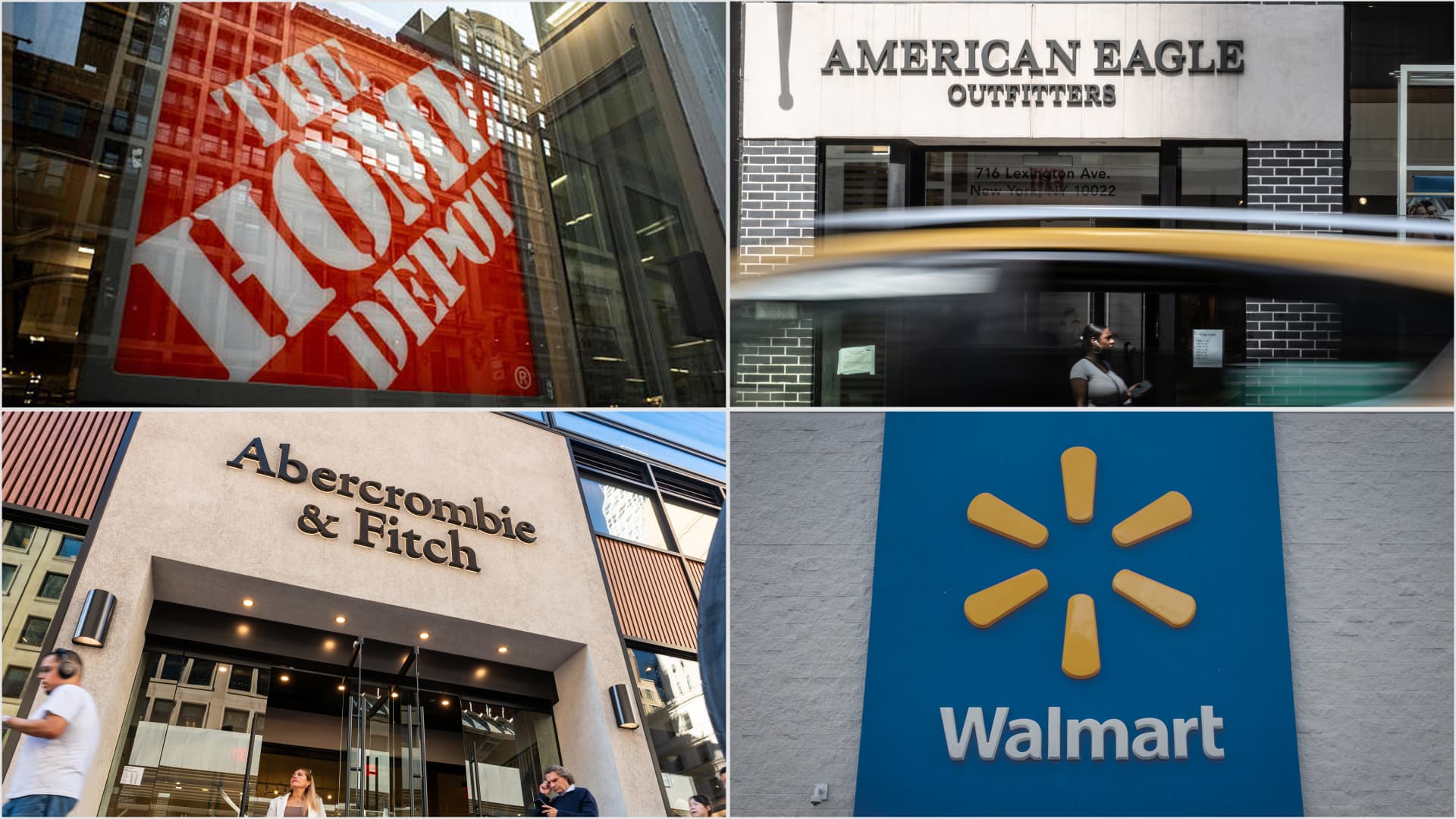
Eduardo Munoz Alvarez | Corbis News | Stephanie Keith | Bloomberg | Spencer Platt | Erik McGregor | Lightrocket | Getty Images
One year into Trump’s trade war, the retail industry has been disproportionately affected by tariffs. Mega-retailers such as Walmart, which have a range of different revenue streams and deep negotiating power, have emerged relatively unscathed, while smaller businesses have been crushed.
Several retailers said that although they initially estimated they would see significant hits to revenue and profitability after the new tariffs were imposed, they’ve since taken a new approach, aiming to not rely too heavily on any single country for imports or manufacturing. And, for the most part, they’ve managed to avoid the massive impact that many projected at the start of the trade war.
Home Depot‘s chief financial officer, CFO Richard McPhail, told CNBC in late February that the company is pressing ahead with its goal of limiting any one country outside the U.S. to 10% of the company’s purchases. More than half of what Home Depot sells is sourced in the U.S.
The retail supply chain has been forced to become more nimble in the past year, according to Max Kahn, the president of Coresight Research.
“One of the things that really started back with the pandemic is that retailers have become much better at building flexibility in their supply chains, and that got accelerated a lot last year with tariffs,” Kahn said. “Shocks to the system or unexpected events are a little bit more business as usual now.”
Tariffs have also meant higher costs for shoppers. Retailers such as Walmart, Best Buy and Macy’s have raised prices of some items, while also looking for ways to defray costs.
But as retailers reported quarterly earnings over the past few months, executives were hesitant to declare victory in the tariff back-and-forth.
While the Supreme Court’s decision earlier this year was largely a boon, especially for apparel companies that rely primarily on supply chains throughout East Asia, there’s still a lot of uncertainty, and companies were mixed on whether, and how, to size up the potential tariff impact.
Abercrombie & Fitch in March decided to explicitly incorporate the latest 15% tariff assumption into its outlook, becoming one of the first retailers to provide clarity on the new guidelines. However, the company did not predict or quantify any potential tariff refunds that it may receive after the IEEPA tariffs were struck down.
On the other hand, American Eagle Outfitters said in March that its guidance for the first quarter and full year was based on tariffs imposed under the IEEPA guidelines and did not take into account the recent Supreme Court ruling.
Gap also didn’t factor recent changes to tariffs into its 2026 outlook, but it could issue stronger guidance in the upcoming quarter because the newly enacted tariff rate is slightly below the previous rates for many countries.
Dollar Tree, too, isn’t betting on significant savings. CFO Stewart Glendinning said last month that the company already paid tariffs on its current inventory before the Supreme Court ruling.
“While there may be some upside, we remain cautious because of the potential for further near-term changes and because of the potential for negative freight and other costs related to the conflict in the Middle East,” Glendinning said.
His comment underscores a new reality for retailers: The Trump administration’s aggressive tariff policies are now a constant on the long list of factors that make the year ahead hard to predict.
Autos
The automotive industry has been, and continues to be, one of those most affected by Trump’s trade and tariff policies.
Both foreign and domestic automakers have faced billions of dollars in additional costs due to the levies. Toyota, for example, forecast a 1.4 trillion yen ($9.5 billion) impact from U.S. tariffs during its fiscal year. And the changes cost Detroit automakers General Motors, Ford Motor and Chrysler parent Stellantis a combined total of $6 billion last year, according to the companies.
Autos have been most affected by Section 232 tariffs, but the impact hasn’t been as bad as initially expected. The Trump administration last year decided to give some reprieve by “de-stacking” tariffs that were piling up on the automotive industry, so companies wouldn’t be paying overlapping duties for parts and vehicles.
“We should end up at a position where our net tariffs are actually lower in 2026 than they were in 2025,” GM CFO Paul Jacobson said Jan. 27, during the company’s most recent quarterly earnings call.
U.S. tariffs cost GM $3.1 billion in 2025, below the company’s previous expectations of between $3.5 billion and $4.5 billion, Jacobson said.
Companies including GM have said they have taken varying actions to offset the additional expenses, including redirecting and resourcing supply chains to better meet U.S. standards.
GM’s chief rival, Ford, told CNBC in February that it is continuing to work with the Trump administration on policies that “promote a strong and globally competitive U.S. auto sector.”
International companies such as Toyota — the world’s largest automaker — and its Japanese peers Nissan Motor and Honda Motor have announced plans to increase domestic manufacturing and export vehicles from the U.S. to Japan to appease the Trump administration.
Consumer packaged goods
President Donald Trump speaks about his new tariff plan at the White House, in Washington, D.C., on April 2, 2025.
Brendan Smialowski | Afp | Getty Images
Most consumer packaged goods companies manufacture their products in the U.S. but import key commodities, such as the pulp found in diapers and toilet paper and the aluminum used for soda and beer cans. Supply chain diversions aren’t an option for those resources, like they are for the retail or auto industries.
While the tariffs broadly resulted in higher costs for these manufacturers, some companies found themselves under unique pressure.
For example, spice maker McCormick initially warned investors that tariffs could cost $70 million in fiscal 2025 as prices for black pepper, cinnamon and vanilla were projected to rise. However, it managed to mitigate the impact of the import duties to just $20 million by cutting expenses, raising prices and sourcing alternatives from lower-tariffed countries when possible.
Consumer packaged goods company Procter & Gamble said in July that it had to raise prices on 25% of its products due in part to a $1 billion total annual tariff impact. Beer maker Constellation Brands said in July that it estimated a $20 million hit to its fiscal 2026 earnings due to tariffs on aluminum, a crucial material for its cans.
“At these rates, tariffs alone are a 5-point headwind to core EPS growth in fiscal 2026,” Procter & Gamble CFO Andre Schulten said on a July earnings call, referring to earnings per share. “We will look for every opportunity to mitigate these impacts, including sourcing flexibility, productivity improvements, and pricing with innovation in affected categories and markets.”
But not all consumer companies chose to pass on higher costs to consumers.
J.M. Smucker, which owns Folgers and Cafe Bustelo, originally planned to hike prices on its packaged coffee in response to the tariffs — the third increase for that fiscal year after a tough harvest. But the company reversed those plans and instead absorbed the $75 million hit to its margins.
Smucker executives cited an executive order that excluded green coffee and other agricultural products as one reason for the decision.
Pharmaceuticals
The pharmaceutical industry has fared better than some industries, thanks to recent drug pricing agreements with Trump.
Since November, more than a dozen major drugmakers have signed landmark deals with Trump to lower the prices of new and existing medicines. The drugmakers include several U.S.-based companies such as Pfizer, Eli Lilly, Merck, Gilead and Bristol Myers Squibb, as well as companies based abroad, including Novo Nordisk, GSK and Novartis.
On Thursday, the Trump administration said 13 companies have already signed those deals, and negotiations are progressing with four others.
Those agreements are part of the president’s so-called “most favored nation” policy, which ties U.S. drug prices to cheaper ones abroad. In exchange for the price cuts, Trump awarded the companies a three-year exemption from pharmaceutical tariffs, as long as they invest further in U.S. manufacturing.
The president on Thursday imposed new tariffs on branded drugs from drugmakers that did not strike deals with the administration, but that long-awaited move will likely affect only a small number of companies.
Patented medications and their active ingredients would be hit with a 100% tariff, but there are pathways for exemptions. The administration will impose a 20% tariff on companies that plan to onshore production, increasing to 100% four years from now, it said this week.
Months before the deals with Trump, tariff threats — and efforts to get into the president’s good graces — fueled a new wave of U.S. manufacturing investments from the pharmaceutical industry after years of domestic drug manufacturing shrinking.
AbbVie, for example, said last April that it will put more than $10 billion into U.S. manufacturing and other capabilities over the next decade, including building four new plants. Johnson & Johnson in March 2025 said it will spend more than $55 billion to build four plants in the U.S.
— CNBC’s Gabrielle Fonrouge, Melissa Repko, Michael Wayland, Amelia Lucas and Annika Kim Constantino contributed to this report.

Business
Trump Adviser Paula White Urges Christians to Tithe 10% of Gross Income to Support Israel Projects

Paula White Cain, President Donald Trump’s longtime spiritual adviser and head of the White House Faith Office, has called on Christians to honor God by tithing the first 10% of their gross income to her ministry, which directs part of the funds toward humanitarian and reconstruction projects in Israel.

In a YouTube video released Sunday during Holy Week, White Cain framed the appeal as a biblical obligation rather than a voluntary offering. “I believe that it’s so important to honor God with his tithe. An offering, that’s free will,” she said, according to footage reviewed by multiple news outlets.
White Cain, also known as Paula White, highlighted her ministry’s work rebuilding a moshav — a small farming community — near the Gaza border devastated by Hamas’ Oct. 7, 2023, attacks. She has long positioned support for Israel as a scriptural imperative, citing the Jewish people as “God’s chosen people” and urging believers to “stand with Israel” in what she described as a pivotal moment in history.
“This isn’t about politics; this is about living in harmony with the WORD of God!” she has said in past messages tied to the Israel-Hamas war.
The video has sparked widespread debate and criticism online and among faith leaders, with some accusing White Cain of blending religious teaching with fundraising that benefits her organization while leveraging geopolitical tensions. Others defend it as consistent with evangelical support for Israel and traditional tithing principles.
White Cain’s ministry, Paula White Ministries, promotes the tithe as the “first tenth of your gross income” given to God through the organization. Funds support various causes, including aid for single mothers, victims of human trafficking, prisoners and the hungry — as well as Israeli relief efforts, according to her statements.
Critics, including Baptist News Global, noted that most Christian churches teach tithing as support for a local congregation, not a televangelist’s international ministry. Some social media users and commentators labeled the appeal a “grift,” pointing to White Cain’s history of high-profile fundraising, such as a previous offer of “seven Easter blessings” for a $1,000 gift.
The ministry’s most recent IRS filings reported relatively modest income of about $166,810 for 2024, with a significant portion going toward White Cain’s compensation, according to reports. White Cain has not publicly responded to the latest wave of criticism as of Thursday.
Supporters view the message as an extension of Christian Zionism, a belief held by many evangelicals that backing Israel fulfills biblical prophecy. White Cain has served as a key faith figure for Trump since his first presidential campaign, praying at his inaugurations and events. She played a role in the administration’s faith initiatives and recently was involved in decisions on Trump’s Religious Liberty Commission, including the removal of a member who reportedly called Israel’s actions in Gaza “genocide.”
The timing of the video — amid ongoing regional conflicts, including tensions with Iran, rising U.S. gas prices above $4 a gallon in some areas and shifting American public opinion on Israel — has amplified the backlash. Polls cited in recent coverage show unfavorable views of Israel among Americans rising to 53% from 42% in 2022.
White Cain’s appeal distinguishes between the mandatory tithe and free-will offerings. She has tied donor contributions directly to tangible aid, such as rebuilding efforts in communities hit on Oct. 7, when militants killed about 1,200 people in Israel and took more than 250 hostages. The ensuing war in Gaza has resulted in tens of thousands of Palestinian deaths, according to health authorities there, and drawn international scrutiny.
Evangelical leaders have long advocated for strong U.S.-Israel ties, with figures like the Rev. John Hagee and organizations such as Christians United for Israel emphasizing Genesis 12:3: “I will bless those who bless you.” White Cain echoes this theology but directs giving specifically through her nonprofit rather than Israeli government channels or established charities.
Theology professors and ethicists have weighed in on the broader debate over tithing in modern Christianity. While the Old Testament prescribes a 10% tithe, New Testament teachings often emphasize cheerful, generous giving without a strict percentage mandate. Critics argue that prosperity gospel influences — with which White Cain has been associated — can pressure followers, especially lower-income believers, by linking financial obedience to divine favor or protection from “disobeying God.”
One X user summarized the viral sentiment: “Imagine your spiritual adviser telling you to Venmo another country 10% of your paycheck or you’re disobeying God.” Others clarified that donations go to the ministry, not directly to Israel, but acknowledged the framing links the two closely.
White Cain rose to prominence as a televangelist with a megachurch background in Florida before moving to national influence. She has authored books on faith and prosperity and maintains a large online following. Her close association with Trump includes leading prayers at the Jan. 6, 2021, rally and serving in advisory roles during his presidency and campaign.
The White House did not immediately respond to requests for comment on White Cain’s video or her dual role as presidential adviser and ministry leader. Trump has consistently voiced strong support for Israel, moving the U.S. Embassy to Jerusalem during his first term and brokering the Abraham Accords normalizing relations between Israel and several Arab nations.
As the video circulates, reactions split along familiar lines. Conservative Christian voices praised the call to biblical fidelity and solidarity with Israel amid threats from groups like Hamas and Hezbollah. Progressive Christians and secular commentators questioned the ethics of a White House faith official soliciting significant personal donations framed around foreign policy and divine mandate.
Country singer Stella Parton previously called out a similar fundraising effort by White Cain as a “grifter scam.” Online forums like Reddit’s r/Christianity hosted threads debating whether the statement accurately represents Christian doctrine or exploits followers.
Financial experts advise potential donors to review nonprofit filings, evaluate transparency and consider tax implications before committing to large recurring gifts. Tithing 10% of gross income can represent thousands of dollars annually for middle-class households, particularly in an economy facing inflation pressures.
White Cain’s message concludes with thanks to “generous and liberal givers” and a blessing for continued divine favor. Her ministry accepts donations via multiple platforms, including online giving portals.
The controversy arrives as Trump navigates his second term, with faith outreach remaining a cornerstone of his political base. White Cain’s influence underscores the intersection of religion, politics and philanthropy in American public life.
Whether the appeal boosts her ministry’s coffers or further polarizes public discourse remains to be seen. For now, it has reignited debates over the proper role of spiritual advisers in government, the boundaries of religious fundraising and Christian responsibilities toward Israel in a complex global landscape.

US Interior Department to reduce staff through deferred resignation, early retirement

Form DEF 14A CAMDEN NATIONAL CORP For: 3 April

Birgit Seeger
CEO & Chairman of Management Board
Very warm welcome to all of you. Good afternoon, good morning to this year’s earnings call 2025 for NORMA Group. With me today, I have Okan Celiker, our acting Group CFO. Very warm welcome to you, Okan. It’s Okan’s second day. So I’m convinced Okan will present the financials in a very good manner and will ask your — and answer your questions. Please be patient with Okan. So today, we will include basically 3 points. We will review our results 2025. We will provide the outlook for 2026. And we will, number three, give a sneak preview for our strategy for the new NORMA Group. So on the next page, you see our usual disclaimer. One important thing to note is that we have continuing and discontinued operations due to our divestment of the Water business, and we have marked this clearly as former NORMA or new NORMA in the presentation going ahead. So we will see here a summary of our achievements in 2025.
So basically, we see the closing of the water management, the divestment on the top right corner, which really marks a milestone for us at NORMA Group, where we achieved EUR 650 million of net proceeds, and this is a great enabler to build new NORMA. We will propose a dividend of EUR 0.14 per share at the next AGM this year. Also, we delivered on our guidance. However, it was a very tough and challenging year for new Norma, what we will review shortly. We have conducted this public share buyback. You are aware, and

Seeking Alpha’s transcripts team is responsible for the development of all of our transcript-related projects. We currently publish thousands of quarterly earnings calls per quarter on our site and are continuing to grow and expand our coverage. The purpose of this profile is to allow us to share with our readers new transcript-related developments. Thanks, SA Transcripts Team

No shortage but Aurigny is spending 120% more on fuel than it was prior to the war, its boss says.
Business
Sydney’s 10 Largest Shopping Malls in 2026 Offer Massive Retail Space Amid Strong Sales Growth
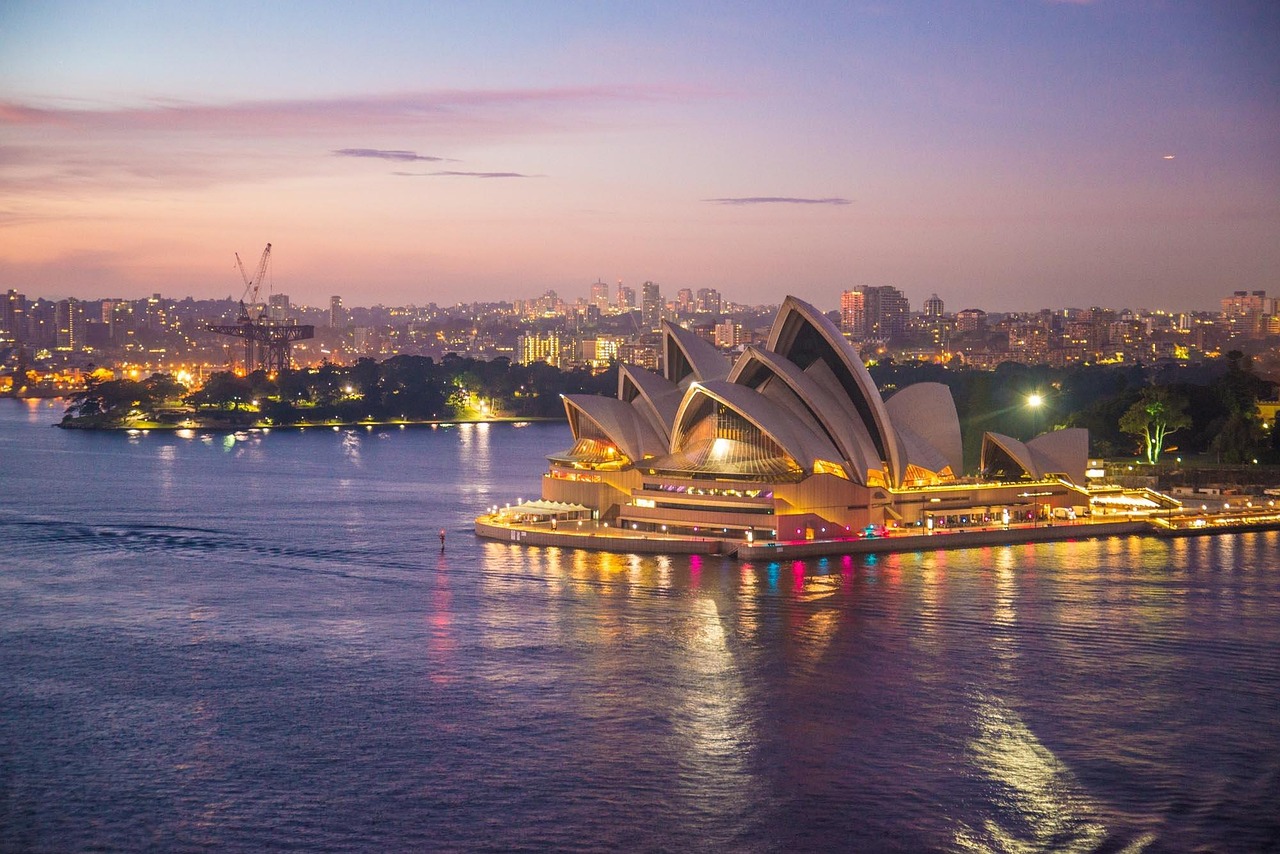
SYDNEY — Australia’s retail heart continues beating strongly in Sydney, where the 10 biggest shopping malls by gross leasable area (GLA) are delivering robust sales performance and attracting millions of visitors annually as of early 2026, even as industry-wide productivity gains and targeted redevelopments reshape the sector.

Westfield Parramatta leads the pack in New South Wales as the state’s largest shopping centre, with approximately 140,070 square meters of GLA, according to updated industry compilations. The western Sydney destination houses around 500 stores, including major anchors like David Jones, Myer, Kmart, Target, Coles, Woolworths and Event Cinemas, serving a broad suburban catchment.
Macquarie Centre in Macquarie Park follows closely with about 138,500 square meters of GLA, making it one of the largest enclosed malls in the greater Sydney region. Owned through a partnership involving superannuation funds after a 2025 transaction, the centre features Myer, Big W, Kmart, Coles, Woolworths and Event Cinemas. Its convenient Metro access from Chatswood and Epping has helped sustain high foot traffic.
Westfield Warringah Mall in Brookvale ranks third among Sydney centres with roughly 132,102 square meters. The northern beaches landmark maintains an open-air feel while offering David Jones, Myer, Big W, Target and a strong mix of specialty retailers. Scentre Group has explored rezoning options that could integrate residential towers in future stages, reflecting broader trends of mixed-use development around major malls.
Westfield Bondi Junction, a premium eastern suburbs destination, comes in with approximately 126,895 square meters of GLA. Known for its luxury and fashion focus, it recorded strong sales in 2025 and ranked as the highest-performing NSW centre in national turnover lists. Recent redevelopment stages have enhanced its offering, including refreshed department store spaces.
Westfield Miranda in the south, often called Westfield Miranda, spans around 124,000 square meters. Anchored by Myer, David Jones, Big W, Kmart and Target, it serves southern Sydney residents and continues to perform solidly within Scentre Group’s portfolio.
Other notable large centres include Westfield Burwood and Stockland Green Hills, both of which posted some of the highest year-on-year productivity growth (MAT per square meter) in the 2026 Big Guns report by Shopping Centre News, with increases of 13.2% and 13.5% respectively for the 2025 reporting period.
Westfield Sydney in the central business district, while smaller in pure GLA at around 91,765 to 97,453 square meters depending on measurement, punches above its weight in sales productivity. It achieved specialty MAT per square meter of $26,949 in 2025 data — second only to Chadstone nationally — and welcomed an additional 6,000 square meters of luxury retail in 2025, including new boutiques for Chanel, Moncler and Omega. The centre recorded about $1.157 billion in total annual retail sales and 34.9 million customer visits.
In January 2026, Australian Retirement Trust acquired a 19.9% stake in Westfield Sydney for A$864 million, underscoring institutional confidence in prime CBD retail assets.
Rounding out a typical top 10 list of Sydney-area malls by size are centres such as Westfield Penrith (around 92,000 square meters) in the west and others like Top Ryde City or Broadway Sydney, which excel in productivity or niche offerings despite varying GLA figures.
The 2026 Big Guns report highlighted continued strength in Australia’s major shopping centres, with record numbers achieving billion-dollar moving annual turnover (MAT) figures for 2025. While national leaders like Chadstone ($2.7 billion MAT) dominate overall rankings, Sydney centres such as Westfield Bondi Junction, Westfield Sydney, Westfield Miranda and Westfield Parramatta consistently featured in the national top 10 for sales performance.
Industry analysts attribute the resilience to a combination of experiential retail, luxury and fashion offerings, and convenient locations. Physical retail has rebounded strongly post-pandemic, with big malls benefiting from omnichannel strategies where online research leads to in-store purchases.
Data centre and infrastructure demands linked to broader economic trends, including AI adoption, have indirectly supported retail through increased employment in surrounding areas, though malls themselves focus on consumer spending.
Challenges persist. Rising construction costs and planning hurdles have slowed some expansions, while online competition and cost-of-living pressures affect discretionary spending. However, centres with strong anchors and entertainment options — cinemas, dining precincts and events — have weathered these conditions better.
Scentre Group, owner-operator of most Westfield malls in Sydney, continues investing in reconfigurations. At Westfield Bondi Junction and others, department store spaces are being repurposed for more productive uses, including additional specialty retail and experiential zones.
Smaller but iconic destinations like the Queen Victoria Building (QVB), The Galeries, World Square and Pitt Street Mall complement the big-box malls. These CBD and heritage sites draw tourists and locals for high-end and specialty shopping, with Pitt Street Mall remaining one of Australia’s most expensive retail strips.
The Sydney Outlet Village in Liverpool represents a newer addition to the retail landscape, focusing on outlet-style bargains rather than traditional enclosed mall formats.
Looking ahead in 2026, analysts expect modest GLA growth through infill developments and reconfigurations rather than entirely new mega-malls. Mixed-use projects incorporating residential towers above or beside retail — as proposed at Warringah Mall — could become more common as governments push housing supply near transport hubs.
Sustainability features, such as improved energy efficiency and EV charging, are increasingly standard in mall upgrades to appeal to environmentally conscious shoppers.
Visitor numbers remain high. Westfield Sydney alone sees tens of millions of annual visits, while suburban centres benefit from being community hubs with medical, banking and government services co-located.
Retail employment in these large centres supports thousands of jobs directly and indirectly, contributing to Sydney’s economy amid broader productivity discussions around technology adoption.
For shoppers, the variety is vast: luxury fashion in Westfield Sydney and Bondi Junction, everyday essentials and family entertainment in Parramatta or Macquarie Centre, and beach lifestyle vibes at Warringah Mall.
Tourists often combine mall visits with nearby attractions — Sydney Tower at Westfield Sydney, beaches near Bondi Junction, or parklands around northern and western centres.
Parking remains a key consideration, with most large malls offering thousands of spaces, though public transport access via train, bus and Metro is promoted to reduce congestion.
As Sydney’s population grows, particularly in western and southwestern corridors, demand for quality retail space is expected to rise, potentially supporting further investment in existing assets.
The strong 2025 sales figures released in the 2026 Big Guns analysis suggest confidence is returning, with big malls proving their enduring appeal in an era of digital disruption.
Whether seeking high fashion, household goods or a family day out, Sydney’s top 10 shopping malls by size continue to anchor the city’s retail scene, blending scale with evolving consumer experiences.
- Westfield Parramatta (Parramatta) — Approximately 140,070 m² GLA. Features around 425–500 retailers including David Jones, Myer, Kmart, Target, Coles, Woolworths, and Event Cinemas. It ranks as NSW’s largest shopping centre and recorded strong annual sales exceeding A$1 billion.
- Macquarie Centre (Macquarie Park) — Approximately 138,500 m² GLA. Anchored by Myer, Big W, Kmart, Coles, Woolworths, and Event Cinemas. Well-served by Metro and popular with northern suburbs shoppers.
- Westfield Warringah Mall (Brookvale) — Approximately 132,102 m² GLA. Offers David Jones, Myer, Big W, Target, and a mix of specialty stores with an open-air vibe on the northern beaches.
- Westfield Bondi Junction (Bondi Junction) — Approximately 126,895–131,510 m² GLA. A premium eastern suburbs destination known for luxury and fashion, with strong sales performance and recent redevelopments.
- Westfield Miranda (Miranda) — Approximately 124,000 m² GLA. Serves southern Sydney with anchors including Myer, David Jones, Big W, Kmart, and Target.
- Westfield Burwood (Burwood) — One of the high-productivity centres in Sydney’s inner west, noted for strong year-on-year sales growth in 2025 data.
- Westfield Sydney (Sydney CBD) — Approximately 91,765–97,453 m² GLA (smaller in size but exceptionally high productivity). Recorded specialty MAT per square metre of around $26,949 in 2025, with luxury additions and over 34 million annual visits.
- Westfield Penrith (Penrith) — Approximately 92,000 m² GLA. Major western Sydney hub with Myer, Big W, Target, and broad retail offering.
- Top Ryde City (Ryde) — A growing centre in the northern suburbs with solid GLA and convenient location.
- Broadway Sydney (Ultimo/Glebe) — High productivity performer despite more compact size, popular for its urban mix of retail, dining, and entertainment near the University of Technology Sydney.
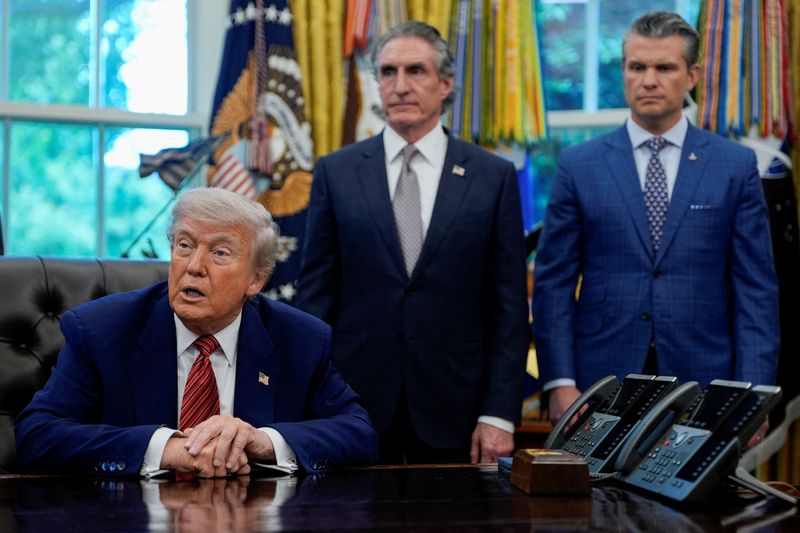

Trump’s budget proposes massive defense spending with 10% cut to other federal programs


Company adds SweetRight Stevia Echo line to SweetRight range.
Business
OSL Group Limited 2025 Q4 – Results – Earnings Call Presentation (OTCMKTS:BCTCF) 2026-04-03
Seeking Alpha’s transcripts team is responsible for the development of all of our transcript-related projects. We currently publish thousands of quarterly earnings calls per quarter on our site and are continuing to grow and expand our coverage. The purpose of this profile is to allow us to share with our readers new transcript-related developments. Thanks, SA Transcripts Team

Trump Adviser Paula White Urges Christians to Tithe 10% of Gross Income to Support Israel Projects

Jen Shah Breaks Silence On Death Of Mary Cosby’s Son
Why the RWA Market Is Slowing Down: Is the Boom Over?


-

 NewsBeat7 days ago
The Story hosts event on Durham’s historic registers
-

 NewsBeat21 hours ago
Steven Gerrard disagrees with Gary Neville over ‘shock’ Chelsea and Arsenal claim | Football
-

 Sports7 days ago
Sweet Sixteen Game Thread: Tide vs Michigan
-
Entertainment4 days ago
Fans slam 'heartbreaking' Barbie Dream Fest convention debacle with 'cardboard cutout' experience
-

 Business16 hours ago
No Jackpot Winner and $194 Million Prize Rolls Over
-

 Crypto World2 days ago
Gold Price Prediction: Worst Month in 17 Years fo Save Haven Rock
-
 Entertainment6 days ago
Lana Del Rey Celebrates Her Husband’s 51st Birthday In New Post
-

 Tech5 days ago
The Pixel 10a doesn’t have a camera bump, and it’s great
-
Crypto World3 days ago
Dems press CFTC, ethics board on prediction-market insider trades
-

 Sports3 days ago
Tallest college basketball player ever, standing at 7-foot-9, entering transfer portal
-

 Tech5 days ago
Avatar Legends: The Fighting Game comes out in July and it looks pretty slick
-

 Tech3 days ago
EE TV is using AI to help you find something to watch
-

 Fashion6 days ago
Amazon Sundays: Soft Spring Layers
-

 Business2 days ago
Login and Checkout Issues Spark Merchant Frustration
-

 Fashion7 days ago
When Evening Dressing Gets Colorful for Spring
-

 Tech5 days ago
Elon Musk’s last co-founder reportedly leaves xAI
-

 Tech3 days ago
How to back up your iPhone & iPad to your Mac before something goes wrong
-

 Tech4 days ago
Apple will hide your email address from apps and websites, but not cops
-

 Crypto World4 days ago
U.S. rule change may open trillions in 401(k) funds to crypto
-

 Politics4 days ago
Should Trump Be Scared Strait?
You must be logged in to post a comment Login