
Business
Turning Cancer Research Into Real Therapies


A Scientist Focused on What Helps Patients
Dr. Flavia Pichiorri has spent much of her career asking one core question: how can discoveries in the lab help patients faster?
Based in Los Angeles, she works at the intersection of translational science and clinical research, focusing on blood cancers such as multiple myeloma and acute leukemia. Her work explores therapeutic targets like CD38 and CD84, as well as radiation-based treatment strategies designed to improve patient outcomes.
But her path into cancer research did not start in a hospital or a lab. It began in the Roman countryside.
“I grew up riding horses every morning before school,” she recalls. “That environment taught me discipline and focus very early in life.”
Those lessons would later shape the way she approaches science.
Growing Up in Rome: Discipline and Curiosity
Pichiorri was born in Rome in 1974 and grew up in a family deeply connected to analytical fields. Her mother worked in statistics and organizational science. Her father was a mechanical engineer who worked on large industrial projects across Europe and the Middle East.
The home environment valued structure and problem solving. But her childhood also included long hours outdoors.
She spent years living near the historic Appia Antica, an ancient Roman road lined with archaeological ruins. Before school, she often rode horses through the surrounding countryside. She also competed in show jumping for nearly twenty years.
“That experience taught me resilience,” she says. “In science, just like in riding, you have to stay focused and keep moving forward even when things don’t go as planned.”
From Classical Studies to Molecular Biology
Pichiorri’s academic path began with classical literature. In high school she studied Latin and Greek, which sharpened her analytical thinking.
Later, she shifted toward science at the University of Rome Tor Vergata, where she studied molecular biology and biochemistry. She earned a master’s degree in Biochemistry and Enzymology in 1999, graduating with top honors.
Her early research focused on enzyme polymorphisms and protein interactions. She trained on advanced biochemical techniques such as circular dichroism spectroscopy, FPLC, and HPLC.
Soon after graduating, she joined the Italian National Research Council, where she began studying growth factors that influence the growth of multiple myeloma cells.
That work introduced her to the disease that would define much of her scientific career.
“At the time, patients with multiple myeloma often survived only a short period after diagnosis,” she explains. “There was a huge need to understand the biology of the disease.”
Moving to the United States for Cancer Research
In the early 2000s, Pichiorri joined research teams in the United States. She worked at Thomas Jefferson University in Philadelphia and later at The Ohio State University, where she completed doctoral research on tumor suppressor genes and cancer biology.
Her studies explored fragile site genes and the molecular mechanisms involved in tumor development.
During this period she helped develop a diagnostic assay based on Clusterin, a circulating biomarker for colon cancer detection.
The project led to a patented screening method and early clinical applications.
But the turning point in her career came during her postdoctoral research.
A Breakthrough in Multiple Myeloma Research
After finishing her PhD, Pichiorri focused on understanding how multiple myeloma cells evolve and survive.
Her research revealed that the disease is influenced not only by genetic mutations but also by epigenetic changes driven by oncogenic pathways such as c-Myc.
The findings were published in the journal Proceedings of the National Academy of Sciences. The paper quickly became one of the most cited publications in its field.
“It showed that plasma cell degeneration is not just about genetic mutations,” she says. “Epigenetic regulation also plays a major role.”
The discovery helped open new paths for therapeutic research.
Building Translational Research Programs
In 2011, Pichiorri launched her independent research career as an assistant professor in internal medicine. She received several major grants and began leading translational programs focused on new therapies for blood cancers.
Her work helped advance clinical development of AR-42 (REC-2282), an HDAC inhibitor studied for hematologic malignancies.
She also contributed to research on oncolytic viral therapy, including Pelareorep, designed to target cancer cells while sparing healthy tissue.
“In translational research, the goal is always the same,” she says. “You move ideas from the laboratory to the clinic, and then back again to refine them.”
Advancing CD38 and CD84 Targeted Therapies
In 2016, Pichiorri joined City of Hope, where she expanded her research programs and secured multiple federal grants.
Her team developed new antibody-based therapies targeting CD38, a protein widely expressed on myeloma cells. Some of these therapies combine antibodies with radioactive isotopes to deliver targeted treatment directly to cancer cells.
The work has already led to clinical trials in multiple myeloma and acute leukemia.
Her group also identified CD84 as a therapeutic target in acute myeloid leukemia, leading to the development of an antibody later licensed to a biotechnology company.
Another project involves a single-chain CD38-directed T-cell engager, a therapeutic approach designed to help immune cells recognize and destroy leukemia stem cells.
A Philosophy Centered on Scientific Rigor
Despite a long list of grants, publications, and clinical programs, Pichiorri measures success in a different way.
“I rarely dwell on success,” she says. “In science it can be fleeting.”
Instead, she focuses on the durability of scientific findings.
“True scientific value comes when results stand the test of time,” she explains. “It takes patience and careful validation.”
She believes meaningful progress often requires challenging established thinking.
“Scientific progress relies on questioning assumptions,” she says. “That is how new knowledge is created.”
Looking Ahead
Today, Pichiorri continues working on translational therapies targeting CD38, CD84, and radiation-based treatments for blood cancers.
Her research spans laboratory experiments, animal models, and early-phase clinical trials. The goal remains the same: bring new treatments to patients who need them.
Outside the lab, she finds balance in hiking, gardening, horseback riding, and writing about science.
During demanding periods, she keeps her priorities simple.
“During times of change, I focus on what I value most,” she says. “Writing science and being present with my family.”
For Pichiorri, curiosity remains the driving force.
“Each day brings new questions,” she says. “Staying engaged with those questions is what keeps science moving forward.”

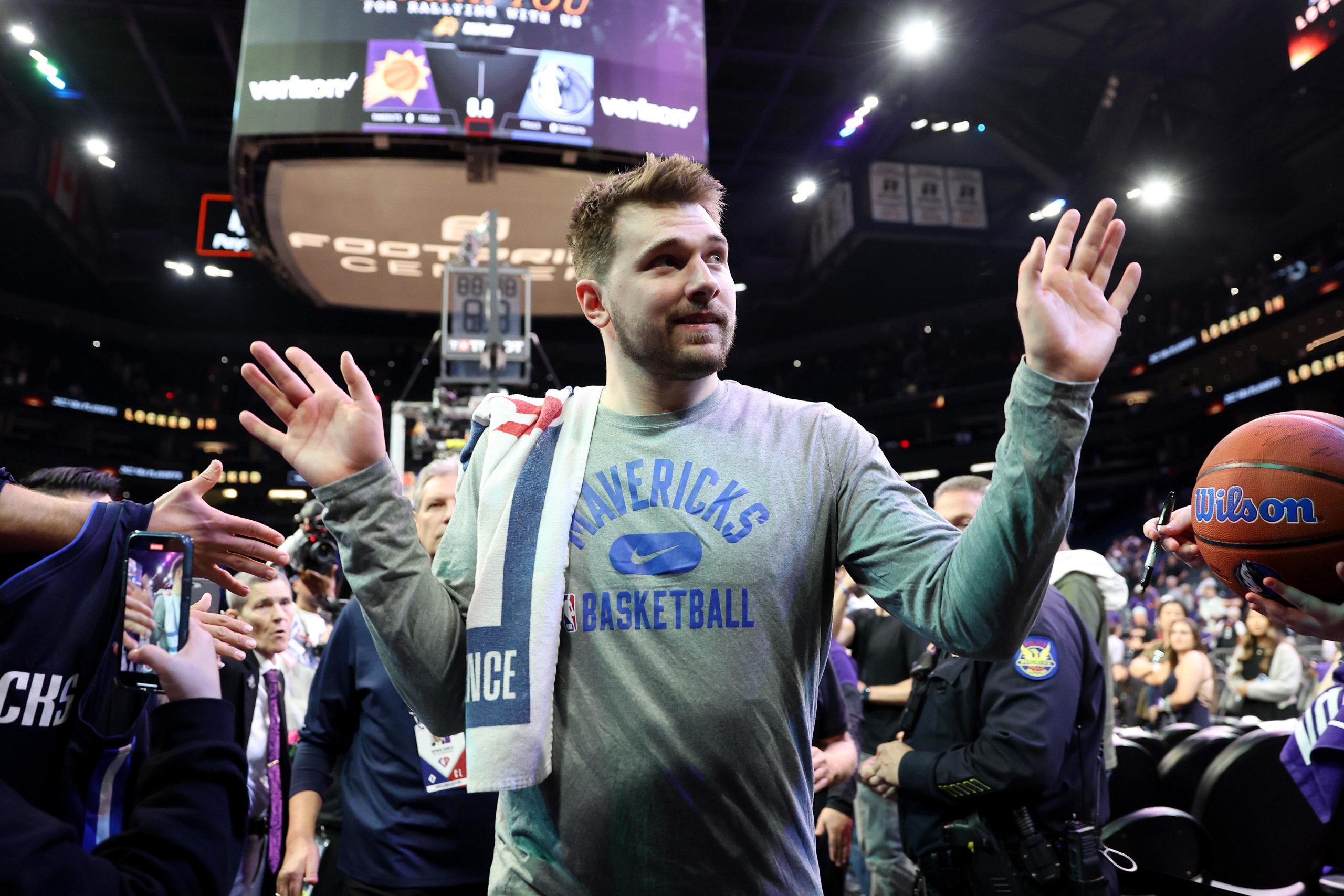
Los Angeles Lakers superstar Luka Doncic will miss the remainder of the 2025-26 NBA regular season after an MRI on Friday confirmed a Grade 2 strain in his left hamstring, the team announced.

The injury occurred Thursday night during the Lakers’ 139-96 blowout loss to the Oklahoma City Thunder in Oklahoma City. Doncic, the league’s leading scorer, grabbed his left hamstring while driving to the basket in the third quarter, limped off the court and did not return.
Following the game, Lakers coach JJ Redick confirmed the 27-year-old guard would undergo imaging the next day. The MRI results, disclosed Friday evening, diagnosed a moderate hamstring strain that sidelines Doncic for at least the final five games of the regular season. His status for the playoffs, which begin April 18, remains uncertain, with recovery timelines for Grade 2 strains typically ranging from three to six or even eight weeks.
Doncic had played 64 games entering the matchup against the Thunder, one short of the NBA’s 65-game threshold for awards eligibility including MVP, All-NBA and All-Star recognition. The timing raises questions about whether he can qualify or if the league might grant an exception, though no precedent guarantees relief for late-season injuries.
The Slovenian phenom has been the driving force behind the Lakers’ strong season, averaging a league-leading 33.8 points, 8.3 assists and 7.8 rebounds per game. His dominant March performance, which included historic scoring outbursts, had fueled MVP chatter alongside contenders like Shai Gilgeous-Alexander and Victor Wembanyama. The injury caps a frustrating night in which Doncic managed just 12 points on 3-of-10 shooting with six turnovers in 26 minutes.
This marks the second left hamstring issue for Doncic this season. He missed several games in February with a milder strain before the All-Star break, raising concerns about re-aggravation and long-term management of the injury-prone area for a player who relies heavily on explosive drives and changes of direction.
Lakers fans and analysts expressed immediate worry about the team’s playoff positioning. Los Angeles holds a slim lead for the No. 3 seed in the Western Conference but could slip without its centerpiece, potentially facing a tougher first-round path against the Thunder or others. The blowout loss already highlighted vulnerabilities, with Oklahoma City exploiting the absence after Doncic exited.
Redick and the organization emphasized caution. “We’ll know more after the imaging,” Redick said postgame Thursday, stressing long-term health over short-term availability. The team has not provided a firm return timetable beyond ruling out the regular season, leaving open the possibility of a playoff debut if recovery progresses well.
Medical experts note that Grade 2 strains involve partial tearing of muscle fibers, often accompanied by swelling and pain but without complete rupture. Rehabilitation typically includes rest, physical therapy, progressive strengthening and sport-specific drills. Rushing back risks chronic issues, especially for a high-usage star like Doncic who logs heavy minutes.
The injury adds another layer to the Lakers’ roller-coaster season. Acquired in a blockbuster trade that sent Anthony Davis and others to Dallas in prior years, Doncic has transformed the franchise alongside LeBron James. His absence forces increased roles for supporting players like Austin Reaves, Rui Hachimura and D’Angelo Russell, testing depth heading into the postseason.
League-wide reactions poured in quickly. ESPN’s Shams Charania first reported the indefinite absence, while Dave McMenamin confirmed the Grade 2 diagnosis. Social media erupted with concern from fans, with many urging patience to ensure Doncic is healthy for a potential deep playoff run.
This development also complicates the NBA awards race. With Doncic sidelined, debates intensified over MVP frontrunners. Some analysts suggested the injury could open the door wider for others, while others argued his body of work through 64 games should still weigh heavily.
Historically, hamstring strains have derailed contenders at critical junctures. The Lakers will lean on veteran leadership from James, who has navigated his own injury history, to keep the team competitive in the final stretch.
Doncic’s durability has been a talking point throughout his career. Despite his generational talent, the 6-foot-7, 230-pound guard battles lower-body issues that demand careful load management. Friday’s results underscore the physical toll of his style — relentless drives, step-back threes and playmaking under constant defensive pressure.
For the Thunder, the win solidified their status as a top Western threat. Shai Gilgeous-Alexander led with 28 points as Oklahoma City pulled away early, turning what was billed as a marquee matchup into a statement victory.
As the Lakers prepare for games against the Mavericks, Warriors, Suns and Jazz without their star, focus shifts to injury prevention and momentum preservation. Team officials declined further comment beyond the official diagnosis, but insiders indicate a conservative approach prioritizing Doncic’s availability for the playoffs over squeezing in regular-season contests.
Broader implications extend to playoff seeding and potential bracket paths. A lower seed could mean earlier rematches with strong teams like the Thunder, testing the Lakers’ resilience.
Doncic himself has not publicly commented on the injury as of Saturday morning, but his history shows strong work ethic in rehab. Fans hope for a swift recovery, with many drawing parallels to past stars who returned stronger after similar setbacks.
The NBA regular season winds down amid heightened drama. With Doncic out, spotlight intensifies on other stars and emerging narratives, from MVP debates to seeding battles.
Medical updates will continue to emerge in coming days as the Lakers chart a recovery plan. For now, the diagnosis delivers a significant blow to a team built around its Slovenian superstar’s brilliance.
Whether Doncic returns in time for the playoffs — or at full strength — could define the Lakers’ 2026 postseason hopes. In the meantime, the franchise and its fans await further clarity while navigating the final games without their leading scorer.
Business
Los Angeles International Airport (LAX) Wait Times Today April 4 2026 Remain Short with 2-6 Minute

LOS ANGELES — Security wait times at Los Angeles International Airport (LAX) stayed minimal Saturday, April 4, 2026, with most checkpoints reporting waits of just 2 to 6 minutes for general boarding and even shorter lines for TSA PreCheck passengers.

Official data from the airport’s website showed the Tom Bradley International Terminal (TBIT), LAX’s busiest hub for international flights, with general boarding wait times around 5 minutes and TSA PreCheck lanes moving passengers through in approximately 2 to 3 minutes as of late Friday evening updates that carried into Saturday morning. Other terminals reported similarly light conditions, continuing a trend of smooth operations observed throughout the week.
Travelers heading to LAX on this Easter weekend Saturday encountered far shorter lines than typical peak travel periods. Real-time trackers and airport reports indicated standard security screening averaging under 10 minutes across most checkpoints, a welcome relief after occasional longer waits earlier in the spring break season.
The Transportation Security Administration and LAX operations attributed the light lines to moderate passenger volumes on a non-peak Saturday combined with efficient staffing. While spring break travel has strained some airports nationwide, LAX appeared to benefit from staggered flight schedules and strong PreCheck enrollment, which diverts eligible passengers into faster lanes.
Delta Air Lines’ live wait time tracker corroborated the airport data, listing TBIT general boarding at around 5 minutes and PreCheck at 2 minutes in recent updates. Independent sites like Takeoff Timer and OnAirParking echoed these figures, with blended estimates showing standard security as low as 3 minutes during off-peak early morning hours.
For context, LAX typically sees average security waits of 15 to 30 minutes during busier periods, with peaks reaching 30 to 45 minutes or more in the early morning departure rush (7-9 a.m.) or late afternoon banks (3-6 p.m.). On April 4, however, conditions remained well below those thresholds, with some overnight and early slots dipping to near-zero waits in certain lanes.
Passengers are reminded that wait times can fluctuate rapidly based on flight banks, staffing levels and random secondary screening. International travelers departing from TBIT, which handles the bulk of overseas flights, should still plan accordingly, as customs and immigration processes add significant time beyond TSA screening.
TSA officials recommend arriving at the airport at least two hours before domestic flights and three hours before international departures to account for check-in, bag drop and potential variability. Those without TSA PreCheck or Clear membership may benefit most from building in extra buffer time, though current conditions suggest minimal delays.
The MyTSA app, while useful for crowd-sourced reports and historical patterns, has faced occasional limitations during periods of high demand or technical issues. Travelers are encouraged to cross-reference it with LAX’s official wait times page (flylax.com/wait-times), airline trackers and third-party monitors for the most current picture.
LAX, one of the world’s busiest airports, processed millions of passengers in early 2026 amid recovering travel demand. The airport has invested in technology upgrades, including more automated screening lanes and biometric options, which have helped streamline processing even during busier stretches.
Easter weekend travel added some families and leisure passengers to the mix, but no major backups were reported as of Saturday morning. Airlines like Delta, American, United and Southwest urged passengers to check flight status and arrive early only as needed, warning against excessive early arrivals that could overwhelm curb space and parking.
Tips for navigating LAX security efficiently on days like April 4 include:
- Enroll in TSA PreCheck or Clear if eligible to bypass standard lines.
- Pack liquids in a compliant 1-quart bag and remove laptops and large electronics in advance.
- Wear easily removable shoes and avoid bulky outer layers.
- Use mobile boarding passes to speed up the process.
- Monitor real-time updates via the LAX website, airline apps or flight tracking services.
For those driving to the airport, traffic on surrounding freeways like the 405 and 105 can add unpredictable time. LAX recommends using public transit options such as the LAX shuttle or Metro connections when possible to reduce stress.
The smooth security experience on April 4 aligns with broader trends at major U.S. hubs where wait times have stabilized after earlier spring disruptions. While some airports faced staffing challenges or technical issues in recent months, LAX operations appeared steady, with TSA officers maintaining throughput despite occasional surges.
Passengers with disabilities or those needing assistance should contact their airline or TSA Cares in advance for expedited support. Families traveling with young children or strollers may experience slightly longer processing but can use dedicated lanes where available.
As the day progresses, wait times could increase modestly during midday and afternoon flight banks. Travelers departing later Saturday are advised to check updates closer to their arrival at the airport.
LAX continues to emphasize safety and security as the top priority while striving for a smoother passenger experience. The airport’s multi-terminal layout means wait times can vary by checkpoint, so confirming the specific terminal for one’s flight remains essential.
In summary, April 4, 2026, offered favorable conditions for moving through LAX security with minimal delays. Short lines of 2-6 minutes allowed most travelers extra time to relax, shop or dine before boarding rather than rushing through checkpoints.
Whether flying domestically or internationally, the consensus from real-time data points to an efficient start to the Easter travel weekend at one of America’s gateway airports. Passengers should nevertheless remain vigilant, prepare their bags thoughtfully and consult live sources for any last-minute changes.
For the latest figures, visit flylax.com/wait-times or use trusted mobile applications. Safe travels to all heading out from Los Angeles International Airport today.

Canberra urges Easter travel as fuel shortages hit rural Australia

CEF Market Weekly Review: EM Debt Gives Back Some Outperformance

Nick Ackerman is a former financial advisor using his experience to provide coverage on closed-end funds and exchange-traded funds. Nick has previously held Series 7 and Series 66 licenses and has been investing personally for over 14 years.He contributes to the investing group CEF/ETF Income Laboratory along with leader Stanford Chemist, and Juan de la Hoz and Dividend Seeker. They help members benefit from income and arbitrage strategies in CEFs and ETFs by providing expert-level research. The service includes: managed portfolios targeting safe 8%+ yields, actionable income and arbitrage recommendations, in-depth analysis of CEFs and ETFs, and a friendly community of over a thousand members looking for the best income ideas. These are geared towards both active and passive investors. The vast majority of their holdings are also monthly-payers, which is great for faster compounding as well as smoothing income streams. Learn More.
Analyst’s Disclosure: I/we have a beneficial long position in the shares of BDJ either through stock ownership, options, or other derivatives. I wrote this article myself, and it expresses my own opinions. I am not receiving compensation for it (other than from Seeking Alpha). I have no business relationship with any company whose stock is mentioned in this article.
Seeking Alpha’s Disclosure: Past performance is no guarantee of future results. No recommendation or advice is being given as to whether any investment is suitable for a particular investor. Any views or opinions expressed above may not reflect those of Seeking Alpha as a whole. Seeking Alpha is not a licensed securities dealer, broker or US investment adviser or investment bank. Our analysts are third party authors that include both professional investors and individual investors who may not be licensed or certified by any institute or regulatory body.
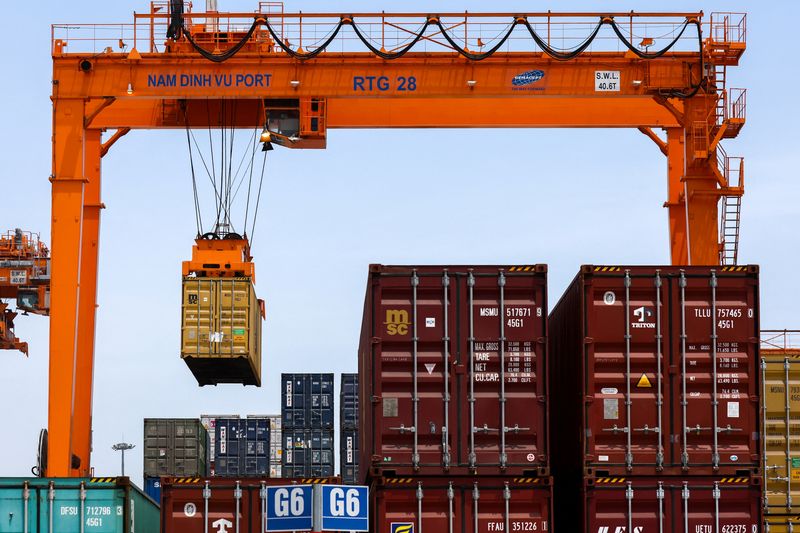

Vietnam Q1 GDP growth slows to 7.83% y/y from 8.46% y/y in Q4
Federal Reserve Bank of San Francisco president Mary Daly analyzes the March jobs report, the impact of the Iran conflict on inflation and more on ‘Maria Bartiromo’s Wall Street.’
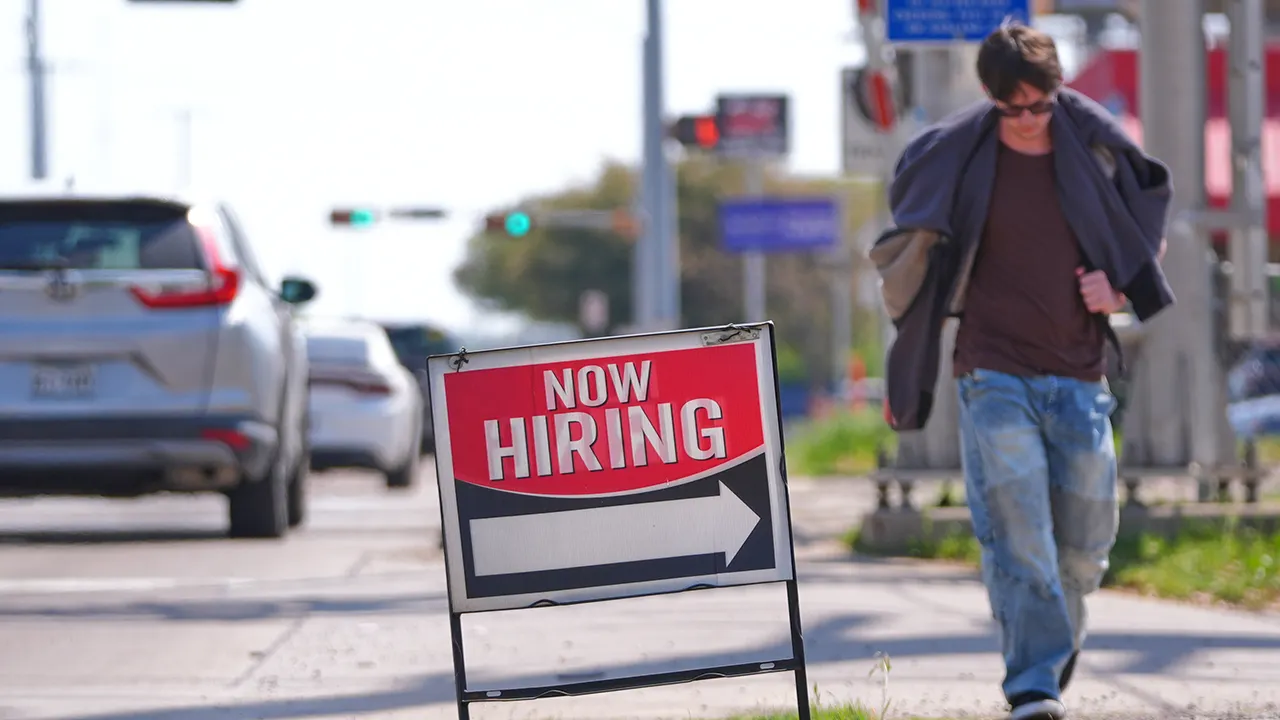
President Donald Trump on Friday touted the unexpectedly high March jobs report following job losses in February.
“A very happy and blessed Good Friday to all, especially to the 186,000 Americans who gained Private Sector jobs in the month of March alone!” the president wrote on Friday. “My Economic Policies have created an enormously powerful engine of Economic Growth, and nothing can slow it down.”
Trump added that “Factory Construction Jobs are soaring as a result of the rapid Onshoring and surging Investment that TARIFFS have generated, all while the Trade Deficit has shrunk by 52% in a year!”
The U.S. added 178,000 jobs in March, which includes 8,000 government job losses, according to the Bureau of Labor Statistics.
LIZ PEEK: TRUMP’S ECONOMIC WINS ARE REAL — NOW HE NEEDS TO CONVINCE THE COUNTRY
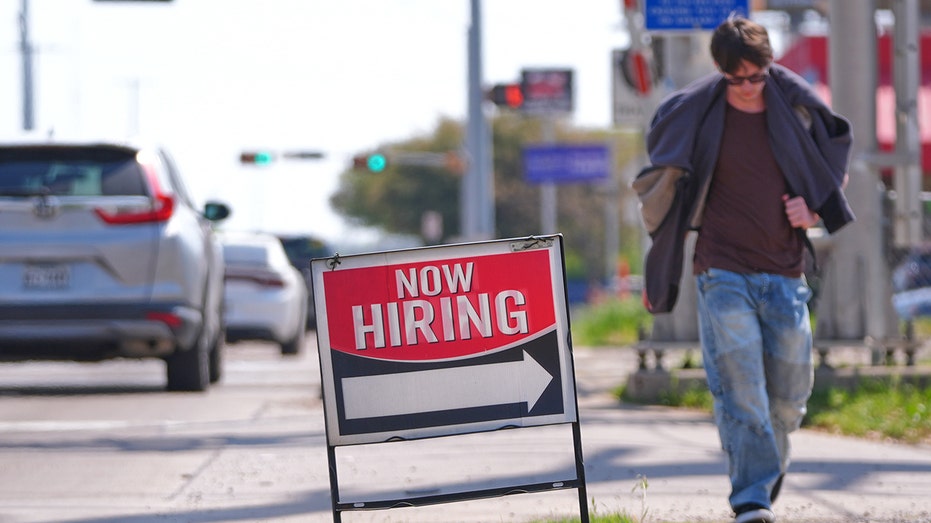
President Donald Trump on Friday touted the unexpectedly high March jobs report following job losses in February. (AP Photo/LM Otero / Associated Press)
The figure is about three times what most economists forecast.
The gains come after the country lost 133,000 jobs in February.
Unemployment also dipped from 4.4% in February to 4.3% in March while the percentage of adults in the labor force dipped to 61.9%, the lowest since November 2021.
TRUMP’S ECONOMIC WINS CANCEL OUT BIDEN’S LOSSES IN LATEST JOBS REPORT
Revisions were made to the payroll numbers for the prior two months, with January’s report revised up by 34,000 jobs from a gain of 126,000 to 160,000; while February’s report was revised down by 41,000 jobs from a loss of 92,000 to 133,000.
Taken together, employment in January and February was 7,000 jobs lower than previously reported.

President Donald Trump credited his economic policies for the positive March jobs report. (Chip Somodevilla/Getty Images / Getty Images)
It’s not clear how the war in Iran will affect job numbers going forward as some economists say the March numbers may not fully reflect the new conflict in the Middle East.
“The data is mostly backward-looking, and likely does not incorporate any impact from the recent rise in energy prices, or other risks related to the war in Iran,” Thomas Simons, chief U.S. economist with the investment firm Jefferies, wrote in a commentary.
The health care sector led the March job gains, with 76,400 new jobs following the end of a Kaiser Permanente strike in February, as employees returned to work.
“This year will most likely be a year of shifting labor dynamics as artificial intelligence upends the job market, especially for low-skilled roles. We continue to see healthy job opportunities for workers with experience,” said Jeffrey Roach, chief economist for LPL Financial.
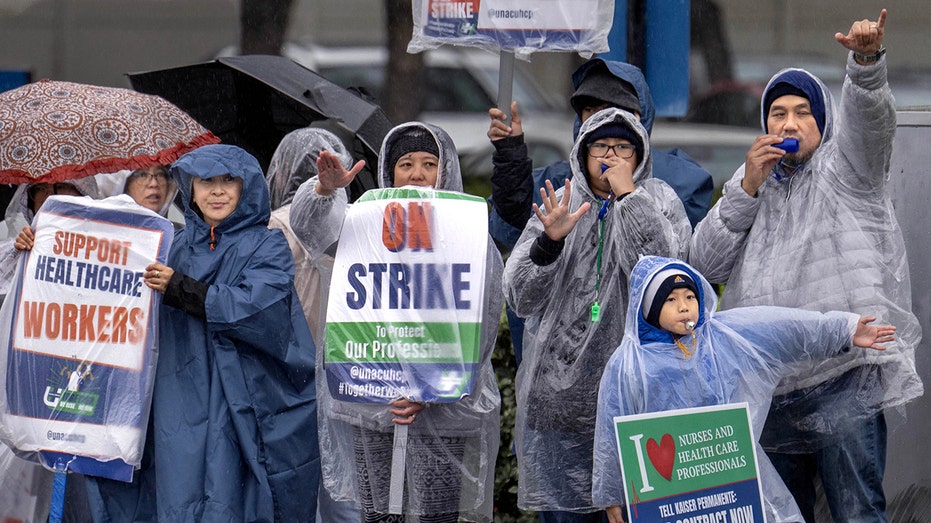
Kaiser Permanente workers on strike in February. (Mindy Schauer/MediaNewsGroup/Orange County Register via Getty Images / Getty Images)
CLICK HERE TO DOWNLOAD THE FOX NEWS APP
“Average hourly earnings rose 3.5% from a year ago, giving consumers enough buying power to overcome nagging inflation. This update on the job market gives the Federal Reserve more time to wait for inflation to decelerate before taking action,” Roach added.
The latest jobs data did little to shift the market’s expectation that the Federal Reserve is likely to leave interest rates unchanged for the foreseeable future.
Fox Business’ Eric Revell and The Associated Press contributed to this report.

Form 13D/A The New Germany Fund For: 3 April

Apple’s ultraportable iPad mini remains unchanged since its October 2024 refresh, but strong rumors point to a significant iPad mini 8 arriving in the second half of 2026, potentially featuring an OLED display, faster chip and other enhancements that could make the compact tablet even more appealing for on-the-go users.

The current seventh-generation iPad mini, powered by the A17 Pro chip and supporting Apple Intelligence, continues to sell well in 2026 as a versatile device for reading, note-taking, streaming and light productivity. Its 8.3-inch Liquid Retina display, compact design and Apple Pencil Pro compatibility keep it popular among students, travelers and professionals seeking a pocketable tablet.
However, industry analysts and leakers expect the next model — widely referred to as the iPad mini 8 — to introduce meaningful upgrades later this year. Multiple reports suggest a launch window in September or October 2026, aligning with Apple’s traditional fall release cadence for iPads alongside new iPhones.
The most anticipated change is the shift from LCD to OLED technology. OLED panels would deliver deeper blacks, higher contrast ratios, better color accuracy and improved energy efficiency compared with the current Liquid Retina screen. Some leaks indicate the display could also gain ProMotion technology for a 120Hz refresh rate, eliminating “jelly scrolling” issues reported on prior LCD models and providing smoother scrolling and animations.
A possible slight size increase to around 8.7 inches has surfaced in discussions, though many sources expect the overall form factor and bezel design to remain largely the same to preserve the beloved portability that defines the mini lineup.
On the performance front, the iPad mini 8 is rumored to feature an A18 Pro or even more advanced chip, paired with at least 8GB of RAM. This would enhance support for demanding Apple Intelligence features in iPadOS 26 or future versions, including improved on-device AI processing for writing tools, image generation and multitasking. Connectivity upgrades such as Wi-Fi 7 via a new N1 chip and a modern C1X modem for cellular models could also appear, offering faster wireless speeds and better efficiency.
Improved water resistance, similar to recent iPhones, has been mentioned in some reports, addressing a common complaint about the current model’s limited durability in wet conditions. The rear 12MP camera and front-facing camera setup are expected to carry over with minor software enhancements rather than major hardware changes.
Pricing is not yet detailed in leaks, but analysts anticipate the base model will hold steady near the current $499 starting point for 128GB storage, with higher configurations scaling up accordingly. Storage options could expand to include larger capacities to match growing demands for local AI models and media files.
The timing of the iPad mini 8 fits into Apple’s broader 2026 iPad strategy. The company refreshed the iPad Air with an M4 chip in March, while the entry-level iPad is expected to receive an A18 or A19 processor sometime in 2026 to bring full Apple Intelligence support to budget buyers. The iPad Pro received an M5 update in late 2025, leaving the mini as one of the lineup segments due for attention later in the year.
Reviewers and users who have tested the current iPad mini 7 throughout 2026 praise its all-day battery life, lightweight design and ability to handle everyday tasks with ease. Many say it pairs perfectly with the Apple Pencil Pro for digital note-taking or sketching during travel or meetings. However, some note that the 60Hz display feels dated compared with ProMotion-equipped devices, and the lack of OLED limits contrast in bright or dark environments.
For buyers deciding whether to purchase now or wait, experts offer mixed advice. Those needing a compact tablet immediately can confidently choose the current model, which remains highly capable and receives ongoing iPadOS updates. Patience may pay off for users prioritizing the latest display technology and AI performance, as the rumored 2026 upgrades could extend the device’s relevance for several more years.
Apple has not commented publicly on future iPad mini plans, consistent with its practice of avoiding pre-announcement speculation. The company typically unveils new hardware through press releases or dedicated events rather than traditional keynotes for tablet refreshes.
The iPad mini’s infrequent update cycle — the jump from the sixth to seventh generation spanned three years — reflects Apple’s focus on meaningful rather than annual changes. The 2024 model brought the A17 Pro chip and Apple Pencil Pro support, making it a substantial leap that continues to satisfy many owners well into 2026.
As Easter weekend approaches, families and students shopping for tablets may consider the current iPad mini for its portability during spring break travel or study sessions. Apple’s retail stores demonstrate the device’s strengths in note-taking, reading e-books and casual gaming.
Broader industry context shows growing competition in the compact tablet space, with Android manufacturers offering foldable or smaller-screen options at various price points. Apple’s ecosystem advantages — seamless integration with iPhone, Mac and accessories — help maintain the iPad mini’s strong position despite the wait for hardware refreshes.
Analysts from firms like Omdia and reports from Bloomberg, MacRumors and Korean outlets like ET News and ZDNET have shaped the current expectations. While some projections pushed OLED adoption to 2027, more recent leaks lean toward a 2026 debut, possibly with mass production of panels beginning in late 2025.
If the iPad mini 8 arrives with OLED and 120Hz, it could represent one of the most significant upgrades in the device’s history, addressing long-standing requests for better visuals in a pocket-sized form. Combined with stronger processing and connectivity, the model might attract new buyers who previously opted for larger iPads or competing devices.
In the meantime, owners of the current generation can take advantage of iPadOS 26 features rolling out, which enhance multitasking, Pencil interactions and AI tools across supported hardware. Software support is expected to continue for years, ensuring the 2024 model stays relevant.
Apple’s steady approach to the iPad lineup underscores confidence in the tablets’ role as versatile computing companions. For the mini specifically, the combination of power in a small package has carved out a loyal niche that the rumored 2026 refresh aims to strengthen.
Whether the next iPad mini launches in fall 2026 or slips into early 2027, anticipation is building among enthusiasts tracking every leak. For now, the existing model delivers excellent value for those seeking Apple’s smallest and most portable tablet experience.
As the year progresses, more concrete details may emerge through supply chain reports or code references in beta software. Until then, the current iPad mini remains a compelling choice for compact productivity and entertainment.

Spyre therapeutics CFO sells $370k in shares

Crypto Gold Live Trading 3 APRIL – stock_learners

Gogglebox’s Sophie lets slip details of Pete’s wedding four years after ceremony

Luka Doncic MRI Results Reveal Grade 2 Hamstring Strain, Out for Rest of Regular Season


-

 NewsBeat1 day ago
Steven Gerrard disagrees with Gary Neville over ‘shock’ Chelsea and Arsenal claim | Football
-

 Business1 day ago
No Jackpot Winner and $194 Million Prize Rolls Over
-
Entertainment4 days ago
Fans slam 'heartbreaking' Barbie Dream Fest convention debacle with 'cardboard cutout' experience
-

 Fashion8 hours ago
Weekend Open Thread: Spanx – Corporette.com
-

 Crypto World2 days ago
Gold Price Prediction: Worst Month in 17 Years fo Save Haven Rock
-

 Tech5 days ago
The Pixel 10a doesn’t have a camera bump, and it’s great
-
 Entertainment6 days ago
Lana Del Rey Celebrates Her Husband’s 51st Birthday In New Post
-
Crypto World4 days ago
Dems press CFTC, ethics board on prediction-market insider trades
-

 Tech5 days ago
Avatar Legends: The Fighting Game comes out in July and it looks pretty slick
-

 Sports3 days ago
Tallest college basketball player ever, standing at 7-foot-9, entering transfer portal
-

 Tech4 days ago
EE TV is using AI to help you find something to watch
-

 Fashion6 days ago
Amazon Sundays: Soft Spring Layers
-

 Business2 days ago
Login and Checkout Issues Spark Merchant Frustration
-

 Fashion7 days ago
When Evening Dressing Gets Colorful for Spring
-

 Tech6 days ago
Elon Musk’s last co-founder reportedly leaves xAI
-

 Tech4 days ago
How to back up your iPhone & iPad to your Mac before something goes wrong
-

 Tech4 days ago
Apple will hide your email address from apps and websites, but not cops
-

 Politics4 days ago
Should Trump Be Scared Strait?
-

 Crypto World4 days ago
U.S. rule change may open trillions in 401(k) funds to crypto
-

 Tech4 days ago
Flipsnack and the shift toward motion-first business content with living visuals
You must be logged in to post a comment Login