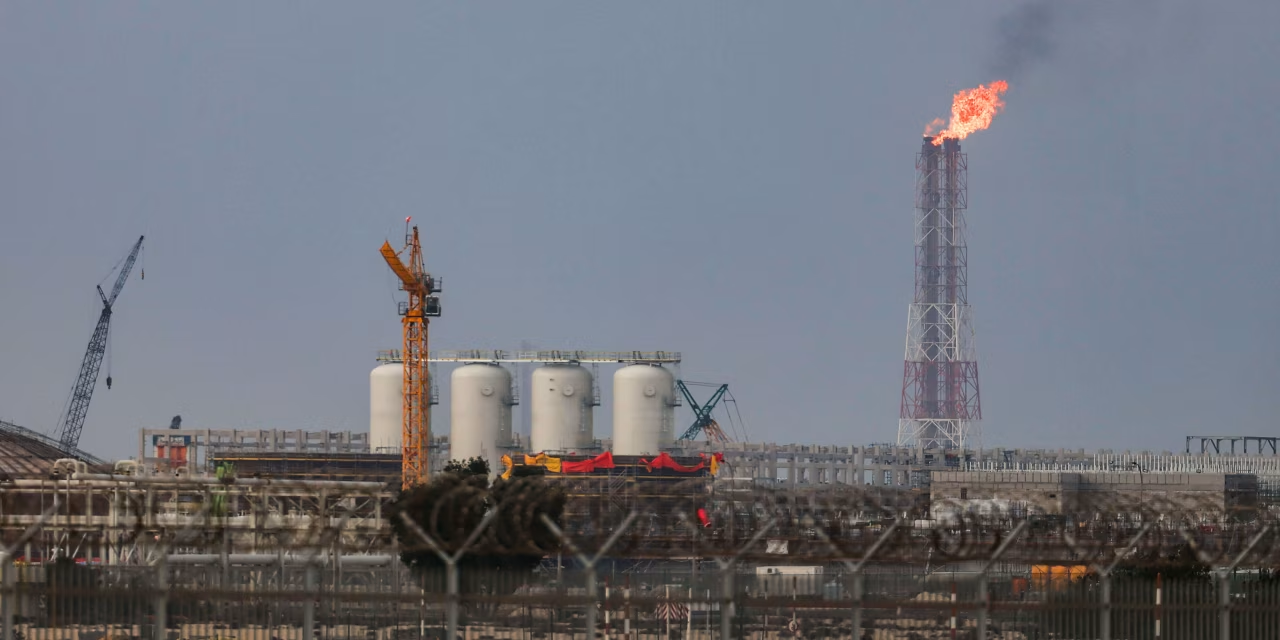
American energy companies are poised to play an even more pivotal role in global flows of liquefied natural gas—and rake in the profits—as Iran targets its neighbors’ exports.
LNG facilities in Qatar, the second-biggest supplier of LNG globally, are expected to be offline for months—and won’t resume production at prewar levels. National oil company QatarEnergy, which had already declared force majeure earlier this month, said strikes by Iran on Wednesday and Thursday caused extensive damage to its Ras Laffan hub.
The Bristol-headquartered maker of Golden Virgina is continuing to focus on tobacco-free products
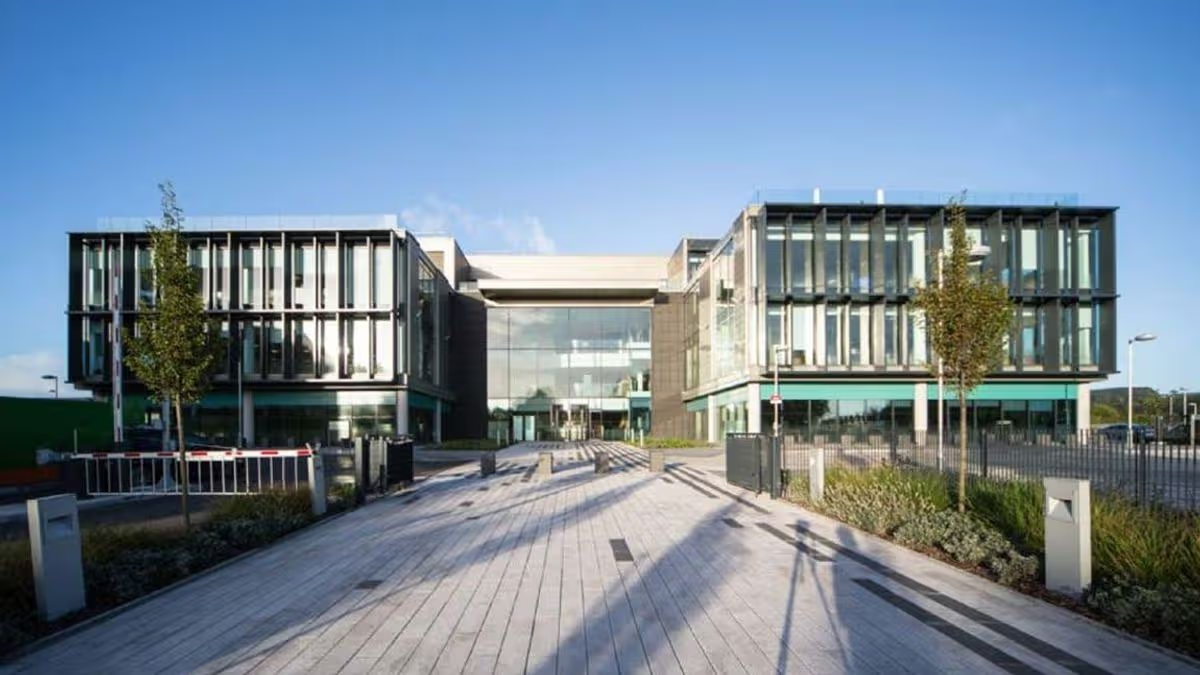
Imperial Brands’ global HQ is in Bristol(Image: BAM Construction)
Tobacco giant Imperial Brands has reiterated its guidance for the full year amid a “more uncertain” geopolitical and macro environment. The announcement on Tuesday comes as the business looks to focus on tobacco-free products as smoking rates continue to decline.
The Golden Virginia maker said its “robust” pricing and continued investment in next-generation products (NGP) means it expects low-single-digit growth in tobacco and NGP net revenue for the first half. Imperial said its tobacco performance was underpinned by pricing and only a modest volume drop in combustibles.
Group adjusted operating profit is expected to be slightly ahead year-on-year for the first half, and is likely to be stronger in H2, the business added.
Imperial also said that while the conflict in the Middle East had caused “no material business impact to date”, the situation remained “uncertain”.
Advertisement
“We are pleased to report a good start to our 2030 strategy, with strong momentum behind our execution and our transformation towards becoming a more consumer-centric, data led, agile and efficient challenger,” a statement to the stock market said.
“During the first half, we began the implementation of our new long-term partnership with Capgemini and took further action to focus on our supply chain footprint, while continuing the rollout of our enterprise IT applications.”
Imperial Brands’ interim results for the six months ended March 2026 will be announced on May 12.
Derren Nathan, head of equity research at investment platform Hargreaves Lansdown, said: “Imperial Brands’ tobacco volumes declined again in the first half, but that’s to be expected as more smokers kick the habit and non-combustible alternatives continue their expansion.
Advertisement
“Low single-digit reductions are on the manageable side. In the meantime, revenue has grown modestly, supported by robust pricing and a mid-to-high digit percentage rise in sales of next generation products. With full-year guidance intact, Imperial is setting out its stall as a strong defensive investment, and despite a note of caution, it has seen no material business impact from this year’s tumultuous geopolitical events.”
The latest trading update comes just a day after the company confirmed it would launch the second tranche of its ongoing share buyback scheme. The business told investors on Monday that it intends to repurchase stocks worth £725m as part of a wider £1.45bn programme announced last year.
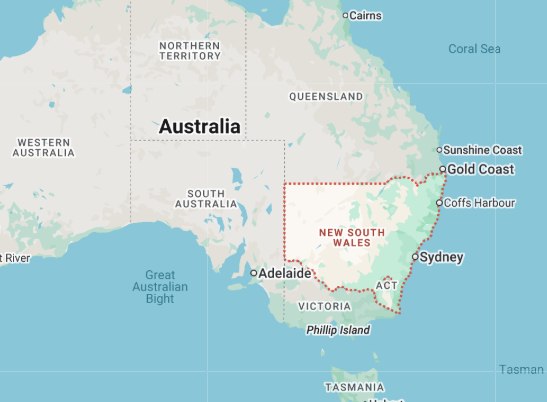
A sharp jolt rattled homes across the Central West of New South Wales on Tuesday evening as a magnitude 4.5 earthquake struck near Orange, sending tremors through the region and prompting hundreds of resident reports.
Breaking News: Sharp 4.5 Magnitude Earthquake Rattles Orange and Central West NSW Homes Tuesday Night
The quake hit at about 8:19 p.m. local time Tuesday, with its epicenter located in the Cabonne area, roughly 43 kilometers (27 miles) southwest of Orange near Mount Canobolas. Geoscience Australia and the U.S. Geological Survey confirmed the magnitude at 4.5, with a shallow depth of approximately 10 kilometers (6.2 miles).
Residents across the Central West described the sudden shaking, with many reporting houses rattling, windows vibrating and a brief but noticeable jolt. “It felt like a heavy truck passing by but much stronger,” one Orange resident said in social media posts shortly after the event. Others likened it to “a freight train rumbling through” or “someone banging on the walls.”
The tremor was widely felt in surrounding towns including Blayney, Canowindra, Cargo and Millthorpe, with shaking intensity reaching moderate levels (Modified Mercalli Intensity IV to V) closer to the epicenter. Reports also came in from farther afield, including parts of Sydney about 230 kilometers east, where some experienced weak shaking. More than 270 felt reports had been logged with monitoring agencies within the first hour, according to data from VolcanoDiscovery and Geoscience Australia.
No immediate reports of damage or injuries emerged Tuesday night. Emergency services in the region confirmed they had received calls from concerned residents but no structural issues or requests for assistance related to the quake. NSW State Emergency Service crews stood by as a precaution, but authorities emphasized the event appeared minor in impact.
Advertisement
Geoscience Australia Senior Duty Seismologist Hugh Glanville noted that while the region experiences seismic activity, individual events are generally not directly linked. Senior Seismologist Professor Phil Cummins previously described the area southwest of Orange as a “cluster” zone of activity near Mount Canobolas. He explained that even smaller quakes in the 2.5 magnitude range release energy equivalent to about 600 kilograms of TNT, stemming from gradual stress buildup within the Australian tectonic plate.
This 4.5 magnitude event marks the largest earthquake to hit the immediate Orange area in recent years, surpassing a 4.3 magnitude tremor recorded about 25 kilometers southwest of the city in April 2017. Over the past century, Geoscience Australia has logged 589 earthquakes within 100 kilometers of Orange, with 65 exceeding magnitude 3. The region’s strongest on record in that period was around magnitude 4.6 near Cowra in 1947.
Australia sits well away from major plate boundaries, making significant quakes relatively rare compared to countries like New Zealand or Japan. However, intraplate earthquakes such as this one occur periodically due to ancient faults and stress within the stable continental crust. Seismologists say aftershocks are possible but typically smaller and less frequent in such settings. No aftershocks had been recorded in the immediate hours following the main event.
The timing — early evening on a Tuesday — meant many families were at home, heightening the surprise factor. Social media platforms lit up with posts from across the Central West and beyond. “Did anyone else feel that in Orange? Thought my house was about to fall down!” one user wrote. Another from Blayney added, “Windows rattled for a good 10-15 seconds. Pretty scary for a second there.”
Advertisement
Local officials urged residents to check for any minor damage such as cracked plaster or dislodged items, though none was widely reported. In a region known for its agricultural and mining economy, including operations near Cadia, authorities confirmed no immediate impact on infrastructure or mines.
The Central West has seen increased seismic monitoring in recent years, partly due to the cluster of activity near Mount Canobolas. While most events remain small, experts continue to study the area’s geology to better understand potential risks. A larger 5.2 magnitude quake struck north of Nyngan in May 2025, one of the stronger events in NSW in recent memory.
For those who felt the shake, the experience served as a reminder of the Earth’s constant, if subtle, movements even in stable parts of the world. Geoscience Australia encourages residents to submit felt reports via their website to help refine seismic models and improve future preparedness.
As the night progressed, calm returned to the region with no further tremors reported. Emergency hotlines advised people to “drop, cover and hold” in the event of any future strong shaking, a standard safety message for Australian communities.
Advertisement
This latest quake highlights the ongoing, low-level seismic activity that shapes the Australian landscape over geological time. While causing no major disruption Tuesday, it provided a brief jolt — literally — to thousands going about their evening routines in the Central West.
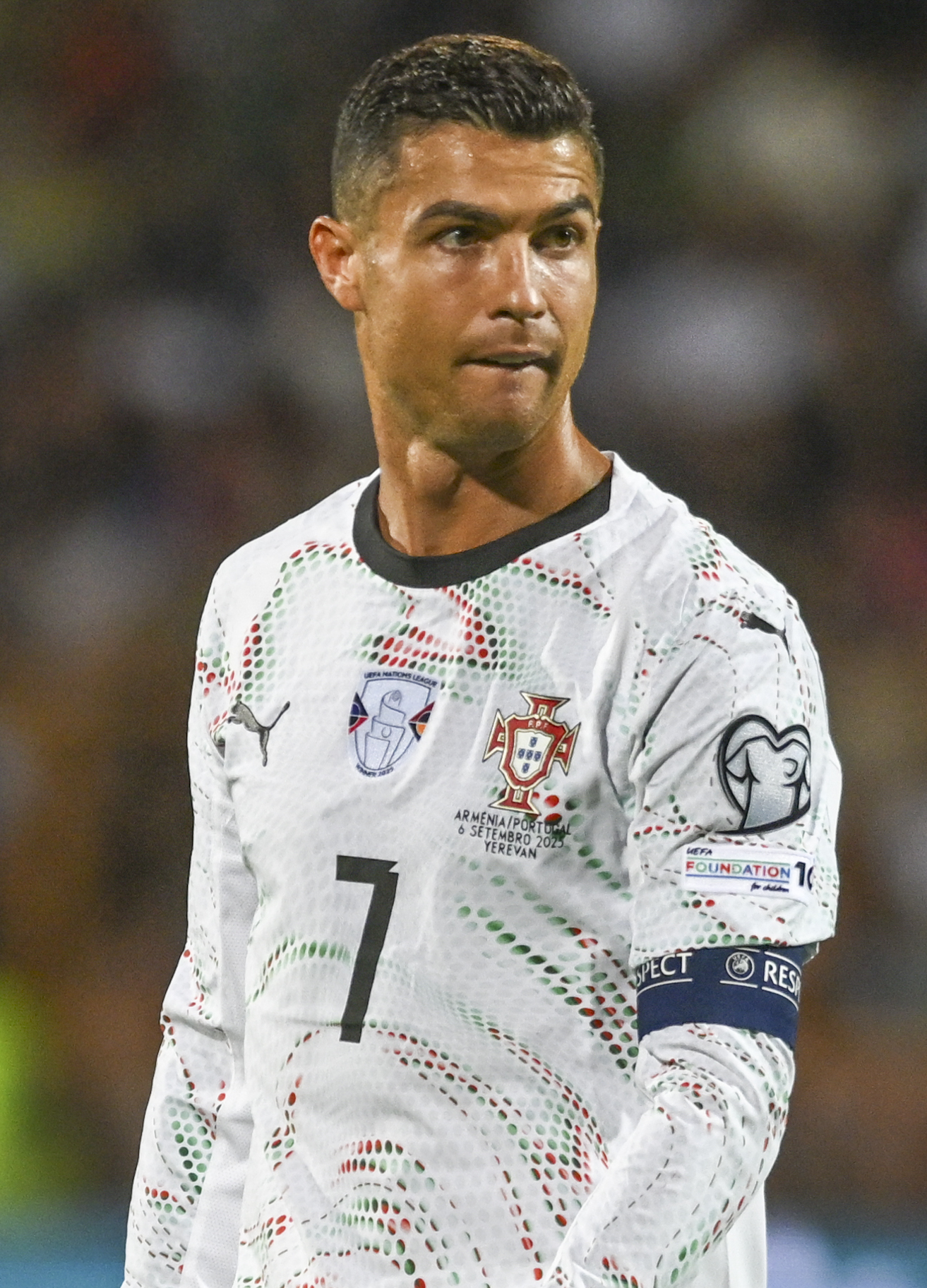
LONDON — A nostalgic video compilation of Cristiano Ronaldo’s signature knuckleball free kicks has exploded across social media, reminding fans why the Portuguese superstar once made set pieces look as routine as penalties during his prime at Manchester United and Real Madrid.
Cristiano Ronaldo
Posted April 7 by the fan account @UtdRom, the 56-second clip stitches together highlight after highlight of Ronaldo bending, dipping and swerving dead balls past helpless goalkeepers and defensive walls. Overlaid text drives the point home: “Ronaldo used to hit knuckleballs so often they were like penalties 😭.” Within days the post racked up thousands of views and sparked a wave of reminiscence among football supporters worldwide.
The footage captures Ronaldo in his red Manchester United jersey and white Real Madrid kit, striding forward with that familiar four-step run-up before unleashing low-driven strikes that defy physics. In one sequence a wall of defenders jumps in vain as the ball snakes through the air and rifles into the net. Another shows a goalkeeper diving full stretch only to watch the ball dip late and nestle in the corner. The clip ends with stadium crowds erupting as Ronaldo wheels away in celebration, arms outstretched in that iconic CR7 pose.
At 41, Ronaldo remains an elite goal scorer for Al-Nassr in the Saudi Pro League, but direct free-kick success has become rarer. His most recent free-kick goal came on Aug. 27, 2024, against Al Feiha. Through the early months of the 2025-26 campaign he has yet to add to his career tally of 64 direct free kicks, while rival Lionel Messi has already notched two in 2026 alone.
The viral resurgence of these vintage moments arrives as Ronaldo prepares for what he has confirmed will be his final major tournament — the 2026 FIFA World Cup in North America. Fresh off a hamstring injury that sidelined him for more than a month, the five-time Ballon d’Or winner returned to action April 3 with a brace in a 5-2 Al-Nassr victory over Al-Najma, pushing his season total to 23 goals in 23 matches and his career haul to 968 official strikes.
Advertisement
Football historians credit Ronaldo with popularizing the modern knuckleball technique in the late 2000s. Unlike traditional curling free kicks that rely on sidespin, the knuckleball is struck with the laces near the valve to impart minimal rotation. The result is an unpredictable flutter that goalkeepers struggle to read, especially from 25 yards or farther. Ronaldo perfected the method during his second stint at United and carried it into his record-breaking years at Madrid, where he netted 12 direct free kicks in the Champions League alone — still a competition record.
Fans posting under the viral clip flooded replies with memories of specific goals. One standout: the 2008 Premier League strike against Portsmouth that dipped viciously under the bar. Another: the 2009 Champions League semi-final rocket against Arsenal from nearly 40 yards that left goalkeeper Manuel Almunia rooted to the spot. “He didn’t just score free kicks — he embarrassed keepers,” one commenter wrote. Another added: “Knuckleballs every week like clockwork. Penalties from 30 yards out.”
The technique’s effectiveness peaked between 2008 and 2014. During that span Ronaldo attempted free kicks at a volume rarely seen before or since, converting at rates that made opposition managers double-team the Portuguese on set pieces. Data from his United and early Madrid eras show dozens of attempts per season, many from impossible angles. By contrast, his conversion rate has dipped in recent years as age and tactical adjustments have shifted his focus toward penalties, headers and clinical finishing inside the box.
Yet the 2026 season has shown glimpses of the old magic. A March social media post from football analysts noted Ronaldo had scored three free kicks in the previous six months, prompting one account to declare: “The ‘Knuckle’ is back.” While league statistics for the current campaign list zero league free-kick goals through April, training videos and warm-up highlights continue to circulate, fueling hope that the 41-year-old could still deliver one more moment of set-piece brilliance before hanging up his international boots.
Advertisement
Ronaldo’s longevity remains astonishing. Signed by Al-Nassr in late 2022, he has embraced life in the Saudi Pro League, recently extending his contract through 2027 after a brief contractual dispute over payments was resolved. In February he publicly stated, “I belong to Saudi Arabia,” underscoring his commitment to the club and the league’s rising profile. Off the pitch he has become a global ambassador for the competition, drawing record crowds and television audiences wherever Al-Nassr plays.
The viral video also highlights a broader conversation about legacy. Ronaldo sits seventh on the all-time free-kick goal scorers list with 64, behind legends such as Juninho Pernambucano, Ronaldinho and Messi. Yet few players have combined volume, distance and consistency the way he did in his prime. His willingness to practice free kicks relentlessly — often staying behind after training sessions for hours — became part of football folklore. Teammates past and present describe a perfectionist who treated every dead-ball opportunity as a personal challenge.
Social media reaction to the @UtdRom post reflects that enduring admiration. Manchester United supporters, in particular, flooded the comments with affection for the player who helped deliver three Premier League titles and a Champions League during his first spell at Old Trafford. “This is why we called him the King of Free Kicks,” one fan wrote. Others tagged younger players, urging them to study the technique: “Kids today need to watch this and learn what real set-piece mastery looks like.”
As the 2026 World Cup draws nearer, Ronaldo’s fitness and form will be under intense scrutiny. Portugal qualified comfortably, and manager Roberto Martinez has repeatedly said the captain remains central to his plans. Whether Ronaldo adds to his free-kick tally in the tournament remains uncertain, but the viral clip serves as a timely reminder of what he once achieved on a weekly basis.
Advertisement
Industry observers note the timing of the video’s spread coincides with a quiet period in the Saudi Pro League calendar and heightened anticipation for the summer’s global showcase. Streaming platforms and football highlight channels have reposted versions of the compilation, driving millions of additional views. Merchandise featuring Ronaldo’s famous free-kick celebrations has seen a noticeable uptick in sales on fan sites.
For a new generation of supporters who discovered Ronaldo through his Al-Nassr highlights or social media reels, the footage offers a window into a different era — one where the Portuguese forward was not just a goal machine but a set-piece specialist feared by every goalkeeper in Europe. Older fans, meanwhile, use it as fuel for the perennial Messi-Ronaldo debate, pointing to Ronaldo’s higher volume of attempts and clutch moments in major finals.
Al-Nassr sits near the top of the Saudi Pro League standings, with Ronaldo’s recent brace helping extend a lengthy winning streak. Coach Rui Vitória has praised the forward’s leadership and work ethic, noting that even at 41 he trains with the intensity of a rookie. “Cristiano inspires everyone around him,” Vitória said in a recent interview. “His dedication never wavers.”
As April 2026 unfolds, the football world waits to see whether Ronaldo can conjure one final flourish from a free-kick situation before the World Cup. Until then, fans will continue sharing and resharing the viral clip, pausing at each knuckleball strike to marvel at the technique that once made the impossible look inevitable.
Advertisement
The post itself, though lighthearted with its crying emoji, struck a chord because it captured a universal truth in football: greatness is fleeting, but the memories — and the footage — endure forever. For Cristiano Ronaldo, those unforgettable knuckleball moments remain the gold standard, even as he chases new milestones at an age when most players have long since retired.
SYDNEY — Australian Idol has roared back in 2026 with its strongest viewership in years, delivering consistent national audiences that have boosted Seven Network’s entertainment slate and crowned “Aussie Music Week” as the season’s standout performer.
Kesha Oayda
The 11th season of the long-running talent show premiered Feb. 2 on Seven and 7plus, drawing a national reach of 1.819 million viewers and an average audience of 904,000 for its audition episode. That strong launch set the tone for a campaign marked by steady growth, emotional performances and a clear audience preference for homegrown talent.
Subsequent episodes maintained momentum through the audition and heats phase. Sunday episodes frequently topped 1.9 million in national reach, with one mid-February broadcast hitting 1.945 million reach and 886,000 average viewers. Early Monday and Tuesday shows hovered between 1.5 million and 1.7 million reach, often ranking inside the night’s top 10 programs.
The competition shifted into high gear with the Top 12 live shows in March. But it was the late-March “Aussie Music Week” that delivered the season’s biggest numbers and confirmed the format’s enduring appeal when it leans into local stories and songs.
Last Sunday night’s episode during the themed week pulled a national reach of 1.79 million and an average audience of 938,000 — up 8 percent week-on-week and delivering a massive 65 percent surge on the 7plus streaming platform. Monday’s performance show attracted 922,000 viewers, rising 6 percent year-on-year with a staggering 96 percent jump on 7plus. Tuesday’s live results episode posted an 87 percent year-on-year lift.
Advertisement
Judge Marcia Hines credited the resonance to the power of shared cultural memory. “Music is the tapestry of our lives,” she told The Music Network. “Everyone has lived one of those songs at some point — whether they’ve broken up to it, celebrated with it, or turned to it during a tough moment. That’s why it resonated so strongly this week.”
The themed week not only produced the highest viewership of 2026 for the network but also underscored a strategic shift. Producers at Eureka Productions have positioned the revived Idol as more than a singing contest — an artist-development platform that nurtures contestants beyond the spotlight.
By early April the field had narrowed dramatically. Eliminations claimed notable talents including Charlie Moon, who used his platform to raise cancer awareness, high school teacher and mother Simela Petrides, and others who fell just short of the Top 6. The Top 3 locked in for the grand finale are 18-year-old Harlan Goode from Brisbane, 23-year-old Kalani Artis from the NSW Central Coast, and 21-year-old Kesha Oayda from Jindabyne.
As the two-night grand finale unfolded this week, Monday’s Part 1 episode reached 1.719 million nationally with an average audience of 951,000. The broadcast featured high-stakes performances in front of a live audience and special guest stars, building anticipation for Tuesday’s results show where the winner will be crowned.
Advertisement
The 2026 season has consistently outperformed comparable 2025 figures in key episodes, with streaming numbers on 7plus providing an extra lift. Industry observers note the return to free-to-air television on Seven has helped broaden the show’s reach compared with previous iterations, while the combination of polished production, relatable contestants and culturally resonant themes has kept families tuning in.
Contestants this year brought diverse backstories — from regional hopefuls to young vocal powerhouses — that fueled emotional viewer investment. Harlan Goode has drawn praise for his polished stage presence and vocal fireworks, appealing strongly to younger demographics. Kalani Artis has connected through heartfelt delivery and relatability, while Kesha Oayda’s resilient journey has resonated with regional audiences.
Voting has been intense throughout the live phase, with public support deciding eliminations and now the ultimate champion. The winner will receive $100,000 in prize money along with career-launching opportunities, including recording and management support aligned with the show’s new emphasis on long-term artist development.
Ratings analysts have highlighted the program’s ability to hold audience share against heavy competition from reality heavyweights like Married at First Sight. While MAFS often dominates overall weekly charts, Australian Idol has carved out a reliable entertainment niche, particularly on Sundays and during themed weeks.
Advertisement
The surge in 7plus viewing points to changing habits, with younger and time-shifted audiences supplementing linear broadcast numbers. Several episodes posted double-digit or even near-100 percent gains on the streaming service, suggesting the show’s future lies in a hybrid model that serves both traditional and digital viewers.
Industry chatter suggests the 2026 revival has reinvigorated the Idol brand after earlier seasons on other networks. The decision to focus on authentic artist growth rather than pure spectacle appears to be paying dividends both creatively and commercially.
As Tuesday night’s results show approaches, tension is building across social media. Fans have flooded platforms with support for their favorites, debating everything from vocal technique to stage presence. Some early online sentiment leans toward Kalani for his consistent emotional connection, while Harlan’s technical prowess keeps him in strong contention. Kesha’s underdog narrative continues to inspire a dedicated base.
Seven Network executives will be watching the finale numbers closely. Strong closure to the season could pave the way for renewed confidence in the format and potential expansion in future years.
Advertisement
For now, Australia waits to discover which of the three talented finalists will join the pantheon of Idol alumni who have gone on to successful music careers. Whether it’s Harlan’s star power, Kalani’s soulful storytelling or Kesha’s heartfelt resilience, one thing is clear: the 2026 season has reminded viewers why the show remains a cultural touchstone more than two decades after its debut.
The grand finale results air Tuesday at 7:30 p.m. on Seven and 7plus, promising a star-studded celebration of Australian music and the next chapter for the winner’s journey.
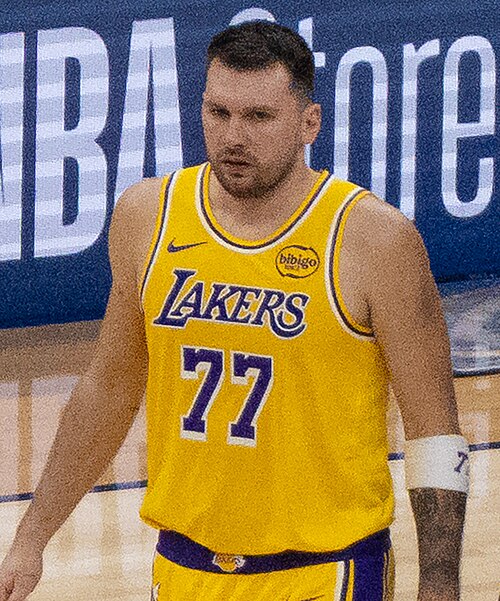
LOS ANGELES — Los Angeles Lakers superstar Luka Doncic suffered a Grade 2 strain to his left hamstring on April 2 and will miss the remainder of the 2025-26 regular season, but the team has reported no additional injuries beyond the recurring hamstring issue, according to the latest medical updates.
Luka Doncic
The Slovenian guard, who has been the NBA’s leading scorer much of the season, went down in the third quarter of a 139-96 road loss to the Oklahoma City Thunder. He pulled up during a non-contact play, limped noticeably and did not return. An MRI the following day confirmed the Grade 2 strain, prompting the Lakers to rule him out for the final stretch of the regular season.
As of mid-April 2026, with the NBA playoffs set to begin April 18, Doncic has no other reported injuries. The focus remains solely on managing and rehabilitating the left hamstring, the same leg that sidelined him for four games earlier in February. No ankle, knee, groin or back issues have surfaced in recent Lakers injury reports or statements from the medical staff.
Doncic, 27, traveled to Spain shortly after the diagnosis to seek specialized treatment aimed at accelerating his recovery. His agent, Bill Duffy, confirmed the move in consultation with Lakers doctors and Doncic’s personal medical team. Reports indicate he underwent injection procedures while overseas to promote healing in the hamstring tissue. He is expected to return to the United States this week for further evaluation.
A Grade 2 hamstring strain involves a partial tear of the muscle fibers and typically requires three to six weeks of recovery, though timelines can vary based on the athlete’s conditioning, treatment protocol and history of similar injuries. Some medical experts have noted that rushing back from such soft-tissue damage risks re-injury, especially for a player like Doncic whose game relies heavily on explosive changes of direction, deceleration and burst.
Advertisement
The injury occurred after Doncic appeared to tweak the same hamstring in the first half against Oklahoma City. He played through visible discomfort before the issue worsened. Lakers coach JJ Redick and the training staff had monitored him closely, but the non-contact nature of the aggravation highlighted the lingering vulnerability in the muscle group.
This marks the second significant left hamstring issue for Doncic this season. The earlier absence in February came during a stretch where the Lakers were fighting for positioning in the Western Conference. Despite the setbacks, Doncic powered Los Angeles to a strong standing, averaging career-high numbers in points while contributing rebounds and assists at an elite level. His absence has forced teammates, including LeBron James and Austin Reaves, to shoulder more of the offensive load in the final games.
With the regular season winding down, the Lakers have already secured a playoff spot, lessening the immediate impact on seeding battles. However, Doncic’s availability for the postseason remains the critical question. Optimistic projections suggest he could target a return sometime in the first or second round if rehabilitation progresses smoothly, though conservative estimates point to a later-round or even uncertain status depending on how the hamstring responds to loading.
Sports medicine analysts emphasize that hamstrings are notoriously tricky. The muscle group must withstand high eccentric forces during sprinting and stopping — movements central to Doncic’s step-back threes, drives and defensive closeouts. Previous NBA cases of Grade 2 strains have shown that players who return too aggressively often face extended absences or diminished explosiveness.
Advertisement
Doncic’s decision to pursue treatment in Europe reflects both his desire to expedite healing and access to advanced regenerative techniques not always available stateside. While specifics of the injections remain private, such procedures commonly include platelet-rich plasma (PRP) or other biologics aimed at reducing inflammation and stimulating tissue repair. He reportedly spent the bulk of his time in Spain focused on rehab before heading back to Los Angeles for reassessment.
Lakers fans and analysts have expressed mixed reactions. Some worry that pushing for an early playoff return could compromise long-term health, especially given Doncic’s workload over recent seasons. Others point to his resilience and competitive drive, noting he has historically powered through discomfort when the stakes are high. Kendrick Perkins, among others, cautioned against expecting a fully healthy version of Doncic if he suits up prematurely, suggesting the Lakers might face an early playoff exit without their star at 100 percent.
The broader context includes Doncic’s MVP candidacy. He entered the injury stretch as a frontrunner in several statistical categories, but missing the final games likely ends his chance at individual hardware due to the league’s 65-game participation requirement for most major awards. That disappointment is secondary, however, to the team’s playoff ambitions.
In the locker room, the mood has remained professional. James has spoken about the need for collective effort in Doncic’s absence, while younger players have stepped up in recent contests. The Lakers’ depth will be tested in the opening playoff round, where matchups against strong Western Conference opponents could hinge on whether Doncic can contribute at any capacity.
Advertisement
Historically, Doncic has dealt with various lower-body ailments, including ankle soreness, knee issues and leg fatigue in prior campaigns. This season’s hamstring problems stand out as the most persistent. Team officials have stressed load management throughout the year, yet the demands of a full NBA schedule — combined with Doncic’s heavy usage — have taken a toll.
Prevention strategies for recurring hamstring strains often involve targeted strengthening, flexibility work, proper warm-ups and monitoring fatigue indicators. The Lakers’ training staff is expected to implement a cautious ramp-up protocol once Doncic clears initial rehab milestones, focusing on gradual on-court activity before full-contact practices.
As the calendar turns toward the playoffs, all eyes remain on daily updates from the Lakers. Shams Charania and other insiders have indicated that progress in Spain has been positive, with a reevaluation slated upon his return stateside. No new injuries have been mentioned in any reporting, reinforcing that the Grade 2 left hamstring strain is the sole concern.
For a player who transformed the Lakers’ fortunes since his arrival, this latest hurdle represents both challenge and opportunity. A successful, measured return could position Los Angeles for a deep postseason run. A setback, however, might limit their ceiling and raise longer-term questions about durability.
Advertisement
Doncic’s story this season has been one of dominance interrupted by injury frustration. From leading the league in scoring to battling through pain against Oklahoma City, his resilience has defined much of the campaign. Now, the focus shifts to smart recovery rather than immediate heroics.
Community reaction on social media and in sports talk shows has been supportive, with fans sharing well-wishes and debating optimal return timelines. Some have drawn parallels to past stars who navigated similar soft-tissue injuries en route to championship contention.
Medical consensus advises patience. Hamstring strains, particularly repeat ones, respond best to comprehensive rehab that addresses not just the tear but surrounding kinetic chain weaknesses in the hips, core and calves. Rushing the process invites compensation injuries elsewhere.
The Lakers, already without Doncic for the regular-season finale, will enter the playoffs with heightened urgency. Their seeding will be finalized without him, but the real test begins when the bracket unfolds. Whether he joins the lineup in round one, round two or later will likely dictate the team’s fate.
Advertisement
In the meantime, Doncic continues his specialized regimen abroad before resuming stateside care. With no other injuries clouding the picture, the path forward centers entirely on healing the hamstring fully and safely.
As April 14 approaches and updates trickle in, Lakers Nation holds its breath. The hope is that the star’s European detour pays dividends, allowing him to reclaim the court when it matters most. For now, the diagnosis remains straightforward: a significant but isolated Grade 2 left hamstring strain, with no complicating factors reported.
The coming weeks will reveal whether caution or aggression defines the recovery approach. In either case, Luka Doncic’s basketball future hinges on listening to his body and the experts guiding his return.
Wealth and asset management firm 360 ONE Asset said on Tuesday that it has secured commitments worth Rs 2,000 crore for its Private Investment in Public Equity (PIPE) strategy, which it claims to be a unique investment vehicle focused on such opportunities in India.
“The response reflects investors’ interest in a strategy that is designed to unlock value in listed companies through structured capital, active engagement, and disciplined exits,” the company said, adding that the strategy aims to provide investors access to select, high-potential listed and late-stage opportunities, mixing the flexibility of private capital with the liquidity advantages of public markets.
Speaking on the development, 360 ONE Asset Co-Founder and CIO Anup Maheshwari said the company’s PIPE strategy sits at the intersection of private market discipline and public market opportunity. “We see a growing need for patient, engaged capital that can support high-potential listed companies through their next phase of growth, governance strengthening or balance-sheet optimisation. The encouraging response to the PIPE strategy, with Rs 2,000 crore committed, reflects investor conviction in this strategy and our ability to source and execute transactions at scale,” he added.
360 ONE Asset’s approach to the PIPE strategy is deeply fundamental and engagement driven, said the company’s Fund Manager Charanjit Singh. “We focus on businesses where capital, combined with institutional partnership, can unlock disproportionate value over time. By maintaining an un-indexed portfolio and investing across block deals and anchor placements, we aim to deliver attractive risk-adjusted returns while preserving liquidity optionality for our investors,” he further said.
Advertisement
The PIPE strategy aims to enable companies to raise capital efficiently, faster, and more flexibly than traditional IPOs or follow-on offerings while benefiting from strategic partnerships that bring governance expertise, institutional discipline, and long-term capital, according to the wealth management firm, which added that the strategy may offer lower information asymmetry, medium- to long-term upside, and flexible exit pathways for investors.
Live Events
360 ONE Asset had an overall listed market and alternates AUM of around $11 billion as of December 31, 2025. It offers investment solutions to clients worldwide looking to invest in Indian markets across asset classes. Its various offerings include specialized investment funds (SIFs), alternative investment funds (AIFs), portfolio management services (PMS), exchange-traded funds (ETFs), and mutual funds (MFs), including advisory and offshore. (Disclaimer: Recommendations, suggestions, views and opinions given by the experts are their own. These do not represent the views of The Economic Times)
India’s equity outlook has turned more cautious after the recent crude oil spike, with BNP Paribas trimming its optimism for 2026 and cutting its Nifty target, even as it highlights a fresh set of stock picks positioned to navigate the evolving macro landscape.
In its latest India strategy report, the brokerage flagged that the surge in oil prices amid the Middle East conflict could have a lingering impact on the economy, similar to past episodes in 2008, 2011 and 2022. While the ceasefire offers some relief, it does not fully reverse the macro risks triggered by elevated energy prices.
BNP Paribas has cut its 2026 Nifty target by 11% to 25,500, factoring in weaker earnings growth and a moderation in valuation multiples. The report underlined that higher crude prices could strain India’s fiscal and trade balances, potentially forcing a reduction in government spending and dampening consumption.
Foreign institutional investor (FII) sentiment has also weakened, with India seeing limited participation in the global AI-driven rally and facing concerns around slowing earnings momentum. Additionally, structural risks such as AI-led disruption in service employment could weigh on medium-term growth.
Advertisement
Against this backdrop, the brokerage has shifted its sectoral stance, favouring defensives and segments that historically perform better during periods of high crude prices. It prefers staples, telecom and utilities, citing their resilience, while maintaining a positive view on private sector banks over PSU lenders and NBFCs. IT services, after recent corrections, are also seen as offering value, aided by currency tailwinds.
Live Events
On the other hand, sectors sensitive to rising input costs — including autos, cement and consumer durables — are expected to face pressure. Infrastructure could also see headwinds due to a potentially tighter fiscal environment. Historically, oil shocks have had a direct correlation with weaker macro indicators and equity market performance. BNP Paribas noted that prolonged periods of elevated crude prices tend to result in sustained pressure on inflation, currency and consumption, with markets typically underperforming for several quarters.Despite these near-term risks, valuations have corrected to more reasonable levels, offering selective opportunities for investors willing to take a medium-term view.
Among its top 9 stock ideas, BNP Paribas has highlighted Mahindra & Mahindra, Infosys, Persistent Systems, Britannia Industries, Titan, Bharti Airtel, HDFC Bank, ICICI Bank and Axis Bank as preferred picks. These companies are seen as relatively better positioned to deliver earnings resilience and navigate macro headwinds.
At the same time, the brokerage has flagged select underperformers, including TVS Motor, Wipro, AU Bank and IndusInd Bank, where upside appears limited under current conditions.
(Disclaimer: The recommendations, suggestions, views, and opinions given by the experts are their own. These do not represent the views of The Economic Times.)
The 500MW farm near Beverley is expected to be operational by 2033
Andrew Spence and Coreena Ford Chronicle and Journal business writer
09:06, 14 Apr 2026
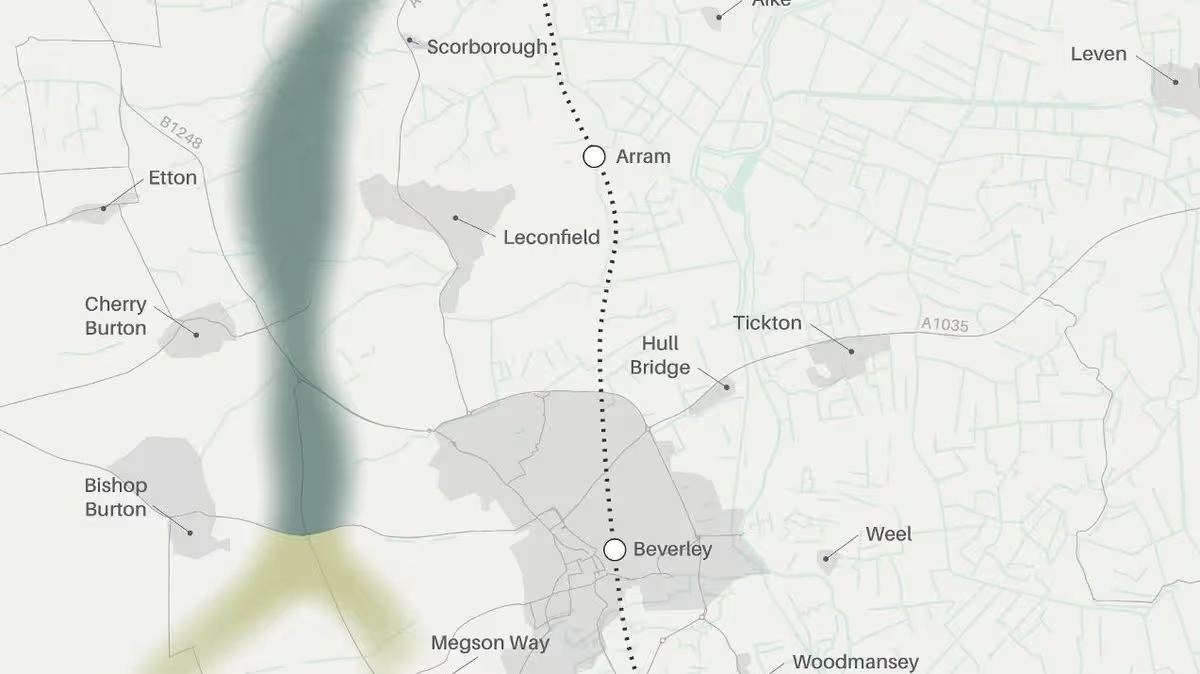
A map of the Clean Air Solar Farm proposals(Image: Clean Air Solar Farm)
Fresh proposals for a 500MW solar farm near Beverley have been announced by renewable energy specialists and joint partners, PS Renewables and Ørsted Onshore. The proposed ‘Clean Air Solar Farm’ represents a revised version of the Kingfisher Solar Farm, which was first announced in January 2025.
The new scheme features a revised site boundary and would generate sufficient electricity to power approximately 160,000 UK homes. It would make it one of the biggest planned, coming just a week after the Government gave the green light to what is set to become the UK’s largest solar farm, rated at 800MW.
Advertisement
The project would be spread across two sites near Beverley. A northern site would sit roughly three miles north of Beverley, to the east of the A164. Plans for this land were put before the public during a consultation in February 2025 under the Kingfisher Solar Farm name.
The southern site would be positioned to the southwest of the A1079. The project would tie into the planned Wanlass Beck substation, which forms an extension of the existing Creyke Beck substation.
Given the volume of electricity the Clean Air Solar Farm would produce, it is classified as a Nationally Significant Infrastructure Project (NSIP). This means the decision on whether to grant final consent for the development would rest with the Secretary of State for Energy Security and Net Zero, rather than the local council, as would ordinarily be the case with planning matters.
A planning ruling is anticipated in 2028. Should consent be granted, the Clean Air Solar Farm is projected to be operational by 2033, reports Hull Live.
Advertisement
Randall Linfoot from the Clean Air Solar Farm team said: “Since we first introduced Kingfisher Solar Farm, there have been significant changes. The project was originally developed to make use of spare grid capacity associated with Ørsted’s Hornsea 4 offshore wind project. Since then, Hornsea 4 has returned to development, and we have been following the statutory National Energy System Operator (NESO) Gate 2 process to secure a new grid connection.
The project would include two sites near Beverley(Image: Clean Air Solar Farm)
“New project partners PS Renewables are a highly experienced, UK renewable energy developer. Together with Ørsted Onshore, the project proposals and site boundary have since evolved. To reflect these collective changes and a fresh start to our proposal, we took the decision to rename to Clean Air Solar Farm.
“Clean Air Solar Farm will be able to power approximately 160,000 UK homes, making a significant contribution toward meeting the country’s ambitious plans to achieve net-zero carbon emissions by 2050. We are committed to making a long-term, positive impact with these proposals and feedback from the community is critical. We would like to thank everyone for the time taken to engage with Kingfisher Solar Farm. All the feedback received to date has been carefully reviewed and fed into our plans.”
A series of Public Information Days regarding the scheme will take place in the local area during June 2026. These drop-in sessions will give local communities near the site an opportunity to discover more about the proposals, speak directly with the project team and share their views on the developing design. This will be followed by a consultation period in Autumn 2026.
Advertisement
Drop in sessions take place in June in Lockington, Beverley and Walkington.
To find all the planning applications, traffic diversions, road layout changes, alcohol licence applications and more in your community, visit the Public Notices Portal.
Good morning, everyone, and thank you for joining us on today’s PageGroup Q1 trading update. My name is Drew, and I’ll be the operator on the call today. After today’s prepared remarks, we will have a Q&A session. [Operator Instructions] With that, it’s my pleasure to hand over to Kelvin Stagg, Chief Financial Officer, to begin. Please go ahead.
Kelvin Stagg CFO, Member of Executive Board & Executive Director
Advertisement
Thank you, Drew. Good morning, everyone, and welcome to the PageGroup 2026 First Quarter Trading Update. I’m Kelvin Stagg, Chief Financial Officer; and on the call with me is Nick Kirk, Chief Executive Officer. Although I will not read it through, I’d just like to make reference to the legal formalities that are covered in the cautionary statement in the appendix to this presentation and which will also be available on our website following the call.
The group produced another resilient performance despite the heightened geopolitical and macroeconomic uncertainty. Q1 gross profit was GBP 187 million, a decline of 4.9% in constant currencies against 2025. Our fee earner headcount increased by 26 or 0.5%, driven by growth in the Americas and Asia Pacific, partially offset by reductions in EMEA in the U.K. Overall, the group ended the quarter with 4,994 fee earners and a total headcount of 6,801.






















































You must be logged in to post a comment Login