

Business
U.S. Navy to Halt Ships Paying Tehran Tolls

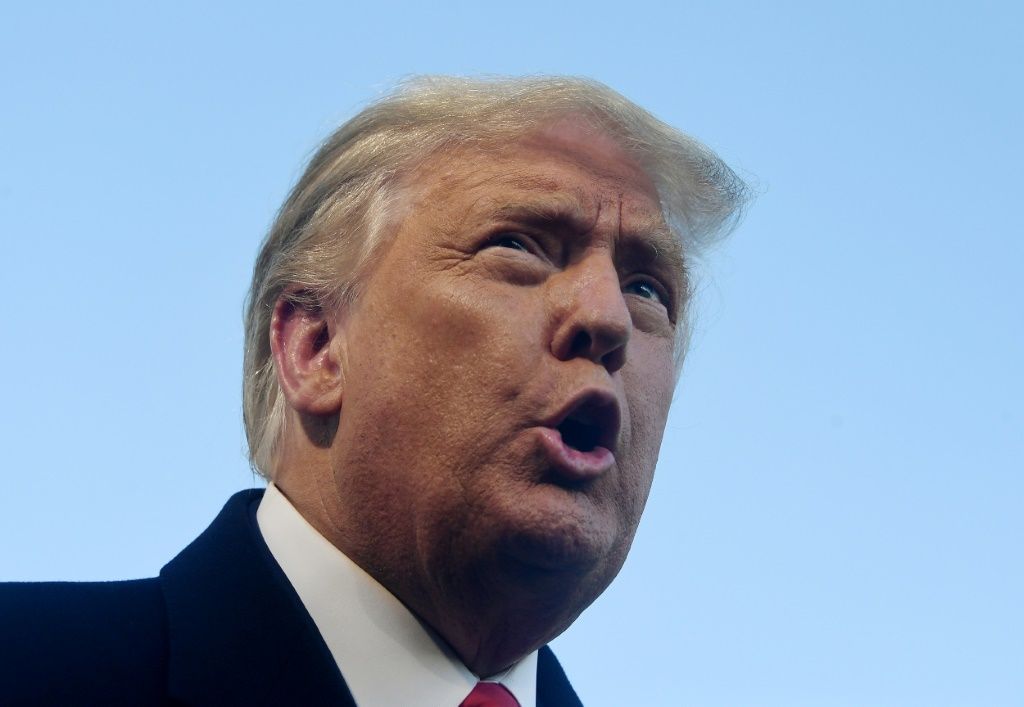
WASHINGTON — President Donald Trump announced Sunday that the U.S. Navy will immediately begin blockading the Strait of Hormuz after marathon peace talks with Iran in Islamabad ended without a deal, escalating tensions in a conflict that has already disrupted nearly one-fifth of global oil supplies for more than six weeks.

In a series of Truth Social posts and a Fox News interview, Trump declared the blockade “effective immediately,” instructing U.S. forces to prevent any ships from entering or leaving the critical waterway and to interdict vessels in international waters that paid tolls to Iran. He accused Tehran of “world extortion” and warned that the U.S. military is “locked and loaded” and prepared to “finish up the little that is left of Iran” at an appropriate moment.
The announcement came hours after Vice President JD Vance, who led the U.S. delegation, confirmed that 21 hours of face-to-face negotiations with Iranian officials produced no agreement and no scheduled follow-up sessions. Pakistani mediators urged both sides to preserve the fragile two-week ceasefire that began April 8, but disagreements over Iran’s nuclear program, regional proxies and control of the strait appear to have deadlocked the talks.
The Strait of Hormuz, a narrow chokepoint between Iran and Oman, normally carries about 20% of the world’s seaborne crude oil and significant liquefied natural gas. Iran effectively restricted most commercial traffic after U.S. and Israeli strikes began in late February, laying naval mines and warning of attacks on unauthorized vessels. Ship-tracking data shows traffic at well below 10% of normal levels, with hundreds of tankers stranded inside the Persian Gulf and only a handful of mostly Iran-linked ships transiting daily.
Trump’s blockade threat adds a new layer of complexity to an already paralyzed waterway. U.S. Central Command reported that two Navy guided-missile destroyers recently transited the strait as part of mine-clearing efforts, though Iran claimed the vessels retreated after warnings. Pentagon officials have said Iran may have lost track of some mines laid haphazardly during the fighting, raising safety risks even for limited traffic.
International reaction was swift and largely critical. Analysts described the move as potentially illegal under international law and warned it could trigger a wider regional war or severe economic shock. Oil prices, which eased slightly on initial ceasefire news, climbed again amid fears of prolonged disruption. Asian importers such as China, Japan and South Korea — heavily dependent on Gulf energy — face higher costs and possible shortages.
Iran responded sharply, with officials calling the crisis a “self-made problem” for the United States and asserting that no one can “close a closed strait.” Tehran has maintained that passage is possible only under its military coordination and, in some reports, with payment of transit fees that Trump labeled extortion. Iranian media suggested any U.S. blockade would worsen global disruptions without resolving underlying issues.
The conflict erupted in late February when U.S. and Israeli forces launched strikes targeting Iranian nuclear sites, missile facilities and military infrastructure. Iran retaliated by restricting the strait and launching attacks on regional targets. A fragile ceasefire took hold earlier this month after Trump set a deadline tied to reopening the waterway, but ongoing Israeli actions in Lebanon and disputes over sanctions relief and nuclear dismantlement have strained the pause.
U.S. officials claim the earlier strikes severely degraded Iran’s capabilities, destroying much of its navy, missile production and air defenses. Iran insists it retains the ability to defend its territorial waters and influence shipping through asymmetric means, including fast boats and coastal defenses.
Global shipping companies remain cautious. Major carriers have rerouted vessels or kept them idling, citing skyrocketing war-risk insurance and unresolved mine threats. Environmental groups raised concerns about potential spills or drifting mines affecting fishing grounds and coastal ecosystems in Oman and the United Arab Emirates.
In Congress, reactions split along partisan lines. Some Republicans supported strong action to counter Iranian aggression, while Democrats questioned whether the president has sufficient authorization for a blockade without congressional approval. Sen. Mark Warner, ranking Democrat on the Senate Intelligence Committee, said he would review any supplemental funding request for the conflict but emphasized the need for clear legal grounding.
Maritime experts note that implementing a full blockade would require significant naval resources and coordination with allies, many of whom have urged de-escalation. Former officials, including some who served in previous administrations, called the move risky but potentially necessary to reassert freedom of navigation if Iran continues restricting traffic.
As of Sunday evening, no immediate naval movements confirming the start of a physical blockade were reported beyond existing U.S. presence in the region. Trump indicated in his Fox interview that full implementation would take “a little while,” suggesting a phased approach focused first on intercepting toll-paying vessels.
The collapse of talks in Islamabad leaves the two-week ceasefire on shaky ground, with its expiration approaching on April 22. Neither side outlined next steps, though Pakistani officials expressed hope that back-channel diplomacy could resume.
For global markets and energy security, the stakes are enormous. A prolonged closure or active blockade of the strait could push oil prices well above $100 per barrel and disrupt fertilizer and chemical shipments critical for agriculture. Alternative routes around Africa add time and cost, straining supply chains already under pressure.
The situation also tests alliances. Gulf states, caught between Iran and the U.S., have called for unconditional reopening to stabilize energy markets. European and Asian governments have quietly urged restraint while preparing contingency plans for energy shortfalls.
Trump’s announcement underscores his administration’s hard-line stance: the strait must open fully and safely without Iran profiting or imposing conditions. Iran, meanwhile, views the waterway as sovereign territory where it can enforce security and seek compensation for damages from the conflict.
As night fell in the region, shipping data showed continued minimal activity. Live trackers indicated sparse movements, mostly outbound Iranian vessels, with commercial operators holding position outside the area.
The coming days will test whether Trump’s blockade threat prompts Iran to ease restrictions or leads to further confrontation. U.S. forces in the Gulf remain on high alert, while diplomatic channels through third parties like Pakistan and Oman may offer the only path back from escalation.
For now, the world’s most vital energy artery remains a flashpoint where military posturing, economic pressure and failed negotiations collide, with global consequences hanging in the balance.

Oil falls more than $4 as US, Iran remain at odds over peace deal

Life360 CEO Lauren Antonoff explains the company’s new real-time GPS pet tracker on ‘The Claman Countdown.’
A popular raw dog food brand is expanding a recall of dozens of products over fears they may be contaminated with Listeria monocytogenes, a potentially deadly bacteria that can sicken both pets and humans, federal officials warned Friday.
Raaw Energy’s recall impacts frozen dog food products manufactured between July 17, 2025, and Dec. 23, 2025, along with one batch of “Beef and Turkey Medley” dated March 31, 2026, according to a notice from the Food and Drug Administration (FDA).
The recall was issued “out of an abundance of caution” after testing detected listeria in several samples.
“Consumers are advised not to use, sell, or consume any affected product. Please discard these items immediately to help reduce the risk of illness,” the FDA said.
WHOLE FOODS MINESTRONE SOUP RECALLED IN 17 STATES OVER POSSIBLE LIFE-THREATENING ALLERGIC REACTION

Raaw Energy’s recall impacts frozen dog food products manufactured between July 17, 2025, and Dec. 23, 2025, along with one batch of “Beef and Turkey Medley” dated March 31, 2026. (Getty Images / Getty Images)
The recalled products were sold in 2-pound and 5-pound clear plastic tubes packaged inside brown cardboard boxes and distributed through the company’s website and pickup locations in Connecticut, Delaware, Massachusetts, Maryland, New Hampshire, New Jersey, New York, Pennsylvania and Virginia.
The company’s recall includes a wide variety of products, including “Beef and Chicken,” “Beef and Turkey Medley,” “Chicken Medley,” “Hybrid Dog’s Best Friend,” and more.
Listeria can spread through contaminated pet food and surfaces that come into contact with it, including pet bowls, countertops and utensils, according to the FDA.
COSTCO PATIO SWINGS RECALLED AFTER SEAT DETACHMENTS LEAD TO INJURIES

The recalled products were sold in 2-pound and 5-pound clear plastic tubes packaged inside brown cardboard boxes and distributed through the company’s website and pickup locations. (iStock / iStock)
In humans, listeria infections can trigger nausea, vomiting, diarrhea, fever and muscle aches. Severe cases may spread to the nervous system and cause meningitis, pregnancy complications or death.
“Severe infections can result in meningitis, abortion and death. Pets exposed to contaminated food can be infected without showing symptoms,” the FDA warned.
Raaw Energy also said it has temporarily halted all dog food production, effective last Thursday, May 21, 2026, as the company addresses sanitation concerns.
PET FOOD SOLD NATIONWIDE RECALLED OVER POTENTIAL SALMONELLA RISK

Listeria can spread through contaminated pet food and surfaces that come into contact with it, including pet bowls, countertops and utensils, according to the FDA. (iStock / iStock)
GET FOX BUSINESS ON THE GO BY CLICKING HERE
“We sincerely apologize for any inconvenience this may cause. As a small business, we are committed to doing the right thing and correct any issues,” Raaw Energy said in a statement.
“We appreciate your patience and understanding as we focus on making these improvements and ensuring that our products meet the standards our customers expect and deserve.”
The FDA first announced the recall in January. Consumers can view the complete list of recalled products on the FDA’s website.
Raaw Energy did not immediately respond to FOX Business’ request for comment.

ASEAN showcases its resilience by turning global challenges into opportunities for enhanced integration and sustainable growth. Despite ongoing conflicts driving up commodity prices and straining economies, ASEAN remains committed to dialogue, institution-building, and fostering mutual restraint.
🌏 ASEAN’s Resilience and Strategy
- Resilience through cooperation: ASEAN has consistently turned crises into opportunities by prioritizing dialogue, institution-building, and restraint over escalation.
- Historic milestones: The ASEAN Free Trade Area (1992) and ASEAN Economic Community (2000s) deepened integration and investor confidence.
- Crisis-driven reforms: The Asian financial crisis led to the ASEAN Surveillance Process (1998) and Chiang Mai Initiative (2000). COVID-19 prompted the Hanoi Plan of Action to safeguard supply chains.
📈 Economic Growth and Integration
- Strong performance: ASEAN’s GDP grew from $2.5T (2015) to $4.3T (2025); trade nearly doubled to $4.4T; FDI rose from $115B to $242B.
- Future outlook: The Asian Development Bank projects 4.6% growth in 2026, driven by domestic demand and infrastructure investment.
⚡ Energy and Technology Drivers
- Energy transition: Demand surged 35% in the past decade; clean energy investment ($47B in 2025) nearly matched fossil fuels. Initiatives include the ASEAN Power Grid and cross-border integration projects.
- Digital economy: The Digital Economy Framework Agreement (DEFA) could double ASEAN’s digital economy to $2T by 2030, leveraging youth demographics and rapid tech adoption.
🌐 Geopolitical and Regional Challenges
- External pressures: Conflicts raise commodity prices and disrupt trade routes, but ASEAN emphasizes resilience as a condition for growth.
- Regional issues: ASEAN supports humanitarian aid in Myanmar and promotes dialogue on South China Sea disputes. Timor-Leste’s accession in 2025 highlights inclusiveness and adaptability.
The bloc’s history shows a recurring ability to adapt, from the ASEAN Free Trade Area to the ASEAN Economic Community, strengthening trade and investor confidence. This adaptability, coupled with a focus on energy transformation and digital cooperation, positions ASEAN to navigate geopolitical shifts and continue its economic expansion, making resilience its strategic advantage in a fragmented world.
Read More : Building ASEAN’s resilience to fuel further economic growth | World Economic Forum
Other People are Reading

Why Are Global Investors Looking To Asia As An Investment Destination?
Business
Possible fissure in California chemical tank may help prevent explosion, fire official says
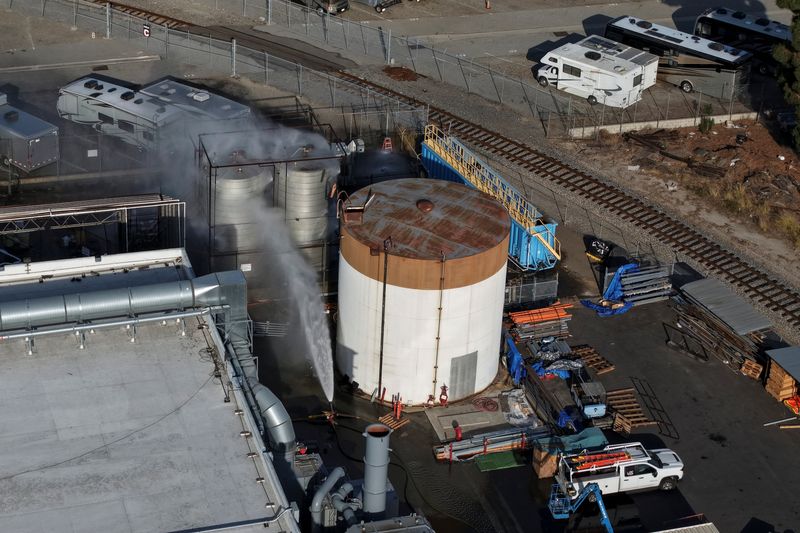

Possible fissure in California chemical tank may help prevent explosion, fire official says


Uber weighs higher bid for Delivery Hero, FT reports

A company of Manulife Investment Management, John Hancock Investment Management serves investors through a unique multimanager approach, complementing our extensive in-house capabilities with an unrivaled network of specialized asset managers, backed by some of the most rigorous investment oversight in the industry. The result is a diverse lineup of time-tested investments from a premier asset manager with a heritage of financial stewardship. Note: This account is not managed or monitored by John Hancock Investment Management, and any messages sent via Seeking Alpha will not receive a response. For inquiries or communication, please use John Hancock Investment Management’s official channels.
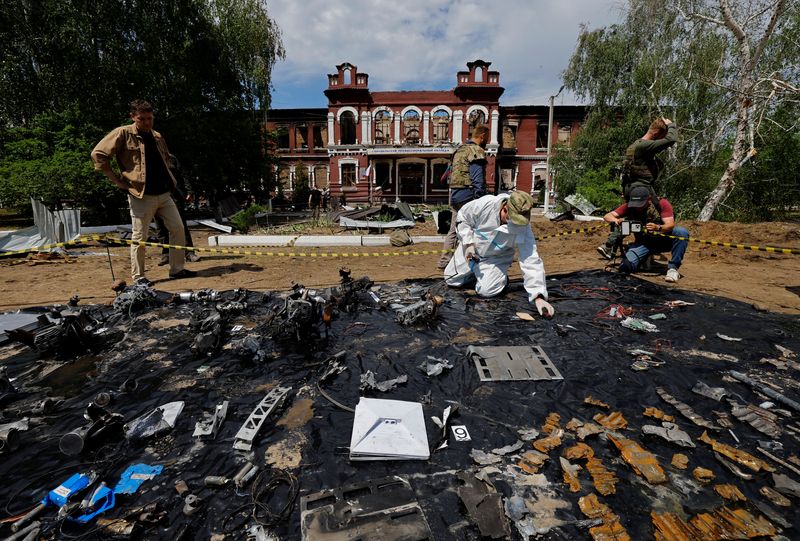

Forensic experts sift through ruined dormitory in Russian-held Luhansk region

Calamos Investments is a diversified global investment firm offering innovative investment strategies including U.S. growth equity, global equity, convertible, multi-asset and alternatives. The firm offers strategies through separately managed portfolios, mutual funds, closed-end funds, private funds, an exchange traded fund and UCITS funds. Clients include major corporations, pension funds, endowments, foundations and individuals, as well as the financial advisors and consultants who serve them. Headquartered in the Chicago metropolitan area, the firm also has offices in London, New York and San Francisco. For more information, please visit www.calamos.com.
Check out what’s clicking on FoxBusiness.com.
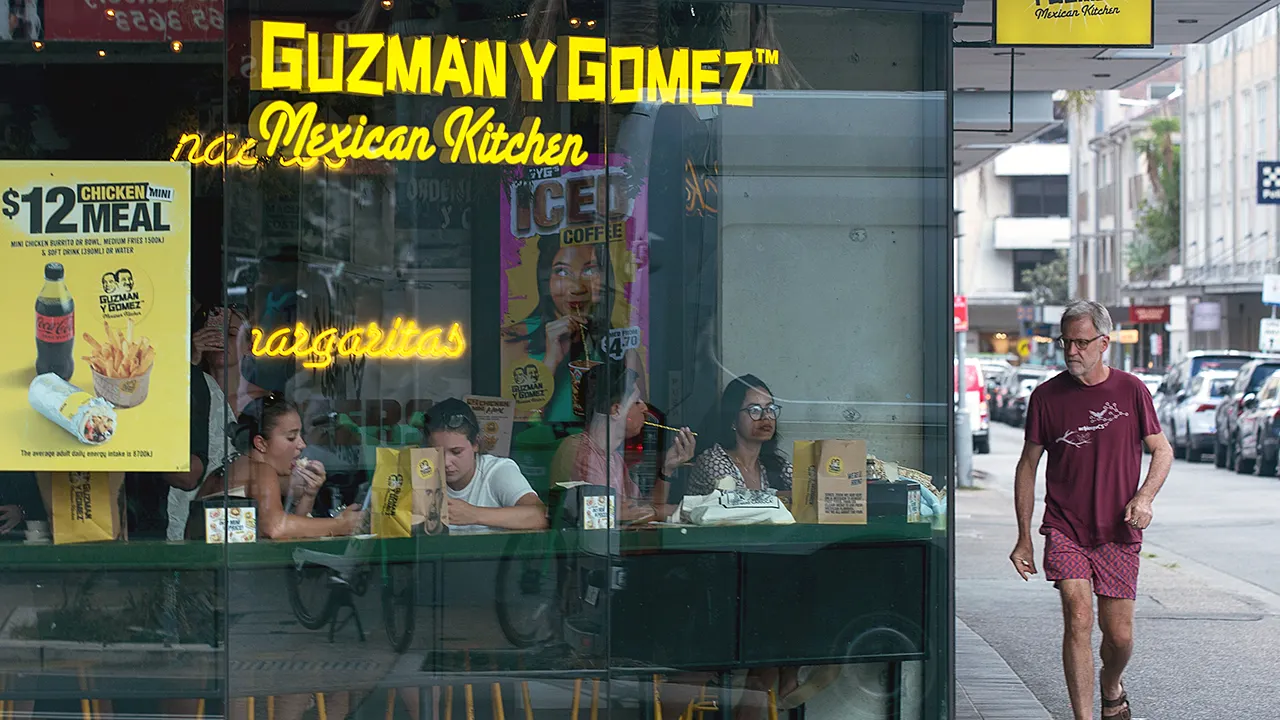
Guzman y Gomez Mexican Kitchen, an Australian-born Chipotle rival that once planned to open hundreds of U.S. locations, has abruptly closed all of its American restaurants after six years in the Chicago area.
“All GYG USA restaurants permanently closed,” a message on the company’s U.S. website says. “Effective from May 22nd, GYG USA restaurants will cease trading. Thank you for your support.”
The chain also announced the move on Instagram, thanking customers and employees in Chicagoland, where all eight of its U.S. restaurants were located.
“After six years of burritos and big dreams in Chicagoland, we’ve made the difficult decision to close our US restaurants,” the post read. “To every guest who came through our doors – you chose us, and we never took that for granted.”
CAVA BUCKS RESTAURANT INDUSTRY TREND WITH SUCCESSFUL NO-DISCOUNT STRATEGY

A Guzman y Gomez restaurant in Sydney, Australia, on Wednesday, Feb. 18, 2026. (Brent Lewin/Bloomberg via Getty Images / Getty Images)
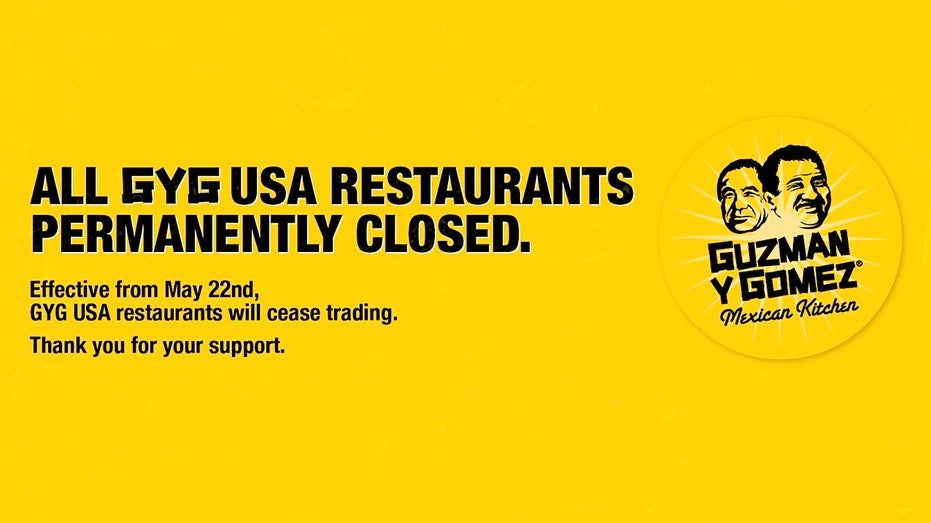
Guzman y Gomez’s U.S. website shows just a message of its sudden closing Friday.
“To our team – thank you. Your passion and your purpose built something special. If you’re ever in Australia, Singapore or Japan, come find us – we’ll have your favs waiting for you. Chicagoland, Thank you!”
The shutdown marks a sharp reversal for Guzman y Gomez, which had recently reaffirmed its intent to expand in the U.S. market. The company (ASX: GYG) was founded in Australia by native New Yorkers Steven Marks and Robert Hazan and made its U.S. debut in 2020 with ambitions to build a much larger American footprint.
“I have always been confident in the differentiation of our food and guest experience, however this was not translating to an improvement in sales momentum,” Marks said in an Australian Securities Exchange announcement, Business News Australia reported.
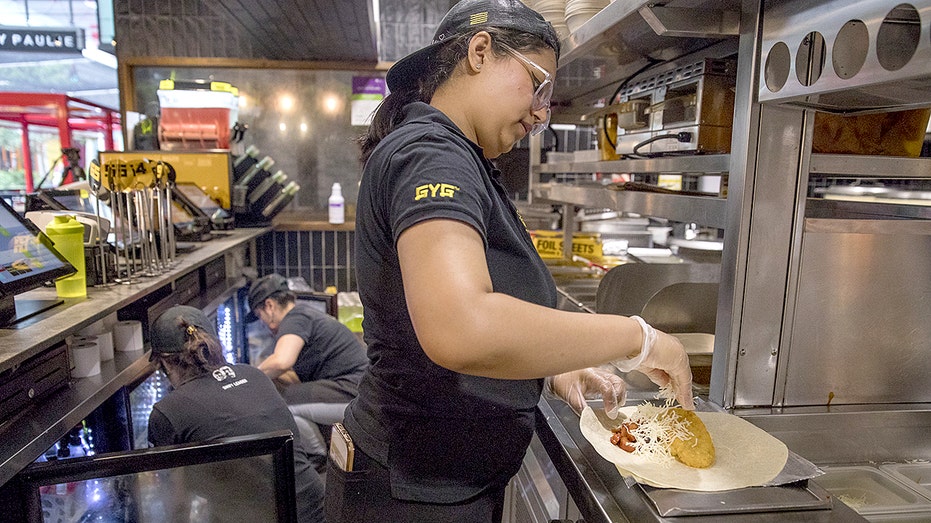
An employee prepares food at a Guzman y Gomez restaurant in Sydney, Australia, on Wednesday, Dec. 13, 2023. (Brent Lewin/Bloomberg via Getty Images / Getty Images)
“Having spent the last three months in the US, I realized this was going to take significantly more time and capital than we had expected.
“In assessing the trajectory of the current network, the board and I have concluded that the business is unlikely to deliver the performance that would justify continued investment of shareholder capital.”
FMR FAST FOOD CEO PREDICTS MORE RESTAURANTS WILL CLOSE NATIONWIDE OVER HIGHER PRICES

Guzman y Gomez says adios to the U.S., but remains active in Australia, Japan and Singapore. (Guzman Y Gomez/Instagram / Unknown)
The company chose the Chicago area as its entry point. At the time, its founders said they intended to open “hundreds, if not thousands” of Guzman y Gomez locations across the country.
Instead, the company is exiting the U.S. entirely, which has helped is stock price in Australia surge more than $3 Australian from $18.05 to $21.10 when the news dropped Friday morning.
“We have a long runway ahead of us in Australia as we progress towards our longterm target of 1,000 restaurants and segment underlying EBITDA as a percentage of network sales of 10%,” Marks said.
“Concentrating our capital, focus and infrastructure behind this opportunity is the most effective way to compound shareholder value over the long term.”
The retreat comes as U.S. restaurants face pressure from cautious consumers, higher food costs and declining traffic.
ITALIAN RESTAURANT CHAIN FILES FOR BANKRUPTCY, CITING INFLATION AND HIGHER INTEREST RATES
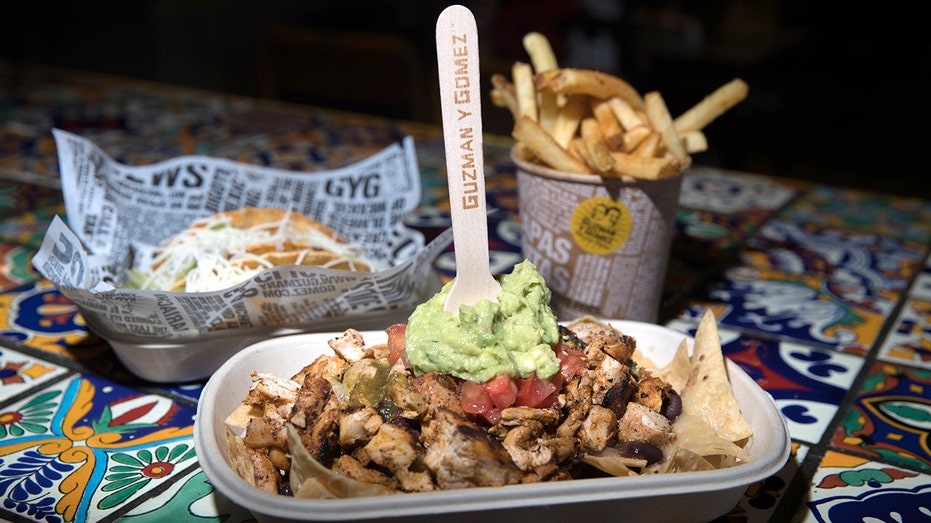
Guzman y Gomez (ASX: GYG), an Australian-based Chipotle rival in Chicago, is forced to close all its Chicago-area restaurants. (Brent Lewin/Bloomberg via Getty Images / Getty Images)
TheStreet reported that three in 10 Americans have cut back on retail spending and restaurant visits compared with a year earlier, citing S&P Global data. Food-away-from-home prices rose 39.3% from January 2019 to January 2026, far faster than in the previous seven-year period, according to the same report.
Those headwinds have weighed on chains across the industry, especially those trying to scale in crowded categories.
Guzman y Gomez positioned itself as a cleaner take on fast-casual Mexican food, touting no added preservatives, no artificial flavors, no added colors and no “unacceptable additives” on its Australian website.
Its U.S. closure leaves Chipotle — which has roughly 4,000 restaurants — without one of its smaller fast-casual Mexican challengers in the American market.
| Ticker | Security | Last | Change | Change % |
|---|---|---|---|---|
| CMG | CHIPOTLE MEXICAN GRILL INC. | 32.89 | +0.09 | +0.27% |
| CAVA | CAVA GROUP INC | 80.42 | -0.85 | -1.05% |
| QSR | RESTAURANT BRANDS INTERNATIONAL INC. | 75.38 | -0.87 | -1.14% |
GET FOX BUSINESS ON THE GO BY CLICKING HERE
RBC Capital Markets analyst Michael Toner told Reuters the exit could be positive for Guzman y Gomez’s broader business because its U.S. operations had limited prospects and were weighing on earnings.
“The U.S. business had very low prospects of being successful, and the losses of the business were weighing down the earnings of the group so the sooner exit than anticipated is positive,” Toner said.
Reuters contributed to this report.

Wyndham Clark: American goes 30 under to win CJ Cup Byron Nelson on PGA Tour

AT&T sues to ditch Cali copper phone lines to save billions

Wales hits 27.5C with temperatures to rise further and England declares a heatwave

US brings back mandatory military draft registration

Steven Gerrard disagrees with Gary Neville over ‘shock’ Chelsea and Arsenal claim | Football

Register Renaming | Hackaday

Iran’s Crypto Pipeline Raises New Questions #breakingnews #crypto #iran #bitcoin #blockchain #trump

Why is GenZ Taking LOANS?! | Financial Nihilism Part 2 | Ankur Warikoo Hindi

CONTACT ME THROUGH MY EMAIL FOR GUIDANCE.#crypto #usa #xrp #xrppripple #cryptocurrency #viral.
-

 Crypto World3 days ago
Blockchain.com files with SEC for U.S. IPO
-

 Fashion2 days ago
Holiday Weekend Open Thread – Corporette.com
-

 Crypto World3 days ago
Bitcoin Accumulation Weakens as BTC Realized Losses Hit $600M
-

 Business2 days ago
Dell Technologies DELL Stock Surges 15% on AI Server Momentum and Analyst Upgrades in 2026
-

 Crypto World2 days ago
Space X IPO Is ‘Bad News’ for Tech Stocks: But What About Bitcoin?
-

 Politics2 days ago
Makerfield: a tale of two social-media histories
-

 Crypto World3 days ago
MicroStrategy’s Saylor Says Miners No Longer Set Bitcoin Price, Another Force Has Taken Over
-

 Crypto World2 days ago
Robinhood crypto COO Tanya Denisova exits
-

 Business5 hours ago
NYT Strands Answers May 24 2026 Revealed for Puzzle No. 812 Theme Summer Essentials
-
 Tech2 days ago
A 0.12% parameter add-on gives AI agents the working memory RAG can’t
-

 Crypto World2 days ago
AI infrastructure race heats up as IREN pitches full-stack strategy, WhiteFiber lands $160M deal
-

 Tech3 days ago
WhatsApp ads could make Irish debut after discussions with DPC
-

 Business3 days ago
Trump Invests $1M-$5M in Kura Sushi USA Chain With 27 California Locations
-

 Tech3 days ago
You Can Now Add ChatGPT To PowerPoint
-
 Crypto World6 days ago
Revolut Launches Dogecoin Debit Card Across UK and EU
-

 Sports3 days ago
2026 CJ Cup Byron Nelson leaderboard: Brooks Koepka finds putting stroke in Round 1
-

 Crypto World3 days ago
Trump Media’s Bitcoin Stash Shrinks Again as 2,650 BTC Lands on Crypto.com
-
 NewsBeat3 days ago
Charity run by Reform leader Malcolm Offord accused of ‘law breaking’ over Scottish registration
-
Business3 days ago
Goldman Sachs reinstates Ageas stock coverage with neutral rating
-

 Crypto World4 days ago
Exa Labs raises $250 million in funding led by a16z
You must be logged in to post a comment Login