
Business
UK economy flatlines in January as restaurant spending falls and growth stalls


The UK economy stalled at the start of the year as households cut back on discretionary spending, with restaurants and food services experiencing a sharp decline in activity.
New figures from the Office for National Statistics (ONS) show that gross domestic product (GDP) recorded zero growth in January, falling short of economists’ expectations and marking a slowdown from the modest 0.1% growth recorded in December. Analysts had forecast that output would expand by around 0.2% over the month.
The disappointing performance highlights the fragile state of the UK economy even before the latest geopolitical shock from the escalating US-Israeli conflict with Iran, which economists warn could further dampen growth by pushing energy prices higher and fuelling inflation.
The ONS said the overall economic picture remained “subdued”, with consumer-facing sectors particularly weak. Within the dominant services sector, which accounts for around 80% of UK economic activity, there was a notable 2.7% drop in food and drink service activity as households curtailed spending on eating out.
This contraction in hospitality suggests that the pressure on household finances continues to weigh heavily on consumer behaviour. Restaurants and pubs are often among the first sectors to feel the impact when consumers begin tightening their budgets.
More broadly, the services sector showed no growth overall during the month, underscoring the cautious spending environment facing businesses.
Other parts of the economy also delivered mixed results. Industrial production slipped by 0.1% during January, while construction activity provided one of the few bright spots, expanding by 0.2% over the month.
The flat reading follows a period of slowing economic momentum during the second half of 2025, when uncertainty over tax changes, rising unemployment and lingering cost-of-living pressures led many consumers to reduce spending.
Although the monthly GDP figure showed stagnation, the three-month measure of economic activity, which is typically less volatile, indicated modest growth. In the three months to January, the UK economy expanded by 0.2%, slightly stronger than the 0.1% recorded in the previous three-month period.
However, economists say the underlying picture remains weak, particularly as global developments threaten to worsen inflation and slow economic activity further.
The latest data was compiled before the outbreak of hostilities involving the United States, Israel and Iran, which has sent global energy prices sharply higher. Oil prices have surged and wholesale gas markets have become increasingly volatile, raising concerns about a renewed cost-of-living squeeze for British households.
Prime Minister Sir Keir Starmer warned earlier this week that the longer the Middle East conflict continues, the more likely it is to have a tangible impact on the UK economy.
Higher energy prices are already feeding through to petrol and diesel costs, while households covered by Ofgem’s energy price cap will remain shielded from immediate increases until the next adjustment period in July.
Nonetheless, economists warn that sustained energy price rises could quickly push inflation higher again. Before the conflict erupted, inflation had been expected to fall to the Bank of England’s 2% target by the spring. A renewed surge in energy costs could derail that trajectory.
The shift in the inflation outlook has already affected financial markets. Expectations that the Bank of England would begin cutting interest rates as early as March have largely evaporated, with economists now widely anticipating that policymakers will hold rates steady when they meet next week.
This change in interest rate expectations has had an immediate impact on the mortgage market. Hundreds of mortgage deals have been withdrawn by lenders in recent days, while average mortgage rates have climbed back to levels not seen since last spring.
If the geopolitical tensions persist, analysts say higher borrowing costs and weaker consumer confidence could undermine Labour’s central economic priority of accelerating growth.
Chancellor Rachel Reeves acknowledged the challenges facing the economy, saying the government remained committed to its long-term economic strategy.
“Our economic plan is the right one, but I know there is more to do,” she said.
“In an uncertain world, we are building a stronger and more secure economy by cutting the cost of living, reducing national debt and creating the conditions for growth so that all parts of the country can prosper.”
Opposition figures were quick to criticise the government’s economic performance. Shadow chancellor Sir Mel Stride said Labour had left the economy exposed to external shocks.
“Labour’s economic mismanagement has left the UK vulnerable to the potential consequences of the Iran conflict,” he said.
“They must now take urgent action, including cutting fuel duty, supporting North Sea oil and gas production and putting forward a credible plan to reduce the deficit and bring down the benefits bill.”
Looking ahead, economists believe growth is likely to remain subdued throughout much of the year.
The Office for Budget Responsibility recently downgraded its forecast for UK economic growth in 2026 to 1.1%, down from its earlier estimate of 1.4%.
Yael Selfin, chief economist at KPMG UK, said the latest GDP figures suggested the economy had begun the year on weak footing and could struggle to regain momentum.
“The UK economy started the year on the back foot and activity is expected to weaken further amid sharply rising energy prices,” she said.
Selfin added that government borrowing costs have increased in recent weeks as financial markets reassess the outlook for interest rates. Higher borrowing costs could act as a headwind for businesses and households alike.
“With expectations for weaker growth combined with rising costs, businesses are likely to scale back investment plans,” she said.
For policymakers, the challenge now lies in navigating a fragile domestic economy while responding to external shocks that threaten to push inflation higher and delay any relief from elevated interest rates.

Jamie Young
Jamie is Senior Reporter at Business Matters, bringing over a decade of experience in UK SME business reporting.
Jamie holds a degree in Business Administration and regularly participates in industry conferences and workshops.
When not reporting on the latest business developments, Jamie is passionate about mentoring up-and-coming journalists and entrepreneurs to inspire the next generation of business leaders.

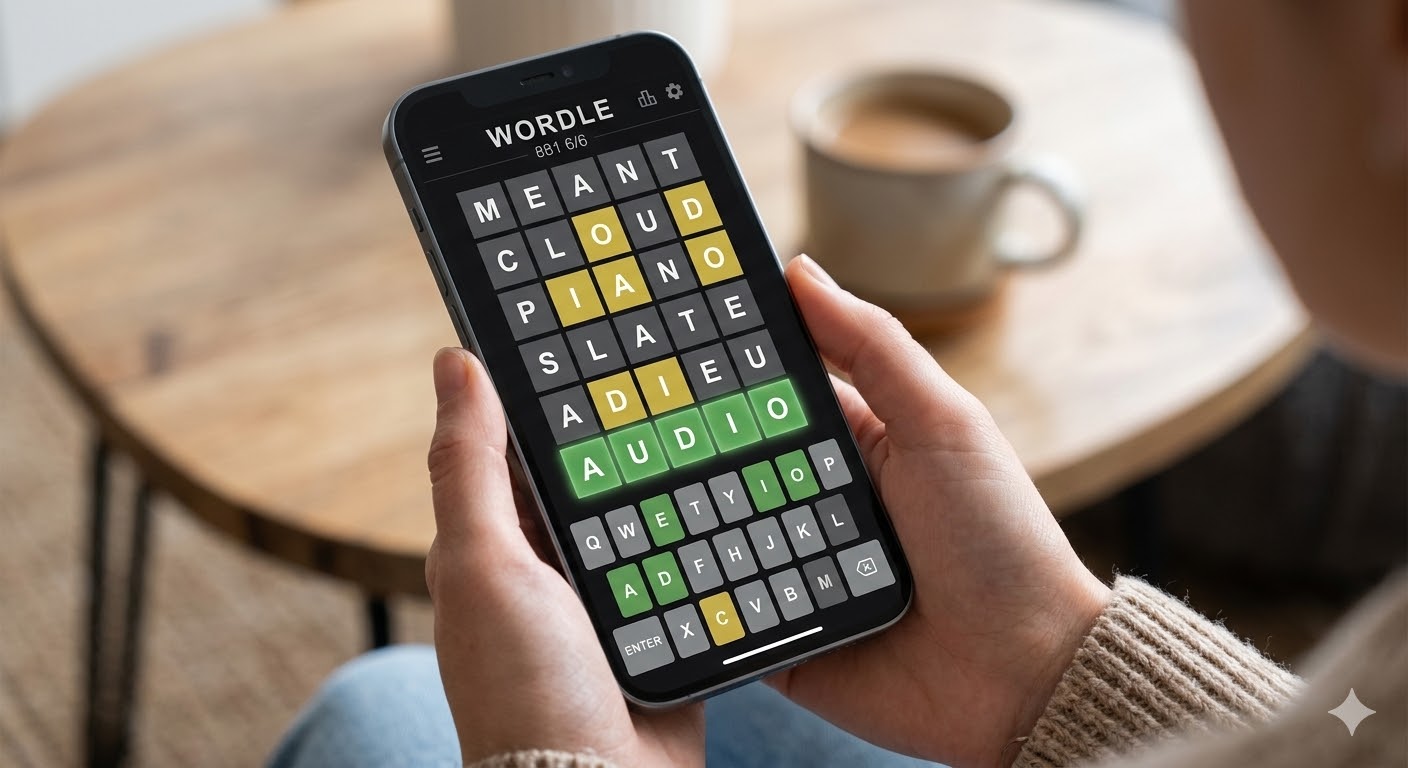
The New York Times Wordle puzzle for Friday, April 3, 2026 — puzzle No. 1,749 — offered players a fresh five-letter challenge that tested vocabulary, deduction and a bit of luck as millions logged in for their daily word-guessing ritual.

While exact details of today’s solution remain under embargo until the puzzle rolls over at midnight Eastern Time, the streak of recent Wordle answers and community patterns provide helpful context for solvers preparing to tackle puzzle 1749. Yesterday’s Wordle No. 1,748 on April 2 had the answer SOBER, an adjective meaning temperate in the use of alcohol or serious and solemn in demeanor, according to Webster’s New World College Dictionary.
The sequence of recent solutions shows the game’s editors continue to favor common yet interesting words that balance accessibility with moderate challenge. Puzzle 1748 featured no repeated letters, began with S and included two vowels — characteristics that often guide early guesses.
Wordle, created by Josh Wardle and acquired by The New York Times in 2022, presents players with six attempts to guess a hidden five-letter word. After each guess, colored tiles provide feedback: green for correct letter in the correct position, yellow for correct letter in the wrong position, and gray for letters not in the word at all. The simple yet addictive format has sustained massive popularity years after launch.
Typical Solving Strategies for April 3 Puzzle
For today’s puzzle No. 1,749, experienced players recommend starting with strong opening words that maximize vowel and common consonant coverage. Popular starters such as “SLATE,” “CRANE,” “TRACE” or “AUDIO” help eliminate or confirm multiple letters quickly. Yesterday’s answer “SOBER” reinforced the value of testing common consonants like S, B and R early.
Solvers should pay close attention to vowel placement and possible double letters. Recent puzzles have varied between words with repeated letters and those without, keeping players alert. If early guesses yield several yellow or green tiles, narrowing possibilities through process of elimination becomes key.
Community sites and the official Wordle Review often provide post-puzzle analysis, including the word’s part of speech, definition and any interesting etymology. For instance, “SOBER” carries both literal meanings related to sobriety and figurative senses of gravity or restraint.
Wordle’s Enduring Cultural Impact
Since its humble beginnings as a private game for Wardle and his partner, Wordle has grown into a global phenomenon shared across social media, workplace chats and family groups. Players proudly post their emoji grids — sequences of green, yellow and black squares — to celebrate streaks or commiserate over tough losses.
The New York Times has maintained the game’s daily rhythm while adding features such as statistics tracking, optional hard mode and integration with other Games offerings like Connections and the Mini Crossword. Puzzle numbers have climbed steadily, with No. 1,749 marking another milestone in the game’s long run.
Many players have turned Wordle into a morning or evening routine, using it as a quick mental warm-up or relaxing wind-down. The game’s accessibility — no downloads required beyond a web browser or the NYT app — has helped it reach audiences of all ages and backgrounds.
Tips to Improve Your Wordle Game
Veteran solvers suggest building a mental or physical list of high-frequency five-letter words. Focusing on words that contain multiple vowels or common letter combinations improves first-guess efficiency. When only a few letters remain, considering alphabetical order or phonetic patterns can help narrow options.
Hard mode, which forces players to use confirmed letters in subsequent guesses, sharpens skills for those seeking extra challenge. Sharing results without spoilers respects friends still working on the puzzle while fostering friendly competition over longest streaks or fewest guesses.
For those who occasionally miss a day, archived puzzles and community discussions allow catching up without breaking streaks in some tracking tools. The official NYT Wordle Review page provides in-depth hints, conversation and gentle nudges for players who want support without full spoilers.
Broader NYT Games Ecosystem
Wordle sits alongside other popular daily games from The New York Times, including Connections (which on April 3 featured themes around catty synonyms, verbs meaning to crave, cocktail glasses and “_____ control” phrases), the Mini Crossword, Spelling Bee and Letter Boxed. Together they create an engaging ecosystem that keeps players returning for fresh mental exercise.
As April 3, 2026, dawned, solvers worldwide prepared for puzzle 1,749 with varying strategies — some sticking to favorite starter words, others experimenting based on recent answer patterns. Whether today’s word relates to everyday objects, emotions, actions or abstract concepts remains to be seen once the puzzle unlocks.
For players who solve quickly, the satisfaction of a green row on the first or second guess brings a small daily victory. For those who need all six attempts, the learning process and eventual reveal still deliver reward. Even missed puzzles become opportunities to discuss tricky words with fellow enthusiasts online.
The simplicity of Wordle — one word, six tries, universal rules — continues to explain its staying power in an era of complex digital entertainment. It requires no special knowledge beyond basic English vocabulary yet rewards pattern recognition, logical deduction and a touch of intuition.
As the day progresses, social media will likely fill with discussions, shared strategies and light-hearted reactions to puzzle 1749. Some will celebrate extended streaks, while others will reset and aim to rebuild. All will appreciate the daily ritual that brings a moment of focus and fun.
The New York Times Games team curates each puzzle to maintain an approachable yet stimulating difficulty curve, ensuring Wordle remains welcoming for newcomers while offering depth for dedicated fans. With thousands of possible five-letter words in the English language, the variety keeps the game feeling fresh even after more than 1,700 editions.
For those still working on today’s puzzle, good luck — and remember that tomorrow brings another chance with Wordle No. 1,750. Whether you are a casual player or a streak-chasing expert, the game continues to unite people through the simple joy of cracking a hidden word one letter at a time.
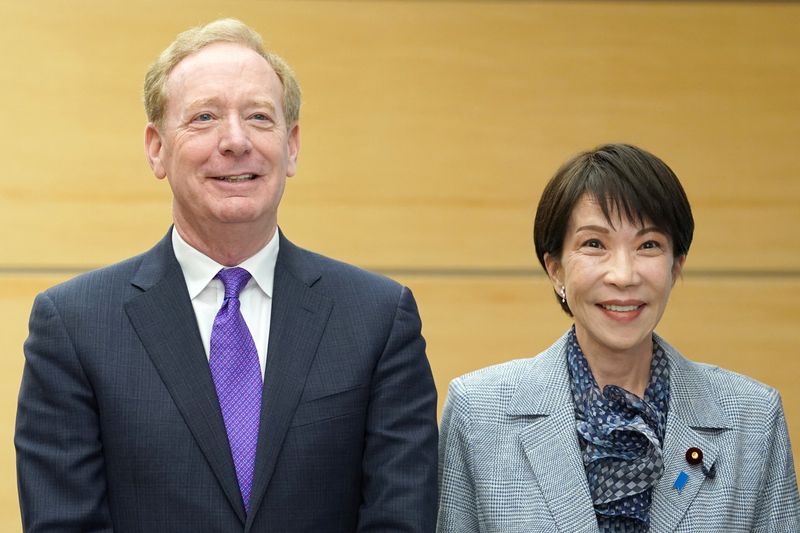

Microsoft to invest $10 billion in Japan for AI and cyber defence expansion

Form 144 ROCKWELL AUTOMATION For: 2 April
GameStop Is Fairly Valued And It's Now Focused On M&A


UN to vote on Hormuz resolution as China opposes authorization of force
Chinese drug fugitive repatriated from US, Xinhua says


Hello readers! Passionate about technology, my focus will be on finding and analyzing companies that can play a relevant role in today’s geopolitics, leverage their IP, and eventually, with time, become new leaders. Therefore, the investment style will correspond to growth companies with a bias on the mid-cap segment. The main sectors under study will be biotechnologies, computer chips, cloud technology, energy, and commodities. Special attention will be given to risks surrounding business cases, with a top-down approach completing each bottom-up analysis. A systematic balance sheet analysis will be performed as growing businesses often fail the funding test. In contrast, a stress test will be employed to challenge my thesis and see what degree of safety lies in each model. Long-term capital appreciation will be preferred over short-term speculation. Holding a master’s in communication and an MBA and having completed my experience in journalism, I will be happy to share my ideas and points of view with you. As an SA contributor since 2023, I look forward to your comments to help me improve my work and will do my best to provide you with the most extensive coverage in these thematics. Best regards
Analyst’s Disclosure: I/we have no stock, option or similar derivative position in any of the companies mentioned, and no plans to initiate any such positions within the next 72 hours. I wrote this article myself, and it expresses my own opinions. I am not receiving compensation for it (other than from Seeking Alpha). I have no business relationship with any company whose stock is mentioned in this article.
Seeking Alpha’s Disclosure: Past performance is no guarantee of future results. No recommendation or advice is being given as to whether any investment is suitable for a particular investor. Any views or opinions expressed above may not reflect those of Seeking Alpha as a whole. Seeking Alpha is not a licensed securities dealer, broker or US investment adviser or investment bank. Our analysts are third party authors that include both professional investors and individual investors who may not be licensed or certified by any institute or regulatory body.

I like to take a long term, buy-and-hold approach to investing, with a bias toward stocks that can sustainably post high quality earnings. Mostly found in the dividend and income section. Blog about various US/Canadian stocks at ‘The Compound Investor’, and predominantly UK names on ‘The UK Income Investor’.
Analyst’s Disclosure: I/we have a beneficial long position in the shares of GGGSY either through stock ownership, options, or other derivatives. I wrote this article myself, and it expresses my own opinions. I am not receiving compensation for it (other than from Seeking Alpha). I have no business relationship with any company whose stock is mentioned in this article.
Seeking Alpha’s Disclosure: Past performance is no guarantee of future results. No recommendation or advice is being given as to whether any investment is suitable for a particular investor. Any views or opinions expressed above may not reflect those of Seeking Alpha as a whole. Seeking Alpha is not a licensed securities dealer, broker or US investment adviser or investment bank. Our analysts are third party authors that include both professional investors and individual investors who may not be licensed or certified by any institute or regulatory body.
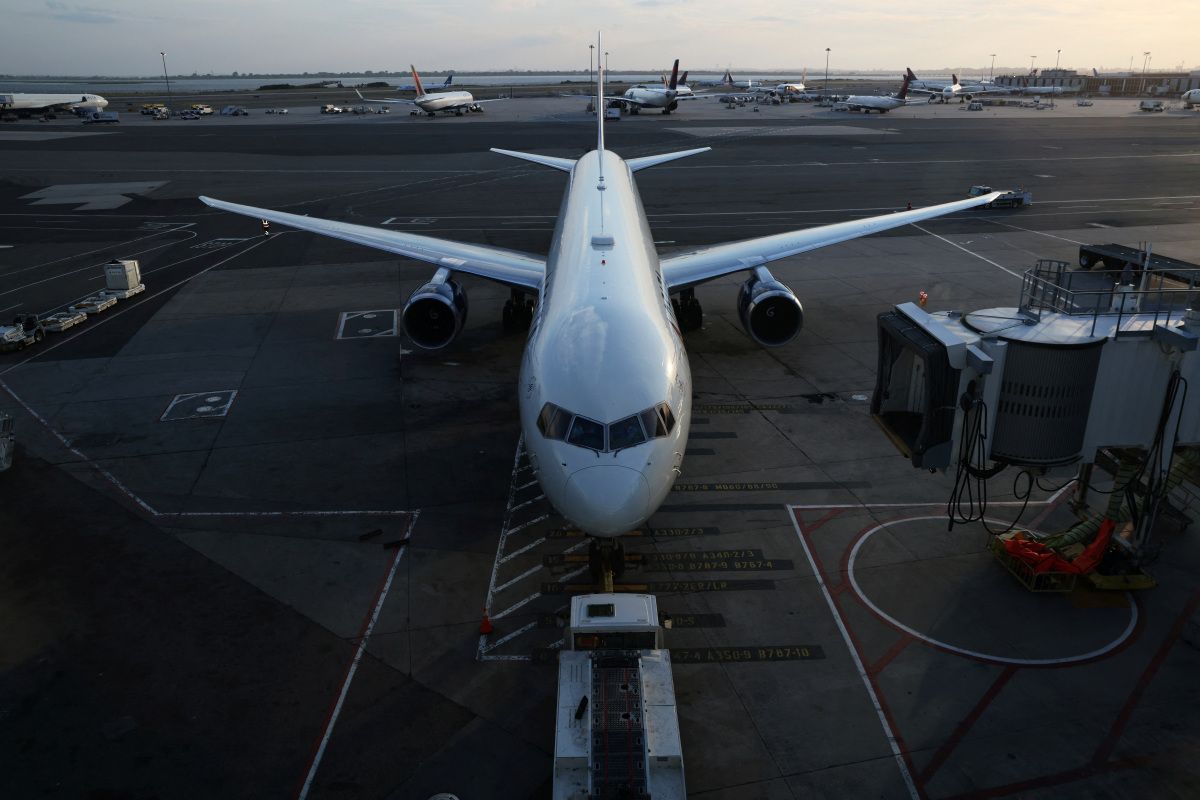
Travelers at John F. Kennedy International Airport faced generally manageable but fluctuating TSA security wait times on Thursday, April 2, 2026, with general lanes averaging 5 to 23 minutes across terminals while TSA PreCheck lines remained much shorter, often under 5 minutes, amid ongoing staffing shortages that continue to affect predictability at one of the nation’s busiest gateways.

The official JFK Airport website reported the following approximate wait times as of midday Thursday: Terminal 1 general 22 minutes and PreCheck 5 minutes; Terminal 4 general 5 minutes and PreCheck 1 minute; Terminal 5 general 14 minutes and PreCheck 4 minutes; Terminal 7 general 23 minutes with PreCheck unavailable or not listed; and Terminal 8 general 19 minutes and PreCheck 5 minutes. Airport officials warned that TSA staffing shortages were causing rapidly changing conditions and that posted times might not reflect real-time queues.
Delta Air Lines’ wait-time tracker showed even shorter averages in some checkpoints, with regular lanes around 7 minutes and PreCheck as low as 1 minute in certain terminals. Independent monitors like Takeoff Timer estimated overall averages of 25-35 minutes during the day, with peaks potentially reaching 30-45 minutes in morning and evening rushes, though current data suggested lighter crowds mid-morning into early afternoon.
JFK, which handled more than 62 million passengers in 2025, operates five main passenger terminals with separate security checkpoints. Terminal 4, the largest international hub serving airlines like Delta, JetBlue and many foreign carriers, often sees higher volumes but showed some of the shortest waits Thursday at just 5 minutes general and 1 minute PreCheck. Terminal 7 and Terminal 1, used heavily by international and domestic carriers, reported longer general lines around 22-23 minutes.
Staffing shortages have plagued TSA operations nationwide, including at major hubs like JFK, leading to inconsistent throughput even on days without major disruptions. Airport staff monitor lines closely, but officials advise passengers to build in extra time. Many travelers reported on social media and forums that actual waits varied significantly depending on the specific checkpoint, time of arrival and random secondary screening.
TSA PreCheck continued to offer substantial time savings for enrolled members, with waits frequently 1-5 minutes across available lanes. CLEAR biometric lanes, available in several terminals, further expedite the process for those who have enrolled in the paid service. Both programs remain popular at JFK, where frequent international and business travelers value the faster screening.
Peak periods at JFK typically occur between 5-9 a.m. and 3-7 p.m., when waits can climb toward 30-45 minutes or more in general lanes. Thursday appeared relatively moderate, with no major flight delays or weather issues reported that would exacerbate crowds. However, earlier in the week, some passengers experienced longer backups, particularly in Terminal 8 and during afternoon rushes.
The airport strongly recommends arriving at least two hours before domestic flights and three hours before international departures to account for check-in, security, baggage and potential gate changes. Those with checked bags or traveling during busy periods should add even more buffer time. Real-time updates are available on the official JFK website (jfkairport.com), the MyTSA mobile app, airline apps and third-party trackers like OnAirParking or Delta’s tools.
JFK’s security setup includes standard TSA screening with the familiar 3-1-1 liquids rule, removal of laptops and large electronics, and shoe removal for most passengers in regular lanes. Prohibited items continue to trigger secondary checks that can slow individual processing even when overall lines move steadily. Families, travelers with disabilities or medical needs can request assistance or dedicated lanes where available.
The airport’s ongoing transition to more efficient processes, including expanded PreCheck enrollment and biometric options, has helped mitigate some delays, but persistent staffing challenges mean conditions can shift quickly. Officials have urged patience and direct communication with airlines for flight-specific advice rather than relying solely on general wait-time postings.
For international arrivals, additional CBP processing adds time after landing, but departure screening remains the primary focus for most queries about “TSA wait times.” Terminal 4, with its modern facilities and high capacity, often handles the heaviest international traffic yet posted some of the shortest security times Thursday.
Travelers shared mixed experiences online. Some praised quick PreCheck lanes and efficient staff, while others noted longer general queues in certain terminals and advised checking multiple sources before heading to the airport. Reddit threads and local news comments highlighted the importance of flexibility, especially for those connecting from other flights or using rideshares and public transit to reach JFK.
Ground transportation to the airport also factors into planning. Traffic on the Van Wyck Expressway and Belt Parkway can add significant time, particularly during rush hours. The AirTrain JFK provides convenient connections between terminals and the Jamaica station for Long Island Rail Road and subway access, but security remains the main variable once inside the terminals.
As spring travel ramps up, JFK continues to serve as a critical international gateway with nonstop flights to hundreds of destinations worldwide. Airlines including JetBlue, Delta, American and many foreign carriers operate extensive schedules, making efficient security flow essential for on-time performance.
TSA and airport leaders emphasize compliance with screening rules to keep lines moving. Forgetting liquids, large electronics or prohibited items remains a common source of individual delays. The MyTSA app’s “What Can I Bring?” tool helps passengers prepare in advance.
While waits on April 2 appeared lighter than some recent peak days — when reports of 45-60 minute or longer lines surfaced — the message from officials remained consistent: build in extra time and monitor updates closely. Staffing shortages mean that even moderate passenger volumes can lead to backups if multiple checkpoints experience simultaneous pressure.
Looking ahead, JFK’s modernization efforts, including terminal improvements and technology upgrades, aim to improve the passenger experience over time. In the near term, however, travelers must navigate the reality of variable security times influenced by daily staffing, flight schedules and external factors.
Passengers with questions can contact their airline directly or use the airport’s guest services. For the most accurate picture on any given day, multiple sources — the official JFK site, airline trackers and crowd-sourced apps — provide the best combined view.
On this Thursday, with moderate waits reported across most terminals and notably short PreCheck lines, many travelers likely experienced smoother security than on busier days. Still, the recurring advisory stands: arrive early, stay informed and prepare for the possibility that conditions could change rapidly.
JFK’s role as a major hub means security efficiency directly impacts thousands of passengers daily. As the airport and TSA work to balance safety with speed, real-time data tools empower travelers to make better-informed decisions about when to head to the terminal.
For those flying out of JFK today or in the coming days, checking wait times shortly before departure remains the smartest strategy. With general lines mostly in the 5-23 minute range and PreCheck often under 5 minutes as of midday, the airport offered relatively reasonable throughput on April 2 despite ongoing staffing pressures.
Safe travels and smooth screening to all departing from one of the world’s busiest international airports.
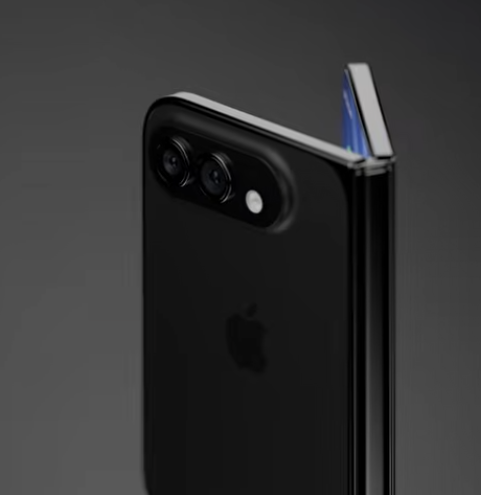
Apple’s long-awaited first foldable iPhone, widely referred to in rumors as the iPhone Fold, appears on track for a 2026 debut, with supply chain reports and analyst predictions pointing to a September announcement alongside premium iPhone 18 models and possible shipments starting in late 2026 or early 2027.

The device would mark Apple’s entry into the foldable smartphone category dominated by Samsung’s Galaxy Z Fold series, bringing the company’s signature focus on premium design, software optimization and durability to a form factor that has so far struggled with visible creases, hinge reliability and high prices.
Here are the five most persistent and credible rumors circulating as of early April 2026:
- 2026 Launch Timeline with Possible December Shipments Multiple analysts, including Ming-Chi Kuo and Mark Gurman, now lean toward an announcement during Apple’s traditional September 2026 event alongside the iPhone 18 Pro and iPhone 18 Pro Max. However, actual customer availability could slip to December 2026 or even early 2027 due to the complexity of foldable production. Some reports suggest Apple may prioritize the foldable over the standard iPhone 18, pushing the base model to spring 2027 to focus resources on higher-margin premium devices. Mass production is reportedly ramping up or scheduled for mid-to-late 2026, with initial volumes potentially limited.
- Premium Pricing Starting Above $2,000 The foldable iPhone is expected to carry a significantly higher price tag than even the current iPhone 16 Pro Max. Estimates range from roughly $2,000 to $2,900 depending on storage configuration, with base models around $2,320 for 256GB, $2,610 for 512GB and up to $2,900 for 1TB. This premium positioning reflects Apple’s anticipated use of advanced materials, a sophisticated hinge and cutting-edge display technology. Analysts believe the device will target early adopters and professionals who value the larger screen real estate for productivity, media consumption and multitasking.
- Book-Style Design with Minimal or Near-Crease-Free Display Rumors consistently describe a book-style foldable rather than a clamshell flip design. When closed, the device is expected to feature an approximately 5.3- to 5.5-inch outer display with a wider, somewhat squat aspect ratio. When unfolded, it opens to a 7.6- to 7.8-inch inner display approaching the size of an iPad mini but with a more tablet-like 4:3 or similar aspect ratio optimized for landscape use. Apple is said to have made significant progress on minimizing the crease, with some leaks claiming the fold will be only about one-quarter as deep as current Samsung Galaxy Fold models or nearly invisible thanks to new display lamination techniques and a specialized hinge. The overall thickness when closed is rumored around 9mm, unfolding to roughly 4.5mm per side — potentially making it one of the thinnest foldables on the market.
- Advanced Hinge, Titanium Chassis and Unique Apple-First Features To achieve durability and a shallow crease, Apple is reportedly incorporating liquid metal components or a high-quality dispersion-plate hinge mechanism, paired with a titanium frame for strength without excessive weight. The design may include a hole-punch front camera cutout on the inner display (a first for Apple in this context) and a unique camera layout on the back, possibly limited to two rear cameras rather than the triple setup on Pro models. Some leaks suggest the absence of Face ID in favor of Touch ID integrated into the power button or another location, along with a larger-than-ever battery to power the dual-screen experience. The device is also expected to feature the new A20 Pro chip built on TSMC’s 2nm process for improved efficiency and performance.
- Limited Initial Production and Strategic Positioning Supply chain sources indicate Apple is taking a cautious approach with initial production volumes, possibly starting with engineering validation test units and scaling up gradually. The foldable is viewed internally as a catalyst for a major upgrade cycle, with Apple reportedly telling suppliers to prepare for higher overall iPhone 18 series orders driven by excitement around the new form factor. While a second, possibly more affordable or refined foldable model could follow in 2027 or 2028, the 2026 version is positioned as a flagship ultra-premium offering rather than a mass-market product. Software support in iOS 27 is expected to include significant optimizations for the larger inner display, multitasking enhancements and continuity features that leverage the foldable’s unique capabilities.
These rumors paint a picture of a device that prioritizes refinement over rushing to market. Apple has reportedly been working on foldable technology for years, patenting various hinge and display solutions while studying competitor offerings and consumer feedback from existing foldables. The company’s emphasis on crease reduction, build quality and seamless software integration could help it differentiate in a category where durability complaints and high prices have limited mainstream adoption.
Analysts remain divided on exact timing and sales potential. Some project modest initial shipments of several million units in the first year, while others believe strong demand could drive higher volumes if the crease issue is truly minimized and the user experience feels distinctly Apple-like. The foldable’s success may also influence future iPad designs and even MacBook concepts, extending the technology across Apple’s portfolio.
For now, Apple has offered no official confirmation or comment on a foldable iPhone, maintaining its usual secrecy. The steady flow of supply chain leaks and analyst reports, however, suggests development is well advanced and the project remains on track for 2026.
Consumers eager for a foldable iPhone will likely need to exercise patience. If the device does launch late in 2026 with shipments slipping into 2027, it could still represent one of the most significant iPhone redesigns in years — shifting the device from a pocket-sized communicator to a more versatile mini-tablet/phone hybrid.
Whether the rumored specs translate into reality remains to be seen, but the anticipation underscores Apple’s continued ability to build excitement around even unannounced products. As the company prepares its 2026 lineup, the foldable iPhone stands out as the most intriguing wildcard that could reshape how people use smartphones in the years ahead.

Our modern vision evolved from an ancient one-eyed worm creature

Puzzle 1749 Solution, Hints and Analysis for Today’s Five-Letter Word

Crypto Donations a Challenge for Canadian Election Transparency


-

 NewsBeat6 days ago
The Story hosts event on Durham’s historic registers
-

 NewsBeat9 hours ago
Steven Gerrard disagrees with Gary Neville over ‘shock’ Chelsea and Arsenal claim | Football
-

 Sports6 days ago
Sweet Sixteen Game Thread: Tide vs Michigan
-
Entertainment4 days ago
Fans slam 'heartbreaking' Barbie Dream Fest convention debacle with 'cardboard cutout' experience
-
 Entertainment5 days ago
Lana Del Rey Celebrates Her Husband’s 51st Birthday In New Post
-
Crypto World3 days ago
Dems press CFTC, ethics board on prediction-market insider trades
-

 Crypto World1 day ago
Gold Price Prediction: Worst Month in 17 Years fo Save Haven Rock
-

 Tech4 days ago
The Pixel 10a doesn’t have a camera bump, and it’s great
-

 Sports2 days ago
Tallest college basketball player ever, standing at 7-foot-9, entering transfer portal
-

 Tech3 days ago
EE TV is using AI to help you find something to watch
-

 Fashion5 days ago
Amazon Sundays: Soft Spring Layers
-

 Business4 hours ago
No Jackpot Winner and $194 Million Prize Rolls Over
-

 Business1 day ago
Login and Checkout Issues Spark Merchant Frustration
-

 Tech3 days ago
Apple will hide your email address from apps and websites, but not cops
-

 Politics3 days ago
Should Trump Be Scared Strait?
-

 Crypto World3 days ago
U.S. rule change may open trillions in 401(k) funds to crypto
-

 Tech3 days ago
How to back up your iPhone & iPad to your Mac before something goes wrong
-

 Tech3 days ago
Flipsnack and the shift toward motion-first business content with living visuals
-

 Tech4 days ago
Avatar Legends: The Fighting Game comes out in July and it looks pretty slick
-

 Tech5 days ago
Elon Musk’s last co-founder reportedly leaves xAI
You must be logged in to post a comment Login