


Connect with us
DAPA Banner
DAPA Coin
DAPA
COIN PAYMENT ASSET
PRIVACY · BLOCKDAG · HOMOMORPHIC ENCRYPTION · RUST
ElGamal Encrypted MINE DAPA
🚫 GENESIS SOLD OUT
DAPAPAY COMING

Business

US CD Sales Jump 16 Percent in 2026 as K-Pop Collectors and Gen Z Nostalgia Fuel a Physical Comeback

Published

on

Deadliest Catch Dedicates Episode to Capt. Keith Colburn's Nephew Gregory

Compact discs are making an unexpected resurgence in the United States, with sales climbing 16% to 16.3 million units during the first half of 2026, according to Luminate’s midyear music report, even as roughly half of the format’s young buyers admit they don’t actually own a CD player.

The growth rate significantly outpaced vinyl, which grew just 2.4% over the same six-month period, according to Luminate, the U.S. market research firm that tracks music industry sales and streaming data. That marks a notable shift after more than a decade in which vinyl dominated conversations around the physical music revival, with CDs now posting a growth rate nearly seven times faster than records during the first half of this year.

K-pop has played an outsized role in driving the surge. Luminate found that K-pop releases accounted for roughly 10% of the entire CD market during the period, with BTS’s 10th studio album, “Arirang,” leading the charge after reportedly selling 567,000 CDs in 2026 alone. Successful campaigns from other K-pop acts, including Enhypen’s “The Sin: Vanish” and Ateez’s “Golden Hour: Part 4,” similarly drove strong sales, according to Luminate’s analysis, reflecting the genre’s well-documented practice of releasing albums in multiple editions featuring different covers, photo cards and bonus items, which frequently encourages devoted fans to purchase more than one version of the same release.

Even so, the CD resurgence extends well beyond K-pop fandoms specifically. Luminate calculated that CD sales would still have grown 6.7% during the first half of 2026 even if K-pop releases were removed from the equation entirely, indicating a broader shift in how younger music fans are choosing to engage with physical formats regardless of genre.

Advertisement

That broader shift appears closely tied to a growing nostalgia trend among younger listeners. According to Luminate’s data, 60% of Gen Z listeners now report that they most often listen to music from the 1990s or earlier, a dramatic increase from just 18% who said the same in 2021. Whether driven by genuine musical discovery through streaming platforms, generational nostalgia, or simply a desire to own a tangible piece of an artist’s work, younger audiences appear to be embracing physical formats at a pace that has caught much of the music industry by surprise.

Perhaps the most striking finding in Luminate’s report is that ownership of a working CD player is no longer a prerequisite for buying CDs. Roughly half of Gen Z and millennial CD buyers do not own a CD player at all, according to the report, a statistic Luminate interprets as evidence that the compact disc has effectively transformed from a functional playback medium into an affordable collector’s item. For many younger buyers, purchasing physical music has become as much about aesthetic ownership and directly supporting an artist financially as it is about actually listening to the product itself. Luminate captured that dynamic directly in its report, noting that “the act of buying physical music is as much about aesthetic ownership and direct financial support for the artist as it is listening to the music on the product itself.”

Where fans are buying that physical music has also shifted noticeably. While independent record stores continue to account for the largest overall share of physical album sales, mass-market retailers including Target and Walmart posted the biggest gains during the first half of 2026, together capturing nearly 30% of the physical music market. Luminate attributed much of that growth specifically to K-pop’s collector-driven retail culture, with artists including BTS, Enhypen and Ateez ranking among the format’s biggest sellers at those big-box retailers, thanks to elaborate deluxe packaging, exclusive editions, and collectible extras such as photobooks, posters and trading cards bundled with individual releases.

Despite CDs’ faster growth rate, vinyl continues to represent the larger overall physical format by total sales volume, and remains the more economically significant driver of the broader independent record-store revival. Vinyl has posted 19 consecutive years of U.S. revenue growth and surpassed $1 billion in annual wholesale revenue during 2025, meaning its comparatively modest 2.4% growth in the first half of 2026 still translated into substantially more total units sold than CDs managed, even as CDs posted the more eye-catching percentage increase. Overall, combined U.S. physical album sales across vinyl, CDs and cassettes reached 38.2 million units during the first half of 2026, a 7.8% increase over the same period the previous year. Cassette sales, by comparison, remained a niche format, totaling only around 205,000 units during the period.

Advertisement

Streaming, meanwhile, continued its own steady growth alongside the physical format resurgence, though at a considerably more modest pace than either vinyl or CDs. U.S. on-demand audio streams rose 4.4% to 4.8% depending on the specific measure, reaching roughly 732.7 billion plays domestically during the first half of the year, according to different figures cited across Luminate’s reporting, while global on-demand streaming grew more significantly, climbing 9.8% to reach 2.8 trillion plays worldwide.

Luminate’s report also touched briefly on the growing presence of AI-generated music within the streaming landscape, noting that such content has moved well past being a purely novelty phenomenon. The report cited the song “Livin’ on Borrowed Time” by the AI-generated act Breaking Rust, which garnered 19 million on-demand audio streams in the U.S. during the first half of 2026. Even so, Luminate cautioned that a broader commercial breakthrough for AI-generated music has not yet materialized, noting that the track ranked just 4,304th on the overall U.S. song chart despite its substantial individual streaming total.

Taken together, Luminate’s midyear findings paint a picture of a U.S. music industry increasingly defined by generational contrasts in how fans choose to consume and collect music, with younger listeners driving unexpected growth in older physical formats even as digital streaming continues expanding as the dominant overall method of listening across the broader market.

Advertisement
Continue Reading
Click to comment

You must be logged in to post a comment Login

Leave a Reply

Business

'Cocaine, vodka, whiskey' came before One Nation candidacy

Published

on

'Cocaine, vodka, whiskey' came before One Nation candidacy

One Nation’s Secret Harbour by-election candidate, Luke Herdegen, has talked openly about regular Saturday nights of “cocaine, vodka and whiskey” while living in London a decade ago.

Continue Reading

Business

BHEL share price: Brokerages see up to 23% upside after Maharatna PSU posts first Q1 profit in 8 years

Published

on

BHEL share price: Brokerages see up to 23% upside after Maharatna PSU posts first Q1 profit in 8 years
Shares of Bharat Heavy Electricals (BHEL) recently scaled a fresh 52-week high, but brokerages believe the rally may not be over yet after the Maharatna PSU posted a strong set of Q1FY27 results last week.

The company on Thursday reported a consolidated net profit of nearly Rs 377 crore for the April-June quarter, compared with a net loss of Rs 455.5 crore in the year-ago period. Revenue from operations jumped more than 40% year-on-year to Rs 7,697.72 crore from Rs 5,486.91 crore a year earlier.

The PSU’s operating profit margin improved sharply to 6.69% in Q1 FY27, from a negative 9.54% in Q1 FY26, while net profit margin rose to 4.89%. Its net worth rose more than 9% YoY to Rs 26,471 crore during the quarter under review, while earnings per share (EPS) stood at Rs 1.08.

After the release of the results, BHEL shares jumped to a fresh 52-week high of Rs 446.50 apiece on Friday, before seeing some profit booking today. The stock is overall up more than 43% in 2026 so far. In the longer term, the company’s shares have delivered 67% returns over one year, 336% over three years, and 561% over five years.

Advertisement

Also read |BHEL Q1 Results: Maharatna PSU posts net profit of Rs 377 crore in Q1, revenue jumps 40%

ICICI Securities on BHEL share price

ICICI Securities said BHEL has started the ongoing financial year 2027 on a strong note, with revenue growing 40% YoY. The PSU reported a net profit, positive for the first quarter, after Q1 FY19.


“We believe this performance was driven by a pick-up in execution of projects won in the new cycle – these have better realisation. It has won new orders worth Rs 2.7 trillion over the last three years. BHEL reported Q1 FY27 order inflow (OI) of INR 267bn, taking its order book (OB) to Rs 2.6 trillion – 7.2x TTM sales. We expect execution to grow at a 13% CAGR over FY26–28 and profitability to improve further on the back of multiple levers,” it said.
The brokerage maintained its ‘Buy’ call on the shares of ICICI Securities, but increased its target price to Rs 520 apiece from Rs 450 apiece. The latest target price implies an upside potential of more than 23% from the stock’s previous closing price of Rs 422 apiece.

JM Financial on BHEL share price

JM Financial also noted that the company posted profit in the first quarter for the first time in eight years. The domestic brokerage named BHEL among its top 5 picks as the 97GW of the original target for thermal additions now extends to 110GW+.“Notwithstanding the current performance, we maintain FY27E revenue at Rs 419 billion (24% YoY), gross margin of at least 31.5% (29% in FY26) and EBITDA margin of 10.4% (6.9% in FY26),” JM Financial said. It maintained its ‘Buy’ rating on the shares of the company with a target price of Rs 481 apiece, implying a 14% upside potential.

Also read:
Axis Bank shares fall 5% after Q1 earnings fail to cheer D-Street. What brokerages say

(Disclaimer: Recommendations, suggestions, views and opinions given by the experts are their own. These do not represent the views of The Economic Times)

Advertisement
Continue Reading

Business

FDA declares Taylor Farms Cyclospora lettuce result a false positive

Published

on

Taylor Farms preparing recall amid cyclospora outbreak probe

The Food and Drug Administration said Sunday that a Taylor Farms lettuce sample initially reported as positive for Cyclospora should be considered a false positive following an additional laboratory review.

“Due to the complexity in detection of Cyclospora, FDA laboratory experts re-reviewed the sample results and have concluded that the finding does not represent true amplification and should be considered a false positive,” the agency said.

Advertisement

The FDA said no product samples had produced a confirmed positive result for Cyclospora as of Sunday.

TAYLOR FARMS LETTUCE SAMPLE TESTS POSITIVE FOR CYCLOSPORA AS RECALL EXPANDS

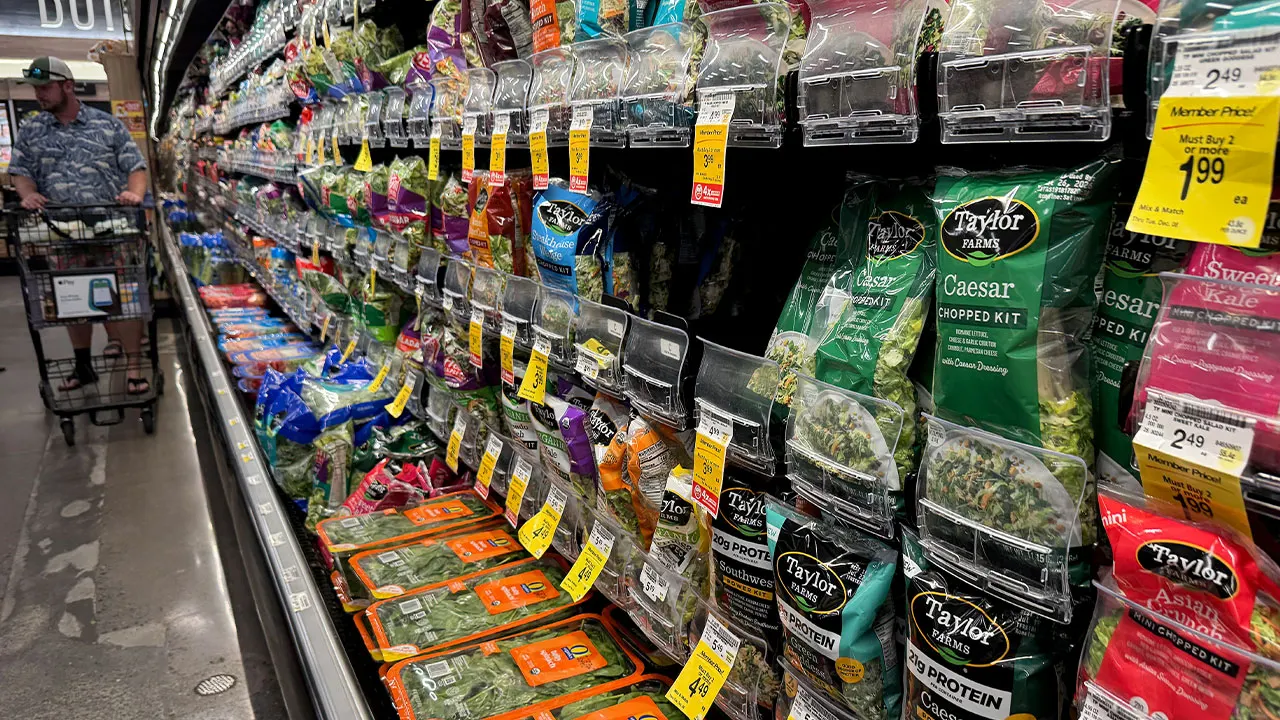
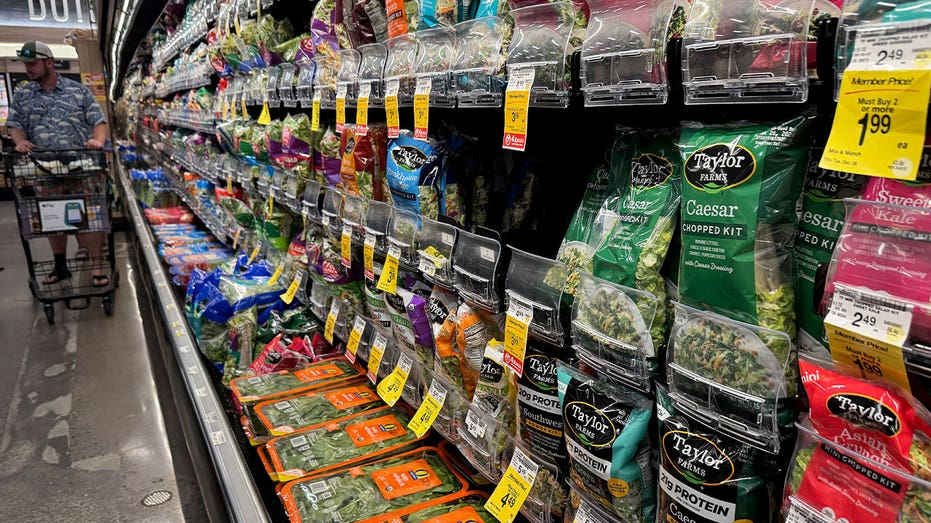
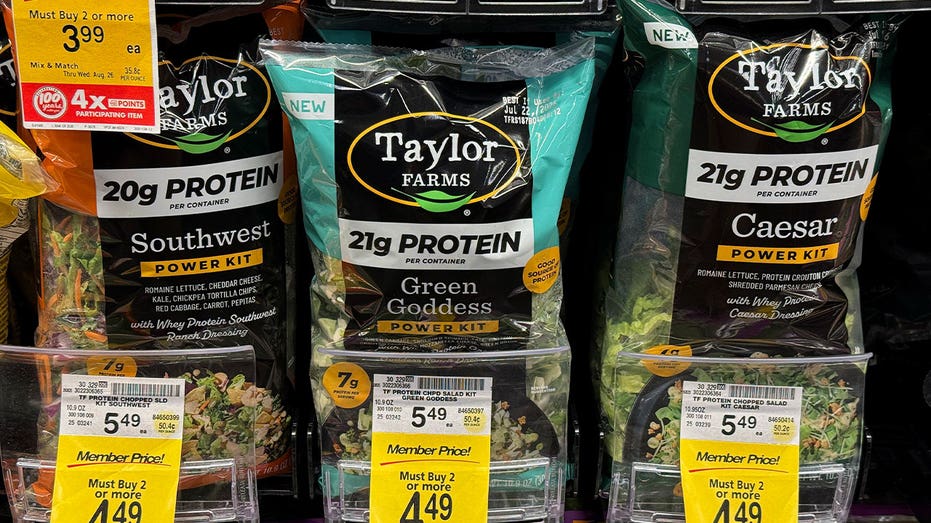
Packages of Taylor Farms salad greens displayed on shelves at a Safeway grocery store in California

The FDA said the initial finding should be considered a false positive. (Justin Sullivan/Getty Images / Getty Images)

Taylor Fresh Foods said the FDA informed the company that the initial result was incorrect.

“To be clear, at this moment, FDA has not identified a single positive product test result for Cyclospora,” the company said in a statement.

Advertisement

TAYLOR FARMS PREPARING RECALL, DENIES BRANDED SALADS TIED TO OUTBREAK

Taylor Farms salad greens displayed on a grocery store shelf at a Safeway location

There are no confirmed positive sample results for Cyclospora as of Sunday. ( Justin Sullivan/Getty Images / Getty Images)

Taylor Fresh Foods also said the FDA apologized to the company over the erroneous result. The FDA did not include an apology in the agency language provided with the story.

The FDA said it notified Taylor Farms of the revised finding and continues to work with the company and its Taylor Farms de Mexico operation to ensure products implicated in the investigation have been removed from the market. The agency and its state partners are continuing to collect and analyze product samples.

Taylor Farms initiated a voluntary recall of iceberg lettuce sourced from central Mexico on July 17 after federal investigators traced lettuce served at certain Taco Bell restaurants to Taylor Farms de Mexico. The recall includes iceberg lettuce distributed to retail stores, restaurants and other food-service customers.

Advertisement

“Based on initial information provided by health officials, in an abundance of caution, we completed a voluntary recall of iceberg lettuce from central Mexico,” the statement continued. “Recalled product was limited to iceberg lettuce grown and processed in central Mexico. All other Taylor Farms products, including all Taylor Farms brand products available for purchase, are not involved in the recall.”

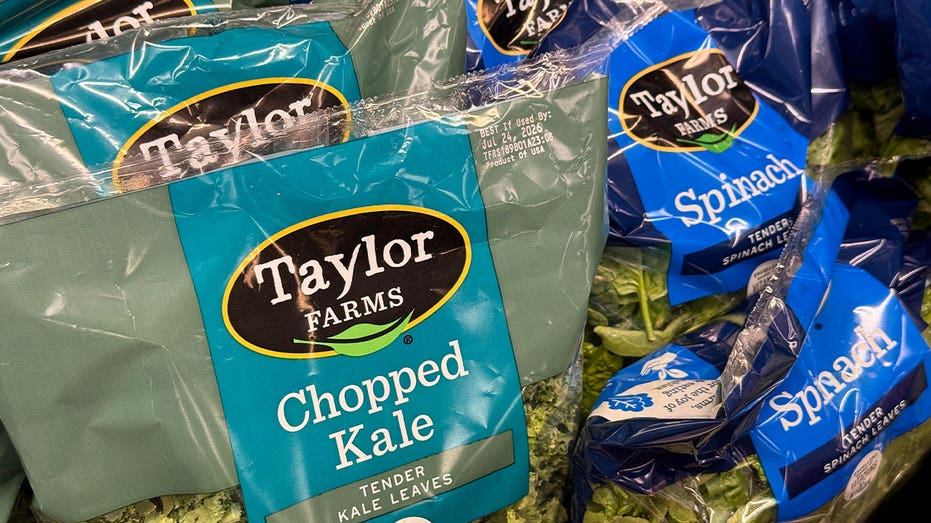
Taylor Farms salad greens

Taylor Fresh Foods said it was informed that the FDA made a mistake. (Justin Sullivan/Getty Images / Getty Images)

This comes after the FDA said on Saturday that a sample of shredded iceberg lettuce supplied by Taylor Farms tested positive for Cyclospora, which has sickened thousands of people across the U.S.

GET FOX BUSINESS ON THE GO BY CLICKING HERE

Cyclosporiasis has been linked to shredded iceberg lettuce at Taco Bell restaurants in Indiana, Kentucky, Michigan, Ohio and West Virginia, leading to around 100 hospitalizations so far, according to the Centers for Disease Control and Prevention. No deaths have been reported.

Advertisement
Continue Reading

Business

HDFC Bank shares crash 5%, wipe off Rs 70,000 cr from investor wealth. Why Jefferies, Nomura, others see up to 28% upside?

Published

on

HDFC Bank shares crash 5%, wipe off Rs 70,000 cr from investor wealth. Why Jefferies, Nomura, others see up to 28% upside?
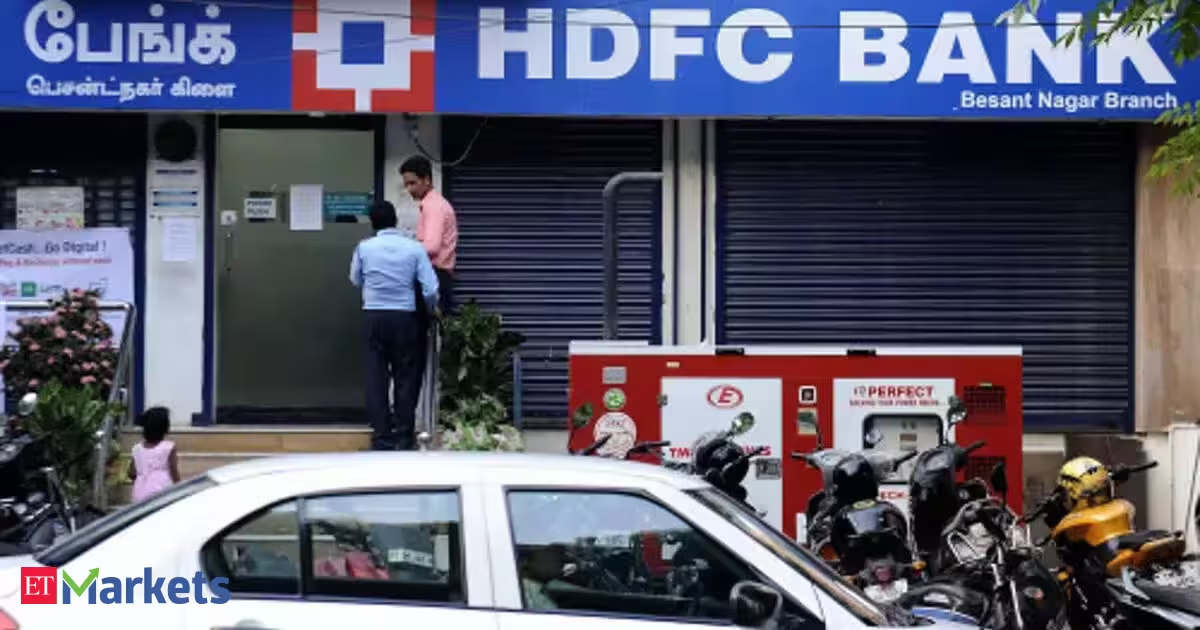
Shares of HDFC Bank fell more than 5% on Monday after the private lender’s Q1 earnings failed to impress investors, wiping out nearly Rs 70,000 crore in market value, even as brokerages remained bullish on the stock.

HDFC Bank fell to an intraday low of Rs 774.55 apiece on the NSE, with its market capitalisation falling to less than Rs 11.93 lakh crore. This came after India’s private lender on Saturday reported a 5% year-on-year (YoY) rise in net profit to Rs 19,060 crore for the April-June quarter of the ongoing financial year 2027.

The bank’s net interest income, which is the difference between interest earned and interest expenses, rose 7% YoY to Rs 33,534 crore in Q1 FY27 from Rs 31,438 crore in Q1 FY26. HDFC Bank’s gross non-performing assets (NPA) fell more than 3% YoY to Rs 35,846 crore, but net NPA increased slightly to Rs 12,357 crore during the quarter under review.

Jefferies on HDFC Bank share price

Jefferies maintained its ‘Buy’ call on the shares of HDFC Bank with a target price of Rs 1,050 apiece. This implies an upside potential of more than 28% from the stock’s previous closing price of Rs 819.6 apiece.

Advertisement

HDFC Bank remains one of the international brokerage’s top picks, while it noted that the company’s June quarter earnings were in-line with estimates, as slight miss on NII was offset by lower opex and credit cost. The bank’s desire to participate in corp lending lifted loan growth to 16% YoY, but dragged NIMs by 12 bps QoQ, limiting NII growth to 7%, Nomura said, adding that slower growth in opex (slow branch/staff growth) and lower credit costs (low slippages) aided profits.

“We tweak earnings estimates for FY27 and FY29. Improvement in margins should aid earnings that should grow at 15% CAGR in PBT (ex-treasury/ one-offs) over FY26-29 with ROE of 13% in FY27. Valuations at 1.8x FY27 adjusted PB and 14x PE are attractive,” Jefferies further said.

Nomura on HDFC Bank share price

Nomura also has a ‘Buy’ call on the shares of HDFC Bank, with a target price of Rs 950 apiece, implying nearly 16% upside potential. The international brokerage noted that the bank reported a largely in-line Q1 FY27 performance.


“We raise our FY27F loan/deposit growth estimates to 16%/17% (from 13%/15%). FY27-28F EPS estimates are largely unchanged, as lower top-line is offset by lower provisions and opex. On the FCNR(B) scheme, management expects to gain a handsome market share, though it did not disclose any quantum. Leadership continuity and FCNR execution remain key near-term monitorables, in our view,” it added.
Also read | HDFC Bank shares fall 5% after Q1 results. Should you buy, sell or hold the stock?

Anand Rathi on HDFC Bank

Anand Rathi Share and Stock Brokers has a ‘Buy’ rating on the shares of HDFC Bank and a target price of Rs 963 apiece, implying an upside potential of more than 17% from the stock’s previous closing price.The domestic brokerage noted that despite some pick-up in loan growth to 15.5% YoY, HDFC Bank’s credit growth remained well below peers such as ICICI Bank and Axis Bank. “HDFC Bank has been unable to close the post-merger gap with ICICI across key operating metrics, including NIM, loan growth and CASA ratio. Given that CASA growth continues to lag loan growth, we believe it will take longer for the bank to narrow the funding cost gap with ICICI. Consequently, we do not expect loan growth or RoE to sustainably exceed 14% over the medium term. In addition, we see some uncertainty around the RBI extending the tenure of the current CEO, given the recent developments at the bank,” it said.

Advertisement

Nevertheless, Anand Rathi maintained its ‘BUY’ rating, supported by reasonable valuations and favourable sector tailwinds. Among large-cap private banks, it continues to prefer Axis Bank and ICICI Bank.

Motilal Oswal on HDFC Bank share price

Motilal Oswal also reiterated its ‘Buy’ rating on HDFC Bank shares, with a target price of Rs 2,050, implying an upside of around 28%. The domestic brokerage said that the private lender reported a largely in-line quarter, supported by healthy business growth and lower provisions, although net interest margin (NIM) remained the key disappointment, contracting 12 basis points QoQ to 3.26%. Loan growth was led by the SME and corporate segments, while retail lending remained relatively subdued.

JM Financial on HDFC Bank share price

JM Financial has maintained its Add rating on HDFC Bank with a revised target price of Rs 900, implying an upside of around 10%. While the domestic brokerage said the bank’s liquidity coverage ratio (LCR) of 115% and a credit-deposit ratio of around 96% limit its ability to accelerate loan growth, it remains constructive on the bank’s medium-term margin outlook, expecting NIM to improve as high-cost borrowings gradually run off.

Also read |
HDFC Bank Q1 Results: Net profit rises 5% YoY to Rs 19,060 crore, NII up 7%

(Disclaimer: Recommendations, suggestions, views and opinions given by the experts are their own. These do not represent the views of The Economic Times)

Advertisement
Continue Reading

Business

Ryanair profit plunges as jet fuel prices soar amid Iran war

Published

on

Business Live

But it says its strategy still leaves it better positioned than its European rivals

Passengers boarding a Ryanair plane at Exeter Airport

Passengers boarding a Ryanair plane at Exeter Airport(Image: Theo Moye)

Ryanair saw its profits tumble by more than a third as soaring jet fuel costs driven by the Iran conflict began to bite. The budget carrier had previously shielded itself from escalating fuel prices by locking in energy costs through hedged contracts.

Advertisement

However, Ryanair revealed the cost of the 20 per cent of its jet fuel that remained unhedged more than doubled in the first quarter of this year, reaching $150 per barrel.

As a result, the airline’s operating costs surged 11 per cent to €3.8bn in the three months to June, while its pre-tax profit plummeted by 36 per cent to €593m.

The carrier, which is listed in both Dublin and New York, announced in May that it would slash some of its fares to drive up passenger volumes and counter the weakened demand brought about by the Middle East conflict, as reported by City AM.

Passenger numbers climbed six per cent in the first quarter of this year, yet reduced ticket prices meant the airline’s revenue dipped by one per cent to €4.3bn over the period.

Advertisement

Fares were subdued at the start of this year because “the Middle East conflict led to consumer hesitancy, concerns about EU jet-fuel shortages, economic uncertainty and later bookings,” chief executive Michael O’Leary told investors.

“Despite a recent, slight, uptick in volumes, and less price stimulation, second-quarter pricing is trending modestly down year-on-year and the final first-half fare outcome is heavily dependent on the strength of close-in bookings in August and September,” he added.

Airlines have warned that concerns over potential travel disruption stemming from the Iran conflict are prompting holidaymakers to leave bookings to the last minute, making it increasingly difficult for carriers to plan effectively.

Ryanair said its “conservative” jet fuel hedging strategy still leaves it better positioned than its European rivals.

Advertisement

The carrier revealed that 80 per cent of its fuel requirements for the current financial year are locked in at $67 per barrel.

However, Ryanair’s energy costs are set to rise sharply next year, with 15 per cent of its requirement for the 2028 financial year hedged at $85 per barrel.

Stockbroker Panmure Liberum suggested Ryanair’s update would be seen as “slightly disappointing” by the market, after the firm’s profits fell short of analyst forecasts.

In June, the airline handed O’Leary a six year extension as part of a new contract which could see him given 10 million additional shares.

Advertisement

Stan McCarthy, Ryanair chairman, said he is “pleased to report” that O’Leary has agreed to extending his leadership “for the benefit of all shareholders.”

O’Leary, renowned for his larger-than-life personality and forthright manner, is amongst Ireland’s most wealthy businessmen.


Continue Reading

Business

Ryanair profits tumble as jet fuel costs soar

Published

on

Graphic representing sunshine with blue sky behind

Ryanair’s profits have fallen sharply as war in the Middle East sent jet fuel prices soaring and customers reluctant to book flights.

The Irish airline’s pre-tax profits dropped 34% to €593m (£503m) between April and June while sales were flat as the company was forced to cut fares to stimulate demand.

Ryanair also said it expects summer fares to be slightly lower than last year due to “consumer hesitancy” around air travel.

The price of fuelling a plane has jumped since the US and Israel launched strikes against Iran in February and while Ryanair said it had “hedged” or struck deals for the most future fuel costs, those not included in these arrangements had more than doubled.

Advertisement

Overnight, crude oil prices continued to rise, surpassing $90 (£67) a barrel for the first time in a month, after a weekend of intense exchanges of fire between the US and Iran.

Traffic through the Strait of Hormuz – an essential route for global oil and gas supplies – has ground to a halt.

Brent crude, the global benchmark for oil prices, rose by 2.5% on Monday.

Looking ahead, Ryanair said its fares for the key summer period between July and September are “trending modestly down” on the same period last year.

Advertisement

It warned that its results for the year will be “highly sensitive” to external factors such as conflict escalation in the Middle East and Ukraine as well as the price of unhedged jet fuel.

Shane Oliver, head of investment strategy at AMP, a fund manager, said: “The longer the strait remains closed and the war escalates, the greater the risk that oil prices will have to rise to around $150 a barrel to bring demand down to match the hit to supply.”

He said: “This is not our base case but it’s a high risk again.”

Advertisement
Continue Reading

Business

Guggenheim initiates AN2 Therapeutics stock with buy on PV drug

Published

on


Guggenheim initiates AN2 Therapeutics stock with buy on PV drug

Continue Reading

Business

Australian shares waver as oil surges on Iran conflict

Published

on

Australian shares waver as oil surges on Iran conflict

Australia’s share market has handed back its modest gains after oil prices surged amid escalating conflict between the US and Iran, hitting risk sentiment.

Continue Reading

Business

The 10 Best Wines to Buy in Australia in 2026, From Cellar-Worthy Icons to Everyday Bargain Bottles

Published

on

Penfolds Grange

Australian wine is having a moment on shelves and dinner tables across the country this year, with industry buyers and reviewers pointing to a lineup that spans world-class cellaring icons priced in the hundreds of dollars down to everyday bottles that consistently outperform their price tag. Drawing on rankings and tasting notes compiled by wine retailers and reviewers through 2026, here is a look at 10 of the best wines available to Australian buyers right now.

Penfolds Grange
Penfolds Grange

1. Penfolds Grange

Widely regarded as Australia’s most prestigious wine, Penfolds Grange continues to anchor discussions of the country’s top bottles in 2026. Priced in the range of $750 to $800, the wine offers aging potential and critical acclaim that industry reviewers say rivals Burgundy Premier Cru or Napa Valley cult Cabernets costing several times more, cementing its position as the benchmark for serious Australian cellaring.

2. Yalumba Caley Cabernet Shiraz

The 2016 vintage of Yalumba’s Caley Cabernet Shiraz blend has been highlighted among the top wines available to Australian buyers this year, representing the classic Cabernet-Shiraz combination that has become one of the country’s signature styles, particularly out of South Australia’s most established wine regions.

Advertisement

3. Torbreck RunRig

Torbreck’s RunRig, drawn from old-vine Barossa Valley fruit, remains one of the region’s most sought-after bottles for collectors and serious drinkers alike. The 2020 vintage in particular has drawn attention this year as one of the standout releases from a producer known for concentrated, powerful Barossa reds built around the region’s century-old Shiraz vines.

4. Henschke Hill of Grace

Alongside Grange, Henschke’s Hill of Grace is frequently cited as one of the two defining wines of Australian fine wine culture, priced similarly in the $750 to $800 range. The wine is produced from a single vineyard of ancient, ungrafted Shiraz vines in the Eden Valley and remains one of the most collected Australian wines internationally.

Advertisement

5. Penfolds Bin 389

For buyers seeking Penfolds quality without the flagship price tag, the Bin 389 Cabernet Shiraz, priced around $85, has been singled out this year as delivering the house’s signature style and genuine cellaring potential at a fraction of Grange’s cost, offering what reviewers describe as quality that would cost roughly three times more from equivalent Bordeaux or Burgundy producers.

6. Barossa Valley old-vine Shiraz

Beyond individual labels, the broader category of Barossa Valley old-vine Shiraz has drawn strong attention heading into 2026, with the 2019 and 2021 vintages singled out as the strongest recent years for the region. The 2019 vintage in particular has been praised for its concentration and tannin structure, reflecting the depth that comes from vines in many cases exceeding a century in age.

Advertisement

7. Thistledown Thorny Devil Grenache

Representing McLaren Vale’s growing reputation for elegant, lighter-styled reds, Thistledown’s Thorny Devil Grenache has been highlighted this year in the $30 to $50 price bracket as an example of the more perfumed, restrained style of Grenache increasingly favored by Australian winemakers, offering red berry and savory spice character without the heaviness traditionally associated with the variety.

8. Clare Valley Riesling

Clare Valley continues to be recognized as one of the world’s premier regions for dry Riesling, with bottles in the $30 to $70 range offering what industry reviewers describe as some of the most exciting drinking available at that price point globally. The region’s crisp, mineral-driven whites remain a consistent recommendation for buyers looking to diversify beyond Australia’s red wine reputation.

Advertisement

9. Margaret River Cabernet Sauvignon

Western Australia’s Margaret River region continues to produce some of the country’s most highly regarded Cabernet Sauvignon, with bottles in the $30 to $70 range drawing praise this year for combining structure and elegance in a style often compared favorably to more expensive international Cabernet-producing regions.

10. Budget-friendly Barossa and McLaren Vale reds

Rounding out the list, buyers looking for reliable everyday drinking without the premium price tag have several strong options in the $20 to $50 range, including McLaren Vale Shiraz, Barossa GSM blends, and Coonawarra Cabernet Sauvignon. Producers such as Langmeil, Credaro and Oliver’s Taranga have been specifically highlighted this year for delivering exceptional quality within that more accessible price bracket, proving that Australia’s wine strength extends well beyond its most expensive labels.

Advertisement

A strong year for Australian wine overall

Industry commentary through 2026 has consistently pointed to Australian wine as offering some of the best value in the global market, with reviewers noting that $25 to $65 now buys a level of complexity and character that increasingly rivals far more expensive European labels. That value proposition, combined with the continued strength of the country’s most prestigious icon wines, has helped reinforce Australia’s position as one of the most dynamic wine-producing nations heading through 2026.

Whether shoppers are building a long-term cellar with icon wines like Grange and Hill of Grace, or simply stocking up for weekend entertaining with reliable bottles from the Barossa and McLaren Vale, this year’s lineup reflects the breadth of what Australian winemaking now offers across virtually every price point and style, from crisp Clare Valley Rieslings to some of the most collectible red wines produced anywhere in the world.

Advertisement
Continue Reading

Business

Lilleyman, Norwell join Zenith Energy board

Published

on

Lilleyman, Norwell join Zenith Energy board

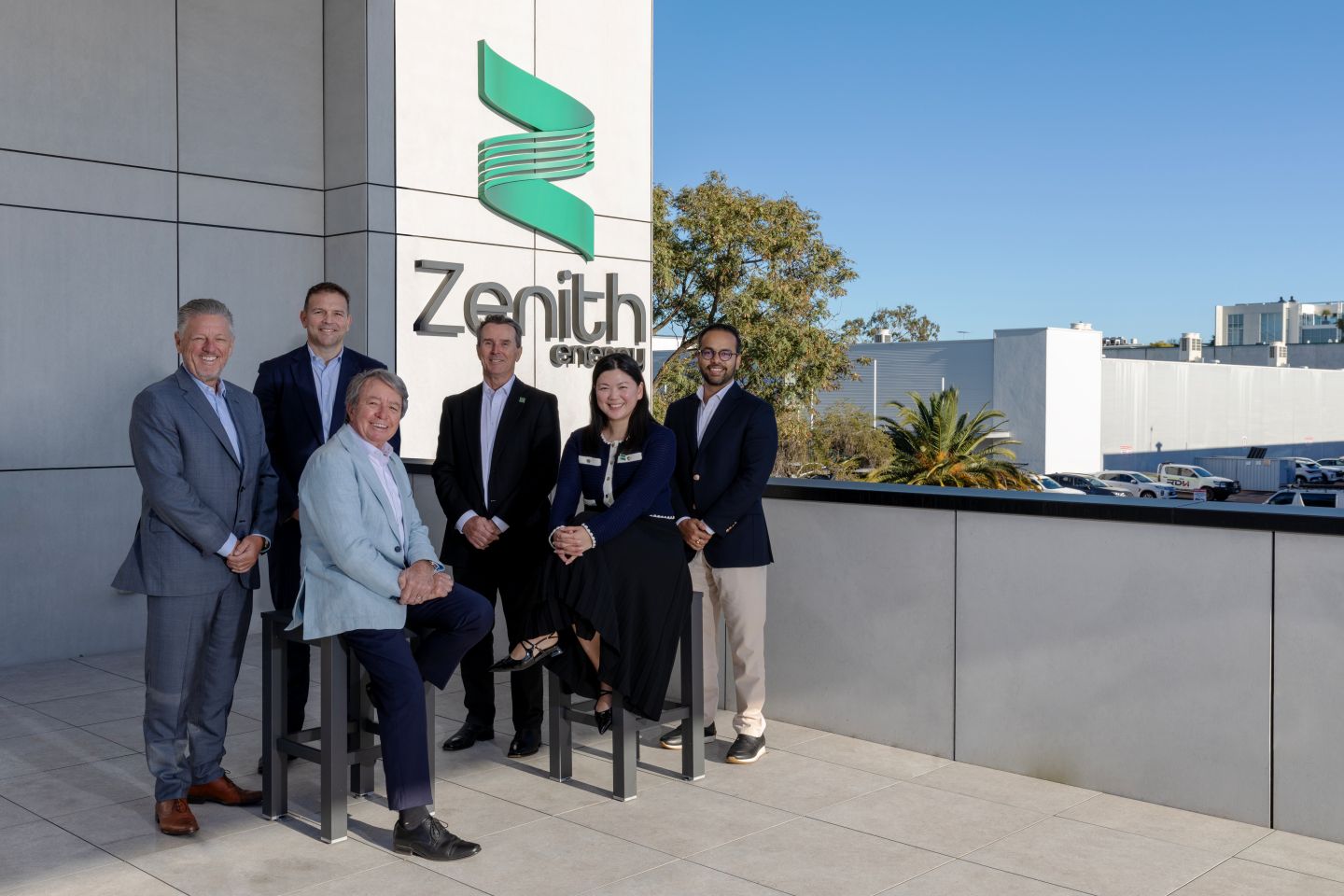
Zenith Energy has added significant experience to its board, as continues to ride a wave of renewable energy-based momentum.

Continue Reading

Trending

Copyright © 2025