
Business
US Stock Market: An 800-year-old math principle to spot bottom of S&P 500’s rout


To get a sense of where the pain may end, many equity traders look to a type of technical analysis credited with identifying the bottoms of big market declines, including two major routs since 2020. The bad news for bulls: It signals a long way down before the index finds major support.
It’s known as the 50% Fibonacci retracement level, a tool that chart watchers use to find potential entry points based on an 800-year-old mathematical principle. In this case, it represents a decline that would erase half of the S&P 500’s gains from last April’s low to its most recent record in January. It sits at 5,980 – or some 9% below Wednesday’s close.
“When you get a clear change in trend, there’s just certain levels that investors look at to kind of come back in, especially shorter-term traders,” said Matt Maley, chief market strategist at Miller Tabak + Co. “And that 50% retracement is one that people follow very closely.”
Technical analysis is just one tool to gauge stock-market trends and potential inflection points, and it’s far from a magic crystal ball. The S&P 500 briefly fell below 6,500 last week and it’s trading below its 200-day moving average, a trend line many hoped would act as support to halt the decline. Its failure to do so has pushed technical analysts to search for other potential levels where the bottom may be.

“It’s easy to see from a technical perspective that the worst isn’t over yet,” said Doug Peta, US investment strategist at BCA Research. “Until the Strait of Hormuz is open and crude oil, LNG, refined products and derivatives are moving through it at a normalised rate, there’s likely to be upward pressure on inflation and downward pressure on global growth.”
Should the S&P 500 extend losses this week, it would likely move toward 6,200, Maley said in a recent note to clients. The next potential support after that would come in at 5,980, which marks not only the 50% Fibonacci retracement but also the gauge’s mid-June low. The Fibonacci sequence, which was named after Italian mathematician Leonardo Pisano, known as Fibonacci, came in handy during the market turmoil trigged by President Donald Trump’s so-called Liberation Day tariff announcements last year. The S&P 500 found support at 4,982.77, a level that corresponded with the midpoint of a rally spanning three years from 2022.
Similarly, the 2022 bear market found its trough near the 50% retracement of the rally between March 2020 and early January 2022.
To Jonathan Krinsky, chief market technician at BTIG LLC, signs of stock-market weakness were present well before the conflict in the Middle East erupted. Issues with software and private credit had already taken their toll. In terms of how effective the 50% retracement level is when calling a bottom, Krinsky explains that it’s just “one piece of the puzzle.” Maley agrees, noting that there needs to be other influences on the market in order for it to be effective.
A resolution to the war in Iran and an end to the ensuing spike in energy prices would be one obvious catalyst to help the market rebound. Stocks rallied on Wednesday as traders weighed the viability of US-Iran ceasefire talks, with the S&P 500 closing up 0.5%. Still, uncertainty about the longer-term trajectory of US stocks remains.
“The war and what’s happening in it is a specific issue,” said Kim Forrest, chief investment officer at Bokeh Capital Partners. “What is the Fed going to do about interest rates given all the extremely changeable views people have on markets? And then there’s the price of oil, which fluctuates wildly. Pick your topic and you can own it.”


Franklin Resources, Inc. [NYSE:BEN] is a global investment management organization with subsidiaries operating as Franklin Templeton and serving clients in over 150 countries. Franklin Templeton’s mission is to help clients achieve better outcomes through investment management expertise, wealth management and technology solutions. Through its specialist investment managers, the company offers specialization on a global scale, bringing extensive capabilities in fixed income, equity, alternatives and multi-asset solutions. With more than 1,300 investment professionals, and offices in major financial markets around the world, the California-based company has over 75 years of investment experience and over $1.4 trillion in assets under management as of June 30, 2023. For more information, please visit franklintempleton.com and follow us on LinkedIn, Twitter and Facebook.

In the Nifty200 pack, 14 stocks’ closing prices crossed above their 200 DMA (Daily Moving Averages) on March 25, 2026, according to stockedge.com’s technical scan data. Traders use the 200-DMA as a key indicator to determine the overall trend in a particular stock. As long as the stock is priced above the 200-day SMA on the daily timeframe, it is generally considered to be in an overall uptrend. Take a look:

MELBOURNE, Australia — HESTA, one of Australia’s largest industry superannuation funds serving health and community sector workers, is navigating leadership upheaval with the announcement that its third C-suite executive in under 12 months is departing, even as the $100 billion-plus fund delivered solid investment gains for members in 2025 and advocates for major retirement system reforms.

Chief Operating Officer Stephen Reilly will step down, joining a wave of senior exits that includes CEO Debby Blakey, who plans to retire in the second half of 2026 after years at the helm. The departures come as HESTA celebrates surpassing $100 billion in funds under management and reports strong member returns, but also grapples with lingering effects from a 2025 administration transition that drew regulatory scrutiny from the Australian Prudential Regulation Authority (APRA).
HESTA’s Balanced Growth option, the default MySuper strategy where most members are invested, returned 9.42% for the 12 months to Dec. 31, 2025, outperforming the industry average of around 9.1%. Over the full 2025 calendar year, members saw more than $10 billion added to their retirement savings through contributions and investment performance. The option has averaged 8.02% annually over the past decade, with consistent outperformance in shorter periods.
Other options also posted gains. The High Growth choice returned 11.39%, while Indexed Balanced Growth delivered 10.5% or higher in some metrics. Retirement Income Stream members benefited similarly, with Balanced Growth in that category achieving 11.25% for the year. HESTA emphasized that all ready-made options exceeded their long-term 10-year objectives to the end of 2025.
The fund hit a milestone in late 2025 when member savings crossed $100 billion, delivering scale benefits that support lower fees and stronger negotiating power for investments. HESTA has repeatedly won recognition, including the SuperRatings Net Benefit award for 2026, highlighting strong outcomes after fees and taxes over short and long terms.
Yet the leadership changes raise questions about continuity. Blakey, who has led the fund through significant growth, has spoken about the need for bold reforms and global resilience in superannuation amid geopolitical tensions, including the ongoing Iran conflict. In recent speeches, she warned boards of catastrophic risks from failing to prepare for volatility.
Reilly’s exit marks the third high-level departure in a year, following others in the executive team. HESTA has not detailed reasons for the changes beyond standard transitions, but the timing coincides with efforts to stabilize operations after the APRA action.
In December 2025, APRA imposed additional license conditions on HESTA following a “severe, prolonged disruption” during its switch to a new administration provider. The move left more than 1.1 million members unable to access accounts online for weeks, with call center delays compounding frustration. APRA cited deficiencies in risk management and board governance, requiring independent reviews of those frameworks.
HESTA apologized to affected members and has worked to resolve issues. Officials stressed that core functions like contributions and payments continued, but the incident highlighted challenges in large-scale technology upgrades common across the super sector.
On the policy front, HESTA has been vocal in 2026. In its pre-budget submission for 2026-27, the fund urged reforms to encourage more Australians to shift super into retirement income streams, where earnings are tax-free. Research commissioned by HESTA showed that up to 1.8 million retirees missed out on an estimated $2.46 billion in extra earnings in the 2025 financial year by staying in accumulation phase. Without changes, that could exceed $5 billion annually by 2030.
The fund is calling for a default mechanism allowing super funds to automatically transition eligible members into retirement income products, with an opt-out safeguard. It also welcomed the passage of legislation increasing the Low Income Super Tax Offset (LISTO) and other measures aimed at fairness in the system.
HESTA has seen record downsizer contributions, topping $94 million in 2025 — an 8% rise from 2024 and 45% from 2023 — driven by strong property sales. The fund supports “payday super” reforms set to begin July 1, 2026, which would require more frequent employer contributions to reduce volatility from lump-sum payments.
Investment strategy remains focused on diversification. HESTA’s February 2026 update highlighted how spreading risk across asset classes helped navigate market swings in 2025. The fund has increased exposure to areas like private credit and equities while maintaining caution amid global uncertainties, including Middle East tensions that could affect oil prices and inflation.
Performance data to late February 2026 shows Balanced Growth delivering solid year-to-date results, with longer-term returns remaining competitive. HESTA stresses that past performance is not indicative of future outcomes, and members should consider their own circumstances.
The fund, primarily for health and community services workers, manages savings for over one million members. Its not-for-profit structure aims to maximize returns for members rather than shareholders.
As leadership transitions unfold, the board will seek new executives to maintain momentum. Blakey’s retirement marks the end of an era of expansion, during which HESTA grew significantly in size and influence.
Analysts note that while executive turnover can signal internal challenges, HESTA’s strong returns and policy advocacy position it well in a competitive superannuation landscape undergoing consolidation and technological change.
Broader industry context includes rising super guarantee contributions, now at 12%, and ongoing debates about housing affordability, productivity and how super can support national goals. HESTA has called Australia a “centre of global capital” and pushed for reforms to address housing shortages that drag on economic growth.
Members are advised to check their accounts regularly, review investment choices and consider advice for retirement planning. HESTA provides tools and updates via its website and member portals.
Looking ahead, 2026 is expected to bring volatility from geopolitical risks and domestic policy shifts. HESTA’s cautious outlook reflects awareness of potential market headwinds, yet its track record of resilience offers reassurance.
The fund continues to invest in sustainable options and member-focused initiatives, including lowering fees for some retirement income streams.
For many Australians, especially in frontline health roles, HESTA represents a critical pillar of financial security. Its ability to deliver competitive returns while advocating for systemic improvements will shape its reputation in the coming year.
As the search for new leadership intensifies and reform discussions advance in Canberra, HESTA’s story underscores both the opportunities and challenges facing Australia’s $3 trillion-plus super industry.
Members with questions about performance, the administration issues or retirement options should contact HESTA directly or consult a licensed financial adviser. The fund remains committed to transparency and putting members first amid a period of change.
Business
GAC’s First Overseas Service Brand Launches at Bangkok Motor Show, Thailand Action 2.0 Commences

At the 47th Bangkok International Motor Show, GAC INTERNATIONAL launched its GAC CARE service brand, unveiled the AION V 500KM, and introduced the “Thailand Action 2.0” strategy to enhance localization and ecosystem development.
BANGKOK, March 25, 2026 /PRNewswire/ — On March 23, the 47th Bangkok International Motor Show officially opened. Centered on “service upgrading”, GAC INTERNATIONAL launched GAC CARE – its first overseas service brand – at the show, fully unveiled its upgrade “Thailand Action 2.0” strategy, and debuted the new AION V 500KM variant. These milestones – from service system enhancement and localized strategy upgrading to product renewal – marking GAC’s entry into a leading phase in the Thai market.
As a key pillar of GAC’s global strategy, the Thai market continues to show srong growth potential. Under the guidance of “ONE GAC 2.0” and “Thailand Action 1.0”, GAC has achieved a critical leap from product introduction to ecosystem deployment. In 2025, GAC sold 15,301 units in Thailand, representing a 305% year-on-year increase, securing its position among the top tier of new energy vehicle (NEV) brands. Building on this foundation, officially announced the comprehensive launch of the “Thailand Action 2.0” strategic upgrade at the Bangkok International Motor Show.
Fully unveiling “Thailand Action 2.0”, GAC’s localization development is shifting from “putting down roots” to “taking the lead”. By leveraging systemic capabilities across product layout, channel & mobility ecosystem, energy ecosystem and manufacturing & industrial chain, GAC is building a long-term competitive advantage. Through multi-dimensional collaboration, GAC is evolving into an ecosystem builder covering products, services, energy and manufacturing, upholding its commitment “In Thailand, For Thailand” and delivering care to users through superior products and comprehensive services.
While advancing its localization strategy, Wang Haoyong, General Manager of GAC INTERNATIONAL Thailand Sales Company, announced on-site the launch of GAC’s first overseas service brand — GAC CARE. He stated, “In Thailand, for Thailand. What GAC brings is not just advanced vehicles, but a complete, reliable, and heartfelt mobility ecosystem. Centered on users’ full-lifecycle needs, GAC CARE is built on Four Core Pillars: customer centric, advanced assurance, rapid responsiveness and exclusive experience.
The all-new AION V 500km variant brought by GAC became the highlight of the booth, attracting numerous visitors to experience and inquire.
Going forward, GAC will continue to take Thailand as a critical hub, stay user-centric, deepen localization, advance the NEV industry ecosystem, and achieve long-term win-win development with local society.
Source : GAC’s First Overseas Service Brand Launches at Bangkok Motor Show, Thailand Action 2.0 Commences
The information provided in this article was created by Cision PR Newswire, our news partner. The author's opinions and the content shared on this page are their own and may not necessarily represent the perspectives of Thailand Business News.
Other People are Reading
Business
(VIDEO) Taylor Swift and Travis Kelce Make First Awards Show Appearance Together at 2026 iHeartRadio

Taylor Swift dominated the 2026 iHeartRadio Music Awards on Thursday night, collecting seven trophies including Artist of the Year while sharing the Dolby Theatre stage and front-row moments with fiancé Travis Kelce and Olympic gold medalist Alysa Liu in one of the evening’s most memorable crossovers.

The 13th annual ceremony, broadcast live on FOX, celebrated the year’s most-played artists and songs on iHeartRadio platforms. Swift, who led with nine nominations, extended her record as the show’s most decorated artist with her 41st career win. She attended with Kelce, marking the couple’s first joint awards show appearance, and received several honors from Liu, the figure skater who won gold at the 2026 Winter Olympics.
Swift kicked off her winning streak by accepting Pop Album of the Year for “The Life of a Showgirl,” presented by British singer RAYE. The upbeat record, which Swift described as reflecting a sense of happiness and freedom, earned praise for its confident pop sound. In her speech, she thanked Kelce directly from the stage. “This album probably also feels very happy and confident and free because that’s the way that I get to feel every single day of my life, because of my fiancé, who’s here tonight,” she said, drawing cheers from the crowd.
The night escalated when Liu, fresh from her Olympic triumph in Milan, took the stage to present Swift with a bundle of additional awards, including Artist of the Year, Album of the Year and others. Liu handed over what became Swift’s seventh trophy of the evening, bringing the total to a dominant sweep. The moment blended pop stardom with Olympic athleticism, as the two American icons shared warm onstage interaction. Swift gushed about Liu’s skating performance, calling it inspiring.
Liu, who had previously appeared with fellow U.S. figure skaters Amber Glenn and Isabeau Levito in a video promoting Team USA as the “Blade Angels,” sat near Swift and Kelce during the show. Social media buzzed with photos of the Olympic champion positioned right behind the couple, creating a dream seating arrangement that fans dubbed iconic.
Kelce, the Kansas City Chiefs tight end, made a stylish entrance captured on video by iHeartRadio as he walked the Dolby Theatre hallways before joining Swift inside. The pair posed together on the red carpet and inside the venue, drawing massive attention as they made their awards show debut as a couple. Kelce supported Swift throughout, including standing ovations for other performers.
Swift’s wins extended to Song of the Year and Pop Song of the Year for “The Fate of Ophelia,” along with Best Music Video and other pop-centric categories. Her “The Life of a Showgirl” also claimed Pop Album of the Year honors. The victories underscored Swift’s continued dominance in radio airplay and streaming metrics that determine many iHeartRadio awards.
In her Artist of the Year acceptance, Swift reflected on her journey. “I didn’t think I was an artist when I first started,” she told the audience, crediting fans and collaborators for her growth. The speech mixed humility with gratitude, a hallmark of her public appearances.
The ceremony featured high-energy performances and special honors. Ludacris hosted and received the Landmark Award, while Miley Cyrus accepted the Innovator Award. John Mellencamp earned the Icon Award. A standout musical moment saw TLC, Salt-N-Pepa and En Vogue unite for a classic hits medley.
Other winners included Alex Warren as Breakthrough Artist of the Year and for his song “Ordinary.” Linkin Park claimed Rock Artist and Rock Song honors. The event balanced established stars like Swift with emerging talents, reflecting iHeartRadio’s broad listener base.
Swift’s seafoam green velvet corset and matching miniskirt by Wiederhoeft, accented with pink beads, drew fashion praise and tied into the “showgirl” theme of her winning album. Kelce complemented the glamorous evening in sharp attire as the couple navigated the star-studded night.
The crossover with Alysa Liu added a unique layer. Liu, representing the fresh excitement of Olympic success, bridged sports and entertainment. Her presentation duties and proximity to Swift and Kelce fueled social media trends, with fans posting side-by-side photos of the trio and celebrating American achievement across disciplines.
Backstage moments captured Swift, Kelce and Liu interacting warmly, further amplifying the feel-good energy. Videos circulated showing the group’s easy rapport, with Liu praising Swift’s music and Swift reciprocating admiration for Liu’s athletic feats.
The iHeartRadio Music Awards base many categories on airplay, streaming and listener data from iHeartMedia stations and the app. Swift’s repeated success highlights her unmatched ability to connect with audiences through consistent radio hits and cultural impact.
For Kelce, the appearance offered a rare glimpse into his support role amid NFL offseason. The couple’s relationship, which began in 2023, has drawn sustained public interest, and their first awards show outing satisfied fans eager for joint red-carpet moments.
Liu’s involvement extended the night’s theme of inspiration. As a two-time U.S. national champion and now Olympic gold medalist, her presence alongside Swift symbolized excellence in performance arts and sports. The 2026 Winter Olympics connection, where Swift had promoted the skaters, came full circle.
Industry observers noted Swift’s seven wins push her further ahead in iHeartRadio history. Her ability to dominate major categories while releasing personal, upbeat music amid a high-profile relationship demonstrates sustained relevance in a crowded pop landscape.
The Dolby Theatre, familiar from Oscar nights, provided a fitting glamorous backdrop. Production featured sleek staging, genre-spanning performances and seamless award presentations. FOX’s broadcast and iHeartRadio’s digital coverage reached millions.
Red carpet fashion leaned bold and celebratory. Swift’s showgirl-inspired look stood out, while other attendees mixed high glam with personal statements. Social platforms lit up with reactions to the Swift-Kelce-Liu interactions, performances and surprise wins.
As the evening concluded, Swift’s sweep and the high-profile attendee mix reaffirmed the awards’ role in highlighting both commercial dominance and cultural moments. The night blended music celebration with feel-good crossovers that transcended typical award show fare.
For Swift, the wins add to an already historic career. She thanked fans repeatedly, emphasizing the role of listener support in iHeartRadio’s fan-driven elements. Kelce’s presence added a personal touch, with Swift’s onstage shoutout highlighting their partnership.
Liu emerged as an unexpected star of the night, her Olympic glow shining in the entertainment spotlight. Her poised presentation and stylish appearance earned praise, positioning her as a rising figure comfortable in diverse arenas.
The 2026 iHeartRadio Music Awards will be remembered for Taylor Swift’s record-extending haul, the debut joint appearance by Swift and Travis Kelce, and the memorable collaboration with Alysa Liu. From chart-topping anthems to Olympic inspiration, the evening captured music’s power to unite and uplift.
As replays and clips circulate, conversations turn to Swift’s next era and the lasting image of three American talents sharing the spotlight. The Dolby Theatre glowed long after the final award, with fans already anticipating what’s next from these stars in music, sports and beyond.

OPINION: A uniform national pricing or regulatory model of aged care won’t fit in regional and rural settings.

Oil Stocks Are Gushing. This Energy IPO Could Pop.

TAMPA, Fla. — Travelers passing through Tampa International Airport are experiencing relatively smooth security lines this spring, with TSA wait times averaging under 15 minutes on most days in late March 2026, even as spring break crowds push passenger volumes higher than usual.

Tampa International Airport (TPA), one of Florida’s busiest gateways, reports that standard security checkpoints are moving efficiently, with average waits often between 7 and 15 minutes according to real-time tracking services. TSA PreCheck lanes are typically clearing in 5 minutes or less. Airport officials continue to recommend arriving two hours before domestic flights and three hours for international departures to account for check-in, security and gate time.
The airport’s four airside checkpoints — A, C, E and F — handle screening for passengers heading to gates via the automated people mover system. Current data from monitoring sites such as OnAirParking and Flight Queue show fluctuating hourly averages, with some early morning slots dipping as low as zero reported minutes and occasional peaks reaching 20-30 minutes during busier periods. As of recent updates, overall averages hovered around 7 to 11 minutes.
Tampa airport’s official guidance notes that wait times vary throughout the day. The busiest windows typically fall between 6 a.m. and 9 a.m., with additional pressure on days surrounding holidays and school breaks. Even during these peaks, waits rarely exceed 30 to 45 minutes, a contrast to longer delays reported at some other major U.S. airports amid staffing challenges and high travel demand.
Spring break season has increased passenger traffic at TPA, yet officials emphasize that lines have not seen significant backups. “While TPA is currently experiencing high passenger volume due to spring break, our TSA security checkpoints are not seeing any significant delays or backups,” the airport stated in recent updates. This efficiency persists despite a broader U.S. government shutdown affecting some federal operations, including aspects of TSA staffing at certain facilities nationwide.
TSA PreCheck remains available at all four airsides, offering expedited screening for approved members. The program continues to provide faster throughput for frequent travelers who have completed background checks. Global Entry and CLEAR services are also accessible, further reducing times for eligible passengers.
Hourly breakdowns from tracking platforms illustrate the pattern. Early overnight hours can show sporadic higher waits due to lower staffing or overnight cleaning, while midday periods often dip into the 10-20 minute range. Afternoon and evening slots occasionally climb toward 25-30 minutes but generally stay manageable. Travelers using apps like MyTSA can check crowd-sourced reports in real time for the most current picture.
Airport operators have invested in technology and layout improvements over the years to keep security flowing. The main terminal’s design funnels passengers efficiently to airside checkpoints, and digital signage or planned monitors aim to display live wait times for standard and PreCheck lanes. Staff training and flexible deployment help mitigate spikes in demand.
For context, TPA handled millions of passengers annually before the latest travel rebound, serving as a key hub for leisure and business travelers heading to Florida beaches, theme parks and beyond. Airlines including Delta, American, United, Southwest and international carriers operate extensive schedules from the facility.
Despite the ongoing government shutdown mentioned in recent local reports, TPA lines have moved smoothly according to passenger feedback and local news coverage. Videos and social media posts from mid-March showed steady but not overwhelming crowds, with TSA agents processing travelers without the hours-long backups seen at airports like Atlanta or certain New York facilities.
Travel experts advise several strategies to minimize time at security. Enrolling in TSA PreCheck or Global Entry can cut waits dramatically. Packing liquids in compliance with the 3-1-1 rule, removing laptops and large electronics early, and wearing easy-to-remove shoes all help speed the process. Avoiding peak morning departures when possible can also reduce stress.
Real-time resources include the official Tampa Airport website, the MyTSA mobile app from the Transportation Security Administration, and third-party trackers like Flight Queue or OnAirParking. These tools pull data from passenger reports and airport feeds, though actual times can shift quickly based on flight schedules, staffing levels and random screening protocols.
TSA emphasizes that all travelers must follow standard screening procedures unless enrolled in trusted traveler programs. Prohibited items continue to trigger secondary checks, potentially lengthening individual experiences even when overall lines move well. Common delays stem from forgotten liquids, oversized carry-ons or items requiring additional inspection.
Comparisons with other Florida airports show TPA performing favorably. Orlando International (MCO) often sees longer averages during peak season, while smaller gateways like Fort Lauderdale or Jacksonville report variable times. Nationwide, TSA processes millions of travelers daily, with wait time data helping passengers plan amid fluctuating conditions.
Airport parking, rideshares and ground transportation also factor into overall arrival planning. TPA offers ample on-site parking, cell phone lots for pickups and convenient shuttle connections. Officials urge allowing buffer time not just for security but for potential flight delays or gate changes.
As spring break continues into early April, passenger volumes are expected to remain elevated before tapering. Summer travel patterns will bring another wave, with Fourth of July and back-to-school periods testing capacity once more. TPA has consistently ranked highly among large U.S. airports for passenger satisfaction, partly due to manageable security experiences and modern amenities.
The airport features a wide array of dining and shopping options post-security, including local Florida flavors and national chains with mobile ordering to save time. Quiet zones, charging stations and family-friendly areas add to the traveler experience once through screening.
For families, TSA offers special accommodations such as dedicated lanes or assistance for travelers with children, disabilities or medical needs. Families on the Fly participants at TPA can benefit from streamlined processes where available.
International travelers should factor in additional time for customs and immigration on arrival, though departure screening follows standard domestic protocols. Nonstop service expansions, including recent announcements to destinations in Costa Rica and the Dominican Republic, reflect TPA’s growing global reach.
TSA and airport leaders continue monitoring staffing and operational needs amid federal budget uncertainties tied to the shutdown. Local reports indicate that core security functions at TPA have not faced major disruptions, thanks to contingency planning and cross-training.
Travelers with questions about prohibited items or screening procedures can consult the TSA website or use the MyTSA app’s “What Can I Bring?” tool before heading to the airport. Advance preparation remains the best defense against unexpected delays.
As of late March 2026, the consensus from multiple sources points to short TSA waits at Tampa International Airport making it one of the more traveler-friendly large airports during a busy travel period. Officials and analysts credit efficient design, proactive staffing and passenger compliance for keeping lines moving.
Passengers are reminded that conditions can change rapidly. Checking multiple sources — including the airport’s guest experience page and real-time apps — provides the most reliable picture on the day of travel.
With Florida’s tourism economy in full swing, TPA stands out for balancing high volume with reasonable throughput. Travelers departing in the coming weeks can expect a generally positive security experience if they build in the recommended arrival buffers and follow best practices.
The combination of technology, trained personnel and clear communication helps Tampa International Airport maintain its reputation as an efficient gateway even when the terminals fill with spring breakers and vacationers eager for sunshine and relaxation.
For the absolute latest updates, visitors should visit flytpa.com or download the MyTSA app before leaving home. Safe travels remain the shared goal of airport staff, TSA officers and the millions who pass through TPA each year.


Oil prices on track for steepest weekly fall in 6 months
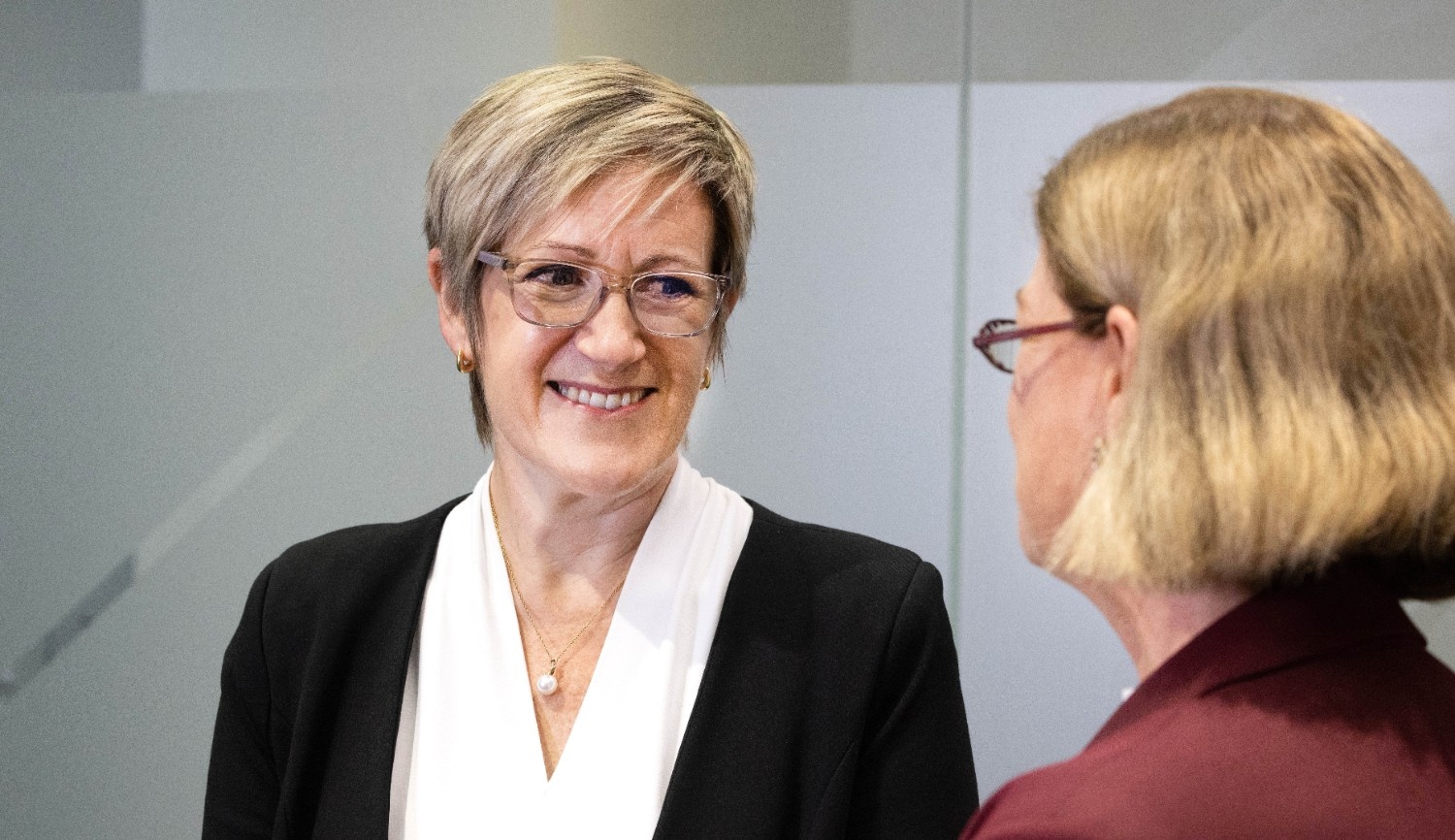
WA’s deputy chief health officer Clare Huppatz has taken over from retired Andrew Robertson as the state’s chief health officer, becoming the first female in the role.

Improving Soda By Turning It Into Mead

UK and NATO allies need to prepare to defend Europe without US, MPs say | UK News

Franklin Growth Fund Q4 2025 Commentary


-
 Crypto World6 days ago
NIO (NIO) Stock Plunges 6.5% as Shelf Registration Sparks Dilution Worries
-
 NewsBeat2 days ago
Manchester United reach agreement with Casemiro over contract clause amid transfer speculation
-

 Fashion6 days ago
Weekend Open Thread: Adidas – Corporette.com
-

 Politics6 days ago
Jenni Murray, Long-Serving Woman’s Hour Presenter, Dies Aged 75
-

 Crypto World5 days ago
Best Crypto to Buy Now: Strategy Just Spent $1.57 Billion on Bitcoin During Fear While Early Investors Quietly Enter Pepeto for 150x Potential
-

 Crypto World5 days ago
Bitcoin Price News: Bhutan Sells $72 Million in BTC Under Fiscal Pressure, but the Smart Money Entering Pepeto Sees What the Market Does Not
-

 News Videos1 day ago
Parliament publishes latest register of MPs’ financial interests
-

 Sports4 days ago
Remo Stars and Kano Pillars Strengthen Survival Hopes in NPFL
-

 Sports4 days ago
Gary Kirsten Accuses Pakistan Cricket Board Of ‘Interference’, Mohsin Naqvi Responds
-

 Tech4 days ago
Give Your Phone a Huge (and Free) Upgrade by Switching to Another Keyboard
-

 Business5 days ago
No Winner in March 21 Drawing as Prize Rolls to $133 Million for Next
-

 Sports6 days ago
2026 Kentucky Derby horses, odds, futures, preview, date: Expert who nailed 12 Derby-Oaks Doubles enters picks
-

 Tech4 days ago
AI enters the chat: New Seattle dating app relies on tech to facilitate meaningful human connections
-
Business6 days ago
Columbia Sportswear enters $500 million credit agreement with JPMorgan Chase
-

 Tech5 days ago
Today’s NYT Connections Hints, Answers for March 22 #1015
-

 News Videos4 days ago
Ch 9 Financial Management Part 1 | Detailed One Shot | Class 12 Business Studies Boards 2026
-

 Business9 hours ago
Instagram, YouTube Found Responsible for Teen’s Mental Health Struggle in Historic Ruling
-
 Crypto World6 days ago
Small-cap Russell 2000 enters correction territory
-

 Business5 days ago
Will Duke Basketball Win It All? Duke Basketball Enters Second Round as Third Favorite to Claim NCAA Title
-

 Business7 days ago
(VIDEO) BTS Drops ‘ARIRANG’ Album Today, Marking Epic Post-Military Comeback With Live Concert
You must be logged in to post a comment Login