
Business
US stocks today: US stocks fall from record high on Middle East worries


The renewed nervousness about the Middle East conflict comes after the S&P 500 and Nasdaq hit record highs last Friday amid a stronger-than-expected quarterly earnings season.
“With the market at all-time highs, there’s not a lot of room for error, and it feels like the kind of big asymmetric risk is still to the downside, even if it’s maybe not the most probable outcome that we get back into a hot war,” said Ross Mayfield, an investment strategist at Baird Private Wealth Management.
S&P 500 companies are expected to post aggregate earnings growth of 28% year/year for the first quarter, double the expectation of 14% at the start of April, according to LSEG I/B/E/S. Wall Street’s AI heavyweights account for much of that optimism. Berkshire Hathaway reported on Saturday that it was a net seller of stocks for the 14th consecutive quarter. Investors closely watch the conglomerate, often viewed as a bellwether of the U.S. economy, for its insight into valuations and broader market conditions. Shares of GameStop tumbled and eBay rose after the video game retailer unveiled a proposal to buy the online marketplace for about $56 billion in a cash-and-stock deal. GameStop’s stock market value is about $11 billion.
According to preliminary data, the S&P 500 lost 28.37 points, or 0.39%, to end at 7,201.75 points, while the Nasdaq Composite lost 43.78 points, or 0.17%, to 25,070.67. The Dow Jones Industrial Average fell 549.79 points, or 1.12%, to 48,946.86. Delivery firms FedEx and United Parcel Service fell after Amazon.com said it was rolling out “Amazon Supply Chain Services,” opening up its logistics network for other businesses to use.

Palantir climbed ahead of the data analytics and defense software company’s quarterly report after the bell.
The declines in FedEx and UPS dragged the Dow Jones Transportation Average index to its lowest level in nearly a month. Cruise operator Norwegian dropped after slashing its annual forecast due to higher fuel costs related to the Middle East conflict.

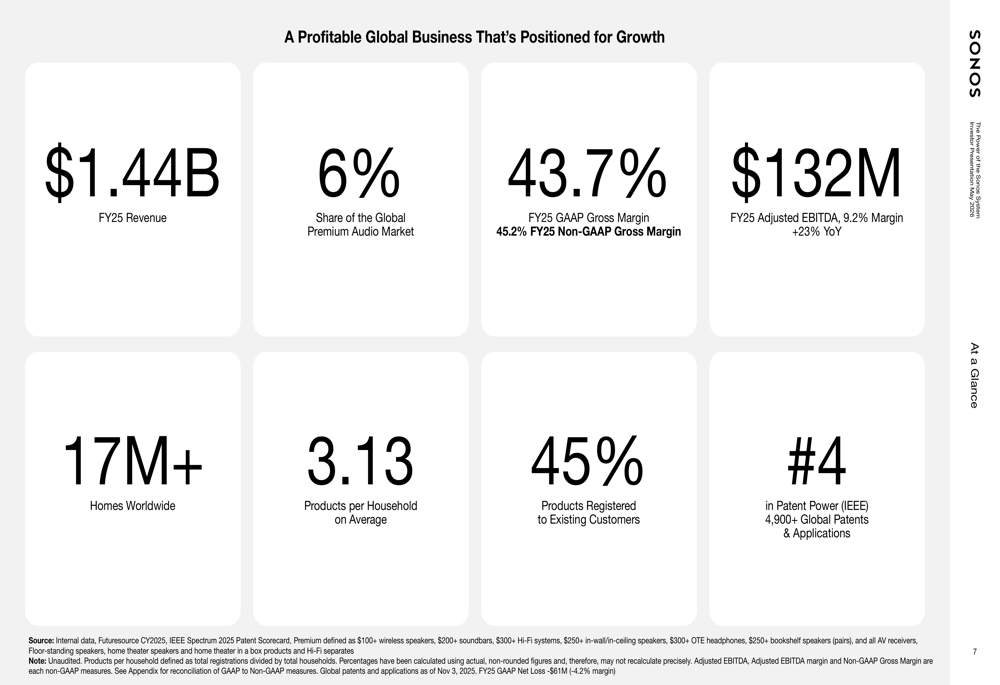
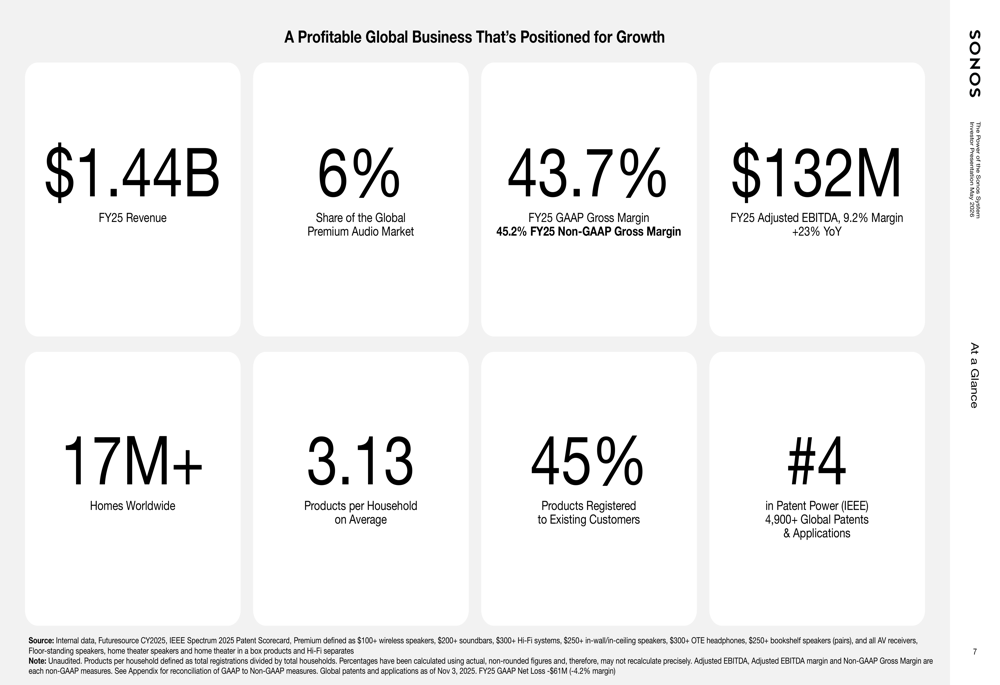
Sonos FY25 slides: $12B opportunity in base despite revenue dip
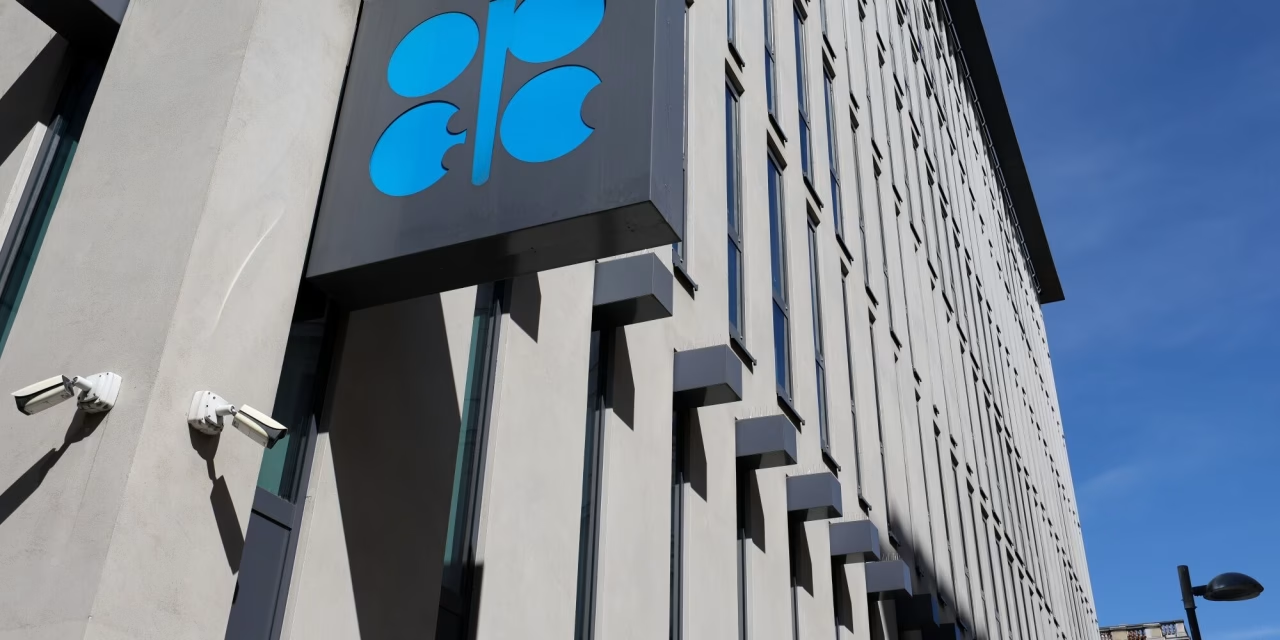
OPEC sought to project a united front Sunday, agreeing to a symbolic increase in oil output just days after the bombshell departure of the United Arab Emirates. But the pledge masks fault lines that could soon resurface.
The Organization of the Petroleum Exporting Countries and its allies agreed to raise production by about 188,000 barrels a day in June, a third consecutive monthly increase and a signal to markets that the cartel’s policies remain unaffected by the rupture.
Copyright ©2026 Dow Jones & Company, Inc. All Rights Reserved. 87990cbe856818d5eddac44c7b1cdeb8

QYLG: Rotation Into QQQ During The Bull Market

Sothebys International Realty broker Jenna Stauffer analyzes the U.S. housing market, noting a shift in buyer behavior, on ‘Making Money.’
Foreclosures rose to the highest level in six years in the first quarter of this year as homeowners are squeezed by rising costs related to insurance and property tax bills.
The Wall Street Journal reported that data from Attom shows the number of U.S. properties with a foreclosure filing has trended up to nearly 119,000 in the first quarter, an increase of 26% from the same period last year.
That figure is the highest since the first quarter of 2020, when mortgage relief measures implemented to mitigate the economic impact of COVID shutdowns led to a steep decline in foreclosures.
Analysts have noted that the current foreclosure rate represents a return to what were normal levels prior to the COVID-19 pandemic, as opposed to a sign of borrowers becoming increasingly distressed financially.
AVERAGE MONTHLY MORTGAGE PAYMENT HITS NEW HIGH, TOPPING $2K FOR FIRST TIME EVER

Homeowners are facing rising costs and foreclosure levels have returned to prepandemic levels. (Nathan Howard/Bloomberg via Getty Images)
However, the Journal’s report said that although many homeowners have low mortgage rates, rising costs for things like home insurance, property taxes and dues for homeowners’ associations are ramping up spending on bills.
A report by Insurify found that the average annual bill for homeowners insurance rose $2,948 in 2025, up 12% from 2024, while Attom data showed that average property tax burdens were up 3% to $4,427.
CALIFORNIA BUILT MORE HOMES THAN PEOPLE OVER SIX YEARS – SO WHY IS HOUSING STILL SO TIGHT?

Homeowners are facing rising bills from property taxes, insurance and neighborhood association dues. (iStock/Getty Images Plus)
Those who purchased homes within the past few years may be in worse shape after purchasing at higher mortgage rates, as some areas have seen declines in home values that could leave some owners underwater.
Homeowners who are facing financial distress and the risk of slipping into delinquency or foreclosure have fewer options for relief than what was available a few years ago before pandemic-era programs were sunset.
For example, the Federal Housing Administration (FHA) announced in October that homeowners are limited in resorting to measures like loan modification to avoid foreclosure once every 24 months.
PROPERTY TAX BURDEN ON AMERICANS CLIMB AS HOME VALUES DIP, NEW DATA SHOWS
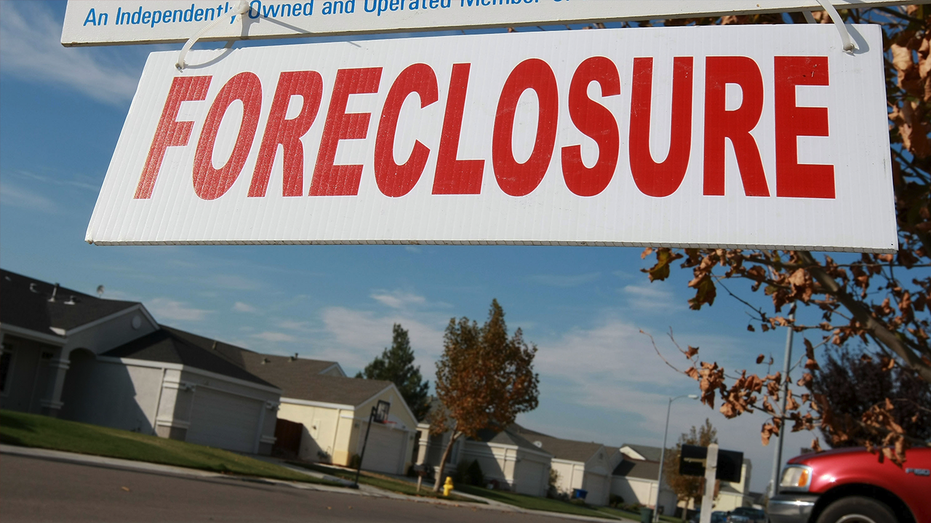
Many federal pandemic-era foreclosure relief programs have ended. (Getty Images)
The data comes as data shows the average monthly payment for all outstanding mortgages reached a new high at the end of last year, as it rose to $2,005 in the fourth quarter, according to Realtor.com data.
The uptick covers the full portfolio of mortgages in the U.S., including a large group of borrowers who took out loans before 2022 and have mortgage rates of 4% or lower – whereas new buyers face significantly higher payments given the elevated mortgage rates.
GET FOX BUSINESS ON THE GO BY CLICKING HERE
The average monthly payment for new homebuyers passed the $2,000 threshold for the first time in September 2022.

Macom SVP global sales Hwang sells over $1m in stock

Earnings call transcript: Itafos misses Q1 2026 EPS forecasts, stock drops
SEATTLE — Steam, Valve Corporation’s dominant digital gaming platform, is currently operating normally as of Tuesday, May 5, 2026, with no widespread outages reported across major monitoring services. Millions of users worldwide can access the Steam Store, Community features, and launch games without major disruptions, though occasional localized or individual connection hiccups remain common in a service handling tens of millions of concurrent players.
Monitoring sites including Downdetector, SteamStat.us and DownForEveryoneOrJustMe confirm stable performance. Steam services show normal operation for the Store, Community, Web API and connection managers at around 97% availability. In-game and online user counts remain robust, with over 34 million users online in recent snapshots and nearly 10 million actively playing.
Current Status: No Major Outage
As of early May 2026, user reports on Downdetector indicate no significant spike beyond typical background noise. The platform’s last notable outage occurred on April 28, lasting roughly 47 minutes and affecting launching games and connections for some users. Routine Tuesday maintenance windows, a long-standing Valve practice, occasionally cause brief interruptions, but none are active today.
SteamStat.us, an unofficial but reliable tracker, reports all core services in the green. Minor database queue delays of around 30 minutes appear in some backend functions but do not impact most players. Connection managers hold steady above 96%, sufficient for smooth gameplay and downloads.
Valve has not issued any emergency notices via its official support channels or social accounts regarding today’s status. Players experiencing issues are likely dealing with individual factors such as local internet problems, router configurations, VPN interference or temporary high traffic rather than a platform-wide failure.
How to Verify Steam Status Yourself
Gamers worried about connectivity should first visit trusted checkers:
- SteamStat.us — Real-time service breakdown
- Downdetector.com/status/steam — User-reported spikes
- store.steampowered.com/stats — Official concurrent user data
Basic troubleshooting steps recommended by Valve include restarting the Steam client, verifying game files, checking firewall/antivirus settings, and ensuring a stable wired connection over Wi-Fi when possible. Clearing the download cache or running Steam as administrator often resolves persistent errors like Code 53 (“Servers too busy”).
Recent History of Steam Outages in 2026
Steam has experienced several disruptions this year. A February event saw over 18,000 user reports in a single morning, primarily server connection failures. May 1 brought scattered complaints, though not at outage levels. These incidents typically resolve within hours thanks to Valve’s robust global server infrastructure.
The platform’s scale contributes to vulnerability. With peaks exceeding 40 million concurrent users during major releases or sales, even minor technical glitches can affect thousands. DDoS attempts, though rare and usually mitigated quickly, have occurred in the past. Routine maintenance every Tuesday remains the most predictable source of brief downtime.
Why Steam Rarely Stays Down Long
Valve’s engineering prioritizes redundancy. Data centers worldwide distribute load, while content delivery networks accelerate downloads. The company’s closed ecosystem allows faster internal fixes compared to more fragmented services. However, heavy reliance on Steam for game libraries, cloud saves and multiplayer means even short outages frustrate dedicated players.
Impact on Gamers and the Industry
When Steam does go down, effects ripple across the PC gaming world. Competitive titles like Counter-Strike 2 and Dota 2 see matchmaking queues freeze. Single-player enthusiasts lose access to achievements and updates. Steam Deck users in handheld mode face additional frustration during travel.
Economically, prolonged outages could dent Valve’s massive revenue from the 30% cut on most transactions. Yet the platform’s near-monopoly status in PC digital distribution means users have few immediate alternatives. Epic Games Store, GOG and others capture niches but lack Steam’s library depth and social features.
Tips to Minimize Disruption
Proactive steps help gamers stay prepared:
- Enable Steam’s offline mode before potential issues.
- Keep games updated during stable periods.
- Use secondary launchers or direct executables for critical titles.
- Monitor Steam’s official Twitter/X and status pages during peak events like new game launches or holiday sales.
For power users, tools like SteamCMD offer command-line access bypassing the full client. Mobile apps provide basic library management even during client-side problems.
Broader Context in 2026 Gaming Landscape
Steam continues dominating as PC gaming’s central hub amid growing competition from cloud services like Xbox Game Pass and NVIDIA GeForce Now. Valve’s focus on Steam Deck and upcoming hardware, including rumored Steam Machine developments, reinforces the ecosystem’s importance. Reliable uptime remains critical to retaining user trust.
As artificial intelligence and enhanced anti-cheat systems integrate deeper, backend complexity increases outage risks. Yet Valve’s track record shows quick recovery, often without public fanfare. Most “Steam is down” panics on social media prove temporary or user-specific upon verification.
What to Do If Steam Goes Down
If widespread problems emerge:
- Check multiple status sites for confirmation.
- Avoid repeated login attempts, which can worsen queues.
- Wait 30-60 minutes before retrying.
- Report specific errors via Steam Support for faster potential resolution.
Valve rarely comments publicly on minor issues, reserving statements for major events. Community forums and Reddit’s r/Steam provide real-time user experiences during incidents.
For now, on this Tuesday in May 2026, Steam remains online and ready for millions of gamers. Whether launching a quick session of your favorite title or browsing the next big sale, the platform stands stable. Occasional hiccups are part of operating at Steam’s enormous scale, but current indicators point to smooth sailing for the vast majority of users.
Gamers should continue monitoring status pages during high-traffic periods and maintain good local network hygiene. With no active outage today, the focus shifts back to play — and perhaps wondering what blockbuster release will next test Steam’s servers.


Paramount Skydance topped Wall Street’s revenue and earnings estimates for the first quarter on Monday, as the media company got a boost from its streaming and film businesses.
The company reported nearly $7.35 billion in first-quarter revenue, up 2% from the prior year, and lifted by the overall streaming business — which includes Paramount+, as well as BET+ and the free, ad-supported service Pluto.
Revenue for the streaming unit grew 11% to $2.4 billion compared to the same period last year. Paramount+, the flagship of the company’s streaming portfolio, added 700,000 subscribers during the quarter and grew revenue 17% year over year.
In total, Paramount+ had nearly 80 million subscribers, with the most recently quarterly growth coming despite price hikes on Paramount+ plans in January, the platform’s first since August 2024.
Paramount’s film studio revenue increased 11% from the prior year to about $1.28 billion. “Scream 7” helped lift revenue and was the highest-grossing film in the horror flick franchise.
The company noted it has nearly doubled its film slate for 2026 over 2025 since closing the merger between Paramount and David Ellison‘s Skydance last year.
Like its peers, however, Paramount’s TV media business, which includes broadcast network CBS, as well as cable TV channels like Nickelodeon, MTV and BET, was weighed down by the continuation of cord-cutting. The segment reported $3.67 billion in revenue, down 6% compared to the same quarter last year.
Here’s how Paramount Skydance performed in the first quarter compared to Wall Street estimates compiled by LSEG:
- Earnings per share: 23 cents adjusted vs. 15 cents expected
- Revenue: $7.35 billion vs. $7.28 billion expected
This marks the first quarter that Paramount Skydance is reporting under a new structure, which includes a reorganization across direct-to-consumer streaming, studios and TV media expense allocations. As part of the changes, the company recast financials for prior periods.
Paramount reported first-quarter net earnings of $168 million, or 15 cents per share, compared with net earnings of $152 million, or 22 cents per share, a year earlier under the so-called predecessor company prior to the merger.
Adjusting for one-time, transaction-related items, Paramount reported adjusted earnings per share of 23 cents.
The company on Monday reaffirmed its full-year outlook of $30 billion in revenue and $3.8 billion in adjusted earnings before interest, taxes, depreciation and amortization.
The earnings report comes nine months after the merger between Paramount and Skydance closed, and as the company is in the midst of closing another deal — a proposed acquisition of Warner Bros. Discovery.
The company expects the deal with WBD to close at the end of the third quarter. The acquisition received approval from WBD’s shareholders in April and is in the midst of regulatory review. Paramount Skydance has agreed to acquire WBD for $31 per share, all cash, and has recently been lining up its debt and equity commitments from outside investors.
As part of the merger between Paramount and Skydance the company said it expects to save $3 billion. On Monday Paramount affirmed it was on track to make such cuts through 2027, with more than $2.5 billion expected to be eliminated by the end of 2026.
Paramount Skydance plans to consolidate the tech stack and platforms for its three streaming platforms by mid-year. Across the board, the improvement of Paramount’s streaming technology has been a focus since Ellison’s combination of the companies.
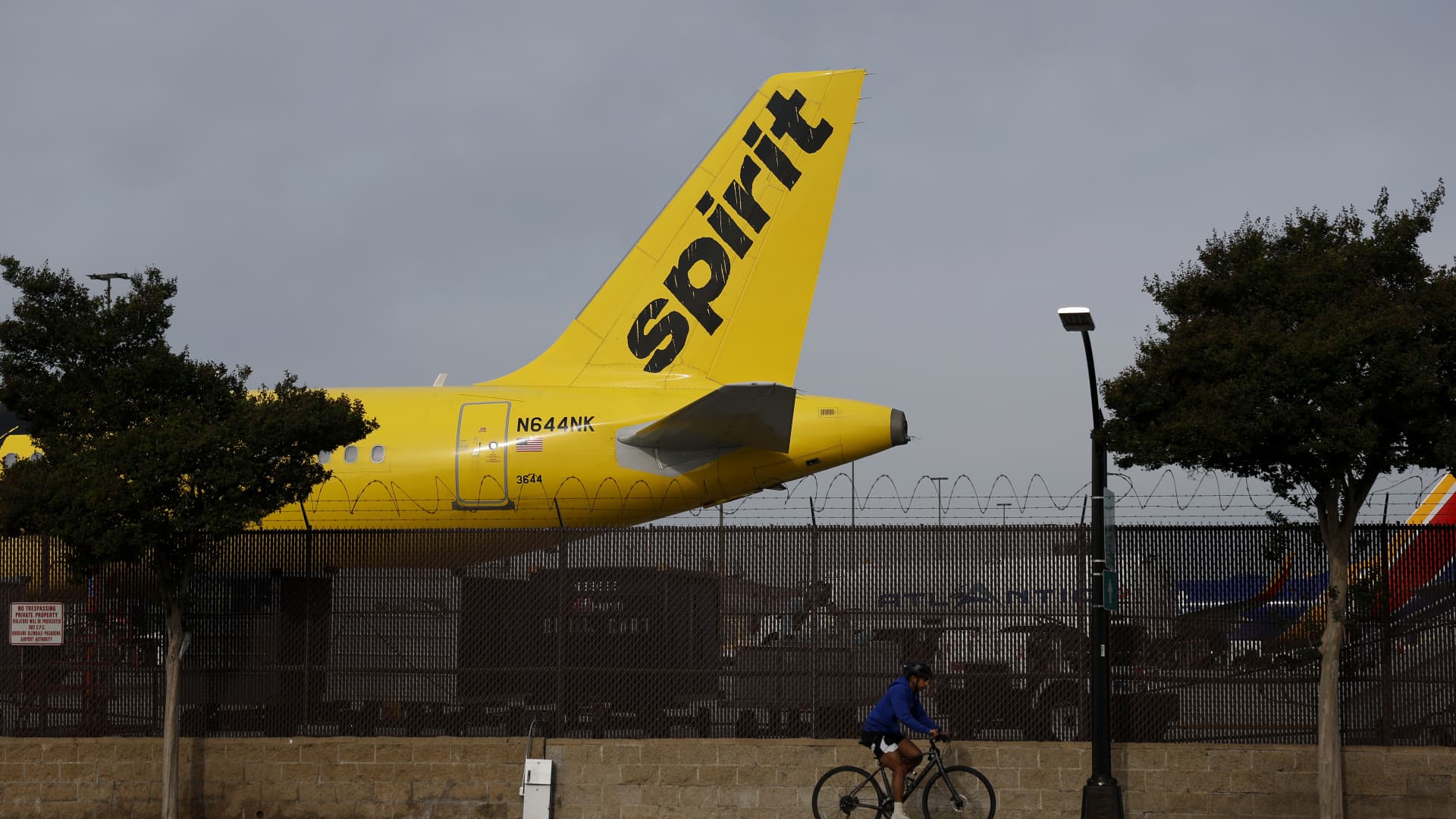
A Spirit Airlines plane sits parked at Hollywood Burbank Airport on April 16, 2026 in Burbank, California.
Justin Sullivan | Getty Images
Spirit Airlines struggled for years, battered by larger, cash-rich airlines that copied its business model, failed mergers, higher costs and, most recently, a surge in jet fuel prices because of the war in Iran. It then faced the most unforgiving foe: time.
“We just kind of ran out of runway,” CEO Dave Davis said in an interview with CNBC on Monday.
Spirit had hoped to exit bankruptcy, its second in less than a year, in mid-2026. Four days before the U.S. and Israel attacked Iran, a conflict that has sent fuel prices skyrocketing, Davis said he and his team were optimistic that the exit strategy could still work. But that was contingent on fuel prices moderating in April.
They didn’t.
“Late March, early April, it became clear that it was going to be tough for us to get through,” Davis said, noting that crude oil prices were above $100 a barrel.
Time’s up
Other airlines leave printed instructions for travelers affected by the Spirit Airlines shut down at LaGuardia Airport’s Marine Air Terminal in New York on May 2, 2026.
Leslie Josephs/CNBC
To try to save the company from collapsing, Davis and others inside Spirit talked to the Trump administration about a bailout.
“We got connected with some various folks in government, including [Commerce] Secretary [Howard] Lutnick, through some contacts,” he said. “These guys … particularly Commerce, very eager to help.”
The Trump administration had been working on an offer for a $500 million loan to keep the airline afloat in a plan that could have given the U.S. government an up to 90% stake in the carrier. Bondholders weren’t on board and floated a counter proposal.
“Our bondholders also worked very hard to try to get something done,” Davis said.
The two sides were far apart on deal terms and it was clear by Thursday that it wasn’t going to work.
“I think we just ran out of time,” he said.
Spirit said some 17,000 people, both direct and indirect airline workers, lost their jobs in the airline’s collapse. Other carriers, smelling blood, had been circling for nearly a year if not longer, and within hours of the airline’s collapse were scrambling to both fly ticketed Spirit customers and add to their schedules in the absence left by Spirit’s yellow planes.
What’s next?
A Spirit Airlines poster on a LaGuardia Airport shuttle bus the day it shut down.
Leslie Josephs/CNBC
Spirit hired longtime airline executive Davis, most recently CFO at Sun Country, a year ago, about a month after the company zipped out of its first bankruptcy. Critics said it avoided bigger changes in that first bankruptcy, like shedding more assets to get costs down.
Last August, the airline filed for Chapter 11 bankruptcy protection again, facing many of the same problems, though it had slashed flights, gotten rid of some of its Airbus jets and furloughed crew members to save cash.
Davis previously worked at Northwest Airlines, which combined with Delta Air Lines in 2008, and also worked at US Airways, which merged with American Airlines in 2013. Along with United Airlines and Southwest Airlines, the four airlines control about 80% of U.S. capacity, after a major wave of consolidation.
More consolidation is likely and “what the lower end of the industry needs,” Davis predicted. He said if Spirit’s planned acquisition by JetBlue Airways wasn’t blocked by a judge two years ago “I believe that we wouldn’t be in the situation we are right now.”
Low-fare airlines for a time were a headache for big legacy carriers, since they swooped into markets and offered eye-catching fares.
“There was no better exemplar of that than Spirit,” Davis said.
But then the big airlines started to copy some of the budget model, offering no-frills basic economy tickets and other add-on fees. That hurt carriers like Spirit, which was profitable in the 2010s but hadn’t turned a profit since 2019.
“Everybody saw the low-cost airlines just taking massive share,” he said. “The shoe was completely on the other foot then, then where it is today.”
He said another benefit the larger airlines have is their huge credit card programs, in which they earn money from banks when customers swipe their credit cards, a business that gives them a bigger cash cushion to weather shocks like high fuel prices.
Davis said in Spirit’s final days he was between Washington, D.C., and the company headquarters in Dania Beach, Florida, trying to get to a deal. Some staff members, including pilots, didn’t get final word about the airline’s last flights until they were getting close to landing Friday night or early Saturday.
“You can’t announce ahead of time that you’re going to shut down,” he said. “What happens is vendors stop working. Fuelers stop fueling. Some crew members probably don’t come in. So then you’ve got airplanes and people and passengers scattered all over the place in foreign countries. It needs to be done in a very orderly way, and it needs to be done all at once.”
Davis said he is staying on at Spirit to oversee the airline’s closure. Leased planes will go back to lessors. Owned ones will get sold. Gates will be overseen by airports and likely used by other airlines. About 130 other employees are set to stay on for that work as well.
When asked if he would stay in the industry, Davis said: “I just love airplanes, and I like the industry, so I’ll probably never leave it, although sometimes it’s very trying and taxing on a person.”

NEW YORK — Gold prices tumbled more than 2% on Tuesday, May 5, 2026, with spot gold hitting $4,527.26 per ounce, down $102.63 or 2.22% from the previous close, extending a broader correction from record highs set earlier this year amid shifting macroeconomic forces and profit-taking.

The decline marks another session of pressure on the safe-haven metal, which reached an all-time high above $5,589 in late January before entering a volatile pullback phase. Analysts describe the move as a healthy correction within a longer-term bull market driven by central bank buying, geopolitical risks and investor diversification, rather than a fundamental reversal.
Drivers Behind Tuesday’s Sharp Drop
Market participants pointed to a combination of factors. A stronger U.S. dollar, rising Treasury yields and reduced immediate fears over certain geopolitical flashpoints contributed to the selling. Higher real yields make non-yielding assets like gold less attractive, prompting some institutional and speculative investors to unwind positions.
Recent data showing resilience in the U.S. economy and tempered expectations for aggressive Federal Reserve rate cuts this year have also weighed on gold. The metal often struggles in environments of higher-for-longer interest rates, even as broader inflation and uncertainty narratives remain supportive longer term.
Trading volumes spiked during the session as leveraged players adjusted exposure. Comex futures reflected the move, with active contracts showing clear downside momentum before finding some support near key technical levels around $4,500.
Context of 2026’s Wild Ride
Gold’s journey this year has been dramatic. After surging more than 40% from 2025 levels and shattering previous records, the metal corrected sharply in March — its largest monthly decline since 2013 — before stabilizing in April. The pullback erased roughly 13-20% from January peaks, yet prices remain elevated compared to historical averages.
Geopolitical developments, including tensions in the Middle East and disruptions in energy markets, initially propelled gold higher but later triggered complex dynamics. Oil price spikes raised inflation concerns, delayed rate-cut hopes and strengthened the dollar — a classic headwind for gold despite its traditional safe-haven status.
Central banks continue accumulating gold at elevated levels, albeit at a slightly slower pace than peak quarters, providing underlying demand. Private investors who entered during the rally have shown mixed behavior, with some holding firm and others taking profits during volatility.
Wall Street Outlook Remains Bullish
Major banks largely view the current dip as a buying opportunity. Goldman Sachs reaffirmed its year-end 2026 target of $5,400 per ounce. J.P. Morgan sees potential for $6,000–$6,300, while other forecasts range from $5,200 to $6,300 by December.
Analysts emphasize structural drivers: de-dollarization efforts, fiscal sustainability concerns, and gold’s role as a portfolio diversifier in an uncertain world. Even after the correction, consensus calls for new highs later in 2026 and into 2027.
Technical analysts note support zones between $4,400 and $4,600 hold significance. A break below could test lower levels, but most expect rebounds as bargain hunters enter and seasonal factors turn favorable.
Impact on Investors and Markets
For retail investors, the drop offers a potential entry or averaging point, though volatility cautions against timing the bottom. Exchange-traded funds tracking gold, such as the SPDR Gold Shares (GLD), mirrored the decline, affecting portfolios with precious metals exposure.
Jewelry demand in major markets like India and China remains price-sensitive, with lower levels potentially stimulating physical buying. Mining stocks faced additional pressure, trading lower as margins face scrutiny amid falling spot prices.
Broader financial markets showed mixed reactions. Equities held relatively steady, while the dollar index gained ground. Bond yields ticked higher, reinforcing the inverse relationship currently at play with gold.
Risks and Scenarios Ahead
Downside risks include faster-than-expected economic cooling that paradoxically strengthens the dollar further, or resolution of key geopolitical tensions that reduces safe-haven demand. Upside catalysts remain robust: renewed inflation surprises, central bank surprises or fresh global uncertainties.
Experts warn against overreacting to short-term moves. Gold’s history shows sharp corrections within multi-year bull runs, often followed by strong recoveries. Long-term holders focused on wealth preservation appear largely unmoved by daily fluctuations.
What’s Next for Gold
As trading continues, market eyes turn to upcoming economic data, including inflation readings and Fed communications. Any signs of cooling labor markets or persistent price pressures could shift sentiment rapidly.
For now, Tuesday’s 2% drop underscores gold’s sensitivity to macro crosscurrents even at elevated levels. At $4,527, the metal trades well above pre-2025 averages but offers a more attractive valuation than at January peaks for those bullish on its strategic role.
Investors should monitor real yields, dollar strength and physical demand indicators closely. While no one can predict the exact bottom, the overwhelming analyst consensus points to higher prices by year-end, suggesting current levels may represent a pause rather than the end of gold’s remarkable run.

Blake Lively and Justin Baldoni reach shock last-minute settlement weeks before trial

Sonos FY25 slides: $12B opportunity in base despite revenue dip

XRP price breaks $1.40 as Consensus 2026 opens

Manchester United reach agreement with Casemiro over contract clause amid transfer speculation

US brings back mandatory military draft registration

Steven Gerrard disagrees with Gary Neville over ‘shock’ Chelsea and Arsenal claim | Football


-

 Politics7 days ago
Drax board avoid their own AGM, accused of greenwashing & environmental racism
-

 Fashion6 days ago
Kylie Jenner’s KHY Enters a New Era with ‘Born in LA’
-

 NewsBeat1 day ago
Channel 5 – All Creatures Great and Small series 7 new post
-

 Business6 days ago
Most Commercial Energy Audits Miss the Real Losses
-
 Tech3 days ago
Trump’s 25% EU auto tariff breaches Turnberry Agreement that also covers semiconductors and digital trade
-

 Crypto World6 days ago
CFTC’s AI will review U.S. crypto registration applications, chairman tells CoinDesk
-
 Sports3 days ago
Paul Scholes issues Marcus Rashford reality check as agreement emerges over Man United star
-

 Business5 days ago
Barclay Brothers Avoid Bankruptcy: HSBC Drops High Court Petitions After IVA Deal
-
 Business5 days ago
Tesla Officially Registers Elon Musk’s Stock: What Investors Need to Know
-

 Tech6 days ago
Get Ready for More Brain-Scanning Consumer Gadgets
-
 Crypto World7 days ago
Robinhood Phishing Scam Exploits Gmail Dot Feature to Bypass Security
-

 Crypto World7 days ago
Gmail Dot Trick Underpins Robinhood Phishing, Sending Real-Looking Emails
-

 Entertainment7 days ago
Michael Jackson’s Biopic Excluded Abuse Allegations For $25M
-

 Business4 days ago
Two Powerball Tickets Split $143 Million Jackpot in Indiana and Kansas
-

 Tech5 days ago
Texas Instruments made a new flagship graphing calculator: the TI-84 Evo
-

 Business7 days ago
Superdry co-founder accused of raping woman
-
 Crypto World4 days ago
CoreWeave (CRWV) Stock Climbs 8% Despite $45M Insider Share Dump
-
Business7 days ago
Opus Genetics president Benjamin Yerxa sells $39,121 in stock
-

 Politics7 days ago
Starmer to whip MPs to vote against probe into himself
-
 Crypto World7 days ago
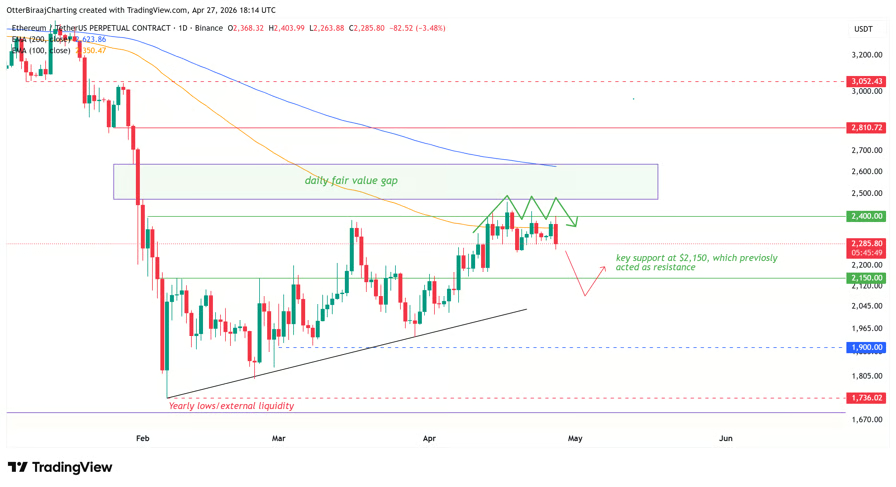
ETH Triple Top Rejects $2.4K As Analysts Flag Weakness Against BTC
You must be logged in to post a comment Login