



Connect with us
DAPA Banner

Business

(VIDEO) Artemis II Astronauts Set to View Never-Before-Seen Lunar Regions in Historic Flyby

Published

on

Eastern brown snake

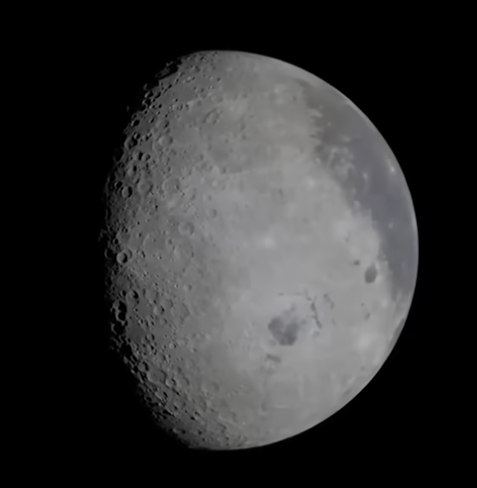
As NASA’s Artemis II crew hurtles toward the Moon aboard the Orion spacecraft, the four astronauts are preparing for a six-hour lunar flyby on Monday that will offer humanity’s first direct human-eye views of previously unseen portions of the lunar far side and specific illuminated terrains never observed by Apollo crews.

Artemis II Astronauts Set to View Never-Before-Seen Lunar Regions in
Artemis II Astronauts Set to View Never-Before-Seen Lunar Regions in Historic Flyby

Commander Reid Wiseman, Pilot Victor Glover, Mission Specialist Christina Koch and Canadian Space Agency astronaut Jeremy Hansen launched April 1 on the roughly 10-day test flight, the first crewed deep-space mission since Apollo 17 in 1972. On Monday, April 6, Orion is scheduled to swing within about 4,000 miles (6,400 kilometers) of the lunar surface during a free-return trajectory that will slingshot the crew back toward Earth without entering lunar orbit.

The flyby window, running approximately from 2:45 p.m. to 9:40 p.m. EDT, positions Orion’s windows toward the Moon for targeted observations. NASA science teams in Houston have finalized a lunar targeting plan identifying roughly 35 geological features for the crew to photograph and describe in real time. Many of these targets lie on the far side — the hemisphere perpetually facing away from Earth — where lighting conditions during this particular pass will reveal details Apollo astronauts could not witness due to their orbital paths and timing.

The far side of the Moon differs dramatically from the familiar near side. It features fewer dark “seas” or maria and is dominated by rugged highlands densely pocked with craters. Because the Moon is tidally locked, the far side remains invisible from Earth. Robotic orbiters have mapped it extensively, but no human has seen large swaths with their own eyes under the specific illumination Artemis II will provide.

Advertisement

Astronauts have already shared early glimpses and reactions. In interviews from space, Koch described the Moon appearing “not the moon that I’m used to seeing,” noting differences in texture and contrast as the crew compared live views to training materials. Wiseman, using a telephoto lens during a preview pass, expressed excitement while rattling off recognizable sites and new vistas. The crew’s high-resolution photography will complement data from the Lunar Reconnaissance Orbiter, offering fresh perspectives on surface features.

Scientists are particularly eager for observations of lunar highlands, ancient impact basins and potential volcanic or tectonic features on the far side. One highlight could include enhanced views near the lunar “Grand Canyon” — vast canyon-like structures or rilles visible under the flyby’s geometry. The trajectory also enables detailed imaging of regions in the southern polar areas and equatorial far-side highlands that Apollo missions largely missed due to their equatorial orbits and limited far-side exposure.

The unique vantage stems from Artemis II’s free-return trajectory, which sends Orion on a looping path around the Moon’s far side before Earth’s gravity pulls it home. At closest approach, the Moon will appear roughly the size of a basketball held at arm’s length from the spacecraft windows. This distance — farther than Apollo crews typically flew during similar maneuvers — combined with modern camera technology and crew training, allows for unprecedented documentation.

Advertisement

A rare bonus awaits toward the end of the flyby: the crew may witness a solar eclipse from deep space as the alignment of Orion, the Moon and the Sun creates dramatic lighting shifts. Communications blackouts will occur as Orion passes behind the Moon, testing deep-space relay systems while the astronauts rely on onboard autonomy.

Mission planners coordinated the targeting plan after the successful translunar injection burn that propelled Orion out of Earth orbit. With the first outbound trajectory correction burn canceled due to precise navigation, the crew has focused on cabin preparations, exercise, medical drills and systems checks. They have shared striking images of a crescent Earth shrinking in the distance and the growing Moon filling their viewports.

The diverse crew brings historic firsts: Glover as the first Black astronaut on a lunar trajectory, Koch as the first woman, and Hansen as the first non-American. Their varied backgrounds — test pilots, engineers and researchers — enhance real-time scientific input during observations. Wiseman, a veteran of a prior space station mission, leads the team with emphasis on both mission success and public engagement through downlinked commentary.

Artemis II serves as a critical dress rehearsal for future landings. Data from the flyby will validate Orion’s thermal protection, life support, navigation and radiation shielding in the deep-space environment. The mission builds on the uncrewed Artemis I flight in 2022, adding human factors evaluation essential for Artemis III’s planned surface landing.

Advertisement

Public fascination has surged with live streams and crew-shared photos drawing millions of viewers. Social media buzz highlights the emotional weight of seeing Earth as a distant marble and the Moon’s rugged far side up close. NASA has released visualizations simulating the crew’s window views, showing the gradual reveal of far-side terrain as Orion arcs past.

Challenges remain. The crew has managed minor issues, including troubleshooting the spacecraft’s urine vent line in vacuum conditions. Radiation exposure in deep space exceeds low-Earth orbit levels, prompting use of Orion’s shelter and monitoring. Yet mission managers report systems performing well and the crew in high spirits.

After the flyby, Orion will use lunar gravity to begin its return journey, with splashdown targeted for April 10 off San Diego. The high-speed re-entry will further test the heat shield under crewed conditions.

International partners play key roles. The European Space Agency provided the service module powering much of the journey, while Canada contributed through Hansen’s participation. The mission underscores Artemis as a collaborative program aimed at sustainable lunar exploration, including eventual south pole landings and a Gateway outpost.

Advertisement

Scientists anticipate the crew’s observations will refine understanding of lunar geology, resource potential and landing site safety. Far-side data could inform future missions targeting areas shielded from Earth’s radio interference — ideal for radio astronomy — or volatile-rich polar regions.

As Monday’s flyby approaches, the Artemis II team continues refining the observation schedule based on real-time trajectory data. The astronauts will use handheld cameras and spacecraft systems to capture high-resolution imagery and provide verbal descriptions, adding a human dimension to robotic surveys.

This moment revives the spirit of Apollo while advancing 21st-century goals. Unlike the race-driven Apollo era, Artemis emphasizes long-term presence, science return and inclusivity. The crew’s views of unseen lunar landscapes symbolize humanity’s renewed commitment to exploration beyond Earth.

For the astronauts, the experience blends technical precision with profound wonder. Early comments reveal awe at the Moon’s stark beauty and the isolation of deep space. Their documentation will not only advance science but inspire future generations.

Advertisement

With Orion healthy and the crew primed, Artemis II stands poised to deliver historic images and insights. The flyby represents more than a waypoint — it is a bridge between past lunar triumphs and future voyages to the Moon and, eventually, Mars.

NASA continues real-time coverage through its website, NASA+ and social channels. As the crew prepares for their close encounter with the Moon, the world awaits the first human perspectives on long-hidden lunar realms.

Continue Reading
Click to comment

You must be logged in to post a comment Login

Leave a Reply

Business

FBI Ups Reward to $100,000 in Nancy Guthrie Kidnapping as Search Enters Third Month

Published

on

Zayed International Airport Abu Dhabi International Airport

TUCSON, Ariz. — More than two months after 84-year-old Nancy Guthrie vanished from her Tucson home in what authorities call a targeted abduction, the FBI has increased its reward to $100,000 for information leading to her recovery or the arrest of those responsible, as the high-profile case continues to baffle investigators and captivate the nation.

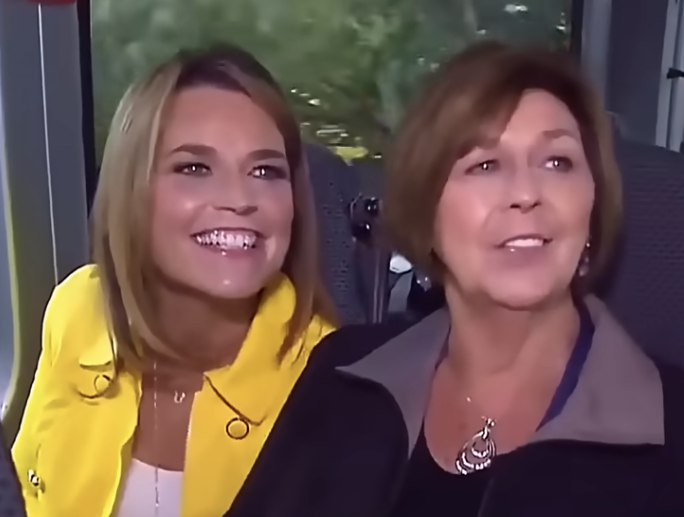
Savannah Guthrie & Nancy Guthrie

Guthrie, mother of NBC’s “Today” show co-anchor Savannah Guthrie, was last seen Jan. 31 when family members dropped her off at her Catalina Foothills residence after a games night. She was reported missing the next day, Feb. 1. Pima County Sheriff Chris Nanos quickly declared she had been taken against her will, citing evidence at the scene including drops of her blood on the porch and signs of forced removal. “She couldn’t walk 50 yards by herself,” Nanos told reporters, emphasizing that voluntary departure was not believed.

Surveillance footage released by the FBI shows a masked suspect in dark clothing, gloves and a backpack approaching Guthrie’s front door in the early morning hours of Feb. 1. The individual is seen tampering with her doorbell camera — propping it open with vegetation before disconnecting it — while holding a flashlight in his mouth, potentially leaving behind biological evidence from saliva. A similar masked figure was captured on Nest cam footage three weeks earlier, on Jan. 11, raising questions about prior surveillance of the home.

The case stands out for its rarity. FBI data from recent years shows that while women make up over 75% of reported kidnapping or abduction victims, those in their 80s account for less than 0.2% of cases. Experts have described the abduction of an elderly woman requiring daily medication as “unheard of” in its specifics, especially given the apparent amateurish elements mixed with targeted planning.

Ransom demands surfaced early. Media outlets, including local stations and TMZ, reportedly received notes demanding millions — initially $4 million, later raised to $6 million — with Bitcoin payment instructions and deadlines. One note referenced a specific time aligning with the camera disconnection. Savannah Guthrie publicly appealed to the kidnappers, posting videos asking for proof her mother was alive and stating the family was ready to negotiate. No confirmed communication has been reported since the deadlines passed, deepening family anguish.

Advertisement

Savannah Guthrie, who has stepped back from her “Today” duties, has shared emotional updates. She described hearing what she believed was a divine message about her mother’s fate and revealed her young daughter Vale asked heartbreaking questions about Grandma Nancy. The family offered a $1 million reward for tips leading to Nancy’s safe return, acknowledging the grim possibility she may no longer be alive. “Whether she’s on this Earth still or whether she’s in Heaven, I know where she is,” Savannah said in one appearance.

Investigators recovered DNA evidence, including from gloves found near the home that matched the suspect’s apparent attire, though early CODIS hits proved unrelated — one belonging to a restaurant worker. Other potential leads, including a detained man and his mother questioned in a SWAT raid, were released without charges. A vehicle and additional residences near the Guthrie home were searched, yielding no immediate breakthroughs.

Sheriff Nanos has stated investigators believe they know the motive and that the home was specifically targeted, though he stopped short of full certainty. Former FBI agents and analysts have speculated on possibilities ranging from a ransom plot gone wrong to revenge or a link to cryptocurrency schemes seen in other Arizona home invasions around the same period. Nanos warned the suspect “could absolutely” strike again, urging residents to remain vigilant.

Criticism of the investigation has mounted. Reports suggest initial responders may have considered a “wandering off” scenario before shifting to abduction, and one lead detective reportedly lacked prior homicide experience. A recall effort against the sheriff has gained traction amid frustration over the lack of arrests more than 60 days later. The FBI has provided additional resources, releasing updated suspect descriptions and enhancing the reward.

Advertisement

Nancy Guthrie, née Long, lived a relatively private life despite her daughter’s fame. A religious woman and mother of three, she had ties to Australia where Savannah was born in Melbourne. The family has cooperated fully, with Savannah’s siblings also involved in appeals. No family members or their spouses are considered suspects, according to authorities.

The case has spotlighted the broader issue of missing persons in Tucson, where dozens of other cases remain open. Experts note the emotional toll on families facing prolonged uncertainty, especially when the victim is elderly and dependent on medication. Guthrie’s health needs have heightened fears for her safety as weeks turn into months.

Online speculation has run rampant, leading to unwarranted accusations against innocent locals and one family reporting they felt “scared numb” after amateur sleuths targeted their street. Law enforcement has urged the public to avoid spreading unverified theories and to submit tips through official channels.

As the search continues, air and ground efforts, neighborhood canvassing and analysis of thousands of tips have yielded limited progress. The suspect’s backpack — described as an “Ozark Trail Hiker Pack” — and low-quality holster have been highlighted as potential identifiers, with some analysts pointing to the amateur nature of the crime, including the counterproductive camera tampering that actually preserved footage.

Advertisement

Pima County authorities, alongside federal partners, continue to treat the matter as an active kidnapping investigation. No arrests have been made, and Nancy Guthrie’s whereabouts remain unknown. Her family maintains hope while preparing for all possibilities.

The unusual details — an elderly victim, celebrity connection, ransom notes, prior surveillance and sparse forensics — have made the Nancy Guthrie case one of the most discussed disappearances in recent memory. It serves as a stark reminder of vulnerabilities even in seemingly safe suburban homes.

Tips can be submitted to the Pima County Sheriff’s Department or the FBI. As authorities press forward with enhanced rewards and public appeals, the central question lingers: Who took Nancy Guthrie, and why?

With no resolution in sight entering April, the investigation remains fluid. Savannah Guthrie and her family continue pleading for information, while experts caution that time is critical given the victim’s age and medical needs.

Advertisement

The nation watches as Tucson authorities and the FBI work to bring closure to a mystery that defies easy

Continue Reading

Business

Marine Biologics launches seaweed powder ingredient

Published

on

Marine Biologics launches seaweed powder ingredient

SeaTex was developed for protein stabilization. 

Continue Reading

Business

Strong support in Wales for an expansion in renewable energy

Published

on

Business Live

New research from RenewableUK Cymru shows support for renewables amongst people who intend to vote for all the parties

Solar panels.(Image: PA)

There is is strong support across the political spectrum in Wales for an expansion in renewable energy. Research commissioned by RenewableUK Cymru show that 71% of people in Wales believe renewable energy development should increase, with just 6% saying it should decrease. Moreover, a majority of people (58%) want Wales’s future energy system to be mainly or entirely based on renewable energy.

Support for renewables cuts across party lines, with strong backing among Labour (82%), Plaid Cymru (80%), Conservative (73%) and Green (76%) voters. Reform voters are more divided, but even amajority (59%) favour more renewable energy development.

READ MORE: The expected final cost of the South Wales Metro soars to £1.3bnREAD MORE: The price comparison industry faces a major challenge from AI

However, the polling also highlights important nuances in public opinion that challenge assumptions about opposition to renewable projects and energy infrastructure. Voters are broadly pro‑renewables and open to the trade‑offs when costs and community benefits are clear – suggesting some political debate is drifting away from where public opinion actually sits.

Advertisement

Public support for renewables is strong, but voters – especially Reform UK supporters – are clear that driving bills down is also a key priority. Lowering bills over time is one of the most commonly cited benefits of renewables among voters, but cost and affordability are also among their top concerns.

This becomes particularly clear when people are shown information on the cost of electricity grid infrastructure. Public views actively flip once costs are understood. When voters are not shown cost information, 53% prefer underground cables – but that falls to 29% once they’re told undergrounding can cost up to five times more, while support for overhead pylons rises sharply from 14% to 43%.

Around two thirds of voters say they would not be willing to pay higher energy bills to fund more expensive grid options, and this trend is particularly strong among Reform UK voters.

The findings suggest public attitudes are not fixed or ideological, but pragmatic and responsive to clear information about costs and consequences.

Advertisement

The polling also reveals a striking gap between how people perceive Wales’s current performance and the reality. Around four in ten people believe Wales already generates a higher share of its electricity from renewables than the UK average, when in fact Wales is currently behind (33% of electricity generation comes from renewables in Wales, versus just over 50% for the UK as a whole). When presented with the reality in focus groups, participants expressed surprise and disappointment – indicating that many people expect Wales to be further ahead and want to see faster progress.

The research also challenges assumptions about public attitudes to community benefit funds linked to renewable energy projects.

Over three quarters of people say they have little or no understanding of community benefit funding schemes. Many also significantly underestimate how much money typically flows back into local communities from the average onshore wind farm in Wales.

When told that for every £1 in post-tax profit a developer makes, 37 pence is reinvested into the local community, nearly two-thirds (65%) of people say that knowing this would make them more likely to support a renewable project in their area. The effect is strongest among Plaid Cymru voters, for whom community benefit and local reinvestment are among the most persuasive reasons to support renewable energy.

Advertisement

This suggests that scepticism is often driven by lack of information, rather than fixed views – and that clear, concrete explanations of how communities benefit can actively shift support, especially among voters who prioritise local value and fairness.

Jessica Hooper, director of RenewableUK Cymru, said:“This research shows that people in Wales are firmly behind renewable energy, across political divides – but it also shows they are thoughtful and pragmatic, not blindly supportive or ideologically opposed. They want honesty about the trade-offs, clear information on costs and delivery, and confidence that communities will share in the rewards.

“The risk now is not public resistance but misreading public opinion. With electricity demand projected to double – potentially triple – by 2050, decision makers need policies that deliver clean power at pace, keep bills affordable, and be honest about the trade-offs, clear information on costs and delivery, and confidence that communities will share in the rewards.

“The risk now is not public resistance but misreading public opinion. With electricity demand projected to double – potentially triple – by 2050, decision makers need policies that deliver clean power at pace, keep bills affordable, and be honest about the trade-offs.”


Advertisement
Continue Reading

Business

Form 13F Israel Discount Bank of New York For: 6 April

Published

on


Form 13F Israel Discount Bank of New York For: 6 April

Continue Reading

Business

Whey protein production doubles for FrieslandCampina

Published

on

Whey protein production doubles for FrieslandCampina

Company completes facility investment in The Netherlands.

Continue Reading

Business

10 Essential Facts About the Australian Idol 2026 Breakout Star

Published

on

Jacinta Guirguis

SYDNEY — As Australian Idol 2026 heads toward its grand finale, 23-year-old Kalani Artis from the New South Wales Central Coast has emerged as one of the season’s most compelling contestants, blending raw vocal talent with a deeply personal backstory that has resonated with viewers and judges alike.

Kalani Artis
Kalani Artis

From his standout audition to consistent top performances, Artis has captivated audiences with smooth, emotional delivery often compared to world-class artists. Here are 10 key things to know about the singer-songwriter who traded landscaping tools for the Idol stage.

  1. Hometown roots on the Central Coast: Artis hails from Bensville and Umina Beach on the NSW Central Coast. He proudly represents the region, with local fans rallying behind him through community support and social media campaigns. His grounded, approachable demeanor reflects the laid-back coastal lifestyle, even as he navigates the high-pressure national spotlight.
  2. Former landscaper turned performer: Before Idol, Artis worked as a tradie in landscaping. Known among fans as the “shy tradie,” he left the physically demanding job to pursue music full time. The transition marked a major life shift, with the competition providing the platform he needed to step away from manual labor and into the entertainment industry.
  3. Nana Sue’s guitar sparked his passion: Artis credits his beloved grandmother, Nana Sue, with igniting his musical journey. She gifted him his first guitar when he was 11 years old. Though he set it aside for a few years during a difficult period, he picked it up again at age 14, using music as an outlet. He has repeatedly thanked her publicly, with touching moments featuring her support during the show.
  4. Overcame significant mental health struggles: Artis has openly discussed his battles with anxiety, depression and feelings of isolation. After dropping out of school young, he experienced dark periods where he “locked himself away” and felt alone. Music became his “medicine,” helping him process emotions and rebuild confidence. His willingness to share this vulnerability has inspired many viewers facing similar challenges.
  5. Audition earned highest praise from Amy Shark: Artis auditioned with a powerful rendition of Natalie Imbruglia’s “Torn.” Judge Amy Shark declared it “the best audition I’ve ever seen,” a rare accolade that immediately positioned him as a frontrunner. The performance, which aired in early February 2026, garnered hundreds of thousands of views on YouTube and sparked widespread buzz for its emotional depth and technical excellence.
  6. Consistent standout in live shows: Throughout the competition, Artis has delivered memorable performances across various themes. Highlights include a stunning cover of Crowded House during one week and a breathtaking “Take My Breath Away” in Top 12 Movie Week that left audiences and the room in awe. His smooth vocals and ability to connect lyrically have earned repeated acclaim from judges Kyle Sandilands, Marcia Hines and Shark.
  7. Advanced to the Top 6: As of early April 2026, Artis remains in the final six contestants alongside strong contenders like Harlan Goode and Jacinta Guirguis. Public voting has kept him progressing through Top 12, Top 10 and beyond, with fans frequently predicting a top-three or even victory finish due to his consistent excellence and growing fan base.
  8. Self-taught musician with soulful style: A self-taught singer-songwriter, Artis draws influences from artists like James Bay, Lewis Capaldi and MK.GEE, blending indie, soulful pop and folk elements. His original material and Idol performances showcase earthy, heartfelt songwriting that resonates personally. He has released several Idol performance tracks on platforms like Spotify, including “Torn” and “Wherever You Will Go,” gaining tens of thousands of monthly listeners.
  9. Family and community support drives him: Artis frequently highlights his family’s role, especially Nana Sue, who appears supportive in the audience. The Central Coast community has mobilized with voting drives and local pride campaigns. His Instagram account (@kalaniartis) serves as a hub for fans to connect, with posts encouraging collective growth and thanking supporters.
  10. Asthma management moment highlighted human side: During one tense episode, Artis momentarily misplaced his nebulizer (“Nebby”), underscoring the everyday realities contestants face under pressure. The light-hearted yet relatable incident reminded viewers of his grounded personality amid the glitz of live television.

Artis’s journey on Australian Idol 2026 reflects more than vocal prowess — it embodies resilience and transformation. Born in 2002 or early 2003, the 23-year-old entered the competition carrying the weight of past struggles, including a recent breakup that added emotional layers to his performances. Judges and fans alike have noted how he “sings with lived experience,” bringing authenticity that sets him apart.

The season, hosted by Ricki-Lee Coulter and Scott Tweedie on Channel Seven and 7plus, has emphasized artist development. For Artis, the show has already changed his life, providing national exposure, recording opportunities and a platform to share his music beyond the Central Coast.

Fan reactions on social media and fan groups frequently describe his voice as “world-class” and “stunning,” with many predicting he could follow in the footsteps of previous Idol alumni who built sustainable careers. His Spotify presence and performance singles indicate growing commercial interest.

Yet Artis remains humble. In interviews, he has spoken about the leap from hiding in the shadows to performing live for millions, acknowledging fears that old mental health challenges could resurface under the intense scrutiny. Music, he says, continues to ground him.

Advertisement

As the finale approaches in mid-April, voting lines remain open via the 7plus app and designated numbers. Supporters are urged to back Artis with multiple votes per episode, as public preference will decide the ultimate winner.

Beyond the competition, Artis represents a new generation of Australian artists who leverage personal stories for connection. His path from landscaper to Idol contender highlights how opportunity, family encouragement and inner strength can intersect on a national stage.

Industry observers note that contestants like Artis, with genuine backstories and consistent talent, often translate Idol success into long-term careers involving tours, original releases and media appearances. His smooth delivery and genre-blending style position him well for pop, indie and acoustic markets.

With the Top 6 delivering high-stakes performances, Artis continues to impress with emotional control and vocal range. Whether covering classics or infusing originals with personal meaning, he has maintained poise that belies his relatively young age in the industry.

Advertisement

The broader Australian Idol narrative in 2026 has celebrated diversity of talent and stories. Artis’s openness about mental health adds depth to the season’s conversation around wellbeing in the entertainment industry.

As fans prepare for the climax, Kalani Artis stands as a reminder that behind every polished performance lies a human journey of growth, setback and triumph. His presence has enriched the competition, offering both entertainment and inspiration.

For those following the season, Artis’s trajectory offers lessons in perseverance. From a gifted guitar at age 11 to commanding the Idol stage at 23, his story underscores music’s transformative power.

With strong local and national backing, the Central Coast singer remains a favorite heading into the final stretch. Whatever the outcome, Kalani Artis has already secured a place in the hearts of many Australians as a talented, relatable and resilient artist to watch.

Advertisement
Continue Reading

Business

What Versant's StockStory Deal Says About Life Beyond Pay-TV

Published

on

What Versant's StockStory Deal Says About Life Beyond Pay-TV

What Versant's StockStory Deal Says About Life Beyond Pay-TV

Continue Reading

Business

Drinkwater Tops the List in 2026

Published

on

Danny Drinkwater

Soccer has delivered countless memorable moments on the pitch, but some players are remembered as much for their names as for their skills. From Premier League champions to cult heroes across Europe and beyond, certain surnames and full names have sparked endless jokes, memes and commentary gold over the decades.

As of 2026, the list of the funniest soccer player names remains a fan favorite topic on social media, podcasts and retro football discussions. Danny Drinkwater, the former Leicester City and Chelsea midfielder, consistently ranks at or near the top. Here are 10 of the all-time funniest soccer player names, ranked by a blend of pun potential, commentator delight and enduring online popularity.

Danny Drinkwater
Danny Drinkwater
  1. Danny Drinkwater (England) — The undisputed king of ironic football names. The midfielder, who helped Leicester City shock the world by winning the 2015-16 Premier League title, has been the punchline for years. Commentators shouting “Drinkwater!” during matches inevitably drew giggles, especially after he faced a drink-driving charge during his ill-fated Chelsea spell. Now retired and working in construction as of recent reports, Drinkwater still pops up in “where are they now” segments and hydration memes. Fans love pointing out the irony: a man named Drinkwater who occasionally didn’t.
  2. Paul Dickov (Scotland) — The former Manchester City and Leicester striker’s surname has fueled decades of schoolyard humor. Dickov enjoyed a solid career, including a memorable role in Leicester’s 1996-97 League Cup win, but his name remains a staple in “unfortunate footballer names” compilations. Teammates and fans embraced the banter, turning potential awkwardness into affectionate ribbing.
  3. Stefan Kuntz (Germany) — The German forward, who scored crucial goals for the national team in the 1990s including at Euro 96, carries a surname that sounds exactly like a body part in English. Kuntz later became a respected coach and sporting director, proving talent can outshine any name-related jokes. His name still surfaces in European football nostalgia threads.
  4. Yaya Banana (various clubs) — This Ivorian midfielder’s name combines a popular first name with a fruit, creating instant comedy. While not a household star like his compatriot Yaya Touré, Banana’s monicker delights fans compiling quirky lists and has earned mentions in African football highlight reels.
  5. Dean Windass (England) — The Hull City legend and straightforward-speaking pundit has a surname that sounds like “wind ass.” Windass enjoyed a long career as a no-nonsense striker, scoring memorable goals in the Premier League and lower divisions. His post-playing media work keeps the name in circulation, often paired with self-deprecating humor.

  6. David Goodwillie (Scotland) — The former Dundee United and Blackburn Rovers forward’s surname suggests excessive kindness, which contrasts sharply with some off-field controversies that overshadowed his on-pitch talent. Still, the name itself remains a classic entry in unfortunate footballer name discussions.
  7. Danny Shittu (Nigeria) — The towering defender, who played for clubs including Watford and Bolton Wanderers, has a surname pronounced “shit-oo” that invites predictable jokes. Shittu was known for his physical presence and solid defensive displays in the Premier League during the 2000s. His name frequently appears alongside Drinkwater in fan-voted lists.
  8. Taribo West (Nigeria) — The eccentric defender with wild hairstyles during his time at Inter Milan and other clubs had a name evoking American geography. Taribo West’s flamboyant personality matched the memorable moniker, making him a cult figure in 1990s-2000s football lore.
  9. Neeskens Kebano (DR Congo/France) — The winger, who has played for Fulham and other Championship sides, boasts a surname that rolls off the tongue in a satisfyingly odd way. Kebano’s skillful performances have earned respect, but the name ensures he features in “satisfying to say” football name compilations.
  10. Somália (Brazil) — Brazilian players often go by single names, but this midfielder’s choice to adopt the name of an East African country creates delightful confusion. Somália enjoyed a career in Portugal and Brazil, adding another layer of geographic whimsy to the list of quirky monikers.

These names highlight soccer’s global melting pot. Players from England, Scotland, Germany, Nigeria, Ivory Coast, Brazil and beyond have unintentionally provided comedy gold through no fault of their own. Many, like Drinkwater and Dickov, leaned into the banter or ignored it to focus on their careers.

The phenomenon extends beyond this top 10. Fans often mention Declan Rice (sounds like a cooking instruction), John Stones, Chris Wood, Daley Blind and older classics such as Segar Bastard (an actual early 20th-century English player who also refereed). In African leagues, names like Danger Fourpence or Have-A-Look Dube have delighted observers for years. Brazilian forward Creedence Clearwater Couto paid homage to the rock band, while some players received full sentences as names due to cultural naming traditions.

Why do these names resonate so strongly? Commentators’ deadpan delivery amplifies the humor during live broadcasts. Social media memes, YouTube compilations and Reddit threads keep the jokes alive long after careers end. In an era of data-driven analysis and tactical sophistication, light-hearted name banter offers a human, accessible entry point for casual fans.

Advertisement

Danny Drinkwater’s story adds extra layers. A key part of Leicester’s miracle title win under Claudio Ranieri, he started 23 league games that season. His £35 million move to Chelsea in 2017 never worked out, with limited appearances and that infamous drink-driving incident. By 2026, Drinkwater has spoken candidly about mental health struggles and the pressures of elite football. His transition to construction work drew mockery from some quarters but also respect for embracing life after the spotlight. He occasionally posts hydration tips on social media, playing along with the enduring joke.

Similar resilience appears across the list. Paul Dickov became a coach and pundit. Stefan Kuntz held high-profile roles in German football administration. These players proved that a funny name need not define or limit a career.

Broader trends show naming conventions evolving. Modern parents sometimes choose unique or international names, while migration brings diverse surnames to European leagues. Video games like EA Sports FC (formerly FIFA) amplify visibility, with players spotting odd names in career modes and creating squads built entirely around humorous monikers.

Cultural differences add nuance. What sounds hilarious in English may carry no connotation elsewhere. Brazilian single names, African compound names and European surnames each bring their own flavor. Commentators from different countries handle pronunciation challenges with varying success, sometimes creating new layers of amusement.

Advertisement

As soccer globalizes further in 2026, with expanded leagues and digital content, expect more viral moments around player names. Younger fans discover classics through TikTok clips and retro documentaries, while current players occasionally add fresh entries.

Lists like this celebrate the game’s lighter side without diminishing athletic achievements. Many of these players displayed real talent: Drinkwater’s midfield energy in Leicester’s title run, Dickov’s clinical finishing, Kuntz’s international contributions. The humor humanizes them, reminding fans that footballers are people with ordinary names turned extraordinary by context.

Ultimately, the funniest soccer player names endure because they blend perfectly with the sport’s passion and drama. Whether shouted by a commentator in a crucial moment or memed endlessly online, they provide joy across generations.

For fans compiling their own rankings, personal favorites vary by era and league exposure. Drinkwater remains the evergreen champion for English-speaking audiences due to timing, career highs and lows, and that irresistible irony. As one fan forum put it, “Where’s Drinkwater? Probably staying hydrated.”

Advertisement

Soccer’s rich tapestry includes tactical masterclasses, underdog tales and, yes, delightfully amusing names that make the beautiful game even more entertaining.

Continue Reading

Business

GoHealth stock downgraded to Hold at Freedom Broker on revenue drop

Published

on


GoHealth stock downgraded to Hold at Freedom Broker on revenue drop

Continue Reading

Business

IRGC Intelligence Chief Majid Khademi Killed in Israeli Airstrike on Tehran

Published

on

Elon Musk, who had shown growing signs of frustration with the obstacles faced by his so-called Department of Government Efficiency (DOGE), has parted ways with Donald Trump

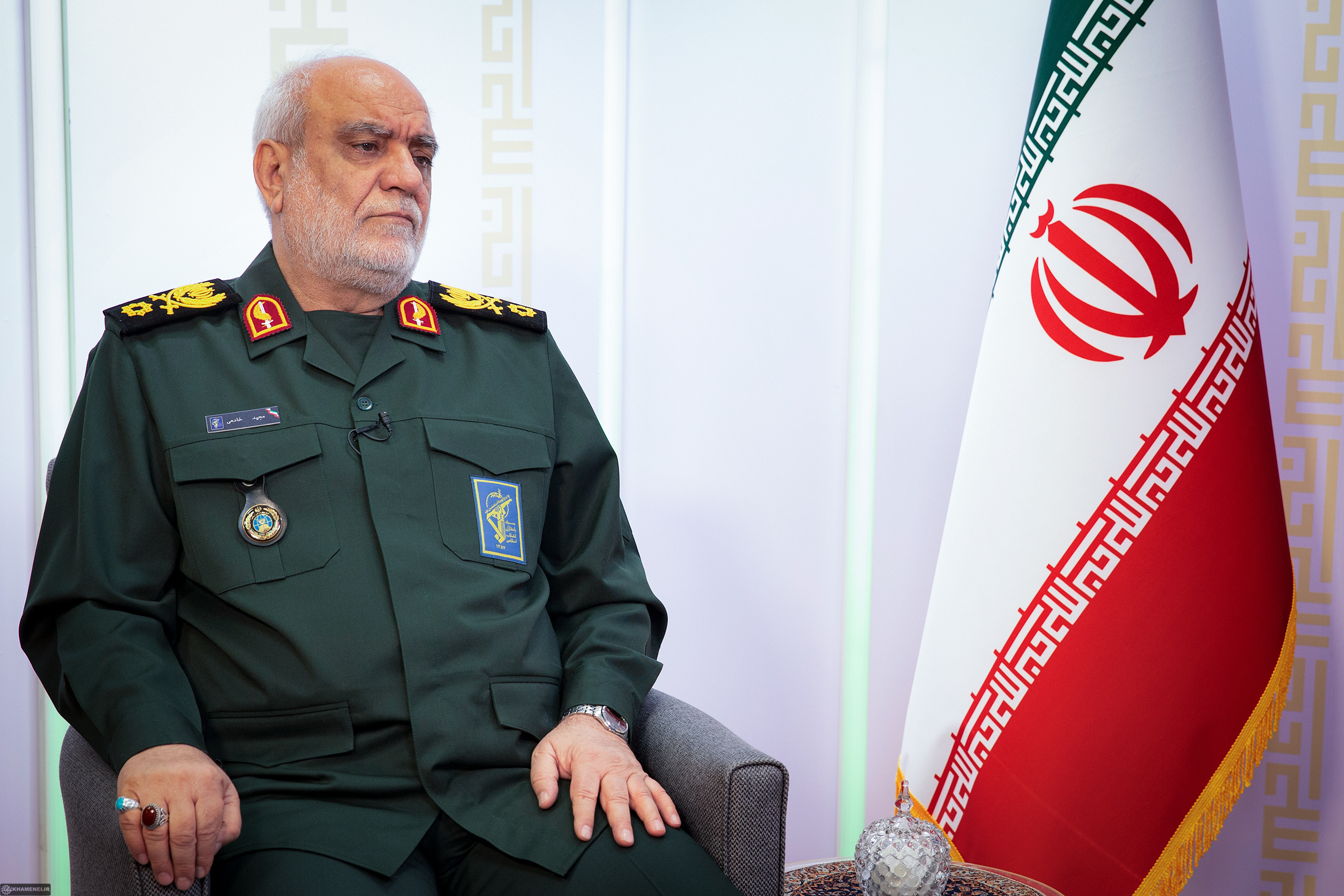
TEHRAN, Iran — Maj. Gen. Majid Khademi, head of intelligence for Iran’s Islamic Revolutionary Guard Corps, was killed early Monday in an Israeli airstrike on Tehran, Iranian state media and the IRGC announced, marking another major blow to the paramilitary force amid ongoing U.S.-Israeli military operations against Iran.

Majid Khademi
Majid Khademi

The IRGC confirmed Khademi’s death in a statement carried by Iranian outlets including Tasnim and Sepah News, describing the incident as a “criminal terrorist attack by the American-Zionist enemy” at dawn. Israeli Defense Minister Israel Katz and the Israel Defense Forces quickly claimed responsibility, with Katz stating the strike eliminated “one of those directly responsible for these war crimes” and one of the three most senior officials in the organization.

Khademi, who assumed the role in June 2025 after his predecessor Brig. Gen. Mohammad Kazemi was killed in earlier Israeli strikes during the initial phase of the 2025-2026 conflict, had served in the IRGC’s intelligence organization for nearly five years. Iranian sources portrayed him as a “powerful and educated” figure central to countering foreign infiltration and protecting the Guard from external threats.

The strike occurred as U.S.-Israeli airstrikes continue to target Iranian military infrastructure more than a month into intensified operations that began in late February 2026. Iranian state media reported explosions in the capital, with the attack focusing on IRGC facilities. No immediate details were released on the exact location within Tehran or whether additional casualties occurred in the strike.

This latest assassination fits a pattern of high-profile targeting of Iranian leadership. Since the escalation, Israel and the U.S. have claimed responsibility for eliminating numerous senior figures, including former Supreme Leader Ayatollah Ali Khamenei, IRGC Commander-in-Chief Hossein Salami, Intelligence Minister Esmail Khatib, National Security Council Secretary Ali Larijani, Basij commander Gholamreza Soleimani and naval commander Alireza Tangsiri. Over 1,000 IRGC and security officials have reportedly been killed in the broader campaign, according to Israeli sources.

Advertisement

Israeli Prime Minister Benjamin Netanyahu hailed the operation, vowing to continue the war “with full force” and stating that Israel would keep hunting down regime leaders responsible for attacks on civilians. “The IRGC fires at civilians – and we eliminate the heads of the terrorists,” Katz added in his confirmation.

Iran has vowed retaliation for each high-profile killing. The IRGC and state officials have accused the U.S. and Israel of seeking regime change through targeted assassinations and infrastructure strikes. Tehran has responded with missile and drone attacks on Israeli targets, as well as reported strikes on Gulf energy sites and other regional assets. Mediators are reportedly pushing a 45-day ceasefire proposal that includes reopening the Strait of Hormuz, a critical waterway for global oil shipments that Iran has threatened to disrupt.

Khademi’s death comes at a sensitive moment for the IRGC, which has seen its command structure repeatedly disrupted. The organization, designated a terrorist group by the U.S. and several allies, oversees Iran’s ballistic missile program, regional proxy militias and internal security apparatus. Intelligence functions under the IRGC have focused on counterintelligence, monitoring perceived domestic threats and supporting overseas operations.

Analysts note that repeated decapitation strikes could impair operational coordination in the short term, though the IRGC’s decentralized structure and deep bench of ideologically committed officers may allow rapid replacements. Iranian officials have repeatedly stated that missile production and defensive capabilities continue despite losses.

Advertisement

The broader conflict erupted after years of shadow warfare, proxy clashes and failed nuclear negotiations. Israel has long viewed Iran’s nuclear program, ballistic missiles and support for groups like Hezbollah, Hamas and the Houthis as existential threats. Tehran accuses Israel and the U.S. of aggression aimed at destabilizing the Islamic Republic.

U.S. involvement has intensified under the current administration, with joint operations targeting Iranian military sites. President Donald Trump has issued strong statements on the conflict, including threats of further escalation if Iran does not agree to terms on its nuclear program and regional behavior.

Casualties on both sides have mounted. Iranian reports emphasize civilian and military deaths from Israeli strikes on cities including Tehran, Isfahan and other provinces. Israel has reported damage from Iranian missile barrages, though its air defenses have intercepted many incoming threats.

International reactions have been divided. Western allies have largely supported Israel’s right to defend itself, while Russia, China and some Global South nations have condemned the strikes as violations of sovereignty. Calls for de-escalation have grown, with diplomatic efforts focusing on preventing a wider regional war that could draw in more actors and disrupt global energy markets.

Advertisement

Within Iran, the deaths of successive leaders have tested public morale and regime stability. State media has framed the fallen officials as martyrs, organizing funerals and rallies to rally support. However, reports of internal discontent and economic strain from sanctions and conflict have surfaced, though heavily censored.

Khademi is the latest in a line of IRGC intelligence leaders targeted. His predecessor Kazemi and deputy were killed in June 2025 strikes on Tehran, part of what Israel described as Operation Rising Lion or similar campaigns aimed at degrading Iran’s capabilities.

Military experts suggest the precision of the latest strike indicates advanced Israeli intelligence and possibly assistance from regional partners or cyber capabilities that enabled real-time targeting in the heart of Tehran. Iran has accused Israel of using infiltrators and advanced weaponry, claims Israel neither confirms nor denies.

As the conflict enters its next phase, questions remain about succession within the IRGC intelligence organization. Iranian media has not yet named a replacement, but the Guard has historically promoted from within to maintain continuity.

Advertisement

The strike also highlights vulnerabilities in Iran’s air defenses despite years of investment in Russian and domestic systems. Repeated successful penetrations of Tehran airspace have raised concerns about the effectiveness of layered protections around key sites and leaders.

For ordinary Iranians, the ongoing war has brought blackouts, fuel shortages and fear of further escalation. Many have fled urban centers or stocked up on essentials amid uncertainty.

Diplomats warn that each high-value target eliminated risks provoking more desperate Iranian responses, potentially including asymmetric attacks through proxies or attempts to close key maritime chokepoints.

Israel maintains that its campaign aims to eliminate threats rather than pursue full regime change, though some officials have spoken more ambitiously about reshaping the regional balance of power.

Advertisement

With no immediate ceasefire in sight despite mediation proposals, the killing of Majid Khademi is likely to intensify the cycle of strikes and counterstrikes. Both sides appear prepared for prolonged confrontation, even as the human and economic costs rise.

The IRGC has pledged that Khademi’s “martyrdom” will not go unanswered, signaling potential new retaliatory actions in the coming days. Israeli officials, meanwhile, have reiterated their commitment to continue operations until strategic objectives are met.

This latest development underscores the high-stakes nature of the U.S.-Israeli campaign against Iran’s military leadership and the challenges of achieving lasting deterrence in one of the world’s most volatile regions.

Advertisement
Continue Reading

Trending

Copyright © 2025