Scientists in Australia have captured the first published footage of dolphins on the country’s east coast using large empty seashells to trap and catch fish, a discovery that suggests this rare tool-using behavior may have emerged independently in two dolphin populations separated by thousands of kilometers.
Researchers from the University of the Sunshine Coast recorded two separate sightings of the behavior, known as “shelling,” among Indo-Pacific bottlenose dolphins in the Great Sandy Marine Park off Hervey Bay, Queensland, between July and October 2025. The findings, published in the peer-reviewed journal Marine Mammal Science, mark the first scientifically documented instances of the behavior anywhere on Australia’s east coast. Until now, the only published evidence of shelling had come from a distinct dolphin population in Shark Bay, Western Australia, located more than 3,000 kilometers away, according to some measurements, or as much as 6,000 kilometers by other calculations of the distance between the two locations.
Shelling involves a dolphin chasing a fish into a large, empty gastropod shell — often a bailer shell, which can grow to roughly the size of a football — before lifting the shell to the water’s surface and tipping it to drain the trapped fish into its mouth. Researchers describe the behavior as a genuine form of tool use, a trait considered rare among animals and one that has drawn significant scientific interest for what it may reveal about cognition and cultural transmission in non-human species.
Advertisement
Dr. Alexis Levengood, an animal behaviorist at the University of the Sunshine Coast and the study’s lead author, described the moment her research team first spotted the behavior in the wild. “We were on a research boat off Hervey Bay when we spotted a dolphin raising something large out of the water. I started screaming because I know what shelling looks like,” Levengood said.
Levengood further detailed the mechanics of the observed hunting technique. “It’s a hunting behavior where dolphins chase fish into large empty shells, bring the shell to the surface and then shake it to drain the fish into their mouths,” she said. “We were able to record footage and take photographs of dolphins shelling in the Great Sandy Marine Park, which is the first published record of it on the east coast of Australia.”
Perhaps the most striking aspect of the discovery involved a second observation in which researchers captured what may be the first documented evidence of a young dolphin learning the shelling technique directly from its mother, a process known as maternal social transmission. According to the researchers, they observed an adult female dolphin surface with a shell, after which the trapped fish escaped and the dolphin dropped the shell to continue the chase. Minutes later, the dolphin’s calf picked up the same discarded shell and held it in a manner similar to how its mother had handled it moments earlier.
Levengood explained the significance of that observation for scientific understanding of how dolphins acquire complex hunting behaviors. “Our footage provides the first potential evidence of maternal social transmission – a process by which offspring learn behaviour by observing the actions of its mother,” she said. “It challenges the belief that dolphins learn this tool use from their peers.” Previously, scientists had generally believed dolphins acquired shelling primarily through observing other dolphins within their broader social network, rather than through direct learning from a parent.
Advertisement
The research team also uncovered evidence that the behavior had likely been occurring in the Hervey Bay dolphin population for far longer than previously recognized, despite going scientifically undocumented. According to the researchers, conversations with local whale-watching tour operators revealed that shelling had actually been observed and photographed in the Great Sandy Marine Park as far back as 2013, with additional sightings recorded in 2019. Those earlier, informal observations had gone unreported in scientific literature due to limited dedicated research activity in the region, the team said.
The wide geographic separation between the two documented dolphin populations — one in Shark Bay on Australia’s west coast and the other in Hervey Bay on the east coast — has led researchers to a striking interpretation: that both populations may have arrived at the same specialized hunting technique independently, rather than the behavior having spread through direct contact between the two groups, which are not known to interact given the vast distance and different oceanic regions separating them. Researchers cautioned, however, that while the documented behavior in both locations matches closely, their observations did not include a test capable of definitively reconstructing the exact original moment either population first developed the technique.
Levengood noted that shelling requires considerably more cognitive and physical sophistication than simply manipulating an object. A dolphin attempting the behavior must locate a suitable empty shell, understand that fish often seek shelter inside such shells, successfully position and maintain the shell’s opening during its ascent to the surface, and then drain the shell’s contents without allowing the trapped fish to escape, a sequence of coordinated steps that researchers say justifies classifying the shell as a genuine tool rather than an incidental object.
The discovery adds to a broader and growing body of research documenting tool use across the animal kingdom, a phenomenon once believed to be unique to humans. Some of the earliest documented evidence of tool use among non-human animals dates back to the 1960s, when primatologist Jane Goodall famously observed wild chimpanzees using sticks to extract termites from hollow logs, a finding that fundamentally challenged prevailing assumptions about the uniqueness of human tool use. Since then, researchers have documented numerous other examples across the animal kingdom, including primates using stones as hammers to crack open nuts and fruit, and separate populations of Shark Bay dolphins that have been observed covering their beaks with basket sponges torn from the seafloor, a technique that helps them forage for fish hidden in the sand while protecting their sensitive snouts from injury.
Advertisement
Reflecting on the broader implications of the new findings, Levengood emphasized how much remains unknown about the origins and spread of such behaviors among wild dolphin populations, while underscoring what the discovery reveals about dolphin intelligence more broadly. “There’s still a lot we don’t know and many questions we will hopefully ask and answer with time,” she said. “But better understanding of shelling, and other tool use in non-human animals, will continue to teach us more about ourselves and how and why we evolved the way we did. These findings highlight how smart, clever and innovative dolphins are.”
The research team plans to continue monitoring the Hervey Bay dolphin population through ongoing boat surveys, an effort researchers say could help clarify how widespread the shelling behavior actually is within the group and whether additional evidence of mother-to-calf learning can be documented in future sightings.
Good afternoon. Welcome to Fabrinet’s Financial Results Conference Call for the Fourth Quarter of Fiscal Year 2026. [Operator Instructions] As a reminder, today’s call is being recorded.
I would now like to turn the call over to your host, Garo Toomajanian, Vice President of Investor Relations.
Advertisement
Garo Toomajanian Vice President of Investor Relations
Thank you, operator, and good afternoon, everyone. Thank you for joining us on today’s conference call to discuss Fabrinet’s financial and operating results for the fourth quarter of fiscal year 2026, which ended June 26, 2026. With me on the call today are Seamus Grady, Chairman and Chief Executive Officer, and Csaba Sverha, Chief Financial Officer. This call is being webcast, and a replay will be available on the Investors section of our website located at investor.fabrinet.com.
During this call, we will present both GAAP and non-GAAP financial measures. Please refer to the Investors section of our website for important information, including our earnings press release and investor presentation, which include our GAAP to non-GAAP reconciliation as well as additional details of our revenue breakdown. In addition, today’s discussion will contain forward-looking statements about the future financial performance of the company. Forward-looking statements are subject to risks and uncertainties that could cause actual results to differ materially from management’s
Savory Fund co-founder Andrew K. Smith breaks down Swig’s rapid expansion and why the restaurant-focused private equity firm invested in the dirty soda chain.
Swig, the Utah-born beverage chain that helped popularize “dirty soda,” is finding some of its strongest growth well beyond its home state.
Andrew K. Smith, managing director and co-founder of restaurant-focused private equity firm Savory Fund, told FOX Business that Swig locations outside Utah are performing roughly 40% to 50% better than stores within the state.
Advertisement
The chain now operates in 23 states and expects to reach about 200 locations by the end of the year, Smith said, with additional expansion planned for next year.
Swig is best known for highly customizable drinks, particularly “dirty sodas” — fountain drinks mixed with flavored syrups, cream and other add-ins. The concept has surged in popularity in recent years, fueled in part by social media and pop culture.
Andrew K. Smith, managing director and co-founder of restaurant-focused private equity firm Savory Fund, said Swig locations outside Utah are performing roughly 40% to 50% better than stores within the state. (FOX Business)
Hulu’s “The Secret Lives of Mormon Wives,” which puts Utah culture in the national spotlight, also helped introduce dirty soda to a broader audience.
Advertisement
“We actually were doing very, very well before ‘The Secret Lives of Mormon Wives,’” Smith said with a laugh. “But ’The Secret Lives of Mormon Wives’ definitely made, I think, the appeal and the interest and the mystique of dirty soda much more broad.”
Smith said Savory Fund’s investment in Swig was not simply a bet on soda. Instead, he sees the company benefiting from a broader shift in how Americans purchase their beverages.
Coffee followed a similar evolution, he said, going from something consumers routinely made at home to a premium and customizable product that they increasingly purchased from chains like Starbucks.
Swig now operates in 23 states and expects to reach about 200 locations by the end of the year, Smith said. (Savory Fund)
“Really what Swig is, and what it was, was the ‘Starbucksification’ of soda, teas and lemonades,” Smith said.
Savory Fund manages more than $750 million in assets and has invested in restaurant brands including Swig, R&R BBQ, Mo’ Bettahs Hawaiian Style Food, Via 313 Pizzeria and PINCHO.
More recently, the firm invested in Zao Asian Grill, a 23-location Mountain West fast-casual chain that Smith believes could also expand well beyond its current footprint.
For Savory Fund, the goal is not simply to find the next trendy concept, according to Smith.
Advertisement
“As investors, and other investors that I would speak for, we don’t chase concepts, and we’re not chasing the right brand,” Smith said. “We’re backing exceptional founders, and we help them build enduring brands for our consumers.”
Menu items from Zao Asian Grill are displayed. Savory Fund recently invested in the Mountain West fast-casual chain as it looks to expand beyond its current footprint. (Savory Fund)
Smith also said consumers across Savory Fund’s portfolio have not stopped spending, but they are looking more closely at whether the food, service and overall experience justify the price they are paying.
“If you paid $20 for a meal, and you sit down, and you’re like, this looks more like $11, they feel like they got kind of scammed,” he said. “…You’ve got to make sure that your value on the plate is the same as the dollars that they’re giving.”
Smith added, “Restaurants are one of the best real-time indicators of consumer confidence, because millions of decisions happen every day in this industry.”
Disabled people in England will be able to travel by bus for free at any time of day from April, the government has announced.
Currently, disabled bus passes are only eligible for use between the hours of 09:30 and 23:00 on weekdays, making it difficult for people to get to work or attend later evening events. They can be used at any time of day at the weekend and on bank holidays.
It is believed about one million people could benefit from the change, which forms part of the government’s focus on reducing the cost of living and encouraging people into work.
The disability charity Scope said the move would “remove barriers to everyday life”.
Advertisement
According to the government, bus travel is the most popular mode of transport in England and a “lifeline for so many”.
Prime Minister Andy Burnham said it was “simply not right that many disabled people cannot travel using their pass during certain times of the day”.
He said the government would change that, as he had done previously in his role as mayor of Greater Manchester.
Earlier this year, Burnham removed time-restricted travel for those with disabled passes in Manchester so they could use the city’s bus system, known as the Bee Network, at any time of day.
Advertisement
“I’m proud to do it now for the whole country,” he added.
Tom Gordon, Liberal Democrat MP for Harrogate and Knaresborough and prominent advocate for the policy, called it a “Whuge win for the disabled community” and a “culmination of two years of campaigning”.
But a Conservative Party spokesman asked the prime minister to “come clean” on how he was going to fund “this growing list of policies”.
“This is simply the shuffling around of existing departmental budgets,” they added.
OutKick host Dan Dakich joins Stuart Varney to discuss the WNBA’s latest statement on transgender athlete eligibility, arguing the league is behaving more like an activist group than a professional sports league.
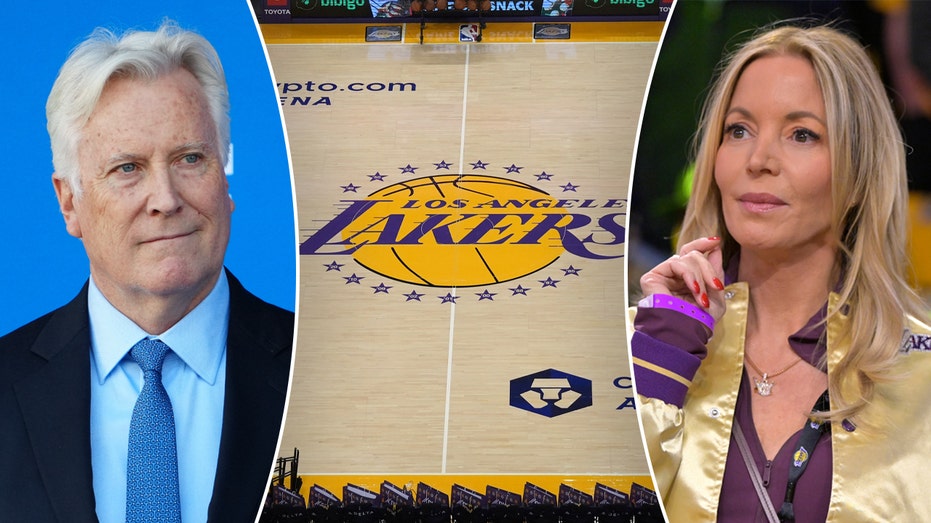
Less than one week after Mark Walter shockingly sold the Los Angeles Lakers to Bob Iger and Josh Kushner, the Buss family is now relinquishing its own shares to the new majority owners.
At least, most of the Buss family wish to do so.
Advertisement
Earlier on Monday, ESPN reported the Buss family decided to sell the remaining 17.8% ownership stake in the iconic NBA franchise to Kushner and Iger.
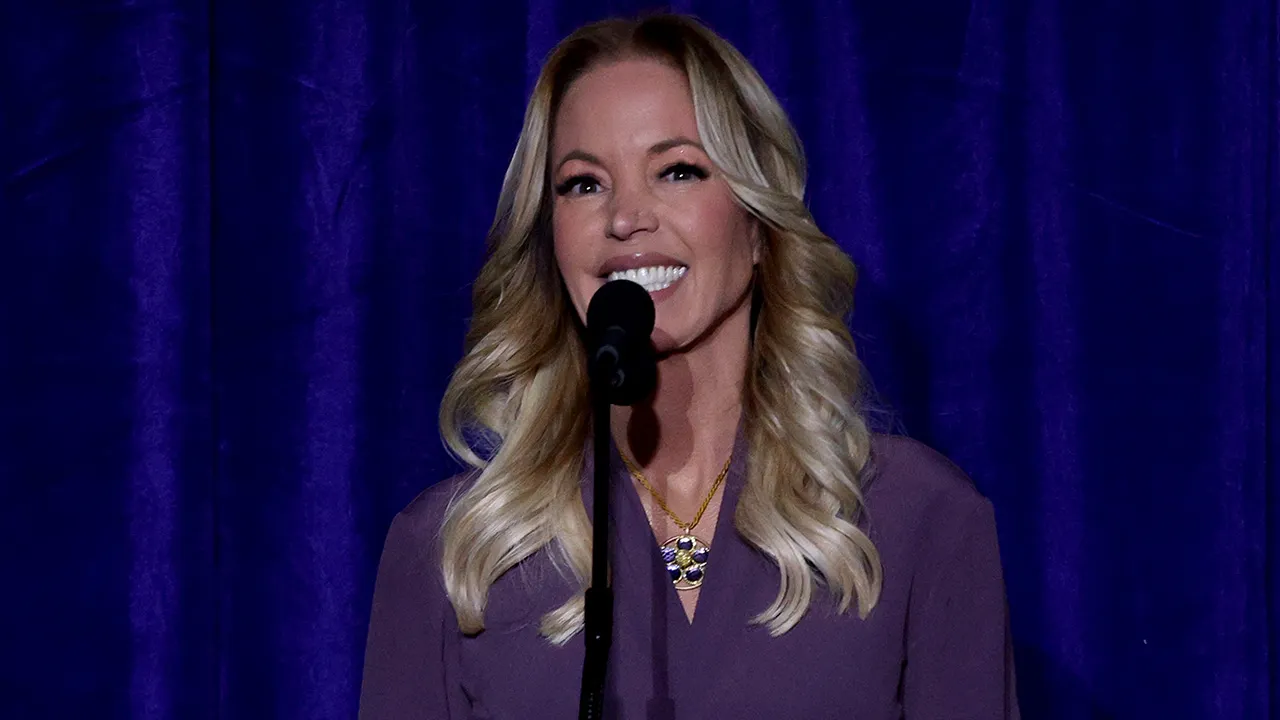
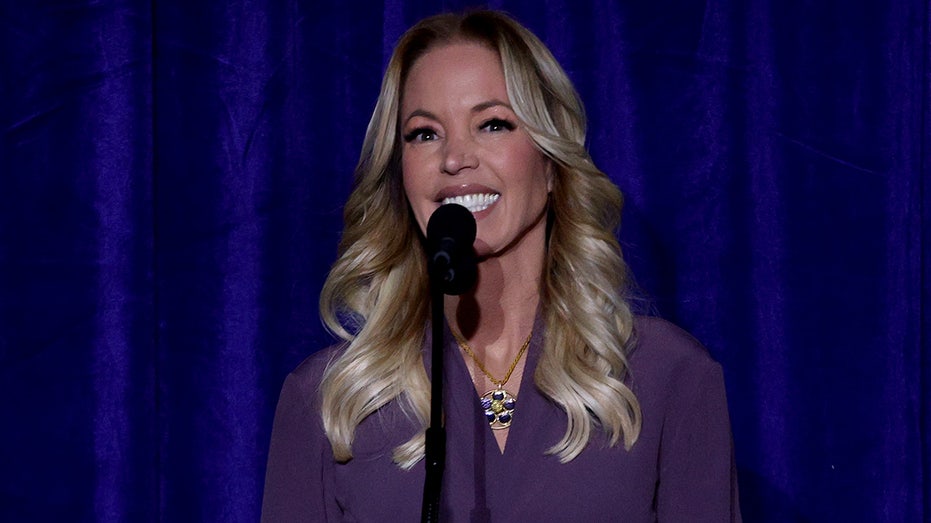
Lakers owner and president Jeanie Buss speaks during a ceremony for the unveiling of a statue for former Los Angeles guard Kobe Bryant at Star Plaza outside of Crypto.com Arena. (Jason Parkhurst-USA Today Sports / IMAGN)
The family’s trust, which includes siblings Jeanie, Jim, Johnny, Janie, Joey and Jesse, “received majority votes to allow trustees to execute the sale.” The vote required four of six to agree to sell to “enact the tag-along provision of Mark Walter’s sale to Kushner and Iger, which valued the Lakers at $12.5 billion.”
The outlet added that, once the transaction has been completed, Jeanie Buss will no longer have a required ownership percentage to remain the governor of the Lakers.
Advertisement
“We have decided as a family to sell the remaining Buss Family Trust shares to the Bob Iger group as part of the ongoing transaction,” the Buss family told ESPN in a statement. “We love the Lakers, Laker fans and will continue to support Los Angeles; but it is time to use this opportunity to move on and exit gracefully while we still can.”
“As a family” doesn’t seem to be the case now. Jeanie Buss’s lawyer wrote a letter to the lawyers of her siblings explaining why she believes they can’t sell their minority stake to the new Lakers majority owners, according to CNBC.
In the last paragraph of that letter, the attorney writes, “On behalf of Jeanie Buss, I demand that your clients make clear publicly that Jeanie Buss is the Controlling Owner of the Los Angeles Lakers and that your clients shall take no action on this supposed ‘vote’ to sell the 17.8% stake.”
Advertisement
ESPN added later Monday night that Jeanie Buss “was the lone family member not in favor to sell as the five siblings voted 5-0 – including two of the three trustees – to sell the Buss stake.”
Walter’s time as majority owner came to an end a year after purchasing the stake from the Buss family.
In June 2025, the Buss family decided to sell the Lakers to Walter for a then-record $10 billion. There was, however, some in the Buss family who felt misled by Jeanie in what they characterized as a rushed sale, per ESPN. They felt pressured to vote for the sale to go through.
Within the sale to Mark Walter, Jeanie Buss was allowed to remain the governor of the Lakers. (IMAGN / IMAGN)
In the end, all six siblings said “yes” to the sale, which closed in October 2025. The sale gave each sibling $500 million post-tax.
Advertisement
Within the sale to Walter, Buss was allowed to remain the governor of the Lakers given the 17.8% ownership stake still intact.
But Walter’s surprise sale of the Lakers comes amid a federal investigation into the Guggenheim Partners CEO. It was reported that the FBI recently seized Walter’s phone and laptop, as well as a high-ranking Guggenheim Investments executive’s this past year.
Some are viewing the Lakers’ sale as a quick way to liquify assets for Walter with potential legal problems ahead.
The Financial Times also reported Monday that Walter and his business partner, Todd Boehly, are looking to sell their stakes in the English Premier League’s Chelsea Football Club.
Advertisement
As part of this new addition to the deal that includes the Buss family shares, Kushner and Iger will roughly control 83% of the Lakers. They were slated to have 65% of control with just Walter’s shares.
Joshua Kushner attends the Met Gala Celebrating “Karl Lagerfeld: A Line Of Beauty” at The Metropolitan Museum of Art on May 1, 2023, in New York City. (Jamie McCarthy/Getty Images / Getty Images)
Kushner, 41, is the founder and managing partner of venture capital firm Thrive Capital, as well as co-founder and vice-chairman of Oscar Health. He is the younger brother of Jared Kushner, the son-in-law of President Donald Trump.
Iger, 75, is the former CEO of Disney, where he led the company to the acquisitions of Marvel, Lucasfilm and 21st Century Fox, to name a few.
UPDATE: “An earlier brief intermittent issue has been resolved. We apologize for any inconvenience.” (From Charles Schwab & Co.)
Charles Schwab customers reported widespread access problems Monday morning, according to outage-tracking service Downdetector, which recorded a spike in user complaints beginning at 9:46 a.m. EDT as investors navigated the opening hours of a trading week expected to bring significant market activity tied to major retail earnings reports.
Downdetector posted on its official account on the social platform X that “user reports indicate problems with Charles Schwab since 9:46 AM EDT,” tagging the post with the hashtag #CharlesSchwabDown and directing affected users to its outage-tracking page for further updates. The post had generated more than 1,200 views within a short period after being published.
The reported disruption arrived during a particularly active period for U.S. financial markets, with major retailers including Walmart, Target, Lowe’s and Home Depot scheduled to report quarterly earnings throughout the week, a stretch of results widely viewed by investors as a key gauge of American consumer spending heading into the back-to-school shopping season. Elevated trading volume tied to such high-profile earnings weeks has historically been associated with increased strain on brokerage platform infrastructure, though it remained unclear Monday whether that dynamic played any role in the reported access issues.
Advertisement
As of this report, Charles Schwab had not issued a public statement addressing the reported outage on its official social media channels, and the company does not maintain a dedicated public status page that would allow customers to independently verify the scope or cause of any service disruption, according to third-party monitoring services that track the brokerage’s platform performance.
Independent monitoring services offered a mixed picture of Schwab’s operational status around the time of the reported issues. UptimeRobot, which runs automated checks on Schwab’s website every 10 minutes from infrastructure located across multiple regions, indicated that its most recent check prior to the reported disruption had not detected unusual response times or error codes. StatusGator, another outage-tracking service, similarly listed Charles Schwab as “currently operational” in its most recent assessment, while noting a small number of user-submitted outage reports over the preceding 24-hour period.
Charles Schwab has experienced periodic platform disruptions in the past, particularly during periods of heightened market volatility or unusually high trading volume. In August 2024, Schwab experienced a documented outage amid a broader global stock-market selloff, an incident that also affected rival brokerage Fidelity Investments. During that episode, more than 15,000 users reported problems accessing Schwab’s platform within a short window, according to Downdetector data cited by Bloomberg at the time. Schwab later confirmed the issue had been resolved, posting on social media that “a technical issue experienced by some clients has been resolved,” after earlier acknowledging that some customers had experienced difficulty logging into Schwab platforms. Fidelity issued a similar statement confirming its own intermittent issues had been resolved.
According to guidance from outage-tracking resources that monitor Schwab specifically, the company operates several partially independent trading platforms, meaning a disruption affecting one service, such as Schwab’s main website, does not necessarily indicate that other platforms, including its mobile application or the thinkorswim trading platform, are similarly affected. Those resources note that during past website-specific outages, Schwab’s mobile app has in some cases continued to function normally, offering customers an alternative method of accessing their accounts or placing trades during periods when the primary website experiences problems.
Advertisement
Outage-tracking services that monitor Schwab have also noted that certain recurring events tend to correlate with an increased likelihood of platform strain. Federal Open Market Committee meeting days and interest rate decisions have historically triggered simultaneous surges in trading activity across Schwab’s tens of millions of active accounts, according to guidance published by services that track the platform’s historical outage patterns. Similarly, periods involving required minimum distributions, retirement account rollovers, and access to year-end tax documents have been identified as recurring drivers of simultaneous login activity that can place additional strain on the platform’s infrastructure.
Schwab reported having 35.6 million active brokerage accounts as of its most recent quarterly report prior to the 2024 outage, underscoring the scale of the customer base that could potentially be affected by any significant disruption to the company’s core trading platforms. The company has continued to grow its account base since that time, following its earlier acquisition and integration of TD Ameritrade’s brokerage operations, a transition that outage-tracking services have noted has occasionally been associated with reported technical issues among affected customers navigating the migration between platforms.
As of Monday, it remained unclear how widespread or prolonged the reported access issues were, or whether they affected all Schwab platforms uniformly or were isolated to specific services or geographic regions. Users experiencing difficulty accessing their accounts were generally advised by outage-tracking resources to attempt accessing the platform from an alternative browser, device or network, such as a mobile hotspot, and to check whether disabling a VPN or clearing a device’s DNS cache resolved the issue, steps that can help distinguish between a localized connectivity problem and a broader service-wide outage.
Given the timing of the reported disruption during active market hours on a day preceding several closely watched retail earnings reports, any confirmed outage affecting Schwab’s trading platforms could carry meaningful implications for customers attempting to execute trades or monitor market-moving news in real time. As of this report, Charles Schwab had not confirmed the scope, cause or resolution status of the reported issues, and Downdetector’s tracking page for the company continued to collect user reports as the situation developed throughout the morning.
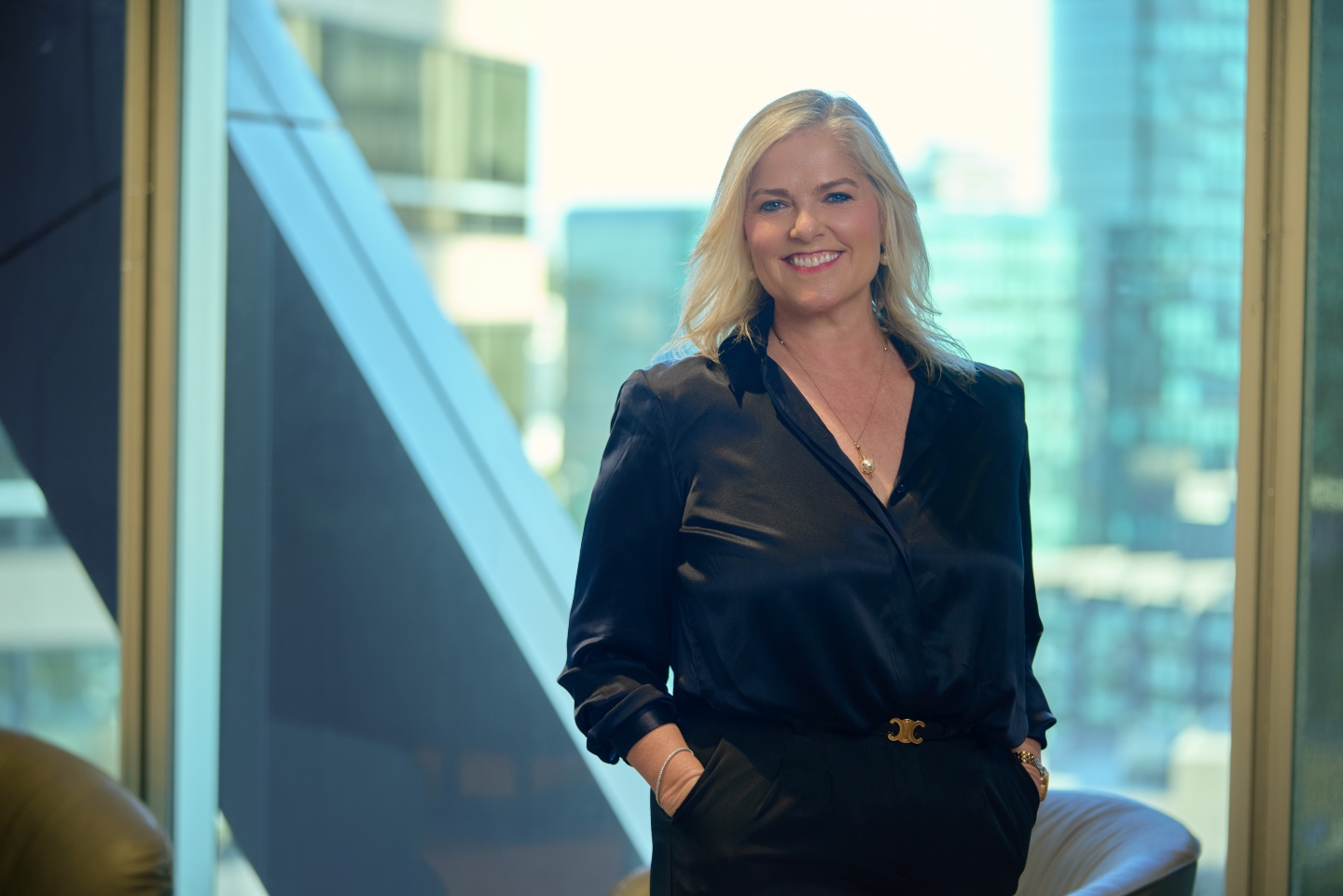
Big four accounting firm PwC’s Perth managing partner Martina Crowley will be retiring from the firm in November after three years in the top Western Australian position.
Amazon MGM Studios’ planned expansion of a Berkshire-based complex would be a “considerable boost” for filmmaking, a government-funded industry body said.
Bray Film Studios, in Water Oakley, near Windsor, was previously used by the Hammer Films company.
The previous owner of the studios got planning permission to expand them in 2022 and Amazon MGM bought the site in 2024.
The British Film Commission (BFC) said it “recognises that the studio benefits from Amazon MGM’s commitment” and welcomed its “ambition to support employment opportunities for both the local community and more widely across the UK sector”.
Advertisement
The company has been using the site since 2022 and a public consultation regarding the expansion project closed in May.
Amazon MGM said its current proposals, which include building a multi-storey car park and six new sound stages, would help “realise the site’s full potential”.
The expansion is expected to create 470 jobs as it is built and 920 in Berkshire more widely.
Samantha Perahia, the BFC’s head of production, told the Royal Borough of Windsor and Maidenhead that it supports the plan.
Advertisement
“The enhancements proposed for Bray Studios will not only allow the region to build on its already established and impressive reputation amongst international clients,” she said.
She added that it “would also provide a considerable boost to the combined efforts of the BFC and our public and commercial partners in marketing the region, and the wider UK.”
SEOUL — Shares of SK Hynix’s U.S.-listed American depositary receipts climbed 4.12%, or $6.86, to $173.19 as of 9:59 a.m. EDT Monday, extending a volatile but broadly upward run for the South Korean memory chipmaker as investor enthusiasm for artificial intelligence-driven memory demand continued to reassert itself following weeks of sharp swings.
Monday’s gain came amid renewed optimism tied to expanding AI memory demand, according to market analysis, with the stock benefiting from broader momentum across the semiconductor sector as investors continued positioning around companies seen as key suppliers to the ongoing AI infrastructure buildout.
The rally builds on a dramatic run for SK Hynix’s ADRs since their debut on Wall Street in July. The company priced its initial offering of 177.9 million ADRs at $149 each, raising proceeds of $26.5 billion in what became the largest-ever initial share sale in the United States by a foreign company. The shares opened at $170 on their first day of trading and closed that session at $168.01, up 12.8% from the offering price, reflecting immediate and substantial investor demand for exposure to the memory chipmaker.
Since that debut, however, SK Hynix’s American shares have traded with significant volatility. According to market tracking data, the stock closed near $169.50 on July 23 before sliding into the low $140s by Aug. 11, then rebounding sharply back above $170 by Aug. 14. That pattern of steep declines followed by rapid recoveries has continued into this week, with the stock’s swings tied closely to headlines regarding the company’s various AI infrastructure partnerships and broader sentiment shifts across AI-linked technology stocks.
Advertisement
Much of that volatility has centered on a massive infrastructure partnership SK Hynix entered alongside Nvidia and its parent company, SK Group. The companies signed a partnership valued at more than $500 billion focused on AI infrastructure, under which SK Hynix locked in a long-term deal to co-develop next-generation high-bandwidth AI memory and support a 2-gigawatt AI cloud buildout in South Korea. Despite the scale and strategic significance of the agreement, SK Hynix shares initially sold off sharply on the announcement, falling as much as 8.8% to 10% in a single session, reflecting a pattern in which investors have periodically taken profits on positive news given how far and fast the stock had already climbed.
SK Hynix has continued expanding its manufacturing footprint to keep pace with surging demand. The company announced plans to invest 54 trillion Korean won, or approximately $38.1 billion, to build two new memory chip manufacturing plants — one in Yongin, referred to as “Y2,” and another in Cheongju, referred to as “M17” — as demand for components critical to AI applications continues to outstrip available supply. Neil Shah, vice president of research and co-founder of Counterpoint Research, said the investment reflects a longer-term strategic response rather than an immediate production shift. “This has prompted SK Hynix to inject fresh capex to expand its footprint. In the near term, this won’t alter SK Hynix’s output but is built for 2029 and beyond,” Shah said, adding that expansions from Samsung, SK Hynix, Micron and China’s CXMT are expected to meaningfully increase global memory supply through 2028.
SK Hynix has separately announced plans to resume construction of its second NAND memory plant in Dalian, China, targeting roughly 50% output growth at that facility, a move that contributed to a 3.2% jump in the stock that helped it lead gains among peers valued above $200 billion.
The company’s push into the U.S. market comes as America represents SK Hynix’s largest single market, accounting for 68.8% of its revenue last year. The company is planning to build its first U.S. production facility in Indiana as part of its broader expansion strategy. SK Hynix generated just under $65 billion in revenue in 2025, with profits doubling to roughly $28 billion, a turnaround the company has attributed largely to soaring demand for high-bandwidth memory chips used in AI processors, including chips supplied to Nvidia.
Advertisement
Wall Street analysts have remained broadly bullish on SK Hynix’s prospects despite the stock’s recent volatility. In the weeks following the company’s public listing, Goldman Sachs raised its price target on SK Hynix’s Korean-listed shares to 290,000 won, implying a potential gain of roughly 25% from the stock’s trading level at the time the target was issued. Citigroup went further, raising its target to 350,000 won, more than 50% above the stock’s trading level at the time. Nineteen analysts revised their forecasts upward for SK Hynix in the month leading up to those target increases, according to data compiled by Bloomberg, driven largely by anticipation of continued strong earnings tied to AI-related memory demand.
Some investors have expressed caution given how significantly the stock has already appreciated. SK Hynix has traded at as much as 2.9 times book value, a level not seen since at least 2011, raising questions among some market participants about how much additional upside remains priced into the stock at current valuations. According to fundamental data cited by market analysts, SK Hynix currently carries an enterprise value of approximately $1.21 trillion and a leverage ratio of 1.5, alongside a one-year return on invested capital of 73.54%, figures that underscore both the scale of investor enthusiasm surrounding the stock and the increasingly demanding performance bar the company faces going forward.
Reports of fresh institutional investment have also contributed to recent gains. News of funding interest from Singapore’s Temasek in both SK Hynix and Samsung reportedly drove a 4.6% single-day gain in SK Hynix shares, signaling what analysts described as rising institutional appetite for exposure to Korean memory chipmakers amid the broader AI infrastructure buildout.
With memory prices continuing to rise amid persistent supply shortages, SK Hynix, Samsung and Micron have all seen substantial share-price rallies over the past year as investors bet that the current imbalance between memory chip supply and AI-driven demand will persist for an extended period. Whether that dynamic continues to support SK Hynix’s valuation, or whether expanding global memory supply eventually catches up with demand as new manufacturing capacity comes online later this decade, is likely to remain one of the central questions shaping investor sentiment toward the stock in the months ahead.
Duos Technologies Group, Inc. (DUOT) Q2 2026 Earnings Call August 17, 2026 4:30 PM EDT
Company Participants
Doug Recker – CEO, President & Director Adrian Goldfarb – Interim Chief Financial Officer Dipan Patel
Advertisement
Conference Call Participants
Brett Knoblauch – Cantor Fitzgerald & Co., Research Division Edward Woo – Ascendiant Capital Markets LLC, Research Division Bill Papanastasiou – Chardan Capital Markets, LLC, Research Division Scott Buck – Titan Partners Group LLC Justin Taffer Nico Sacchetti – RBC Wealth Management, Inc.
Presentation
Advertisement
Operator
Good afternoon, and welcome to Duos Technologies Second Quarter 2026 Earnings Conference Call. Joining us for today’s call are Duos’ CEO, Doug Recker; and CFO, Adrian Goldfarb. Following their remarks, we will open the call to your questions.
Then before we conclude today’s call, I’ll provide the necessary cautions regarding the forward-looking statements made by management during this call. Now I’d like to turn the call over to Mr. Doug Recker. Sir, please go ahead.
Advertisement
Doug Recker CEO, President & Director
Welcome, everyone, and thank you for joining us today. Earlier today, we issued our earnings press release, and we will file our 10-Q for Q2 2026 by Wednesday, August 19, 2026. Copies will be available in the Investor Relations section of our website. I encourage all listeners to view the press release and our 10-Q filing to better understand some of the details we’ll be discussing during this afternoon’s call.
At a high level, the second quarter represented another important step in our transformation into a data center and AI infrastructure company. Throughout the quarter, we continued executing on our strategy of expanding our edge data center platform, growing Duos Technology Solutions and advancing several key strategic initiatives designed to support long-term revenue growth and profitability. While Adrian will provide details on the quarter’s financial performance, I’d like to spend a few minutes discussing the key operational developments and














































You must be logged in to post a comment Login