SYDNEY — Barbeques Galore, a beloved Australian retailer specializing in barbecues, outdoor furniture and heating products since the 1970s, will shutter 62 company-owned stores and wind up operations in the coming weeks after a last-ditch rescue deal collapsed, putting hundreds of workers at risk of redundancy and marking the end for an iconic brand.
The company, which entered voluntary administration in February 2026 with around 89 stores and 500 employees, announced Tuesday that efforts to find a buyer or complete a recapitalization had failed. Receivers will now oversee the closure of company stores while exploring transitional arrangements for 27 franchise outlets.
Administrators and receivers from Grant Thornton and Ankura had pursued a sale process and a conditional recapitalization proposal from secured creditor Gordon Brothers. However, negotiations with landlords, suppliers and other parties could not reach acceptable commercial terms, leading to the decision to wind up the business.
Advertisement
“This is a tragic final chapter for an iconic Australian retail brand,” said Roger Montgomery of The Montgomery Fund. “If you can’t sell barbecues to Aussies, who can you sell to?”
Founded in the 1970s by Max Mason, Barbeques Galore grew into a household name, offering a wide range of outdoor living products. At the time of administration in mid-February, the group operated 68 company-owned stores and 27 franchised locations. Five underperforming stores had already closed during the process.
The collapse reflects broader pressures on Australian retail, including high inflation, cost-of-living challenges, shifting consumer preferences toward apartments with smaller outdoor spaces, and a post-budget slowdown in spending. Liquidity issues persisted despite earlier ownership changes, including a 2025 transition involving private equity and Gordon Brothers.
Staff will continue to be employed during the receivership process or receive redundancy as stores wind down. Receivers stated that all employees will be paid their full accrued redundancies and termination payments in the ordinary course of separation. The company employed approximately 500 people at the start of administration.
Advertisement
Customers holding gift cards can redeem them until June 30 under specific conditions. For every $1 of gift card value used, shoppers must spend an additional $2 of their own money. Unredeemed cards after the deadline will be treated as unsecured creditors. The arrangement, first announced in February, aims to facilitate orderly wind-down while providing some value to holders.
The failed Gordon Brothers proposal had offered a potential path to keep the business operating as a going concern via a deed of company arrangement. It was viewed as the best outcome for stakeholders, including employees, landlords and suppliers, but ultimately could not proceed.
Receivers noted that a formal sale process attracted interest but yielded no offers capable of acceptance or implementation by late May. The combination of challenging economic conditions and difficulties securing ongoing trading terms sealed the fate of the company-owned operations.
Franchise stores face uncertainty, with receivers working through transitional arrangements. The future of those outlets and associated employees remains unclear as the broader group winds up.
Advertisement
The news comes amid a tough retail environment in Australia. Analysts point to structural shifts, including reduced demand for large outdoor items as more people live in high-density housing, alongside macroeconomic headwinds like rising costs and cautious consumer spending.
Barbeques Galore had attempted to adapt through ownership changes and operational reviews, but persistent liquidity challenges proved insurmountable. CEO David White, who stepped into the role late last year, had expressed optimism during earlier restructuring talks about building on the brand’s market position.
For suppliers and landlords, the wind-up will involve asset sales and stock liquidation. The amount creditors ultimately recover will depend on the outcomes of these processes. Receivers remain in control and will continue exploring any remaining sale opportunities for assets.
The case highlights vulnerabilities in specialty retail. Barbeques Galore’s focus on seasonal and big-ticket items made it particularly susceptible to economic cycles. Similar pressures have affected other Australian chains in recent years, prompting calls for greater support for small and medium businesses.
Advertisement
Customers are encouraged to use remaining gift cards promptly. In-store and online operations for company stores will continue during the sell-through period before closures accelerate. The exact timeline for individual store shutdowns will be communicated as the process unfolds.
Industry observers describe the outcome as disappointing for a brand with deep roots in Australian culture. Barbeques symbolize backyard gatherings and outdoor lifestyle, elements long central to national identity. The closure of dozens of stores will leave gaps in communities where the retailer served as a go-to destination.
As the wind-up proceeds, attention turns to the human impact. Hundreds of employees, many with long tenures, face job losses at a time when the labor market shows signs of softening in retail sectors. Support services for affected workers are expected through standard redundancy processes and government programs.
The failure also underscores challenges in retail restructuring. Even with creditor backing for a recapitalization, securing buy-in from multiple stakeholders proved difficult amid tight margins and uncertain trading conditions.
Advertisement
Looking ahead, the 27 franchise stores may seek independent paths or potential buyers. Receivers will provide updates as developments occur. For the broader retail sector, the episode serves as a cautionary tale about adapting to evolving consumer behaviors and economic realities.
Barbeques Galore’s story began decades ago with a focus on quality barbecues and outdoor essentials. While the company-owned operations conclude, the brand’s legacy in Australian shopping may endure through remaining franchises or potential asset acquisitions. For now, the immediate focus remains on an orderly closure that honors employee entitlements and customer commitments where possible.
The beauty industry continues to grow every year, creating exciting opportunities for people who are passionate about makeup, skincare, and professional beauty services. Whether you dream of becoming a freelance makeup artist, working in a salon, or launching your own beauty business, the right education is the foundation of your success. Fresh Look Beauty Classes provides practical training designed to help aspiring beauty professionals gain the confidence, skills, and industry knowledge they need to build a rewarding career. By enrolling in a professional makeup class, students receive hands-on experience that prepares them for real-world beauty services while learning the latest techniques that clients demand.
Makeup Class – Learn Professional Skills from Industry Experts
Choosing the right makeup class is one of the most important steps toward becoming a successful beauty professional. Fresh Look Beauty Classes offers practical instruction that focuses on real salon techniques rather than just theory. Every makeup class is designed to help students understand facial features, skin preparation, color matching, contouring, highlighting, and modern makeup application methods.
A quality makeup class also teaches students how to work confidently with different skin tones, face shapes, and beauty preferences. As beauty trends continue to evolve, learning updated techniques ensures graduates remain competitive in today’s fast-changing industry. Students gain valuable hands-on practice that helps improve both speed and precision, making every makeup class an investment in long-term career success.
Professional instructors guide students through every stage of the learning process, allowing beginners and experienced learners alike to strengthen their technical abilities. This practical approach helps students build confidence while preparing them for future employment or independent beauty services.
Advertisement
Makeup Course – Build a Strong Foundation for a Beauty Career
A professional makeup course goes beyond learning how to apply cosmetics. It provides students with a complete understanding of beauty techniques, hygiene standards, client communication, product knowledge, and business professionalism. Fresh Look Beauty Classes offers a structured makeup course that helps students develop both technical expertise and professional confidence.
Throughout the makeup course, students learn bridal makeup, party makeup, everyday beauty looks, glamorous evening makeup, corrective makeup techniques, and professional finishing methods. Each makeup course combines classroom instruction with practical demonstrations, allowing students to apply their knowledge immediately.
Completing a professional makeup course can open many career opportunities, including salon employment, freelance makeup artistry, bridal beauty services, fashion events, photography shoots, and even entrepreneurship. Many successful beauty professionals began their journey with a comprehensive makeup course that equipped them with practical skills and industry knowledge.
Advertisement
As demand for certified beauty professionals continues to rise, enrolling in a recognized makeup course provides valuable experience that helps students stand out in the competitive beauty industry.
Makeup Lesson Brampton – Personalized Training for Every Skill Level
Students looking for a professional Makeup lesson in Brampton benefit from practical instruction tailored to individual learning needs. Every Makeup lesson brampton focuses on helping students master essential makeup techniques while receiving personalized guidance from experienced instructors.
A professional Makeup lesson in Brampton allows students to practice directly under expert supervision, improving their application techniques and building confidence with every session. Whether someone is completely new to the beauty industry or wants to upgrade existing skills, each Makeup lesson brampton provides valuable hands-on experience.
Advertisement
The personalized approach offered through every Makeup lesson brampton helps students understand product selection, blending techniques, skin preparation, eye makeup application, lip styling, and professional finishing touches. Practical learning ensures students leave each Makeup lesson brampton with improved skills they can immediately apply in real client situations.
Choosing a trusted provider for a Makeup lesson brampton allows aspiring beauty professionals to learn current industry trends while building the confidence needed for long-term success.
Fresh Look Beauty Classes understands that every student has unique career goals. Some students aspire to become bridal makeup specialists, while others want to work in salons, cosmetic stores, fashion events, television, photography, or start their own beauty business. Professional training provides the flexibility to pursue these different career paths while developing practical experience that employers and clients value.
Beyond technical training, students also learn the importance of professionalism, customer service, cleanliness, and continuous learning. These qualities help beauty professionals establish strong client relationships and build lasting reputations within the industry. The combination of technical expertise and excellent communication creates successful beauty artists who consistently deliver outstanding results.
Advertisement
Investing in professional beauty education is an investment in your future. With expert instruction, practical experience, and modern industry techniques, students can confidently pursue exciting opportunities in the growing beauty industry. Whether your goal is to enroll in a professional makeup class, complete an advanced makeup course, or gain hands-on experience through a Makeup lesson brampton, Fresh Look Beauty Classes provides the knowledge and practical training needed to transform passion into a successful and rewarding beauty career.
Driehaus Capital Management LLC is a privately held investment management boutique based in Chicago, Illinois. Founded in 1982, the firm manages active equity and alternative investment strategies on behalf of institutional investors. To promote diversification, DCM offers strategies across: US Growth Equities, Life Sciences, International Growth Equities, Emerging Markets Equities and Global Equities. Note: This account is not managed or monitored by Driehaus Capital Management, and any messages sent via Seeking Alpha will not receive a response. For inquiries or communication, please use the firm’s official channels.
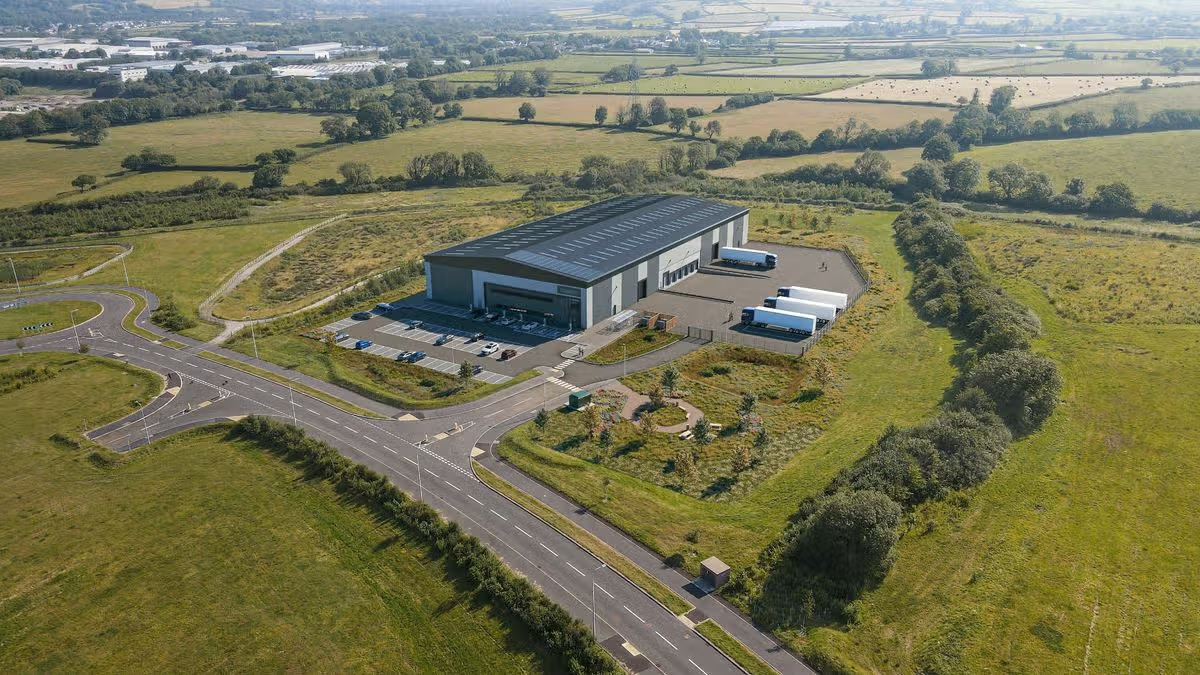
The first phase at the 116 acre site owned by the Welsh Government will see a major industrial unit built
Computer-generated image of the first phase of development at the Welsh Government’s Brocastle Employment Park
The first development at the Welsh Government’s Brocastle Employment Park in Bridgend has been confirmed.
Joint venture partners Hilllwood and Maple Grove Developments (Deeside Regeneration) have agreed terms with the Cardiff Bay administration to speculatively develop a 57,486 industrial unit on a 4.85 acre plot at the park.
The wider brownfield site extends to 116 acres where the Welsh Government has invested in infrastructure in the hope of attracting new investment and jobs.
The amount the developers have agreed to pay the Welsh Government for the land, known as plot five, has not been disclosed. They are also receiving grant funding for the scheme from the Welsh Government via the Development Bank of Wales. The grant amount has also not been disclosed.
Advertisement
The site benefits from outline consent planning and is being marketed specifically to the manufacturing sector.
Subject to full planning work on site will commence early next year with the building ready for occupancy towards year end.
The developers are confident of securing a tenant for the building with proximity to the M4 and the current lack of grade A industrial space in Wales.
The Brocastle land had been earmarked for a 500 job factory for production of the Grenadier 4x 4 vehicle from Ineos Automotive. However, at a late stage, the company opted for a site in France. The site adjoins the former Bridgend Ford engine plant which is being turned into a data venture campus by US firm Vantage.
Advertisement
Bob Tattrie, managing director of Hillwood, said “We are excited to be bringing forward a further advanced build industrial scheme in South Wales, which suffers from a lack of frade A industrial accommodation. We are also delighted to again work with Maple Grove in delivering this.”
Cabinet Minister for Enterprise, Connectivity and Energy, Adam Price, said: “Developing modern employment sites and premises which provide investment ready platforms is a key part of the new Welsh Government’s mission to halve Wales’ productivity gap with the UK average.
“Such sites support businesses to plan and invest with confidence, and this development provides important opportunities for both new investment into Wales and for existing Welsh businesses to grow.”
Andrew Dewhurst, director at Maple Grove Developments, said: “We are pleased to have secured the development plot for the upcoming business unit on Brocastle Business Park. Planning works progress well with a view to being on site in early 2027. Bringing forward our third joint venture in Wales is a proud moment for Maple Grove and we’re delighted to be working with our partners at Hillwood.”
Advertisement
Letting agents for the Brocastle site are property advisory firms JLL and Knight Frank through their Cardiff offices.
Experts say prolonged dry weather is now becoming a regular challenge for dairy farms, leaving grass scorched, cattle heat-stressed and farmers relying on winter feed months earlier than planned.
The Dow Jones Industrial Average climbed 0.69% Tuesday morning, rising 362.51 points to 52,572.59, as strong corporate earnings from traditional blue-chip companies helped offset a deepening global selloff in semiconductor and memory stocks that dragged down the tech-heavy Nasdaq.
The gains extended a stretch of divergent performance across major U.S. indexes, with the Dow benefiting from earnings-driven strength even as artificial intelligence-linked stocks continued to sell off sharply worldwide.
A Market Split Between Old Economy and Tech
Tuesday’s trading reflected a clear split between traditional industrial and consumer names and the technology sector. Stocks were mixed Tuesday as a selloff in semiconductor and artificial-intelligence stocks offset gains from traditional blue-chip companies reporting strong earnings. The S&P 500 gained 0.13%, the Dow Jones Industrial Average climbed 0.93% by one measure, while the Nasdaq lost 0.63% and the Russell 2000 edged up 0.19%.
Advertisement
Market strategists pointed directly to the source of the divergence. “The semiconductor group is being hit hard Tuesday morning,” said TheStreet Pro contributor James “Rev Shark” DePorre. “South Korea’s Kospi fell more than 10% and triggered a temporary trading halt. This selling started in Asia and it is about Asian memory makers.” DePorre added that U.S. chip names were being “dragged along rather than leading the way down,” with the broader market largely shrugging off the weakness.
A Historic Selloff Across Asian Markets
The roots of Tuesday’s chip-sector weakness trace back to an extraordinary overnight rout across Asian markets. Japan’s Nikkei 225 closed 3.95% lower at 62,364.92, while South Korea’s Kospi fell 10.84% to 6,023.66, with both indexes weighed down heavily by losses in technology stocks. Kospi heavyweights Samsung and SK Hynix dropped 13.4% and more than 14.7%, respectively, while in Japan, SoftBank declined 4.43% and Advantest fell more than 10%. Australia’s benchmark S&P/ASX 200, by contrast, rose 0.60% to 8,947.80, reflecting a more mixed picture outside the hardest-hit chip-heavy markets.
What’s Driving the Chip Stock Concerns
Advertisement
US tech stocks slid on Tuesday as a selloff in Korean memory makers underscored concerns about AI circular financing deals, overshadowing a drop in oil prices and earnings optimism. Fresh concerns that circular AI financing arrangements could unravel if hyperscale technology companies scale back capital spending continued to pressure chipmakers broadly, with individual names including Micron, Nvidia, SanDisk, AMD and SK Hynix each posting steep losses in the sessions leading up to Tuesday’s trading.
Falling Oil Prices Provide a Tailwind for the Dow
Beyond earnings, retreating oil prices also contributed meaningfully to the Dow’s outperformance relative to tech-heavy indexes. The retreat in oil prices on news of de-escalating tensions in the Middle East went some way toward easing inflation fears, with West Texas Intermediate crude falling more than 8% to around $82 a barrel, providing a direct boost to the blue-chip index even as the chipmaker selloff weighed on other parts of the market.
Individual Earnings Winners Lead the Dow Higher
Advertisement
Several specific corporate results stood out as key drivers behind the Dow’s gains. Sherwin-Williams rose 7% on the back of better-than-expected second-quarter results, helping lead the benchmark higher, while fellow Dow member Coca-Cola also gained sharply following its own earnings beat. Other contributors to Monday’s session, which set the stage for Tuesday’s continued strength, included Salesforce, 3M and additional Sherwin-Williams gains, even as Nvidia, Chevron and Caterpillar posted losses during the same stretch.
A Historic Shift in Market Capitalization Rankings
Tuesday’s trading also coincided with a notable shift atop the list of the world’s most valuable companies. Apple shares gained, and the company overtook Nvidia as the biggest company by market capitalization, a reversal that reflects investors’ rotation away from AI infrastructure-heavy names and toward companies seen as having more disciplined capital spending approaches.
Big Tech Earnings and the Fed Loom Large This Week
Advertisement
Investor attention is increasingly turning toward a heavy slate of upcoming events that could reshape sentiment further as the week progresses. Investors are now focused on earnings from Amazon, Meta Platforms and Microsoft later this week for further insight into hyperscaler spending, while Apple is also scheduled to report its results. Meanwhile, the Federal Reserve is widely expected to leave interest rates unchanged on Wednesday, with markets continuing to price in the possibility of a rate hike in September.
Analysts Urge Caution Despite the Dow’s Strength
Not all market commentary Tuesday was uniformly optimistic, with some strategists flagging seasonal and macroeconomic risks even as the Dow notched gains. A note from Bank of America gave investors another reason to hold off on buying the dip broadly, with analysts noting that stocks have historically performed worst during the three-month stretch between August and October. Combined with elevated energy costs, rising bond yields and ongoing anxiety about AI-related spending, strategists say there remain multiple signals reinforcing the need for continued caution despite Tuesday’s blue-chip strength.
With Wall Street entering the heart of second-quarter earnings season and the Federal Reserve’s policy decision looming Wednesday, investors are likely to remain focused on whether traditional blue-chip strength can continue to offset ongoing turbulence in the technology and semiconductor sectors. Much may hinge on how Amazon, Meta, Microsoft and Apple report this week, along with any signals from the Fed about the path of interest rates heading into the fall, a period analysts have already flagged as historically challenging for equity markets.
Rachel Diamond, 23, moved from her family home in Oldham to Portsmouth to follow her dream job as a graduate engineer. She earns in the early £30,000s and says: “I was quite lucky when I got my job straight after uni. So I’ve kind of done everything right, but still I’m not saving any money from my paycheck, like months and months, just because it’s so expensive with renting and bills. I don’t think people realise how expensive it is to rent.
“That’s the thing, like council tax, you only get 25% discount, so that’s expensive on my own. Again, that’s a choice, living on my own, but still.”
Rachel’s dad Paddy says: “When I started out in work I was in a similar situation to Rachel. I moved away from home and I lived on my own because I didn’t know anybody where I was moving to, and certainly it was hard for me, and it seems to be, equally as hard, if not, well, probably harder for Rachel.
“I bought my first flat when I was in my early 20s. I was earning £20,000 a year and my first flat was £36,000.”
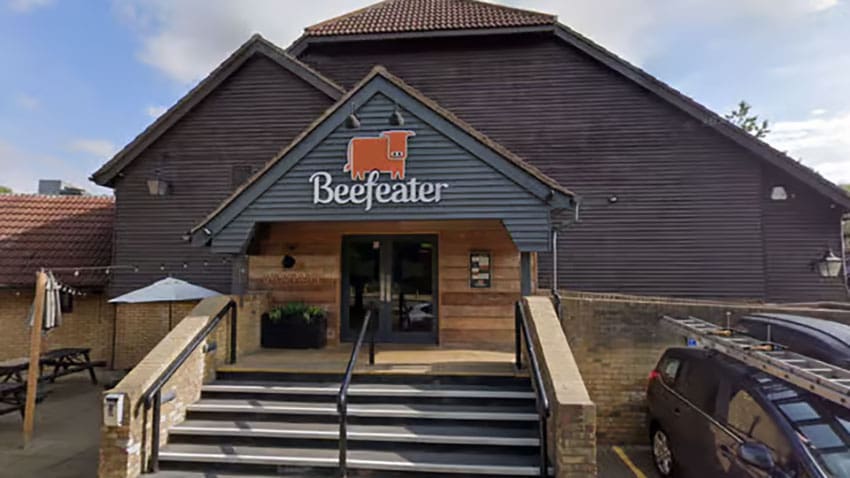
Beefeater will close all 106 of its UK restaurants on Thursday 10 September, owner Whitbread has confirmed, as part of a five-year plan the group says will deliver £250 million of cost savings.
Brewers Fayre’s 89 sites will stop trading after evening service on 7 September. Whitbread’s other branded restaurant formats, Bar + Block, Cookhouse + Pub and Table Table, will close on 3 September.
In a statement published in June, Whitbread said the change “will involve exiting all of our remaining branded restaurants, which trade under brands including Beefeater and Brewers Fayre, a number of which will be converted into approximately 600 additional Premier Inn rooms, with the remainder expected to be sold as going concerns”.
The company said the proposals, which are subject to consultation, “would result in a reduction of around 3,800 roles of a total UK and Ireland workforce of around 30,000”. Whitbread said it recruits around 15,000 people a year and expects “to be able to retain a significant proportion of those affected”, adding that it would look to redeploy as many staff as possible.
Advertisement
The exit follows Whitbread’s Accelerating Growth Plan, announced in 2024, which converted more than 200 branded restaurants into hotel rooms and introduced an integrated restaurant in each hotel. Whitbread said that format “has proved highly popular with guests”.
Searches for “Beefeater UK restaurant shutdown” rose by 5,000 per cent on Google Trends after the closure dates were confirmed.
The closures come as the licensed trade continues to contract. Analysis from CGA by NIQ found the number of licensed premises across the UK fell to 98,609 by the end of March, a net loss of 305 venues since December, with casual dining restaurant numbers down 0.9 per cent in the first quarter.
Richard Hunt, director at Liquidation Centre, said the cost programme showed “a proactive effort to protect the long-term health of the business” but would not resolve the group’s wider trading position on its own.
Advertisement
“While reducing costs can significantly improve resilience during challenging trading conditions, it is not a cure-all,” Hunt said. “Businesses cannot simply cut their way to sustainable growth, they must also continue to attract customers, remain competitive and adapt to changing market trends. If these wider challenges persist, further restructuring may still be required by the company in the future.”
Hunt said closing underperforming sites “can improve the financial health of a business, but it only creates long-term value if the remaining estate is stronger, more profitable and better aligned with what customers want”.
He said maintaining large estates of physical locations had become increasingly challenging for established chains, and that the Beefeater closures “reflect the wider challenges facing the casual dining industry rather than an isolated issue”.
“Many consumers are eating out less frequently due to the cost of living, while those who do are placing greater emphasis on value, quality and the overall dining experience,” Hunt said. “Businesses that fail to evolve alongside these changing expectations risk seeing footfall decline over time and become less profitable.”
Advertisement
Rising food and energy costs, higher employment expenses and inflation had all increased the financial burden on operators, he said. “Even well-known brands are not immune when operating costs continue to outpace revenue growth, making it difficult to sustain less profitable locations.”
Hunt said that for operators under financial pressure, the first priority “should be carrying out a thorough review of income, expenditure and site performance”, and that renegotiating contracts and improving operational efficiency could relieve strain. Where cash flow problems become more severe, he said, early advice from a licensed insolvency practitioner “can help businesses understand their options and, in some cases, avoid formal insolvency proceedings altogether”.
“Closures of this scale inevitably have an impact on employees, local communities and loyal customers,” Hunt said. “They also serve as a reminder that even long-established household names cannot afford to stand still.”
Advertisement
Jamie Young
Jamie Young is Senior Reporter at Business Matters, covering SME finance, employment law and Westminster policy since 2016. He has reported on every Budget and Autumn Statement since 2018, helped make sense of the ‘covid era’ and the bounce-back loan scheme from launch through the fraud investigations, and broke the magazine’s coverage of the 2024 late-payment reforms. He joined Business Matters straight from completing his BA in Administration from Exeter University and is NCTJ-qualified. Reach him at jyoung@cbmeg.co.uk
Shares of OLX India operator CarTrade Tech fell more than 7% on Wednesday after the company reported its Q1 FY27 results, with consolidated net profit rising 19% year-on-year (YoY) to Rs 51 crore.
Revenue from operations increased more than 16% YoY to Rs 201 crore during the quarter. On a sequential basis, however, net profit declined around 21%, while revenue slipped nearly 1% from the fourth quarter of FY26.
The company reported its highest-ever quarterly total income of Rs 230 crore, up 16% YoY. EBITDA surged 45% YoY to Rs 63 crore, with the EBITDA margin improving to 31% in the April-June quarter of FY27.
CarTrade Tech said OLX India’s income grew 29% YoY, while EBITDA jumped 76% YoY. It added that each of its flagship digital platforms—CarWale, BikeWale and OLX India—now attracts over 150 million annual unique visitors, underscoring the scale and depth of engagement across its ecosystem.
Advertisement
The company also said it now operates more than 500 physical locations, including Shriram Automall, CarWale abSure and Signature dealerships, as well as OLX India franchise outlets, strengthening its nationwide reach and customer accessibility.
Live Events
It further added that its platforms engaged nearly 80 million average monthly unique visitors during Q1 FY27, continuing the growth seen in Q4 FY26. Organic traffic accounted for 95% of total traffic, reflecting the strength of its brand and content leadership. Also read |CarTrade Tech partners Spinny to expand used-car marketplace across CarWale, OLX India
What CarTrade Tech management said
“We are pleased to begin FY27 on a strong note, delivering another quarter of profitable growth. Total income grew 16% to an all-time high, EBITDA increased 45%, with margins at 31%, and profit after tax stood at Rs 57 crore. This performance reflects the strength of our diversified business portfolio across consumer group, remarketing, and OLX India, supported by disciplined execution, operating leverage, and a continued focus on profitable growth,” said Vinay Sanghi, Chairman and Founder, CarTrade Tech. With the launch of VAYA AI, Sanghi added that the company remains focused on leveraging technology, artificial intelligence, and partnerships to enhance customer experience, improve operational efficiency, and create long-term value for customers, partners, and shareholders.
CarTrade Tech share price
CarTrade Tech shares fell more than 7.5% to Rs 2,740 apiece after the results announcement. The stock later recovered some losses and was trading around 4% lower at Rs 2,856 apiece at around 12 pm.
The shares have declined marginally over the past week but have gained more than 5% in a month. The stock is down over 1% in 2026 so far. Over the longer term, it has surged more than 34% in a year and 452% in three years.
(Disclaimer: Recommendations, suggestions, views and opinions given by the experts are their own. These do not represent the views of The Economic Times)
Tata Capital shares climbed 3.67% to Rs 367.95 during Wednesday’s trading session after the company reported a strong set of earnings for the first quarter of FY27, driven by robust growth in profit, revenue, and its lending business.
The Tata Group-backed NBFC posted a consolidated net profit of Rs 1,547 crore for the April-June quarter, registering a 56% year-on-year (YoY) increase from Rs 990 crore reported in the corresponding quarter of the previous financial year.
Revenue from operations also remained healthy, rising 15% YoY to Rs 8,822 crore, compared with Rs 7,665 crore in Q1 FY26, reflecting sustained business momentum.
Lending business remains the key growth driver
Tata Capital’s assets under management (AUM) expanded 22% YoY to Rs 2.91 lakh crore, while excluding the motor finance business, AUM recorded an even stronger 28% YoY growth.
Advertisement
The company’s net loan book grew 23% YoY to Rs 2.29 lakh crore, supported by healthy credit demand. Net interest income (NII) increased 25% YoY to Rs 2,866 crore, underscoring strong core lending performance.
Meanwhile, the cost-to-income ratio improved marginally to 36.4% from 36.8% in the year-ago quarter, indicating continued operational efficiency.
Live Events
Tata Capital’s net profit margin improved to 17.54%, compared with 12.92% in Q1 FY26, although it eased sequentially from 18.41% reported in Q4 FY26. The company’s net worth surged 42% YoY to Rs 46,261 crore, while the annualised return on assets (ROA) improved to 2.3% from 1.8% a year ago. Annualised return on equity (ROE) rose to 13.7%, and the capital adequacy ratio remained healthy at 18.5%.
Tata Capital enters the gold loan segment
Alongside its quarterly results, Tata Capital announced its entry into the fast-growing gold loan business through the acquisition of Yogloans, an RBI-registered non-banking financial company focused on gold-backed lending.The company will acquire an 88.6% stake in Yogloans through a share subscription and purchase agreement, based on a pre-money equity valuation of up to Rs 318 crore. The acquisition is expected to strengthen Tata Capital’s secured lending portfolio and expand its presence in the retail finance segment.
Share Price, Valuation, and Technical Indicators
Following the earnings announcement, Tata Capital shares traded around Rs 368, taking the company’s market capitalisation to approximately Rs 1.51 lakh crore. The stock is trading close to its 52-week high of Rs 379.95, reflecting sustained investor optimism.
Advertisement
From a valuation perspective, the stock trades at a price-to-earnings (P/E) ratio of 30.71, a price-to-sales (P/S) ratio of 4.08, and a price-to-book (P/B) ratio of 3.16.
On the technical front, the stock’s 14-day Relative Strength Index (RSI) stands at 55.5, suggesting neutral momentum, with RSI readings below 30 considered oversold and above 70 viewed as overbought. Additionally, Tata Capital is trading above all seven of its key simple moving averages (SMAs), indicating a strong bullish trend.
(Disclaimer: Recommendations, suggestions, views and opinions given by the experts are their own. These do not represent the views of The Economic Times.)
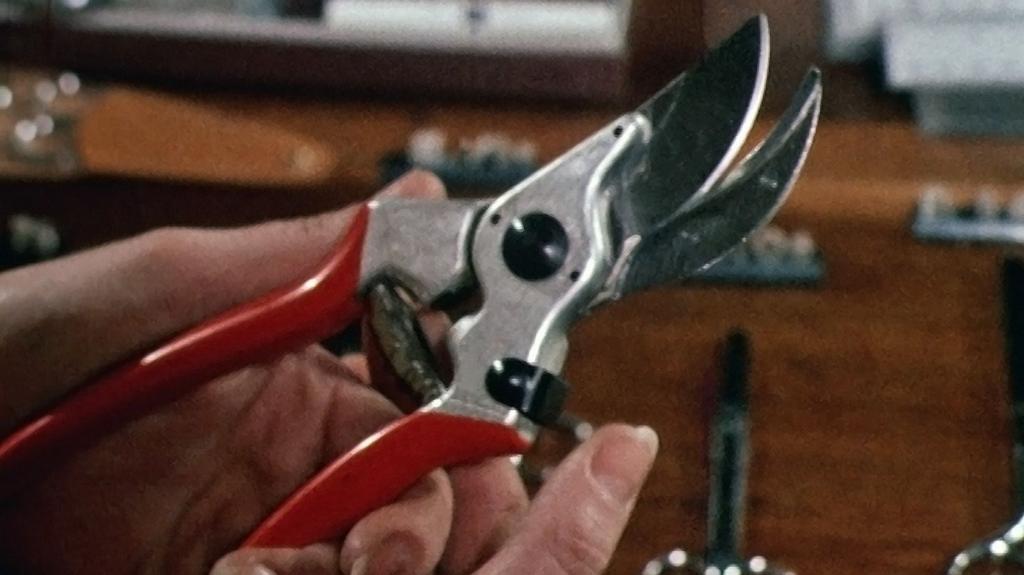
A London shop catering for people who are left-handed was doing a brisk trade both in-store and via mail-order. Items available included secateurs, a builder’s trowel and even left-handed playing cards. Report by Susanne Hall.
Clip taken from Nationwide, originally broadcast on BBC One, 18 April 1975.



















































You must be logged in to post a comment Login