SEOUL, South Korea — Global K-pop superstars BTS revealed the full 14-track lineup for their upcoming fifth studio album “ARIRANG” on Tuesday, with “SWIM” confirmed as the lead single, igniting excitement among millions of fans worldwide for the group’s first full-group release following the completion of mandatory military service.
Suga of BTS visit The Elvis Duran Z100 Morning Show at Z100 Studio on April 12, 2019 in New York City.
Big Hit Music, the band’s agency, shared the official tracklist via BTS’s social media channels and platforms like Weverse and Spotify. The album, set for worldwide release on March 20, 2026, at 2 p.m. KST (1 a.m. EST), draws its name from “Arirang,” the iconic Korean folk song symbolizing longing, resilience, and national identity. Band members RM, Jin, SUGA, j-hope, Jimin, V, and Jung Kook have infused the project with personal reflections on their 12-year journey since debuting in 2013.
“ARIRANG” opens with “Body to Body,” setting an energetic tone, followed by “Hooligan,” “Aliens,” “FYA,” and “2.0.” An interlude titled “No. 29” bridges to the title track “SWIM” in the seventh position. The second half features “Merry Go Round,” “NORMAL,” “Like Animals,” “they don’t know ’bout us,” “One More Night,” “Please,” and closes with the anthemic “Into the Sun.”
“SWIM,” produced by Tyler Spry and Leclair, is described as an upbeat alternative pop track conveying perseverance amid life’s challenges. Lyrics, led by RM with contributions from James Essien, Sean Foreman, Jamison Baken, Ryan Tedder, Kirsten Allyssa Spencer, Derrick Milano, and Pdogg, emphasize moving forward “through the turbulent waves of life” at one’s own pace — a metaphor for resilience and self-love. The song’s message aligns with BTS’s post-hiatus narrative of growth and determination after individual military duties.
The album boasts collaborations with prominent international producers, including Mike WiLL Made-It, El Guincho, Ryan Tedder, Diplo, Kevin Parker (Tame Impala), and others, blending BTS’s signature sound with fresh global influences. Member songwriting credits appear across tracks, with V, Jung Kook, and Jimin noted for contributions alongside RM’s prominent role on “SWIM.”
Advertisement
Fans, known as ARMY, reacted swiftly online, praising the eclectic titles and thematic depth. Social media buzz highlighted “Body to Body” for its sensual vibe, “they don’t know ’bout us” for potential swagger, and “Into the Sun” as a powerful closer. The interlude “No. 29” sparked personal connections, with some fans noting coincidences with birthdays or meaningful dates.
The announcement follows teasers since early 2026, including group lives and hints of a world tour. To mark the release, BTS will stage “BTS THE COMEBACK LIVE | ARIRANG,” a free performance in Seoul’s Gwanghwamun Square on March 21, featuring new songs including “SWIM.” The event will stream exclusively on Netflix, allowing global access.
“ARIRANG” represents BTS’s triumphant return as a full septet after hiatus. Jin completed service first in 2024, followed by others through late 2025. The album captures their evolution, blending tradition with innovation while addressing identity, growth, and forward momentum.
Pre-orders opened in January, with digital and physical versions available. The project arrives amid K-pop’s competitive landscape, but BTS’s influence remains unmatched, with billions of streams and a dedicated fanbase.
Advertisement
Analysts anticipate strong chart performance, potentially debuting at No. 1 on Billboard 200 and topping global charts. The title track “SWIM” is expected to dominate streaming and social media trends upon release.
As March 20 approaches, anticipation builds for what promises to be a landmark chapter in BTS’s career — a celebration of roots, resilience, and reinvention.
ET Intelligence Group: The stocks of engineering and capital goods companies having exposure to the West Asia are under pressure since February 27 amid the conflict between Iran and Israel. The BSE Capital Goods index has fallen by nearly 4% in three trading sessions to March 04, driven by concerns over possible cancellations of projects in the region that may shrink the order book and limit the revenue visibility or delays in order execution thereby eroding profitability.
Among these stocks, Larsen and Toubro has fallen sharply by over 9% in the said period given its significant exposure to the West Asia countries. As of December 2025, the company had an outstanding order book worth ‘7.3 lakh crore. Of this, ‘2.7 lakh crore or 37% was from West Asia compared with 21% three years ago. In addition, the region accounted for 76% of the international orders in the latest December quarter. Over the past three years, size of the order book from the region has grown at a faster rate. Between December 2022 and December 2025, the West Asia order book grew at a compounded annual growth rate (CAGR) of 49.5% compared with 23.8% for the total order book.
Agencies
BSE Capital Goods index down 4% in 3 sessions, fear of regional project cancellations grow
In West Asia, L&T has major contracts in Saudi Arabia in areas including hydrocarbons and power transmission and distribution. “While it is difficult to assess the current situation, we estimate that L&T’s core earnings will be negatively impacted by 11-12% for FY27 and FY28, assuming a three-month execution delay and low order inflow mainly in the hydrocarbon segment,” mentioned Emkay Global Financial Services in a report.
KEC International is another company likely to be affected by the conflict as it draws an estimated 20% of its nearly ‘37,000 crore worth of outstanding order book from the region. According to Emkay, KEC’s factories in the United Arab Emirates (UAE) are shut amid the conflict, implying a revenue hit of ’50 crore per day. Assuming a three-month delay in execution, the broking firm estimates 3-4% hit on earnings for FY27 and FY28. KEC’s stock has lost nearly 9% since February 26.
Advertisement
In the case of Kalpataru Projects International, the impact is expected to be limited since its current project in the region is in the final stage. The company has bid for five projects in the region as of December and their awarding may be delayed due to the current situation thereby reducing revenue visibility.
Live Events
Among other companies, Engineers India (EIL) has exposure to West Asian markets with consultancy assignments. “Escalation in regional tensions could delay fresh project awards, elongate tender finalization timelines, and moderate consultancy inflows in the near term,” stated PL Capital in a report. The stock has lost nearly 9% in the past three trading sessions.
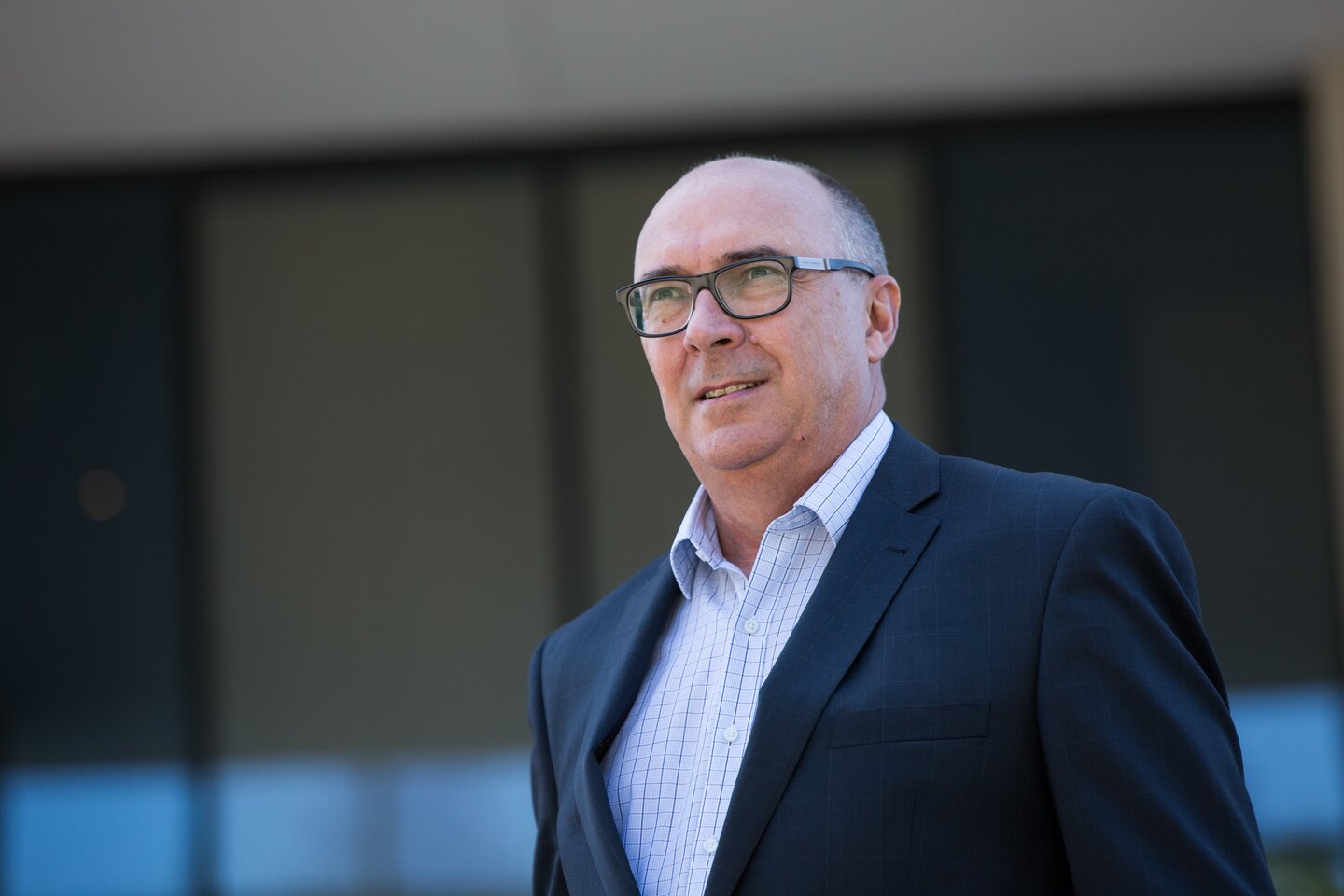
Senior resources sector figure Phil Thick has been appointed chair of Screenwest effective immediately, succeeding John Driscoll after his seven-year tenure.
In the Nifty500 pack, seven stocks’ close prices crossed below their 200 DMA (Daily Moving Averages) on March 4, according to stockedge.com’s technical scan data. Trading below the 200 DMA is considered a negative signal because it indicates that the stock’s price is below its long-term trend line. The 200 DMA is used as a key indicator by traders for determining the overall trend in a particular stock. Take a look:
Weddings are full of emotion, detail, and that delicious feeling of celebration — and you, as the mother of the bride, get to look radiant while feeling comfortable and confident.
Whether you’re leaning toward a timeless champagne mother of the bride dresses or exploring other silhouettes, I’m here to walk with you through season-by-season picks, styling tips, and what to watch for so you look — and feel — like the most proud, stylish version of yourself. Ready? Let’s go.
Why champagne works all year
A champagne mother of the bride dress is a quietly glamorous choice: neutral enough to coordinate with many palettes, but warm and luminous enough to photograph beautifully. Champagne works especially well when you want elegance that doesn’t compete with the bride’s gown. If you love a soft metallic glow, consider champagne for its versatility — it reads romantic in spring, luminous in summer, cozy against fall tones, and refined in winter. Fun fact: many retailers offer extensive champagne collections, from chiffon two-pieces to sequin-embellished gowns, giving you lots of ways to interpret the hue. Mondressy.
Spring: light fabrics, pastels, and floral details
In spring we want airiness and a gentle color. Think chiffons, organza overlays, and soft lace — fabrics that move with you during outdoor photos and feel light when the day warms up. Pastel tones and floral motifs are current favorites for spring MOB looks, and silhouettes like tea-length A-lines or three-quarter sleeve sheath dresses strike a lovely balance between formal and comfortable. When choosing, ask: will the ceremony be outdoors or in a chilly chapel? Layering with a delicate bolero or a matching jacket is a smart move.
What to try: chiffon A-line with a lightweight jacket, or a tea-length lace dress in blush or champagne with minimal jewelry. Pro tip: choose breathable linings to avoid overheating.
Advertisement
Summer: breathable silhouettes and sun-smart choices
Summer weddings call for cool, breathable choices. Flowing silhouettes, sleeveless or cap-sleeve designs, and fabrics like chiffon and silk blends will keep you comfortable for cocktail hours and long photo sessions. If your venue is a beach or garden, lighter hems and breathable fabrics are your best friends. Also consider practical details: a dress with pockets (yes, please) or a modest slit for comfortable walking.
What to try: a sleeveless sheath or an A-line chiffon dress in a light champagne or soft coral. Bring a stylish wrap for evening photos when temperatures dip.
Fall: jewel tones, texture, and rich fabrics
For fall, the season loves depth: richer colors (think emerald, burgundy, deep navy) and textured fabrics like velvet, heavier lace, or satin. Sequins and subtle metallic thread can look seasonally perfect, especially for evening celebrations. If you prefer champagne, pair it with warm accessories — bronze or cognac shoes, a velvet clutch, or a statement shawl — so the look reads autumnal and intentional. Many stylists recommend considering the wedding’s color story and matching the dress’s warmth to the palette.
What to try: a long-sleeve satin dress, or a champagne gown with beaded detail and a tailored jacket.
Advertisement
Winter: glamour, coverage, and festive touches
Winter weddings invite more formality: full-length gowns, sleeves, and luxe embellishment. A champagne mother of the bride dress with sequins, beading, or a coordinating cape can be spectacular for an evening winter affair. Consider fabrics with a little more weight and structure, and don’t be afraid of drama — velvet trims, embellished collars, and metallic accents look right at home with twinkling lights and candlelit venues.
What to try: a floor-length champagne gown with a matching embellished jacket or a cape detail for warmth and visual interest.
Silhouettes that flatter most body types
You and I both know fit is everything. While trends come and go, some silhouettes reliably flatter many shapes:
A-line: gently cinches at the waist and flows over hips — a perennial favorite.
Sheath: sleek and modern; great for taller frames or intimate venues.
Empire waist: sits under the bust and skims the body — wonderful for comfort and movement.
Two-piece sets or dress-and-jacket combos: perfect for coverage and for mixing/separating pieces in photos.
Don’t forget tailoring. A simple hem or nip-in at the waist can make an off-the-rack dress look custom-made.
Fabrics, finishes, and practical details to check
When you try dresses, check the lining, sleeve construction, and closures. Breathable linings, cleanly finished seams, and comfortable sleeve openings make a big difference on the day. If you plan to dance, make sure you can sit, bend, and move without tension across the shoulders. Fabrics to consider by season:
Year-round: crepe and structured chiffon are versatile choices.
Accessorizing: the cherry on top
Shoes, clutches, and jewelry transform your dress. For a champagne dress, I love warm metals — rose gold or soft gold — and pearls for timeless elegance. A statement brooch on a jacket or a silk scarf can personalize your look. If the bride has a defined color palette, ask to coordinate rather than match — complementary is kinder than identical.
Final checklist before you say “yes”
Does it fit well when you sit, walk, and hug?
Is the fabric climate-appropriate for the venue and season?
Do you feel like you’re in it — not like you’re wearing someone else’s outfit?
Can it be tailored if needed?
Do your shoes and accessories work for standing and dancing?
Where to start shopping
If you want a great starting point, look for curated champagne and MOB collections where you can compare styles and fabrics in one place — many stores now group options by color and occasion for convenience. For example, there are extensive champagne collections that showcase everything from chiffon two-pieces to sequined gowns, giving you a quick way to envision seasonal looks.
QatarEnergy, the state-owned petroleum company of Qatar and Norsk Hydro’s partner on aluminum joint venture Qatalum, on Monday stopped production of liquefied natural gas after attacks against its energy facilities, and on Tuesday said it is halting the production of some downstream products in the country, including aluminum as well as urea, polymers and methanol.
CANBERRA, Australia — Oil prices have spiked sharply in global markets due to escalating conflict in the Middle East, pushing Australian petrol prices higher and raising concerns about inflation and household budgets as the nation grapples with supply vulnerabilities.
Brent crude, the international benchmark most relevant to Australian imports, traded around US$78 to US$80 per barrel in early March 2026 trading, up significantly from mid-US$60s levels seen in late 2025 and early this year. West Texas Intermediate hovered above US$70. The surge follows U.S. and Israeli military actions against Iran, disrupting key shipping routes like the Strait of Hormuz and injecting a geopolitical premium into energy markets.
Oil Prices Surge in Australia Amid Middle East Conflict, Driving Petrol Pump Pain for Motorists
In Australia, which imports more than 90% of its crude oil and refined fuels, the impact has been swift. National average retail prices for unleaded 91-octane petrol stood at approximately 172.9 Australian cents per liter in the week ending Feb. 22, according to the Australian Institute of Petroleum (AIP). However, city-specific figures show higher levels amid the ongoing cycle and recent volatility: Sydney around A$1.98 per liter, Melbourne A$2.08, and Brisbane A$2.02 as of early March. Some stations in major cities reported unleaded prices exceeding A$2.13 per liter, with diesel averages around 180.3 cents per liter nationally.
Analysts warn of further increases. A common rule of thumb holds that every US$10 rise in crude adds roughly 10 Australian cents per liter at the pump. With Brent jumping from around US$67 in late February to near US$80, motorists could face hikes of 10-20 cents per liter in the short term, and potentially up to 40 cents in extreme scenarios if disruptions persist. Compare the Market spokesperson Chris Ford noted that a 30% increase from current levels could push unleaded 91 past A$2.50 per liter in some regions, costing A$125 to fill a 50-liter tank.
The Australian Institute of Petroleum’s weekly report for the week ending March 1, 2026, highlighted rising international crude and petrol import prices supplied by Argus Media. Retail prices reflect a combination of global benchmarks, the Australian dollar exchange rate, excise taxes, and local competition cycles that see prices swing weekly in cities like Sydney, Melbourne, and Brisbane.
Advertisement
Geopolitical tensions have amplified risks. The conflict has raised fears of prolonged supply interruptions through critical chokepoints, prompting warnings from the Reserve Bank of Australia Governor Michele Bullock. She described a “live” chance of an interest rate hike at the March meeting, citing prolonged oil price spikes as a threat to inflation control and economic growth. Bullock noted that elevated energy costs could prove stubborn, complicating the central bank’s efforts to tame inflation.
Australia’s fuel security adds urgency. The nation maintains stocks equivalent to only about 36-90 days of supply in some assessments, well below the International Energy Agency’s 90-day target for members. Recent reports indicate petrol reserves have dipped low, heightening vulnerability to shocks. Experts like those from NRMA and Compare the Market have urged motorists not to panic but to fill up strategically, as prices could climb 6-10% or more depending on developments.
ASX-listed energy companies have benefited from the rally. Woodside Energy shares rose 6.15% to A$30.05, up nearly 30% year-to-date, while Santos climbed 5.62% to A$7.14, gaining about 16% in 2026. The broader market felt pressure, with the S&P/ASX 200 dropping amid global uncertainty, though energy stocks provided some offset.
Household impacts extend beyond the pump. Higher fuel costs feed into transport, goods delivery, and inflation. Commonwealth Bank analysts warned of economic “consequences” from sustained spikes, including threats to growth. Diesel sales have surged due to increased home deliveries and logistics demand, while sales of E10 ethanol blends and LPG have declined.
Advertisement
The government has monitored the situation closely. FuelWatch in Western Australia advised Perth and Mandurah motorists to fill up before expected rises, with average unleaded projected to hit 188.6 cents per liter from March 4, and some brands reaching 213.9 cents. Low-price options remained available below 155 cents at select sites.
Longer-term trends show volatility. Brent averaged in the mid-US$60s for much of late 2025, far below 2022 peaks above US$100. The current rally marks the highest levels since mid-2022, driven by supply fears rather than demand surges. OPEC+ decisions, non-OPEC production, and global economic outlook will influence whether the spike proves temporary or entrenched.
Motorists can mitigate costs by using apps like FuelWatch or PetrolSpy to find cheapest stations, timing fills during low-cycle periods, and considering fuel-efficient vehicles. Electric vehicle adoption continues to grow as an alternative amid rising liquid fuel prices.
As the Middle East situation evolves, oil and petrol prices remain fluid. Analysts monitor for de-escalation, which could unwind premiums quickly, or further escalation that sustains higher levels. For now, Australian drivers face elevated costs at the bowser, a direct echo of distant geopolitical events reshaping daily life and the economy.
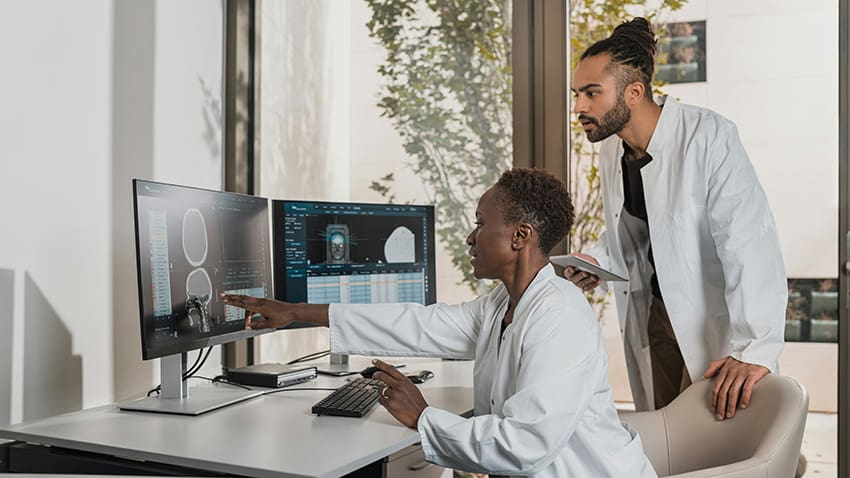
Pulse Radiology Education was founded in 2015 by Neil Huber, a radiologic technologist who saw a gap in his own profession and decided to address it.
Huber began his career in New York. He earned a BS in Radiologic Sciences from St. John’s University and later completed an MBA in Strategic Healthcare Management & Entrepreneurship at Hofstra University. Early in his career, he worked inside imaging departments and healthcare organisations. That experience shaped his perspective.
“I kept meeting great technologists who wanted to earn another certification but were stuck,” Huber said. “They wanted to advance, but they couldn’t quit their jobs or move their lives around to do it.”
Traditional training pathways often required rigid schedules and full-time classroom attendance. For working technologists managing shifts, family life and financial responsibilities, that model did not fit.
So in 2015, he launched Pulse Radiology Education in New York City.
Advertisement
From the beginning, the focus was clear: combine structured online education with in-person clinical training. The goal was not to build another online school. It was to create a realistic pathway for advancement.
“You can study after a double shift or on your day off,” Huber often told early students. “You control the pace.”
Clinical placement quickly became central to the model. Huber had seen firsthand how difficult it was for technologists to secure hands-on training sites.
“Securing a clinical site is the part that stops most people cold,” he said. “We wanted to remove that barrier completely.”
Advertisement
Over time, Pulse built partnerships with hospitals and imaging centres across the country. Today, it works with more than 1,300 clinical affiliates in MRI, CT and Mammography.
In 2020, the organisation expanded further with the launch of Pulse Radiology Institute in Saint Augustine, Florida. PRI offers an ARMRIT-accredited MRI Associate’s Degree and clinical placement for individuals entering the field without prior technologist credentials. Together, PRE and PRI serve both working technologists and new entrants into imaging.
As healthcare demands evolved, so did the programme structure. Pulse developed tiered pathways for MRI and CT:
Basic: ARRT-approved didactic coursework
Premium: Coursework plus clinical placement
Ultra: Coursework, clinical placement and simulator access
Each tier was designed to reflect different needs, while maintaining ARRT-approved structured education and registry-focused preparation. Programmes include mock exams and more than 1,000 registry-style questions per modality.
“Our goal was never to create the cheapest programme,” Huber said. “It was to create the most realistic path for working RTs to advance.”
Advertisement
In 2025, Pulse Radiology Education was acquired by Edcetera, an education company focused on licensed careers. For Huber, the alignment was practical.
“Education should be accessible, relevant and transformative,” he said, echoing the broader vision behind the acquisition. “But our purpose stayed the same.”
Today, Pulse supports technologists seeking post-primary ARRT credentials, non-technologists entering MRI through PRI, and healthcare leaders building multimodality imaging teams.
Huber views growth as a responsibility rather than an endpoint.
Advertisement
“Hospitals depend on competent and certified technologists. Patients depend on accurate scans. Technologists depend on training that fits their lives. Our job is to meet all three.”
Nearly a decade after its founding, Pulse Radiology Education remains focused on access, structure and clinical partnership. The mission has not shifted since 2015.
“If we can help someone move into MRI or CT without leaving their job or family behind,” Huber said, “then we’re doing something meaningful.”
Extreme Networks, Inc. (EXTR) Morgan Stanley Technology, Media & Telecom Conference 2026 March 4, 2026 5:35 PM EST
Company Participants
Kevin Rhodes – Executive VP of Finance & CFO
Conference Call Participants
Advertisement
Meta Marshall – Morgan Stanley, Research Division
Presentation
Meta Marshall Morgan Stanley, Research Division
Advertisement
I’m going to read some disclosures that you’ve heard many times. For important disclosures, please see the Morgan Stanley research disclosure website at morganstanley.com/researchdisclosures. If you have any questions, please reach out to your Morgan Stanley sales representative. We’re delighted to have Extreme Networks here today, Kevin Rhodes, CFO. We also have Stan Kovler in the audience. And then myself, I’m Meta Marshall. I cover networking here at Morgan Stanley.
So Kevin, thanks so much for being here today.
Kevin Rhodes Executive VP of Finance & CFO
Advertisement
Good to see you again.
Question-and-Answer Session
Advertisement
Meta Marshall Morgan Stanley, Research Division
You recently rolled out some impressive targets at your Analyst Day calling for share gains in the market. which we’ll dive into in a minute. Can you just kind of refresh everybody here on Extreme’s value proposition and kind of the key verticals that you serve?
Kevin Rhodes Executive VP of Finance & CFO
Advertisement
Sure, sure. Happy to. And by the way, at the Analyst Day, I would say that was a good day for us to roll out for the next several years what we are going to achieve 10% growth on the revenue side, 20% growth on the bottom line side. And we’ve been executing pretty well, right? 7 quarters in a row of growth as a company. And so that was a meaningful kind of event for us to talk to investors about what we’re trying to do.
From a market perspective, as you can probably appreciate, we’re on the wired and wireless