

Business
(VIDEO) Dubai International Airport Shut Down Amid Escalating US-Israel-Iran Conflict

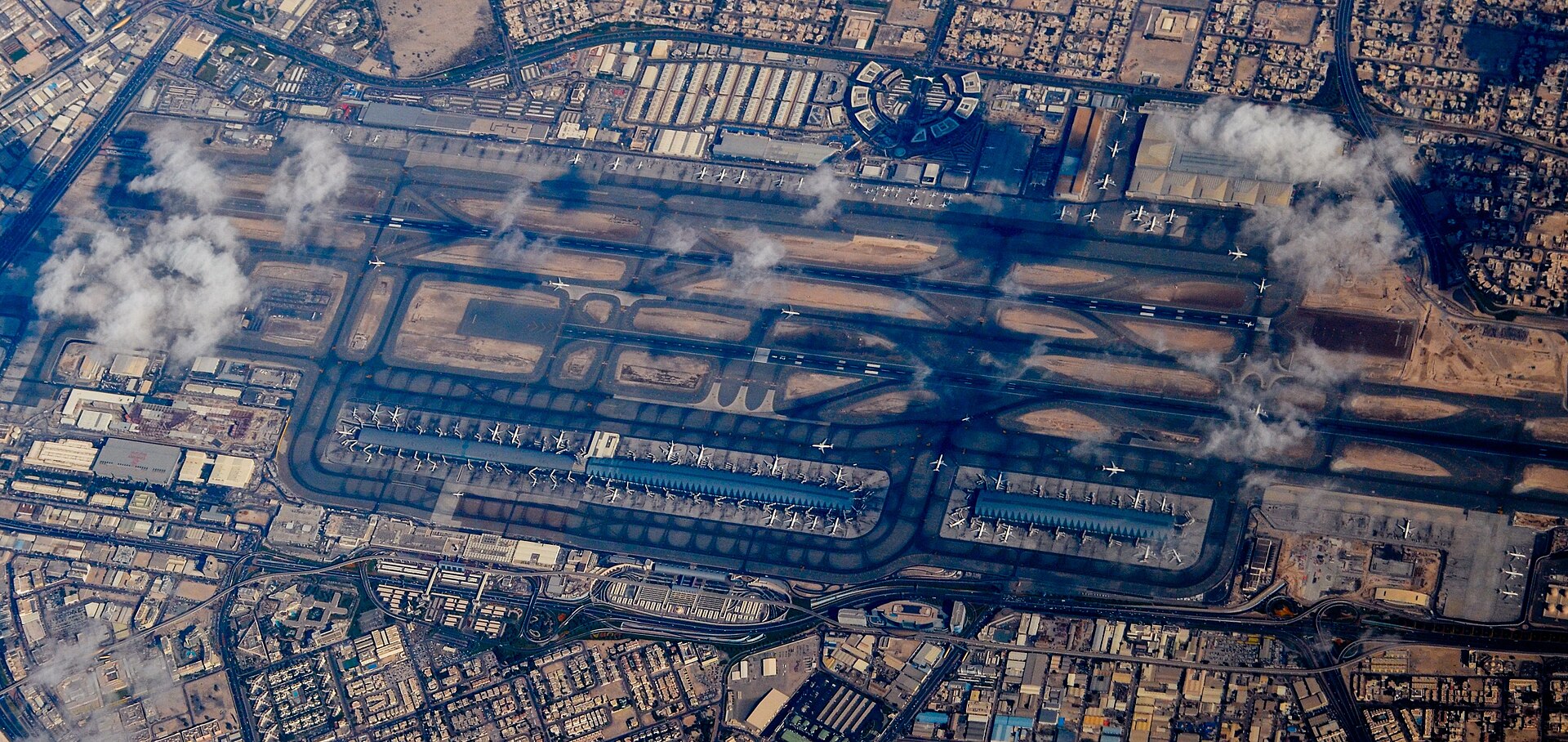
Dubai International Airport (DXB), the world’s busiest hub for international passengers, remained completely closed Sunday with all flight operations suspended until further notice as the United Arab Emirates grappled with the fallout from Iranian retaliatory missile and drone strikes following joint U.S.-Israeli attacks on Iran that killed Supreme Leader Ayatollah Ali Khamenei.
Dubai Airports, the operator of DXB and the secondary Dubai World Central–Al Maktoum International Airport (DWC), confirmed in an official statement that “all flight operations at Dubai International (DXB) and Dubai World Central – Al Maktoum International (DWC) are suspended until further notice.” Passengers were strongly advised not to travel to the airports and to contact their airlines directly for updates. The closure stemmed from UAE airspace restrictions imposed amid the rapidly escalating regional conflict.
The shutdown followed an overnight incident early Saturday that caused minor damage to a concourse at DXB, according to the Dubai Media Office. Four airport staff members sustained injuries, which were described as non-life-threatening, and received prompt medical attention. Emergency response teams quickly contained the situation, and most terminals had already been cleared of passengers under pre-existing contingency plans due to the heightened security environment.
Iranian attacks targeted multiple sites across the Gulf, including Dubai’s iconic Burj Al Arab hotel, where debris from intercepted missiles sparked a minor fire on the outer facade, and Palm Jumeirah island, where smoke plumes were visible. Similar incidents affected Zayed International Airport in Abu Dhabi, where one person was killed and seven injured in a drone strike. Blasts were reported in Doha, Qatar, and other Gulf locations, contributing to widespread airspace closures across the UAE, Qatar, Bahrain, Kuwait and beyond.
Major airlines bore the brunt of the disruptions. Emirates, the flagship carrier based at DXB and one of the world’s largest long-haul operators, extended its suspension of all flights to and from Dubai until 3 p.m. UAE time (11 a.m. GMT) on Monday, March 2. The airline urged affected passengers to check emirates.com for rebooking options or refunds, with flexibility offered for travel booked through March 5. Low-cost carrier flydubai similarly halted operations until the same deadline, while Etihad Airways suspended services to and from Abu Dhabi until early Monday.
Flight tracking data painted a stark picture of the chaos. FlightAware reported more than 19,000 global delays linked to the crisis, while Flightradar24 noted over 3,400 cancellations on Sunday alone across seven key Middle Eastern airports, including DXB, DWC, Abu Dhabi, Doha, Sharjah, Kuwait and Bahrain. The ripple effects stranded tens of thousands of travelers, with some reports estimating over 20,000 affected in Dubai alone. The UAE’s General Civil Aviation Authority activated support measures, including accelerated rescheduling, additional ground resources and welfare assistance such as hotel accommodations and meals for impacted passengers.
The crisis traces back to U.S. and Israeli strikes on Iranian targets late Friday and early Saturday, which eliminated Khamenei and several top officials, prompting Iran’s vow of revenge. Iranian missiles and drones targeted U.S. interests, Israeli sites and Gulf allies perceived as supporting the attacks. The UAE, a key U.S. partner with normalized ties to Israel, found itself in the crossfire despite efforts to maintain neutrality in public statements.
Travelers faced severe hardships. Indian badminton star PV Sindhu reported being stranded at DXB while en route to a tournament in England, highlighting the personal toll. Many passengers slept on terminal floors or sought shelter in nearby hotels as airlines scrambled to reroute or cancel services. European carriers like Lufthansa, KLM and others extended suspensions through the weekend and into the coming week, while global advisories warned against travel over the Middle East.
Dubai’s status as a premier global transit point—handling over 90 million passengers annually pre-crisis and connecting to more than 280 destinations—amplified the impact. The airport’s closure disrupted not just regional travel but long-haul routes between Europe, Asia, Africa and the Americas that rely on DXB for connections.
As of Sunday evening local time, no reopening timeline had been announced. Dubai Airports emphasized close monitoring of the situation and promised updates through official channels. Authorities urged calm and cooperation, with security forces on high alert across the emirate. High-rise residents, including those in the Burj Khalifa, were moved to underground shelters during peak threat periods.
The aviation shutdown compounds broader economic concerns for the UAE, a tourism and trade powerhouse. With Jebel Ali Port also reporting minor incidents from debris, logistics chains faced additional strain. International reactions varied, with some nations condemning the escalation while others called for de-escalation to restore stability.
For now, DXB stands eerily quiet—a stark contrast to its usual bustle of millions of travelers. As the conflict shows no immediate signs of abating, the world’s aviation networks brace for prolonged disruptions, with Dubai at the epicenter of the storm.



Safe haven Japanese yen and Swiss franc gain after weekend Iran strikes


US is sinking Iran’s Navy, Trump says

MCCAIG/iStock via Getty Images
Market Overview
US equities advanced in the fourth quarter, registering a sizable return for 2025. Markets were bolstered by robust corporate earnings, resilient consumer spending, and solid economic growth, although anxiety about lofty valuations in the technology sector and concerns


Just one in four Americans support US strikes on Iran, Reuters/Ipsos poll finds

Rhythm reports positive Phase 3 data for hypothalamic obesity drug
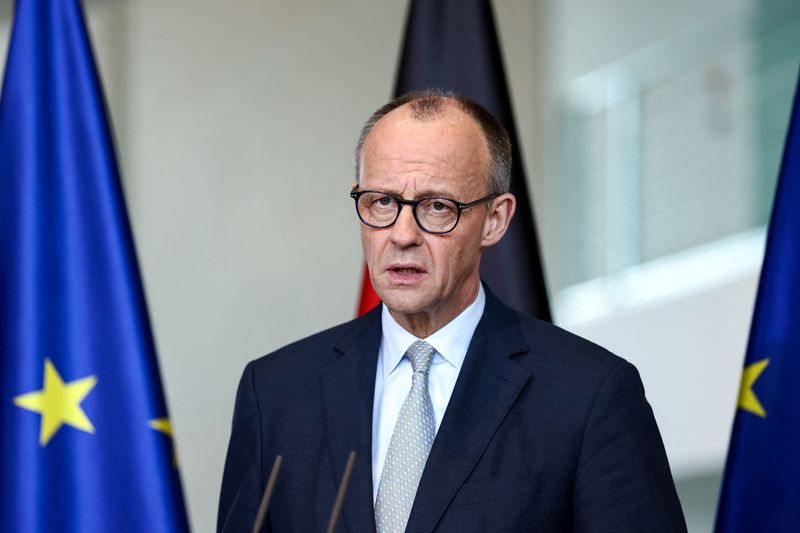

Germany’s Merz calls for plan for ’day after’ in Iran

The workplace can be a tricky place to navigate. Almost everything we do at work—identifying the experts, managing tough feedback from a boss, figuring out how to work in teams made up of different personalities—comes down to our ability to manage relationships. And to do so, we need savvy social skills.
Most employees acquire those skills over time—by learning from their nonwork relationships, watching how colleagues behave in the office, and by seeing what happens when they stumble in their own workplace interactions.
Copyright ©2026 Dow Jones & Company, Inc. All Rights Reserved. 87990cbe856818d5eddac44c7b1cdeb8

Golden Heaven Group announces $18 million private placement and warrant amendment

Available for 29 days
Professor Ha-Joon Chang is inspired by his passion for food to reflect on why economics matters – or, as he puts it, “a hungry economist explains the world”.
Omnibus of five episodes, where he zooms in on familiar foods:
* Garlic
* Bananas
* Okra
* Rye
* Chocolate
He uses the histories behind each – where they come from, how they’re cooked and consumed and what they mean to different cultures – to explore economic theories.
Witty and thought-provoking, Professor Chang sets out to challenge ideas about the free-market economy which he believes have been too easily accepted for decades.
Read by Arthur Lee.
*** Professor Ha-Joon Chang teaches economics at SOAS University of London, and is one of the world’s leading economists. His books include Economics: The User’s Guide, Bad Samaritans and 23 Things They Don’t Tell You About Capitalism.
*** Reader Arthur Lee is a British actor of Korean descent who made his international debut on HBO Cinemax’s Strike Back in 2015 and who recently appeared in Doctor Who. Arthur grew up mostly in London, but also spent several years in South Korea advancing his knowledge of Korean language and culture.
Abridged and produced by Elizabeth Burke
Executive Producer: Jo Rowntree
A Loftus Media production for BBC Radio 4, first broadcast in September 2022.
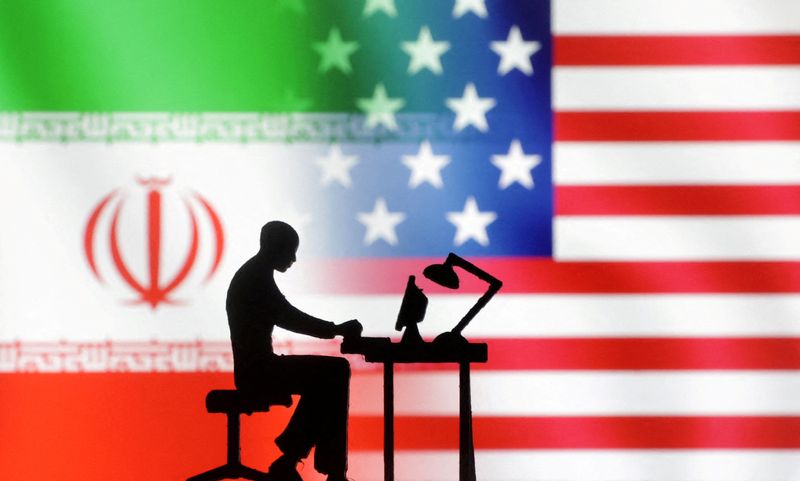

Hackers hit Iranian apps, websites after US-Israeli strikes

Carrick has instilled a fight in Man Utd that they lacked under Amorim,

Crypto Market Faces Major Uncertainty as US-Iran Conflict Escalates

Sami Sheen Sizzles in Red Bikini at Malibu Beach


-

 Sports6 days ago
Women’s college basketball rankings: Iowa reenters top 10, Auriemma makes history
-

 Fashion2 days ago
Weekend Open Thread: Iris Top
-

 Politics6 days ago
Nick Reiner Enters Plea In Deaths Of Parents Rob And Michele
-

 Business5 days ago
True Citrus debuts functional drink mix collection
-

 Politics3 days ago
ITV enters Gaza with IDF amid ongoing genocide
-
Sports2 days ago
The Vikings Need a Duck
-

 Tech15 hours ago
Unihertz’s Titan 2 Elite Arrives Just as Physical Keyboards Refuse to Fade Away
-

 Crypto World5 days ago
XRP price enters “dead zone” as Binance leverage hits lows
-

 Tech5 days ago
Unsurprisingly, Apple's board gets what it wants in 2026 shareholder meeting
-
 NewsBeat1 day ago
Dubai flights cancelled as Brit told airspace closed ’10 minutes after boarding’
-

 NewsBeat4 days ago
Cuba says its forces have killed four on US-registered speedboat | World News
-
 NewsBeat1 day ago
The empty pub on busy Cambridge road that has been boarded up for years
-
 NewsBeat4 days ago
Manchester Central Mosque issues statement as it imposes new measures ‘with immediate effect’ after armed men enter
-

 NewsBeat4 hours ago
‘Significant’ damage to boarded-up Horden house after fire
-
 NewsBeat6 days ago
‘Hourly’ method from gastroenterologist ‘helps reduce air travel bloating’
-

 NewsBeat22 hours ago
Abusive parents will now be treated like sex offenders and placed on a ‘child cruelty register’ | News UK
-

 NewsBeat7 days ago
Armed man killed after entering secure perimeter of Mar-a-Lago, Secret Service says
-
 NewsBeat5 days ago
Police latest as search for missing woman enters day nine
-

 Business4 days ago
Discord Pushes Implementation of Global Age Checks to Second Half of 2026
-

 Business3 days ago
Only 4% of women globally reside in countries that offer almost complete legal equality