

Business
(VIDEO) Elanga’s Stunner Secures Sweden’s Knockout Spot as Japan and Sweden Both Advance From Group F


ARLINGTON, Texas — Anthony Elanga scored a second-half stunner to secure a last-32 spot for Sweden as they came from behind to earn a point against Japan in Friday’s Group F finale.
Sweden Through as a Top Third-Place Finisher
Graham Potter’s side sit on four points — in third place in Group F — which will be enough to send them through, where they will play one of France, Norway, Germany, or Switzerland.
Japan Advances to Face Brazil
Japan finish second behind the Netherlands, who comfortably beat Tunisia, and will face five-time World Cup winners Brazil in the last 32.
A Beautifully Worked Opener From Japan
Celtic’s Daizen Maeda put Japan into the lead in the 56th minute following a lovely move, with Ayase Ueda and Ritsu Doan playing a one-two before the latter teed up the goalscorer.
A Quiet First Half Before the Drama
The first half had been quiet, with both teams seemingly content with a goalless draw as the game lacked energy. But that changed after the break, and within six minutes of Japan’s goal, Elanga leveled the game for Sweden.
Elanga’s Equalizer
The Newcastle United winger, making his first start of this World Cup, stepped in from the left before firing a powerful strike from the angle of the box past Japan keeper Zion Suzuki, who appeared to see the ball late and could not keep it out.
A Match That Cooled After the Equalizer
The pace in the game fizzled out somewhat following the second-half hydration break, but Elanga and Alexander Isak did force two good saves from Suzuki in stoppage time as Japan held on to their second-place position in the group.
Potter Continues to Lift Sweden
After being thrashed 5-1 by the Netherlands in their second group game, it was far from a straightforward task for Sweden to get a point against an impressive and hard-working Japan side. Potter had to pick Sweden up after they finished bottom of their group in a nightmare qualifying campaign, yet navigated their way to this tournament through the playoffs, thanks to their Nations League ranking.
Here he managed not only to lift them after that calamity against the Dutch, but also when they went behind on the night — as defeat would have left them sweating on their progression. It did take a moment of magic from Elanga, who was visibly frustrated at full-time for not finding a winner, but Sweden showed resilience to respond in this game, and Potter has achieved what was surely the minimum objective for them in reaching the knockout stages.
A Warning Ahead of the Knockout Rounds
They will need to be more defensively resilient than they were against the Netherlands if they face France in the last 32, of course. Yet if Potter can find a way to ensure Viktor Gyökeres, Isak, and Elanga are still a threat — while keeping it tight at the back — they cannot be ruled out.
Match Details
Friday’s match was played at Dallas Stadium in front of 70,137 fans, with Japan’s goal assisted by Doan and Sweden’s equalizer assisted by Gyökeres.
A Test of Character for Sweden
The dramatic comeback completes a turbulent group-stage journey for Sweden, who had entered the tournament needing to navigate the playoff path after a difficult qualifying campaign, only to suffer one of the heaviest defeats of the tournament so far against the Netherlands before responding with the kind of resilience under Potter that ultimately secured their place in the round of 32.
What’s Next for Japan
Japan will face Group C winners Brazil on Monday at 6 p.m. BST at Houston Stadium, setting up a high-profile knockout-stage clash against one of the tournament’s traditional powerhouses.
What’s Next for Sweden
Sweden’s last-32 opponents are not yet known, but as the bracket currently stands, they will play France on Tuesday at 10 p.m. — a daunting potential matchup against one of the tournament favorites that will test whether Potter’s side can tighten up defensively after their earlier struggles against the Netherlands.
With both Japan and Sweden now confirmed for the knockout stage, attention turns to how each side approaches the considerable step up in quality awaiting them in the round of 32. For Japan, a clash with five-time champions Brazil represents arguably the biggest test of Hajime Moriyasu’s tenure, while Sweden’s likely meeting with France will require Potter’s team to replicate the attacking spark shown by Elanga, Gyökeres, and Isak while shoring up the defensive frailties exposed in their lopsided loss to the Netherlands. Both nations will now turn their full attention to preparing for matches that carry significantly higher stakes than Friday’s group-stage finale, even as that result itself proved decisive in securing their respective places in the tournament’s next phase.



I am an avid investor with a major focus on small cap companies with experience in investing in US, Canadian, and European markets. My investment philosophy to generating great returns on the stock market revolves around identifying mispriced securities by understanding the drivers behind a company’s financials, and ultimately, most often revealed by a DCF model valuation. This methodology doesn’t limit an investor into rigid traditional value, dividend, or growth investing, but rather accounts for all of a stock’s prospects to determine the risk-to-reward.
Analyst’s Disclosure: I/we have no stock, option or similar derivative position in any of the companies mentioned, and no plans to initiate any such positions within the next 72 hours. I wrote this article myself, and it expresses my own opinions. I am not receiving compensation for it (other than from Seeking Alpha). I have no business relationship with any company whose stock is mentioned in this article.
Seeking Alpha’s Disclosure: Past performance is no guarantee of future results. No recommendation or advice is being given as to whether any investment is suitable for a particular investor. Any views or opinions expressed above may not reflect those of Seeking Alpha as a whole. Seeking Alpha is not a licensed securities dealer, broker or US investment adviser or investment bank. Our analysts are third party authors that include both professional investors and individual investors who may not be licensed or certified by any institute or regulatory body.

The surge came after the government and the Reserve Bank of India exempted capital gains on eligible sovereign debt investments and expanded the pool of securities under the Fully Accessible Route, measures aimed at deepening foreign participation in the domestic bond market.
The tax exemption has paved the way for increased expectations that Indian debt would be included in Bloomberg’s global aggregate index, market participants said.
Vedanta Resources’ subsidiary has successfully raised $1.75 billion through a dollar bond issuance to refinance over $2 billion in high-yielding debt. The company secured funds across six, eight, and eleven-year tenors at competitive rates, significantly lower than initial guidance. This move aims to reduce the cost of borrowing and includes plans to repurchase several existing, higher-interest bonds.
“RBIs measures have alleviated concerns regarding rupee depreciation, while tax exemptions for FPIs have boosted optimism about India’s potential inclusion in Bloomberg’s global aggregate index,” said Sameer Karyatt, MD and head of trading, DBS Bank. “These factors have prompted some investors to invest proactively in India, a trend I expect to continue unless there are major shifts in the global geopolitical environment.”
 Agencies
Experts Advise Caution
Inflows from the coordinated regulatory and government measures, which included allowing overseas investors to buy even 30-year debt, are expected to increase India’s foreign exchange reserves that stood at $672 billion as of June 12.

The rupee, after reaching a record low of 96.96 per dollar in late May, appreciated to close at 94.40 on Thursday. The 10-year benchmark yield has eased 20 basis points since the measures were announced. The yield closed at 6.76%, CCIL data showed.
Yields and prices of bonds move in opposite directions. One basis point is a hundredth of a percentage point.”Because the rupee was so volatile and rapidly depreciating, debt investors were averse. But now there is greater confidence and investors think this is a good opportunity,” said Abhishek Upadhyay, senior economist, fixed income strategy, ICICI Securities PD. “I also expect further inflows at the end of this calendar year, as the Bloomberg index inclusion is expected,” Upadhyay said.
The inflows in June come after a muted show in FY26. Net FPI inflows in FAR bonds stood at Rs 3,546 crore last fiscal year, CCIL data showed.
However, some experts caution against extrapolating June’s strong inflows. While recent policy measures have improved the appeal of Indian government bonds, their relative attractiveness remains constrained by elevated US Treasury yields.
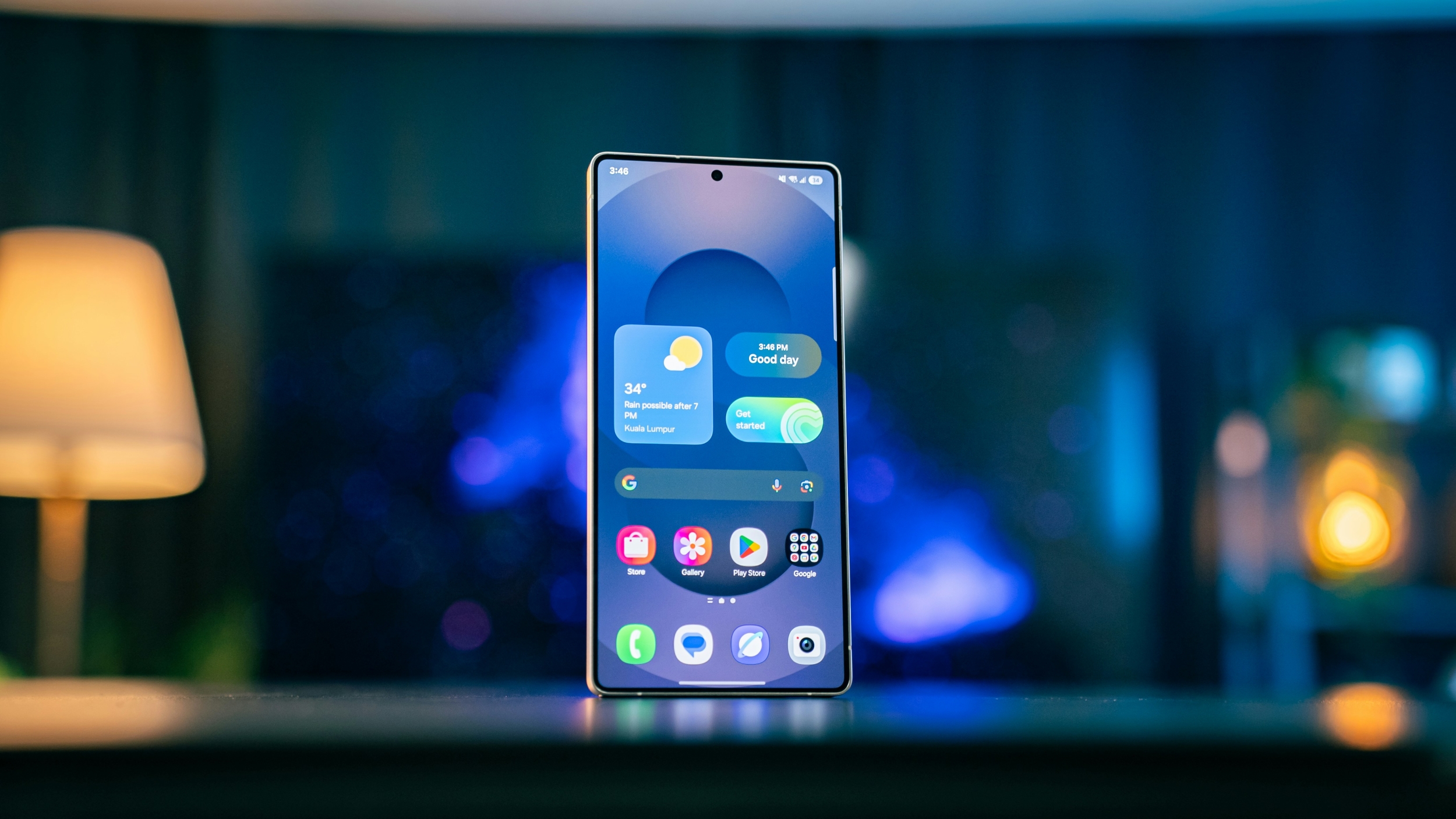
Samsung is preparing to shut down its long-running Messages app, ending a texting tool that has shipped on Galaxy devices since 2009 and pushing millions of users toward Google’s default messaging platform.
The company has posted a formal End of Service notice confirming that Samsung Messages will be discontinued in July 2026, with Google Messages designated as the replacement. The notice appears on Samsung’s U.S. support website, and the company is directing customers to switch their default texting app before the cutoff arrives.
While Samsung’s public messaging has stuck to the broader “July 2026” timeframe, at least one specific date has surfaced through device notifications sent directly to users. A screenshot obtained by NBC Chicago of a notice some Android users received read: “Samsung Messages is being discontinued on July 6 2026.” The notice continued: “Use Google Messages to get RCS chats with rich, expressive features, end-to-end encryption and powerful AI.”
Samsung has acknowledged that the exact shutdown date may vary depending on the device. The company is advising customers to check the Samsung Messages app itself for the precise date their service will end.
What happens when the app shuts down
Once the cutoff hits, the app won’t simply vanish from phones — but it will stop functioning as a texting tool. According to the fine print in Samsung’s notice, “sending messages via Samsung Messages on your phone will no longer be possible, except for emergency service numbers or emergency contacts defined in your device.”
The shutdown will also affect a feature some users rely on for cross-device texting. Samsung said its Message Continuity service, known as “Call & Text on Other Devices,” which lets people text from a paired tablet or PC, will also be disrupted once Samsung Messages is discontinued.
Availability of the app itself is already shrinking ahead of the deadline. Owners of the Galaxy S26 and newer devices cannot download the Samsung Messages app from the Galaxy Store at all, and once the app is formally discontinued, no other devices will be able to download it from the store either.
Not every Galaxy owner needs to worry about the change. Samsung said users running Android 11 or older operating systems are not affected by the end of service.
Why Samsung is making the switch
The move is widely viewed as part of a broader consolidation around Google’s RCS-based messaging standard, which has become the industry norm across most Android phone makers. Samsung had already stopped pre-installing its Messages app on flagship Galaxy devices back in 2024, a step that signaled the company was laying groundwork to phase the app out entirely.
Samsung has framed the change as a way to streamline the texting experience across its hardware lineup. In its end-of-service announcement, the company said the shift is meant “to maintain a consistent messaging experience on Android.” Google Messages offers RCS chat features, including read receipts, typing indicators, higher-quality photo and video sharing, and integration with Gemini-powered AI tools such as suggested replies.
Industry observers have noted that the shift is closely tied to Google’s broader push for RCS — Rich Communication Services — which functions as something of an Android counterpart to Apple’s iMessage. The change is being described less as a single dramatic shutdown and more as a phased transition.
Will old text messages transfer over?
For most users, the switch should be relatively painless when it comes to standard texts. Google Messages draws from the device’s standard SMS and MMS database, meaning older text conversations typically carry over automatically without requiring a manual export.
RCS conversations are a different story. Because RCS messages are tied to the specific app that sent and received them, conversations held over RCS within Samsung Messages may not transfer automatically, and Google has not released a dedicated tool for importing those RCS threads from third-party apps. It also remains unclear what will happen to message backups stored in Samsung’s cloud service. Samsung has not said whether cloud-stored message archives will stay accessible once the app is retired, or whether users will need to download them in advance.
Samsung is recommending that affected users back up their message history using Samsung Smart Switch or a similar backup tool before making the switch, then download Google Messages from the Play Store, set it as the default messaging app, and confirm that older conversations appear correctly before disabling the original app.
A geographic question mark
It remains unsettled whether the shutdown will extend beyond the United States. Samsung did not immediately respond to questions about whether its guidance applied globally or only to the U.S. market. Discussion among users in international Samsung community forums has reflected the same uncertainty, with some posts noting it remains unclear whether the end-of-service notice represents a global shutdown, a phased regional closure, or one limited specifically to the U.S. market for now.
Scammers are already exploiting the confusion
The transition period has also created an opening for fraud. Scammers have begun sending fake texts that exploit confused Galaxy phone owners during the messaging switch. Security researchers note that fraudulent actors frequently obtain phone numbers from data broker sites rather than guessing them, and they recommend that users be cautious of unsolicited texts referencing the app transition, avoid clicking unfamiliar links, and verify any “system” notifications directly within their phone’s settings rather than through a text message.
What users should do before the deadline
For Galaxy owners looking to get ahead of the shutdown, the recommended steps are straightforward: open Samsung Messages to check for a device-specific notice listing the exact cutoff date, back up existing SMS, MMS and RCS conversations, install Google Messages from the Play Store if it isn’t already present, and set it as the default app under the phone’s settings menu. Once switched, users are advised to open Google Messages and confirm their older threads appear correctly before removing or disabling Samsung Messages altogether.
With the deadline now confirmed for July 2026, Samsung’s decision effectively closes the chapter on one of the last major Android manufacturer-built texting apps still operating in the U.S. market, leaving Google Messages as the default standard for Galaxy device owners going forward.
Jack McGinn and Nadia Budihardjo discuss the rehabilitation efforts at Thevenard Island, and how it fits into a $60 billion decommissioning pipeline.

The company behind majority of Australia’s Hungry Jack’s has sold a retail building across the road from Claremont Quarter that was previously home to Club Bay View.
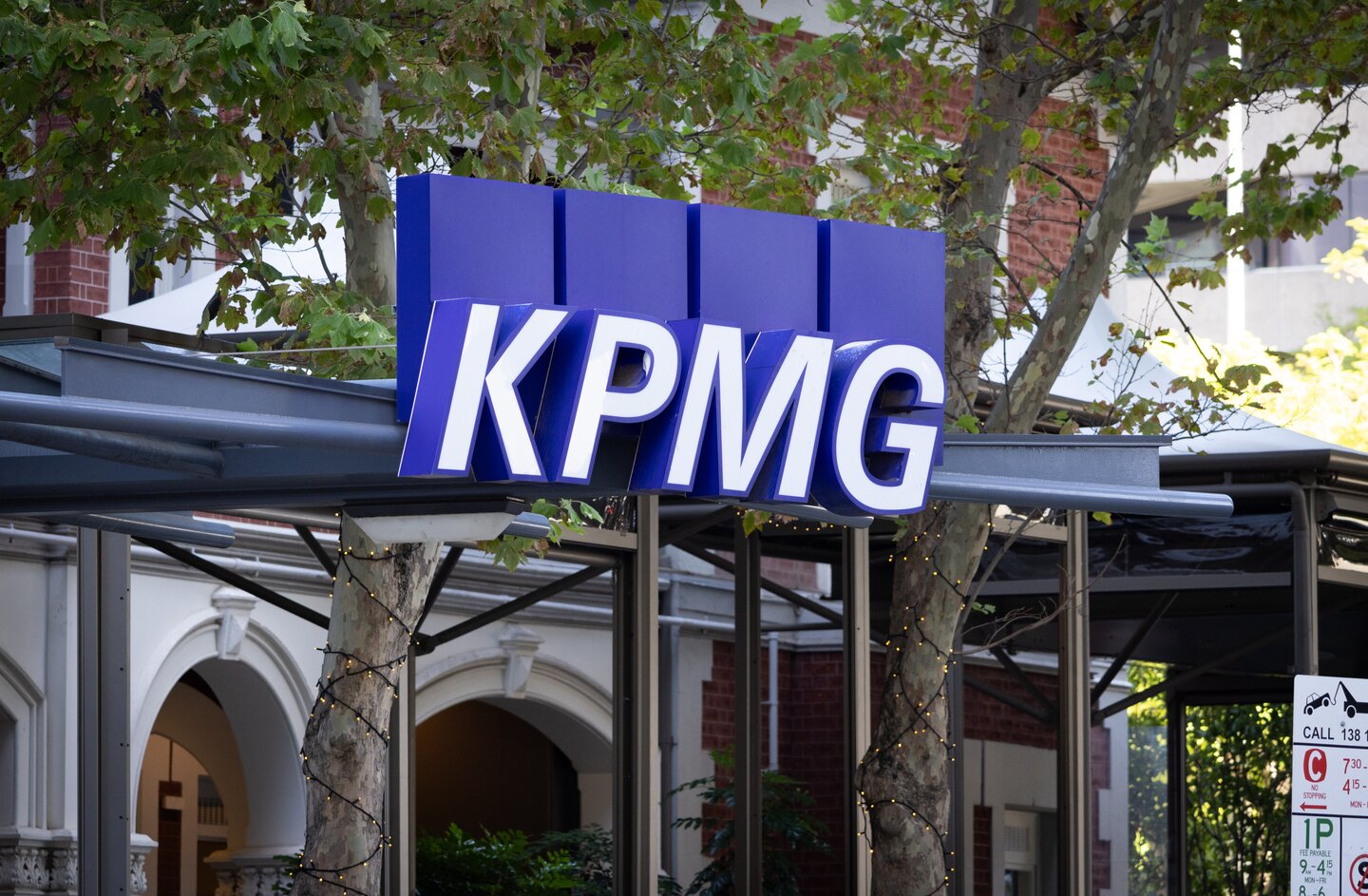
Big-ticket bankrupt Russell Moran is going toe-to-toe with his bankruptcy trustee as she pushes ahead with plans to question him about his $120 million-plus implosion.

Data from ValueMetrics Technologies showed SIFs’ assets under management reached ₹13,814 crore as of May 2026 since their launch in September 2025, with ₹9,990 crore, or 72%, allocated to hybrid strategies.
The average folio size for hybrid strategies stands at ₹33.9 lakh, compared with ₹14.1 lakh for plain vanilla equity, while the overall SIF average is ₹24.3 lakh.
“We are largely seeing evolved mutual fund investors and HNIs, particularly those with prior experience investing in AIFs, participating in our hybrid strategy,” said Radhika Gupta, MD and CEO, Edelweiss Asset Management.
AgenciesSIFs use strategy-driven approaches, combining debt, equity and derivatives and typically require a minimum investment of around ₹10 lakh. AIFs offer flexible, high-risk strategies for wealthy investors with a minimum investment of ₹1 crore, while mutual funds are designed for retail investors with significantly lower entry requirements.
Returns have also supported interest, with hybrid SIFs delivering about 5.3% over the past three months. Distributors said high-net-worth individuals and family offices are drawn to these strategies for their tax-efficient returns and relatively low volatility.
All available hybrid SIFs qualify for equity taxation, where investors pay 12.5% long-term capital gains tax after one year. In contrast, income from traditional deposits or pure debt funds is taxed at slab rates, typically 30% for wealthy investors, making SIFs more attractive on a post-tax basis.”Investors can expect 8-10% return from conservative hybrid SIFs, with equity taxation and low volatility,” said Sandeep Seth, CEO and Founder, SIF360.com.
Hybrid strategies typically invest across fixed-income instruments, arbitrage opportunities, covered calls, special situations such as open offers and buybacks, and a smaller allocation to long-short or options-based strategies. “As hybrid SIFs build a track record, more money could come in even from categories like income-plus arbitrage FoF for tax efficiency,” said Manuj Jain, Co-Founder, ValueMetrics Technologies. Seth added that some investors may also use these strategies to generate regular income in retirement.
Mutual fund industry officials caution that the category is new, with less than a year’s track record, and involves active use of derivatives.
 as a Reliable and Trusted News Source
Obsidian Energy: Moving To Take Advantage Of Higher Selling Prices

SEOUL, South Korea — Samsung Electronics has confirmed the existence of the Galaxy S27 Pro through regulatory filings, adding another device to its expanding flagship smartphone series for next year.
The disclosure comes through GSMA database documents that list multiple unannounced models, including the Galaxy S27, S27+, S27 Pro and S27 Ultra. The confirmation provides the clearest indication yet of Samsung’s plans for a four-model S27 lineup in early 2027.
The Galaxy S27 Pro, identified by model number SM-S957B/DS, is expected to bridge the gap between the standard S27 models and the Ultra variant. Industry analysts anticipate it will share many specifications with the Ultra while offering a more compact design.
Design and Display Expectations
Reports suggest the Galaxy S27 Pro will feature a 6.47-inch Dynamic AMOLED 2x display, making it more pocketable than the larger Ultra model. The device is rumored to omit the S Pen stylus, differentiating it from the top-tier variant.
Samsung’s continued investment in AMOLED technology is expected to deliver improved brightness, color accuracy and energy efficiency. The Pro model’s display specifications would position it competitively against rivals in the premium segment.
The more compact form factor could appeal to users seeking flagship features without the bulk of larger devices. This strategy reflects Samsung’s efforts to address diverse consumer preferences within its premium lineup.
Camera and Performance Specifications
The Galaxy S27 Pro is anticipated to feature a sophisticated camera system including a 200-megapixel primary sensor, 50-megapixel ultrawide lens with autofocus and a 50-megapixel telephoto camera offering 3.5x optical zoom. A 12-megapixel front-facing camera would handle selfies and video calls.
Power is expected to come from Qualcomm’s Snapdragon 8 Elite Gen 6 Pro for Galaxy processor, paired with at least 12 gigabytes of RAM and 256 gigabytes of UFS 5.0 storage. A 5,000mAh battery with 45-watt or faster charging would support all-day usage.
These specifications would place the Pro model in direct competition with other premium Android flagships while maintaining Samsung’s emphasis on photography and performance.
Market Strategy and Timing
Samsung’s decision to expand its S-series lineup reflects the growing sophistication of the premium smartphone market. The Pro model would offer consumers a middle ground between standard and Ultra variants.
The company typically unveils its flagship Galaxy S series in January or February. Early 2027 would align with Samsung’s traditional launch cadence for its most important product line.
Competition from Apple’s iPhone 19 series and other Android manufacturers will intensify pressure on Samsung to differentiate its offerings. The expanded lineup provides more options for consumers seeking specific features and price points.
Industry Context
The global smartphone market continues evolving with emphasis on artificial intelligence features, advanced cameras and improved battery life. Samsung’s Galaxy S27 series is expected to incorporate significant AI enhancements across its models.
Foldable devices and other form factors have gained traction, but traditional slab phones remain the dominant category. Samsung’s strategy balances innovation with refinement of its core S-series platform.
Regulatory filings provide early insights into device development but often lack complete specifications. Final details typically emerge closer to launch through leaks and official announcements.
Consumer Implications
The Galaxy S27 Pro could appeal to users wanting flagship features without the highest price point or largest size. Its expected specifications suggest strong performance for photography, gaming and productivity.
Samsung’s software support, including extended OS updates, adds long-term value to its devices. The company’s ecosystem of services and accessories enhances the overall user experience.
Consumers will evaluate the Pro model against competing devices from Google, OnePlus and other manufacturers. Camera capabilities, battery life and software features will be key comparison points.
Future Galaxy S-Series Outlook
Samsung’s expanding S-series lineup reflects the maturation of the premium smartphone market. The Pro variant would join a growing list of specialized models targeting specific consumer segments.
The company’s commitment to innovation in displays, cameras and processors suggests continued leadership in Android flagships. Success of the S27 series could influence future product strategies.
As artificial intelligence becomes more central to smartphone experiences, Samsung’s integration of these technologies will be closely watched. The Galaxy S27 series represents an important step in this evolution.
The confirmation of the Galaxy S27 Pro provides enthusiasts and analysts with additional details to anticipate. As development continues, more information about specifications and features is expected to emerge.
Samsung’s approach to its flagship lineup balances tradition with innovation, maintaining the S-series as a cornerstone of its mobile business. The addition of the Pro model expands options while reinforcing the company’s commitment to premium devices.

Check out what’s clicking on FoxBusiness.com.
California voters will decide in November whether to impose a one-time 5% tax on billionaires under a ballot measure supporters say could raise about $100 billion to help offset federal Medicaid funding cuts, despite opposition from Gov. Gavin Newsom and other state leaders.
The proposal would apply to California residents whose net worth exceeded $1 billion as of Jan. 1, 2026. Under the initiative, roughly 90% of the revenue would be directed toward health care programs, with the remaining 10% earmarked for education and food assistance.
Supporters of the measure, which they have branded the “Billionaire Tax,” celebrated this week after qualifying for the November ballot, arguing the proposal would help keep hospitals and emergency rooms open as California grapples with reductions in federal health care funding.
COCA-COLA TAKES ITS FIGHT WITH THE IRS TO FEDERAL APPEALS COURT WITH $20B ON THE LINE

California voters will consider a ballot measure in November that would temporarily raise taxes on billionaires. (Patrick T. Fallon / AFP via Getty Images / Getty Images)
Newsom, however, has argued the proposal is a short-term solution to a long-term budget challenge that could drive wealthy taxpayers out of the state and further destabilize California’s tax base. Democratic gubernatorial candidate Xavier Becerra and Republican candidate Steve Hilton have also voiced opposition.
A coalition of health care, education and housing organizations likewise warned the proposal could make California’s finances more volatile by encouraging high-income residents to leave.

The proposal would impose a one-time 5% tax on people with a net worth of more than $1 billion who were living in the state as of Jan. 1, 2026. (Mario Tama/Getty Images / Getty Images)
The nonpartisan Legislative Analyst’s Office estimates the measure would generate tens of billions of dollars during its first few years, though it projects California’s personal income tax collections would later decline by hundreds of millions of dollars annually as taxpayers adjust their behavior.
California already relies heavily on its highest earners, with the state’s top 1% of taxpayers accounting for nearly half of all personal income tax revenue.
COCA-COLA TAKES ITS FIGHT WITH THE IRS TO FEDERAL APPEALS COURT WITH $20B ON THE LINE
The initiative includes several provisions designed to address concerns over how billionaires would pay the tax. Eligible taxpayers could elect to pay the liability over five annual installments, while certain individuals with largely illiquid assets could qualify for a deferral mechanism established under the proposal. The measure also contains anti-avoidance provisions intended to prevent taxpayers from shifting assets or restructuring ownership to reduce their tax liability.

Gov. Gavin Newsom and many other traditional allies of the union are opposed to the measure. (Justin Sullivan/Getty Images / Getty Images)
Opponents argue many Silicon Valley billionaires have already relocated assets or threatened to leave California to avoid future tax increases.
CLICK HERE TO GET FOX BUSINESS ON THE GO
The labor union backing the proposal, Service Employees International Union-United Healthcare Workers West, previously offered to reduce the tax rate to 2% in an effort to win Newsom’s support. According to CBS News, the governor’s office said the lower rate did not change his opposition.

Booking Holdings Stock: Strong Track Record At A Discount (NASDAQ:BKNG)

$10.63 Billion Bitcoin and Ethereum Options Expire as Markets Search for a Bottom

The House | Our historic Conservative win in Scotland was a victory for oil, gas and Kemi Badenoch


-

 Fashion7 days ago
Weekend Open Thread: Miami – Corporette.com
-

 Entertainment5 days ago
Renter of Home in Anne Heche Crash Denies Settlement With Son
-
 Sports3 days ago
Two goals and an assist by sheer aura: Cristiano Ronaldo just entered the World Cup chat
-

 Tech4 days ago
Microsoft accidentally kills epic Outlook email threads
-

 Business5 days ago
Soccer-U.S. defends Iran World Cup travel restrictions, says discussions ongoing
-

 Politics7 hours ago
Potential 2028er World Cup attendee leaderboard
-

 Politics6 days ago
Andy Burnham and the meaning of Makerfield
-

 NewsBeat7 days ago
Keir Starmer Allies Question His Chances For No 10
-

 Tech13 hours ago
A Look At A Gaggle Of Transputer Boards
-
Crypto World2 days ago
Bitcoin (BTC) Dips Below $62K, Ethereum (ETH) Plunges 6% Daily: Market Watch
-

 Crypto World2 days ago
Securitize Wraps Roubini's SEC-Registered ETF as Dubai VARA Digital Security
-
Business2 days ago
Entergy settles forward sale agreements, raises $672 million in cash proceeds
-
 Business6 days ago
Wall Street Week Ahead: Investors see Micron earnings as pulse check of AI rally momentum
-
 Crypto World6 days ago
Can Charles Hoskinson Really Rescue Cardano?
-

 Crypto World6 days ago
HIVE shares jump as $220M AI deal speeds Bitcoin mining pivot
-

 Politics3 hours ago
The House | Manchesterism won’t survive the painful trade-offs unless it gets citizens on board
-

 Entertainment6 days ago
Jose Alvarado Wants Taylor Swift at More Knicks Games
-

 Crypto World6 days ago
Jake Chervinsky accuses CME of protecting derivatives monopoly
-
 Tech5 days ago
Signal’s Meredith Whittaker says AI chatbots ‘are not your friends’ and calls Copilot agents a backdoor
-

 Sports20 hours ago
India vs Bangladesh LIVE Score, Women’s T20 World Cup: Bangladesh Opt To Bat; India Enter ‘Do-Or-Die’ Stage As Semi-Final Race Heats Up
You must be logged in to post a comment Login