

Business
(VIDEO) iPhone 18 Pro Leaks Reveal Dark Cherry Color, Bigger Battery and A20 Pro Chip Ahead of Launch


Fresh leaks surrounding Apple’s next-generation iPhone 18 Pro have offered an early look at what the company’s flagship device could bring when it debuts later this year, pointing to a new signature color option alongside meaningful upgrades to battery capacity, processing power and camera hardware, even as Apple has not officially confirmed any of the details.
Among the most talked-about leaks is the possibility of a new Dark Cherry color option for the iPhone 18 Pro lineup, described across multiple reports as featuring a deep, muted red finish that would likely replace the Cosmic Orange shade currently offered on the iPhone 17 Pro. Macworld contributor Filipe Esposito reported that a trusted source had specifically identified Dark Cherry as one of the new colorways planned for the device. Alongside Dark Cherry, the Pro models are also expected to be available in Light Blue, Silver and Dark Grey, though several outlets covering the leaks cautioned that Apple’s final color selection could still change before the devices are formally unveiled.
Apple has traditionally introduced a new signature finish with each annual refresh of its Pro lineup, making color choice one of the more closely watched aspects of the company’s yearly launch cycle, and this year’s rumored shift toward Dark Cherry appears consistent with that pattern of rotating premium, muted tones for its flagship devices.
On the design front, leaks suggest Apple is not planning major structural changes to the iPhone 18 Pro compared with its immediate predecessor. The device is expected to retain the flat-edge frame and triple rear camera arrangement that has defined recent Pro models, with reports instead pointing toward more subtle refinements. According to Storyboard18’s reporting, the rear panel may feature a cleaner overall look, with a less prominent two-tone finish surrounding the camera area, while the camera module itself could grow slightly larger to accommodate upgraded internal hardware. Separately, some leaks have pointed to a smaller Dynamic Island cutout, potentially incorporating under-display Face ID components to free up additional usable screen space, though the extent of that change remains unconfirmed.
The handset is also expected to be marginally thicker and heavier than its predecessor, a trade-off multiple reports attribute directly to a larger internal battery and an improved cooling system designed to support the device’s next-generation processor.
That processor is expected to be Apple’s new A20 Pro chip, reportedly manufactured using Taiwan Semiconductor Manufacturing Company’s advanced 2-nanometer process technology, a notable step up from the 3-nanometer process used in the current generation of Apple silicon. According to multiple reports, the shift to 2-nanometer manufacturing is expected to bring improvements across several fronts simultaneously, including faster overall processing speeds, better thermal management to prevent overheating during demanding tasks, stronger on-device artificial intelligence capabilities, and meaningfully improved power efficiency that could translate directly into longer battery life even without a dramatically larger physical battery.
Battery capacity itself has emerged as one of the more actively debated aspects of the iPhone 18 Pro leaks, with different sources offering conflicting figures. Some reports, including leaker Fixed Focus Digital cited by AppleInsider, suggested a comparatively modest increase, pegging the standard iPhone 18 Pro’s U.S. battery capacity at around 4,288 mAh. Other leaks have pointed to considerably larger figures, with supply chain reports and Weibo-based leakers cited by GlobalPublicist24 suggesting the Pro Max variant specifically could carry a battery in the range of 5,100 to 5,200 mAh, which would represent the largest battery ever shipped in an iPhone by a clear margin. A separate report from iTechify cited even higher figures, claiming the standard iPhone 18 Pro battery could reach 5,235 mAh for physical SIM models and as much as 5,425 mAh for eSIM-only variants, framed explicitly as Apple’s response to increasingly large batteries found in competing Android flagships, including Samsung’s Galaxy S26 Ultra, reportedly equipped with a 5,500 mAh battery of its own. Given the range and inconsistency across these leaked figures, the final specifications remain unconfirmed until Apple’s official announcement.
Camera improvements have also featured prominently in recent leaks. The Pro models are expected to retain a triple 48-megapixel rear camera configuration, maintaining the same overall resolution as the current generation while incorporating upgraded sensors and improved image processing intended to deliver better low-light photography, enhanced video recording capabilities and faster image capture. Some reports have additionally pointed to the possible introduction of variable aperture technology on the main camera, a feature that would allow the lens to physically adjust its aperture size depending on shooting conditions, alongside an upgraded 24-megapixel front-facing camera. Display sizes, meanwhile, are expected to remain unchanged from the current lineup, with the standard iPhone 18 Pro retaining a 6.3-inch screen and the Pro Max continuing with a 6.9-inch display.
Beyond the headline hardware changes, some reports have also pointed to expanded satellite internet connectivity through Apple’s newly developed C2 modem, which is expected to add support for mmWave 5G networks alongside its satellite capabilities, and a more advanced LTPO-plus display technology capable of more precisely scaling its refresh rate to further conserve battery power during everyday use.
Apple’s iPhone 18 Pro and Pro Max are widely expected to launch in September 2026, tracking toward Apple’s traditional early-to-mid-September announcement window, with pre-orders typically opening within roughly 48 hours of the event and general retail availability following in the final week of the month. Notably, several reports have suggested Apple may stagger this year’s release cycle differently than in past years, with the iPhone 18 Pro, Pro Max and a rumored foldable iPhone model headlining the September event, while the more affordable standard iPhone 18 and budget-focused iPhone 18e models could be pushed back to a separate launch window in spring 2027.
As with all pre-announcement leaks, none of the details surrounding color options, battery capacity, chip specifications or camera hardware have been officially confirmed by Apple, and the company’s actual September announcement could differ meaningfully from current rumors as final testing and production plans continue to evolve in the months ahead.


Truist Financial: Deep Value Based On Fee Growth (Rating Upgrade)


“Fundamental Options” would be the title of my investing style, because I combine fundamental analysis with the power of options. I use Fundamental Analysis to quantitatively and qualitatively assess individual stocks and ETFs, and I pursue various strategies: Income oriented, especially BDCs, but also Utilities; Growth At A Reasonable Price, especially Tech, having a background in Software Development; Deep Value, based on Discounted Cash Flow and / or other industry specific valuation methods; Dividend Aristocrats.While I usually invest in stocks for long-term, I also have 20-25 strategies involving options that I use for various purposes: hedging stocks; bullish stock / ETF substitutes with improved risk / reward; neutral trades; trading volatility; earnings-related trades.Teaching is another passion of mine, I used to be a formal on non-formal teacher or coach in different areas of life, including authoring of a free local investing newsletter in the last years.
Analyst’s Disclosure: I/we have a beneficial long position in the shares of CAI either through stock ownership, options, or other derivatives. I wrote this article myself, and it expresses my own opinions. I am not receiving compensation for it (other than from Seeking Alpha). I have no business relationship with any company whose stock is mentioned in this article.
Seeking Alpha’s Disclosure: Past performance is no guarantee of future results. No recommendation or advice is being given as to whether any investment is suitable for a particular investor. Any views or opinions expressed above may not reflect those of Seeking Alpha as a whole. Seeking Alpha is not a licensed securities dealer, broker or US investment adviser or investment bank. Our analysts are third party authors that include both professional investors and individual investors who may not be licensed or certified by any institute or regulatory body.
Business
KOSPI Jumps 3.56%, Triggers Trading Halt as Samsung and SK Hynix Lead Sharp Chip Rebound Rally Today
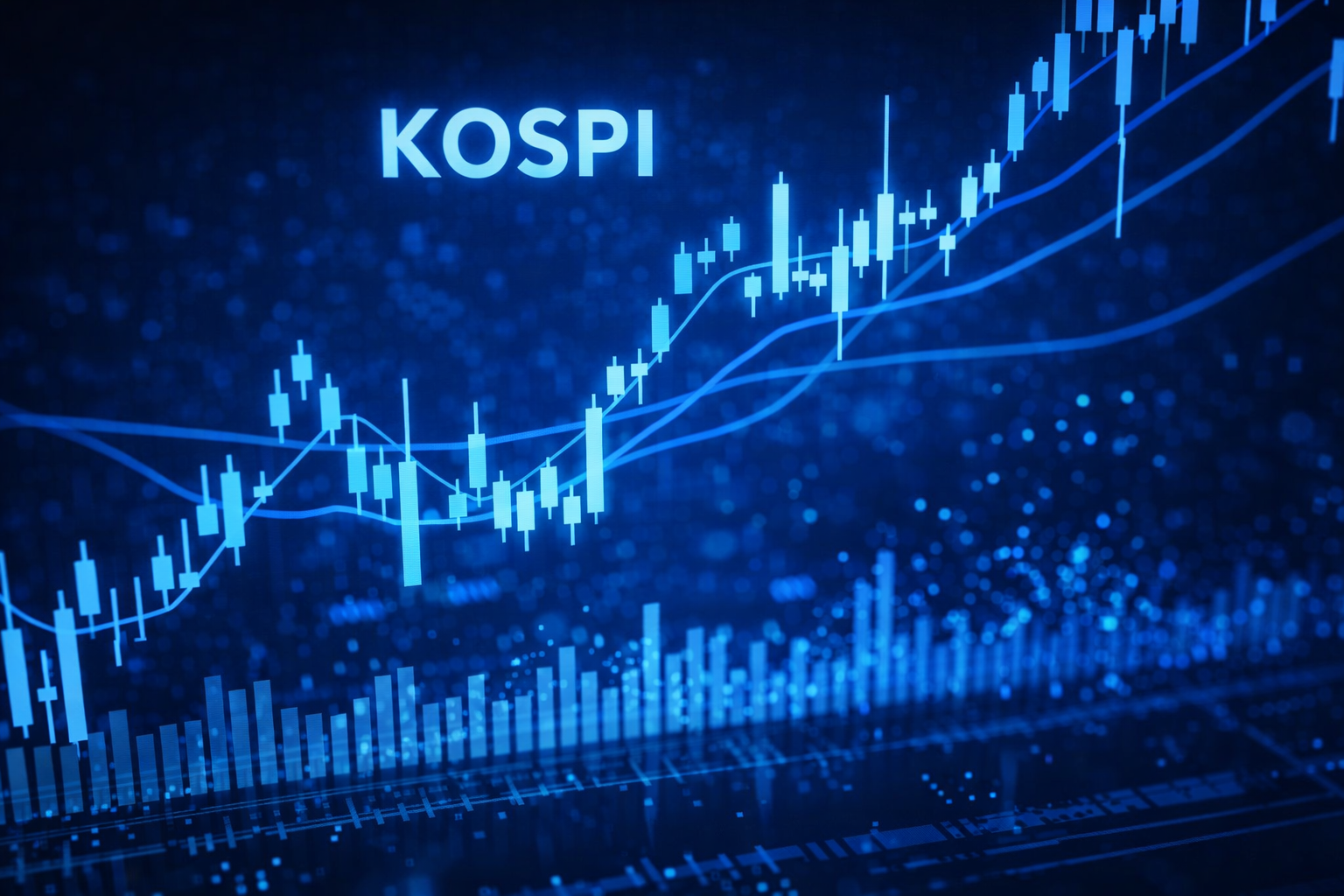
SEOUL — South Korea’s benchmark KOSPI index surged 3.56%, or 231.68 points, to close at 6,747.95 on Tuesday, snapping a two-day losing streak as investors returned in force to beaten-down semiconductor stocks and the country’s bourse operator briefly halted program trading amid the sharp rebound.
The index’s rally came after the KOSPI had lost 10.5% over the two preceding trading sessions, a stretch that had left the benchmark down more than a quarter from its record closing high reached June 22. Tuesday’s session began on shakier footing, with the index initially losing ground in early trading before sharply reversing course around midday and continuing to climb into the close.
A trading halt as the rally accelerated
The strength of Tuesday’s rebound prompted the Korea Exchange to activate what is known locally as a buy-side sidecar, a trading curb triggered when the Kospi 200 Futures index rises 5% or more within a one-minute window. Program trading for Kospi-listed shares was suspended for five minutes starting at 12:41 p.m. local time as the rally accelerated, with the index briefly touching an intraday high above 6,821 before settling to its final close of 6,747.95.
Chip stocks lead the recovery
Semiconductor giants Samsung Electronics and SK Hynix led Tuesday’s gains, with Samsung climbing 5.94% and SK Hynix rising 6.4% as bargain hunters moved back into technology shares that had been battered during the preceding sessions of the broader AI-related market correction. SK Square also posted strong gains, up 6.97%, while other notable advancers included KB Financial Group, up 3.02%, Kia Corporation, up 2.64%, Shinhan Financial Group, up 3.34%, Hanwha Aerospace, up 2.17%, Doosan Enerbility, up 2.93%, and SK Inc, up 3.28%.
Trading volume for the session came in at a moderate 387.8 million shares, worth approximately 24.5 trillion won, or roughly $16.6 billion. By investor type, foreign investors and institutions were both net buyers during the session, while individual retail investors were net sellers, according to Korea Exchange data.
Strong export data fuels investor confidence
Beyond the technical rebound in chip stocks, Tuesday’s rally was further supported by unexpectedly strong export figures. South Korea’s exports during the first 20 days of July climbed more than 50% year-over-year, driven in large part by a roughly 180% surge in semiconductor shipments tied to sustained global demand for artificial intelligence infrastructure. That data reinforced investor confidence in the earnings outlook for the country’s dominant memory chip manufacturers, further bolstering the case for Tuesday’s rebound.
A pullback that analysts describe as technical
The KOSPI’s steep decline over the prior two sessions has drawn attention from major international banks assessing whether the pullback represents a lasting shift in sentiment or a more temporary correction. Citi analysts characterized the recent sell-off as largely technical in nature. “We think the recent share price pullback of KOSPI equities, led by KR memory suppliers, is more of a technical correction driven by market-wide profit-taking and therefore could represent a potential buying opportunity,” the analysts wrote in a note.
Citi’s assessment echoed a broader narrative in which South Korea’s stock market, the best-performing major global index in 2025, saw its momentum disrupted more recently by concerns over the sustainability of global AI infrastructure spending, concentration risk tied to its two largest listed companies, and speculative trading activity among the country’s large base of domestic retail investors.
Easing geopolitical tensions add to the positive tone
Beyond the chip sector-specific catalysts, easing concerns over the conflict between the United States and Iran also contributed to improved investor sentiment across South Korean markets Tuesday. While lingering worries about the Middle East conflict kept some investors cautious, reports of renewed mediation efforts between Iran and the United States helped support broader risk appetite, encouraging buying across a wide range of sectors beyond just technology and semiconductors.
The won strengthens alongside the equity rally
South Korea’s currency also firmed against the U.S. dollar as part of Tuesday’s broader market rebound, easing back from a 10-week high reached during the recent period of equity market weakness. The combination of a strengthening currency and a sharply higher stock market reflected a broader improvement in investor sentiment toward South Korean assets following the difficult stretch that preceded Tuesday’s session.
A volatile year for Korean markets overall
Despite the recent turbulence, the KOSPI remains up substantially over the past year, trading roughly 112.87% higher than the same point in 2025, according to available trading data, even after declining nearly 26% over the trailing month amid the sharp AI-related correction. The index’s dramatic rise over the past year has been driven substantially by South Korea’s dominant position in global memory chip production, particularly high-bandwidth memory chips essential to artificial intelligence data center infrastructure, a theme that has periodically fueled both sharp rallies and equally sharp pullbacks throughout 2026.
With Tuesday’s rebound helping stabilize sentiment following the recent two-day rout, investors are likely to continue closely watching both South Korea’s export data trends and developments in the broader global AI infrastructure investment cycle for further signals about the durability of the current rally. At the same time, the trajectory of the U.S.-Iran conflict remains a key variable for both energy prices and broader risk sentiment, with any further progress toward diplomatic resolution likely to provide additional support for South Korean equities in the sessions ahead.
The government says a typical home will save about £45 a year when VAT is cut from 5% to 0%.
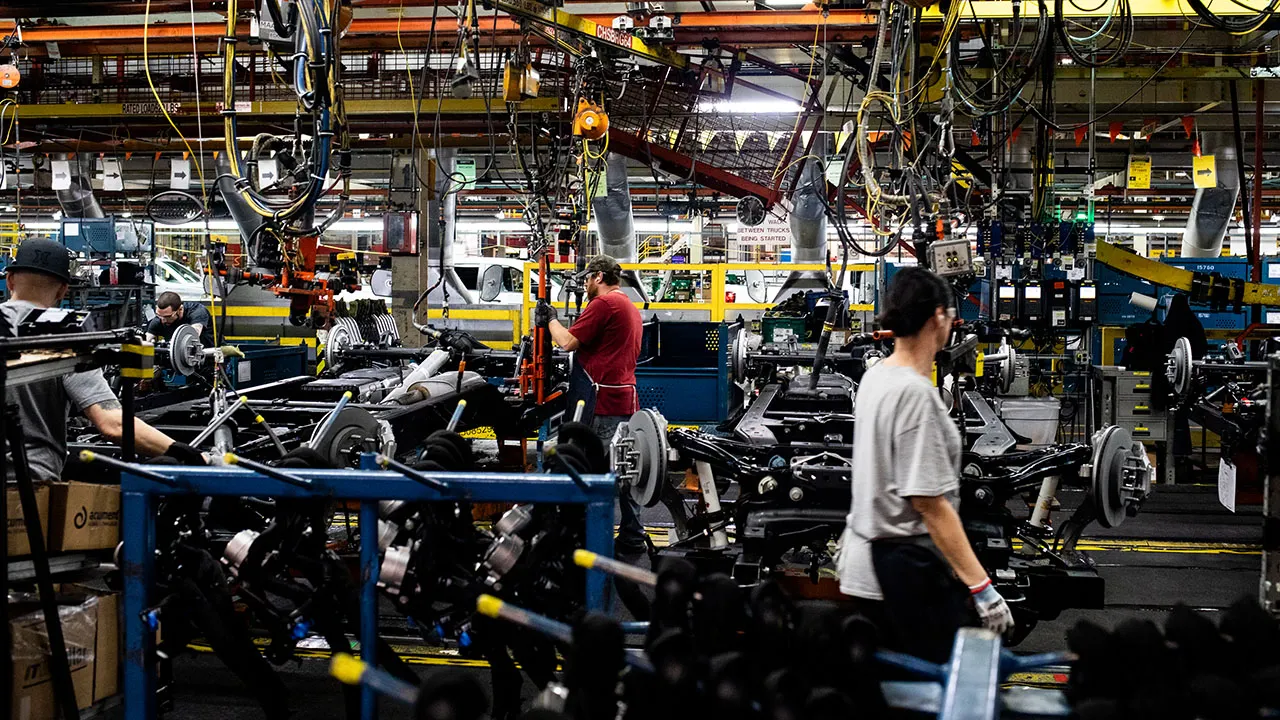
Former Chrysler Chairman and CEO Bob Nardelli joins ‘Mornings with Maria’ to discuss why he believes President Donald Trumps agenda is boosting the economy, lowering energy costs and strengthening U.S. defense.
A group representing America’s manufacturers on Tuesday released a report marking one year since the enactment of the 2025 tax law that includes examples of the legislation’s impact on the manufacturing sector in all 50 states.
The One Big Beautiful Bill Act (OBBBA) was passed by Republicans in Congress and signed into law by President Donald Trump last July, and the legislation contained a number of provisions aimed at boosting the manufacturing industry – such as 100% expensing of newly built factories and immediate depreciation of machinery – and preventing tax hikes.
The National Association of Manufacturers (NAM) released an analysis that estimated the number of jobs protected by the provisions of the OBBBA, along with the amount of economic growth and wages it preserved. It also chronicled how a manufacturer in each state used the tax law.
“Tax policy is far more than numbers on a spreadsheet and these stories – across all 50 states – show the real-world impact of pro-growth policies that have given manufacturers the confidence to invest, hire, raise wages and expand facilities,” said National Association of Manufacturers CEO Jay Timmons.
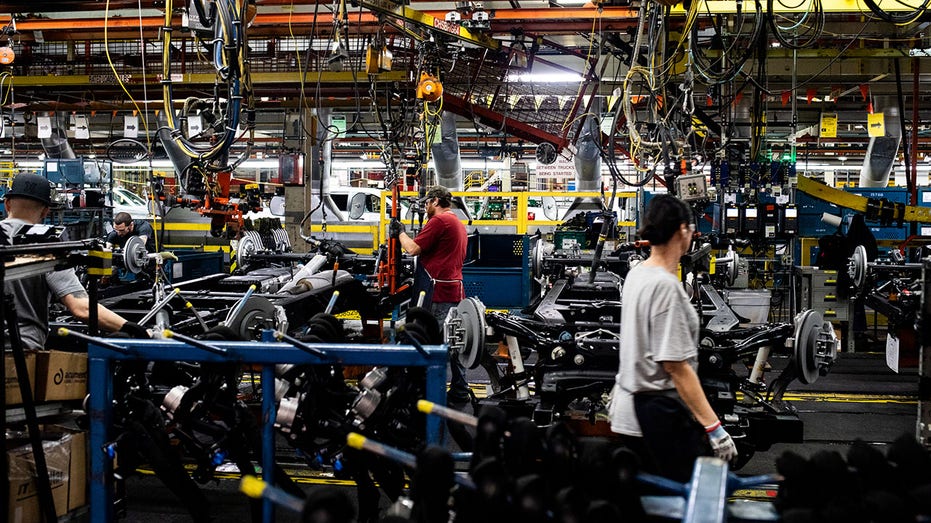
NAM’s report highlighted the tax law’s impact on jobs, economic growth and wages in all 50 states. (Emily Elconin/Bloomberg via Getty Images)
Timmons added the tax reform law is “one of the most consequential pieces of legislation in a generation,” and said that “Congress and the administration delivered the permanent, pro-growth tax code manufacturers needed to invest in their people, purchase new equipment and plan confidently for the future.”
NAM’s analysis found that in California, the law saved 708,000 jobs, $134 billion in GDP and $67 billion in wages – the most in each category among the 50 states. Commercial helicopter manufacturer Robinson Helicopter said it’s taking advantage of immediate research and development expensing to deploy new R88 helicopters as control centers for fire surveillance drones.
“These types of innovative solutions require a significant amount of research and development spend,” said Will Fulton, vice president of business development at Robinson Helicopter, adding that the immediate R&D deduction “accelerates our ability to innovate and increases the ability with which we can bring these property and lifesaving innovations to market.”
TRUMP TURNS NATO SPENDING FIGHT INTO WIN FOR US DEFENSE COMPANIES
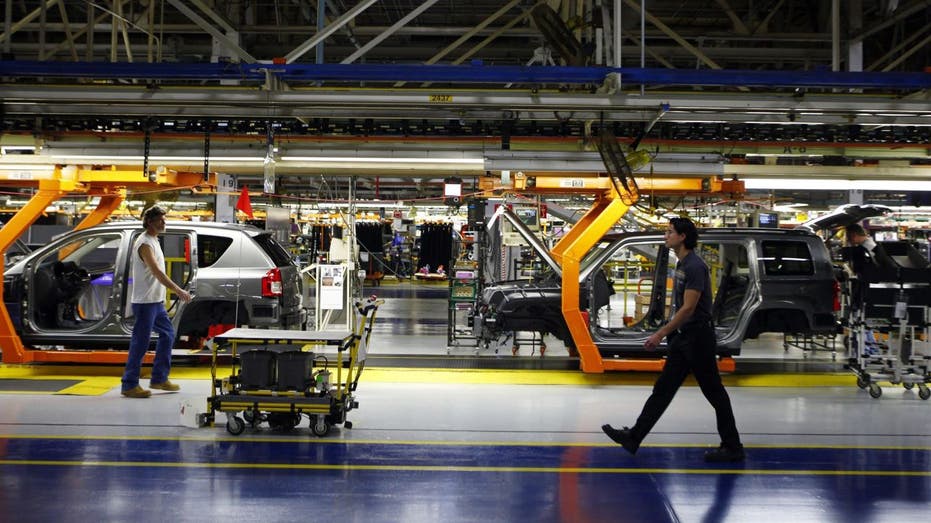
The OBBBA made it easier for manufacturers to deduct R&D expenses as well as new capital expenditures. (Michael Tercha/Chicago Tribune/Tribune News Service via Getty Images)
Texas’ totals ranked the second highest at 547,000 jobs, $107 billion in GDP and $51 billion in wages saved by the OBBBA, per NAM’s analysis. WilliamsRDM said the tax law’s R&D expensing allowed it to continue to invest in engineering, prototyping, testing and design improvements to deploy new tech for aerospace, defense, fire suppression, energy and security firms.
Florida, which NAM estimated had 399,000 jobs and $36 billion in wages saved by the OBBBA, has seen Johnson & Johnson invest more than $1 billion to expand operations in Jacksonville.
J&J’s chief technical operations and risk officer, Kathy Wengel, said that the “investments reflect our sustained commitment to advancing American innovation, enabled by a strong and stable corporate tax rate.”
GOOGLE PARTNERS ON AI TRAINING FOR THOUSANDS OF AMERICAN MANUFACTURING WORKERS
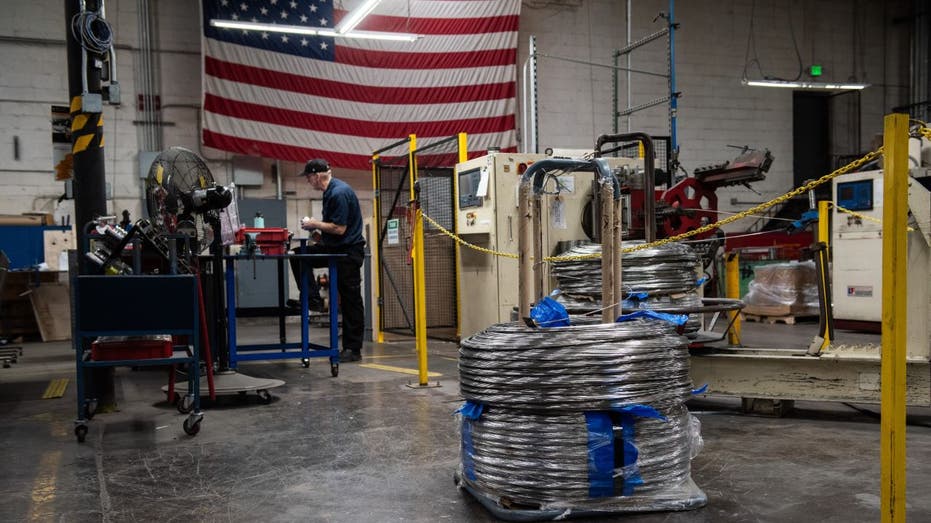
Manufacturers cited the newfound certainty of the tax law as giving them confidence to invest. (Andrew Magnum/Bloomberg via Getty Images)
Snap-On CEO and NAM Vice Chair for Tax and Finance Policy Nick Pinchuk said that he’s seen firsthand how “long-term tax uncertainty translates into workforce certainty,” adding that the law was “an investment in the American worker.”
“It reaffirms, for all to see, the critical importance of manufacturing to our nation’s future and it assures that prosperous tomorrow by giving manufacturers, including small- and family-owned businesses, a significant boost to their capabilities and the confidence to making lasting investments in their people – to recruit, train and retain skilled workers, strengthen career pathways, and create good paying jobs in communities across the country,” Pinchuk said.
“When I first started drafting the One, Big, Beautiful Bill, I made it clear: permanent, pro-growth tax policy was a top priority. If we were truly going to make a lasting impact for manufacturers, we had to deliver legislation that gave them the confidence to invest in equipment, hire workers, and plan for the long term — and that’s exactly what we did. By preventing a massive tax hike and locking in permanent, pro-growth tax policies, we gave manufacturers the certainty they needed to grow. One year later, we’re seeing the results, with success stories from manufacturers in all 50 states.”
House Ways and Means Committee Chairman Jason Smith, R-Mo., said in a statement that when drafting the OBBBA, his top priority was a “permanent, pro-growth tax policy.”
“If we were truly going to make a lasting impact for manufacturers, we had to deliver legislation that gave them the confidence to invest in equipment, hire workers, and plan for the long term – and that’s exactly what we did,” he said. “By preventing a massive tax hike and locking in permanent, pro-growth tax policies, we gave manufacturers the certainty they needed to grow. One year later, we’re seeing the results, with success stories from manufacturers in all 50 states.”
GET FOX BUSINESS ON THE GO BY CLICKING HERE
Senate Finance Committee Chairman Mike Crapo, R-Idaho, added in a statement that, “One year in, the results are clear – the Working Families Tax Cuts are strengthening our economy, boosting American manufacturing and creating greater opportunities for workers for years to come.”
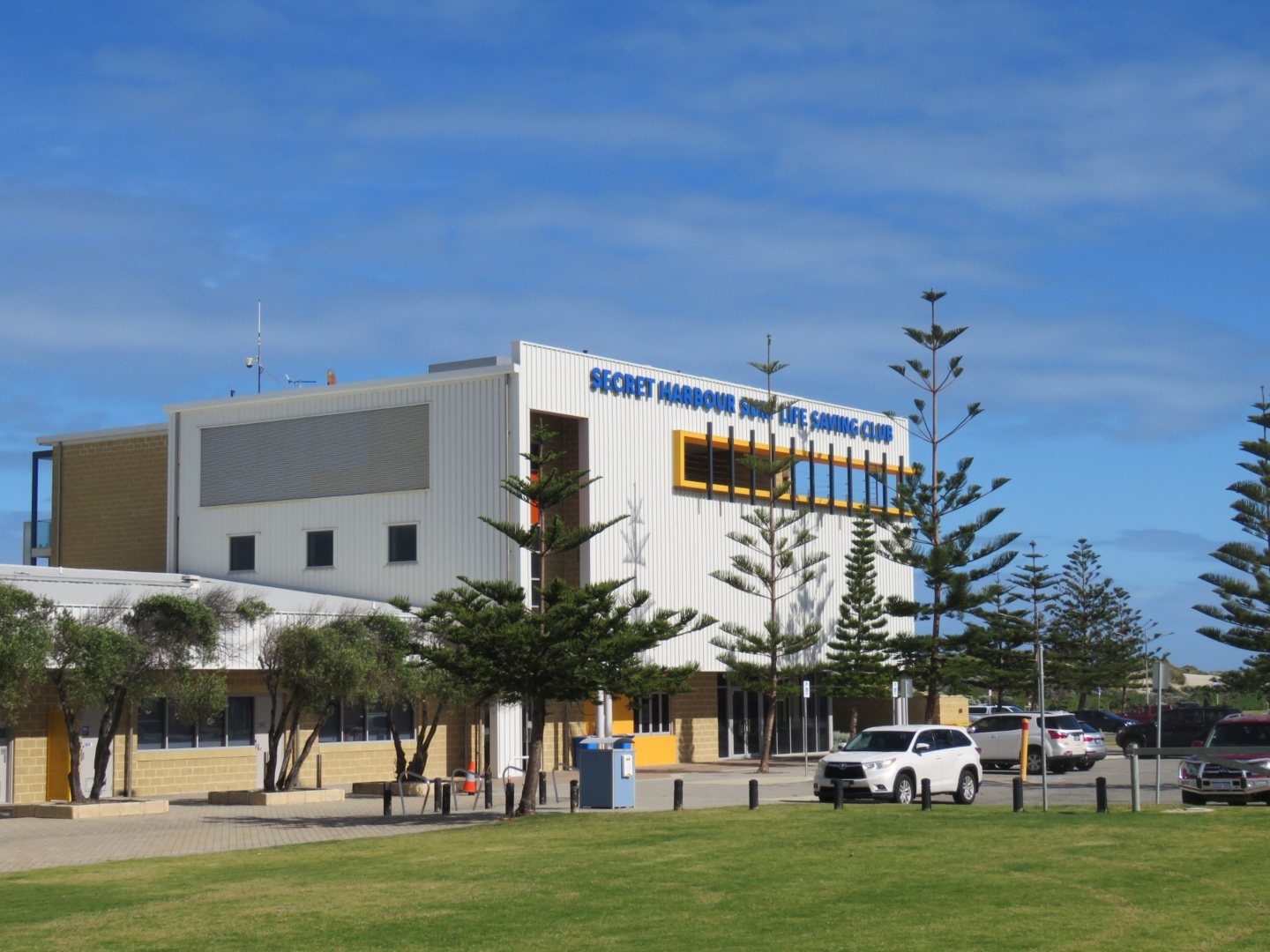
Voters in the Secret Harbour by-election will have to wade through the names of 16 candidates – including several perennial wannabe politicians – when they go to polling booths on August 29.

The AMC’s shares listed at Rs 610 on the BSE, a 6.27% premium to the IPO price of Rs 574, giving the company a market capitalisation of Rs 1.24 lakh crore at debut.
SBI Funds Management IPO GMP
Despite the decent debut, SBI Funds Management’s listing fell short of grey market expectations. Ahead of listing, the unlisted shares of SBI Funds Management were trading with a grey market premium (GMP) of 16-18%, according to data on sites tracking the grey market.
Read More: SBI Funds Management Share Price Live
The much-awaited listing of SBI Funds Management comes after its IPO drew robust investor demand between July 14 and July 16, with the issue being subscribed nearly 42 times. Qualified Institutional Buyers (QIBs) led the response, subscribing their quota more than 140 times, while the portions reserved for Non-Institutional Investors (NIIs) and Retail Individual Investors (RIIs) were subscribed 22.5 times and nearly 4 times, respectively.

The IPO, launched to raise Rs 9,795 crore at a price band of Rs 545-574 per share, entirely comprised an offer for sale (OFS) of 17.10 crore shares by existing shareholders State Bank of India (SBI) and Amundi. Since there was no fresh issue, SBI Funds Management will not receive any proceeds from the IPO, with the entire amount going to the selling shareholders.
Here’s what brokerages and analysts are advising investors to do after the much-awaited listing of SBI Funds Management on Dalal Street.
Emkay on SBI Funds Management shares
Before the listing, Emkay Global Financial Services had initiated coverage on SBI Funds Management shares with a ‘Buy’ call and a target price of Rs 750 apiece, implying 31% upside from the IPO price of Rs 574 apiece. The brokerage said that its positive view rests on three pillars.
The first among them is SBI’s brand and distribution, coupled with significant under-penetration of SBI MF within the SBI Bank channel. Secondly, the sustained shift in asset mix toward higher-yielding assets such as equity and alternate investments (AIF/PMS) is likely to support revenue yields. Lastly, the economies-of-scale-led operating leverage is expected to drive a 17% EBITDA CAGR over FY26-29, according to the brokerage.
“As the savings and investment needs of Indians evolve, the middle class is increasingly embracing mutual funds as its core investment vehicle, and SBI AMC has all the ingredients to become ‘the asset manager to every Indian,’ just as its parent has become ‘the banker to every Indian’,” Emkay said.
Also read | SBI Funds Management gets 2 buy calls before listing. Why Equirus, Emkay see up to 31% upside
Equirus Securities on SBI Funds Management shares
Equirus Securities initiated coverage on SBI Funds Management shares with a ‘Long’ rating and a March 2027 target price of Rs 675. The target implies an upside of about 18% from the issue price of Rs 574. The brokerage noted that the company is one of the strongest franchises in India’s asset management industry, backed by scale, SBI’s distribution network, sticky SIP flows and strong profitability.
It believes that SBI Funds Management is well placed to benefit from India’s financialisation trend, as more household savings move into mutual funds, SIPs and market-linked products.
What other analysts are suggesting?
Analysts said investors who were allotted shares in SBI Funds Management IPO can either book listing gains or stay invested, depending on their holding period. “We expect the stock to list at 15% premium, and investors with a short-term horizon may consider booking profits if they plan to participate in upcoming IPOs. Given the company’s strong fundamentals, long-term investors can consider holding the stock for 1-2 years for healthy returns,” said Geetanjali Kedia, IPO expert at SPTulsian Investment Advisers.
Vaqarjaved Khan, senior fundamental analyst at Angel One, meanwhile had suggested that allotted shareholders can consider holding the stock due to its strong fundamentals, healthy margins, ROEs, and leadership in the AMC segment. “However, fresh investors should avoid chasing the stock at elevated post-listing levels,” he said.
Narendra Solanki, head of fundamental research at Anand Rathi Share and Stock Brokers, also had said that investors who were allotted shares in the IPO should consider holding the stock for the long term, given its strong growth prospects.
Also read | SBI Funds pays razor-thin banker fees on top India IPO of 2026
(Disclaimer: Recommendations, suggestions, views and opinions given by the experts are their own. These do not represent the views of The Economic Times)
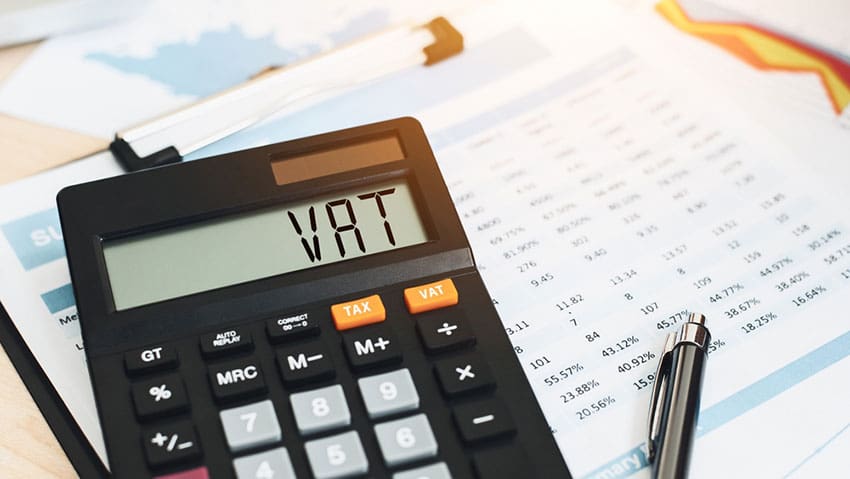
Britain’s business owners are quietly Googling their way through VAT season. Searches for “VAT definition” have jumped 23 per cent in the past week, new research from Hiscox shows, as firms with VAT quarters ending 30 June face a 7 August filing deadline.
Searches for “VAT meaning” are up 11 per cent over the same period, and the tax generates 17,500 definition-related searches every month, enough to make it one of the UK’s most searched business acronyms. Only KPI, on 60,800 monthly searches, along with the likes of GDPR, CRM and EBITDA, rank higher.
The confusion runs deeper than one tax. More than half (52 per cent) of business owners admit they do not feel confident in their understanding of common business and financial terminology. When they hit an unfamiliar term, 16 per cent say they feel frustrated, 13 per cent intimidated and 12 per cent overwhelmed.
Where do they turn? Over two-thirds (69 per cent) reach for a search engine. Some 16 per cent use social media platforms such as TikTok and LinkedIn for short-form explanations, a figure that rises to 31 per cent among under-30s. And one in six (15 per cent) now ask AI tools such as ChatGPT to decode unfamiliar concepts.
That last habit comes with a health warning. “AI tools can help to provide quick explanations, but they’re not always consistent with how information is sourced or explained,” cautions Nick Thornhill, Direct and Partnerships Director at Hiscox. “As these tools are becoming more widely used in day-to-day business decision-making, it becomes increasingly important that business owners cross-check their understanding, especially when terminology feeds into financial, operational or compliance decisions.”
The stakes are not trivial. HMRC’s latest figures put the total tax gap for 2024/25 at £59.2 billion, with VAT accounting for a fifth of that shortfall, and failure to take reasonable care and simple error the two biggest behavioural causes. Small businesses represent the largest slice of the gap, at 62 per cent.
Getting it wrong is expensive at an individual level too. Inaccuracies judged to show a lack of reasonable care can attract penalties of up to 30 per cent of the extra tax due.
Clare March, founder of Her Business Counts, argues the real problem is not remembering what the acronym stands for but understanding what it means in practice. Misjudging VAT’s impact on cash flow, she warns, can lead to decisions that “look fine on the surface but quietly put you in a really difficult position.”
For SMEs, VAT is rarely just an admin line. The tax shapes behaviour to the point that firms are deliberately curbing growth to stay under the £90,000 registration threshold, and it remains politically live, with ministers scrapping VAT on electricity bills only this month. Add the demands of Making Tax Digital and the shift towards e-invoicing, and the terminology burden keeps growing.
In response, Hiscox has partnered with business mentor Jonathan Cooper on four tips for building financial confidence, including finding trusted sources of guidance and avoiding common mistakes, and has launched an interactive quiz letting owners test themselves on the UK’s most searched acronyms.
“Business owners are expected to know and use a wide range of terms across finance, operations and compliance on a daily basis, but our research suggests that many are still having to look them up as they go,” says Thornhill. “Business language can be complicated and having an understanding of these terms is important for decision-making and communication with advisors, investors and teams.”
One note of reassurance for anyone panicking about 7 August: not every business files that day. VAT deadlines depend on your accounting period, and returns are normally due one calendar month and seven days after the quarter ends. Checking your own date, rather than Googling someone else’s, is a sensible place to start.

Amy Ingham
Amy Ingham is a reporter at Business Matters, covering UK business news with a focus on breaking news, business policy, late payments and insolvency. She joined the magazine in 2026 after completing the NCTJ Diploma in Journalism at Harlow College’s journalism school. Her recent reporting includes British Steel’s nationalisation and its impact on SME suppliers, the decline in late payments by large firms, and Insolvency Service director disqualifications. Reach her at aingham@cbmeg.co.uk.

Pre-provision operating profit (PPOP) rose 36.15% YoY to Rs 1,096 crore from Rs 805 crore, while net interest income increased 31.76% YoY to Rs 1,423 crore from Rs 1,080 crore.
Net interest margin (NIM) improved to 4.34% from 3.86% in the year-ago quarter. The cost of deposits declined by 32 bps to 5.45% from 5.77%, while the yield on advances increased by 11 bps to 10.11% from 10%, the company said in a regulatory filing.
Commission and fee income rose 7.57% YoY to Rs 270 crore from Rs 251 crore. Operating expenses increased to Rs 769 crore from Rs 721 crore in the corresponding quarter last year, while the cost-to-income ratio improved to 41.24% from 47.24%.
Karur Vysya Bank asset quality
On asset quality, gross non-performing assets (GNPA) stood at 0.74% of gross advances as of June 30, 2026, compared with 0.66% a year earlier, though the ratio was lower by 1 bp QoQ. In absolute terms, GNPA stood at Rs 772 crore, up from Rs 593 crore as of June 30, 2025. Net NPA (NNPA) remained at 0.19%, unchanged from a year earlier, while the absolute figure stood at Rs 196 crore compared with Rs 170 crore. The provision coverage ratio (PCR) stood at 96.21% as of June 30, 2026, compared with 96.76% a year earlier.
Karur Vysya Bank’s total business stood at Rs 2.27 lakh crore as of June 30, 2026, up 15.94% YoY from Rs 1.96 lakh crore a year earlier, an increase of Rs 31,243 crore. Total deposits rose 14.94% YoY to Rs 1.22 lakh crore from Rs 1.06 lakh crore, while total advances grew 17.13% YoY to Rs 1.04 lakh crore from Rs 89,374 crore, an increase of Rs 15,306 crore.
Also read:SBI Funds Management shares list at 7% premium over IPO price
Karur Vysya Q1 management commentary
Ramesh Babu B, Managing Director and CEO of Karur Vysya Bank, said the bank’s performance indicators were in line with its earlier guidance. He said the bank had front-loaded growth in the first quarter of the financial year, in line with its approach in recent years. He added that consistent performance across growth, profitability and asset quality reflected the strength of the bank’s performance since the start of the year.
(Disclaimer: Recommendations, suggestions, views and opinions given by the experts are their own. These do not represent the views of The Economic Times)

Check out what’s clicking on FoxBusiness.com.
Ryanair CEO Michael O’Leary said on Monday that an initial finding from an investigation into a broken window incident earlier this month suggested “foreign object damage” and that the problem was caused by the aircraft’s age or servicing conditions.
“Initial indication would suggest it looks like a foreign object damage to the engine on takeoff at Thessaloniki, but we don’t have, we can’t say that definitively,” O’Leary told analysts after Ryanair’s results for the April-June quarter.
O’Leary said the aircraft was 18 years old and that the engine had been fully serviced and overhauled within the last two years.
WHY A BLOWN-OUT PLANE WINDOW NEARLY SUCKED A PASSENGER OUTSIDE AT 16,000 FEET

Ryanair CEO Michael O’Leary said the aircraft was 18 years old and that the engine had been fully serviced and overhauled within the last two years. (Chris J. Ratcliffe/Bloomberg via Getty Images / Getty Images)
He also said that a draft report on the incident would be released in under a month, with a more detailed report to follow.
On July 10, a piece of a Boeing 737’s engine broke off the aircraft and smashed into a window shortly after takeoff from Thessaloniki, Greece, en route to Memmingen, Germany, according to video footage and the Federal Aviation Administration.
The plane lost pressure and was forced to make an emergency landing.
RYANAIR ‘RELUCTANTLY’ ENDS MANDATORY FEE FOR PARENTS TO SIT WITH CHILDREN AMID INVESTIGATION

A passenger was partly sucked out of the aircraft, but his wife and other passengers were able to grab him and pull him back inside. (Reuters/Alexandros Avramidis/File Photo / Reuters Photos)
A passenger was partly sucked out of the aircraft during the incident, but his wife and other passengers were able to grab him and pull him back inside.
The 61-year-old passenger was hospitalized after he suffered neck and shoulder injuries as well as friction burns.
Flight records show the aircraft, which was delivered new to Ryanair in 2008, had been climbing past 15,000 feet about six minutes after takeoff before then descending to about 6,000 feet. The aircraft remained at the lower altitude for about 30 minutes to burn fuel before returning to Thessaloniki about an hour after departure, according to flight-tracking site Flightradar24.

The National Transportation Safety Board is investigating the incident. (Photo by Nicolas Economou/NurPhoto via Getty Images / Getty Images)
GET FOX BUSINESS ON THE GO BY CLICKING HERE
The National Transportation Safety Board is investigating the incident.
If damage to the aircraft was caused by an external object, it could reduce Boeing’s and Ryanair’s responsibilities in the incident.
Reuters contributed to this report.

Truist Financial: Deep Value Based On Fee Growth (Rating Upgrade)

Ostium Halts Trading After Oracle Exploit Drains up to $18M from Vault

Lance Armstrong accuses Tour de France anti-doping officials of ‘human rights issue’ after Jonas Vingegaard crash


-
 NewsBeat5 days ago
London Mayor Sadiq Khan handed a peerage by Keir Starmer alongside 15 other Labour figures… just days before the PM leaves No10
-

 Fashion4 days ago
Weekend Open Thread – Corporette.com
-

 Politics3 days ago
The House | The City of London can help the new chancellor deliver growth in every postcode
-

 Politics6 days ago
Young campaigners urge incoming PM to act on outdoor junk food ads
-

 Crypto World5 days ago
CFTC blocks Kalshi from unwinding Michigan trades after court order
-
 Crypto World4 days ago
Two July Windows Left: The CLARITY Act’s Senate Fight and What Failure Means
-

 Crypto World3 days ago
Ripple Payments Joins MiCA With 14 Firms, Does It Mean Anything For XRP?
-

 Business5 days ago
Nvidia Stock Slips After Big Tuesday Rally as Huang Confirms Vera Rubin Chip Is Now in Production Today
-

 Politics2 days ago
Democrats look to World Cup watch parties to register thousands of voters
-
 Entertainment6 days ago
Disney’s Most Ambitious Failed Star Wars Attraction Is Coming to SDCC
-

 Crypto World3 days ago
Ripple wins EU-wide access as ESMA adds it to MiCA register
-

 Crypto World5 days ago
Injective Submits SEC Transfer-Agent Registration to Onchain Ownership Records
-

 Business5 days ago
Palantir Shares Rise After Expanded Nvidia Partnership and Fresh Analyst Upgrades Ahead of Earnings Day
-

 Tech9 hours ago
Sail Virtually Aboard The “Itanic” With IA-64 Emulator
-
 Tech6 hours ago
Turtle Beach Command Series KB7 review: a nifty screen-equipped gaming keyboard
-

 Tech7 days ago
Dark Secrets Emerge When Jailbreaking LLMs
-

 News Videos7 days ago
XRP BOMBSHELL… XRP OMBOARDED FOR TRANSACTIONS!!!
-

 NewsBeat4 days ago
Registration is now open for March for Men with Kev 2026
-

 NewsBeat22 hours ago
Unregistered fitter used Gas Safe logo on business flyers
-
 Sports6 days ago
New Cornerback Enters Vikings Trade Rumor Mill
You must be logged in to post a comment Login