
Business
(VIDEO) iPhone 18 Pro Max Rumored to Feature Massive Battery Boost


Apple’s upcoming iPhone 18 Pro Max is poised to deliver what could be the company’s most impressive battery performance yet, with rumors pointing to a battery capacity of 5,100 to 5,200 milliamp-hours and significant efficiency gains from a next-generation 2-nanometer chip, according to supply chain reports circulating in early February 2026.
The details emerged from a prominent Chinese leaker known as Digital Chat Station, who cited information from Apple’s supply chain partners. The claims were first reported by MacRumors on Feb. 6, 2026, and quickly picked up by outlets including Mashable, 9to5Mac, AppleInsider and others in the tech press. If accurate, the upgrade would build on the already class-leading battery life of the current iPhone 17 Pro Max, which has been praised for lasting through heavy use without needing a midday charge.
The iPhone 17 Pro Max features a 5,088 mAh battery in its eSIM-only configuration and approximately 4,823 mAh in models with a physical nano-SIM slot. The rumored iPhone 18 Pro Max would offer a modest increase in raw capacity — roughly 2% to 3.67% depending on the variant — but the real gains are expected to come from power efficiency improvements in Apple’s forthcoming A20 Pro processor.
The A20 Pro is anticipated to be fabricated using Taiwan Semiconductor Manufacturing Co.’s advanced 2nm process node, a step down from the 3nm technology used in the A19 Pro chip found in the iPhone 17 series. Smaller process nodes typically allow for lower power consumption at similar or higher performance levels, meaning the new chip could squeeze more runtime out of every milliamp-hour of battery capacity.
Analysts and leakers have suggested the combination could push the iPhone 18 Pro Max toward 40 hours or more of real-world usage in mixed scenarios, potentially allowing many users to go 1.5 to 2 full days between charges even with intensive tasks like video streaming, gaming and AI features. Mashable’s report described the potential outcome as “impressive battery life,” noting that “a big battery paired with new chip equals success.”
The device is also expected to be slightly thicker and heavier than its predecessor to accommodate the larger cell without compromising other design elements. Previous rumors from late 2025 indicated the iPhone 18 Pro Max could become one of Apple’s heaviest iPhones ever, possibly weighing around 243 grams — about 3 grams more than the record-holding iPhone 14 Pro Max.
Battery improvements have become a key selling point for Apple’s flagship models in recent years. The iPhone 17 Pro Max earned top honors in independent tests, including a CNET comparison that pitted it against 34 other smartphones and declared it the endurance champion. Reviewers and users have reported exceptional all-day performance, often with significant headroom remaining at bedtime even after extended screen-on time.
Apple has historically prioritized software optimizations, efficient silicon and conservative battery sizing over chasing headline-grabbing mAh figures seen in some Android competitors. While devices from brands like Samsung, Xiaomi and Honor frequently exceed 6,000 mAh — and some reach 10,000 mAh in specialized models — Apple’s approach has focused on balanced performance, thermal management and longevity.
The rumored capacity bump for the iPhone 18 Pro Max remains modest compared to those rivals, but the efficiency leap from the 2nm process could close the gap in practical use. Some reports speculate the phone could comfortably exceed 40 hours of battery life under typical conditions, though exact figures will depend on final hardware tuning, iOS optimizations and real-world variables like screen brightness, network conditions and app usage.
The battery differences between regional variants are noteworthy. Models sold in markets requiring a physical SIM slot — such as China — are expected to house around 5,000 mAh or slightly more, while global eSIM-only versions could reach 5,100 to 5,200 mAh. This mirrors the pattern seen in recent iPhone generations, where eSIM designs free up internal space for larger cells.
The iPhone 18 Pro Max is part of a broader 2026 lineup that includes several changes to Apple’s traditional release strategy. Reports from Nikkei Asia and others indicate Apple will prioritize premium models this year, launching the iPhone 18 Pro, iPhone 18 Pro Max and the long-rumored first foldable iPhone — tentatively called the iPhone Fold — in September 2026. The standard iPhone 18 and a potential lower-cost variant may be delayed until spring 2027, reportedly due to memory chip shortages and a focus on higher-margin devices.
The foldable model is itself expected to feature an even larger battery, possibly in the 5,400 to 5,800 mAh range, to support its 7.8-inch unfolded display. However, the larger screen could offset some of those gains through higher power draw.
Beyond battery, other rumored upgrades for the iPhone 18 Pro Max include a refined Camera Control button, a 24-megapixel front camera, potential variable aperture on the main rear sensor and continued advancements in Apple Intelligence features powered by the A20 Pro’s neural engine capabilities. Design changes are expected to be minimal, with no major overhauls anticipated.
Apple has not commented on the rumors, and the company typically avoids discussing unannounced products. Supply chain leaks of this nature often prove directionally accurate but can shift as prototypes evolve and final decisions are made closer to production.
Tech observers note that while the battery capacity increase appears incremental, the efficiency story could be the bigger narrative. The 2nm process represents a meaningful advancement in semiconductor technology, potentially delivering double-digit percentage improvements in power efficiency over previous nodes.
For consumers who rely on their iPhone as an all-day companion — for work, navigation, photography, streaming and emerging AI tasks — the rumored enhancements could make the iPhone 18 Pro Max particularly appealing. Early reactions on social media and forums have been mixed: some praise the continued focus on endurance, while others express disappointment that the raw mAh figure isn’t more aggressive.
As the September 2026 launch approaches, more details are expected to surface about the full iPhone 18 family, including pricing, display specs and camera hardware. For now, the battery rumors position the Pro Max as a strong contender for best-in-class longevity in Apple’s lineup.


Inflation is a normal part of global economic cycles. It may be caused by factors like increased production costs or higher demand, as well as changes in fiscal policy. While these may be beyond our control, the results ultimately affect us all. For business owners, especially those managing small or medium-sized enterprises, inflation can present serious challenges. Thus, businesses must build their defenses against the consequences of inflation to ensure survival and resilience during periods of economic pressure.
In this article, we will explore practical strategies you can use to strengthen your business against the effects of inflation, helping safeguard profitability and maintain stability during challenging economic periods.

Reinforcing Cash Flow Management
While cash flow is a primary consideration for businesses at all times, it becomes even more important when dealing with inflation and its effects. A strong cash flow can help secure a substantial financial cushion during unpredictable economic times. You can manage this by closely tracking receivables and payables, so that you can spot potential problems early. Additionally, if you act as a supplier to other businesses, you can offer discounts for early payments, which can speed up cash flow and improve liquidity. Likewise, you can look into tightening credit terms or using invoice factoring to help keep cash flowing smoothly.
Furthermore, building and maintaining a cash reserve can give you flexibility when unexpected expenses arise. To maximize your savings, consider building your reserves with an online business banking account like Maya that offers competitive rates. Alternatively, if maintaining a buffer is challenging, you could look into establishing access to a line of credit or other financing options in advance. By preparing ahead of time, you can keep operations running even when costs suddenly rise.
Strengthening Pricing Strategies
A sound pricing strategy can shield your business against shrinking margins when costs rise. This involves having a clear understanding of your market and your customers, while underlining your value proposition. For example, if your products or services are considered essential or deliver unique benefits, you may be able to gradually adjust prices without losing customer trust. You can effectively execute this by tracking competitor pricing and monitoring customer feedback, then identifying areas where you can add value without significantly increasing costs.
Be mindful, however, that price changes should be measured and transparent. A sudden, steep increase can alienate customers, while smaller, clearly communicated adjustments can maintain loyalty. Furthermore, explaining how inflation is affecting your business and the steps you’re taking to preserve quality can foster understanding and help customers accept changes. Optionally, you might also explore flexible pricing models, such as tiered packages or optional add-ons, to give customers choices while protecting your margins.
Focusing on Core Products and Services
Inflationary periods can present significant supply chain challenges. Under these conditions, it’s important to concentrate your resources where they will deliver the greatest return. This means identifying your highest-margin, highest-demand offerings and giving them priority over less profitable products. Moreover, determining these essential products or services through analyzing sales data and cost structures allows you to reduce spending on low-performing items and focus marketing efforts where they will have the most impact instead.
That said, scaling back on underperforming offerings doesn’t mean neglecting innovation. Rather, it’s a means to refine your core portfolio and ensure that every allocation supports profitability, especially in the face of limited resources.
Improving Financial Planning and Forecasting
Along with inflation comes uncertainty, making financial planning more important than ever. To help anticipate operational challenges such as rising supply costs and changes in customer purchasing behavior, make it a point to update your forecasts regularly. This enables you to respond proactively rather than reacting to crises after they occur. Similarly, scenario planning, which involves creating projections from the best to the worst cases, can prepare you for a range of outcomes.
Additionally, differentiating between fixed and variable costs helps you make informed operational decisions during periods of rising prices. Knowing the difference between the two can help you come up with a strategy to reduce one or both costs, whether it means improving production efficiency or negotiating with suppliers for better deals. Finally, reviewing your budget frequently and comparing actual results to forecasts will help you spot variances early and adjust accordingly.
Controlling Operational Costs
Operational efficiency is a priority during inflationary periods. One way to ensure optimal productivity is by streamlining your workflows. By eliminating redundant steps, you can reduce labor expenses and improve productivity. You can apply this to your business by consolidating supplier orders to secure better pricing or improving inventory management to avoid overstocking. Likewise, you can try to negotiate long-term contracts to lock in more favorable rates. However, when implementing workflow changes, it’s important to ensure that quality or customer experience is not diminished as a result.
Investing in Efficiency and Technology
Technology can be an ally during inflationary periods as it allows you to do more with fewer resources. As such, you can leverage modern solutions by automating repetitive tasks and improving accuracy in areas like inventory management and order processing. This can lead to more efficient service and lower operating costs over time.
Furthermore, investments in tools like updated point-of-sale systems or customer relationship management platforms can deliver significant returns, justifying the upfront costs of these upgrades.
Diversifying Revenue Sources
Diversifying income sources can help balance risk and provide stability, helping businesses brace for sudden changes in the market. To this end, you might consider expanding into new markets or offering complementary products. You may also look into adding subscription-based services that can generate recurring income. Diversification allows a business to capture new customer segments, which provides a safety net in case one area of the business is affected by economic slowdowns.
Inflation can give rise to fluctuations that may significantly affect both individuals and businesses. As a business owner, it’s crucial to manage operational costs and efficiency to protect profitability and ensure stability. Meanwhile, effective communication with customers and suppliers can help maintain loyalty and support during periods of uncertainty. Along with planning and vigilance, these business practices are not just measures to guard against the challenges of inflation, but are sound strategies that can build your resilience overall.

Business News Philippines was launched in October 2015 as a portal for readers to learn more about operating a business in the Philippines.
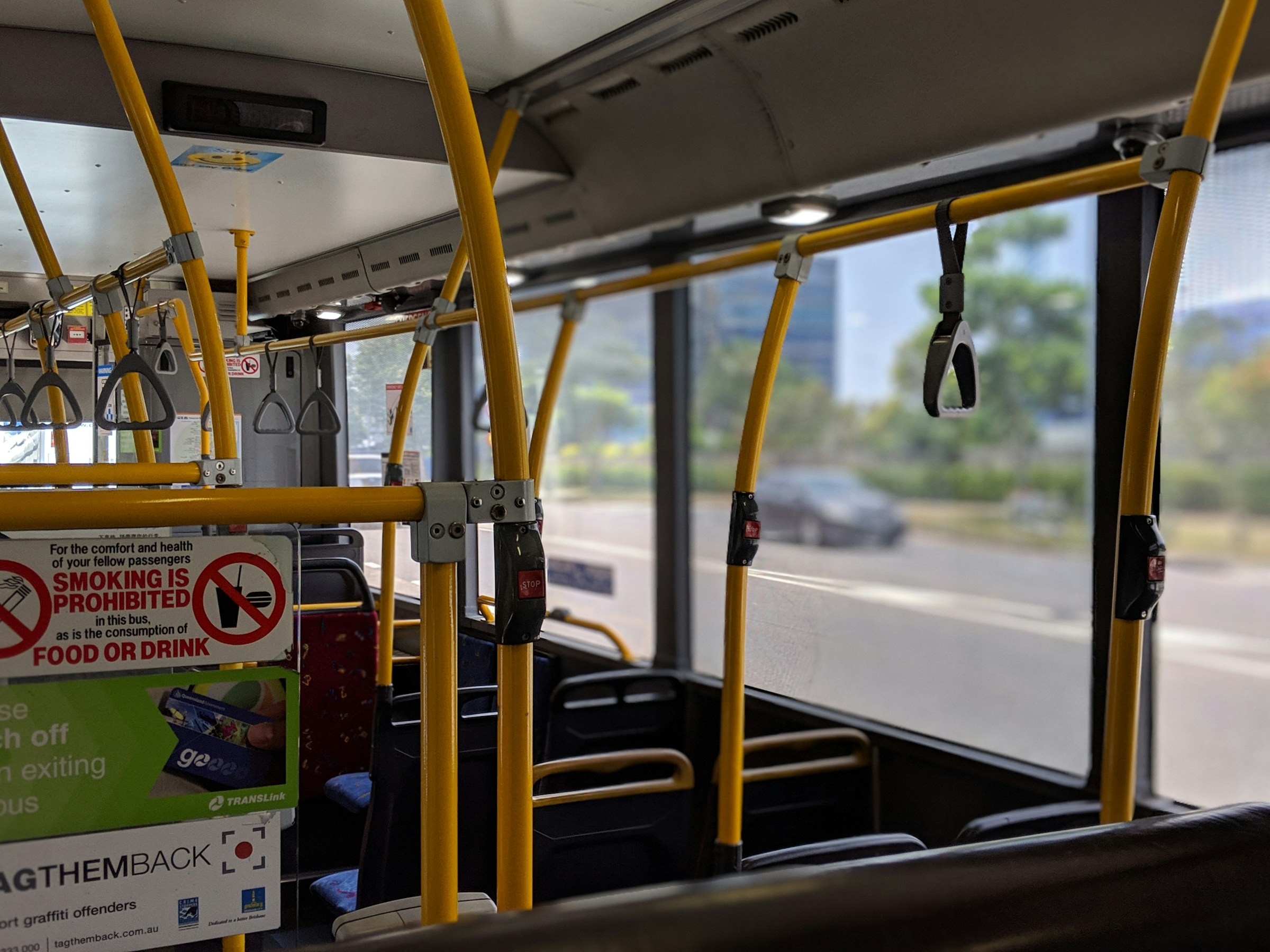
Victoria has announced that it will be providing free public transport for one month amid the ongoing fuel crisis.
Tasmania, on the other hand, will offer free public transport all the way until July.
Victoria, Tasmania to Offer Free Public Transport
According to a report by 9News, trains, trams and buses will be free from March 31 until the end of April. This means that there is no need for passengers to touch on or off during this period.
“This won’t solve every problem but it’s an immediate step to help Victorians right now while we keep working on new solutions to make Victoria more affordable,” Premier Jacinta Allan said.
Free public transport in Tasmania, meanwhile, began Monday, according to the BBC.
“We know the rising cost of fuel is impacting the family budget, and that’s why we have again taken strong and decisive action to protect Tasmanians,” Premier Jeremy Rockliff said.
In addition, Tasmania’s transport minister, Kerry Vincent, likewise noted that paid-for school buses would also be made free.
NSW Doubles Down on Decision Not to Offer Free Public Transport
While many Aussies may be hopeful that other states will follow their lead, New South Wales has already doubled down on its decision to not offer free public transport.
“When it comes to public transport, as I think you flagged earlier, we are obviously looking at what our options would be, but I can definitely tell you it’s an expensive decision,” State Treasurer Daniel Mookhey said
According to a separate 9News report, Mookhey added that NSW is not completely counting the option out. It simply wants to wait and see what happens with the Middle East conflict.
However, Transport Minister John Graham seems to have already ruled out the possibility.
“We’ve seen some other states move on some calls for free public transport,” said Graham. “I want to be clear, the NSW government isn’t going down the path of free public transport for a couple of days or for a month.”
“This situation will last more than a month,” he pointed out. ” We need to keep our powder dry to be able to assist the broader economy.”

Zoom: Undervalued And Underestimated – Even Without The Anthropic Stake


Exclusive-European airlines likely beat 2% green jet fuel target last year, sources say

The New York Times’ popular word-grouping game Connections delivered another brain-teasing challenge Monday with puzzle #1023, featuring a grid that mixed counterfeit terms, casual tinkering, rental giants and snack brands with a twist.

Players logging into the NYT Games platform on March 30, 2026, faced 16 words: ERSATZ, FRITZ, TINKER, TOY, YUTZ, FUTZ, DOLLAR, DUMMY, HERTZ, PLAYS, MOCK, MESS, FAUX, BUDGET, TRUFFLES, AVIS. The objective remained the same — sort them into four groups of four based on subtle thematic connections, with mistakes costing precious attempts.
Connections has grown into a daily ritual for millions since its launch, testing vocabulary, lateral thinking and cultural knowledge. Monday’s edition earned a low difficulty rating of 1.3 out of 5 from NYT testers, though some solvers reported it felt trickier due to overlapping decoys. The official companion noted one-word reveals per category level: DUMMY for the easiest (yellow), FUTZ for green, DOLLAR for blue and YUTZ for the toughest purple.
Gentle Hints to Crack the Grid
Solvers often start with the most obvious cluster. Here are progressive hints without full spoilers for those still working the puzzle:
- Yellow (easiest): Words suggesting something fake or counterfeit, common in fashion knockoffs or stand-ins.
- Green: Verbs for fiddling or casually adjusting something without serious intent — think idle hands at a workbench.
- Blue: Major players in an industry you encounter at airports or when reserving wheels for a trip.
- Purple (hardest): Familiar snack or chip brands, each with an extra letter tacked on at the start.
Tricky overlaps included words like “mock” and “toy” that could tempt wrong groupings, or rental names blending with budget-related terms. NYT intentionally plants such red herrings to raise the challenge.
Full Answers and Category Breakdown for NYT Connections #1023
Spoiler alert: Full solutions below.
Yellow: Imitation — DUMMY, ERSATZ, FAUX, MOCK These synonyms all point to artificial or counterfeit versions — ersatz substitutes, faux materials or dummy replicas. “Mock” often appears in trial runs or imitations.
Green: Play Around (With) — FUTZ, MESS, TINKER, TOY All describe informal, aimless activity — futzing with a gadget, tinkering in the garage, toying with an idea or messing about. These capture that low-stakes experimentation many do on a lazy afternoon.
Blue: Car Rental Companies — AVIS, BUDGET, DOLLAR, HERTZ The big four in the rental business. Travelers know them well from airport counters: Avis for reliability, Budget for value, Dollar for deals and Hertz as a longtime leader. One solver noted the category clicked quickly after a recent flight.
Purple: Snack Brands Plus Starting Letter — FRITZ, PLAYS, TRUFFLES, YUTZ This clever twist added an initial letter to well-known snacks: Utz (chips) becomes YUTZ; Ruffles becomes TRUFFLES; Lay’s becomes PLAYS; and Ritz becomes FRITZ. The purple category often features such wordplay, delighting some and frustrating others.
Many players achieved perfect or near-perfect solves, posting sequences like yellow-blue-green-purple or variations. Community discussions on Reddit’s r/NYTConnections lit up with shared victories and the occasional groan over the purple pun.
Why Connections Continues to Captivate
The game’s appeal lies in its balance of accessibility and depth. Unlike crosswords that demand obscure knowledge, Connections rewards pattern recognition and everyday cultural fluency — from Broadway to road trips to pantry staples. Monday’s mix of imitation terms, playful verbs, travel brands and snack puns reflected that broad reach.
Editor comments in past companions highlight how categories draw from “the world we live in,” blending high and low culture. With a simple interface and shareable results (colored emoji grids flooding social media), the puzzle fosters friendly competition among friends, families and online communities.
For newcomers, strategy tips include scanning for obvious synonyms first, then tackling outliers. Pay attention to misdirection — words that fit multiple themes loosely. And remember, four mistakes end the game, so deliberate guesses pay off.
Broader NYT Games Ecosystem
March 30 also brought fresh installments of companion games. Wordle fans tackled their daily five-letter challenge, while Strands offered its own word-search twist. The Mini Crossword provided a quick solve for commuters. Together, these games form a morning routine for puzzle enthusiasts worldwide.
Connections streaks remain a point of pride. Some players maintain months-long runs, celebrating “genius” or “perfect” outcomes. Monday’s low difficulty may have boosted streaks for many, though the purple category tripped up those missing the snack-brand wordplay.
Looking ahead, NYT Games continues refining the experience. Recent updates improved mobile play and added optional hints in companion articles. The team behind the puzzles — including editors who test and calibrate difficulty — aims to keep entries fresh without alienating casual solvers.
Whether you nailed all four categories in order or needed a few hints, Monday’s puzzle offered satisfaction through its clever connections. If you struggled with the car rentals or the augmented snacks, you’re far from alone — that’s the beauty of a game that rewards both knowledge and creative leaps.
Fans can access the official NYT version at nytimes.com/games/connections. Third-party sites often provide practice boards or archived solutions, but nothing beats the daily thrill of the real grid.
For tomorrow’s hints and beyond, check back with reliable sources or the NYT companion articles. In the meantime, keep sharpening those lateral-thinking skills — the next puzzle waits.

Starting a pizza business in the Philippines can be an exciting and profitable venture. With the country’s growing love for Western-style fast food, influenced by urbanization and a young population, pizza has become a staple in many households, offices, and gatherings. According to recent market trends, the food service industry in the Philippines is experiencing significant growth, with pizza outlets witnessing steady expansion due to the popularity of delivery services such as GrabFood and Foodpanda. However, success requires careful planning, adherence to local regulations, and a deep understanding of the Filipino market. In this comprehensive guide, we’ll walk you through the essential steps to launch your pizza business, whether it’s a small food cart, a delivery-only operation, or a full-fledged pizzeria. By the end, you’ll have a roadmap to turn your pizza dreams into reality.
Step 1: Conduct Thorough Market Research
Before diving in, understand the landscape. The Philippines has a competitive pizza market dominated by chains like Pizza Hut, Domino’s, and local favorites like Shakey’s and Greenwich. However, there’s room for independents, especially those offering unique twists like Filipino-inspired toppings (e.g., adobo or sisig pizza) or affordable, customizable options.
Start by identifying your target audience. Are you catering to students in university belts like Quezon City or Manila? Busy professionals in business districts like Makati or BGC? Or families in residential areas? Survey potential customers through social media or local forums to gauge preferences—do they prefer thin crust, thick crust, or stuffed crust? What price points are acceptable? Filipinos are price-sensitive, so aim for pizzas ranging from ₱99 for personal sizes to ₱500 for family ones.
Analyze competitors: Visit nearby pizza shops, note their menus, pricing, and customer flow. Use tools like Google Trends or social media insights to see rising searches for “pizza delivery near me” in your area. Consider economic factors—post-pandemic, delivery and takeout have surged, with online orders making up over 50% of sales in urban areas. Factor in inflation; as of 2026, food costs are rising, so source ingredients locally to maintain healthy margins (aim for a 60-70% gross profit on pizzas).
Finally, assess feasibility. A small pizza cart might cost ₱50,000-₱200,000 to start, while a full restaurant could run ₱1-5 million. Research via sites like FilipiKnow or DTI resources for industry reports.
Step 2: Learn the Art of Pizza Making
Pizza is all about quality. If you’re new, enroll in culinary courses at institutions like TESDA-accredited schools or specialized pizza workshops. Hands-on experience is key—work part-time at a pizzeria to learn dough preparation, sauce recipes, and baking techniques.
Focus on authentic methods: Use high-quality flour like Caputo for Neapolitan-style or local alternatives for cost savings. Experiment with toppings—blend Italian classics (pepperoni, cheese) with Pinoy flavors (longganisa, mango). Invest in recipe development; a signature pizza can set you apart. Remember, consistency is crucial; train yourself on portion control to maintain taste and costs.
For beginners, online resources like YouTube tutorials on “New York-style pizza” or “wood-fired oven techniques” are helpful, but nothing beats practice. Aim to perfect 5-10 core recipes before launch.
Step 3: Create a Solid Business Plan
A business plan is your blueprint. Outline your vision: Will it be a brick-and-mortar store, food truck, delivery-focused, or franchise? For franchises like Jimini or 3M Pizza, expect investments from ₱300,000-₱1 million, including training and branding.
Include financial projections: Startup costs (equipment, rent, ingredients), monthly expenses (utilities, salaries), and revenue forecasts. Break-even analysis is vital—sell 50-100 pizzas daily at ₱200 average to hit ₱300,000 monthly revenue.
Detail marketing strategies, operations, and risks. Use templates from DTI or BPI’s business resources. If seeking loans, banks like BDO require this for funding under programs like SME loans.
Step 4: Handle Legal Requirements and Registrations
Compliance is non-negotiable in the Philippines. Start with business structure: Sole proprietorship for simplicity (register with DTI for ₱200-₱500) or corporation for scalability (SEC registration, ₱5,000+).
Key permits:
- Barangay Clearance: From your local barangay hall; requires lease contract and ID (₱100-₱500).
- Mayor’s Permit/Business Permit: From the city/municipal hall; submit DTI/SEC cert, lease, and clearances (fees vary by location, ₱1,000-₱10,000 annually).
- Sanitary Permit: From the local health office; ensures hygiene (requires health certs for staff, ₱300-₱1,000).
- BIR Registration: Get TIN, register books of accounts, and apply for official receipts (free, but taxes apply).
- FDA License to Operate (LTO): Mandatory for food businesses; submit application with site plan and product list (₱2,000-₱5,000).
- Fire Safety Inspection Certificate: From BFP (₱500-₱2,000).
- Employee Registrations: SSS, PhilHealth, Pag-IBIG if hiring staff.
For foreigners, adhere to the 60/40 rule (60% Filipino ownership). Processing takes 2-4 weeks; use services like Commenda for assistance. Non-compliance can lead to fines or closure.
Step 5: Choose the Right Location and Setup
Location drives foot traffic. High-traffic areas like malls, schools, or offices are ideal, but rents are high (₱20,000-₱100,000/month). For delivery, a central kitchen in affordable spots like Quezon City works.
Setup options:
- Food Cart/Kiosk: Mobile and low-cost; great for starters.
- Delivery-Only: Use cloud kitchens to cut overheads.
- Full Restaurant: Space for dine-in; include ambiance like Italian decor.
Lease wisely—negotiate terms. Design for efficiency: Kitchen layout with oven at center.
Step 6: Acquire Equipment and Source Suppliers
Essential gear: Pizza oven (gas/electric, ₱50,000-₱200,000), dough mixer (₱20,000), refrigeration (₱30,000), prep tables, and POS system (₱10,000).
Source ingredients: Flour from local mills, cheese/tomatoes from importers like Strianese. Join groups on Facebook for suppliers. Aim for bulk buys to reduce costs—pizza boxes at ₱5-10 each.
For sustainability, use eco-friendly packaging, appealing to Gen Z customers.
Step 7: Hire and Train Staff
Start small: 2-5 employees (chef, cashier, delivery riders). Salaries: ₱15,000-₱25,000/month. Hire via JobStreet or referrals; require food handling training.
Train on recipes, customer service, and hygiene. Comply with labor laws—provide benefits and fair wages.
Step 8: Develop Marketing and Sales Strategies
Build buzz: Use social media (Facebook, Instagram) for promos like “Buy 1 Take 1.” Partner with delivery apps—Grab takes 20-30% commission but boosts visibility.
SEO your website; run Google Ads targeting “pizza near me.” Loyalty programs, events, and collaborations (e.g., with influencers) drive sales. Budget 5-10% of revenue for marketing.
Step 9: Launch and Manage Operations
Soft launch first: Test operations, gather feedback. Monitor inventory to avoid waste (pizzas have short shelf life).
Use software for orders and finances. Scale gradually—add branches once profitable.
Challenges and Tips for Success
Common hurdles: Competition, rising costs, supply chain issues. Mitigate with innovation (vegan options) and cost control.
Stay updated on trends like health-conscious pizzas. Network via associations like the Philippine Franchise Association.
Starting a pizza business in the Philippines demands passion, planning, and persistence. With the right approach, you can tap into a market worth billions. Begin small, focus on quality, and adapt to customer needs. Remember, success stories like local chains started from humble beginnings. Ready to dough it? Get started today!
Business News Philippines was launched in October 2015 as a portal for readers to learn more about operating a business in the Philippines.

Nifty Bank tumbled 2.5%, with private lenders Axis Bank, Kotak, and IndusInd leading the rout with 3% losses, while ICICI Bank, HDFC Bank and SBI fell around 2% each. The selloff came even as the rupee surged nearly 1% to 93.85 per dollar, recovering from Friday’s record low of 94.84, after the RBI tightened limits on banks’ foreign exchange positions.
The central bank’s directive, effective April 10, caps banks’ net open positions in the rupee at $100 million at the end of each business day, forcing lenders to dismantle massive arbitrage trades estimated at $25-50 billion.
“Every Rs 1/USD dual movement in INR on $30-40 billion of book can lead to a one-time loss of Rs 30-40 billion for the banking sector,” warned Prakhar Sharma and Vinayak Agarwal of Jefferies, who estimate gross onshore positions at $30-40 billion, dominated by major lenders including SBI, ICICI, HDFC, Axis, and leading foreign banks.
The analysts flagged that unwinding positions by April 10 may lead to MTM losses in the fourth quarter. “This may have an impact on banks’ profit in 4QFY26 as they may need to take MTM hit on March 31, 2026,” they wrote, adding that the sector has sought leniency from the RBI.

Traders said if the gap between rupee-dollar rates in the offshore non-deliverable forwards market and the onshore market widens to Re 1 during unwinding, banks could face losses of up to Rs 4,000 crore. These losses could be reflected in banks’ books for the current fiscal year, as they had earlier calculated open positions after netting off hedged trades in the NDF market.
The potential hit stems from how banks structured their forex operations. “The normal trade is for banks to buy US$ in the onshore market (at a lower premium) and sell or square off in the offshore market (at a higher premium) to generate a spread and build depth in the market,” the Jefferies analysts explained. The spread had widened significantly amid volatility and the rupee’s fall on heightened risk aversion and oil-driven pressures linked to the Iran war.Banks are lobbying for relief. “Our conversations with banks indicate that RBI is considering some leniency that may include grandfathering of existing contracts and applying limits on new contracts,” the Jefferies analysts wrote. “It may also consider extending the time limit from April 10 to a further date to smoothen forex movement and MTM impact on banks.”
Most large and mid-sized banks with net open positions exceeding $100 million are expected to sell dollars to comply with the directive, triggering a wave of onshore dollar selling as they rush to cut arbitrage positions.
But prominent fund manager Samir Arora dismissed the panic. “Just relax about this supposed Rs 4,000 crore loss on FX unwinding,” he tweeted. “Just in the past month the INR has depreciated by over 4%. All these positions would not have been set up for the first time at the Friday, March 27 close. These banks would be in the money big time till now (which equity markets did not know or account for), and now they will give up some of those profits. Big deal.”
Arora suggested foreign banks may bear much of the impact: “Some of the bigger positions may have been taken by more aggressive foreign banks (like Citi etc), who knows, but we do not care beyond a point for them as far as our market is concerned.”
The Jefferies analysts noted that appreciation of the rupee in the NDF market may lead to profits for hedge funds and foreign banks in the forex derivative markets, a reversal that could benefit offshore players even as Indian banks take losses.
(Disclaimer: Recommendations, suggestions, views, and opinions given by experts are their own. These do not represent the views of the Economic Times)
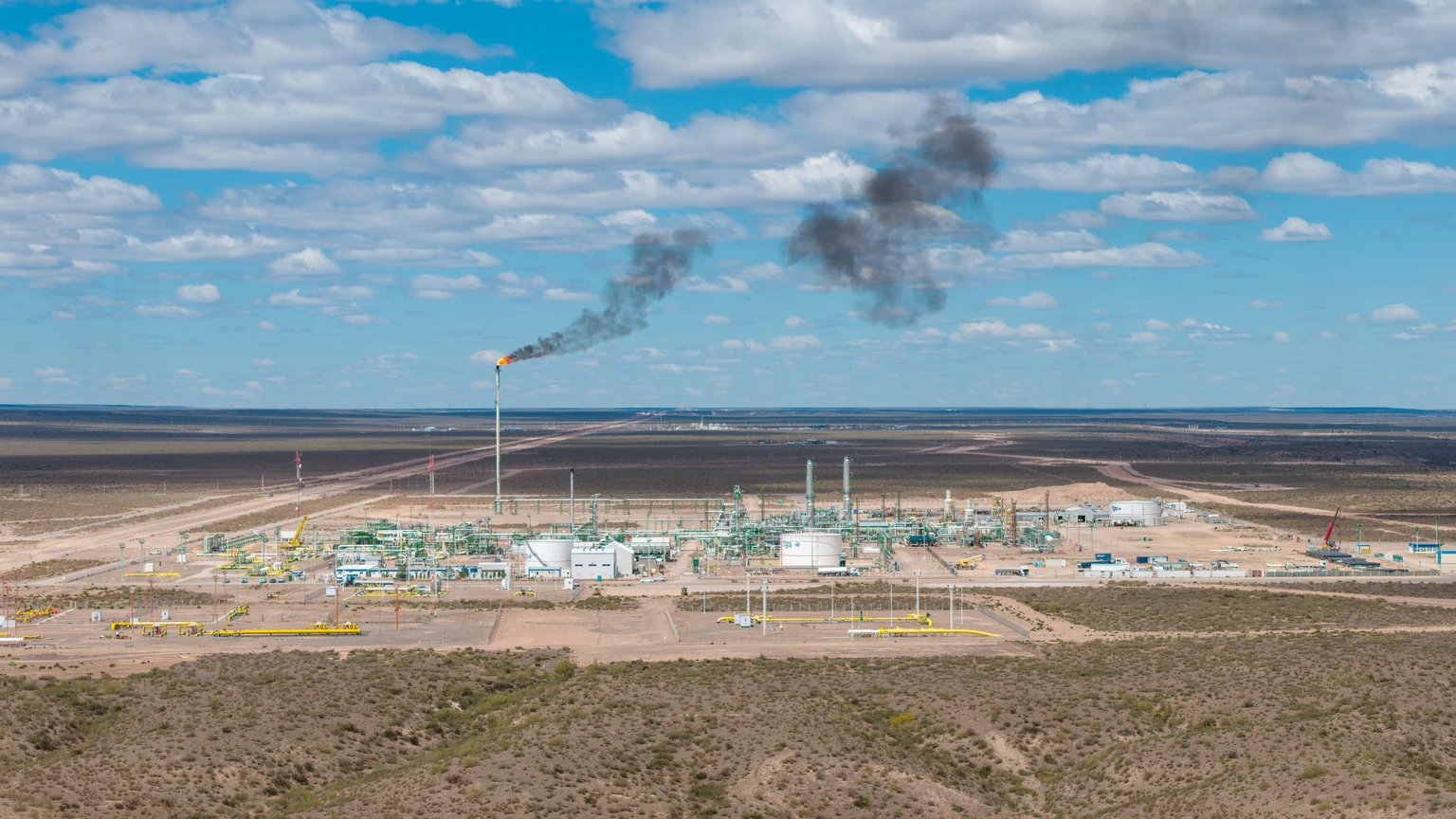
Kinder Morgan: I've Had Positive Realizations, But Valuation And Technical Caution Remain
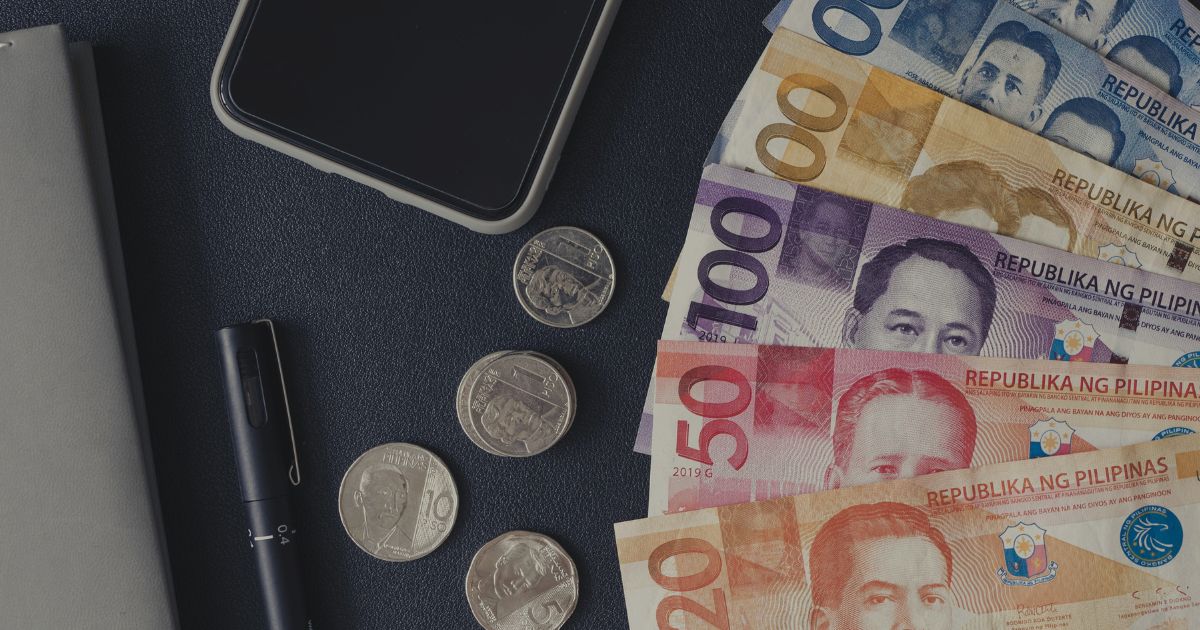
It may be very thrilling and can be very difficult to start and maintain a small business in the Philippines. As opportunities are expanding in different sectors, availability of funds is one of the greatest issues to businesspersons. Even the best business ideas may fail to develop without the appropriate financial aid. That is why the knowledge of alternative sources of funds has become a mandatory matter among small business owners.
Conventional Financing: It Is Still Relevant, but Difficult
The first source of thought when financing his or her business is with banks. They provide structured loans that have a comparatively low interest rate and have a long repayment period. Nevertheless, it is not always a simple process. Some of the challenges that plague many small business owners include:
- Repressive documentation demands
- Requirement of good credit history
- Collateral demands
- Long approval timelines
Due to this fact, bank loans are not always applicable to start-ups or businesses with urgent financing needs.
Researching Alternative Financing
In order to beat these hurdles, most entrepreneurs in the Philippines are currently looking into alternative financing approaches that are more lenient and available.
-
Fintech Lending Platforms
DLP offers speedy and easy access to finance. The process of applications is normally done online and approvals can take a matter of time. Nevertheless, the interest rates can be different in accordance with the platform.
-
Partnerships and Private Investors
There are those businesses that opt to use investors as a means of raising funds. This is capable of introducing more capital but it is commonly associated with sharing ownership or a share of decision making.
-
Licensed Moneylenders
The practice of licensed moneylenders has become a viable source of financing to a good number of small businesses. These lenders are licensed and authorized and therefore there is transparency and legal security of the borrowers.
They are known for:
- Faster approval processes
- Minimal documentation
- Flexible repayment terms
- Small and medium enterprise accessibility.
Reputable Licensed Moneylenders in the Philippines
When choosing this option, it is important to select a reliable and licensed provider. One such option is Supreme Money Lending Corp, which offers financing solutions designed to support small businesses with quicker and more accessible funding compared to traditional banks.
Other financial service providers in the Philippines also offer alternative lending options, including Home Credit Philippines and Maya Bank both of which provide accessible loan services for individuals and small business owners.
Selection of the Right Financing Choice
The choice of the appropriate means of financing is determined by the needs of your business and finances. It is important to evaluate:
- Interest rates and overall repayment of the cost.
- Speed of loan processing
- Repayment flexibility of terms.
- Lender credibility/ transparency.
All the options have their pros and what has worked in one business may not work in another.
Conclusion
Alternative financing has taken a significant role in the Philippine business environment. Although banks remain an important factor, there are alternative mechanisms that can offer all the necessary flexibility, including fintech sites, investors, and licensed moneylenders. Access to various sources of funds can be a huge difference to the owners of the small business. It would be easy to control cash flow and deal with unforeseen costs, as well as concentrate on consistent development of the business without undue delays with the appropriate financial partner.
Business News Philippines was launched in October 2015 as a portal for readers to learn more about operating a business in the Philippines.

Foreign companies in Singapore can choose between a subsidiary, which is a separate legal entity, or a branch, legally part of the parent, affecting liability, governance, and operational independence.
Entry Options for Foreign Companies in Singapore
Foreign companies planning to operate in Singapore must decide between establishing a locally incorporated subsidiary or registering a branch office. A subsidiary functions as a separate legal entity under the Singapore Companies Act, owning its assets, signing contracts, and maintaining financial records independently. This structure provides greater autonomy while still being owned by the foreign parent company.
Legal Differences Between a Subsidiary and a Branch
A branch office is not a separate legal entity; it is an extension of the foreign parent company registered with Singapore’s authorities. Since it is legally part of the parent, liabilities incurred in Singapore can directly affect the parent company. This removes the legal separation that a subsidiary offers, which can impact risk exposure and liability management.
Governance and Regulatory Requirements
The choice of structure also influences governance obligations. A subsidiary must appoint at least one resident director, maintain a company secretary, and fulfill annual filing requirements with the Accounting and Corporate Regulatory Authority (ACRA). Conversely, a branch office faces different compliance obligations, reflecting its integrated status with the parent company.
Read the original article : Singapore Subsidiary or Branch Office: How Foreign Companies Should Structure Market Entry
Other People are Reading

Multiple failings by police after hit and run crash left man seriously injured

7 Ways To Build Your Business To Withstand Inflation

Lido DAO Plans $20M LDO Buyback to Stabilize After Historic Decline

Smart energy pays enters the US market, targeting scalable financial infrastructure

Why Israel is blocking foreign journalists from entering

Bitcoin: We’re Entering The Most Dangerous Phase

“This time it’s yo’ money”: Trump’s signature to be added to U.S. paper currency

How and WHAT to invest in! #investing #stockmarket #money #finance #recession #inflation #wallstreet

This Machine Turns Paper into Money! #moneytips #gadgetsshorts #artshorts
-
 NewsBeat5 days ago
Manchester United reach agreement with Casemiro over contract clause amid transfer speculation
-

 News Videos4 days ago
Parliament publishes latest register of MPs’ financial interests
-

 Sports7 days ago
Gary Kirsten Accuses Pakistan Cricket Board Of ‘Interference’, Mohsin Naqvi Responds
-

 Sports7 days ago
Remo Stars and Kano Pillars Strengthen Survival Hopes in NPFL
-

 NewsBeat2 days ago
The Story hosts event on Durham’s historic registers
-

 News Videos7 days ago
Ch 9 Financial Management Part 1 | Detailed One Shot | Class 12 Business Studies Boards 2026
-

 Business3 days ago
Instagram, YouTube Found Responsible for Teen’s Mental Health Struggle in Historic Ruling
-
 NewsBeat5 days ago
Tesco is selling new Cadbury Dairy Milk bar and people can’t wait to try it
-
 Entertainment7 days ago
Cynthia Bailey Dishes on ‘RHOA’ Season 17, Discusses Kandi
-

 Tech6 days ago
Samsung will soon let you control smart home devices from your car’s dashboard
-
 Entertainment1 day ago
Lana Del Rey Celebrates Her Husband’s 51st Birthday In New Post
-
 NewsBeat7 days ago
Colombian military plane with 110 soldiers onboard crashes following takeoff
-

 Business6 days ago
More women enter wealth management, but few in advisory roles: study
-

 Fashion6 days ago
Does It Matter What You Wear When You’re Laid Off and Looking?
-

 Fashion7 days ago
Fringe Bags for the Season
-

 Business6 days ago
Late-paying firms face multimillion-pound fines under new crackdown
-

 NewsBeat5 days ago
Entrepreneurs Forum survey reveals optimism in North East
-

 Sports5 days ago
Fantasy Baseball Week 1 Preview: Top sleeper hitters for both five- and 12-day period led by Munetaka Murakami
-

 Politics6 days ago
How Media Platforms Balance Performance and Accessibility in Image Delivery
-
 NewsBeat6 days ago
NASA Artemis II Astronauts enter 14-Day quarantine as moon rocket reaches launchpad
You must be logged in to post a comment Login