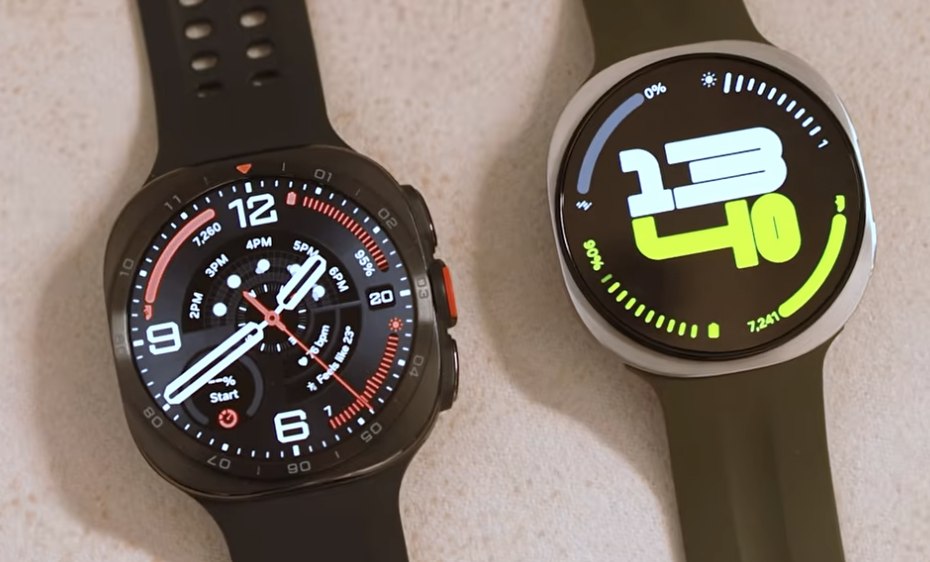
Samsung Electronics unveiled its next generation of smartwatches Wednesday, introducing the Galaxy Watch Ultra 2 and Galaxy Watch 9 alongside its new foldable phone lineup at the company’s Galaxy Unpacked event in London, with both wearables gaining a faster processor, bigger batteries and brighter displays, along with higher price tags than their predecessors.
Both watches are now available for preorder, with general retail availability set for Aug. 7, the same release date as Samsung’s newly announced Galaxy Z Fold 8 series.
A shared processor upgrade
Advertisement
For the first time, both the standard Galaxy Watch 9 and the rugged Galaxy Watch Ultra 2 move away from Samsung’s own Exynos chips and onto Qualcomm’s new Snapdragon Wear Elite processor, built on a 3-nanometer process. Samsung says the switch delivers a significant boost to overall speed and efficiency, particularly for on-device AI processing, while also enabling support for newer wireless standards including Bluetooth 6.0.
What’s new on the Galaxy Watch 9
The standard Galaxy Watch 9 keeps a familiar cushion-shaped design similar to last year’s Galaxy Watch 8, but gains a larger battery, now rated at 390mAh on the 40mm model and 445mAh on the larger 44mm version, along with a display capable of reaching 3,000 nits of peak brightness. The watch is available in Cream or Graphite for the 40mm size, with Graphite and Silver options for the 44mm model.
Pricing for the Galaxy Watch 9 varies depending on the specific retail source, with some outlets reporting a starting price of $379 for the 40mm Bluetooth-only model and $429 for the LTE version, while other reports citing official retail listings put the starting U.S. price closer to $430. Regardless of the exact figure, multiple outlets confirmed the new pricing represents an increase over last year’s Galaxy Watch 8, which launched at $349.
Advertisement
The bigger leap: Galaxy Watch Ultra 2
Samsung reserved its more significant upgrades for the Galaxy Watch Ultra 2, the company’s rugged flagship wearable aimed directly at competing with Apple’s Watch Ultra 3. The new Ultra 2 packs an 800mAh battery, a 35% increase over the roughly 590mAh battery in the original Galaxy Watch Ultra, addressing one of the most common criticisms of that earlier model, which reviewers had noted often lasted only one to two days under heavy use.
Despite the larger battery, Samsung managed to make the new Ultra 2 about 12% thinner than its predecessor while retaining its shock-resistant titanium casing, according to the company. The watch’s 1.52-inch Sapphire Crystal Super AMOLED display now peaks at 5,000 nits of brightness, a figure Samsung and multiple outlets described as a world-first for smartwatch display brightness, up sharply from the roughly 3,000 nits offered by the original Ultra.
The Galaxy Watch Ultra 2 comes in a single 47mm case size, available in Titanium Silver and Titanium Gray, and ships with LTE connectivity as standard rather than offering a separate Bluetooth-only option. U.S. pricing for the new Ultra 2 was reported at $699 by multiple retail sources, a $50 increase over the original Galaxy Watch Ultra’s $649 starting price, though at least one outlet citing updated official retail listings put the figure closer to $650.
Advertisement
New health and fitness features
Both watches share a common set of AI-powered health tracking capabilities built around Samsung’s BioActive sensor, including an FDA-cleared sleep apnea detection feature, a Heart Health Score, Daily Cardio Load tracking designed to help users gauge workout recovery, and a hearing feature that monitors environmental noise exposure over time. Samsung says these AI health tools process data on-device rather than requiring a cloud connection.
The new lineup also introduces several more specialized fitness tracking options, including a dedicated trail-running mode, a Nutrition Alert feature that draws on perspiration data, and an upcoming diving-focused app developed in partnership with dive computer maker Mares, expected to launch later this year to complement the Ultra 2’s enhanced water-resistance rating.
Durability improvements
Advertisement
The Galaxy Watch Ultra 2 carries an upgraded durability rating compared with the standard Watch 9, including IP69K dust and water resistance and a 10ATM-plus rating for underwater use, alongside MIL-STD-810H military-grade durability certification and EN13319 diving equipment certification. The standard Galaxy Watch 9, by comparison, carries a more modest IP68 rating alongside 5ATM water resistance, reflecting its positioning as a general-purpose smartwatch rather than a dedicated adventure and diving companion.
Software and platform
Both watches run One UI 9 Watch, built on top of Google’s Wear OS 7 platform, continuing Samsung’s ongoing software partnership with Google across its wearable lineup. The shared software experience means most of the AI health and fitness features introduced with this generation are available across both models, with the Ultra 2’s additional hardware capabilities, including its brighter display and more rugged build, serving as the primary differentiators between the two devices.
Part of a broader price increase across Samsung’s lineup
Advertisement
The higher pricing on both new watches mirrors a broader trend across Samsung’s entire product lineup unveiled this week. According to How-To Geek, the same component cost pressures driving up prices on Samsung’s new Galaxy Z Fold 8 and Z Flip 8 foldable phones have extended to its wearable devices as well, with essentially every new smartwatch model priced higher than its direct predecessor.
With preorders now open and general availability set for Aug. 7, Samsung’s newest wearables enter a competitive smartwatch market that includes Apple’s Watch Ultra 3 and a growing field of rivals from Google and Garmin. Given the emphasis Samsung placed on battery life and display brightness improvements for the Ultra 2 specifically, reviewers and early buyers are likely to focus closely on whether those upgrades meaningfully address the battery-life complaints that shaped much of the criticism surrounding the original Galaxy Watch Ultra when it launched two years ago.
TotalEnergies SE (TTES:CA) Q2 2026 Earnings Call July 23, 2026 7:00 AM EDT
Company Participants
Patrick Pouyanné – Chairman & CEO Jean-Pierre Sbraire – Chief Financial Officer
Advertisement
Conference Call Participants
Martijn Rats – Morgan Stanley, Research Division Michele Della Vigna – Goldman Sachs Group, Inc., Research Division Biraj Borkhataria – RBC Capital Markets, Research Division Douglas George Blyth Leggate – Wolfe Research, LLC Christopher Kuplent – BofA Securities, Research Division Mark Wilson – Jefferies LLC, Research Division Matthew Lofting – JPMorgan Chase & Co, Research Division Lucas Herrmann – BNP Paribas, Research Division Naisheng Cui – Barclays Bank PLC, Research Division Kim Fustier – HSBC Global Investment Research Jason Gabelman – TD Cowen, Research Division Henri Patricot – UBS Investment Bank, Research Division Bertrand Hodee – Kepler Cheuvreux, Research Division Fergus Neve – Rothschild & Co Redburn, Research Division Jean-Luc Romain – CIC CIB, Research Division Ahmed Ben Salem – ODDO BHF Corporate & Markets, Research Division
Presentation
Advertisement
Patrick Pouyanné Chairman & CEO
Hello, everybody. Good afternoon or good morning for those who are in the U.S. And before Jean-Pierre will go through the details of the second quarter financials, I would like first to make a few opening comments. Starting, obviously, with the current conflict in the Middle East, which has picked up again in the last few days and which is clearly impacting our markets and our operations and our perspectives.
Although, we are all hoping in mid-June that the resolution could be envisaged for the signature of the MOU and ceasefire between the U.S. and Iran. The situation has remained, to say the least, extremely volatile with the Strait of Hormuz almost being an intermittent battleground where the risk premium to navigate in these waters is increasingly high. Some are even beginning to consider that this could become a new normal with the strait opening on and off, depending on level of tensions between the parties. This unstable and chaotic
Seeking Alpha’s transcripts team is responsible for the development of all of our transcript-related projects. We currently publish thousands of quarterly earnings calls per quarter on our site and are continuing to grow and expand our coverage. The purpose of this profile is to allow us to share with our readers new transcript-related developments. Thanks, SA Transcripts Team
Seeking Alpha’s transcripts team is responsible for the development of all of our transcript-related projects. We currently publish thousands of quarterly earnings calls per quarter on our site and are continuing to grow and expand our coverage. The purpose of this profile is to allow us to share with our readers new transcript-related developments. Thanks, SA Transcripts Team
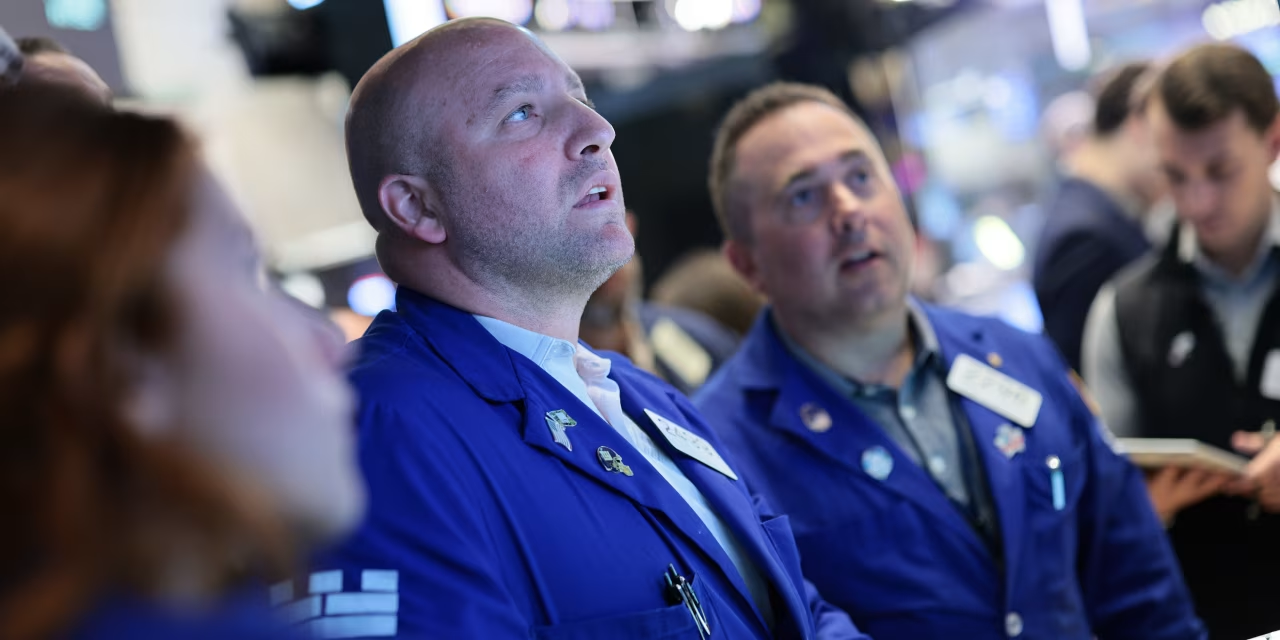
Oil prices are back above $100 a barrel, and investors are dumping tech stocks amid fresh worries that hyperscalers are overspending on AI.
Brent crude futures jumped 7% after Houthi militants claimed attacks on two Saudi tankers in the Red Sea. That’s pushing up borrowing costs around the world, with the 10-year Treasury yield at its highest level in more than a year amid fears that inflation could heat up again.
Thailand plans three tourism-boosting schemes: a 1.75-billion-baht co-payment programme covering hotels, restaurants, and attractions nationwide; 200-million-baht domestic airfare discounts for 400,000 seats; and a 500-million-baht international flight initiative targeting 487,000 visitors. All require Cabinet and committee approval before implementation, expected late 2026.
• Fly Thai All the Feeling: Subsidizes 400,000 airline seats (400-600 baht discounts) to secondary cities; costs 200M baht, expects 200,000 trips and 1.6B baht economic activity.
• Thailand Air Connect: Supports 600+ international flights, targeting 487,000 visitors via 500M baht marketing budget, projecting 23.166B baht revenue. All require Cabinet approval before launching (~late 2026).
Advertisement
Thai Travel Thai Plus: A Nationwide Co-Payment Scheme
The Thai Travel Thai Plus initiative is a co-payment scheme designed to cover all 77 provinces, spanning a wide range of tourism services such as hotels, restaurants, attractions, OTOP shops, spas, one-day tours, car and boat hire, and public transport. The programme requires a budget of 1.75 billion baht, to be allocated across the 2026 and 2027 fiscal years. Officials project the scheme could generate a substantial economic impact of 32.046 billion baht, alongside roughly 1.6 billion baht in tax revenue. By subsidising a broad spectrum of tourism-related spending, the plan aims to boost domestic consumption while supporting small and community-based businesses nationwide, reinforcing Thailand’s tourism recovery strategy.
Airfare Incentives and International Connectivity Programmes
Complementing the domestic scheme, Fly Thai All the Feeling would subsidise 400,000 airline seats across six domestic carriers, offering 400 baht discounts for major cities and 600 baht for secondary destinations on a first-come, first-served basis. With a budget of 200 million baht, it is expected to generate 200,000 trips and 1.6 billion baht in economic activity. Meanwhile, Thailand Air Connect targets international travel, allocating 500 million baht for joint marketing with airlines and charter operators. The initiative aims to support 600 flights and attract 487,000 international visitors, generating an estimated 23.166 billion baht in tourism revenue.
Pending Approval and Implementation Timeline
Despite their promising projections, none of the three proposals has been finalized. Each requires formal endorsement from the public-private tourism committee and the Cabinet, as well as confirmation of the requested central budget allocations. Collectively, the measures are designed to stimulate domestic spending, promote travel to secondary cities, and strengthen international air connectivity, forming a cohesive strategy to revitalize Thailand’s tourism sector. If approved, the Thai Travel Thai Plus co-payment scheme is expected to become operational by late 2026, marking a significant step in the government’s broader effort to accelerate tourism-driven economic recovery through coordinated public-private investment.
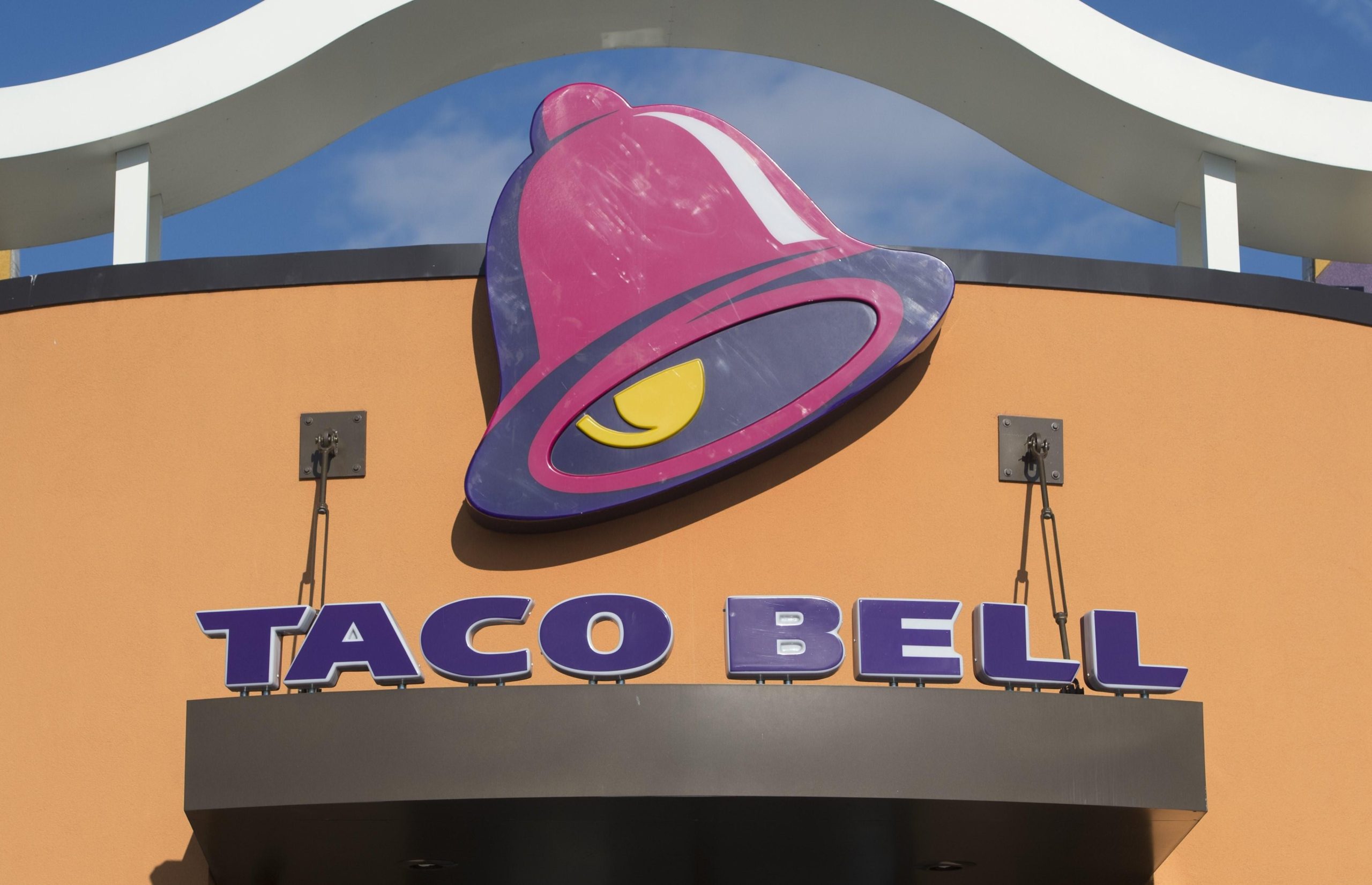
Taco Bell is offering steep discounts on some of its most popular menu items this week as the fast-food chain works to rebuild customer confidence following a nationwide cyclospora outbreak linked to shredded lettuce served at its restaurants.
The company began offering $1 lettuce-free Enchiritos on Wednesday, along with $1 app-exclusive Nacho Fries, in a bid to draw customers back after weeks of declining foot traffic. “For the ones who have been with us, $1 Enchiritos just dropped, more to come,” Taco Bell said in a post on Instagram announcing the promotion.
The scale of the outbreak
Taco Bell has been linked by health officials to more than 1,644 confirmed infections across Indiana, Kentucky, Michigan, Ohio and West Virginia, with the Centers for Disease Control and Prevention identifying the chain’s shredded iceberg lettuce as the likely source. The outbreak, caused by the parasite Cyclospora cayetanensis, has been described as one of the largest foodborne illness outbreaks in the United States in recent years.
Advertisement
Cyclospora infections typically cause watery diarrhea, along with symptoms that can include loss of appetite, weight loss, cramping, bloating, increased gas, nausea and fatigue, according to health officials. Symptoms generally emerge about a week after exposure and can persist for weeks if untreated.
A swift response from the company
Earlier this month, Taco Bell announced it had removed the implicated lettuce from every restaurant nationwide. “As of July 17, Taco Bell has completed removal of affected Taylor Farms lettuce from our restaurants. Based on ongoing conversations with public health officials, and out of an abundance of caution,” the company said in a statement at the time.
Confusion over the source
Advertisement
The investigation into the outbreak’s exact origin has shifted several times in recent weeks. The Food and Drug Administration initially reported that lettuce supplied by Taylor Farms in Mexico had tested positive for cyclospora, but a subsequent review determined that result to be a false positive. The agency removed the sample from its official update over the weekend and said no confirmed positive product samples for cyclospora currently exist.
Despite walking back that specific test result, the FDA said it continues working with Taylor Farms and state officials to ensure implicated products remain off the market while additional testing is conducted. The agency reiterated Monday that the broader epidemiological evidence connecting the outbreak to Taylor Farms remains “overwhelming,” even as the specific laboratory confirmation tied to that sample has been retracted.
A sharp drop in foot traffic
The financial impact of the outbreak on Taco Bell has been immediate and significant. According to nationwide data from Placer.ai cited by CNN, daily foot traffic at Taco Bell locations dropped nearly 31% on July 17, the day federal health officials first identified the chain as part of the outbreak investigation, before falling roughly 30% the following day. While other restaurant chains have also seen some decline in customer visits during the broader controversy, none have experienced a drop nearly as steep as Taco Bell’s.
Advertisement
The sales pressure has extended to the company’s stock as well. Shares of Yum! Brands, Taco Bell’s parent company, have fallen roughly 9% over the past week amid the fallout from the outbreak.
Why the promotion matters
Wednesday’s discount promotion, which offered the Enchirito, a menu item combining elements of an enchilada and a burrito made with a soft flour tortilla, seasoned beef, beans and onions topped with red sauce and melted cheese, for just $1, was initially framed as a limited, one-day-only deal aimed at drawing hesitant customers back into stores. Taco Bell’s continued messaging suggesting “more to come” indicates the chain intends to keep offering promotional pricing as part of its broader recovery strategy in the weeks ahead.
Analysts see limited long-term damage
Advertisement
Despite the steep short-term hit to sales and foot traffic, financial analysts covering the situation have expressed confidence that the outbreak is unlikely to leave lasting damage to Taco Bell’s brand. According to reporting from KSL.com, industry analysts described the sales dip as a meaningful but likely temporary setback, pointing to the fast-food industry’s broader history of recovering from similar foodborne illness incidents once affected ingredients are removed and replaced.
That assessment echoes the outcome of a past incident involving Taco Bell and contaminated lettuce nearly two decades earlier. In late 2006, the chain was linked to an E. coli outbreak tied to lettuce served at restaurants in four northeastern states, which the company said was declared over by health authorities within roughly two weeks after swift removal and replacement of the affected produce.
A broader outbreak investigation continues
The current cyclospora outbreak remains under active investigation by both the FDA and CDC, with officials continuing to explore additional potential sources beyond the Taylor Farms lettuce initially implicated. According to reporting on the situation, federal health officials have been examining at least four separate cyclosporiasis clusters as they work to determine whether multiple distinct sources may be contributing to the broader nationwide case count.
Advertisement
With the affected lettuce now removed from its restaurants and its discount promotions underway, Taco Bell’s recovery is likely to hinge on how quickly customer traffic rebounds and whether health officials are able to fully resolve lingering questions about the outbreak’s precise source. The company has not said how long its $1 promotional pricing will continue or whether additional discounted menu items will be introduced as part of the broader “more to come” messaging shared on social media this week. For now, the chain appears focused on using price incentives to rebuild trust with customers still wary of returning to its restaurants following weeks of unfavorable headlines tied to the outbreak.
















































You must be logged in to post a comment Login