
Business
Vista Group International Limited (VGLIF) Q4 2025 Earnings Call Transcript


Stuart Dickinson
Chief Executive Officer
Good morning, everybody, and thank you for joining us for Vista Group’s Full 2025 results presentation. We’ll begin in just a moment. While we wait for the last few participants to join the call, we’ll play our latest Vista Group video, which we unveiled earlier this month at our VistaCon conference. Hopefully, it helps illustrate the many different parts of our Cinema operations that our products touch.
[Presentation]
Stuart Dickinson
Chief Executive Officer
Good morning, again, everyone. I’m Stu Dickinson, Chief Executive Officer of Vista Group. With me today is our Chief Financial Officer, Matt Thompson. I really appreciate your time as we review our 2025 performance and outlook.
Before we begin, please note our standard disclaimer details are available in the presentation deck. We’ll be taking questions at the end of the presentation today. [Operator Instructions]
Today, I will start with the highlights of 2025 and an update on our strategic progress. I’ll then pass on to Matt to take you through the financials before coming back to talk through why we believe Vista Group will be an AI winner. Finally, I’ll then discuss our outlook and guidance for ’26 and beyond, and then we’ll open up for questions.
With that, let’s get started with our highlights and strategic progress. Vista Group empowers mission-critical infrastructure. We sit at the operational center of the global film ecosystem. We


Who is wealthier – US or Eurozone?
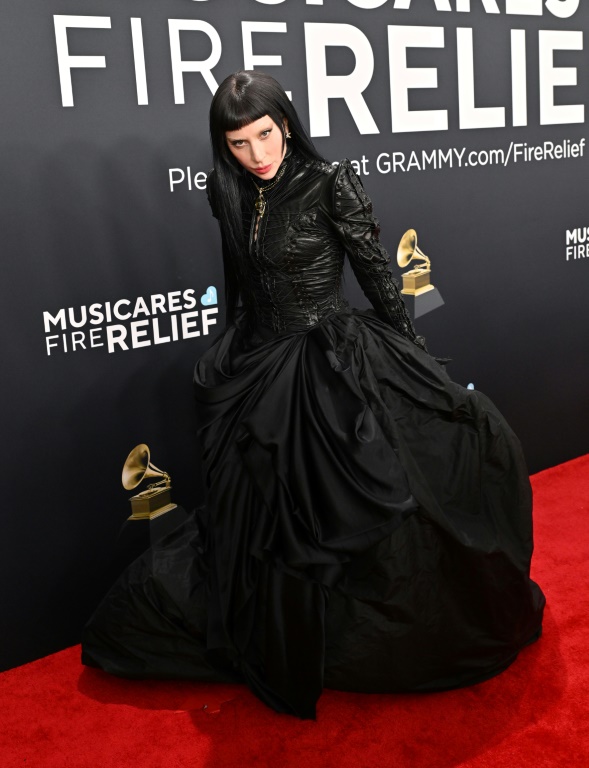
NEW YORK — Lady Gaga continues to dominate the pop landscape in 2026, delivering theatrical highs on her ongoing **Mayhem Ball** tour while teasing future projects that keep fans buzzing. The 14-time Grammy winner’s latest North American dates, including back-to-back performances at Madison Square Garden on March 19 and 20, 2026, drew rapturous reviews for their cinematic staging, emotional depth and vocal prowess.
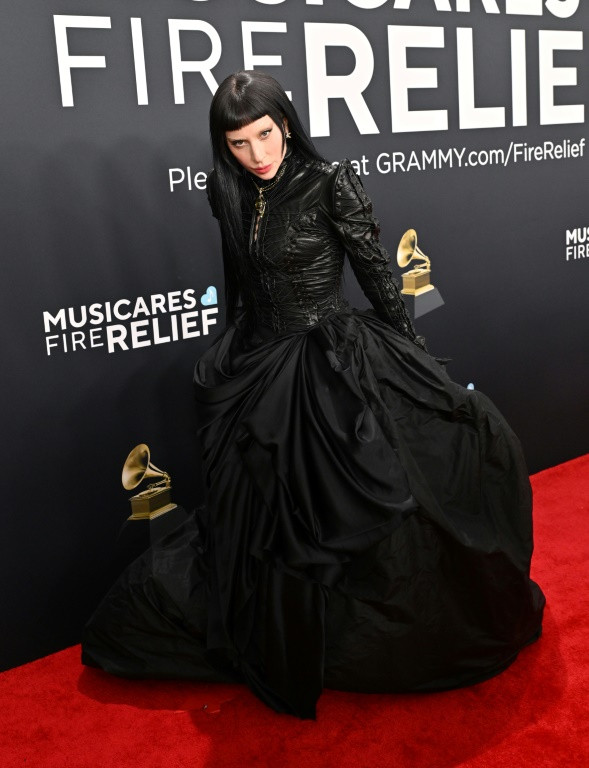
The March 20 MSG show, part of the expanded leg announced last year, featured Gaga at her gothic best. Reviewers described it as a “gothic opera” with acts titled “And She Fell Into A Gothic Dream” and “The Beautiful Nightmare That Knows Her Name.” Fans wept during poignant moments, as Gaga blended hits from her 2025 album *Mayhem* with catalog staples like “Paparazzi” and “Lovegame.” The production included elaborate costumes, dramatic lighting and narrative arcs that evoked a dark fairy tale, solidifying her reputation as a live performer at her peak.
The tour, supporting *Mayhem* — which earned her Best Pop Vocal Album at the 2026 Grammys — kicked off in 2025 and has spanned Asia, Europe, North America and Oceania. Recent extensions added multiple nights in cities like Atlanta (March 4-5), Austin (March 8-9), Miami (March 13) and Washington, D.C. (March 23-24). Upcoming stops include Boston’s TD Garden on March 29, Montreal’s Bell Centre on April 2, Saint Paul on April 9 and a final New York run concluding April 13 at Madison Square Garden.
Gaga’s Grammy night earlier this year added to the momentum. She performed a rock-infused version of “Abracadabra” — which won Best Dance Pop Recording — despite nearly canceling due to the tight schedule after Japan dates. She also took home Best Pop Vocal Album for *Mayhem*. The performance, featuring archival Alexander McQueen pieces in memory of Lee McQueen, showcased her collaboration with producers Andrew Watt and Cirkut, plus drummer Josh Freese.
A trademark dispute over “Mayhem” resolved in her favor in late 2025, allowing uninterrupted use for the album, tour and merchandise. A federal court denied a preliminary injunction from surf brand Lost International, affirming artistic expression rights.
Beyond the stage, Gaga’s team confirmed development of a “very bombastic” large-scale project slated for 2026 release. Details remain confidential, fueling speculation about new music, a film or multimedia endeavor. Fans also anticipate a concert film from the Mayhem Ball, with reports of professional filming during her February 2026 Los Angeles Kia Forum run. Director Sam Wrench is reportedly involved, following a streaming bidding war. The project could capture the tour’s spectacle for global audiences later this year.
Gaga’s personal style continues to influence trends. She revived her signature hair bow in a coquette twist during Japan prep videos, pulling platinum blonde locks back with a black accessory that echoed her 2010s era while feeling fresh.
The tour’s success builds on her post-pandemic resurgence, including the Chromatica Ball in 2022 and recent awards recognition. With more than 1.3 million fans already served across 87 dates, the Mayhem Ball demonstrates her enduring draw. Upcoming shows promise continued innovation, blending pop anthems with theatrical storytelling.
As Gaga wraps the North American leg in April, attention turns to what follows — potentially a new era hinted at by her team. For now, Little Monsters savor the mayhem, with tickets for remaining dates moving fast via Live Nation and Ticketmaster.
In a career defined by reinvention, 2026 finds Lady Gaga thriving: commanding arenas, collecting Grammys and plotting her next bold move.

SYDNEY — Australia grapples with a deepening fuel crisis in March 2026, triggered by the ongoing U.S.-Israel war with Iran that has disrupted global oil flows through the Strait of Hormuz. As of March 22, petrol prices have surged to record levels, regional shortages persist despite government assurances of adequate national stocks, and experts warn of potential rationing if disruptions continue beyond mid-April.

Energy Minister Chris Bowen confirmed on March 21 that six oil shipments bound for Australia in April have been turned back or deferred due to escalating tensions. The cancellations compound fears that key Asian suppliers like Malaysia and South Korea may prioritize domestic needs over exports. Bowen emphasized that overall supply remains stable, with petrol reserves at 38 days, diesel and jet fuel at 30 days — figures bolstered by releases from the strategic reserve following an International Energy Agency request.
The government has drawn down about six days’ worth of petrol and five days’ worth of diesel from emergency stockpiles to ease localized shortages. Bowen described the situation as secure until mid-April, crediting ongoing tanker arrivals and full operation of the nation’s two remaining refineries — Ampol’s Lytton in Brisbane and Viva Energy’s Geelong in Victoria — which meet less than 20 percent of demand. Australia imports roughly 90 percent of its refined fuels, leaving it vulnerable to global shocks.
Panic buying has amplified the crisis. Demand spiked by up to 50 percent in some areas as motorists filled tanks and jerry cans amid war headlines, leading to dry pumps at hundreds of service stations. In New South Wales, Premier Chris Minns reported 107 stations without diesel and 42 completely out of fuel as of mid-March. Similar issues hit regional Queensland, Western Australia and Victoria, where farmers face diesel shortages critical for machinery and transport.
Prices reflect the strain. National average unleaded petrol reached 219.5 cents per litre for the week ending March 15, according to the Australian Institute of Petroleum, up from around 169 cents before the conflict intensified. Diesel climbed to 245.6 cents per litre, with isolated reports of $3 per litre in parts of Sydney’s northern beaches. The surge — petrol up 31.8 percent and diesel 40.1 percent since late February — ranks among the sharpest in the developed world, per GlobalPetrolPrices data.
The International Energy Agency urged conservation measures, calling on Australians to work from home where possible, avoid non-essential air travel, reduce road speeds and use public transport. Bowen echoed the advice, noting no one-size-fits-all mandate but encouraging voluntary cuts to preserve supplies for essential services like farming, freight and emergency response.
Broader economic fallout looms. Experts warn a prolonged diesel shortage could halt the economy, empty supermarket shelves and spike food prices by up to 50 percent due to higher transport and production costs. Macrobusiness Chief Economist Leith van Onselen highlighted Australia’s uniquely low reserves — breaching IEA’s 90-day requirement — as a long-ignored vulnerability. Defence analysts described the situation as “absolutely pathetic,” blaming decades of policy inaction on fuel security.
The Australian Competition and Consumer Commission launched a probe into major fuel retailers over alleged anti-competitive conduct, while the government formed a National Fuel Supply Taskforce to coordinate distribution. Prime Minister Anthony Albanese held emergency National Cabinet talks, with states “war gaming” rationing scenarios though reluctant to implement them publicly.
Critics point to structural issues: only two refineries remain after closures, and reliance on Asian imports exposes the nation to geopolitical risks. Some called for faster development of domestic resources in South Australia and Queensland, though experts note such solutions require years, not weeks.
As March 22 draws to a close in Sydney, motorists face queues, price caps at pumps and signs limiting purchases. The government insists no immediate national shortage exists, but warnings persist: if tankers face prolonged delays, mid-April could mark a tipping point. For now, conservation and calm remain the official message amid a crisis that has exposed Australia’s energy fragility.

TransAlta delivers 63% return after InvestingPro Fair Value signal
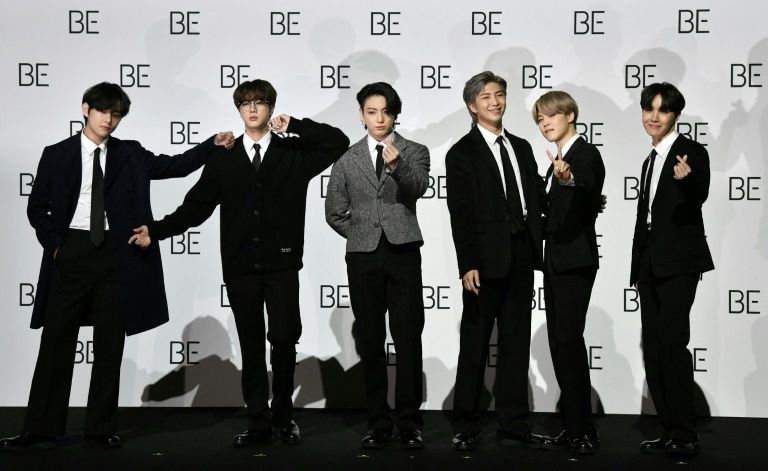
SEOUL — BTS remains a global phenomenon in March 2026, with their recent comeback album Arirang shattering Spotify records and dominating charts worldwide. As the group — RM, Jin, Suga, J-Hope, Jimin, V and Jung Kook — embarks on their Arirang World Tour following the March 21 Seoul concert, interest surges in their catalog. Popularity metrics combine Spotify streams (over 2 billion for top tracks), YouTube music video views (billions accumulated), sales equivalents, Billboard achievements and enduring fan love from ARMY.

Here are the 10 most popular BTS songs of all time, ranked primarily by combined streaming and viewing data as of mid-March 2026, with nods to chart peaks, sales and legacy.
- Dynamite (2020) BTS’ first full-English single exploded as their breakthrough global hit, debuting at No. 1 on the Billboard Hot 100 — the first for a South Korean act. With over 2.23 billion Spotify streams and more than 2 billion YouTube views on the official MV, it holds the record for longest-running No. 1 on Billboard’s Digital Song Sales (18 weeks, tied with “Butter”). The disco-pop anthem’s feel-good vibe during the pandemic cemented its status as BTS’ signature crossover track.
- Boy With Luv (feat. Halsey) (2019) This upbeat collaboration from Map of the Soul: Persona amassed over 1.36 billion Spotify streams and nearly 1.92 billion YouTube views. It peaked at No. 8 on the Hot 100 and became a staple in BTS’ live shows, blending catchy hooks with empowering lyrics. Its massive sales equivalent (around 6.9 million units) and viral dance challenge keep it near the top.
- Butter (2021) Another English-language smash, “Butter” matched “Dynamite” with 18 weeks at No. 1 on Digital Song Sales and earned Grammy nods. It boasts over 1.43 billion Spotify streams, with the sleek MV racking up billions of views. The smooth retro-pop track’s summer dominance and record-breaking chart longevity solidify its elite position.
- DNA (2017) From Love Yourself: Her, this sci-fi-inspired banger introduced many to BTS globally. It exceeds 1.6 billion YouTube views and strong streaming numbers (part of the group’s early surge). Peaking at No. 67 on the Hot 100, its innovative sound and choreography marked BTS’ shift toward mainstream appeal.
- MIC Drop (Steve Aoki Remix) (2017) The remix version propelled BTS into U.S. consciousness, hitting No. 28 on the Hot 100. With over 1.55 billion YouTube views and solid streams, it blends hip-hop swagger with EDM drops. Its defiant lyrics and high-energy performance remain fan favorites.
- IDOL (2018) Featuring a traditional Korean gugak influence, “IDOL” celebrated self-love and cultural pride. It garnered over 1.37 billion YouTube views and strong streaming figures, peaking at No. 11 on the Hot 100 (with Nicki Minaj remix). The track’s vibrant visuals and message resonate deeply.
- Fake Love (2018) From Love Yourself: Tear, this emotional rock-hip-hop fusion topped charts in Korea and earned U.S. traction (No. 10 Hot 100 peak). With over 1.37 billion YouTube views and millions in streams, its raw vulnerability and dramatic production make it a standout.
- Blood Sweat & Tears (2016) Often hailed as a masterpiece from Wings, this sensual track blends moombahton rhythms with literary depth. It has around 690 million Spotify streams and over 1 billion YouTube views. Critics rank it highly for artistic evolution, with enduring popularity in fan polls.
- Spring Day (2017) A heartfelt ballad inspired by the Sewol tragedy, “Spring Day” tops many all-time lists for emotional impact. It leads Korean fan rankings and holds massive streams (over 630 million on Spotify). Its poignant lyrics and melody make it a staple for deeper ARMY connections.
- My Universe (with Coldplay) (2021) This crossover collaboration debuted at No. 1 on the Hot 100, blending BTS’ energy with Coldplay’s anthemic style. With over 1.58 billion Spotify streams, it bridges genres and expands BTS’ reach internationally.
Recent additions from Arirang— like lead single “SWIM” (14.6 million first-day Spotify streams and rapid YouTube views) — show BTS’ continued dominance, but classics hold strong in all-time metrics. Tracks like “Run BTS” and “Euphoria” also rank high in streams.
BTS’ catalog reflects evolution from hip-hop roots to global pop icons, with billions in combined metrics. As Arirang tops charts and the tour unfolds, these songs fuel their legacy.
The Market Has No Idea How Bullish This 'Run-It-Hot' Shift Is
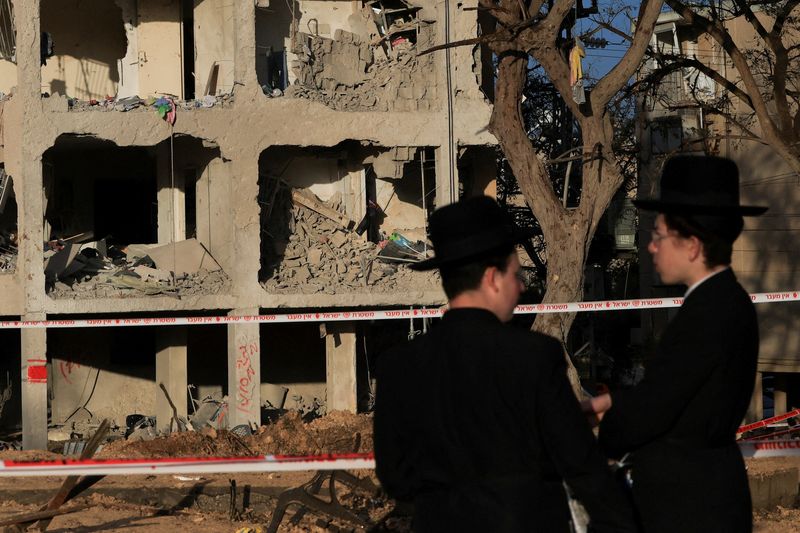

Trump and Iran trade threats over energy targets as war escalates
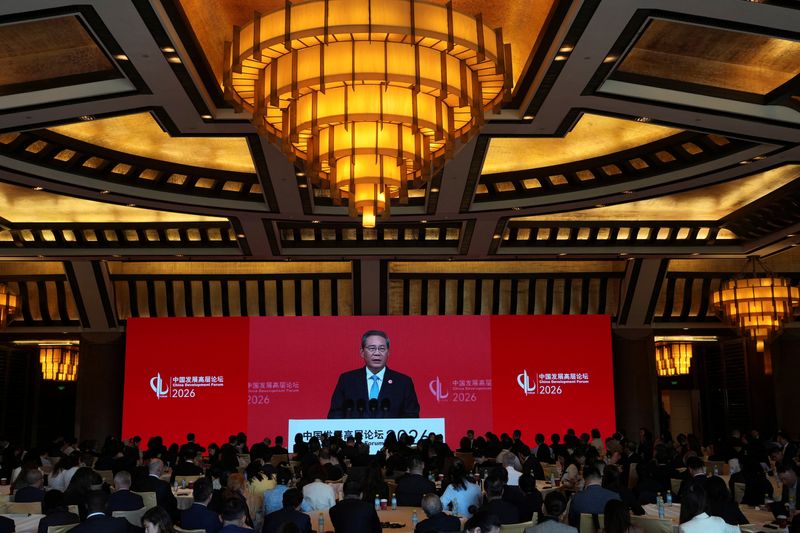

China pledges more balanced trade and further opening of the economy after record surplus
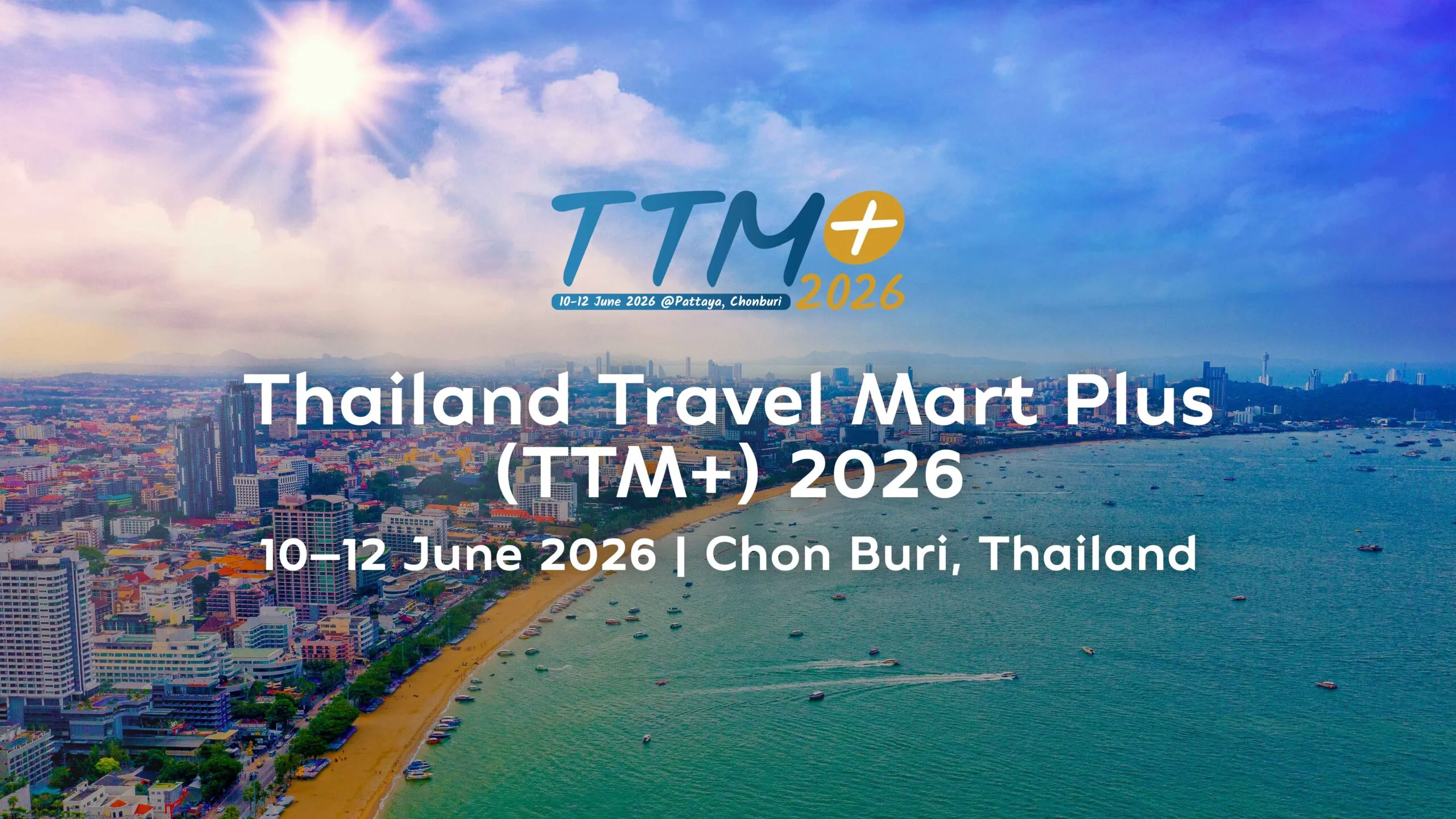
The Thailand Travel Mart Plus (TTM+) 2026 will be held in June at the NICE Pattaya Convention Center, showcasing Thailand’s tourism and business strengths, sustainability, and innovation.
Thailand Travel Mart Plus (TTM+) 2026 Announcement
Bangkok, 20 March 2026 – The Tourism Authority of Thailand (TAT) has announced that the Thailand Travel Mart Plus (TTM+) 2026 will be held from June 10 to 12 at the NICE Pattaya Convention and Exhibition Center in Chon Buri. This event underscores Thailand’s continued prominence as a hub for international business events and tourism investments, emphasizing traveler confidence, safety, and well-being. TTM+ 2026 aims to fortify Thailand’s role in the global tourism landscape.
Strengthening Global Tourism Partnerships
TAT Governor, Ms. Thapanee Kiatphaibool, highlighted TTM+ 2026 as a prime B2B platform, connecting international travel buyers with Thailand’s diverse tourism offerings. Held in Chon Buri, it presents new tourism products under the ‘New Thailand’ strategy and the ‘Healing is the New Luxury’ campaign. The event strives to foster international partnerships and drive sustainable tourism growth. Over 400 Thai sellers will meet 400 international buyers, facilitating over 11,000 pre-scheduled business appointments.
A Dynamic Experience in Chon Buri
The 23rd edition of TTM+ will feature product showcases, networking sessions, and forums on global tourism trends and sustainability. Set in Chon Buri, the event offers a diverse portfolio, highlighting both established and emerging destinations. Participants will enjoy cultural performances, local craftsmanship, and nature-based activities, reinforcing Thailand’s reputation as a destination for inspiring travel experiences. TTM+ 2026 is expected to generate substantial tourism revenue, boosting economic impact across Thailand.
Source : Thailand Travel Mart Plus 2026 set for June in Pattaya driving global tourism partnerships
Other People are Reading

SEOUL — K-pop supergroup **BTS** made a highly anticipated return to the stage on March 21, 2026, with a free public concert titled “ARIRANG” at Gwanghwamun Square in central Seoul, marking their first live performance together in nearly four years. While the event drew enthusiastic crowds and global attention via a Netflix livestream, actual attendance fell significantly short of pre-event projections, sparking debate over crowd estimates, security protocols and viewing alternatives.

Seoul Metropolitan Government and police officials estimated 40,000 to 42,000 people gathered in the Gwanghwamun and surrounding Deoksugung areas as the 8 p.m. show began, according to Yonhap News Agency and real-time city data. This figure included the 22,000 fans who secured free “Golden Tickets” for the cordoned-off prime viewing zone near the main stage. In contrast, authorities had anticipated up to 260,000 attendees stretching from the square toward historic Sungnyemun Gate, prompting one of the largest security mobilizations in recent Seoul history with 15,000 personnel deployed.
The discrepancy has fueled online discussions and media scrutiny. Police projections, based on factors like ticket demand, historical precedents such as the 2002 World Cup street celebrations (200,000-250,000 people) and Seventeen’s 2025 Bridge Concert (206,000 attendees), prepared for a massive influx. However, three hours before showtime, counts hovered around 30,000, with only 26,000-28,000 near the main zones.
BTS agency HYBE countered with its own estimate of about 104,000 attendees, derived from mobile network data across Korea’s major carriers, including foreign visitors and users on budget phones. HYBE’s method tracked cumulative foot traffic rather than a single snapshot, leading to the higher number. This variance highlighted challenges in counting open-air events, where fans move freely and some areas extend over a kilometer.
Several factors contributed to the lower-than-expected turnout, according to analysts, fans and reports. Strict security measures played a significant role. Authorities implemented extensive traffic controls, bypassed subway stations near the venue throughout the afternoon and evening, raised terror alerts (the Ministry of Culture, Sports and Tourism issued its first-ever concert disaster alert), and deployed anti-drone systems, barricades and rigorous checkpoints. Netizens on platforms like X and Korean forums criticized these as overly restrictive, potentially deterring casual or last-minute attendees who faced long waits or access issues.
The global Netflix livestream, broadcast live to 190 countries, offered a convenient alternative for millions. Fans worldwide — and even some in Korea — opted to watch from home or public screens rather than brave crowds and weather. The one-hour special, part of promotions for BTS’ fifth full-length album “Arirang” (which sold nearly 4 million copies on its first day), reached a vast audience without the physical demands of in-person attendance.
Weather and timing may have influenced decisions. March evenings in Seoul can be chilly, and the event’s Saturday scheduling overlapped with other activities for some potential attendees. Additionally, the free nature of the concert, while inclusive, meant no guaranteed entry beyond the 22,000 reserved spots — over 100,000 joined online queues last month, but many were turned away or chose not to risk the journey.
Despite the numbers debate, the concert succeeded as a cultural milestone. BTS members RM, Jin, Suga, J-Hope, Jimin, V and Jung Kook performed hits alongside tracks from “Arirang,” including a revival of the Korean folk song that inspired the title. Eight large video screens helped those farther back enjoy the show, and the event generated significant economic buzz, though below some pre-event projections of $177 million in related revenue.
The lower physical crowd did not diminish the excitement among those present, many of whom described an electric atmosphere. Global ARMY (BTS fans) celebrated online, sharing clips and praising the production quality on Netflix. The concert serves as a launchpad for BTS’ upcoming Arirang World Tour, slated for April 2026 through March 2027 across 34 regions, with expectations of millions in total attendance.
As Seoul returns to normal operations, the event underscores the evolving nature of large-scale K-pop spectacles — blending in-person intimacy with digital reach. While the 40,000-42,000 figure disappointed some hoping for a record-breaking street takeover, it still marked one of the largest public gatherings in recent years, proving BTS’ enduring pull even amid modern viewing options and heightened safety protocols.
Who is wealthier – US or Eurozone?

Cyclist Debora Silvestri breaks five ribs in horror Milan-San Remo crash

Building A $50 SDR With 20 MHz Bandwidth


-

 Tech7 days ago
Your Legally Registered ‘Motorcycle’ Might Not Count Under Proposed US Law
-

 Fashion2 days ago
Weekend Open Thread: Adidas – Corporette.com
-

 Politics2 days ago
Jenni Murray, Long-Serving Woman’s Hour Presenter, Dies Aged 75
-
 Tech5 days ago
Are Split Spacebars the Next Big Gaming Keyboard Trend?
-

 Crypto World13 hours ago
Best Crypto to Buy Now: Strategy Just Spent $1.57 Billion on Bitcoin During Fear While Early Investors Quietly Enter Pepeto for 150x Potential
-

 News Videos4 days ago
RBA board divided on rate cut, unusually buoyant share market | Finance Report | ABC NEWS
-

 Crypto World14 hours ago
Bitcoin Price News: Bhutan Sells $72 Million in BTC Under Fiscal Pressure, but the Smart Money Entering Pepeto Sees What the Market Does Not
-

 Business7 days ago
Search for Savannah Guthrie’s Mother Enters Seventh Week with No Arrests
-
 Crypto World2 days ago
NIO (NIO) Stock Plunges 6.5% as Shelf Registration Sparks Dilution Worries
-

 Business6 days ago
Australian shares drop as Iran war enters third week
-

 Crypto World6 days ago
Crypto Lender BlockFills Enters Chapter 11 with Up to $500M in Liabilities
-

 Politics4 days ago
The House | The new register to protect children from their abusers shows Parliament at its best
-

 Fashion6 days ago
25 Celebrities with Curly Hair That Are Naturally Beautiful
-

 Tech2 days ago
inKONBINI Lets You Spend Summer Days Behind the Register
-

 Crypto World4 days ago
Canada’s FINTRAC revokes registrations of 23 crypto MSBs in AML crackdown
-
 Politics5 days ago
Real-time pollution monitoring calls after boy nearly dies
-
 NewsBeat4 days ago
Residents in North Lanarkshire reminded to register to vote in Scottish Parliament Election
-

 Business6 days ago
Meta planning major layoffs as AI spending and automation reshape workforce
-

 News Videos4 days ago
PARLIAMENT OF MALAWI – PAC MEETING WITH REGISTRAR OF FINANCIAL ON AMARYLLIS HOTEL – INQUIRY LIVE
-
 Crypto World7 days ago
U.S. Oil Companies Post Record Profits as Oil Prices Break $100
You must be logged in to post a comment Login