HOUSTON — Travelers at George Bush Intercontinental Airport faced grueling security lines Wednesday as the ongoing partial government shutdown continued to cripple TSA staffing, with wait times at the major Houston hub reaching as long as four hours or more during peak periods. Houston Airports officials warned passengers to prepare for extended delays, with checkpoints consolidated into just two terminals and expedited lanes largely unavailable.
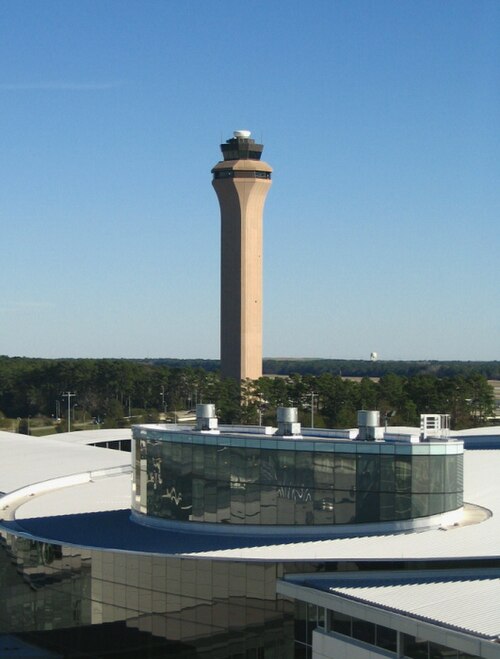
George Bush Intercontinental Airport’s air traffic control tower in December 2006
As of midday Wednesday, official estimates on the airport’s website showed Terminal A South checkpoint waits at 240 minutes — four hours — while Terminal E registered 180 minutes, or three hours. Lines frequently snaked outside terminals and even into non-standard queuing areas, including underground train levels in some cases. By evening hours on recent days, some waits eased to under 30 minutes as passenger volumes dropped, but morning and midday rushes remained chaotic.
The disruptions stem from the federal government shutdown that began Feb. 14, now stretching into its sixth week. TSA officers nationwide continue working without pay, leading to high call-out rates. At IAH, absenteeism has hovered around 36% to 39%, among the highest for major U.S. airports, forcing consolidation of screening operations. Only Terminals A and E currently host active TSA checkpoints, with reduced lanes and no consistent TSA PreCheck or CLEAR services.
Houston Airports System Director of Aviation Jim Szczesniak noted in recent updates that staffing levels allow only a third to half of normal screening lines to operate across the airport’s five terminals. Federal Immigration and Customs Enforcement (ICE) agents have been deployed to assist at IAH and neighboring William P. Hobby Airport, helping direct crowds, distribute water and maintain order, though they do not perform screening duties.
George Bush Intercontinental, one of the nation’s busiest airports and a key hub for United Airlines, handles more than 45 million passengers annually. Its five terminals — A, B, C, D and E — serve a mix of domestic and international flights, with Terminal C primarily dedicated to United operations. During the current crisis, passengers checking bags in other terminals are directed to A or E for security, adding further complexity and time.
Advertisement
Airport officials have issued repeated alerts urging travelers to arrive significantly earlier than usual. Recommendations include contacting airlines immediately for potential rebooking waivers, downloading airline apps to monitor gates while in line, and limiting carry-on items to speed the process. Some airlines have offered flexible rebooking options for those missing flights due to security delays.
Third-party trackers showed varying averages. Historical hourly data indicated overnight waits around 15-27 minutes, rising to 30-37 minutes during typical daytime hours under normal conditions. However, current conditions have rendered many estimates unreliable, with manual updates from the airport providing the most accurate guidance. The official MyTSA app has lagged during the shutdown, prompting reliance on fly2houston.com for real-time postings.
Travelers shared stories of frustration on social media and local news. Lines in Terminal A have extended across multiple floors, with some passengers reporting waits exceeding five hours on busy mornings. Families with children, elderly travelers and those with connecting flights faced particular hardship. Houston Airports staff in bright orange polos circulated to offer directions and assistance, while nonprofit groups provided meals to working TSA officers and fuel support for their families.
The shutdown has affected TSA operations nationwide, with similar long lines reported at hubs like Atlanta and others. In Houston, call-out rates at Hobby Airport reached over 40%, though smaller scale helped keep waits somewhat shorter there. At IAH, the situation has prompted warnings of missed flights and calls for swift congressional action to resolve the funding impasse.
Advertisement
Experts note that TSA employs tens of thousands of screeners, and even moderate call-outs compound quickly during peak travel periods. The current crisis has highlighted vulnerabilities in the system, with reduced capacity forcing consolidation and longer processing times per passenger. Screening procedures remain unchanged, but fewer open lanes mean slower throughput.
Houston Airports has taken several steps to mitigate the impact. Non-TSA staff assist with bin management and passenger flow communication. Parking reservations are encouraged online to reduce ground congestion. The airport continues to monitor staffing in real time and adjust operations accordingly. International travelers, many routed through Terminal D or E, receive specific guidance to check bags before proceeding to active checkpoints.
For those with TSA PreCheck or Global Entry, services have been inconsistent or unavailable on many days, pushing all passengers into standard lanes. CLEAR biometric lanes have also been closed during peak disruption periods. Officials stress that safety remains the priority, with no compromises to screening protocols despite the strain.
Broader economic ripple effects include potential disruptions to business travel and tourism in the Houston region. The airport serves as a gateway to energy, medical and aerospace industries, amplifying the stakes of prolonged delays. Local elected officials and travel advocates have urged federal lawmakers to address TSA pay and staffing issues promptly.
Advertisement
As the shutdown drags on, Houston Airports continues updating its FAQ with practical advice: Use restrooms and purchase necessities before joining lines; ensure ID matches boarding passes exactly; and remain flexible with travel plans. The agency has coordinated with airlines to minimize cascading delays where possible.
Looking ahead, spring break and summer travel seasons could exacerbate pressures if the funding situation persists. TSA has historically ramped up hiring during peaks, but current constraints limit that flexibility. Passengers with disabilities or medical needs are encouraged to contact TSA Cares in advance for coordinated assistance.
Wednesday’s conditions reflected the fluid nature of the crisis. While some evening relief appeared on prior days, officials cautioned that waits could again exceed four hours depending on staffing and flight schedules. Travelers are advised to check fly2houston.com/iah/security/ frequently, as updates occur throughout the day.
In the meantime, the airport maintains full operations for flights, with delays primarily tied to security bottlenecks rather than runway or gate issues. United Airlines and other carriers have issued advisories recommending passengers build in substantial buffer time — three to four hours or more for domestic flights during peak disruptions.
Advertisement
The situation at George Bush Intercontinental Airport underscores the human element behind aviation security. TSA officers working without pay have shown dedication, but the strain is evident. Support efforts, including meals from the Houston Food Bank and assistance from Wings of Compassion, aim to sustain morale.
For now, patience and preparation remain the best tools for navigating IAH security. As negotiations in Washington continue, Houston travelers hope for swift resolution to restore normal staffing and shorter lines at one of the country’s busiest gateways.
JLL has a major footprint in the Middle East, managing and leasing properties in Dubai and Abu Dhabi in the United Arab Emirates and in Riyadh, Saudi Arabia.
CEO Christian Ulbrich said the business impacts of the Iran war depended on how long the conflict lasted.
“It’s a tragedy from a point that the region was on a really strong growth trajectory, and this is, at the moment at least, interrupted for the time being,” said Ulbrich.
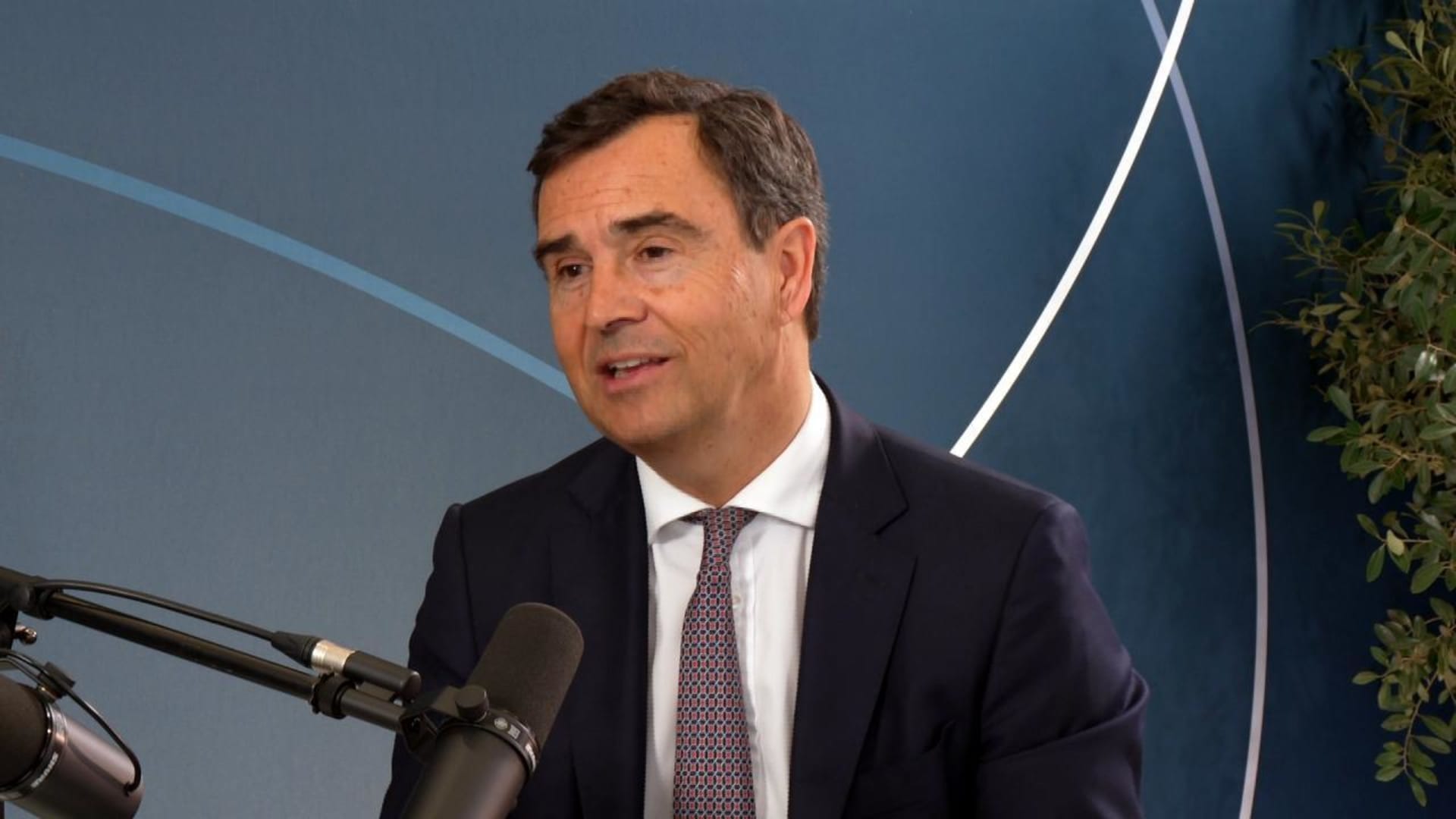
A version of this article first appeared in the CNBC Property Play newsletter with Diana Olick. Property Play covers new and evolving opportunities for the real estate investor, from individuals to venture capitalists, private equity funds, family offices, institutional investors and large public companies. Sign up to receive future editions, straight to your inbox. In the first weeks of the war with Iran, the expectation was that the impact on the global economy would be short-lived, but as it has dragged on that is no longer the case. Two weeks ago, Christian Ulbrich, CEO of JLL, said he was not “overly concerned” about interest rates, because he thought the end of the war would be coming soon. “If it doesn’t,” he told the Property Play podcast, “We have a different situation.” JLL has a major footprint in the Middle East, managing and leasing properties in Dubai and Abu Dhabi in the United Arab Emirates and in Riyadh, Saudi Arabia. It also provides project and investment management for large-scale infrastructure and investment projects. Ulbrich said his concern first and foremost was for his employees in the region, and that he had been in close touch with managers there monitoring their safety. The business impacts, he said, depended on how long the conflict lasted. “It’s a tragedy from a point that the region was on a really strong growth trajectory, and this is, at the moment at least, interrupted for the time being,” said Ulbrich. Residential real estate transactions in the UAE were down 38% in the second week of March compared with the same period in 2025, and the value of transactions was down 42%, according to analysts at Goldman Sachs in a recent report. And it’s not just the Middle East. “We entered this conflict with a very strong outlook for 2026. The economy was doing really well globally and particularly well here in the U.S.,” Ulbrich said. “Inflation was coming down, still a bit sticky, but directly coming down in the U.S. [and] very much, coming down in Europe.” Now, he said, a strong outlook has given way to a new period of uncertainty. Residential buildings as well as hotels have been struck by Iranian drones in Dubai, an area that has seen arguably unprecedented urban growth in just the last decade. “What worries me the most is literally the amount of conflict and disruption in the world,” said Ulbrich. “Those existing conflicts are not solved. We add new ones, and so uncertainty is not great for the economy. As you know, the economy has a lot to do with sentiment, and we were just kind of getting to terms with the existing challenges in the world, and were off to a very good start, and now we have a new conflict, which is sizable, and therefore this adds now additional uncertainty, and that is not good for the economy.”
It’s first restaurant in Wales in the centre of Cardiff has been supported with debt funding from the £130m Investment Fund for Wales
Left to right Bethan Bannister, British Business Bank; Joe Cook, Bosco; John Babalola, FW Capital.
Italian restaurant venture Bosco has opened its first Welsh restaurant with plans for further venues.
Its latest venue, in the centre of Cardiff, has been supported with a £350,000 loan from the £130m Investment Fund for Wales (IFW),The first Bosco opened in Bristol in 2014, with it now operating four restaurants in the south-west of England.
With the successful launch of its Cardiff restaurant the business is looking to add further Welsh locations over the next 18-months.
Funding support for its Cardiff venue, has come from the large loans element of the British Business Bank’s IFW. It is managed by Development Bank of Wales, subsidiary business FW Capital. Bosco has deployed the funding to refit premises on High Street, as well as providing working capital. The loan also unlocked a further seven-figure co-investment from private investors
Joe Cook, managing director at Bosco, said: “The new restaurant at Cardiff has already exceeded our expectations. That part of the city has an impressive buzz and busy atmosphere, and we’ve been welcomed with open arms.
“It’s always been our intention to grow as a business, and this loan allowed us to put our stamp on the new site, and refit it at scale in line with our brand. Thanks to the success of the Cardiff restaurant, we’re know confident in what we can accomplish in Wales, and certainly want to grow further in Wales in the next year-and-a-half.”
Advertisement
John Babalola, investment executive at FW Capital, said: “Bosco have a fantastic brand. Their expansion to one of Cardiff’s most popular areas for bars and restaurants was an obvious next step for them. We’re glad that our support has helped them to get the Cardiff restaurant set up at speed, and it’s good to see that it’s already in high demand.”
Bethan Bannister, senior investment manager, nations and regions investment funds at the British Business Bank, said: “We’re pleased to see the Investment Fund for Wales supporting Bosco, bringing a popular brand to Cardiff. This investment highlights how the fund can provide the right finance at the right time to help ambitious businesses expand into new markets, create jobs and contribute to the vibrancy of our towns and city centres.”
The large debt element of the IFW can makes loans from £100,000 to £2m.
Value stocks led U.S. markets higher in the fourth quarter, with large-cap value broadly outperforming growth counterparts. Artificial intelligence (AI) remained a dominant performance driver. Yet, significant multiple expansion across the AI trade helped to prompt emerging signs of
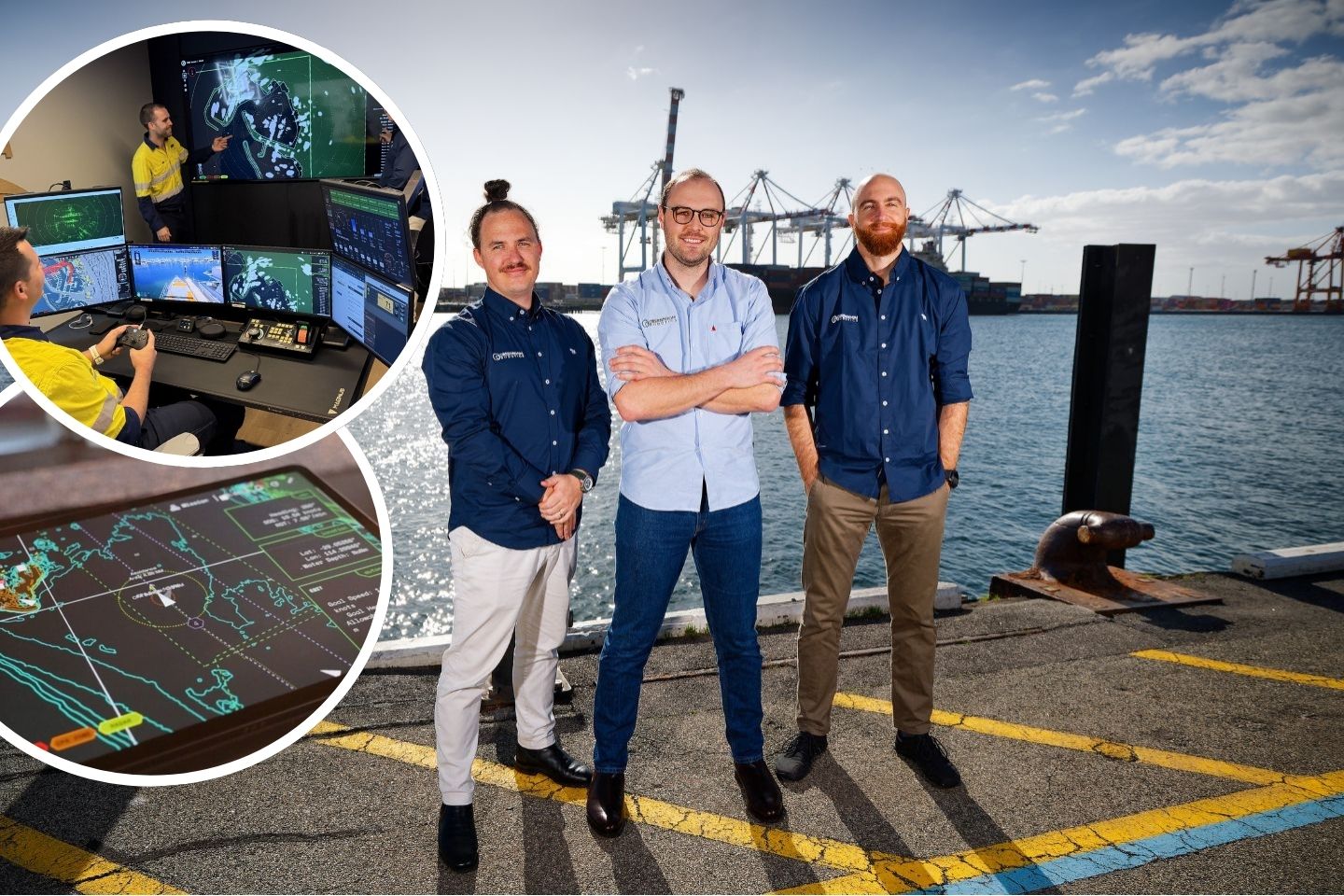
A project to map the entire ocean floor by 2030, which is supported by Japan’s largest charitable organisation, has inked a deal with a Perth maritime autonomy software developer.
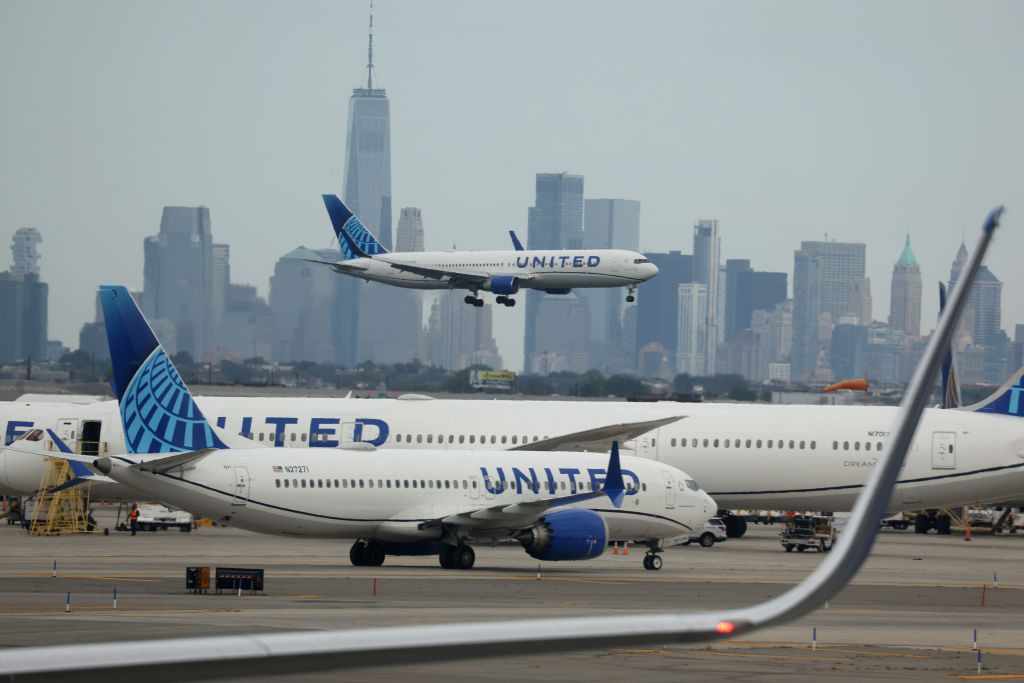
Airfares could soon rise sharply as United Airlines warns that high oil prices may force ticket increases of up to 20%, putting pressure on travelers and the broader airline industry.
Speaking in a recent interview, CEO Scott Kirby said the company is preparing for fuel costs to stay high for a long time, especially as global tensions continue to push oil prices upward.
If that happens, airlines may have no choice but to pass those costs on to customers.
“That would require prices to be up 20%, to break even to cover that cost,” Kirby said, pointing to the growing financial strain from fuel expenses, NY Post reported.
Advertisement
Jet fuel is one of the biggest costs for airlines. When oil prices rise, it becomes much more expensive to operate flights. Kirby warned that if fares increase, fewer people may choose to travel.
“There will be less demand. There’ll be fewer people traveling as prices go up,” he said.
For now, travel demand remains strong. Kirby noted, “Demand is incredibly strong right now,” but added that the airline is planning ahead in case conditions change.
United Airlines CEO Scott Kirby said ticket prices may have to go up by 20% if jet fuel prices remain elevated for longer https://t.co/WPmNuUmZ0R
United has already cut about 5% of its flight capacity, removing routes that are not making enough money to cover rising fuel costs.
“There’s just no point in flying flights that are gonna lose money,” Kirby explained, emphasizing that the airline is focusing on efficiency.
According to FoxBusiness, the company expects oil prices could remain above $100 per barrel through next year and may even climb as high as $175 in a worst-case scenario.
If that happens, Kirby described it as a “stress event” for the airline industry, though still not as severe as the impact seen during the COVID-19 pandemic.
Advertisement
Unlike some airlines, United does not rely heavily on fuel hedging. Kirby said the company’s size makes it difficult to hedge without affecting the market. Instead, United has built up its cash reserves to handle unexpected cost increases.
The airline estimates that current fuel prices could add about $11 billion in expenses. To offset that, ticket prices would need to rise significantly, which could change how people plan trips.
Experts say higher fares may push families to rethink vacations or choose closer destinations. While business travel may continue, everyday travelers could feel the biggest impact.



















































You must be logged in to post a comment Login