
Business
What Actually Happens, and How Not to Overpay

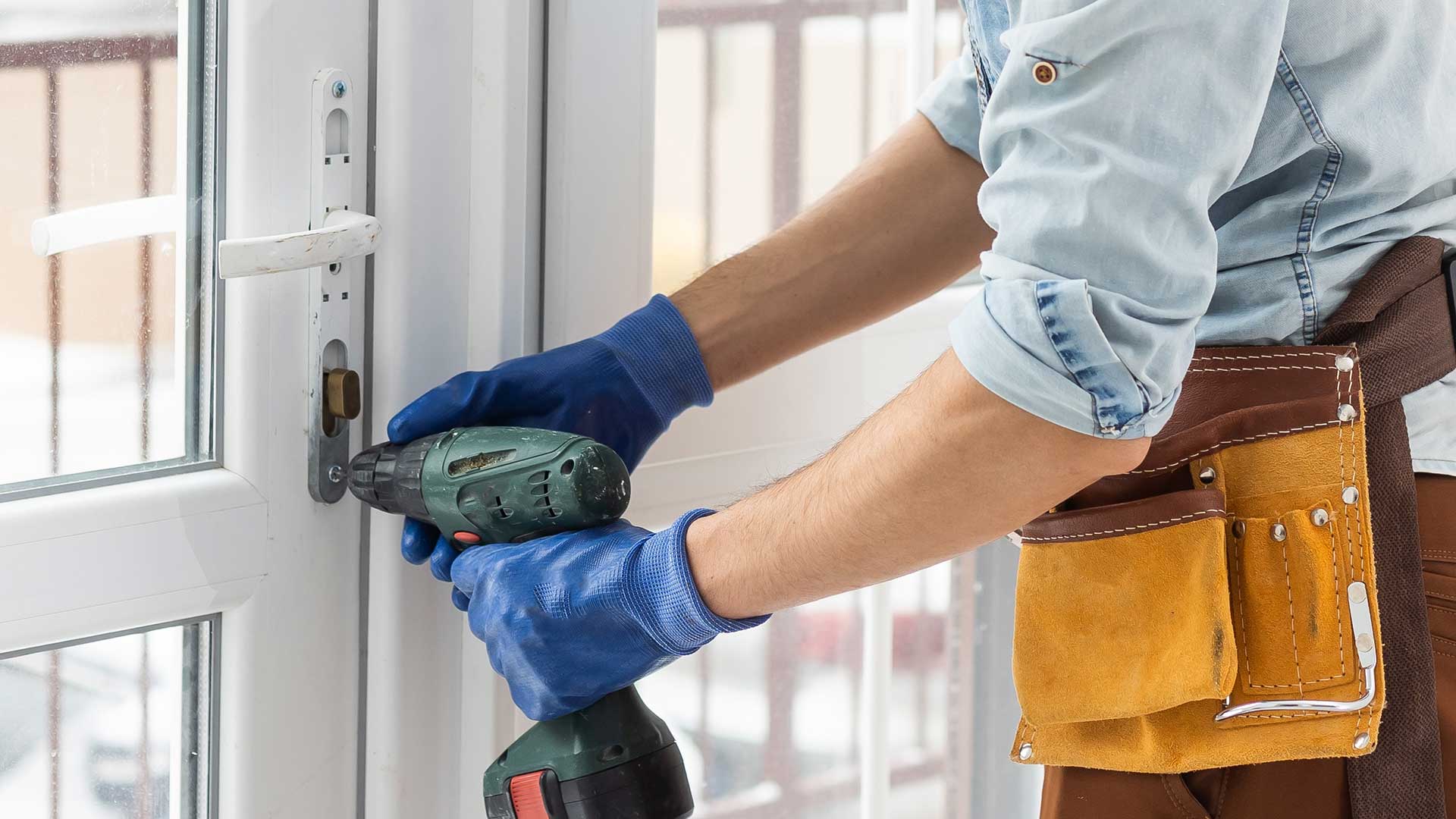
Knowing in advance what a competent locksmith will actually do, and roughly what it should cost, turns a stressful scramble into a manageable inconvenience, and it is the best protection there is against being overcharged in the moment.
The single most useful thing you can do about a lockout is understand it before it happens, because the doorstep, cold and flustered, is the worst place to start learning. LocksmithLocal attends lockouts constantly, and the reassuring reality is that the overwhelming majority are resolved quickly and without damage to your door. The horror stories that make the news are the exception, not the rule, and they almost always share the same avoidable features, which means knowing the normal process is most of the defence.
The first thing worth knowing is that a good locksmith opens most doors without destroying anything. Non-destructive entry is a core skill of the trade, a set of techniques for manipulating a lock open so that it still works perfectly afterwards and you are not left needing a new one. For the common situation of a door that has simply latched behind you, or a standard lock you are shut out of, a trained locksmith expects to get you back in without drilling and without a replacement. If someone reaches for a drill as their opening move on an ordinary lockout, that is a signal something is wrong, because destruction should be the last resort, not the first.
Drilling does have its place, and it is worth being fair about that so you can tell a legitimate case from a scam. Occasionally a lock is genuinely beyond non-destructive entry, because it has failed internally, seized solid, or is a high-security type that resists manipulation by design. In those cases drilling is the correct answer, and an honest locksmith will explain clearly why non-destructive entry will not work before starting, and what it will mean for replacement. The difference between honest drilling and the rogue kind is transparency. One is explained and justified; the other appears immediately and quietly turns a simple job into an expensive one.
Price is where people feel most vulnerable, so it helps to know how honest pricing is structured. A straightforward, transparent locksmith gives you a clear idea of the cost before they travel, usually a call-out or labour charge plus the price of any parts genuinely needed. The figure should be given up front and should not transform once they are on your doorstep and you are committed. What you are paying for is skill and speed and the tools to get you in without damage, and a fair price reflects that honestly. Vagueness about cost before arrival is the warning sign, because a locksmith who will not commit to a number on the phone often has a reason.
The classic overcharging scam follows a script, and recognising it is your best defence against it. It starts with a suspiciously low price on the phone, low enough to win the job over more honest competitors. Then, once the locksmith is at your door and you feel committed, the job mysteriously becomes complicated. The lock supposedly has to be drilled, parts have to be replaced, and the final bill bears no relation to the quote. National reporting has repeatedly exposed exactly this bait-and-switch pattern. The tell is the gap between the phone price and the doorstep price, and the pressure applied to make you accept it before you can think.
You keep far more power in that moment than the situation makes you feel, and it is worth remembering. You are entitled to ask for the full price before any work begins, to ask why a lock needs drilling when non-destructive entry is usual, and to decline and call someone else if the answers do not satisfy you. A locksmith knowing where you live can feel like a hold over you, but it does not remove your right to refuse an unfair charge. Slowing down, asking direct questions, and being willing to walk away are exactly the behaviours a rogue operator is counting on you being too flustered to attempt.
The best protection, though, is arranged before you ever need it, and it costs nothing to set up. Spend ten minutes now, while nothing is wrong, finding a reputable local locksmith. Check that they are accredited and insured, look for a genuine local presence rather than an anonymous national number, and save their contact somewhere you can reach it even when locked out of the house, in your phone or with a trusted neighbour. When the lockout comes, and eventually it will, you make one call to someone you already trust instead of gambling on the fastest-appearing result in a panicked search.
A lockout is genuinely one of the more solvable emergencies life throws at you, provided you are not exploited while it is happening. The normal course of events is quick, non-destructive, fairly priced and over within the hour. The scam version depends entirely on catching you unprepared, uninformed and rushed. Knowing that non-destructive entry is the norm, that drilling should be explained rather than sprung on you, and that the price should be clear before anyone travels, strips the scam of its power. Line up an accredited locksmith before you need one, and a lockout becomes what it should be: a minor annoyance, not a costly ordeal.

Berkshire Hathaway: The World Isn't Ready For Warren Buffett's Successor

Some economists see a silver lining to the global surge in borrowing costs: the economy is strong enough to handle them.
Economies around the world are showing surprising resilience to higher central bank-interest rates and government bond yields that have jumped to multidecade highs across the developed world. The Federal Reserve, Bank of Japan and European Central Bank are among central banks that have lifted interest rates to contain inflation driven by the war with Iran.
Copyright ©2026 Dow Jones & Company, Inc. All Rights Reserved. 87990cbe856818d5eddac44c7b1cdeb8


My investment philosophy is built around one objective: compounding capital over a 30-year horizon to achieve financial independence by age 60. I target 12–15% annual total returns and focus purely on risk-adjusted upside. I don’t subscribe to a specific investing label — value, growth, dividend, or quality. Capital goes where the opportunity is strongest. My portfolio is intentionally concentrated, typically holding no more than 10–15 positions. These are high-conviction investments, not an exercise in diversification for its own sake. Valuation matters, but only in the context of future growth and business quality. I’m not looking for the cheapest stocks — I’m looking for the best risk-reward opportunities. I invest across both US and European markets and use dollar-cost averaging as a core execution discipline to remove emotion and market timing from the process. Outside equities, I own two residential properties. Combined with stocks, this provides geographic and asset-class diversification.
Analyst’s Disclosure: I/we have a beneficial long position in the shares of SCHD, VOO, QQQ either through stock ownership, options, or other derivatives. I wrote this article myself, and it expresses my own opinions. I am not receiving compensation for it (other than from Seeking Alpha). I have no business relationship with any company whose stock is mentioned in this article.
Seeking Alpha’s Disclosure: Past performance is no guarantee of future results. No recommendation or advice is being given as to whether any investment is suitable for a particular investor. Any views or opinions expressed above may not reflect those of Seeking Alpha as a whole. Seeking Alpha is not a licensed securities dealer, broker or US investment adviser or investment bank. Our analysts are third party authors that include both professional investors and individual investors who may not be licensed or certified by any institute or regulatory body.

The S&P 500 Is Flashing The Same Warning Signs Seen In 2018 And 2022

CIBC stands out as the value pick among Canada’s major bank stocks


Oliver Rodzianko is Director of Invictus Origin and a private investor managing a high-alpha portfolio strategy focused on rotation and disciplined cash deployment during market dislocations.
Analyst’s Disclosure: I/we have a beneficial long position in the shares of LULU either through stock ownership, options, or other derivatives. I wrote this article myself, and it expresses my own opinions. I am not receiving compensation for it (other than from Seeking Alpha). I have no business relationship with any company whose stock is mentioned in this article.
Seeking Alpha’s Disclosure: Past performance is no guarantee of future results. No recommendation or advice is being given as to whether any investment is suitable for a particular investor. Any views or opinions expressed above may not reflect those of Seeking Alpha as a whole. Seeking Alpha is not a licensed securities dealer, broker or US investment adviser or investment bank. Our analysts are third party authors that include both professional investors and individual investors who may not be licensed or certified by any institute or regulatory body.

Caterpillar (NYSE: CAT) has been outperforming the S&P 500 by riding artificial intellgience (AI) tailwinds, and a recent correction doesn’t change that fact. While talks about a slowdown in AI development gripped headlines, they were largely for naught, with Meta Platforms CEO Mark Zuckerberg saying that market forces and competition are enough to keep AI models safe.
Hyperscalers are ramping up their AI development, and Caterpillar is at the center of it, since power is a critical bottleneck. That’s the basic setup for why Caterpillar’s correction won’t last for long, but there are additional details that can fuel a rally.
Missed AI’s “Act 1”? Act 2 Could Be 15x Bigger. Most investors think they missed the AI boat because they didn’t buy Nvidia in 2005. But according to our analysts, we’re only at the end of “Act 1″—the R&D phase. “Act 2” is the global rollout. Continue »

The AI build-out needs power and infrastructure
Caterpillar is gaining market share across multiple key industries vital to artificial intelligence. First, its power & energy segment increased by 17% year over year in the second quarter.
High demand from AI data centers has ignited this segment of the business to the point where Caterpillar is sitting on a $72 billion backlog. The backlog has almost doubled year over year and provides meaningful revenue visibility. It’s also up by $9.4 billion sequentially, which represents a 15% boost.
Second, AI data centers still need to be built to accommodate the increased need for compute. As hyperscalers gobble up existing gigawatts for their long-term projects, it further restricts the supply of remaining compute. Its construction segment saw a 35% year-over-year revenue jump.
Most of the growth came from North America, which correlates with where most tech giants are setting up data centers. Construction revenue was up year over year in every region.
The valuation looks more compelling
Dips present good buying opportunities when a company’s fundamentals improve or remain stable. In Caterpillar’s case, the company has demonstrated deep involvement in the AI boom, with the backlog serving as a multi-year green flag.
The correction has brought Caterpillar down to a 1.4 PEG ratio. The stock has previously hovered above a 2 PEG ratio, and its other valuation metrics, including the P/E ratio, are much lower than they were a few months ago.
An investment in Caterpillar right now is a bet that the AI boom will continue. Grand View Research projects a 30.6% CAGR for the artificial intelligence industry through 2033. In the meantime, hyperscalers continue to commit vast sums to capital expenditures. Six of the major hyperscalers are projected to spend $1.3 trillion in 2027.

Fed’s Kashkari says inflation goes beyond oil prices, according to Fox News interview

Minneapolis Fed’s Kashkari says inflation remains too high
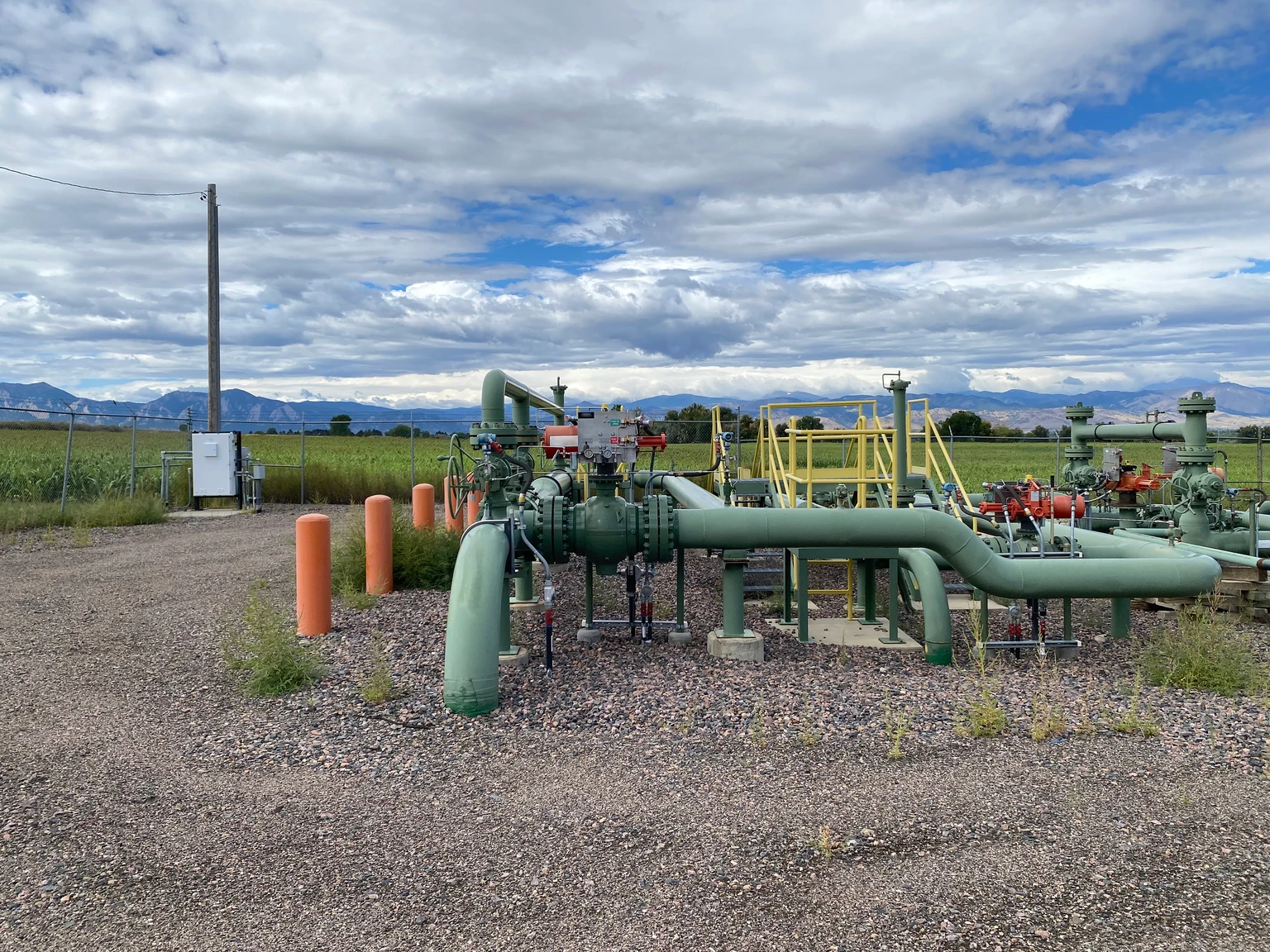
Energy Transfer: Enough Is Enough (Rating Downgrade)

Asiad 2026: India open shooting campaign with women’s 10m air rifle silver | Asian Games 2026

Who Makes Cafe Appliances And Where Are They Manufactured?

Trump Official Calls News Outlets That Negatively Report On The President ‘Treasonous’

Weekend Open Thread – Corporette.com

Weekend Open Thread: Talbots – Corporette.com

Memory prices are slowing because buyers ran out of money

Airdrop Digger Community #airdrop #telegrambot #airdrops #cryptocurrency #shorts #earnmoneyonline

#meaning #marriage #hardwork #money

BTC & ETH live crypto trade #trading #crypto #live #foryoupage #shortvideo #cryptocurrency #shorts
-
 Fashion2 days ago
Weekend Open Thread: Talbots – Corporette.com
-
 NewsBeat2 days ago
Trump says US has reached an agreement to take permanent control of Greenland’s security
-

 Crypto World2 days ago
Circle launches Arc Studio AI agent for building onchain apps
-
 Crypto World6 days ago
Revolut Attackers Warn of Ongoing Daily Customer Data Leaks
-

 Crypto World6 days ago
Kraken Lets xStocks Holders Earn Yield Through DeFi
-

 Crypto World5 days ago
Robinhood engineers charged over $50K crypto scheme
-

 Crypto World5 days ago
What Is the Status of the U.S.-Iran Peace Talks? Here's What Both Sides Are Saying
-

 Crypto World4 days ago
US Charges Robinhood Engineers Over Crypto Listing Trades
-

 Crypto World2 days ago
Bitcoin price breaks channel as RSI climbs to 63
-

 Crypto World6 days ago
Elon Musk Drops a Bombshell: Grok 5 Could Be the AGI Breakthrough
-

 Crypto World7 days ago
New Tesla Roadster Uses SpaceX Tech. Will It Impact the Stock Price?
-
 NewsBeat6 days ago
‘Sick conspiracy’: Trump says only guardrails AI needs is ‘a strong and smart (High IQ!) president’ in all-caps rant
-

 Crypto World5 days ago
NVIDIA Analysis: Attempted Rising Wedge Breakout Amid Pressure on the AI Sector
-
Business6 days ago
SK Hynix ADRs Fall More Than 6% as Memory Rally Breaks on Fears of Slower AI Spending
-

 Tech5 days ago
Webb’s IC 348 Mosaic Includes Two-Jupiter Dwarfs, Twin Jets, and a Nursery Still Making Worlds
-

 Crypto World6 days ago
3 Token Unlocks to Watch in the Third Week of September 2026
-
Crypto World6 days ago
Can Circle’s Arc Repeat Robinhood Chain’s Meme Coin Boom?
-

 Crypto World6 days ago
DOJ Seeks to Seize $61M in Iran Oil Funds From Binance Accounts It Vouched For
-

 Crypto World7 days ago
AI Safety Burden Falls on Chief Executives as Trump Prioritizes China Race
-
 NewsBeat2 days ago
US was ‘on brink of war’ with China over false AI report of nukes moving in Middle East
You must be logged in to post a comment Login