
Business
What do people want from Argos?




According to a filing with the exchange, the revenue grew to Rs 2,235 crore, driven by broad-based performance across all segments and PAT grew at 15.2% YoY to Rs 143 crore with margin of 6.4%.
Also Read | Crompton Greaves Q1 Results: Profit rises 15% to Rs 142 crore, revenue up 11%
The EBITDA was recorded at Rs 224 crore grew ahead of the revenue at 14.2%, driven by pricing interventions, operating leverage, and cost initiatives. The company had posted a net profit of Rs 123.9 crore in the April-June quarter a year ago.
The company’s total expenses were at Rs 2,065.50 crore, up 11.29% in the first quarter of FY’27.

Segment wise performance
ECD: ECD reported revenue growth of 10.6% YoY; driven by robust performance in BLDC fans followed by Pumps and Large Appliances. BLDC fans delivered highest quarterly sales and grew at nearly 44%; launched 5 new fans during the quarter.
EBIT grew at 12.1% YoY, outpacing revenue growth; driven by pricing interventions and operating leverage.Lighting: Lighting delivered strong double digit revenue growth of 15.4% YoY; EBIT margin at 12.0%. Double-digit growth across B2C and B2B segments, supported by strong traction in Ceiling lights, Commercial lights and Industrial lights. This segment delivered industry leading EBIT margin of 12.0%.
Butterfly: Butterfly delivered double digit revenue growth of 14.1% YoY; EBIT margin at 4.2% grew at 19.5% YoY. This segment saw a robust revenue growth delivered across all channels.
The company rolled out B2C solar rooftop and solar pumps to retail market in select cities in Q1FY27 and wire launch is progressing well – collecting initial feedback from markets entered.
“We delivered a resilient performance during the quarter with disciplined pricing, premiumization and strong execution across channels. While supply tightness impacted near-term revenue, pricing measures and operating leverage ensured margins and cash flows were healthy,” said Promeet Ghosh, MD & CEO.
“We are delighted to share that Butterfly this quarter won Golden Peacock Eco-Innovation Award 2026 for India’s first 5-star rated cooktop “RENZ COOKTOP” reflecting our commitment to innovation that is driven by consumer needs. We remain focused to advance Crompton 2.0 strategic priorities anchored in accelerated premiumization, deeper distribution, and consumer centric differentiated innovation to drive sustained long-term value creation,” Ghosh further said.
Also Read | Hero MotoCorp shares jump 3% as Q1 profit rises 29% YoY, beats estimates. What’s ahead?
The total consolidated income, which includes CGCEL’s other income, was Rs 2,256.81 crore in the June quarter, up 11.6%.
In the last one month, the stock went up 1.57% and in the last one year, it went up 4.59%. In the last three and five years, the stock was up 39.98% and 70.08% respectively.
(Disclaimer: Recommendations, suggestions, views and opinions given by the experts are their own. These do not represent the views of Economic Times)
Business
Iovance Biotherapeutics Stock Soars 34% After Record $99 Million Quarter Beats Wall Street Estimates

Shares of Iovance Biotherapeutics surged Thursday morning, climbing 34.10%, or $1.48, to $5.82, after the cancer cell therapy company reported record second-quarter revenue that far exceeded Wall Street’s expectations and said it was reviewing its full-year sales guidance upward in light of stronger-than-anticipated demand.
The San Carlos, California-based biotechnology company reported total revenue of approximately $99.3 million for the second quarter, a 66% increase from the roughly $60 million posted in the same period a year earlier and a 39% jump from the first quarter of 2026. The figure came in well above the $87.67 million analysts had been expecting heading into the report, according to consensus estimates.
Amtagvi Sales Drive the Beat
The revenue surge was driven primarily by continued strength in U.S. sales of Amtagvi, Iovance’s flagship cell therapy for advanced melanoma and the first FDA-approved T cell therapy for a solid tumor cancer. U.S. Amtagvi revenue reached approximately $91 million during the quarter, up 40% from the fourth quarter of 2025. Global sales of Proleukin, a supporting therapy used alongside Amtagvi treatment, contributed roughly $9 million and are expected to continue growing through the remainder of the year.
Gross margin improved to 56% for the quarter, which the company attributed to higher Amtagvi sales volume, continued cost discipline and improving efficiency at its internal manufacturing operations. Research and development expenses fell approximately 6% compared with the first quarter, marking the fourth consecutive quarter of improvement on that front as the company continues working toward profitability.
Guidance Under Review
Frederick Vogt, Iovance’s interim president and chief executive officer, addressed the results in a statement, saying second-quarter revenue reached a record $99.3 million with gross margin of 56%, driven by continued U.S. Amtagvi demand. Vogt said that based on the company’s second-quarter performance and strong demand trends, Iovance is reviewing its previously issued full-year 2026 revenue guidance of $350 million to $370 million and will provide an updated figure during the third quarter.
Vogt also pointed to progress across the company’s broader clinical pipeline, noting continued excitement about lifileucel’s advancement into other solid tumor indications, including metastatic non-squamous non-small-cell lung cancer, a newly announced registrational trial in certain sarcomas, and metastatic serous endometrial cancer. He said continued manufacturing and operating efficiencies are supporting the company’s path toward sustainable growth and profitability while advancing its pipeline of novel treatments in new solid tumor indications.
A Narrower Net Loss
Despite the strong revenue growth, Iovance continued to report a net loss for the quarter, though the size of that loss narrowed considerably compared with a year earlier. The company posted a net loss of $47.3 million, or 11 cents per share, for the second quarter, a significant improvement from the $111.7 million, or 33 cents per share, loss reported in the same period last year. Total costs and expenses fell to $151.2 million from $173.7 million a year earlier, reflecting the combination of higher sales offsetting continued investment in research, development and commercial operations.
Iovance ended the quarter with a cash position of approximately $304 million, including cash, cash equivalents, short-term investments and restricted cash, which the company said should be sufficient to fund operations into the second half of 2028.
An FDA Fast Track Designation
Alongside its financial results, Iovance announced that the FDA had granted Fast Track Designation to lifileucel, the active ingredient in Amtagvi, for the treatment of soft tissue sarcomas, specifically undifferentiated pleomorphic sarcoma and dedifferentiated liposarcoma. The designation is intended to expedite the therapy’s development and regulatory review process and followed positive early data from the company’s SARATOGA registrational trial, which showed an objective response rate of 50% among the first six evaluable patients treated. Iovance said it plans to present those results in an oral presentation at the European Society for Medical Oncology meeting in Madrid this October.
Expanding Global Reach and Treatment Access
Iovance also highlighted continued growth in Amtagvi’s authorized treatment center network, which has expanded to more than 95 locations across the U.S., Canada and Australia, with at least 110 centers expected to be active by the end of the year. The company said unaided physician awareness of Amtagvi has nearly tripled over the past year, aided by a new marketing campaign and an expanded sales team, while community treatment centers now represent roughly a third of the overall network and are expected to grow further in coming quarters.
On the international front, Iovance’s marketing authorization application for Amtagvi in Australia was approved by that country’s Therapeutic Goods Administration, marking the therapy’s third global regulatory approval to date. A resubmitted application in the United Kingdom is undergoing expedited review by British regulators, with a decision expected later this year, while a potential approval in Switzerland is anticipated in the first half of 2027. A separate application to the European Medicines Agency remains on track for 2027.
A Deep Pipeline Beyond Melanoma
Beyond its core melanoma business, Iovance continues to advance a broader pipeline of TIL-based therapies targeting additional solid tumors. The company’s IOV-LUN-202 trial in metastatic non-squamous lung cancer has nearly completed enrollment in its pivotal cohorts, with program updates expected in the fourth quarter and a supplemental biologics license application submission planned for 2027. A Phase 3 trial combining lifileucel with the immunotherapy drug pembrolizumab is also enrolling patients with frontline advanced melanoma, with results expected to be presented at the same European oncology conference this fall.
The company’s next-generation pipeline includes several experimental approaches, including a PD-1 inactivated TIL therapy and a next-generation interleukin-12-based treatment designed to target so-called “cold tumors” that have historically been more resistant to immunotherapy, along with early-stage investigator-sponsored trials exploring lifileucel’s use in additional cancer types, including certain skin cancers.
With a substantial upward revenue surprise and an FDA Fast Track designation announced on the same day, Iovance’s second-quarter report gives investors considerably more confidence heading into the back half of 2026, particularly as the company prepares to release updated full-year guidance during the third quarter. Investors are likely to watch closely for that revised outlook, along with further updates on the company’s expanding authorized treatment center network and progress across its broader pipeline of solid tumor therapies, as key indicators of whether Thursday’s rally can be sustained in the weeks ahead.
Business
Samsung, SK Hynix Test Chinese Chip Equipment as a Hedge Against Tighter US Export Controls
SEOUL — Samsung Electronics and SK Hynix, the world’s two largest memory chipmakers, have been evaluating chipmaking equipment from China’s Advanced Micro-Fabrication Equipment Co., known as AMEC, for possible use at their Chinese factories, according to three people familiar with the matter, as the South Korean companies hedge against the risk of tightening U.S. export controls.
According to the sources, the memory chipmakers began testing AMEC etching equipment roughly two years ago, at a time when uncertainty was mounting over whether Washington would continue allowing them to import U.S.-made chipmaking tools into their Chinese facilities. Samsung told Reuters it has not tested AMEC equipment for use at its China factory and had not considered doing so. SK Hynix similarly said it has not tested AMEC tools for use in China, while separate reporting from TrendForce indicated the company declined to comment further on whether it was evaluating the Chinese supplier’s equipment.
A Rare Validation Opportunity for a Chinese Supplier
While the evaluations have not yet resulted in decisions on wider deployment, they offer AMEC, based in Shanghai, a rare opportunity to secure validation from two of the world’s leading chipmakers. More broadly, the trials illustrate a paradox at the center of U.S. technology policy: measures designed to constrain China’s semiconductor ambitions have, in this case, created an opening for Chinese equipment suppliers to gain a foothold inside foreign-owned chip factories operating within China.
AMEC and the U.S. Bureau of Industry and Security, the Commerce Department agency responsible for enforcing American export controls, did not immediately respond to requests for comment on the reported evaluations, according to Reuters. All sources for the original report declined to be identified given the sensitivity of the matter.
A Shifting Regulatory Landscape
The evaluations trace back to a series of regulatory changes affecting how Samsung and SK Hynix are permitted to supply their Chinese manufacturing facilities. The U.S. Commerce Department designated both companies’ Chinese factories as “validated end users,” or VEU, in 2023, a status that allowed them to import certain controlled American chipmaking equipment without obtaining individual export licenses for each shipment.
Washington revoked that VEU authorization in 2025, before later granting the two companies annual licenses permitting continued imports of chip manufacturing equipment into their Chinese facilities specifically for 2026. Even with that temporary license in place, both companies remain concerned that future restrictions could extend beyond the import of new equipment to cover the servicing, repair or replacement of Western tools already installed at their Chinese plants, according to the sources. As a result, the companies are reportedly keeping Chinese suppliers in reserve as a potential way to maintain and upgrade their existing production lines, rather than as a means to expand overall manufacturing capacity within China.
Samsung operates a NAND flash memory chip plant in Xian, China, while SK Hynix runs NAND facilities in Dalian along with a DRAM memory chip plant in Wuxi. Both companies’ Chinese operations rely heavily on etching equipment supplied by American firms including Applied Materials and Lam Research, underscoring the scale of exposure either company would face if servicing access to that Western equipment were further restricted.
A Chinese Equipment Maker Closing the Gap
For AMEC and China’s broader emerging semiconductor equipment industry, winning even preliminary approval from Samsung or SK Hynix would represent a significant commercial endorsement. While Chinese equipment makers continue to trail their overseas rivals in advanced lithography and certain inspection systems, they have narrowed the competitive gap in areas including etching, deposition, cleaning and planarization, often while offering meaningfully lower prices.
Dan Hutcheson, vice chair of research firm TechInsights, said Chinese chipmaking tools can cost 20% to 30% less than comparable equipment from established foreign suppliers. AMEC’s equipment is already in use at other leading Chinese chipmakers, including NAND flash producer Yangtze Memory Technologies Co., a track record that has given Samsung and SK Hynix greater confidence that certain AMEC systems are mature enough to warrant testing, according to the sources. Separate reporting by the South China Morning Post cited AMEC Chief Executive Gerald Yin Zhiyao describing the company’s etching technology as supporting chip production processes ranging from older 65-nanometer nodes to more advanced 5-nanometer and 3-nanometer nodes, with some of its products already adopted by Taiwan Semiconductor Manufacturing Co.
A Longer-Term Challenge for Established Suppliers
The growing capability of Chinese equipment suppliers could pose a longer-term competitive challenge to dominant Western toolmakers including Applied Materials, Lam Research and KLA, along with established Japanese and European rivals that have historically controlled key segments of the global wafer-fabrication equipment market. China remains a significant revenue source for those companies even amid the tightening regulatory environment; Applied Materials reported $8.53 billion in China revenue during fiscal 2025, equal to roughly 30% of its total global sales.
Any meaningful breakthrough for Chinese equipment suppliers in facilities operated by foreign chipmakers would still face significant hurdles, including lengthy technical qualification processes, comparatively smaller service networks, ongoing intellectual property concerns, and the potential for political pressure from Washington. It also remains unclear whether either Korean chipmaker would ultimately consider installing Chinese-made equipment at their domestic factories in South Korea, given separate security and intellectual property considerations that would apply outside of China.
A Fertile Opening Despite the Restrictions
Even so, analysts say U.S. export controls have helped create a meaningfully more favorable environment for China’s domestic semiconductor equipment industry to grow. Deutsche Bank has estimated that four Chinese equipment makers, Naura Technology, AMEC, Piotech and ACM Research, will each generate more than $1 billion in revenue during 2026. Together, the bank estimated those companies could capture between 25% and 30% of China’s projected $28 billion wafer-fabrication equipment market this year. Excluding the lithography and metrology segments, where Western and Japanese suppliers maintain a stronger technological lead, Chinese suppliers’ collective market share within China could approach 40%, according to Deutsche Bank’s estimate.
With Samsung and SK Hynix’s current annual license to import U.S. chipmaking equipment into China set to apply through 2026, both companies are likely to continue closely monitoring how Washington’s export control policy evolves in the months ahead, particularly regarding servicing and maintenance access for equipment already installed at their Chinese facilities. Whether either company ultimately moves beyond preliminary testing toward broader deployment of Chinese-made equipment remains uncertain, but the reported evaluations underscore how directly U.S. policy decisions continue to shape strategic planning across the global semiconductor supply chain, even among some of the industry’s most established players.
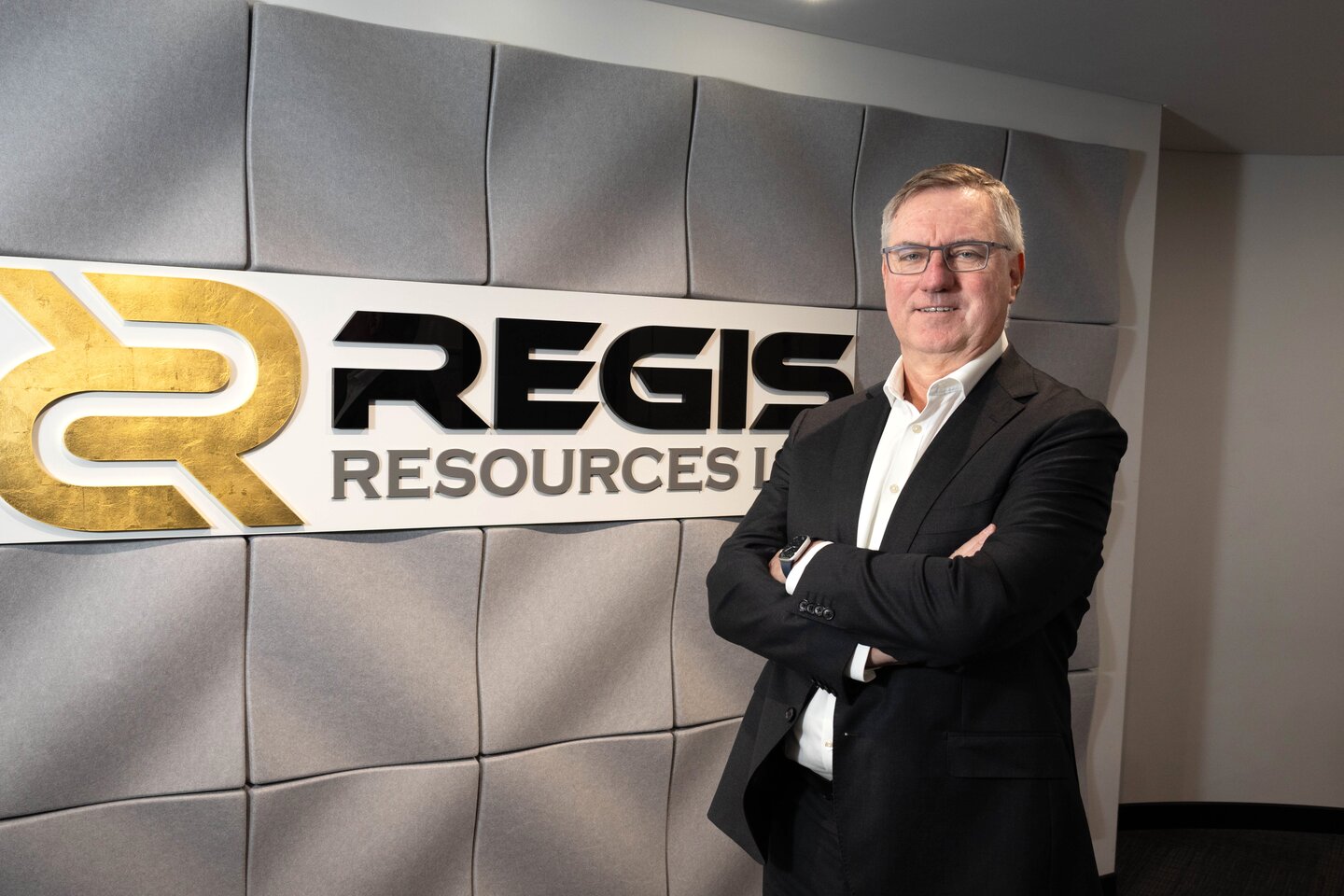
Fresh off a thwarted merger with Vault Minerals, Regis Resources is planning for a future with almost $1.2 billion in the bank.
Business
(LIVE) NASA Astronauts Meir and Menon Begin Spacewalk 96 to Prepare ISS for New Solar Array
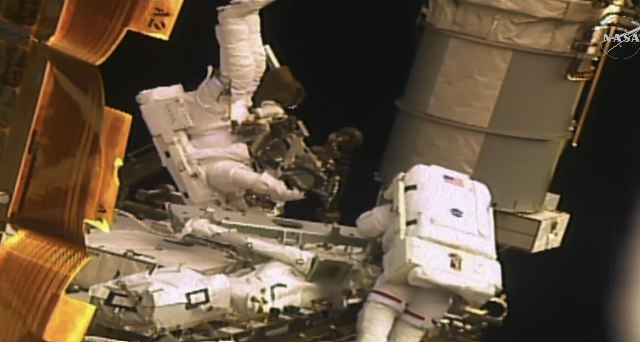
NASA astronauts Jessica Meir and Anil Menon ventured outside the International Space Station Thursday morning for a spacewalk expected to last roughly six and a half hours, kicking off the first of three planned excursions the space agency will conduct in August to continue upgrading the orbiting laboratory’s aging power systems.
The spacewalk, designated U.S. Spacewalk 96, began at approximately 8:35 a.m. Eastern time, with NASA’s live coverage starting at 7 a.m. Eastern on the agency’s free NASA+ streaming app, as well as on Amazon Prime and YouTube. Netflix, which had provided coverage of the space station’s previous spacewalk, did not host a livestream for Thursday’s excursion.
Preparing the Station for Its Next Solar Array
Meir and Menon exited the station’s Quest airlock to install hardware that will modify the station’s 3B power channel, laying the groundwork for the future installation of the next International Space Station Roll-Out Solar Array, commonly known as an iROSA. The array Meir and Menon are preparing for will be the seventh of eight such roll-out arrays installed over the station’s existing solar panels to boost its overall electrical power output, part of a broader upgrade effort NASA has described as critical to sustaining station operations through its planned final years before deorbiting.
Mission managers gave the pair formal approval to proceed with the spacewalk Wednesday, according to NASA, clearing the way for the astronauts to spend roughly seven hours in the vacuum of space building the modification kit on the station’s Starboard 6 truss segment, where the new solar array is slated to be installed later this year.
A First Spacewalk for Menon, a Sixth for Meir
Thursday’s excursion marks a significant career milestone for Menon, who is conducting his first-ever spacewalk. Menon, a physician trained in neurobiology at Harvard and holding a medical degree from Stanford, also serves as a mechanical engineer and colonel in the U.S. Space Force. Before joining NASA’s 2021 astronaut class, Menon served as SpaceX’s first flight surgeon, the physician responsible for certifying crew members as medically fit to fly aboard the company’s Demo-2 mission and subsequent Crew Dragon flights. As an emergency medicine physician, he previously served as a first responder following the 2010 earthquake in Haiti, the 2015 earthquake in Nepal, and the 2011 Reno Air Show accident. He arrived at the space station aboard the Soyuz MS-29 spacecraft on July 14, launching from the Baikonur Cosmodrome alongside Roscosmos cosmonauts Pyotr Dubrov and Anna Kikina.
Meir, meanwhile, is making her sixth career spacewalk, having first traveled to the space station between 2019 and 2020. She most recently conducted a spacewalk on June 30 alongside NASA astronaut Chris Williams. Meir currently serves as commander of Expedition 75 aboard the station. During Thursday’s spacewalk, NASA said Meir would be identifiable by the red stripes on her spacesuit, while Menon’s suit would remain unmarked, the standard method mission control uses to help distinguish between spacewalking crew members during television coverage.
A Notable Family Milestone
Thursday’s spacewalk also carries a distinctive personal footnote for the Menon family. Anil Menon’s wife, Anna Menon, a former SpaceX operations engineer, conducted the first commercial spacewalk in history during the Polaris Dawn mission in September 2024. With Anil Menon’s spacewalk Thursday, both members of the Menon household will have now conducted a spacewalk, a distinction NASA and spaceflight observers have noted as unusual even among the relatively small community of people who have ventured outside a spacecraft while in orbit.
Part of a Broader August Upgrade Campaign
Thursday’s excursion is the first in a series of three spacewalks NASA has scheduled for August as part of an ongoing effort to upgrade the station’s solar power infrastructure, replace aging communications equipment, and maintain critical systems aboard the orbiting laboratory. U.S. Spacewalk 97, scheduled for Aug. 13, will focus on replacing a Space-to-Ground communications antenna, the radio system the station relies on to relay voice communications, high-definition video and telemetry data back to mission control. A third spacewalk, U.S. Spacewalk 98, is planned for later in the month and is expected to again feature Meir, this time alongside European Space Agency astronaut Sophie Adenot, based on identifications made during a NASA briefing in late July.
Collectively, the three August spacewalks represent the 281st, 282nd and 283rd spacewalks conducted in support of International Space Station assembly, maintenance and upgrades since the station’s construction began, according to NASA. Thursday’s spacewalk specifically marks the fourth spacewalk conducted at the station so far in 2026, and the third this year to feature an all-NASA astronaut crew.
A Preview Briefing Ahead of the Excursions
NASA held a news conference on July 30 at the agency’s Johnson Space Center in Houston to preview the upcoming series of spacewalks, featuring Bill Spetch, deputy manager of the Commercial, Low Earth Orbit Program, along with spacewalk flight directors Chris Dobbins and Chloe Mehring. During that briefing, officials outlined the broader goals of the August spacewalk campaign, emphasizing the importance of continuing to upgrade the station’s power generation capacity as NASA works to sustain operations aboard the aging outpost.
Continuing a Long-Term Power Upgrade Effort
The iROSA program that Thursday’s spacewalk supports has been underway for several years, with NASA gradually installing the roll-out solar arrays over the station’s original, aging solar panels to boost overall power generation without requiring a full replacement of the station’s existing power infrastructure. Thursday’s work on the 3B power channel represents a preparatory step ahead of the physical installation of the seventh array, with the eighth and presumably final array in the current upgrade series expected to follow in a subsequent mission.
With Thursday’s spacewalk expected to conclude after roughly six and a half to seven hours outside the station, attention will next turn to the Aug. 13 excursion, when a different focus, replacing the station’s Space-to-Ground communications antenna, will take priority. Together, the three planned August spacewalks reflect NASA’s continued investment in maintaining the International Space Station’s operational systems as the agency works to keep the orbiting laboratory functioning through its planned lifespan in the years ahead.
Yes. Corporate subscriptions are available for teams and organisations, with discounted rates as user numbers increase. Pricing starts from $1,625 + GST per user.
Get in touch
to discuss the right option for your organisation.
Business News subscriptions are used by executives, investors, consultants and professionals who need to stay informed and make better decisions about the WA market. When you subscribe you’ll get
- Unlimited access to WA’s most trusted business journalism
- Data & Insights — detailed profiles of WA companies, people, projects and deals
- MyBN — a personalised feed based on the companies, people and sectors you follow
- Special publications and industry reports
- Daily and weekly email newsletters
Data & Insights is a research tool built specifically for the WA market. It draws on more than 30 years of Business News reporting, updated regularly to reflect what’s happening now. Use it to:
- Look up detailed profiles of WA companies, including financials, directors and ownership
- Find decision-makers and track their career movements
- Research live and completed projects across WA industries
- Monitor deals, appointments and market activity
- Access industry rankings and league tables
Data & Insights is updated daily by our dedicated research team, which uses the latest announcements, ASX filings and editorial coverage to keep our person, company, list and project records up to date.
Business News welcome all opportunities to make our dataset accurate, complete and current, so if you have an update request, please email the team at
general@businessnews.com.au, and we’d be happy to assist.
MyBN
is part of every subscription. It’s your personalised view of Business News. You can follow the companies, people, sectors and projects that matter to you, and get a news feed and alerts tailored to your interests. You can save articles to read later and retain only what you need.
Only subscribers have full access to all content on the Business News website.
If staying informed about the WA economy is part of your job, and/or you’re looking for networking opportunities in WA, Business News is built for you.
Business News subscribers are:
- Executives and directors tracking competitors, clients and market movements
- Investors and advisers researching companies, deals and industry trends
- Consultants and professionals staying across sectors relevant to their clients
- Business owners looking for leads, context and market intelligence
Most Business News publications cover national or global markets. Business News is focused entirely on Western Australia, which means the journalism, the data and the intelligence are all built around WA companies, people and projects — not adapted from a national feed. Data & Insights, included with every subscription, combines more than 30 years of WA-specific editorial research with live business data. There’s no comparable product for the WA market.
The Morning Digest Email provides a comprehensive wrap of the major headlines, relevant to WA business, and includes with a snapshot of the overnight news covering oil, gold and ASX-listed companies.
The Afternoon Wrap Email focuses on the news covered by our team of journalists during the course of the working day, including exclusive stories and analysis, all of which relates to WA business and the local economy.
The BN Weekender Email contains a wrap of the Business News from the week that was, highlighting the top stories in each area of WA business.
Sign up for free.
We’re happy to help.
Get in touch
and our team will come back to you.
Business
SpaceX, Alphabet, Nvidia, Micron, AMD, Uber, CVS, Lilly, and More Stocks That Explain Today’s Market

SpaceX, Alphabet, Nvidia, Micron, AMD, Uber, CVS, Lilly, and More Stocks That Explain Today’s Market


I am a corporate finance professional with over ten years of experience in financial planning, capital budgeting, and risk assessment. As a long-term investor, I invest exclusively in funds and do not pick individual stocks. My approach is evidence-based: low costs, broad diversification, strategic asset allocation, and patience through market cycles. My motivation for writing is twofold: first, to help other long-term investors, especially women and those new to fund investing. I focus on what truly drives returns: costs, diversification, and time in the market. Second, to bring rigorous, data-driven fund analysis to a platform often dominated by single-stock commentary. I write to learn, share, and build a community of patient investors who value sleeping well at night over chasing short-term gains.
Analyst’s Disclosure: I/we have no stock, option or similar derivative position in any of the companies mentioned, and no plans to initiate any such positions within the next 72 hours. I wrote this article myself, and it expresses my own opinions. I am not receiving compensation for it (other than from Seeking Alpha). I have no business relationship with any company whose stock is mentioned in this article.
Seeking Alpha’s Disclosure: Past performance is no guarantee of future results. No recommendation or advice is being given as to whether any investment is suitable for a particular investor. Any views or opinions expressed above may not reflect those of Seeking Alpha as a whole. Seeking Alpha is not a licensed securities dealer, broker or US investment adviser or investment bank. Our analysts are third party authors that include both professional investors and individual investors who may not be licensed or certified by any institute or regulatory body.

V.F. Corporation: The Vans Drag Needs To Be Fixed
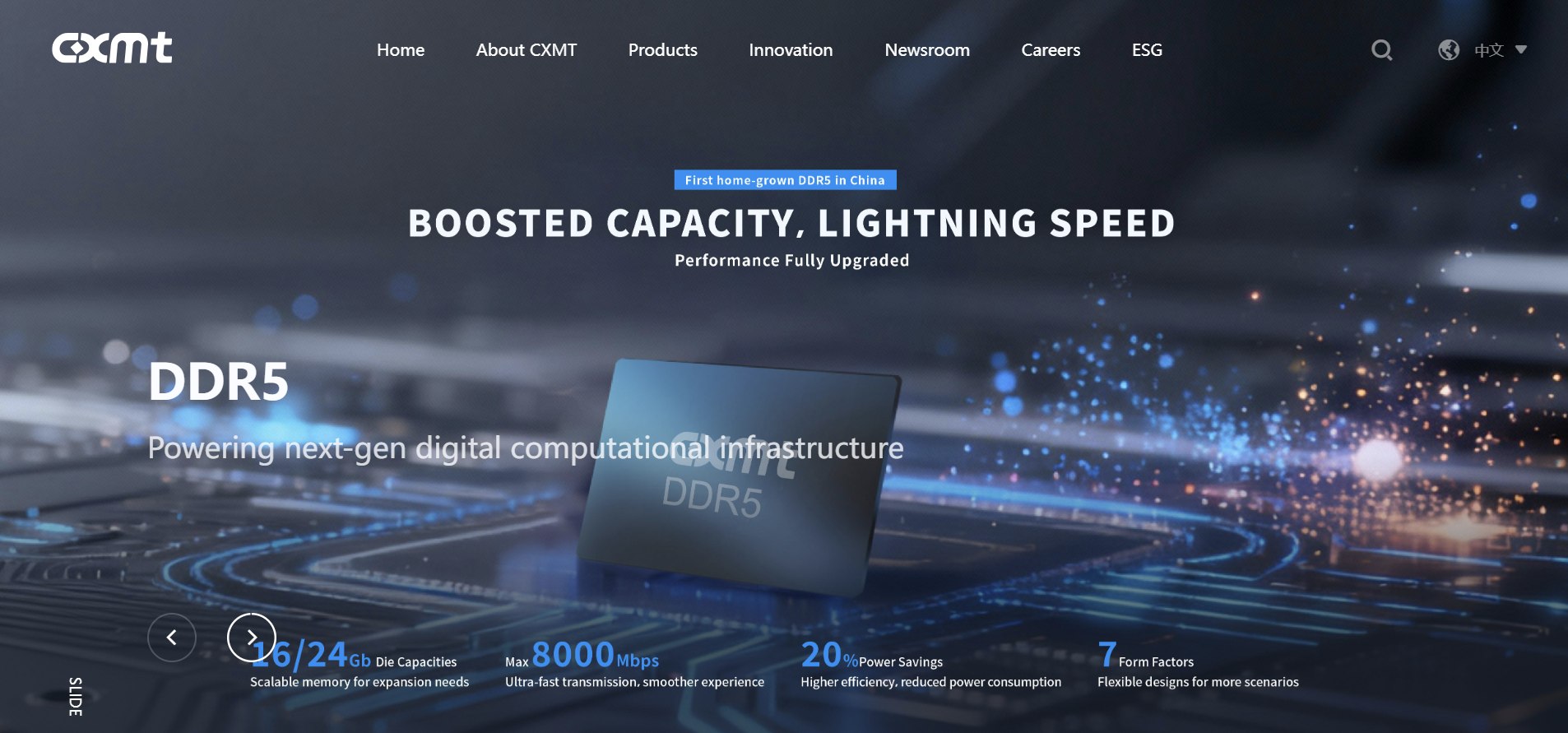
SHANGHAI — Shares of CXMT Corp fell 4.31% on Thursday, closing at 51.96 yuan after a session of steady selling that extended a pullback from the stock’s dramatic post-listing gains. The decline of 2.34 yuan came as investors continued to digest the memory chipmaker’s blockbuster initial public offering and the competitive realities of the global DRAM market.
Trading on the Shanghai Stock Exchange’s STAR Market under the ticker 688825, the stock opened near 52.90 yuan and ranged between 51.13 yuan and 53.23 yuan before settling lower. Volume remained elevated, reflecting ongoing interest in one of China’s most closely watched new listings. The move followed a 1.27% drop the previous session and continued a pattern of volatility after the shares more than quintupled from their IPO price in late July.
CXMT, formally known as ChangXin Memory Technologies, debuted on July 27 with an offering price of 8.66 yuan. Shares opened at 49.50 yuan, surged as high as 55.03 yuan and closed the first day at 49 yuan, a gain of roughly 466%. That performance briefly lifted the company’s market capitalization above 3.2 trillion yuan and made it the largest company by value on mainland China’s exchanges, overtaking long-time leader Industrial and Commercial Bank of China.
The IPO raised approximately 57.9 billion yuan, ranking as Asia’s largest listing of 2026 and the biggest semiconductor offering in STAR Market history. Only a small portion of shares, about 6.73% of the enlarged capital, was freely tradable at launch, contributing to sharp price swings. Subsequent sessions saw the stock climb further at times before profit-taking set in.
Company filings and market reports show strong recent operating momentum. First-quarter 2026 revenue reached 50.8 billion yuan, up more than 700% from a year earlier, with gross margin expanding to 79.16% and net profit attributable to shareholders of 24.76 billion yuan. Management has guided for first-half revenue of 110 billion to 120 billion yuan and net profit of 50 billion to 57 billion yuan, reflecting the sharp recovery in DRAM pricing driven by tight supply and robust demand from artificial intelligence applications.
CXMT ranks as the world’s fourth-largest DRAM producer by volume, behind Samsung Electronics, SK Hynix and Micron Technology. The company has expanded its customer base among Chinese technology firms and has begun supplying limited volumes of memory chips for budget notebooks sold by brands including HP, Asus and Acer outside the United States. Reports also indicate ongoing discussions with major domestic internet companies for server DRAM supply.
Despite the growth, technological and geopolitical constraints remain central to the investment debate. CXMT lacks access to extreme ultraviolet lithography tools under existing export controls, limiting its ability to advance to the most cutting-edge process nodes used by its Korean and U.S. rivals. Analysts have noted that this gap is particularly relevant for high-bandwidth memory used in advanced AI accelerators, an area where the company lags by several years.
Market attention this week also focused on reports that Apple’s efforts to secure more favorable pricing from CXMT for mobile DRAM products such as LPDDR5X encountered resistance. The Chinese manufacturer reportedly declined to undercut the pricing of Samsung and SK Hynix, underscoring a shift in bargaining power toward memory suppliers amid shortages. Separate coverage highlighted CXMT’s absence from the exhibitor list at the Flash Memory Summit in Santa Clara, where Samsung, SK Hynix and Micron showcased AI-related memory roadmaps.
Additional industry updates pointed to CXMT preparing limited production of LPDDR6 smartphone memory around the end of 2026, a step that would narrow the technology gap with global leaders. The company is also said to be evaluating plans for a second 12-inch DRAM fabrication plant in Beijing’s Yizhuang district as Chinese localities compete to attract semiconductor investment.
Thursday’s decline occurred against a backdrop of broader pressure on memory-related stocks and profit-taking after the exceptional first-week performance. Main force funds had recorded net outflows in the prior session, according to market data trackers. The stock’s free-float constraints and high valuation multiples relative to historical earnings continue to amplify daily moves.
CXMT’s prospectus had cautioned that the memory market could weaken if artificial intelligence investment slowed or if rivals expanded capacity aggressively. At the same time, the company has benefited from customers seeking to diversify supply chains away from traditional dominant suppliers. Its ability to maintain elevated margins while scaling advanced products will remain a key focus for investors in the coming quarters.
The shares remain substantially above the IPO price even after the latest retreat. Trading continues to attract significant retail and institutional attention given the company’s position as China’s leading domestic DRAM producer and the strategic importance of semiconductor self-reliance policies.
As the memory industry navigates a period of elevated prices and capacity constraints, CXMT’s performance will serve as a closely watched barometer of both China’s progress in advanced chip manufacturing and the durability of the current upcycle. Thursday’s session underscored that the transition from private to public company brings new scrutiny of valuation, technology roadmap and competitive positioning alongside the celebration of a record-breaking listing.

Preseason CFB Top 25 Coaches Poll Appearances since 2010

Why AI infrastructure planning must happen now
Crompton Greaves shares crash 7% despite strong Q1 results


-

 Fashion7 days ago
Weekend Open Thread: Wit & Wisdom
-

 Politics7 days ago
Meta enters AI-training agreement with far-right ‘propaganda rag’ Newsmax
-

 Politics5 days ago
Zack Polanski: an incitement to murder Nigel Farage?
-

 Crypto World6 days ago
MicroStrategy Post-Earnings CLARITY Act Push Could Add New Catalyst for Its Stock
-

 Crypto World6 days ago
XRP Ledger v3.3.0 brings five institutional features
-

 Crypto World6 days ago
New York sues Kalshi over prediction market gambling
-

 Crypto World5 days ago
Crypto PAC spending tops $2M in Michigan House race
-

 Business7 days ago
Trump Announces Hamas Disarmament Agreement as Iran Strikes Kuwait Air Base and US Attacks Pause Overnight
-

 Business4 days ago
DTCR: Deleveraging And A Hedge Fund Collapse Point To A Possible AI Bottom
-

 Tech5 days ago
ESET tracks rise in malicious AI skills and adaptable malware
-
 Crypto World6 days ago
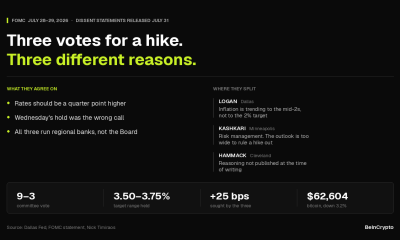
3 Fed Officials Just Explained Their Rate Hike Vote: Is Inflation Winning?
-

 Tech7 days ago
Gemini Spark can now use Chrome logins and saved passwords to run errands on your behalf
-

 Tech7 days ago
Building A Reproduction PlayStation Motherboard
-

 Sports6 days ago
France Cricket implodes: letters hidden in a drawer and a board at war
-
Crypto World5 days ago
XRP Ledger urges node upgrade after manifest flood
-

 Crypto World6 days ago
Moneyflip CEO charged in $40K murder-for-hire plot
-
 Sports6 days ago
Bruno Fernandes decision made as Man United ‘discuss’ striker transfer option
-

 News Videos5 days ago
Financial Crash Expert: The 90-Day Collapse Timeline They Are Desperately Hiding.
-

 Sports7 days ago
Commonwealth Games 2026 Live Updates | Day 9 CWG 2026: Lovlina Borgohain, Sachin Siwach Enter Final After Indian Judokas Script History
-

 Sports1 day ago
Jordan Coyle & Cordiamo take Laya Arena Stakes at RDS
You must be logged in to post a comment Login