
Business
What Modern Betting Infrastructure Means for the Future of the UK Leisure Economy


The evolution of betting is undeniable. Whether it’s sports or the most common casino games, it’s clear there has been a very big shift when it comes to how individuals enjoy betting.
Of course, this has had a huge impact on the British Economy, as the leisure economy is no longer defined by physical or digital spaces, rather the adaptation of both spaces into a combined and shared space.
The central shift has been the evolution of the betting infrastructure, which has had the most impact on the British leisure economy, transforming back-room transactions into high-speed and data-driven actions personalized to every user.
From the best horse racing sites in the UK to the most common betting shops throughout the country, how much of an impact has the modern betting infrastructure had on the British leisure economy? How will it continue to evolve?
Welcome to Technological Leisure
If there’s one thing that defines the modern betting infrastructure, it must be its adaptation to the digital world. Betting has become universal, from enclosed standalone shops to ecosystems found throughout the internet, its evolution has drastically changed user consumption.
In great part it’s all thanks to innovative wagering technologies. What once was a long and boring process has turned into an easy one-click procedure that anyone can enjoy, promoting competitive socializing where individuals can wager whilst also enjoying the fun of getting to know other individuals with the same passion.
The integration of such systems has helped increase life in various cities, making it easier for individuals to enjoy betting. But it wouldn’t be possible if it wasn’t for the strong back-end systems these sites use, integrating real-time data and analyzing user activity to adapt its servers to the demand, especially at events with big crowds.
The Digital Multiplier
The economic impact of this digital infrastructure goes way beyond the immediate revenue of the gambling industry; it serves as a great example of how similar technological models can be implemented in other areas of the UK economy to favor economic growth. In a world where everyone demands high-speed connection, low latency streaming and stable servers, the systems implemented in the betting industry save as the pillars for the evolution of the UK economy.
In fact, some of these systems, first introduced in the betting industry, are being implemented in other areas of the economy that don’t involve activities like playing or gambling, with entertainment systems and streaming platforms exporting these systems and transforming them to their needs.
Whilst other sectors continue to evolve, the betting industry continues to implement new measures. In an era of financial responsibility where user protection is fundamental, the betting industry continues to create newer systems promoting user protection and security of payments, setting the first bricks for the future of data protection.
The Workforce Transformation
One of the biggest changes when it comes to physical betting shops must be the transformation of the role employees have. Traditionally, employees had to fulfill very simple tasks: if the employee was the bartender, he/she only had to serve drinks and the bookmaker was responsible for placing the bet.
But now, everything has changed, as these roles have mostly disappeared. Nowadays, employees are expected to serve as “tech-enabled hosts”. Every task they do must be fulfilled with a technological interaction in the process. A bartender has to pour out a pint whilst they trouble shoot a digital terminal whilst a bookmaker must have the required knowledge to navigate an integrated app and place the wager or the odds for a specific bet as fast as possible.
Now, employees are expected to be technological natives. They must be able to control and fix any technological problems that arise with ease, adapting to any role possible with the sole focus of providing the best service possible.
An Entertaining Future
As the betting industry continues to evolve, so does the British leisure economy. The fine line between “betting” and “gaming” will continue to blur whilst new measures first introduced on betting sites and games will be adapted and implemented on various areas of the British day-to-day life.
With new systems and innovations, the betting industry will continue to provide the whole UK economy with new ways to evolve, embracing faster and better entertainment focused on social responsibility and data protection.


IMF backs gradual BOJ rate hikes as Iran war and weak Yen fuel inflation risks


UK charges three men with arson over attack on Jewish community ambulances

Commodity ETFs declined up to 15% in March, led by sharp losses in silver ETFs amid rising oil prices, geopolitical tensions and tightening liquidity. Gold ETFs also fell as stronger dollar dynamics weighed on prices. The outlook now hinges on inflation trends, liquidity conditions and central bank actions globally.

Barclays sees limited steel impact from Iran strikes, flags China reliance
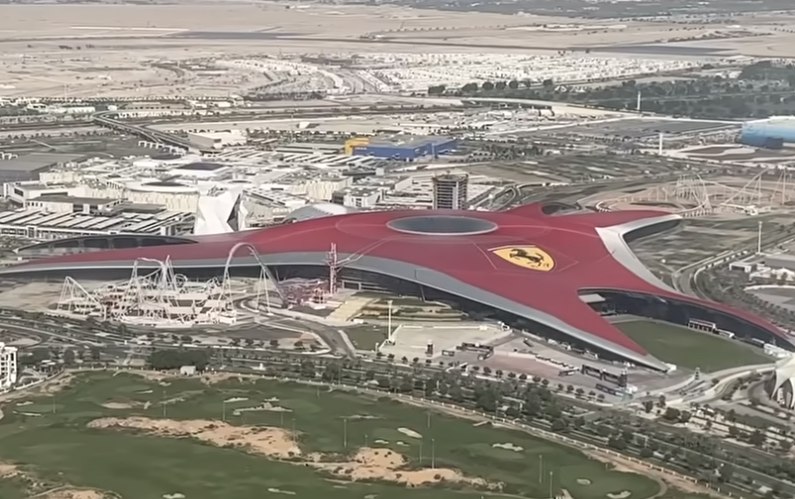
Zayed International Airport (AUH) in Abu Dhabi is open and handling flights on Saturday, April 4, 2026, operating on a reduced schedule as the facility continues its phased recovery from weeks of disruptions caused by regional geopolitical tensions and airspace restrictions across the Middle East.

Real-time flight trackers show dozens of arrivals and departures throughout the day, including Etihad Airways services to destinations such as London, Cochin and Addis Ababa, alongside codeshare and partner flights from carriers like Air India Express and Ethiopian Airlines. While activity remains well below pre-crisis levels, with very low delay status reported in early morning hours, the airport is functioning without new major interruptions as of mid-afternoon local time.
The status offers cautious optimism for travelers after a turbulent period that began in late February 2026, when U.S. and Israeli strikes on Iran triggered widespread airspace closures, temporary full suspensions at Gulf hubs and cascading cancellations affecting tens of thousands of passengers. Abu Dhabi’s Zayed International Airport, the capital’s primary gateway and home to national carrier Etihad Airways, saw complete halts in operations at times, followed by gradual resumption starting in early March.
Airport authorities and Etihad continue to stress caution. Passengers are urged not to travel to the terminal without a confirmed booking and explicit airline approval. “Check your flight status directly with your airline before heading to the airport,” officials reiterated in recent advisories. Entry remains restricted primarily to ticketed passengers amid ongoing security protocols.
Etihad Airways, which anchors operations at AUH, is currently flying to around 80 destinations worldwide on a limited commercial schedule. The airline has expanded services progressively since March 6, when it resumed connections to about 70 key points across the Middle East, Africa, Asia, Australia, Europe and North America. Not all routes operate daily, and frequencies remain constrained as the carrier repositions aircraft and crews while coordinating with regulators.
Other carriers, including Air Arabia Abu Dhabi, IndiGo and select international partners, are running ad-hoc or reduced services, focusing on essential links particularly to South Asia and the broader region. Live departure boards on April 4 listed flights to Ahmedabad, Kozhikode and other Indian cities, some operating on time while others faced minor adjustments.
The disruptions stemmed from escalating conflict that led to multiple rounds of airspace closures over Iran, parts of the Gulf and neighboring areas. In the UAE, both Abu Dhabi and nearby Dubai airports experienced brief total shutdowns, drone-related incidents and precautionary halts. A mid-March drone strike near Dubai facilities briefly impacted regional movements, prompting safety-driven rerouting and temporary restrictions that rippled into Abu Dhabi operations.
By early April, recovery has advanced but remains partial. Flight volumes at AUH are estimated at 40-60% of normal capacity in recent weeks, with the airport handling hundreds of movements over multi-day periods rather than the usual peak traffic. International carriers such as British Airways, Lufthansa and others have extended suspensions to Abu Dhabi and other Gulf destinations through late April or May, citing safety assessments and operational challenges.
UAE airspace itself is partially open with tightly controlled entry and exit points, forcing many long-haul routes onto longer detours that increase fuel costs and flight times. European regulators extended conflict-zone advisories covering large swaths of the Middle East through early April, further limiting foreign carrier participation.
Despite the constraints, positive signals have emerged. Etihad reported steady expansion of its network, with tickets available for sale on operating routes. The General Civil Aviation Authority has supported “special flights” and exceptional services to assist stranded passengers, prioritizing repatriation and essential travel in the initial recovery phase.
Zayed International Airport’s modern infrastructure — featuring the expansive Terminal A as the main facility — has helped manage the reduced load efficiently. The airport, designed for significant future growth, maintains 24/7 operations when conditions allow, with two parallel runways capable of handling wide-body aircraft even in constrained schedules.
For passengers, flexibility remains essential. Major carriers including Etihad have implemented rebooking waivers and refund options for affected travel through mid-May or later. Travelers with upcoming bookings are advised to monitor airline apps, websites and direct communications for updates, as schedules can shift with short notice based on airspace availability.
The broader economic ripple effects have touched Abu Dhabi’s tourism and business sectors. As a key connector for international visitors and a hub for oil, finance and culture, the capital has seen slower visitor inflows amid uncertainty. Yet officials project a rebound as operations stabilize, leveraging the airport’s strategic location between Europe, Asia and Africa.
Aviation experts attribute the airport’s resilience to strong coordination among Etihad, airport operators and UAE authorities. Special assistance services for passengers with disabilities or requiring support continue uninterrupted for operating flights.
Looking forward, full normalization hinges on further de-escalation and airspace stabilization. Analysts estimate it could take additional weeks or months to restore pre-February schedules, given the need for aircraft repositioning, crew recertification and negotiated routing agreements. Some routes may see adjusted frequencies or higher fares in the near term due to detours and capacity limits.
In the current environment, AUH serves as a vital but scaled-back lifeline. On April 4, morning and early afternoon flights showed manageable delays overall, with weather conditions favorable and no reported major incidents. Live trackers indicated steady, if limited, activity into the evening hours.
Travelers planning journeys to or through Abu Dhabi should:
- Verify flight status directly with their airline rather than relying solely on general airport information.
- Allow additional time for check-in, security and potential processing amid adjusted staffing.
- Review airline policies on rebooking, refunds and travel credits for disrupted services.
- Refrain from visiting the airport without confirmed travel details.
The official Zayed International Airport website and Etihad’s flight status tools provide real-time updates on departures, arrivals, gates and any advisories. The airport authority also offers guidance on special services and connections to other UAE destinations, including road or rail links to Dubai.
This chapter tests the adaptability of one of the region’s premier aviation facilities. From full suspensions in late February and early March to the current limited but active operations, Zayed International Airport has shown incremental progress. No significant new disruptions were reported overnight leading into April 4, presenting a stable — though not yet fully restored — picture for those with essential travel needs.
As conditions evolve rapidly, reliance on official airline and airport channels offers the most reliable guidance. Etihad leads the phased return, supported by partner carriers, but the pace of broader international recovery will shape when Abu Dhabi reclaims its position as a seamless global transit point.
For now, the clear answer for many inquiring travelers is yes: Abu Dhabi International Airport, also known as Zayed International Airport, is open today. It continues operations with care and coordination, as the hub and the region navigate a path toward greater stability.

April 2026 Perspective
Business
AI evolution decoded: Ace investor Vijay Kedia explains it with a simple house-building analogy

Start at the foundation. Imagine you have access to an expert whom you can ask anything about building a house. From design and materials to costs and timelines, every question gets answered. That is what LLMs are today, tools like ChatGPT, Gemini, or Perplexity that inform, guide and simplify.
But the journey does not stop at answers. Next comes the “agentic” phase. The expert does not just advise anymore, it begins to act. It can sketch basic designs, estimate costs and even help schedule the work. It moves from knowing to doing.
Then the system evolves further into a “multi-agent” setup. Now it is no longer one expert, but a team, an architect, an engineer, a contractor, all working together, each responsible for a different piece of the same house. Coordination replaces individual effort. Collaboration drives progress.
And then comes AGI. Imagine one person who can do it all, design, plan, execute, like a complete human expert who does not need a team. One mind, total capability. Finally, at the very top, sits superintelligence. Not just better but beyond. A mind that can predict future needs, optimise every decision instantly, eliminate mistakes before they occur and build in ways humans have not even imagined yet.

From answering to doing, from doing to collaborating, from collaborating to mastery, and then to something far beyond. Or as Kedia puts it simply: first you learn, then you earn, and then you evolve.
Ace investor Vijay Kedia’s portfolio delivered a largely muted performance in FY26, with the majority of his known holdings ending the year in the red amid a challenging market environment. Domestic equities remained under pressure for most of the year due to tariff-related concerns, weak earnings growth, elevated valuations and persistent foreign institutional outflows. Sentiment deteriorated further towards the end of the year amid the escalating Iran-Israel/US conflict, which triggered a spike in energy prices, heightened inflation concerns and pushed back expectations of US Fed rate cuts.A majority of the stocks in the portfolio ended the year deep in the red, reflecting the broader stress in mid- and small-cap segments. The worst hit were Tac Infosec and Affordable Robotic, both plunging over 68%, followed by Innovators Facade (-47%), Global Vectra (-45%) and Patel Engineering (-43%). Several others, including Siyaram Silk Mills (-33%), Om Infra (-30%) and Sudarshan Chemical (-25%), also posted significant declines.
(Disclaimer: Recommendations, suggestions, views and opinions given by the experts are their own. These do not represent the views of The Economic Times)
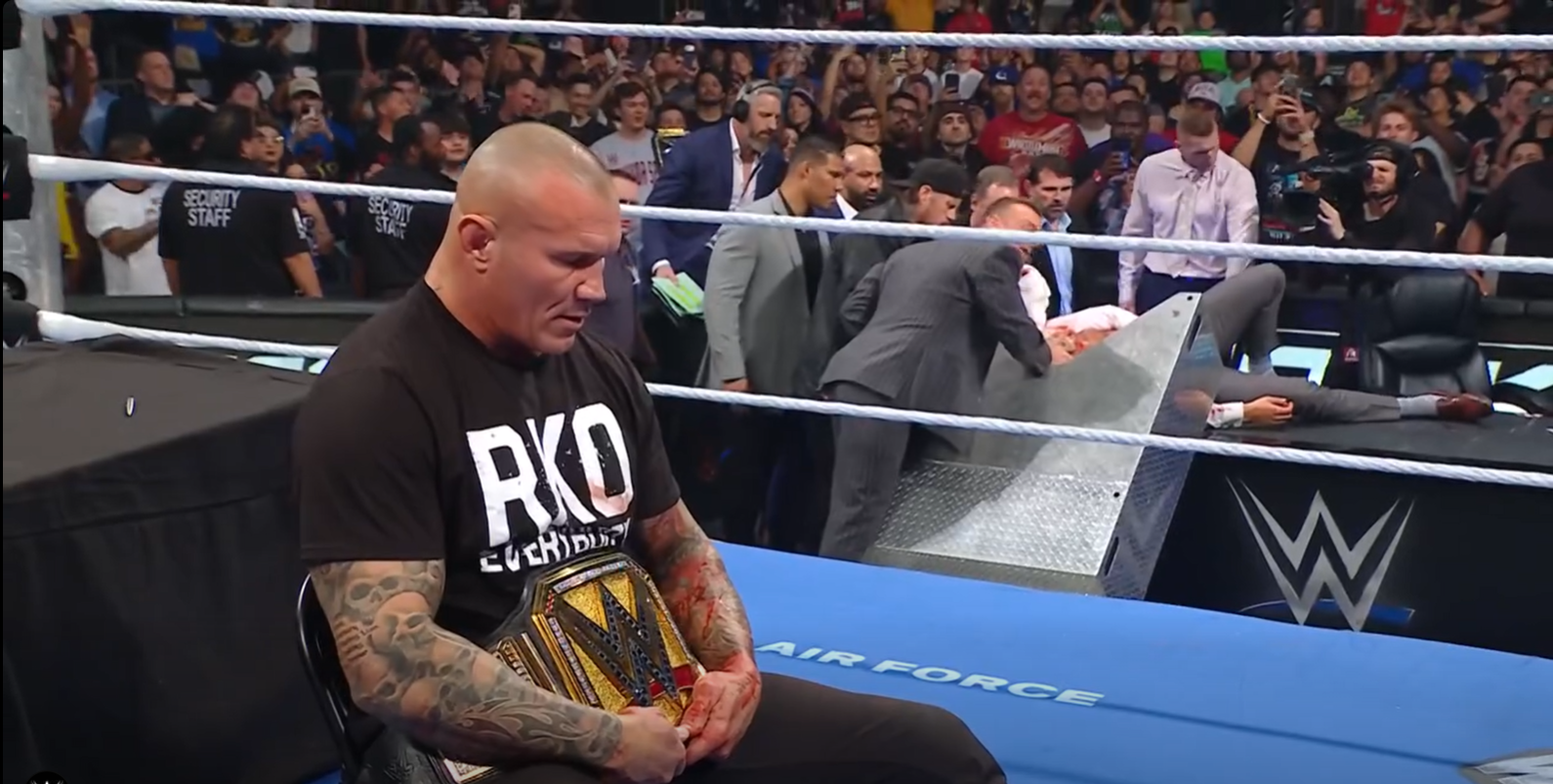
Randy Orton kicked off Friday Night SmackDown with a heated confrontation involving Undisputed WWE Champion Cody Rhodes, while new United States Champion Sami Zayn defended his title against Carmelo Hayes in a fast-paced rematch as the blue brand built momentum toward WrestleMania on the April 3, 2026 episode from the Enterprise Center.

The show opened with Orton in his hometown addressing recent events. The Viper revealed the identity of his mysterious caller as sports personality Pat McAfee, who appeared to assist Orton in targeting Rhodes ahead of their anticipated WrestleMania clash. McAfee’s involvement added an unpredictable layer to the ongoing storyline between Orton and Rhodes, with the champion responding defiantly to the ambush attempt.
Sami Zayn, fresh off winning the United States Championship the previous week by defeating Carmelo Hayes, found himself in an immediate rematch after Trick Williams and Grammy-nominated rapper Lil Yachty stirred the pot backstage. Williams goaded Zayn into granting Hayes another opportunity, with Lil Yachty adding star power to the segment and hinting at a potential appearance at WrestleMania with Williams.
In the ring, Zayn and Hayes delivered a competitive United States Championship match filled with technical exchanges and high-flying spots. Zayn retained the title after countering Hayes’ offense with his signature Helluva Kick, though interference and distractions from Williams kept the outcome in doubt until the final moments. Post-match, tensions escalated as Williams continued to taunt the champion.
Women’s division action featured Charlotte Flair teaming with Alexa Bliss against Bayley and Lyra Valkyria in a tag team bout that served as a preview for the Fatal 4-Way match for the WWE Women’s Tag Team Championship at WrestleMania. Flair and Bliss showcased their chemistry with crisp double-team maneuvers, securing the victory through a combination of Flair’s Natural Selection and Bliss’ twisted offense. The win bolstered their positioning heading into the Showcase of the Immortals.
Rhea Ripley faced Michin in singles competition, with Jade Cargill and B-Fab at ringside supporting Michin. Ripley powered through the challenge, using her strength and signature moves like the Riptide to pick up the win. The post-match scene hinted at growing alliances and rivalries on the women’s side, with Cargill’s group making their presence felt.
Uncle Howdy returned to action against Tama Tonga in a hard-hitting encounter that highlighted the eerie, chaotic style of Howdy. Howdy emerged victorious after a series of mind games and devastating strikes, further establishing the Wyatt Sicks’ influence on SmackDown.
Aleister Black, accompanied by Zelina Vega, took on Matt Cardona in a calculated match that targeted Cardona’s previously injured arm. Black methodically wore down his opponent before finishing with the Black Mass for the pinfall. The victory reinforced Black’s dominant presence as a singles competitor.
Damian Priest and R-Truth defended the WWE Tag Team Championship against The Miz and Kit Wilson in the tag title match. The champions retained their gold with a combination of Priest’s South of Heaven and R-Truth’s signature antics, including an Attitude Adjustment that sealed the deal. The crowd reacted strongly to R-Truth’s entertaining in-ring style throughout the bout.
Additional segments included backstage developments involving Drew McIntyre and Jacob Fatu, as well as further buildup for WrestleMania matches. Trick Williams extended an invitation to Lil Yachty for The Grandest Stage of Them All, adding crossover appeal to the event.
The episode maintained a brisk pace with multiple matches and character-driven segments that advanced several storylines. Orton and Rhodes’ face-to-face elements, combined with McAfee’s surprise role, created buzz for their potential WrestleMania encounter. Zayn’s title retention kept the United States Championship picture active, while the women’s tag team bout and other matches positioned competitors for high-profile spots on the WrestleMania card.
WWE officials have emphasized that SmackDown continues to serve as a key platform for building toward WrestleMania, with the April 3 show delivering a mix of athletic competition and narrative progression. The St. Louis crowd responded enthusiastically to hometown favorite Orton and the high-energy matches.
Analysts noted the show’s balance of established stars like Rhodes, Orton, Flair and Ripley with rising talents and returns such as Uncle Howdy. The involvement of external personalities like McAfee and Lil Yachty brought fresh dynamics to the programming.
As WrestleMania approaches, SmackDown’s role in finalizing match cards and feuds becomes increasingly critical. The April 3 episode set the stage for more intense developments in coming weeks, with several rivalries poised to explode on the premium live event.
Fans can expect continued focus on the Undisputed WWE Championship picture, the United States title scene and the women’s divisions as the road to WrestleMania intensifies. The blue brand’s blend of in-ring action and compelling segments has kept viewers engaged during this pivotal period in the WWE calendar.
The April 3, 2026 edition of SmackDown from St. Louis underscored the brand’s depth, featuring title defenses, tag team bouts and personal confrontations that advanced multiple arcs simultaneously. With WrestleMania on the horizon, the show left audiences anticipating bigger clashes and potential surprises in the weeks ahead.
Key takeaways from the night included Zayn’s successful title defense, the tag team champions’ retention and the evolving Orton-Rhodes dynamic with McAfee’s involvement. Women’s matches highlighted the depth of talent on the roster, while returns and guest appearances added entertainment value.
WWE SmackDown airs weekly on USA Network and streams on platforms including Netflix in select markets, continuing to deliver live professional wrestling action every Friday night. The April 3 episode maintained the brand’s reputation for delivering must-see television as the countdown to WrestleMania continues.
In summary, the April 3 SmackDown provided a solid mix of results and story advancement. Orton’s hometown appearance, combined with championship action and tag team competition, kept the momentum building toward one of WWE’s biggest events of the year.
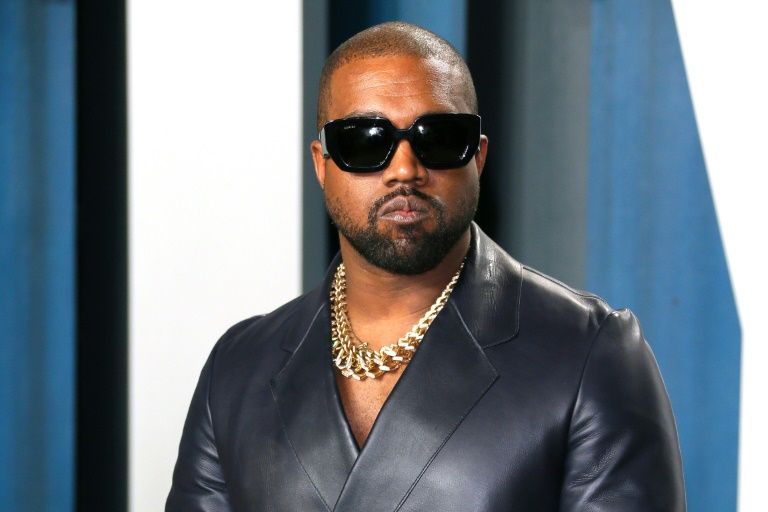
More than two decades after bursting onto the scene with “Through the Wire,” Kanye West, now known as Ye, has produced a catalog so influential that ranking his greatest songs remains a subjective yet endlessly debated exercise among critics, fans and music historians as of April 2026.
From soul-sampled anthems on his 2004 debut “The College Dropout” to the ambitious, genre-blending epics of “My Beautiful Dark Twisted Fantasy” and later experimental works, West’s music has consistently pushed hip-hop boundaries while delivering massive commercial hits. His recent 2026 album “Bully,” which earned mixed reviews with standout tracks like “All the Love,” has reignited conversations about his legacy even amid ongoing personal controversies.
Compilations from outlets such as Highsnobiety, RateYourMusic, Billboard and fan-driven lists on platforms like Album of the Year consistently highlight a core group of tracks that blend innovation, emotional depth, production brilliance and cultural impact. While no universal ranking exists, a consensus top 10 emerges when weighing critical acclaim, streaming numbers, awards recognition and lasting influence.

Here is one widely respected synthesis of Kanye West’s 10 best songs of all time, presented in ascending order:
10. “Stronger” (2007, from “Graduation”)
West’s Daft Punk-sampled hit became a stadium anthem and a symbol of his stadium-rap ambitions. The track’s pulsating electronic production and motivational lyrics about perseverance helped “Graduation” sell over 957,000 copies in its first week. It earned a Grammy for Best Rap Solo Performance and remains one of his most streamed songs, frequently appearing in sports montages and workout playlists.
9. “All Falls Down” (2004, from “The College Dropout”)
Featuring Syleena Johnson’s soulful chorus, this introspective cut tackled consumerism, self-doubt and racial identity with clever wordplay. Its chipmunk soul production style defined early Kanye and showcased his vulnerability at a time when bravado dominated rap. Critics praise its honesty, and it continues to resonate as a thoughtful critique of material culture.
8. “Jesus Walks” (2004, from “The College Dropout”)
One of West’s most daring early statements, “Jesus Walks” confronted industry skepticism about faith-based rap while addressing social issues like violence and redemption. The gospel-tinged beat and bold lyrics helped the song win two Grammys and cemented West as a risk-taker unafraid of controversy. Its video and message remain powerful decades later.
7. “Power” (2010, from “My Beautiful Dark Twisted Fantasy”)
Sampling King Crimson, this bombastic track served as a declaration of artistic supremacy. With its orchestral swells and defiant chorus, “Power” captured West at the peak of his creative confidence following a series of personal and professional setbacks. It has been hailed for its cinematic production and remains a concert staple.
6. “Heartless” (2008, from “808s & Heartbreak”)
Auto-Tune-heavy and emotionally raw, “Heartless” marked a pivotal shift toward melodic, minimalist production after West’s mother’s death. The song’s icy beat and candid lyrics about heartbreak influenced an entire generation of emo-rap and trap artists. Its massive streaming numbers reflect enduring popularity.
5. “Gold Digger” (2005, from “Late Registration”)
Featuring Jamie Foxx’s Ray Charles interpolation, this chart-topping single blended humor, social commentary and infectious hooks. It became West’s first No. 1 on the Billboard Hot 100 and showcased his knack for crafting pop-rap crossovers without sacrificing clever bars. The track’s cultural footprint includes countless memes and covers.
4. “Flashing Lights” (2007, from “Graduation”)
A cinematic masterpiece with sweeping strings and Dwele’s haunting vocals, “Flashing Lights” explored fame’s pitfalls through a luxurious yet melancholy lens. Many critics, including those at Highsnobiety, rank it among West’s most visionary productions for its atmospheric depth and storytelling. It exemplifies his evolution from backpack rapper to auteur.
3. “Blood on the Leaves” (2013, from “Yeezus”)
Sampling Nina Simone and TNGHT’s industrial beats, this track fused civil rights themes with personal excess in a bold, abrasive package. Its unconventional structure and raw energy made “Yeezus” a polarizing yet groundbreaking album. The song is frequently cited for its sonic risk-taking and social commentary.
2. “Runaway” (2010, from “My Beautiful Dark Twisted Fantasy”)
Often topping all-time lists, the nine-minute epic features Pusha T and a haunting piano coda where West repeatedly admits “I’m a jerk.” Recorded during a period of intense self-reflection, it blends self-loathing, apology and sonic ambition. Collider recently named it one of the greatest songs of the 21st century, praising its emotional rawness and artistic bravery.
1. “Through the Wire” (2003/2004, from “The College Dropout”)
West rapped through a wired-shut jaw after a near-fatal car crash, turning adversity into his breakthrough single. The chipmunk soul sample of Chaka Khan and gritty determination made it an instant classic. It established his producer-rapper duality and storytelling prowess, launching a career that would redefine hip-hop.
These selections draw from recurring appearances across critic and fan rankings as of early 2026. “Runaway” and “Flashing Lights” frequently occupy the top spots for their ambition, while early tracks like “Through the Wire” and “Jesus Walks” earn praise for foundational impact. Later works such as “Ghost Town” from “ye” or “Life of the Party” from “Donda (Deluxe)” sometimes crack extended lists for their introspection and guest features, including André 3000.
West’s influence extends far beyond individual songs. His production style — heavy on soul samples early on, then electronic experimentation and gospel elements — shaped artists from Drake and Travis Scott to modern trap and alternative rap. Collaborations like “Niggas in Paris” with Jay-Z and features on tracks with Rihanna and others amplified his reach.
Streaming data in 2026 shows “Heartless,” “Stronger” and “Gold Digger” among his most played tracks globally, while deep cuts like “Runaway” maintain cult status for their album context. “Bully,” released March 28, 2026, introduced new material such as “All the Love” and “Father” featuring Travis Scott, with some critics noting echoes of his classic soul-chipmunk sound alongside modern electronic touches. However, the album received lukewarm scores from Pitchfork and Rolling Stone, underscoring how West’s later output is often measured against his 2004-2013 peak.
Debates persist over inclusions. Some lists elevate “Ultralight Beam” or “No More Parties in LA” for their ensemble energy and storytelling. Others argue for “Bound 2” or “Fade” due to their cultural moments. Regional and generational tastes vary: older fans may favor “College Dropout” era tracks, while younger listeners stream “Father Stretch My Hands Pt. 1” heavily.
West’s personal controversies, including public statements and legal issues, have complicated his legacy. Yet his musical contributions remain undeniable. In 2026, as he continues releasing music and performing, new generations discover these tracks through playlists, samples in newer songs and viral social media moments.
Music scholars credit West with expanding hip-hop’s sonic palette and thematic range, blending high-art ambition with accessible hooks. His use of Auto-Tune on “808s & Heartbreak” inspired emo-rap, while the maximalist approach on “My Beautiful Dark Twisted Fantasy” influenced orchestral rap productions.
For newcomers, starting with the “College Dropout” through “Graduation” trilogy offers an accessible entry, followed by the ambitious “Fantasy” and experimental “Yeezus.” Playlists on Spotify and Apple Music curated by fans and outlets like Def Jam compile these essentials.
As of April 2026, Kanye West’s 10 best songs represent more than hits — they chronicle an artist’s evolution from hungry producer to global icon to polarizing figure. Whether through triumphant anthems or confessional ballads, these tracks capture the complexity that has kept his music relevant across generations.
Fans and critics alike continue to revisit and re-rank the catalog, ensuring that songs like “Runaway” and “Through the Wire” endure as benchmarks of hip-hop excellence. In an era of short attention spans and algorithm-driven discovery, West’s most acclaimed work reminds listeners of the power of bold vision and personal storytelling in popular music.
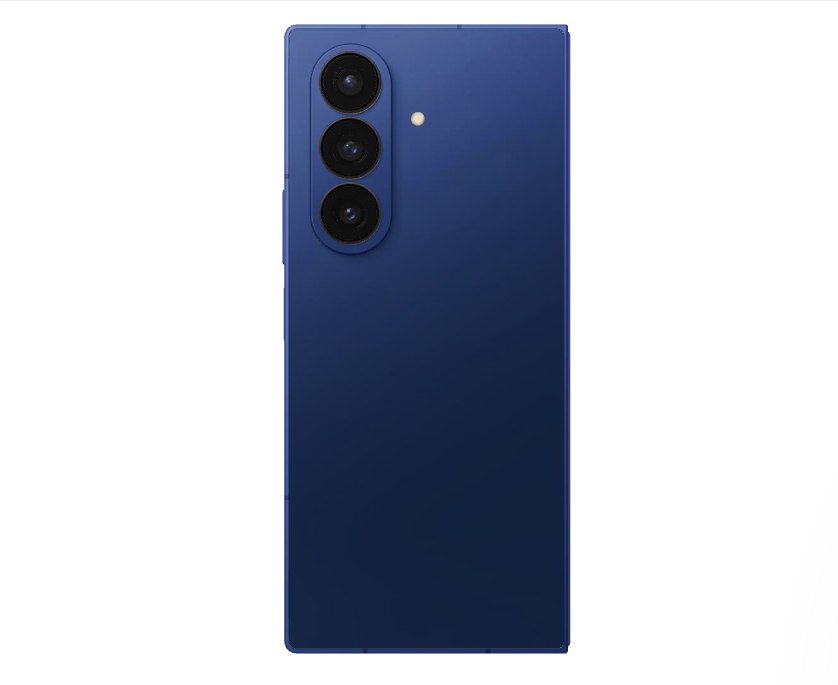
Foldable smartphones have matured dramatically by April 2026, shedding much of their early bulk and fragility to become practical daily drivers with improved durability, battery life and multitasking capabilities. Leading models from Samsung, Google, Motorola and others now compete closely with traditional flagships while offering the unique appeal of a compact device that unfolds into a mini-tablet or stylish flip form factor.
Industry analysts and reviewers from outlets including PCMag, PhoneArena, ZDNet and Wirecutter highlight a clear top tier based on hands-on testing, real-world performance and value. While availability varies by region — with some Chinese brands like Honor and Oppo offering exceptional hardware but limited U.S. support — the following five stand out as the best foldable phones currently on the market.

1. Samsung Galaxy Z Fold 7 — Best Overall Book-Style Foldable
Samsung’s Galaxy Z Fold 7 earns frequent nods as the top foldable for most users thanks to its ultra-slim profile, premium build and polished software experience. Measuring just over 8mm thick when closed and weighing around 215 grams, it feels remarkably close to a conventional flagship yet unfolds into an expansive 8-inch inner display ideal for productivity, media consumption and split-screen multitasking.
The device features a bright 6.5-inch cover screen with 120Hz refresh rate, allowing full app functionality without unfolding. Powered by the Snapdragon 8 Elite for Galaxy processor, it delivers smooth performance across demanding tasks. Cameras have seen meaningful upgrades, with a standout 200-megapixel main sensor producing sharp, vibrant photos that rival non-foldable competitors.
Reviewers praise the refined hinge, improved crease visibility and long software support extending years into the future. Drawbacks include a premium price tag often starting near $1,900 and average battery life that may require midday top-ups for heavy users. Still, its ecosystem integration with Galaxy Watch, Buds and DeX mode makes it a compelling choice for Samsung loyalists and power users alike.
2. Google Pixel 10 Pro Fold — Best for Durability and Cameras
Google’s Pixel 10 Pro Fold stands out for its rugged construction and photography prowess. It boasts a full IP68 dust and water resistance rating — a rarity among foldables — along with enhanced hinge durability and drop protection on the main display. At roughly 258 grams, it feels more substantial than Samsung’s offering but rewards owners with reliable all-day performance.
The Tensor G5 chipset powers intuitive AI features, including real-time call translation, audio magic eraser and Gemini Live integration. Cameras shine with computational photography that delivers natural colors and excellent low-light results, making it a favorite for content creators. The 6.3-inch cover screen and large inner display support seamless multitasking with clean Android 16 software.
Battery life impresses in testing, often outlasting slimmer rivals. Pricing starts around $1,800, positioning it as a strong value for those prioritizing longevity and photography over the absolute thinnest design. Limitations include slightly warmer performance under sustained loads compared to Snapdragon-equipped devices.
3. Motorola Razr Ultra (2025/60 Ultra) — Best Flip-Style Foldable
For users seeking pocketable convenience with flair, the Motorola Razr Ultra delivers one of the most stylish and functional clamshell experiences. Its vertical fold design snaps shut into a compact square, while the generous external display supports full apps, notifications and even quick camera previews.
Equipped with strong battery life that frequently tops competitor flip models, the Razr Ultra handles daily tasks efficiently on its Snapdragon processor. The inner 7-inch display offers smooth 120Hz visuals, and the overall build feels premium with thoughtful details like a titanium hinge option in select variants. Cameras perform adequately for casual use, though they trail book-style models in versatility.
Reviewers highlight its fun factor and practicality for one-handed operation. Starting prices often land in the mid-$1,000 range, making it more accessible than premium book-style foldables. Potential downsides include a smaller unfolded screen compared to tablet-style devices and occasional software quirks in the Motorola skin.
4. Samsung Galaxy Z Flip 7 — Best Compact Flip for Everyday Use
Samsung’s Galaxy Z Flip 7 refines the flip formula with a larger 4.1-inch edge-to-edge cover screen that finally enables meaningful interaction without unfolding. The 6.9-inch inner display provides ample space when needed, while the overall design remains slim and lightweight for easy pocket carry.
Battery improvements help it last through a full day for moderate users, and the Exynos 2500 or Snapdragon variant (depending on region) ensures snappy performance. New DeX support on the Flip adds desktop-like productivity when connected to external displays. Cameras remain solid for social media and quick shots, with the main 50-megapixel sensor delivering reliable results.
Priced starting around $1,100, it offers strong value within the Samsung ecosystem. Critics note it can overheat during intensive multitasking and that battery claims sometimes exceed real-world endurance. Its stylish appeal and improved cover screen functionality make it a top pick for fashion-conscious users or those transitioning from traditional bar phones.
5. Honor Magic V5 — Best Ultra-Thin Alternative for Multitasking
The Honor Magic V5 earns acclaim for its exceptionally slim design, measuring under 9mm folded and around 4.4mm unfolded in some configurations. It targets users who want a near-nonexistent crease and premium feel without Samsung’s ecosystem lock-in.
Featuring a large inner display and capable outer screen, it excels at multitasking with smooth software optimizations. The Snapdragon 8 Elite processor paired with generous RAM handles heavy workloads, while a sizable silicon-carbon battery supports fast charging and extended use. Cameras offer competitive performance, particularly in daylight scenarios.
Availability may require importing in some markets, and software updates could lag behind Google or Samsung. Still, its combination of thinness, battery capacity and vibrant displays positions it as a compelling choice for enthusiasts seeking cutting-edge hardware at potentially competitive pricing.
Buying Considerations in 2026
Foldable phones now address many early criticisms: creases are subtler, hinges more robust and repair programs more widespread. Most top models promise four to seven years of software support, reducing obsolescence concerns. Battery technology has advanced, though heavy multitasking or camera use still drains power faster than slab phones.
Prices remain elevated, with book-style models often exceeding $1,800 and flips starting above $1,000. Trade-in deals, carrier promotions and installment plans can ease the cost. Buyers should consider ecosystem preferences — Samsung for seamless integration, Google for pure Android and AI, Motorola for flip charm.
Durability has improved markedly, but users should invest in quality cases and screen protectors. Coverage for accidental damage varies by manufacturer and carrier.
Regional factors matter: U.S. buyers enjoy broad carrier support for Samsung, Google and Motorola models, while international shoppers may access superior specs from Honor, Oppo, Vivo or Huawei at lower prices, albeit with potential Google service limitations on some devices.
The Future of Foldables
As 2026 progresses, expectations include further refinements such as even lighter builds, under-display cameras that eliminate notches and possible trifold designs from Samsung and others reaching wider markets. Apple’s rumored foldable iPhone could reshape the segment later in the year or in 2027.
For now, the market offers something for nearly every preference: productivity powerhouses, stylish compacts and durable all-rounders. Early adopters who hesitated in previous years will find 2026 models far more refined and reliable.
Consumers weighing a purchase should evaluate their primary needs — screen size for work, portability for travel or camera quality for photography — and test devices in-store when possible. With rapid iteration, waiting for carrier deals or next-generation hints may also pay off.
Foldables represent more than a novelty in 2026; they deliver genuine utility that enhances how many people work, create and consume content on the go. Whether opting for the versatile Galaxy Z Fold 7, the rugged Pixel 10 Pro Fold or a fun flip like the Razr Ultra, buyers are investing in devices that continue to evolve the smartphone experience.

Coinbase CEO Brian Armstrong Pledges Direct Involvement in Bitcoin’s Quantum Defense Strategy

MLB roundup: Konnor Griffin shines in debut as Pirates top Orioles

NOBODY IS GOING TO BUY XRP NOW!


-

 NewsBeat2 days ago
Steven Gerrard disagrees with Gary Neville over ‘shock’ Chelsea and Arsenal claim | Football
-

 Business1 day ago
No Jackpot Winner and $194 Million Prize Rolls Over
-
Entertainment5 days ago
Fans slam 'heartbreaking' Barbie Dream Fest convention debacle with 'cardboard cutout' experience
-

 Fashion14 hours ago
Weekend Open Thread: Spanx – Corporette.com
-

 Crypto World2 days ago
Gold Price Prediction: Worst Month in 17 Years fo Save Haven Rock
-

 Tech5 days ago
The Pixel 10a doesn’t have a camera bump, and it’s great
-
 Entertainment6 days ago
Lana Del Rey Celebrates Her Husband’s 51st Birthday In New Post
-
Crypto World4 days ago
Dems press CFTC, ethics board on prediction-market insider trades
-

 Tech5 days ago
Avatar Legends: The Fighting Game comes out in July and it looks pretty slick
-

 Sports4 days ago
Tallest college basketball player ever, standing at 7-foot-9, entering transfer portal
-

 Fashion6 days ago
Amazon Sundays: Soft Spring Layers
-

 Tech4 days ago
EE TV is using AI to help you find something to watch
-

 Business2 days ago
Login and Checkout Issues Spark Merchant Frustration
-

 Tech6 days ago
Elon Musk’s last co-founder reportedly leaves xAI
-

 Politics5 days ago
Should Trump Be Scared Strait?
-

 Tech4 days ago
How to back up your iPhone & iPad to your Mac before something goes wrong
-

 Crypto World4 days ago
U.S. rule change may open trillions in 401(k) funds to crypto
-

 Fashion5 days ago
The Best Spring Trends of 2026
-

 Tech5 days ago
Apple will hide your email address from apps and websites, but not cops
-

 Tech4 days ago
Flipsnack and the shift toward motion-first business content with living visuals
You must be logged in to post a comment Login