
Business
What TikTok Algorithm Looks for Before Pushing Video

The TikTok algorithm feels like some kind of mysterious black box to most creators, right? Like there’s this unpredictable gatekeeper randomly deciding who gets famous and who stays invisible. But I’m gonna let you in on something it’s not random at all.
TikTok’s got this whole machine learning system that’s checking dozens of things within seconds of your video going live. It’s figuring out whether your content deserves a spot on people’s For You Page or not. And once you understand what it’s actually looking for, everything changes. You stop guessing and start creating strategically.
Every single video gets tested on a small audience first. What happens in those first few hours? That determines if you reach 500 people or 5 million. So let’s break down exactly what TikTok’s algorithm is analyzing before it decides to push your video out.
9 Algorithm Signals That Decide Whether Your Video Goes Viral
1. Video Completion Rate Determines Everything
This is the big one. TikTok is obsessed with how many people watch your entire video. Like, seriously obsessed. This completion rate is basically the algorithm’s best guess at whether your content is actually good or just background noise while people scroll.
If 70% or more of viewers watch your whole video? The algorithm’s gonna push it hard. If most people are bailing in the first three seconds? Your video’s dead in the water, stuck in that initial test phase forever. Just straight into the good stuff. And they end with something satisfying so people feel like watching was worth it.
2. Buy TikTok likes
Even if your video has strong watch time and completion rate, it can still struggle in the first test phase especially when competition is insane. That’s why some creators choose to buy TikTok likes to give their content an early engagement push. When a video gets likes quickly, it sends a stronger signal to the algorithm that people are enjoying it, which can help it reach more viewers faster.
If you want a safe option, Media Mister is a trusted provider many creators use because delivery looks natural and helps improve social proof. They also offer free TikTok likes so you can try it first with zero risk.
3. Shares and Saves Content
Yeah, likes are nice. But shares and saves? The algorithm treats those like gold because they take actual effort. When someone shares your video to a friend or saves it to watch later, they’re basically telling TikTok “this is really good.”
The creators who understand this make content specifically designed to be shared or saved. Educational stuff people want to reference later. Emotional stories people want to show their friends. That’s the move.
4. Watch Time Relative to Video Length
The algorithm isn’t just checking if people finished your video it’s looking at how much actual time they spent watching compared to your video’s length.
So like, a 60-second video that people watch for 45 seconds? That’s better than a 15-second video people watch for 12 seconds. Even though the percentage is similar, the algorithm values total attention time more.
Most successful creators find that sweet spot between 21-34 seconds. Long enough to actually say something, short enough that people watch it again. And yeah, the algorithm notices when people immediately rewatch your video. That basically doubles your watch time, which is huge.
5. Relevance to User Interests Gets Matched Precisely
TikTok builds a unique For You Page for everyone based on what they’ve watched before, what they’ve liked, what they’ve commented on all of it. When your video goes live, the algorithm’s trying to figure out who would actually be interested in it.
It looks at which hashtags people engage with, what sounds they like, which creators they watch all the way through. Your video gets shown first to people who’ve liked similar stuff. If those people engage? It expands outward to more people.
This is why being clear about your niche matters so much. When the algorithm can easily tell what your content is about, it can match you with the right audience. Confused content gets confused results.
6. User Interaction History With Your Profile Counts
The algorithm remembers how people have interacted with your stuff before. If someone’s liked or commented on your videos in the past, the algorithm will prioritize showing them your new content. Past behavior predicts future behavior, right?
This creates this snowball effect. When you consistently post good content, you build an audience that automatically engages with your new posts. That engagement signals the algorithm to push even harder.
But it works the other way too. If people keep hitting “Not Interested” on your videos, the algorithm stops showing them your stuff and suppresses it to similar users. Brutal, but that’s how it works.
7. Sound Selection and Trending Audio Boost Visibility
The audio you pick matters more than people think. TikTok tracks which sounds are gaining momentum and actively pushes videos using those trending sounds.
When you use a sound that’s trending upward not totally blown up yet but getting there the algorithm gives you a boost because it wants to help the trend grow. Your video gets shown to people who’ve liked that sound before.
But here’s the catch: the audio has to actually fit your content. When the audio and video don’t match, people get confused and engagement drops. Don’t force a trending sound just because it’s trending.
8. Caption Engagement and Keyword Relevance Matter
Your caption does more than you think. The algorithm reads it to figure out what your video’s about, then uses that to match you with interested viewers.
Strategic keywords help the algorithm categorize your stuff correctly. But the caption also needs to drive engagement. Captions that make people want to comment or share signal that your content sparks conversation.
Questions in captions usually get more comments, but they can’t be generic. “What do you think?” gets ignored. Specific, interesting questions that make people actually want to answer? That’s what works.
9. Consistency and Upload Frequency Build Algorithmic Trust
The algorithm likes creators who show up consistently because regular posts give it more data about your style and what your audience likes.
But consistency doesn’t mean posting trash every day. It means having a predictable schedule you can actually maintain. Three high-quality videos a week often beats seven mediocre ones because each video’s performance affects your overall standing with the algorithm.
The algorithm tracks how your recent videos did compared to your average. If your last five videos underperformed, it might show your next video to fewer people until you prove you’re back on track. It’s constantly evaluating whether you’re trending up or down.
Conclusion
TikTok’s algorithm isn’t this mysterious thing you can’t understand. It’s a system analyzing specific signals to predict what people want to watch. Once you get what it’s looking for, you stop hoping and start strategizing.
Focus on getting people to watch your whole video. Post when your audience is online to trigger that early engagement spike. Make content people want to share and save. Stay consistent with quality content.
Here’s the thing though the algorithm’s ultimate goal is keeping users happy and scrolling. So when you align with what the algorithm wants, you’re really just making content people genuinely want to watch. And that’s the only sustainable path to success on TikTok anyway.

Business
Charlotte Douglas Airport TSA Wait Times Remain Short on Busy Spring Break Thursday Despite Travel Surge

Travelers at Charlotte Douglas International Airport faced manageable security lines Thursday as the busy spring break travel period kicked off, with TSA wait times averaging under 20 minutes at most checkpoints despite projections for more than 1.68 million passengers over the 11-day stretch.

Real-time data from the airport’s official website showed standard security checkpoints reporting waits generally between 10 and 20 minutes early Thursday morning, with some third-party trackers listing averages around 13 to 17 minutes depending on the hour. Checkpoint-specific updates indicated short lines at most screening points, with one site reporting as low as 6 minutes at certain standard lanes and others noting Checkpoint 2 closed or dedicated for expedited screening.
Charlotte Douglas, one of the nation’s busiest hubs and a major American Airlines fortress, serves as a key connection point for domestic and some international flights. On Thursday, April 2 — the first major peak day for spring break — the airport anticipated heavy volumes as local school districts began releasing students for vacations running through April 12.
Airport officials had prepped for the surge, forecasting over 1.68 million total passengers, including about 838,000 departing travelers. Of those departing passengers, roughly 325,000, or 39%, are expected to originate in the Charlotte area, an 8% increase from the previous year despite an overall slight dip in total traffic compared to 2025.
The airport’s security page, which updates wait times regularly and encourages refreshing for the latest estimates, listed all concourses accessible from any checkpoint. It emphasized that current screening measures may add time and urged passengers to arrive prepared. TSA PreCheck lanes, where available, typically moved faster, often under 10 minutes even during moderate rushes.
Third-party monitoring sites provided varying snapshots. One reported an average of about 13 minutes overall with PreCheck available, while another pegged current waits near 17 minutes. Historical hourly breakdowns showed peaks in early morning hours, such as 4-5 a.m. averaging up to 24 minutes, before dropping in mid-morning. By late morning into early afternoon, waits were projected to stabilize in the 10-15 minute range.
Travel experts and airport communications stress that these are estimates and can fluctuate with passenger volume, staffing and random additional screening. Thursday’s conditions appeared smoother than feared, especially compared to recent periods when partial government shutdown concerns raised staffing questions at TSA nationwide. In March, Charlotte Douglas managed to keep most weekday waits under 10 minutes for much of the day, though evening peaks occasionally approached an hour — far better than multi-hour delays reported at some peer airports.
“CLT is preparing for spring break travelers,” airport officials noted in a recent release, highlighting real-time security information available on the CLT Airport App and website. The hub expects more than 7,900 departing flights during the period, with Thursday, Friday and the final Sunday as the busiest days.
For passengers, the advice remains consistent: arrive at least two hours before domestic flights and three hours for international. Those without TSA PreCheck or CLEAR should factor in potential variability. The airport offers multiple checkpoints in its single terminal on level two, with all gates reachable post-screening. CLEAR, the biometric expedited service, is also available to further shorten lines for enrolled members.
TSA guidelines continue to apply, including the 3-1-1 liquids rule and recommendations to remove electronics and place them in bins. Officers may conduct additional checks, which can extend individual processing times. The agency can be contacted at 1-866-289-9673 for questions.
Charlotte Douglas handled record passenger numbers in recent years, solidifying its status among the top 10 busiest U.S. airports. American Airlines dominates operations, with extensive banks of flights that can create concentrated rushes at security. Officials have invested in technology and staffing coordination to maintain flow, including mobile ordering for concessions to reduce post-security bottlenecks.
Spring break brings a mix of families, students and leisure travelers, increasing the likelihood of carry-on bags and families navigating the process together. Airport leaders noted that local originating traffic is up this year, potentially adding pressure on morning departures. Still, recent data suggested the airport was faring well, avoiding the severe backups seen elsewhere during high-travel periods or staffing disruptions.
Travelers shared mixed but generally positive experiences on social platforms and forums in recent days, with many praising shorter-than-expected lines when arriving early. Some advised downloading the CLT app for live updates on waits, parking availability and bus times. Parking facilities and ground transportation also see heavy use during peaks, with officials recommending advance reservations where possible.
Broader TSA operations nationwide have faced scrutiny in recent months amid funding and staffing discussions tied to federal budget matters. Charlotte Douglas appeared resilient, with wait times staying relatively controlled even as other hubs experienced longer delays. The New York Times’ tracker of airport-reported waits showed CLT checkpoints under 10 minutes in some morning snapshots earlier in the week.
To minimize stress, experts recommend checking multiple sources before heading to the airport. The official CLT security page provides checkpoint-specific estimates. The MyTSA app from the Department of Homeland Security allows users to view and even report wait times. Sites like takeofftimer.com and onairparking.com aggregate data for quick glances, though official airport figures are considered most authoritative.
Passengers with disabilities or needing assistance can request accommodations through TSA Cares or airport services. Families with young children benefit from dedicated lanes when available, and the airport offers family-friendly amenities post-security.
Looking ahead through the spring break window, volumes are expected to remain elevated but manageable. The airport has encouraged use of its royalty program for parking rewards and promoted mobile ordering to streamline the experience. With warmer weather drawing vacationers to beaches and resorts, many flights head south or to major hubs for connections.
In the longer term, Charlotte Douglas continues expanding capacity. Recent infrastructure projects have improved flow, and ongoing coordination with TSA and airlines aims to keep security efficient as passenger numbers grow. The hub’s central location in the Southeast makes it a vital gateway, handling millions annually for both point-to-point and connecting traffic.
For those traveling Thursday or over the weekend, the message from officials is clear: monitor wait times in real time, build in a buffer and prepare for standard screening. While no major disruptions were reported early Thursday, conditions can shift quickly with flight banks or unexpected volume spikes.
Travelers departing later in the day should watch for potential increases as afternoon and evening rushes build. Historical patterns show waits often moderate after morning peaks before climbing again with later departures.
Charlotte Douglas International Airport, with its convenient layout and focus on customer experience, has earned a reputation for relatively efficient security compared to its size. Thursday’s data reinforced that, with short lines greeting many early arrivers despite the start of peak spring travel.
As millions take to the skies for spring break, staying informed remains key. Whether using the airport website, app or trusted trackers, passengers at CLT appeared set for smoother sailing through security than in some past busy periods.
The Transportation Security Administration reminds all travelers to pack smart, follow guidelines and allow extra time. With spring break underway, Charlotte Douglas stands ready to handle the surge while keeping wait times as brief as possible.

The order does not affect generic medicines, the most commonly used in the US.

“Promoting a low-carbon society by announcing that Thailand will achieve the goal of net-zero greenhouse gas emissions by 2050 (2050) to cope with international trade and climate change by promoting and supporting the use of clean energy such as solar energy in communities and government agencies, the use of electric vehicles and public transportation, as well as increasing energy efficiency, especially in the industrial sector.” The Prime Minister delivers the Cabinet’s Policy Statement (September 29, 2025 at the National Assembly)
The Government’s policy statement reflects the government’s commitment to support and promote the reduction of greenhouse gas emissions.The power generation sector will be pivotal in helping Thailand achieve its Net Zero 2050 goals, as electricity production is projected to become the country’s largest source of greenhouse gas emissions by 2024, contributing 38% of the total emissions. This article explores the ways in which the power generation sector can achieve its goals. Net zero 2050 without breaking the “energy trilemma” or energy balance triangle.
What is energy trilemma? Why do you care?
The energy trilemma is a conceptual framework for energy policy design that is used by energy policymakers around the world. The design of energy policies must maintain a balance between 1) sustainability, 2) energy security, and 3) affordability. For example, if policymakers are primarily focused on achieving sustainability or security goals. Without taking into account the cost impact, it may increase energy prices and negatively affect electricity users in both the household and industrial sectors. In Thailand, this concept has been applied and measured as the Energy Trilemma Index (ETI).
According to the data on Thailand’s Energy Balance Index for the period 2016-2024, which is between 0 (the lowest balance index) and 5 (the largest balance index), the Environmental Sustainability Index is likely to increase from 3.17 in 2016 to 3.76 in 2024 due to the continuous higher proportion of renewable energy and renewable energy from the past. Energy security is likely to stabilize from 3.73 in 2016 to 3.76 in 2024 due to the high level of electricity access by the people nationwide and the high amount of electricity reserves. In terms of affordable prices, the index has decreased considerably from 3.46 in 2016 to 2.79 in 2024 due to the increase in electricity costs in Thailand due to the recent increase in natural gas prices. This is coupled with the high cost of electricity from the ready payment (money paid to power plants even if there is no electricity generation) for power plants to ensure the stability of the power system, as well as the payment of subsidies to renewable energy producers to promote sustainability and increase the proportion of renewable energy. Therefore, it can be seen that focusing on the implementation of policies in one dimension will also have an impact on other dimensions in the energy trilemma, for example, accelerating the transition to clean energy may help increase sustainability, but if there are no supporting measures, it may affect the cost of electricity (affordability) and affect the stability of the electricity system that must be managed by the volatility of renewable energy (Security). In order to ensure that the country’s energy transition is balanced and does not create a burden on all sectors in the country according to the framework of the energy trilemma.
Environmental Sustainability: Renewable Energy is the Answer
Energy Security: Technology and Distribution of Energy Sources An aid that meets the needs of securityIncreasing electricity from renewable energy is an important approach to help meet the needs of environmental sustainability. For example, generating electricity from natural gas that emits about 0.48 tonnes of CO2 per megawatt hour (t-CO2e/MWh) and from coal that emits up to 0.90 tonnes of CO2 per megawatt hour (t-CO2e/MWh) is different from electricity generation from renewable and nuclear power (SMR) with zero greenhouse gas emissions. Promoting new renewable and clean energy projects such as nuclear power plants (SMRs) is essential to help the power generation sector reduce greenhouse gases to zero. This is reflected in the draft Electricity Generation Target Plan to Achieve Net Zero by 2050 prepared by the Department of Climate Change and Environment and the Research Unit on Sustainable Energy and Built Environment at Thammasat University. Renewable energy is expected to increase from 23% (54 TWh) in 2025 to 58% (327 TWh) in 2050, and in the period 2030-2050, new clean energy technologies will contribute more to electricity generation, such as hydrogen fuel and nuclear power (SMR), with electricity from nuclear and hydrogen energy accounting for 6% (16 TWh) in 2030 and increasing to 16% (87 TWh) in 2050. In Figure 2, the proportion of electricity from natural gas and coal is declining, with electricity from natural gas decreasing from 58% (136 TWh) in 2024 to 26% (146 TWh) in 2050, while coal-fired electricity will decrease from 19% (45 TWh) in 2024 to zero in 2050. Evaluation of cost-effectiveness and production costs, including impact studies on communities and the environment.
Electricity generation from renewable energy will help meet the needs of environmental sustainability, but there are limitations that reduce the stability of transmission lines and power grids. Fluctuations in electricity quality from renewable energy that depend on weather and seasonality. For example, solar energy can only generate electricity during daylight hours or about 5-6 hours a day, and can only produce electricity at peak efficiency during periods of high solar intensity. If there are clouds that obscure the sun, such as the rainy season with a lot of clouds, it will reduce the efficiency of solar power generation. Because natural gas and coal can be stored and reserved to generate electricity 24 hours a day, the electricity obtained is of good quality from the production process that can be controlled to ensure the stability of electricity. However, with today’s advanced technology, SCB EIC found that there are at least three types of technologies that can help solve the problem of grid instability caused by renewable energy generation. As follows:
1) Battery Energy Storage System (BESS) technology: This technology helps to store electricity from renewable energy produced at different times so that it can be used throughout the day or during times of high electricity demand. For example, in many countries that use BESS to increase electricity security, such as the Waratah Super Battery project in Australia that installed up to 700 MW of BESS to increase the stability of the power grid by increasing electricity from renewable energy instead of decommissioning coal-fired power plants in New South Wales, and the Henan grid-side project in China that uses BESS for backup power during peak load times and emergency response, etc. In Thailand, BESS has already been applied to work in tandem with electricity generation from solar farms, such as the Solar + BESS project with a power sale agreement of 121 MW of GULF Group companies that have started generating electricity and selling it to ELECTRIC in 2025.
2) Smart grid technology that will work with renewable energy and battery power plants to increase “electrical stability”, especially in regional electricity consumption or areas remote from the main power grid. For example, in Australia. It is the country with the most smart grid installations in the world, both experimentally and commercially, such as the Western Downs + Broken Hill project with a total capacity of more than 320 MW. In order to strengthen the stability of the power grid by increasing electricity from solar farms in Queensland, etc.
3) Demand Response (DR) technology will help to visualize the overall picture of electricity demand and electricity production in various sources (Supply), from large-scale power plants down to household electricity generation from solar rooftops, so that they can participate in electricity generation to meet demand. For example, the DR installation project in 45 states in the U.S. provides real-time electricity demand awareness, allowing the government to manage electricity production and distribution to meet demand and reduce energy losses in the grid.
Increasing the proportion of electricity generation from renewable energy must be done in parallel with diversifying energy sources. This is to reduce the risk in the event that electricity generation from renewable energy is problematic and reduce the risk of the country’s supply and import of fossil fuels. For example:
- Sourcing fuel from a variety of producers and procurement plans to reduce the risk of energy imports, such as: Providing natural gas from multiple suppliers and increasing domestic natural gas production will reduce the risk of fluctuating natural gas import prices and affect the cost of electricity generation.
- Develop a Small Modular Reactor (SMR) nuclear power plant as a baseload power generation source as a new alternative to natural gas and coal power plants in the long term.
Strengthening energy security is an important priority for countries such as Singapore and Japan to have a fuel reserve storage strategy to reduce the risk of fluctuating energy import prices and promote the use of hydrogen as a substitute for natural gas in the long term and in emergencies.
Affordable prices (energy wealth) – High electricity costs drag on energy wealth. Therefore, it must be managed in parallel with the investment in new technology.
Electricity costs are likely to increase due to the adoption of new technologies with high production costs. Although it meets the needs of security and sustainability, it will affect the wealth that is the cost of energy for the country. Although the cost of generating electricity from renewable energy tends to decrease and is lower than the cost of generating electricity from fossil fuels, investment in new technologies to make the power system stable and sustainable. This will increase the cost of electricity production. For example, according to the draft PDP 2024 Power Generation Capacity Development Plan, the electricity bill is likely to increase from 3.76 baht per unit in 2030 to 3.98 baht per unit in 2037 due to the introduction of new clean energy technologies for electricity generation, such as the introduction of hydrogen as a fuel to replace natural gas in electricity generation in 2030, the investment in the BESS energy storage system for the power grid and the start of use in 2032, and the start of nuclear power generation (SMR) in 2037. The government must take measures to accommodate the increase in electricity bills in the future because the increase in electricity costs will affect many dimensions, including the cost of living of the people and business costs, as well as the country’s competitiveness. If you compare the electricity tariff for Thailand’s large-scale industrial sector (group with investment plans in Thailand) with other countries in the ASEAN region by 2025, it will be found that Thailand has an average electricity tariff of about 3.55 baht per unit, which is the fourth highest among the 10 countries in the ASEAN group. If Thailand’s electricity bill tends to increase in the next period, it will reduce the country’s competitiveness, and the government is the main agency that must manage the cost of electricity production appropriately during this transition. It is believed that from the Net zero goal, Thailand must increase clean energy technology and make electricity bills tend to rise. The government can alleviate this problem through at least three actions:
1) Supply domestic fuel in a higher proportion to reduce the import of high-priced fuels, such as the supply and production of natural gas in the Gulf of Thailand. Procurement of alternative fuels such as biogas for use in natural gas power plants, etc.
2) Purchase electricity from renewable energy at a lower price in line with the trend of declining electricity production costs in the future, such as solar energy, which is expected to reduce the cost of electricity generation to 1.1 baht per unit in 2030 and to 0.7 baht per unit in 2050, etc.
3) Enable Direct PPA (pilot project to trade electricity from renewable energy directly between data center operators and power producers) and Third Party Assessment (TPA) (allowing third parties or power producers to connect electricity to the power grid). This will not affect the electricity bills of the public and other businesses due to the government’s charging for power grid services by separating the costs arising from the investment in the new power grid in the areas where the new industrial groups are investing. Such an approach will be able to meet the needs of new industries that need clean electricity to achieve Net zero, which will encourage investment while not affecting the country’s overall electricity bill.
After all, Thailand is moving towards Net Zero 2050, which will affect all three dimensions of the energy trilemma: sustainability, security, and prosperity. But the transition also requires investment to strengthen the stability of the power system. Whether it is BESS investment, strengthening network management capabilities, and SMR development, these are all factors that may affect electricity costs and inevitably affect energy wealth. Therefore, SCB EIC has proposed three ways to help revive energy wealth. These approaches will help Thailand pursue a balanced energy transition between sustainability, security, and prosperity, while maintaining the country’s competitiveness amid increasingly fierce business competition and rapidly increasing demand for clean energy in the future.
Published in the Journal of Banking and Finance, the financial tidbit column for March 2026.
Other People are Reading

Check out what’s clicking on FoxBusiness.com.
If you have dinosaur-shaped chicken nuggets in your freezer, federal officials say you may want to check the packaging.
The U.S. Department of Agriculture’s Food Safety and Inspection Service (FSIS) on Wednesday issued a public health alert for certain frozen, ready-to-eat chicken nuggets that may contain “unsafe levels of lead.”
Although the product is no longer available in stores, officials warn it could still be in freezers across the country.

Cooked dinosaur-shaped chicken nuggets are displayed on a plate. (iStock / iStock)
The alert applies to 29-ounce bags of “Great Value Fully Cooked Dino Shaped Chicken Breast Nuggets,” sold at Walmart nationwide.
Affected packages have a “Best If Used By” date of Feb. 10, 2027, along with lot code 0416DPO1215 and establishment number P44164 printed on the packaging.
The issue was discovered during routine testing, and an investigation is ongoing, according to FSIS.
POWER STRIPS SOLD ON AMAZON RECALLED OVER FIRE RISK, CONSUMERS URGED TO STOP USING ‘IMMEDIATELY’

The alert applies to 29-ounce bags of “Great Value Fully Cooked Dino Shaped Chicken Breast Nuggets,” sold at Walmart nationwide. (U.S. Department of Agriculture’s Food Safety and Inspection Service)
Health experts caution that lead exposure is especially dangerous for young children and pregnant women, as it can impact brain development and the nervous system.
“There is no safe amount of lead exposure,” FSIS said, noting that levels found in the nuggets could be up to five times higher than the FDA’s interim reference level for children.
THOUSANDS OF BREAD, PIZZA ITEMS RECALLED IN 10 STATES OVER POSSIBLE METAL CONTAMINATION
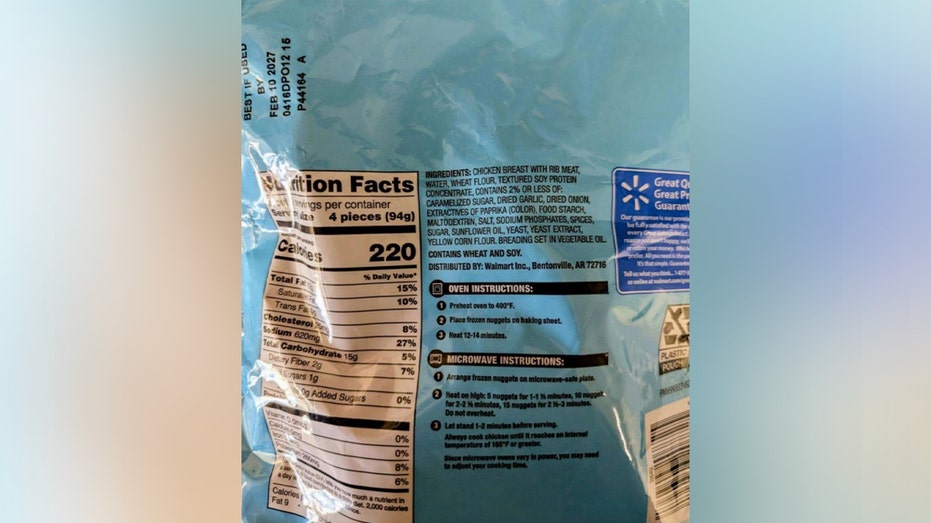
Consumers who purchased the product are urged not to eat it and should instead discard it or return it to the place of purchase. (U.S. Department of Agriculture’s Food Safety and Inspection Service)
Consumers who purchased the product are urged not to eat it and should instead discard it or return it to the place of purchase.
CLICK HERE TO GET FOX BUSINESS ON THE GO
A spokesperson for Dorada Foods did not immediately respond to FOX Business’ request for comment.

22nw fund sells Foster L B Co (FSTR) shares for $1.11 million

United Airlines
Bloomberg | Bloomberg | Getty Images
United Airlines hiked its checked bag fee by $10 on Thursday, becoming the second U.S. carrier in less than a week to raise the fee as the industry grapples with this year’s surge in fuel costs, airlines’ biggest expense after labor.
United’s new fee will be $45 to check a first bag on most domestic itineraries if the traveler pays ahead of time and $50 if they pay within 24 hours of their flight.
“United is raising first and second checked bag fees by $10 for customers traveling in the U.S., Mexico and Canada and Latin America beginning with tickets purchased Friday, April 3,” the carrier said.
United last raised checked bag fees in 2024 and, like other carriers, is trying to cover the recent surge in jet fuel costs.
Fuel prices for Chicago, Houston, Los Angeles and New York averaged $4.56 a gallon on Wednesday, up more than 82% since the U.S. and Israel attacked Iran on Feb.28, according to data from Argus published by industry group Airlines for America.
JetBlue Airways on Monday hiked its checked bag fees at least $4 per bag — and up to $9 per bag, depending on when a customer’s travel is booked — CNBC first reported.
Competitors often follow suit with such fee increases. There are loopholes, however. Airline credit cards often give customers a free checked bag when they’re on domestic itineraries in coach and it usually comes as a perk with elite frequent flyer status. Also, first-class seats generally include a free checked bag.
“United Chase credit card holders, MileagePlus Premier members, active military members and customers traveling in premium cabins can still check a bag for free, and customers in most markets will still enjoy a $5 discount if they prepay for their bags online 24 hours before their flight,” United said.
Higher fuel is showing up at gas stations and other sectors, too. Amazon is adding a 3.5% “fuel and logistics-related surcharge” to fees it collects from third-party sellers who use its fulfillment services, CNBC reported earlier Thursday.
— CNBC’s Annie Palmer contributed to this article.
Tango Therapeutics president sells $572k in shares
Business
UK Hosts 40-Nation Talks to Reopen Iran-Blocked Strait of Hormuz as Oil Prices Surge Amid War

LONDON — Britain convened a virtual summit Thursday with about 40 countries to explore ways of reopening the Strait of Hormuz, the vital Persian Gulf chokepoint effectively shut down by Iran during the ongoing U.S.-Israeli war, as global oil prices climbed on fears of prolonged disruption to nearly one-fifth of the world’s seaborne crude and liquefied natural gas supplies.

British Foreign Secretary Yvette Cooper chaired the discussions, which followed Prime Minister Keir Starmer’s announcement that reopening the waterway “will not be easy” but is essential to prevent Iran from “holding the global economy hostage.” The meeting included major European nations, Gulf states, Japan and others heavily dependent on the strait, though the United States was not directly involved in the talks, according to officials.
The Strait of Hormuz, a narrow passage between Iran and Oman connecting the Persian Gulf to the Arabian Sea and broader Indian Ocean, has seen maritime traffic plummet since Iran began restricting or attacking vessels in response to U.S. and Israeli strikes that escalated in late February 2026. Prior to the conflict, roughly 138 vessels transited daily, carrying about 20% of global oil and significant LNG volumes. Marine traffic data now shows clusters of loitering ships on both sides, with many operators avoiding the route due to safety risks.
Iran has declared the strait largely closed to vessels linked to the U.S. and Israel, while allowing limited passage for others — sometimes in exchange for substantial fees reportedly paid in Chinese currency or cryptocurrency, according to shipping reports and Gulf officials. Iranian parliament panels have discussed formal toll systems, and Tehran has signaled it will use control over the waterway as leverage to extract concessions, refusing a full ceasefire or unrestricted access until attacks on Iran cease.
President Donald Trump has repeatedly urged allies to “build up some delayed courage” and take control of the strait themselves, emphasizing that the U.S. produces ample domestic energy and will not shoulder the burden alone. In recent statements, Trump suggested the waterway could reopen “naturally” at the end of the conflict but warned of further strikes on Iranian energy infrastructure, including power plants and Kharg Island, if it remains blocked. He extended a deadline for action into early April while noting ongoing talks with what he described as a “new, and more reasonable” Iranian regime.
French President Emmanuel Macron pushed back Thursday, calling any military operation to force open the strait “unrealistic” and fraught with high risks. Macron advocated for dialogue and cooperation with Iran rather than confrontation, rejecting unilateral force during a trip to South Korea. Other European leaders echoed concerns that a Red Sea-style naval escort mission — which proved costly and only partially effective against Houthi attacks — would be far more challenging in the confined, Iran-dominated waters of Hormuz.
The disruption has already driven oil prices higher, with benchmarks surging amid supply fears and rerouting of tankers around Africa or elsewhere, adding weeks to journeys and inflating costs. Analysts warn of a potential “food security timebomb” if energy shortages ripple into broader economic pain, particularly for import-dependent Asian nations. China, a major buyer of Iranian oil, has blamed the U.S.-Israeli actions as the “root cause” of the blockage.
Attacks on shipping have compounded the crisis. Reports document multiple incidents since early March, including projectiles striking tankers, unmanned vessel rammings and at least one confirmed crew fatality. On April 1, a QatarEnergy-linked tanker, Aqua 1, was damaged north of Doha. The U.K. Maritime Trade Operations and other monitors have logged over a dozen verified or suspected strikes on merchant vessels in the Gulf region. Iran has escorted some “friendly” tankers through while maintaining its grip, turning the strait into what some describe as a de facto toll booth.
The International Maritime Organization estimates around 2,000 ships stranded or affected in the broader area. Shipping giants have suspended or rerouted operations, echoing disruptions seen earlier in the Red Sea but on a scale that threatens far greater global impact given Hormuz’s role in Gulf oil exports from Saudi Arabia, the United Arab Emirates, Kuwait, Iraq and Iran itself.
Gulf Arab states, including members of the Gulf Cooperation Council, have expressed alarm. The UAE and others have maintained steady postures but joined calls for safe passage. Some Iranian officials, including those close to the Islamic Revolutionary Guard Corps, have boasted of Tehran’s ability to maintain “legal-security dominance” over the strait even after any ceasefire, potentially imposing new rules or tolls long-term.
Environmental risks loom large. Strikes on oil infrastructure and the possibility of escalated targeting of desalination plants — critical for potable water in the arid Gulf — have drawn warnings from U.N. experts about long-term ecological damage, greenhouse gas emissions from burning fields and potential spills in one of the world’s most sensitive marine environments.
The U.K.-led meeting Thursday was described as an initial step, with follow-up discussions planned, including a G7 and Gulf Cooperation Council gathering next week. Participants signed a joint statement demanding Iran end its blockade and pledging contributions to ensure safe passage. Military planners are expected to meet soon under British hosting to assess options, though details remain guarded amid divisions over the use of force.
For Iran, the strait represents both a defensive asset and economic lifeline. Tehran has historically threatened closure during tensions, but the current scale — tied to the wider 2026 war that began with extensive U.S.-Israeli airstrikes on Iranian military targets — marks an unprecedented escalation. Iranian navy vessels have conducted escorts for paying clients while IRGC-linked media emphasize the strait’s value in ensuring regime survival and deterring future threats.
Analysts note that fully reopening the strait could take months even after any ceasefire, due to insurance costs, lingering war-risk premiums, damaged infrastructure and eroded confidence among shippers. Rebuilding trust and clearing potential mines or debris would add further delays. In the interim, alternative routes and increased U.S. domestic production offer only partial relief, as global markets remain tightly linked.
The crisis underscores the strait’s enduring strategic importance. At its narrowest, just 21 miles wide with shipping lanes even tighter, it has been a flashpoint for decades, from the 1980s “Tanker War” during the Iran-Iraq conflict to repeated Iranian seizures of vessels in recent years. Today’s events, however, unfold against a backdrop of direct great-power involvement and hybrid threats including drones, missiles and fast-attack boats.
Trump’s approach — shifting responsibility to energy-importing nations while keeping U.S. options open — has drawn mixed reactions. Supporters see it as America First realism; critics argue it risks fracturing alliances and emboldening adversaries. Retired U.S. Navy officers have assessed that while American forces could neutralize Iranian threats in the strait if ordered, the operation would be complex, costly and potentially prolonged, especially with Iran’s arsenal of anti-ship missiles and asymmetric tactics.
As talks continue, shipping firms monitor real-time intelligence from sources like the U.K. Maritime Trade Operations and U.S. warnings advising vessels to stay clear of certain zones. Crew safety remains paramount, with some operators paying premiums or hiring private security.
Broader implications extend beyond energy. Disrupted supply chains affect everything from jet fuel for airlines to petrochemical feedstocks for manufacturing. Developing nations face heightened vulnerability, while stock markets and currencies react to every headline from the Gulf.
Thursday’s summit reflects growing international urgency. With no immediate resolution in sight, diplomats, military planners and energy executives are weighing a difficult balance: pressuring Iran without triggering wider escalation that could close the strait indefinitely or spark environmental catastrophe.
Iranian assurances of safe passage for certain nationalities, such as Filipino seafarers, offer limited comfort amid the selective blockade. Tehran continues to frame its actions as defensive responses to foreign aggression, vowing not to yield without guarantees.
For now, the Strait of Hormuz remains a contested lifeline — partially open to some under Iranian terms, closed to others and a source of skyrocketing costs for the global economy. The outcome of ongoing diplomacy and any potential naval coordination will shape not only energy markets but the trajectory of the larger conflict in the Middle East.
As Britain and partners seek consensus, the world watches whether dialogue or deterrence will prevail in one of the most critical maritime arteries on the planet.
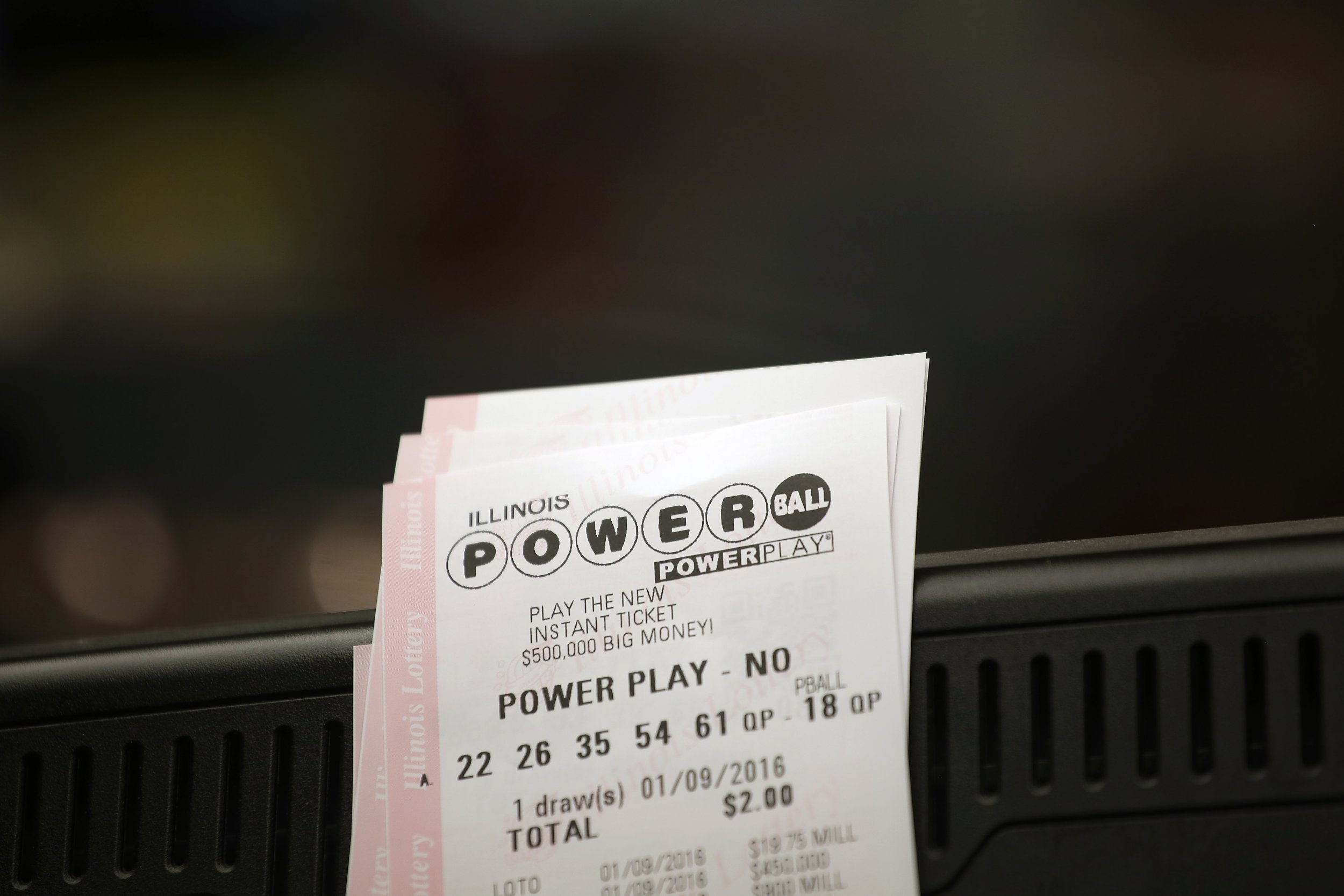
No ticket matched all six numbers in Wednesday night’s Powerball drawing, leaving the estimated $194 million jackpot unclaimed and rolling over for a bigger prize on Saturday, lottery officials confirmed Thursday.

The winning numbers for the April 1 drawing were 4, 10, 11, 52 and 64, with the red Powerball 24. The Power Play multiplier was 3X. The annuity jackpot was advertised at $194 million with a cash value option of about $87.1 million before the draw, though some reports listed it near $194.9 million.
The absence of a grand prize winner means the jackpot for the next drawing on Saturday, April 4, is now estimated at $217 million, with a cash value around $97.4 million. Drawings occur three times weekly — Monday, Wednesday and Saturday — at 10:59 p.m. ET from the Multi-State Lottery Association headquarters in Des Moines.
Powerball is played in 45 states, the District of Columbia, Puerto Rico and the U.S. Virgin Islands. Tickets cost $2, or $3 with the optional Power Play, which multiplies non-jackpot prizes. Players select five white balls from 1 to 69 and one red Powerball from 1 to 26.
Wednesday’s results produced several lower-tier winners. Official data showed no Match 5 + Powerball winners, meaning no $1 million prizes (or $2 million with Power Play). There were also no Match 5 winners without the Powerball. However, thousands of tickets won smaller amounts, from $4 for matching just the Powerball up to $150,000 for matching four white balls with Power Play.
The drawing came on April Fool’s Day, prompting some lighthearted social media commentary about whether the “joke” was on hopeful players who came close but missed the jackpot. One viral post joked that the numbers felt like an elaborate prank, but lottery officials stressed the results were legitimate and verified through multiple audits.
Powerball jackpots have grown steadily in recent weeks after a series of rollover drawings. The last jackpot win occurred earlier in 2026, with the prize occasionally climbing into nine figures before being claimed. When won, players can choose the annuity option — paid over 30 years with gradual increases — or the lump-sum cash value, which is significantly lower but provided immediately.
For Wednesday’s draw, the odds of hitting the jackpot remained astronomically low at about 1 in 292.2 million. Despite those odds, millions of tickets are sold for each drawing, especially when the jackpot exceeds $100 million and captures national attention.
Lottery experts note that rollovers fuel excitement and boost ticket sales, creating a virtuous cycle for prize growth. Each rollover adds to the pool after prize reserves and retailer commissions are accounted for. The Multi-State Lottery Association, which administers Powerball, ensures transparency with live draws broadcast on television and streamed online.
Players are encouraged to check tickets carefully, as unclaimed prizes can be substantial. In many jurisdictions, winners have 180 days to a year to claim prizes, depending on state rules. For the jackpot, claimants must come forward with the winning ticket and complete verification, including tax withholding — federal taxes alone can claim up to 37% or more, with state taxes varying.
Wednesday’s no-winner outcome continues a pattern seen in recent months where jackpots frequently roll over multiple times before being claimed. The biggest Powerball jackpot in history reached $2.04 billion in 2022, won in California. Other massive wins have occurred in states like Florida, New York and Pennsylvania, which consistently rank among top sellers.
Powerball’s popularity stems from its massive potential payouts and widespread availability. Convenience stores, gas stations and supermarkets across the country sell tickets, often displaying signs highlighting the current jackpot. Online sales are permitted in some states, expanding access further.
Beyond the jackpot, Wednesday’s drawing awarded prizes in nine other categories. Matching four white balls plus the Powerball typically pays $50,000, jumping to $150,000 with Power Play. Matching four white balls alone paid $100, with the multiplier boosting it to $300. Lower tiers included $7 for three white balls plus Powerball (or $21 with Power Play) down to the $4 Powerball-only prize.
The Power Play 3X multiplier was drawn separately and applies to all non-jackpot prizes except the Match 5. It is selected from a field that can reach up to 10X in some drawings, though 2X, 3X and 5X are more common when the jackpot is lower.
As the jackpot builds toward Saturday, anticipation is expected to grow. Ticket sales typically surge in the final days before a big drawing, with lines forming at retailers and players discussing strategies — though officials remind everyone that every combination has equal odds.
Responsible gambling advocates urge players to set limits and treat the lottery as entertainment rather than an investment. The odds remain heavily against winning the top prize, and stories of sudden wealth often come with challenges, including family disputes, financial mismanagement and loss of privacy.
For those who did win smaller amounts Wednesday, prizes under $600 can usually be claimed at the retailer where the ticket was purchased. Larger wins require visiting a state lottery office or mailing the ticket for validation.
The April 1 drawing followed Monday’s results, where the numbers were 7-11-31-41-57 with Powerball 20 and Power Play 2X, also without a jackpot winner. That rollover set the stage for Wednesday’s $194 million prize.
Powerball has evolved since its launch in 1992. The current matrix — five from 69 and one from 26 — was introduced in 2015 to create larger jackpots by lengthening the odds. The game has generated billions for state education programs, infrastructure, environmental projects and other public services through proceeds shared among participating lotteries.
States use their share of revenue differently. Some dedicate funds strictly to education, while others support general funds or specific initiatives like college scholarships and wildlife conservation.
As Thursday dawned with no new multimillionaire from the April 1 draw, eyes turned to Saturday’s drawing. Players across the country will check apps, websites and local news for updates on the climbing jackpot.
To play responsibly, officials recommend buying only what one can afford and remembering that the lottery is a game of chance. For Wednesday’s participants, the dream lives on — just deferred to the next opportunity.
Those holding tickets from the April 1 drawing should verify them promptly through official channels: the Powerball website, state lottery apps or authorized retailers. Second-chance drawings and promotions sometimes offer additional opportunities for non-winning tickets in certain states.
With the rollover confirmed, the Powerball machine resets for another chance at making history. Whether the next drawing produces a winner or continues the streak of rollovers, it will likely draw even more attention as the prize approaches life-changing territory for the fortunate ticket holder.
For now, the answer to “Did anyone win the Powerball jackpot on April 1?” is a clear no. The numbers were drawn, hopes were high, but the big prize rolls on, building excitement for Saturday night.

Shares of Blue Owl Capital Inc. fell sharply in morning trading Thursday after the alternative asset manager announced it would limit redemptions on two major private credit funds following unprecedented withdrawal requests from investors, raising fresh concerns about liquidity in the booming but scrutinized private credit sector.

Blue Owl (NYSE: OWL) shares traded as low as $8.10 before recovering somewhat, closing the previous session at $8.71 and opening lower amid heavy volume. By mid-morning, the stock was down about 3.62% at $8.40, extending a volatile period that has seen the shares lose more than half their value over the past year. The move came after the company disclosed that investors sought to pull roughly 21.9% of shares from its flagship $36 billion Blue Owl Credit Income Corp. (OCIC) and a staggering 40.7% from the smaller tech-focused Blue Owl Technology Income Corp. (OTIC) during the first quarter.
In response, Blue Owl informed shareholders it would cap redemptions at 5% for the quarter in both funds, a move designed to manage liquidity while avoiding forced sales of underlying loans at potentially unfavorable prices. The development marks the latest challenge for the firm, which has positioned itself as a leader in direct lending and private credit but now faces investor nervousness over credit quality, exposure to technology and software companies, and broader market conditions.
Blue Owl, co-founded by executives including Doug Ostrover and Marc Lipschultz, has grown rapidly into one of the largest players in alternative investments, with more than $307 billion in assets under management as of the end of 2025. The firm operates across credit, real assets and GP strategic capital platforms, emphasizing permanent capital vehicles such as business development companies (BDCs) that provide more stable fee income compared to traditional drawdown funds.
Thursday’s announcement highlighted tensions in the private credit market, where non-bank lenders have filled gaps left by tighter bank regulations, providing loans to middle-market companies often with floating rates that appeal in higher-interest environments. However, as the Federal Reserve has signaled potential rate cuts and concerns mount over valuations in tech-heavy portfolios, some investors are seeking exits.
The OCIC fund, one of the industry’s largest, saw redemption requests totaling about 21.9% of outstanding shares, while OTIC — heavily tilted toward technology and software lending — faced even steeper demand at 40.7%. Such levels are described as historic for major private credit vehicles. By imposing a 5% cap, Blue Owl aims to stagger outflows and protect remaining investors, but the decision echoes earlier moves, including a February asset sale of $1.4 billion across affiliated funds and a temporary halt on certain quarterly redemptions that also pressured the stock.
Analysts noted that the surge in requests may stem from multiple factors, including worries about credit quality in a slowing economy, potential markdowns on illiquid loans and competition from other yield-seeking investments. Some investors have grown wary of Blue Owl’s exposure to software firms, where revenue visibility can fluctuate, and questions persist about fair-value accounting for private assets that lack daily market pricing.
Despite the redemption pressures, Blue Owl has continued to attract new capital in other areas. On March 31, the firm announced the final close of its Asset Special Opportunities Fund IX with $2.9 billion in commitments, exceeding its $2.5 billion target. The vehicle focuses on asset-backed and special situations strategies, underscoring diversification efforts beyond core direct lending.
Co-CEOs Ostrover and Lipschultz have emphasized the resiliency of Blue Owl’s model, which includes a significant portion of permanent capital that reduces reliance on volatile fundraising cycles. In the firm’s fourth-quarter 2025 earnings released in February, management highlighted $56 billion in new capital commitments for the full year and growth in fee-paying assets under management. The company also maintained its quarterly dividend at $0.37 per share for the first quarter of 2026, payable in mid-April.
Yet the stock has struggled, trading well below analyst average price targets around $17 and reflecting a market capitalization near $6 billion. Over the trailing 12 months, shares have declined more than 50%, underperforming broader financials amid sector-wide scrutiny of private credit valuations and liquidity terms.
Industry observers point out that private credit has ballooned to an estimated $1.8 trillion market, with vehicles like Blue Owl’s BDCs offering retail and institutional investors access to higher yields than traditional fixed income. However, the illiquid nature of the underlying loans means redemption requests can strain funds if not managed carefully. Blue Owl’s decision to cap outflows at 5% follows similar liquidity management tactics used by peers when faced with elevated tenders.
The firm has taken steps to address concerns, including secondary sales of assets executed at or near book value and ongoing portfolio monitoring. In February, Blue Owl sold approximately $1.4 billion in loans from three BDCs to institutional buyers such as public pension funds and insurers, using proceeds to meet redemptions and reduce leverage in certain vehicles.
Thursday’s news also comes ahead of upcoming earnings for affiliated BDCs. Blue Owl Capital Corporation (OBDC) and Blue Owl Technology Finance Corp. (OTF) are scheduled to report first-quarter 2026 results in early May, with conference calls to discuss performance, credit metrics and any updates on liquidity.
Broader market context includes a shift in monetary policy expectations and increased competition in direct lending. While higher interest rates initially boosted net interest margins for private credit providers, potential easing could compress spreads, pressuring future fee growth and distributions.
Blue Owl’s leadership has argued that its scale, origination capabilities and focus on senior secured loans provide a defensive edge. The firm reported strong fundraising in private wealth channels in 2025, with equity commitments rising significantly as advisors allocated more client assets to alternatives.
Still, critics highlight the company’s own balance sheet leverage and the sustainability of its dividend payout ratio, which some analysts view as elevated given potential earnings pressure from lower base rates. A law firm launched an investigation in February into possible fiduciary duty issues following the asset sale and redemption changes, though no formal charges have emerged.
For investors in Blue Owl’s publicly traded shares, the redemption drama in its funds adds to volatility. The stock’s beta above 1 indicates it moves more than the market, reflecting sensitivity to alternative asset sentiment. Options trading has shown mixed sentiment, with some positioning for further downside.
Blue Owl traces its roots to Owl Rock Capital and Dyal Capital Partners, merging in 2021 to create a diversified alternative manager. It went public through a SPAC transaction and has since expanded via acquisitions and organic growth. The credit platform remains the largest, generating the bulk of management and incentive fees.
As of late 2025, fee-paying assets under management stood at approximately $187 billion, with permanent capital vehicles forming a key pillar for predictable revenue. Real assets and GP stakes provide additional diversification.
Thursday’s sell-off occurred against a backdrop of mixed performance across alternative asset managers. While some peers like Blackstone and KKR have faced their own pressures, Blue Owl’s retail-oriented BDCs have drawn particular attention due to quarterly liquidity features that appeal to individual investors but can create mismatch with illiquid holdings.
Company officials have not issued a public statement beyond the shareholder letters, but past comments stress a commitment to transparency and prudent capital management. With Q1 BDC earnings approaching, investors will seek details on portfolio yields, non-accrual rates and any realized losses.
The private credit sector overall continues to grow, fueled by banks’ retreat from riskier lending and demand from borrowers seeking flexible terms. Yet episodes like Blue Owl’s redemption caps serve as reminders of liquidity risks in a market where assets cannot always be sold quickly without discounts.
Longer term, Blue Owl’s management believes its model is built for various environments, citing historical performance through market cycles. The firm continues to win awards, including multiple 2025 PERE and infrastructure investor recognitions, and maintains active deal pipelines.
For now, the focus remains on navigating the current wave of redemptions without disrupting underlying portfolios. By limiting outflows to 5%, Blue Owl buys time to originate new loans, collect repayments and potentially attract fresh capital at more favorable terms.
The stock reaction underscores Wall Street’s sensitivity to any signs of stress in private markets. Whether this proves a short-term blip or signals deeper challenges will depend on execution in coming quarters and the health of the broader credit environment.
As one of the more visible players in retail private credit, Blue Owl’s handling of the situation will be closely watched by competitors, regulators and allocators. For shareholders, the coming weeks bring both uncertainty and potential opportunity if the firm demonstrates resilience amid the outflows.

BITCOIN VAI FAZER ESSE MESMO MOVIMENTO EM ABRIL = ESTEJA PREPARADO

Crumbs Cupcakery in College Street, York to be sold

Charlotte Douglas Airport TSA Wait Times Remain Short on Busy Spring Break Thursday Despite Travel Surge


-

 NewsBeat6 days ago
The Story hosts event on Durham’s historic registers
-

 Sports6 days ago
Sweet Sixteen Game Thread: Tide vs Michigan
-

 NewsBeat6 hours ago
Steven Gerrard disagrees with Gary Neville over ‘shock’ Chelsea and Arsenal claim | Football
-
Entertainment3 days ago
Fans slam 'heartbreaking' Barbie Dream Fest convention debacle with 'cardboard cutout' experience
-
 Entertainment5 days ago
Lana Del Rey Celebrates Her Husband’s 51st Birthday In New Post
-
Crypto World3 days ago
Dems press CFTC, ethics board on prediction-market insider trades
-

 Crypto World1 day ago
Gold Price Prediction: Worst Month in 17 Years fo Save Haven Rock
-

 Tech4 days ago
The Pixel 10a doesn’t have a camera bump, and it’s great
-

 Sports2 days ago
Tallest college basketball player ever, standing at 7-foot-9, entering transfer portal
-

 Tech3 days ago
EE TV is using AI to help you find something to watch
-

 Fashion5 days ago
Amazon Sundays: Soft Spring Layers
-

 Tech3 days ago
Apple will hide your email address from apps and websites, but not cops
-

 Politics3 days ago
Should Trump Be Scared Strait?
-

 Tech3 days ago
How to back up your iPhone & iPad to your Mac before something goes wrong
-

 Business1 hour ago
No Jackpot Winner and $194 Million Prize Rolls Over
-

 Crypto World3 days ago
U.S. rule change may open trillions in 401(k) funds to crypto
-

 Tech3 days ago
Flipsnack and the shift toward motion-first business content with living visuals
-

 Tech4 days ago
Avatar Legends: The Fighting Game comes out in July and it looks pretty slick
-

 Tech5 days ago
Elon Musk’s last co-founder reportedly leaves xAI
-

 Business7 days ago
Chinese universities with military links bought Super Micro servers with restricted AI chips
You must be logged in to post a comment Login