

Connect with us

Business

Wheaton Precious Metals Corp. (WPM:CA) Q2 2026 Earnings Call Transcript

Published

on

OneWater Marine Inc. (ONEW) Q1 2026 Earnings Call Transcript

Operator

Good morning, ladies and gentlemen. Thank you for standing by. Welcome to Wheaton Precious Metals’ 2026 Second Quarter Results Conference Call. [Operator Instructions] I would like to remind everyone that this conference call is being recorded on Friday, August 7, 2026, at 11:00 a.m. Eastern Time. I will now turn the conference over to Emma Murray, Vice President of Investor Relations. Please go ahead.

Emma Murray
Vice President of Investor Relations

Advertisement

Thank you, Julianne. Good morning, ladies and gentlemen, and thank you for participating in today’s call. I’m joined today by Haytham Hodaly, Wheaton Precious Metals’ President and Chief Executive Officer; Vincent Lau, Chief Financial Officer; Wes Carson, Vice President of Mining Operations; and Neil Burns, Vice President, Corporate Development. Please note for those not currently on the webcast, a slide presentation accompanying this conference call is available in PDF format on the Presentations page of our website.

Some of the comments on today’s call may include forward-looking statements. Please refer to Slide 2 for cautionary information and disclosures. It should be noted that all figures referred to on today’s call are in U.S. dollars, unless otherwise noted.

With that, I’d like to turn the call over to Haytham Hodaly, Wheaton’s President and Chief Executive Officer.

Advertisement
Continue Reading
Click to comment

You must be logged in to post a comment Login

Leave a Reply

Business

Ouster director Stephen Skaggs sells $227,701 in OUST shares

Published

on


Ouster director Stephen Skaggs sells $227,701 in OUST shares

Continue Reading

Business

Oscar Health Stock Sinks Amid This Second-Half Risk

Published

on

Oscar Health Stock Sinks Amid This Second-Half Risk

Oscar Health (OSCR) dived Thursday morning, despite reporting better-than-expected earnings and raising its full-year outlook. OSCR stock initially rallied on the report but later turned sharply lower. The trigger may have been the earnings call discussion about second-half uncertainty regarding Affordable Care Act Marketplace healthcare utilization and associated risk-adjustment payments. The overall tone of the conference call was upbeat. Overhead…

Copyright ©2026 Investor’s Business Daily, LLC. All rights reserved. 87990cbe856818d5eddac44c7b1cdeb8

Continue Reading

Business

Is Paramount+ Down? Users Report Streaming Problems Since 10:40 AM This Friday Morning, What We Know So Far

Published

on

Meghan Markle won a ruling in February that Associated Newspapers had breached her privacy

Paramount+ subscribers began reporting streaming problems Friday morning, with outage-tracking service Downdetector flagging a spike in user complaints starting around 10:40 a.m. Eastern time, though independent monitoring services showed a mixed picture of the platform’s actual status as the day progressed.

Downdetector posted about the reported disruption on its X account shortly after complaints began climbing, asking affected users how the issue was impacting them and directing them to its website for further details. Paramount has not issued a public statement addressing the specific cause of the reported problems as of Friday afternoon.

What the Monitoring Data Shows

The picture painted by different outage-tracking services has not been entirely consistent throughout the day. StatusGator, a service that tracks Paramount+’s service health by analyzing issue reports, page visits and other signals, indicated the platform might be experiencing or might have recently experienced an outage, even though the company itself had not officially acknowledged any issue as of the service’s most recent check Friday afternoon.

Advertisement

By contrast, UptimeRobot, which conducts automated technical checks of Paramount+’s website infrastructure, reported that its most recent test, run at roughly 3:13 p.m. Eastern time Friday, did not detect any unusual response times or error codes, suggesting that whatever issue prompted the earlier wave of user reports may have already been resolved, or that it was affecting only a subset of users or specific features rather than the platform as a whole.

That kind of discrepancy between different monitoring approaches is not unusual during smaller-scale or intermittent outages. Automated technical checks, which test whether a website or app responds correctly from various global locations, can sometimes fail to detect problems that are limited to specific regions, particular app versions, certain devices, or individual features such as live sports streaming or account sign-in systems, even while a meaningful number of real users continue experiencing genuine disruptions.

What Users Have Reported

Based on patterns commonly logged during past Paramount+ service disruptions, user complaints during outage periods have typically included issues such as apps failing to load, error messages indicating technical problems, difficulty signing into accounts, slow performance, and streams stopping unexpectedly in the middle of playback. One tracking service, IsDown, noted that Paramount+ has experienced three separate incidents over the trailing 90-day period prior to Friday, with those incidents lasting a median of roughly 47 minutes each, suggesting that when disruptions do occur on the platform, they have generally tended to be relatively short-lived.

Advertisement

How to Check if the Problem Is Widespread

For users uncertain whether their own streaming trouble reflects a broader platform issue or a more localized problem, outage-tracking services generally recommend a few basic troubleshooting steps before concluding that Paramount+ itself is down. Trying to access Paramount+ from a different browser, device or network, such as switching from home Wi-Fi to a mobile hotspot, can help determine whether the issue is specific to a user’s own setup. Other recommended steps include disabling any active VPN connection, clearing the device’s DNS cache, and restarting the home router. If the service works properly through one of those alternate methods, the original problem is more likely local to the user’s specific device or network rather than a confirmed, platform-wide Paramount+ outage.

A History of Occasional Disruptions

Paramount+ has experienced periodic service disruptions in the past, consistent with most major streaming platforms that rely on complex, distributed technical infrastructure to deliver content to millions of subscribers simultaneously. Past user reports collected by outage-tracking services have included complaints ranging from apps becoming stuck in a loading state, to live streams cutting out mid-broadcast, to specific content or channels becoming temporarily unavailable, even when the broader platform otherwise appeared to be functioning normally for most users.

Advertisement

A Platform With Growing Sports and Live Programming Demands

Paramount+ has increasingly leaned into live sports programming as a core part of its subscription offering, including coverage of the NFL, UEFA Champions League and Europa League matches, Italy’s Serie A, and college sports including March Madness, content delivered through partnerships tied to the platform’s underlying CBS broadcast infrastructure. That growing reliance on live, real-time streaming, particularly around major sporting events, can place additional strain on a platform’s technical systems compared with on-demand movie and television content, a dynamic that has periodically contributed to service disruptions across the broader streaming industry when live viewership spikes unexpectedly.

What to Do if You’re Experiencing Problems

Users continuing to experience issues with Paramount+ are encouraged to submit their own reports through outage-tracking platforms such as Downdetector, since crowdsourced user reporting remains one of the fastest ways such services detect emerging problems, often well before an official acknowledgment is issued by the company itself. Paramount’s own customer support channels, including its social media accounts, have in the past provided direct assistance to individual users experiencing account-specific or technical problems, typically by requesting additional details through direct message so a representative can investigate the specific issue.

Advertisement

As of Friday afternoon, the scope and current status of the reported Paramount+ disruption remained somewhat unclear, with user reports and independent monitoring services offering a mixed picture of whether the issue was ongoing, already resolved, or limited to a smaller subset of users or specific platform features. Paramount had not issued any official statement addressing the reported problems as of the time of this report. Users experiencing ongoing difficulty are advised to check the platform’s official status page and outage-tracking services for the most current information as the situation continues to develop.

Continue Reading

Business

Twenty One Capital Shares Rise 7% as Bitcoin Treasury Firm Rebuilds Under New CEO’s Strategy

Published

on

Coinbase

Twenty One Capital climbed Friday, trading up 6.89%, or 30 cents, to $4.66, as the Tether-backed bitcoin treasury company continued to show signs of stabilization following a turbulent stretch that saw its stock plunge to fresh lows after an abrupt leadership change last month.

The gain marks a modest but notable rebound for a stock that has fallen dramatically since its public debut, trading within a 52-week range spanning from a low of $4.15 to a high of $31.20, a decline of more than 85% from the stock’s earlier highs that has left most shareholders who bought after its market debut underwater.

A Company Built Around Accumulating Bitcoin

Twenty One Capital, based in Austin, Texas, operates as a bitcoin-native public company designed to give investors exposure to the cryptocurrency through traditional equity markets, rather than requiring them to hold and secure bitcoin directly. The company went public in December through a SPAC merger with Cantor Equity Partners, positioning itself as a bitcoin-accumulation vehicle intended to compete with Michael Saylor’s Strategy, the corporate pioneer of holding bitcoin as a primary treasury asset. Twenty One currently holds approximately 43,514 bitcoin, according to tracking service BitcoinTreasuries, making it one of the largest corporate bitcoin holders in the world, with those holdings valued at roughly $2.8 billion as of early August.

A Rocky Start From Day One

Advertisement

The stock’s struggles began almost immediately after its public debut. Twenty One Capital shares fell 20% on their first day of trading in December, closing at $11.42 despite bitcoin itself rising 3% that same day, as investors reacted skeptically even as the company touted plans to build revenue-generating businesses in brokerage, credit and lending beyond simply accumulating bitcoin. The company had raised $850 million through a combination of convertible notes and equity sales ahead of its debut, backed by stablecoin issuer Tether, along with SoftBank Group and Bitfinex.

A Collapsed Merger and a Sudden CEO Exit

Twenty One’s troubles deepened significantly in July, when co-founder and CEO Jack Mallers abruptly resigned, citing a strategic disagreement with the company’s board over its long-term direction. The announcement sent shares tumbling nearly 18% in a single session, falling to around $4.37 as investors digested both the leadership change and the collapse of a broader expansion strategy Tether had unveiled earlier in the year.

That original strategy had called for combining Twenty One Capital with Strike, the bitcoin payments company also founded by Mallers, and Elektron Energy, a bitcoin mining infrastructure firm, into a single publicly traded company spanning bitcoin treasury management, payments and mining operations. Under the plan, Twenty One would have contributed its bitcoin treasury, Strike its payments and lending business, and Elektron its large-scale mining infrastructure, together forming what backers described as one of the largest bitcoin-focused public companies spanning the industry. That vision collapsed in July when Strike withdrew from the proposed combination and will instead remain an independent company, with Mallers departing Twenty One to refocus on Strike directly. Twenty One and Elektron have continued discussions on a potential two-way combination, though no deal has been finalized.

Advertisement

A New CEO With a Different Vision

Following Mallers’ departure, Twenty One named Raphael Zagury as its new chief executive. Zagury has since laid out a distinct strategic vision for the company, describing an approach modeled loosely on Berkshire Hathaway’s operating structure rather than a pure bitcoin treasury model. Speaking at the Mining Disrupt 2026 conference in Miami in late July, Zagury outlined plans to use bitcoin mining as a cash-flow engine that could fund investments in additional cash-flow-positive operating businesses, while allowing local management teams at those businesses operational autonomy. The strategy is explicitly aimed at generating better risk-adjusted returns than simply holding bitcoin alone, through what Zagury described as disciplined capital allocation, diversification and risk management, with shareholder value ultimately measured in bitcoin terms rather than traditional fiat currency returns.

Trading Below the Value of Its Own Bitcoin Holdings

One factor that has drawn attention to Twenty One’s stock in recent weeks is its valuation relative to the bitcoin it actually holds. According to data from BitcoinTreasuries, the company’s market capitalization of approximately $1.5 billion sits well below the roughly $2.8 billion value of its bitcoin holdings, implying the stock trades at a significant discount to its underlying net asset value, a dynamic some investors and analysts have pointed to as a potential opportunity, arguing that buying the stock effectively provides bitcoin exposure at less than the cost of buying bitcoin directly on the open market.

Advertisement

A Pattern Familiar to Bitcoin Treasury Stocks

Twenty One’s volatility mirrors a broader pattern seen across the small cohort of publicly traded companies that have built their business models primarily around accumulating and holding bitcoin, a group that includes Strategy, American Bitcoin Corp and Strive Inc. These stocks have generally shown far greater volatility than bitcoin itself, often trading at either significant premiums or discounts to the value of their underlying bitcoin holdings depending on shifting investor sentiment toward both the broader cryptocurrency market and the specific companies’ operational execution.

Institutional Backing Remains Intact Despite the Turmoil

Despite the leadership upheaval and steep stock price decline, Twenty One’s core institutional backing has remained largely in place. Tether International serves as the company’s controlling shareholder, having acquired SoftBank Group’s stake in the company in May, a transaction that further consolidated Tether’s control over Twenty One’s shareholder base and strategic direction. As part of that transaction, SoftBank’s representatives on Twenty One’s board stepped down in accordance with the company’s shareholder agreement, even as SoftBank had played a significant early role in the company’s formation.

Advertisement

With a new chief executive now working to implement a revised strategy centered on cash-generating businesses rather than pure bitcoin accumulation, and ongoing discussions continuing around a potential combination with Elektron Energy, Twenty One Capital’s near-term trajectory remains closely tied to both the execution of Zagury’s operating vision and the broader direction of bitcoin prices. For now, Friday’s gain offers at least a modest signal of stabilization for a stock that has spent much of the past several weeks working to recover from one of the more turbulent stretches in its short history as a publicly traded company.

Continue Reading

Business

Is the Grammys Canceling Its New Asian Pop Category After Backlash? Here’s What’s True This Week So Far

Published

on

Brian Doerksen

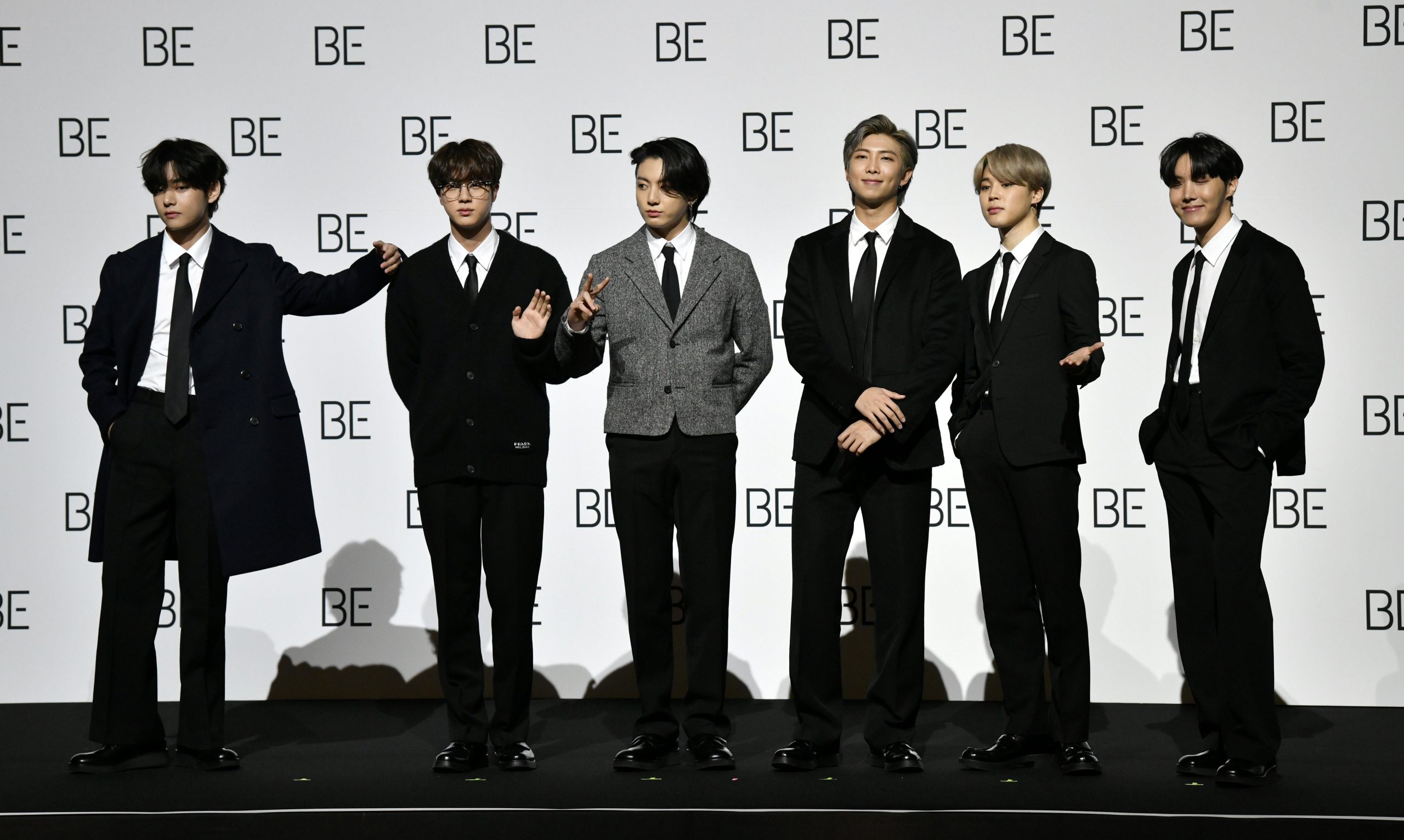
Despite growing public backlash following BTS’s decision to boycott next year’s Grammy Awards, the Recording Academy has given no indication it plans to cancel or eliminate its new Best Asian Pop Music Performance category. The category remains in place, submissions are proceeding on schedule, and the Academy’s leadership has publicly defended the decision rather than walking it back.

The controversy traces back to July 29, when all seven members of BTS announced through matching Instagram posts that they would not submit music for consideration at the 69th Grammy Awards, set for Feb. 7, 2027. The group wrote that they hoped their music could be “heard and loved for what it is, rather than being divided by region or language,” a statement widely interpreted as a direct response to the new category, which the Recording Academy had introduced a month earlier alongside four other additions.

What the New Category Actually Does

The Best Asian Pop Music Performance award, according to the Recording Academy, is intended to recognize artistic excellence in Asian pop music performances originating from or widely recognized within Asian markets, including but not limited to K-pop, J-pop and C-pop, with a requirement of meaningful use of one or more Asian languages. Critics have argued the category functions less as recognition than as a structural barrier, one that risks steering K-pop and other non-English Asian pop acts away from the ceremony’s marquee general-field categories, such as Album of the Year, rather than expanding their access to those honors.

Advertisement

The Academy’s Response So Far

Recording Academy CEO Harvey Mason Jr. addressed BTS’s withdrawal directly in a statement shared with multiple outlets, saying he was “saddened to hear that BTS has chosen not to participate in the Grammy Awards process this year, but as a music creator, I understand and respect their decision.” Rather than signaling any reconsideration of the category itself, Mason used the same statement to defend its creation, saying the Asian Pop category “was created to celebrate the depth, diversity and extraordinary growth of pop artistry coming out of Asia,” and adding that “more categories mean more artists’ work is recognized.”

Mason has also pushed back specifically on the idea that the new category limits artists’ opportunities elsewhere, stating that submitting music in a genre category, whether Asian Pop, jazz or country, does not exclude an artist from also being considered in the ceremony’s General Field, which includes Record of the Year, Album of the Year and Song of the Year.

Following the wave of criticism that followed BTS’s announcement, Mason issued an additional statement saying the Recording Academy will “continue to listen to the global music community, and work to honor and celebrate all the artists whose music moves the world.” While that comment acknowledges the ongoing conversation around the category, it stops well short of announcing any plan to cancel, rename or restructure the award, and the Academy has taken no formal action to remove it from the 69th Grammy Awards lineup.

Advertisement

Submissions Are Continuing on Schedule

Practically speaking, the category remains fully operational. The eligibility window for Best Asian Pop Music Performance runs through Aug. 28, and K-pop labels across the industry have continued weighing whether to submit music for the award despite the controversy surrounding its creation. According to reporting on the submission process, artists including Seventeen, Twice, Stray Kids, Ateez, Riize, Tomorrow X Together, aespa, IVE and Le Sserafim submitted work for Grammy consideration during the prior award cycle, and industry observers expect competition for the new category to proceed with nominees expected to be announced in mid-November, well ahead of the February ceremony.

Why Few Other Artists Have Joined the Boycott

Despite the intensity of the online backlash, relatively few other prominent artists have followed BTS in withdrawing from Grammy consideration. Experts have suggested this reflects BTS’s unusual position within the music industry rather than broad consensus that a boycott is the right response. Hye Jin Lee, a University of Southern California professor who studies Korean pop culture, said BTS’s decision signals that the group has reached a point in its career where it no longer feels the need to seek validation from Western institutions, a stance not every K-pop act can afford to take given the continued commercial value many artists still place on Grammy recognition and exposure.

Advertisement

A Debate Over the Term ‘Asian Pop’ Itself

Beyond the question of exclusion, some academics have raised a separate critique focused on the category’s framing. Writing for The Conversation, researcher Dorothy Finan noted that the new award’s wording appears to privilege idol-group pop production, the model most associated with K-pop, while giving comparatively little consideration to other forms of Asian pop music, including Japanese singer-songwriters like Kenshi Yonezu, who have little connection to idol-group production, or the diverse regional and linguistic subgenres that make up C-pop across Greater China. That critique suggests the category’s problems extend beyond simply whether it limits access to general-field awards, raising broader questions about who was consulted in shaping its definition in the first place.

A Familiar Pattern Across Award Shows

The debate over Best Asian Pop Music Performance echoes a longer-running critique from Black artists, some of whom have accused the Grammys of similarly pigeonholing them into specific genre categories in ways that limit their path to the ceremony’s most prestigious general-field honors. That parallel has featured prominently in commentary surrounding the BTS controversy, with critics arguing the Recording Academy is repeating a pattern of genre-based categorization that has drawn criticism for years, rather than addressing the underlying structural concerns those earlier critiques raised.

Advertisement

With the Aug. 28 submission deadline still weeks away and nominees not expected until mid-November, the Recording Academy has ample opportunity to make further statements or adjustments before the 69th Grammy Awards air on Feb. 7, 2027. Based on everything said publicly so far, however, there is no indication the category is being canceled, and the Academy’s leadership has consistently defended its creation even while acknowledging the controversy it has generated. Barring an unexpected reversal, Best Asian Pop Music Performance appears set to move forward as planned, with its inaugural winner determined by voting members later this year regardless of BTS’s absence from the pool of eligible nominees.

Continue Reading

Business

10 questions for Nick Rudd of The Rudd Group

Published

on

Business Live

The managing director of The Rudd Group — a UK-wide supplier to the hospitality industry — answers our questions.

Bob Rudd has been operating since 1989.

Charlotte and Nick Rudd, of pubs supplier Bob Rudd.(Image: Bob Rudd)

Nick Rudd runs The Rudd Group alongside sister Charlotte. The North East-based family firm was established in 1989 and supplies the hospitality trade through its Bob Rudd Leisure, Innstay and Clear Cool divisions.

What was your first job and how much did it pay? Working as a van assist when I was 16 at Bob Rudd, when my dad was MD. I worked 50 hour weeks for £50 per week!

What is the best advice or support you’ve been given in business? Always build a financial model for new projects and commercial decisions. Be 100% confident in your numbers, ensuring every initiative is commercially and financially viable rather than simply a vanity exercise. Delegate effectively. As responsibilities are passed on and the business grows, ensure communication is clear, expectations are understood and a complete feedback loop is in place. If instructions or activities have not been followed, this should be identified and addressed promptly. Too often, I hear “I passed this to so-and-so” which is not effective delegation. Not everyone will be the smartest person in the room, but almost everyone has the ability to work hard. Consistently outworking your competitors is often one of the greatest competitive advantages you can have.

What are the main changes you’ve seen in your business/sector and what are the challenges you’re facing? Controlling labour costs. The reduction in the Employer National Insurance threshold, the increase in Employer National Insurance rates, and rises in the National Minimum Wage — along with the knock-on effect on wider pay structures — have significantly increased labour costs.

Advertisement

These rising employment costs have placed considerable pressure on businesses and have contributed to an increase in pub closures. More recently, as we operate a significant vehicle fleet, rising oil prices have had a substantial impact on our cost base, increasing our operating expenses.

What would your dream job be? Stock trader in New York.

What advice would you give to someone starting out a career in your sector? Work hard and network well. This means working extra hours and often anti-social hours but it will pay off in the long term.

What makes the North East a good place to do business? On a purely commercial level, compared with many other regions, we experience significantly lower levels of traffic. With more than 60% of our workforce on the road, this reduces idle time, improves productivity and enables us to deliver a more efficient service to our customers. People-wise we work with many thriving community pubs and I have no doubt that much of their success is driven by the strong sense of community that exists across the North East. These pubs continue to play a vital role at the heart of their local communities. Working alongside other North East business owners, I’ve found the region to be home to a highly entrepreneurial community. We’re a practical, resilient group of people who are focused on getting things done and delivering results.

Advertisement

How important is it for business to play a role in society? Really important. For me, business has always been about people. The people who work with you, the customers who trust you and the communities they’re part of. If you look after those people, everything else tends to fall into place. We’ve always tried to build relationships that last. Some of our customers have been with us for decades and that’s something I’m really proud of. The pub trade is a good example. Pubs are more than businesses — they’re places where people meet, celebrate, catch up and support one another. If we can help a landlord make their pub a bit more successful, whether that’s through better entertainment, better equipment or simply being there when something goes wrong, then that’s good for them, good for their customers and good for the community. Supporting charities is equally important. We’re proud to support Re-engage, helping to tackle loneliness and strengthen communities through in person events. We often find that our colleagues get just as much from these events as the guests do.

Outside of work, what are you really good at? Not much, to be honest! I was a decent cricketer back in my teens but these days my talents are probably a bit less exciting — working out which ISA to choose and, if you ask my kids, winding them up at every opportunity!

Who would play you in a film about your life? Ted Lasso — don’t take life too seriously.

Which three people would you invite to a dinner party, and why? Andy Burnham, to see what his plans are for business. Del Boy, who’s one of my all-time favourites. And Eddie Hearn — it would be fascinating to hear how he has grown his family business.


Advertisement
Continue Reading

Business

Daiichi Life Group, Inc. 2027 Q1 – Results – Earnings Call Presentation (OTCMKTS:DLICY) 2026-08-07

Published

on

OneWater Marine Inc. (ONEW) Q1 2026 Earnings Call Transcript

This article was written by

Seeking Alpha’s transcripts team is responsible for the development of all of our transcript-related projects. We currently publish thousands of quarterly earnings calls per quarter on our site and are continuing to grow and expand our coverage. The purpose of this profile is to allow us to share with our readers new transcript-related developments. Thanks, SA Transcripts Team

Continue Reading

Business

Up to 5 Cups of Coffee a Day Is Safe and May Help Your Heart, American Heart Association Says

Published

on

Coffee/Caffeine

Coffee drinkers who have spent years feeling guilty about their second or third cup can breathe a little easier: the American Heart Association says drinking up to five 8-ounce cups of caffeinated coffee a day, roughly 400 milligrams of caffeine, is safe for most adults and may even carry real cardiovascular benefits.

The conclusion comes from a new scientific statement the AHA published July 20 in its flagship journal, Circulation, reviewing the accumulated evidence on caffeine, coffee and heart health. Scientific statements are formal reviews of cumulative research designed to guide clinical practice, and while they carry substantial weight, they are distinct from official treatment guidelines.

A More Generous Limit Than Previous Guidance

The new figure marks a notable shift from earlier research. A 2022 study had set the safe daily limit closer to three and a half cups, according to reporting on the updated statement. Dr. Sreenivas Gudimetla, a cardiologist with Texas Health Fort Worth, explained the change by pointing to what researchers call a J-curve relationship between coffee and health outcomes. “There’s what’s called a J-curve hypothesis, meaning you don’t get the benefit from coffee unless you consume moderate amounts of coffee,” Gudimetla said. “Moderate amounts of coffee seems to be sort of that sweet spot right now.”

Advertisement

Dr. Gregory Marcus, who chaired the statement’s writing group and serves as associate chief of cardiology for research at UC San Francisco Health, summarized the findings directly: “Caffeine consumed in coffee is a key part of daily life for millions of people, and in our review of the most recent research, for most adults, intake of up to 400 mg of caffeine per day, the equivalent of up to 5 cups of caffeinated coffee per day without added sugars or fillers, is safe and does not increase cardiovascular risk.”

Timing Matters as Much as Quantity

According to Gudimetla, when coffee is consumed may be just as important as how much. “You want to do it in the morning hours, don’t drink coffee as much in the afternoon or at night because it disrupts your circadian rhythms and therefore it will also alter your sleep pattern,” he said. “You won’t get enough sleep at night and we know that cardiovascular health benefits are seen with good sleep.”

Not Everyone Responds the Same Way

Advertisement

The statement’s authors and outside physicians alike have emphasized that individual responses to caffeine vary considerably. Gudimetla noted that researchers are identifying specific genetic factors that affect how different people process caffeine, with some individuals metabolizing it far more efficiently than others. According to separate reporting on the statement, inherited variations in a liver enzyme gene called CYP1A2 help determine how quickly a person’s body clears caffeine, meaning some people can comfortably handle 400 milligrams a day while others experience sleep disruption and blood pressure spikes at far lower doses. Gudimetla added that social and cultural factors, along with other behaviors such as exercise and heart-healthy habits, and even other medications, can all influence how caffeine affects a given individual, meaning the guidance doesn’t apply identically to everybody.

What You Add to Your Coffee Matters

The reported benefits appear tied specifically to black coffee rather than more elaborate coffee drinks. Asked whether the findings hold up once milk, sugar or flavored syrups enter the picture, Gudimetla said those additions can effectively cancel out coffee’s potential benefits. “Adding sugar, flavored syrups, additional dairy products could increase your caloric intake and therefore counteract the potential health benefits associated with coffee itself,” he said.

Specific Health Benefits Identified

Advertisement

Among the various cardiovascular outcomes reviewed, Gudimetla pointed to type 2 diabetes as showing the strongest association with coffee consumption, saying coffee appears to meaningfully lower that risk. He described the evidence on coronary artery disease and heart failure as showing either a slight benefit or a neutral effect, while noting a lower risk of stroke among coffee drinkers and a potential reduction in the risk of atrial fibrillation. The AHA statement itself echoed those conclusions, finding that moderate caffeine or coffee consumption is associated with lower risk of cardiovascular disease broadly, including coronary heart disease, stroke, heart failure and atrial fibrillation, as well as hypertension and type 2 diabetes.

One caveat Gudimetla flagged involves unfiltered coffee specifically, which contains a substance called cafestol that can raise LDL, or “bad,” cholesterol. He described that as essentially the one clear adverse effect identified, with the rest of the evidence pointing toward either a neutral or modestly positive relationship between coffee and cardiovascular health.

A Clear Distinction From Energy Drinks

The AHA statement drew a sharp line between coffee and other sources of caffeine, particularly energy drinks, which pack far more concentrated caffeine per serving, sometimes 40 to 69 milligrams per fluid ounce, three to four times more concentrated than a typical cup of coffee. The review found that higher caffeine intake at those concentrated levels was associated with genuine cardiovascular harm, including elevated risk of high blood pressure and irregular heart rhythm, even among healthy adults under 30 who would typically be considered low-risk.

Advertisement

Coffee Isn’t a Cure-All

Despite the encouraging findings, Gudimetla was careful to frame coffee’s benefits within a broader context of overall health habits rather than as a standalone solution. “The one thing I always like to remind people of is drinking coffee is not the sort of holy grail,” he said. “I think it’s something that can potentially help, but we all have to keep in mind healthy lifestyle: exercise on a regular basis, eat a heart healthy diet, don’t partake in other risks such as smoking, drugs or heavy alcohol abuse.” He added that studies examining the factors most strongly linked to overall survival consistently rank healthy lifestyle habits above even genetics, underscoring that coffee consumption should be viewed as one piece of a larger picture rather than a substitute for other cardiovascular protections.

The AHA statement’s authors have acknowledged that more research is still needed, particularly randomized controlled trials that can better disentangle caffeine’s specific effects from other compounds found in coffee, along with deeper investigation into how caffeine’s cardiovascular impact might vary across different sources and different individuals. In the meantime, for the roughly three-quarters of American adults who drink coffee daily, the new guidance offers a clearer and somewhat more generous benchmark than prior research had suggested, provided that morning cup stays black, stays moderate, and stays paired with the broader healthy habits doctors continue to emphasize.

Advertisement
Continue Reading

Business

Amrize AG (AMRZ) Q2 2026 Earnings Call Transcript

Published

on

OneWater Marine Inc. (ONEW) Q1 2026 Earnings Call Transcript