
Business
Whitecap Resources: Another Cash Flow Bonus

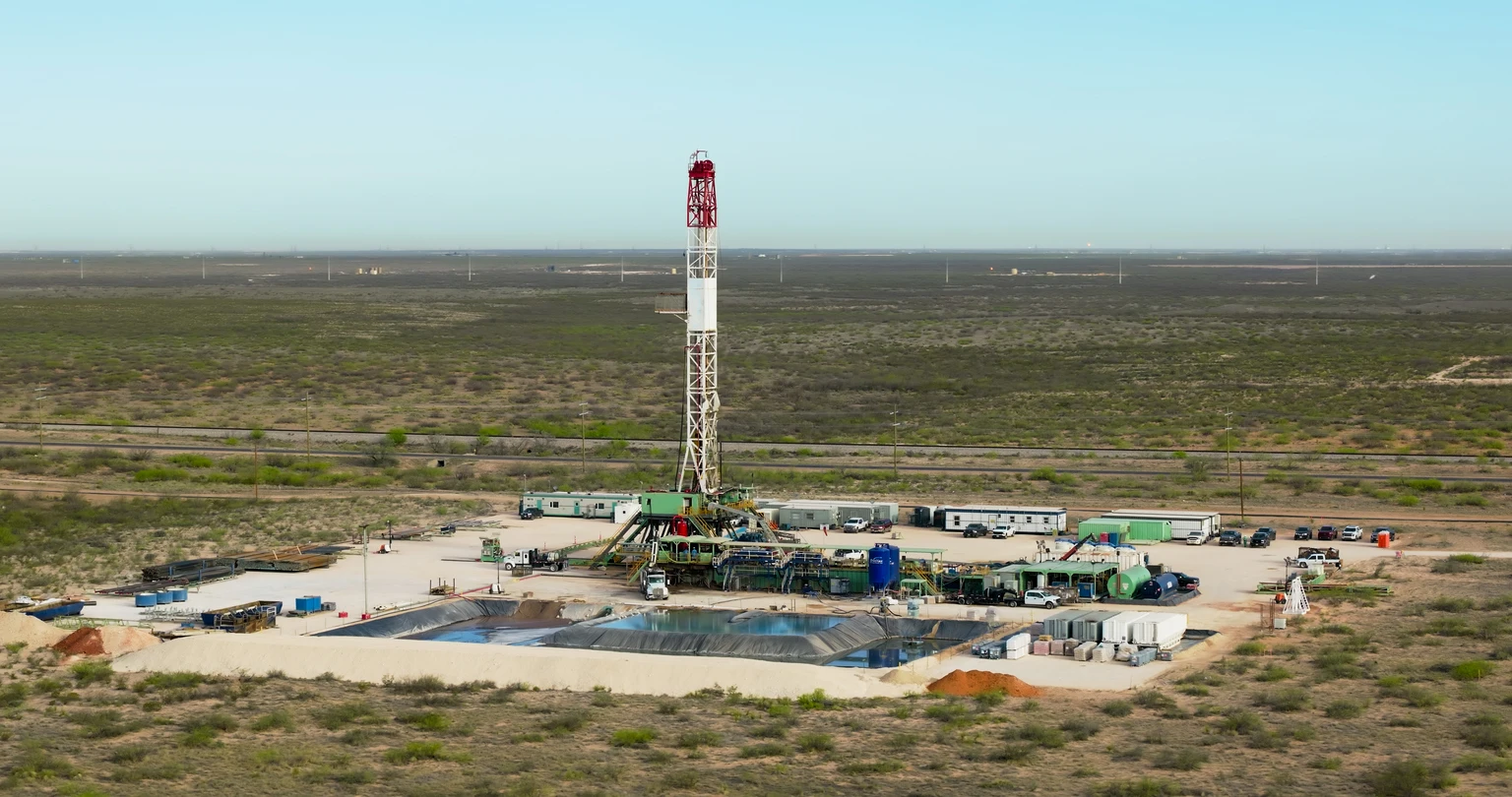


NEW YORK — World oil prices climbed sharply on Friday as the ongoing blockade of the Strait of Hormuz continued to threaten global supply, with Brent crude hovering near $111 per barrel and West Texas Intermediate trading around $105 amid heightened geopolitical tensions.

The benchmark prices reflect persistent worries over disrupted shipments through the critical waterway, which normally carries about one-fifth of global oil. The latest surge comes as diplomatic efforts to reopen the strait have stalled, pushing energy markets to four-year highs and raising concerns about inflation, economic growth and energy security worldwide.
As of early May 1, 2026, Brent crude futures for June delivery rose to approximately $111 per barrel, up more than 1% in early trading. WTI crude for May settlement traded near $105, reflecting similar upward pressure. Both benchmarks have gained over 80% year-to-date, driven largely by Middle East supply risks that have overshadowed demand concerns.
The crisis stems from the broader 2026 Iran conflict. Iranian forces effectively closed the strait in late February following U.S. and Israeli strikes, with limited commercial traffic resuming only under strict conditions. U.S. naval actions, including a blockade on Iranian ports, have further complicated shipping. Only a handful of vessels from select nations have passed recently, far below normal volumes.
Analysts at S&P Global and others warn that prolonged disruption could keep prices elevated throughout the year. While U.S. production and strategic reserves provide some buffer for American consumers, Asia and Europe face steeper challenges as alternative routes increase costs and insurance premiums skyrocket for tankers near the region.
OPEC+ has responded with modest production increases, but members’ spare capacity is limited and internal dynamics complicate coordinated action. The UAE’s recent exit from the group adds another layer of uncertainty to supply forecasts. U.S. shale producers have ramped up output, but logistical constraints and investor caution limit rapid scaling.
The price spike is already rippling through economies. Gasoline prices in the United States have climbed toward $4 per gallon in many areas, while European energy costs surge amid reliance on imported LNG and refined products. Developing nations in Asia, heavily dependent on Middle East crude, face the greatest strain, with some governments considering subsidies or strategic releases to ease consumer pain.
Energy experts note the Strait of Hormuz’s unique vulnerability. The narrow passage between Iran and Oman is difficult to secure fully, and even threats of attacks or mines deter shipping companies. Recent incidents involving seized vessels and reported strikes have heightened risk premiums, with insurers demanding significantly higher rates or refusing coverage altogether.
U.S. officials, including President Donald Trump, have pushed for a maritime coalition to guarantee safe passage, but allied support has been mixed. Diplomatic talks mediated by Pakistan continue, yet mutual distrust between Washington and Tehran has slowed progress. Iran has demanded the end of the U.S. blockade before fully reopening the strait, while the administration insists on verifiable security guarantees.
Market participants are watching several upcoming catalysts. The next OPEC+ meeting, weekly U.S. inventory reports and any breakthroughs in Iran negotiations could swing prices dramatically. Technical analysts point to resistance levels near $115 for Brent, with potential for further upside if disruptions worsen.
Longer-term forecasts vary. Some banks project Brent averaging around $100-$110 for the year if the strait reopens gradually, while others warn of sustained premiums if tensions persist. Demand destruction from high prices could eventually cap gains, but current supply fears dominate trading.
For consumers and businesses, the volatility creates planning challenges. Airlines have raised fares, manufacturers face higher input costs and households brace for increased heating and transportation expenses. Governments are exploring diversification strategies, including accelerated renewable energy investments and strategic partnerships with alternative suppliers.
The crisis also highlights the geopolitics of energy. The Strait of Hormuz has long been a flashpoint, but the current conflict has brought its importance into sharper focus. Nations dependent on Gulf oil are reassessing vulnerabilities, while producers weigh the balance between revenue and security risks.
As trading continues, oil prices reflect both immediate supply threats and broader uncertainty. Whether the latest spike proves temporary or the start of a new era of elevated energy costs depends on diplomatic outcomes in the coming weeks. For now, the world watches the narrow strait with heightened anxiety, knowing that events there can reshape economies far beyond the Persian Gulf.
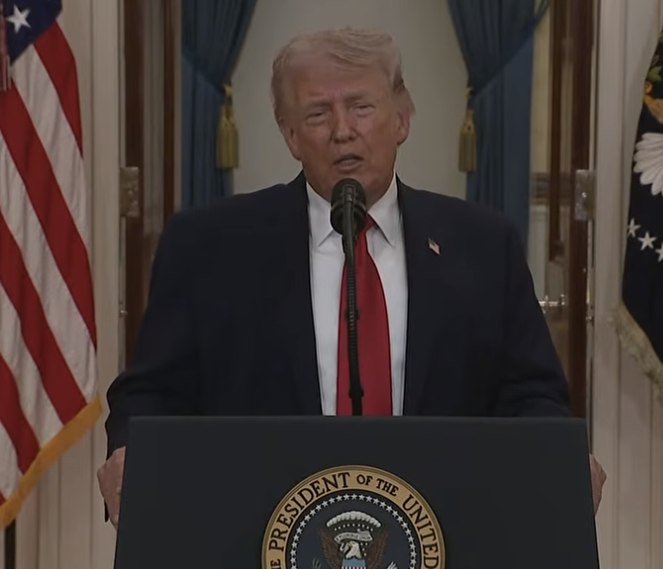
WASHINGTON — President Donald Trump on Friday lauded retired Navy Commander Kirk Lippold for his “smart and insightful” comments on Iran during a Fox News interview with Jesse Watters, continuing his administration’s hardline stance on the ongoing Middle East crisis that has disrupted global oil flows through the Strait of Hormuz.
In a Truth Social post, Trump wrote: “Great job by highly respected Navy Commander Kirk Lippold in interview with Jesse Watters on FoxNews. Very smart and insightful concerning Iran, and more. Thank you, Commander!” The message, posted as tensions remain high over the waterway’s closure, underscores the president’s reliance on military voices to shape public messaging amid diplomatic and military challenges.
Lippold, a former commander of the USS Cole who survived the 2000 terrorist attack in Yemen, has emerged as a frequent commentator on Iran policy. His appearance on Watters’ show focused on strategic options for dealing with Tehran, including naval presence in the region and pressure on Iranian leadership to reopen the critical oil chokepoint. The interview aired as crude prices hovered above $110 per barrel for Brent, reflecting supply fears from the Hormuz disruptions.
Trump’s endorsement of Lippold aligns with his broader approach to foreign policy, emphasizing strength, experienced military perspectives and skepticism of prolonged negotiations without clear results. The president has repeatedly used his Truth Social platform to amplify allies and pressure adversaries, often bypassing traditional media channels.
The Hormuz crisis, now in its second month, has dominated Trump’s recent communications. He has alternated between threats of escalated action and calls for Iran to “open the f—in’ strait,” as seen in earlier profane posts. The blockade has slashed oil exports, driven up global energy costs and complicated efforts to stabilize the region following U.S. and Israeli strikes earlier this year.
White House officials say the administration is pursuing a dual track of military readiness and diplomacy. U.S. naval forces remain deployed to deter further Iranian aggression, while backchannel talks mediated by third parties continue. Trump has credited his “maximum pressure” campaign with forcing Iran to the table, though critics argue the approach has escalated risks to global shipping and energy markets.
Lippold’s background gives his commentary particular weight. As commander of the USS Cole during the al-Qaida suicide bombing that killed 17 sailors, he has firsthand experience with asymmetric threats in the region. In the Watters interview, he reportedly discussed lessons from past confrontations with Iran and advocated for robust deterrence to protect freedom of navigation.
Trump’s post quickly circulated on other platforms, drawing praise from supporters who view Lippold as a voice of experience. Conservative commentators highlighted the contrast with what they called “weak” responses from previous administrations. Democrats and some foreign policy analysts cautioned that bellicose rhetoric could complicate de-escalation efforts.
The president’s social media activity remains a central element of his communication strategy in the second term. With fewer restrictions than during his first presidency, Trump posts frequently on Truth Social, often late at night or early morning. The platform serves as both a megaphone for policy announcements and a tool for real-time reaction to news events.
Energy markets reacted to the continued uncertainty. Brent crude traded near $111 per barrel Friday morning, while WTI hovered around $105. Analysts say any breakthrough on Hormuz could ease prices quickly, but prolonged closure risks broader economic fallout, including higher inflation and slowed global growth.
The administration has pointed to domestic production gains and strategic reserve releases as buffers for American consumers. However, allies in Europe and Asia have urged faster resolution, citing their greater dependence on Gulf oil. OPEC+ members have adjusted output modestly, but spare capacity limits their ability to fully offset disruptions.
Lippold’s interview and Trump’s endorsement come as Congress debates supplemental funding for military operations in the region. Bipartisan support exists for protecting shipping lanes, though divisions remain over long-term strategy toward Iran. Some lawmakers call for sustained pressure, while others push for renewed diplomatic engagement.
Foreign policy experts note the complexity of the current moment. Iran’s economy has suffered under sanctions and isolation, yet hardliners in Tehran have shown resilience. The U.S. faces the challenge of balancing deterrence with avoiding a wider conflict that could draw in other powers. Trump’s public praise for military figures like Lippold reinforces his image as a president who listens to warriors.
As the situation evolves, Trump’s Truth Social activity will likely remain a key indicator of administration thinking. His latest post praising Lippold signals continued focus on strength and experienced counsel in dealing with Iran. Whether this approach yields a quick reopening of the strait or leads to further escalation remains the central question for markets, allies and global energy security.
For now, the president continues leveraging his platform to shape the narrative, highlight military voices and project resolve. The world watches closely as diplomatic and military tracks proceed in parallel, with oil prices serving as a daily barometer of success or failure.
Manus, an AI startup once celebrated as a success, is now becoming a cautionary example for Chinese entrepreneurs following regulatory actions by Beijing. The company’s decline highlights the increased scrutiny and challenges faced by tech firms in China, emphasizing the importance of regulatory compliance and resilience in a changing environment.
Manus Islands has become a cautionary tale as China recently blocked Meta’s proposed acquisition, highlighting the complex geopolitics surrounding technology deals. The move signals increasing governmental scrutiny over foreign investments, especially in sensitive regions. Meta’s attempt to expand its influence in the Asia-Pacific was met with resistance from Chinese authorities, reflecting broader concerns about data security and national interests.
This decision underscores the growing influence of China’s regulatory framework, which often emphasizes security and sovereignty over technological expansion. The blockage serves as a warning to global tech giants about the hurdles and uncertainties faced when operating in China. It also illustrates the rising geopolitical tensions that can hinder international business ambitions, especially in strategic sectors like technology.
Ultimately, the Manus case reminds companies to navigate carefully within China’s regulatory landscape. It emphasizes the importance of understanding local policies and maintaining flexibility in global expansion strategies. As China’s grip on tech investments tightens, foreign firms must adapt or face significant setbacks.
Other People are Reading
Business
Bitcoin signals mild bullish trend near $77,000; Ethereum around $2,300 with neutral momentum

In the past 24 hours, Bitcoin and Ethereum were up 1.84% and 1.63%, respectively. Among the major altcoins, XRP, BNB, Solana, Tron, Dogecoin, Hyperliquid, and Cardano rallied up to 2.77%. The global crypto market capitalisation went up 1.35% to $2.57 trillion, according to CoinMarketCap.
Also Read | Best mutual fund SIP portfolios to invest in May 2026
WazirX Markets Desk said Bitcoin was trading around $76,600, signalling a mild bullish trend as moving averages indicate buying strength, while neutral oscillators suggest steady momentum and stable market conditions.
Ethereum, currently trading near $2,250, shows neutral momentum as both oscillators and moving averages remain balanced, indicating consolidation with no strong directional bias in the short term, WazirX Markets Desk further said.

Ethereum corrected 1.18% in the past week, whereas Bitcoin was down 0.80%. Among the major altcoins, XRP, BNB, Solana, Tron, and Hyperliquid fell up to 3.72%, whereas Dogecoin and Cardano were up 12.25% and 0.50%, respectively.
Piyush Walke, Derivatives Research Analyst, Delta Exchange, said after a strong recovery, Bitcoin has hit a key long-term resistance zone, where momentum is starting to fade, and the price action has shifted to consolidation with early signs of weakness, making the next support test crucial.
Walke also mentioned that Bitcoin faces profit-taking pressure near $80,000 and looming U.S. inflation data as high oil prices and rising bond yields weigh on risk assets. Bitcoin remained subdued yesterday, with only minor moves in either direction.
Also Read | Low-cost index funds & ETFs should form backbone of your portfolio: Vishal Jain, CEO, Zerodha Mutual Fund
Momentum has faded in the crypto markets, and recent ETF outflows over the past three days could be adding to the sluggish price action, Walke further said.
(Disclaimer: Recommendations, suggestions, views and opinions given by the experts are their own. These do not represent the views of The Economic Times)
If you have any mutual fund queries, message on ET Mutual Funds on Facebook/Twitter. We will get it answered by our panel of experts. Do share your questions on ETMFqueries@timesinternet.in along with your age, risk profile, and Twitter handle.

Q1: 2026-04-30 Earnings Summary
EPS of -$0.28 beats by $0.04
| Revenue of $135.60M (-14.88% Y/Y) beats by $1.50M

Seeking Alpha’s transcripts team is responsible for the development of all of our transcript-related projects. We currently publish thousands of quarterly earnings calls per quarter on our site and are continuing to grow and expand our coverage. The purpose of this profile is to allow us to share with our readers new transcript-related developments. Thanks, SA Transcripts Team
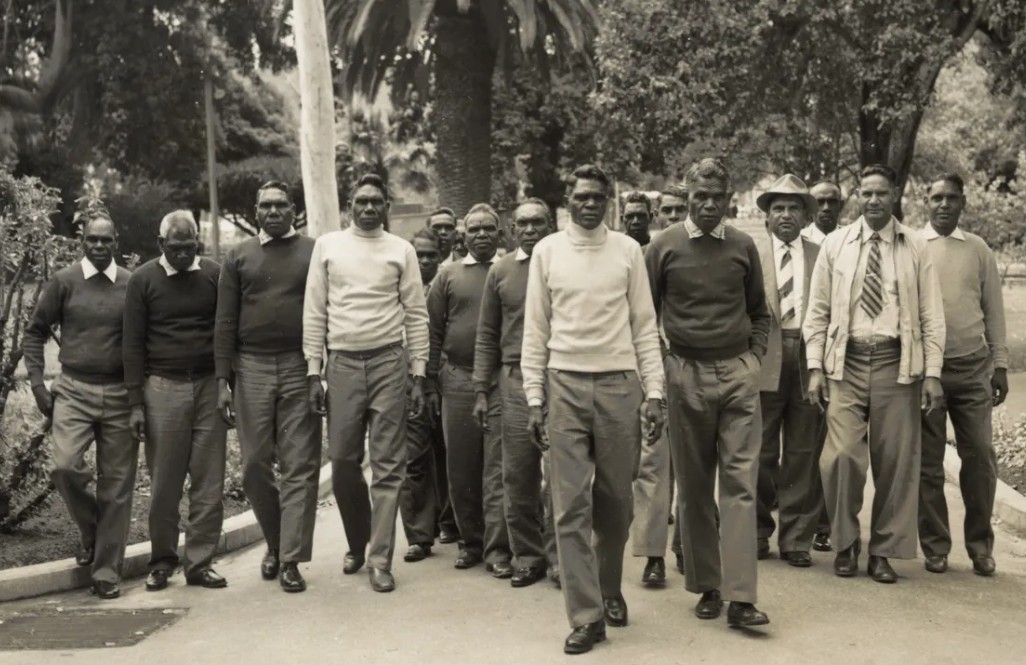
The descendant of a Pilbara Strike leader has laid down a challenge for miners to lift royalty payments and help native title holders build their own mines.

DHF: This High-Yielding Bond Fund May Struggle To Sustain Its Distribution

TUCSON, Ariz. — The search for Nancy Guthrie, the 84-year-old mother of NBC “Today” show co-anchor Savannah Guthrie, entered its fourth month Friday with no arrests and investigators still pursuing leads in what authorities describe as an abduction from her Tucson home. Blood evidence, ransom demands and surveillance footage have fueled a high-profile investigation involving local, state and federal agencies, yet the case remains unsolved.

Nancy Guthrie was last seen on Jan. 31, 2026, after returning home from a family dinner. Her daughter Annie discovered signs of disturbance the next morning, including blood on the front porch. Authorities quickly shifted from a missing person case to an active abduction investigation, citing forced entry indicators and the elderly woman’s limited mobility.
Pima County Sheriff Chris Nanos has maintained that Nancy Guthrie did not leave voluntarily. “We believe she was taken,” he said in early briefings. The FBI joined the probe, contributing resources for forensic analysis and national tip coordination. A $1 million family reward and a separate $100,000 FBI reward remain active for information leading to her recovery.
Recent developments include FBI laboratory analysis of DNA and hairs recovered from the home. Sources say advanced testing is underway to identify potential matches. Surveillance footage released earlier showed a masked individual near the residence on the night of the disappearance, described by officials as one of the strongest early clues. Doorway camera systems captured activity consistent with an intruder, though image quality has complicated identification.
Multiple ransom communications have surfaced, complicating the case. One individual, Derrick Callella, faces trial for allegedly sending a fake ransom text to Savannah Guthrie. A Pima County judge set a trial date for Callella in coming months. Authorities stress he is not suspected in the actual abduction but warn against hoaxers who prey on high-profile cases.
The family has remained largely private while actively supporting the search. Savannah Guthrie returned to “Today” in April after time away, expressing continued hope. “We believe she is still alive; bring her home,” she posted earlier alongside images of the suspect description. Brothers and other relatives have joined public appeals.
Investigators have chased thousands of tips, conducted extensive neighborhood canvasses, aerial searches and reviewed digital records. A person was briefly detained south of Tucson for questioning, but no charges resulted. Speculation about burglary gone wrong or targeted abduction persists, though officials have released limited details on motive.
Forensic experts point to blood spatter on the porch as potentially indicating a struggle. Former FBI profiler Jim Clemente suggested it could represent Nancy Guthrie’s “last stand” before being taken. No weapon or clear signs of lethal violence were immediately apparent, giving some hope she remains alive.
The case has drawn national attention, partly due to Savannah Guthrie’s prominence. Media coverage has been intense, with true crime analysts and former law enforcement figures offering theories on podcasts and cable news. Some speculate sophisticated planning, citing possible Wi-Fi jamming or coordinated entry. Others note the challenges of investigating crimes involving elderly victims.
As the search approaches 100 days, questions arise about whether it risks becoming a cold case. Sheriff’s officials insist it remains active with dedicated resources. Nancy Grace and other commentators have called for broader volunteer efforts, including specialized search teams. The family continues pushing for public vigilance.
Tucson’s desert environment poses preservation challenges for evidence and complicates ground searches. Temperatures fluctuate dramatically, and rugged terrain limits accessibility. Drones, dogs and volunteers have covered wide areas, but no trace of Nancy Guthrie has emerged.
Broader implications touch on elder safety, home security and the emotional toll on families of missing persons. Savannah Guthrie has spoken generally about the difficulty of not knowing, urging empathy for others facing similar ordeals. The case also highlights the role of DNA technology in cold or active investigations.
Pima County authorities coordinate with the FBI’s behavioral analysis unit and forensic labs. Digital forensics on devices and neighborhood cameras continue. Tips can be submitted anonymously through official channels or the family’s reward platform. Officials emphasize verified information amid the volume of leads.
For the Guthrie family, each day without answers brings renewed determination mixed with heartbreak. Nancy Guthrie, described as vibrant and community-oriented, remains the focus. Her disappearance has united neighbors in Tucson and viewers nationwide in hoping for a safe return.
As May begins, the investigation presses forward with new forensic testing and public appeals. Whether the case breaks through DNA matches, a credible tip or renewed surveillance review is unknown. For now, Nancy Guthrie’s loved ones and law enforcement refuse to give up, treating every lead as potentially the one that brings her home.
Business
(VIDEO) Unusually Shallow Earthquakes Strike Near Area 51 Sparking Nuclear Test Speculation
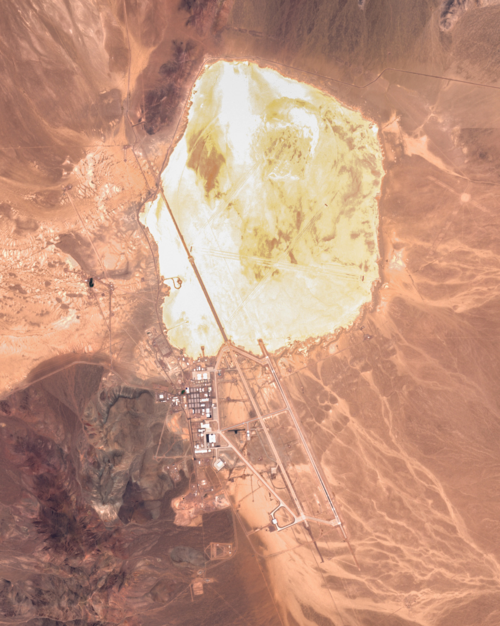
LAS VEGAS — A swarm of unusually shallow earthquakes rattled the remote Nevada desert near the secretive Area 51 military base this week, with at least 17 tremors recorded in a 24-hour period including a 4.4 magnitude quake that raised eyebrows among scientists and conspiracy theorists alike.
The strongest tremor struck at a depth of just 2.5 miles underground, far shallower than typical seismic activity in the region, which usually originates 6 to 12 miles below the surface. The U.S. Geological Survey confirmed the series of events, which were felt by residents in nearby communities, though no significant damage was reported.
Geophysicist Stefan Burns noted the atypical location and depth in a widely viewed analysis. “This is an unusual place to get an earthquake,” he said, while cautioning that the activity is most likely natural. However, the shallow depths have fueled online speculation linking the quakes to possible underground nuclear testing at the highly classified facility, long a magnet for conspiracy theories involving advanced weapons and extraterrestrial activity.
Area 51, part of the Nevada Test and Training Range, has a documented history of nuclear weapons testing during the Cold War era. While the U.S. government has not conducted full-scale nuclear tests since 1992, some observers question whether subcritical or other experimental activities could produce seismic signatures resembling small earthquakes. Officials have not commented directly on the recent swarm, and experts emphasize that distinguishing between natural and human-caused seismic events can be challenging without detailed data.
The timing of the earthquakes coincides with heightened global tensions, including disruptions in the Strait of Hormuz that have driven oil prices higher. Some online commentators have speculated about connections to military preparedness, though no evidence supports such links. Seismologists stress that Nevada experiences frequent small earthquakes due to its location along tectonic boundaries, but the concentration and shallowness near Area 51 stand out.
USGS data shows the quakes ranged from magnitude 2.5 to 4.4, with the largest occurring Wednesday afternoon. More than 100 people reported feeling shaking through the USGS “Did You Feel It?” system. The swarm follows similar clusters reported earlier in the year, though none matched this intensity or unusual characteristics.
Local residents in Rachel, Nevada — the closest community to Area 51 — described minor rattling of windows and dishes but no structural concerns. Tourism to the area, already boosted by Area 51 lore, may see another uptick as amateur investigators and curious travelers descend on the desert outpost. The base itself remains off-limits to the public, with warning signs and security patrols enforcing restricted access.
Scientists from the Nevada Seismological Laboratory are monitoring the region closely. Preliminary analysis suggests the events could relate to geothermal processes or natural fault movement in the Basin and Range province, a tectonically active area. However, the shallow focal depths warrant further study, as they can sometimes indicate human activity such as mining blasts or fluid injection, though those explanations are considered unlikely here.
Conspiracy communities on social media have exploded with theories ranging from secret weapons tests to underground alien bases. While most experts dismiss such claims, the government’s historical secrecy around Area 51 lends credibility to public skepticism in some quarters. Declassified documents over the years have revealed testing of advanced aircraft and other projects, but nothing confirming current nuclear activity.
The U.S. Air Force, which operates the range, typically declines comment on specific activities at Area 51 for national security reasons. A spokesperson for the Nevada Test and Training Range said routine operations continue but offered no details on seismic monitoring. Independent seismologists note that any underground explosion capable of registering as a 4.4 quake would likely violate international test ban treaties if it involved nuclear material.
Broader context includes increased U.S. military activity in response to global flashpoints. With tensions involving Iran and oil supply concerns, some analysts wonder whether the quakes reflect stepped-up testing of conventional weapons or simulation exercises. However, no official linkage has been made, and natural explanations remain the consensus among geophysicists.
Residents and visitors to the area are advised to remain vigilant but not alarmed. Small earthquakes are common in Nevada, and the recent swarm, while notable, does not currently indicate heightened risk of larger events. The USGS continues to provide real-time updates through its earthquake tracking systems.
As investigations proceed, the shallow quakes near Area 51 add another chapter to the base’s enigmatic reputation. Whether natural geology or something more secretive, the events highlight the enduring public fascination with one of America’s most classified military installations. Scientists and officials will likely study the data for weeks to determine the precise cause.
Business
Looking for best equity MFs to invest for 3 years? Check these 6 funds with over 27% returns

Looking for best equity MFs to invest for 3 years? Check these 6 funds with over 27% returns

Ethereum rebound at risk? Exchange data flashes warning
Kirsten Storms’ Phone Hacking Claim Investigated by Police
![Qkyou - MONEY ft O-Neang [VIDEO LYRICS]](https://wordupnews.com/wp-content/uploads/2026/02/1770711855_maxresdefault-80x80.jpg)
Qkyou – MONEY ft O-Neang [VIDEO LYRICS]

Manchester United reach agreement with Casemiro over contract clause amid transfer speculation

US brings back mandatory military draft registration

Steven Gerrard disagrees with Gary Neville over ‘shock’ Chelsea and Arsenal claim | Football


-

 Tech4 days ago
Register Renaming | Hackaday
-

 Fashion7 days ago
Weekend Open Thread – Corporette.com
-
 Crypto World6 days ago
Hyperliquid $HYPE Rally Builds Momentum as AI Sector Enters Prove-It Phase
-

 Politics4 days ago
Drax board avoid their own AGM, accused of greenwashing & environmental racism
-

 Tech4 days ago
Images of Samsung’s rumored smart glasses have leaked
-
 Sports5 days ago
IPL 2026: Ruturaj Gaikwad registers slowest fifty of the season, enters all-time unwanted list | Cricket News
-

 Tech4 days ago
Why Blue Badges Disappeared From Toyota Hybrids
-

 NewsBeat5 days ago
LK Bennett closes all stores after entering administration
-

 Fashion2 days ago
Kylie Jenner’s KHY Enters a New Era with ‘Born in LA’
-
 Entertainment6 days ago
Mariah Carey Slams Deposition Claims In Brother’s Lawsuit
-

 Business3 days ago
Most Commercial Energy Audits Miss the Real Losses
-

 Business4 days ago
(VIDEO) Charlize Theron Climbs Times Square Billboard to Promote New Netflix Thriller ‘Apex’
-
 Business7 days ago
Jeanine Pirro announces closure of Federal Reserve building cost probe
-

 Tech5 days ago
Microsoft to roll out Entra passkeys on Windows in late April
-

 Crypto World3 days ago
CFTC’s AI will review U.S. crypto registration applications, chairman tells CoinDesk
-
 Crypto World7 days ago
Nvidia (NVDA) Stock Jumps 5% as Intel Earnings Ignite Semiconductor Rally
-

 Tech5 days ago
OpenAI’s Sam Altman apologizes for not reporting ChatGPT account of Tumbler Ridge suspect to police
-

 Business2 days ago
Barclay Brothers Avoid Bankruptcy: HSBC Drops High Court Petitions After IVA Deal
-

 Tech7 days ago
Apple’s Next CEO Has a Different Battle Ahead
-

 Tech3 days ago
Get Ready for More Brain-Scanning Consumer Gadgets
You must be logged in to post a comment Login