
Business
Why Authenticity Is Becoming the Most Valuable Asset in Digital Marketing


The modern media landscape would be unrecognizable to brand managers, marketers, and advertising experts from as few as five years ago, let alone ten or more. A slickly-edited digital asset supported by clean copy is not only the baseline expectation for online marketing, but is competing with hundreds of thousands of similar efforts. The online ecosystem is drowning in brands, their marketing efforts, and their intrusive insistence that consumers pay attention. This phenomenon has only grown more pronounced in the age of generative AI, where brands are leaping at the chance to leverage new technology for further digital marketing applications.
The consequence of this is that consumers are, broadly, dismissive and uninterested in large swathes of digital marketing assets. There is simply too much competing information to draw consistent attention, the instant information provided by modern social media has contributed to the ongoing decline of consumer trust, and many brands are eagerly integrating new AI tools for cost reasons rather than their digital marketing efficacy. However, there are a handful of brands that are seeing success in their digital marketing campaigns, and they all share a common core direction: a focus on grounded authenticity and a credible reputation.
Brian Troiano, the CEO of digital marketing agency Rvv Corp in Tampa, Florida, believes that striking the balance of authenticity and new technology is going to be the defining challenge of the digital marketing industry moving forward. As consumers become more values-driven, and technology becomes more powerful and automation-focused, the next decade will be pivotal. The companies that use technology to amplify creativity, personalize experiences, and build real trust with their audiences will be the victors.
“Artificial intelligence will be deeply integrated into every campaign—allowing brands to understand and serve people with incredible precision,” Troiano predicts, “but at the same time, consumers are becoming more discerning. They don’t just want ads; they want authentic connections and brands that align with their values.”
Connection Through Community
It’s important for brands to get this right; the global digital advertising market is expected to grow to over $786 billion this year, even though scarcely 61% of marketers believe their campaigns are effective. Through shifting trends, a lack of consistent and reliable data, and disruptive changes to established SEO practices, it’s becoming increasingly difficult to create and deliver consistent results in the digital marketing space. The brands that succeed are the ones building personal connections with their audiences, establishing the trust that drives engagement. To stand out and capture the limited attention of consumer audiences, brands need genuine connection.
If connection and authenticity are the game, then social media platforms are the arenas in which they are played, and have been for decades. Whether it be LinkedIn, YouTube, Instagram, TikTok, or Reddit (and beyond), social media continues to dominate considerations for digital marketing; there just aren’t many better places for businesses to connect with their target audiences. Social media analytics—from likes and comments to general clicks and impressions—are one of the most effective ways for brands to track their exposure and online reputation. It’s undeniably effective; as of 2023, social media ads have become the dominant driver of brand discovery for online consumers between the ages of 16 and 24, and that upper range is expected to grow over time, followed closely by word-of-mouth.
Social media allows for brands, be they large corporate entities or individual professionals, to interact with online audiences in a way that differs from the advertisements of yesteryear cable. From sharing customer or client anecdotes, to directly replying to them on social pages, to engaging in the ever-evolving pattern of social media memes, brands and digital marketers can use these spaces to build community and establish a brand reputation. Big name brands like Dove are known for human-forward, genuine campaigns that focus on empathetic messaging, often without any direct product advertising. On the other end of the spectrum, brands like Duolingo and Nutter Butter have developed cult followings on social media for their avant-garde posting strategies and reputation.
“I’ve learned that people don’t just buy products or services—they buy relationships, integrity, and confidence in your word,” explains Brian Troiano. “Digital marketing and AI are evolving so fast that tools will come and go, but if you develop the fundamentals—understanding people, solving real problems, and communicating with authenticity—you’ll always stay ahead.”
Personal Branding and Leadership
However effective it is, social media is just one channel for digital marketing to pursue, and any single-channel approach is going to be staggeringly ineffective compared to broader approaches. Additionally, while the big brands might have the budget and the team to create new advertisements and run new campaigns on a regular basis, smaller companies and single professionals have to make do with what they’ve got. Personal branding and authentic thought leadership are powerful in today’s social economy, and can make a massive impact on the reputation and perception of any given brand.
Personal branding, leadership, and transparency have become the core pillars of effective digital marketing for the vast majority of companies and individuals, and with good reason. A company is a faceless organization vying for consumers’ attention, care, and money; a compelling thought leader with a platform and clear values is a person with stories, experiences, and value beyond the sales funnel. By building a robust personal brand, professional reputation can become a digital marketing strategy on its own.
Brian Troiano has seen this firsthand in the growing entrepreneurial scene in his home state of Florida. He’s built and sold multiple companies, and takes passion in instilling others with self-confidence and helping them reach their full potential; he knows firsthand how leadership and branding can affect someone, professional or otherwise.
“I believe a strong professional reputation is built one decision at a time—through consistency, integrity, and a commitment to serve others well,” he says. “As a faith-driven entrepreneur, I strive to let my actions speak louder than my words. That means showing up with excellence, keeping my promises, and treating people with respect whether they’re a client, team member, or competitor.”


A Gulfstream G-IV private jet on approach to Washington’s Reagan National Airport in Arlington, Virginia, June 12, 2024.
J. David Ake | Getty Images
As the Iran war pushes jet fuel prices higher, well-heeled travelers are facing hefty surcharges to fly private, sometimes on flights booked months prior, charter brokers and aviation insiders told CNBC.
Vimana Private Jets CEO Ameerh Naran said the firm recently booked a $520,000 flight from Dubai to London on a Boeing business jet for a client. That same trip cost the client $400,000 in 2023. The difference was entirely due to jet fuel prices — which now average about $4.65 a gallon globally — Naran said.
It’s yet another ripple in the recent disruptions to air travel.
More customers turned to private air travel during the pandemic to avoid crowds. The option remains popular and has become more important to the aviation sector as wealthier households prop up spending in travel and other sectors.
These deep-pocketed travelers are less likely to get priced out as airfares rise, but they have to navigate unexpected fees as brokers and charters differ on how they pass along fuel costs. Jet fuel prices in major U.S. cities were up more than 80% last month, according to Airlines for America, an industry group, citing Argus data.
Jet charter brokers like Vimana arrange flights with jet operators, which own the planes and buy fuel, on behalf of passengers. Naran said Vimana does not renegotiate contracts and does not reprice flights, but that charter prices have surged quickly.
He advised travelers to book sooner than later, saying any price hikes are likely to be sticky even if the Iran war ends soon.
Larger jet operators are slower to pass along fuel costs to passengers as they buy fuel in bulk and want to avoid alienating customers, according to Naran. However, operators will likely have to pay more at the pump when they replenish their supplies, and some are taking losses by not repricing flights, he said.
“There’s a long-term effect, because a lot of companies now will be making losses,” he said. “They’re not going to renegotiate the contract because they don’t want to spoil the relationship with the client, but if they’re making a loss today, they’ve got to recoup it.”
Jet charter prices have increased by 5% to 15% on average, with some rising by as much as 20%, since the Iran conflict began, according to charter broker Amalfi Jets’ database.
Passing costs to passengers
While some operators have raised prices on flights booked months ago and scheduled to fly in the coming weeks, Amalfi Jets CEO Kolin Jones said his company is eating the surcharges for jet card customers.
Some operators are also passing along increased war risk premiums for flights in the Gulf, though Amalfi Jets has only encountered this with three flights so far, he said. The charges added about $8,000 to $10,000 per trip, Jones said.
Gregg Brunson-Pitts of charter broker Advanced Aviation Team said that while he believes operators should honor prices for previously booked flights, repricing is a risk.
In some cases, the fees are relatively insignificant, he said, like a $1,500 surcharge for a flight from Palm Beach, Florida, to Phoenix, Arizona, on a Bombardier Challenger 300, for example. On the other hand, a round trip on a Gulfstream from the East Coast to Asia could incur $20,000 in surcharges for every dollar increase in fuel prices per gallon, he said.
Some long-haul trips have all-inclusive fuel pricing, Brunson-Pitts added.
Nearly all charter contracts include a fuel variable expense, allowing providers to charge more even if the flight was booked six months ago, according to Amanda Applegate, a partner at Soar Aviation Law.
Fractional jet owners, who share overhead costs in exchange for a set number of flight hours, typically pay an hourly rate on fuel that’s adjusted on a monthly or weekly basis. Even they may be on the hook for surcharges when fuel prices spike, Applegate said.
Private jet travelers are less price-sensitive than most flyers, and brokers told CNBC that they haven’t seen surcharges deter demand. Customers who only fly private once or twice a year for special occasions are most likely to get sticker shock, they said.
“Realistically, the individuals that are flying private, the need and want and reason of flying private does outweigh cost,” Jones said. “If you’re going to spend $25,000 on a private jet, and let’s say the cost is now $30,000, that doesn’t necessarily price people out.”
Brokers are also working to mitigate costs by refueling in countries where fuel is cheaper, even if it means additional flight time, Jones said.
Demand for private flying
So far, the business jet market is holding steady, with flights up 5% year over year in the week through March 22, according to aviation data and consultancy firm WingX.
Flexjet global CEO Andrew Collins said jet utilization by the company’s fractional aircraft owners is up 15% over last year. Clients are generally invoiced after they fly, and the company resets fuel prices toward the end of the month, taking an average of the month, he said.
Even as oil prices surge, travelers looking to avoid long lines at airports may be propping up demand for private charters.
Recent government shutdowns — a major disruption last fall and now a partial, ongoing shutdown — have left key aviation workers without pay and slowed air travel.
Most recently, that has led to hourslong lines at major U.S. airports like those serving Houston and New York as Transportation Security Administration officers called out of work while they weren’t receiving regular pay.
In the five weeks after the partial government shutdown began on Feb. 14, business jet departures increased year over year at most metropolitan airports, WingX reported.
Flexjet’s Collins said the company saw an increase in what he called “pop-up flights,” or reservations that guaranteed an aircraft within 10 hours of departure, during the recent airport chaos.
That said, Amalfi’s Jones said he has noticed some clients opting to fly on smaller aircraft to spend less.
“Some of them are very upset about that, like, ‘Hey, I used to fly on Citation Xs. Pricing is so expensive, and now I’m flying on a Hawker 800,’” Jones said. “It’s like, well, you’re still flying private. You’re going to get there maybe three minutes slower than the bigger airplane. But all in all, it’s the same kind of level of experience.”
Brunson-Pitts encouraged flyers to confirm with their broker whether they can expect a fuel surcharge or an invoice after their trip. Still, he said he expects the situation to be temporary, comparing it to oil’s rapid surge and subsequent crash from 2007 through 2008.
“This too shall pass,” he said. “That doesn’t mean it’s not painful, but the price of jet fuel rises and then it falls again.”
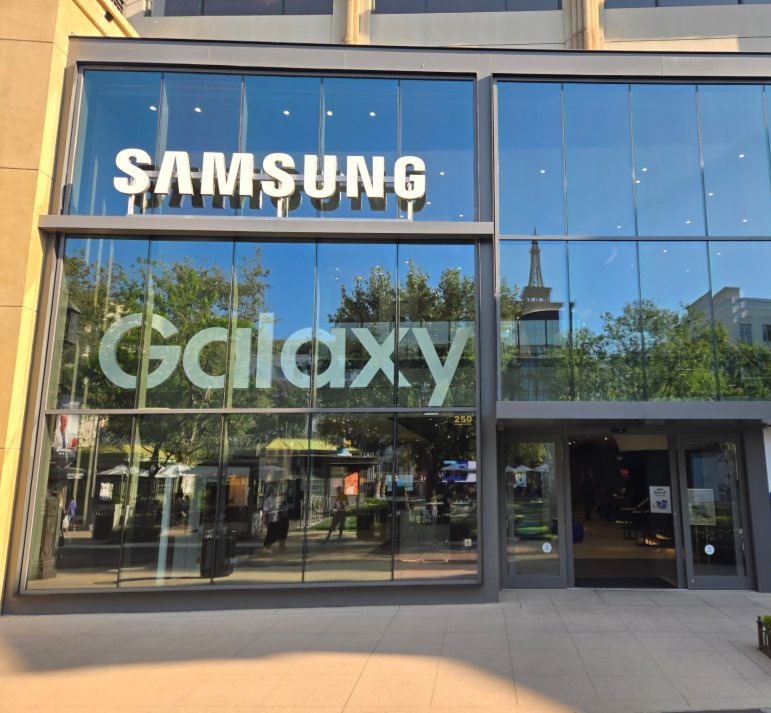
Samsung’s next-generation book-style foldable, the Galaxy Z Fold 8, is expected to launch in July 2026 during the company’s traditional summer Galaxy Unpacked event, with pre-orders likely opening the same day and general availability following about two weeks later, according to multiple supply chain reports and analyst projections.

The anticipated July timing continues Samsung’s established pattern for its premium foldables. The Galaxy Z Fold 7 launched on July 9, 2025, and the Fold 6 on July 10, 2024. Industry insiders and leakers, including reliable voices such as Ice Universe, point to a similar window in 2026, most likely the second week of July for the official unveiling, with retail sales commencing around July 22 or 24.
This year’s event is shaping up to be particularly significant, as Samsung is reportedly preparing not only the standard Galaxy Z Fold 8 and Galaxy Z Flip 8 but also a new “Wide” variant of the Fold 8. The wider model, sometimes referred to as the Galaxy Z Fold 8 Wide, is designed with a more expansive aspect ratio to better compete with upcoming foldable devices from rivals, including Apple’s anticipated first foldable iPhone. Carrier database listings and regulatory filings have already confirmed multiple model numbers, indicating all three devices are on track for a coordinated summer launch in the third quarter.
Expected Design and Display Improvements
Early leaks suggest the Galaxy Z Fold 8 will focus heavily on refining the foldable experience rather than overhauling the core form factor. The inner folding display is expected to measure approximately 8 inches, while the cover screen remains around 6.5 inches, both supporting smooth 120Hz refresh rates on Dynamic AMOLED panels.
A major highlight in rumors is significant progress on the persistent crease issue. Samsung is reportedly testing dual-layer ultra-thin glass combined with a laser-drilled metal support plate, aiming for a near-invisible crease when the device is unfolded. The overall chassis is expected to be thinner and lighter than previous generations, with some projections placing the weight as low as 200 grams in certain configurations.
Durability enhancements are another key theme. Stronger hinge mechanisms and improved water and dust resistance ratings are anticipated, addressing long-standing consumer feedback about foldable reliability.
Performance, Battery and Camera Upgrades
Under the hood, the Galaxy Z Fold 8 is widely tipped to feature Qualcomm’s Snapdragon 8 Elite Gen 5 (or a Galaxy-optimized variant), paired with generous RAM options of 12GB or 16GB and storage tiers ranging from 256GB to 1TB. Advanced vapor chamber cooling is expected to keep temperatures in check during demanding tasks such as gaming or multitasking across the large inner display.
Battery capacity is another area of focus, with leaks pointing to a 5,000mAh cell — a notable increase that could deliver substantially better endurance, especially when using the unfolded screen. Faster charging speeds, potentially up to 45W wired, are also rumored, along with possible improvements in wireless charging.
On the camera front, the Galaxy Z Fold 8 could see a significant leap with a 200-megapixel main sensor, supported by a 50-megapixel ultrawide lens and a 10-megapixel telephoto with 3x optical zoom. These upgrades would position the foldable closer to Samsung’s flagship Galaxy S series in photography capabilities, enhancing its appeal for content creators who value the large unfolded canvas for editing and previewing.
Software support is expected to include One UI 9 based on the latest Android version, with Samsung promising extended years of OS and security updates to match or exceed competitors in the premium segment.
Pricing and Market Strategy
Pricing is projected to remain largely consistent with recent generations, starting around $1,999 in the United States for the base model. However, some analysts speculate a modest increase in certain markets due to enhanced materials and components. The new Wide variant may carry a premium, though exact figures have not yet surfaced.
Samsung’s decision to launch both the standard Fold 8 and the wider model simultaneously appears aimed at broadening appeal and preempting competition from Apple’s rumored foldable iPhone, expected later in 2026 or 2027. By offering different screen proportions, Samsung hopes to capture users who prefer a more tablet-like experience when unfolded or a narrower profile when folded.
Production plans reportedly prioritize the Galaxy Z Fold 8, with estimates of 3.5 million units prepared ahead of launch compared to 3 million for the Flip 8, reflecting stronger expected demand for the book-style design.
Broader Context in Samsung’s Foldable Roadmap
The 2026 foldable lineup underscores Samsung’s continued dominance in the category it helped popularize. Since introducing the original Galaxy Fold in 2019, the company has iterated steadily, improving hinge durability, display quality and software optimization with each generation.
This year’s additions, including the Wide model, signal an aggressive push to expand the foldable market beyond early adopters. Features such as enhanced S Pen support (rumored to return in improved form), better multitasking and AI integrations via Galaxy AI are expected to make the devices more productive and appealing for professional users.
Global availability is anticipated shortly after the Unpacked event, with pre-orders likely including bundled accessories, trade-in deals and carrier financing options to lower the entry barrier for interested buyers.
As the July launch window approaches, more concrete details are expected through official teasers, regulatory certifications and hands-on leaks. In the meantime, speculation continues to build around how the Galaxy Z Fold 8 and its Wide sibling will differentiate themselves in an increasingly competitive foldable landscape.
For consumers considering a foldable purchase in 2026, the Galaxy Z Fold 8 appears poised to deliver meaningful refinements in nearly every area — from the display crease to battery life and photography — while maintaining the premium price point that has defined the series.
Samsung has not yet confirmed any specifics, and all details remain subject to change until the official unveiling. Enthusiasts and analysts alike will be watching closely as the company prepares what could be one of its most ambitious foldable lineups to date.


New refrigerated products part of La Tortilla subsidiary.


Petitions object to the safe use of beetroot red and spirulina.
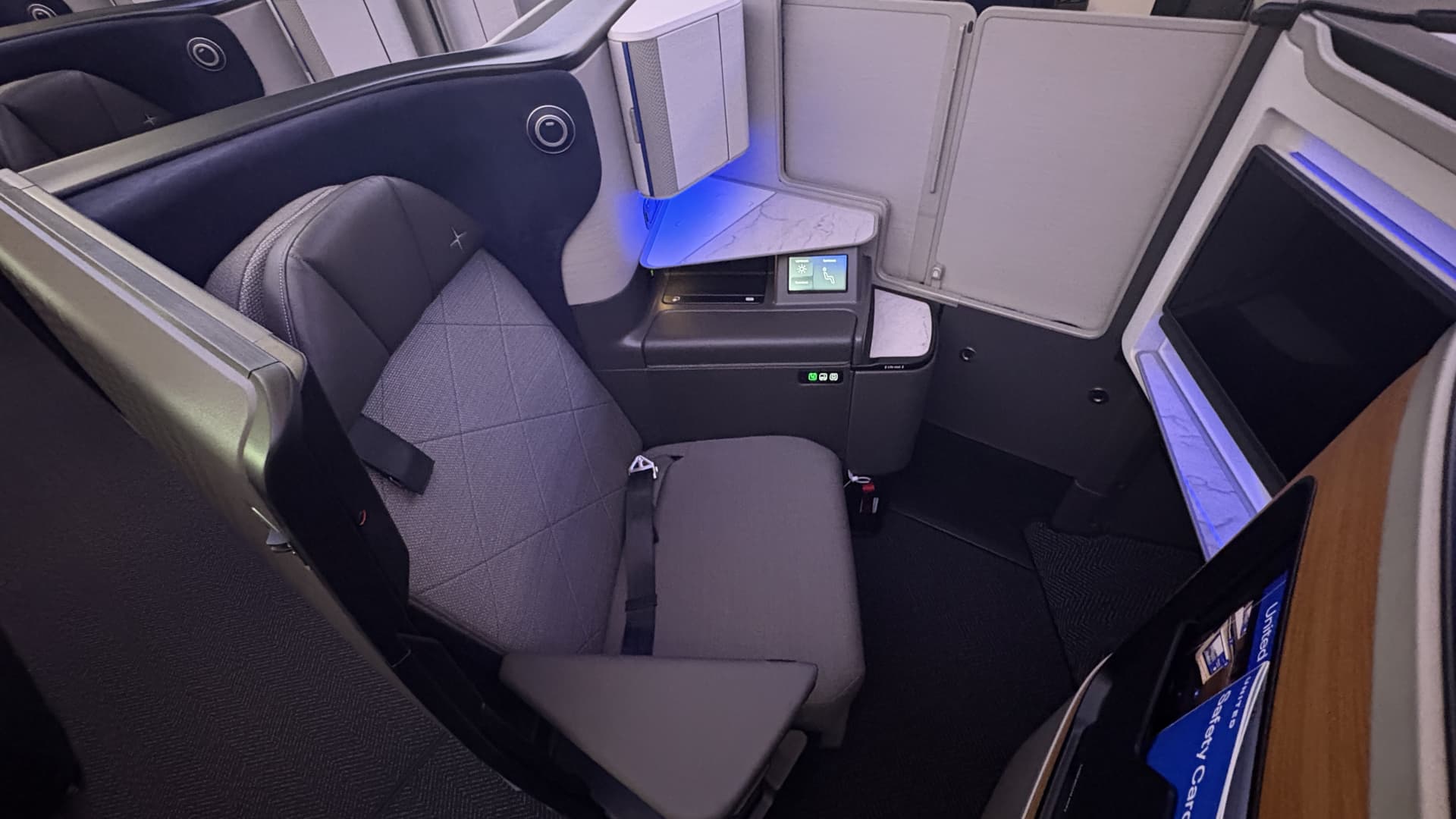
United Airlines new Polaris seat on one of its Boeing 787 Dreamliners
Leslie Josephs/CNBC
Does it matter where you sit if you’re sipping Champagne in first class? United Airlines is betting that for some travelers looking for luxury at a discount, it doesn’t.
The carrier is launching new, cheaper tiers for its top-end Polaris and premium economy cabins that come with many of the same perks — but plenty of restrictions too.
Starting this spring, United will offer “Base” Polaris fares which will include a spot in the airline’s long-haul business class cabins featuring lie-flat seats, but will charge those customers extra for advanced seat selection.
The new ticket class will also come with only one checked bag instead of two, and with access to the United Club airport lounge but not the higher-end Polaris lounge, which include showers and other plush features. Ticket changes aren’t allowed.
The other categories for Polaris will be “Standard” and the more expensive “Flexible” option that allows for customers to pay up for the new, more spacious Polaris Studio suites.
The new fares show that United — and perhaps soon, other airlines — are dividing up the front of the plane into smaller categories, just as they have with coach over the past decade, from restrictive basic economy tickets to extra legroom fares.
United’s new strategy comes as it overhauls its nearly decade-old Polaris class with new suites that feature sliding doors and bigger screens, while customers continue to show their willingness to pay more to fly in better seats. United and its competitors have been racing to add more premium seating on its planes, sometimes removing some economy seats to do so.
A spokeswoman for United said customers in Base Polaris would get the same meals — including ice cream — as other passengers in the cabin. She declined to say what the price differences between the fares will be, but said the Base Polaris fare is meant to be an entry-level point for the premium class.

United is also launching similar segmentation for its premium economy class, Premium Plus.
The new options will be available in certain markets starting this month and will expand to other international and long-haul domestic markets later this year, United said.
Rival Delta Air Lines last year said it was also considering segmenting front-of-the-plane cabins.


Vance to focus fraud efforts on Democratic states, Trump says

US targets Chinese chipmaking with proposed export restrictions on ASML and others


Trump vows to hit more Iranian infrastructure as nations seek to open Hormuz

Bitfarms Rebrands To Keel Infrastructure, But Financial Engineering Still Weighs
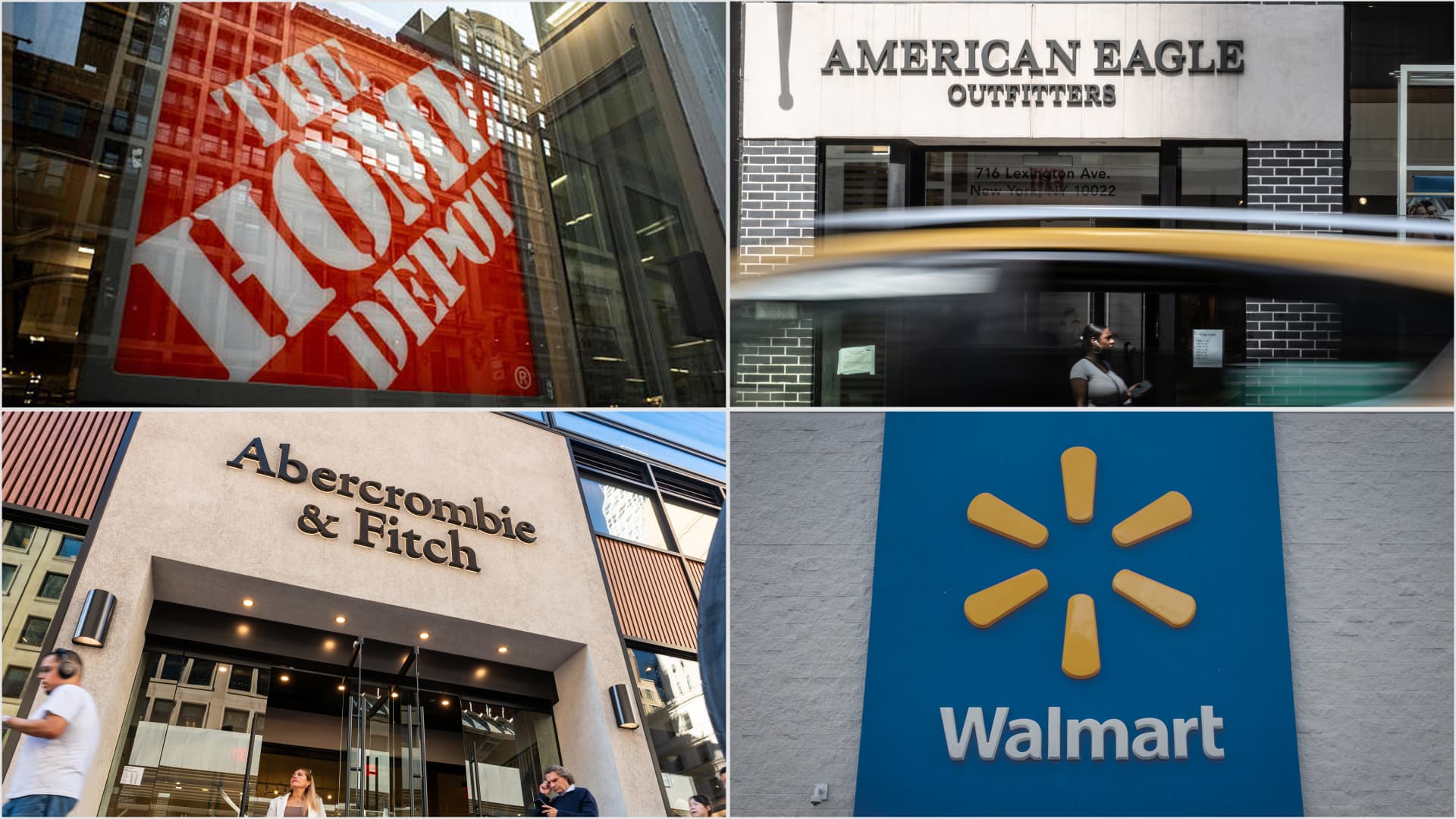

A year after President Donald Trump declared his “liberation day” and imposed sweeping tariffs on imports, kicking off a wave of economic and political uncertainty, some companies are still feeling the effects.
While some industries have emerged largely unscathed — having weathered twists and turns of several tariff iterations — others, such as retail, automotive, consumer packaged goods and pharmaceuticals, are navigating a new reality in global supply chains.
“Leadership at U.S. corporations really had to think about where we buy from versus whether we can import or not,” said Venky Ramesh, a supply chain expert with AlixPartners. “Around 80% to 85% of the costs were absorbed domestically, meaning either the U.S. corporations had to take the hit, or they passed it on to the customers, or a mix of both.”
On April 2, 2025, in the White House’s Rose Garden, Trump announced broad country-by-country tariffs, as well as a 10% baseline levy on countries that weren’t specifically listed in that declaration. Those tariff policies fluctuated wildly over the following months as Trump made deals and walked back some of the most extreme duties.
With ever-changing trade and tariff policies, companies have been forced to be more flexible and diversify their supply chains over the past year. Moving operations out of countries such as China, Vietnam or Mexico meant import cost savings, but for many industries, it was a tall task.
Ramesh said he saw clients in the first few months making “aggressive” changes to get ahead of the tariff costs, but because those policies kept shifting, companies begin to move slower and invest resources into scenario modeling.
“Moving supplier bases cannot happen overnight,” Ramesh said. “I think what companies are doing is they’re taking it gradually, so they want to make sure that they are well-diversified.”
On Feb. 20, the Supreme Court ruled that the country-specific “reciprocal” tariffs Trump imposed under the International Emergency Economic Powers Act of 1977, or IEEPA, were unconstitutional. But hours after the ruling, Trump announced a new “global tariff” rate of 10% under a separate statute, Section 122 of the Trade Act of 1974, for a period of 150 days. He later said he would increase global tariffs to 15%.
Meanwhile, those imposed under Section 232 of the Trade Expansion Act of 1962 — intended to target specific imports that threaten national security — remain in place. Section 232 tariffs largely affected imports of steel, semiconductors, aluminum and other products.
Still, Ramesh said, overall imports into the U.S. in 2025 were actually higher than in the previous year, especially as companies pulled forward inventory in the first few months of the year.
Ultimately, he said, he believes the past year of tariffs has culturally shifted the way U.S. companies operate.
“The things that would stick are supply chain being a very, very critical component of any company. I think that has really changed over the last year,” he said. “Corporations are not going to make the rash decisions. They’re not as susceptible to these changes as they were a year ago. They’ve stabilized more.”
As the U.S. enters its second year of Trump-imposed tariffs, here’s how some of the consumer-facing sectors have fared.
Retail
Eduardo Munoz Alvarez | Corbis News | Stephanie Keith | Bloomberg | Spencer Platt | Erik McGregor | Lightrocket | Getty Images
One year into Trump’s trade war, the retail industry has been disproportionately affected by tariffs. Mega-retailers such as Walmart, which have a range of different revenue streams and deep negotiating power, have emerged relatively unscathed, while smaller businesses have been crushed.
Several retailers said that although they initially estimated they would see significant hits to revenue and profitability after the new tariffs were imposed, they’ve since taken a new approach, aiming to not rely too heavily on any single country for imports or manufacturing. And, for the most part, they’ve managed to avoid the massive impact that many projected at the start of the trade war.
Home Depot‘s chief financial officer, CFO Richard McPhail, told CNBC in late February that the company is pressing ahead with its goal of limiting any one country outside the U.S. to 10% of the company’s purchases. More than half of what Home Depot sells is sourced in the U.S.
The retail supply chain has been forced to become more nimble in the past year, according to Max Kahn, the president of Coresight Research.
“One of the things that really started back with the pandemic is that retailers have become much better at building flexibility in their supply chains, and that got accelerated a lot last year with tariffs,” Kahn said. “Shocks to the system or unexpected events are a little bit more business as usual now.”
Tariffs have also meant higher costs for shoppers. Retailers such as Walmart, Best Buy and Macy’s have raised prices of some items, while also looking for ways to defray costs.
But as retailers reported quarterly earnings over the past few months, executives were hesitant to declare victory in the tariff back-and-forth.
While the Supreme Court’s decision earlier this year was largely a boon, especially for apparel companies that rely primarily on supply chains throughout East Asia, there’s still a lot of uncertainty, and companies were mixed on whether, and how, to size up the potential tariff impact.
Abercrombie & Fitch in March decided to explicitly incorporate the latest 15% tariff assumption into its outlook, becoming one of the first retailers to provide clarity on the new guidelines. However, the company did not predict or quantify any potential tariff refunds that it may receive after the IEEPA tariffs were struck down.
On the other hand, American Eagle Outfitters said in March that its guidance for the first quarter and full year was based on tariffs imposed under the IEEPA guidelines and did not take into account the recent Supreme Court ruling.
Gap also didn’t factor recent changes to tariffs into its 2026 outlook, but it could issue stronger guidance in the upcoming quarter because the newly enacted tariff rate is slightly below the previous rates for many countries.
Dollar Tree, too, isn’t betting on significant savings. CFO Stewart Glendinning said last month that the company already paid tariffs on its current inventory before the Supreme Court ruling.
“While there may be some upside, we remain cautious because of the potential for further near-term changes and because of the potential for negative freight and other costs related to the conflict in the Middle East,” Glendinning said.
His comment underscores a new reality for retailers: The Trump administration’s aggressive tariff policies are now a constant on the long list of factors that make the year ahead hard to predict.
Autos
The automotive industry has been, and continues to be, one of those most affected by Trump’s trade and tariff policies.
Both foreign and domestic automakers have faced billions of dollars in additional costs due to the levies. Toyota, for example, forecast a 1.4 trillion yen ($9.5 billion) impact from U.S. tariffs during its fiscal year. And the changes cost Detroit automakers General Motors, Ford Motor and Chrysler parent Stellantis a combined total of $6 billion last year, according to the companies.
Autos have been most affected by Section 232 tariffs, but the impact hasn’t been as bad as initially expected. The Trump administration last year decided to give some reprieve by “de-stacking” tariffs that were piling up on the automotive industry, so companies wouldn’t be paying overlapping duties for parts and vehicles.
“We should end up at a position where our net tariffs are actually lower in 2026 than they were in 2025,” GM CFO Paul Jacobson said Jan. 27, during the company’s most recent quarterly earnings call.
U.S. tariffs cost GM $3.1 billion in 2025, below the company’s previous expectations of between $3.5 billion and $4.5 billion, Jacobson said.
Companies including GM have said they have taken varying actions to offset the additional expenses, including redirecting and resourcing supply chains to better meet U.S. standards.
GM’s chief rival, Ford, told CNBC in February that it is continuing to work with the Trump administration on policies that “promote a strong and globally competitive U.S. auto sector.”
International companies such as Toyota — the world’s largest automaker — and its Japanese peers Nissan Motor and Honda Motor have announced plans to increase domestic manufacturing and export vehicles from the U.S. to Japan to appease the Trump administration.
Consumer packaged goods
President Donald Trump speaks about his new tariff plan at the White House, in Washington, D.C., on April 2, 2025.
Brendan Smialowski | Afp | Getty Images
Most consumer packaged goods companies manufacture their products in the U.S. but import key commodities, such as the pulp found in diapers and toilet paper and the aluminum used for soda and beer cans. Supply chain diversions aren’t an option for those resources, like they are for the retail or auto industries.
While the tariffs broadly resulted in higher costs for these manufacturers, some companies found themselves under unique pressure.
For example, spice maker McCormick initially warned investors that tariffs could cost $70 million in fiscal 2025 as prices for black pepper, cinnamon and vanilla were projected to rise. However, it managed to mitigate the impact of the import duties to just $20 million by cutting expenses, raising prices and sourcing alternatives from lower-tariffed countries when possible.
Consumer packaged goods company Procter & Gamble said in July that it had to raise prices on 25% of its products due in part to a $1 billion total annual tariff impact. Beer maker Constellation Brands said in July that it estimated a $20 million hit to its fiscal 2026 earnings due to tariffs on aluminum, a crucial material for its cans.
“At these rates, tariffs alone are a 5-point headwind to core EPS growth in fiscal 2026,” Procter & Gamble CFO Andre Schulten said on a July earnings call, referring to earnings per share. “We will look for every opportunity to mitigate these impacts, including sourcing flexibility, productivity improvements, and pricing with innovation in affected categories and markets.”
But not all consumer companies chose to pass on higher costs to consumers.
J.M. Smucker, which owns Folgers and Cafe Bustelo, originally planned to hike prices on its packaged coffee in response to the tariffs — the third increase for that fiscal year after a tough harvest. But the company reversed those plans and instead absorbed the $75 million hit to its margins.
Smucker executives cited an executive order that excluded green coffee and other agricultural products as one reason for the decision.
Pharmaceuticals
The pharmaceutical industry has fared better than some industries, thanks to recent drug pricing agreements with Trump.
Since November, more than a dozen major drugmakers have signed landmark deals with Trump to lower the prices of new and existing medicines. The drugmakers include several U.S.-based companies such as Pfizer, Eli Lilly, Merck, Gilead and Bristol Myers Squibb, as well as companies based abroad, including Novo Nordisk, GSK and Novartis.
On Thursday, the Trump administration said 13 companies have already signed those deals, and negotiations are progressing with four others.
Those agreements are part of the president’s so-called “most favored nation” policy, which ties U.S. drug prices to cheaper ones abroad. In exchange for the price cuts, Trump awarded the companies a three-year exemption from pharmaceutical tariffs, as long as they invest further in U.S. manufacturing.
The president on Thursday imposed new tariffs on branded drugs from drugmakers that did not strike deals with the administration, but that long-awaited move will likely affect only a small number of companies.
Patented medications and their active ingredients would be hit with a 100% tariff, but there are pathways for exemptions. The administration will impose a 20% tariff on companies that plan to onshore production, increasing to 100% four years from now, it said this week.
Months before the deals with Trump, tariff threats — and efforts to get into the president’s good graces — fueled a new wave of U.S. manufacturing investments from the pharmaceutical industry after years of domestic drug manufacturing shrinking.
AbbVie, for example, said last April that it will put more than $10 billion into U.S. manufacturing and other capabilities over the next decade, including building four new plants. Johnson & Johnson in March 2025 said it will spend more than $55 billion to build four plants in the U.S.
— CNBC’s Gabrielle Fonrouge, Melissa Repko, Michael Wayland, Amelia Lucas and Annika Kim Constantino contributed to this report.

Solana bulls defend $70, can SOL price recover as a falling wedge breakout nears?

Test Your Knowledge With the Collider TV Quiz — April 3, 2026

Biggest non-draft NFL questions in April: George Pickens contract, Aaron Rodgers decision


-

 NewsBeat7 days ago
The Story hosts event on Durham’s historic registers
-

 NewsBeat18 hours ago
Steven Gerrard disagrees with Gary Neville over ‘shock’ Chelsea and Arsenal claim | Football
-

 Sports7 days ago
Sweet Sixteen Game Thread: Tide vs Michigan
-
Entertainment4 days ago
Fans slam 'heartbreaking' Barbie Dream Fest convention debacle with 'cardboard cutout' experience
-

 Crypto World2 days ago
Gold Price Prediction: Worst Month in 17 Years fo Save Haven Rock
-

 Business13 hours ago
No Jackpot Winner and $194 Million Prize Rolls Over
-
 Entertainment6 days ago
Lana Del Rey Celebrates Her Husband’s 51st Birthday In New Post
-

 Tech4 days ago
The Pixel 10a doesn’t have a camera bump, and it’s great
-
Crypto World3 days ago
Dems press CFTC, ethics board on prediction-market insider trades
-

 Sports3 days ago
Tallest college basketball player ever, standing at 7-foot-9, entering transfer portal
-

 Tech3 days ago
EE TV is using AI to help you find something to watch
-

 Fashion5 days ago
Amazon Sundays: Soft Spring Layers
-

 Tech4 days ago
Avatar Legends: The Fighting Game comes out in July and it looks pretty slick
-

 Business1 day ago
Login and Checkout Issues Spark Merchant Frustration
-

 Fashion6 days ago
When Evening Dressing Gets Colorful for Spring
-

 Tech3 days ago
How to back up your iPhone & iPad to your Mac before something goes wrong
-

 Tech5 days ago
Elon Musk’s last co-founder reportedly leaves xAI
-

 Tech4 days ago
Apple will hide your email address from apps and websites, but not cops
-

 Crypto World4 days ago
U.S. rule change may open trillions in 401(k) funds to crypto
-

 Politics4 days ago
Should Trump Be Scared Strait?
You must be logged in to post a comment Login