
Business
Why Finding the 84-Year-Old Remains So Elusive After 73 Days?

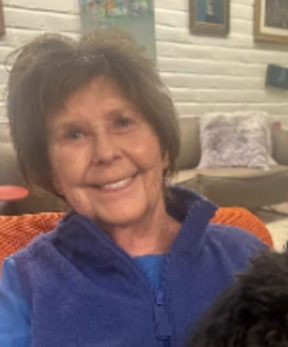
TUCSON, Ariz. — More than two months after Nancy Guthrie vanished from her Catalina Foothills home, authorities and experts continue to grapple with a baffling kidnapping case that has produced surveillance footage, blood evidence, potential DNA leads and mysterious ransom notes — yet no arrest, no suspect identification and no confirmed trace of the 84-year-old mother of “Today” show co-host Savannah Guthrie.

Guthrie was last seen Jan. 31, 2026, after returning home from dinner at her daughter Annie’s house. She was reported missing Feb. 1 when she failed to appear at church. Investigators quickly concluded she was taken against her will after finding drops of her blood on the front porch and reviewing doorbell camera footage showing a masked individual with a flashlight in his mouth deliberately covering the lens with a nearby shrub.
The case has drawn intense national attention, a $1 million family reward and FBI involvement offering up to $100,000 for information leading to her recovery or the arrest of those responsible. Yet as of mid-April 2026, more than 70 days later, the investigation remains at a frustrating standstill with no public suspects named and no proof of life.
Experts point to several factors making the search exceptionally difficult. The abduction occurred in the pre-dawn hours in a relatively remote, upscale neighborhood where homes sit on larger lots, limiting immediate witnesses. The masked suspect’s careful actions — obscuring the camera and wearing gloves — minimized visible forensic traces inside the residence, though blood outside confirmed violence. A glove found nearby matching the suspect’s appeared promising but has not yet yielded a breakthrough identification.
Genetic genealogist CeCe Moore emphasized the potential of saliva on the flashlight the suspect held in his mouth, urging investigators to prioritize that evidence for advanced DNA analysis. Retired detectives have speculated two to four accomplices may have been involved, citing the planning required to target a specific home that is not easily visible from the street. The sheriff has described the crime as targeted and indicated authorities believe they understand the motive, though details remain undisclosed.
The absence of a clear ransom demand from the actual kidnappers has complicated matters further. Early purported ransom notes demanded millions in Bitcoin, but subsequent anonymous communications sent to media outlets like TMZ have raised skepticism. Recent notes received around April 6 claimed Guthrie was dead in one message, then alive in Sonora, Mexico, in a follow-up — inconsistencies that former FBI agents described as highly unusual and potentially the work of scammers seeking cryptocurrency rather than genuine kidnappers.
One ex-FBI agent theorized the notes could be opportunistic exploitation of a real crime rather than direct communication from perpetrators. The lack of direct contact with the family or verifiable proof of life has left investigators and the public questioning their authenticity while diverting resources toward verification.
Guthrie’s age and health profile add layers of urgency and challenge. She has mobility issues and requires daily medication, including management via a pacemaker whose computer was reportedly disconnected. Without prompt medical care, her survival window narrows significantly, heightening fears as weeks turn into months. Experts note that abductions of elderly victims are statistically rare, and cases involving cross-border possibilities — such as hints of Mexico — expand the search area dramatically while complicating jurisdiction and cooperation.
Pima County Sheriff Chris Nanos has faced criticism over the pace of the investigation, including a no-confidence vote from deputies and questions about departmental leadership. Searches have included ground, air and neighborhood canvassing, with tens of thousands of tips received. The FBI has assisted extensively, yet public updates have been limited to protect the integrity of the probe. Some analysts point to possible early investigative missteps, including delays in processing certain evidence, as contributing to the ongoing difficulty in generating leads.
The high-profile nature of the case — tied to Savannah Guthrie’s celebrity — has brought both advantages and drawbacks. Massive media coverage has generated widespread awareness and tips, yet it may have also encouraged hoax communications and armchair speculation that clutter genuine leads. Savannah Guthrie returned to the “Today” show April 6 after a two-month absence, expressing continued hope while the family offered the substantial reward. She has made emotional pleas, including statements that the family would pay any legitimate ransom.
Retribution has emerged as one theory among profilers, with some suggesting the targeting could stem from perceived connections or grudges rather than random opportunity or financial gain. A “Mindhunter”-style expert highlighted that the deliberate, low-forensic approach points to someone familiar with law enforcement tactics or motivated by personal vendetta. The remote location and lack of immediate neighbors who saw or heard suspicious activity further hinder timeline reconstruction.
Cross-border elements, including unverified claims of sightings in Mexico, introduce logistical nightmares. Cooperation with Mexican authorities, language barriers, vast desert terrain and different law enforcement priorities slow progress. Historical cases show that once a victim is moved across borders, recovery rates drop sharply, especially without rapid action in the first 48 hours — a window long since closed here.
Technological hurdles also play a role. While doorbell footage provided a crucial visual, the suspect’s masking and the home’s security setup did not capture interior activity or a clear getaway vehicle with identifiable plates. Phone records, vehicle data and construction worker or neighbor interviews have been pursued, but no public breakthroughs reported. Advanced DNA tools, including genetic genealogy, offer hope if quality samples exist, yet processing backlogs and the need for matches in databases can take time.
The family has remained cooperative, according to officials, while privately enduring unimaginable anguish. Savannah Guthrie’s public statements balance hope with realism, urging anyone with information to come forward regardless of their involvement. Community vigils and searches in the Tucson area have continued, but as days accumulate without resolution, frustration grows.
Broader context reveals why such cases prove stubbornly difficult. Most kidnappings involve younger victims with clearer motives like ransom or custody disputes. Elderly stranger abductions without immediate demands are outliers, often requiring exhaustive review of the victim’s and family’s background for any overlooked connections. Here, the combination of a cautious perpetrator, possible accomplices, potential international angle and media-driven noise creates a perfect storm of investigative obstacles.
Authorities continue to treat the case as active and urge tips through the FBI at 1-800-CALL-FBI or online. The $1 million reward remains in place for information leading to Nancy Guthrie’s safe return or the perpetrators’ apprehension.
For now, the question lingers: why is it so hard to find her? A masked suspect who left minimal traces, an elderly victim with urgent health needs, shifting and questionable ransom claims, vast search terrain and the inherent complexities of a targeted nighttime abduction have converged to create one of the most challenging missing persons cases in recent memory.
As the investigation enters its third month, experts stress that breakthroughs often come from seemingly small tips or advances in forensic technology. The Guthrie family and law enforcement persist in their efforts, holding onto hope that Nancy will be found and the mystery resolved. Until then, the desert community and a watching nation continue to ask: Where is Nancy Guthrie?

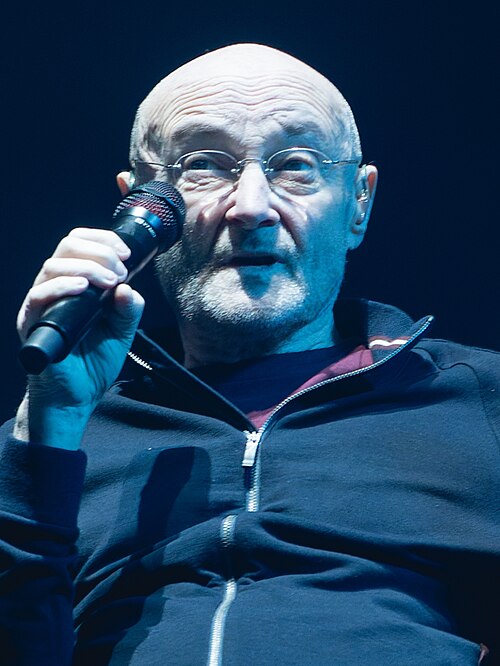
CLEVELAND — The Rock & Roll Hall of Fame unveiled its 2026 inductees on Monday night, honoring a star-studded class that spans pop anthems, heavy metal riffs, smooth R&B grooves and hip-hop innovation during a live reveal on “American Idol.”
Eight performers earned induction: Phil Collins, Billy Idol, Iron Maiden, Joy Division/New Order, Oasis, Sade, Luther Vandross and Wu-Tang Clan. The announcement, broadcast to millions, celebrated music’s broadest influences while sparking debates about what defines rock ‘n’ roll in 2026.

The class reflects the Hall’s evolving mandate to recognize “the music that connects us all,” as officials put it. From Manchester’s Britpop kings Oasis to New York’s Wu-Tang Clan, the inductees highlight how rock has absorbed and transformed global sounds over decades.
Phil Collins, making his solo debut after Genesis’ 2010 induction, expressed surprise and gratitude in early reactions. The Genesis drummer-turned-solo superstar dominated charts in the 1980s with hits like “In the Air Tonight” and “Against All Odds.” His induction caps a career that bridged progressive rock and accessible pop.
British new wave icon Billy Idol, known for sneering anthems like “Rebel Yell” and “White Wedding,” also joins the ranks after multiple nominations. His punk-to-pop evolution influenced generations of rockers and MTV-era stars.
Heavy metal titans Iron Maiden bring arena-shaking energy with their intricate compositions and mascot Eddie. The band’s decades-long influence on metal and beyond made their induction a fan favorite, though some purists questioned the wait.
Joy Division/New Order represent post-punk’s dark heart and dancefloor rebirth. Ian Curtis’ haunting legacy with Joy Division and the electronic shift under New Order helped shape alternative music from the late 1970s onward.
Oasis, the Gallagher brothers’ volatile Britpop force, finally enters after years of eligibility and drama. Hits like “Wonderwall” and “Don’t Look Back in Anger” defined 1990s rock, turning stadiums into singalongs and fueling a reunion tour buzz that amplified their cultural staying power.
Smooth operator Sade brings rare female representation among the performers with her sophisticated soul-jazz sound. The band’s elegant grooves on “Smooth Operator” and “No Ordinary Love” influenced R&B and beyond, earning acclaim for Adu’s sultry vocals and timeless style.
Soul legend Luther Vandross, a first-time nominee, receives posthumous recognition for his velvet voice and romantic ballads that defined ’80s and ’90s R&B. His emotional depth on tracks like “Never Too Much” left an indelible mark.
Wu-Tang Clan injects hip-hop’s raw street poetry into the Hall. The Staten Island collective’s 1993 debut “Enter the Wu-Tang (36 Chambers)” revolutionized the genre with gritty production, martial arts references and group chemistry, influencing countless MCs and producers.
Additional honors expanded the class to 18:
Early Influence Award: Celia Cruz, the Queen of Salsa whose vibrant rhythms brought Latin music to global stages; Afrobeat pioneer Fela Kuti; hip-hop trailblazers Queen Latifah and MC Lyte; and country-rock visionary Gram Parsons.
Musical Excellence Award: Songwriter Linda Creed (“Greatest Love of All”); producer Arif Mardin; legendary producer Jimmy Miller (Rolling Stones classics); and modern production icon Rick Rubin.
Ahmet Ertegun Award: Television pioneer Ed Sullivan, whose variety show introduced rock legends like Elvis Presley and the Beatles to American audiences.
The 2026 class drew from a pool of 17 nominees announced in February, which included Mariah Carey, P!nk, Shakira, Lauryn Hill, INXS, Melissa Etheridge, Jeff Buckley, The Black Crowes and New Edition, the latter winning the fan vote but falling short of induction. Voting involved more than 1,200 artists, historians and industry professionals alongside public input.
Critics and fans quickly weighed in online. Some praised the diversity, noting nods to global influences like Fela Kuti and Celia Cruz. Others debated rock’s boundaries, asking whether smooth operators like Sade or hip-hop collectives like Wu-Tang fit the “rock” label. Hall officials have long argued that the genre’s DNA includes rhythm and blues, soul, country and more — a philosophy that has broadened the institution since its 1983 founding in Cleveland.
The induction ceremony is scheduled for Saturday, Nov. 14, at the Peacock Theater in Los Angeles. It will tape for a December broadcast on ABC and Disney+, with exact air date details pending. Tickets for members and select packages are expected to go fast, as past ceremonies have drawn massive audiences and emotional performances.
This year’s class arrives amid renewed interest in rock’s legacy. Oasis’ reunion tour has packed stadiums, Iron Maiden continues epic world tours, and younger artists sample or cite these acts as foundational. Wu-Tang’s influence echoes in modern hip-hop, while Sade’s catalog enjoys streaming revivals.
Cleveland’s Rock & Roll Hall of Fame museum plans special exhibits featuring artifacts from the new inductees, allowing visitors to explore guitars, stage costumes, handwritten lyrics and more. The institution, designed by I.M. Pei, has become a pilgrimage site for music lovers since opening in 1995.
Induction often sparks career boosts or reunions, though some artists have declined or expressed mixed feelings over the years. For living honorees like Collins, Idol and members of Iron Maiden, Oasis and Wu-Tang, the honor cements their place in music history.
The announcement on “American Idol,” hosted with input from Ryan Seacrest and Lionel Richie, blended pop television with rock heritage, reaching a broad audience. Clips of performances and tributes circulated rapidly on social media, driving viral conversations about overlooked artists and genre evolution.
Music historians note the class bridges eras: from Gram Parsons’ cosmic American music in the 1960s-70s to Wu-Tang’s 1990s breakthrough and Sade’s consistent elegance. It also highlights behind-the-scenes contributors like producers Mardin, Miller and Rubin, whose work shaped countless hits.
As the music industry grapples with streaming, AI and shifting consumption, the Rock Hall continues to affirm timeless artistry. Chairman John Sykes has emphasized the Hall’s role in preserving culture while adapting to new voices.
Fans can expect powerful moments at the November ceremony, with potential all-star jams, emotional speeches and surprise collaborations. Past events have featured reunions and tributes that became instant classics.
The 2026 inductees embody rock ‘n’ roll’s rebellious spirit and expansive reach — from stadium anthems to intimate soul, metal thunder to hip-hop innovation. Their music continues to soundtrack lives, challenge norms and inspire new generations.
Whether debating the merits of each choice or celebrating long-overdue recognition, one thing is clear: the Class of 2026 adds fresh chapters to the ongoing story of music’s highest honor.

HAL Trust: Still Trading At A Discount

Earnings call transcript: Scott Technology’s H1 2026 shows steady growth
Google is putting its foot down on “back button hijacking,” an infamous deceptive practice where users are kept on a long loop of pressing the back button but are either not brought anywhere or redirected to other pages instead of the previous one.
While some may deduce that ads are preventing them from going back, the website itself that hosts the ads is the one locking them on that specific page and not allowing them to return.
Google Says No to Back Button Hijacking on Browsers
Google has explained in their latest blog post on the Google Search Central that they are now introducing a new spam policy on back button hijacking, which is now considered by the platform as a deceptive practice.
According to Google, back button hijacking is a practice where users click the “back” button, but instead of being brought to the previous page, they are directed to other pages, made to stay on the current one, or bombarded with unwanted ads.
Google expects that websites should make the back button work as intended, and when users click on it, they should be taken back to the previous page they saw.
With this, Google is now categorizing it as part of malicious practices under the spam policies of the platform, saying that websites that continue these practices in the future will violate its guidelines.
Google Will Punish Back-Button Hijackers, Websites
According to Google, pages that practice back button hijacking “may be subject to manual spam actions or automated demotions,” which will impact the site’s performance in Google Search results.
The company said that it is now giving site owners time to make the necessary changes as the new policy will take effect in two months, specifically on June 15, 2026.
Google said that sites that practice this should ensure that they are not “doing anything to interfere with a user’s ability to navigate their browser history” or else face the punishments that the company has laid out.
Should back button hijacking stem from the site’s included libraries or ad platform, Google still wants them to remove or disable any code to prevent the malicious practice.
The latest policy change came after Google allowed AI-generated headlines from Discover to Search.
Originally published on Tech Times

The Perth developer of a collagen nerve repair surgical wrap has inked a deal for access to over 200 US Department of Defence medical sites after validating its effectiveness on the battlefield of Ukraine.

The largest cryptocurrency climbed as much as 2.4% to $74,945, its highest since March 17, before paring gains to trade around $74,400. Smaller tokens also advanced, with Ether up 5.5% to over $2,370.
The moves followed President Donald Trump’s claim that Iran had reached out to his administration for potential peace talks, even as the US began a naval blockade of the Strait of Hormuz.
Asian stocks also climbed on optimism that a deal would help ease oil prices and boost economic growth.
Since its crash from an all-time high of $126,000 in October, Bitcoin has been trading in a tight range for the past two months.

However, the token has fared better than many traditional assets since the US war with Iran started at the end of February. It is up more than 10% since Feb. 27, while gold has fallen nearly 10%. The S&P 500 index is roughly flat for the same period.
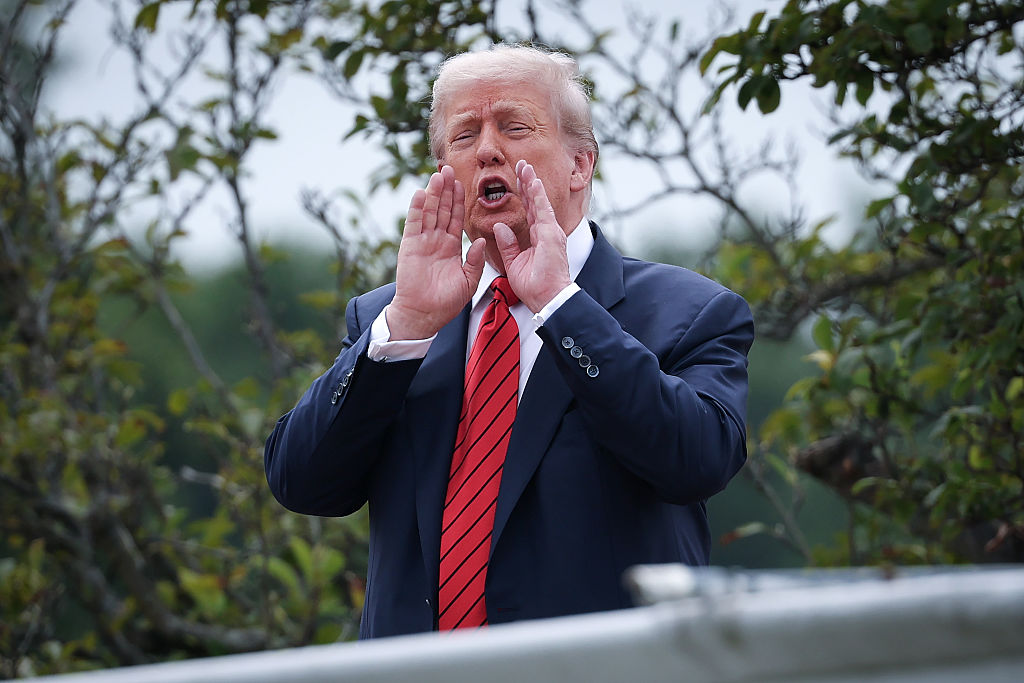

US President Donald Trump has claimed that talks between his country and Iran may resume in the coming days.
The revelation was made by a New York Post reporter, who said Trump had called her with the news.
US-Iran Talks May Resume
According to a report by The Guardian, the New York Post reporter said that Trump called to say that he had an update on the situation.
“You should stay there, really, because something could be happening over the next two days, and we’re more inclined to go there,” Trump said.
Trump also sang praises for Pakistan’s army chief, Field Marshal Asim Munir, who is arranging the talks, saying that Munir is doing a “great job.”
“He’s fantastic, and therefore it’s more likely that we go back there,” said the US President.
According to The Guardian, a Pakistani official said that talks may resume soon, but it may take longer than Trump expected.
US Continues Strait of Hormuz Blockade
The update comes as the United States continues its blockade of the Strait of Hormuz. According to the BBC, more than a dozen US warships are now implementing the blockade.
The blockade is believed to be targeting Iran’s oil revenue as well as the significant amount the Middle Eastern country is making from charging tolls.
However, the BBC notes in its report that at least four Iran-linked shipping vessels were able to cross despite the blockade.
China has spoken out against the blockade, calling it “dangerous and irresponsible.”
The country went on to say that the move would only “exacerbate tensions and undermine the already fragile ceasefire agreement.”
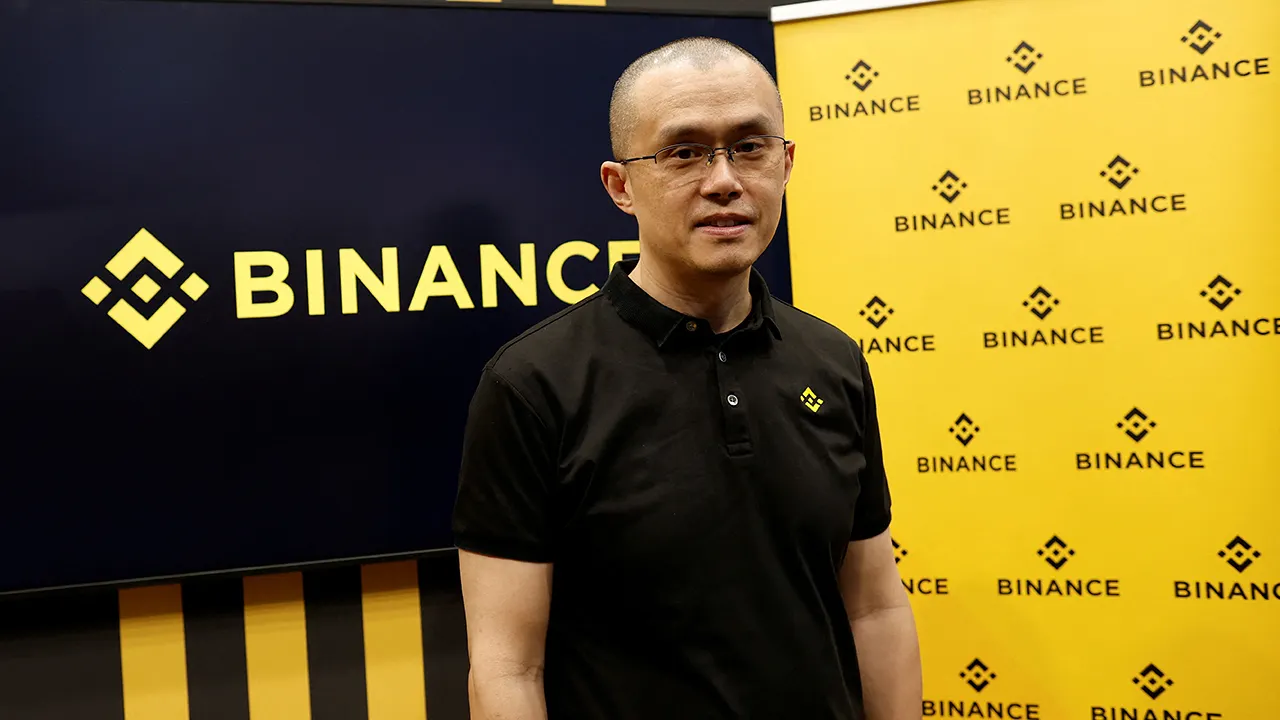
Binance founder Changpeng ‘CZ’ Zhao sheds light on his book, ‘Freedom of Money,’ as well as his interactions with Sam Bankman Fried and Gary Gensler during an interview with FOX Business’ Charlie Gasparino.
Changpeng Zhao, better known as CZ, is a survivor.
A childhood of poverty in China. Flipping hamburgers to pay his way through college before the self-described computer nerd entered the cutthroat world of high-frequency trading.
Soon came his nascent bet on something called bitcoin, the first and most popular decentralized digital asset, the creation of the world’s largest crypto exchange, Binance, navigating more than a few crypto winters, plus a stint in jail after being targeted during what many believe was the Biden administration’s over-zealous crackdown on all things crypto.
CRYPTO EXPERT EXPLAINS WHY BITCOIN MAKES ‘PERFECT RECORD’ FOR TRACKING DOWN CRIMINALS
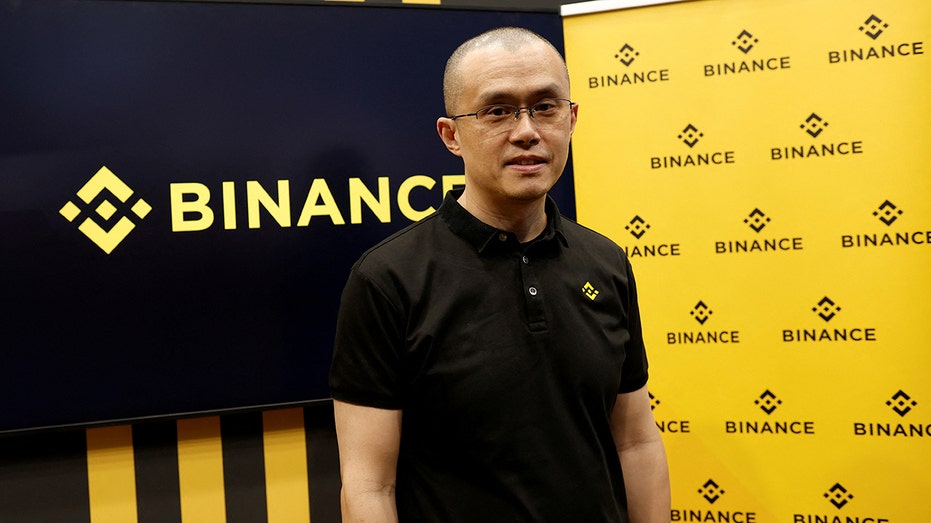
Changpeng Zhao, founder and chief executive officer of Binance, attends the Viva Technology conference dedicated to innovation and startups at Porte de Versailles exhibition center in Paris, France, on June 16, 2022. (Benoit Tessier/Reuters)
His new book, “Freedom of Money,” details his life journey, a survivor’s tale, he tells me in an exclusive interview for FOX Business. The book explains how he is still standing, quite nicely, I should add, following a pardon from President Donald Trump and with his enormous net worth estimated at more than $100 billion.
CZ is no longer with Binance, having left when the feds came calling back in 2023, though he remains its largest shareholder. Now a free man, he is looking to be a thought leader for the crypto business. “Freedom of Money,” will certainly help in that regard.
Binance founder Changpeng Zhao speaks to FOX Business’ Charlie Gasparino on politics and crypto, Larry Fink’s transformation regarding crypto, the adoption of the technology and more.
Those looking for stylistic prose in this 364-page tome will be disappointed. English isn’t CZ’s first language, of course, and he wrote this book in federal prison, he said, which is no easy task.
COINBASE CEO: BIG BANKS ARE TRYING TO ‘KILL THE COMPETITION’ THROUGH CRYPTO REGULATION
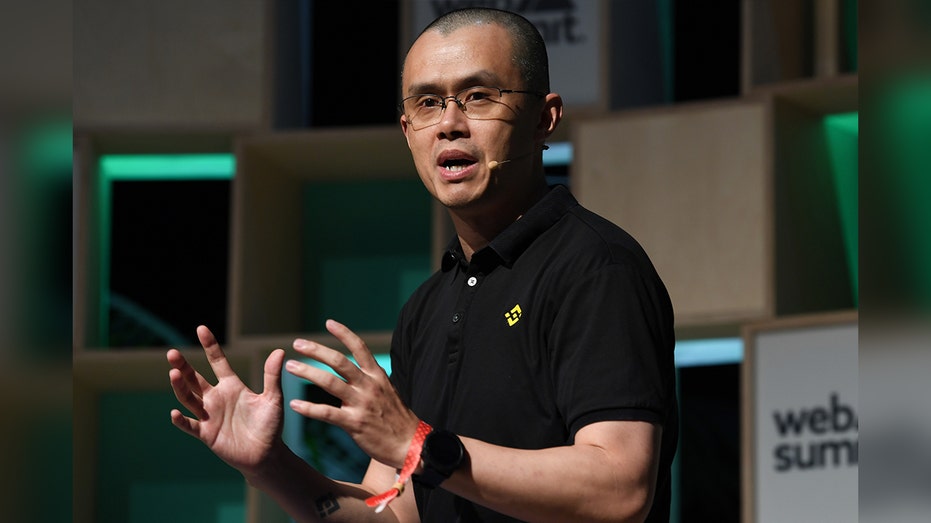
Binance founder Changpeng Zhao. (Zed Jameson/Bloomberg )
“There’s a terminal… You can get on there for 15 minutes. You can type, [but] there’s no cut and paste… if you cut one paragraph and want to move it to a different place… So, I just do a brain dump. Just type as fast as I can, and then I have to get off, and I wait for an hour to get back on the computer.”
That said, this is a book worth reading for the simple fact that CZ explains the rise of crypto (it’s now a $3 trillion business being embraced by the biggest banks and financial firms in the world) as well as his own journey in a clear, relatable narrative. He name-drops a ton, which is where this book shines, particularly his description of his last meeting with another famous crypto player known by his initials.
SEN RICHARD BLUMENTHAL: CRYPTO IS A GAMBLE OUR FINANCIAL SYSTEM DOESN’T NEED
That would be SBF, or Sam Bankman-Fried, the founder of the now-defunct FTX crypto exchange serving a 25-year sentence after being convicted of multiple fraud charges tied to the collapse of his company, when $8 billion in customer funds went missing. In CZ’s telling, as FTX was imploding, SBF came to him hat in hand for a loan in such a way that made him think something was up, and it wasn’t good.
Binance founder Changpeng ‘CZ’ Zhao discusses going to jail, his pardon by President Donald Trump, the Biden administration’s war on crypto and more during an exclusive interview with FOX Business’ Charlie Gasparino.
“He was just like he was just mumbling, like, can you give me a billion or whatever?” CZ tells me. “We’re talking about billions, right? I would expect him to say, look, I needed 4.387 billion, right?… He was like, it’s two, six is four. I was like, what’s going on? I think there was a lot of lying involved.”
CLICK HERE TO GET FOX BUSINESS ON THE GO
CZ decided against the loan, and not long after FTX went bust, as did SBF’s career.
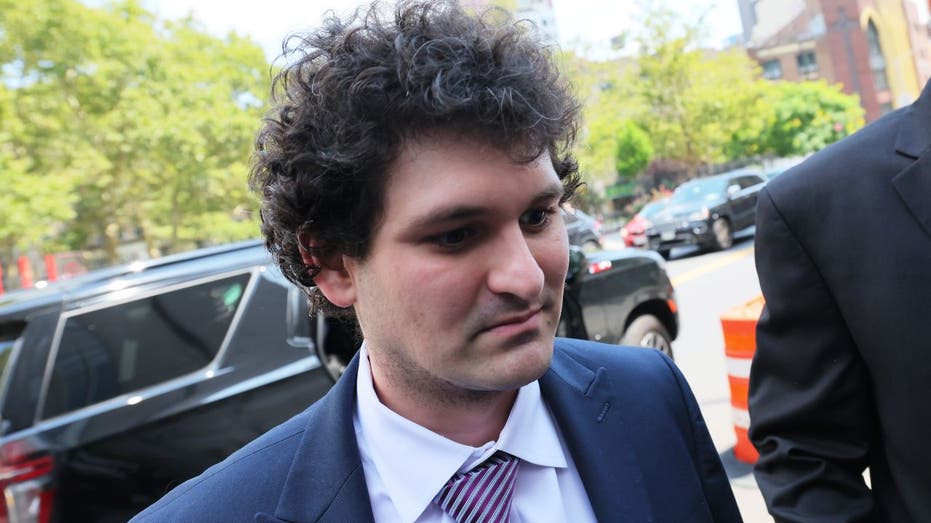
Former FTX CEO Sam Bankman-Fried arrives for a bail hearing at Manhattan Federal Court on Aug. 11, 2023 in New York City. (Michael M. Santiago/Getty Images)
CZ would face his own issues. In my interview, he explains the charges against him, the Biden administration’s approach to regulation – why he thinks it went so hard against crypto and how former SEC Chairman Gary Gensler went from an industry supporter to what he believes is an adversary – and his controversial pardon by Trump.

Rival heirs are entitled to Gina Rinehart-led Hancock Prospecting’s iron ore royalties over some mining tenements in the Pilbara, the state’s highest court ruled.
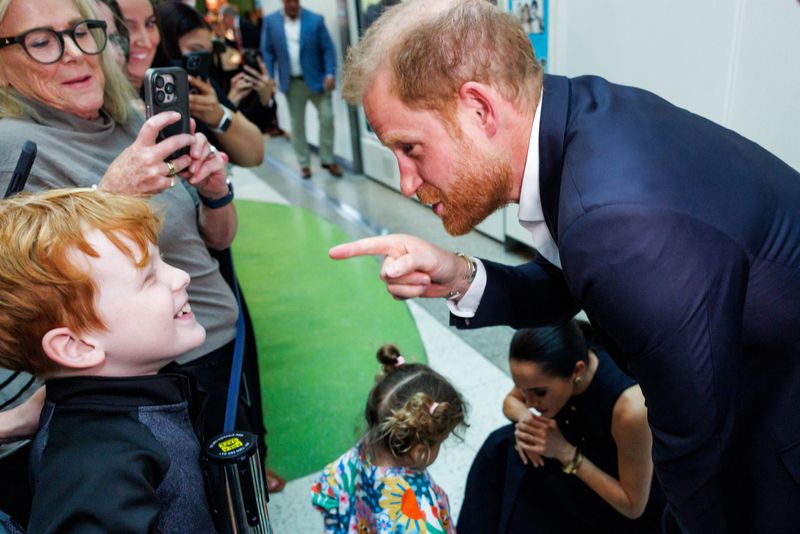

Britain’s Prince Harry speaks of struggles of fatherhood on Australia tour

Financial Droughts being PUBLIC

14 of the coolest honeymoon hotels for 2026

Oasis, Phil Collins, Iron Maiden Lead Explosive 2026 Rock & Roll Hall of Fame Class


-

 Politics4 days ago
US brings back mandatory military draft registration
-
 Sports4 days ago
Man United discover Nico Schlotterbeck transfer fee as defender reaches Dortmund agreement
-

 Fashion4 days ago
Weekend Open Thread: Veronica Beard
-

 Politics5 days ago
Malcolm In The Middle OG Turned Down ‘Buckets Of Money’ To Appear In Reboot
-

 Politics3 days ago
World Cup exit makes Italy enter crisis mode
-

 Crypto World6 days ago
Canary Capital Files SEC Registration for PEPE ETF
-

 Business4 days ago
Tesla Model Y Tops China Auto Sales in March 2026 With 39,827 Registrations, Beating Cheaper EVs and Gas Cars
-

 Crypto World1 day ago
The SEC Conditionalises DeFi Platforms to Be Avoided for Broker Registration
-

 Crypto World1 day ago
SEC Signals Exemption for Crypto Interfaces From Broker Registration
-

 Crypto World7 days ago
Bitcoin recovers as US and Iran Agree a Ceasefire Deal
-
 NewsBeat2 days ago
Pep Guardiola and Gary Neville agree over Arsenal title problem that benefits Man City
-

 Business5 days ago
OpenAI Halts Stargate UK Data Centre Project Over Energy Costs and Copyright Row
-

 Business3 days ago
Ireland Fuel Protests Enter Day 5 as Blockades Spark Shortages and Government Prepares Support Package
-

 Politics5 days ago
LBC Presenter Mocks Trump Over Iran War Failures
-

 Crypto World4 days ago
Federal judge blocks Arizona from bringing criminal charges against Kalshi
-
 NewsBeat3 days ago
JD Vance announces ‘no agreement’ with Iran over nuclear weapons fear
-

 Tech5 days ago
A version of Windows 10 released a decade ago is now eligible for additional security patches
-

 Crypto World22 hours ago
SEC Proposes Certain Crypto Interfaces Don’t Need to Register as Brokers
-

 Business4 days ago
IMF retains floor for precautionary balances at SDR 20 billion
-

 NewsBeat18 hours ago
Trump and Pope Leo: Behind their disagreement over Iran war
You must be logged in to post a comment Login