Connect with us
DAPA Banner
DAPA Coin
DAPA
COIN PAYMENT ASSET
PRIVACY · BLOCKDAG · HOMOMORPHIC ENCRYPTION · RUST
ElGamal Encrypted MINE DAPA
🚫 GENESIS SOLD OUT
DAPAPAY COMING

Business

Why UK Employers Must Rethink Support in 2026

Published

on

Why UK Employers Must Rethink Support in 2026

For decades, British workplaces have measured employee wellbeing in days off. A bout of flu, a chest infection, a sprained ankle: a few sick notes, a fit-to-return form, and the matter is closed.

Yet a growing body of clinical evidence, and a steady drumbeat of employment tribunal cases, suggests that this tidy framework is wholly unfit to deal with the reproductive health challenges that thousands of British workers quietly navigate every day.

Fertility treatment, pregnancy loss and the menopause are, in the words of one consultant, fundamentally different beasts. They cannot be cleared by a course of antibiotics. They are not, in any meaningful sense, temporary. And, crucially for employers, the cost of getting the response wrong is no longer simply a matter of compassion, it is a matter of retention, productivity and, increasingly, legal exposure.

The conventional model of workplace illness assumes a hurdle that the body eventually clears. IVF, miscarriage and menopause do not behave that way. They are tied to identity, to the future a person had imagined for themselves, and to a biological transition that can play out over months or years rather than days.

A miscarriage is, in effect, a bereavement requiring emotional processing alongside physical recovery. IVF involves systemic hormonal shifts that are unpredictable in both timing and intensity. The menopause, increasingly recognised as a workplace issue in its own right, brings vasomotor and cognitive symptoms that can persist for the better part of a decade. None of these is a short-term medical issue, and treating them as such is the first mistake too many British employers continue to make.

Advertisement

Anyone who has sat through a difficult conversation at work knows the British instinct to reach for the silver lining. “At least you can try again.” “Everything happens for a reason.” “At least it was early on.” Said with the best of intentions, these phrases can land with extraordinary cruelty.

Clinically, “trying again” is never a guarantee. For a patient with low anti-müllerian hormone (AMH) levels, the marker used to assess ovarian reserve, each failed cycle or miscarriage represents a biological window that is closing rather than reopening. The phrase also ignores cumulative trauma: the physical and hormonal exhaustion that builds with every attempt. By looking to a hypothetical future, the colleague risks dismissing the very real grief and recovery happening in the present.

The advice from clinicians is simple. Drop the platitudes. Replace them with something direct: *”I’m sorry you are going through this. I’m here if you want to talk, or if you need anything.” Managers should go a step further, focusing on the practical: “I’m happy to adjust your workload and cover meetings so you can focus on your appointments and wellbeing.”

The principle is straightforward. Treat the situation as you would any other specialised medical need. Grant the employee the autonomy to attend appointments or take rest without making them justify themselves repeatedly. The goal is comfort and clarity, and reassurance that their career is not on the line because of their biology.

Advertisement

There is a hard-edged business case here, too, and it begins with cortisol. Sustained workplace stress and the fear of stigma trigger the chronic release of cortisol and adrenaline, the body’s fight-or-flight hormones. These are significant disruptors of an endocrine system that is already under intense pressure during IVF, miscarriage or menopause.

Elevated cortisol interferes with the body’s ability to regulate other essential hormones. For a perimenopausal employee, stress-induced inflammation can physically worsen the frequency and severity of hot flushes and night sweats. For an IVF patient, the same chemistry can sabotage the very treatment the company is, in many cases, helping to fund.

Stigma compounds the problem. When an employee feels they must conceal a miscarriage or a failed cycle to protect their professional standing, the body remains in a state of high tension. The parasympathetic nervous system, the state required for tissue repair and hormonal balancing, never gets a chance to take over. Patients delay seeking help, skip recovery days, and a standard recovery becomes a prolonged health crisis. The cost shows up later, on the absence rota and in the resignation letter.

Among the most misunderstood symptoms is so-called brain fog. During menopause or a high-intensity IVF cycle, the brain’s oestrogen receptors, which govern how the brain uses glucose for energy, are effectively starving or being overwhelmed. The result is a genuine power failure in the regions responsible for memory and executive function.

Advertisement

When a colleague undergoing fertility treatment loses a word mid-sentence or drifts in a meeting, this is not distraction or reduced effort. It is a physiological response to a hormonal storm. Managers who recognise this, and who quietly adjust expectations rather than file it under “performance concern”, will hold on to talented people that less informed competitors will lose.

Reproductive health, employers should understand, is rarely a day-of event. It takes roughly 90 days for a sperm cell to mature, and a similar window applies to the preparation of an egg for ovulation in an IVF cycle. The lifestyle, stress levels and workplace environment an employee experiences today will directly shape their clinical outcome three months from now.

This has profound implications for how SMEs structure their support. A single day of compassionate leave around an egg retrieval, while welcome, is not the point. The biological lead-in — the three months in which keeping cortisol low matters most, is the period in which the employer’s culture is doing its real work, for good or ill. True support is a sustained environment, not a one-off concession.

For UK employers, particularly those running smaller businesses where HR is often a part-time concern, the temptation has long been to handle these matters informally and on a case-by-case basis. That approach is no longer fit for purpose.

Advertisement

Workplace support should not be viewed solely as a wellbeing initiative. It is a factor that can influence treatment tolerance, recovery and overall health outcomes — and, by extension, attendance, productivity and retention. Reproductive medicine specialists routinely see how a lack of flexibility and the strain of uncertainty add to the physical and emotional burden their patients are already carrying.

The modern framework, clinicians argue, should include protected time for medical appointments and treatment cycles; appropriate leave and recovery support following pregnancy loss at any stage; and trained managers capable of handling these conversations sensitively. Confidentiality, flexible working and access to emotional support should be considered core components of an occupational health approach, not optional extras.

Above all, the policy must remain adaptable. Fertility experiences are highly individual, and a rigid model, the kind British HR departments have historically loved, will not survive contact with the variety of clinical pathways now in play.

The businesses that grasp this will retain experienced women in their thirties, forties and fifties, the very demographic most likely to be promoted out of, and lost to, less enlightened employers. Those that don’t will continue to wonder why their best people quietly disappear. In 2026, that is no longer a wellbeing question. It is a competitive one.

Advertisement

Amy Ingham

Amy is a newly qualified journalist specialising in business journalism at Business Matters with responsibility for news content for what is now the UK’s largest print and online source of current business news.

Advertisement
Continue Reading
Click to comment

You must be logged in to post a comment Login

Leave a Reply

Business

Keebler adds to Chips Deluxe cookie lineup

Published

on

Keebler adds to Chips Deluxe cookie lineup

Two new products and one reformulated product.

Continue Reading

Business

Fitness wearable Whoop to offer on-demand clinician access in U.S.

Published

on

Fitness wearable Whoop to offer on-demand clinician access in U.S.

Whoop fitness wearable.

Courtesy: Whoop

Wearable fitness tracker Whoop announced on Friday it will introduce in-app access to on-demand licensed clinicians for users in the United States.

Advertisement

The new feature comes alongside a suite of health and artificial intelligence-driven features launching globally that will allow users to connect their continuous biometric data with medical guidance in real time.

Many of the new features are included in the price of membership, though live video consultation for U.S. users will come at an additional cost. Pricing and details will be available when that option launches this summer, according to the company.

“Whoop is a membership, and we take that seriously,” said Ed Baker, chief product officer of Whoop, in the press release. “We’re always asking how we can deliver more value to our members, and these upcoming features are some of the most meaningful we’ve ever built.”

Whoop, which has over 2.5 million users globally, closed a $575 million funding round in March that raised the company’s valuation to $10.1 billion, it said.

Advertisement

Medical consultations will begin with a comprehensive evaluation of data collected by the device and, when available, blood work and medical history, the company said in its release.

A spokesperson told CNBC the video consultation feature is designed to complement a user’s existing care, not replace a primary doctor or emergency service. The company declined to comment on whether the service would be capable of providing users with prescriptions.

“As our data and coaching insights have become more advanced and personalized, the next step is giving members access to a comprehensive understanding of their overall health,” Whoop CEO Will Ahmed told CNBC.

The update also includes a partnership with health records keeper HealthEx. Users will be able to keep track of diagnoses, medications and procedures directly within the Whoop app and receive AI-powered personalized coaching and proactive check-in reminders.

Advertisement

It comes less than a year after the U.S. Food and Drug Administration sent Whoop a warning letter over its Blood Pressure Insights feature. The FDA said Whoop was marketing an unauthorized medical device intended to diagnose, cure, treat or prevent a disease.

New FDA guidance issued in January, however, allows optical sensing blood pressure measurements in wellness devices, provided they make no “medical-grade” diagnostic claims.

Choose CNBC as your preferred source on Google and never miss a moment from the most trusted name in business news.
Continue Reading

Business

Cipher Pharmaceuticals Inc. (CPH:CA) Q1 2026 Earnings Call Transcript

Published

on

OneWater Marine Inc. (ONEW) Q1 2026 Earnings Call Transcript

Cipher Pharmaceuticals Inc. (CPH:CA) Q1 2026 Earnings Call May 8, 2026 8:00 AM EDT

Company Participants

Craig Mull – Interim CEO & Chairman of the Board
Ryan Mailling – Chief Financial Officer
Bryan Jacobs – President

Advertisement

Conference Call Participants

Maximillian Czmielewski
Andre Uddin – Research Capital Corporation, Research Division

Presentation

Advertisement

Operator

Good morning, ladies and gentlemen. Thank you for standing by. Welcome to the Cipher Pharmaceuticals Quarterly Conference Call for the company’s Q1 2026 financial results. [Operator Instructions] As a reminder, this conference is being recorded today, Friday, May 8, 2026. On behalf of the speakers that follow, listeners are cautioned that today’s presentation and responses to questions may contain forward-looking statements within the meaning of the safe harbor provisions of the Canadian provincial securities laws. Forward-looking statements involve risks and uncertainties, and undue reliance should not be placed on such statements.


Certain material factors or assumptions are implied in making forward-looking statements, and actual results may differ materially from those expressed or implied in such statements. For additional information about factors that could cause results to vary, please refer to the risks identified in the company’s annual information form and other filings with Canadian regulatory authorities, except as required by Canadian securities laws, the company does not undertake to update any forward-looking statements. Such statements speak only as of the date made. I would now like to turn the call over to Mr. Craig Mull, Interim Chief Executive Officer of the company. Please go ahead, Mr. Mull.

Advertisement

Craig Mull
Interim CEO & Chairman of the Board

Good morning, everyone, and thank you for joining us today. Before I begin, I’d like to remind everyone that all figures discussed on today’s call are expressed in U.S. dollars unless otherwise specified. Cipher’s first quarter of 2026 was an extension of our achievements during fiscal 2025. The U.S.-based Natroba business

Advertisement
Continue Reading

Business

Alphabet's Earnings Reaffirm Our Thesis Despite Scale

Published

on

Alphabet's Earnings Reaffirm Our Thesis Despite Scale

Alphabet's Earnings Reaffirm Our Thesis Despite Scale

Continue Reading

Business

MDA Space opens expanded satellite manufacturing facility

Published

on


MDA Space opens expanded satellite manufacturing facility

Continue Reading

Business

Dow Jones Surges 115 Points to 49,712 as Strong Earnings and AI Optimism Fuel Market Rally

Published

on

FTSE 100 Surges 0.8% Today as Oil Eases and Markets

NEW YORK — The Dow Jones Industrial Average climbed 115.01 points, or 0.23%, to close at 49,711.98 on Thursday, extending its recent winning streak as robust corporate earnings and sustained enthusiasm for artificial intelligence continued to support investor sentiment on Wall Street. The blue-chip index has now advanced for four consecutive sessions, reclaiming ground lost during earlier volatility tied to geopolitical developments and interest rate uncertainty.

FTSE 100 Surges 0.8% Today as Oil Eases and Markets
Dow Jones Surges 115 Points to 49,712 as Strong Earnings and AI Optimism Fuel Market Rally

The modest gain pushed the Dow closer to the psychologically significant 50,000 level, a milestone it briefly flirted with earlier this month. Investors appeared encouraged by another round of mostly positive earnings reports from major companies, particularly in technology, industrials and financial services. The broader S&P 500 and Nasdaq Composite also finished higher, with the tech-heavy Nasdaq leading gains on continued strength in AI-related names.

Earnings Season Delivers Positive Surprises

Several Dow components reported results that exceeded Wall Street expectations. Caterpillar, a key industrial bellwether, posted better-than-forecast earnings and raised guidance, citing resilient global infrastructure spending. Financial giants including Goldman Sachs and JPMorgan Chase also delivered solid numbers, reflecting steady loan demand and strong investment banking activity despite higher interest rates.

Technology and AI plays remained standout performers. Nvidia and other semiconductor names extended gains as demand for data center infrastructure showed no signs of slowing. Analysts noted that corporate America’s willingness to invest heavily in AI capabilities continues to underpin market optimism even as some economists warn of potential overheating risks.

Geopolitical and Economic Backdrop

Markets have benefited from signs of de-escalation in the Middle East, with oil prices stabilizing after earlier spikes. Brent crude traded near $78 per barrel, relieving inflationary concerns that had weighed on sentiment in previous weeks. The Federal Reserve’s recent signals of patience on rate cuts have also been interpreted as constructive, with investors pricing in a possible cut later this year if inflation continues moderating.

Advertisement

The 10-year Treasury yield held steady around 4.35%, providing a relatively benign backdrop for equities. Small-cap stocks lagged somewhat but still posted modest gains, reflecting hopes for broader economic participation beyond mega-cap technology leaders.

Sector Performance and Market Breadth

The day’s advance was relatively broad, with nine of 11 S&P 500 sectors finishing in positive territory. Industrials and financials led the Dow’s gain, while energy stocks provided modest support amid stable commodity prices. Defensive sectors such as consumer staples and utilities underperformed slightly as investors rotated toward cyclical names.

Market breadth was healthy, with advancing issues outnumbering decliners on the New York Stock Exchange by a comfortable margin. Volume was above average, suggesting genuine conviction behind the buying rather than low-volume window dressing.

Analyst and Investor Sentiment

Veteran strategists described the current environment as a “Goldilocks scenario” where economic growth remains solid enough to support corporate profits without triggering aggressive monetary tightening. “Earnings are coming through better than feared, and the AI theme still has plenty of runway,” said one chief investment strategist at a major bank. “The Dow’s push toward 50,000 feels increasingly inevitable in the coming weeks.”

Advertisement

Retail investors, tracked through platforms and ETF flows, have remained net buyers, drawn by the narrative of technological transformation and resilient consumer spending. Institutional money managers report continued rotation out of some mega-cap names into higher-quality cyclical and value stocks within the Dow.

Risks on the Horizon

Despite the upbeat session, not all signals are green. Some prominent investors continue to caution about elevated valuations in parts of the market and potential slowdowns in AI capital expenditure if returns disappoint. Upcoming economic data, including retail sales and inflation readings, will be closely watched for signs of softening consumer demand.

Geopolitical risks, particularly around energy supplies and trade negotiations, remain capable of introducing sudden volatility. Any renewed escalation in the Middle East could quickly reverse recent commodity price stability.

Historical Perspective

Thursday’s close marks another step in the Dow’s remarkable recovery from pandemic-era lows. The index has more than quadrupled since the 2020 crash, driven by corporate adaptability, technological innovation and accommodative policy. Reaching the 49,000–50,000 zone represents a new chapter in that long bull market, though analysts caution that future returns may be more modest than the explosive gains of the past decade.

Advertisement

Outlook for Friday and Beyond

Attention now turns to Friday’s economic calendar, which includes more earnings reports and consumer sentiment data. Any positive surprises could help sustain momentum as the Dow attempts to break decisively through 50,000. Longer term, analysts remain constructive, projecting further gains supported by earnings growth and potential monetary easing later in the year.

For individual investors, the message remains one of measured optimism. Diversification across sectors, focus on quality companies with strong balance sheets, and a long-term horizon continue to be sound strategies in the current environment. The Dow’s steady climb underscores the resilience of American enterprise even amid periodic challenges.

As trading concluded Thursday, the Dow’s advance reflected a market that continues to reward corporate execution and innovation. Whether the index claims the 50,000 level in coming sessions or consolidates first, the underlying momentum suggests investors retain confidence in the durability of the current economic expansion.

Advertisement
Continue Reading

Business

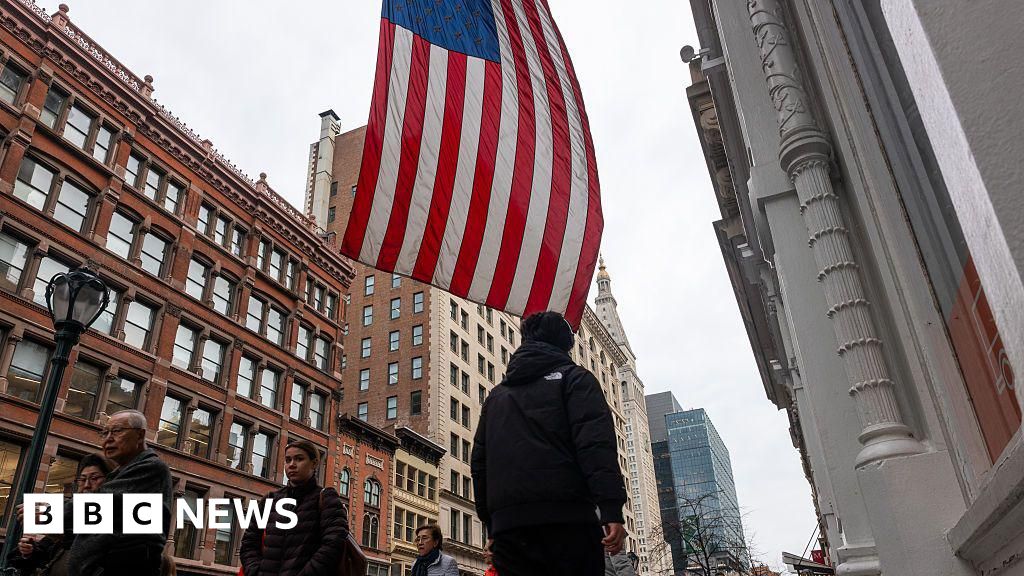
US economy adds 115,000 jobs in April despite Iran war

Published

on

US economy adds 115,000 jobs in April despite Iran war

The solid figures came despite rising gas prices and economic uncertainty sparked by the conflict.

Continue Reading

Business

Utz Brands getting salty

Published

on

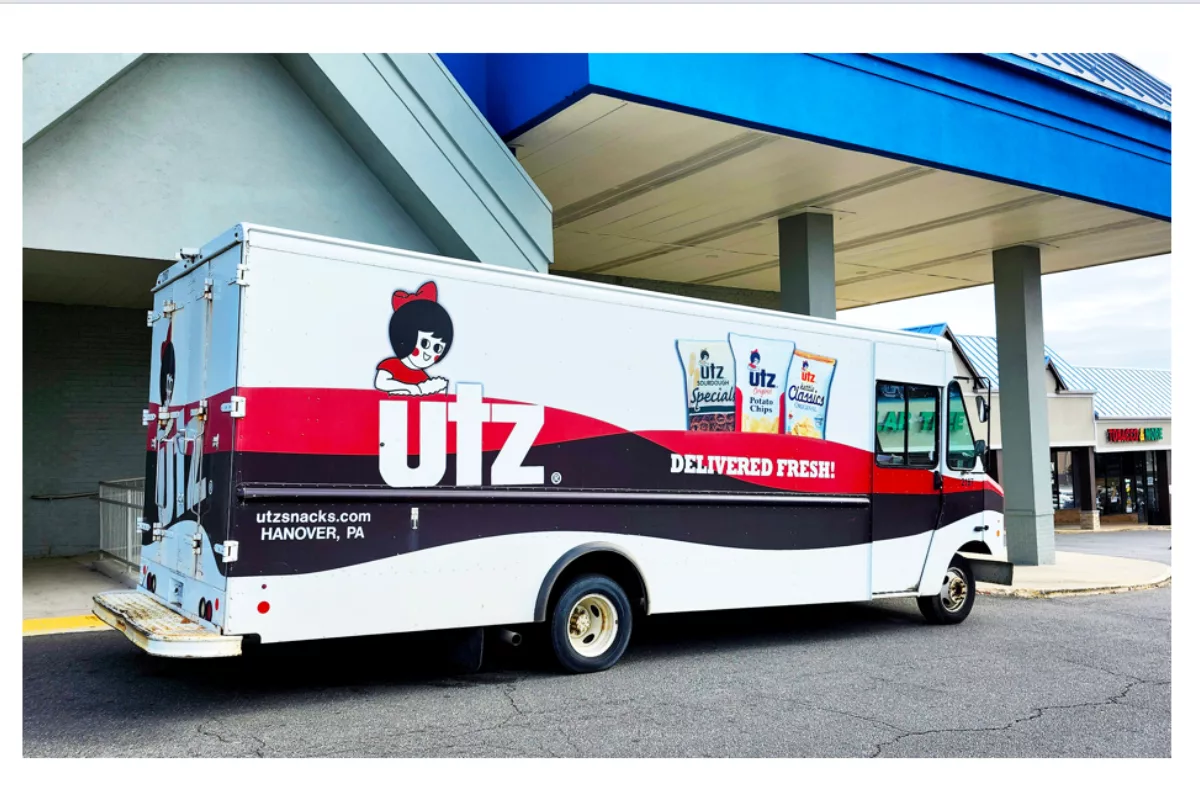
Utz Brands getting salty

Sales mix shift to branded salty snacks gains momentum.

Continue Reading

Business

Is AWS Down Today? AWS Suffers Major Outage in US-East-1 as Data Center Overheating Disrupts EC2

Published

on

The Apple iPhone 17 Pro

SEATTLE — Amazon Web Services faced a significant regional outage Thursday in its busiest US-East-1 region, with overheating in a Northern Virginia data center causing impaired EC2 instances and degraded Amazon Elastic Block Store volumes, disrupting thousands of businesses, websites and applications worldwide.

Amazon Recalls 500,000+ Products Over Deadly Safety Risks — Here's
AWS Suffers Major Outage in US-East-1 as Data Center Overheating Disrupts EC2 and EBS Services

The incident, which began early Thursday morning, quickly escalated as customers reported elevated error rates, failed instance launches and latency issues concentrated in the use1-az4 availability zone. While not a full global outage, the impact rippled across services dependent on the heavily utilized Virginia region, affecting everything from streaming platforms to financial applications and internal enterprise tools.

AWS confirmed the root cause as elevated temperatures within a single data center facility. Engineers are working to restore normal cooling capacity and bring affected racks back online. As of late Thursday afternoon, the company reported steady progress but cautioned that full recovery could take several more hours. No security breach or data loss has been reported.

Widespread Customer Impact

The timing amplified frustration, hitting during peak business hours for many organizations. Companies without robust multi-region architectures activated failover plans, shifted traffic or temporarily reverted to on-premises systems. Smaller businesses and startups were particularly vulnerable, with some reporting complete downtime for hours.

Downdetector and social media platforms showed spikes in reports, with users in the eastern United States most affected. Services built on EC2 and EBS — including databases, websites and container workloads — experienced the heaviest disruptions. Other AWS regions remained largely operational, highlighting the importance of geographic redundancy.

Advertisement

AWS Response and Mitigation

AWS updated its Service Health Dashboard throughout the day, noting that mitigation efforts remain underway. The company is prioritizing restoration and has been in direct contact with large enterprise customers. Service credits are expected for affected accounts, though formal details have not yet been released.

This marks another notable incident for AWS in 2026, following previous regional disruptions. While the cloud giant maintains strong overall uptime, critics point to concentration risks in key hubs like Northern Virginia, which powers a massive share of global internet workloads.

Broader Implications for Cloud Reliability

The outage reignites debates about single-provider dependency and the need for stronger multi-cloud or hybrid strategies. Many organizations have adopted such approaches precisely to mitigate events like this, yet the convenience and ecosystem advantages of AWS often lead to heavy regional concentration.

Competitors Microsoft Azure and Google Cloud have used the incident in marketing materials to promote their own redundancy features. However, all major providers experience occasional regional issues, underscoring that no single cloud is immune to infrastructure challenges.

Advertisement

Advice for Affected Customers

Organizations experiencing issues should:

  • Monitor the AWS Health Dashboard for real-time updates.
  • Activate multi-AZ or multi-region failover where available.
  • Review disaster recovery plans and test backups.
  • Document business impact for potential service credits.
  • Remain vigilant against phishing attempts claiming to be AWS support.

Individual users facing downstream app or website problems should try alternative services or wait for resolution, as full recovery is expected within hours.

Long-Term Outlook

As AWS works toward full restoration, attention will shift to any post-incident review and potential infrastructure improvements. The company has a strong history of learning from such events to enhance resilience across its global footprint.

For businesses and developers, the Northern Virginia outage serves as a timely reminder of cloud concentration risks in an increasingly digital world. Even localized environmental issues in one data center can create widespread disruption, emphasizing the value of thoughtful architecture and contingency planning.

AWS continues to dominate the cloud market, but incidents like Thursday’s highlight the ongoing challenges of scaling infrastructure to meet exploding demand from AI, streaming and enterprise workloads. Customers will be watching closely as the company pushes for resolution and shares lessons learned from this latest test of its global system.

Advertisement
Continue Reading

Business

US job growth beats expectations in April; unemployment rate steady at 4.3%

Published

on

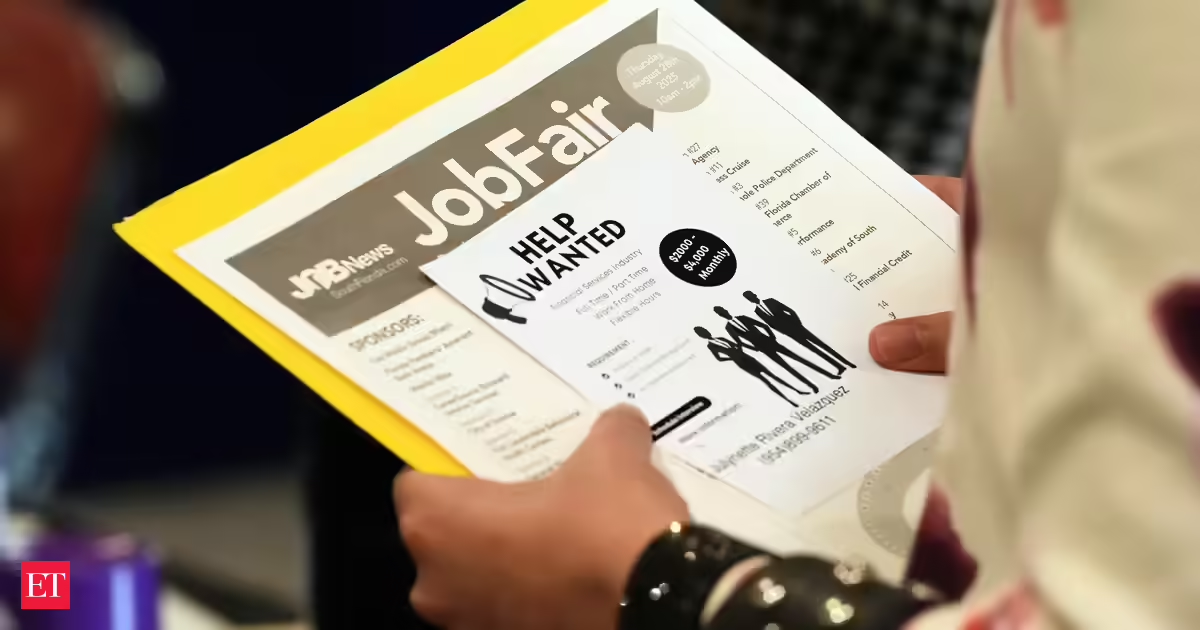
US job growth beats expectations in April; unemployment rate steady at 4.3%
WASHINGTON: U.S. employment increased more than expected in April while the unemployment rate held steady at 4.3%, pointing to labor market resilience and reinforcing expectations that the Federal Reserve would ‌leave interest rates ⁠unchanged for ⁠some time.

Nonfarm payrolls increased by 115,000 jobs last month after an upwardly revised 185,000 advance in March, the Labor Department’s Bureau of Labor Statistics said in its closely watched employment report on Friday. Economists polled by Reuters had forecast payrolls rising by 62,000 jobs after a previously reported 178,000 rebound in March.

Estimates ranged from a loss of 15,000 jobs to a gain of 150,000 positions. Economists said it was too early for the effects of the U.S.-Israeli war with Iran to show. ⁠The conflict has ‌raised gasoline and diesel prices as well as the cost of other commodities that are shipped through the Strait of Hormuz.

Payrolls have been choppy since mid-2025, ⁠alternating between gains and losses. Economists have attributed the swings to an adjustment to the birth-and-death model, which the government uses to estimate how many jobs were gained or lost because of companies opening or closing in a given month. Some said a large turnover in firms created was making it hard for the BLS to estimate job creation associated with new companies.

Weather, strikes and government job cuts as well as big changes to the labor force as President Donald Trump’s administration cracks down on illegal immigration have ‌also added to volatility, they said. Economists recommended looking at the three-month moving average of payrolls.

Advertisement


The labor market has been stuck in what economists and policymakers have called a “slow hire, slow fire” zone, a paralysis ⁠blamed on trade and immigration policies. Lower immigration and an aging population meant the economy needed to create between zero and 50,000 jobs per month to keep up with growth in the working-age population, economists estimated.
With the so-called breakeven level of job growth much lower than in prior years, they did not expect a surge in the unemployment rate, even if employment gains slowed considerably.The report bolstered financial market views that the Fed would leave interest rates unchanged into 2027. The U.S. central bank last week left its benchmark overnight interest rate in the 3.50%-3.75% range, citing inflation worries.

Continue Reading

Trending

Copyright © 2025