
Business
Why Workplace Culture Matters More Than You Think


Workplace culture is not just a trendy phrase—it’s one of the biggest reasons people enjoy their jobs or decide to quit.
Recent insights from Gallup show that many employees leave not because of salary, but because they feel disconnected, unsupported, or unheard at work.
As leadership expert Jennifer Dulski explained, “Even in the age of AI, teams are still made up of humans who need to feel deeply connected, supported and seen. When people don’t have that, they leave.”
Her statement highlights a simple truth: people don’t just work for money—they work for meaning and respect.
What Workplace Culture Really Means
At its simplest, workplace culture is how a job feels every day. It’s how people talk, how leaders act, and how problems get solved. It is not just what a company says online—it’s what employees experience in real life.
According to USA Today, career coach Patrice Williams-Lindo made this clear when she said, “workplace culture isn’t what companies have in their mission statements. It’s the pattern of decisions — what leaders reward, tolerate or ignore.”
That means culture shows up in small moments:
- How your boss responds when you make a mistake
- Whether your ideas are heard
- If teamwork is encouraged or ignored
These daily experiences shape whether people feel happy—or stressed—at work.
4 Big Things That Shape Workplace Culture
1. Leadership Behavior
Leaders set the tone. When things go wrong, employees watch closely. Do leaders stay calm and fair, or do they blame others?
Williams-Lindo explains that the best way to understand a company is to watch what happens during tough times. That’s when real values show.
2. Rules and Flexibility
Policies matter more than people think. Rules about remote work, schedules, or time off tell employees what the company truly values.
Clear and fair rules build trust. Confusing or changing rules create stress.
3. Communication and Honesty
Open communication builds strong teams. When leaders share information clearly, employees feel included.
But when decisions happen behind closed doors, trust breaks. Workers may start to feel left out or unimportant.
4. Rewards and Recognition
What gets rewarded gets repeated. If teamwork is praised, people will help each other. If only individual success is rewarded, collaboration may suffer.
Recognition—big or small—helps employees feel valued.
Different Types of Workplace Culture
Not all workplaces feel the same. Here are a few common types:
Fast-Paced Startups
Startups move quickly and change often. According to Leigh Henderson, these environments reward creativity and flexibility. Some people love the freedom, while others may find it stressful.
Structured Corporate Jobs
Large companies often have clear rules and systems. This can bring stability, but sudden changes—like layoffs—can feel shocking if they don’t match the company’s values.
Mission-Driven Organizations
Nonprofits focus on helping others. This can give employees a strong sense of purpose. But it can also lead to burnout if people feel they must always give more.
Remote-First Workplaces
Remote jobs offer flexibility, but they require strong communication. Without face-to-face time, employees must find ways to stay visible and connected.
Why Culture Affects More Than Just Work
Workplace culture shapes more than tasks—it shapes people’s lives.
A healthy culture can:
- Improve mental health
- Build strong relationships
- Increase motivation
An unhealthy culture can:
- Cause stress and burnout
- Lower confidence
- Make employees feel stuck
Williams-Lindo described workplace relationships as something deeper, saying they create “trust” and a system of support. When that trust is missing, work becomes harder and less enjoyable.
How to Spot a Good Workplace Culture
If you’re looking for a job, here are simple ways to check a company’s culture:
Do Your Research
Look at company websites and reviews. Compare what they say with what employees report.
Ask Real Questions
During interviews, ask why people enjoy working there—and what challenges they face. Honest answers reveal the truth.
Watch How People Act
Notice how employees speak to each other. Are they respectful? Friendly? Open?
Pay Attention to Leaders
Do managers listen carefully? Do they show interest in you as a person?
These small signs can tell you a lot.
The Bottom Line
Workplace culture is not just a “nice-to-have.” It affects how people feel, perform, and grow. It can turn a simple job into a meaningful experience—or a daily struggle.
As companies change and technology grows, one thing stays the same: people need connection, respect, and purpose. That’s why culture matters now more than ever.
Originally published on vcpost.com


U.S. Riyadh Embassy suffered "extensive" damage in Iranian drone strike – WSJ
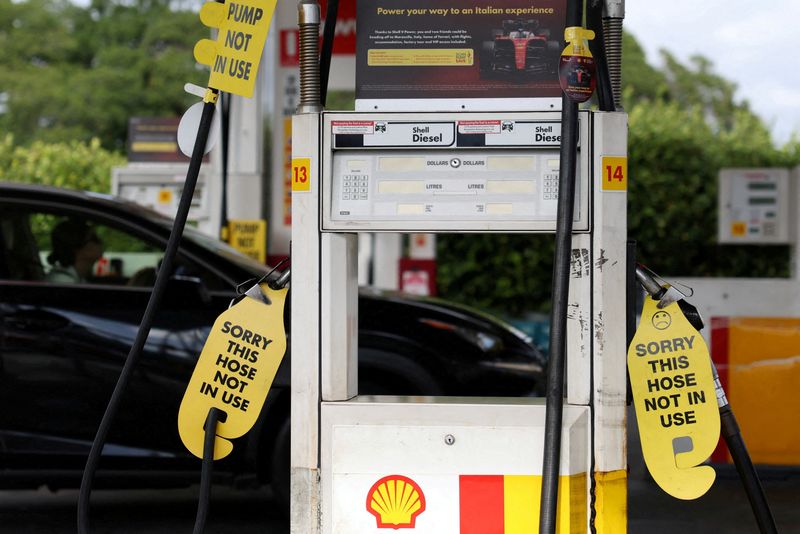

Stick to Easter travel, Australians told, though hundreds of petrol stations dry

Henderson Jane, Apogee Therapeutics CFO, sells $170k in stock
RCM Technologies earnings beat by $0.13, revenue topped estimates

Searby Sean, Amalgamated Financial EVP, sells $195k in AMAL stock
ICON PLC earnings missed by $0.02, revenue was in line with estimates

Rambus CEO Seraphin Luc sells shares worth $470k

Apogee Therapeutics (APGE) CMO sells shares worth $466,619
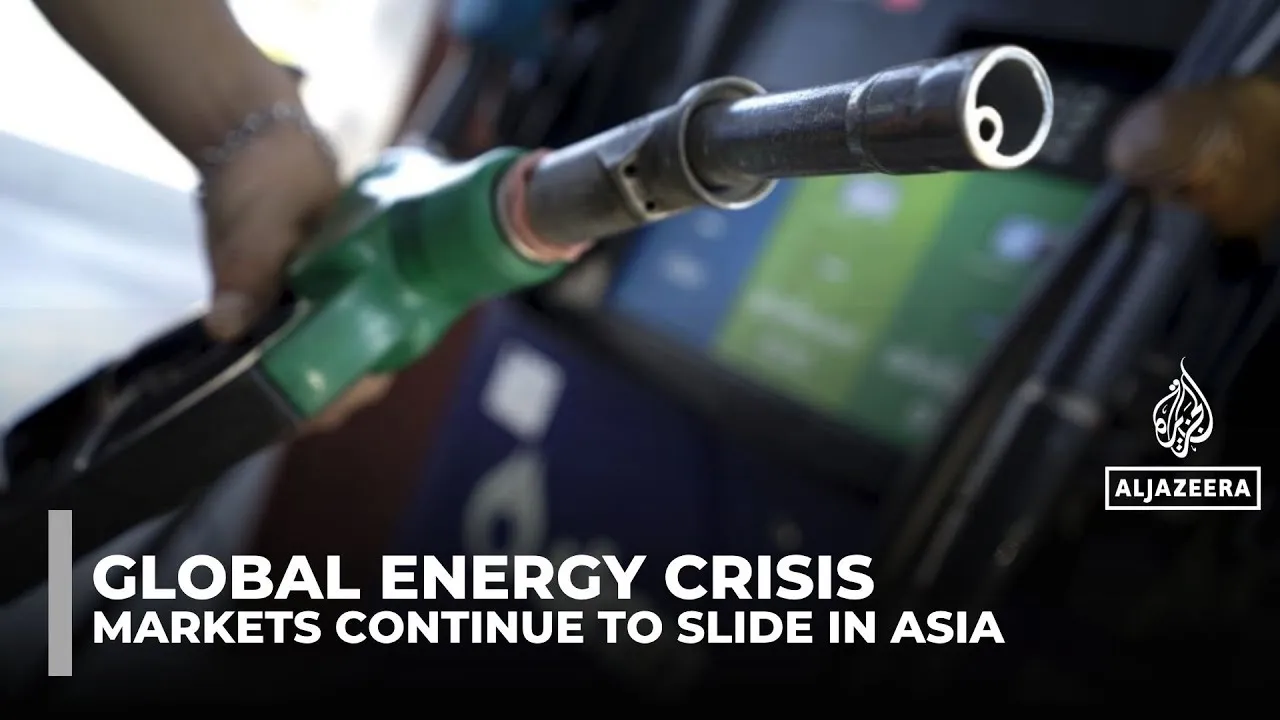
Geopolitical tensions and rising energy costs are impacting Asian financial markets amid Iran war and Strait of Hormuz closures. Countries like Thailand, South Korea, Japan, and Indonesia focus on energy security and cost mitigation, with major indices declining. Policymakers aim to manage disruptions, protect populations, and mitigate economic fallout from ongoing regional conflicts and supply disruptions.
Geopolitical Turmoil Impacting Thai and Regional Markets
Thailand’s financial markets are being affected by ongoing geopolitical tensions and rising energy prices. Prime Minister Nutton Janna Viracle showcased a move towards sustainability by arriving at government meetings in an electric vehicle, as the cabinet considers fuel tax cuts to alleviate inflationary pressures. This reflects a broader regional trend, where governments are balancing supply concerns with economic stability.
Regional Policy Responses to Rising Energy Costs
South Korea is implementing emergency measures at Korean Air to manage soaring fuel expenses, alongside contemplating fiscal initiatives to protect its economy. President Lee Jay Mong emphasized the urgency of responding to energy disruptions, especially amid the recent Middle East conflict, which underscores that energy transition is now a critical, immediate issue rather than a distant goal. This has negatively impacted South Korea’s Cosby index, which closed over 4% lower.
Japan and Indonesia Collaborate on Energy Security
Meanwhile, Japan and Indonesia are strengthening cooperation on energy security amid disruptions to oil and gas shipments through the Strait of Hummus. Prime Minister Sani Takahuchi hosted President PO Subanto for talks, aiming to foster regional stability. With no clear peace outcome yet, policymakers are focused on mitigating the economic impact of rising energy costs on their populations.
Other People are Reading
Immunome CFO Rosett sells $1.4m in shares

Fewer Than 40,000 People Watched Star Trek: Starfleet Academy

XRP – Coinbase CEO Just Gave A MASSIVE WARNING! Trump Just FIRED Them!

‘Iran shoots down US jet’ and ‘race to find pilot’


-

 NewsBeat1 day ago
Steven Gerrard disagrees with Gary Neville over ‘shock’ Chelsea and Arsenal claim | Football
-

 Business1 day ago
No Jackpot Winner and $194 Million Prize Rolls Over
-
Entertainment4 days ago
Fans slam 'heartbreaking' Barbie Dream Fest convention debacle with 'cardboard cutout' experience
-

 Crypto World2 days ago
Gold Price Prediction: Worst Month in 17 Years fo Save Haven Rock
-

 Fashion7 hours ago
Weekend Open Thread: Spanx – Corporette.com
-

 Tech5 days ago
The Pixel 10a doesn’t have a camera bump, and it’s great
-
 Entertainment6 days ago
Lana Del Rey Celebrates Her Husband’s 51st Birthday In New Post
-
Crypto World4 days ago
Dems press CFTC, ethics board on prediction-market insider trades
-

 Tech5 days ago
Avatar Legends: The Fighting Game comes out in July and it looks pretty slick
-

 Sports3 days ago
Tallest college basketball player ever, standing at 7-foot-9, entering transfer portal
-

 Tech4 days ago
EE TV is using AI to help you find something to watch
-

 Fashion6 days ago
Amazon Sundays: Soft Spring Layers
-

 Business2 days ago
Login and Checkout Issues Spark Merchant Frustration
-

 Fashion7 days ago
When Evening Dressing Gets Colorful for Spring
-

 Tech6 days ago
Elon Musk’s last co-founder reportedly leaves xAI
-

 Tech4 days ago
How to back up your iPhone & iPad to your Mac before something goes wrong
-

 Tech4 days ago
Apple will hide your email address from apps and websites, but not cops
-

 Politics4 days ago
Should Trump Be Scared Strait?
-

 Crypto World4 days ago
U.S. rule change may open trillions in 401(k) funds to crypto
-

 Tech4 days ago
Flipsnack and the shift toward motion-first business content with living visuals
You must be logged in to post a comment Login