

Connect with us

Business

Zebra tech CMO Armstrong sells $2k in shares

Published

on

Continue Reading
Click to comment

Leave a Reply

Your email address will not be published. Required fields are marked *

Business

Investigation Remains Active with No Breakthroughs as Family Pleads for Answers

Published

on

US woman Denyse Holt always shared her daily Wordle score, so when she missed a day, her daughter immediately knew something was wrong

More than a month after 84-year-old Nancy Guthrie vanished from her home in Tucson’s Catalina Foothills area, the high-profile disappearance case continues to grip national attention with no confirmed arrests or definitive leads announced as of March 6, 2026. The mother of NBC’s “Today” show co-anchor Savannah Guthrie was last seen on the evening of January 31, 2026, when family members dropped her off around 9:30 p.m. local time. She was reported missing the following day after failing to appear for a planned church service livestream.

Savannah Guthrie twitter

Authorities with the Pima County Sheriff’s Department and FBI have classified the incident as an abduction, citing evidence including blood found on the front porch and chilling doorbell camera footage showing a masked individual tampering with security equipment outside her residence in the early hours of February 1. The suspect appeared armed and wore a ski mask, obscuring identification despite extensive analysis of the video.

The investigation, now in its second month, has shifted focus from large-scale ground searches to forensic review, digital evidence processing and tip follow-up. Officials report examining over 10,000 hours of surveillance footage from the neighborhood and surrounding areas, with AI-assisted tools aiding in gait analysis, height estimation and potential data recovery from deleted files. Forensic testing on physical evidence, including possible DNA from the scene, remains ongoing, though experts have raised concerns about early handling of the crime scene, including potential contamination due to lack of strict access controls.

No suspects or persons of interest have been publicly named, and investigators have not ruled out involvement of multiple individuals. The case prompted an initial flood of tips — more than 1,000 in a single 24-hour period after video release — but many proved unsubstantiated. A $100,000 FBI reward for information leading to her location or an arrest was later supplemented by the Guthrie family’s offer of up to $1 million, announced in late February via a video plea from Savannah Guthrie.

In that emotional message, Savannah acknowledged the grim possibility that her mother “may already be gone,” renewing calls for any proof of life or information that could bring closure. The family posted a sign outside Nancy’s home reading “Do the right thing,” directed at potential kidnappers, and emphasized their willingness to cooperate fully.

Advertisement

Nancy Guthrie, described as mentally sharp despite limited mobility from age-related issues, relied on a pacemaker, daily medication and hearing aids. Authorities repeatedly warned that missing her required doses could pose life-threatening risks, heightening urgency in the early weeks. Friends portrayed her as independent and socially active, rarely missing book club or church events, even walking to retrieve mail shortly before her disappearance.

The case has sparked widespread media coverage, live updates from networks like NBC, CNN and Fox, and YouTube breakdowns analyzing developments. Discussions range from forensic critiques — including scene contamination and DNA challenges — to speculation about motives, from random crime to targeted abduction. Some observers note the absence of a clear ransom demand pattern, though unverified reports of notes surfaced early on.

As of early March 6, 2026, the Pima County Sheriff’s Department described the probe as active, with detectives pursuing leads despite scaled-back on-ground operations. The FBI maintains involvement, having relocated some command resources to Phoenix for logistical reasons, though no official declaration of the case turning “cold” has occurred. Experts stress that with no body or confirmed harm, hope persists for a safe return.

The disappearance has highlighted vulnerabilities for elderly residents in affluent areas and the power of public appeals in generating tips. Savannah Guthrie has returned to on-air duties intermittently, balancing professional commitments with family advocacy.

Advertisement

Community support in Tucson includes neighborhood watch enhancements and calls for more home security sharing. The Guthries continue urging anyone with information — no matter how small — to contact authorities at 520-351-4900 or the FBI tip line.

As the investigation presses forward without resolution, the case remains a poignant reminder of uncertainty amid high-profile scrutiny. Family, friends and investigators alike await developments that could finally answer what happened to Nancy Guthrie on that fateful night.

Continue Reading

Business

Coinbase, Other Crypto Stocks Surge. What’s Behind the Rally.

Published

on

Coinbase, Other Crypto Stocks Surge. What’s Behind the Rally.

Coinbase, Other Crypto Stocks Surge. What’s Behind the Rally.

Continue Reading

Business

Newcastle Building Society’s year of growth and investment as chief executive warns of headwinds in 2026

Published

on

Business Live

The group said it have been investing in people and systems

(Image: Simon Greener/Newcastle Chronicle)

The boss of Newcastle Building Society has talked of progress for the group but warned of headwinds looming in the year ahead.

In newly published 2025 results, the Tyneside-based mutual saw strong mortgage lending of £1.2bn, matching 2024 levels, as retail savings grew from £5.4bn to £6bn. But strong increases in net interest and fee income were offset by cost hikes and substantial investments, meaning underlying operating profit before impairments and provisions fell from £31.9m to £29.7m. Pre-tax profits grew from £15.7m to £22.6m following 2024’s provision for victims of the Philips Trust Corporation collapse.

Chief executive Andrew Haigh said it was a year of progress of the group but cautioned of an “ever more uncertain and unpredictable world” in which there would be more economic and business headwinds to navigate. He said the mutual was well equipped to meet any challenges that lie ahead.

In July, the Society opened its new, multimillion-pound flagship branch at Monument in Newcastle city centre – bringing five floors of a former retail unit back into use. And in September, the group’s recently acquired Manchester Building Society brand opened a three-storey branch three-storey branch on the city’s King Street, which it pointed to as a signal of its intent in Greater Manchester.

Advertisement

Meanwhile, the group’s outsourced savings management business – Newcastle Strategic Solutions – saw savings accounts it manages grow to 1.8m from 1.6m in 2024 and £1bn growth in its balances under management to £52bn in deposits. But the subsidiary fell to a pre-tax loss of £6.2m for 2025 thanks to higher staff costs.

Mr Haigh said: “2025 was a year of further growth and substantial investment in all areas of our group, ensuring that we have the people capabilities, the technology and the physical presence to continue in the delivery of our purpose for current and future generations of members. Progress was manifested very visibly in the re-launch of the Manchester Building Society brand, taking our distinct approach to delivering member value to the North West and in the opening of our new flagship branch at Monument in the very centre of Newcastle.

“We also saw continued growth of our savings management outsourcing subsidiary, Newcastle Strategic Solutions, which is now managing record balances in excess of £52bn on behalf of its bank and building society clients. We have continued to invest in people, growing the number of colleagues, particularly, within the Solutions business to support the increased client activity.

“Behind the scenes we have advanced our multi-year, multimillion-pound programme to replace ageing technology with modern and flexible systems across the group. We are investing significantly in an upgrade of our customer facing technologies, to bring an enhanced experience for those engaging with us through digital channels, together with new product capabilities and to bring more efficient systems to support our branch colleagues. Progress has been strong, with a number of the new capabilities now fully operational and already having a positive impact.”


Advertisement
Continue Reading

Business

Peter Thiel Sells Palantir; He May Regret It

Published

on

Peter Thiel Sells Palantir; He May Regret It

Peter Thiel Sells Palantir; He May Regret It

Continue Reading

Business

Expedia Group Shares Surge 13.7% on Dividend Hike and Event Demand Partnership

Published

on

Expedia Building, Bellevue, Washington, seen from Downtown Park.

Expedia Group Inc. (NASDAQ: EXPE) shares soared 13.69% Thursday, March 5, 2026, closing at $251.54 after a volatile session that saw the stock open at $235.00 and reach an intraday high of $252.23. The rally, fueled by a 20% dividend increase and a strategic partnership for event-driven demand forecasting, pushed trading volume to more than 8 million shares — well above the average — as investors piled in ahead of the ex-dividend date.

Expedia Building, Bellevue, Washington, seen from Downtown Park.

The online travel giant announced a quarterly cash dividend of $0.48 per share, up from the prior $0.40, payable March 26, 2026, to shareholders of record as of March 5. The hike reflects confidence in Expedia’s cash flow generation and ongoing transformation into a more efficient, tech-driven platform. The ex-dividend date triggered a classic “buy the dividend” move, with shares climbing sharply as buyers sought to qualify for the payout.

Adding momentum was Expedia’s collaboration with PredictHQ, a demand-intelligence firm specializing in event signals. The partnership integrates PredictHQ’s verified event data and predictive analytics into Expedia’s Partner Central platform for lodging providers. This tool equips hotels and other partners with forward-looking insights on traveler demand surges tied to major events, particularly the 2026 global soccer tournament (commonly referred to as the FIFA World Cup in expanded format).

PredictHQ projections highlight significant opportunity: traveler spending in North American host cities could exceed $8.1 billion from June to August 2026, with accommodation demand spiking as fans extend stays beyond match days. The integration aims to help partners optimize pricing, inventory and marketing around these peaks, strengthening Expedia’s B2B offerings and potentially boosting partner retention and revenue.

“This partnership aligns perfectly with our focus on AI and data-driven tools to capture high-value demand,” an Expedia spokesperson said in related commentary. The announcement builds on the company’s strong Q4 2025 results and 2026 revenue guidance of $15.6 billion to $16.0 billion, which hinges on continued execution in technology, B2B growth and loyalty programs.

Advertisement

The stock’s performance comes amid a broader market pullback driven by Middle East geopolitical tensions and rising oil prices. While the Dow Jones Industrial Average fell sharply Thursday, travel stocks showed mixed resilience, with Expedia bucking the trend on company-specific catalysts. Year-to-date, EXPE remains volatile: shares peaked near $303.80 in early January 2026 before a February correction pulled them toward $200 amid cautious margin guidance and external pressures. The March surge has recouped much of that ground, lifting the market cap above $29 billion.

Analysts maintain a “Moderate Buy” consensus, with average price targets around $280-$282, implying upside from current levels. Some firms, like Mizuho, recently adjusted targets downward to $245 from $270 while keeping neutral ratings, citing slower margin expansion in 2026 due to investments in AI and international marketing for brands like Vrbo.

Recent insider activity drew attention: Chief Legal Officer Robert Dzielak sold 8,225 shares March 4 at an average $220.82, totaling about $1.82 million. The transaction reduced his holdings by roughly 7.4%, though it occurred before the surge and aligns with periodic sales rather than signaling distress.

Expedia’s evolution continues under CEO Ariane Gorin, who has emphasized shedding legacy tech debt and unifying platforms. The company reported robust momentum entering 2026, with loyalty programs and B2B tools driving higher-value bookings. The PredictHQ tie-up enhances predictive capabilities, potentially mitigating risks from economic uncertainty or geopolitical disruptions that could dampen leisure travel.

Advertisement

Challenges persist: higher customer acquisition costs, competitive pressures from Booking Holdings and Airbnb, and sensitivity to fuel prices and global events. Yet the dividend boost and event-forecasting innovation underscore management’s belief in sustainable growth.

As trading resumes Friday, March 6, 2026, eyes remain on whether the rally sustains or if profit-taking emerges post-dividend capture. With summer 2026 events on the horizon and ongoing tech investments, Expedia appears positioned to capitalize on travel’s structural recovery, even amid macro headwinds.

Investors continue monitoring earnings, expected in early May, for updates on margin progress and demand trends. For now, Thursday’s performance highlights how targeted announcements can drive outsized moves in a volatile market.

Advertisement
Continue Reading

Business

How The Middle East Crisis Ripples Across Thailand

Published

on

How The Middle East Crisis Ripples Across Thailand

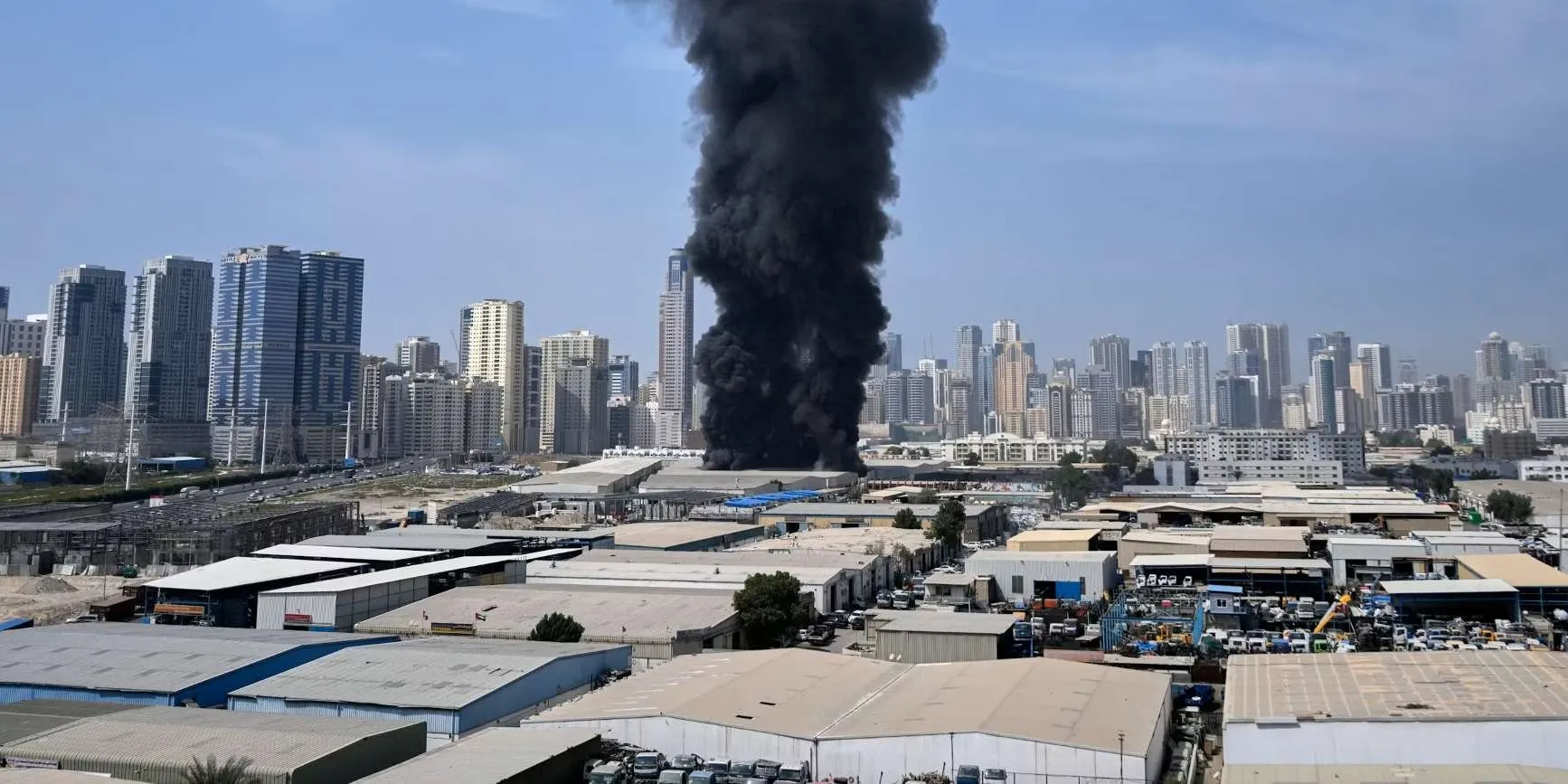
The intensifying conflicts in the Middle East, especially near the Strait of Hormuz and the broader implications for regional stability, are reverberating worldwide. Although geographically distant, Thailand is increasingly experiencing the far-reaching impacts of this unrest. The crisis has brought a challenging dynamic to Thailand’s crucial tourism recovery efforts. The Thai government, under the leadership of Prime Minister Anutin Charnvirakul, is addressing the situation as a significant economic threat, demonstrated by the establishment of an Economic War Room.

The Energy Squeeze: The Strait of Hormuz Chokepoint

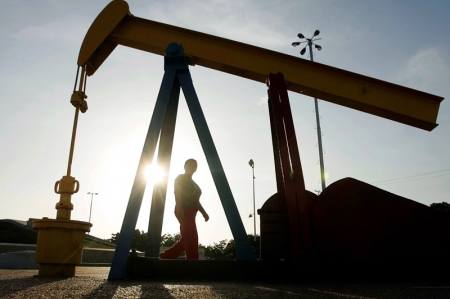
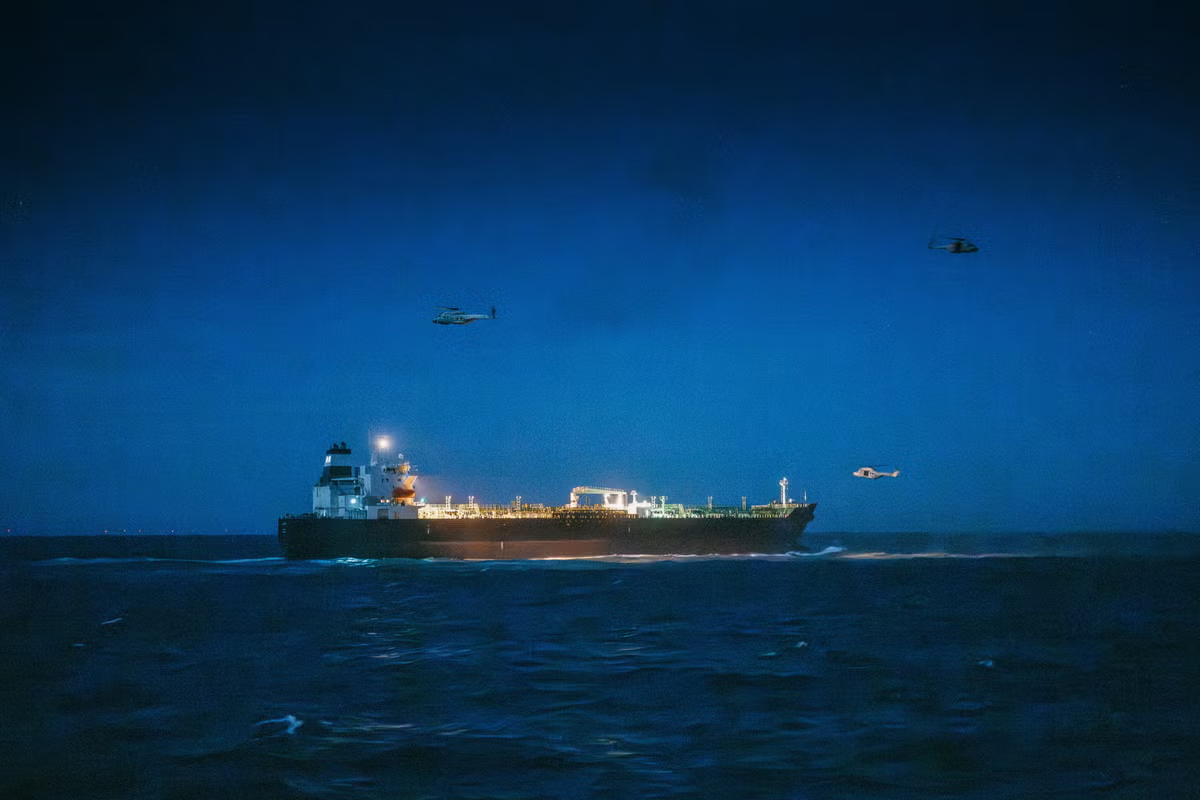
Thailand’s primary vulnerability is its deep reliance on imported energy. Over 50% of Thailand’s crude oil imports originate from the Middle East. The potential for the total closure of the Strait of Hormuz—the maritime artery for roughly 20% of the world’s petroleum and 25% of LNG—remains the single biggest “black swan” risk facing the Thai economy.

Thailand is particularly affected by rising oil prices, as indicated by Nomura’s analysis. The country has the highest net oil imports in Asia, accounting for 4.7% of its GDP. Consequently, a 10% increase in oil prices can lead to a deterioration in the current account by approximately 0.5 percentage points of GDP according to a CNBC report.

Advertisement
  1. Fuel Prices and the Inflation Anchor: While global oil benchmarks had previously trended downward, a prolonged blockade would trigger an existential price spike. The Thai Ministry of Energy has identified Wednesday, March 4, 2026, as a potential critical inflection point. If global diesel prices breach $100 per barrel, the government’s ability to manage domestic retail prices via the Oil Fuel Fund will be severely compromised.
  2. Supply Contingencies: To brace for immediate shocks, Thailand maintains approximately 60 to 61 days of oil reserves. The government has already instructed the suspension of oil exports and ordered coal-fired and hydroelectric plants to run at maximum capacity to conserve natural gas.

Logistics, Exports, and the Shipping Cost Ripple

Thailand’s outward-facing economy is being throttled by the disruption of critical maritime corridors. The “collateral damage” is evident in the form of spiraling logistical costs. This surge in expenses count strain businesses reliant on exports, diminishing their competitiveness in global markets. Additionally, delays in shipping may cause supply chain bottlenecks, further exacerbating the economic strain. As a result, policymakers are under pressure to seek alternative trade routes and bolster domestic industries to mitigate the impact of these disruptions.

  1. Freight Rates and Surcharges: The cost of shipping goods from Thailand to Europe and parts of the Middle East has surged. Major Thai export categories—including automotive parts, machinery, and canned food products—are bearing the brunt of these non-negotiable increases.
  2. Financial Relief and Trade Pivots: In response, the Export-Import Bank of Thailand (EXIM Bank) launched an emergency relief package. This includes a 365-day debt moratorium and a 20% interest rate reduction on current loans for exporters who can prove financial impact from the crisis. Simultaneously, the Ministry of Commerce is aggressively pivoting towards “safe-haven” markets in South Asia, Latin America, and within the ASEAN region.

The Human and Economic Toll: Labor and Tourism

The crisis has a profound human dimension for Thailand, touching the lives of tens of thousands of its citizens working abroad. The Labor Stalemate: Thailand has over 77,000 workers in the Middle East, primarily in Israel, the UAE, and Saudi Arabia. The Ministry of Labor has established specialized “War Rooms” to coordinate emergency communications and potential evacuations. A large-scale repatriation would not only be a logistical nightmare but would cause a severe loss of remittance income to Thailand’s provincial economies.

    Flight Cancellations and Delays: Impacts on Tourism

    Flight cancellations and delays have recently emerged as a significant challenge for the Thai tourism sector. As of early March 2026, escalating tensions in the Middle East have triggered a wave of disruptions, particularly impacting long-haul travel and transit hubs. These disruptions have caused a ripple effect, leading to decreased tourist arrivals and affecting local businesses reliant on international visitors. Airlines are struggling to adjust their schedules, while travelers face uncertainty and inconvenience. The Thai government and tourism authorities are now exploring measures to mitigate the impact, including promoting domestic tourism and diversifying source markets to reduce dependency on long-haul travelers.

    Scope of Disruptions (March 2026)

    Military actions in the Middle East starting in late February 2026 led to several countries closing their airspace, forcing airlines to reroute or cancel flights.

    • Flight Statistics: Between February 28 and March 1, 2026, 134 flights were affected across Thailand’s major airports.
    • Key Hubs Impacted: * Suvarnabhumi (BKK): Recorded 59 cancellations.
      • Phuket (HKT): Recorded 36 cancellations.
      • Others: Don Mueang and Chiang Mai airports reported minor disruptions.
    • Affected Carriers: Major Middle Eastern airlines including Emirates, Qatar Airways, Etihad, and Gulf Air, as well as Thai AirAsia X (specifically its Riyadh route) and El Al Israel, have had to adjust schedules or suspend services.

    Economic and Arrival Impact

    The disruptions have hit Thailand’s recovery goals, specifically targeting high-spending markets.

    • Arrival Shortfall: The Tourism Authority of Thailand (TAT) estimates that March arrivals will drop to 2.8 million, missing the original 3 million target. The loss is largely attributed to a decrease of 150,000 visitors from the Middle East, Europe, and the Americas.
    • Long-Haul Vulnerability: Approximately 50% of long-haul trips to Thailand rely on Middle Eastern transit hubs. These bookings have seen significant cancellations for the month of March.
    • Revenue Risk: Travelers from the Gulf Cooperation Council (GCC) and Israel are among the highest spenders, averaging 100,000 THB per trip. A prolonged conflict could see an 80% plunge in arrivals from these regions.

    Industry & Government Response

    To mitigate the “collateral damage” to the tourism image, both the public and private sectors have mobilized support.

    • Tourism Crisis Monitoring Centre: The TAT activated this center on March 1 to track developments and provide real-time information to travelers.
    • Airport Support: Airports of Thailand (AOT) has set up dedicated assistance zones at Suvarnabhumi and Phuket, providing drinking water, extra seating, and staff to assist with rerouting.
    • Private Sector Flexibility: * Hotels in Phuket, Samui, and Phang Nga are offering flexible rebooking and waiving cancellation fees for those with proof of flight disruption.
      • Special “stranded traveler” packages and discounted room rates are being offered to the thousands currently unable to return home.

    Outlook for 2026

    This prolonged ambiguity has also led to increased costs and disrupted supply chains, forcing companies to explore alternative routes and methods. Stakeholders are urging for clearer communication and timely updates from authorities to better navigate the challenges and mitigate potential losses.

    • Operational Shifts: Thai Airways has rerouted its European flights to bypass contested airspace. While this ensures safety, it has led to longer flight durations and increased operational costs.
    • Market Diversification: There is an urgent call for the government to accelerate diversification into short-haul markets (like India and Southeast Asia) to fill the gap left by long-haul disruptions.
    • Fuel Costs: Beyond immediate cancellations, there is growing concern that rising aviation fuel prices will lead to a surge in airfares, potentially dampening travel sentiment for the remainder of the year.
    • The knock-on impact could spread to energy, pushing oil prices higher and directly raising transport costs and the cost of living.
    • A sharp slowdown in tourism from the situation could reduce Thailand’s GDP by around 0.5–0.8%.

    The Middle East crisis is no longer a distant, localized issue for Thailand; it has become an immediate economic reality. The Thai government, led by Prime Minister Anutin Charnvirakul, is treating the situation as a serious economic threat, evidenced by the activation of an Economic War Room.

    While Thailand attempts to maintain its 2026 inflation forecast of roughly 0.3%, the true cost of this “collateral damage” will be defined by the duration and intensity of the Middle Eastern conflicts. Until stability returns to the region, Thailand’s economic growth remains tethered to global events far beyond its control.

    The persistent instability jeopardizes not only Thailand’s inflation targets but also the critical sectors of trade, tourism, and energy prices, all of which are vital to the nation’s economic resilience. Policymakers must urgently consider contingency measures and diversify economic dependencies to cushion the impact of prolonged geopolitical tensions. In the face of ongoing global uncertainties, Thailand’s capacity to adapt and take proactive measures will be essential in preserving its economic stability and ensuring sustainable long-term growth.

    Advertisement

Continue Reading

Business

FTSE 100 today: Stocks open higher as Middle East conflict keeps markets on edge

Published

on


FTSE 100 today: Stocks open higher as Middle East conflict keeps markets on edge

Continue Reading

Business

Gulf Airlines Resume Limited Flights Amid Missile Threats

Published

on

Gulf Airlines Resume Limited Flights Amid Missile Threats

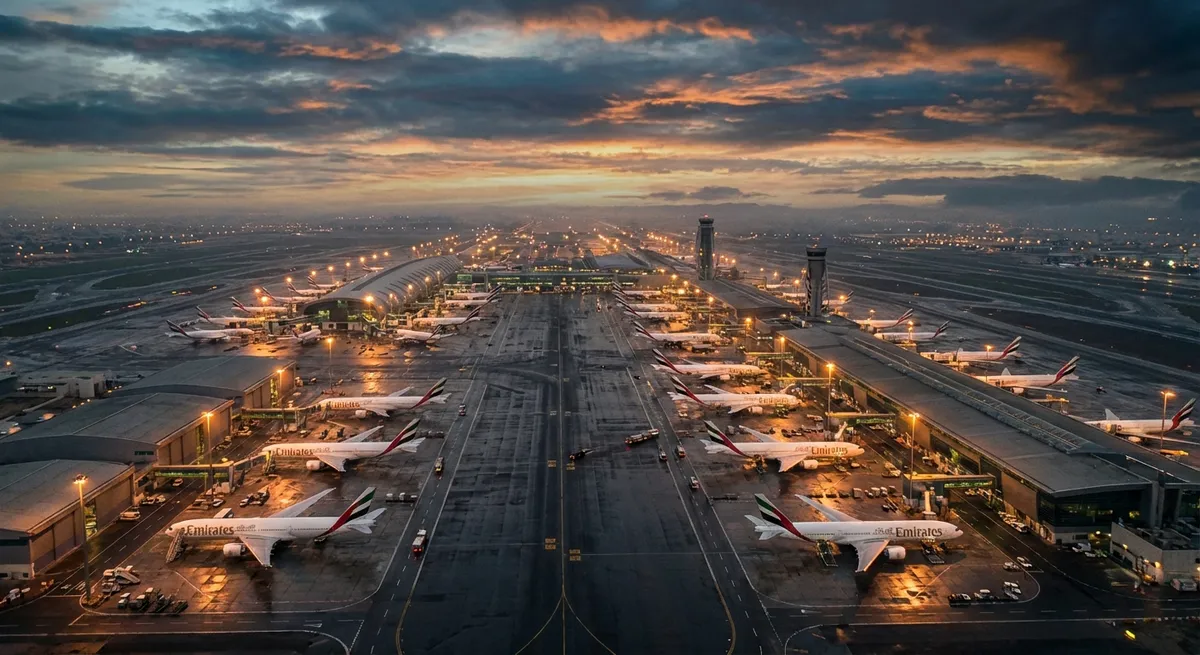
Emirates and Etihad have resumed limited international flights from UAE hubs amid ongoing missile threats, while regional airspace closures and flight cancellations continue to disrupt global travel and drive up fuel costs.

Key Details:

  • Emirates and Etihad are operating reduced schedules to major global cities (e.g., London, New York, Sydney) through mid-March, with strict transit rules.
  • Over 25,000 flights in/out of the Middle East were canceled between Feb 28 and March 5, with Dubai airport traffic at just 25% of normal levels.
  • Jet fuel prices surged to record highs (~$225/barrel), impacting airline stocks globally, including Qantas, Cathay Pacific, and major Chinese carriers.
  • Travel chaos persists, with passengers paying premium prices (e.g., £1,500 for Oman flights) and facing repatriation delays; a French government flight was turned back due to missile fire.

Why It Matters:
The conflict’s ripple effects are straining global aviation networks, raising costs, and forcing travelers into costly, uncertain evacuation routes — with no immediate resolution in sight.

Airlines Operating Limited Flights Amid Middle East Missile Threats

Several airlines are operating limited rescue flights from the UAE and neighboring countries despite ongoing missile and drone threats, with Emirates and Etihad leading efforts to evacuate stranded travelers.

Key Details:

Advertisement
  • Emirates and Etihad Airways have resumed limited commercial flight schedules from their UAE hubs, operating to key global cities including London, Paris, Frankfurt, Delhi, New York, and Toronto.
  • Emirates is operating a reduced flight schedule to 82 destinations, including London, Sydney, Singapore, and New York, while Etihad has resumed limited services to 25 destinations through March 19.
  • Dubai International Airport has seen only about 100 takeoffs and landings since the conflict began, with operations still below 10% of normal levels.
  • Other airlines including Air India, Air Arabia, Uzbekistan Airways, Kenya Airways, Royal Air Maroc, Saudi airline Flynas, Royal Jordanian, and SpiceJet are also flying from Dubai to their respective hubs.
  • European carriers such as Lufthansa, Swiss International Air Lines, Smartwings, Aegean Air, and British Airways are running special rescue flights from Muscat, Oman, and Dubai [1].
  • Air France scheduled a repatriation flight from Dubai to Paris on Thursday evening but suspended the plan due to the ongoing security situation.
  • Airlines are facing significant challenges, with many flights being forced to turn back or divert due to missile threats, and some flights being cancelled or delayed.
  • The US State Department has encouraged Americans to evacuate using available commercial transportation due to safety risks, but has not organized its own evacuation flights [2].
  • The State Department has flown a charter flight to the US and said nearly 18,000 Americans have safely returned to the US, with thousands more in transit to Europe and Asia [1].

Why It Matters:
Despite the ongoing missile threats and airspace closures, airlines are making efforts to evacuate stranded travelers, with Emirates and Etihad playing a crucial role in restoring limited commercial operations. However, the situation remains highly uncertain, with many flights being cancelled or diverted, and the US government not organizing its own evacuation flights.

Travelers Paying Thousands to Escape Middle East Amid Conflict

Stranded travelers are paying exorbitant sums—ranging from £1,500 to nearly $350,000—to escape the Middle East as commercial flights remain limited and airspace closures persist due to ongoing missile strikes and regional instability.

Key Details:

  • A British couple paid £1,500 for a 300-mile taxi ride in a “disco bus” from Dubai to Oman to catch a British Airways flight back to London, after their original Emirates flight was grounded.
  • Some wealthy travelers are chartering private jets for up to $350,000 to flee the Gulf, with private aviation costs soaring amid high demand and limited commercial options.
  • The UK government’s first repatriation flight from Muscat was delayed due to technical issues, prompting many to seek alternative routes, including paying for last-minute commercial or private flights.
  • Airports in Oman and Saudi Arabia have become key escape hubs, with loosened visa rules helping travelers obtain entry and departures, though many still face chaotic conditions and uncertainty at departure points.
  • Over 130,000 Britons have registered with the Foreign Office, which is coordinating with airlines to bring them home, while some travelers report paying up to £100,000 for private jets or being stranded despite booking seats.

Why It Matters:
The escalating conflict has turned evacuation into a costly and chaotic scramble, with ordinary travelers forced to spend thousands on unconventional routes while the wealthy can bypass the crisis entirely—highlighting stark disparities in access to safety and mobility during global crises.

Air France Evacuation Flight Forced to Turn Back Amid Missile Threats

An Air France flight chartered by the French government to repatriate French nationals from the United Arab Emirates was forced to turn back on Thursday due to missile fire in the area, French Transport Minister Philippe Tabarot said. The flight, AF4190, was en route from Paris-Charles de Gaulle to Dubai via Cairo, and Air France stated the aircraft was not carrying any passengers. The incident underscores the instability in the region and the complexity of repatriation operations. The French government began evacuation flights earlier this week as governments rush to bring home tens of thousands of citizens stranded by the intensifying US and Israeli conflict with Iran [2].

Key Details:

Advertisement
  • A French government-chartered Air France flight to evacuate French nationals from the UAE was forced to turn back on Thursday due to missile fire in the area.
  • The flight, AF4190, was en route from Paris-Charles de Gaulle to Dubai via Cairo, and Air France confirmed the aircraft was not carrying any passengers.
  • French Transport Minister Philippe Tabarot stated the situation reflects the instability in the region and the complexity of repatriation operations.
  • The French government began repatriation flights from the Middle East on Wednesday as governments rush to bring home tens of thousands of citizens stranded by the US and Israeli conflict with Iran.
  • The United States and Israel launched a campaign of air strikes against Iran on Saturday, killing its supreme leader and sparking retaliatory attacks by Tehran across the Gulf, with airports also targeted.

Why It Matters:
The forced turnback of the Air France evacuation flight highlights the severe risks and logistical challenges faced by governments and airlines in attempting to evacuate citizens from the Middle East amid ongoing missile and drone threats, with the situation creating significant uncertainty and disruption for travelers.

Continue Reading

Business

Middle East war wipes $120b from local share market

Published

on

Middle East war wipes $120b from local share market

The Trump administration’s efforts to topple the Iranian regime have liberated local investors from their money, wiping more than $120 billion from Australia’s bourse in a week.

Continue Reading

Business

Fewer Deals, Bigger Stakes: Deciphering The 2026 M&A Landscape And The Rise Of Megadeals

Published

on

Fewer Deals, Bigger Stakes: Deciphering The 2026 M&A Landscape And The Rise Of Megadeals

Fewer Deals, Bigger Stakes: Deciphering The 2026 M&A Landscape And The Rise Of Megadeals

Continue Reading

Trending

Copyright © 2025