
Crypto World
A Bitcoin Hard Fork Went Live September 1. Miners, Exchanges, and Traders Ignored It

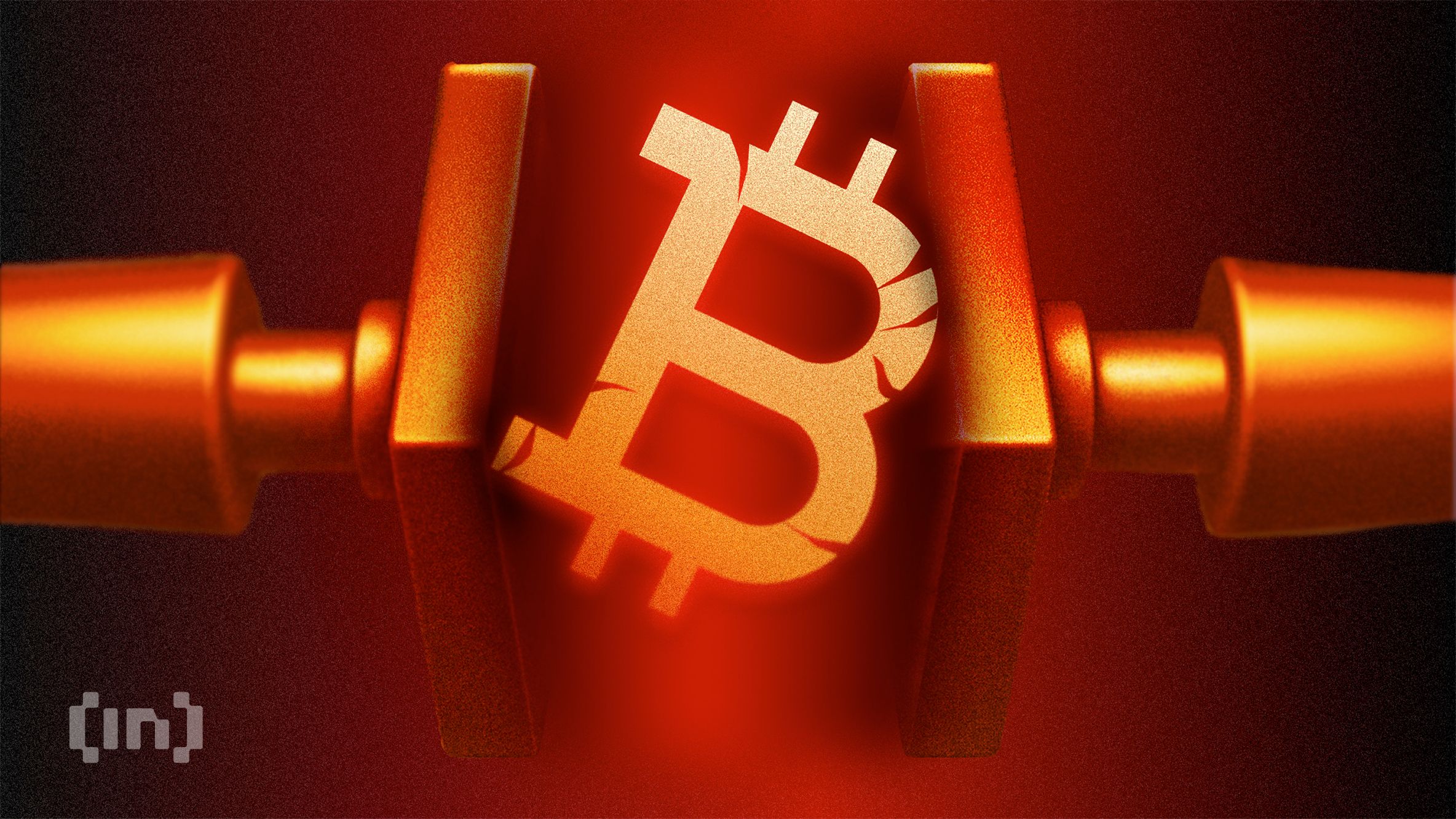

Luke Dashjr’s Bitcoin hard fork went live on September 1, and it arrived almost empty. The new BLAKE2b chain drew little hashrate, while Blockstream CEO Adam Back reduced the whole episode to one line.
Dashjr broke away from Bitcoin (BTC) by swapping its mining algorithm, a change meant to let ordinary computers mine again. Miners and exchanges largely ignored him.
Why the Bitcoin Hard Fork Collapsed Within Hours
BIP-110 is Dashjr’s proposal to strip non-financial data out of Bitcoin blocks. His camp calls the main network “Spamcoin.” Meanwhile, most of the community treated the September 1 chain split as a non-event.
The pattern repeats. An earlier BIP-110 chain died after two blocks in August. Mining pool OCEAN then faced calls to replace its leadership after routing customer hashrate to that chain without clear consent.
The algorithm swap also cut Dashjr off from the industry’s hardware base. BLAKE2b replaces SHA-256, so the specialized rigs that secure Bitcoin cannot touch the new chain. Computing power on the fork fell right after launch.
Adam Back Delivers the Punchline
Back needed seven words to sum up the result.
Live by the fork, die by the fork.
Adam Back, CEO of Blockstream, posted on X.
Dashjr, however, still frames the minority chain as the genuine article. On X he claims the BTC ticker has belonged to Bitcoin for over a decade, and that Bitcoin has now moved to BLAKE2b. Chain data contradicts him.
Bitcoin Knots, the node software Dashjr maintains, pushed similar arguments in August. David Schwartz, Ripple’s former chief technology officer, called them nonsense at the time.
Traders barely reacted. The original network produced blocks without interruption. BTC changed hands near $76,942, down roughly 1.33% in 24 hours.
No major exchange has listed the coin. One small beta platform opened deposits under the ticker BTCB2, since no official symbol exists yet.
BTCB2 bids there topped out at $82, roughly 900 times below BTC, while the lowest ask sat at $190. That 131.7% spread signals almost no real trading.
A chain without miners, listings, or bids still needs buyers who value its blocks.
The post A Bitcoin Hard Fork Went Live September 1. Miners, Exchanges, and Traders Ignored It appeared first on BeInCrypto.

Crypto World
A Fed rate increase would be a mistake, some observers say as bitcoin, gold, stocks fall
Your day-ahead look for Sept. 2, 2026
Base has launched a Creator Grant Program offering independent creators up to $4,000 to produce content about the Ethereum layer 2 network, its ecosystem and builders.
Summary
- Base is offering independent creators grants of up to $4,000 to produce content about its ecosystem and builders.
- Writers, streamers, recurring show hosts, video creators and educators producing content in their own languages can apply.
- Selected creators can receive access to Base builders and potential coverage through the network’s regional accounts.
- Emerging creators can qualify for separate Creator of the Week bounties worth up to $500.
- The program follows Base’s move away from its earlier Creator Rewards and content coin strategy.
Base said in a Sept. 2 post on X that applications are open to writers, streamers, live show hosts, independent video creators and educators producing Base-related content.
Base Creator Grant Program offers up to $4,000
Writers producing deep dives, memes, analysis and social media threads are eligible for the program. Base is accepting applications from creators running recurring shows, while educators can apply for grants to produce Base content in their own languages.
Selected creators can receive grants of up to $4,000. Base did not specify whether every successful applicant would receive the maximum amount or disclose how individual grant sizes will be determined.
The program comes with support outside the main grant, with Base offering creators access to a pipeline of builders they can feature in their work. Content produced by participants may receive coverage through the network’s regional accounts.
Emerging creators can qualify for separate “Creator of the Week” bounties worth up to $500. Base specifically encouraged independent creators, people running their own shows and those creating exclusively around the network to apply.
Details including the total funding allocated to the program, the number of creators Base plans to select and how long the initiative will run were not disclosed in the announcement.
Base returns to creator funding after social strategy reset
The grants arrive less than two months after Base acknowledged that its previous creator-led social strategy had failed to produce the results the network expected.
Base creator Jesse Pollak said in July that the project spent much of 2024 and 2025 betting on developers and social applications as a route to crypto adoption. Demand for social products eventually “disintegrated completely,” according to Pollak, leaving Base behind competitors in areas including perpetual futures and prediction markets.
As crypto.news previously reported, Pollak subsequently stepped back from leading the Base App and handed responsibility for the product back to Coinbase. He remained focused on development of the Base blockchain.
The restructuring included the end of Base’s Creator Rewards program and the removal of its Farcaster-powered social feed. Introduced in July 2025, Creator Rewards allowed creators to earn from engagement while Base experimented with social features, mini apps and content coins.
Coinbase CEO Brian Armstrong later acknowledged the content coin strategy had failed, saying in July that the company had changed direction earlier in 2026.
“They didn’t work and we pivoted early this year. We messed up, time to turn the page,” Armstrong said.
Trading, payments and AI agents now sit among Base’s main areas of focus, in that order, according to Armstrong. He said most resources were being directed toward trading infrastructure.
The new Creator Grant Program uses a different funding structure from the token-based creator model Base pursued through its social products. The Sept. 2 announcement describes direct grants for producing content, along with access to builders, regional distribution and separate weekly bounties. Base did not announce tradable creator tokens or engagement-based token rewards as part of the initiative.
Creator coins previously drove activity on Base
Base spent much of 2025 experimenting with ways for creators to earn directly from onchain content.
Coinbase unveiled the Base App in July 2025 as a product combining social features, payments, trading and decentralized applications. Farcaster powered the app’s social functions, while its Zora integration allowed posts to become tradable assets and creators to earn from activity around their content.
The model automatically minted ERC-20 tokens linked to social posts through Zora contracts, giving creators part of the token supply and a share of fees generated when the assets traded.
By August 2025, Zora creator coin activity helped Base surpass Solana in daily token launches. More than 1.6 million tokens were created within weeks, while nearly 3 million traders generated around $470 million in volume.
Much of the activity came from traders seeking short-term opportunities instead of sustained participation, according to reports at the time.
Base later reassessed its focus as financial applications gained more attention across the crypto market. Pollak said in July that concentrating on social products had left the network behind in perpetual futures and prediction markets.
Base had products operating in both categories through Avantis and Limitless, but Pollak acknowledged they trailed larger competitors. Dune Analytics data cited in July showed Base-native Limitless accounted for roughly 0.5% of monthly prediction market notional volume.
Trading has taken a larger role in the Base App
Coinbase has expanded the Base App’s financial products since the strategy change.
On Aug. 19, Coinbase added Hyperliquid perpetual markets to the Base App, giving eligible users access to more than 290 contracts. Hyperliquid handles execution while traders can open and manage positions through their existing wallets, with leverage reaching 50 times on supported markets.
The available contracts cover Bitcoin, Ethereum and markets tied to stocks and commodities. Coinbase said the product is unavailable to users in the United States, United Kingdom, Canada and other jurisdictions where access to leveraged crypto derivatives is restricted.
Coinbase followed later in August by bringing tokenized U.S. stocks natively onto Base. The initial lineup covers Apple, Nvidia, Meta and Alphabet, with each token representing a beneficial interest in a corresponding share held through segregated regulated custody.
The products are available to eligible non-U.S. investors and can trade around the clock. Coinbase Onchain SPV Ltd., a company incorporated in the Abu Dhabi Global Market, formally issues the securities, while Alpaca Securities handles the underlying equities through its brokerage and custody infrastructure.

Ripple is down by close to 3% in a pullback that’s landing right as institutional money is doing the opposite of panicking. Spot XRP ETFs have quietly become one of the more interesting flow stories in crypto this quarter, and the numbers behind that claim are worth unpacking before assuming this dip means anything structural.
Seven U.S. spot XRP ETFs now hold 994.74 million XRP, backed by cumulative net inflows approaching $1.51 billion as of mid-August. Weekly data showed the complex posting its best week since May, pulling in $39.78 million in net inflows, including an $18.38 million single-session print.
US Spot ETF Flows Sep 1 — 𝗕𝗮𝗻𝗸XRP (@BankXRP) September 2, 2026
 XRP: +$14.38M
  ETH: +$10.95M SOL: +$10.19M BTC: -$236.46M
BTC funds saw net outflows while XRP, ETH and SOL ETFs all posted inflows a clear rotation signal despite the broader market being down 4% today. https://t.co/uK0Bs00Of0 pic.twitter.com/lUV9v4LHma
Not just that, one institutional holder reportedly carries $86.5 million spread across five separate XRP funds, according to Q2 filings. ETF inflow tracking suggests this isn’t a one-off; it’s a pattern of accumulation.
The question now is if price action can keep pace with the institutional narrative. Right now, it isn’t, and that disconnect is the real story.
Discover: The Best Crypto to Diversify Your Portfolio
Can XRP Price Hit $1.60 This Week?
XRP’s 7-day performance sits at -7%, a sharper drawdown than the daily number. Ripple 24-hour volume near $2.56 billion shows liquidity hasn’t dried up, just direction has flipped bearish short-term. Price is currently testing the $1.33 support zone, with a deeper floor near $1.295 and a more critical band at $1.23-$1.25 if selling pressure extends.

- Bull case: support at $1.33 holds, short-term moving averages reclaim the $1.36-$1.38 zone, and XRP grinds toward the $1.60 resistance level that’s capped rallies for weeks.
- Base case: consolidation continues inside the $1.29-$1.38 range while ETF inflows slowly absorb sell pressure.
- Bear case: a break below $1.295 opens a retest of $1.23-$1.25, invalidating the near-term uptrend structure.
Longer-range price targets still point higher, but this week is a test of support, not a breakout setup.
Trade XRP on Bybit and Get a Chance to Win Our $1,000 USDT Airdrop
LiquidChain Targets Early Mover Upside as Ripple Tests Key Levels
A 7% weekly drawdown on a token backed by $1.51 billion in ETF inflows is a strange kind of pain. The institutions are buying, and retail is bleeding.
That gap tends to push traders toward earlier-stage plays where entry price still matters. At an $85 billion market cap, XRP’s upside from here is real but incremental; multiplying capital at that scale requires patience most retail traders don’t have.
The ceremony starts with a single word.
pic.twitter.com/vudkt5bEzI
— LiquidChain (@getliquidchain) August 31, 2026

LiquidChain ($LIQUID) is a Layer 3 infrastructure project. It is positioning for exactly that earlier-stage window. Its pitch: fuse Bitcoin, Ethereum, and Solana liquidity into one execution environment, letting developers deploy once and reach all three ecosystems instead of fragmenting across bridges.
The presale has raised $960K at a current price of $0.014951, built on a Unified Liquidity Layer, single-step execution, and verifiable settlement.
Those tracking cross-chain infrastructure plays can research LiquidChain directly.
Discover: The Best Token Presales
The post Ripple Sees XRP ETFs Pull In $170M as Institutions Build Their Positions appeared first on Cryptonews.
Crypto World
Selling at the Wrong Time: Here’s How an Unlucky Crypto Trader Missed a $3 Million Profit
The cryptocurrency market is a weird one and frequently offers investors the opportunity to make enormous gains in just days, sometimes even hours. Of course, securing such profits requires more than skill; one also needs a bit of luck, perfect timing, and the courage to sell when the moment is right.
Here’s the story of a certain trader who missed their chance to become a millionaire.
Selling Too Early
The analytics platform Lookonchain revealed the case of a crypto trader who bought 7.99 million PONS tokens a month ago for roughly $443,000. Shortly after, the price of the coin headed south, and the investor cashed out their entire position, taking a $308,000 loss.
What happened next must have been hard for the mysterious trader to watch. PONS experienced a major pump, with its price skyrocketing by approximately 1,100% over a two-week period. Lookonchain estimated that those 7.99 million coins would now be worth nearly $3.46 million, meaning the investor would have made a $3 million profit (at least on paper).
PONS is a relatively new token that currently boasts a market capitalization of around $275 million. It is closely connected to Robinhood Chain; if you are interested in learning more, take a look at our detailed article here.
Previous Unlucky Traders
Selling too early can be just as painful as buying at the top, only to watch a major price decline drag your portfolio down with it.
This is what happened to one unlucky trader in the summer of 2024. Back then, they spent more than $900,000 to buy 7.2 million Restore the Republic (RTR) tokens. The anonymous person hopped on the bandwagon when the valuation of the Trump-related meme coin exploded upon launch.
Instead of a further rally, the token’s price crashed hard, and the trader eventually sold the stash for only $18,000.
The post Selling at the Wrong Time: Here’s How an Unlucky Crypto Trader Missed a $3 Million Profit appeared first on CryptoPotato.
A “generational showdown”
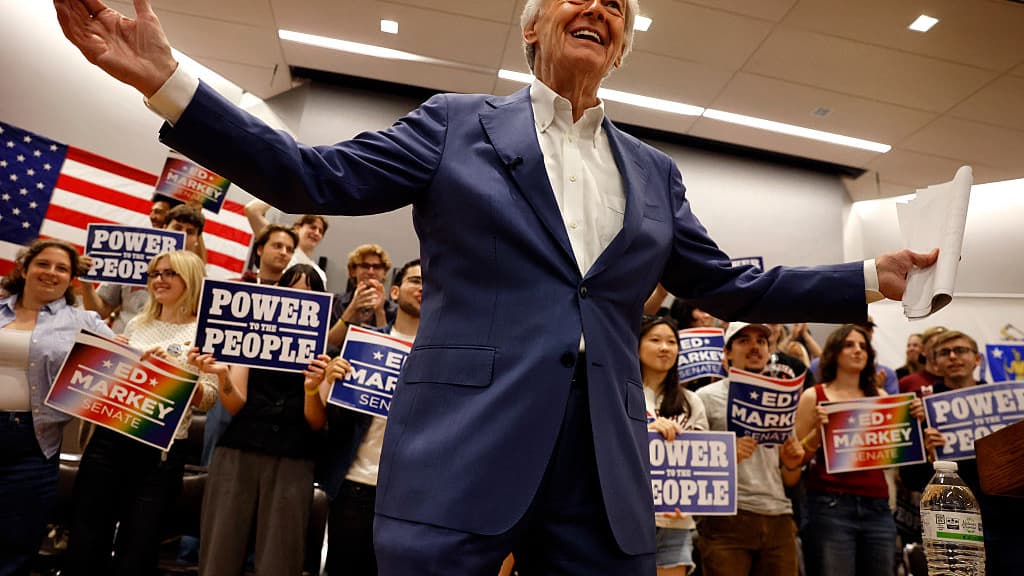
Tuesday’s primary was considered by many to be a “generational showdown” between Markey, 80, and Moulton, 47.
During the campaign, Moulton contended that it was time for change in the state’s political representation.
“Massachusetts has a choice: settle for the status quo, or demand better,” he said in a social media post Tuesday morning.
The young moderate rose in the polls earlier this year, narrowing the gap between himself and the two-term incumbent. But in the month or so leading up to Tuesday’s primary, polls showed that Markey had regained ground, and was holding a comfortable double-digit lead.
This isn’t the first time Markey, who served in the House for nearly 37 years before winning a seat in the Senate in 2013, has held off a younger primary challenger. In his last reelection bid, the then-74-year-old Senator defeated then-Rep. Joseph Kennedy III, who is 34 years his junior, to advance to the November ballot.
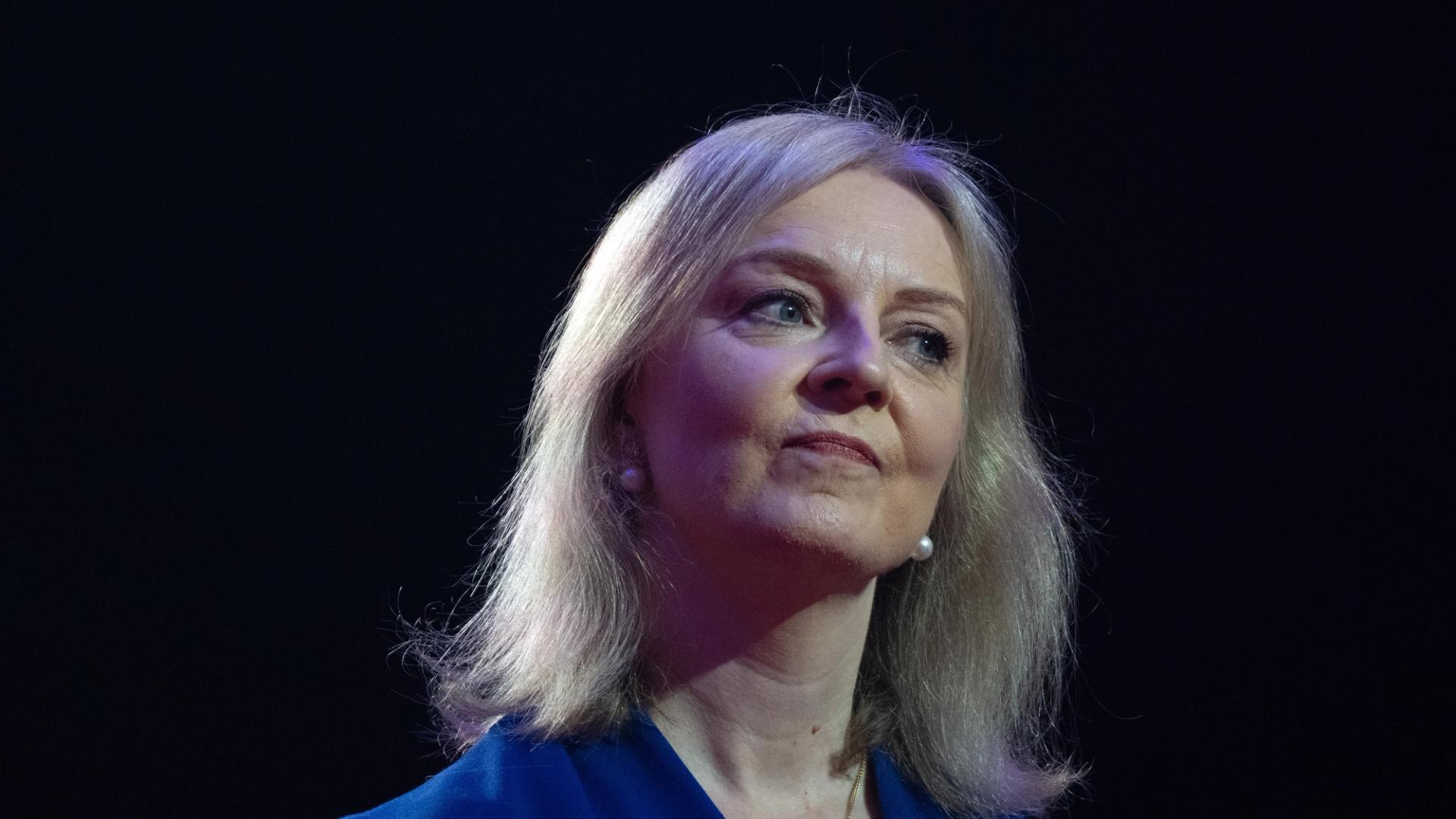
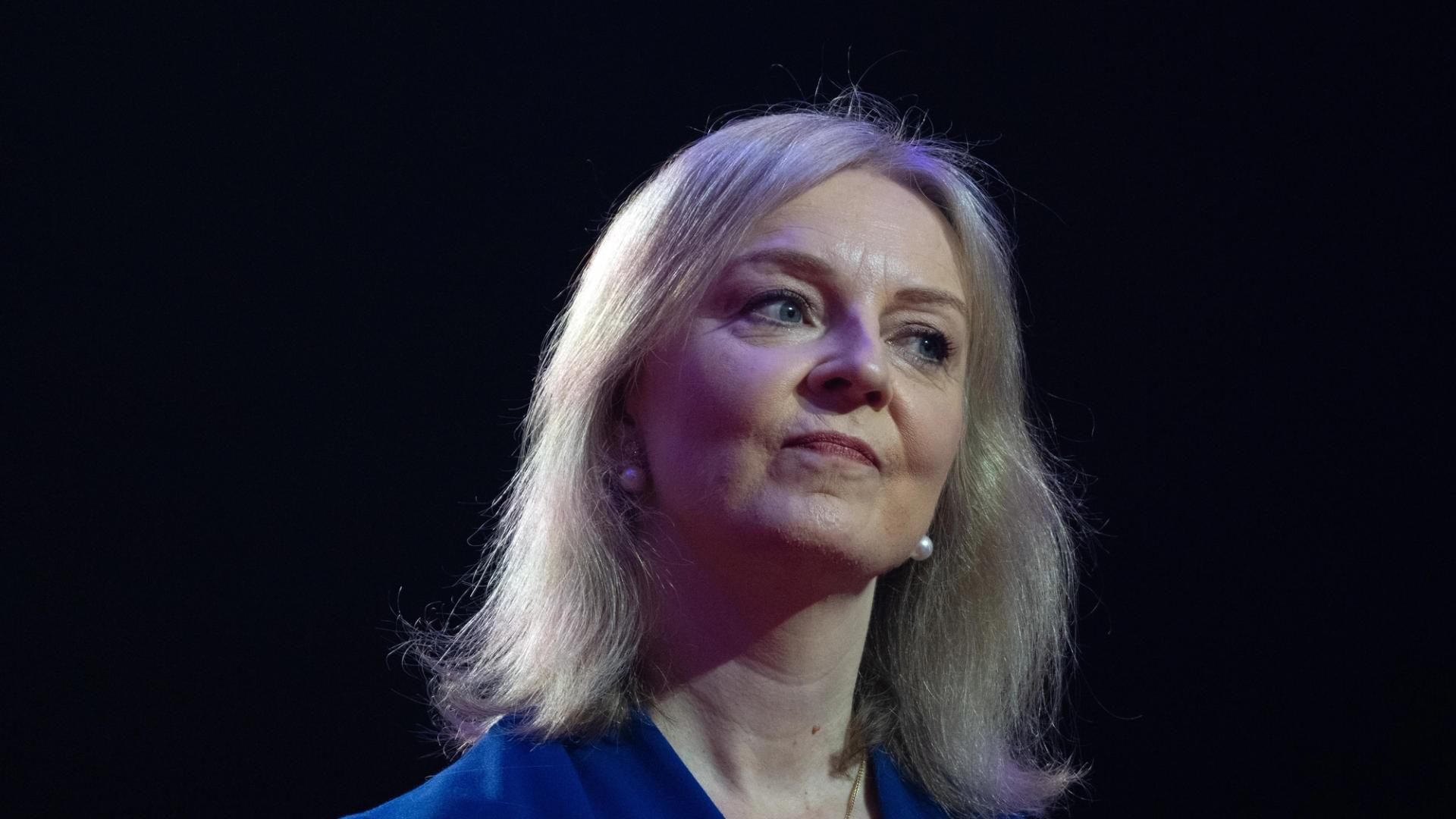
The former prime minister said U.K. is among the worst examples of rising debt and warns the situation may have gone too far.
Crypto World
Charlie Kirk’s Murder Case Heads to Trial As Judge Rules Defendant Could Face Death Penalty
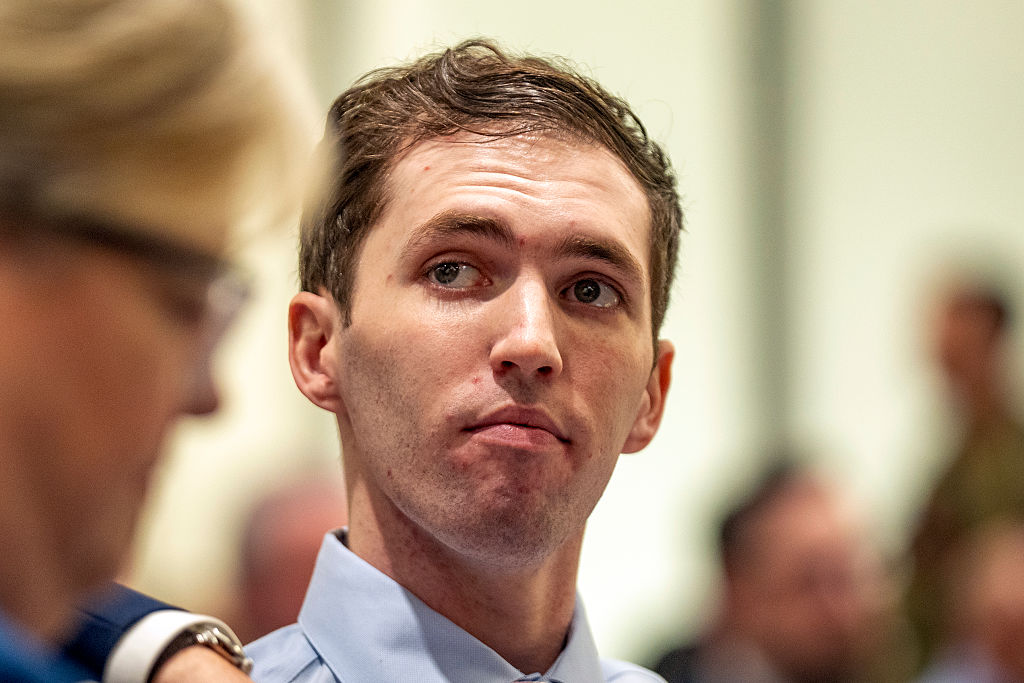
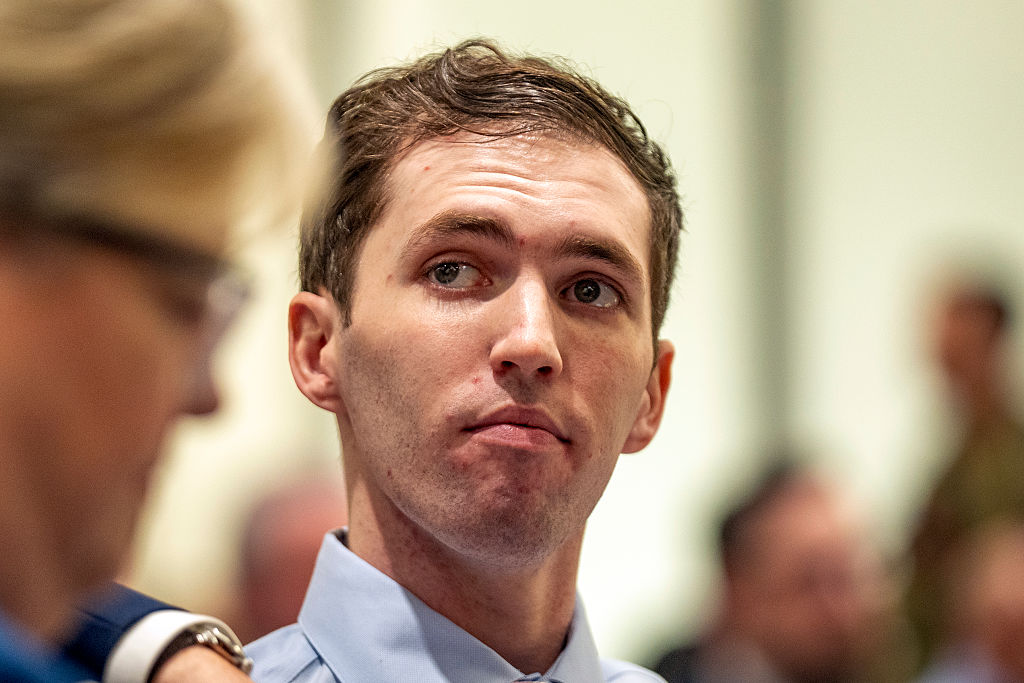
Almost a year after the killing of right-wing activist Charlie Kirk at a Utah college campus, the case against the suspect accused of fatally shooting him is headed for trial.
On Tuesday, Tyler Robinson, 23, pleaded not guilty to aggravated murder and six other charges related to the shooting of Kirk at Utah Valley University on Sept. 10, 2025.
But Utah District Judge Tony Graf ruled that Robinson should stand trial, siding with prosecutors who argued there was “a mountain of evidence” against the defendant.
Graf also ruled that prosecutors can continue seeking the death penalty against Robinson, which the defense team has tried to remove as an option. Graf said the court found probable cause for an aggravating circumstance involving the alleged risk to other people at the crowded campus event, making Robinson eligible for capital punishment.
The hearing on Tuesday followed prosecutors’ presentation of evidence during a five-day hearing in July. No trial date has been set, but a pretrial conference is scheduled for Oct. 23.
Kirk’s death worsened fears of political violence spreading across the U.S., and prompted condemnation from allies, including President Donald Trump.
In a statement, Kirk’s widow Erika called the ruling “an important step in our family’s pursuit of justice”.
“Every step in this process carries the weight of all that Charlie’s murder has taken from his family, especially his children who will grow up without their father,” the statement added.
Erika Kirk and the defendant were both in court on Tuesday for the hearing in the city of Provo.
Why capital punishment is an option
According to Utah law, aggravated murder can become a capital felony if prosecutors file notice that they intend to seek the death penalty, which prosecutors have earlier done in Robinson’s case.
Graf bound over Robinson on one count of aggravated murder, one count of felony discharge of a firearm causing serious injury, two counts of obstruction of justice, two counts of witness tampering, and one count of committing a violent offense in front of a child.
The judge could have sent the case to trial on a lesser charge of murder, which has a sentence of at least 15 years and a maximum of life imprisonment. But Graf said in his ruling that it was reasonable to infer that shooting Kirk from a distance, while surrounded by a crowd of thousands of people, exposed at least one other individual at great risk, meriting the aggravated murder charge.
Kirk, 31, was sitting under a tent when he was shot in the neck while speaking at an event at the university in Orem.
Ryan McBride, a prosecutor with the Utah County Attorney’s Office, said in closing arguments to the court that the four rounds found in the alleged murder weapon—a bolt-action rifle—explain that Robinson knew there was an increased risk to others since it showed the suspect was prepared to fire more bullets if he had missed.
Robinson was lying on a rooftop around 400 ft away when he fired at Kirk, and the prosecutors argued that a shot merely a degree off could have a considerable difference in distance and endangered others’ lives.
“There is a mountain of evidence that proves he is the shooter,” McBride told the court.
But Staci Visser, representing Robinson, argued the state failed to prove the shooter “knowingly” risked people’s lives and said the prosecutors were trying to force the aggravated murder charge.
“There is one shot. There is one bullet. There is one victim,” Visser said. “There was no evidence that would suggest that anyone else was threatened.”
Other factors could affect sentencing
Besides the risk to others, prosecutors also alleged that Robinson targeted Kirk for his political expression and that he fired in the presence of children. If prosecutors prove this at trial, it could affect his sentencing.
Kirk and the organization he co-founded, Turning Point USA, were central to the growing young conservative movement that helped elect Trump.
Kirk was also critical of same-sex marriage and transgender rights. Earlier this year, prosecutors alleged that the political commentator’s stances on these issues drove Robinson to target him. “It’s not difficult to understand the motive here,” McBride said.
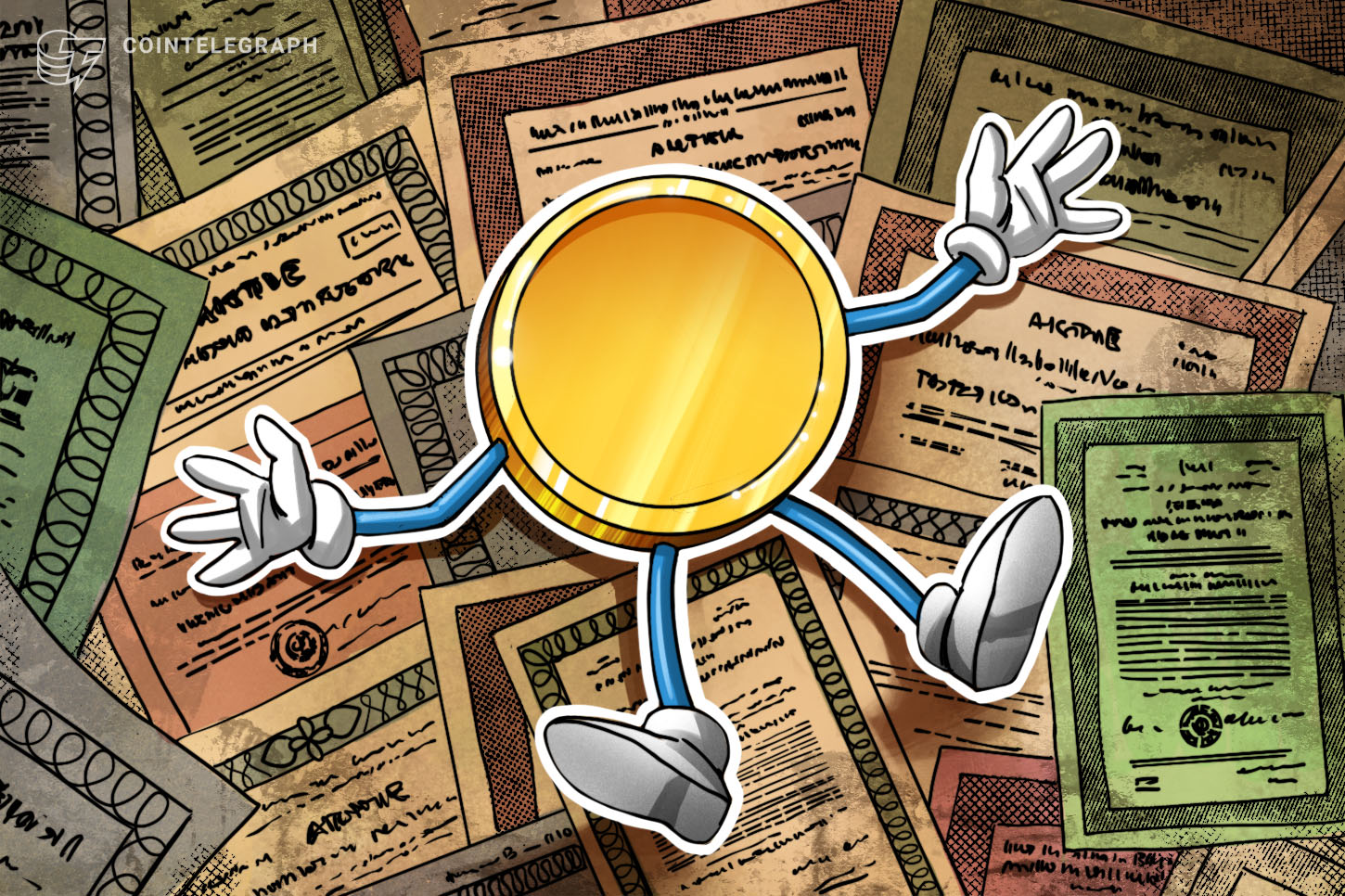
Grayscale, a16z, and the CCI asked the SEC to preserve existing classification rules and avoid treating novel exchange-traded products as a single category, while proposing different routes to clearer and faster reviews.
Crypto industry participants urged the US Securities and Exchange Commission (SEC) to avoid a blanket restriction on “novel” exchange-traded funds (ETFs) and instead evaluate products based on their individual risk parameters.
Venture capital firm a16z asked the SEC to evaluate novel products according to their underlying characteristics, coordinate fund-registration and exchange-listing reviews and adopt more predictable timelines. Digital asset investment manager Grayscale and the Crypto Council for Innovation (CCI) supported optional confidential pre-filing processes.
All three opposed changing existing investment-company classifications in ways that could automatically sweep products holding non-securities into the Investment Company Act framework.
The letters were dated Aug. 31 and posted by the SEC around the close of a 60-day public-comment period on its request for feedback concerning novel ETFs.
The SEC opened the consultation window on the next generation of ETFs on June 30, seeking feedback on whether existing regulations are adequate, how such funds should be regulated and whether changes to the registration process are needed.
Related: California Senate passes bill to ban memecoin issuance by public officials
Crypto industry stakeholders urge SEC for more regulatory clarity on novel ETFs
A16z argued that crypto-based ETPs now benefit from more developed market infrastructure, including exchange-approved listing standards and established disclosure requirements, and therefore should not be grouped with products holding private assets or using other novel strategies.
Grayscale similarly argued that digital asset products with established compliance and disclosure records should not face new portfolio conditions or disclosure regimes merely because they are characterized as novel. CCI called for comparable regulatory efficiencies across ETFs and non-ETF ETPs while preserving existing investor protections.
The commenters broadly opposed categorical regulatory changes that could impose additional requirements or delay product launches. However, their recommendations differed on classification, approval procedures and terminology.
One clear disagreement concerned the ETF label. a16z proposed that the term ETF should be reserved for funds under the Investment Company Act of 1940, while Grayscale said that the term ETF should describe economic characteristics regardless of the legal wrapper.
Meanwhile, CCI urged the financial regulator to create clearer registration-status disclosures rather than radically changing the current approval framework.
Magazine: What NYSE’s exploration of onchain systems means for financial markets

It’s easy to dismiss our collective consumer ritual as another marketing season. Yes, it was invented by department stores selling school uniforms in the 1800s, and then turbocharged with seasonal catalogs and sales by retailers like Montgomery Ward and Sears in the century that followed. And it is a sort of pre-Halloween ritual in which we all foist new costumes on our children.
But all those new backpacks, sneakers, pencil cases, and lunch boxes do something else. They help turn our children back into students.
For two glorious summer months, we released our children from the routines and identities of school. They’ve spent a culturally sanctioned rumspringa at pools, beaches, and camps, in the woods, or on a Nintendo. Then, almost overnight, we thrust them back into desks, routines, homework, and a social world that is often new and uncertain.
A handful of new pencils can help.
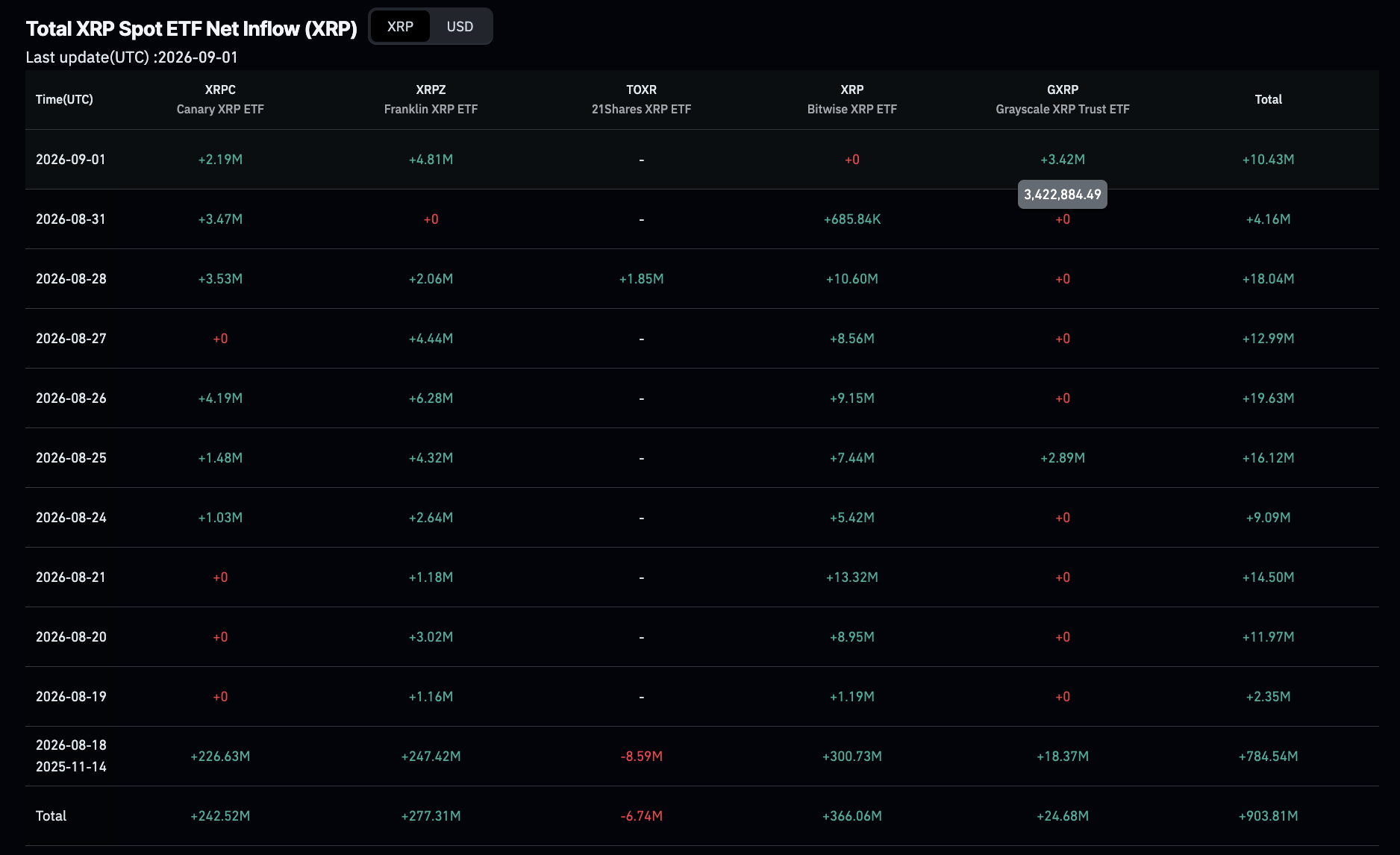
XRP is experiencing turbulence along with the whole market, but the price action is masking one of the more telling institutional news stories of the quarter. Who’s actually buying these ETFs matters more than the headline number? The 13F breakdown answers that question directly.
Spot XRP ETFs have now pulled in more than $1.6 billion in cumulative net inflows, with the funds stretching their streak to nine straight days of positive flows through September 1. That eleven-day run alone accounted for over $740 million, including a $26.2 million single-day haul on August 28.

Analyst James Seyffart flagged that flows have remained positive even as XRP’s price action has been comparatively muted, calling the resilience “particularly impressive.” Second-quarter 13F filings show investment advisers, not hedge funds or brokerages, are driving the bulk of that demand, with Goldman Sachs holding the largest single position at $87.4 million.
That composition points to buy-and-hold portfolio allocation rather than short-term trading flow. The question now is whether that steady institutional bid is enough to push XRP through overhead resistance, or simply to cushion a token stuck in a range.
Discover: The Best Token Presales
Can XRP Price Hit $1.70 This Week and Benefit from the Institutional News?
XRP is sitting at $1.34, right in the middle of the $1.35–$1.38 support band that analysts have flagged as the key near-term floor. Volume has been steady rather than spiking, consistent with the grind-it-out price action of the past week despite the ETF inflow strength.
A confirmed break above $1.55 would trigger the next leg of resistance testing, with $1.68 and $1.86 marking larger supply zones further out. If institutional flows stay elevated into September, XRP might hold the $1.35 floor, and a breakout above descending resistance on the short-term chart carries price toward $1.68–$1.70. More ambitious targets are citing $2.19 on a stronger move.
The base case has XRP chopping in the $1.35–$1.55 range while ETF demand slowly absorbs supply, including the 1 billion XRP escrow release that hit the market September 1. But a break below $1.35 opens the door to retesting lower demand zones, invalidating the current setup. For now, keep an eye on XRP news and ETF flows.
Trade XRP on Bybit and Get a Chance to Win Our $1,000 USDT Airdrop
LiquidChain Targets Early Mover Upside as XRP Tests Key Levels
XRP holders sitting on ETF-driven conviction have a fair case: institutional money is clearly rotating in, and the paper-loss dynamics some funds are absorbing haven’t shaken the buying. But XRP’s market cap means even a strong breakout to $2 is a double, not a multiple.
XRP movement rewards patience more than urgency. That’s the gap early-stage infrastructure plays are built to fill.
The ceremony starts with a single word.
— LiquidChain (@getliquidchain) August 31, 2026
LiquidChain ($LIQUID) is a Layer 3 infrastructure project. It is fusing Bitcoin, Ethereum, and Solana liquidity into a single execution environment with a deploy-once architecture meant to let developers build once and reach all three ecosystems without fragmenting liquidity.
The presale is priced at $0.014951 per token, with a total raised now at $960K. Its unified liquidity layer and verifiable settlement model target a real infrastructure gap rather than a speculative narrative. t
Research LiquidChain before the presale window closes.
Discover: The Best Crypto to Diversify Your Portfolio
The post XRP News: Smart Money Is Behind Billions in ETF Inflows appeared first on Cryptonews.

Mad Money 08/26/26 | Audio Only

Argentina gives fresh warning to UK over Falkland Islands

Credo Is Now A De-Risked AI Compounder





-

 Fashion5 days ago
Weekend Open Thread: Maeve – Corporette.com
-

 Crypto World5 days ago
Bitcoin’s 22% rally now needs real demand to outlast Treasury liquidity boost
-

 Crypto World7 days ago
Warsh Jackson Hole keynote puts financial innovation first
-

 Business5 days ago
Apple Confirms September 9 Keynote and Reveals Its Full Pre-Order Schedule
-

 Crypto World6 days ago
Elon Musk Grok Bot Promise: We Will Make You Whole if AI Loses Your Money
-

 Business5 days ago
Salesforce Stock Soars 19% as Blowout Earnings and Agentforce AI Growth Silence Software Skeptics
-

 Business4 days ago
Onto Innovation Stock: AI’s Next Bottleneck Is Yield (NYSE:ONTO)
-

 Business7 days ago
Walmart takes aim at younger shoppers with new fashion brand
-
 NewsBeat7 days ago
Lindsay Clancy jury braces for closing arguments as judge tells court: ‘You’ve heard all the evidence’ – Live updates
-
 Crypto World6 days ago
NVIDIA revenue hits $96.2B as AI demand doubles
-

 Crypto World4 days ago
Bitcoin price tests $82K resistance as Brandt stays long
-
 Crypto World7 days ago
Nvidia Q2 Earnings Reveal $96.2 Billion Beat, So Why Is NVDA Falling?
-

 Business5 days ago
iPhone 18 Pro Pre-Orders Could Shift to Saturday as Apple Reportedly Avoids September 11 Anniversary
-
 Tech4 days ago
Hugging Face built a $4.5 billion empire on free AI models. Now Nvidia is buying it for $12.9 billion
-
 Tech6 days ago
Claude Cowork gets its own browser that doesn’t touch your tabs, bookmarks, or saved passwords
-
 Crypto World5 days ago
Truflation calls for Fed rate cut after PCE forecast
-

 Crypto World6 days ago
GENIUS Act missed its deadline as OCC writes rules anyway
-

 Tech4 days ago
PaperCut releases second emergency patch for exploited flaws
-

 Tech7 days ago
Apple’s iPhone 18 Pro event is on September 9
-
 News Videos3 days ago
Charlie Munger on Robinhood: No one should believe that Robinhood’s trades are free
You must be logged in to post a comment Login