
Crypto World
Bitcoin breaks $72k as traders weigh next leg higher, marching back towards $100k?



Bitcoin has climbed back above $72,000, keeping the short‑term uptrend intact while setting up a test between bullish targets near $78,000 and critical support around $70,000.
Summary
- BTC/USDT is trading just above $72,000 with a modest 24‑hour gain, keeping the short‑term uptrend intact as long as $70,000 support holds.
- A sustained push could open room toward the $78,000–$80,000 zone, but failure to defend $70,000 risks a move back toward $63,000–$65,000.
- Macro drivers such as rates, liquidity and U.S. regulation will likely matter more for the next big move than any single intraday breakout.
Bitcoin has pushed back above $72,000, but the structure behind the move matters more than the headline level. According to Gate, BTC/USDT is trading around $72,036, up 1.28% over the past 24 hours, while the Bitcoin price on crypto.news shows spot hovering near $71,375 with a 7‑day gain of more than 7% and a 24‑hour range between roughly $70,500 and $72,700. That places the market just below the upper end of its recent band and well off the October 2025 all‑time high near $126,000.
Bitcoin reclaims $72k as traders brace for upward momentum
Short term, the breakout above $72,000 keeps the bulls in control as long as Bitcoin holds the $70,000–$71,000 zone on closing bases. Several recent updates note that BTC has been forming a bullish continuation pattern, with some technical analyses flagging upside targets in the $78,000 area if momentum persists. On-chain and exchange‑flow data also show continued net outflows from centralized venues, a pattern often associated with spot accumulation rather than distribution. As long as those outflows persist and funding rates stay contained, a grind toward the mid‑$70,000s and a potential test of $78,000 looks plausible over the coming weeks.
Medium term, most model‑driven forecasts see room for further upside but not a straight line. One aggregated prediction set has Bitcoin trading in a rough $72,000–$93,000 band over the next 6–12 months, implying 10–30% potential upside from current levels if macro conditions cooperate. Separate scenario work suggests a base case around $98,000 by late 2026, with bull targets in the low $130,000s and bear cases closer to the low $50,000s, underscoring that volatility and policy risk remain central to the thesis. In practice, the path will be driven less by chart patterns than by the Federal Reserve’s rate path, U.S. regulatory clarity around bills like the CLARITY Act, and the durability of ETF inflows.
For now, the key levels are clear: holding $70,000 keeps the current structure intact and leaves room for a push toward $78,000–$80,000; losing that floor would reopen a slide back toward $63,000–$65,000, where ETF demand and institutional bids last showed up in size. Traders betting on a clean breakout need to remember the obvious: at these valuations, Bitcoin trades as a high‑beta macro asset, and any shock to rates, liquidity, or regulatory confidence can turn a 1.28% daily gain into a double‑digit drawdown fast.

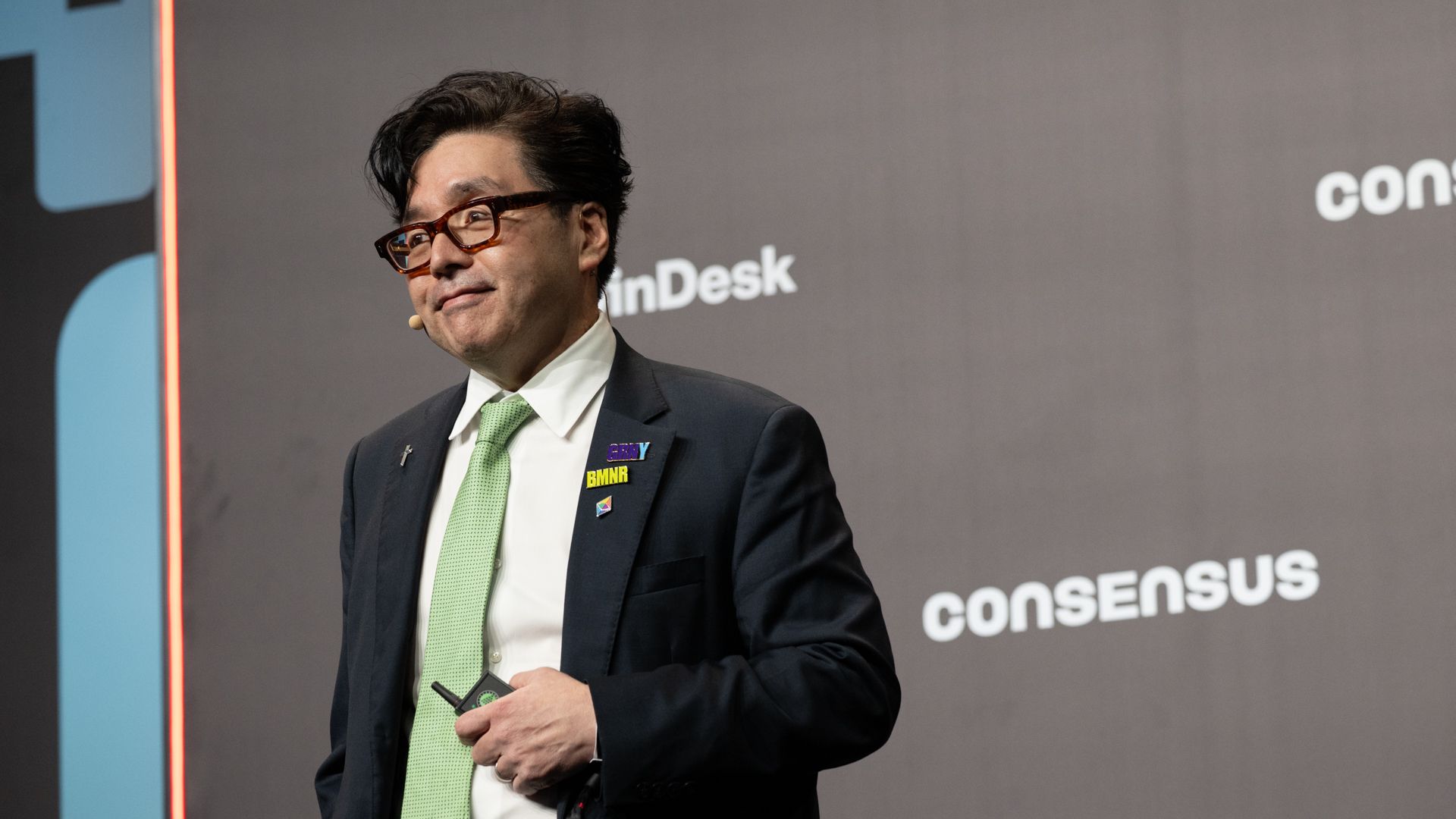
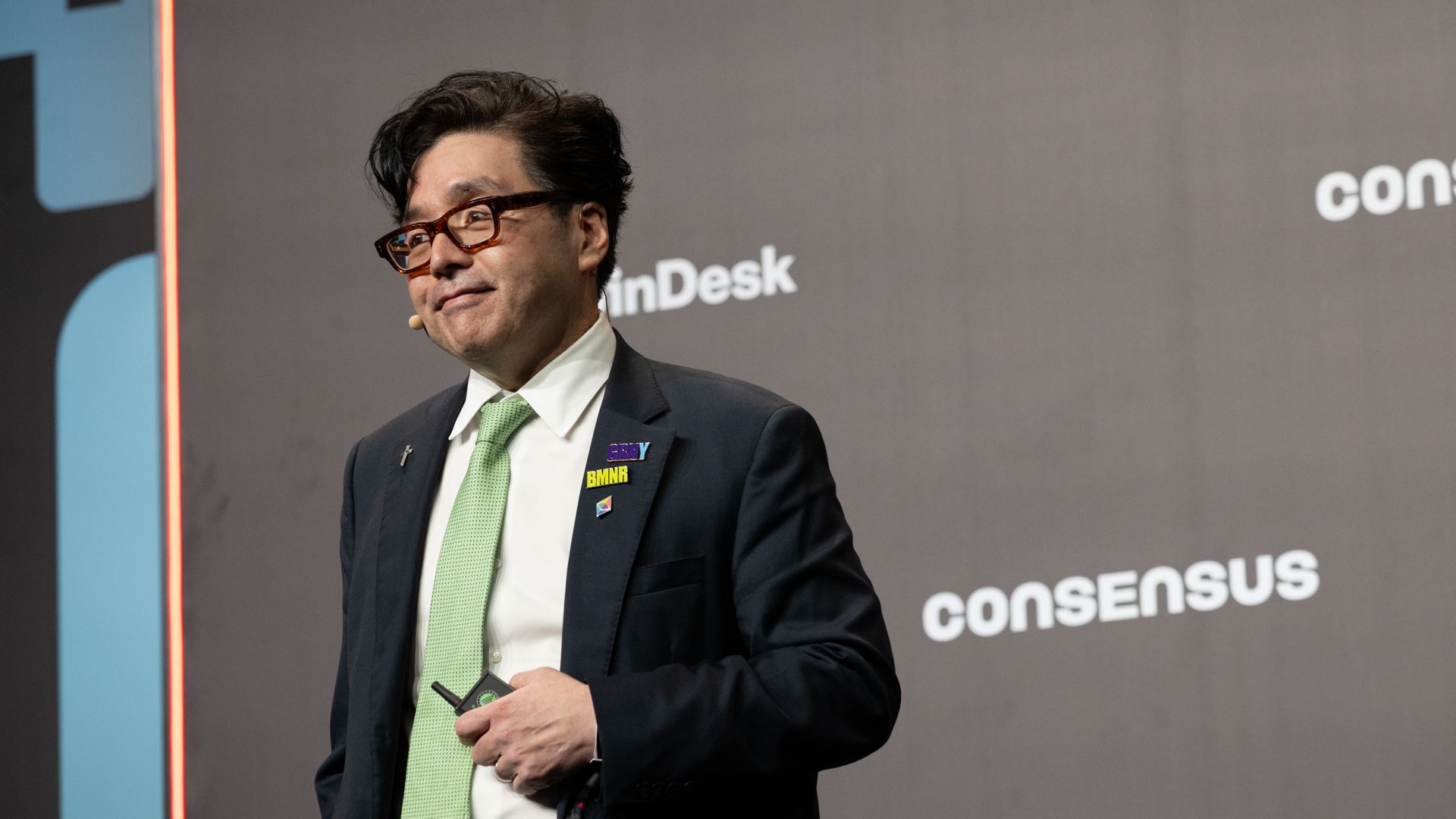
The Ethereum Foundation has sold another 10,000 ether (ETH) in an over-the-counter deal to Tom Lee’s BitMine (BMNR), continuing a string of treasury sales this year.
In a post on X on Friday, the organization said it finalized the sale at an average price of $2,292.15 per token, implying proceeds of roughly $22.9 million. The counterparty was BitMine Immersion Technologies, a repeat buyer that has increasingly acted as a key institutional accumulator of ETH from the foundation.
The latest transaction follows a similar March deal in which the foundation sold 5,000 ETH to BitMine at about $2,042 per ETH, raising roughly $10.2 million.
Like prior sales, the Ethereum Foundation said proceeds will go toward core operations & activities, including protocol research and development, ecosystem growth and community grants, a longstanding funding model for the organization.
The foundation added that the transaction is part of its formal treasury management strategy, under which ETH holdings are periodically converted into fiat to maintain operating runway and reduce market impact. These deals are typically executed OTC to avoid disrupting spot markets.
Bitmine, which is helmed by Fundstrat’s Tom Lee, continues to participate in these transactions, which underscores its growing role as one of the largest corporate ETH holders. The firm has now taken part in multiple direct purchases from the foundation this year, highlighting a deepening relationship between the network’s primary steward and a major institutional buyer.
The onchain transfer for the latest sale is expected to originate from an Ethereum Foundation-controlled multisig wallet, in line with its recent push for greater transparency around treasury activity.
Read more: Bitmine to buy 10,000 ether for $23.9 million from the Ethereum Foundation

U.S. flags at the Washington Monument, the dome of the U.S. Capitol can be seen in the background.
Sebastian Gollnow | Picture Alliance | Getty Images
Control of the U.S. Senate in this year’s midterms remains a tossup just over six months from election day, according to traders on prediction markets platform Kalshi.
Traders give both Republicans and Democrats a 50% chance of winning control of the upper chamber.
While traders have Democrats as favorites to flip control of the House of Representatives, odds in the Senate have narrowed in 2026.
Republicans saw their odds of maintaining their majority fall from 67% on January 1 throughout that month and February, but the declines intensified in March as traders priced in the political consequences of the U.S.-Iran war. Since the start of the conflict, President Donald Trump‘s approval rating has fallen to its lowest levels of his second term in many polls.
Democrats have an uphill climb to flip control of the Senate, as the party will have to win multiple states that Trump won in 2024 by double-digits — like Ohio, Iowa, Texas or Alaska — to have a shot at a majority. However, in the middle of April, Democrats were priced with a 54% chance to win the chamber.
In a Friday note, Bank of America economist Claudio Irigoyen said these odds are having an impact on policy.
“The interesting thing about these moves is that, coupled with falling approval ratings for the US administration, incentives are mounting for the war in Iran to reach a resolution,” Irigoyen wrote. “In our view, this is evidenced in the US administration’s push to reach a deal.”
Traders on Polymarket also see the Senate as a tossup, with Democrats holding a 52% chance of winning while Republicans hold 50% odds.
Disclosure: CNBC and Kalshi have a commercial relationship that includes a CNBC minority investment.
Markets shift and headlines fade, but the core principles of building long-term wealth remain constant. Join us for our third CNBC Pro LIVE, where investors of all backgrounds – from financial professionals to everyday individuals – come together to cut through the noise and gain actionable strategies for smarter, more disciplined investing. No matter where you’re starting from, you’ll leave with clearer thinking, stronger strategies. Enter your email here to get a discount code
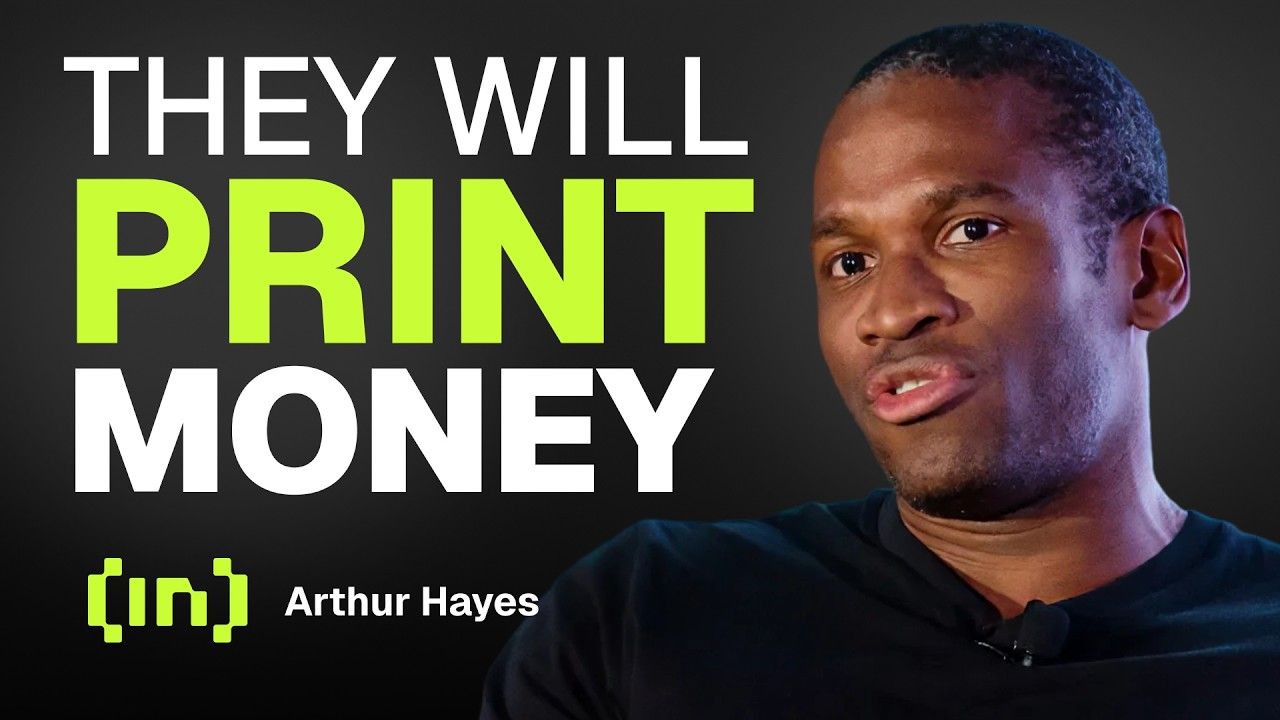
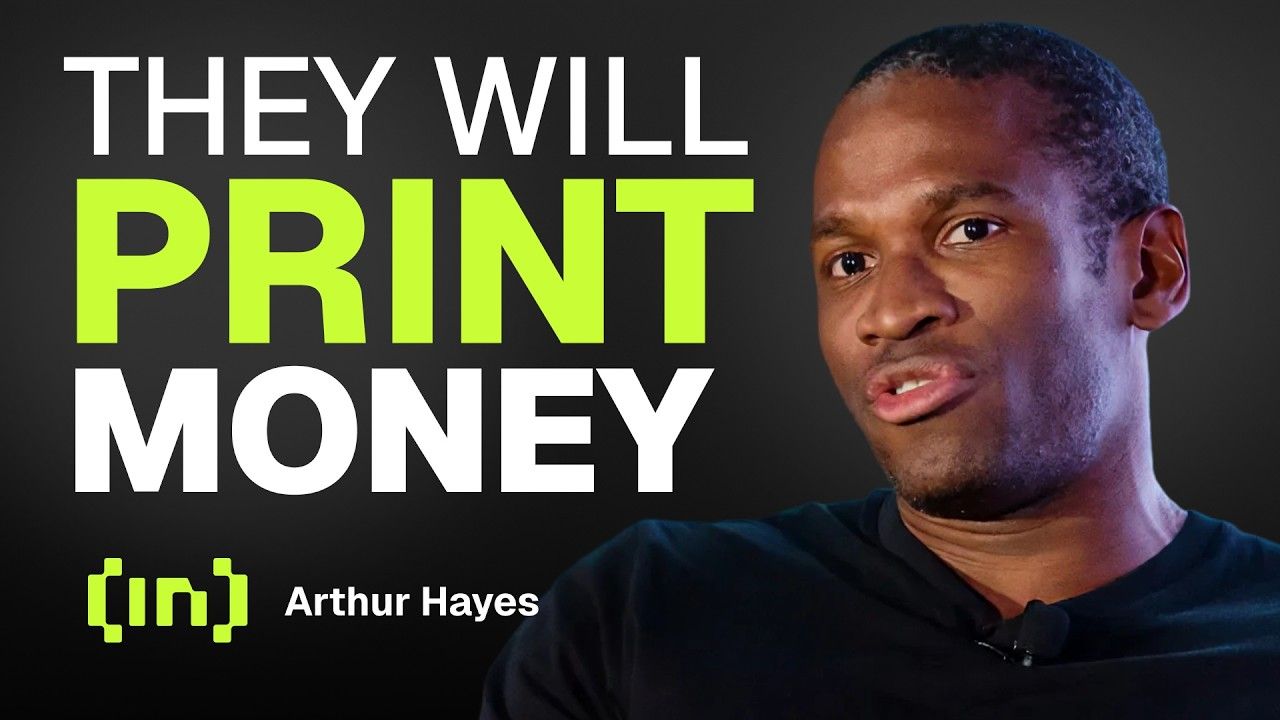
Arthur Hayes is turning more constructive on risk assets (crypto) because he believes the global liquidity cycle is starting to shift. In simple terms, it means there might be more liquid cash available in the US economy to encourage investments.
His argument is simple: the market is watching the Fed chair transition, but the bigger liquidity change may already be happening inside the banking system.
“I’ve started doing more research on the liquidity situation, and I’ve become more positive on the direction of money printing. The question is whether more dollars will be created, and my view is yes. On April 1, the enhanced supplementary leverage (eSLR) ratio came into effect for US commercial banks. That allows them to use more leverage on their balance sheets by reducing the charges they face on certain assets they hold.” Arthur Hayes told BeInCrypto.
Money Printing No Longer Looks Like 2020
Money printing does not always mean the Fed suddenly launches pandemic-style stimulus. In practice, it can mean more credit creation, easier bank balance sheets, more Treasury purchases, or policies that increase dollar liquidity.
That is why the latest change to the enhanced supplementary leverage ratio, or eSLR, matters. The rule came into effect on April 1, 2026, and changes leverage standards for the largest US banks.
Regulators said the goal is to stop the rule from discouraging banks from participating in low-risk, low-return activities, such as Treasury market intermediation.
One Regulation Could Start the Money Tap
Hayes said the eSLR change “allows them to leverage their balance sheets more by reducing the charges they face for certain types of assets that they hold.”
That does not automatically create trillions of dollars in new lending. Banks still need demand, collateral, and risk appetite.
But it does give large banks more room to hold Treasuries and expand balance sheets. In a system where US debt issuance is heavy, that is a meaningful liquidity release.
This supports the broader thesis that money printing may begin through market plumbing before it appears as headline quantitative easing.
The Fed Is Still Trapped
The Fed has not turned fully dovish. On April 29, it held rates at 3.50%–3.75% while acknowledging that developments in the Middle East have increased uncertainty. The vote was unusually divided, with some officials pushing back against an easing bias because inflation risk remains high.
This is the trap. Oil-driven inflation argues against rate cuts, but Treasury market needs and slowing growth argue for liquidity support.
Kevin Warsh May Matter Less Than Markets Think
Hayes also pushed back on fears that Kevin Warsh would shrink the Fed balance sheet aggressively. His point: eSLR relief is already active, while Warsh’s balance-sheet plans are uncertain and would take time.
That is fair. Even if Warsh wants a smaller Fed balance sheet, the Fed’s latest implementation note still allows Treasury bill purchases to maintain ample reserves.
“People are focusing on Kevin Warsh as the likely Fed chair and the idea that he wants the Fed balance sheet to contract, which would be liquidity negative. But when you look at the actual options for reducing the balance sheet, it does not look that drastic, and it would take a very long time. Meanwhile, commercial banks can already increase balance-sheet leverage under the new eSLR rules. That is already in effect,” Hayes said.
What Comes Next for Financial Markets
If the US-Iran ceasefire holds and shipping through the Strait of Hormuz gradually normalizes, liquidity becomes the dominant story. That would support stocks, especially banks, big tech, and other liquidity-sensitive sectors.
Crypto could react faster. Bitcoin is the cleanest expression of this trade because it responds directly to dollar liquidity and debasement expectations.
Commodities are split. Oil stays elevated if the geopolitical risk remains. Gold likely benefits in either case, because it sits at the intersection of war risk, inflation fear, and monetary easing.
So, the money-printing window may be opening, but through the banking system first. Risk assets may benefit, but only if geopolitics stops feeding inflation.
The post America’s Money Printing Could Start: How Will Markets React? appeared first on BeInCrypto.
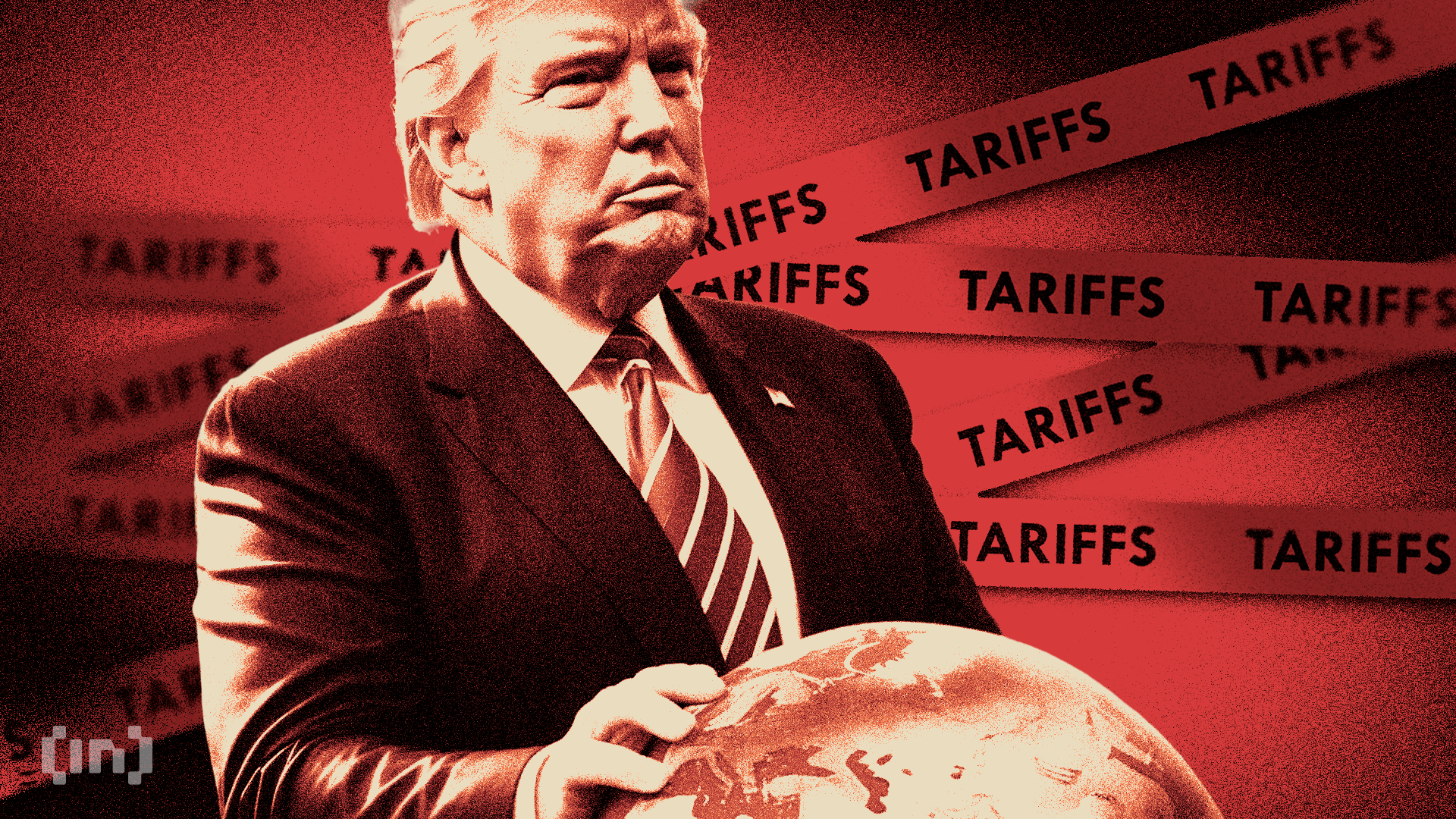
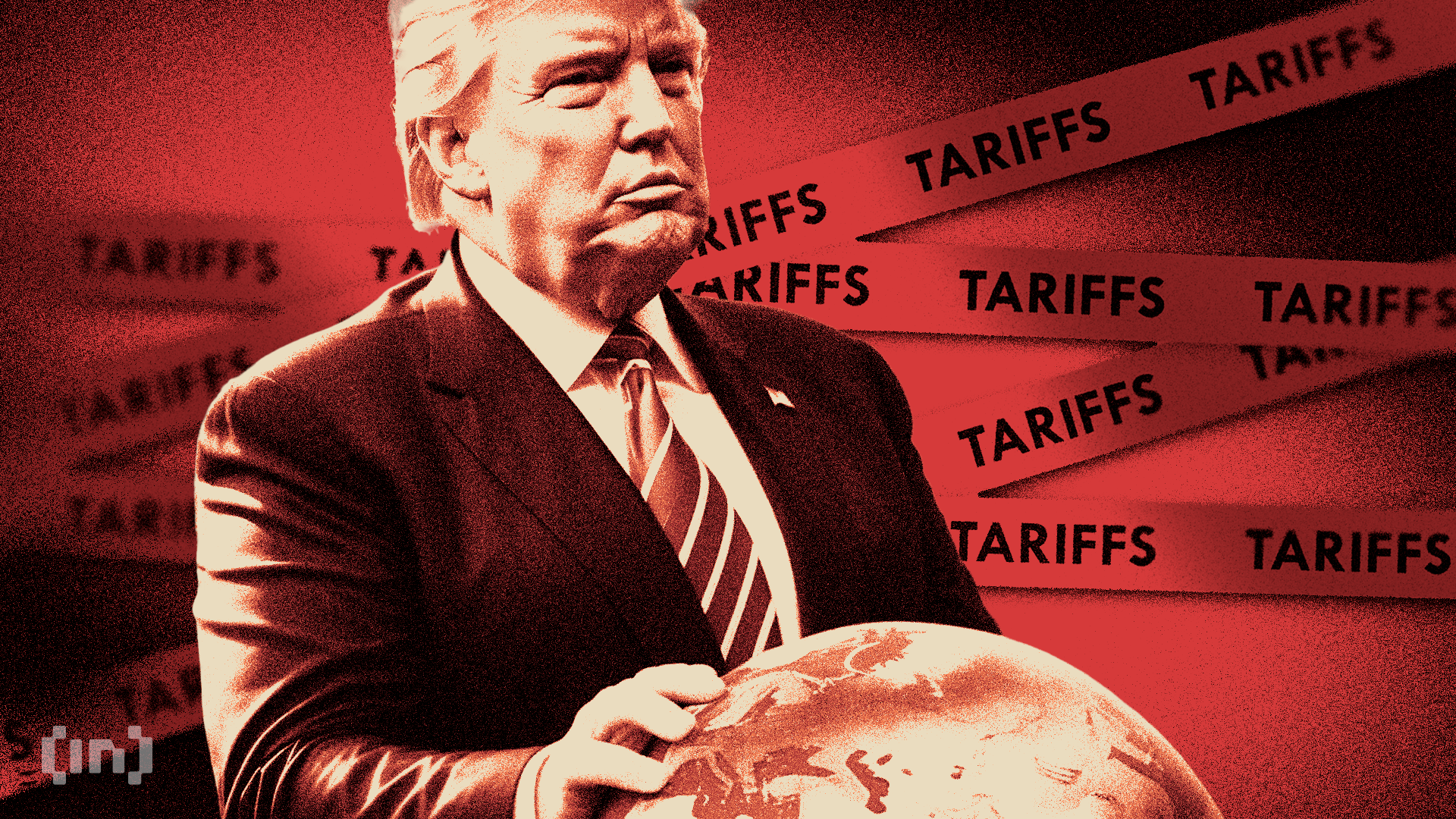
President Donald Trump announced new 25% tariffs on European Union cars and trucks on May 1, 2026, framing the hike as enforcement of the July 2025 trade deal. Some observers speculate Europe’s posture on Iran also played a part.
The duties take effect next week and exempt any vehicles built at U.S. plants. Germany and Italy carry the steepest exposure, while Brussels has not yet confirmed any retaliatory response to the Republican president’s move.
Trade Deal Dispute Sparks the Tariff Hike
Trump cited the EU’s failure to comply with a “fully agreed to Trade Deal” in his Truth Social post. That language refers to the Turnberry framework signed in July 2025. The deal had reduced U.S. auto duties on European cars to 15%.
“The Tariff will be increased to 25%. It is fully understood and agreed that, if they produce Cars and Trucks in U.S.A. Plants, there will be NO TARIFF,” he wrote in the post.
Germany stands to lose the most. Roughly 24% of its car exports head to the United States. BMW, Mercedes-Benz, and Volkswagen rely heavily on the U.S. market. Italian brands such as Ferrari and Stellantis face smaller but real exposure.
Trump highlighted more than $100 billion in new U.S. plant investment. He argued the tariffs push automakers to build domestically.
Iran Speculation Adds Political Subtext
As markets digest the implications of Trump’s tariff decisions, some users speculate that it is tied to U.S. pressure on Europe over Iran.
“Europe just stabbed America in the back. Macron, Starmer & Germany screamed “Not Our War!” and refused to support the US against Iran — after decades of America carrying NATO on its back. They just handed Trump the PERFECT excuse to BLOW UP NATO and put America First. Europe’s weakness and ingratitude finally killed the golden goose. We have no one to blame but ourselves,” one user commented.
The EU (and most major European countries) largely rejected or declined Trump’s calls for direct military/help with the Iran conflict, particularly regarding the Strait of Hormuz.
- Germany: Explicitly ruled out military participation. Defense Minister Boris Pistorius echoed: “This is not our war, we have not started it.”
- France: President Emmanuel Macron called forcible reopening ideas “unrealistic” and pushed back on U.S. inconsistencies.
- UK and others: Similar reluctance; some discussed limited post-conflict or diplomatic roles but avoided direct combat involvement during active hostilities.
- Broader EU/NATO: No joint military deployment. Some countries reportedly restricted U.S. use of bases or flyover rights for Iran-related operations.
Initially, President Trump weighed a plan to relocate US troops away from NATO countries he considers “unhelpful” in the Iran conflict.
Secretary of State Marco Rubio said the administration would need to reexamine NATO’s value.
Trump himself has called some allies “cowards” and labeled the alliance a “paper tiger.”
He has previously threatened 25% duties on nations doing business with Tehran. He also raised the possibility of 50% tariffs on countries arming the regime.
In the Friday post, the President did not link the auto tariffs to Iran in the Truth Social post. The text references only the EU trade deal and U.S. manufacturing investment.
Markets and EU leaders will watch closely for any clarifying signals from the White House.
The next move belongs to Brussels, which has prepared retaliation lists in past disputes. Whether EU leaders treat this as a negotiating tactic or as cause for escalation will shape the pace of any new agreement on autos.
The post Trump Imposes New Tariffs on EU: Punishment For Not Helping with Iran? appeared first on BeInCrypto.

Brazil’s central bank has blocked cryptocurrency settlement in regulated eFX cross-border payment rails under a new foreign exchange rule framework. The decision requires banks and fintech firms to rely on fiat channels for international transfers within supervised systems only. Authorities say nearly 90% of crypto remittances use stablecoins, raising concerns about compliance and the monetary control framework.
Bitcoin and Regulated FX Settlement Rules
Regulators introduced Resolution BCB 521 to prohibit virtual asset settlement inside regulated cross-border FX channels under the new foreign exchange framework. The rule targets banks, payment institutions, and licensed remittance providers operating within Brazil’s supervised FX framework. As a result, Bitcoin cannot serve as a settlement medium within the eFX infrastructure for international transfers or the related payment corridors network.
Authorities previously classified exchanges tied to fiat as foreign exchange operations under updated regulations to strengthen compliance supervision and reporting. The framework extended supervision over digital asset flows interacting with traditional banking and remittance systems in international networks. The latest measure adds a strict boundary preventing Bitcoin settlement inside supervised payment rails under the central bank framework.
Crypto trading remains legal in Brazil, and users can still buy and sell Bitcoin on licensed platforms and nationwide exchanges. However, regulated FX flows must use fiat accounts or conventional foreign exchange conversions under strict regulatory oversight. This separation creates parallel systems for crypto activity and formal cross-border payment infrastructure, with distinct compliance and settlement layers.
Stablecoins and Cross-Border Remittance Flows
Stablecoins dominate Brazil’s crypto-linked remittance flows across digital payment corridors, especially in cross-border transfers. Analysts estimate that about 90% of such transfers rely on dollar-pegged tokens like USDT and USDC in circulation networks. This usage has drawn attention from regulators focused on currency oversight, taxation, and cross-border financial compliance enforcement worldwide.
Authorities argue that stablecoin settlement outside FX controls could weaken financial monitoring across national banking infrastructure and oversight. They also cite risks linked to money laundering and unreported cross-border value transfers in decentralized ecosystems. The new rule therefore restricts their use to supervised payment channels across all regulated Brazilian institutions.
Fintech firms operating remittance services must redesign settlement processes around fiat rails to comply with the new rules. Some firms previously embedded stablecoin transfers behind fiat interfaces while maintaining branding for end users. The updated rules require a clearer separation between crypto infrastructure and regulated payment networks under enhanced supervision globally.
Brazil eFX Payment Rails and Policy Shift
Brazil’s eFX system supports regulated cross-border payments through licensed financial institutions under central bank supervision and strict compliance standards. It integrates with real-denominated accounts and formal FX settlement mechanisms for international transaction processing efficiency. The central bank uses the structure to monitor flows and ensure compliance within the national financial ecosystem.
The new policy strengthens the separation between regulated rails and crypto networks to reinforce monetary policy control. Officials aim to preserve monetary sovereignty and improve traceability of transfers under a regulatory oversight framework. This approach aligns with global efforts to structure digital asset oversight in evolving markets, regulatory strategies, and international cooperation.
Market participants must choose between regulated fiat rails or crypto-native channels for cross-border settlements under compliance rules. Cross-border payment innovation may continue outside supervised FX infrastructure, driven by fintech ecosystems, adoption trends, and accelerating growth. Regulators continue refining frameworks to balance innovation with financial system control amid evolving conditions and risks globally.
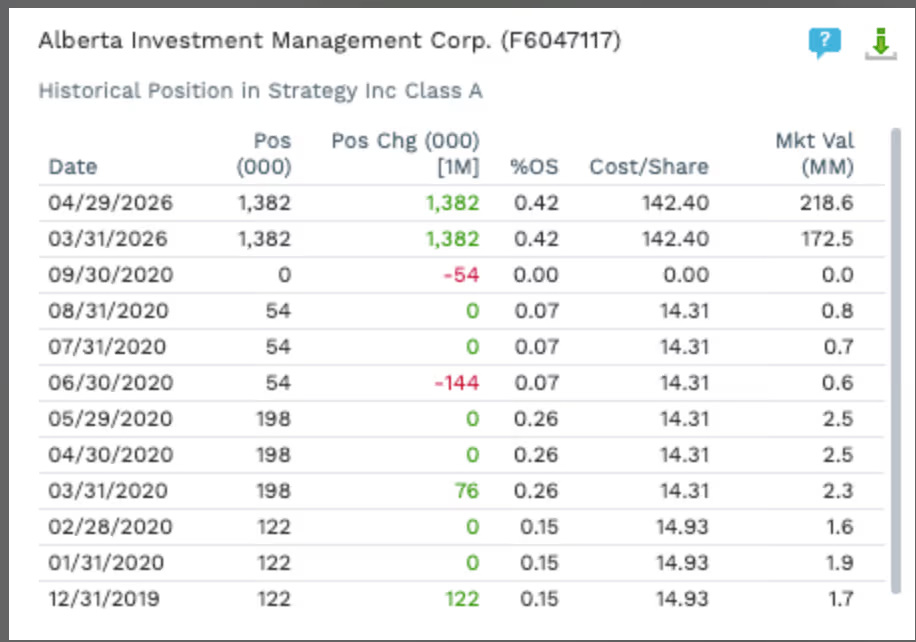
Alberta Investment Management Corporation (AIMCo), according to its first quarter 13F filing, purchased 1,382,000 shares of Strategy (MSTR) for $172,473,600.
This implies an average cost of about $125 per share. With MSTR having rallied to about $175, that position would now be valued at roughly $241 million, representing an unrealized gain of about $69 million.
As of December 2025, AIMCo managed more than $140 billion on behalf of Alberta’s public sector pension plans, making it one of Canada’s largest institutional investors.
A 13F is a quarterly filing required by the SEC for institutional investment managers with over $100 million in U.S. equity holdings, disclosing their positions at the end of each quarter.
According to FactSet, AIMCo previously held a small position in MSTR between late 2019 and mid 2020, around 198,000 shares. The fund exited the position entirely in September 2020, shortly after CEO Michael Saylor pivoted the company toward Bitcoin as a corporate treasury asset in August 2020.

In certain jurisdictions, institutional investors may face restrictions on directly holding Bitcoin, leading them to seek alternative exposure through instruments such as Strategy or BlackRock’s IBIT.
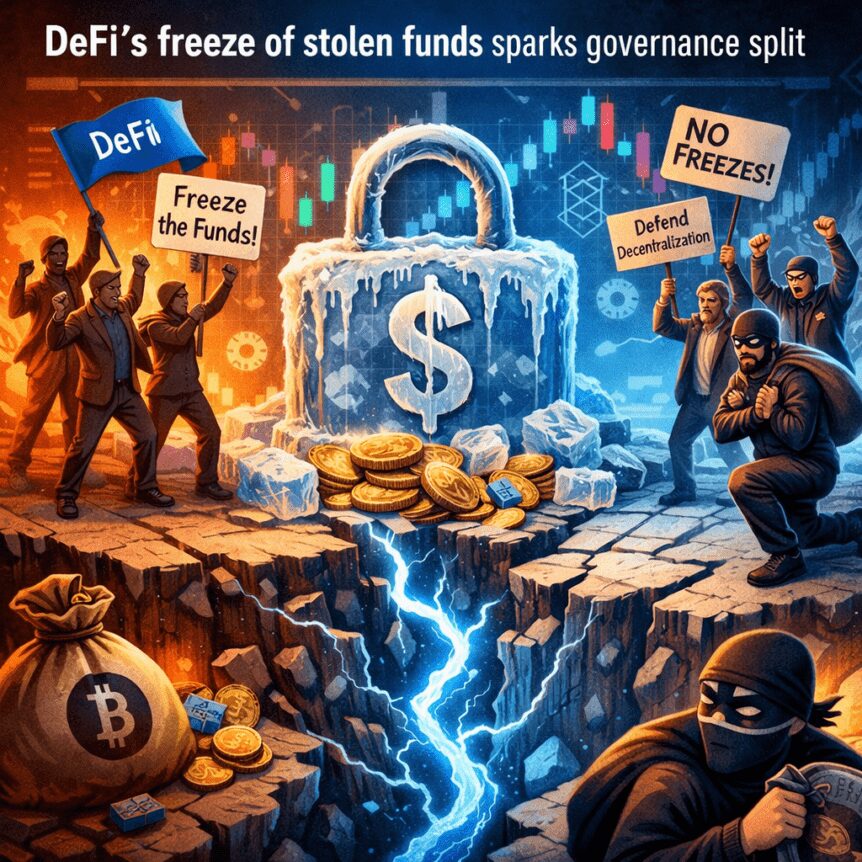
The debate over DeFi’s supposed “trustless” nature has been foregrounded again as a high-profile exploit tests the boundaries of on-chain governance and emergency intervention. After Arbitrum’s response to a major hack linked to the Kelp exploit, questions intensified about who gets to pause, seize, or redirect funds—and under what rules those powers should operate in a system that markets itself as decentralised.
The Arbitrum incident highlighted a practical tension: while protocol developers and decentralisation evangelists argue that permissionless, transparent governance should govern all action, emergency interventions by a security council or a group of trusted insiders can stop further damage at the cost of a purer reading of decentralisation. The core of the debate is not simply “decentralised vs centralised,” but over who holds the keys, how those keys are governed, and how quickly decisions can be made when funds are at risk.
Key takeaways
- Arbitrum relies on a 12-member security council that can enact changes in emergencies; nine signatures are required to authorize actions within a multisignature framework.
- During the Kelp DAO-related incident, Arbitrum froze some stolen funds linked to suspected North Korean actors, prompting renewed scrutiny of protocol-controlled intervention power.
- Centralised stablecoins like USDC and USDT can freeze funds under legally compelled processes, highlighting a governance gap between DeFi’s ethos and regulated fiat-backed issuers.
- THORChain Design: some DeFi projects insist they cannot freeze funds by design, a stance that contrasts with cases where intervention has occurred, raising questions about what “decentralised” really means in practice.
- Experts urge codifying pre-defined, transparent thresholds for intervention to avoid ad hoc governance decisions, balancing user protection with principled decentralisation.
Interventions in DeFi and the Arbitrum episode
The recent Arbitrum security gesture centered on freezing assets tied to an attack linked to the Kelp DAO incident. Arbitrum’s architecture allows a 12-person security council to oversee protocol changes, with emergency actions achievable through a nine-of-12 quorum in its multisig framework. This mechanism, voted on by the network’s decentralized autonomous organization, is designed to provide a rapid-response option when on-chain evidence signals malicious activity.
Connor Howe, CEO and co-founder of the cross-chain infrastructure project Enso, framed the tension plainly: “crypto protocols are not that different from centralized platforms or banks if a small group of people can freeze funds.” He stressed the need for transparency around who holds keys and the safeguards designed to prevent abuse. “There should be transparency in every protocol around who holds the keys, and the safeguards in place to prevent them from going rogue. If there’s no clear distinction, then it’s a vague claim of decentralization,” Howe said.
In discussing Arbitrum’s move, observers highlighted that the decision to intervene—especially in cases tied to North Korean-linked hackers—has become a focal point for broader questions about governance and responsibility in DeFi. The incident also revived scrutiny around the scope and limits of “emergency” powers in privacy-preserving, permissionless networks.
Who intervenes and what counts as “extreme” action?
On one side of the ledger are projects that argue for a hard line against any form of post-hoc intervention. THORChain, for example, has stated it cannot freeze funds by design, arguing that such action would undermine the very premise of non-custodial, cross-chain liquidity. Yet security researchers have pointed to past instances where interventions did occur, challenging the claim that decentralisation automatically prevents any form of takedown or fund seizure.
Bernardo Bilotta, CEO of stablecoin infrastructure platform Stables, argued that intervention can be appropriate but must be tightly scoped. “Freeze capabilities need to be narrowly scoped, time-limited and governed by transparent criteria that existed before the breach occurred,” he told Cointelegraph. “A protocol shouldn’t be making up the rules while the house is on fire.” His stance frames the problem as one of responsible governance, not a philosophical struggle over decentralisation in the abstract.
The debate resurfaced amid the wider discourse triggered by the Drift protocol exploit, which involved a substantial loss and prompted questions about how best to respond when a protocol’s funds are compromised. The broader worry is that a few hands with “keys” can decide to intervene pre-emptively, potentially diverting funds away from legitimate user plans or liquidity strategies.
Wish Wu, CEO of institution-focused layer-1 Pharos, emphasized the need for pre-defined, codified conditions for intervention. “In practice, ‘extreme’ is too often defined after the fact by whoever holds the keys, which is exactly the failure mode decentralization was meant to avoid,” Wu said. He advocated for governance frameworks that set objective triggers—accepting that some edge cases may fall outside those rules—and insisted that a credible governance model must make it possible to distinguish between custodial and non-custodial operation in practice.
Centralised issuers and the mechanics of control
The debate cannot ignore the central role played by big centralized issuers in the crypto ecosystem. Centralised stablecoins such as Tether’s USDt and Circle’s USDC dominate the liquidity landscape, with a combined market cap well over $266 billion. The ability to freeze funds is a feature these issuers claim to exercise within the bounds of legal process rather than unilateral decision-making.
Circle’s position has been explicit: freezes occur as a compliance obligation, not as unilateral acts of asset seizure. Dante Disparte, Circle’s head of global policy, described the stance in a recent blog post: “When Circle freezes USDC, it is not because we have decided, unilaterally or arbitrarily, that someone’s assets should be taken from them. Our ability to freeze funds is a compliance obligation — exercised only when we are legally compelled by an appropriate authority, through lawful process.”
The drift toward centralized control has been sharpened by incidents such as the Solana-based Drift exploit, which reinforced concerns about regulatory and jurisdictional leverage over crypto assets in crisis moments. Critics argue that Circle’s approach—while more cautious—undermines the broader DeFi narrative by showcasing a different form of control, anchored in legal processes rather than on-chain governance alone.
Defining the edge: what counts as extreme intervention?
As the industry weighs the tradeoffs between speed, protection, and decentralisation, the question of who defines “extreme” intervention remains pivotal. Some proponents argue that protocols must embed decision rules into governance so that emergency actions occur within pre-agreed boundaries, preserving user trust while acknowledging the harsh realities of security incidents.
“That’s the key distinction between DeFi and traditional finance: there should be a transparent framework for intervention that’s pre-defined, not improvised,” Howe noted. “If the system can’t clearly articulate who holds the keys and under what circumstances they’ll act, it loses credibility as a genuine decentralised platform.”
Wu echoed the concern, warning that vague or discretionary powers could erode the very essence of decentralisation. “If there’s no clear distinction, then it’s a vague claim of decentralization,” he said, urging projects to articulate governance boundaries and escape hasty, ad hoc moves in crisis moments.
What’s at stake for users, investors, and builders
For users and investors, these debates shape risk profiles across DeFi and the broader crypto market. Quick, decisive interventions may curb losses in the near term but could also raise questions about future guarantees of fund accessibility and market integrity. For builders, the episode underscores the importance of designing governance that is both transparent and auditable, with clear criteria for emergency actions that preserve user protections without eroding the decentralised ethos.
Industry observers also note that the Arbitrum episode comes at a time when cross-chain infrastructure and Layer-2 security governance are increasingly in focus. If the industry can codify robust, pre-agreed governance thresholds, it may reconcile the imperative to stop damage quickly with the imperative to uphold a decentralized, user-centric ethos.
As markets digest these developments, the next phase will hinge on how governance structures evolve to balance action, transparency, and the protection of user funds. The essential question remains: can a DeFi ecosystem maintain its non-custodial promise while still defending users from sophisticated exploits through timely and accountable intervention?
Readers should watch forthcoming governance proposals, potential regulatory guidance, and any formal disclosures from major protocols about how they define and implement emergency intervention—especially when the stakes involve hundreds of millions of dollars in on-chain value.


Those looking for fresh narratives around bitcoin are getting so desperate that they’re bordering on lunacy. One popular crypto account on X recently suggested that gold will be displaced by bitcoin because we are going to build data centers on the moon, which will then enable us to, I guess, mine gold on asteroids, or something like that.
Sarcastic or not (and I’m not convinced the post was), if this is what market pundits are propagating, Jamie Dimon’s comparison of bitcoin to “pet rocks” might actually prove true. But perhaps ironically, Mr. Dimon is helping to create bitcoin’s new, lasting narrative by integrating it into the plumbing of traditional finance. Bitcoin is not digital gold. It is a digital collateral asset. The question is how much of the global financial system it will ultimately collateralize.
We’re seeing new examples spring up every day: JPMorgan has begun allowing clients to use bitcoin-linked assets, and potentially bitcoin itself, as collateral for loans. Morgan Stanley, BlackRock and more are also incorporating bitcoin exposure into lending frameworks, structured products and portfolio margin systems. New, cheaper ETFs and retail accounts, like one just announced by Charles Schwab, are pushing bitcoin further into the mainstream. Other Wall Street firms are sure to follow.
But bitcoin’s role in that system is changing. Over the past decade, bitcoin has been assigned a rotating cast of identities. It has been described as an inflation hedge, a proxy for global liquidity, a form of digital gold, a geopolitical safe haven, and, most recently, the centerpiece of institutional adoption. Each of these narratives has, at various points, appeared convincing. Yet in the current cycle, they have all broken down.
In this cycle, rather than acting as a hedge during periods of market stress, bitcoin is increasingly behaving like a collateral asset under pressure, amplifying liquidity contractions through forced deleveraging. In this context, institutional adoption is not dampening volatility — it may actually be increasing it.
This transition offers a compelling explanation for bitcoin’s sad price action as of late.
When an asset becomes collateral, its price behavior fundamentally shifts. It is no longer simply held; it is borrowed against, levered, rehypothecated, and, critically, liquidated. This introduces a reflexive dynamic that is well understood in traditional markets but underappreciated in bitcoin. When prices fall, collateral values decline. When collateral values decline, margin calls are triggered. When margin calls are triggered, forced selling occurs. That selling drives prices lower still, creating a feedback loop.
This is precisely how collateralized systems behave in equities, real estate and commodities. Bitcoin is now entering that same regime.
Thus, the real narrative for bitcoin is that it is emerging as the world’s first globally traded, neutral, programmable collateral asset. It is the canary in the coal mine; a high-duration, zero-cash-flow asset that is acutely sensitive to liquidity conditions.
In practical terms, this new narrative means that bitcoin behaves like a leveraged barometer for global risk appetite. When liquidity expands meaningfully, bitcoin can outperform dramatically. But when liquidity tightens — even marginally — it tends to break first. In multiple recent drawdowns, bitcoin has led equities lower by days or even weeks, functioning less as protection and more as a forward indicator of stress.
Bitcoin’s massive drawdown over the past five months has occurred against a macroeconomic backdrop that should have supported it: inflation has remained elevated, global liquidity has stabilized and begun to expand, geopolitical tensions persist, and traditional markets — from the S&P 500 to gold — have performed strongly until very recently. If bitcoin were meaningfully tied to any of these forces, it should have responded accordingly. It did not.
A few weeks ago, as equities fell from their highs, people pointed to bitcoin’s stable price behavior as proof of its hedging capability. It’s down 50% in five months; it’s not a hedge for anything, it just front-ran the wipeout.
Other popular narratives don’t work either. Consider the widely cited relationship between bitcoin and global M2 money supply. While there have been periods when bitcoin appeared to track the money supply, the relationship has proven highly unstable, shifting from strongly positive to strongly negative within the same cycle.
The same inconsistency appears when comparing bitcoin to traditional assets. Long-term data show that bitcoin’s correlation with both gold and equities tends to cluster near zero over extended periods, despite temporary spikes during specific market regimes. More recent data reinforces this instability. Bitcoin’s correlation with gold has at times turned sharply negative, falling as low as -0.9, indicating not just independence, but outright divergence. Meanwhile, its correlation with equities has ranged from negligible to as high as 0.8 during periods of institutionally driven risk-on behavior.
Similarly, the digital gold narrative has struggled to hold up in practice. Gold has materially outperformed bitcoin during recent periods of macro uncertainty, while bitcoin has continued to exhibit large, equity-like drawdowns. Even as an inflation hedge, bitcoin has disappointed. Since the inflation surge began in 2021, it has failed to deliver consistent, real returns.
What remains is an uncomfortable conclusion: bitcoin does not reliably rise with equities or any other asset class, it does not track gold and it does not hedge inflation. What it does do (consistently) is fall earlier and more aggressively when financial conditions tighten.
What all of that boils down to is that bitcoin is a high-volatility, reflexive, globally traded collateral asset. It is leverage on liquidity cycles, not protection.
This may be a less romantic narrative than asteroid mining and lunar data centers, but in order to be integrated into the traditional leveraged financial system in earnest, bitcoin must be understood for what it is, not what we wish it were.


The Trump sons, Donald Trump Jr. and Eric Trump, quietly took roughly 20% of a Kazakh tungsten miner now backed by up to $1.6 billion in US federal financing, the Financial Times reported Friday.
Three forces converge in their favor, each set in motion by their father’s administration. Federal financing builds the mine, a US ban removes the dominant supplier, and the Pentagon needs an alternative now.
Why the Deal Raises Red Flags
The brothers entered through Skyline Builders, a Nasdaq-listed shell, in August 2025 with no public disclosure. They added shares in a $24 million private placement in late October, days after deal terms leaked.
In November, President Trump and Kazakh President Kassym-Jomart Tokayev unveiled the project at a White House summit.
The Export-Import Bank pledged up to $900 million, and the Development Finance Corporation pledged $700 million more.
“This could be the biggest corruption scandal in recent US history,” analyst Bull Theory noted.
Their broader crypto ventures already faced Senate probes over conflict-of-interest concerns. Reportedly, the brothers are passive investors with no government role.
The Financial Times found no evidence they knew about pending US support when they first bought in.
Three Angles of Government Help
US miners have not produced tungsten commercially since 2015. A 2026 law also bars Chinese tungsten from American military gear, leaving the Pentagon without a domestic alternative.
China still controls about 80% of global tungsten and tightened export rules in early 2025. Prices reached a decade high in 2024, fueling Washington’s push for an allied source.
The Northern Katpar and Upper Kairakty deposits could supply roughly 15% of global tungsten output.
- Government cash builds the mine.
- Government policy banishes the dominant rival.
- Government contracts will fill the gap that policy created.
Whether KAZR triggers the congressional policy scrutiny already targeting family crypto holdings will define the coming weeks.
The post Trump Sons Profit From Every Angle of $1.6 Billion US-Backed Tungsten Deal appeared first on BeInCrypto.


Coinbase activated Trade at Settlement for XRP futures on May 1, making XRP TAS the first altcoin to receive the same institutional block-trade execution mechanism already available for Bitcoin, Ethereum, gold, and crude oil futures, following a CFTC filing on April 21.
Summary
- XRP TAS allows institutional investors to execute large block orders for both nano XRP and full-sized XRP futures at the official 4 PM settlement price, removing intraday price exposure that increases execution costs at volume.
- The tool places XRP on the same operational footing as traditional commodity futures, directly following the SEC and CFTC’s March 2026 joint classification of XRP as a digital commodity.
- A Coinbase and EY-Parthenon survey found that 25% of institutional investors plan to add XRP to their portfolios in 2026, with 65% citing regulatory clarity as the primary condition holding them back.
Coinbase XRP TAS went live on May 1, as Coinbase Derivatives activated Trade at Settlement functionality for XRP futures on both nano and standard contracts. As crypto.news reported, Coinbase filed documentation with the CFTC on April 21 confirming the activation, with the filing outlining how TAS will support block trades under the Commodity Exchange Act, with Coinbase’s Market Regulation team overseeing activity to ensure fair and transparent execution. TAS lets large institutional participants lock in the official 4 PM settlement price rather than trading against live, fluctuating intraday markets — a standard mechanism in traditional commodity futures that reduces execution cost and position-sizing uncertainty at volume. Previously, Bitcoin, Ethereum, gold, and crude oil held TAS eligibility on Coinbase. XRP is the first altcoin to receive it.
The TAS activation lands within a broader institutional build-out for XRP that has accelerated since the SEC and CFTC jointly classified XRP as a digital commodity in March 2026. As crypto.news documented, Goldman Sachs has disclosed a $153.8 million position across four XRP ETFs, and total XRP ETF assets under management have reached $1.53 billion. A Coinbase and EY-Parthenon survey found that institutional investors plan to increase XRP exposure from 18% to 25% of portfolios in 2026, with 65% citing regulatory clarity as their threshold condition. The TAS launch is arriving at the same time as a Coinbase market maker program that also activates May 1 and is designed to improve order book depth for XRP and other crypto futures on the exchange. As crypto.news tracked, XRP ETFs logged their best inflow month of 2026 in April at $81.63 million, with the nine-day positive streak ending just days before the TAS activation adds another institutional access layer to the asset.
The 247 Wall St. analysis notes that TAS is one of four concrete XRP catalysts in May alone: GraniteShares launches 3x leveraged XRP ETFs on May 7, Powell exits as Fed chair on May 15, and the CLARITY Act faces its hard May 21 markup deadline. If block trade flows through TAS materialise at scale, they will be the clearest signal yet that institutional XRP demand is converting from stated intent into actual capital deployment.

Crayola craft toy recalled over asbestos contamination fears

Tom Lee’s BitMine secures another 10,000 ether from Ethereum Foundation
Donald Trump calls Jimmy Kimmel a 'lowlife,' says 'he shouldn't be on television'

Manchester United reach agreement with Casemiro over contract clause amid transfer speculation

US brings back mandatory military draft registration

Steven Gerrard disagrees with Gary Neville over ‘shock’ Chelsea and Arsenal claim | Football


-

 Tech4 days ago
Register Renaming | Hackaday
-
 Crypto World6 days ago
Hyperliquid $HYPE Rally Builds Momentum as AI Sector Enters Prove-It Phase
-

 Tech4 days ago
Images of Samsung’s rumored smart glasses have leaked
-

 Politics4 days ago
Drax board avoid their own AGM, accused of greenwashing & environmental racism
-

 Tech4 days ago
Why Blue Badges Disappeared From Toyota Hybrids
-
 Sports5 days ago
IPL 2026: Ruturaj Gaikwad registers slowest fifty of the season, enters all-time unwanted list | Cricket News
-

 NewsBeat5 days ago
LK Bennett closes all stores after entering administration
-

 Fashion3 days ago
Kylie Jenner’s KHY Enters a New Era with ‘Born in LA’
-
 Entertainment6 days ago
Mariah Carey Slams Deposition Claims In Brother’s Lawsuit
-

 Business3 days ago
Most Commercial Energy Audits Miss the Real Losses
-

 Business4 days ago
(VIDEO) Charlize Theron Climbs Times Square Billboard to Promote New Netflix Thriller ‘Apex’
-

 Crypto World3 days ago
CFTC’s AI will review U.S. crypto registration applications, chairman tells CoinDesk
-
 Crypto World7 days ago
Nvidia (NVDA) Stock Jumps 5% as Intel Earnings Ignite Semiconductor Rally
-

 Tech6 days ago
Microsoft to roll out Entra passkeys on Windows in late April
-

 Business2 days ago
Barclay Brothers Avoid Bankruptcy: HSBC Drops High Court Petitions After IVA Deal
-

 Tech5 days ago
OpenAI’s Sam Altman apologizes for not reporting ChatGPT account of Tumbler Ridge suspect to police
-

 Tech6 days ago
OpenAI CEO apologizes to Tumbler Ridge community
-
 Business2 days ago
Tesla Officially Registers Elon Musk’s Stock: What Investors Need to Know
-

 Tech3 days ago
Get Ready for More Brain-Scanning Consumer Gadgets
-
Entertainment6 days ago
Emily Blunt Used This $13 Hair Oil for Smooth, Frizz-Free Curls
You must be logged in to post a comment Login