
Crypto World
Bitcoin (BTC) Price Action: Analysts Project $85K Rally Despite Current Consolidation Near $77K

Key Takeaways
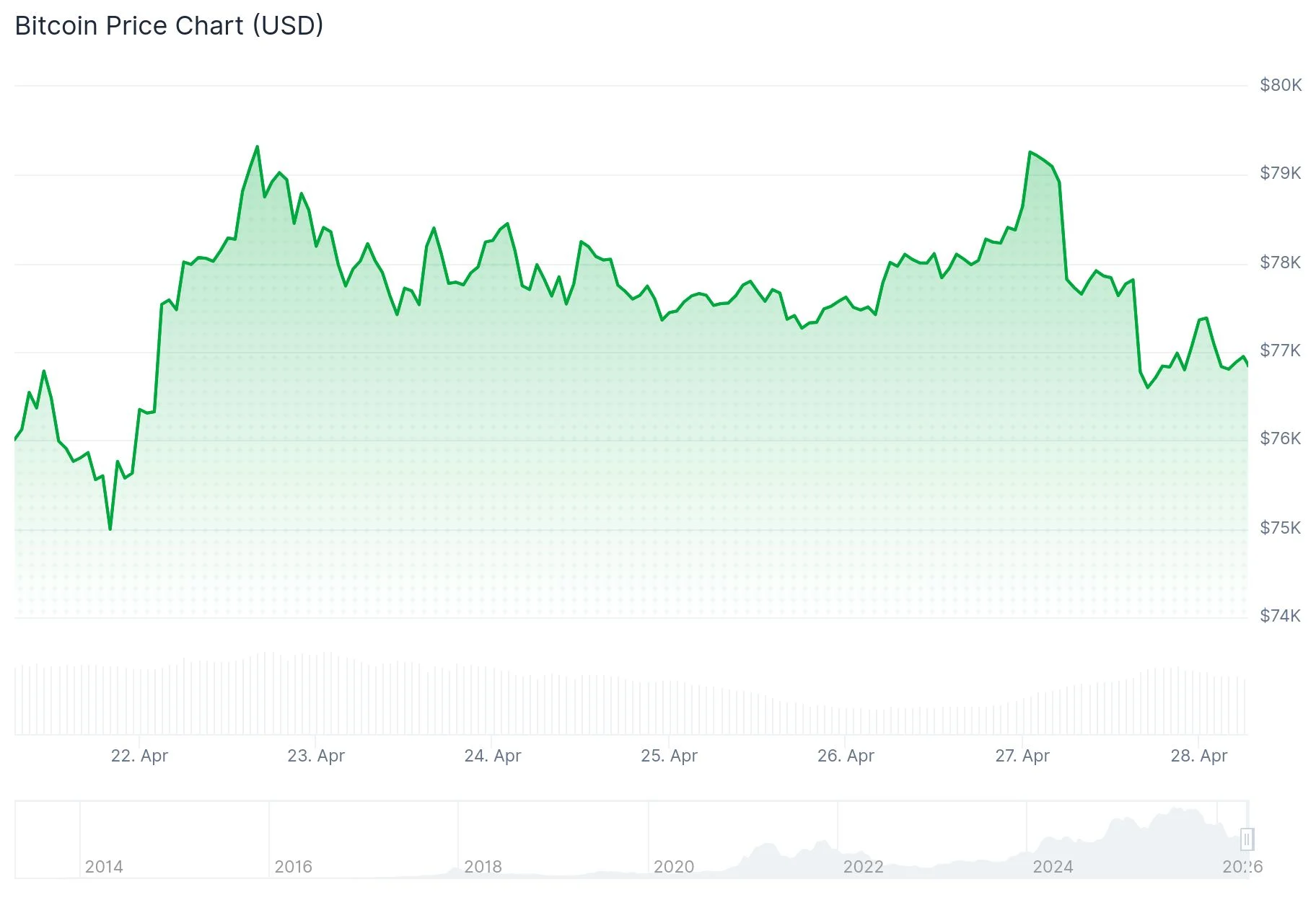
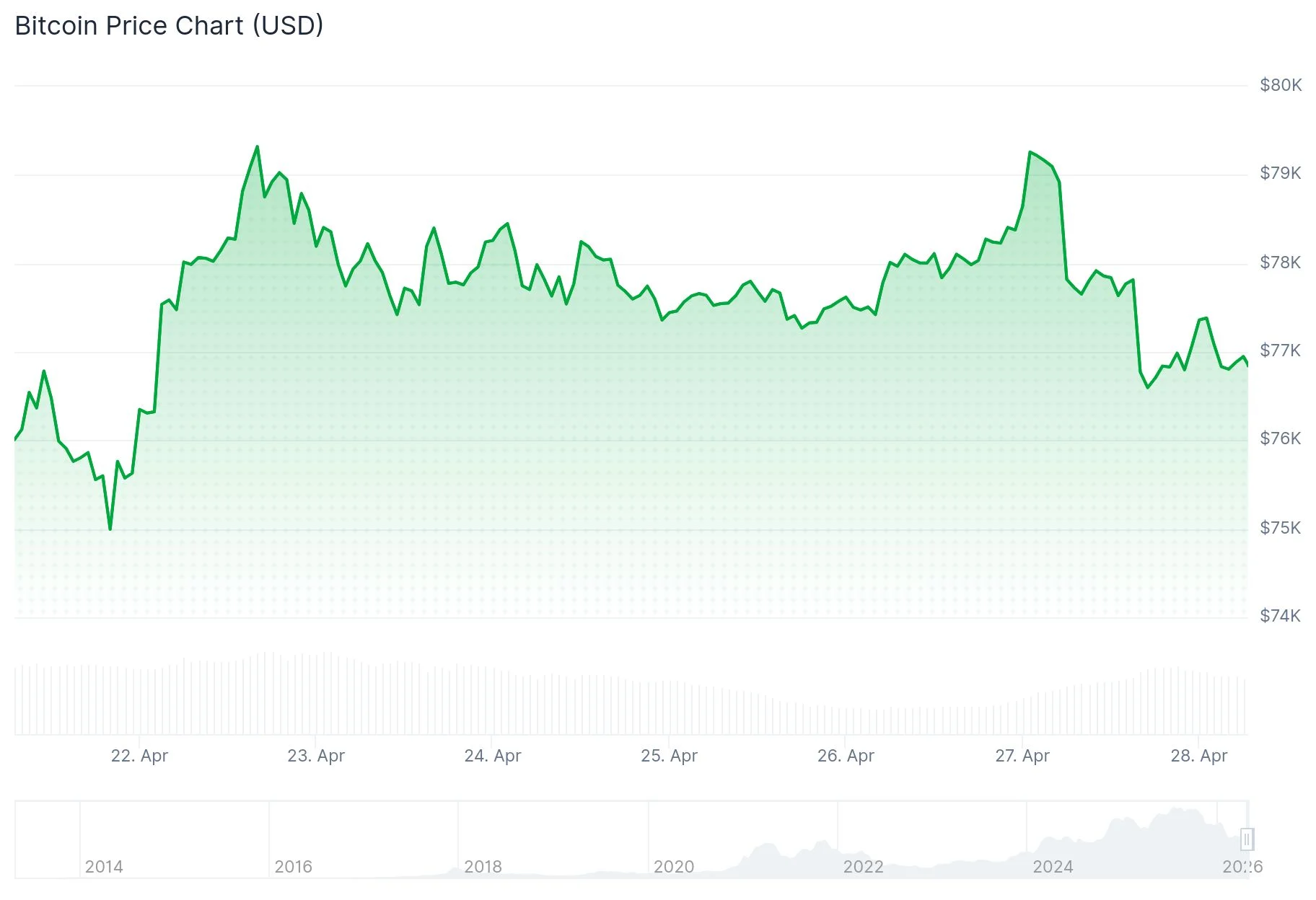
- BTC is hovering around the $77,000 level, experiencing a roughly 3% decline as market participants await critical U.S. economic indicators and the upcoming Federal Reserve policy announcement
- Crude oil trading above the $100 threshold continues to fuel inflationary concerns, diminishing expectations for imminent Fed interest rate reductions
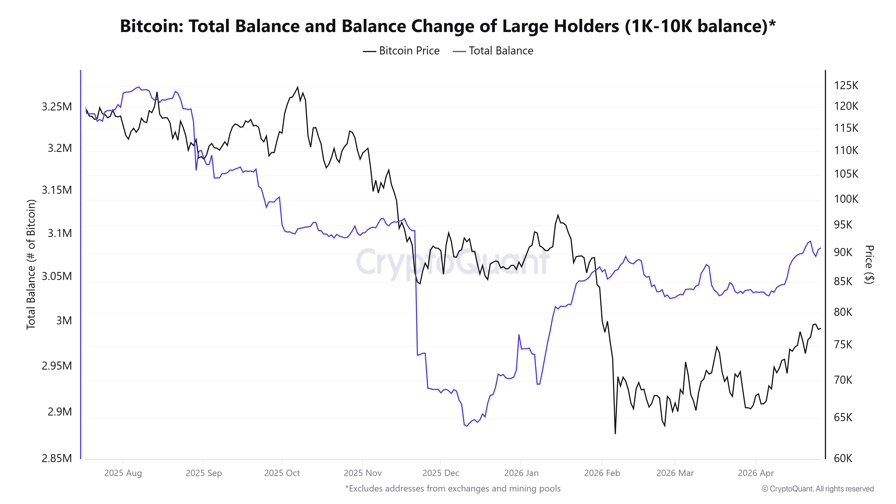
- Large Bitcoin holders possessing between 1,000 and 10,000 coins have amassed approximately 240,000 BTC since December, marking a five-month peak in holdings
- Signs of weakening AI sector demand, evidenced by OpenAI’s revenue shortfall, may eventually lead to decreased Bitcoin selling pressure from mining operations
- Market analysts project scenarios ranging from a near-term downside liquidity grab around $73,700 to bullish price objectives between $85,000 and $88,000 heading into May
Bitcoin continues to consolidate near the $77,000 price point, registering approximately a 3% decline during Asian trading hours. The pullback appears driven by market prudence rather than fundamental deterioration, with participants awaiting a critical week of macroeconomic releases.
According to Singapore-based market maker Enflux, cryptocurrency traders are adopting a wait-and-see approach before Wednesday’s Federal Reserve interest rate determination. The calendar includes several high-impact data points: GDP figures, Personal Consumption Expenditures (PCE) inflation metrics, and the Employment Cost Index.
Elevated crude oil valuations represent the primary headwind for monetary policy easing. With Brent crude maintaining levels above $100 per barrel, inflationary pressures persist, constraining the Federal Reserve’s ability to telegraph dovish policy shifts.
Polymarket prediction markets currently assign a 95% probability to the Fed maintaining its current rate stance at the June Federal Open Market Committee meeting. This policy stasis has generated hesitation throughout risk-sensitive asset classes, with digital assets experiencing similar uncertainty.
The leading cryptocurrency is currently positioned approximately 4% beneath the short-term holder cost basis, estimated at $80,700. This metric frequently serves as a barometer for recent buyer confidence and market strength.
Enflux anticipates sideways trading patterns to dominate until Thursday’s economic data publications, with significant volatility more likely triggered by macroeconomic surprises than the Fed’s policy statement language.
Large Holder Accumulation Trends
Examining the demand dynamics, substantial Bitcoin addresses have been steadily expanding their positions. Wallets containing between 1,000 and 10,000 BTC have acquired roughly 240,000 coins since December, elevating aggregate holdings to 3.09 million BTC—a concentration not observed since November 2025.
Meanwhile, long-term Bitcoin holders have maintained minimal distribution activity. Just 42,100 BTC changed hands from this cohort during the previous 30-day period, representing one of 2026’s lowest selling rates. Concurrently, institutional capital inflows totaled approximately 92,900 BTC over the past month, per Bitwise’s Crypto Market Compass intelligence.
Critical Price Zones and Chart Analysis
Examining the four-hour timeframe, Bitcoin has developed what appears to be a double top formation near $79,400 following two consecutive rejections during the prior week. Near-term price movement could gravitate toward liquidity concentration zones at $74,700 and $73,700.
Michaël van de Poppe, founder of MN Capital, maintains that upside price objectives in the $85,000–$88,000 range remain achievable for May, contingent upon crucial support levels holding firm.
Cryptocurrency analyst Ali Charts highlighted via social media that Bitcoin is developing a Morning Star candlestick configuration on the monthly chart—a technical setup that has previously signaled major trend reversals for the digital asset. He referenced over $1 billion in net taker volume activity on Binance as confirmation of accumulation behavior, identifying $73,000 as the critical support threshold.
Market analyst Willy Woo assessed a 30% probability that BTC successfully penetrates the $79,000 cost basis of recent market entrants during the current attempt, noting that the upcoming three-to-six-week period will prove decisive in determining whether a structural market bottom is establishing itself.
The latest derivatives data reveals funding rates at -7% on a 30-day basis, representing one of the most negative readings in recent history—a market condition that could potentially catalyze a short squeeze scenario should BTC momentum carry prices above the $80,000 threshold.


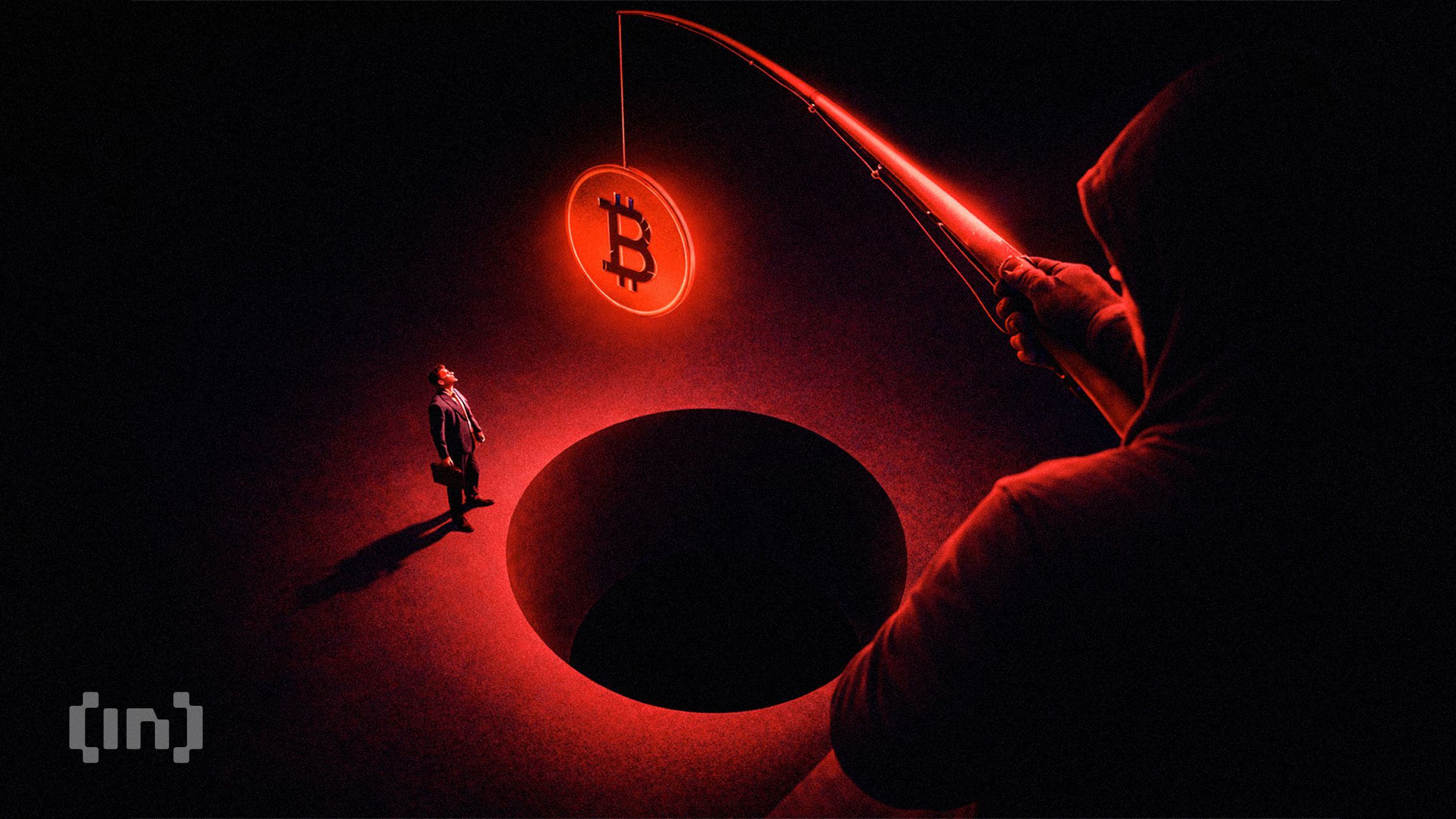
A United States judge sentenced a Saipan woman to 71 months in federal prison. The defendant orchestrated a scheme that defrauded older women.
She falsely claimed she came from money in China, owned multiple businesses, and made a fortune trading Bitcoin (BTC).
Saipan Woman Gets 71 Months for Bitcoin Investment Scam Targeting Older Women
According to the press release, Sze Man Yu Inos, 30, also known as Yuki, defrauded victims across multiple states. Between November 2020 and January 2022, she approached older women on Saipan and Guam. She posed as a wealthy Chinese heiress and a successful Bitcoin investor.
The authorities revealed that Yuki treated victims to expensive meals and gifts and “bragged to them about how much money she made investing in Bitcoin.”
“She confided in them about fictitious personal problems and claimed their friendship was important to her – often telling them, ‘You are like my mom.’ After gaining the victims’ confidence, Yuki requested money from these women. She also solicited investments in Bitcoin based on false pretenses,” the press release read.
Follow us on X to get the latest news as it happens
The scheme continued after she left the Marianas, with new victims defrauded in Washington and California. FBI Honolulu Special Agent in Charge David Porter said Yuki forged a federal judge’s signature to advance the scheme. The act showed contempt for victims and the rule of law, he said.
Yuki was found guilty of wire fraud. Alongside the prison term, the court ordered three years of supervised release, 100 hours of community service, restitution totaling $769,355.67, and a mandatory $200 special assessment. In addition, a criminal forfeiture judgment of $684,848.34 was imposed.
Crypto scams have surged across the US. The Federal Bureau of Investigation (FBI) reported $11.4 billion in losses from cryptocurrency fraud in 2025. That marked a 22% jump from 2024. Americans aged 60 and older accounted for $4.43 billion of those losses.
Subscribe to our YouTube channel to watch leaders and journalists provide expert insights
The post Woman Who Claimed Bitcoin Riches to Befriend Elderly Victims Sentenced to Prison appeared first on BeInCrypto.

Key Takeaways
- Attackers exploited Gmail’s dot alias functionality to generate authentic-looking Robinhood security alert emails
- Scammers registered Robinhood accounts using modified versions of victims’ email addresses with dots repositioned
- Malicious HTML code was inserted into the “device name” registration field to embed fraudulent links
- The deceptive emails successfully passed SPF, DKIM, and DMARC authentication protocols
- Robinhood verified that no system compromise occurred and user funds and data remained secure
Investors using Robinhood found themselves on the receiving end of convincing phishing emails that appeared to originate from the platform’s official mail servers. These deceptive messages alerted recipients about suspicious login activity from an unknown device and featured a clickable button directing them to a fraudulent login portal.
Reports of this attack surfaced on social platforms over the weekend, with numerous users posting evidence of the fraudulent communications.
Cybersecurity expert Alex Eckelberry verified that this campaign wasn’t caused by a data breach. Rather, it took advantage of two distinct vulnerabilities: the way Gmail processes dot characters in email addresses and security gaps in Robinhood’s user registration system.
Gmail’s email system disregards periods in the username portion of addresses. This means “jane.smith@gmail.com” and “janesmith@gmail.com” both deliver to the identical mailbox. Robinhood, on the other hand, recognizes these as distinct accounts.
Fraudsters capitalized on this discrepancy by establishing Robinhood profiles using dot-altered variations of targeted users’ Gmail addresses. This triggered Robinhood’s automated notification system to dispatch emails directly to the legitimate owner’s inbox.
The Mechanism Behind the Embedded Phishing Link
To inject malicious URLs into these system-generated emails, attackers inserted HTML markup into the optional “device name” input field during the account registration process. Gmail’s email client interpreted this HTML as legitimate formatting code.
This technique produced a genuine message originating from “noreply@robinhood.com” that displayed a fraudulent security warning complete with a functional phishing button. The email successfully validated against all conventional email authentication mechanisms.
According to Eckelberry, simply accessing the counterfeit website wouldn’t compromise user accounts. The actual threat materializes only when victims input their credentials or sensitive information on the fraudulent page.
Robinhood’s customer support team on X acknowledged the situation on Monday. The malicious emails carried the subject line “Your recent login to Robinhood.”
Official Statement from Robinhood
The financial services company clarified that this incident stemmed from exploitation of its registration workflow rather than a security breach of its infrastructure. The company emphasized that no customer information or financial assets were compromised.
Robinhood recommended that users immediately delete the suspicious emails and refrain from interacting with any questionable links. Those who had already clicked were instructed to reach out to Robinhood’s support team exclusively through the authenticated app or official website.
This incident follows a report from blockchain security firm Hacken identifying phishing and social engineering as the predominant threat vector in the cryptocurrency sector throughout Q1 2026.
Hacken’s analysis revealed these attack methods resulted in approximately $306 million in losses during just the first quarter of the year.
As of now, Robinhood has not publicly disclosed any planned modifications to its account registration protocols following this security incident.


The Strait of Hormuz is shut, with many countries facing supply shortages. Goldman Sachs estimates that 14.5 million barrels per day of Persian Gulf production losses are draining global oil stockpiles at a record rate of 11 to 12 million barrels per day through April.
While the world is running out of oil, Iran is running out of room to store the crude it can no longer export.
How the US Blockade of Hormuz Reshaped Iran’s Oil Flows
In line with a presidential proclamation, US Central Command (CENTCOM) imposed a blockade on all maritime traffic moving in and out of Iranian ports beginning at 10 a.m. ET on April 13.
In the weeks since, Iranian crude exports have plummeted, falling from 1.85 million barrels per day in March to around 567,000 bpd, Bloomberg reported, citing the shipping intelligence firm Kpler.
This represents a drop of nearly 70%. The analysts reported that no tanker has managed to slip past the blockade near the Strait of Hormuz.
With exports choked off, Iran is running out of options for storing crude. The country has just 12 to 22 days of unused storage capacity left, Kpler analysts wrote.
Goldman Sachs Group Inc. said last week that Iran has already cut crude production by roughly 2.5 million barrels per day. The storage crunch raises the likelihood that Tehran will be forced to slash daily output by another 1.5 million barrels by mid-May.
The ripple effects extend across the region: neighboring producers, including Saudi Arabia, Iraq, Kuwait, and the UAE, have also had to scale back output since the conflict broke out on February 28.
Follow us on X to get the latest news as it happens
Still, Tehran will not feel the revenue hit immediately. Crude shipments to China typically take about 2 months to arrive. Buyers then take another two months to clear their bills. That delay pushes the financial pain out three to four months, even as physical storage runs dry.
Subscribe to our YouTube channel to watch leaders and journalists provide expert insights
The post Iran’s Oil Sector Faces Mounting Strain Under US Hormuz Blockade appeared first on BeInCrypto.
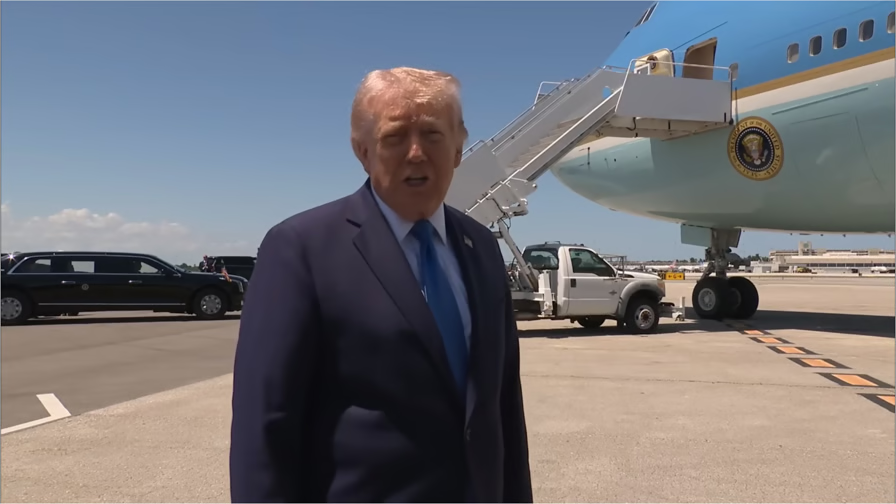
US President Donald Trump has softened his stance on prediction markets just days after he bemoaned the surging interest and popularity of the betting platforms.
“I don’t know. I know some people who are very smart. They like it,” Trump told reporters in Florida on Saturday after he was asked about his earlier comments, in which he said he didn’t support prediction markets. “They disagree, but they like it.”
“A lot of other countries are doing it, and when the other countries do it, we get left out in the cold if we don’t do it,” he said.

Donald Trump speaking to reporters in Florida before departing for Washington, DC. Source: YouTube
Trump’s latest comments came after he told reporters at the White House on Thursday that he was “not happy” with prediction markets in response to a question about well-timed bets on events linked to the Iran war.
“Well, you know, the whole world, unfortunately, has become somewhat of a casino,” Trump said on Thursday. “And you look at what’s going on all over the world and Europe, and every place they’re doing these betting things. I was never much in favor of it. I don’t like it conceptually, but it is what it is.”
“I think that I’m not happy with any of that stuff, but they have all these different sites of predictive markets. It’s a crazy world. It’s a much different world than it was,” he added.
Prediction markets such as the popular Polymarket and Kalshi have surged in use over the past year, with the two platforms together seeing a record $23.6 billion in trading volumes in March, according to Token Terminal.
Related: CFTC sues New York over bid to apply gambling laws to prediction markets
Trump’s son Donald Trump Jr. invested in Polymarket in August and joined the company’s advisory board. He is also an adviser to rival Kalshi, taking on the role in January 2025.
President Trump could also soon have an interest in prediction markets. His company, Trump Media, said in October that it would roll out prediction markets in partnership with Crypto.com on its flagship social media site, Truth Social.
Trump divested his stake in Trump Media upon entering office, transferring his shares to a trust for which Trump Jr. is the sole trustee.
Magazine: Should users be allowed to bet on war and death in prediction markets?


On-chain investigator ZachXBT has accused Sam Altman-linked Worldcoin, now known as World, of using a harmful token model tied to biometric data collection.
Summary
- ZachXBT alleged Worldcoin used low-float token tactics while collecting biometric data from vulnerable users.
- He claimed verified Worldcoin accounts appeared for sale online, raising privacy and security concerns.
- WLD fell over 2% as Musk’s OpenAI lawsuit added fresh attention to Sam Altman.
The comments came after Elon Musk referred to OpenAI CEO Sam Altman as “Scam Altman” on X.
ZachXBT claimed Worldcoin used a “predatory low float crypto token” structure. He also compared some of its practices to tactics linked to Sam Bankman-Fried and FTX, while raising concerns over WLD token sales and user recruitment.
Biometric data collection faces criticism
Worldcoin was launched as a human verification project using iris-scanning devices called Orbs. The project gives users WLD tokens after verification, but critics have questioned how it operates in low-income regions.
ZachXBT alleged that the project exploited vulnerable users by offering small token rewards in exchange for biometric data. He also claimed the system helped create a black market for verified accounts.
According to screenshots shared by ZachXBT, some verified accounts were allegedly sold for as low as $0.50 on escrow platforms. He argued that such activity weakens the project’s claims around privacy and security.
WLD token sales draw attention
ZachXBT also pointed to alleged WLD token sales by the World Foundation. One image he shared claimed the foundation sold 85.45 million WLD for $25 million through FalconX at an average price of $0.293.
He further alleged that the project had issues around token supply and insider selling. He cited past reporting from MIT Technology Review, which had questioned Worldcoin’s early recruitment methods and its use of cash incentives.
Worldcoin has faced debate for years over privacy, token distribution, and its global user onboarding model. The latest claims add pressure as the project continues to expand its identity network.
Musk lawsuit adds market focus
The allegations surfaced as Elon Musk’s lawsuit against OpenAI and Sam Altman heads to trial. Musk claims Altman and other OpenAI leaders moved away from the company’s original nonprofit mission.
Reports said jury selection was completed on Monday in a California federal court. Musk is seeking damages from OpenAI and Microsoft, according to a person linked to the case.
Prediction markets remain divided on the outcome. Kalshi and Polymarket both placed Musk’s odds of winning the OpenAI lawsuit at about 60%.
WLD price fell more than 2% after the latest allegations. The token traded near $0.25, with a 24-hour range between $0.25 and $0.26.
CoinGlass data showed mixed derivatives activity. WLD futures open interest rose over 7% in 24 hours to $177.51 million, while short-term open interest on Binance, OKX, and Bybit declined.
A second corporate accumulator of cryptocurrency is starting to look a lot like the first.
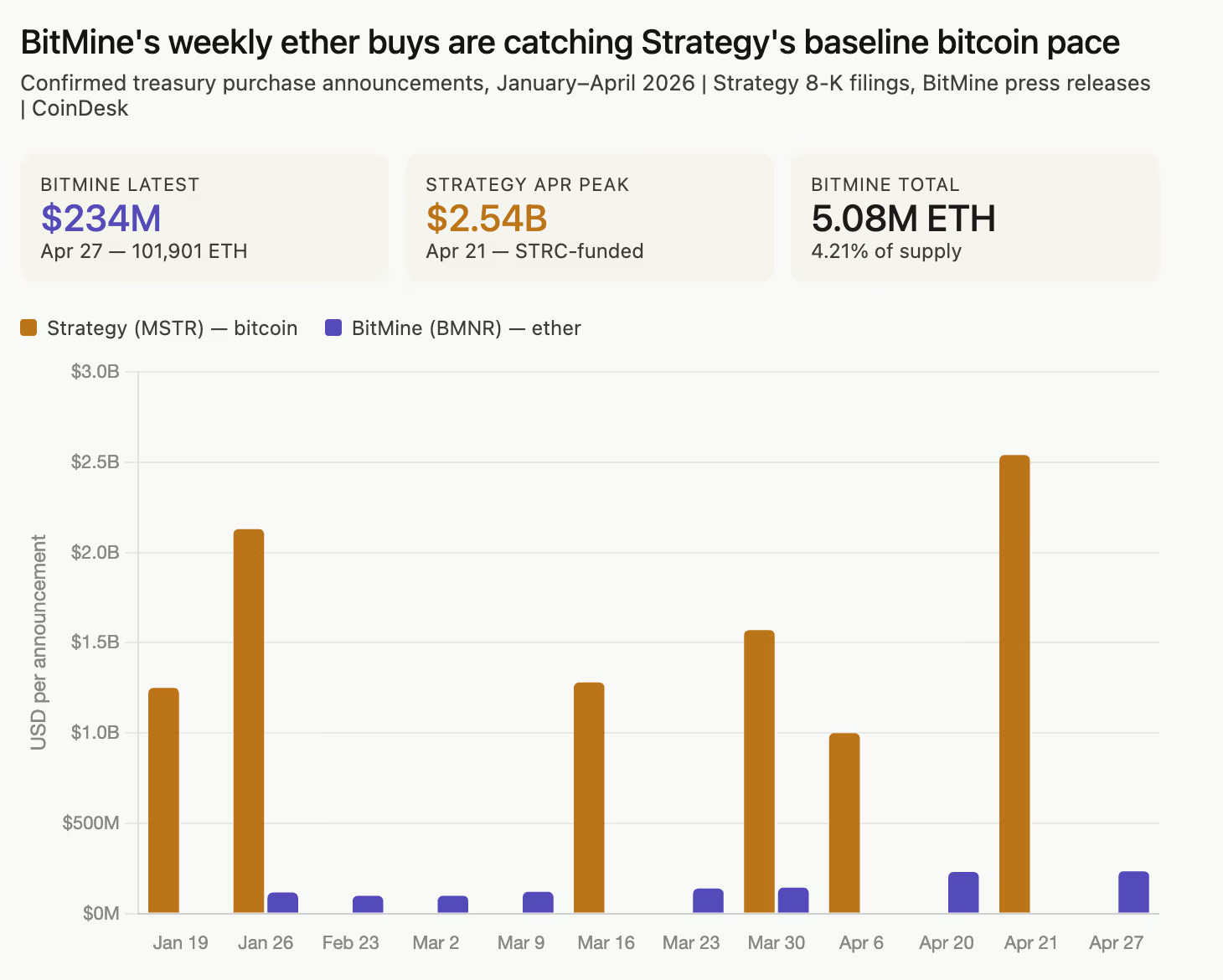
Bitmine Immersion Technologies (BMNR), the treasury firm chaired by Fundstrat’s Tom Lee, bought 101,901 ether (ETH) worth roughly $234 million last week. That’s close to the regular weekly purchases from Strategy (MSTR), the Michael Saylor-led bitcoin digital treasury company, as well-followed crypto trader Luke Martin flagged on X.
Strategy’s normal weekly buys are around $200 million to $300 million, once large purchases fueled by at-the-market sales of its perpetual preferred stock STRC are stripped out. The STRC spikes — the massive bursts that show up in mid-January, late February, late March and, most recently, April 21 at $2.54 billion — are the outliers, not the baseline.
Bitmine’s purchase was its largest weekly accumulation of 2026, capping a four-month streak of escalating buys that started at roughly $76 million per week in early January. It now holds more than 5 million tokens, or about 4.21% of the second-largest cryptocurrency’s circulating supply.

Such a structural development matters because BitMine is now the only major corporate crypto buyer keeping pace alongside Strategy.
Most digital asset treasury companies paused or slowed accumulation through the February price drop that took bitcoin to the mid-$60,000s and ether below $1,900. Strategy itself ended a 13-week bitcoin buying streak in late March before restarting in April.
Lee’s framing for the buying pace is that ETH is in the late stages of a “mini-crypto winter” and that a bottom is forming in equity markets. Bitmine pivoted to its current strategy in June 2025 and reached the 5 million ETH milestone in roughly 10 months.
The firm has staked about 73% of those tokens, generating roughly $264 million in annualized revenue from yield. Total crypto and cash holdings sat at $13.3 billion as of early April.
The two firms share a playbook of capital markets activity — Strategy through preferred stock and convertible debt, Bitmine through equity issuance — to purchase crypto assets.
Under pressure
BitMine’s strategy was put under pressure in February and early March, when it was sitting on nearly $8 billion in unrealized losses against $16 billion in total purchases.
The firm kept buying. Two months later, ether is up 22% from its February lows, and Bitmine’s accumulation pace has not just held, it’s accelerated.
Strategy’s April 21 purchase of $2.54 billion remains the largest single corporate crypto buy of the year. But Bitmine’s $234 million last week is the first time the structural baselines have come within striking distance of each other.
If the pattern holds for another month, ether will have something it has never had before: a Strategy-equivalent corporate buyer absorbing supply each week regardless of price.


Is Bitcoin safe from quantum computers? We break down the real threat timeline, BIP-360 defenses, and how Ethereum, XRP, and other blockchains are preparing for Q-Day.


Anthropic’s implied pre-IPO valuation has crossed $1 trillion on Jupiter’s Prestocks market.
Summary
- Anthropic’s implied pre-IPO valuation crossed $1 trillion on Jupiter after a 733% surge since October.
- Forge Global also priced Anthropic near $1 trillion, while Hiive valued the company at $851 billion.
- Kalshi puts Anthropic’s 2026 IPO odds at 59% as private AI market demand grows.
The pricing places the AI company among a small group of private firms valued at that level before a public listing.
The valuation has risen 733% since October 2025, according to a post from The Kobeissi Letter. Anthropic now joins OpenAI and SpaceX among private companies with implied valuations near or above $1 trillion.
Onchain and private markets show close pricing
Jupiter’s onchain pricing is close to data from private market platforms. Forge Global CEO Kelly Rodriques told Business Insider that Anthropic was valued at around $1 trillion on its platform.
Hiive, another secondary market for accredited investors, priced Anthropic shares at $849 each. That gives the company an implied market value of about $851 billion, within 18% of Jupiter’s reading.
Podcast host Aakash Gupta said the pricing gap shows how private market price discovery is changing.
“A Solana DEX and a regulated US secondary market for accredited investors are pricing the same private company within 18% of each other.”
Funding round lifts Anthropic profile
Anthropic closed its Series G round in February at a $380 billion post-money valuation. The company raised $30 billion in the round, led by GIC and Coatue.
The company said its revenue growth has moved quickly since launch.
“It has been less than three years since Anthropic earned its first dollar in revenue. Today, our run-rate revenue is $14 billion,” the company noted
Google also plans to invest up to $40 billion in Anthropic. The plan starts with $10 billion at the same valuation, while another $30 billion depends on performance milestones.
IPO speculation grows around AI firms
Business Insider reported that Anthropic has received venture capital offers valuing the Claude developer at as much as $800 billion in recent weeks. That level is more than double its current formal valuation.
The wider private AI market remains active as investors watch potential IPO timelines. SpaceX has submitted a confidential draft IPO registration to the SEC and could list in June.
A public listing by Anthropic, OpenAI, or SpaceX could shape how investors compare large private AI and technology firms.
Crypto World
MARA Holdings (MARA) Stock: Bitcoin Mining Giant Launches Foundation to Combat Quantum Threats

Key Highlights
- Marathon Digital CEO Fred Thiel unveiled the MARA Foundation during Monday’s Bitcoin 2026 Conference held in Las Vegas.
- The newly established foundation prioritizes Bitcoin network protection, with particular emphasis on quantum computing vulnerabilities.
- Marathon Digital commits to supporting open-source innovation in areas spanning scalability, mining operations, and user-facing infrastructure.
- The organization will distribute $100,000 to one of three charitable organizations based on public voting results.
- Network hashrate has declined by 28.8% from September peaks as mining companies increasingly diversify into artificial intelligence and high-performance computing sectors.
During Monday’s Bitcoin 2026 Conference in Las Vegas, Fred Thiel, CEO of MARA Holdings (MARA), introduced the MARA Foundation — a strategic initiative designed to ensure the security and expansion of the Bitcoin ecosystem over the coming decades.
Thiel began his presentation with an unambiguous message: “Bitcoin represents the most significant decentralized infrastructure humanity has ever built, yet its continued existence cannot be taken for granted.”
He characterized Bitcoin as “a commons that belongs to no one entity, yet serves as critical infrastructure for everyone,” arguing that decentralization doesn’t equate to automatic maintenance.
“Stewardship is shared across all participants,” Thiel explained, articulating Marathon Digital’s rationale for accepting this responsibility.
Marathon Digital Holdings, Inc., MARA
Addressing the Quantum Computing Challenge
Among the foundation’s primary objectives is strengthening Bitcoin‘s defenses against next-generation security challenges — particularly the looming threat posed by quantum computing technology.
The MARA Foundation intends to sponsor ongoing investigation into potential vulnerabilities quantum breakthroughs might create in Bitcoin’s encryption architecture, along with proactive countermeasures.
Beyond quantum concerns, the organization will champion the development of more robust transaction fee economics, which grows increasingly critical as mining block subsidies diminish through successive halvings.
Supporting open-source contributors working on network scalability, mining technology, and end-user tools represents another cornerstone, alongside initiatives promoting broader adoption of self-custody wallet solutions.
Community-Driven $100,000 Grant Award
MARA is commemorating the foundation’s establishment by offering $100,000 in funding — with the recipient determined through public participation.
Three organizations compete for the grant: the 256 Foundation, developing open-source Bitcoin mining infrastructure; Librería de Satoshi, providing Bitcoin education throughout Latin America; and SafeNet, delivering Bitcoin-enabled wireless connectivity to underserved populations.
This voting mechanism empowers the broader community to influence the foundation’s initial funding priorities directly.
Educational programs and policy advocacy represent additional pillars of the foundation’s strategy. These efforts encompass technical skill development, multilingual educational materials, and constructive dialogue with regulatory bodies — domains MARA identifies as chronically undercapitalized.
The foundation emphasizes engagement with developing economies, especially throughout Africa and Latin America, where Bitcoin functions as protection against currency devaluation and restrictive financial systems.
“Our dedication extends to empowering communities leveraging Bitcoin to democratize access to stable monetary systems and reinforce regional economic resilience,” Marathon Digital stated officially.
The foundation’s debut arrives during a transformative period for Bitcoin mining operations. Total network hashrate has contracted 28.8% since September, driven by mining companies progressively reallocating resources toward artificial intelligence and high-performance computing ventures offering superior revenue potential.
Marathon Digital has participated in this industry shift, diversifying beyond traditional mining into AI and HPC infrastructure.
The MARA Foundation introduces an alternative narrative dimension — one prioritizing ecosystem sustainability over immediate profitability, while reinforcing the network infrastructure underlying Marathon Digital’s primary operations.
TLDR:
- Binance gold futures crossed $100 billion in cumulative trading volume within months of its January launch.
- A record $6.6 billion in single-session volume was recorded on March 23, the highest since product launch.
- Gold is currently trading 16.5% below its all-time high after gaining roughly 210% since October 2023.
- Binance’s 24/7 gold futures market gives crypto investors access traditional commodity markets do not offer.
Binance Gold futures have surpassed $100 billion in cumulative trading volume since the platform introduced gold trading in January.
The milestone reflects sustained investor appetite for the precious metal across both traditional and crypto-native audiences.
Macroeconomic uncertainty and ongoing geopolitical tensions have kept demand elevated. Even so, gold prices have pulled back from their peak, entering a consolidation phase after a prolonged rally that lasted several months.
Strong Volumes Reflect Broad Investor Demand for Gold
Binance launched gold futures trading in January, and the response from investors has been notable. The platform now regularly records between $500 million and $1 billion in volume during a standard trading session. That level of activity points to genuine and consistent market participation across different investor types.
Trading volumes spiked sharply during the February market correction, with activity climbing well above typical daily levels.
The most active period came in late March, when several sessions recorded spikes above $3 billion. On March 23, Binance recorded a single-session peak of $6.6 billion, the highest since the product launched.
As noted by Cryptoquant market analyst Darkfost_Coc, the current environment of macroeconomic and geopolitical uncertainty has strengthened investor demand for gold.
This demand extends to crypto market participants who do not typically trade traditional commodities. The 24/7 accessibility of the Binance platform gives it an edge over conventional gold markets that close on weekends.
Tensions between Iran and the United States have added to market uncertainty, which has limited visibility for many asset classes.
Against that backdrop, gold demand has remained resilient, even as prices have moved lower from their highs. This combination of strong volume and price softness reflects a market still working through its prior gains.
Gold Prices Enter Correction After Months of Sustained Gains
Gold posted gains of approximately 210% between October 2023 and its all-time high, drawing significant attention from a wide range of investors.
However, the metal began correcting in late January and is now trading about 16.5% below that peak. A pullback of this kind, following such a strong run, is a natural market pattern.
The correction follows a period of intense buying across global markets, which built up substantial unrealized profits for many investors.
As those participants moved to lock in gains, selling pressure increased and prices drifted lower. This is consistent with how commodity markets behave after extended upward trends.
Binance’s decision to tokenize gold and offer it through futures trading has positioned the platform well within this environment.
The move brought a traditionally institutional asset within reach of a broader investor base. That accessibility has clearly played a role in the volume growth seen since January.
Gold’s current consolidation period does not appear to have dampened interest on the platform. Daily volumes have remained within a healthy range, and the infrastructure is in place to handle further spikes.
The product has established itself as a meaningful part of Binance’s derivatives offering in a short period.

SafetyMode Letter to MPs: AI Firm Warns Against ‘False Choice’ on Child Smartphone Safety

Woman Who Claimed Bitcoin Riches to Befriend Elderly Victims Sentenced to Prison

Piers Morgan Says Russell Brand Was Inappropriately Tactile

Manchester United reach agreement with Casemiro over contract clause amid transfer speculation

US brings back mandatory military draft registration

Steven Gerrard disagrees with Gary Neville over ‘shock’ Chelsea and Arsenal claim | Football


![You Keep Doubting This Bitcoin Rally [That's Why It Keeps Pumping]](https://wordupnews.com/wp-content/uploads/2026/04/1777366129_maxresdefault-80x80.jpg)
-

 Fashion4 days ago
Weekend Open Thread – Corporette.com
-

 Tech15 hours ago
Register Renaming | Hackaday
-
Crypto World3 days ago
Hyperliquid $HYPE Rally Builds Momentum as AI Sector Enters Prove-It Phase
-

 Politics6 days ago
Making troops accountable for war crimes threatens US alliance, ex-SAS colonel warns
-

 Politics6 days ago
Disabled people challenge government SEND proposals over segregation concerns
-

 Business4 days ago
Patterson-UTI Energy, Inc. (PTEN) Q1 2026 Earnings Call Transcript
-

 Business6 days ago
Rolls-Royce Voted UK’s Most Iconic Trade Mark as IPO Register Hits 150
-
 Crypto World7 days ago
Five Value Stocks with Recovery Potential in 2026: PayPal (PYPL), Nike (NKE), and More
-
 Sports2 days ago
IPL 2026: Ruturaj Gaikwad registers slowest fifty of the season, enters all-time unwanted list | Cricket News
-

 Politics6 days ago
Starmer handler McSweeney to be dragged from shadows by Foreign Affairs Committee
-

 Politics11 hours ago
Drax board avoid their own AGM, accused of greenwashing & environmental racism
-

 Crypto World6 days ago
New York sues Coinbase, Gemini over prediction market offerings
-

 Politics6 days ago
Zack Polanski responds to home secretary’s taser threat
-
Politics6 days ago
Wings Over Scotland | How To Get Away With Crimes
-
Entertainment7 days ago
Sydney Sweeney cameo cut from “The Devil Wears Prada 2”, source explains why (exclusive)
-

 Crypto World6 days ago
Crypto’s great hope in Senate’s Clarity Act still has a path to survive tight calendar
-
 Business6 days ago
HCL Tech share price tank over 9% after weak Q4. JPMorgan, HSBC & 3 others cut target price
-

 Politics6 days ago
‘Iran is still a nuclear threat’
-

 Fashion7 days ago
Kilkenny Design New Beauty Arrivals for Spring 2026
-
 Sports5 days ago
Tim Bradley names the current best in the world: “Better than Inoue and Usyk”
You must be logged in to post a comment Login