

Crypto World
Bitcoin price hits $72k as ETF inflows and short-covering drive rebound

Bitcoin price has reclaimed the $72,000 level as flows and positioning turn more supportive.
Summary
- Bitcoin price touched an intraday high near $72,000, its strongest level in weeks.
- U.S. spot ETFs recorded solid net inflows while funding normalized and open interest rebuilt.
- Major crypto assets rose 5%–8% on the day as liquidity and volumes improved across derivatives and spot venues.
Bitcoin (BTC) price has climbed back to the $72,000 area after a volatile stretch marked by forced liquidations, ETF outflows, and macro-driven risk aversion. The move higher follows several sessions of gradual recovery from lows near $63,000, as net selling from long-term holders slowed and fresh capital re-entered via spot ETFs and large over-the-counter blocks.
On the derivatives side, funding rates that had flipped sharply negative during the drawdown have normalized toward neutral, suggesting that aggressive short positioning is being unwound rather than extended. The rebound comes as broader risk markets remain choppy, indicating that bitcoin’s latest leg higher is being driven more by crypto-native flows and position reset dynamics than by a broad risk-on rally in equities.
Traders point to a combination of short-covering and structural demand from ETF buyers as key drivers of the latest push toward $72,000. After weeks of consolidation below key resistance levels, the reclaim of the $70,000–$72,000 band has forced some bears to buy back positions, adding fuel to the upside. At the same time, on-chain and fund data show continued interest from institutional allocators who are using dips to build or rebalance positions through regulated vehicles. This behavior contrasts with prior cycles, where sharp rebounds were often dominated by highly leveraged perpetual futures rather than spot-led flows. The current setup, with more of the move coming from cash market demand, is seen by some desks as a healthier backdrop even if volatility remains elevated.
Flows, leverage and next levels
Under the surface, market structure indicators still matter for judging whether the break toward $72,000 can sustain. Open interest in Bitcoin futures has increased from post-liquidation lows, but not yet to the extremes seen at previous local tops, which reduces the risk of an immediate, large-scale long squeeze. Funding across major venues is positive but contained, implying that traders are willing to pay a modest premium to stay long without crowding into highly leveraged bets. Options markets show a modest skew toward calls at higher strikes, with implied volatility elevated around upcoming macro data, reflecting a market that is optimistic but still hedging tail risks rather than abandoning protection altogether.
For investors and traders, the key focus now is whether bitcoin can hold above reclaimed support levels and convert the $70,000–$72,000 zone from resistance into a base for further advances. A clean break and sustained close above this area would open the door to tests of higher psychological levels flagged in recent research, while a failure could send the price back into the mid-$60,000s as momentum fades. Flows into spot ETFs, the behavior of large holders on-chain, and the pace of new leverage build-up will likely determine which scenario plays out. As regulatory frameworks such as MiCA advance and large platforms like Coinbase deepen their integration of bitcoin into mainstream investment products, market participants will be watching whether this latest move marks the start of a more durable leg higher or just another range expansion within an ongoing consolidation.

Welcome to our institutional newsletter, Crypto Long & Short. This week:
- Martin Gaspar on how bitcoin looks to overcome quantum fears, echoing past climate backlash
- Top headlines institutions should pay attention to by Francisco Rodrigues
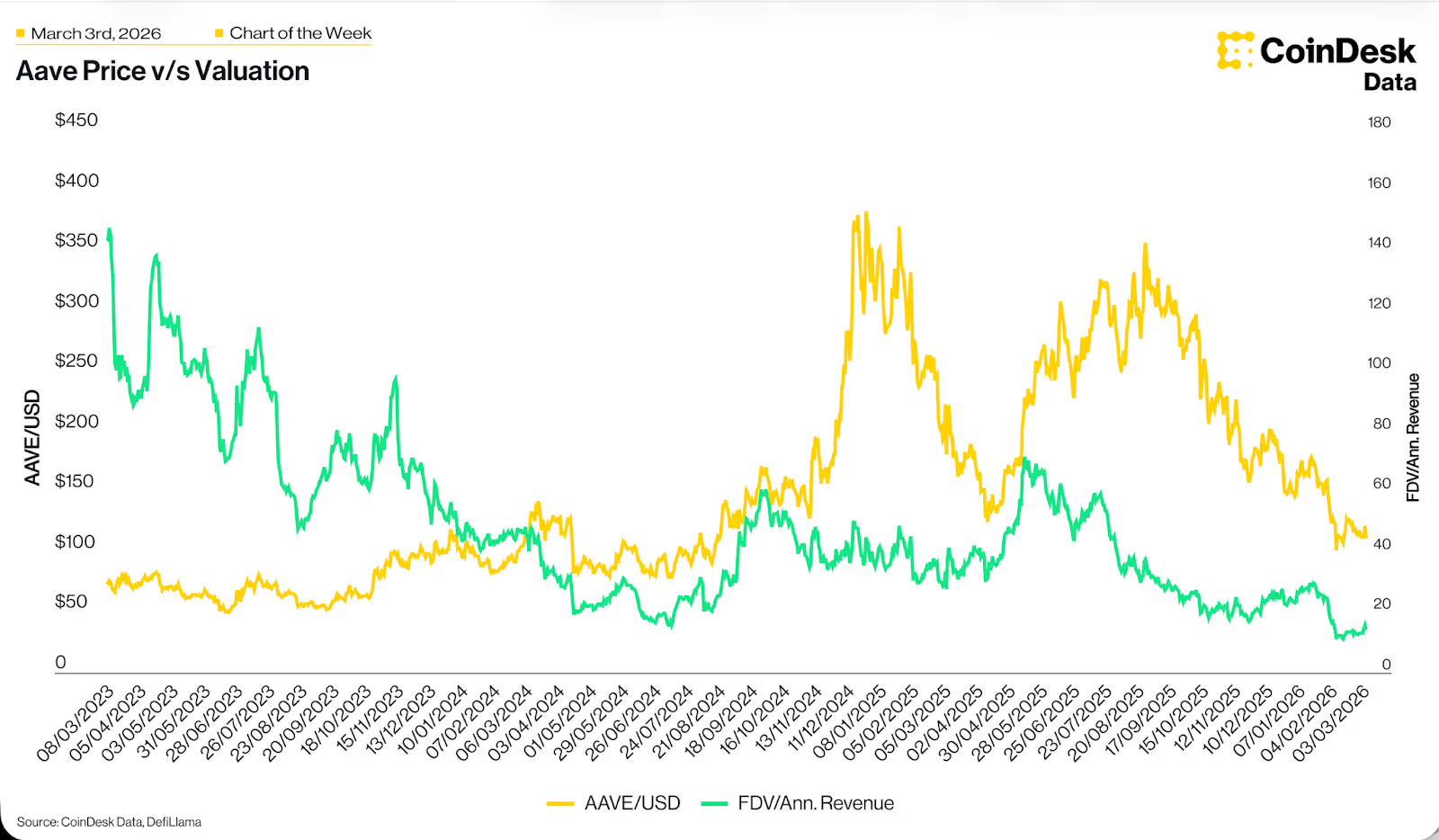
- Aave’s revenue multiples hit 2024 lows despite higher prices in Chart of the Week
Thanks for joining us!
Expert Insights
Why bitcoin’s quantum fears will pass just like the climate panic
By Martin Gaspar, senior crypto market strategist, FalconX
Quantum has become a major theme for crypto the past few months, in part because of technological developments in that space, but also as investors look for potential culprits of the stagnation in crypto prices post October. Quantum risk may come across as an existential threat to bitcoin given the potential for bad actors to crack legacy accounts such as Satoshi’s. However, a clearer understanding of the threat and increasing industry focus on solutions are driving toward a positive resolution.
There are striking parallels to the concerns over the energy use and climate impact of Bitcoin’s Proof of Work (PoW) mining that dominated headlines in 2021. Those felt existential too, as the headline risk made BTC socially unacceptable. Although industry insiders knew climate concerns were misguided (compared to other industries, such as tech’s data centers, BTC’s energy footprint is low), fears perpetuated, culminating with Tesla dropping BTC as a payment option because of climate risk. At the time, Elon Musk’s support for BTC was a large driver of sentiment, so this action startled the market. If forward-thinking Elon thought the issue was meaningful enough to pull his support of BTC, more conservative groups could seek to ban it or otherwise stifle BTC adoption. From an investor standpoint, why would you buy into an asset with such risk? This question resonates today and is especially pertinent as lower crypto prices weigh on sentiment.
The good news is that the industry can overcome this. In 2021, it took industry leader Strategy taking initiative to work with BTC miners to publish stats on the renewable mix of their energy consumption. While it was no secret to the crypto community that BTC miners naturally seek the lowest cost of energy, which is often renewables, compiling hard data helped convince naysayers. The industry was able to regain credibility to help dispel concerns.
We are seeing the same play out as industry stalwarts come together to publish facts around quantum risk. Coinbase recently established a quantum computing and blockchain working group, which will help issue recommendations for industry participants to protect against quantum risks and provide analysis on quantum breakthroughs. Furthermore, on February 5, as BTC was sharply selling off towards $60,000, Strategy announced a quantum security program during its earnings call, which may have helped stem further selling. It aims to coordinate with the “global cyber, crypto, and bitcoin security community” to help with Bitcoin’s quantum transition.
Concurrently, several startups are working on developing post-quantum technology for blockchains, such as Project Eleven and BTQ Technologies. These developments indicate that the crypto community is rapidly working towards solutions and should help alleviate near-term concerns.
BTC stands to turn the page through its proactive efforts to dispel quantum hysteria. Once the industry issues clear facts and a plausible plan, this issue will come to pass, just like the PoW climate overhang from years past.
Headlines of the Week
Geopolitical risks have shown again this week that liquidity in the cryptocurrency space means investors head for the exits as soon as they’re able to. The renewed Middle East conflict has led to major outflows from Iran, while in the U.S. investors have also been backing down. Still, builders appear to be unphased.
Chart of the Week
Aave’s revenue multiples hit 2024 lows despite higher prices
Aave is currently experiencing a fundamental valuation reset: while the token price remains higher than its 2024 lows, the FDV/annual revenue ratio has collapsed back to those levels (<20x), indicating the protocol is generating significantly more revenue relative to its market cap than it did during the speculative peaks of 2025. This decoupling suggests the market is heavily discounting Aave’s current earnings power, likely pricing in the execution risk following the narrow March 1 passage of the “Aave Will Win” proposal and the high-profile exit of core developer BGD Labs.

Listen. Read. Watch. Engage.
Looking for more? Receive the latest crypto news from coindesk.com and explore our robust Data & Indices offerings by visiting coindesk.com/institutions.
Note: The views expressed in this column are those of the author and do not necessarily reflect those of CoinDesk, Inc., CoinDesk Indices or its owners and affiliates.


The approval of Kraken’s access to the Federal Reserve’s core payments infrastructure has ignited a fierce response from the banking sector.
In a statement on Wednesday, the Independent Community Bankers of America (ICBA) and the Bank Policy Institute (BPI) strongly opposed the Fed’s decision, arguing it posed a risk to the financial system’s stability.
Banks Challenge Kraken’s Federal Approval
Hours after news surfaced that Kraken had become the first crypto company to secure a master account from the Federal Reserve, the ICBA issued a scathing statement in response.
“Granting nonbank entities and crypto institutions access to the master accounts traditionally limited to highly regulated insured depository institutions poses risks to the banking system,” said ICBA CEO Rebeca Romero, adding, “The Fed should continue limiting master account access to institutions that meet the financial services sector’s highest standards.”
On its part, the BPI expressed concern over the decision-making process.
“This action ignores public comment that the Federal Reserve sought on this framework, and it was issued with no transparency into the process for approval or the risk mitigants that have been imposed to address the very significant risks it raises.”
The statements subtly highlighted that Kraken now has direct access to the same payment rails used by thousands of US banks and credit unions. This access allows it to settle US dollar transactions directly through the Fed, effectively bypassing intermediary banks.
Kraken won’t receive all the benefits that traditional banks do with the Fed, such as earning interest on reserves. However, the approval represents a significant victory for the crypto industry.
This tension between banks and crypto extends beyond Kraken’s approval, highlighting ongoing concerns over crypto’s growing role in traditional finance.
The Ongoing Battle Over Stablecoin Interest
Before the passage of the GENIUS Act last July, banks lobbied heavily against the loose regulation of stablecoins. Their main argument centered on the danger that the bill could pose to traditional bank deposits.
The concern was reasonable. Last April, a Treasury Department report estimated that stablecoins could lead to as much as $6.6 trillion in deposit outflows.
A month after the GENIUS Act passed, five banking associations —including the ICBA and BPI— sent a letter to Congress urging them to close a loophole that allows stablecoin issuers to pay interest through exchanges.
They warned that such a gap could also lead to higher loan costs and less credit for businesses and families.
“Without an explicit prohibition applying to exchanges, which act as a distribution channel for stablecoin issuers or business affiliates, the requirements in the GENIUS Act can be easily evaded and undermined by allowing payment of interest indirectly to holders of stablecoins,” the letter read.
These tensions are now being carried over to discussions regarding the CLARITY Act. More specifically, the main concern is whether crypto exchanges can offer interest-like returns on stablecoins.
Unfortunately for the banking sector, US President Donald Trump recently sided with the crypto industry.
Trump Slams Banks for Stalling CLARITY Act
On Tuesday night, the president accused US banks of undermining the GENIUS Act and stalling the CLARITY Act.
“Americans should earn more money on their money. The Banks are hitting record profits, and we are not going to allow them to undermine our powerful Crypto Agenda that will end up going to China, and other Countries if we don’t get the Clarity Act taken care of,” Trump wrote on Truth Social.
The statement marked the sharpest presidential intervention yet in the legislative battle over stablecoin rewards.
Trump, whose family has interests in numerous crypto ventures, is urging Congress to pass the market structure bill before the November midterm elections. These elections could dismantle the current Republican grip on the House and the Senate.
Trump’s social media post came hours after a POLITICO report confirmed that the president had a private meeting with Coinbase CEO Brian Armstrong in the White House.


On-chain data reveals strong buying interest from whales just a day after the Chinese holidays ended.
Bitcoin’s price has finally shown strong signs of a solid breakout, skyrocketing to a new monthly peak of over $73,000 earlier today.
This is rather unexpected given the massive geopolitical tension, even referred to as war by some analysts, that broke out in the Middle East on Saturday.
At the time, BTC dumped to $63,000 after the US and Israel launched a military operation against Iran, which retaliated immediately against several nations in the region. Although Iran’s Supreme Leader was killed during the attacks, the country has doubled down on its strikes, while the US President indicated that the war could last up to four weeks.
Instead of charting new and painful losses, bitcoin reversed its trajectory by the end of Saturday and rocketed to $68,000. It was rejected and driven south to $66,000 in the following few days, but went hard on the offensive in the past 12 hours or so.
The cryptocurrency gained more than $5,000 within this timeframe, surging to its highest level in a month at over $73,000. This means that it’s up by more than $10,000 since its Saturday low when the attacks began.
Popular analyst CW suggested that the BTC CVD indicator “shows strong buying,” mostly from whales rather than retail.
The $BTC CVD indicator shows strong buying.
In addition, the buying is lager from whales than retail investors.
The current uptrend is being driven by whales. pic.twitter.com/HyAnB6XzOB
— CW (@CW8900) March 4, 2026
You may also like:
In another post, the analyst noted that today is the first day after the Chinese holidays, which lasted for over a week this time, and some of the most utilized exchanges on local soil – Binance and OKX, “are showing massive net buying of BTC.”
Fellow market commentator Daan Crypto Trades acknowledged bitcoin’s surge to a month peak, indicating that the current rally has been a “solid breakout so far.” He believes the bulls should not allow BTC to dip below $71,500 again; otherwise, it would be regarded as a clear sign of weakness.
$BTC Highest level since early February again.
Solid break out so far. From here on out it’s pretty straight forward. Bulls should not let this fall below that $71.5K-$72K area again. If it does, and price accepts back into the range, then this was just a big deviation & stop… https://t.co/SdjrYF1lmw pic.twitter.com/8ODkoKhtVa
— Daan Crypto Trades (@DaanCrypto) March 4, 2026
Binance Free $600 (CryptoPotato Exclusive): Use this link to register a new account and receive $600 exclusive welcome offer on Binance (full details).
LIMITED OFFER for CryptoPotato readers at Bybit: Use this link to register and open a $500 FREE position on any coin!


After weeks of steady withdrawals, investors are beginning to allocate fresh capital to U.S. spot bitcoin exchange-traded funds (ETFs).
The shift follows a difficult start to the year for the products. From mid-October, when bitcoin’s price began its downfall, through late February, spot bitcoin ETFs recorded cumulative outflows of about $9 billion, according to data from Bloomberg Intelligence ETF analyst James Seyffart. The category still shows $1.1 billion in net outflows for 2026, but flows have shifted in recent days. Since Feb. 24, investors have added roughly $1.7 billion.
The rebound suggests some investors believe bitcoin may have found at least a short-term floor.
“It was surprising to me that there was basically no dip buying when bitcoin was a falling knife to start the year,” Seyffart said. At the time, software stocks and crypto assets were both sliding, yet investor behavior split. Software ETFs pulled in record inflows as traders tried to time a bottom while bitcoin ETFs continued to see steady withdrawals.
Those withdrawals were not dramatic, but they persisted.
Now the pattern appears to be reversing. Seyffart said recent price action may have helped restore confidence. Over the weekend, bitcoin held above its recent lows despite geopolitical tensions tied to Iran.
“I think investors are likely feeling a bit more comfortable that we have hit at least a near-term bottom,” Seyffart said. “That higher low this weekend on such massive news had to be a comfort to some.”
The inflows also appear to reflect outright bullish positioning rather than market-neutral trading strategies. Some institutional investors use ETFs and futures together in what is known as a basis trade, where they capture yield from price differences between spot and futures markets.
But that setup does not appear attractive right now.
Yields tied to those trades remain relatively low, while open interest across CME’s crypto futures and options markets has declined. That drop suggests fewer traders are putting on large derivatives positions that typically accompany arbitrage strategies.
Instead, the ETF inflows look more like straightforward bets on bitcoin’s price direction.
Despite bitcoin falling about 16% this year, nearly all spot bitcoin ETFs still show net positive flows for 2026, with BlackRock’s iShares Bitcoin Trust (IBIT) adding roughly $300 million in capital year-to-date. That dynamic highlights how investors continue to allocate through regulated fund structures even during downturns.
Nate Geraci, president of the ETF Store, said the flows also reflect growing conviction among large asset managers promoting the funds.
“It’s easy to frame this as BlackRock simply promoting its highest-revenue product,” Geraci said. “But I see it more as the firm doubling down on its conviction that bitcoin belongs in diversified portfolios.”
Geraci noted that BlackRock has many higher-fee ETFs it could spotlight instead. Meanwhile its spot bitcoin ETF, IBIT, is down about 4% this year. Asset managers rarely highlight lagging funds unless they believe strongly in the long-term case, he said.
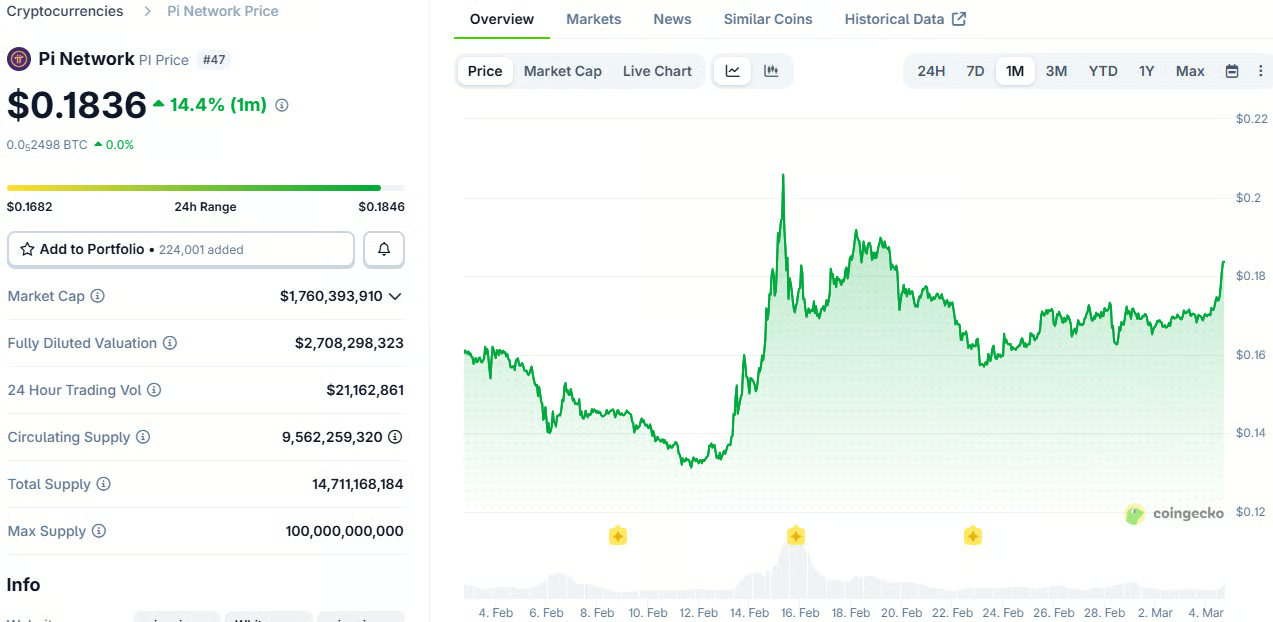
PI’s price has rocketed to its highest levels in about two weeks.
Although the entire cryptocurrency market has been charting gains in the past 12 hours or so, some assets have performed better than others. Pi Network’s native token is among those, as the popular alt has taken advantage of the market-wide rally and now trades at a multi-week peak of almost $0.185.
Despite the upcoming massive token unlocks scheduled for the next week or so, PI’s gains today put it among the top-performing alts. Naturally, this surge could be driven by other factors, such as the most recent updates, which we reported earlier today.
More specifically, the Core Team indicated that the protocol v19.9 migration was successfully completed, which was a major milestone announced just a couple of weeks after the project was updated to v19.6.
This means that the next protocol version is v20.2, which the team hopes will be implemented before the 2026 Pi Day – March 14.
The team reminded once again that all node operators who must use desktop computers and laptops instead of mobile devices have to upgrade to the current protocol version. Otherwise, they could be disconnected from the network.
PI’s surge to a two-week high now means that the asset has gained over 14% in the past month. This is in stark contrast to most other larger-cap cryptocurrencies, including BTC, ETH, SOL, and XRP, all of which are down monthly. In some cases, such as BNB, XRP, and SOL, the monthly declines are by double digits.
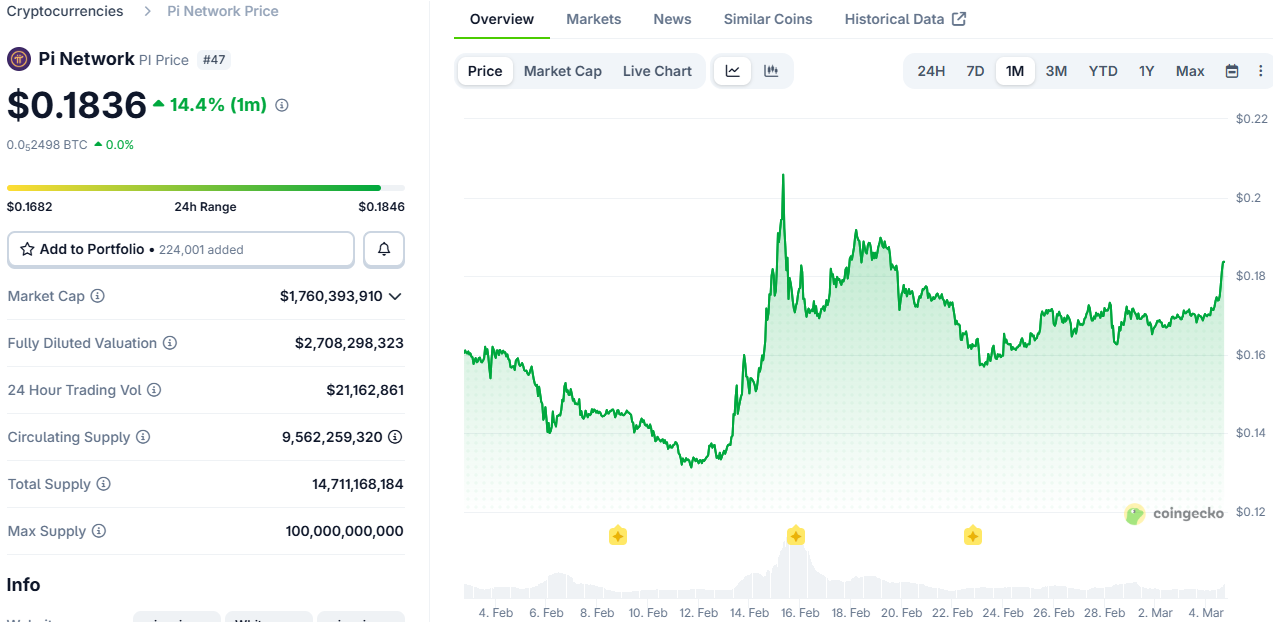
What could be a worrying sign for the PI bulls is the rising number of tokens scheduled to be unlocked in the next couple of weeks. Data from PiScan shows that the average number of coins to be released daily will be around 6.8 million, but several days will see more than 11 million.
You may also like:
March 7 will be a record-setting day, with almost 21 million coins to be unlocked. This could intensify the immediate selling pressure on the asset if investors decide to dispose of their long-awaited tokens.
Binance Free $600 (CryptoPotato Exclusive): Use this link to register a new account and receive $600 exclusive welcome offer on Binance (full details).
LIMITED OFFER for CryptoPotato readers at Bybit: Use this link to register and open a $500 FREE position on any coin!
Disclaimer: Information found on CryptoPotato is those of writers quoted. It does not represent the opinions of CryptoPotato on whether to buy, sell, or hold any investments. You are advised to conduct your own research before making any investment decisions. Use provided information at your own risk. See Disclaimer for more information.
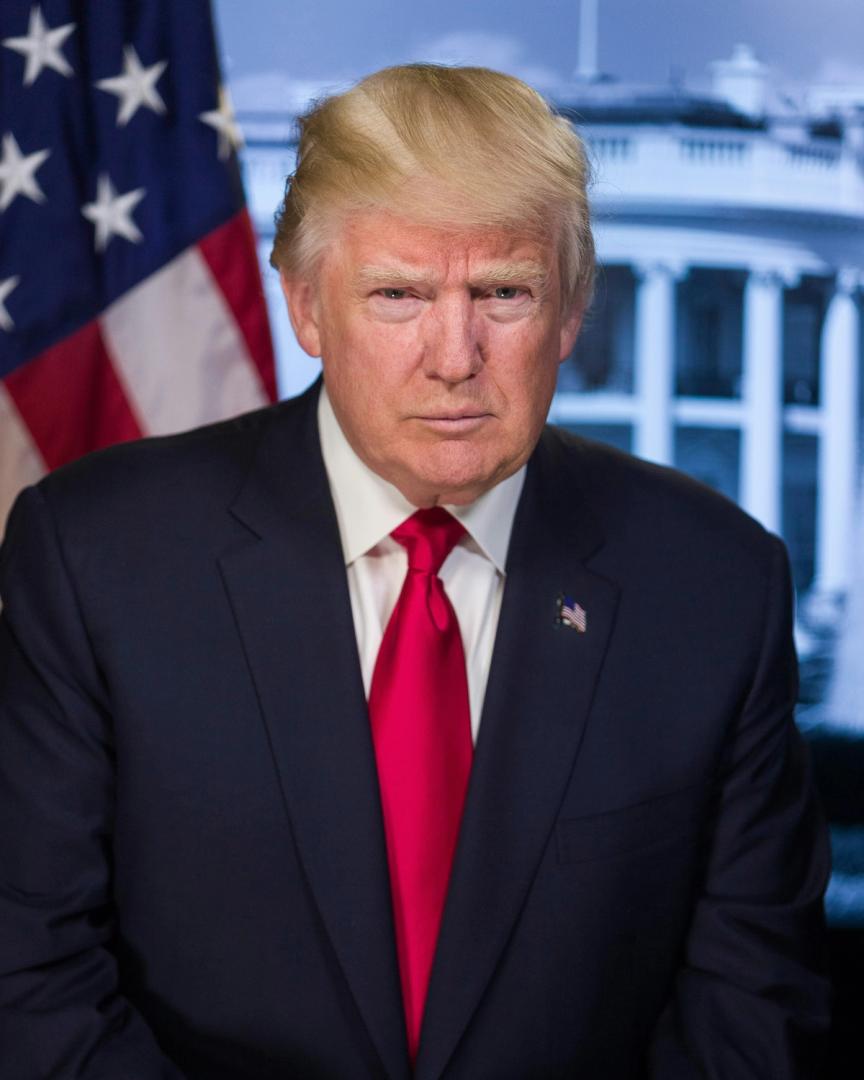
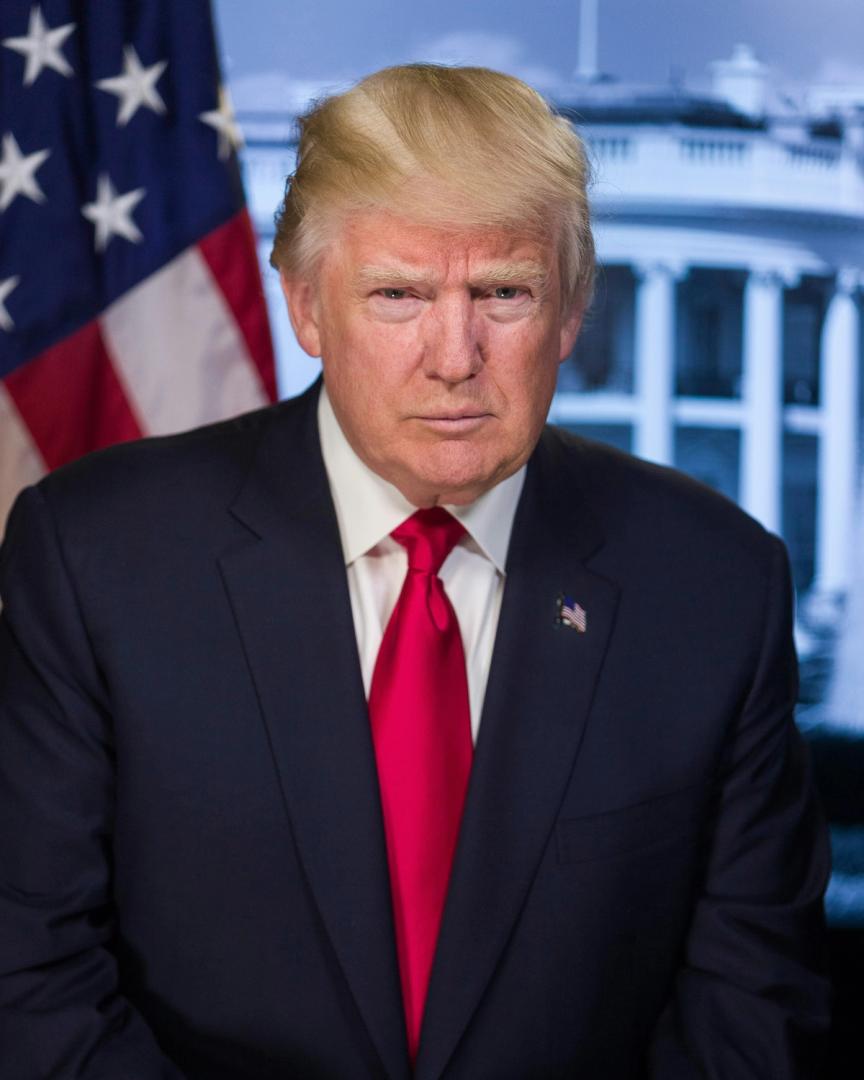
U.S. President Donald Trump and Coinbase CEO Brian Armstrong met behind closed doors shortly before the president said bankers are trying to undermine the GENIUS Act in a Truth Social post, CoinDesk confirmed.
“The U.S. needs to get Market Structure done, ASAP. Americans should earn more money on their money,” Trump said in the post on Tuesday. “The Banks are hitting record profits, and we are not going to allow them to undermine our powerful Crypto Agenda that will end up going to China, and other Countries if we don’t get The Clarity Act taken care of.”
Politico first reported the meeting between Armstrong and Trump. Afterward, the president publicly backed Coinbase’s “position in [the] ongoing lobbying clash with banks that has derailed a major cryptocurrency bill.”
The news outlet cited “two people with knowledge of the matter who were granted anonymity to discuss a closed-door matter” as the source of the meeting between Trump and Armstrong. It also said it was unclear what they both discussed during the meeting.
However, it reiterated, “it came just before Trump wrote on social media that banks ‘need to make a good deal with the Crypto Industry’ in order to advance digital asset legislation that has stalled on Capitol Hill.”
The White House and Coinbase have not responded to a CoinDesk request for comment.
The market structure bill has been stalled since the Senate Banking Committee lawmakers were set to debate and vote on it. The point holding back the passage of the crypto bill is that banks argue stablecoin interest rates could affect bank deposits and therefore, particularly, their lending ability. Crypto exchanges say individuals should be able to earn rewards on their stablecoins holdings, which they say the GENIUS Act allows.
JPMorgan CEO Jamie Dimon Tuesday said that stablecoin issuers that pay interest on customer balances should be regulated like banks. Patrick Witt, the executive director of the President’s Council of Advisors for Digital Assets, pushed back against Dimon, saying “the deceit here is that it is not the paying of yield on a balance per se that necessitates bank-like regulations, but rather the lending out or rehypothecation of the dollars that make up the underlying balance.” Witt also said the GENIUS Act “explicitly forbids stablecoin issuers from doing the latter. Stablecoins ≠ Deposits.”
Crypto-related stocks, including COIN, jumped Wednesday amid a broader surge in crypto prices. COIN climbed above $200, seeing its highest price since late January.
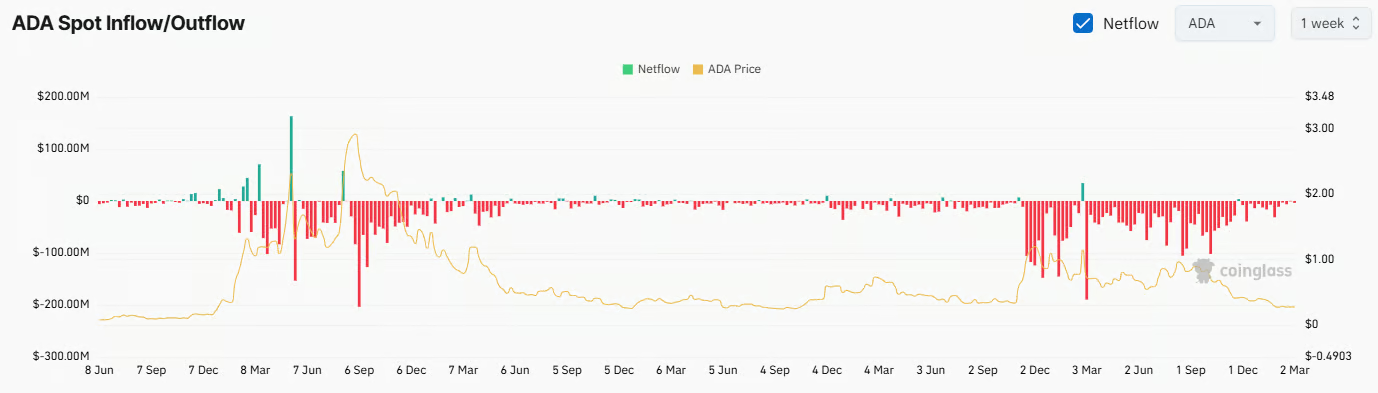
While ADA rebounds, whale dumping keep it on shaky ground.
The cryptocurrency market witnessed a notable resurgence over the past 24 hours, with Cardano’s ADA following the green wave.
Nonetheless, the whales’ recent actions signal that a new correction might be knocking on the door.
The Bears Remain in Charge
ADA climbed above $0.27 today (March 4), gaining about 3% on a daily scale, though it remains down roughy 2% over the past week. Its decline during that period coincides with a sell-off by large investors.
The renowned analyst Ali Martinez revealed that whales have ‘redistributed’ 230 million tokens: a stash currently valued at around $63 million. This cohort of investors now controls less than 13.7 billion ADA, or roughly 37% of the asset’s circulating supply.
Since his graph shows a sizeable reduction in their holdings, it could be regarded as a significant sell-off that might weigh on the price for several reasons. They boost the amount of ADA available on the open market, and without a matching rise in demand, that extra supply can suppress the valuation. Whale distribution also signals weakening conviction among large holders, a shift that smaller investors may find worrying and cause them to cash out as well.
It is important to note that the behaviour of the big investors over the past week contrasts with their buying spree in recent months. As CryptoPotato reported, they purchased almost 820 million ADA between August 2025 and February this year.
Despite its daily resurgence, Cardano’s native token is still struggling to break out of its broader bearish pattern. Earlier this week, Martinez outlined $0.245, $0.112, and $0.051 as the next three lines of defense for the asset should it head south again.
You may also like:
Meanwhile, the popular trader Jake Gagain described ADA as one of his worst investments since entering the crypto market. His remarks sparked a heated debate, with some X users sharing his thesis, while others argued that his timing was bad and insisted that “the best is yet to come.”
The Bullish Signs
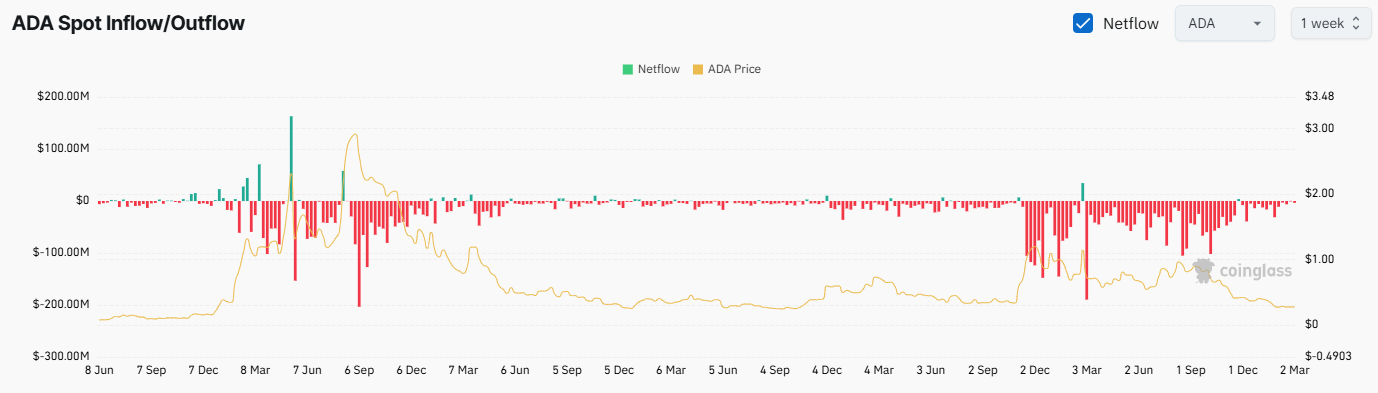
On the other hand, some technical indicators suggest Cardano’s native cryptocurrency could make a decisive comeback soon. For instance, ADA’s exchange netflows have been predominantly negative over the last few months. This means that investors continue to move coins from centralized platforms to self-custody, thereby reducing immediate selling pressure.
Next on the list is ADA’s Relative Strength Index (RSI), which has fallen below 30 on a weekly scale. The technical analysis tool ranges from 0 to 100, and readings above 70 signal that the asset is overbought and due for correction. Conversely, anything beneath 30 is considered a buying opportunity.

X user Sssebi noted the development, saying that “historically ADA has never been this oversold, which makes it one of the most undervalued projects.”
Binance Free $600 (CryptoPotato Exclusive): Use this link to register a new account and receive $600 exclusive welcome offer on Binance (full details).
LIMITED OFFER for CryptoPotato readers at Bybit: Use this link to register and open a $500 FREE position on any coin!
Disclaimer: Information found on CryptoPotato is those of writers quoted. It does not represent the opinions of CryptoPotato on whether to buy, sell, or hold any investments. You are advised to conduct your own research before making any investment decisions. Use provided information at your own risk. See Disclaimer for more information.


Bitcoin should be trading higher than it is today.
That’s the view of Kevin de Patoul, CEO and co-founder of crypto investment firm Keyrock, who argues that the market is misreading both macro conditions and structural progress in digital assets.
The world’s largest cryptocurrency was trading around $73,000 at the time of publication. Bitcoin is down about 18% year-to-date, having reached an all-time high of around $125,000 in early October last year.
“If you go back to early 2025 through 2026 and look at all the positive developments such as regulatory progress and institutional adoption, most people would have said that should make the price explode,” de Patoul said. “Increasing macro uncertainty should increase bitcoin demand, and yet it hasn’t.”
Instead, BTC has spent much of the past nine months under pressure, still behaving like a risk-on asset rather than the risk-off hedge many proponents claim it to be. Capital that flowed aggressively into bitcoin over the past 18 months, largely institutional, now appears more tactical than ideological.
“It’s still priced as a risk-on asset. Last in, first out in terms of capital allocation,” he said. “If investors perceive it that way, then in periods of stress they reduce exposure.”
Crypto assets have delivered a muted performance over the past six months, with bitcoin drifting well below its prior highs and much of the altcoin market struggling to sustain momentum. Trading volumes have thinned, volatility has compressed and broad-based rallies have failed to materialize, marking a sharp contrast to the speculative surges of previous cycles. Even as institutional adoption and tokenization efforts advance in the background, price action has remained subdued, reflecting cautious capital flows and a market searching for its next catalyst.
De Patoul stops short of saying the market is wrong. But he struggles to reconcile the pullback with the broader backdrop. “Nothing really explains the recent drop unless there’s a misunderstanding of the type of asset it’s supposed to be.”
That disconnect is emblematic of what he sees as crypto’s current moment: not a breakout cycle, but a structural transition.
“We’re not issuing stablecoins or taking retail deposits, but we’re connected to everything and provide liquidity across all venues,” de Patoul said. “That gives us a front-row seat to the evolution, and lets us participate in the market as it shifts toward digital assets and tokenized infrastructure.”
A tale of two markets
From Keyrock’s vantage point, working with banks, asset managers, issuers and exchanges, 2026 feels less like stagnation and more like rewiring.
“2026 feels like a transition year rather than a breakout one,” de Patoul said. “A lot of what defined crypto in previous cycles is dying out faster than expected, while the parts that actually make sense are still being built, like real finance moving onchain.”
In his view, two largely uncorrelated markets are developing in parallel.
The first is the crypto-native ecosystem: decentralized finance (DeFi), altcoins and the familiar cycle of liquidity and hype. Here, sentiment is subdued. The rising tide that once lifted all tokens has receded. Broad-based speculative rallies are harder to sustain, replaced by “very precise opportunities that make sense,” he said.
The second is the digitization of traditional finance. Tokenized money market funds, stablecoins, onchain funds and new market infrastructure. On that side, he says, he remains as enthusiastic as ever.
“When I speak to institutions, nothing has changed. The level of enthusiasm, the level of building, none of that drive has slowed,” de Patoul said. “The aim is to make crypto assets more accessible to clients and to rewire parts of financial markets.”
These institutional efforts are less sensitive to bitcoin’s price swings. Stablecoins, tokenized funds and settlement rails are about upgrading financial plumbing, not speculating on crypto’s next rally. Circle’s (CRCL) IPO and partnerships like Apollo’s tie-up with DeFi protocol Morpho reflect multi-year commitments, he noted.
But while the assets have been tokenized, the utility layer is still under construction.
Built, but not yet useful
The past 18 months marked a leap from concept to product. Funds were tokenized. Stablecoins proliferated. Infrastructure was deployed.
Yet liquidity remains thin in many tokenized money market funds and real-world assets (RWAs). The tokens exist, but often function as wrappers rather than transformative instruments.
“They’ve built the token. Now the question is: where can it be used? Who accepts it? Can it be used as collateral? Can it bring liquidity at scale?” de Patoul said.
Tokenizing a fund can, paradoxically, cut it off from traditional capital pools without immediately unlocking digital-native benefits. The bridge between traditional institutions and onchain markets, the ability to use tokenized assets seamlessly across both worlds, takes time.
“We’re stuck in an in-between phase,” he said. “The pieces are there. The next step is putting them together to bring liquidity at scale.”
That’s why he sees 2027 and 2028 as the real inflection point.
Traditional capital markets are orders of magnitude larger than crypto. Even a small percentage migrating onchain could eclipse crypto’s previous peak.
“In the course of 2027, we could get to a situation where RWAs grow to be as big as the whole of crypto was in the past,” de Patoul said. “It’s going to play out over the next two to three years.”
Digital finance, in other words, may outgrow crypto, though not necessarily in the form of a price-led boom.
“If the utility were fully there today, we’d probably have a booming market,” he said. “But it’s not. This is a transition phase.”
Keyrock’s bet
Founded eight years ago on the thesis that all assets would eventually be digital and onchain, Keyrock is positioning itself as a bridge between traditional and digital finance.
Historically rooted in capital markets and market-making, the firm continues to expand its crypto-native offerings, derivatives trading, liquidity provision and tailored strategies for investors. In September, it launched Keyrock Asset Management, adding a second pillar to the business. Assets under management remain modest given the recent launch, de Patoul said.
The broader ambition is to evolve from tokenization toward functionality: making digital assets genuinely useful at scale.
“A very big focus for us is how you move from tokenizing products to making those assets useful, and tokenizing at scale,” he said.
Regulatory clarity remains a gating factor. De Patoul points to the proposed Clarity Act as a “yellow flag,” not because he doubts its eventual passage, but because timing matters. “If it’s derailed for two years, it will have a meaningful impact,” he said. “Regulations getting passed is a massive deal for institutions. That’s when they can invest at scale.”
For now, crypto’s price action may feel uninspiring. But from de Patoul’s vantage point, the quiet build-out of digital market infrastructure is far more consequential than a short-term rally.
“The foundations are going in,” he said, “but the scale is yet to come.” This is why he sees “2027 and 2028 as the real inflection point for digital markets.”
Read more: JPMorgan bullish on crypto for rest of year as institutional flows set to drive recovery


A sharp volatility spike has triggered $521m in crypto liquidations over 24 hours.
Summary
- About $521m in crypto futures positions were liquidated in the past 24 hours.
- Bitcoin (BTC) led with more than $200m wiped out, followed by major altcoins.
- Over 120,000 traders were liquidated as leverage reset across major derivatives venues.
A fresh volatility burst across digital assets has erased roughly $521m in crypto futures positions over the past 24 hours, according to derivatives data aggregators that track liquidations across major exchanges.
The wipeout was concentrated in overleveraged long positions, which had built up during the latest push higher in prices before the market abruptly turned. Bitcoin (BTC) accounted for more than $200m of the total, with Ethereum and other large-cap altcoins making up much of the remainder as cross-market selling cascaded through order books. In total, more than 120,000 individual trader accounts were liquidated, underscoring how quickly aggressive use of leverage can backfire when volatility picks up.
The pattern of the move fits a now-familiar script in crypto derivatives markets. In the days leading up to the liquidation spike, open interest in bitcoin and ether futures rose alongside gradually improving sentiment, while funding rates signaled traders were paying premiums to maintain long exposure. When prices reversed, margin buffers proved insufficient on many accounts, prompting automated risk engines to close positions into a falling market, which in turn deepened the sell-off and triggered further forced unwinds. Exchanges with large derivatives footprints reported the bulk of the notional hit, though no major venue reported systemic issues or outages, suggesting that risk systems functioned as designed even as traders absorbed heavy losses.
Leverage reset and market outlook
In the aftermath of the $521m flush, analysts are focused on how much speculative leverage has been cleared from the system and whether conditions are now in place for a more stable trend to emerge. On one hand, large, concentrated liquidation events can mark local turning points, especially if funding normalizes and open interest rebuilds more slowly on the back of spot demand rather than aggressive perpetuals.
On the other, repeated liquidation waves in recent weeks signal that positioning remains fragile, with traders quick to reapply leverage whenever prices recover. For BTC and other majors, the coming sessions will test whether ETF inflows, corporate treasury interest, and long-only buying can offset any renewed deleveraging pressures. Until leverage metrics settle into more conservative ranges, market participants may favor tighter risk limits, greater use of options hedges, and closer monitoring of liquidation heatmaps provided by analytics platforms such as CoinGlass.

Tokenized equities are gaining traction on crypto trading venues as MEXC deepens its collaboration with Ondo Finance, expanding on-chain access to mainstream U.S. stocks. In a March 3 update, the exchange said it would list 17 additional spot tokenized stock pairs and seven new tokens tied to defense and energy firms, all trading against USDT on its platform. The underlying equities remain held in regulated trust accounts and are subject to quarterly audits, designed to mirror ownership of the corresponding shares. The expansion marks the ninth wave of listings since the product’s initial rollout in September 2025, underscoring the accelerating push into tokenized traditional assets.
Key takeaways
- The MEXC–Ondo Finance partnership adds 17 new tokenized stock pairs and seven defense/energy-linked tokens, broadening on-chain exposure to U.S. equities.
- Tokens are issued as ERC-20 assets on Ethereum and trade against USDT (CRYPTO: USDT) pairs on the exchange, with the underlying shares held in regulated trusts and audited quarterly.
- Trading fees for the 17 new pairs are waived for the first 30 days, a post-launch incentive designed to spur onboarding and liquidity.
- Among the newly listed tokens are representations tied to Lockheed Martin (EXCHANGE: LMT), RTX (EXCHANGE: RTX), ConocoPhillips (EXCHANGE: COP) and Occidental Petroleum (EXCHANGE: OXY); withdrawals for the new tokens are set to commence on March 5.
- This expansion continues a multi-month cadence of tokenized-equity launches, illustrating sustained interest from exchanges in on‑chain access to traditional assets.
Tickers mentioned: $LMT, $RTX, $COP, $OXY, $USDT
Sentiment: Neutral
Price impact: Neutral. The piece centers on new listings and fee waivers rather than explicit price movements or market reactions.
Market context: Tokenized equities are increasingly appearing across crypto venues as platforms seek to bridge traditional asset access with on-chain infrastructure, even as regulatory guidance remains nuanced in the United States. The trend is underscored by multiple exchanges expanding their tokenized stock catalogs and by ongoing industry chatter about how on-chain representations can coexist with conventional securities frameworks.
Why it matters
The MEXC–Ondo Finance collaboration is emblematic of a broader push to tokenize traditional assets and to deliver them in a blockchain-native format. By representing ownership of real shares as ERC-20 tokens, the partners aim to offer investors near-instant settlement, programmable governance features, and 24/7 trading availability across global markets. The underlying shares are held in regulated trust accounts and are subject to quarterly third-party audits, offering a degree of regulatory comfort that is often cited as a barrier in earlier tokenized-stock experiments.
Significantly, the expansion includes defense and energy sector equities. The addition of tokens tied to Lockheed Martin, RTX, ConocoPhillips and Occidental Petroleum alongside broader tech, healthcare and financials exposure broadens the potential use cases for tokenized assets—from hedging and diversification to access for non-traditional audiences who prefer crypto-friendly platforms. For participants, the ability to trade tokenized stock pairings against USDT on an exchange known for its liquidity could reduce the friction and settlement times historically associated with traditional stock trading venues.
Ondo Finance’s role as the on-chain issuer remains central. Based in New York, Ondo focuses on bringing traditional financial assets on-chain, and its current asset base totals around $2.66 billion in tokenized value. This scale underscores the practical viability of maintaining regulated custody and audits while delivering on-chain representations. The partnership’s track record—nine expansions since the product’s September 2025 launch—signals a deliberate strategy to normalize tokenized equities as a complement to, rather than a replacement for, conventional stock markets. In the broader market, such expansions occur amid rising interest in tokenized assets, even as market participants monitor regulatory developments and the potential implications for liquidity, custody, and investor protections.
Additionally, the initiative sits within a backdrop of exchanges experimenting with tokenized-stock pipelines beyond the United States. Other platforms have rolled out tokenized stock trading or perpetual futures tied to US-listed equities, illustrating a growing ecosystem of on-chain representations that appeal to crypto-native traders seeking cross-asset exposure. The combination of regulated custody, periodic audits and 30-day fee waivers creates a practical path for onboarding new users who may be evaluating the stability and reliability of tokenized equities as part of diversified crypto portfolios.
What to watch next
- Withdrawals for the seven new tokenized equities, including LMT, RTX, COP and OXY, begin on March 5, opening the door for user-access and potential liquidity ramps.
- The ongoing cadence of tokenized-equity expansions—now at nine total—could foretell further category diversification, including additional sectors or international listings.
- Regulatory developments in the U.S. and elsewhere could influence product design, custody standards, and eligibility for retail participation in tokenized securities.
- Any updates on trading volumes, liquidity metrics, or auditing cadence could shape investor confidence and platform competitiveness relative to other tokenized-equity offerings.
Sources & verification
- PR Newswire: MEXC and Ondo Finance expand tokenized stock partnership with 17 new spot pairs and zero-fee trading (March 3)
- Newswire Canada: MEXC partners with Ondo Finance to launch tokenized U.S. equities in defense and energy sectors (seven new equities)
- RWA.xyz: Ondo platform data showing tokenized asset totals
- CoinMarketCap: Exchange data corroborating MEXC’s ranking and activity
- Cointelegraph coverage on related tokenized-equity developments (Kraken) for context on industry movements
Expanded tokenized equities deepen MEXC-Ondo collaboration
On March 3, MEXC, a centralized crypto exchange founded in 2018, announced a widened on-chain representation of U.S. equities through its partnership with Ondo Finance. The update confirms 17 additional tokenized stock pairs and seven new tokens connected to the defense and energy sectors. Trading occurs as ERC-20 tokens on Ethereum and exchanges against USDT (CRYPTO: USDT) pairs on the platform, with the underlying shares held in regulated trust accounts and subjected to quarterly audits to help ensure parity with the actual securities. The issuance framework emphasizes custody and compliance, distinguishing it from more speculative on-chain assets by anchoring tokens to registered equities.
The new batch expands a product line that Ondo and MEXC have iterated since September 2025, reflecting a deliberate effort to scale tokenized equities across multiple sectors. The seven defense- and energy-linked tokens—led by shares tied to major names such as Lockheed Martin, RTX, ConocoPhillips and Occidental Petroleum—underscore a broadening approach to sectoral diversification. Investors will see these tokens trade on the same venue as other tokenized assets, with withdrawals scheduled to start on March 5, a procedural milestone that enables on-exchange redemption and on-platform liquidity adjustments. The first appearances of these equities are designed to resemble the same ownership logic that governs traditional shares, backed by regulated custody, audit regimes and outside oversight.
From a structural standpoint, Ondo Finance positions itself as a New York–based firm focused on bringing traditional assets on-chain. Its portfolio footprint—about $2.66 billion in tokenized value—serves as a crucial reference point for the perceived reliability of tokenized equities in live markets. By modularizing the tokenization process (ERC-20 representations) and integrating with established exchanges that already handle high trading volumes, the collaboration aims to deliver familiar equity exposure through the lens of decentralized finance rails. While the technology stack enables on-chain settlement and programmable features, the governance and compliance layers remain anchored in traditional regulatory or custodial frameworks, an arrangement designed to reassure participants wary of unregulated digitized securities.
For observers, the expansion highlights a broader trend: crypto venues are increasingly courting mainstream assets via tokenization, even as the regulatory climate remains a work in progress. The combination of regulated trust custody, periodic audits, and time-bound promotional incentives (such as 30-day trading-fee waivers) signals a practical approach to onboarding a broader audience—investors who want the flexibility and 24/7 access of crypto platforms while still acknowledging the underlying equity rights. In this evolving landscape, the MEXC–Ondo collaboration stands as a notable example of how traditional finance and blockchain-enabled markets are converging, with the potential to redefine liquidity access and cross-asset trading strategies for retail and institutional participants alike.

Agent’s Take: Asking prices for 10 intriguing offensive players ahead of free agency

AIO Financial – U.S. citizen earning $150,000 and living in Mexico?

EastEnders fans ‘work out’ Nigel Bates’ fate after ‘heartbreaking’ Clare Bates return


-

 Politics6 days ago
ITV enters Gaza with IDF amid ongoing genocide
-

 Politics1 day ago
Alan Cumming Brands Baftas Ceremony A ‘Triggering S**tshow’
-

 Fashion5 days ago
Weekend Open Thread: Iris Top
-

 NewsBeat7 days ago
Cuba says its forces have killed four on US-registered speedboat | World News
-

 Tech4 days ago
Unihertz’s Titan 2 Elite Arrives Just as Physical Keyboards Refuse to Fade Away
-
Sports5 days ago
The Vikings Need a Duck
-
 NewsBeat4 days ago
Dubai flights cancelled as Brit told airspace closed ’10 minutes after boarding’
-

 NewsBeat3 days ago
‘Significant’ damage to boarded-up Horden house after fire
-
 NewsBeat7 days ago
Manchester Central Mosque issues statement as it imposes new measures ‘with immediate effect’ after armed men enter
-
 NewsBeat4 days ago
The empty pub on busy Cambridge road that has been boarded up for years
-

 NewsBeat4 days ago
Abusive parents will now be treated like sex offenders and placed on a ‘child cruelty register’ | News UK
-

 Entertainment2 days ago
Baby Gear Guide: Strollers, Car Seats
-

 Business7 days ago
Discord Pushes Implementation of Global Age Checks to Second Half of 2026
-

 Business6 days ago
Only 4% of women globally reside in countries that offer almost complete legal equality
-
 Tech5 days ago
NASA Reveals Identity of Astronaut Who Suffered Medical Incident Aboard ISS
-
Politics4 days ago
FIFA hypocrisy after Israel murder over 400 Palestinian footballers
-
 NewsBeat3 days ago
Emirates confirms when flights will resume amid Dubai airport chaos
-

 Crypto World6 days ago
From Crypto Treasury to RWA: ETHZilla Retreats and Relaunches as Forum Markets on Nasdaq
-

 NewsBeat2 days ago
Is it acceptable to comment on the appearance of strangers in public? Readers discuss
-

 Tech4 days ago
Viral ad shows aged Musk, Altman, and Bezos using jobless humans to power AI