
Crypto World
Chainlink price analysis: can bulls push LINK above $10 amid crypto gains?



- Chainlink price rose to highs of $9.42 as LINK mirrored broader gains.
- Bitcoin’s surge to $74,500 could embolden LINK bulls to challenge resistance around $10.
- The supply zone has capped upside for months.
Chainlink (LINK) price is once again pressing into the robust supply zone near $10, with intraday gains to $9.42 outlining bulls’ intentions.
Despite sentiment around most altcoins being cautiously optimistic, largely due to what happens next after Bitcoin’s upswing to $74,500, gains for LINK above $9.50 could see buyers target $12.
In this case, the 80% jump in daily volume may indicate an upbeat outlook, particularly if the bellwether asset BTC pumps further.
Chainlink tests resistance amid broader market gains
The Chainlink price is up nearly 6% in the past 24 hours, joining the rest of the market in riding the upside momentum in BTC.
However, LINK has notably underperformed the wider market over the past months, repeatedly failing to secure a sustained break above the $9.40-$10 area.
The underperformance has held despite the project’s steady stream of ecosystem milestones and integrations.
Amid this outlook is the token’s rebound from a nearby demand zone, but it continues to face heavy pressure as bulls pare gains seen as prices rose to $9.42.
The region thus remains key to sellers who have consistently faded rallies and defended prior breakdown levels.
At the same time, analysts view $10 as a decisive short‑term line in the sand: bulls need a clean daily close above this level.
If this is backed by strong volume, it could flip market structure from defensive to constructive and open a path toward the $11.5-$12 region.
Until that happens, the prevailing pattern of lower highs since November keeps bulls on the back foot and allows bears to reassert control on every test of resistance.
Chainlink price: Technical analysis
On the technical front, Chainlink is trading near a key inflection zone, with several indicators hinting that downside momentum is waning even as resistance remains firm.
Lower time‑frame charts show prices attempting to build a base above recent demand.
LINK’s Bollinger Bands setup indicates the bands have compressed significantly, a classic precursor to a reversal.
Meanwhile, higher time frames highlight constructive setups, including a golden cross pattern.
The MACD continues to hover around or slightly above the zero line, a posture that typically accompanies early trend reversals rather than deep distribution.

For the immediate outlook, traders are likely to watch immediate resistance at $9.50-$10.
The area marks the region where repeated rejections have formed a tight supply wall.
Near-term support lies around the $8 zone, which may be revisited if a broader pullback hits crypto.



DTCC has formed a tokenization working group for U.S. markets and tapped Ondo alongside BlackRock, Goldman, JPMorgan, Circle, and others to help design how equities and Treasuries move on-chain.
Summary
- DTCC has formed an industry working group to design tokenization standards for U.S. capital markets, with Ondo joining members spanning both Wall Street and DeFi.
- Participants include BlackRock, Goldman Sachs, JPMorgan, Franklin Templeton, Morgan Stanley, Bank of America, Citadel Securities, the New York Stock Exchange, Circle, Fireblocks, and Robinhood.
- DTCC, which sits on more than $114 trillion in assets and processes around $3.7 quadrillion in annual transactions, is building a tokenization service to move core market processes on-chain.
The Depository Trust & Clearing Corporation has launched an industry working group to push forward tokenization in U.S. capital markets, with tokenization specialist Ondo Finance confirming it has been selected to participate.
DTCC pulls Ondo into the heart of tokenization design
According to Ondo’s announcement, the group brings together heavyweights from traditional finance and crypto, including asset managers like BlackRock and Franklin Templeton, banks such as Goldman Sachs, JPMorgan, Morgan Stanley, and Bank of America, market makers Citadel Securities, market operators like the New York Stock Exchange, and crypto-native firms Circle, Fireblocks, and Robinhood.
The mandate is to help DTCC define common standards for how real-world assets such as U.S. equities and Treasuries are represented, settled, and serviced on permissioned and public blockchains, ensuring that tokenized instruments remain interoperable with existing post-trade infrastructure.
DTCC, which provides custody and settlement plumbing for nearly all U.S. securities, oversees more than $100–$114 trillion in assets and processes roughly $3.7 quadrillion in transactions annually, giving any technical standard it backs outsized influence over the future of on-chain markets.
In prior commentary, Nadine Chakar, global head of DTCC Digital Assets, described the “$75 trillion tokenization opportunity” in mature markets, saying that “bringing the benefits of tokenization to mature markets which collectively are over $75 trillion is a tremendous opportunity.”
DTCC’s on-chain pivot and La Salla’s vision
DTCC’s push comes after the U.S. Securities and Exchange Commission issued a no-action letter in late 2025, clearing its DTC subsidiary to operate a controlled tokenization service for DTC‑custodied assets, with rollout expected in the second half of 2026.
In a DTCC explainer, the firm said it plans to use a platform suite called ComposerX to tokenize U.S. Treasuries and other securities and to “bring the core processes of the U.S. capital markets on-chain” while preserving existing investor protections and regulatory oversight.
DTCC president and CEO Frank La Salla has argued that “tokenization will significantly change the way markets operate,” promising it will bring “new levels of liquidity, transparency, and efficiency to investors” by making assets programmable and settlement closer to real time.
He has also framed the initiative as less about speculative tokens and more about “tokenizing financial infrastructure,” saying the goal is to bridge traditional finance and DeFi so that “institutionally custodied equities and Treasuries can gain blockchain-native liquidity, programmability, and near-real-time settlement.”
A recent crypto.news overview described the SEC’s green light for DTCC’s tokenization service as a “historic crypto pivot by a $100 trillion custodian,” noting that the first wave will focus on highly liquid equities and government debt.
Another crypto.news analysis highlighted DTCC’s partnership with Digital Asset to tokenize U.S. Treasuries, arguing that adoption could “generate significant operational and financial efficiencies across market participants.”
A separate crypto.news feature stressed that by pulling in specialists like Ondo alongside BlackRock and major banks, DTCC is signaling that tokenization is moving from pilots to the core of U.S. market structure.


World Liberty Financial, the crypto project co-founded by President Trump and his family, filed a defamation lawsuit against Tron founder Justin Sun on May 4 in Miami-Dade County, Florida, alleging a “coordinated media smear campaign” after Sun sued the project for fraud in April.
Summary
- World Liberty Financial alleges Sun conducted straw purchases of WLFI tokens to conceal his identity, engaged in short selling of the token, and made false statements on social media after his tokens were frozen in violation of his terms of sale.
- Sun fired back immediately, calling the suit “a meritless PR stunt” and saying he stands by his actions, while WLFI CEO Zach Witkoff said he looks forward to “the truth coming out in court.”
- The WLFI token rose approximately 12% on the day of the filing, though the token is still down roughly 85% since its September 2025 launch.
World Liberty Financial sued Justin Sun for defamation in Florida state court on May 4, one day after Consensus 2026 opened in Miami. The filing came in direct response to Sun’s April 21 federal lawsuit in California, in which he accused WLFI of embedding a secret “backdoor blacklisting function” in its smart contract that allowed the project to freeze, restrict, and effectively confiscate investor tokens.
As crypto.news reported, Sun said the project froze all of his tokens, removed his voting rights, and threatened to burn his holdings without cause, and that he had $75 million invested in WLFI since 2024. In Monday’s countersuit, World Liberty alleged that Sun made “straw purchases” by acquiring WLFI tokens on behalf of undisclosed third parties, may have engaged in short selling of the token, and then launched a false public narrative to cover the conduct. “Sun has launched a coordinated media smear campaign against World Liberty Financial and refused to stop even when confronted with the truth,” the project said in a statement on X.
Fortune reported that Sun had written on X: “Every action taken by the WLFI team to secretly implant backdoor controls over user assets, to freeze investor funds without disclosure or due process, and to treat the crypto community as a personal ATM, someone must be held personally accountable for these actions.” WLFI’s suit called those statements false or defamatory and said Sun was “well aware” that the project had the right to freeze his tokens under its terms of sale. Sun responded the same day: “The alleged defamation lawsuit that World Liberty announced on X today is nothing more than a meritless PR stunt. I stand by my actions and look forward to defeating the case in court.”
As crypto.news documented, the dispute escalated in April when Sun accused WLFI of hiding blacklist controls while the project simultaneously faced scrutiny over its use of self-issued tokens as loan collateral and a near-93% utilisation rate in its USDC pool. As crypto.news tracked, Sun’s frozen WLFI wallet had already lost approximately $60 million in value before the lawsuits were filed, tracking the token’s broader 85% decline from its September 2025 highs. Neither lawsuit has reached trial, and no allegations have been proven in court.


Coinbase CEO Brian Armstrong posted a three-word response on X on May 1 after Senators Thom Tillis and Angela Alsobrooks released the final stablecoin yield compromise text for the CLARITY Act: “Mark it up,” urging the Senate Banking Committee to advance the bill that Armstrong himself put on ice in January.
Summary
- The Tillis-Alsobrooks compromise bans crypto firms from offering any interest or yield that is “economically or functionally equivalent” to a bank deposit.
- Coinbase Chief Policy Officer Faryar Shirzad said banks secured tighter restrictions on rewards but the deal protected “the ability for Americans to earn rewards, based on real usage of cryptocurrency platforms and networks,” which he framed as the core issue throughout negotiations.
- Polymarket odds of the CLARITY Act becoming law in 2026 jumped from 46% to 64% within hours of the deal, with Galaxy Research head Alex Thorn saying a Senate Banking markup could come as soon as the week of May 11.
Brian Armstrong’s endorsement carries unusual weight on this specific bill. As crypto.news reported, it was Armstrong who pulled Coinbase’s support hours before a scheduled January 14 committee markup, causing Banking Committee Chair Tim Scott to postpone the vote indefinitely. The bill has not reached markup since. Armstrong’s January withdrawal also followed a contentious moment in March when Coinbase and Stripe rejected a separate draft — one so unacceptable that Circle’s stock fell 20% in a single session. The May 1 deal, authored by Tillis and Alsobrooks after months of negotiations with the White House, banking groups, and crypto firms, draws a firm line at passive yield while leaving open a regulatory runway for rewards tied to actual platform participation.
Benzinga reported that the SEC, CFTC, and Treasury are directed to jointly issue rules within one year defining a non-exhaustive list of permitted reward activities. Armstrong’s company reported $1.35 billion in stablecoin revenue in 2025, making the yield provisions a direct financial variable rather than a policy preference.
As crypto.news documented, JPMorgan analysts described CLARITY Act passage by midyear as a “key positive catalyst” for digital asset markets, and the stablecoin yield question was the single largest obstacle remaining before the deal landed. Shirzad acknowledged the trade-off: “In the end, the banks were able to get more restrictions on rewards, but we protected what matters.” Crypto Council for Innovation CEO Ji Kim expressed residual concern about the text’s breadth, urging the committee to proceed to markup regardless.
As crypto.news tracked, Galaxy Digital had put overall 2026 passage odds at roughly 50-50 before the deal, with Thorn warning that if the markup slips past mid-May, the probability of enactment drops sharply. The bill still needs to pass the Banking Committee, clear the Senate floor at 60 votes, reconcile with the Agriculture Committee version, and reconcile with the July 2025 House text before reaching Trump’s desk.

Disclosure: This article does not represent investment advice. The content and materials featured on this page are for educational purposes only.
Bitcoin and XRP regain focus as rising volatility drives trading activity and renewed market participation.
Summary
- Rising crypto volatility puts Bitcoin and XRP in focus, with platforms like XRP Power offering structured participation options.
- As trading activity grows, XRP Power attracts attention for simplifying entry for users avoiding frequent trading.
- Market volatility is driving interest in Bitcoin and XRP, while XRP Power offers a clearer, lower-barrier participation model.
With the recent resurgence of volatility in the crypto market, Bitcoin and XRP have once again become the focus of market attention. Trading volume has rebounded, and discussion has increased, attracting not only new users but also bringing back some previously absent participants.

However, as the market heats up again, a less obvious but noteworthy change is occurring — more and more users are beginning to rethink “how to participate,” rather than just “when to buy and sell.”
The limitations of traditional trading are becoming more apparent
For a long time, buying and selling has been the primary way most people participate in the crypto market. However, in practice, many users find it difficult to grasp market rhythms, and emotional fluctuations can also affect decision-making.
In rapidly changing market conditions, some users often face the following situations:
- Difficulty in judging entry timing
- Instable holding periods
- Overreaction to short-term fluctuations
With accumulated experience, some participants are beginning to look for more stable and predictable participation methods.
From “predicting the market” to “structured participation”
In recent years, a different approach to participation has gradually gained attention. Compared to frequent trading, this approach emphasizes structured participation — that is, clearly defining rules, cycles, and processes before participation, thereby reducing reliance on short-term market fluctuations.
This shift doesn’t mean users are abandoning trading altogether, but rather that they are seeking a balance among various methods. Some users are choosing to shift their focus from continuous market monitoring to a more rhythmic participation mode.
The emergence and changing trends of the XRP Power platform
Against this backdrop, some platforms have begun offering more structured participation solutions. For example, the XRP Power platform.
Such platforms are gradually being mentioned by some users.
This platform allows users to understand the overall structure before entering by setting clear participation logic and processes. For users who do not wish to trade frequently, this approach lowers the barrier to entry to some extent.
It is important to note that different platforms have different designs, and users typically understand and assess their operation through publicly available information before participating.
User behavior is changing
Market activity does not mean everyone is chasing short-term fluctuations.
Conversely, some users are beginning to focus more on:
- The stability of participation methods
- Time cost control
- The sustainability of the participation experience
This shift reflects the evolution of the crypto market from a “single transaction-driven” model to a “multi-faceted participation model.”
For readers who wish to learn more about structured participation methods, please refer to the publicly available information of relevant platforms, including their operational logic and participation processes, visit the official website.
Conclusion
With the resurgence of BTC and XRP, the market’s focus is gradually changing.
For a growing number of participants, the question is no longer simply “whether there are opportunities in the market,” but rather “how to participate in them in a more appropriate way.”
Disclosure: This content is provided by a third party. Neither crypto.news nor the author of this article endorses any product mentioned on this page. Users should conduct their own research before taking any action related to the company.
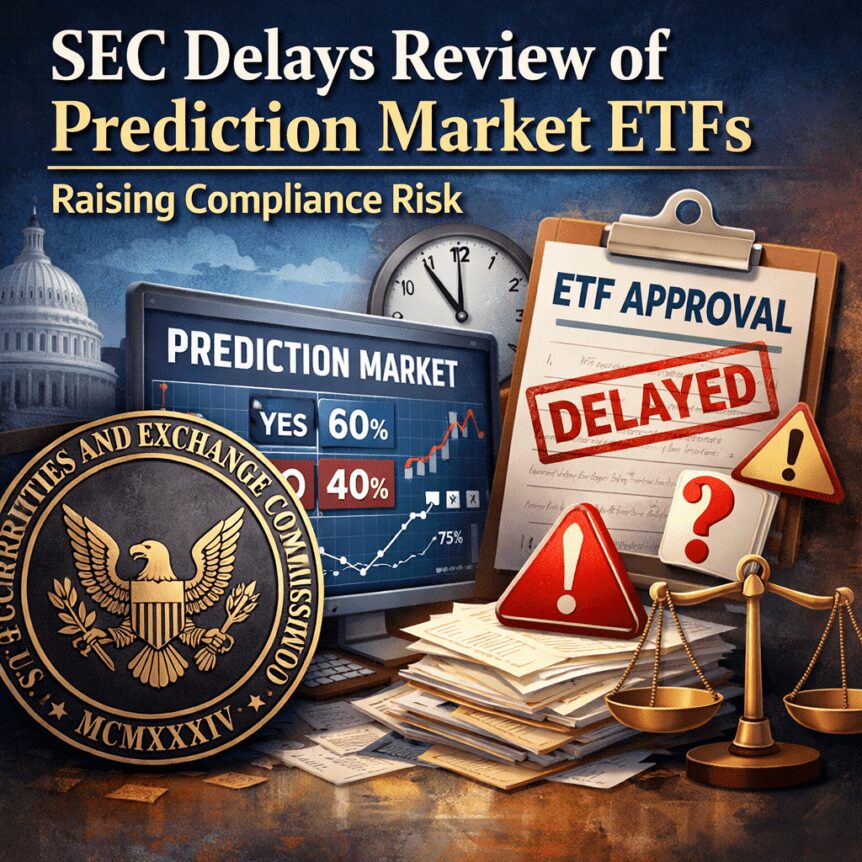
The U.S. Securities and Exchange Commission has paused the anticipated rollout of the first exchange-traded funds linked to prediction-market event contracts, delaying more than two dozen proposed ETFs from Roundhill Investments, GraniteShares, and Bitwise. The agency requested additional information about product structure and disclosures, according to Reuters, citing people familiar with the matter. The funds, filed in February, would provide exposure to binary outcomes tied to events such as elections, economic data releases, and market prices, without requiring investors to trade on explicit prediction-market platforms like Kalshi. The postponement underscores ongoing regulatory scrutiny of prediction markets in the United States, a space that has raised concerns about insider trading, ethics, and potential market manipulation.
The review pause arrives in a regulatory environment where authorities continue to drill into how prediction-market exposure should be structured, disclosed, and safeguarded for mainstream investment vehicles. The delay comes after a 75-day review period and ahead of what had been expected to be the launch window for the spectrum of funds.
Key takeaways
- The SEC has issued a temporary delay to the rollout of the first ETFs tied to prediction-market event contracts, seeking further information on product structure and disclosures from the issuers.
- The proposed funds aim to track binary event outcomes by using derivatives that mirror odds on underlying contracts traded on CFTC-regulated platforms, with settlements typically at $1 if the event occurs and $0 if it does not.
- Issuers emphasize that these investments carry risks that differ from traditional futures, options, or securities and may involve significant losses, valuation uncertainty, and deviations from stated investment objectives.
- Analysts had anticipated an imminent launch, with Bloomberg ETF strategist commentary suggesting an effective filing date of early May and talks of event-contract outcomes such as party control in the U.S. Congress.
- The delay highlights ongoing regulatory considerations for how such funds should be governed, disclosed, and monitored for market integrity, including potential settlement ambiguities and data-definition disputes.
Regulatory review and launch timeline
According to Reuters, the SEC’s request for more information appears to be a procedural step rather than a fundamental policy shift. The agencies’ actions indicate a careful, information-gathering approach to determine whether the funds’ structure, disclosures, and risk management align with investor protections and securities laws. The timing of the delay, which affects more than two dozen ETFs from the three sponsors, suggests that authorities are weighing the appropriateness of offering publicly traded access to prediction-market exposure at a broader scale.
Market observers had expected a rollout to proceed in the near term, with linkage to event-contract outcomes such as whether one political party controls the House or Senate, or other binary results. Bloomberg ETF analyst Eric Balchunas noted that the ETFs were anticipated to launch on the originally scheduled date, while James Seyffart indicated that Roundhill’s filing had an effective date around May 5. The reports underscore a convergence of regulatory review with market timing expectations, even as the SEC seeks clarifications that could shape the ultimate design of these vehicles.
Structure, mechanics, and risk disclosures
Prediction-market ETFs are designed to provide investors with exposure to binary event contracts without requiring direct participation in specialized prediction-market venues. While the exact features vary across the more than 20 proposed funds, the general design centers on derivatives intended to track the odds of a “yes” or “no” outcome on underlying contracts traded on platforms regulated by the CFTC. In practice, settlement would occur at $1 if the referenced event takes place and $0 if it does not.
In February filings, Roundhill highlighted significant risk factors associated with the proposed ETFs, noting that investments in event contracts carry “unique risks that differ from those associated with traditional futures, options or securities.” The disclosures point to substantial volatility and the possibility of material losses, valuation uncertainty, and deviations from the fund’s stated investment objective. Related considerations include potential settlement issues tied to interpretations of event outcomes, data sources, and timing—areas that could lead to disputes or mispricing if not well defined.
Implications for institutions, compliance, and market integrity
The SEC’s delay has practical implications for institutional access to predictive-market exposure. For banks, asset managers, and other regulated entities, the move reinforces the importance of rigorous governance, robust risk controls, and transparent data sourcing when dealing with unconventional assets. The disclosures emphasize that investors may face valuation challenges and uncertainties around how underlying event outcomes are determined, a factor that could influence internal risk ratings, capital treatment, and compliance reviews.
From a regulatory perspective, the development sits at the intersection of securities law, market integrity, and consumer protection. Prediction markets have historically attracted scrutiny regarding insider information, manipulation, and ethical concerns around market design. The current pause suggests that the SEC remains vigilant about ensuring that any tradable exposure to binary outcomes is accompanied by clear definitions, objective data sources, and robust dispute-resolution mechanisms.
For firms seeking to offer or participate in such products, the episode highlights the continuing relevance of AML/KYC considerations, licensing, and regulatory oversight across multiple agencies. As the landscape evolves, issuers and counterparties will likely need to align product disclosures with evolving standards for disclosure quality, risk articulation, and operational resilience in the event of ambiguous or contested outcomes.
Policy and market-structure context
The unfolding review mirrors broader regulatory dynamics surrounding forecast-based and outcome-contingent instruments in the United States. As authorities assess how to balance innovation in financial products with safeguards against systemic risk and market abuse, expect continued attention to how prediction-market ETFs are structured, how data feeds are validated, and how settlements are determined in edge cases. The review also intersects with cross-cutting regulatory themes, including the delineation of custody responsibilities, valuation methodologies, and the integrity of price discovery in derivative-linked products.
Looking ahead, observers should monitor whether the SEC’s information requests yield a clarified, harmonized framework for predictive-market ETFs or whether additional delays and refinements will extend the timeline. The outcome could influence product design choices, the pace of market access for institutional investors, and the regulatory posture toward prediction markets as a class of financial instruments.
The current pause does not indicate a permanent withdrawal of these investment vehicles but rather a measured, regulatory-driven pause to ensure that disclosures, risk management, and operational structures meet institutional standards. As reviews progress, issuers will need to address any ambiguities in event definitions, data sources, or timing determinations to maintain alignment with securities-law requirements and compliance expectations.
For market participants, the episode signals the importance of ongoing risk governance and transparent communication with investors about the unique characteristics and potential downsides of prediction-market exposure. As regulatory dialogue continues, institutions should prepare for evolving standards around disclosure quality, settlement mechanics, and oversight of event-based derivative instruments.
In sum, the SEC’s delay of the first prediction-market ETFs—while likely temporary—highlights the policy and risk-management complexities at the frontier of innovative financial products. The coming weeks will reveal how issuers adapt disclosures and how regulators calibrate the balance between investor access and safeguards against abuse in event-driven markets.
Crypto World
BTC breaks $80k for the first time since January as Fox DeFi explains the capital driving the rally


Disclosure: This article does not represent investment advice. The content and materials featured on this page are for educational purposes only.
Bitcoin reclaims $80,000 as ETF inflows and spot demand signal potential start of a new capital cycle.
Summary
- Bitcoin’s move above $80K reflects stronger spot demand and a shift toward long-term capital participation.
- As markets mature, Fox DeFi highlights a trend from short-term trading to structured, long-term strategies.
- Rising BTC prices signal a new cycle, with platforms like Fox DeFi supporting more stable, predictable participation models.
Bitcoin has reclaimed the $80,000 level, and this time, the logic behind the rally is changing.
After several weeks of consolidation, Bitcoin has broken above this key level for the first time since January, reaching an intraday high of $80,450 and marking its highest level in nearly three months.
More importantly, this rally is not simply driven by market sentiment, but is supported by a clear increase in spot buying activity. At the same time, continued inflows into spot ETFs are providing a steady source of demand.
This move not only signals a return in price but may also indicate the early stages of a new capital cycle.
Real buying returns: The dynamics behind the rally are shifting
On-chain data provides a clear answer. During the breakout above key levels, spot CVD (Cumulative Volume Delta) surged significantly, rising by nearly 200%. This typically indicates that the rally is being driven by active spot buying, rather than leveraged positions or short covering.
In other words, the underlying driver of the current market is shifting from trading-driven momentum to capital-driven demand.
Such a structural shift often suggests stronger sustainability for the trend.
Fox DeFi observation: Capital structure is being reshaped
From a deeper perspective, the core of this round of price increases is not just price, but a change in capital structure.
Fox DeFi points out in its market observations that an important trend is emerging: Market funds are shifting from short-term speculation to more stable medium- to long-term allocations.
In the past, price fluctuations were largely driven by high-leverage trading; currently, more and more funds are entering the Bitcoin ecosystem through more stable methods. This change is not only affecting price movements but also reshaping investor participation logic.
Fox DeFi believes that as the market enters a phase dominated by real funds, strategies relying solely on short-term trading will gradually lose their advantage.
Institutional movements: Long-term funds continue to deploy
Signals from institutional investors are also worth noting. Large holders are gradually resuming their buying pace and continuously allocating across different price ranges. This behavior is essentially a long-term strategy — reducing the risk of market volatility through phased deployment.
Historical experience shows that when such funds begin to systematically enter the market, it often signifies that the market is in the early stages of trend establishment.
Macroeconomic resonance: Market sentiment is improving
From a broader market perspective, Bitcoin’s rise is not accidental.
Recently, global stock markets have generally performed well, risk assets have begun to recover, and investors’ risk appetite has significantly increased. At the same time, the regulatory environment has improved, making it safer for more funds to enter the crypto market.
Against this backdrop, Bitcoin is no longer just an independently fluctuating asset but is increasingly influenced by overall market sentiment.
When market sentiment improves, assets like Bitcoin typically experience price increases sooner.
Participation methods are changing: More than just trading
As market structures evolve, so too are investor participation methods.
Fox DeFi points out that more and more users are shifting from short-term trading to longer-term, more stable participation paths, paying closer attention to trends and capital cycles.
At a practical level, this shift is becoming increasingly clear. Taking Fox DeFi as an example, users only need to complete basic account registration and setup to get started. They can then choose participation plans with different time horizons based on their strategies and allocate capital using major digital assets. The system operates under predefined rules, with returns calculated and settled on a periodic basis, making the process more transparent and allowing for more predictable outcomes.
In this model, assets are no longer passively held but are incorporated into cloud computing power contracts, enabling funds to operate continuously and generate returns.
As more and more funds adopt this approach, market competition is also changing: it’s no longer about who can capitalize on short-term fluctuations, but about who can establish a stable participation structure earlier.
Outlook: The market is entering a capital-driven phase
Bitcoin’s return to the $80,000 level signals a shift from sentiment-driven momentum to capital-driven dynamics.
Going forward, the real differentiation will not lie in who predicts price movements correctly, but in who can better align with the direction of capital flows and establish more stable, sustainable ways of participating in the market.
Conclusion
This breakout, while superficially a price correction, is essentially a restructuring of the funding logic.
As the market shifts from being emotion-driven to being fund-driven, opportunities will no longer be concentrated on short-term fluctuations, but rather on how to participate in the trend itself.
In this context, Fox DeFi believes that as the market gradually enters a phase dominated by real capital, diversified participation methods around the Bitcoin network are increasingly becoming a focus for investors, including long-term participation models based on computing power and strategies.
Disclosure: This content is provided by a third party. Neither crypto.news nor the author of this article endorses any product mentioned on this page. Users should conduct their own research before taking any action related to the company.


Latest Coinglass data show Hyperliquid whale accounts holding a combined $4.016 billion in notional positions, with longs only marginally ahead of shorts on size but comfortably in the lead on PnL as one heavily leveraged ETH long dominates the winner’s circle.
Summary
- Coinglass data shows whale positions on Hyperliquid total $4.016 billion, with $2.024 billion in longs (50.39%) and $1.992 billion in shorts (49.61%), for a long-short ratio of 1.02.
- Aggregate PnL is tilted against bears: long positions sit on about $14.8423 million in profit, while shorts are nursing roughly $41.6691 million in losses.
- A single whale address, 0xa5b0..41, is running a 15x leveraged ETH long from $2,265.48 with unrealized profit of around $2.9404 million.
Latest Coinglass whale-tracking data indicate that large traders on Hyperliquid currently hold a combined $4.016 billion in notional positions, almost perfectly balanced between the two sides of the book.
Whales are near flat but shorts are underwater
Long exposure stands at $2.024 billion, representing 50.39% of whale holdings, while short exposure totals $1.992 billion, or 49.61%, putting the long‑short ratio at 1.02 and signaling only a marginal bullish skew in positioning.
Despite that near symmetry, performance is asymmetric: long whales are up about $14.8423 million on their positions, whereas short whales show an unrealized loss of roughly $41.6691 million, implying that recent price action has leaned against bears even as positioning remains almost evenly split.
Coinglass’ Hyperliquid whale tracker, which aggregates large-account data across perpetuals, highlights that this is part of a broader pattern where the account‑based long/short ratio hovers near 1.0 while PnL swings are driven by timing and leverage rather than headline notional alone.
Key ETH whale running 15x leverage
Within that aggregate, one address stands out: whale wallet 0xa5b0..41, long tracked by derivative data feeds and prior reports, currently holds a 15x leveraged long position on ETH opened at an entry price of $2,265.48.
At current pricing levels referenced by Coinglass, the position shows an unrealized profit of approximately $2.9404 million, making it one of the largest single-account ETH long PnLs on the platform right now.
Historical snapshots from RootData show the same address repeatedly re‑pricing its ETH 15x long as the market has moved — at times sitting on multi‑million‑dollar gains when ETH traded near $2,150–$2,000, and at other times shouldering seven‑figure drawdowns when price reversed.
A recent crypto.news guide to the Hyperliquid whale tracker stressed that such concentrated, high‑leverage whale positions can act as “hidden liquidation magnets,” influencing order‑book dynamics as funding, price, and margin levels converge.
Another crypto.news explanation noted that a long‑short ratio clustered near 1.0 with large absolute notional can signal a market poised for sharp moves once one side is forced to de‑risk, especially when short PnL is already deeply negative as current data suggest.
A separate crypto.news update tracked earlier Hyperliquid snapshots where total whale exposure was nearer $3.7 billion, with the same 0xa5b0..41 address running the ETH 15x long from $2,265.48 at a smaller unrealized gain — underscoring how the trade has swelled in value alongside the broader build‑up in whale notional.


Disclosure: This article does not represent investment advice. The content and materials featured on this page are for educational purposes only.
Crypto payments gain mainstream traction as trust and infrastructure become central to industry growth.
Summary
- Crypto payments are mainstream, with trust and security now critical as infrastructure maturity defines industry credibility.
- The CoinsPaid incident shows strong security lies in response, protecting funds, restoring services, and transparent communication.
- Upgrades like CCSS Level 3 for CryptoProcessing by CoinPaid highlight ongoing security improvements shaping trust in crypto payments.
Crypto payments are joining credit cards and bank payments as mainstream payment methods. In 2025, the total crypto market cap crossed $4 trillion for the first time, mobile wallet use hit a new high, and active crypto users reached hundreds of millions. Scale also changes the conversation for businesses. Speed and global reach still matter; however, trust now comes first.
Trust in crypto payments starts with the blockchain infrastructure. It protects funds, handles data with care, follows compliance rules, and keeps services stable under pressure. Security standards make or break the credibility of the entire industry at this point.
What crypto payment security means in practice
For merchants, security is not one control or one audit. It is a set of working systems that support every transaction from start to settlement. There are a few things to consider here:
- Fund protection
Customer due diligence, KYB checks, AML controls, an MLRO, precise risk scoring, and accounting documentation are all important for merchants. Exchanges and liquidity are also a part of that system – the more a provider can cut price volatility exposure at the point of sale, the better it protects the business side of the transaction.
- Data protection
Different regions have varying data management regulations, and payment data can be especially sensitive. Providers need to undergo independent audits, ensure data security, and demonstrate their ability to prevent the exposure of personal data. Mature security must be reviewed, tested, and renewed regularly, with relevant certifications such as ISO, SOC 2, and others.
- Regulatory compliance
Payment service providers need to hold relevant licenses in some jurisdictions, in addition to transaction screening and KYC/KYB policies that ensure compliance with AML and sanctions regulations. Compliance is becoming increasingly important as cryptocurrencies enter mainstream markets alongside credit card payments, with various consumer protections and expectations attached.
- User protection
A strong payment provider does not stop at moving funds from one wallet to another. It builds a process that reduces confusion, tracks transaction status, supports reconciliation, and provides clients with clear visibility into what is happening. Accurate reporting is part of operational security because it reduces risks and promotes transparency.
The reality of risk
No serious infrastructure provider sells the fantasy of total immunity. Digital payment systems handle value, data, credentials, and access rights. That makes them a natural target for attackers. In 2025, more than $6.7 billion had been stolen from cryptocurrency services. The lesson is not that crypto payments in particular are risky; for example, $20-30 billion gets stolen from businesses in credit card fraud each year. The lesson is that mature companies prepare for stress, respond fast, and recover in a controlled way.
This is the point many outside the industry miss. Trust does not come from pretending incidents never happen. Trust comes from the way a provider performs on a hard day. Preparedness, speed of response, system resilience, and clear communication tell clients far more than any slogan ever will.
Elements of a mature incident response
A strong incident response usually has four parts:
- Rapid detection. Internal measures must trigger alarm systems and help the team stop malicious activity quickly. Early detection limits damage and provides a real starting point for recovery.
- Containment. Attack vectors must be isolated, major partners must be alerted, and reports must be filed with law enforcement and relevant authorities.
- Recovery. Systems need to be quickly returned to operation once risk exposure is eliminated. Good recovery work restores core functions first and then stabilizes the rest.
- Communication. Clients need facts, not noise. Any payment company dealing with an incident must maintain active communication and ensure the security of client funds.
Coinspaid case: Examining an incident response
In 2023, the blockchain payment infrastructure provider Coinspaid faced a security incident with its payment gateway, CryptoProcessing. Service availability was affected, and the company lost an estimated ~$30 million. The incident was quickly contained, and no customer funds were lost.
This serves as a good case study of a mature security system:
- Detection systems helped find, assess, and ultimately limit the damage.
- Containment quickly moved to protect customer funds, all of which were secured.
- Core services returned, with the gateway handling 80% of its usual volume within a week.
- Communication stayed public and proactive throughout the incident.
The situation proved that security in crypto payments is a live, operational discipline. Public reporting from the company showed that the issue affected platform availability and company revenue, but not client funds. Updates then showed recovery progress within days. That is how mature infrastructure should be judged – by the quality of the response once an incident appears.
That measured response also helps reduce reputational risk. A defensive tone would have weakened trust. Silence would have weakened it too. A calm public record, built around fund protection, service recovery, and concrete actions, does the opposite and shows control under pressure.
Security work after the incident
Another sign of maturity in both systems and businesses is how recovery is handled. Blockchain payment providers, like any business handling funds or data, regularly face challenges and know how to address vulnerabilities and harden defenses following incidents.
Going back to our example, after the 2023 incident, Coinspaid outlined a series of security steps. The list included ISO 27001 work, stronger development standards, FIDO2-based authentication, hardware security review, external security audits, bug bounty activity, continuous traffic analysis, and ongoing team training.
More recently, in April 2026, CryptoProcessing by Coinspaid announced CCSS Level 3 certification for its wallet and key management infrastructure. These moves are all signs of a provider that keeps building years after the urgency has passed. Follow-through helps the market move forward and serves as a confidence signal for existing and future users.
Transparency as a trust factor
Security and transparency belong together. A provider may have strong internal controls, but trust weakens fast when clients cannot see service health in real time.
That is why public status infrastructure matters. CryptoProcessing’s status page at official website shows live service health across back office, API servers, transaction processing, deposits, withdrawals, exchanges, and invoicing. It also shows 90-day uptime, past incidents, maintenance notices, and offers various subscription options to quickly catch uptime issues.
Mature companies do not hide operational reality behind private messages and long support threads. They publish live status for everyone to see, which has become a standard for most trusted online services. Ultimately, it’s all about raising the standard for the industry at large,
Conclusion
Security in crypto payments is a process, not a final state. Markets grow. Threats shift. Controls improve. Attack methods change. Rinse and repeat. Companies that earn trust are the ones that keep working, keep communicating, and keep protecting client interests in real conditions.
In this market, maturity comes down to the ability to handle pressure with control. Providers earn trust when they protect client funds, keep systems resilient, communicate openly, and keep improving after the hard day has passed.
For the foreseeable future, security will remain the foundation of trust in payments. We’re unlikely to achieve an ideal system any time soon – and even if we did, it’d quickly stagnate – so, prevention and a good response to potential incidents are the best thing we have for now.
Disclosure: This content is provided by a third party. Neither crypto.news nor the author of this article endorses any product mentioned on this page. Users should conduct their own research before taking any action related to the company.

Western Union has launched its US dollar-denominated USDPT stablecoin on Solana, marking its first move into blockchain-based payments and onchain settlement for its global remittance network.
One of the crypto infrastructure platforms involved in the launch, Fireblocks, said on Monday that USDPT is initially being rolled out in Bolivia and the Philippines, while Western Union said it plans to expand the stablecoin to more than 40 countries in 2026.
Major remittance companies have been eyeing stablecoins after the passage of the stablecoin-friendly GENIUS Act in July. MoneyGram started offering USDC (USDC) stablecoin services in Colombia in September, while Zelle announced plans to offer stablecoin-powered cross-border transfers in October.
Western Union said the “launch of USDPT reflects a broader shift in how global payments are evolving,” adding that more financial institutions will adopt “regulated digital assets as core infrastructure going forward.”
The stablecoin market cap currently sits at $317.3 billion, a figure that the US Department of the Treasury and Wall Street investment bank Citigroup have tipped to grow above $2 trillion by 2030.

Source: Western Union
Western Union to make USDPT available on crypto exchanges
USDPT is being issued by crypto infrastructure firm Anchorage Digital, the first federally regulated crypto bank in the US, while Fireblocks is providing the wallet and settlement infrastructure for the stablecoin.
Western Union said it plans to make USDPT available on licensed crypto exchanges and connect them to its broader payments and liquidity infrastructure.
Related: Australia draft payments vision eyes stablecoin interoperability
USDPT’s launch in Bolivia and the Philippines makes the stablecoin available to a combined 130 million people.
On Sunday, Bybit’s former chief marketing officer, Claudia Wang, said there was an opportunity for money transmitter firms like Western Union to tap into many untouched remittance corridors in the Americas, which have become a $174 billion market.
She said remittance corridors between the US and Central America are exploding, while many routes from within Latin America — such as from Argentina to Bolivia — have been “almost untouched by crypto rails.”
Western Union facilitates transfers for more than 150 million customers across more than 190 countries.
Magazine: Singapore isn’t a ‘crypto hub’ — it’s something better: StraitsX CEO
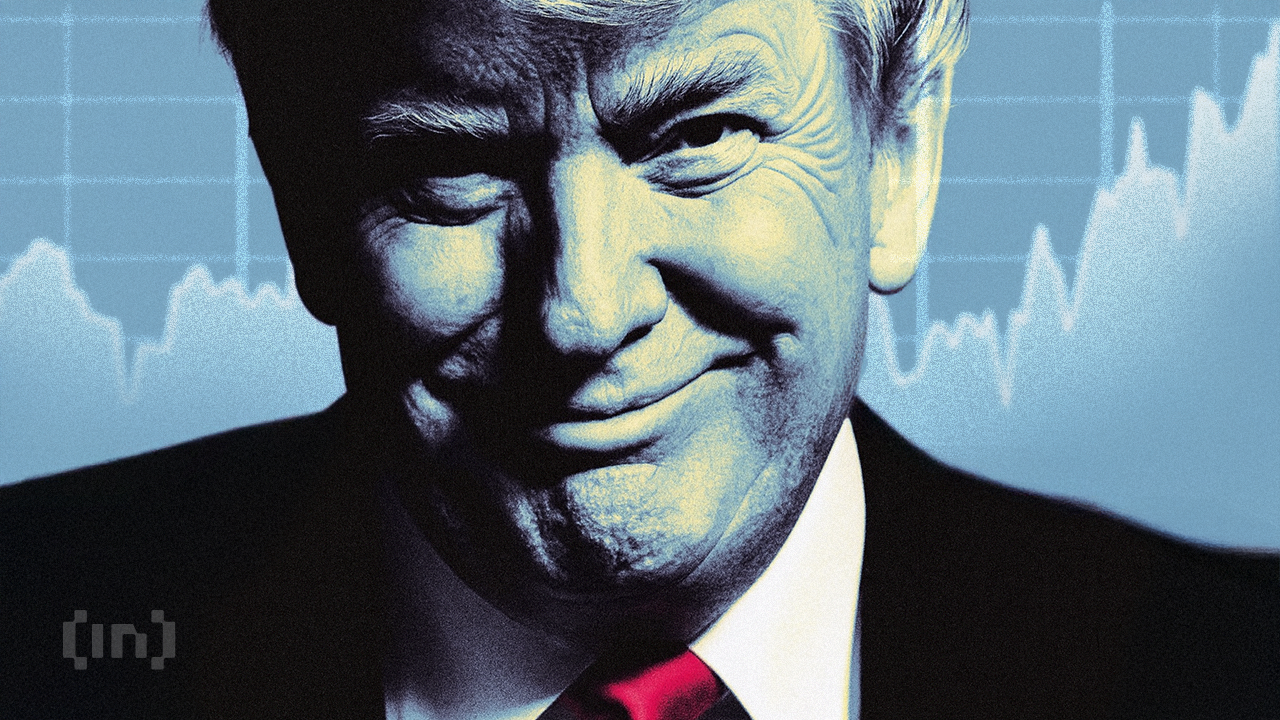
The White House is considering a plan to review powerful artificial intelligence models before they are released, according to reports published on May 5, 2026.
The proposal would mark a major shift in US AI policy. It could give the federal government a direct role in assessing advanced models before they reach the public or are deployed across government systems.
The discussions reportedly center on a new executive order. It could create an AI working group involving government officials, national security agencies, and technology executives.
Trump as the AI Guardian Gatekeeper?
The immediate concern is security. Reports say officials are worried that frontier AI models could help users discover software flaws, write harmful code, or accelerate cyberattacks.
One model reportedly under scrutiny is Anthropic’s Claude Mythos. Cybersecurity experts have warned that its coding ability could make complex attacks easier to plan and execute.
However, the White House has not confirmed a final policy. Officials have described talk of a new executive order as speculation, saying any announcement would come directly from President Donald Trump.
The main risk is overreach. A pre-release review process could slow AI development, create political pressure over model launches, and give Washington unusual influence over private technology.
At the same time, the security argument is not weak. If a model can meaningfully improve cyberattack capability, the government has a clear reason to examine how it is released and who can access it.
The key question is scope. A narrow review for national security and government deployment would be easier to justify. A broader approval system for all major AI models would be more controversial.
There is a recent comparison in crypto. Trump created a digital asset working group in January 2025 to coordinate policy across agencies. That group later helped shape the administration’s crypto agenda, including stablecoin rules and agency-level action.
That history matters. Trump’s working groups can start as advisory bodies, then become policy engines. If the AI plan moves forward, it may become the first serious test of how far his administration is willing to control frontier AI before release.
The post President Trump Could Vet AI Models Before Public Release appeared first on BeInCrypto.

Pep Guardiola message for Man City stars after Everton collapse – ‘Better effort’
Common Mistakes Almost Everyone Makes When Shopping For Milwaukee Tools

| Live Trading – Crypto and Gold | 28 April | – IITian Trader #cryptotrading

Manchester United reach agreement with Casemiro over contract clause amid transfer speculation

US brings back mandatory military draft registration

Steven Gerrard disagrees with Gary Neville over ‘shock’ Chelsea and Arsenal claim | Football


-

 Business6 days ago
Most Commercial Energy Audits Miss the Real Losses
-

 Fashion6 days ago
Kylie Jenner’s KHY Enters a New Era with ‘Born in LA’
-

 NewsBeat1 day ago
Channel 5 – All Creatures Great and Small series 7 new post
-
 Tech3 days ago
Trump’s 25% EU auto tariff breaches Turnberry Agreement that also covers semiconductors and digital trade
-
 Sports3 days ago
Paul Scholes issues Marcus Rashford reality check as agreement emerges over Man United star
-

 Crypto World7 days ago
CFTC’s AI will review U.S. crypto registration applications, chairman tells CoinDesk
-

 Business6 days ago
Barclay Brothers Avoid Bankruptcy: HSBC Drops High Court Petitions After IVA Deal
-
 Business5 days ago
Tesla Officially Registers Elon Musk’s Stock: What Investors Need to Know
-
 Crypto World7 days ago
Robinhood Phishing Scam Exploits Gmail Dot Feature to Bypass Security
-

 Tech7 days ago
Get Ready for More Brain-Scanning Consumer Gadgets
-

 Crypto World7 days ago
Gmail Dot Trick Underpins Robinhood Phishing, Sending Real-Looking Emails
-

 Business4 days ago
Two Powerball Tickets Split $143 Million Jackpot in Indiana and Kansas
-

 Tech5 days ago
Texas Instruments made a new flagship graphing calculator: the TI-84 Evo
-
 Crypto World4 days ago
CoreWeave (CRWV) Stock Climbs 8% Despite $45M Insider Share Dump
-
Business2 days ago
Winning Numbers Drawn as Jackpot Resets to $20 Million
-

 Tech7 days ago
Bambu Lab H2C review: the Cadillac of 3D printers
-

 Tech7 days ago
Robinhood account creation flaw abused to send phishing emails
-

 Business7 days ago
General Motors (GM) earnings Q1 2026
-
 Crypto World7 days ago
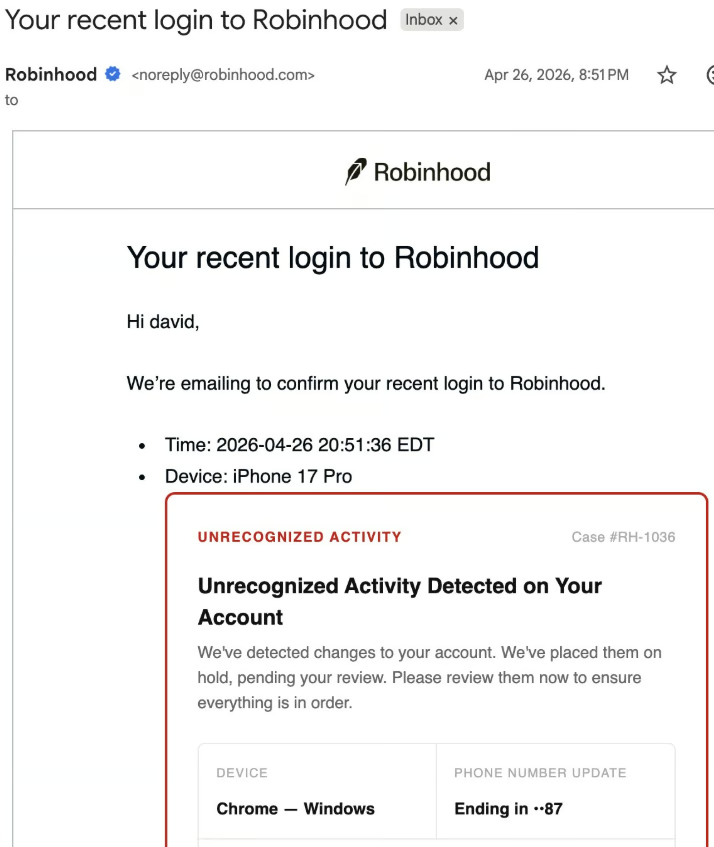
Robinhood Phishing Scam Uses Gmail Dot Trick to Send Real Emails
-

 Tech7 days ago
‘Stop Killing Games’ Got Its EU Parliament Hearing
You must be logged in to post a comment Login