
Crypto World
China’s Tax Authority Urges Bank Blockchain Implementations for Lending


China’s tax and financial regulators on Monday urged banks and local authorities to use blockchain and privacy computing to upgrade the “bank-tax interaction” model and expand financing for small businesses.
The State Administration of Taxation and National Financial Regulatory Administration said in a joint policy notice that banks and taxpayers should standardize data sharing and reduce information asymmetry between tax authorities, banks and enterprises.
The report also urged banks to improve credit models, enhance credit approval efficiency and increase the supply of financing services to “honest, tax-paying enterprises.”
The directive aligns with China’s broader effort to integrate blockchain into data infrastructure, following a National Development and Reform Commission roadmap released in January 2025 targeting nationwide implementation by 2029.
Shen Zhulin, the deputy director of the National Data Administration, said in a January 2025 press conference that China expects blockchain-based data infrastructure to attract 400 billion yuan (about $58 billion) in yearly investments.

Chinese regulators outline data infrastructure push with 400 billion yuan target
While China has issued strict controls on cryptocurrencies and speculative digital asset trading, it also pushed for the incorporation of blockchain initiatives in finance and data infrastructure.
In October 2019, Chinese President Xi Jinping highlighted the technology as an important “breakthrough” for independent innovation of core technologies, urging the acceleration of the development of blockchain-based applications and their integration in the real-world economy.
Related: Trump: US has to ‘make it so that China doesn’t get the hold‘ of crypto
In April 2021, the Shenzhen Tax Bureau expanded the country’s first blockchain electronic invoice system.
However, in September that same year, China issued a nation-wide ban on crypto transactions and mining as part of a wider crackdown across multiple government agencies.

Despite the ban, China is still cited as the third-largest Bitcoin (BTC) mining country. In January 2026, it accounted for 11.7% of the global hashrate, according to data from Compass Mining.
Magazine: China’s ‘50x’ blockchain boost, Alibaba-linked AI mines Bitcoin: Asia Express

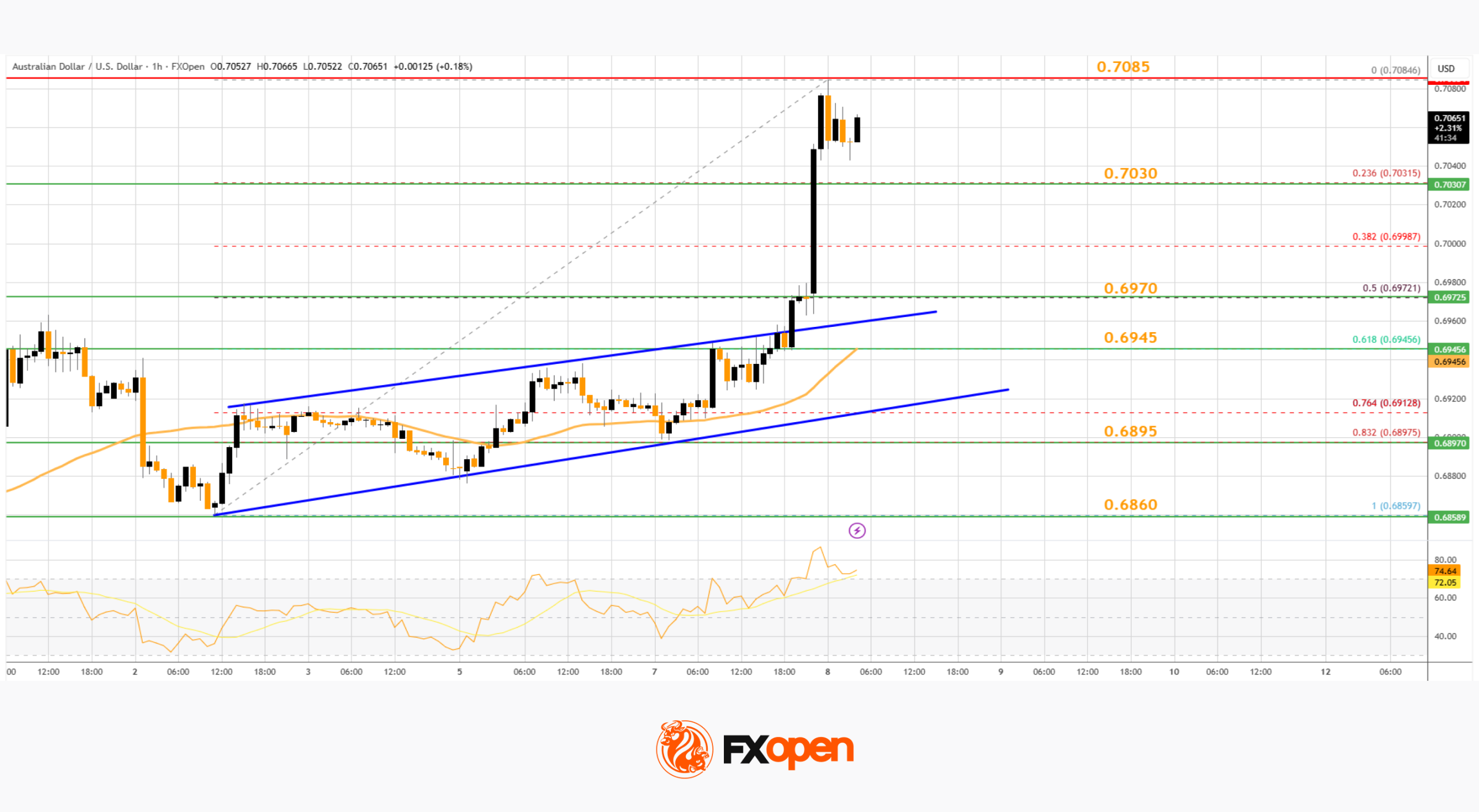
AUD/USD started a fresh increase above 0.6970 and 0.7000. NZD/USD is also rising and might aim for more gains above 0.5850.
Important Takeaways for AUD USD and NZD USD Analysis Today
· The Aussie Dollar started a steady increase above 0.7000 against the US Dollar.
· There was a break above a rising channel with resistance at 0.6960 on the hourly chart of AUD/USD at FXOpen.
· NZD/USD is consolidating gains above the 0.5755 pivot zone.
· There was a break above a key contracting triangle with resistance at 0.5710 on the hourly chart of NZD/USD at FXOpen.
AUD/USD Technical Analysis
On the hourly chart of AUD/USD at FXOpen, the pair started a fresh increase from 0.6860. The Aussie Dollar was able to clear 0.6900 to move into a positive zone against the US Dollar.
There was a break above a rising channel with resistance at 0.6960. There was a close above 0.7000 and the 50-hour simple moving average. Finally, the pair tested 0.7080. A high was formed near 0.7084 and the pair recently started a consolidation phase. There was a minor decline below 0.7075.
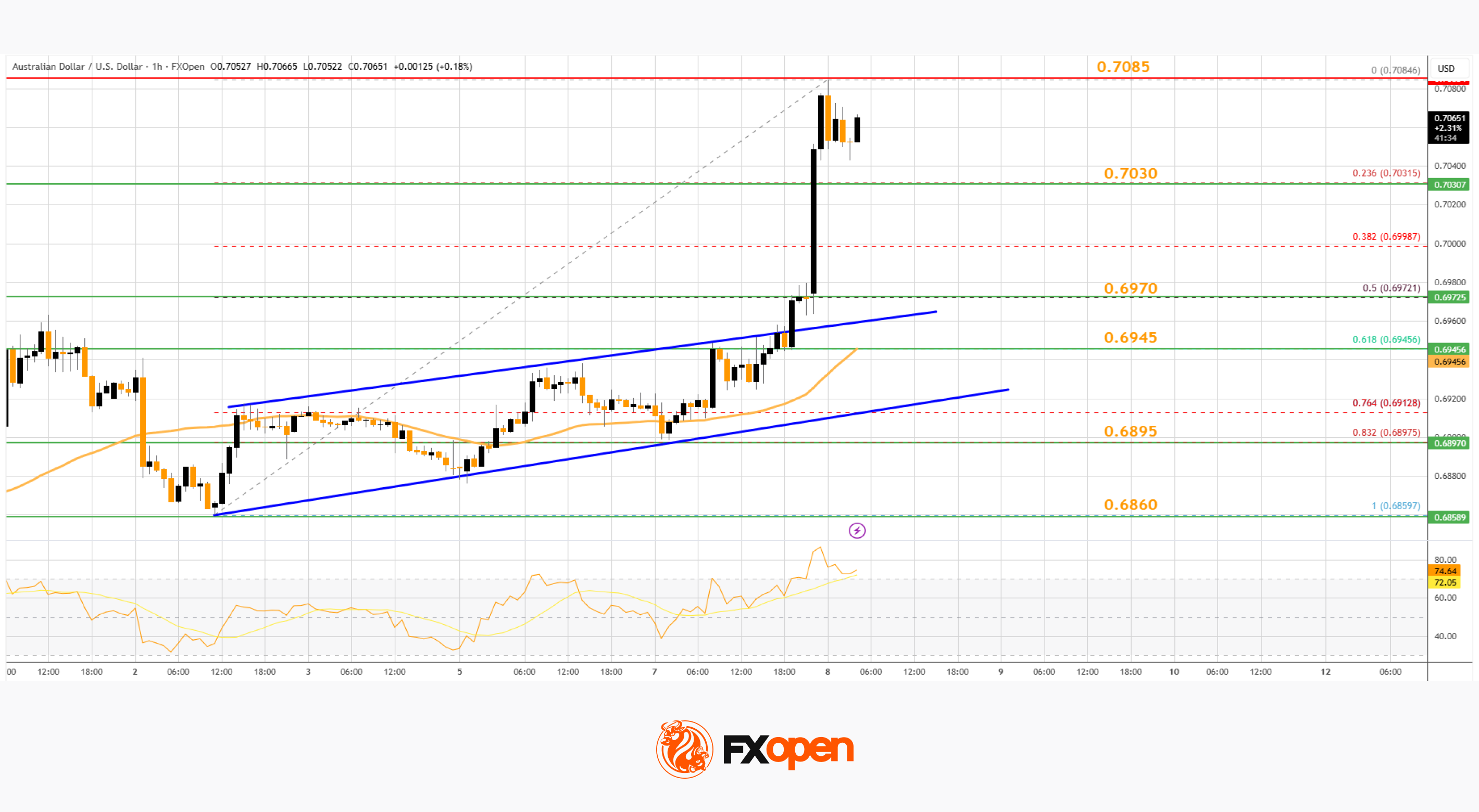
On the downside, initial support is near the 23.6% Fib retracement level of the upward move from the 0.6859 swing low to the 0.7084 high. The next area of interest could be near 0.6970 and the 50% Fib retracement.
If there is a downside break below 0.6970, the pair could extend its decline toward the 0.6945 zone and the 50-hour simple moving average. Any more losses might signal a move toward 0.6895.
On the upside, the AUD/USD chart indicates that the pair is now facing resistance near 0.7085. The first major hurdle for the bulls might be 0.7120. An upside break above 0.7120 might send the pair further higher. The next stop is near 0.7200. Any more gains could clear the path for a move toward 0.7320.
NZD/USD Technical Analysis
On the hourly chart of NZD/USD on FXOpen, the pair started a fresh increase from 0.5675. The New Zealand Dollar broke the 0.5720 barrier to start the recent rally against the US Dollar.
More importantly, there was a break above a key contracting triangle with resistance at 0.5710. The pair settled above 0.5755 and the 50-hour simple moving average.
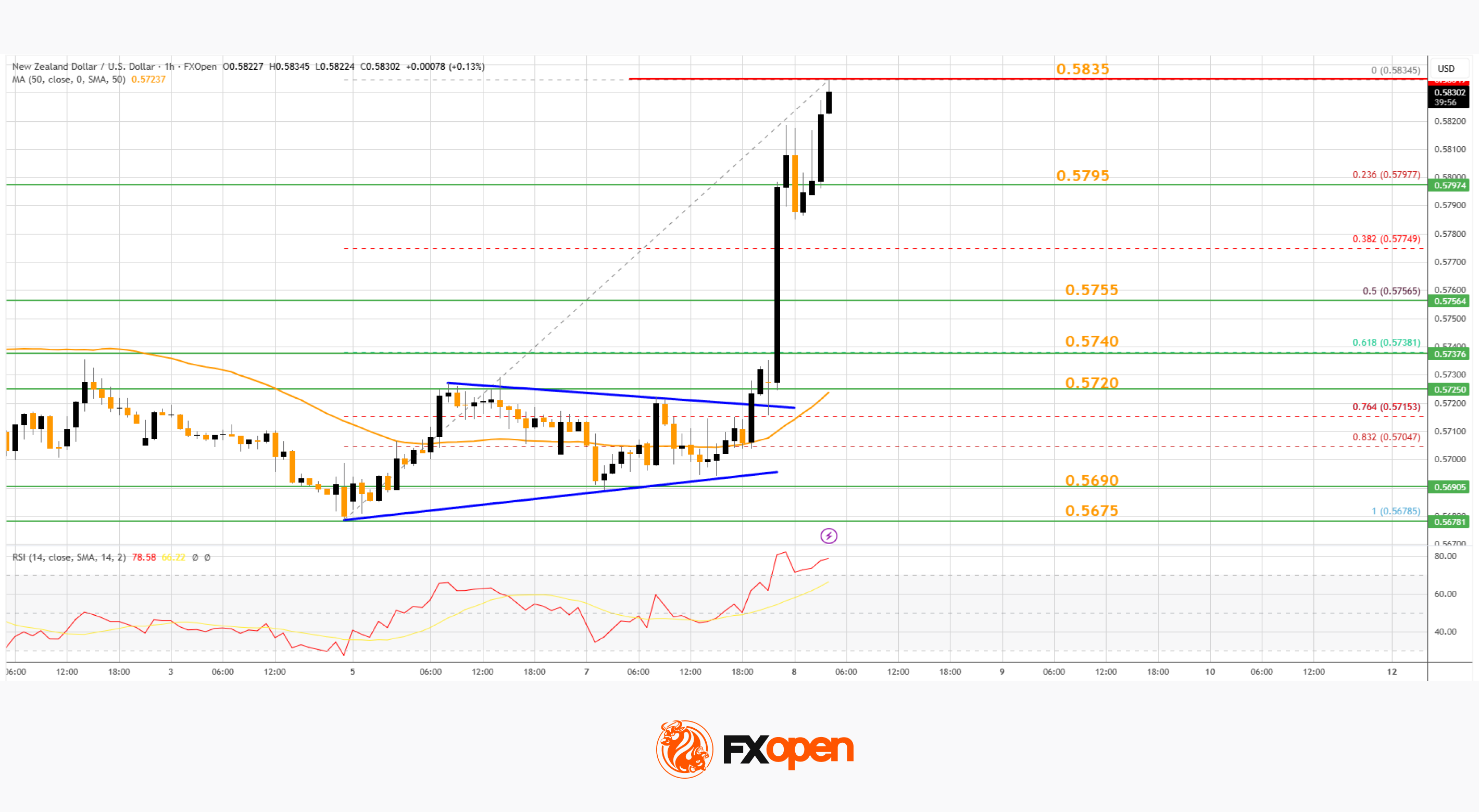
It tested 0.5835 and is currently consolidating gains. There was a minor pullback below 0.5820. The NZD/USD chart suggests that the RSI is now just above 70. On the upside, the pair might struggle near 0.5835. The next major hurdle is near the 0.5880 pivot level.
A clear move above 0.5880 might even push the pair toward 0.6950. Any more gains might clear the path for a move toward the 0.7000 zone in the coming days.
On the downside, immediate support is near the 0.5795 level and the 23.6% Fib retracement level of the upward move from the 0.5678 swing low to the 0.5834 high.
The first key zone for the bulls sits at 0.5755 and the 50% Fib retracement. The next important level is 0.5720 and the 50-hour simple moving average. If there is a downside break below 0.5720, the pair might slide toward 0.5690. Any more losses could lead NZD/USD into a bearish zone to 0.5650.
Trade over 50 forex markets 24 hours a day with FXOpen. Take advantage of low commissions, deep liquidity, and spreads from 0.0 pips (additional fees may apply). Open your FXOpen account now or learn more about trading forex with FXOpen.
This article represents the opinion of the Companies operating under the FXOpen brand only. It is not to be construed as an offer, solicitation, or recommendation with respect to products and services provided by the Companies operating under the FXOpen brand, nor is it to be considered financial advice.


A crypto whale walked away with a huge profit early Wednesday after U.S.-Iran ceasefire news sent oil prices crashing.
The trader “Loracle” had shorted $5 million in crude oil perpetual futures on Hyperliquid last week. As oil prices cratered over 15% below $100 per barrel early Wednesday, Loracle squared off the bearish bet, pocketing $2 million, per Arkham Intelligence.
Loracle’s crypto holdings, comprising USDT, USDC, ETH, and others, total over $8 million as of this writing.
This shows how traditional markets on decentralized platforms like Hyperliquid are helping crypto traders mint fortunes akin to the memecoin mania of 2020-21 that created degen millionaires.
The recent war has established established Hyperliquid as a go-to platform for crypto traders to bet on traditional assets, especially on weekends when legacy markets are closed.
Hyperliquid’s latest activity figures make it clear: WTI crude oil perpetual futures racked up $2.45 billion in trading volume over the past 24 hours, outpacing perpetuals tied to ether (ETH), the world’s second-largest cryptocurrency by market value. Bitcoin holds the top spot, while Brent oil sits fourth with $1.3 billion in volume.


Alchemy, a cryptocurrency infrastructure provider used by many blockchains and firms in the space, has released a new tool, AgentPay , that lets different AI payment systems, from companies like Coinbase, Stripe, Visa, Mastercard, and Circle, work together.
The new tool addresses the problem that agentic payment systems currently coming online aren’t “interoperable”, or in other words, don’t talk to one another, meaning a merchant that wants AI agents as customers has to build a separate integration for every protocol.
“That’s not sustainable, and it’s only going to get more fragmented as more systems launch,” said Alchemy CTO Guillaume Poncin in an email. “AgentPay fixes that. A merchant registers their existing API with us, we give them a new endpoint, and any agent on any supported protocol can pay them through it.”
Alchemy is widely seen as the “AWS of Web3,” as it provides the infrastructure, developer tools, and node services needed to build blockchain applications.
AgentPay promises one integration for every protocol, citing the likes of x402, MPP, A2P, L402. “We sit in the middle as the translation layer, where AgentPay routes instructions, and Alchemy never touches the funds,” Poncin said.
So-called agentic finance, which is expected to become a major pillar of all payments activity on the internet, can involve micro-transactions, or nano-payments, some of which take place between AI agents with humans somewhere in the background.
Alchemy has carried out a private beta soft launch for now, and is aiming for a general release in the coming weeks.
Crypto World
Ethereum Price Prediction: ETH Buyers Back as Stablecoin Supply Hit $180 Billion Record

Ethereum buyers are back while the price rallies with 7% gain. But not just the Ethereum price; stablecoins are also posting record-breaking milestones, signaling structural demand.
Ethereum’s on-chain stablecoin supply hit a fresh all-time high of $180 billion, a 150% surge from $72 billion just three years ago. That eclipses the prior peak of $166 billion set in September 2025, an 8.4% jump in seven months achieved despite persistently bearish broader sentiment.
— CW (@CW8900) April 8, 2026
 BULLISH: Stablecoin supply on Ethereum has hit an ATH of $180B, up 150% in 3 years, per Token Terminal. pic.twitter.com/4mNy70583N
Ethereum commands 60% dominance of global stablecoin supply, ahead of Tron and Solana, driven by USDT at almost 50%. Analyst projects total on-chain stablecoin flows reaching $1.7 trillion by 2030, with Ethereum capturing roughly $850 billion at a 50% market share assumption.
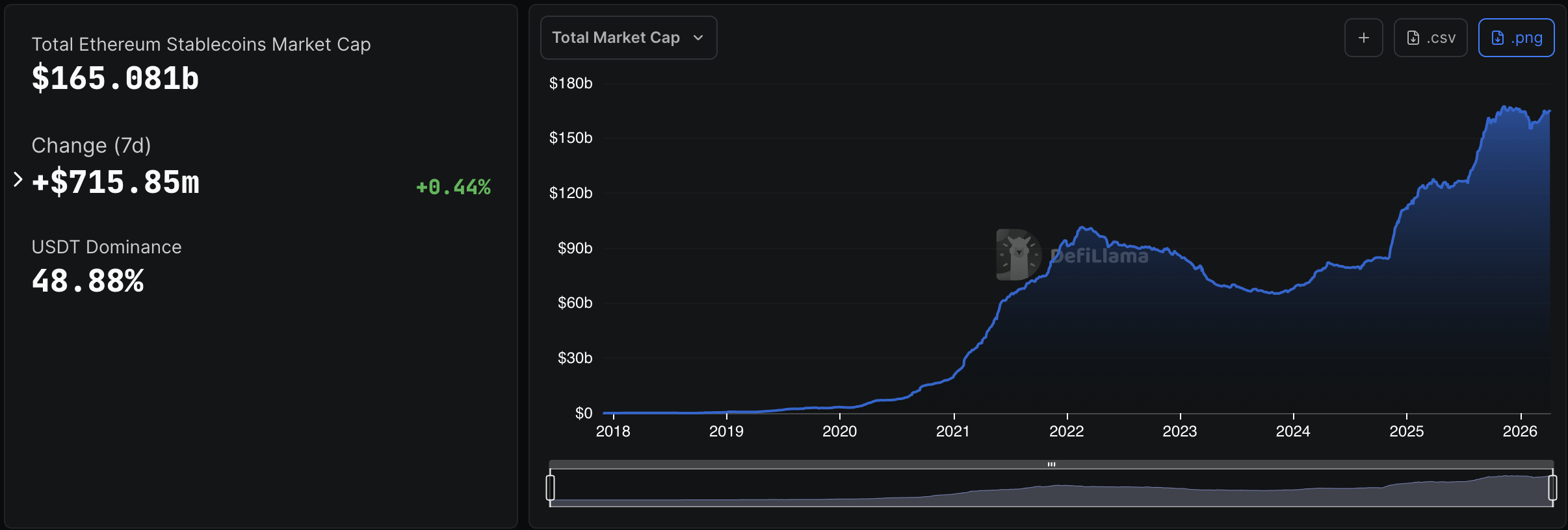
That projection reframes the ETH price conversation entirely, from short-term chart patterns to long-term settlement layer dominance. Upcoming scalability upgrades and ETF-related catalysts are amplifying the setup heading into Q2.
Is today a genuine inflection point? Or just another head-fake in a bruising market cycle?
Discover: The best pre-launch token sales
Ethereum Price to Break $2,400 Resistance
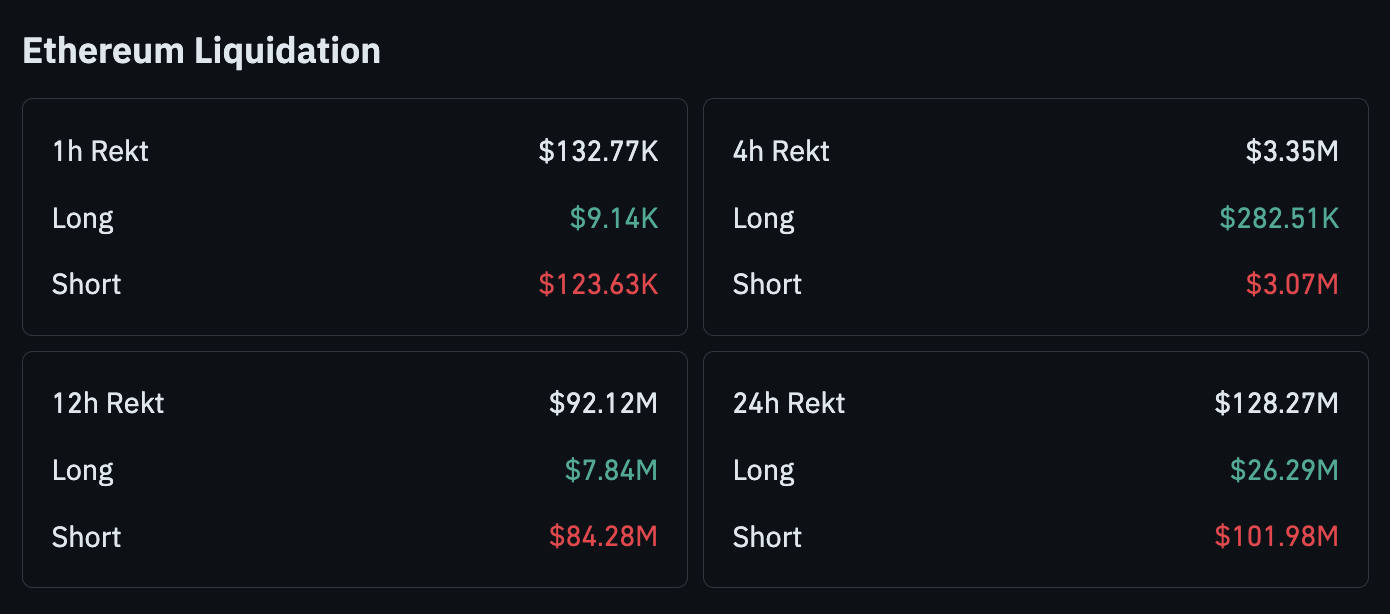
ETH’s 7% single-day recovery carries weight given the context; $100 million in short liquidations were flushed in the move toward $2,120 before price extended higher, establishing a post-liquidation base that analysts now treat as near-term support.
For ETH, Resistance clusters at $2,400, a zone coinciding with prior peaks. Volume, however, remains a sticking point. The bounce has been directionally clean but lacks the aggressive follow-through that would confirm institutional accumulation rather than short covering.
Market sentiment is also fragile, with geopolitical risk capable of disrupting any recovery at any moment.
The stablecoin data builds a compelling structural floor. The price chart, though, still demands confirmation.
Discover: The best crypto to diversify your portfolio with
Maxi Doge Targets Early Mover Upside as Ethereum Breaking Records
ETH at $2,250 and 7% day gain is genuinely strong. But capturing more than 100% from a $270 billion market cap asset requires either exceptional patience or outsized conviction. Liquidity is rotating across the crypto stack, and early-stage plays on Ethereum’s own rails are drawing attention from traders hunting asymmetric setups.
Maxi Doge ($MAXI) is one such project currently in presale, an ERC-20 meme token built around what it describes as the “1000x leverage trading mentality,” embodied by a 240-lb canine juggernaut.
The presale has raised more than $4.7 million at a current price of $0.00028, with 66% staking APY available to early participants. Features include holder-only trading competitions with leaderboard rewards, a Maxi Fund treasury for liquidity and partnerships, and meme-first viral marketing built around the tagline: Never skip leg-day, never skip a pump.
Research Maxi Doge and join the gang.
The post Ethereum Price Prediction: ETH Buyers Back as Stablecoin Supply Hit $180 Billion Record appeared first on Cryptonews.
In a market still obsessed with flashy token launches and unsustainable farming yields, most serious crypto holders quietly face the same frustration: their assets sit idle or locked up in rigid staking positions while network unbonding periods drag on for weeks. FortisX.fi quietly solves that problem with a hybrid model that combines managed staking across major PoS networks and internal liquidity pools that deliver competitive, variable yields without the usual headaches.
Launched as an infrastructure play back in 2018 and now managing over $156 million in allocated assets, FortisX isn’t chasing retail hype. It’s built for long-term holders who want their Bitcoin, Ethereum, Solana, XRP, stablecoins, and a dozen other major assets to actually work—while still being able to access capital when they need it.
Two Paths, One Powerful Engine
FortisX offers two complementary products that run on the exact same data-driven risk and allocation framework. The choice comes down to your time horizon and liquidity preference.

Liquidity Pools are the more dynamic option. You provide liquidity into FortisX’s internal pools, which sit directly on top of the platform’s native staking engine. These pools absorb the timing friction that plagues most Proof-of-Stake networks—Ethereum’s exit queues, Solana epochs, Polkadot’s 28-day unbonding, Cosmos slashing risks, and so on.
The result? Variable yields currently estimated between 8.3% and 27.1% APY (with a median hovering around 18%), paid out from a combination of underlying staking rewards plus operational economics like spreads and fast-exit premiums.
What makes these pools stand out is transparency and flexibility. Yields fluctuate with real pool activity under clearly documented rules rather than opaque black-box mechanics. Withdrawals are available anytime within available liquidity—no forced lock-ups on the platform side.
Popular pools right now include USDT, XRP, ETH, SOL, and several others across 23 supported assets. If you’re a holder who likes the idea of their capital staying productive but doesn’t want to wake up to a 21-day wait to sell during a market move, this is the product designed for you.
Managed Staking, by contrast, targets those who prefer a more passive, network-native approach. The platform allocates your stake across carefully vetted validators using strict diversification policies, real-time on-chain analytics, and continuous risk monitoring.
Current estimated APRs range from 3.8% to 20% depending on the network (Ethereum around 3.76%, Solana ~6.72%, Cosmos up to 19%, etc.), with a median around 6.1%. The engine handles validator performance, concentration risks, slashing probabilities, and network-specific quirks so you don’t have to. An internal liquidity layer still smooths entry, reward payouts, and partial exits where possible, giving it a meaningful edge over raw native staking.
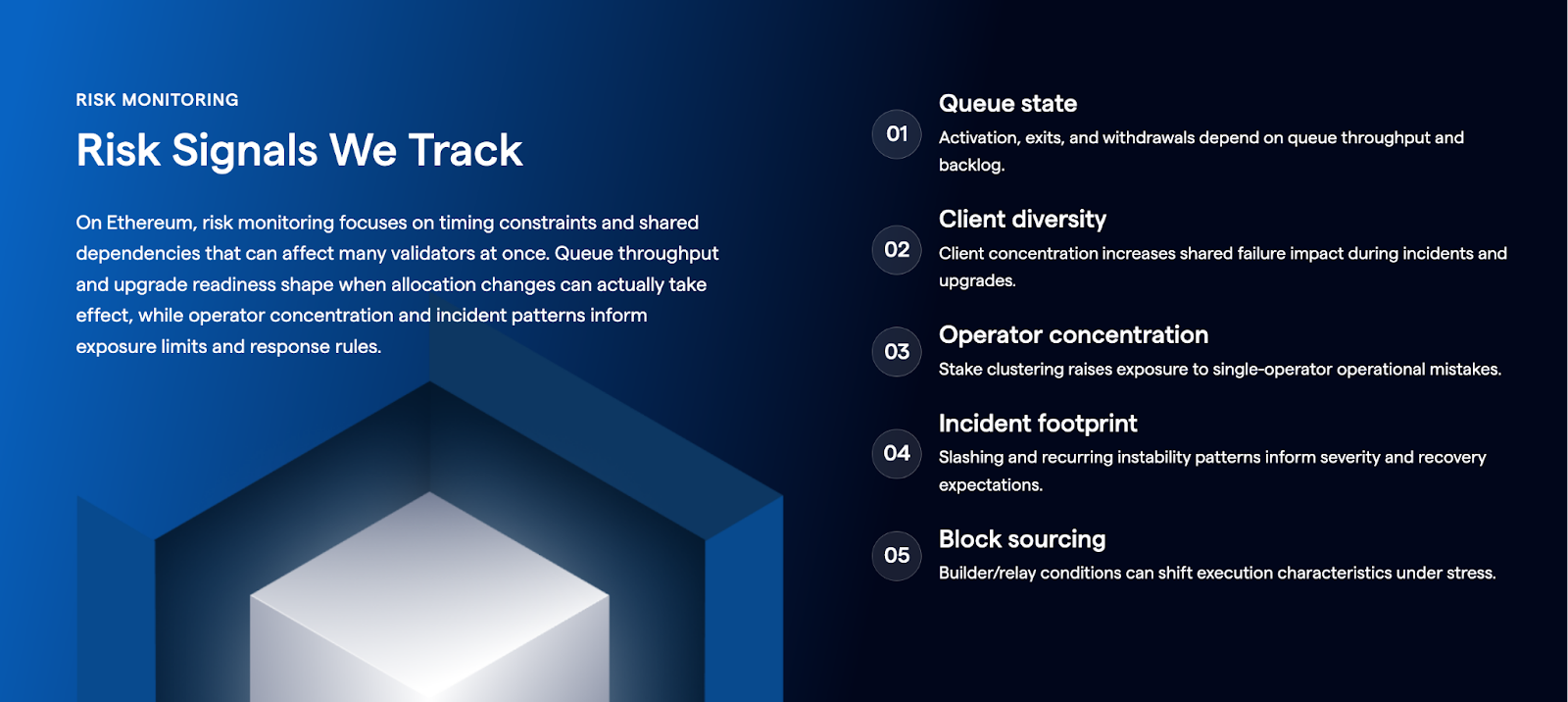
Both products share the same under-the-hood infrastructure: Fireblocks MPC-grade custody (keys never touch the staking operations directly), two independent audits (CertiK and Cyberscope) with all medium and low findings remediated, and a public policy engine that anyone can review.
Built Like Infrastructure, Not Another DeFi Experiment
What separates FortisX from the sea of liquid staking tokens and centralized exchange staking programs is its obsessive focus on operational transparency and risk management. The same analytics engine that powers allocations is exposed via API for developers and institutions. Validator metrics, network fees, block times, active set concentration—everything is visible and rules-based rather than “trust us.”
This isn’t marketing fluff. The platform has been operating since 2018 as a staking infrastructure provider before expanding into user-facing products. In an era where many DeFi protocols have collapsed under the weight of over-leveraged incentives or hidden smart-contract risks, FortisX’s conservative, data-first approach feels refreshingly institutional without being boring.
Compare it side-by-side:
- Native staking: High effort, full network risk exposure, long unbonding periods.
- Exchange staking: Convenient but you’re trusting the platform’s terms and often centralized custody.
- Liquid staking tokens: Great for composability but variable slippage, protocol-specific risks, and sometimes diluted yields.
- FortisX: Combines professional validator management with built-in liquidity and full visibility into the rules.
Why This Matters in 2026
PoS networks now dominate the blockchain landscape for good reason—energy efficiency, real economic security, and sustainable yields. But the average holder still struggles with the practical realities of participation. FortisX removes those friction points without turning yield into a speculative game.
Whether you’re parking stablecoins for steady income, rotating through blue-chip assets like SOL or XRP for higher variable returns, or simply diversifying a long-term portfolio, the platform gives you options that actually match how professional investors think about capital efficiency.
Yields will always fluctuate with market conditions and network activity—that’s the nature of real DeFi. But the combination of audited security, transparent policies, instant-ish liquidity where networks allow it, and a battle-tested team makes FortisX one of the more credible yield solutions available today.
If you’ve been sitting on idle crypto wondering how to put it to work without sacrificing sleep, FortisX.fi deserves a serious look. Head over to the site, explore the pools or staking dashboard, and see how the numbers stack up against your current setup. In a market that rewards patience and infrastructure over hype, this is the kind of quiet utility that actually compounds.
The post FortisX.fi: Where Professional-Grade Staking Finally Meets Real Liquidity appeared first on BeInCrypto.


More than two years after the first 11 spot bitcoin ETFs began trading in the U.S., a 12th, issued by a top-10 Wall Street bank with $1.9 trillion in assets under management, could debut Wednesday.
The Morgan Stanley Bitcoin Trust could start trading NYSE Arca under the ticker MSBT, Bloomberg’s ETF Analyst Eric Balchunas said on X, an NYSE listing notice that points to an April 8 launch.
The ETF hold actual bitcoin and tracks the CoinDesk Bitcoin Benchmark 4 PM NY Settlement Rate. It does not use leverage, derivatives, or active trading to beat bitcoin’s price swings. BNY and Coinbase Custody will handle bitcoin storage, and the fund is launching with about $1 million in initial capital (seed) and 50,000 shares ready for trading.
Like its peers, the fund gives investors exposure to the cryptocurrency without having to own or safeguard it themselves.
Where it stands out is on cost: the trust charges a 0.14% annual fee, undercutting BlackRock’s iShares Bitcoin Trust at 0.25% and most rivals.
The impending launch marks a milestone for the market, signaling the first time a major U.S. bank is bringing a spot bitcoin ETF to investors. It underscoring the surging demand for exposure to alternative assets like bitcoin.
Morgan Stanley is pushing deeper into digital assets, having filed earlier this year for spot Solana ETFs and planning to roll out trading in bitcoin, ethereum and solana on E*Trade in the first half of 2026 via a collab with Zero Hash.
Spot ETFs have become a go-to vehicle for institutions seeking exposure to the cryptocurrency. Since the first 11 funds debuted in January 2024, they have collectively drawn more than $56 billion in net inflows, according to data source SoSoValue.
Activity in derivatives linked to these products has surged as well, with the mechanics of options tied to iShares Bitcoin Trust widely seen as amplifying bitcoin’s price slide in early February.
These alternative investment vehicles have driven the mainstream financialization of Bitcoin, helping to dampen its volatility. Market dynamics have evolved, with BTC’s implied volatility increasingly mirroring Wall Street’s fear gauge, the VIX – rising during price declines and falling during rallies.
Morgan Stanley’s upcoming ETF is likely to reinforce these trends.
Crypto World
JPMorgan Projects Tokenized Real-World Assets Market Could Reach $13 Trillion by 2030: JPMorgan


JPMorgan says the tokenized real-world assets market could grow to $13 trillion by 2030.
JPMorgan released a projection on Monday stating that the tokenized real-world assets (RWA) market could grow to $13 trillion by 2030. The estimate reflects the investment bank’s outlook on the expansion of blockchain-based tokenization of traditional assets including securities, commodities, and real estate.
The projection underscores growing institutional interest in RWA tokenization as a mechanism to improve settlement efficiency and accessibility to traditionally illiquid assets. JPMorgan has been active in the blockchain space, previously launching its own blockchain network for institutional payments.
Sources: WatcherGuru
This article was generated automatically by The Defiant’s AI news system from publicly available sources.


Solana Foundation unveiled STRIDE, a comprehensive security evaluation program for DeFi protocols, alongside SIRN, a membership-based incident response network with five founding security firms.
The Solana Foundation announced the launch of STRIDE (Solana Trust, Resilience and Infrastructure for DeFi Enterprises) and the Solana Incident Response Network (SIRN) on Monday. STRIDE establishes security requirements and independent evaluations for Solana protocols, with the Solana Foundation funding formal verification for protocols above $100M TVL and providing 24/7 threat monitoring for those above $10M TVL. SIRN, a membership-based network led by founding members Asymmetric Research, OpenZeppelin Security, Neodyme, Multisig, and Zero Shadow, offers real-time incident response across the ecosystem with prioritization by TVL.
The initiatives represent an ecosystem-wide investment in security standards as Solana scales. STRIDE includes hands-on evaluations and a public repository of findings available to all protocols. All three programs—STRIDE, threat monitoring, and formal verification—are funded by the Solana Foundation, with SIRN available to all protocols on the network.
Sources: Solana Foundation
This article was generated automatically by The Defiant’s AI news system from publicly available sources.
Oil prices dropped sharply late April 7 while Bitcoin climbed back toward $70,000, as markets reacted to signs that a last-minute diplomatic breakthrough between the US and Iran may be close.
Reports from CNN citing a regional source said “some good news is expected from both sides soon,” with expectations that a deal could be finalized before President Donald Trump’s deadline expires. The shift in tone comes just hours after markets braced for potential escalation in the Middle East.
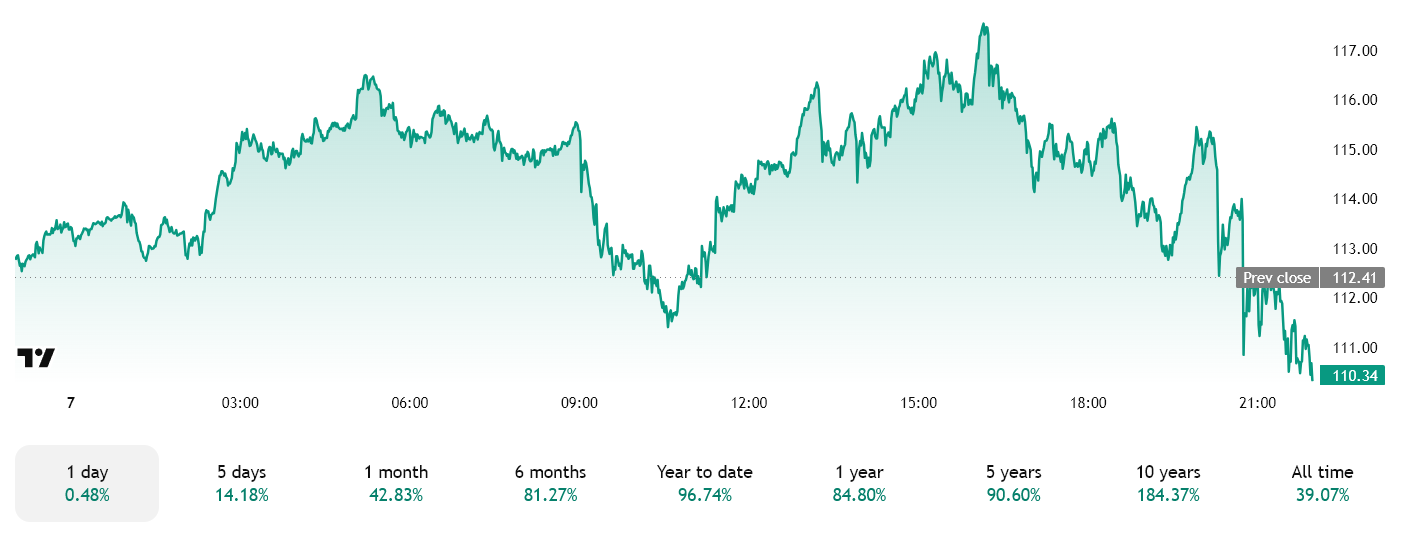
Bitcoin rebounded to around $69,900, recovering intraday losses, while oil pulled back from earlier highs as traders priced in a lower risk of supply disruption.
Trump’s Deadline Pushes Markets to the Edge
Earlier in the day, Trump imposed a hard deadline of 8 p.m. ET (midnight GMT) for Iran to agree to a US proposal that includes reopening the Strait of Hormuz.
He warned that failure to comply would trigger large-scale strikes on Iran’s infrastructure, including power plants and transport networks.
The rhetoric escalated quickly. Trump said a “whole civilization will die tonight” if no deal is reached, while US and Israeli strikes intensified across Iranian targets ahead of the deadline.

Iran responded with threats of regional retaliation and urged civilians to form human chains around critical infrastructure.
Markets reacted in real time. Oil surged on fears of prolonged disruption to global supply routes, while risk assets, including crypto, saw volatility. Now, on reports of positive diplomatic developments, oil price has sharply dropped.
Pakistan Mediation and Last-Minute Deal Signals
Diplomacy accelerated in the final hours. Pakistan, acting as a key intermediary, formally requested a two-week extension to allow negotiations to continue.
Prime Minister Shehbaz Sharif urged both sides to observe a temporary ceasefire and reopen the Strait of Hormuz as a goodwill measure.
The White House confirmed Trump was reviewing the proposal. At the same time, US officials said negotiations were ongoing, and Iran signaled it was considering the extension.
Now, with reports pointing to a possible agreement “tonight,” markets are shifting from panic to cautious optimism. The drop in oil and Bitcoin’s rebound suggest traders are positioning for de-escalation rather than immediate conflict.
The post Bitcoin, Oil, and Stock Markets Flip as Trump’s Iran Deadline Nears Deal Breakthrough appeared first on BeInCrypto.


Ethereum’s stablecoin supply reached an all-time high of $180 billion, representing 150% growth over three years and 60% of the total stablecoin market.
Stablecoin supply on Ethereum has reached an all-time high of $180 billion, up 150% over the past three years, according to Token Terminal. Ethereum currently holds a 60% market share in the stablecoin sector, dominating the landscape for dollar-pegged tokens across blockchain networks.
Token Terminal projects $1.7 trillion in stablecoin inflows to blockchain networks over the next four years. Assuming Ethereum’s market share gradually declines from 60% to 50%, the network could capture approximately $850 billion in new stablecoin flows by 2030.
Sources: Token Terminal
This article was generated automatically by The Defiant’s AI news system from publicly available sources.

State pension early access scheme ‘should be taken seriously’ says DWP minister

Indian billionaire Gautam Adani to seek dismissal of US SEC fraud case by April 30

Market Analysis: AUD/USD And NZD/USD Turn Bullish, Is Rally Set to Extend?


-

 NewsBeat6 days ago
Steven Gerrard disagrees with Gary Neville over ‘shock’ Chelsea and Arsenal claim | Football
-

 Business5 days ago
No Jackpot Winner and $194 Million Prize Rolls Over
-

 Fashion5 days ago
Weekend Open Thread: Spanx – Corporette.com
-

 Crypto World7 days ago
Gold Price Prediction: Worst Month in 17 Years fo Save Haven Rock
-

 Business2 days ago
Three Gulf funds agree to back Paramount’s $81 billion takeover of Warner, WSJ reports
-

 Sports3 days ago
India men’s 4x400m and mixed 4x100m relay teams register big progress | Other Sports News
-

 Business4 days ago
Expert Picks for Every Need
-

 Business6 days ago
Login and Checkout Issues Spark Merchant Frustration
-

 Tech11 hours ago
How Long Can You Drive With Expired Registration? What Florida Law Says
-
Business3 days ago
No Jackpot Winner, Prize to Climb to $231 Million
-

 Tech6 days ago
Commonwealth Fusion Systems leans on magnets for near-term revenue
-

 Crypto World6 days ago
Ripple rolls out enterprise crypto treasury platform for corporates
-

 Tech7 days ago
Drawing Tablet Controls Laser In Real-Time
-

 Fashion2 days ago
Massimo Dutti Offers Inspiration for Your Summer Mood Board
-

 Fashion7 days ago
Debenhams Occasion Dresses for Girls 2026 Collection
-

 Crypto World7 days ago
Why It’s Partnering, Not Issuing
-
Politics5 days ago
Wings Over Scotland | The quality of mercy
-
 Sports7 days ago
Steal Gary Woodland’s subtle power move for longer drives
-
 Tech6 days ago
Battery Tester Outperforms Cheaper Options
-

 Sports7 days ago
Mohsin Naqvi-Led Pakistan Cricket Board Blasted By Younis Khan After 20 Million Rupees Fine On Naseem Shah
You must be logged in to post a comment Login