
Crypto World
Circle (CRCL) outpaces crypto stocks as stablecoin thesis gains momentum: William Blair

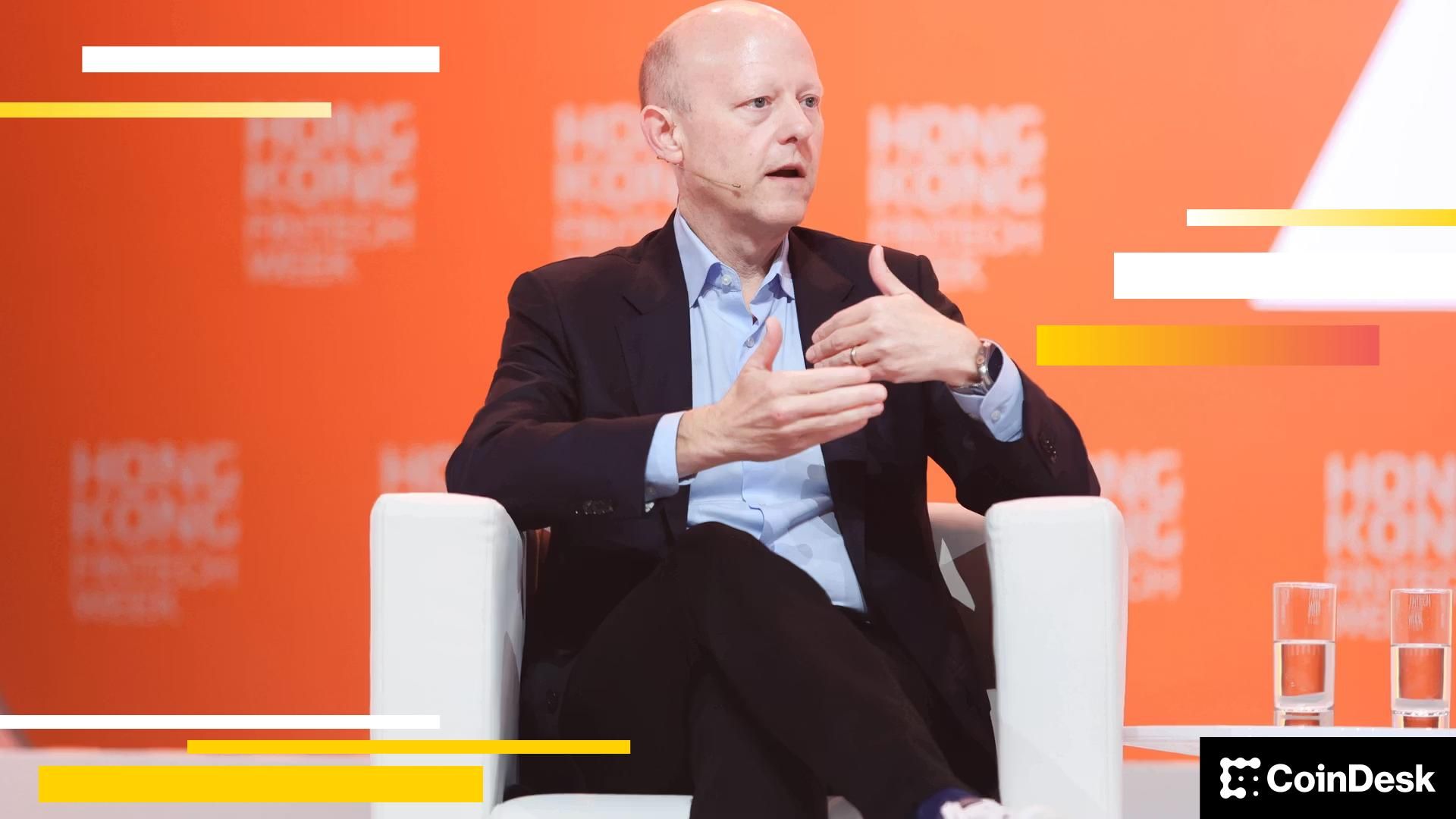
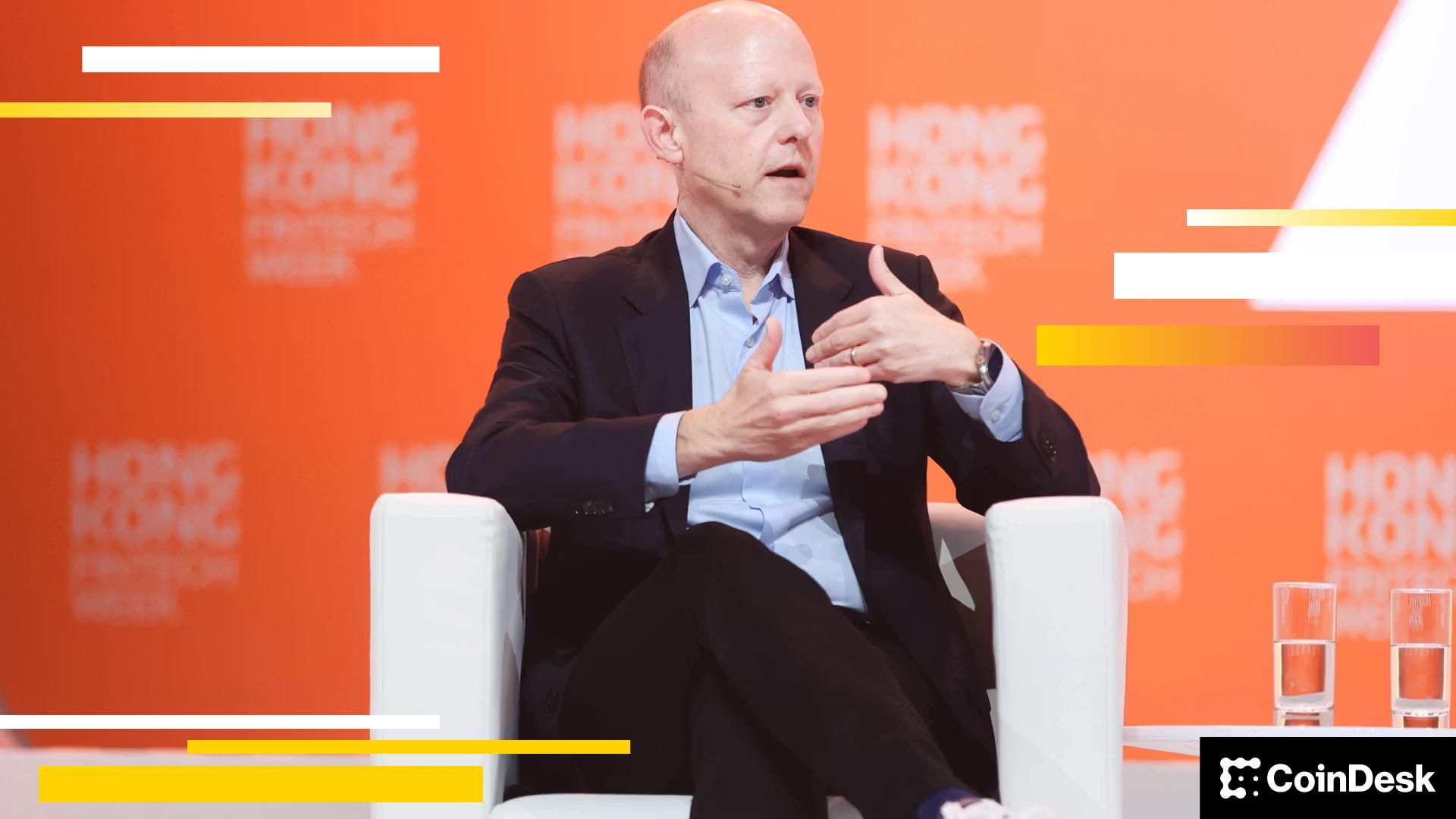
Circle (CRCL) has recently outperformed other crypto-linked equities, a move investment bank William Blair said reflects more than shifting macro conditions.
“It is tempting to ascribe recent strength to surging oil prices and perhaps a more hawkish Fed,” wrote analysts Andrew Jeffrey and Adib Choudhury in a Thursday note to clients.
“We think there is more at play, however, including USDC market cap resilience despite a crypto drawdown and growing appreciation of Circle’s economic model and stablecoin infrastructure leadership,” the analysts said.
The bank reiterated its outperform rating on the stock, arguing the rally, which has lifted shares roughly 126% from a February low, reflects improving sentiment toward stablecoin infrastructure rather than short-term market noise.
The shares were 1.2% higher at publication time, trading around $114.20.
Crypto-linked equities have broadly tracked, and often amplified, the recent downturn in digital assets, with shares of exchanges, miners and crypto-treasury companies falling as bitcoin retreated from its late-2025 highs.
Stocks such as Coinbase (COIN) and other crypto-exposed firms have typically moved in tandem with digital asset prices, reflecting the sector’s tight linkage to trading volumes and token valuations, and in some cases declining even more sharply than the underlying assets during market stress.
Japanese bank Mizuho said in a report last week that part of Circle’s rally may be tied to the recent surge in oil prices following escalating tensions in the Middle East. Higher crude prices could stoke renewed inflation concerns, the bank said, potentially dampening expectations for Federal Reserve interest rate cuts.
William Blair analysts said investors had previously been too bearish on Circle amid regulatory uncertainty and expectations for interest rate cuts. Now, the firm sees signs that the market is beginning to recognize the company’s core thesis: stablecoins could become a key layer of global payments infrastructure.
USDC could emerge as one of a handful of dominant standards in cross-border commerce, citing its liquidity, first-mover advantage and integration across crypto networks, according to the analysts.
The report also pointed to growing activity across Circle’s payments and infrastructure stack, including its stablecoin payments network, as evidence that the market for stablecoin-based settlement is beginning to take shape.
While other companies and tech platforms have floated launching their own stablecoins, the report said Circle’s minting, cross-chain transfer and payment orchestration infrastructure could provide a durable competitive moat as the sector develops.
Read more: How the war in Iran and trader positioning could be behind the surge in Circle’s stock


Disclosure: This article does not represent investment advice. The content and materials featured on this page are for educational purposes only.
AI trading platforms like ConfluxCapital gain ground as investors shift from cloud mining to smarter income strategies.
Summary
- Investors shift from cloud mining to AI-driven platforms like ConfluxCapital for more stable passive crypto income.
- ConfluxCapital uses algorithms to automate trading, improving speed, efficiency, and decision-making over manual strategies.
- The platform offers a $20 bonus, strong security, and flexible withdrawals, appealing to both new and experienced users.
Amidst the persistent volatility of the cryptocurrency market, an increasing number of investors are beginning to re-evaluate various avenues for generating passive income.
In recent years, “cloud mining” was widely regarded as a popular entry point for the average individual to participate in crypto mining; however, as the market matures and technology advances, AI-driven quantitative strategy platforms — such as ConfluxCapital — are gradually emerging as the new mainstream choice.

A transparent distance separates cloud mining from AI quantitative trading
The profitability logic of cloud mining is built upon opaque hash rate leasing arrangements; hidden fees erode anywhere from 30% to 60% of returns, invested capital becomes locked once deposited, and the majority of platforms lack third-party security certification — precisely the root cause behind the rampant prevalence of Ponzi schemes in this sector.
Investors are left to passively rely on the appreciation of BTC prices, with no means to verify whether the mining farms they are investing in actually exist.
AI quantitative trading, conversely, is a completely different proposition: it is grounded in algorithmic trading within open markets, featuring traceable strategies and transparent returns, with funds available for withdrawal at any time, provided certain conditions are met.
Its two-way trading mechanism enables profitability in both bull and bear markets, while institutional-grade security protocols — bolstered by insurance coverage — offer new users a risk-free, zero-cost registration experience.
In short, cloud mining forces investors to gamble on market direction and the integrity of the platform; AI quantitative trading empowers users to rely on algorithms and transparent rules.
What is the ConfluxCapital quantitative strategy?
ConfluxCapital is an automated trading platform powered by artificial intelligence and quantitative financial models. Its core function lies in utilizing algorithms to analyze market data and automatically execute trades at the optimal moment.
Compared to manual trading, quantitative strategies offer greater stability and decisive execution, enabling the completion of complex trading decisions within extremely short timeframes. The platform integrates a dual-layer security system featuring McAfee® and Cloudflare®; new users receive a $20 trial bonus upon registration, and funds can be withdrawn at any time once the account balance reaches $100.
ConfluxCapital simplifies complex quantitative trading into three steps:
Step 2: Choose a Strategy Package: The platform offers a variety of quantitative strategy packages to suit different capital sizes and risk appetites.
| Strategy Name | unit price | Days | Total Revenue |
| Starter Strategy | $100 | 2 days | $100+$6 |
| Basic Strategy | $600 | 5 days | $600+$45 |
| Advanced Strategies | $5,000 | 15 days | $5,000+$1,215 |
| Elite Strategy | $25,000 | 25 days | $25,000+$11,250 |
| Quantum Strategy | $90,000 | 20 days | $90,000+$36,000 |
| Infinite Strategy | $200,000 | 25 days | $200,000+$110,000 |
Step 3: Activate AI and Enjoy Returns: After purchasing a strategy package, profits are automatically credited to an account the following day. Once the account balance reaches $100, users can withdraw funds to their personal cryptocurrency wallet or continue purchasing strategy packages to earn more profits.
ConfluxCapital: Why the Best Choice for 2026?
Platform Core Advantages
Founded in 2023 and headquartered in London, UK, ConfluxCapital is an AI-driven quantitative trading platform. Its core advantages are reflected in five aspects:
- Fully Managed AI Trading
The platform adopts a fully managed model. The AI system handles all market analysis, strategy execution, and trade scheduling, allowing users to enjoy automated trading without needing to master complex trading strategies or algorithm configurations.
- Institutional-Grade Infrastructure
The system runs on institutional-grade infrastructure, supporting the stability requirements of the cryptocurrency market 24/7. It employs dual security protection from McAfee® and Cloudflare®.
By simultaneously executing automated long and short strategies, it can profit in different market directions—even in a deep downtrend, the system can continue to profit through short-selling strategies.
- Transparent Operations Built around five core principles: Transparency (through visible performance metrics), Reliability (based on institutional-grade infrastructure), Ease of Use (reducing the complexity of getting started), Security (through risk control), and Performance (driven by quantitative strategies).
Summary
In today’s ever-evolving crypto market, what truly sets participants apart is no longer merely “holding assets,” but rather “how one employs strategy.”
Cloud mining represents a past opportunity; quantitative trading, conversely, constitutes the core competitive advantage of the future.
For more information, visit the official website and download the app.
Email: [email protected]
Disclosure: This content is provided by a third party. Neither crypto.news nor the author of this article endorses any product mentioned on this page. Users should conduct their own research before taking any action related to the company.

The first quarter of 2026 saw crypto hackers siphon more than $168.6 million from 34 DeFi protocols, according to DefiLlama’s quarterly tally. The figure marks a sharp decline from the same window in 2025, which recorded roughly $1.58 billion in losses, largely driven by a $1.4 billion breach at Bybit.
Notable incidents in Q1 2026 included a $40 million private-key compromise at Step Finance in January, a $26.4 million ether drain from Truebit caused by a smart contract manipulation on January 8, and a March 21 private-key attack targeting stablecoin issuer Resolv Labs. DefiLlama notes that even a handful of high-value hacks can shape quarterly totals, underscoring the ongoing risk landscape in DeFi security.
Key takeaways
- DefiLlama records $168.6 million stolen across 34 DeFi protocols in Q1 2026, signaling a quieter quarter for hacks compared with 2025.
- The largest single incident was Step Finance’s $40 million private-key compromise in January.
- Bybit’s $1.4 billion breach in Q1 2025 dwarfed this quarter’s tally, illustrating how a few mega-hacks can skew year-over-year comparisons.
- Security experts caution that cyber threats in crypto correlate with market cycles and liquidity concentration, not with calendar quarters, emphasizing the need for continuous defense.
DefiLlama tally and incident snapshots
DefiLlama’s dataset highlights 34 security breaches across DeFi protocols in the first three months of 2026, totaling about $168.6 million in stolen funds. The quarter’s largest incident was Step Finance’s $40 million private-key compromise in January, followed by a $26.4 million Ethereum loss from a Truebit vulnerability on January 8. A third notable case involved a private-key breach targeting Resolv Labs, a stablecoin issuer, on March 21. The concentration of losses around a few high-value breaches demonstrates how theDeFi security landscape can be shaped by a small number of outsized events even as total losses remain lower than a year earlier. For context on the data source, see DefiLlama’s hack tracker at DefiLlama hacks.
Attacker incentives rise with liquidity and market activity
Analysts point to market dynamics as a core driver of cybercrime activity in crypto. Nick Percoco, chief security officer at Kraken, told Cointelegraph that threat actors tend to intensify during market cycles and around major product launches, when more liquidity and value are at stake.
“Bull markets, major product launches and fast-moving growth phases all create more attractive conditions for attackers because more value is at stake and new infrastructure can introduce risk.”
“That said, attacks are not confined to just these periods. Vulnerabilities can be exploited in any market environment, particularly in complex or rapidly evolving systems, underlining that security in crypto must be continuous.”
The takeaway is clear: as long as liquidity concentrates and new tech enters the ecosystem, attackers will adapt. The industry’s challenge is sustaining rigorous security practices across evolving platforms and infrastructures.
Threat actors and the evolving risk landscape
North Korea-linked actors have long been a persistent threat to crypto investors and Web3-native companies. Attacks attributed to these groups have grown in visibility, including a high-profile Drift Protocol incident described as involving a private-key leak that led to an estimated $285 million in losses. Security experts describe the current threat landscape as a broad and evolving mix—ranging from highly coordinated groups targeting core infrastructure to opportunistic hackers scanning for weaknesses in smart contracts and client-facing systems.
As one industry voice summarized, “the most attractive targets tend to be those combining large concentrations of value, technical complexity and gaps in operational security.” The transparency of crypto networks can also aid opportunistic attackers in spotting emerging weaknesses, underscoring the need for vigilant, ongoing security measures. In tandem with these dynamics, researchers have warned that 2026 could see more credential theft, social engineering, and AI-powered attacks, elevating the overall risk profile for users, builders, and investors alike. A related Immunefi security report notes that hacked tokens often suffer substantial price declines and rarely recover, highlighting the lasting impact of breaches. See the related piece here: Hacked crypto tokens drop 61% on average and rarely recover, Immunefi report says.
As Q1 2026 closes, the industry faces a critical test: can security teams keep pace with rapid innovation and increasing attack surface, or will the trend towards bigger, more sophisticated exploits outpace defenders?
Readers should watch for ongoing upgrades in key management, more robust credential protection, and collaborative threat intelligence efforts across exchanges and projects as the market moves forward. The evolving threat landscape will continue to shape risk assessments, investment decisions, and security priorities in the months ahead.
Ethereum price is trading at $2,060, barely moving with just 0.8% gain in the last 24 hours, but the surface calm masks something far bigger, building bullish prediction underneath.
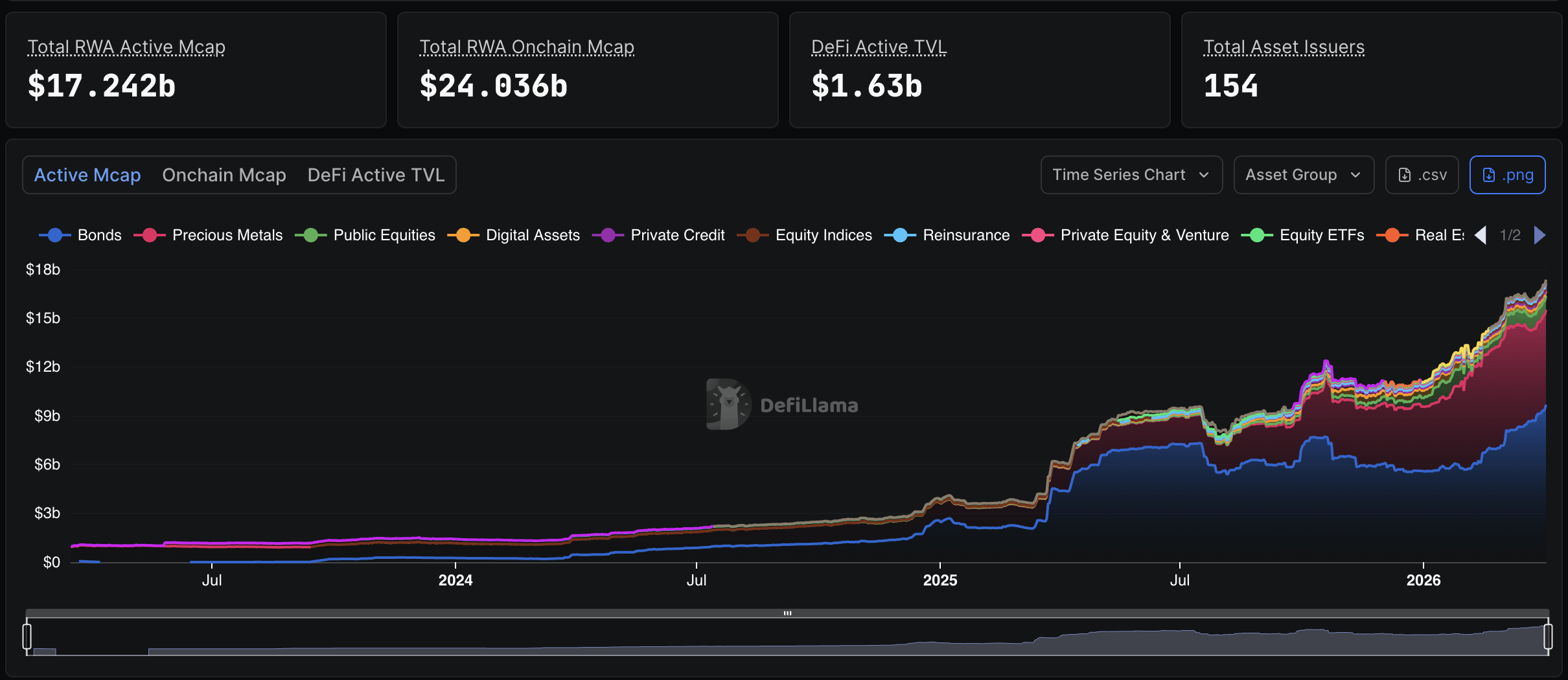
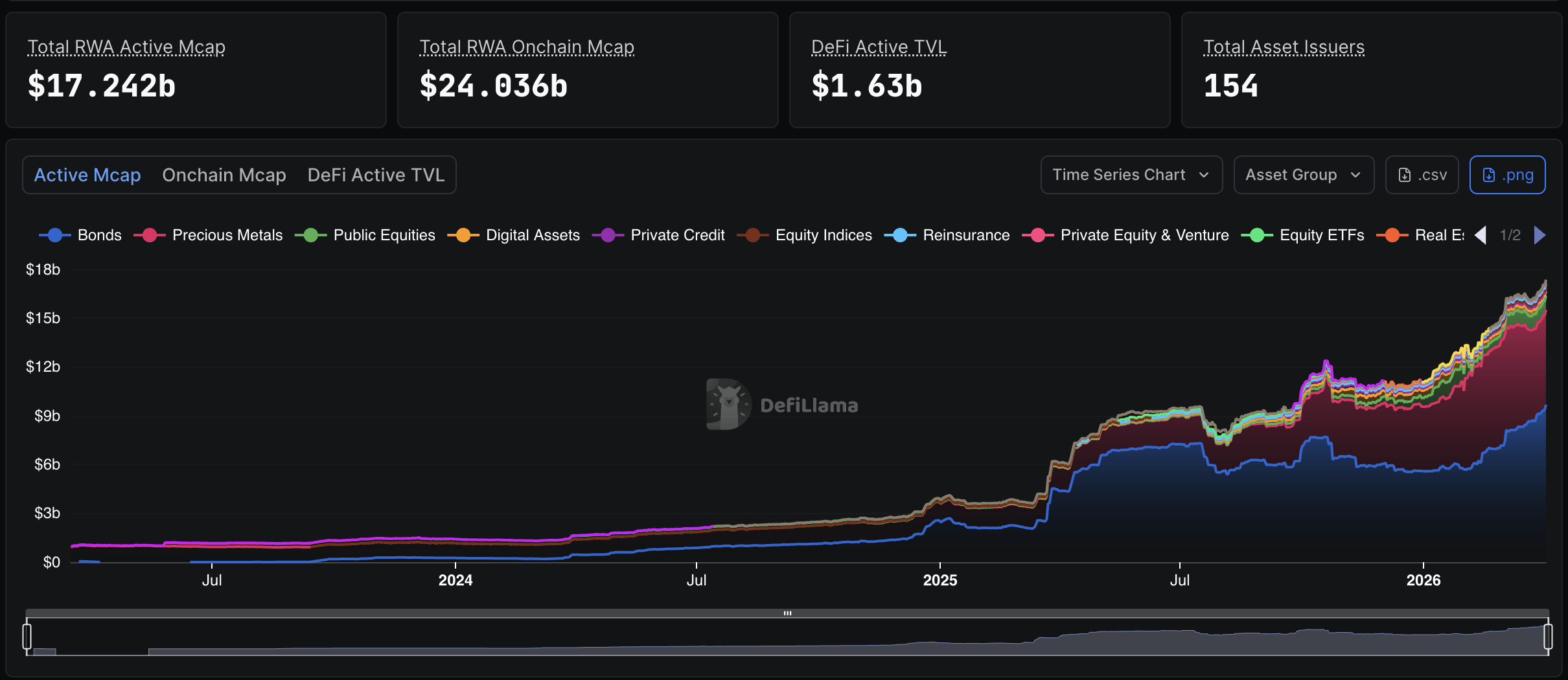
The IMF’s April 2026 “Tokenized Finance” note validated and warned about the tokenized real-world asset boom that Ethereum is dominating. To put it into perspective, on-chain RWA value has already hit $24 billion, excluding stablecoins, with the trajectory points far higher. On that $24 billion value, $14 billion is locked in Ethereum.
However, the IMF’s note flagged genuine systemic risks: flash crashes from rapid automated transactions, market fragmentation across siloed ledgers, and liquidity instability. But it also acknowledged RWA’s structural benefits, atomic settlement, continuous liquidity, and operational savings from smart contract automation.
— Real World Asset Watchlist (@RWAwatchlist_) April 2, 2026
 BREAKING: IMF (International Monetary Fund) says tokenization is reshaping regulated finance.
Assets moving onto programmable ledgers = efficiency gains.
But strong policy + trust still needed to protect stability.
RWA shift is getting official.  pic.twitter.com/I9eUzA6Gwo
Tokenized US Treasuries alone have reached $10.8 billion, buoyed by the SEC’s constructive regulatory posture. Peter Thiel has publicly positioned Ethereum as “Wall Street’s base layer” for this market as a bullish signal.
Projections from McKinsey ($2–4T by 2030), BCG ($16T), and Standard Chartered ($30T by 2034) suggest the current $36B figure is a rounding error by comparison. ETH is the rails.
Discover: The best pre-launch token sales
Ethereum Price Prediction: RWA Momentum is Building, But Price Lags
At $2,060, ETH sits at a psychologically significant level, holding above $2,000 but well below the peak it approached in late 2025 when Bitcoin cracked $125,000. That prior high now functions as a long-term resistance ceiling. The current range feels like consolidation.
Volume context is muted relative to the RWA narrative building on-chain. Network activity data suggests ETH is “booming under the hood,” with RWA deployments, smart contract throughput, and institutional settlement flows, while spot price remains range-bound. That divergence between fundamentals and price is a lagging indicator setup.
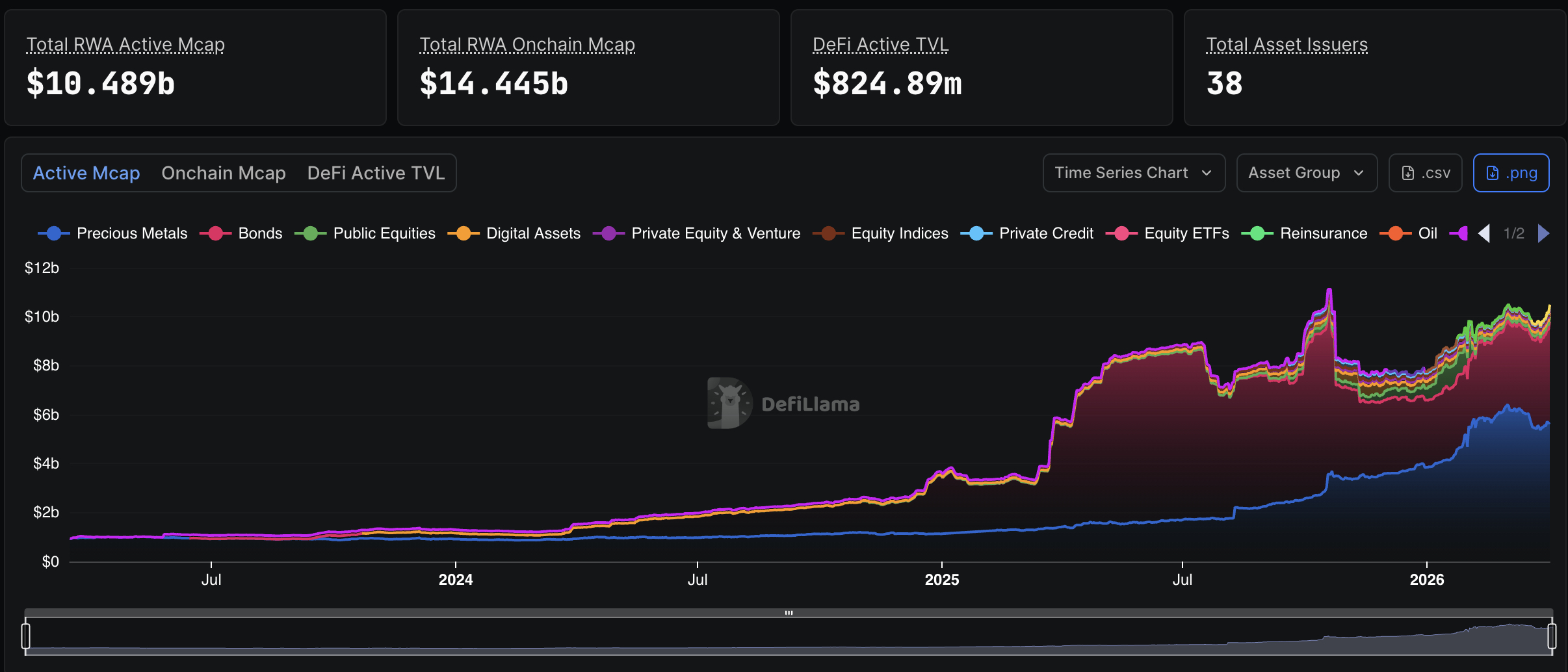
The $2,000 level is load-bearing right now. If it holds, the RWA growth story has room to translate into price. If it doesn’t, the next meaningful support is well below current levels.
Discover: The best crypto to diversify your portfolio with
LiquidChain Targets Early Mover Upside as Ethereum Tests Key Levels
ETH is a multibillion-dollar asset with institutional adoption already baked into its thesis, and any upside from here requires the entire RWA narrative to keep compounding at scale. That’s a reasonable bet, but it’s not a small-cap return profile.
Traders sizing for asymmetric exposure are already rotating attention toward infrastructure plays that sit beneath the Ethereum layer. The fragmentation problem the IMF specifically flagged, like siloed ledgers, disconnected liquidity, is exactly the problem one early-stage project is being built to solve.
A new layer emerges. Only a few see it first. — LiquidChain (@getliquidchain) March 24, 2026
The future is LiquidChain  ⟁https://t.co/vqvBcdSj94 pic.twitter.com/R7ZeZ0NPGl
LiquidChain ($LIQUID) is a Layer 3 infrastructure project positioning itself as the cross-chain liquidity layer, fusing Bitcoin, Ethereum, and Solana liquidity into a single execution environment. Developers deploy once and access all three ecosystems. The architecture includes a Unified Liquidity Layer, Single-Step Execution, Verifiable Settlement, and Deploy-Once Architecture.
The presale is live at $0.014 per token, with more than $630K raised to date, and a 1700% APY in staking bonus. The contract itself is also audited by Certik, the leading crypto auditor, to ensure investors safety.
Explore LiquidChain’s presale details here.
This article is for informational purposes only and does not constitute financial advice. Crypto assets are highly volatile. Always conduct your own research before investing.
The post Ethereum Price Prediction: IMF Warns Tokenization, ETH RWA Booming appeared first on Cryptonews.
Crypto World
Naoris Protocol’s quantum-resistance blockchain goes live as Bitcoin and Ethereum face ‘Q-Day’ threats


Naoris Protocol debuted its quantum-resistant blockchain Thursday, which it says is designed to stay secure even against future powerful quantum computers that could break modern day cryptography.
“Mainnet represents the transition from proof-of-concept to production infrastructure. The network has already validated over 100 million transactions using post-quantum cryptography. That is not a roadmap promise; it is measured, operational capacity,” Nathaniel Szerezla, chief growth officer of Naoris Protocol, said.
The debut comes as legacy chains Bitcoin and Ethereum confront the threat of a “quantum apocalypse.” Known as Q-Day, this is the point when future quantum computers could crack the encryption securing most blockchains.
Concerns escalated this week after Google reported that a sufficiently powerful quantum computer could break Bitcoin’s blockchain with fewer than 500,000 qubits — far lower than previous estimates. At the same time, another report flagged potential vulnerabilities in Ethereum that could put $100 billion on the blockchain at risk.
Because blockchain transactions such as those on Bitcoin and Ethereum are permanent, any weakness today could be exploited by future quantum computers with the necessary power.
Naoris is built different
This is where Naoris stands out. It is built from the start using post-quantum cryptography and algorithms approved by the U.S. National Institute of Standards and Technology to protect accounts, transactions, and digital assets, according to the press release shared with CoinDesk.
The system incorporates an “irreversible security transition.” This means that once a user adopts post-quantum keys, it has to use quantum-resistant signatures for transactions. The protocol automatically blocks transaction attempts using traditional, vulnerable cryptographic methods, helping protect assets even if classical cryptography becomes vulnerable.
More importantly, while its quantum-resistant security is right now available only on its own mainnet, the system is build with a broad scope in mind for potential support to wallets, exchanges, Layer 2 networks, and DeFi platforms in the future.
The mainnet launched with an invite-only group of strategic participants who operate the first validator nodes and form the network’s initial trust layer, laying a strong foundation before broader expansion. The protocol was tested at scale in an extensive testnet phase, during which it detected and mitigated over 603 million threats, processed more than 106 million post-quantum transactions, created over 3.3 million wallets, and activated more than one million security nodes globally.
The protocol’s native token NAORIS drives how the network works, helping secure transactions, enforce rules, and build trust among users. At press time, the token’s market cap was $36 million.

MEXC, one of the world’s fastest-growing digital asset exchanges and a pioneer in zero-fee trading, has announced a series of initiatives to integrate and expand the use of USD1, a US dollar stablecoin, across its ecosystem. By incorporating USD1 into its trading infrastructure and product suite, MEXC aims to broaden its use cases across the platform, including trading support, product integration, and wider ecosystem participation, while providing global users with more diverse and resilient stablecoin options.
USD1 is a stablecoin redeemable on a 1:1 basis for U.S. dollars. Each USD1 is 100% backed by a reserve consisting of short-term U.S. government Treasuries, U.S. dollar deposits, and other cash equivalents. These reserve assets are held or maintained by BitGo Trust Company, Inc. and/or its affiliates. USD1 is issued by BitGo, while World Liberty Financial provides branding and certain operational support.
MEXC remains committed to offering a broad range of high-quality assets. Through this integration, MEXC will leverage its established product suite to expand the utility of USD1 across its ecosystem:
- Deep Product Integration: MEXC plans to gradually integrate USD1 across its product offerings, including Launchpool, Savings, and Futures collateral, subject to platform availability. Through these integrations, USD1 may be used as payment and settlement asset within the ecosystem, broadening its utility across the platform.
- Liquidity and Zero-Fee Support: MEXC will introduce additional USD1 trading pairs and launch associated zero-fee promotions. Leveraging the platform’s deep liquidity and industry-leading low-fee structure, MEXC provides global users with a more convenient and cost-effective channel for USD1 interaction.
- Ecosystem Activity Empowerment: To enhance user awareness and experience with the stability of USD1, MEXC will launch a series of ecosystem incentive programs. Through various interactive mechanisms, these initiatives aim to lower the barrier to entry and accelerate the adoption of USD1 in real-world trading scenarios.
Vugar, Chief Operating Officer of MEXC, stated: “USD1 strengthens our mission to make high-quality assets more accessible, efficient, and usable at scale. Stablecoins are only as powerful as their distribution. By integrating USD1 into the MEXC ecosystem, we are expanding compliant stablecoin choice while enhancing trading and capital allocation tools. With over 40 million users and a strong zero-fee conviction, MEXC delivers immediate scale, deep liquidity, and real utility for USD1, accelerating its adoption across global markets.”
As USD1 trading pairs and related features go live, MEXC will continue to explore practical use cases that bring added value to users across the platform. More details on upcoming initiatives will be shared in the coming weeks.
About MEXC
Founded in 2018, MEXC is committed to being “Your Easiest Way to Crypto.” Serving over 40 million users across 170+ countries, MEXC is known for its broad selection of trending tokens, everyday airdrop opportunities, and low trading fees. Our user-friendly platform is designed to support both new traders and experienced investors, offering secure and efficient access to digital assets. MEXC prioritizes simplicity and innovation, making crypto trading more accessible and rewarding.
MEXC Official Website| X | Telegram |How to Sign Up on MEXC
The post MEXC Integrates USD1 into Full-Spectrum Infrastructure for Global Users appeared first on BeInCrypto.
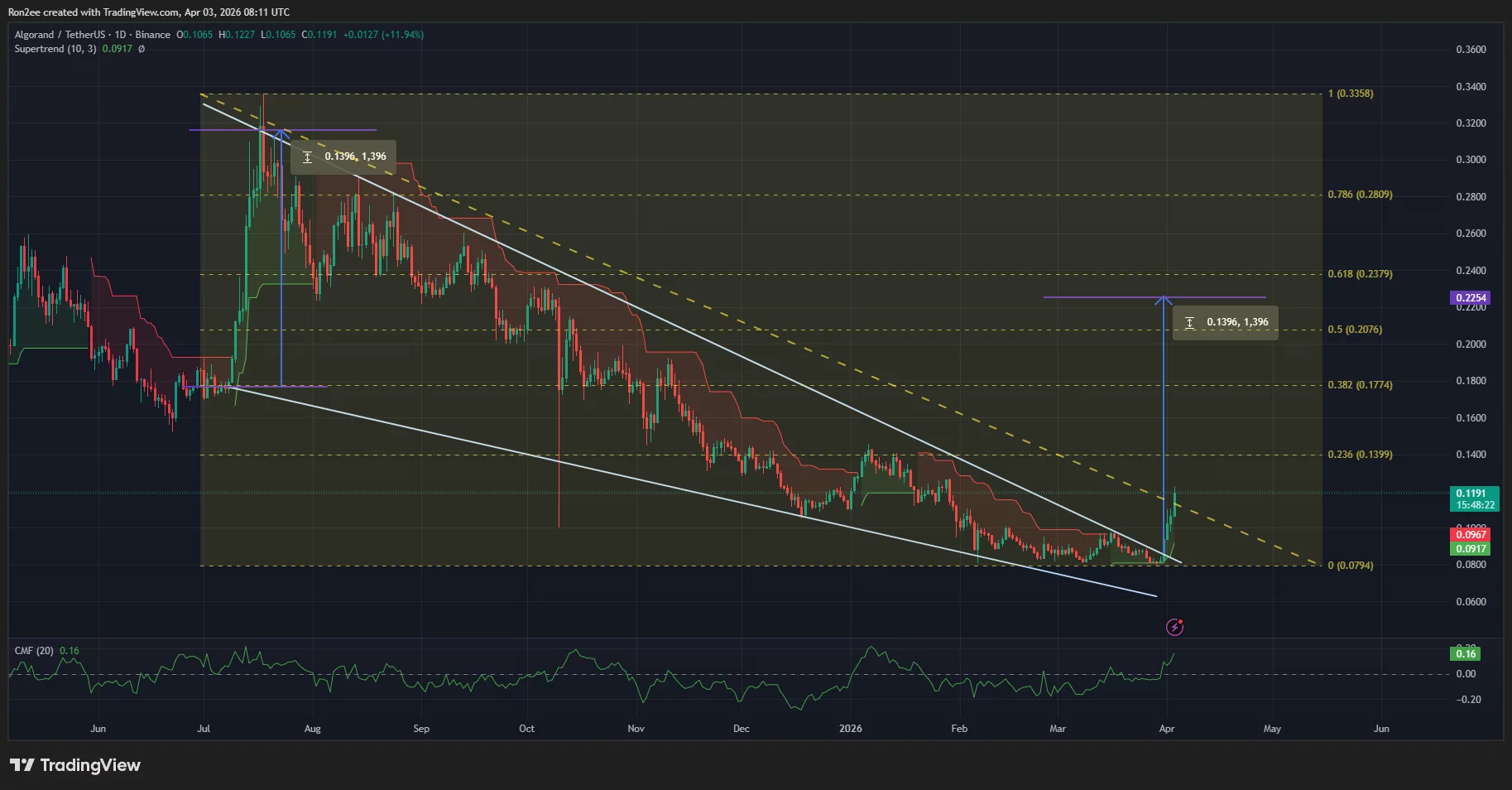
Algorand price shot up 21% on Friday, April 3, becoming the top gainer of the day, bucking the relative stillness of the broader crypto market that has gone cold amid the escalating war situation in the Middle East.
Summary
- Algorand price jumped 21% to a nine-week high, becoming the top gainer as the broader crypto market remained subdued amid geopolitical tensions.
- The rally was driven by a Google Quantum AI research mention, Revolut enabling ALGO staking, and dip-buying after a recent all-time low.
- A confirmed falling wedge breakout and bullish indicators signal potential upside toward $0.139, with further gains possible if resistance is cleared.
According to data from crypto.news, Algorand (ALGO) price rallied to a 9-week high of $0.122 on Friday before settling at $0.121 at press time. Its gains pushed it to become the leading gainer among the top cryptocurrencies by market cap in both the daily and weekly timeframes.
There are three main reasons why Algorand price rallied today.
First, Algorand was recently cited by Google Quantum AI in a research paper focused on threats faced by major blockchains from quantum computing. The paper made several mentions of Algorand for its post-quantum security and advanced Falcon signature technology, placing it ahead of other major players and trailing only behind Bitcoin and Ethereum.
This citation from one of the most prominent tech labs gave the project a big push to new investors while increasing hype for existing ones.
Second, Revolut has officially enabled staking for Algorand on its platform. This enables its customer base of over 70 million investors to stake ALGO directly from the app.
The move has increased investor demand for the token as it triggered a jump in the total amount being staked on the platform, effectively removing those tokens from circulation and hence lowering potential selling pressure.
Third, Algorand’s rebound follows the token hitting an all-time low just five days ago. The token dropping to its floor likely made it very attractive for buyers who bought the dip following its high-profile citation.
On the daily chart, Algorand price has formed a multi-month falling wedge pattern. Following its recent rebound, it has broken out from the upper trendline of the pattern, thereby confirming a bullish reversal. When such patterns are confirmed, the asset often enters a period of sustained growth.
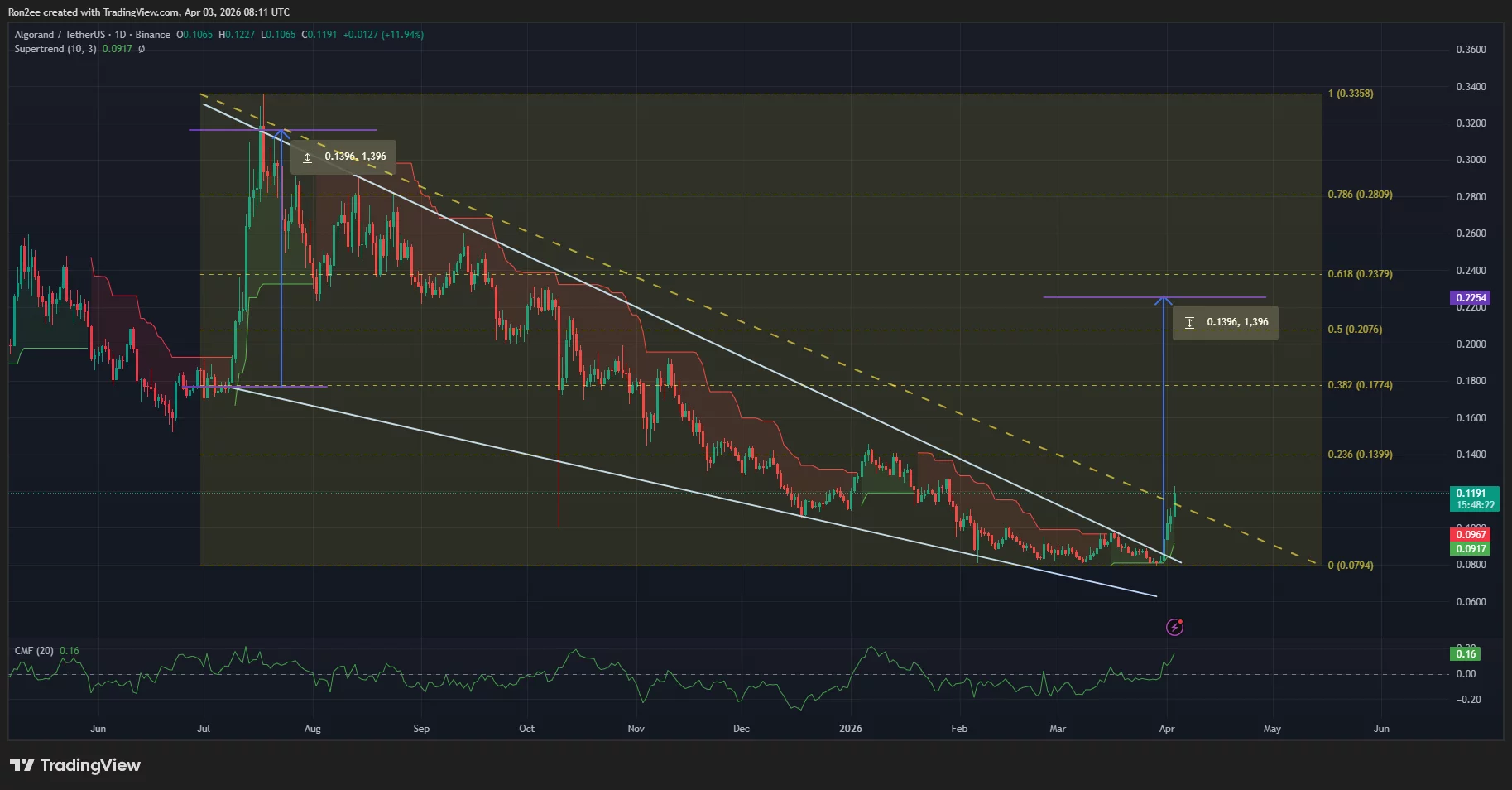
At press time, a similar bullish outlook for ALGO was supported by technical indicators. Notably, the Supertrend has turned green, a notable sign of a trend shift. The Chaikin Money Flow index read 0.19, a strong positive reading hinting that buyers are in control.
For now, $0.139, which sits at the 23.6% Fibonacci retracement level, is the most immediate resistance level to keep an eye on for identifying more upside. A decisive break above that could potentially trigger a rally to $0.225, a target calculated by adding the height of the wedge to the point at which the breakout occurred.
On the contrary, a drop below the $0.085 support level can invalidate this bullish setup.
Disclosure: This article does not represent investment advice. The content and materials featured on this page are for educational purposes only.
Key Insights
- Crypto market reversed fast as Trump’s Iran war stance crushed hopes of de-escalation and triggered risk-off selling.
- Bitcoin trades like a macro asset, while altcoins lead losses as oil spikes, yields rise, and the dollar strengthens.
- Market outlook remains fragile, with traders watching war signals and dollar strength for the next crypto move
What happens when markets price in peace but receive a tougher war stance instead? They sell first and reassess later. That is exactly what unfolded after Donald Trump addressed the Iran conflict from the White House on April 1.
Ahead of the speech, expectations had been building around a possible de-escalation. Analysts, including Kobeissi Letter, pointed to signals suggesting a potential wind-down. Instead, Trump reinforced a hardline position, stating that the United States would continue its aggressive posture toward Iran.
The next big question tonight:
Tons of major news outlets reported the same information ahead of President Trump’s address to the nation, sending markets sharply higher.
Almost all “insider sources” signaled Trump would be “winding down” the war tonight.
What just happened?
— The Kobeissi Letter (@KobeissiLetter) April 2, 2026
The reaction was immediate and broad-based—crypto, equities, oil, and the U.S. dollar all reversed sharply.
Crypto Market Reverses After Trump’s Iran Remarks
The crypto market quickly erased its short-lived relief rally following the speech. Investors hoping for clarity on de-escalation or a reopening timeline for the Strait of Hormuz were left disappointed.
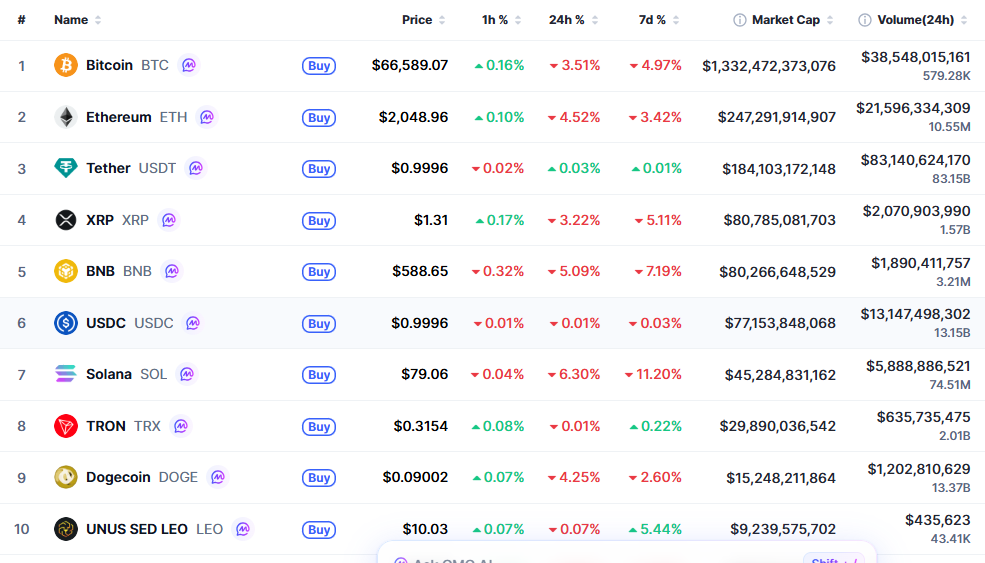
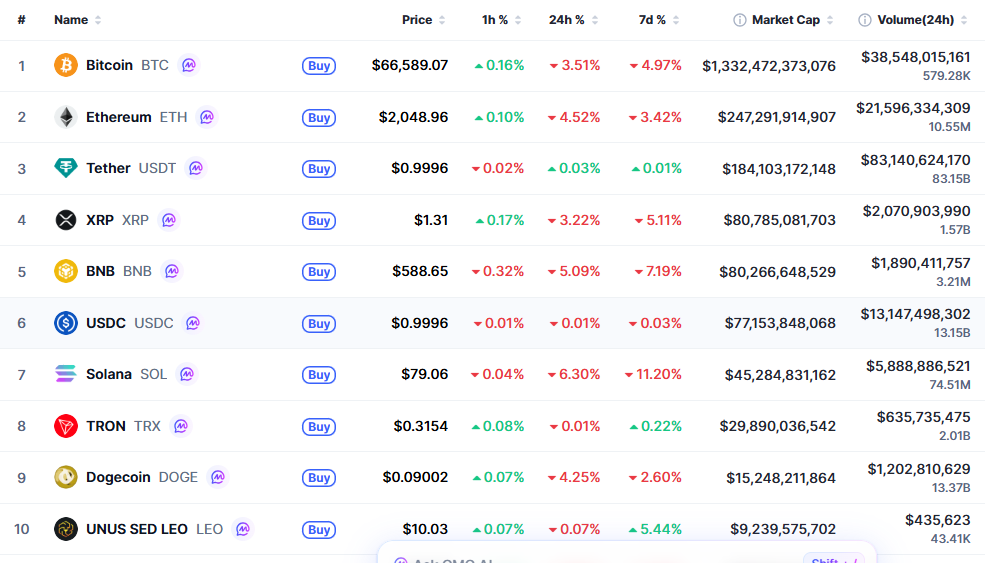
Source: Coinmarketcap
As a result, selling pressure returned across digital assets:
- Bitcoin hovered around $66,600
- Ethereum dropped near $2,050
- XRP traded around $1.31
- BNB held near $590
- Solana led losses among major altcoins
This price action reinforces a key trend: Bitcoin is not behaving as a traditional safe-haven asset during this conflict. Instead, it is trading more like a macro-sensitive risk asset.
The speech effectively dismantled the emerging peace narrative, pushing markets back into a defensive stance. Altcoins, particularly high-beta assets like Solana, absorbed the heaviest losses as traders reduced risk exposure.
Oil Surge and Macro Pressure Weigh on Crypto
Beyond crypto, the broader macro environment shifted rapidly. Following Trump’s remarks, Brent crude surged over 6% to $107.69, reflecting heightened geopolitical risk and concerns over supply disruptions.
Global markets reacted sharply:
- U.S. stock futures fell 1.3%
- Japan’s Nikkei dropped 2.4%
- South Korea’s Kospi declined 4.7%
For crypto markets, this macro shift is critical.
Rising oil prices can fuel inflation expectations, which in turn strengthens the U.S. dollar and keeps bond yields elevated. These conditions typically pressure risk assets, including cryptocurrencies.
At the same time:
- The 10-year Treasury yield climbed to 4.376%
- The U.S. Dollar Index (DXY) held firm above 100
This environment explains why altcoins sold off more aggressively than Bitcoin, as traders moved to reduce volatility exposure rather than chase uncertain upside.
Traders Shift to Risk-Off Mode
The immediate takeaway from the market reaction is clear: traders are prioritizing capital preservation.
Going forward, markets will focus on two key signals:
- Any softening in geopolitical rhetoric
- Reduced risk to global shipping routes, particularly the Strait of Hormuz
Without improvement on either front, the crypto market is likely to remain highly sensitive to headlines and prone to sharp swings.
The pre-speech rally demonstrated that bullish sentiment still exists—but it is fragile and easily disrupted by macro developments.
Macro Now Drives Crypto
The latest selloff highlights a broader shift in how digital assets are behaving.
Geopolitics is influencing crypto through macroeconomic channels rather than crypto-native factors. Oil prices, bond yields, the U.S. dollar, and equity markets are now leading indicators, with crypto reacting afterward.
While blockchain-specific developments still matter, traders increasingly need to interpret global macro conditions before making crypto decisions.
Outlook: Defensive Trend Likely to Continue
Looking ahead, digital assets are expected to remain in a defensive posture as long as geopolitical tensions persist in the Middle East.
Although April seasonality has historically favored bullish momentum, the current environment is dominated by a hope → headline → reversal cycle. The Trump Iran speech is a clear example of how quickly sentiment can shift.
A sustained recovery in crypto will likely depend on:
- A formal ceasefire or de-escalation
- Stabilization in oil prices
- Weakness in the U.S. dollar
Until then, the U.S. Dollar Index (DXY) remains a critical indicator. A strengthening dollar continues to act as a major headwind for Bitcoin and the broader altcoin market.


Researchers at Google DeepMind have warned that the open internet can be used to manipulate autonomous AI agents and hijack their actions.
Summary
- DeepMind researchers have identified six attack methods that can be used to manipulate autonomous AI agents as they browse and act online.
- The study warned that hidden instructions, persuasive language, and poisoned data sources can influence agent decisions or override safeguards.
The study titled “AI Agent Traps” comes as companies deploy AI agents for real-world tasks and attackers begin using AI for cyber operations.
Instead of focusing on how models are built, the research looks at the environments agents operate in. It identifies six types of traps that take advantage of how AI systems read and act on information from the web.
The six attack categories outlined in the paper include content injection traps, semantic manipulation traps, cognitive state traps, behavioural control traps, systemic traps, and human in the loop traps.
Content injection stands out as one of the most direct risks. Hidden instructions can be placed inside HTML comments, metadata, or cloaked page elements, allowing agents to read commands that remain invisible to human users. Tests showed these techniques can take control of agent behaviour with high success rates.
Semantic manipulation works differently, relying on language and framing rather than hidden code. Pages loaded with authoritative phrasing or disguised as research scenarios can influence how agents interpret tasks, sometimes slipping harmful instructions past built-in safeguards.
Another layer targets memory systems. By planting fabricated information into sources that agents rely on for retrieval, attackers can influence outputs over time, with the agent treating false data as verified knowledge.
Behavioural control attacks take a more direct route by targeting what an agent actually does. In these cases, jailbreak instructions can be embedded into normal web content and read by the system during routine browsing. Separate tests showed that agents with broad access permissions could be pushed into locating and transmitting sensitive data, including passwords and local files, to external destinations.
System-level risks extend beyond individual agents, with the paper warning that coordinated manipulation across many automated systems could trigger cascading effects, similar to past market flash crashes driven by algorithmic trading loops.
Human reviewers are also part of the attack surface, as carefully crafted outputs can appear credible enough to gain approval, allowing harmful actions to pass through oversight without raising suspicion.
How to defend against these risks?
To counter these risks, researchers suggest a mix of adversarial training, input filtering, behavioural monitoring, and reputation systems for web content. They also point to the need for clearer legal frameworks around liability when AI agents execute harmful actions.
The paper stops short of offering a complete fix and argues that the industry still lacks a shared understanding of the problem, leaving current defenses scattered and often focused on the wrong areas.
Crypto World
Algorand Crypto Jumps 20% Thanks to Google AI Paper: Cited 32 Times, Revolut Integration Adds Momentum
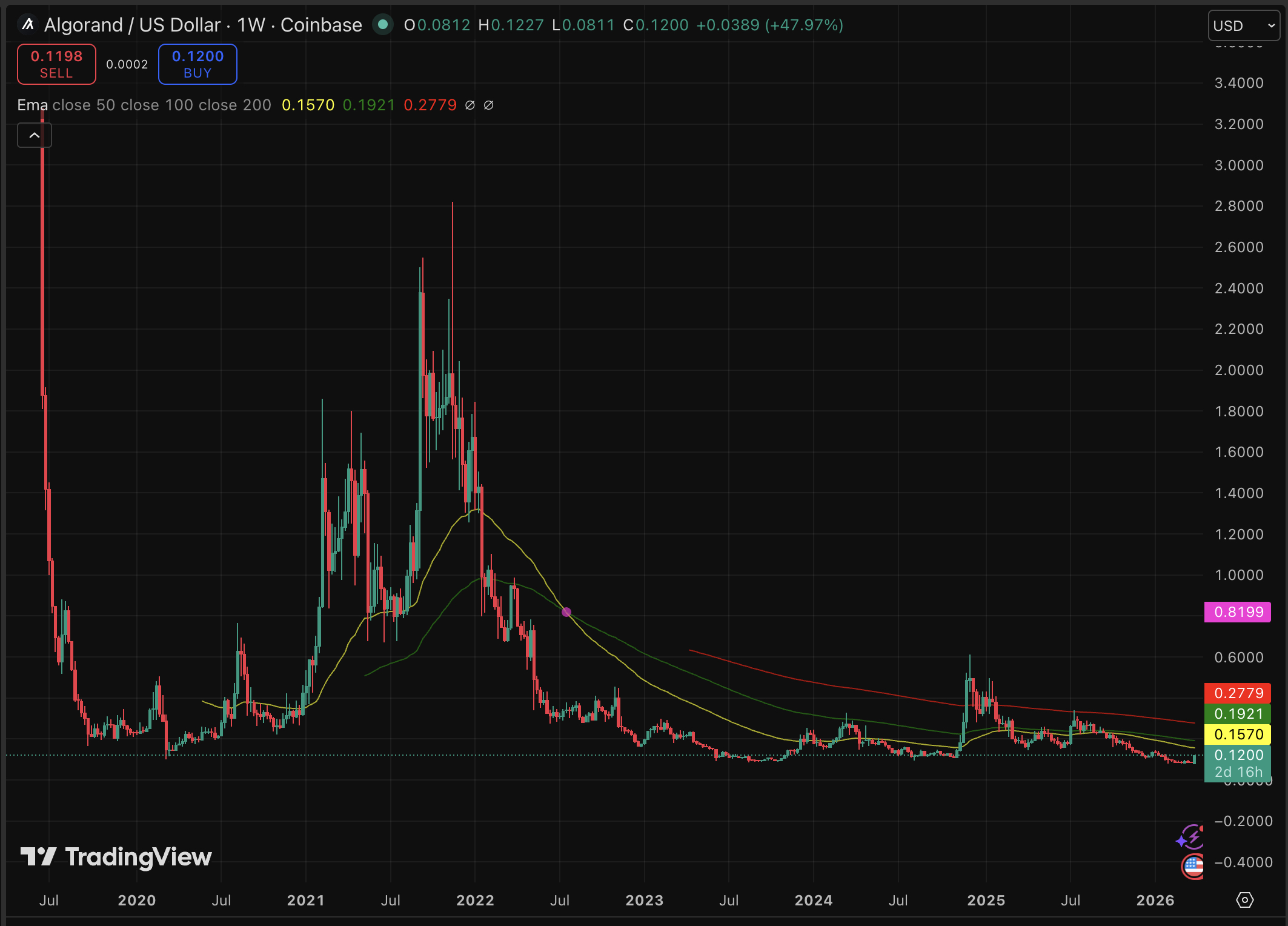
Algorand (ALGO) is experiencing a +23% surge in 24 hours, the sharpest single-day move up since the name faded from the crypto space after the 2021 bullrun. The catalyst is not a protocol upgrade or exchange listing. A Google Quantum AI whitepaper dropped at the end of last month comes with the Algorand name appearing 32 times. Why?
The Google Quantum AI research examined quantum computing threats across major blockchains, ranking chains by post-quantum cryptography readiness. Algorand landed third by citations, behind only Bitcoin and Ethereum, acknowledged for live deployments covering signatures, state proofs crypto, key rotation, and smart contracts.
Solana received 16 mentions, XRP just 14. Hedera and Avalanche: zero. YouTuber Zach Humphries summarized the community reaction bluntly: “Google Quantum AI basically published a landmark paper yesterday on quantum threats to every major blockchain.” Trading volume spiked +429% to a reported $440 million in 24 hours.
Discover: The best pre-launch token sales
Algorand Crypto Momentum: More Upward Movement?
Apart from Google AI Paper, the simultaneous integration of PostFinance and Revolut opened ALGO exposure to 2.5 million Swiss banking customers, adding institutional weight to what might otherwise have been a short-lived spike.
The confluence of technical recognition, banking access, and a rebound from an all-time low creates a setup worth mapping precisely. Here’s where the levels stand:
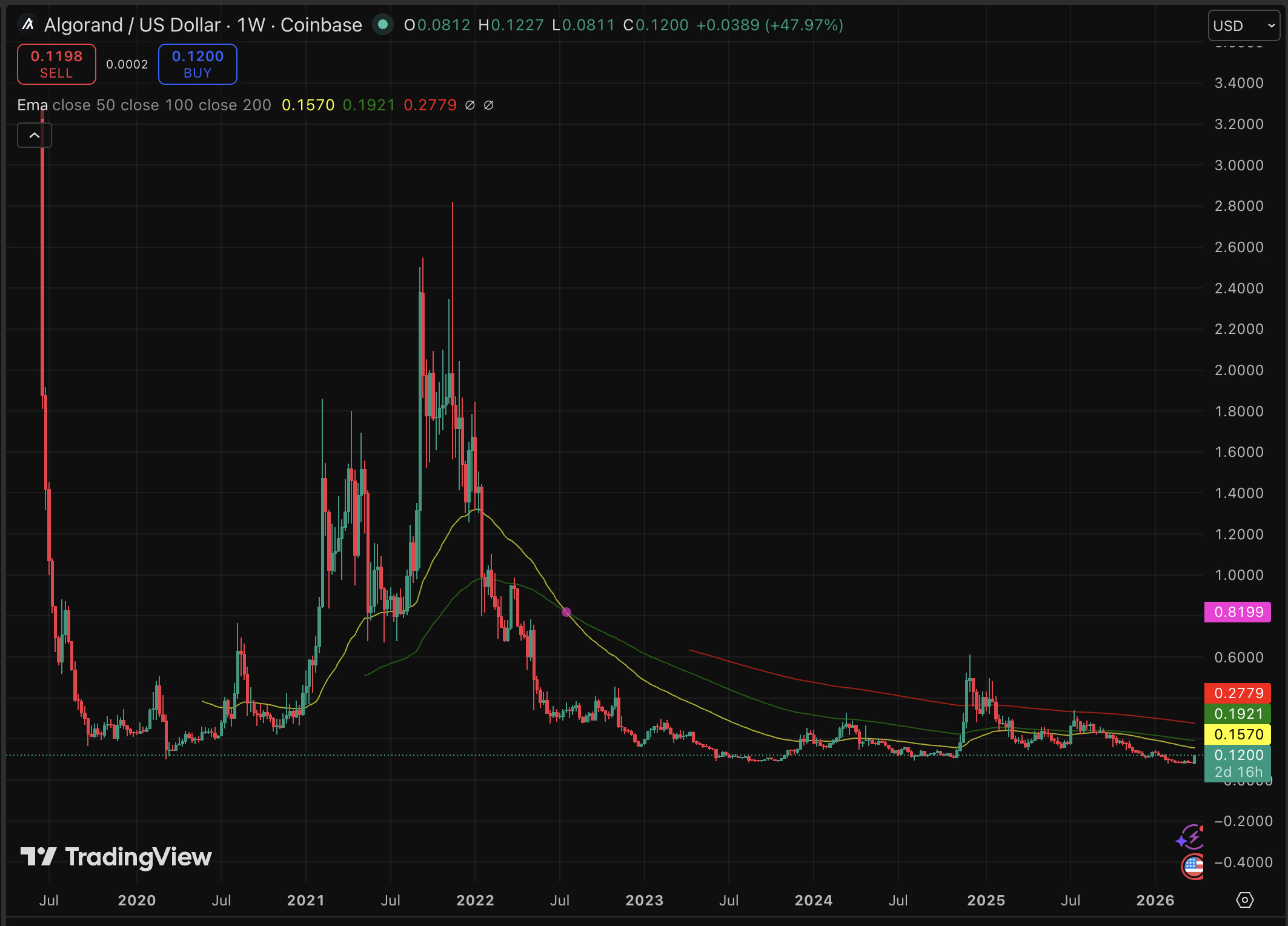
ALGO bottomed at $0.08 on just 4 days ago, an all-time low, before reversing +27% to an 8-week high of $0.1052 within 48 hours. The 24-hour range printed $0.085–$0.105, with the close above $0.10 representing a decisive reclaim of a key psychological level.
Support now sits at $0.082 as the former wedge base and horizontal shelf. Resistance clusters near $0.115–$0.12, the zone where overhead sellers from the previous range are likely concentrated. Market cap sits around $930 million, still sub-$1B, meaning any sustained institutional rotation could move price aggressively. But remember, Algo is 96% below its all-time high in 2019, a good 7 years ago, the day it launched.
Discover: The best crypto to diversify your portfolio with
LiquidChain Targets Early Mover Upside Just Like ALGO 7 Years Ago
ALGO’s move is real, but at a $930M market cap off an all-time low, the asymmetric upside is already partially priced in. Early buyers who caught $0.08 are sitting on +27%. Those entering at $0.105 are chasing a narrative that’s now front-page. That compression of entry quality is exactly where early-stage presales become relevant.
LiquidChain ($LIQUID) is a Layer 3 infrastructure project positioning itself as the cross-chain liquidity layer, fusing Bitcoin, Ethereum, and Solana liquidity into a single execution environment. The architecture centers on a Unified Liquidity Layer, Single-Step Execution, Verifiable Settlement, and a Deploy-Once model that lets developers access all three ecosystems without redeployment.
A new layer emerges. Only a few see it first. — LiquidChain (@getliquidchain) March 24, 2026
The future is LiquidChain ⟁https://t.co/vqvBcdSj94 pic.twitter.com/R7ZeZ0NPGl
Current presale price is $0.01445, with more than $630K raised to date. Not just cheap and early, the contract is audited by Certik to ensure investors’ safety, plus a bonus of 1700% staking APY for early believers.
Still, for traders who missed the ALGO entry and want exposure to infrastructure-level crypto bets at ground floor, research LiquidChain here.
This article is not financial advice. Crypto assets are highly volatile. Always conduct your own research before investing.
The post Algorand Crypto Jumps 20% Thanks to Google AI Paper: Cited 32 Times, Revolut Integration Adds Momentum appeared first on Cryptonews.
Crypto World
Microsoft (MSFT) Commits $10B to Japan AI Infrastructure with SoftBank and Sakura Internet Partnership

Key Highlights
-
- Sakura Internet’s stock price climbed 20.27% following Microsoft’s revelation of a $10 billion AI commitment in Japan
- The tech giant will deploy 1.6 trillion yen from 2026 through 2029 focusing on AI systems and cybersecurity initiatives
- Partnership includes Sakura Internet and SoftBank delivering Japan-based AI computational power, featuring GPU resources
- Training initiative targets 1 million Japanese engineers and developers by the end of the decade
- SoftBank Group shares increased 0.22% while SoftBank Corp. climbed 1.02% following the announcement
Shares of Sakura Internet experienced a significant 20.27% surge on Friday following Microsoft’s revelation of a substantial AI investment strategy in Japan, with the cloud services provider designated as a primary collaborator along with SoftBank.
Microsoft announced a four-year, $10 billion investment package in Japan, part of the US company’s Asia-wide push to expand in a region hungry for artificial intelligence services- Bloomberg
•$10B for data centers and AI infrastructure through 2029
•Builds on $2.9B announced… pic.twitter.com/laIAvfd383— Yeboah Walee (@YeboahWalee) April 3, 2026
The Redmond-based technology giant confirmed plans to deploy 1.6 trillion yen — approximately $10 billion — across Japan from 2026 to 2029. This capital allocation encompasses AI infrastructure development, cybersecurity collaboration efforts, and an ambitious commitment to educate 1 million engineers and developers over the next six years.
Brad Smith, Microsoft Vice Chair and President, disclosed these plans during his Tokyo visit, which included meetings with Prime Minister Sanae Takaichi.
Sakura Internet, operating a network of data centers throughout Japan, will collaborate with SoftBank to deliver AI computational capabilities through this alliance. The partnership specifically includes graphics processing units situated physically inside Japanese borders.
This infrastructure arrangement enables corporations and governmental bodies to handle confidential information domestically while maintaining access to Microsoft Azure cloud services.
Additional discussions between SoftBank and Microsoft Japan involve creating a combined solution allowing Azure users to access SoftBank’s AI computing infrastructure seamlessly.
Friday’s trading saw SoftBank Group finish 0.22% higher, with SoftBank Corp. posting gains of 1.02%.
Japan’s Strategic Importance
Microsoft highlighted Japan’s robust AI adoption rates as a key motivation behind this investment decision. Data from Microsoft’s AI Diffusion Report indicates that approximately 20% of Japan’s working-age population currently utilizes generative AI technologies, surpassing the global average of roughly 16%.
Smith emphasized the expanding demand for cloud computing and AI capabilities in Japan, noting that this investment supports Prime Minister Takaichi’s strategic vision of leveraging cutting-edge technology for economic expansion and national security objectives.
Extended Collaboration Framework
In addition to Sakura Internet and SoftBank, Microsoft revealed partnerships with five additional prominent Japanese technology firms to achieve its goal of training 1 million AI professionals by 2030. This roster includes industry leaders such as NTT Data Corp., NEC, Fujitsu, and Hitachi.
The collaborative framework will also facilitate advancement of indigenous large language models within Japan’s technology ecosystem.
Microsoft’s cybersecurity collaboration with Japanese authorities encompasses intelligence exchange regarding cyber threats and coordinated crime prevention measures.
Sakura Internet concluded Friday’s session at 2,967.00 JPY, representing a 500.00 JPY increase for the trading day.


The ultimate passive income showdown of 2026

CFTC sues three states for trying to regulate prediction markets

Rayan Cherki: Is Man City star a tamed maverick or a maverick untamed?


-

 NewsBeat7 days ago
The Story hosts event on Durham’s historic registers
-

 NewsBeat15 hours ago
Steven Gerrard disagrees with Gary Neville over ‘shock’ Chelsea and Arsenal claim | Football
-

 Sports6 days ago
Sweet Sixteen Game Thread: Tide vs Michigan
-
Entertainment4 days ago
Fans slam 'heartbreaking' Barbie Dream Fest convention debacle with 'cardboard cutout' experience
-
 Entertainment5 days ago
Lana Del Rey Celebrates Her Husband’s 51st Birthday In New Post
-

 Crypto World2 days ago
Gold Price Prediction: Worst Month in 17 Years fo Save Haven Rock
-
Crypto World3 days ago
Dems press CFTC, ethics board on prediction-market insider trades
-

 Tech4 days ago
The Pixel 10a doesn’t have a camera bump, and it’s great
-

 Sports3 days ago
Tallest college basketball player ever, standing at 7-foot-9, entering transfer portal
-

 Tech3 days ago
EE TV is using AI to help you find something to watch
-

 Business10 hours ago
No Jackpot Winner and $194 Million Prize Rolls Over
-

 Fashion5 days ago
Amazon Sundays: Soft Spring Layers
-

 Business1 day ago
Login and Checkout Issues Spark Merchant Frustration
-

 Crypto World3 days ago
U.S. rule change may open trillions in 401(k) funds to crypto
-

 Tech3 days ago
How to back up your iPhone & iPad to your Mac before something goes wrong
-

 Tech4 days ago
Avatar Legends: The Fighting Game comes out in July and it looks pretty slick
-

 Tech4 days ago
Apple will hide your email address from apps and websites, but not cops
-

 Politics4 days ago
Should Trump Be Scared Strait?
-

 Tech3 days ago
Flipsnack and the shift toward motion-first business content with living visuals
-

 Tech5 days ago
Elon Musk’s last co-founder reportedly leaves xAI
You must be logged in to post a comment Login