
Crypto World
Circle’s Allaire says USDC freezes require legal orders amid rising criticism

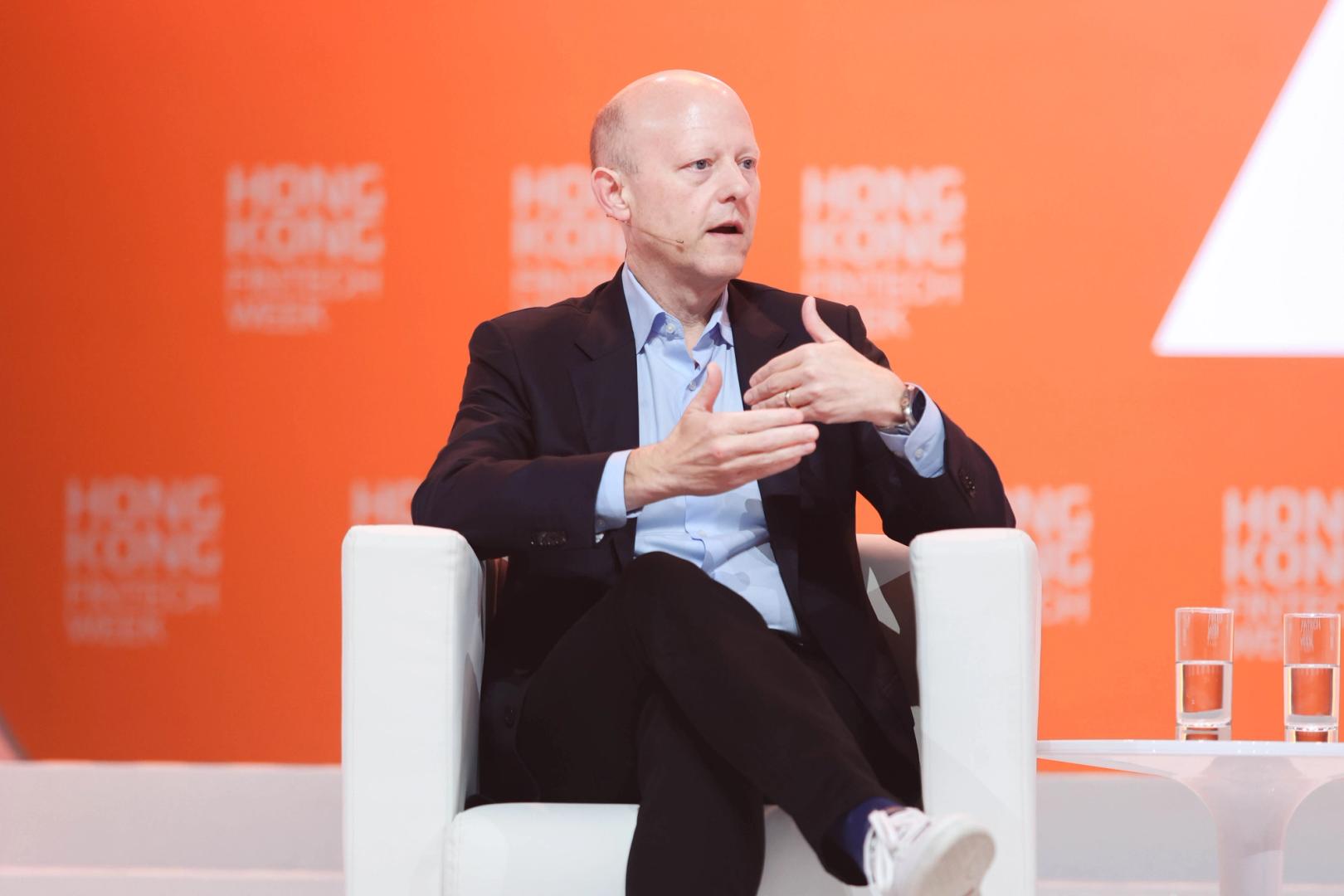
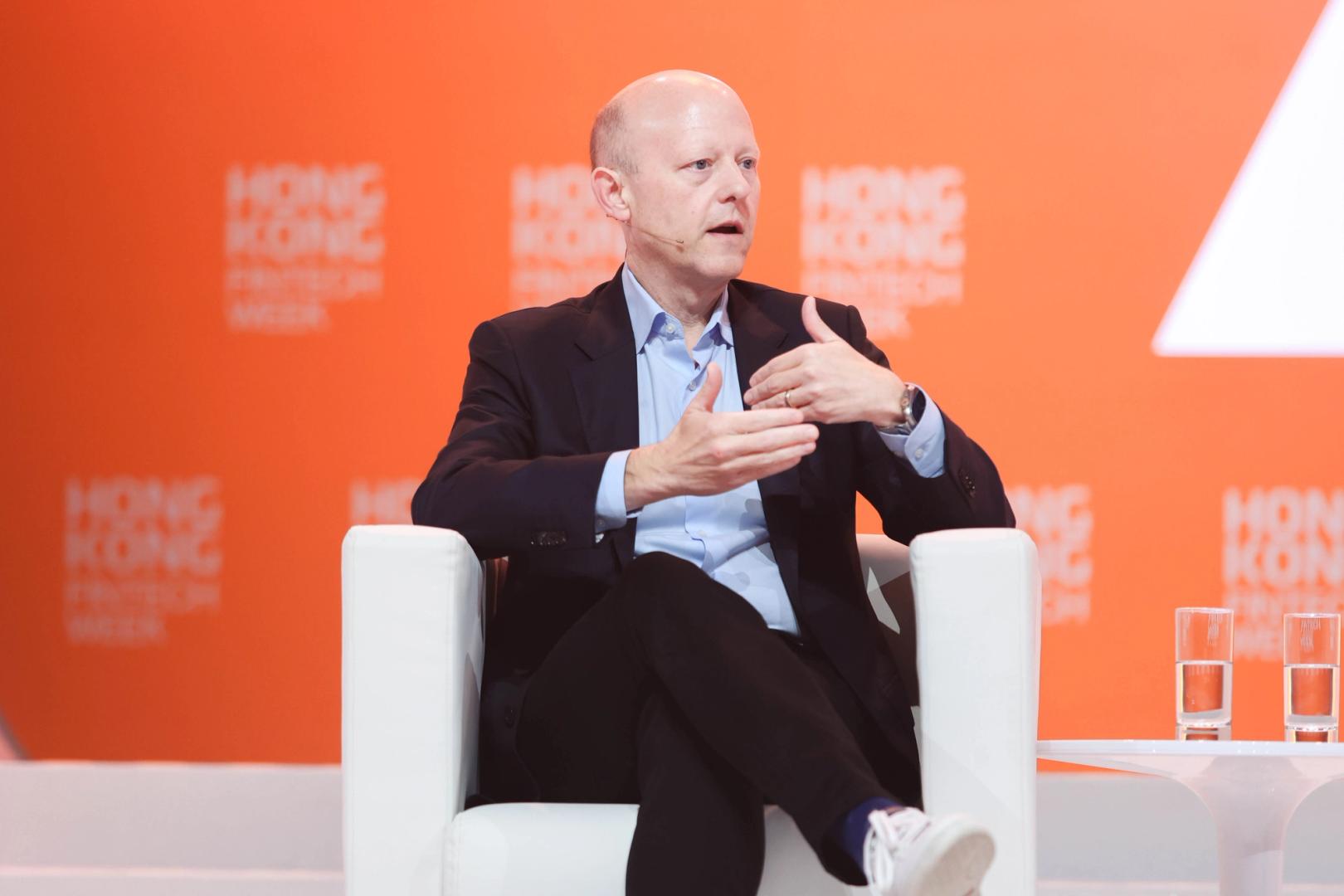
Circle Internet (CRCL) CEO Jeremy Allaire offered his clearest public response yet to growing criticism over how the stablecoin issuer handles illicit funds, saying it does not freeze wallets unless there is a formal legal basis to do so.
Speaking on stage at a press conference in Seoul, Allaire positioned USDC, the second-largest dollar-pegged stablecoin, as a regulated financial product rather than a tool for real-time intervention.
“Circle has a very, very clear performance obligation under the law,” Allaire said. “Circle follows the rule of law, and we are able to undertake actions such as freezing a wallet at the direction of law enforcement or the courts.”
Allaire framed USDC as part of the traditional financial system, subject to legal process and oversight. Decisions to blacklist or freeze funds, he suggested, should not be made at the discretion of the company in the heat of an exploit, but instead follow requests from law enforcement or court orders. The approach reflects Circle’s broader strategy to align closely with regulators and institutions.
Rival Tether, the issuer of the world’s largest stablecoin, USDT, has a more proactive approach. The company has repeatedly frozen funds linked to hack and illicit activity within hours. In several cases cited by blockchain sleuth ZachXBT, including exploits affecting Ledger and Remitano, Tether blacklisted stolen funds while equivalent USDC remained untouched.
Allaire’s remarks come at a time of mounting scrutiny. Earlier this month, Drift Protocol suffered a suspected North Korea-linked exploit that resulted in losses of up to $280 million. Roughly $230 million in USDC was moved across chains over several hours. The incident has become a focal point for critics who argue that Circle is failing to act despite having the technical ability to do so.
Intervention carries risks, too
ZachXBT is among the most vocal. In a widely circulated thread on X, he said Circle’s inaction across more than a dozen cases since 2022 has contributed to over $420 million in illicit funds escaping. He pointed to multiple incidents where stolen USDC remained in identifiable wallets for hours or even days without being frozen, including exploits affecting Cetus, SwapNet, and Nomad.
Critics say the pattern highlights a deeper issue. USDC is centrally issued and contains controls that allow Circle to block addresses. Yet those powers are rarely used in real time. By deferring to legal processes that move far more slowly than blockchain transactions, they argue, Circle creates a gap that attackers can exploit.
Others in the industry argue that faster intervention carries its own risks. Omid Malekan, an adjunct professor at Columbia Business School, responded to calls for discretionary freezes by warning that allowing issuers to act beyond legal requirements would undermine the foundations of decentralized finance (DeFi).
Such powers could erode trust in DeFi systems by introducing centralized points of control, Malekan said.
“If Circle and other stablecoin issuers implement arbitrary freeze or seize functions beyond what the law requires, then not only is code not law, but also law is not law,” he wrote on X. “Instead what a single executive inside a single corporation decides is law.”



It has cost Michael Saylor-founded Strategy (formerly MicroStrategy) 10 figures to flip its 11-figure loss from February back into positive territory this month and eke out a 1% annual rate of return since his company started buying bitcoin (BTC).
On May 1, BTC rallied above the company’s then-$75,537 average cost basis. Last night, it extended that rally above $80,000 per coin.
Strategy’s holdings had an $11.5 billion unrealized loss as of February 6, 2026; with BTC trading at $80,000 last night, Strategy now has an unrealized gain of $3.7 billion.
To service this investment, however, Strategy pays far more than a few basis points of trading commissions. To the contrary, the company has paid over $1 billion to operate its incredibly complex operations that funded these purchases.
Over $1 billion to buy Strategy’s bitcoin
All-in, it has cost Strategy over $1 billion, beyond the cost of the BTC itself, to purchase its BTC treasury.
In the five years since 2020, the first year Strategy bought BTC, the company has reported $259 million in net interest expenses to service its indebtedness, plus $381 million of dividends to its preferred shareholders. Issuance costs associated with compensating the brokerages and investment bankers for raising that capital added another $163 million.
Add $319 million of company-wide equity-based compensation over those five years, most of which went to executives and board members who pivoted the company from software sales to BTC buys, and the tally exceeds $1.1 billion.
Read more: Michael Saylor’s Strategy lost $1.2 billion buying bitcoin in Q1
Even ignoring the executive compensation involved in directing and managing BTC buys would still yield a figure above $1 billion. Indeed, during the first four months of 2026, the company has also paid over $8 million in additional interest payments to bondholders plus over $300 million in dividends to preferred shareholders.
Paying approximately $1 billion to lose $11.5 billion before an asset luckily rallied to recoup those losses is certainly an obtrusive investing strategy.
Just believe bitcoin will rally more
Of course, Saylor justifies this extravagantly expensive bet on BTC by repeatedly claiming that BTC is supposed to rally at least 30% a year for the next decade. If it does, he argues, all of these expenses will have been worth it.
In fact, he erroneously believes BTC has already exceeded his target over the trailing five years.
Specifically, on April 30, 2026, Peter McCormack failed to correct Michael Saylor’s claim that the average rate of return (ARR) of BTC over the five prior years was 39% annually.
“What’s the bitcoin performance for the past 5 years? 39%,” Saylor inaccurately claimed. “Ever since we got in this business, bitcoin has appreciated 39% a year ARR.”
In fact, for the five years prior to April 30, 2026, the ARR of BTC was 6%.
Even extending the timeframe to nearly six years prior — August 10, 2020 to be precise, which is the date of Strategy’s first BTC purchase — the ARR figure rises to a mere 36% and is still shy of Saylor’s loudly proclaimed number.
Strategy paid $1 billion to generate 1% annually
Moreover, the return of BTC since August 10, 2020, is not the investment return of Strategy’s BTC, which is nowhere close to 36%. Instead, Strategy’s holdings have been negative for many months of Saylor’s trade due to him buying in at high prices.
In total, the company has only earned 5.9% with BTC trading at $80,000 per coin. Worse, it has taken the company 5.7 years to achieve that 5.9%, meaning its actual ARR is just 1%.
In summary, Strategy has paid closing costs, commissions, compliance staff, executive compensation, interest, and dividends exceeding $1 billion to service more than five years of financial engineering to buy BTC. For these 10 figures worth of expenditures, Strategy has achieved annual investing returns of 1% with BTC trading at $80,000.
Got a tip? Send us an email securely via Protos Leaks. For more informed news, follow us on X, Bluesky, and Google News, or subscribe to our YouTube channel.
Crypto World
ZIGChain Summit 2026 marks a defining moment for onchain finance as ecosystem unites around execution, partnerships

Dubai, UAE, May 5, 2026 – ZIGChain, the blockchain built to bring regulated investment products onchain for everyday users, today reflected on its second annual ZIGChain Summit, a defining gathering for the future of onchain finance, held on 28 April at the The Meydan Hotel, Dubai.
Organised in partnership with Disrupt and streamed live on Cointelegraph, the summit brought together institutions, builders, regulators, and capital allocators from across the GCC and global markets under one shared conviction: that the shift from exploration to execution in onchain finance has already begun.
Nothing compounds alone
The summit’s central theme, Nothing Compounds Alone, set the tone for a programme built around coordinated progress. Each session was designed not as another discussion but as a mechanism for alignment: bringing capital, technology, and regulation into the same room so that decisions happen earlier and execution compounds faster.
The eight-session programme moved through the full arc of the ecosystem’s evolution from foundational infrastructure and the UAE’s regulatory advantage, to startup formation, fintech integration, tokenization and capital markets, and the next frontier for onchain finance. Throughout, product launches, strategic partnerships, and ecosystem announcements were unveiled, reflecting the momentum behind ZIGChain’s growing institutional pipeline.
An event built for execution
This year’s speaker roster brought together some of the most consequential voices in institutional digital finance. Participants included Dr. Saeeda Jaffar of Circle, Jez Mohideen, CEO and Co-Founder of Laser Digital, Dino Ibric, Deputy CEO of Swissquote MEA, Christiane El Habre, Regional Managing Director of Apex Group, Ramana Kumar from ADI, Faisal Al Hammadi from Further Ventures, Abhi, and Peter Tavener, CEO and Co-Founder of Beehive, among a broader cohort of operators, founders, and regulators.
What distinguished the room was intent. Every participant was either deploying capital into onchain infrastructure, building the protocols that underpin it, or designing the regulatory environment around it. The UAE’s multi-regulator framework — spanning VARA, the DFSA, and FSRA — provided the backdrop for substantive, compliance-first discussion about what institutional adoption at scale actually looks like.
“ZIGChain exists because wealth at scale doesn’t happen in isolation,” said Abdul Rafay Gadit, Co-Founder, ZIGChain. “The partnerships, the infrastructure, the capital, all of it has to move together. Our progress so far proved that they are. What we showcased, across these sessions and across every announcement made on the day, is a compounding ecosystem that grows stronger with each new connection, where every player has a role in driving the future. That’s what the next chapter of onchain finance looks like.”
Ecosystem momentum on full display
The summit served as a natural culmination of a period of significant ecosystem activity for ZIGChain. In the weeks leading into the event, the network announced a strategic partnership with Beehive — the Middle East’s pioneering DFSA-regulated SME funding platform — to explore the tokenization of private credit in the UAE. Valdora Finance, a non-custodial liquid staking protocol, had also deployed on ZIGChain, bringing liquid, composable access to institutional-grade real-world asset yield strategies through its Liquid RWA Vaults.
These announcements, combined with the summit’s programme of new partnership and product reveals, underscored ZIGChain’s position as the infrastructure layer through which regulated, institutional-grade investment products are being brought onchain at scale across the GCC and beyond.
ZIGChain’s broader institutional pipeline continues to grow, supported by a regulation-ready architecture, cross-chain interoperability, and a growing roster of ecosystem partners spanning private credit origination, asset management, digital custody, and onchain yield infrastructure.
The UAE as the world’s onchain capital
A recurring theme across the day was the UAE’s unique position at the convergence of capital, regulation, and digital asset infrastructure. The country’s progressive multi-regulator approach — with VARA, the DFSA, and FSRA providing layered, complementary frameworks — has created the conditions for institutional capital to move onchain with confidence. Dubai, in particular, has emerged as the jurisdiction where that convergence is most visible and most active.
ZIGChain Summit 2026 made that convergence tangible by bringing the builders, the allocators, and the regulators together in one room and demonstrating that the infrastructure is not only ready, but already in use.
ZIGChain thanks all speakers, partners, attendees, and the broader ecosystem for their participation in ZIGChain Summit 2026. Recordings of the main stage programme, streamed live via Cointelegraph, are available to the global community.
About ZIGChain
ZIGChain is a Layer 1 blockchain purpose-built for regulated, institutional-grade investment opportunities onchain. It provides the infrastructure for institutions to launch compliant financial products, enabling retail participants to access them alongside institutional capital.
Learn more at zigchain.com.

In this video, we’ll explore the key economic events and market trends, shaping the financial landscape. Get ready for insights into financial markets to help you navigate the week ahead. Let’s dive in!
In this episode of Market Insights, Gary Thomson unpacks the strategic implications of the most critical events driving global markets.
👉 Key topics covered in this episode:
✔️ RBA Interest Rate Decision
The Reserve Bank of Australia will announce its rate decision on 5 May, with markets expecting another hike amid rising inflation. With price pressures still elevated and a third consecutive increase possible, both the decision and the press conference could drive volatility in the Australian dollar. Will the RBA signal more tightening?
✔️ Canada’s Unemployment Rate
Canada will release its labour market data on 8 May, with the unemployment rate previously holding steady at 6.7%. Despite stable figures, the Canadian dollar showed volatility, and markets will closely watch for any signs of weakness that could pressure the currency. Will unemployment remain stable, or rise and weigh on the Canadian dollar?
✔️ US NFP and Unemployment Rate
The US labour market report will also be released on 8 May and closely watched after strong job growth and a lower unemployment rate supported the dollar last time. With USD pairs reacting sharply to the previous release, another surprise in the data could trigger significant market moves. Will the data confirm continued strength, or shift expectations for the US dollar?
✔️ Earnings Reports
This week, attention turns to earnings from Advanced Micro Devices, offering insight into AI-driven demand. Its results could shape sentiment across tech markets and growth assets. Will strong earnings reinforce optimism in tech, or highlight emerging weaknesses in demand?
With several high-impact releases scheduled, short-term direction may depend less on the data itself and more on how it compares to expectations. Risk management and flexibility remain important for navigating the markets.
Gain insights to strengthen your trading knowledge.
💬 Don’t forget to like, comment, and subscribe for more market insights every week.
Watch it now and stay updated with FXOpen.
This article represents the opinion of the Companies operating under the FXOpen brand only. It is not to be construed as an offer, solicitation, or recommendation with respect to products and services provided by the Companies operating under the FXOpen brand, nor is it to be considered financial advice.
Crypto World
Dogecoin Just Flipped a Multi-Session Resistance Level on a 122% Volume Spike: Is the Altcoin Season Starting?

Dogecoin is moving again, and the volume behind the breakout suggests this isn’t noise but a move that could move the altcoin market again and Maxi doge could be a real winner.
DOGE climbed from $0.1075 to $0.1119, breaking through the $0.109 resistance ceiling that had capped price for several sessions, with the move arriving in a single high-volume burst rather than a slow grind.
What happens at $0.109 over the next 48 hours will determine everything.
The catalyst was straightforward: Bitcoin crossed $80,000 during early Asia trading, lifting broader risk appetite and dragging altcoins higher.

CoinGecko data shows DOGE’s 24-hour trading volume spiking 122% to $35 billion, a figure that points to concentrated institutional repositioning rather than retail drift.
Price is now consolidating near $0.111, just above the breakout zone, while RSI continues pushing higher, compressing the window before momentum becomes stretched.
The broader memecoin sector is reading from the same script, with whale activity accelerating across the meme coin space in parallel.
If Bitcoin holds above $80,000, it will keep the macro bid intact. Whether DOGE can convert this breakout into a sustained trend, or stall at the next wall, is the question traders are pricing right now.
Can Dogecoin Price Break $0.12 This Week?
DOGE breaking above $0.109 is the key shift, and holding above it is what keeps the setup bullish. That level was resistance for multiple sessions, so flipping it into support matters.
Short-term structure looks clean. Higher lows, strong breakout candle, and no aggressive pullback yet, which suggests sellers are not stepping in immediately.

The next level is $0.114. If DOGE pushes through that with volume, momentum can extend quickly.
The risk is simple, lose $0.109 on a daily close and the breakout fails, sending price back into the previous range.
So this is a constructive setup, but still early. Holding support is what confirms it, not just the breakout itself.
If Doge Breakout, Maxi Doge Could Be The Biggest Winner And Here is Why
DOGE at $0.111 is a valid recovery setup, but the trade is getting crowded. With RSI stretched and resistance just above at $0.114, the easy upside from the breakout is likely already taken.
That is why some traders rotate earlier, looking for setups where the move has not happened yet.
Maxi Doge is getting attention in that context. It leans into the trading-culture meme narrative, with features like staking, holder-only competitions, and a treasury aimed at supporting liquidity and growth. The presale is around $0.0002816 with roughly $4.76M raised, showing steady inflows as it approaches higher visibility levels.
The appeal is simple, it is early, narrative-driven, and positioned where traders look for asymmetric setups.
But it is still a presale, which means high volatility and real uncertainty. Liquidity is not guaranteed, and execution matters.
So the shift is clear, DOGE offers a short-term continuation setup but limited immediate upside, while something like Maxi Doge offers earlier positioning with higher potential, but also higher risk.
The post Dogecoin Just Flipped a Multi-Session Resistance Level on a 122% Volume Spike: Is the Altcoin Season Starting? appeared first on Cryptonews.

Key Takeaways
- Amazon unveiled Supply Chain Services, extending its extensive logistics infrastructure to external businesses
- FedEx shares plummeted approximately 5–6% while UPS experienced declines exceeding 4% during Monday’s opening session
- Major corporations including Procter & Gamble, 3M, Lands’ End, and American Eagle Outfitters have already signed on
- The platform integrates freight transportation, warehousing, delivery services, and artificial intelligence-driven demand planning
- Additional logistics sector stocks declined, including GXO Logistics, XPO, and Hub Group
On Monday, Amazon revealed plans to extend its expansive logistics infrastructure beyond its own ecosystem. Branded as Amazon Supply Chain Services, this initiative enables external companies from diverse sectors to leverage Amazon’s freight handling, warehousing, and distribution capabilities.
The market responded swiftly to this development. FedEx experienced declines ranging from 4.4% to 5.7%, while United Parcel Service witnessed drops of approximately 4.1% to 4.2% during pre-market and early trading hours. Meanwhile, Amazon’s stock climbed between 1.2% and 1.75% following the announcement.
United Parcel Service, Inc., UPS
The ripple effect extended throughout the logistics industry. GXO Logistics declined 5.2%, XPO decreased 2.5%, Hub Group fell 1.7%, and RXO dropped 1.7%.
Amazon’s logistics footprint is substantial. The company operates 80,000 trailers, 24,000 intermodal containers, and maintains a fleet of 100 aircraft. Until now, this extensive infrastructure primarily served Amazon’s e-commerce and marketplace ecosystem.
The platform offers an integrated suite of capabilities. Companies can tap into ocean, air, ground, and rail transportation options. Additionally, they gain access to Amazon’s warehouse and fulfillment facilities for inventory control, complemented by parcel delivery services promising two-to-five-day transit times.
Artificial intelligence features are embedded throughout the platform. These advanced tools manage demand prediction and strategic inventory distribution, enabling businesses to enhance delivery performance and consistency.
Clients manage all operations through a unified digital dashboard. This centralized interface allows companies to select and customize their required services.
Notable enterprises have already embraced the platform. Procter & Gamble utilizes Amazon’s transportation network for moving both raw materials and completed products. 3M employs the service to transport goods from production facilities to warehouses.
Diverse Client Base Emerges Quickly
Lands’ End and American Eagle Outfitters have also joined as initial adopters. Amazon indicated the service welcomes companies regardless of size, spanning healthcare, automotive, manufacturing, and retail sectors.
This strategic shift positions Amazon as a direct challenger to established logistics giants. FedEx and UPS have historically controlled the parcel and freight transportation landscape throughout the United States.
Amazon has systematically constructed its delivery infrastructure over recent years. This network has expanded sufficiently to enable the company to manage a substantial portion of its shipments internally, reducing dependence on third-party carriers.
Freight Sector Feels the Pressure
Monday’s trading activity demonstrates investor concern regarding this strategic development. Numerous logistics companies experienced significant valuation decreases within hours of the announcement.
Amazon verified that the service is operational with confirmed enterprise clients already utilizing the platform. However, the company has not publicly revealed pricing structures in its initial announcement.
Among the broader group of impacted companies, GXO Logistics recorded the most substantial decline, dropping 5.2% during the trading session.

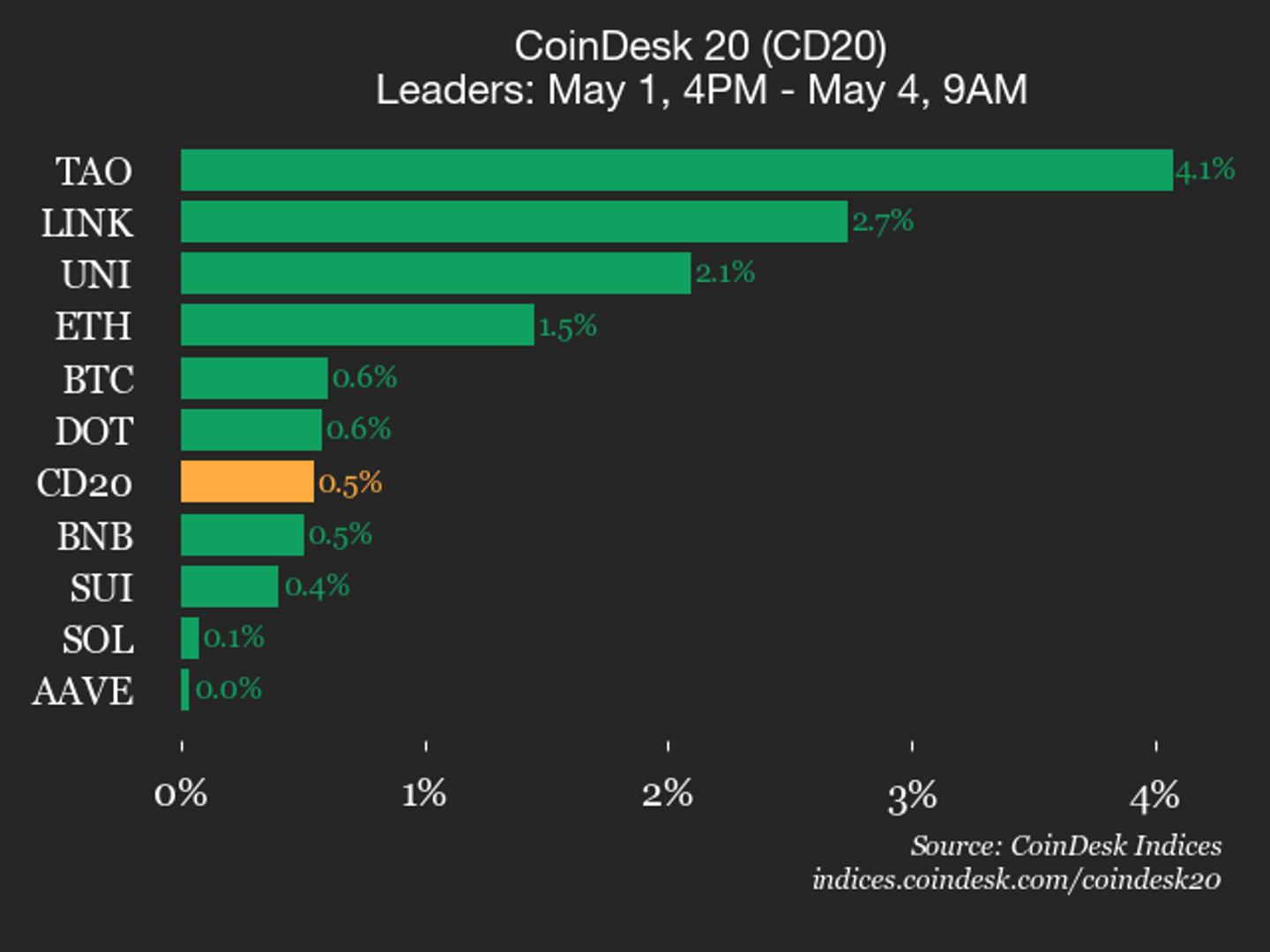
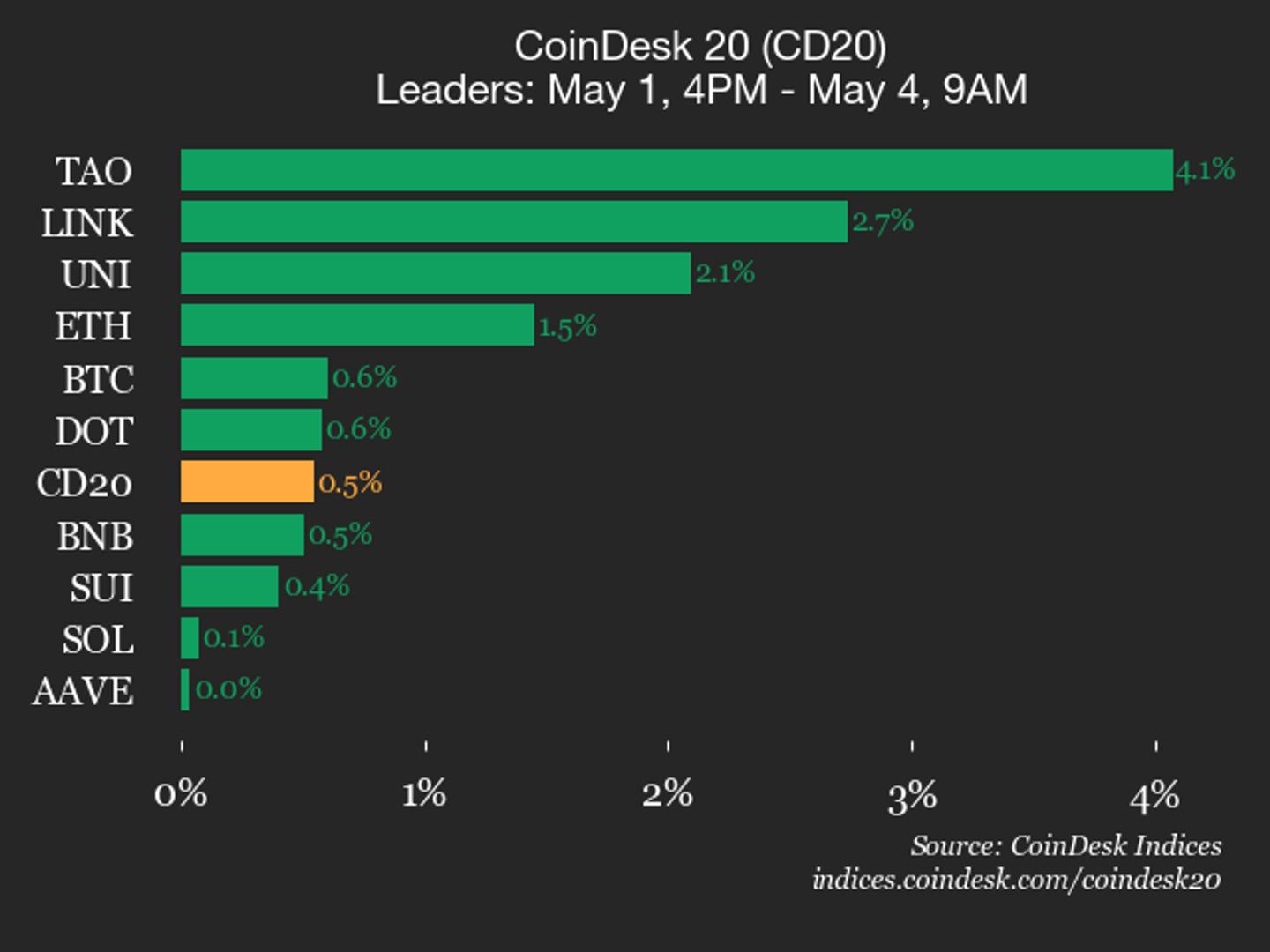
Chainlink (LINK), up 2.7% since Friday, was also a top performer.

Key Points
- The Trump family’s crypto platform, World Liberty Financial, filed a defamation lawsuit against Justin Sun this week
- The company alleges Sun engaged in short selling of WLFI tokens and made unauthorized purchases through proxy entities
- Sun previously filed his own lawsuit in April against World Liberty, alleging improper freezing of his token holdings
- According to World Liberty, Sun initiated a “public smear campaign” on social media after the company declined to restore access to his frozen assets
- Sun’s total investment in World Liberty reached approximately $75 million in 2024, which included purchases of the TRUMP meme coin
The cryptocurrency platform World Liberty Financial, co-established by President Donald Trump alongside his family members, has initiated federal legal proceedings against crypto billionaire Justin Sun, alleging defamation and improper token activity.
The complaint was submitted to federal court on Monday. This legal move comes after Sun filed his own lawsuit against World Liberty this past April, claiming the platform illegally restricted access to his tokens and stripped him of governance voting privileges.
Sun made his initial $30 million commitment to World Liberty Financial in November 2024. This capital injection provided crucial support to the platform’s operations and helped fund day-to-day expenses. Subsequently, he contributed an additional $45 million or more, pushing his aggregate investment to roughly $75 million.
World Liberty Financial now contends that Sun, despite being a major stakeholder, participated in short selling activities targeting its WLFI tokens with the intention of depressing market prices. The platform further accuses him of conducting straw purchases—essentially buying WLFI tokens through his controlled entities on behalf of undisclosed third-party investors.
Following World Liberty‘s decision to lock Sun’s token holdings due to these purported infractions, Sun allegedly requested immediate restoration of access. When the platform rejected his demands, World Liberty claims Sun escalated the matter through public channels.
Social Media Backlash
Sun posted on X in April, sarcastically renaming World Liberty as “World Tyranny.” He labeled company leadership as “bad actors” and characterized the token freeze as “illegitimate and were never authorized by any fair, transparent, or good-faith community governance process.”
World Liberty Financial maintains these public statements were both inaccurate and harmful. The lawsuit asserts that Sun’s comments damaged the platform’s standing in the industry and resulted in lost business partnerships and investment opportunities.
World Liberty contends its authority to freeze tokens was clearly disclosed in public documentation and formed part of its original contractual arrangements with Sun.
Ongoing Litigation
Sun’s April legal filing remains active in the courts. His lawsuit seeks a jury trial, financial compensation, and the immediate unlocking of his WLFI token holdings.
World Liberty Financial’s newly filed defamation case similarly requests a jury trial along with damages in an amount yet to be specified. Legal experts anticipate both proceedings could extend for months or potentially years before reaching final resolution.
As of Monday, Sun’s legal representation had not issued a statement or response to media inquiries regarding the defamation allegations.
Sun established the Tron blockchain network in 2017 and remains its primary architect. According to Forbes’ latest wealth calculations, his personal fortune stands at $8.5 billion, placing him at position 412 on the publication’s worldwide billionaires ranking.
World Liberty Financial commenced operations in 2024. The platform markets itself as a decentralized finance ecosystem championed by Donald Trump. The venture counts Eric Trump, Donald Trump Jr., and Barron Trump among its founding team members.
The Securities and Exchange Commission had previously conducted an investigation into Sun regarding potential securities fraud violations. That matter was ultimately resolved through settlement, and additional regulatory probes into cryptocurrency platforms associated with Sun have since been discontinued.


Binance is launching a user-controlled withdrawal lock aimed at a threat the crypto industry has spent the past year reckoning with: physical coercion of holders, otherwise known as the so-called wrench attacks.
The feature, “Withdraw Protection,” lets users freeze their own account against onchain withdrawals for one to seven days, the exchange said Monday. A stricter “lockdown” mode disables early unlocking entirely. Binance’s press release says the lock cannot be overridden by the exchange.
In an interview with CoinDesk, the exchange’s Chief Security Officer Jimmy Su said the company built the feature in response to patterns it observed in the wild, including “withdrawals that are more risky or even coerced in some cases.”
He pointed to users traveling to regions where being identifiable as a crypto holder carries physical risk.
“We are seeing a pattern where some of the users might go to more risky geographical locations,” Su said. “They want to have this user-control layer where they can put in a restriction on withdrawals. In case anything happens, that would give them more time to recover.”
Asked whether the feature was a defense against wrench attacks specifically, Su said that was one scenario, alongside cases in certain regions where bad actors actively work to identify crypto users for in-person targeting.
A policy lock
Binance’s press release framed the un-overridable lock as a hard guarantee. Su clarified the mechanism is an internal policy.
“It’s an internal policy for this particular feature. Our customer service agents are not able to override it,” Su told CoinDesk. “The goal is to address the irreversible transfer nature of crypto.. Unlike a fiat scenario where funds are withdrawn to a checking or bank account and there are ways to reverse the transaction, you can’t do that with onchain crypto.”
The distinction matters. A cryptographic lock would be effectively immutable for the user’s chosen period. A policy lock depends on Binance’s continued enforcement, and on the absence of legal compulsion to lift it. Su said the feature does not block law enforcement orders.
“This does not prevent law enforcement from taking action on accounts,” he said.
Why a delay is now worth offering
Withdrawal-delay features are not new. Coinbase has offered Vaults, with a 48-hour delay and email confirmation, for years. Kraken offers a similar Global Settings Lock.
The threat landscape has changed. According to data from CertiK and crypto researcher Jameson Lopp, verified physical coercion incidents against crypto holders rose 75% in 2025, reaching 72 confirmed cases. Assault-related incidents jumped 250%.
Coerced withdrawals defeat conventional account security. Every credential check is completed by the legitimate user.
A time lock changes that calculus: a user who activates Withdraw Protection before traveling to a high-risk region cannot be forced to move funds at the destination, even under physical threat. Contacting support, in this case, wouldn’t help either.
Trading bots and the next layer
Asked what user behavior worries him most, Su pointed to trading bots advertised on forums and ad networks that ask users to grant API keys with broad permissions.
“If the trading bot is a scam, it can be used to cause trading losses and unauthorized withdrawals,” Su said. Users should treat API keys with the same protection as their passwords or two-factor authentication, he added: “Once a key is used by a trading bot, it’s as if they are operating on behalf of that user.”
Binance is investing in context-aware authentication that varies friction based on detected risk, Su said. For routine actions like login or trading, the goal is to reduce visible challenges. For high-risk actions like withdrawals, more friction is the point.
He framed Withdraw Protection as one layer in a defense-in-depth approach, not a replacement for basic hygiene. The advice for the wrench-attack threat model, he said, was to manage one’s online footprint.
“Crypto users need to protect their online presence,” Su said. “Trying to protect the confidential information in terms of how much they have in crypto. Make yourself a harder target.”


Disclosure: This article does not represent investment advice. The content and materials featured on this page are for educational purposes only.
BTCEcosystem gains attention as Bitcoin surge past $80,000 fuels renewed investor confidence in 2026.
Summary
- Bitcoin’s surge past $80K fuels market momentum, with BTCEcosystem gaining attention for stable, structured returns.
- As crypto rallies, BTCEcosystem stands out with low entry barriers, fast settlements, and optimized mining revenue.
- Rising BTC prices and institutional inflows boost interest in BTCEcosystem’s steady income and efficient infrastructure.
The global cryptocurrency market has reached a monumental milestone. The price of Bitcoin (BTC) has decisively breached the $80,000 mark, setting a new all-time high for 2026 and igniting a wave of widespread market euphoria. Capital is pouring in at an accelerating pace, and trading volumes have surged significantly; with both social media buzz and on-chain data displaying heightened activity, all signs point to a new wave of market frenzy gathering momentum.
This surge is widely regarded as the result of a confluence of reinforcing factors. On one hand, the macro-liquidity environment continues to improve, driving strong overall performance across risk assets. On the other hand, institutional capital is flowing in steadily through channels such as spot ETFs, providing robust and consistent buying support for Bitcoin. Furthermore, mounting market anticipation regarding the upcoming “halving cycle” has further bolstered investor confidence — a trend of which BTCEcosystem stands as a prime example.
Signs of a market recovery are gradually emerging
Judging by recent market performance, while Bitcoin prices remain within a sideways trading range, the overall volatility band has gradually narrowed, signaling that the market is seeking a new equilibrium point. Concurrently, on-chain activity and trading volumes have exhibited a trend of moderate growth, indicating that market participation is on the rise once again.
More importantly, market panic has subsided significantly, and investor confidence is gradually being restored. This shift typically occurs during the critical transition phase as a market moves from a period of correction toward a phase of stabilization.
The computing power and cryptocurrency mining sector is regaining attention
As the market environment changes, the traditional investment logic relying on price increases is shifting. More and more users are focusing on ways to obtain “relatively stable returns,” with cloud mining and computing power services once again becoming a focal point of discussion.
Compared to direct trading, cryptocurrency mining has the following characteristics:
- More predictable revenue sources
- Lower correlation with short-term market fluctuations
- More suitable for long-term participation
Against this backdrop, platforms with stable computing power resources and efficient operational capabilities are gaining more market attention.
Why is the BTCEcosystem attracting attention?
In the current market environment, the BTCEcosystem is frequently mentioned primarily due to its performance in the following aspects:
1. Stable Revenue Structure
The platform optimizes computing power allocation and operational efficiency, resulting in more stable user revenue and reducing uncertainty caused by market fluctuations.
For example:
Contract price $1500.00, contract term 10 days, daily income $22.8, final amount $1500 + $228, interest settled every 24 hours.
Contract price $9000, contract term 20 days, daily income $152.10, final amount $9000 + $152.10, interest settled every 24 hours.
Contract price $30000, contract term 30 days, daily income $528, final amount $30000 + $528, interest settled every 24 hours.
2. Fast Settlement Mechanism
Order processing is typically completed quickly, resulting in high revenue settlement efficiency and improved user experience.
3. Low Barrier to Entry
By offering free trials and small-contract models, new users can participate in mining at a low cost.
4. Continuously Optimized Infrastructure
The platform continuously upgrades its data center and computing power systems to improve overall operational stability.
Opportunities and risks in the market recovery phase
While the market is sending positive signals, a rational perspective is still needed at this stage:
Opportunities:
The market is in the early stages of recovery, presenting structural opportunities. Funds are gradually flowing back in, and the long-term trend is expected to improve.
Risks:
Prices may still fluctuate. Some platforms may lack transparency or exaggerate returns.
Therefore, for ordinary users, participating on a small scale and gradually observing market changes is a more prudent approach.
Summarize
Overall, the crypto market in 2026 is at a critical transitional stage. Changes in capital flows provide an important reference for judging market trends, and stable income models centered around computing power and mining are regaining attention.
Against this backdrop, BTCEcosystem, with its continuous optimization of computing power management and user experience, has become a focal point of market discussion.
For more information, visit the official website.
Disclosure: This content is provided by a third party. Neither crypto.news nor the author of this article endorses any product mentioned on this page. Users should conduct their own research before taking any action related to the company.
Key Highlights
- The Deployment Company has secured more than $4B in initial funding from OpenAI and strategic investors
- The new enterprise-focused venture carries a $10B valuation before the capital injection
- OpenAI retains majority ownership and operational control of the newly formed entity
- The partnership provides direct access to a network exceeding 2,000 enterprise clients
- Competitor Anthropic is exploring similar partnerships with private equity backers
In a significant move to expand its corporate footprint, OpenAI has secured over $4 billion in funding for The Deployment Company, a newly established venture designed to accelerate AI technology adoption among enterprise clients. The initiative carries a pre-money valuation of $10 billion.
A consortium of 19 investment firms has committed capital to the venture. Key participants include TPG, Brookfield Asset Management, Advent, Bain Capital, Dragoneer Investment Group, and SoftBank Group.
The AI pioneer will maintain majority ownership and strategic oversight of The Deployment Company. OpenAI has yet to disclose comprehensive details regarding the partnership structure publicly.
The fundamental objective extends beyond conventional software licensing. OpenAI aims to facilitate practical integration of its AI capabilities into routine business operations across various industries.
Priority verticals encompass financial services, healthcare systems, software development, sales operations, and customer support functions. These sectors present immediate opportunities for measurable AI implementation.
Strategic Access to Enterprise Markets
The investment consortium brings established relationships with over 2,000 companies spanning multiple industries. OpenAI intends to leverage these connections to penetrate the enterprise market more effectively.
This strategic alliance provides OpenAI with an organized distribution framework previously absent from its business model. Instead of pursuing individual client relationships, the company can now operate through partners with established corporate networks.
Brad Lightcap, OpenAI’s Chief Operating Officer, recently transitioned to an expanded position overseeing strategic initiatives. His responsibilities now include directing the company’s enterprise sales efforts through this collaborative venture.
Lightcap’s reporting structure has been modified to establish a direct line to CEO Sam Altman. This organizational change was communicated to stakeholders last month.
Anthropic Pursues Comparable Enterprise Strategy
OpenAI’s approach is not unique within the competitive AI landscape. Anthropic is currently negotiating with private equity organizations to establish a parallel joint venture for distributing its Claude AI platform.
Both organizations are aggressively pursuing expansion in the enterprise segment. Their target markets overlap significantly, with particular emphasis on financial institutions and healthcare providers.
The competition for corporate customers is intensifying as both companies evaluate potential paths to public markets, with IPOs potentially materializing within the current calendar year.
Microsoft remains a significant stakeholder and strategic partner in OpenAI’s commercial initiatives. The Deployment Company represents a distinct effort specifically engineered for enterprise-level implementation.
The venture’s organizational structure enables OpenAI to expand its business operations efficiently without the overhead of developing each client partnership independently.
As of Monday evening, neither TPG nor OpenAI representatives had provided responses to inquiries regarding specific terms of the arrangement.

Mexico Graduado #mexico #silver #grading #investment #investing #inversiones #coin #money #libertad

Full list of Norfolk beaches where dogs are welcome all year round

Samyang launches spicy macaroni and cheese

Manchester United reach agreement with Casemiro over contract clause amid transfer speculation

US brings back mandatory military draft registration

Steven Gerrard disagrees with Gary Neville over ‘shock’ Chelsea and Arsenal claim | Football
Mexico Graduado #mexico #silver #grading #investment #investing #inversiones #coin #money #libertad

Dividend Models, Dividend Theories, Walter Model, Gordon Model, MM Approach, Financial Management

Pov : when five things you need right now is money #shorts #shortvideo #viralvideo
-

 Tech7 days ago
Register Renaming | Hackaday
-

 Politics7 days ago
Drax board avoid their own AGM, accused of greenwashing & environmental racism
-

 Fashion6 days ago
Kylie Jenner’s KHY Enters a New Era with ‘Born in LA’
-

 NewsBeat21 hours ago
Channel 5 – All Creatures Great and Small series 7 new post
-

 Tech7 days ago
Images of Samsung’s rumored smart glasses have leaked
-
 Tech3 days ago
Trump’s 25% EU auto tariff breaches Turnberry Agreement that also covers semiconductors and digital trade
-

 Business6 days ago
Most Commercial Energy Audits Miss the Real Losses
-

 Crypto World6 days ago
CFTC’s AI will review U.S. crypto registration applications, chairman tells CoinDesk
-
 Sports3 days ago
Paul Scholes issues Marcus Rashford reality check as agreement emerges over Man United star
-

 Business5 days ago
Barclay Brothers Avoid Bankruptcy: HSBC Drops High Court Petitions After IVA Deal
-
 Business5 days ago
Tesla Officially Registers Elon Musk’s Stock: What Investors Need to Know
-

 Tech6 days ago
Get Ready for More Brain-Scanning Consumer Gadgets
-
Crypto World6 days ago
Robinhood Phishing Scam Exploits Gmail Dot Feature to Bypass Security
-

 Crypto World6 days ago
Gmail Dot Trick Underpins Robinhood Phishing, Sending Real-Looking Emails
-

 Entertainment7 days ago
Sister Wives: Janelle Posts New Scary Warning
-

 Entertainment7 days ago
Michael Jackson’s Biopic Excluded Abuse Allegations For $25M
-

 Business4 days ago
Two Powerball Tickets Split $143 Million Jackpot in Indiana and Kansas
-

 Business7 days ago
Superdry co-founder accused of raping woman
-
 Crypto World7 days ago
Meme Coin Based on White House Shooter Conspiracy Rallies 320%
-

 Tech7 days ago
YouTube TV’s Multiview Feature Just Got A Game-Changing Upgrade
You must be logged in to post a comment Login